


 购物车
购物车 个人中心
个人中心

More Than Just a Game: Football v Apartheid
¥58.86
The most important football story ever told. `It is amazing to think that a game that people take for granted all around the world, was the very same game that gave a group of prisoners sanity – and in a way, gave us the resolve to carry on the struggle'. Anthony Suze, Robben Island Prisoner. This is the astonishing story of a unique group of political prisoners and freedom fighters who found a sense of dignity in one of the ugliest hellholes on Earth: South Africa’s infamous Robben Island, where Nelson Mandela was famously incarderated. Despite all odds and regular torture, beatings and daily backbreaking hard labour, these extraordinary men turned soccer into an active force in the struggle for freedom. For nearly 20 years, these prisoners found the energy, spirit and resolve to organise a 1400 prisoner-strong, eight club football league which was played with strict adherance to FIFA rules. The prisoners themselves represented a broad array of political beliefs and backgrounds, yet football became an impassioned and unified symbol of resistance against apartheid. They refused to let their own political differences sway their devotion to the sport, which allowed them to organise and maintain leadership right under the noses of their captors. This league not only provided sanctuary and respite from the prisoners’ cruel surroundings, it kept their minds active and many credit it with keeping them alive. More Than Just a Game chronicles their story, the politics of the time, the extraordinary characters, their heroism and the thrilling matches themselves.
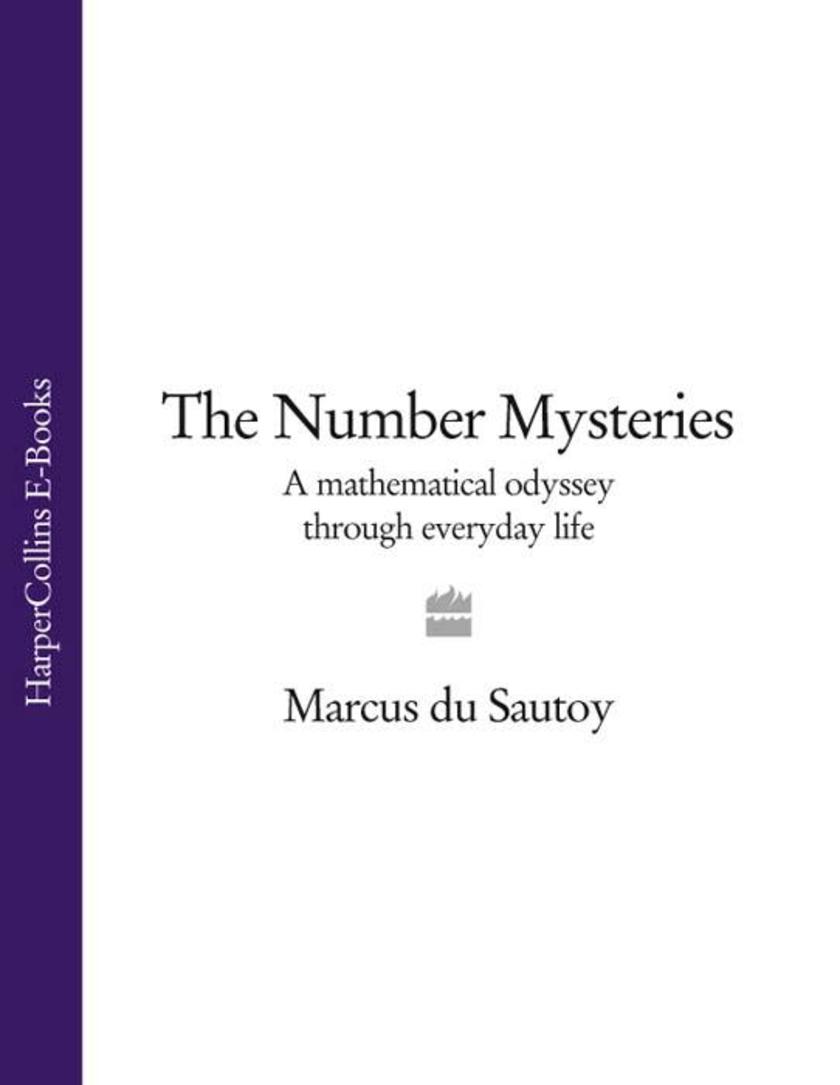
The Number Mysteries: A Mathematical Odyssey through Everyday Life
¥66.22
From the author of The Music of the Primes and Finding Moonshine comes a short, lively book on five mathematical problems that just refuse be solved – and on how many everyday problems can be solved by maths. Every time we download a song from i-tunes, take a flight across the Atlantic or talk on our mobile phones, we are relying on great mathematical inventions. Maths may fail to provide answers to various of its own problems, but it can provide answers to problems that don't seem to be its own – how prime numbers are the key to Real Madrid's success, to secrets on the Internet and to the survival of insects in the forests of North America. In The Num8er My5teries, Marcus du Sautoy explains how to fake a Jackson Pollock; how to work out whether or not the universe has a hole in the middle of it; how to make the world's roundest football. He shows us how to see shapes in four dimensions – and how maths makes you a better gambler. He tells us about the quest to predict the future – from the flight of asteroids to an impending storm, from bending a ball like Beckham to predicting population growth. It's a book to dip in to; a book to challenge and puzzle – and a book that gives us answers.
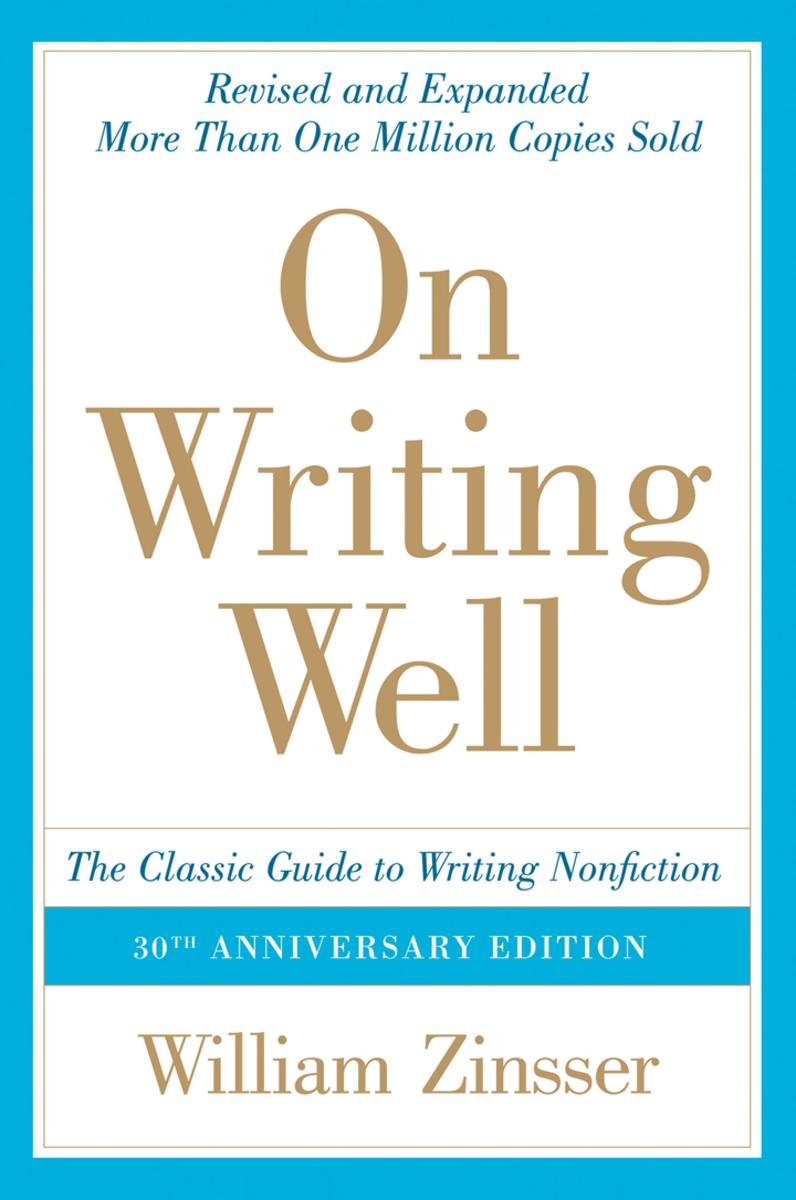
Harper Perennial
¥94.10
On Writing Well has been praised for its sound advice, its clarity and the warmth of its style. It is a book for everybody who wants to learn how to write or who needs to do some writing to get through the day, as almost everybody does in the age of e-mail and the Internet. Whether you want to write about people or places, science and technology, business, sports, the arts or about yourself in the increasingly popular memoir genre, On Writing Well offers you fundamental priciples as well as the insights of a distinguished writer and teacher. With more than a million copies sole, this volume has stood the test of time and remains a valuable resource for writers and would-be writers.
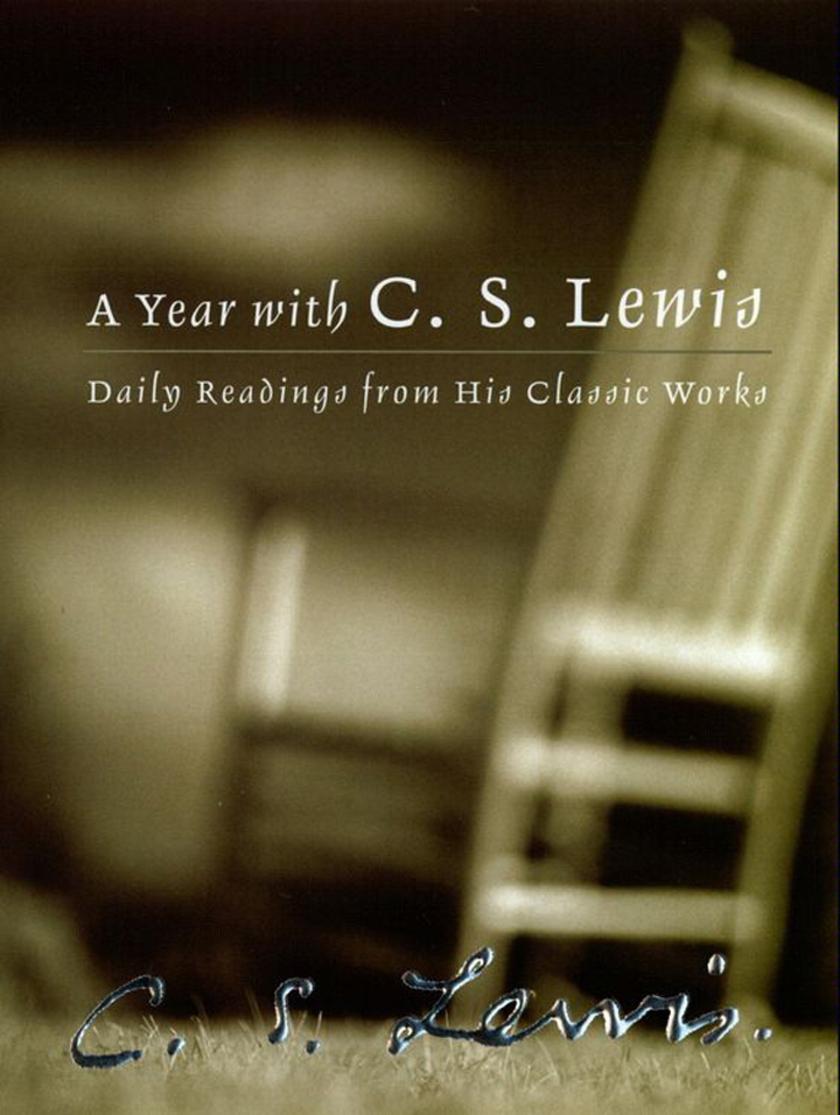
A Year with C. S. Lewis 与C.S.路易斯相伴365日
¥138.41
Beloved author C. S. Lewis is our trusted guide in this intimate day-by-day companion offering his distinctive and celebrated wisdom. Amidst the bustle of our daily experience, A Year with C. S. Lewis provides the necessary respite and inspiration to meet the many challenges we face in our lives. Ruminating on such themes as the nature of love, the existence of miracles, overcoming a devastating loss, and discovering a profound faith, Lewis offers unflinchingly honest insight for each day of the year. These daily meditations have been culled from Lewis's celebrated Signature Classics: Mere Christianity , The Screwtape Letters , The Great Divorce , The Problem of Pain , Miracles , and A Grief Observed , as well as from the distinguished works The Weight of Glory and The Abolition of Man. Throughout this elegant daybook the reader will find poignant biographical com-mentary about C. S. Lewis's life that offers a remarkable portrait of Lewis in the context of his work. As each day unfolds, we embark on a path of discovery with a friend by your side. A Year with C. S. Lewis is the perfect com-panion for everyone who cherishes Lewis's timeless words.
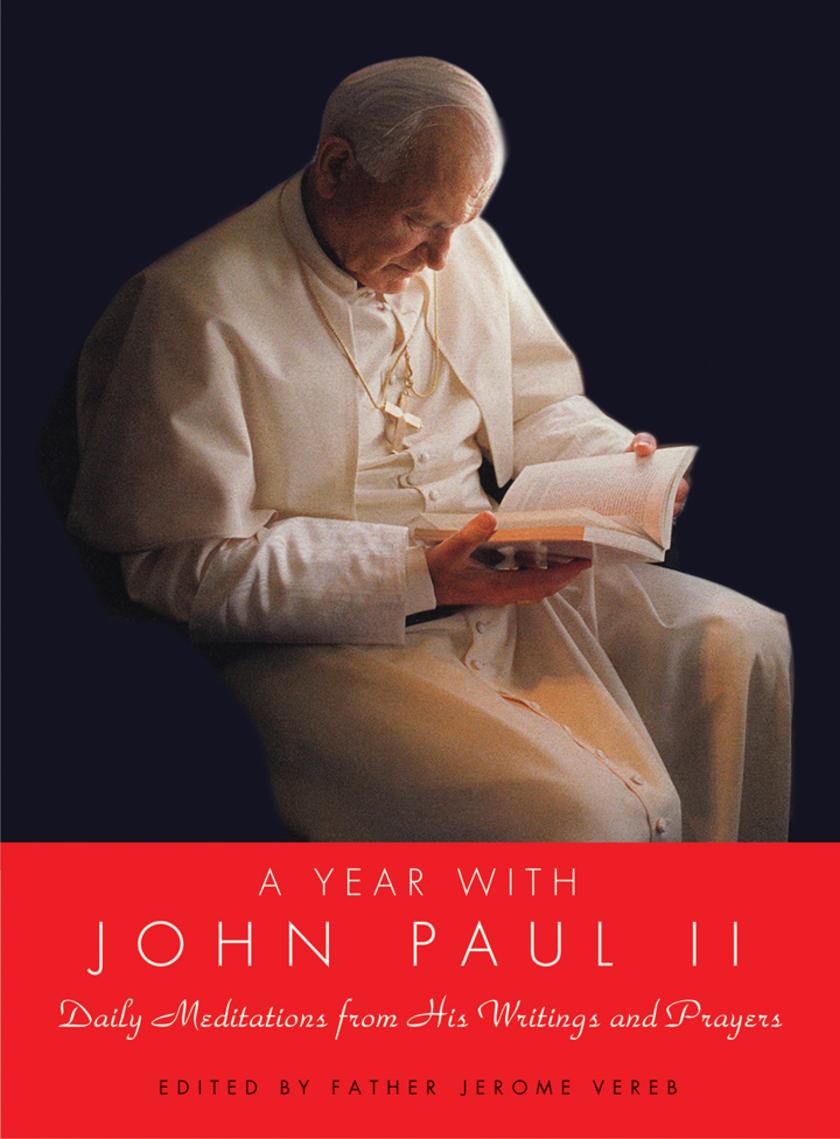
A Year with John Paul II
¥127.33
Called the Pilgrim Pope, a pope of the people, John Paul II connected with his flock from the highest to the lowest. He was one of history's most beloved popes among Catholics and non-Catholics alike, a man whose indomitable spirit touched and taught us all. A Year with John Paul II showcases his most important teachings as well as his inspirational writings, in a daily devotional format that will inspire readers and deepen their reflections and meditations. With a foreword by Cardinal William W. Baum, head of the Holy See's Major Penitentiary and former archbishop of Washington DC, an introduction by Bishop William Murphy, and a moving eulogy composed for the pope's funeral by Cardinal Joseph Ratzinger (now Pope Benedict XVI), A Year with John Paul II will take readers on a year-long spiritual journey with this deeply religious and inspiring man. Karol Wojyla was born on May 18, 1920, in Wadowice, Poland. He survived the Nazi occupation during World War II and was ordained to the priesthood in 1946. He was appointed archbishop of Krakow by Pope Paul VI. On October 16, 1978, he ascended to the papacy, taking the name John Paul II. During his papacy he greeted an estimated sixteen million pilgrims at the Vatican's general audiences. Pope John Paul II died in April 2005.
Data Analysis with Stata
¥63.21
Explore the big data field and learn how to perform data analytics and predictive modelling in STATAAbout This BookVisualize and analyse data in STATA to devise a business strategyLearn STATA programming and predictive modelingDiscover how you can become a data scientist with the power of STATA Who This Book Is For This book is for all the professionals and students who want to learn STATA programming and apply predictive modelling concepts. This book is also very helpful for experienced STATA programmers as it provides advanced statistical modelling concepts and their application.What You Will LearnPerform important statistical tests to become a STATA data scientistBe guided through how to program in STATAImplement logistic and linear regression modelsVisualize and program the data in STATAAnalyse survey data, time series data, and survival dataPerform database management in STATA In Detail STATA is an integrated software package that provides you with everything you need for data analysis, data management, and graphics. STATA also provides you with a platform to efficiently perform simulation, regression analysis (linear and multiple) [and custom programming. This book covers data management, graphs visualization, and programming in STATA. Starting with an introduction to STATA and data analytics you’ll move on to STATA programming and data management. Next, the book takes you through data visualization and all the important statistical tests in STATA. Linear and logistic regression in STATA is also covered. As you progress through the book, you will explore a few analyses, including the survey analysis, time series analysis, and survival analysis in STATA. You’ll also discover different types of statistical modelling techniques and learn how to implement these techniques in STATA.Style and approach This book is a hands-onguide to STATA programming and statistical modelling providing many STATA code examples and taking. You through the working of the code in detail.
Mastering PyCharm
¥80.65
Use PyCharm with fluid efficiency to write idiomatic python codeAbout This BookUnderstand how PyCharm works and how you can leverage its strength to develop applications quicklyMaster PyCharm’s editor to get a fast workflowFull of examples and illustrations that focus on the practical aspects of using PyCharm Who This Book Is For If you know PyCharm but want to understand it better and leverage its more powerful but less obvious tool set, this is the book for you. Serving as a launch pad for those who want to master PyCharm and completely harness its best features, it would be helpful if you were familiar with some of Python’s most prominent tools such as virtualenv and Python’s popular docstring formats such as reStructuredText and EpyType.What You Will LearnUnderstand the internal workings of the IntelliJ PlatformLeverage PyCharm’s powerful search tools, and learn which ones are the best for you and your workflowCustomize PyCharm’s enhanced Python interpreter and its inbuilt terminalDevelop web applications quickly and easily with different frameworks such as Flask and DjangoUnderstand how code completion works in PyCharm for Python and JavaScript In Detail PyCharm is addictive, with powerful and configurable code completion, superb editing tools, top-notch support, diverse plugins, and a vibrant ecosystem to boot. Learning how PyCharm works and maximising the synergy of its powerful tools will help you to rapidly develop applications. From leveraging the power of the editor to understanding PyCharm's internals, this book will give you a comprehensive view of PyCharm and allow you to make your own choices about which workflow and tools are best for you. You will start by getting comfortable with PyCharm and making it look exactly like you want. You can customize the tools and taskbars to suit individual developers' coding styles. You also learn how to assign keyboard shortcuts. You will master debugging by inserting breakpoints, collecting runtime data, and debugging from the console. You will understand how PyCharm works underneath and how plugins such as Codemap, Vim, Bitbucket, Assets compressor, markdown, bash file, shortcut translator, and .gitignore leverage the power of the IntelliJ platform. You will become comfortable using the VCS interface in PyCharm and see the benefits of using it for some simple tasks as well as some more complex tasks such as partial commits using changelists. You will take an in-depth look at the various tools in PyCharm, improving your workflow drastically. Finally, you will deploy powerful PyCharm tools for Django, Flask, GAE, and Pyramid Development, becoming well acquainted with PyCharm’s toolset for web development with popular platforms. Packed with insider tricks, this book will help you boost productivity with PyCharm.Style and approach An easy-to-follow guide with plenty of examples and screenshots. Each topic starts off with the goal of enhancing or changing a part of PyCharm to make it suit your needs.

Mastering Machine Learning with R
¥99.18
Master machine learning techniques with R to deliver insights for complex projectsAbout This BookGet to grips with the application of Machine Learning methods using an extensive set of R packagesUnderstand the benefits and potential pitfalls of using machine learning methodsImplement the numerous powerful features offered by R with this comprehensive guide to building an independent R-based ML system Who This Book Is For If you want to learn how to use R's machine learning capabilities to solve complex business problems, then this book is for you. Some experience with R and a working knowledge of basic statistical or machine learning will prove helpful.What You Will LearnGain deep insights to learn the applications of machine learning tools to the industryManipulate data in R efficiently to prepare it for analysisMaster the skill of recognizing techniques for effective visualization of dataUnderstand why and how to create test and training data sets for analysisFamiliarize yourself with fundamental learning methods such as linear and logistic regressionComprehend advanced learning methods such as support vector machinesRealize why and how to apply unsupervised learning methods In Detail Machine learning is a field of Artificial Intelligence to build systems that learn from data. Given the growing prominence of R—a cross-platform, zero-cost statistical programming environment—there has never been a better time to start applying machine learning to your data. The book starts with introduction to Cross-Industry Standard Process for Data Mining. It takes you through Multivariate Regression in detail. Moving on, you will also address Classification and Regression trees. You will learn a couple of “Unsupervised techniques”. Finally, the book will walk you through text analysis and time series. The book will deliver practical and real-world solutions to problems and variety of tasks such as complex recommendation systems. By the end of this book, you will gain expertise in performing R machine learning and will be able to build complex ML projects using R and its packages.Style and approach This is a book explains complicated concepts with easy to follow theory and real-world, practical applications. It demonstrates the power of R and machine learning extensively while highlighting the constraints.
The Spirit of the Disciplines
¥88.56
How to Live as Jesus Lived Dallas Willard, one of today's most brilliant Christian thinkers and author of The Divine Conspiracy (Christianity Today's 1999 Book of the Year), presents a way of living that enables ordinary men and women to enjoy the fruit of the Christian life. He reveals how the key to self-transformation resides in the practice of the spiritual disciplines, and how their practice affirms human life to the fullest. The Spirit of the Disciplines is for everyone who strives to be a disciple of Jesus in thought and action as well as intention.

Learning Bayesian Models with R
¥80.65
Become an expert in Bayesian Machine Learning methods using R and apply them to solve real-world big data problemsAbout This BookUnderstand the principles of Bayesian Inference with less mathematical equationsLearn state-of-the art Machine Learning methodsFamiliarize yourself with the recent advances in Deep Learning and Big Data frameworks with this step-by-step guide Who This Book Is For This book is for statisticians, analysts, and data scientists who want to build a Bayes-based system with R and implement it in their day-to-day models and projects. It is mainly intended for Data Scientists and Software Engineers who are involved in the development of Advanced Analytics applications. To understand this book, it would be useful if you have basic knowledge of probability theory and analytics and some familiarity with the programming language R.What You Will LearnSet up the R environmentCreate a classification model to predict and explore discrete variablesGet acquainted with Probability Theory to analyze random eventsBuild Linear Regression modelsUse Bayesian networks to infer the probability distribution of decision variables in a problemModel a problem using Bayesian Linear Regression approach with the R package BLRUse Bayesian Logistic Regression model to classify numerical dataPerform Bayesian Inference on massively large data sets using the MapReduce programs in R and Cloud computing In Detail Bayesian Inference provides a unified framework to deal with all sorts of uncertainties when learning patterns form data using machine learning models and use it for predicting future observations. However, learning and implementing Bayesian models is not easy for data science practitioners due to the level of mathematical treatment involved. Also, applying Bayesian methods to real-world problems requires high computational resources. With the recent advances in computation and several open sources packages available in R, Bayesian modeling has become more feasible to use for practical applications today. Therefore, it would be advantageous for all data scientists and engineers to understand Bayesian methods and apply them in their projects to achieve better results. Learning Bayesian Models with R starts by giving you a comprehensive coverage of the Bayesian Machine Learning models and the R packages that implement them. It begins with an introduction to the fundamentals of probability theory and R programming for those who are new to the subject. Then the book covers some of the important machine learning methods, both supervised and unsupervised learning, implemented using Bayesian Inference and R. Every chapter begins with a theoretical de*ion of the method explained in a very simple manner. Then, relevant R packages are discussed and some illustrations using data sets from the UCI Machine Learning repository are given. Each chapter ends with some simple exercises for you to get hands-on experience of the concepts and R packages discussed in the chapter. The last chapters are devoted to the latest development in the field, specifically Deep Learning, which uses a class of Neural Network models that are currently at the frontier of Artificial Intelligence. The book concludes with the application of Bayesian methods on Big Data using the Hadoop and Spark frameworks.Style and approach The book first gives you a theoretical de*ion of the Bayesian models in simple language, followed by details of its implementation in the R package. Each chapter has illustrations for the use of Bayesian model and the corresponding R package, using data sets from the UCI Machine Learning repository. Each chapter also contains sufficient exercises for you to get more hands-on practice.

Just Kids
¥95.11
Due to copyright restrictions, this eBook may not contain all of the images available in the print edition. It was the summer Coltrane died, the summer of love and riots, and the summer when a chance encounter in Brooklyn led two young people on a path of art, devotion, and initiation. Patti Smith would evolve as a poet and performer, and Robert Mapplethorpe would direct his highly provocative style toward photography. Bound in innocence and enthusiasm, they traversed the city from Coney Island to Forty-second Street, and eventually to the celebrated round table of Max's Kansas City, where the Andy Warhol contingent held court. In 1969, the pair set up camp at the Hotel Chelsea and soon entered a community of the famous and infamous the influential artists of the day and the colorful fringe. It was a time of heightened awareness, when the worlds of poetry, rock and roll, art, and sexual politics were colliding and exploding. In this milieu, two kids made a pact to take care of each other. Scrappy, romantic, committed to create, and fueled by their mutual dreams and drives, they would prod and provide for one another during the hungry years. Just Kids begins as a love story and ends as an elegy. It serves as a salute to New York City during the late sixties and seventies and to its rich and poor, its hustlers and hellions. A true fable, it is a portrait of two young artists' ascent, a prelude to fame.

Adonais
¥24.44
Adonais begins as he stands on the Iberian Peninsula and looks out towards the coast of North Africa, fighting for the strength to go with his inner leadings and follow his destiny that lies beyond that coast. The story observes the young Friar as he makes his journey from the Peninsula?s southern tip through the Alpujarra to a Gharnata that is feeling a new rise in sectarian tension and is hearing news of violent events across the border in Christian Sevilla. In Gharnata he meets his childhood friend Miriam in the house of Rabbi Andrew, the spiritual head of Gharnata?s distinguished Jewish population. They agree to share the journey together to her forest community that is on the way to his final destination which is the Christian frontier city of Jaen. These young orphan children who grew up as closest friends and confidantes but have blossomed into beautiful adults have a deep and soul searching time of facing a lot of their confusion over their adult relationship which causes, especially Adonais to face some of the ghosts of his past. Miriam?s joyous wedding occurs in the vibrant community of which she is a key part and the whole event provides cathartic, healing for many of the participants. After the wedding Adonais continues his journey to Jaen as the shocking, violent and murderous events of June 1391 in Sevilla become the focus.Adonais the character symbolizes the way in which a true and wholesome spirituality can rebuild a life broken by hatred and religious sectarianism. The story is set in the late 14th Century Iberian Peninsula, and evokes the tension and intrigue of the time as well as capturing its beguiling mystery.In the novel Adonais, the author has managed to survey an extremely dark, treacherous and violent era in history and show a story of the triumph of hope and goodness over that same darkness. The novel explores many themes related to the history of the period, the interaction between different religious groups and the tension between inner spirituality and outer, sectarian religion.

Golf Formats For Societies & Game Secretaries
¥24.44
If you play golf then this book is for you , offering a variety of new ways to play your favourite game through clear instructions it guarantees a fun day on the course with friends. Includes individual game formats as well as Individual Game Formats 2 Ball Team Game Formats 3 Ball Team Game Formats 4 Ball Team Tournament Formats 4 Ball Tournament Fun Formats Tournament Formats for mixed 3 & 4 Ball Teams Definitions

The Individual and Society: The Bondage of Conditioning
¥24.44
In this incredibly penetrating talk, Krishnamurti describes the psychological pressures of life and how these pressures affect right living: We were saying that any form of pressure on the brain affects our whole way of life. We were also saying that this pressure affects our activities, our attitudes, our character, and our way of living. The pressure--economic, social, ethical, and religious--invariably distorts not only our actions but the quality of the brain ... ideals affect, oppress, and act as pressure upon our daily life. Is it possible not to have any ideals but only deal with actually what is--then there is no pressure whatsoever. Krishnamurti goes on to say that, unless the mind is free of pressure, there is no new way of living. He states that this insight on freedom requires a great deal of investigation into the whole nature and movement of pressure.

Tim's English History
¥24.44
All the highlights of English history come to life in this book for young readers. From ancient times up to our century. Written in the style of a tenyear old boy, named Tim. Even adults have declared that they learned a lot in a very short time. Indispensable for young people who want to know about their history.
Mere Christianity
¥90.77
One of the most popular and beloved introductions to the concept of faith ever written, Mere Christianity has sold millions of copies worldwide. The book brings together C. S. Lewis legendary radio broadcasts during the war years, in which he set out simply to explain and defend the belief that has been common to nearly all Christians at all times. Rejecting the boundaries that divide Christianity many denominations, Mere Christianity provides an unequalled opportunity for believers and nonbelievers alike to absorb a powerful, rational case for the Christian faith.

The Abolition of Man
¥78.32
Both astonishing and prophetic, The Abolition of Man remains one of C. S. Lewis's most controversial works. Lewis sets out to persuade his audience of the ongoing importance and relevance of universal objective values, such as courage and honor, and the foundational necessity of natural law. He also makes a cogent case that a retreat from these pillars of our educational system, even if in the name of "scientism," would be catastrophic. National Review lists it as number seven on their "100 Best Nonfiction Books of the Twentieth Century."
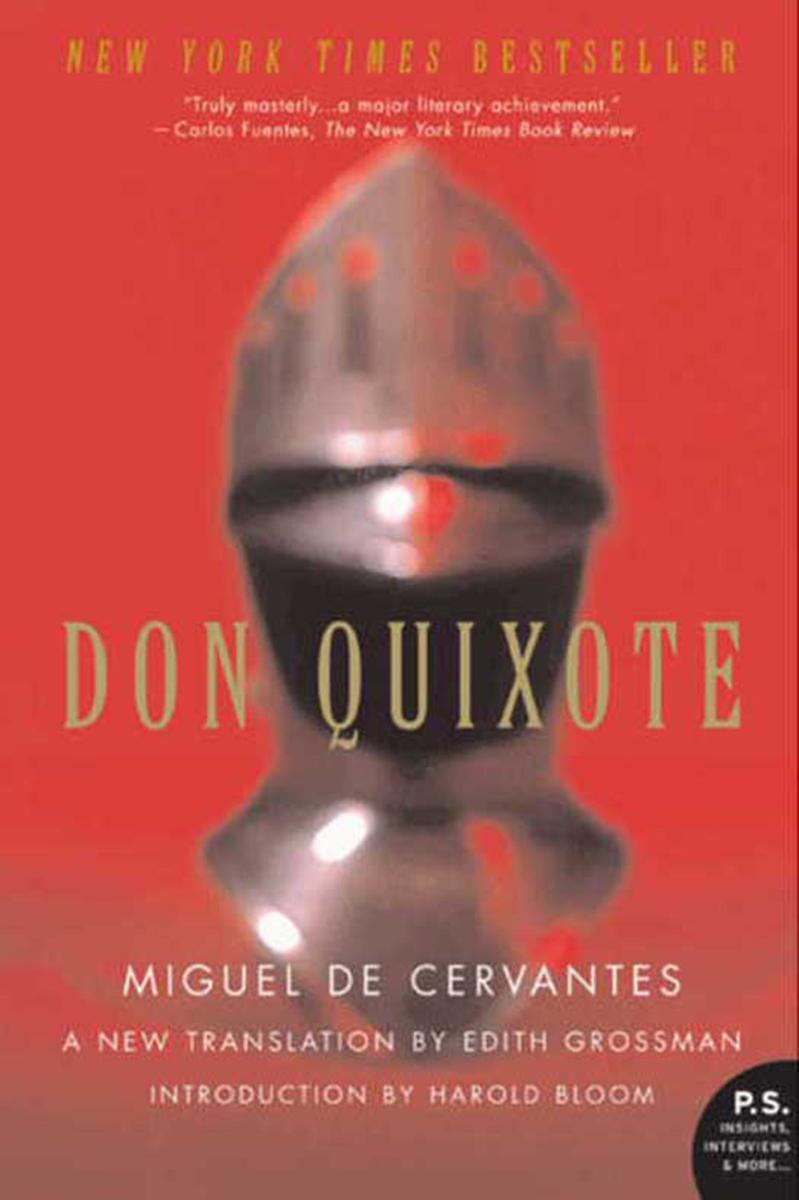
Don Quixote
¥111.91
Edith Grossman's definitive English translation of the Spanish masterpiece. Widely regarded as the world's first modern novel, and one of the funniest and most tragic books ever written, Don Quixote chronicles the famous picaresque adventures of the noble knight-errant Don Quixote of La Mancha and his faithful squire, Sancho Panza, as they travel through sixteenth-century Spain. Unless you read Spanish, you've never read Don Quixote. "Though there have been many valuable English translations of Don Quixote, I would commend Edith Grossman's version for the extraordinarily high quality of her prose. The Knight and Sancho are so eloquently rendered by Grossman that the vitality of their characterization is more clearly conveyed than ever before. There is also an astonishing contextualization of Don Quixote and Sancho in Grossman's translation that I believe has not been achieved before. The spiritual atmosphere of a Spain already in steep decline can be felt throughout, thanks to her heightened quality of diction. Grossman might be called the Glenn Gould of translators, because she, too, articulates every note. Reading her amazing mode of finding equivalents in English for Cervantes's darkening vision is an entrance into a further understanding of why this great book contains within itself all the novels that have followed in its sublime wake." From the Introduction by Harold Bloom Miguel de Cervantes was born on September 29, 1547, in Alcala de Henares, Spain. At twenty-three he enlisted in the Spanish militia and in 1571 fought against the Turks in the battle of Lepanto, where a gunshot wound permanently crippled his left hand. He spent four more years at sea and then another five as a slave after being captured by Barbary pirates. Ransomed by his family, he returned to Madrid but his disability hampered him; it was in debtor's prison that he began to write Don Quixote. Cervantes wrote many other works, including poems and plays, but he remains best known as the author of Don Quixote. He died on April 23, 1616.
Cassandra Design Patterns - Second Edition
¥63.21
Build real-world, industry-strength data storage solutions with time-tested design methodologies using CassandraAbout This BookExplore design patterns which co-exist with legacy data stores, migration from RDBMS, and caching technologies with CassandraLearn about design patterns and use Cassandra to provide consistency, availability, and partition tolerance guarantees for applicationsHandle temporal data for analytical purposes Who This Book Is For This book is intended for big data developers who are familiar with the basics of Cassandra and wish to understand and utilize Cassandra design patterns to develop real-world big data solutions. Prior knowledge of RDBMS solutions is assumed.What You Will LearnEnable Cassandra to co-exist with RDBMS and other legacy data storesExplore various design patterns to build effective and robust storage solutionsMigrate from RDBMS-based data stores and caching solutions to CassandraUnderstand the behaviour of Cassandra when trying to balance the needs of consistency, availability, and partition toleranceDeal with time stamps related to data effectivelySee how Cassandra can be used in analytical use casesApply the design patterns covered in this book in real-world use cases In Detail There are many NoSQL data stores used by big data applications. Cassandra is one of the most widely used NoSQL data stores that is frequently used by a huge number of heavy duty Internet-scale applications. Unlike the RDBMS world, the NoSQL landscape is very diverse and there is no one way to model data stores. This mandates the need to have good solutions to commonly seen data store design problems. Cassandra addresses such common problems simply. If you are new to Cassandra but well-versed in RDBMS modeling and design, then it is natural to model data in the same way in Cassandra, resulting in poorly performing applications and losing the real purpose of Cassandra. If you want to learn to make the most of Cassandra, this book is for you. This book starts with strategies to integrate Cassandra with other legacy data stores and progresses to the ways in which a migration from RDBMS to Cassandra can be accomplished. The journey continues with ideas to migrate data from cache solutions to Cassandra. With this, the stage is set and the book moves on to some of the most commonly seen problems in applications when dealing with consistency, availability, and partition tolerance guarantees. Cassandra is exceptionally good at dealing with temporal data and patterns such as the time-series pattern and log pattern, which are covered next. Many NoSQL data stores fail miserably when a huge amount of data is read for analytical purposes, but Cassandra is different in this regard. Keeping analytical needs in mind, you’ll walk through different and interesting design patterns. No theoretical discussions are complete without a good set of use cases to which the knowledge gained can be applied, so the book concludes with a set of use cases you can apply the patterns you’ve learned.Style and approach This book is written in very simple language and an engaging style complete with examples in every chapter and real-world use cases at the end of the book.
Mastering Linux Network Administration
¥90.46
Master the skills and techniques that are required to design, deploy, and administer real Linux-based networksAbout This BookMaster the art of using Linux and administering network services for enterprise environmentsPerform hands-on activities to reinforce expert-level knowledgeGet full coverage of both the CentOS and Debian systems, including how networking concepts differ for each Who This Book Is For Mastering Linux Network Administration is recommended for those who already understand the basics of using Linux and networking, and would like to push those skills to a higher level through real-world Linux networking scenarios. Whether you intend to run a home office consisting of Linux nodes or a rollout of a Linux network within your organization, this book is a great fit for those that desire to learn how to manage networked systems with the power of Linux.What You Will LearnInstall and configure the Debian and CentOS systemsSet up and configure file serversAdminister networked nodes remotelyDiscover how to monitor system performance for peak healthConfigure network services such as DNS and DHCPHost HTTP content via ApacheTroubleshoot Linux networking issues In Detail Linux is everywhere. Whether you run a home office, a small business, or manage enterprise systems, Linux can empower your network to perform at its very best. Armed with the advanced tools and best practice guidance of this practical guide, you'll be able to mold Linux networks to your will, empowering your systems and their users to take advantage of all that Linux-based networks have to offer. Understand how Linux networks function and get to grips with essential tips and tricks to manage them - whether you're already managing a networks, or even just starting out. With Debian and CentOS as its source, this book will divulge all the details you need to manage a real Linux-based network. With detailed activities and instructions based on real-world scenarios, this book will be your guide to the exciting world of Linux networking.Style and approach This practical guide will walk you through all the core concepts required to manage real Linux-based networks.
Selenium Testing Tools Cookbook - Second Edition
¥80.65
Over 90 recipes to help you build and run automated tests for your web applications with Selenium WebDriverAbout This BookLearn to leverage the power of Selenium WebDriver with simple examples that illustrate real-world problems and their workaroundsExplains the testing of mobile applications with Appium for mobile platforms such as iOS and AndroidA pragmatic manual with engaging recipes and attractive screenshots to test your web applications efficiently Who This Book Is For This book is intended for software quality assurance/testing professionals, software project managers, or software developers with prior experience in using Selenium and Java to test web-based applications. This books also provides examples for C#, Python and Ruby users.What You Will LearnUnderstand how the locators work and use various locator methods to build reliable testsBuild reliable and maintainable tests with the Selenium WebDriver APIUse the PageFactory pattern to build a robust and easy to maintain test frameworkBuild data-driven tests and extend Selenium API to implement custom steps and checksIntegrate and use ATDD/BDD tools such as Cucumber, SpecFlow, Capybara, and Behave with the Selenium WebDriver APISet up iPhone/iPad and Android simulators and devices to test your mobile web application with AppiumSet up Selenium Grid for faster and parallel running of tests, increasing test coverage and reducing test execution time for cross-browser testingBuild extended Selenium WebDriver tests for additional coverage In Detail This book is an incremental guide that will help you learn and use the advanced features of the Selenium toolset including the WebDriver API in various situations to build a reliable test automation. You start off by setting up the test development environment and gain tips on the advanced locater strategy and the effective use of the Selenium WebDriver API. After that, the use of design patterns such as data - driven tests and PageFactory are demonstrated. You will then be familiarised with extending Selenium WebDriver API by implementing custom tasks and setting up your own distributed environment to run tests in parallel for cross-browser testing. Finally, we give you some tips on integrating Selenium WebDriver with other popular tools and testing mobile applications. By the end of this book, you will have learned enough to solve complex testing issues on your own.Style and approach This recipe-based guide covers real-life scenarios of testing your web apps with Selenium. Each recipe begins with a short introduction and key concepts along with illustrated examples of use cases, and ends with detailed but informative de*ions of the inner workings of the example.


