


 购物车
购物车 个人中心
个人中心
The Light of Asia
¥8.09
According to Wikipedia: "Sir Edwin Arnold (10 June 1832 – 24 March 1904) was an English poet and journalist, who is most known for his work, The Light of Asia… . The literary task which he set before him was the interpretation in English verse of the life and philosophy of the East. His chief work with this object is The Light of Asia which was translated into various languages such as Hindi (tr. by Acharya Ram Chandra Shukla). It appeared in 1879 and was an immediate success, going through numerous editions in England and America, though its permanent place in literature is quite uncertain. It is an Indian epic, dealing with the life and teaching of the Buddha."
The Afghan Wars
¥8.09
First published in 1892. The book begins: "Since it was the British complications with Persia which mainly furnished what pretext there was for the invasion of Afghanistan by an Anglo-Indian army in 1839, some brief recital is necessary of the relations between Great Britain and Persia prior to that aggression..."
The Histories
¥8.09
According to Wikipedia: "Publius (or Gaius) Cornelius Tacitus (c. AD 56 – after 117) was a senator and a historian of the Roman Empire. The surviving portions of his two major works—the Annals and the Histories—examine the reigns of the Roman Emperors Tiberius, Claudius, Nero, and those who reigned in the Year of the Four Emperors (AD 69). These two works span the history of the Roman Empire from the death of Augustus in AD 14 to the years of the First Jewish–Roman War in AD 70. There are substantial lacunae in the surviving texts, including a gap in the Annals that is four books long. Other writings by him discuss oratory (in dialogue format, see Dialogus de oratoribus), Germania (in De origine et situ Germanorum), and the life of his father-in-law, Agricola, the Roman general responsible for much of the Roman conquest of Britain, mainly focusing on his campaign in Britannia (De vita et moribus Iulii Agricolae). Tacitus is considered to be one of the greatest Roman historians. He lived in what has been called the Silver Age of Latin literature. He is known for the brevity and compactness of his Latin prose, as well as for his penetrating insights into the psychology of power politics."
A Fleet in Being
¥8.09
Non-fiction account, first published in 1898. The book begins: " Some thirty of her Majesty’s men-of-war were involved in this matter; say a dozen battleships of the most recent, and seventeen or eighteen cruisers; but my concern was limited to one of a new type commanded by an old friend. I had some dim knowledge of the interior of a warship, but none of the new world into which I stepped from a Portsmouth wherry one wonderful summer evening in ’97." According to Wikipedia: "Joseph Rudyard Kipling (30 December 1865 – 18 January 1936) was an English short-story writer, poet, and novelist. He wrote tales and poems of British soldiers in India and stories for children."
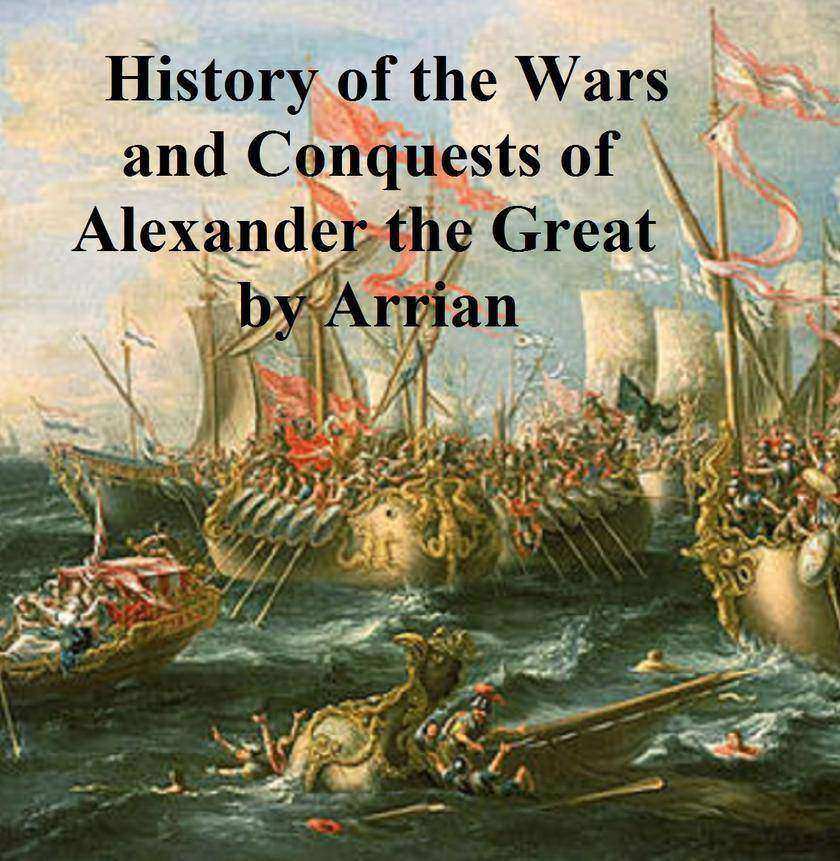
History of the Wars and Conquests of Alexander the Great
¥8.09
According to Wikipedia: "Arrian of Nicomedia (c. AD c. 86 – c. 160) was a Greek historian, public servant, military commander and philosopher of the Roman period. The Anabasis of Alexander is perhaps his best-known work, and is generally considered one of the best sources on the campaigns of Alexander the Great. Its title and style are designed to evoke the Anabasis by Xenophon, for which reason Arrian became known by the surname Xenophon after the older author. Arrian's other works include Discourses of Epictetus and Indica."
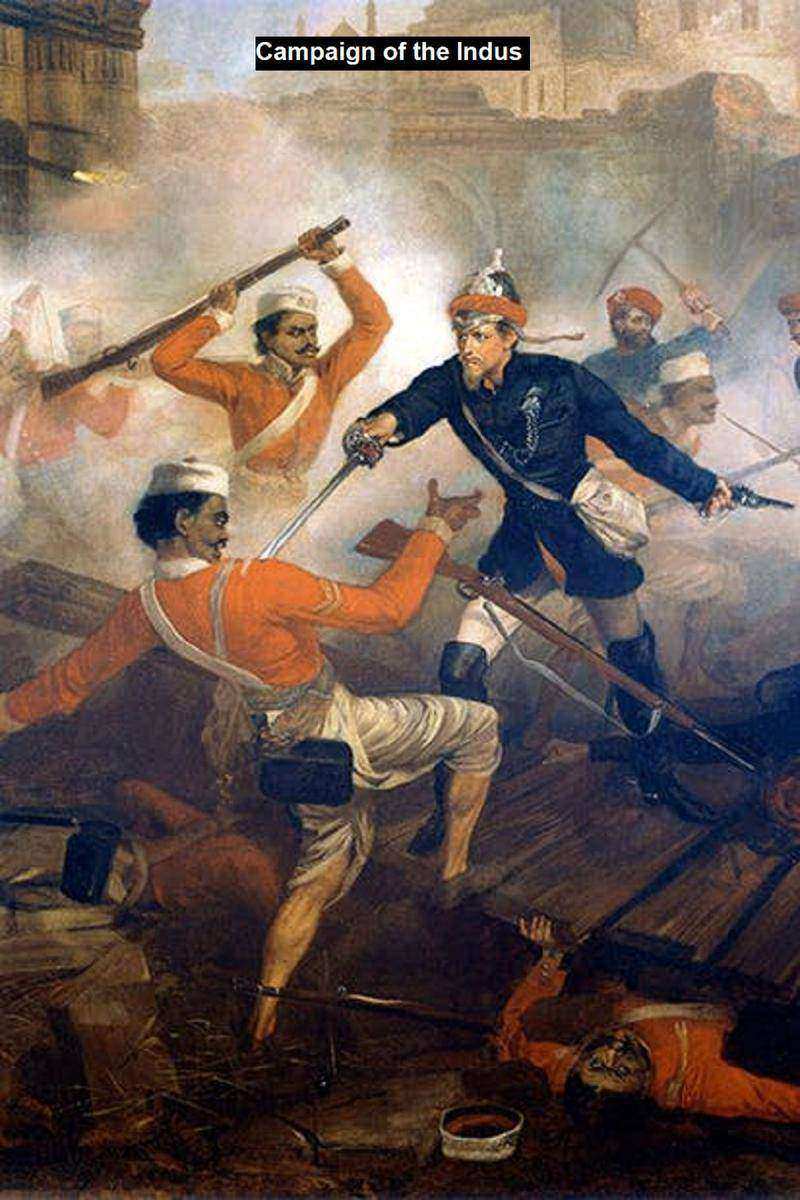
Campaign of the Indus
¥8.09
First published in 1840. According to the Introduction: "The circumstance of an English army penetrating into Central Asia, through countries which had not been traversed by European troops since Alexander the Great led his victorious army from the Hellespont to the Jaxartes and Indus, is so strong a feature in our military history, that I have determined, at the suggestion of my friends, to print those letters received from my son which detail any of the events of the campaign. As he was actively engaged with the Bombay division, his narrative may be relied upon so far as he had an opportunity of witnessing its operations; and it being my intention to have only a few copies printed, to give to those friends who may take an interest in his letters, I need not apologize for the familiar manner in which they are written, as they were intended by him only for his own family, without an idea of their being printed. A history, however, may be collected from them most honourable to the British soldiers, both Europeans and natives of India. They shew the patience with which, for more than twelve months, the soldiers bore all their deprivations and fatiguing marches through countries until then unknown to them, whether moving through arid sands or rocky passes, under a burning sun; or over desolate mountains, amidst the most severe frosts, with scarcely an interval of repose. Neither was their gallantry less conspicuous than their patience, when they had the good fortune to find an enemy who ventured to face them."
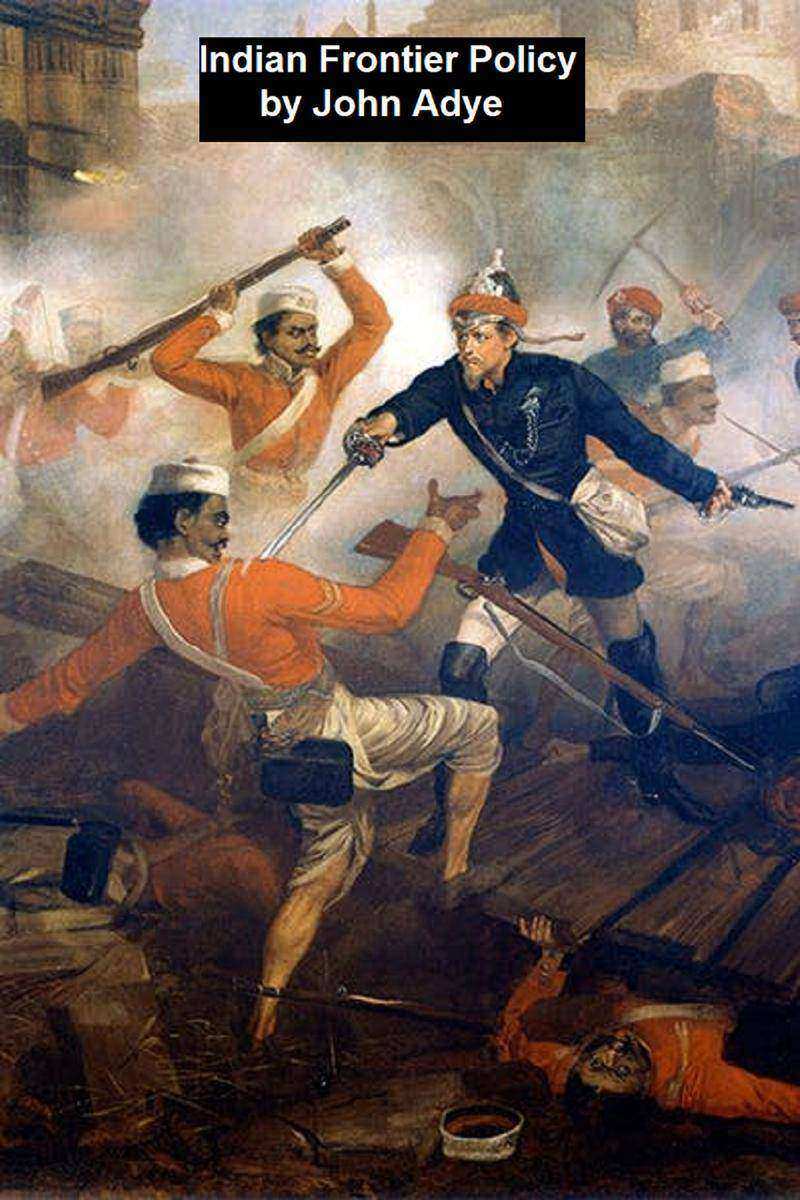
Indian Frontier Policy
¥8.09
According to Wikipedia: "General Sir John Miller Adye GCB (1 November 1819 – 26 August 1900) was a British general and amateur artist." According to the Preface: "The subject of our policy on the North-West frontier of India is one of great importance, as affecting the general welfare of our Eastern Empire, and is specially interesting at the present time, when military operations on a considerable scale are being conducted against a combination of the independent tribes along the frontier. It must be understood that the present condition of affairs is no mere sudden outbreak on the part of our turbulent neighbours. Its causes lie far deeper, and are the consequences of events in bygone years."
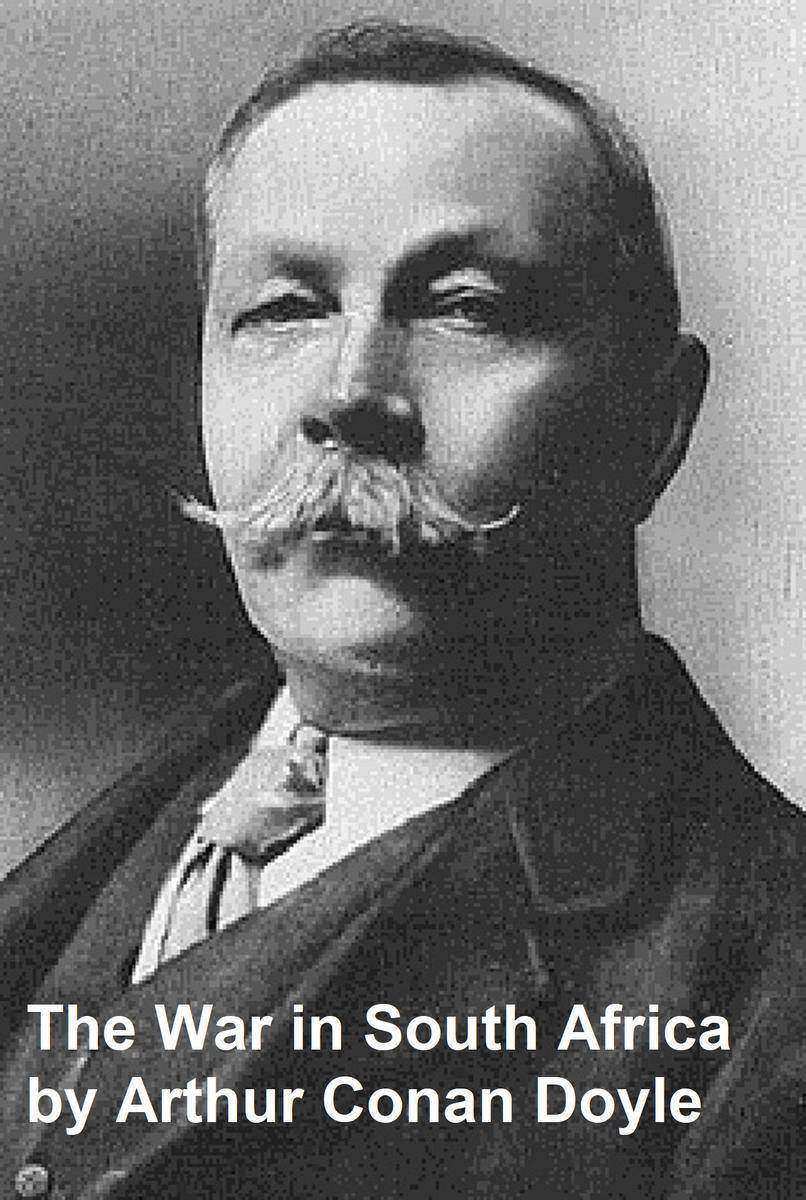
The War in South Africa
¥8.09
Account of the Boer War, first published in 1902. According to Wikipedia: "Sir Arthur Ignatius Conan Doyle (22 May 1859 – 7 July 1930) was a Scottish physician and writer who is most noted for his fictional stories about the detective Sherlock Holmes, which are generally considered milestones in the field of crime fiction. He is also known for writing the fictional adventures of a second character he invented, Professor Challenger, and for popularising the mystery of the Mary Celeste. He was a prolific writer whose other works include fantasy and science fiction stories, plays, romances, poetry, non-fiction, and historical novels.
The Wars of the Jews Or History of the Destruction of Jerusalem
¥8.09
The classic first-hand account of the Roman conquest of Israel. The Preface begins: "Whereas the war which the Jews made with the Romans hath been the greatest of all those, not only that have been in our times, but, in a manner, of those that ever were heard of; both of those wherein cities have fought against cities, or nations against nations; while some men who were not concerned in the affairs themselves have gotten together vain and contradictory stories by hearsay, and have written them down after a sophistical manner; and while those that were there present have given false accounts of things, and this either out of a humor of flattery to the Romans, or of hatred towards the Jews; and while their writings contain sometimes accusations, and sometimes encomiums, but no where the accurate truth of the facts; I have proposed to myself, for the sake of such as live under the government of the Romans, to translate those books into the Greek tongue, which I formerly composed in the language of our country." According to Wikipedia: "The Jewish War or Judean War (in full Flavius Josephus's Books of the History of the Jewish War against the Romans) also referred to in English as The Wars of the Jews, is a book written by Josephus, a Roman-Jewish historian of the 1st century. It is a description of Jewish history from the capture of Jerusalem by the Seleucid ruler Antiochus IV Epiphanes in 164 BC to the fall and destruction of Jerusalem in the First Jewish–Roman War in 70 AD. The book was written about 75 AD, originally in Josephus's "paternal tongue", probably Aramaic, though this version has not survived. It was later translated into Greek, probably under the supervision of Josephus himself."
The Oregon Trail
¥8.09
Classic work of history. According to Wikipedia: "Francis Parkman (September 16, 1823 - November 8, 1893) was an American historian, best known as author of The Oregon Trail: Sketches of Prairie and Rocky-Mountain Life and his monumental seven volume France and England in North America. These works are still valued as history and especially as literature, although the biases of his work have met with criticism. "
Count Frontenac and New France Under Louis XIV
¥8.09
Classic work of history. According to Wikipedia: "Francis Parkman (September 16, 1823 - November 8, 1893) was an American historian, best known as author of The Oregon Trail: Sketches of Prairie and Rocky-Mountain Life and his monumental seven volume France and England in North America. These works are still valued as history and especially as literature, although the biases of his work have met with criticism. "
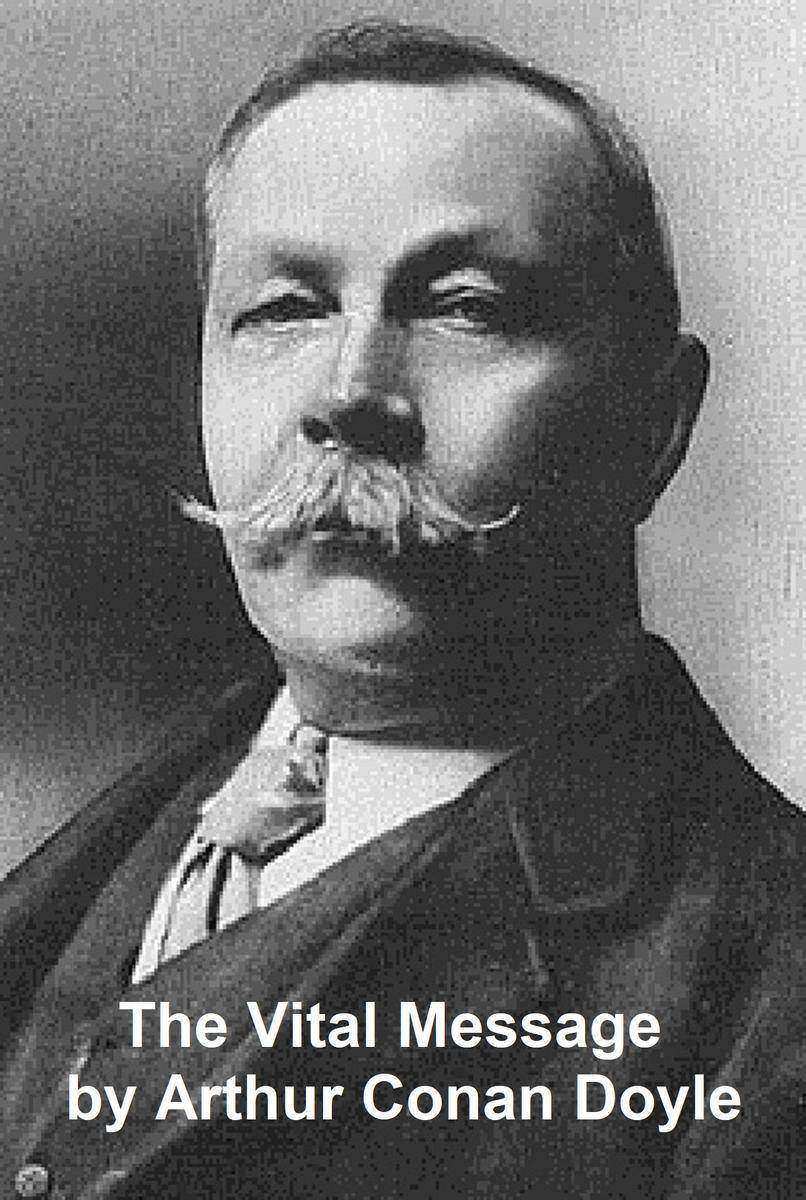
The Vital Message
¥8.09
Work of spiritualism by the author of Sherlock Holmes. According to the Preface: "In "The New Revelation" the first dawn of the coming change has been described. In "The Vital Message" the sun has risen higher, and one sees more clearly and broadly what our new relations with the Unseen may be. As I look into the future of the human race I am reminded of how once, from amid the bleak chaos of rock and snow at the head of an Alpine pass, I looked down upon the far stretching view of Lombardy, shimmering in the sunshine and extending in one splendid panorama of blue lakes and green rolling hills until it melted into the golden haze which draped the far horizon. Such a promised land is at our very feet which, when we attain it, will make our present civilisation seem barren and uncouth. Already our vanguard is well over the pass. Nothing can now prevent us from reaching that wonderful land which stretches so clearly before those eyes which are opened to see it."
The Borgias
¥8.09
Popular biography of the Borgia family. According to Wikipedia: "Alexandre Dumas, born Dumas Davy de la Pailleterie (24 July 1802 – 5 December 1870)[1] was a French writer, best known for his historical novels of high adventure which have made him one of the most widely read French authors in the world. Many of his novels, including The Count of Monte Cristo, The Three Musketeers, Twenty Years After, and The Vicomte de Bragelonne were originally serialized. He also wrote plays and magazine articles and was a prolific correspondent... From 1839 to 1841 Dumas, with the assistance of several friends, compiled Celebrated Crimes, an eight-volume collection of essays on famous criminals and crimes from European history, including Beatrice Cenci, Martin Guerre, Cesare and Lucrezia Borgia as well as more recent incidents, including the cases of executed alleged murderers Karl Ludwig Sand and Antoine Fran?ois Desrues."
Discovery of the Great West
¥8.09
Part three of the series of historical narratives England and France in North America. According to Wikipedia: "Francis Parkman (September 16, 1823 - November 8, 1893) was an American historian, best known as author of The Oregon Trail: Sketches of Prairie and Rocky-Mountain Life and his monumental seven volume France and England in North America. These works are still valued as history and especially as literature, although the biases of his work have met with criticism. "
The Republic
¥8.09
Plato's best-known dialogue. According to Wikipedia: "The Republic is a Socratic dialogue written by Plato around 380 BC concerning the definition of justice and the order and character of the just city-state and the just man. The dramatic date of the dialogue has been much debated and though it must take place some time during the Peloponnesian War, "there would be jarring anachronisms if any of the candidate specific dates between 432 and 404 were assigned".[2] It is Plato's best-known work and has proven to be one of the most intellectually and historically influential works of philosophy and political theory. In it, Socrates along with various Athenians and foreigners discuss the meaning of justice and examine whether or not the just man is happier than the unjust man by considering a series of different cities coming into existence "in speech", culminating in a city (Kallipolis) ruled by philosopher-kings; and by examining the nature of existing regimes. The participants also discuss the theory of forms, the immortality of the soul, and the roles of the philosopher and of poetry in society."
Arthurian Chronicles: Roman de Brut
¥8.09
According to Wikipedia: "Wace (c. 1115 – c. 1183) was an Anglo-Norman poet, who was born in Jersey and brought up in mainland Normandy (he tells us in the Roman de Rou that he was taken as a child to Caen), ending his career as Canon of Bayeux. His extant works include: Roman de Brut - a verse history of Britain and Roman de Rou - a verse history of the Dukes of Normandy. Other works, also in verse, include lives of Saint Margaret and Saint Nicholas. Roman de Brut (c. 1155) was based on the Historia Regum Britanniae of Geoffrey of Monmouth. It cannot be regarded as a history in any modern sense, although Wace often distinguishes between what he knows and what he does not know, or has been unable to find out. Wace narrates the founding of Britain, by Brutus of Troy, to the end of the legendary British history created by Geoffrey of Monmouth."
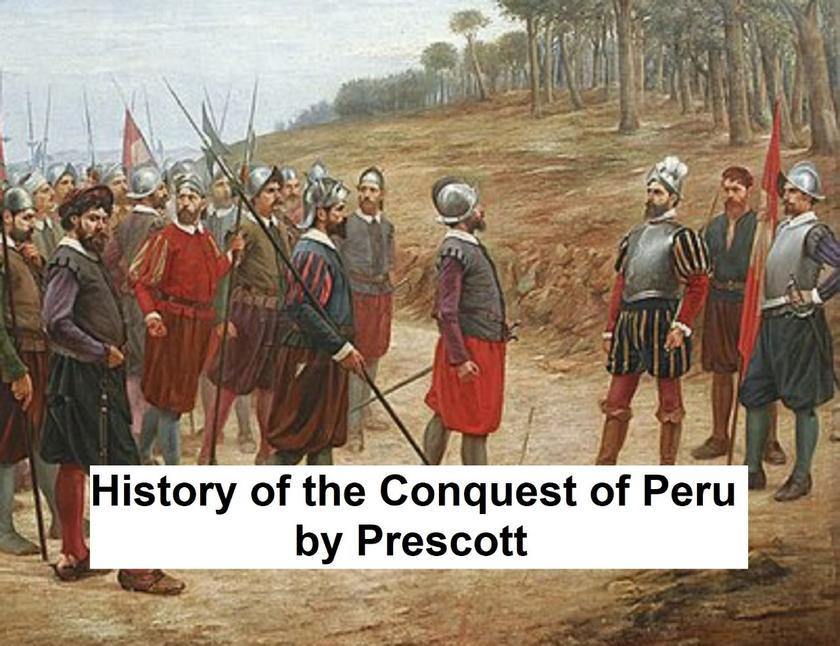
The History of the Conquest of Peru
¥8.09
According to Wikipedia: "The Spanish conquest of the Inca Empire was one of the most important campaigns in the Spanish colonization of the Americas. After years of preliminary exploration and military skirmishes, 168 Spanish soldiers under Francisco Pizarro and their native allies captured the Sapa Inca Atahualpa in the 1532 Battle of Cajamarca. It was the first step in a long campaign that took decades of fighting but ended in Spanish victory and colonization of the region as the Viceroyalty of Peru. The conquest of the Inca Empire led to spin-off campaigns into present-day Chile and Colombia as well as expeditions towards the Amazon Basin.... William Hickling Prescott (May 4, 1796 – January 29, 1859) was an American historian, known for his books The History of the Reign of Ferdinand and Isabella the Catholic and The History of the Conquest of Mexico… After ten years of study, he published in 1837 his History of Ferdinand and Isabella, which at once gained for him a high place among historians. It was followed in 1843 by the History of the Conquest of Mexico, and in 1847 by the Conquest of Peru. His last work was the History of Philip II, of which the third volume appeared in 1858, and which was left unfinished. In that year he had an apoplectic shock, and another in 1859 was the cause of his death. In all his works he displayed great research, impartiality, and an admirable narrative power. The great disadvantage at which, owing to his very imperfect vision, he worked, makes the first of these qualities specially remarkable, for his authorities in a foreign tongue were read to him, while he had to write on a frame for the blind. Prescott was a man of amiable and benevolent character, and enjoyed the friendship of many of the most distinguished men in Europe as well as in America. Much of Prescott's work was based on his researches with unpublished documents in archives in Spain."
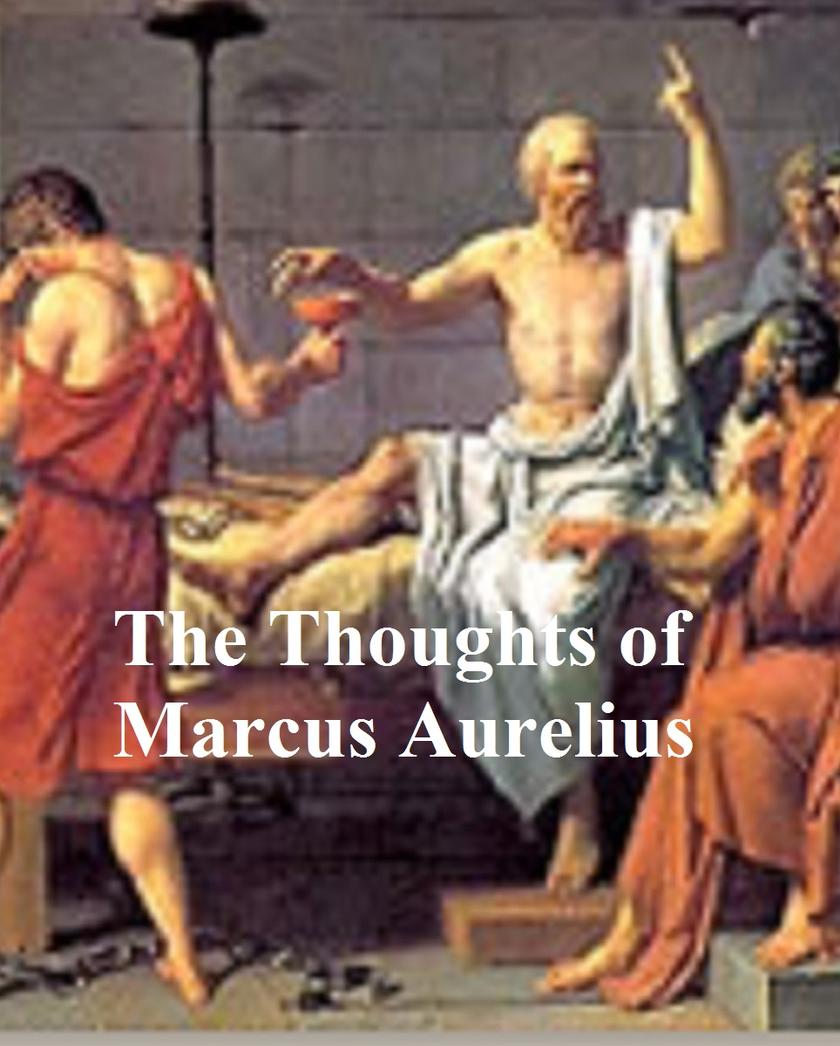
Thoughts of the Emperor Marcus Aurelius Antoninus
¥8.09
According to Wikipedia: "Marcus Aurelius (26 April 121 – 17 March 180 AD), was Roman Emperor from 161 to 180 AD. He ruled with Lucius Verus as co-emperor from 161 until Verus' death in 169. He was the last of the "Five Good Emperors", and is also considered one of the most important Stoic philosophers... Marcus Aurelius' Stoic tome Meditations, written in Greek while on campaign between 170 and 180, is still revered as a literary monument to a philosophy of service and duty, describing how to find and preserve equanimity in the midst of conflict by following nature as a source of guidance and inspiration."
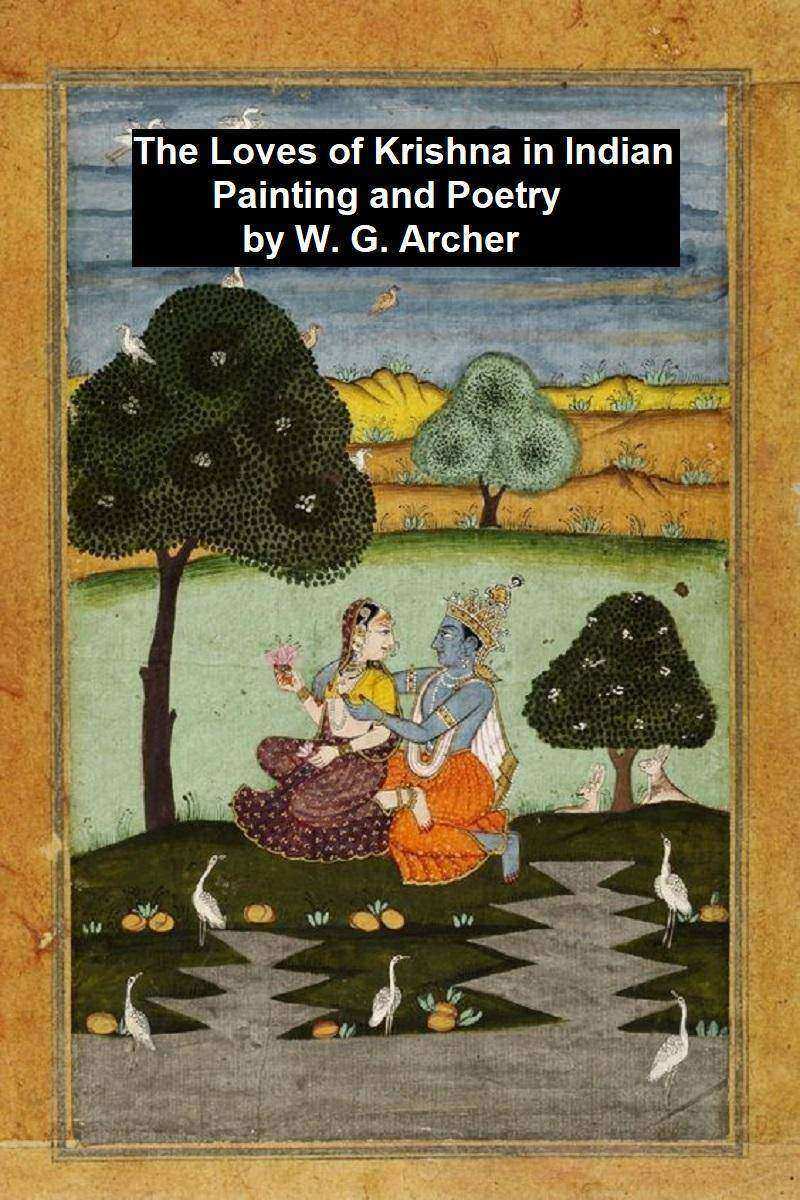
Loves of Krishna
¥8.09
The Introduction explains: "During the twentieth century, a certain type of Indian painting began to fascinate the West. Unlike Mughal art, it was a product of Hindu courts in Rajasthan and the Punjab Hills and unlike Mughal painting, its chief concern was with the varied phases of romance. Ladies would be shown brooding in their chambers as storm clouds mounted in the sky. A girl might be portrayed desperately fondling a plantain tree, gripping a pet falcon, the symbol of her lover, or hurrying through the rainy darkness intent only on reaching a longed-for tryst. A prince would appear lying on a terrace, his outstretched arms striving vainly to detain a calm beauty or welcoming with delight a bashful girl as she slowly advanced. In all these pictures, romantic love was treated as the highest good and physical passion was interpreted with a freshness and innocence unequalled in the world's art."
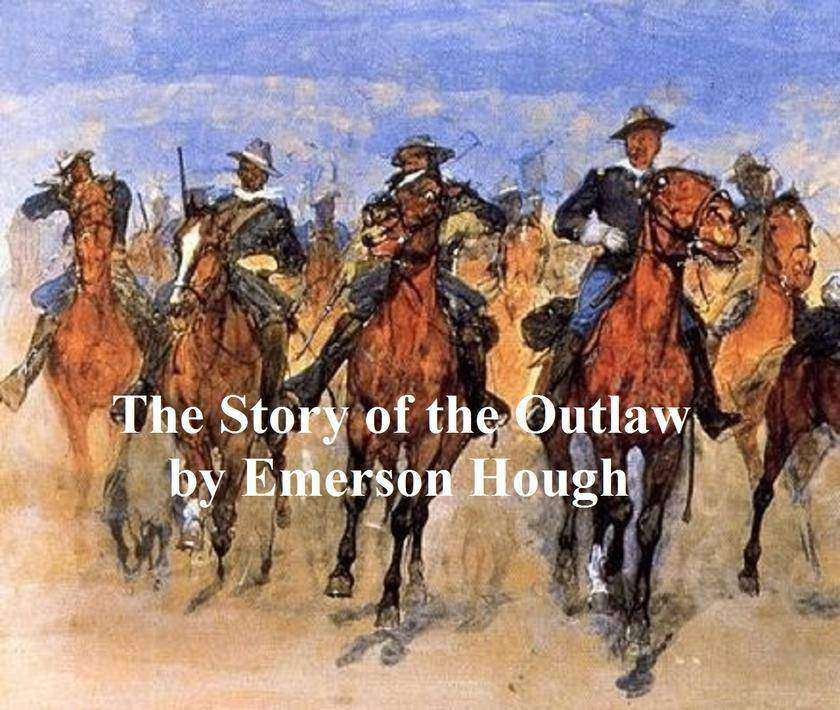
The Story of the Outlaw, A Study of the Western Desperado
¥8.09
"A Study Of The Western Desperado, With Historical Narratives Of Famous Outlaws; The Stories Of Noted Border Wars; Vigilante Movements And Armed Conflicts On The Frontier."According to Wikipedia: "Emerson Hough (1857-1923) was an American author, best known for writing western stories. Hough was born in Newton, Iowa, and graduated from the University of Iowa with a law degree. He moved to White Oaks, New Mexico, and practiced law there but eventually turned to literary work by taking camping trips and writing about them for publication. He is best known as a novelist, writing The Mississippi Bubble as well as The Covered Wagon, about Oregon Trail pioneers, which later became successful as a movie, running 59 weeks at the Criterion Theater in New York City, passing the record set by Birth of a Nation. Other notable works included Story of the Cowboy, Way of the West, Singing Mouse Stories, and Passing of the Frontier, and writing the "Out-of-Doors" column for the Saturday Evening Post."
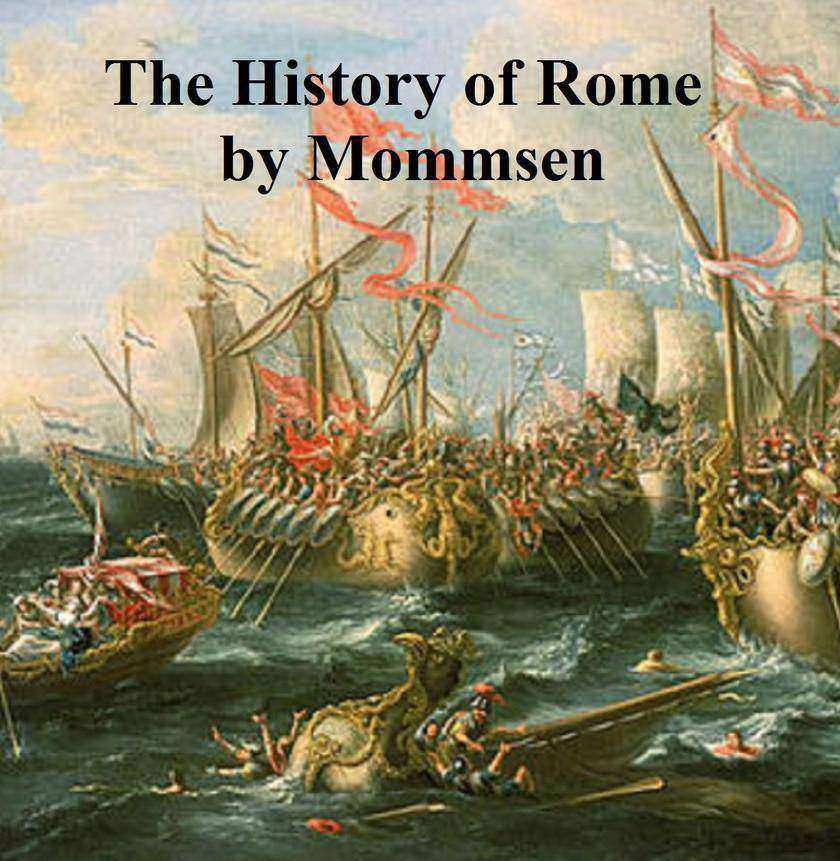
The History of Rome
¥8.09
Mommsen's history of the Roman Republic in five volumes. These volumes cover from the founding of Rome up to the disintegration of the First Triumvirate (Caesar, Pompey, Crassus). The author cites dates in the Roman style, AUC, from the founding of the city in 753 BC. A table at the end shows modern-day equivalents. According to Wikipedia, Mommsen is "generally regarded as the greatest classicist of the 19th century." This work complements Gibbon's "Decline and Fall of the Roman Empire".


