


 购物车
购物车 个人中心
个人中心

Boris Yeltsin:The Decade that Shook the World
¥90.03
The literature on Boris Yeltsin is vast. Memoirs have been produced not only by politicians – first-hand participants in the events, Yeltsin himself penned three volumes of recollections – but also assistants, press secretaries, political analysts, journalists, MPs, retired members of Gorbachev’s Politburo, public figures now long forgotten, generals of special services and security service staff. Boris Minaev started working on Boris Yeltsin’s biography when the politician was still alive. In his work the author has used not only publicly accessible documents that have been printed or otherwise made accessible but also interviews that are published for the first time. In this unique biography of the first President of the Russian Federation author consistently describes events of Yeltsin's life, capturing and conveying his unique personality with all the contradictions of his character and principles that determined public attitude towards Yeltsin. Some saw him as an outstanding builder of the new Russia, others - as a destroyer of the great state. But whoever he was de facto, the decade of his rule shook the world. *** Boris Minayev is a Russian writer and correspondent. Minayev has worked for many Russian venues and is currently serving as Editor-in-Chief of the journal Medved. Boris Minayev is known for his children’s books and novels for mature readers. One of the most famous works of his that is being widely quoted in the media is his biography of Russia’s first president Boris Yeltsin, first published in the series ‘Lives of Extraordinary People’.

Mrs Queen Takes the Train
¥83.03
After decades of service and years of watching her family's troubles splashed across the tabloids, Britain's Queen is beginning to feel her age. She needs some proper cheering up. An unexpected opportunity offers her relief: an impromptu visit to a place that holds happy memories—the former royal yacht, Britannia, now moored near Edinburgh. Hidden beneath a skull-emblazoned hoodie, the limber Elizabeth (thank goodness for yoga) walks out of Buckingham Palace into the freedom of a rainy London day and heads for King's Cross to catch a train to Scotland. But a characterful cast of royal attendants has discovered her missing. In uneasy alliance a lady-in-waiting, a butler, an equerry, a girl from the stables, a dresser, and a clerk from the shop that supplies Her Majesty's cheese set out to find her and bring her back before her absence becomes a national scandal.Mrs Queen Takes the Train is a clever novel, offering a fresh look at a woman who wonders if she, like Britannia herself, has, too, become a relic of the past. William Kuhn paints a charming yet biting portrait of British social, political, and generational rivalries—between upstairs and downstairs, the monarchy and the government, the old and the young. Comic and poignant, fast paced and clever, this delightful debut tweaks the pomp of the monarchy, going beneath its rigid formality to reveal the human heart of the woman at its center.

Come to Win
¥83.03
With Come to Win, Venus Williams, the multiple Grand Slam tennis champion and entrepreneur, along with an esteemed group of business leaders, politicians, and acclaimed artists, serves up a book of wisdom that shows how to turn a competitive spirit and athletic background into success off the playing field.Combining talent, drive, and hard work, Venus Williams has mastered the game of tennis. How will that drive serve her off the court in her post-tennis careerFor inspiration, Venus turned to nearly fifty business leaders, politicians, doctors, and artists, all of whom previously played competitive sports and who are now at the top of their professions, and asked them the essential questions: What principles that inspired you toward success as an athlete are helpful in lifeIn businessHere an A-list group of visionaries, including eBay's former CEO Meg Whitman, Nike's co-founder Philip Knight, stateswoman Condoleezza Rice, entrepreneur and former NBA player Earvin "Magic" Johnson, and designer Vera Wang, respond with a useful array of tips woven through anecdotes from their athletic past that have been instrumental in their post sports life success. Whether it's visualizing a course of action before it happens, turning losses into learning tools, figuring out who best plays what position in a team environment, or remembering that there is no substitute for preparation, the advice in Come to Win is knowledge every manager and aspiring professional will want to read. It's also an indispensable tool for parents and coaches looking to build confidence and discipline in their children.Venus also reflects on what she has learned from her own coaches, including her father and mother, and how their wisdom contributes to her own remarkable achievements, from her history-making tennis career to the launch of her own businesses V-Starr Interiors, an interior design firm, and EleVen, an athletic clothing line.
A Spiritual Formation Workbook -
¥88.56
This beginning workbook for Spiritual Formation Groups features guidelines for starting a group, study plans for the first nine sessions, and a questionnaire that helps map the way ahead. Based upon six major dimensions of the spiritual life found in the life of Christ and Christian tradition: The Contemplative Tradition - The Holiness Tradition - The Charismatic Tradition - The Social Justice Tradition - The Evangelical Tradition - and The Incarnational Tradition, this workbook program provides all the necessary ingredients to start and maintain a Spiritual Formation Group. Successfully used by thousands of Spiritual Formation Group participants, A Spiritual Formation Workbook has been completely revised to correlate with Richard J. Foster's Streams of Living Water. Its new and updated exercises and teachings offer fresh perspectives on Christian faith and practice.Christian in perspective and ecumenical in breadth, RENOVAR? (from the Latin, meaning "to renew") is an effort committed to the renewal of the Church. Founded by bestselling writer Richard J. Foster, RENOVAR? provides individual churches with a balanced, practical, effective small-group strategy for spiritual growth.
Ministry
¥72.93
This highly praised handbook on ministry is an essential resource for clergy and laity alike--clear, readable, theologically sound, and pastorally wise. Traces the development of ministry from New Testament times through Vatican II to provide pastoral guidance for priests, nuns, teachers, and others who are called to the ministry.

The First Christmas
¥94.10
In The First Christmas, two of today's top Jesus scholars, Marcus J. Borg and John Dominic Crossan, join forces to show how history has biased our reading of the nativity story as it appears in the gospels of Matthew and Luke. As they did for Easter in their previous book, The Last Week, here they explore the beginning of the life of Christ, peeling away the sentimentalism that has built up over the last two thousand years around this most well known of all stories to reveal the truth of what the gospels actually say. Borg and Crossan help us to see this well-known narrative afresh by answering the question, "What do these stories mean?" in the context of both the first century and the twenty-first century. They successfully show that the Christmas story, read in its original context, is far richer and more challenging than people imagine.
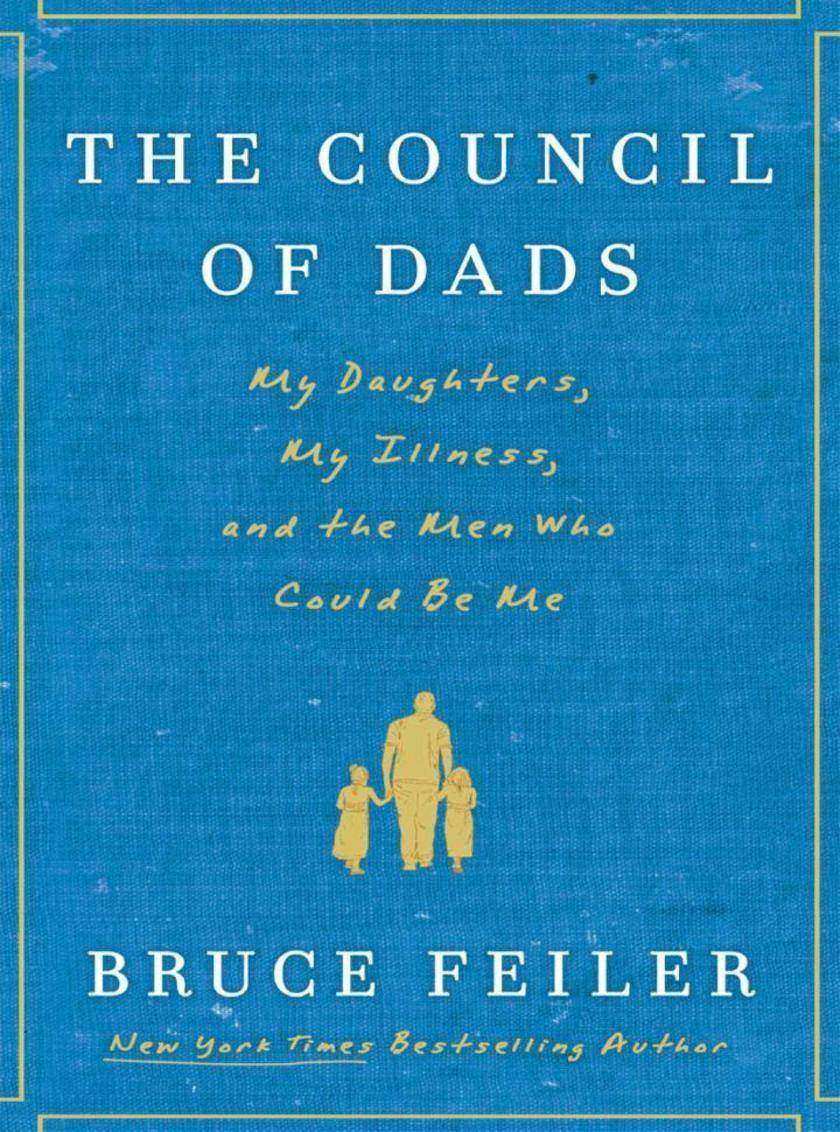
The Council of Dads
¥88.56
Bestselling author Bruce Feiler was a young father when he was diagnosed with cancer. He instantly worried what his daughters' lives would be like without him. "Would they wonder who I wasWould they wonder what I thoughtWould they yearn for my approval, my love, my voice?" Three days later he came up with a stirring idea of how he might give them that voice. He would reach out to six men from all the passages in his life, and ask them to be present in the passages in his daughters' lives. And he would call this group "The Council of Dads." "I believe my daughters will have plenty of opportunities in their lives," he wrote to these men. "They'll have loving families. They'll have each other. But they may not have me. They may not have their dad. Will you help be their dad?" The Council of Dads is the inspiring story of what happened next. Feiler introduces the men in his Council and captures the life lesson he wants each to convey to his daughters how to see, how to travel, how to question, how to dream. He mixes these with an intimate, highly personal chronicle of his experience battling cancer while raising young children, along with vivid portraits of his father, his two grandfathers, and various father figures in his life that explore the changing role of fathers in America. This is the work of a master storyteller confronting the most difficult experience of his life and emerging with wisdom and hope. The Council of Dads is a touching, funny, and ultimately deeply moving book on how to live life, how the human spirit can respond to adversity, and how to deepen and cherish the friendships that enrich our lives.
Making Sense of Adoption
¥78.55
When to tell, What to tell, and How to tell Children who are adopted have predictable and often unspoken concerns about themselves and how they joined their families. In this wise and timely guide, Lois Melina, author of the classic manual Raising Adopted Children, helps parents anticipate and respond to those concerns in ways that build self-esteem. Through sample conversations, reassuring advice, and age-specific activities parents will find answers to such questions as:-- When should I give my child the letter her birthmother wrote?-- How do I share information that might upset my child?-- How can I know when my child is wondering about adoption?-- What should I tell school personnel about my child's historyWhat about family and friends?-- How can I be sure we talk about adoption enough, but not too muchWhether parents adopted traditionally, as stepparents, or through donor insemination, surrogacy, or in vitro fertilization, Making Sense of Adoption will open the door to a lifetime of growth and understanding for adoptive families.

The Big Leap
¥99.65
Most of us believe that we will finally feel satisfied and content with our lives when we get the good news we have been waiting for, find a healthy relationship, or achieve one of our personal goals. However, this rarely happens. Good fortune is often followed by negative emotions that overtake us and result in destructive behaviors. "I don't deserve this," "this is too good to be true," or any number of harmful thought patterns prevent us from experiencing the joy and satisfaction we have earned. Sound familiarThis is what New York Times bestselling author Gay Hendricks calls the Upper Limit Problem, a negative emotional reaction that occurs when anything positive enters our lives. The Upper Limit Problem not only prevents happiness, but it actually stops us from achieving our goals. It is the ultimate life roadblock. In The Big Leap, Hendricks reveals a simple yet comprehensive program for overcoming this barrier to happiness and fulfillment, presented in a way that engages both the mind and heart. Working closely with more than one thousand extraordinary achievers in business and the arts from rock stars to Fortune 500 executives whose stories are featured in these pages, the book describes the four hidden fears that are at the root of the Upper Limit Problem.The Big Leap delivers a proven method for first identifying which of these four fears prevents us from reaching our personal upper limit, and then breaking through that limitation to achieve what Hendricks refers to as our Zone of Genius. Hendricks provides a clear path for achieving our true potential and attaining not only financial success but also success in love and life.

The Dance of Anger
¥88.56
Anger is a signal and one worth listening to, writes Dr. Harriet Lerner, in her renowned classic that has transformed the lives of millions of readers.While anger deserves our attention and respect, women still learn to silence our anger, to deny it entirely, or to vent it in a way that leaves us feeling helpless and powerless. In this engaging and eminently wise book, Dr. Lerner teaches women to identify the true sources of our anger and to use anger as a powerful vehicle for creating lasting change.
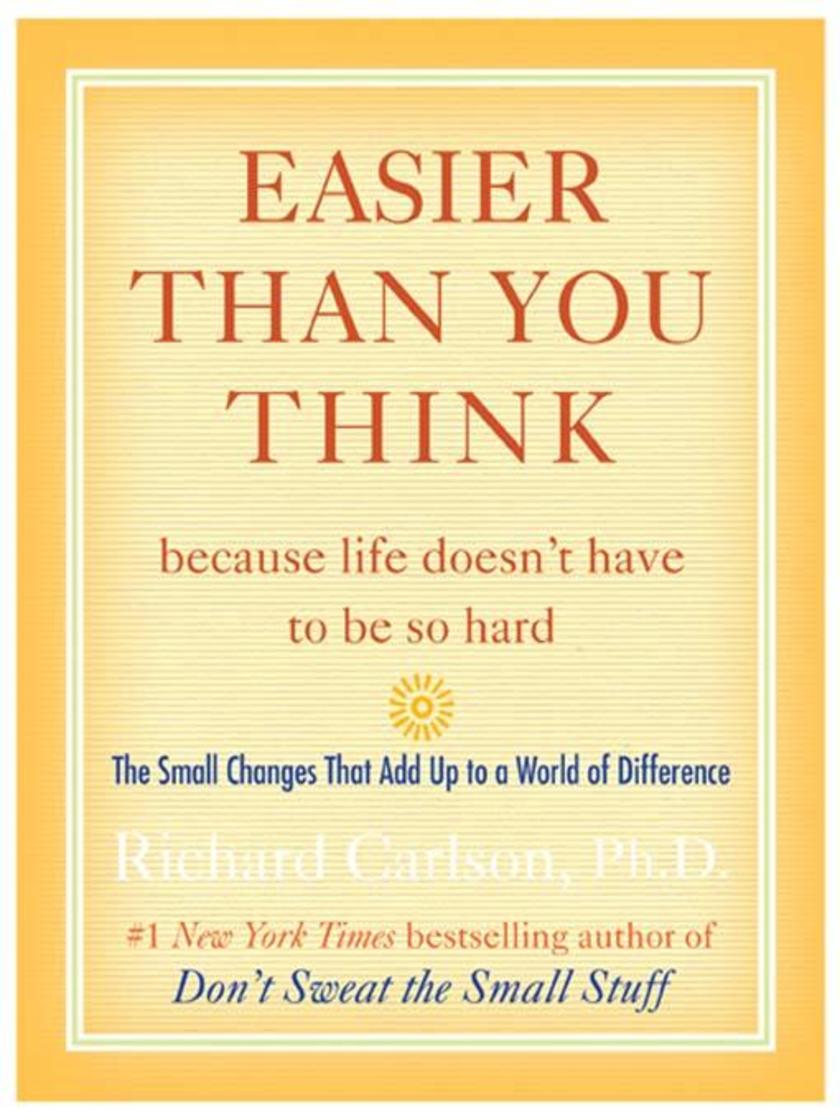
Easier Than You Think ...because life doesn't have to be so hard
¥105.17
All of us are looking for ways to take control of our lives, whether in our relationships, our families, our work, our health, or our future plans. Daily challenges have a way of overwhelming us, making life harder than it needs to be. The good news is that the answers are out there. And they are Easier Than You Think.In the phenomenal bestseller Don't Sweat the Small Stuff, Richard Carlson taught millions of readers how to stop the little things in life from driving them crazy. Now, in Easier Than You Think, Carlson demonstrates how making simple yet effective changes can get our life back on course. With his unique blend of storytelling and advice, Carlson offers proven ways that even the smallest amounts of change can add up to become a fortune of difference in our lives.

Latin Love Lessons
¥85.05
It wasn't just heated floors, hot baths, aqueducts, and paved roads that the Romans did first and best they were also experts at the art of love. From the most effective pickup lines to percipient advice on getting over a breakup, from grooming tips to sex tips, the Romans had time-proof solutions. Charlotte Higgins brings them together in this indispensable guide to love a collection of the richest, most illuminating, and sensuous writing about this mysterious emotion that can move us to joy or despair.Filled with the sage advice of Catullus, Virgil, Horace, Ovid, Propertius, and Tibullus, this witty, smart, and laugh-out-loud-funny handbook offers a fresh, new take on romance based on some of civilization's oldest adages.
I Refuse to Raise a Brat
¥72.99
Parents often confuse love with overindulgence, afraid to subject their children to a moment of frustration or deprive them of anything they might desire. But in order to become resilient and responsible adults, children must learn that they can't always get their way.Since motherhood is now her most important role, beloved actress Marilu Henner has often turned to Dr. Ruth Velikovsky Sharon, a highly respected psychoanalyst, for advice on raising her own children. This practical, accessible guidebook that they've compiled together shows parents how to: Establish parent-child contracts and effective methods of discipline Handle temper tantrums, bedtime issues, sibling rivalry, lying, and much more Help their children tolerate frustration and become comfortable with difficult feelings Filled with dozens of real-life questions, practical advice, and humorous anecdotes, I Refuse to Raise a Brat is a witty and useful resource to help parents raise secure and self-reliant children.

Girl, Get Your Mind Right
¥72.93
After losing herself too many times to the wrong man after watching too many friends suffer from the lies and games of "mind wrecking" males Tionna Tee Smalls started the "Girl, Get Your Mind Right" movement. Her goal is to help every woman find the right man no more settling and no more nights alone. Tionna says it's time for you to stop blaming yourselves for your toxic love lives and take a deep, hard look at why you're attracting the wrong men in the first place.Gathering together all the good advice that made her a star on VH1's What Chilli Wants, Tionna Tee Smalls sugar-coats nothing, pulls no punches, and tells women how it really is. Girl, Get Your Mind Right will show you the correct ways to deal with every man who worms his way into your heart from the broke cheater all the way up to Mr. Right.
Ecstasy
¥77.49
THE RENOWNED JUNGIAN PSYCHOLOGIST AND AUTHOR OF 'TRANSFORMATION' AND 'OWNING YOUR OWN SHADOW' BRINGS THE HIDDEN GIFT OF ECSTASY BACK INTO OUR LIVES.Robert A. Johnson has taken tens of thousands of readers on spiritual and psychological journeys
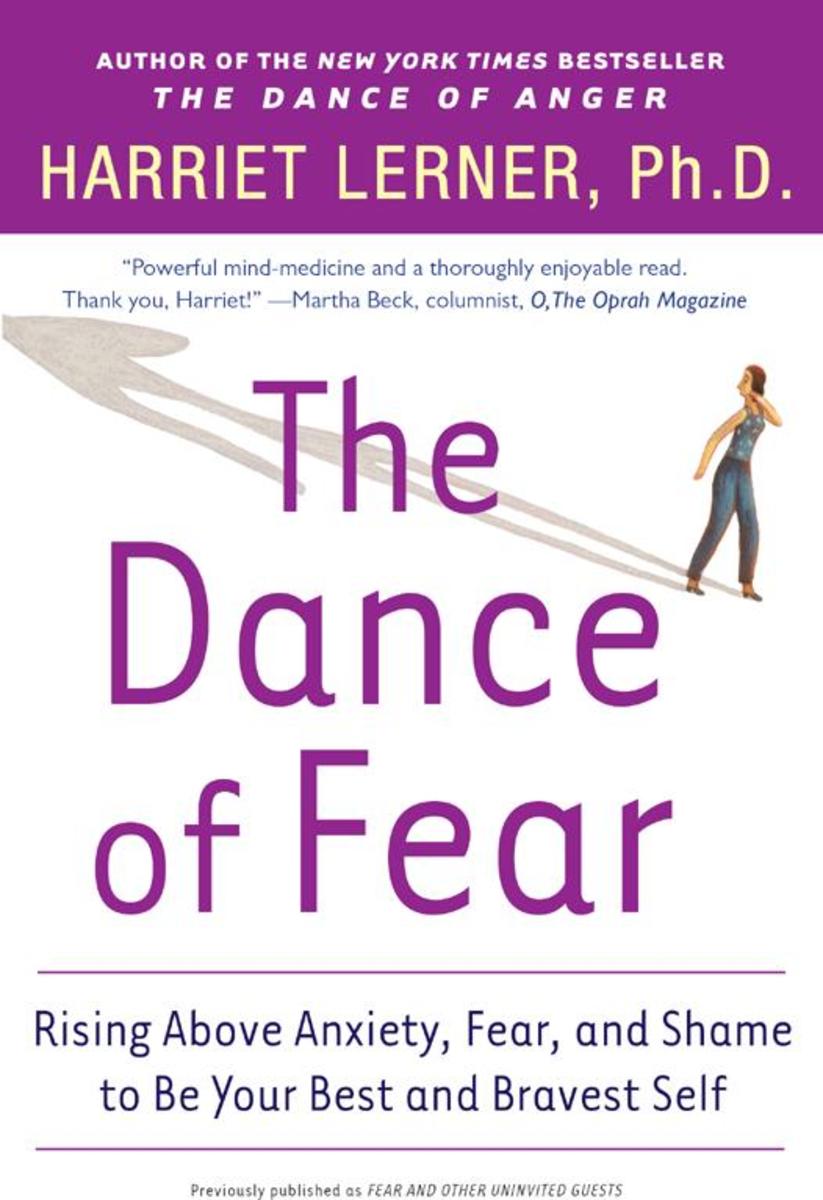
The Dance of Fear
¥88.56
Unhappiness, says bestselling author Harriet Lerner, is fueled by three key emotions: anxiety, fear, and shame. They are the uninvited guests in our lives. When tragedy or hardship hits, they may become our constant companions.Anxiety can wash over us like a tidal wave or operate as a silent thrum under the surface of our daily lives. With stories that are sometimes hilarious and sometimes heartbreaking, Lerner takes us from "fear lite" to the most difficult lessons the universe sends us. We learn: how a man was "cured in a day" of the fear of rejection -- and what we can learn from his story how the author overcame her dread of public speaking when her worst fears were realized how to deal with the fear of not being good enough, and with the shame of feeling essentially flawed and inadequate how to stay calm and clear in an anxious, crazy workplace how to manage fear and despair when life sends a crash course in illness, vulnerability, and loss how "positive thinking" helps -- and harms how to be our best and bravest selves, even when we are terrified and have internalized the shaming messages of others No one signs up for anxiety, fear, and shame, but we can't avoid them either. As we learn to respond to these three key emotions in new ways, we can live more fully in the present and move into the future with courage, clarity, humor, and hope. Fear and Other Uninvited Guests shows us how.
Living a Charmed Life
¥83.03
Bestselling author Victoria Moran's Living a Charmed Life presents fifty action-inspiring essays that show us how to custom craft our very own blessed lives. Covering topics such as living richly, staying close to what makes you come alive, and being completely, utterly yourself, Moran emphasizes that this kind of happiness is possible for anyone of any age in any circumstance.Living a charmed life is your birthright, one that you can start to claim as soon as you take to heart and put into action the practical and spiritual tips you'll find here. These lucky charms, honed from Victoria's own life experiences, will elevate your attitude, change the way you see yourself, and help you to improve every aspect of your life including your health, relationships, finances, and peace of mind even in challenging times.In this fresh, inspiring book, Victoria Moran gives you the tools and techniques you need to start living your own charmed life now.

Leaving the Enchanted Forest
¥83.92
Advice and step-by-step guidelines for those seeking to recover from addictive relationships.
The Seven Spiritual Laws of Superheroes
¥83.03
New York Times bestselling author DEEPAK CHOPRA, with his son Gotham, expertly guides us through the seven essential laws that govern the realm of superheroes, explaining their relevance, their importance, and perhaps most important how to apply them to our daily lives. These seven transformative laws will help us all uncover greater happiness, courage, balance, creativity, compassion, and purpose.

A Career Girl's Guide to Becoming a Stepmom
¥90.77
You have an exciting, fulfilling job. You've fallen in love with the man of your dreams and met his three kids! Now whatJacquelyn B. Fletcher shows how any professional woman turned wife and instant stepmother can build on the skills she employs at work organization, team-building, goal-setting, and planning to succeed at home in her new role as stepmom. Drawing on the latest research, her own experiences, and those of other real-life stepmothers, Fletcher offers advice, hope, encouragement, and much-needed answers to common conundrums, including: Why don't I have control over my own scheduleWhat kind of relationship do I want with my stepkidsWhat if I want to have a baby of my ownHow do we create a budget that feels fair if I make more money than my husband doesA Career Girl's Guide to Becoming a Stepmom is essential reading for the professional woman who has it all and then suddenly has more than she expected.
Taming Your Gremlin
¥94.10
This is a completely updated edition of the 1983 classic that introduced a powerful method for gaining freedom from self-defeating behaviors and beliefs. Rick Carson, creator of the renowned Gremlin-Taming Method, has revised the book to include fresh interactive activities, real-life vignettes we can all identify with, and new loathsome gremlins ripe for taming. Carson blends his laid-back style, Taoist wisdom, the Zen Theory of Change, and sound psychology in an easy-to-understand, unique, and practical system for banishing the nemesis within. Among the things you will learn are: Techniques for getting a sliver of light between the natural you and the monster of your mind. The extraordinary power of simply noticing and playing with options. Six keys to maintaining emotional balance amid upheaval.


