


 购物车
购物车 个人中心
个人中心
The Afghan Wars
¥8.09
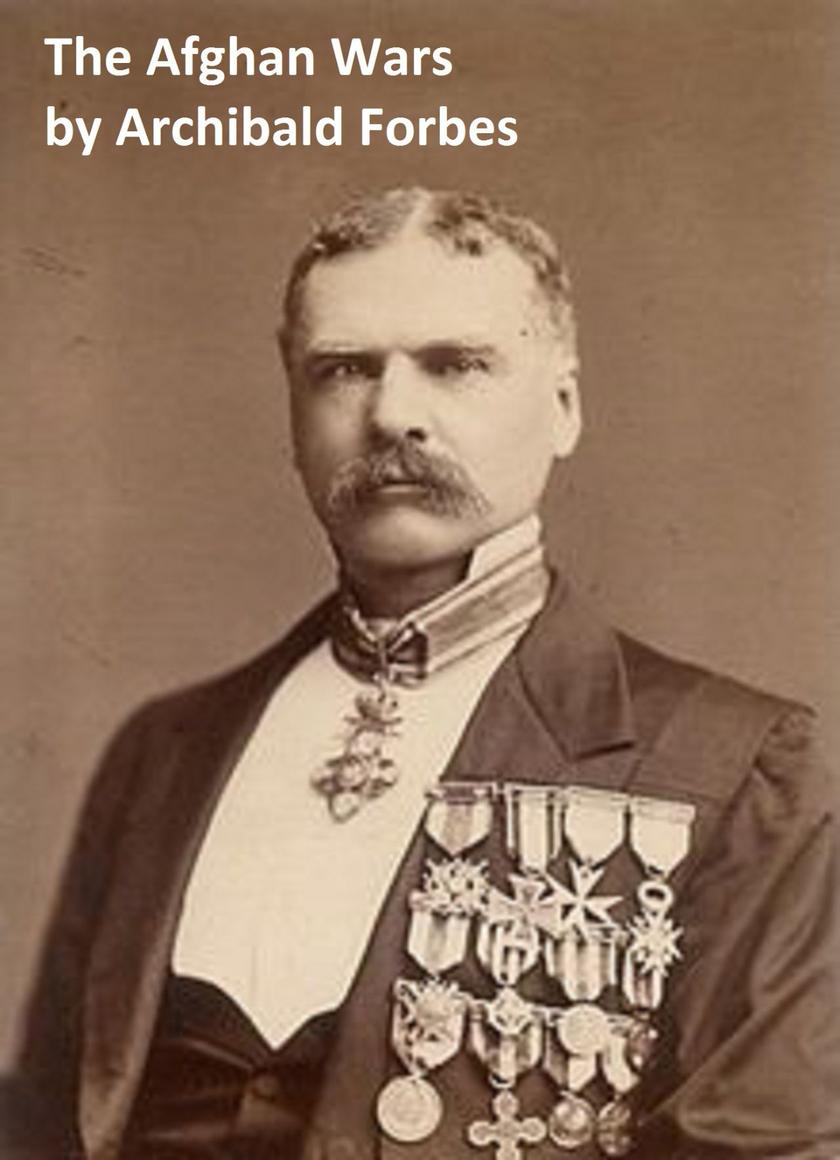
First published in 1892. The book begins: "Since it was the British complications with Persia which mainly furnished what pretext there was for the invasion of Afghanistan by an Anglo-Indian army in 1839, some brief recital is necessary of the relations between Great Britain and Persia prior to that aggression..."
The Histories
¥8.09
According to Wikipedia: "Publius (or Gaius) Cornelius Tacitus (c. AD 56 – after 117) was a senator and a historian of the Roman Empire. The surviving portions of his two major works—the Annals and the Histories—examine the reigns of the Roman Emperors Tiberius, Claudius, Nero, and those who reigned in the Year of the Four Emperors (AD 69). These two works span the history of the Roman Empire from the death of Augustus in AD 14 to the years of the First Jewish–Roman War in AD 70. There are substantial lacunae in the surviving texts, including a gap in the Annals that is four books long. Other writings by him discuss oratory (in dialogue format, see Dialogus de oratoribus), Germania (in De origine et situ Germanorum), and the life of his father-in-law, Agricola, the Roman general responsible for much of the Roman conquest of Britain, mainly focusing on his campaign in Britannia (De vita et moribus Iulii Agricolae). Tacitus is considered to be one of the greatest Roman historians. He lived in what has been called the Silver Age of Latin literature. He is known for the brevity and compactness of his Latin prose, as well as for his penetrating insights into the psychology of power politics."
A Fleet in Being
¥8.09
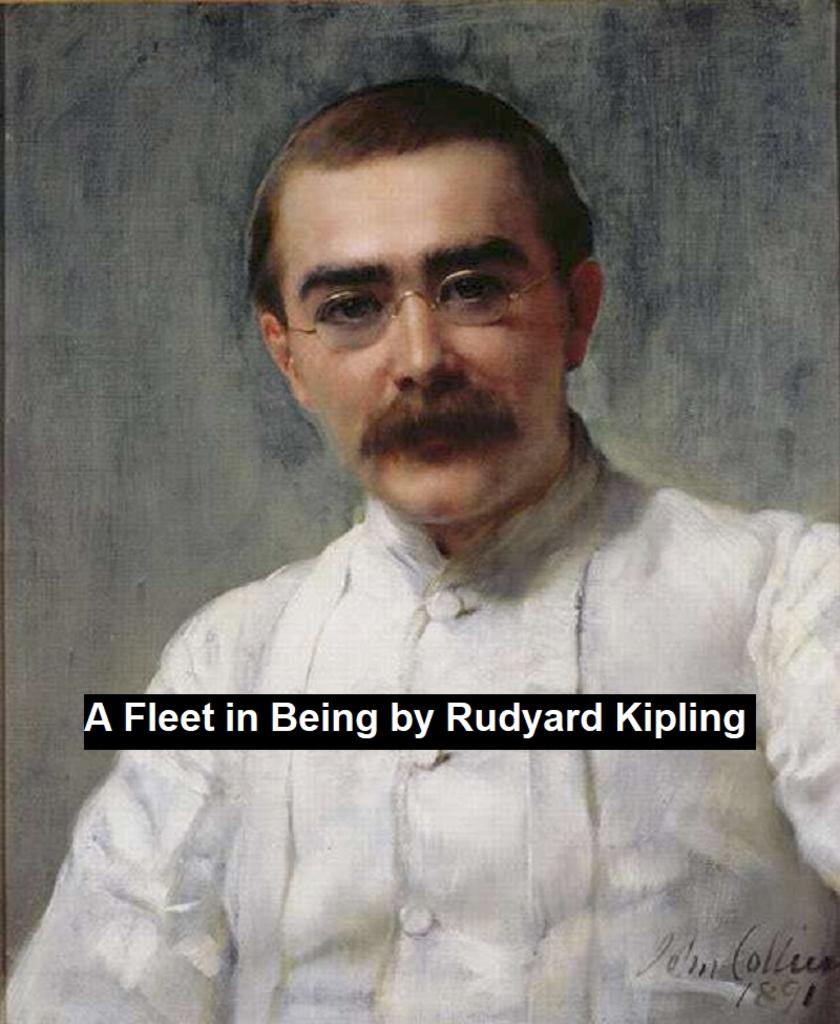
Non-fiction account, first published in 1898. The book begins: " Some thirty of her Majesty’s men-of-war were involved in this matter; say a dozen battleships of the most recent, and seventeen or eighteen cruisers; but my concern was limited to one of a new type commanded by an old friend. I had some dim knowledge of the interior of a warship, but none of the new world into which I stepped from a Portsmouth wherry one wonderful summer evening in ’97." According to Wikipedia: "Joseph Rudyard Kipling (30 December 1865 – 18 January 1936) was an English short-story writer, poet, and novelist. He wrote tales and poems of British soldiers in India and stories for children."
History of the Wars and Conquests of Alexander the Great
¥8.09
According to Wikipedia: "Arrian of Nicomedia (c. AD c. 86 – c. 160) was a Greek historian, public servant, military commander and philosopher of the Roman period. The Anabasis of Alexander is perhaps his best-known work, and is generally considered one of the best sources on the campaigns of Alexander the Great. Its title and style are designed to evoke the Anabasis by Xenophon, for which reason Arrian became known by the surname Xenophon after the older author. Arrian's other works include Discourses of Epictetus and Indica."
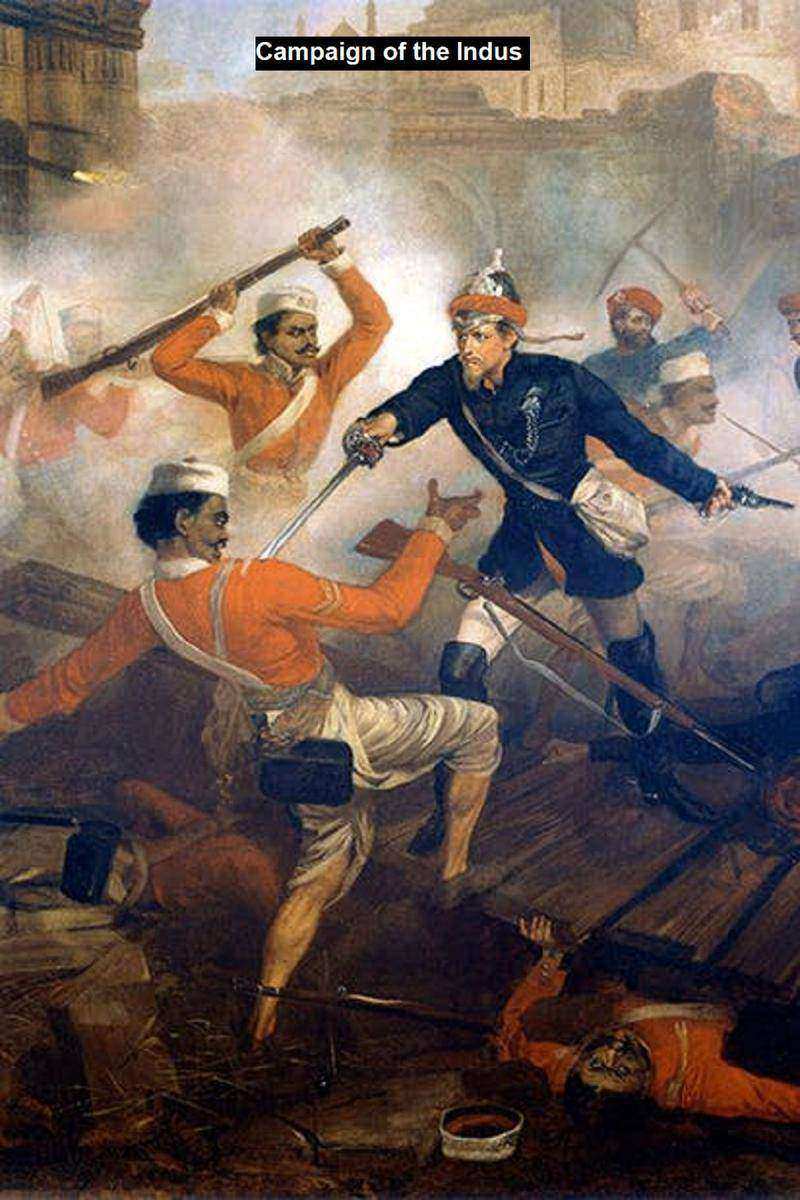
Campaign of the Indus
¥8.09
First published in 1840. According to the Introduction: "The circumstance of an English army penetrating into Central Asia, through countries which had not been traversed by European troops since Alexander the Great led his victorious army from the Hellespont to the Jaxartes and Indus, is so strong a feature in our military history, that I have determined, at the suggestion of my friends, to print those letters received from my son which detail any of the events of the campaign. As he was actively engaged with the Bombay division, his narrative may be relied upon so far as he had an opportunity of witnessing its operations; and it being my intention to have only a few copies printed, to give to those friends who may take an interest in his letters, I need not apologize for the familiar manner in which they are written, as they were intended by him only for his own family, without an idea of their being printed. A history, however, may be collected from them most honourable to the British soldiers, both Europeans and natives of India. They shew the patience with which, for more than twelve months, the soldiers bore all their deprivations and fatiguing marches through countries until then unknown to them, whether moving through arid sands or rocky passes, under a burning sun; or over desolate mountains, amidst the most severe frosts, with scarcely an interval of repose. Neither was their gallantry less conspicuous than their patience, when they had the good fortune to find an enemy who ventured to face them."

The Social Contract
¥8.09
According to Wikipedia: "Of The Social Contract, Or Principles of Political Right (Du contrat social ou Principes du droit politique; 1762) by Jean-Jacques Rousseau is a book in which Rousseau theorized about the best way to establish a political community in the face of the problems of commercial society, which he had already identified in his Discourse on Inequality (1754). The Social Contract helped inspire political reforms or revolutions in Europe, especially in France. The Social Contract argued against the idea that monarchs were divinely empowered to legislate; as Rousseau asserts, only the people, who are sovereign, have that all-powerful right... Jean-Jacques Rousseau (28 June 1712 – 2 July 1778) was a Genevan philosopher, writer, and composer of the 18th century. His political philosophy influenced the French Revolution as well as the overall development of modern political, sociological, and educational thought. Rousseau's novel Emile, or On Education is a treatise on the education of the whole person for citizenship. His sentimental novel Julie, or the New Heloise was of importance to the development of pre-romanticism and romanticism in fiction. Rousseau's autobiographical writings — his Confessions, which initiated the modern autobiography, and his Reveries of a Solitary Walker — exemplified the late 18th-century movement known as the Age of Sensibility, and featured an increased focus on subjectivity and introspection that later characterized modern writing. His Discourse on Inequality and The Social Contract are cornerstones in modern political and social thought."
France at War: On the Frontier of Civilisation
¥8.09
Dodo Collections brings you another classic from Rudyard Kipling, ‘France at War: On the Frontier of Civilisation.’ ? In 1915, in the second year of the Great War, Kipling made a tour as a journalist on the front of some of the French armed forces. His report of what he had seen of the military activity was published in six articles in the Daily Telegraph, in England, and in the New York Sun. He published some (censored) articles of war journalism in 1915, collected as The New Army in Training and France at War. ? Kipling's works of fiction include The Jungle Book (1894), Kim (1901), and many short stories, including "The Man Who Would Be King" (1888). His poems include "Mandalay" (1890), "Gunga Din" (1890), "The Gods of the Copybook Headings" (1919), "The White Man's Burden" (1899), and "If—" (1910). He is regarded as a major innovator in the art of the short story; his children's books are classics of children's literature; and one critic described his work as exhibiting "a versatile and luminous narrative gift". ? Kipling was one of the most popular writers in England, in both prose and verse, in the late 19th and early 20th centuries. Henry James said: "Kipling strikes me personally as the most complete man of genius (as distinct from fine intelligence) that I have ever known." In 1907, he was awarded the Nobel Prize in Literature, making him the first English-language writer to receive the prize, and its youngest recipient to date Among other honours, he was sounded out for the British Poet Laureateship and on several occasions for a knighthood, all of which he declined
Billy Budd and Other Prose Pieces by Herman Melville - Delphi Classics (Illustra
¥8.09
This eBook features the unabridged text of ‘Billy Budd and Other Prose Pieces by Herman Melville - Delphi Classics (Illustrated)’ from the bestselling edition of ‘The Complete Works of Herman Melville’. Having established their name as the leading publisher of classic literature and art, Delphi Classics produce publications that are individually crafted with superior formatting, while introducing many rare texts for the first time in digital print. The Delphi Classics edition of Melville includes original annotations and illustrations relating to the life and works of the author, as well as individual tables of contents, allowing you to navigate eBooks quickly and easily. eBook features: * The complete unabridged text of ‘Billy Budd and Other Prose Pieces by Herman Melville - Delphi Classics (Illustrated)’ * Beautifully illustrated with images related to Melville’s works * Individual contents table, allowing easy navigation around the eBook * Excellent formatting of the text Please visit www.delphiclassics.com to learn more about our wide range of titles
A Woman of Thirty by Honoré de Balzac - Delphi Classics (Illustrated)
¥8.09
This eBook features the unabridged text of ‘A Woman of Thirty by Honoré de Balzac - Delphi Classics (Illustrated)’ from the bestselling edition of ‘The Collected Works of Honoré de Balzac’. Having established their name as the leading publisher of classic literature and art, Delphi Classics produce publications that are individually crafted with superior formatting, while introducing many rare texts for the first time in digital print. The Delphi Classics edition of Balzac includes original annotations and illustrations relating to the life and works of the author, as well as individual tables of contents, allowing you to navigate eBooks quickly and easily. eBook features: * The complete unabridged text of ‘A Woman of Thirty by Honoré de Balzac - Delphi Classics (Illustrated)’ * Beautifully illustrated with images related to Balzac’s works * Individual contents table, allowing easy navigation around the eBook * Excellent formatting of the text Please visit www.delphiclassics.com to learn more about our wide range of titles
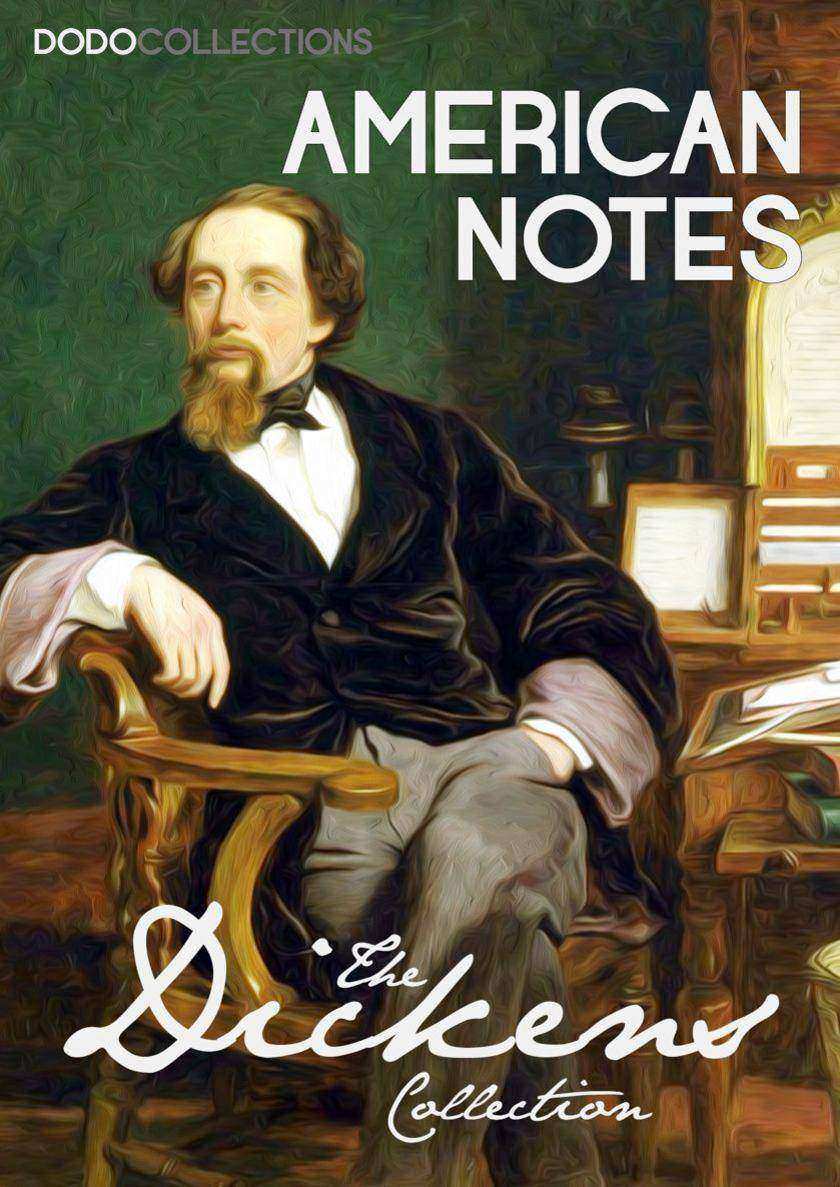
American Notes
¥8.09
Dodo Collections brings you another classic from Charles Dickens, ‘American Notes.’ ? American Notes is a fascinating account of nineteenth-century America sketched with Charles Dickens's characteristic wit and charm. When Charles Dickens set out for America in 1842 he was the most famous man of his day to travel there - curious about the revolutionary new civilization that had captured the English imagination. His frank and often humorous descriptions cover everything from his comically wretched sea voyage to his sheer astonishment at the magnificence of the Niagara Falls, while he also visited hospitals, prisons and law courts and found them exemplary. But Dickens's opinion of America as a land ruled by money, built on slavery, with a corrupt press and unsavoury manners, provoked a hostile reaction on both sides of the Atlantic. American Notes is an illuminating account of a great writer's revelatory encounter with the New World ? Charles Dickens was an English writer and social critic. He created some of the world's best-known fictional characters and is regarded as the greatest novelist of the Victorian era. His works enjoyed unprecedented popularity during his lifetime, and by the twentieth century critics and scholars had recognised him as a literary genius. His novels and short stories enjoy lasting popularity. Born in Portsmouth, Dickens left school to work in a factory when his father was incarcerated in a debtors' prison. Despite his lack of formal education, he edited a weekly journal for 20 years, wrote 15 novels, five novellas, hundreds of short stories and non-fiction articles, lectured and performed extensively, was an indefatigable letter writer, and campaigned vigorously for children's rights, education, and other social reforms. ? A prolific 19th Century author of short stories, plays, novellas, novels, fiction and non-fiction; during his lifetime Dickens became known the world over for his remarkable characters, his mastery of prose in the telling of their lives, and his depictions of the social classes, morals and values of his times. Some considered him the spokesman for the poor, for he definitely brought much awareness to their plight, the downtrodden and the have-nots. He had his share of critics, like Virginia Woolf and Henry James, but also many admirers, even into the 21st Century.
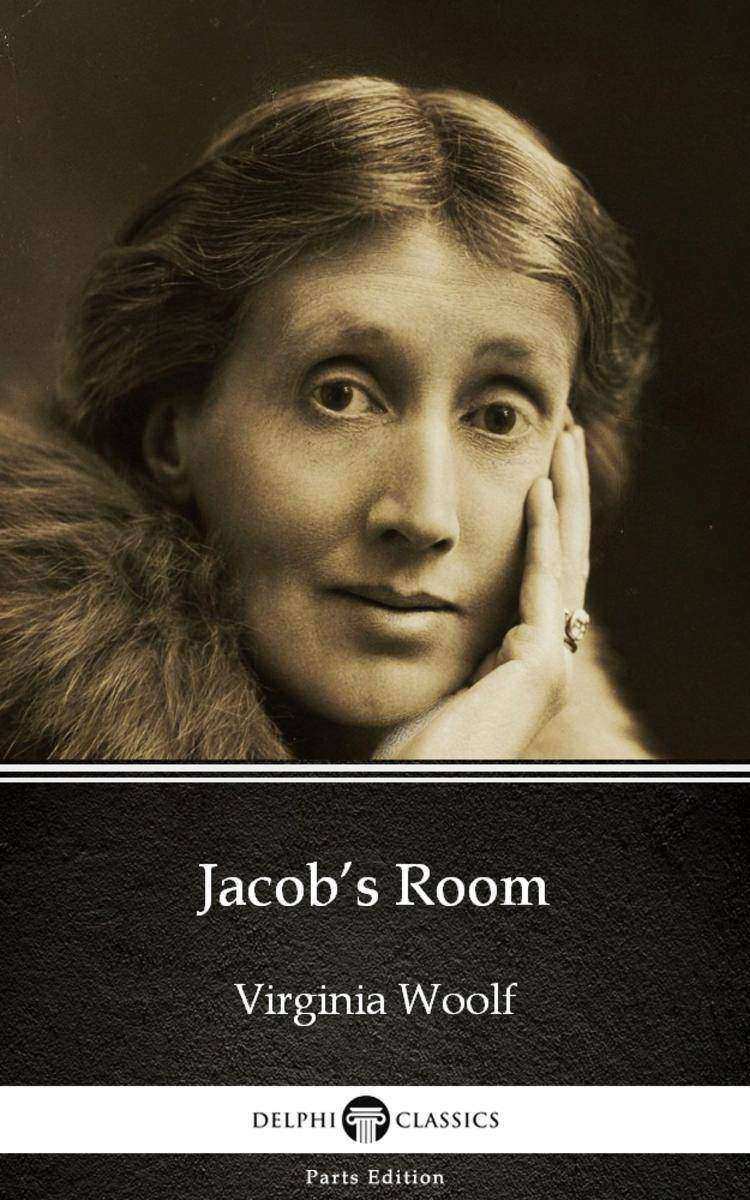
Jacob’s Room by Virginia Woolf - Delphi Classics (Illustrated)
¥8.09
This eBook features the unabridged text of ‘Jacob’s Room by Virginia Woolf - Delphi Classics (Illustrated)’ from the bestselling edition of ‘The Complete Works of Virginia Woolf’. Having established their name as the leading publisher of classic literature and art, Delphi Classics produce publications that are individually crafted with superior formatting, while introducing many rare texts for the first time in digital print. The Delphi Classics edition of Woolf includes original annotations and illustrations relating to the life and works of the author, as well as individual tables of contents, allowing you to navigate eBooks quickly and easily. eBook features: * The complete unabridged text of ‘Jacob’s Room by Virginia Woolf - Delphi Classics (Illustrated)’ * Beautifully illustrated with images related to Woolf’s works * Individual contents table, allowing easy navigation around the eBook * Excellent formatting of the text Please visit www.delphiclassics.com to learn more about our wide range of titles

Is Life Worth Living Without Immortality?
¥8.09
Dodo Collections brings you another classic from M. M. Mangasarian, ‘Is Life Worth Living Without Immortality?’ ? This book is based upon the famous lecture delivered before the Independent Religious Society, Chicago?by Mangasarian. ? Born in Mashger (now within Turkey) in the Ottoman Empire, M. M. Mangasarian attended Robert College in Constantinople, and was ordained as minister in Marsovan in 1878. In about 1880 he enrolled at Princeton University. He was pastor at a Presbyterian church in Philadelphia from 1882 to 1885, when he resigned, becoming an independent preacher and a lecturer on "independent religion" in New York. In 1892 he became leader of the Ethical Culture Society of Chicago, a group established by Felix Adler. In 1900 he organized the Independent Religious Society of Chicago, a rationalist group, of which he remained pastor until 1925. He retired to Piedmont, California, where he lived for the rest of his life. ? During his life Mangasarian wrote a number of books. His most popular, including The Truth About Jesus — Is He a Myth? (1909) and The Bible Unveiled (1911), deal with the evidence against the existence of an historical Jesus. He also wrote hundreds of essays and lectures on questions of the times. His books and essays were translated into French, German, Spanish, and other foreign languages. The general subject of his writing was religious criticism and the philosophy of religion. ? Mangasarian considered himself a Rationalist or a Secularist not an Atheist, since he considered atheism a non-verifiable belief system.
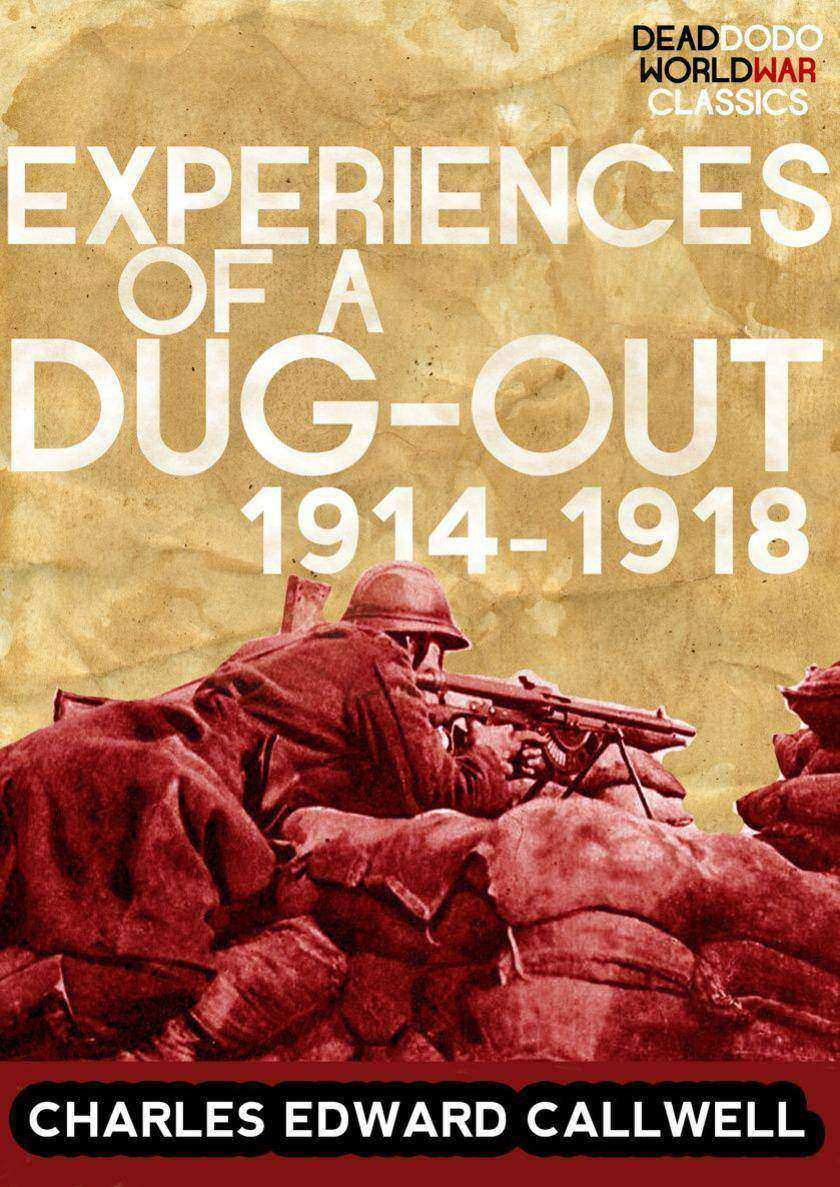
Experiences of a Dug-out: 1914-1918
¥8.09
A different commentary on the First World War, this memoir is a compelling and insightful not from a soldier who has served in the front line but rather from a man who served in the war office. Thoroughly compulsive reading, putting so much into context and giving great insight into the major strategic decisions of the First World War.

The Will to Believe and Other Essays in Popular Philosophy
¥8.09
According to Wikipedia: ""The Will to Believe" is a lecture by William James, first published in 1896, which defends, in certain cases, the adoption of a belief without prior evidence of its truth. In particular, James is concerned in this lecture about defending the rationality of religious faith even lacking sufficient evidence of religious truth. James' central argument in "The Will to Believe" hinges on the idea that access to the evidence for whether or not certain beliefs are true depends crucially upon first adopting those beliefs without evidence. As an example, James argues that it can be rational to have unsupported faith in one's own ability to accomplish tasks that require confidence. Importantly, James points out that this is the case even for pursuing scientific inquiry. James then argues that like belief in one's own ability to accomplish a difficult task, religious faith can also be rational even if one at the time lacks evidence for the truth of one's religious belief.
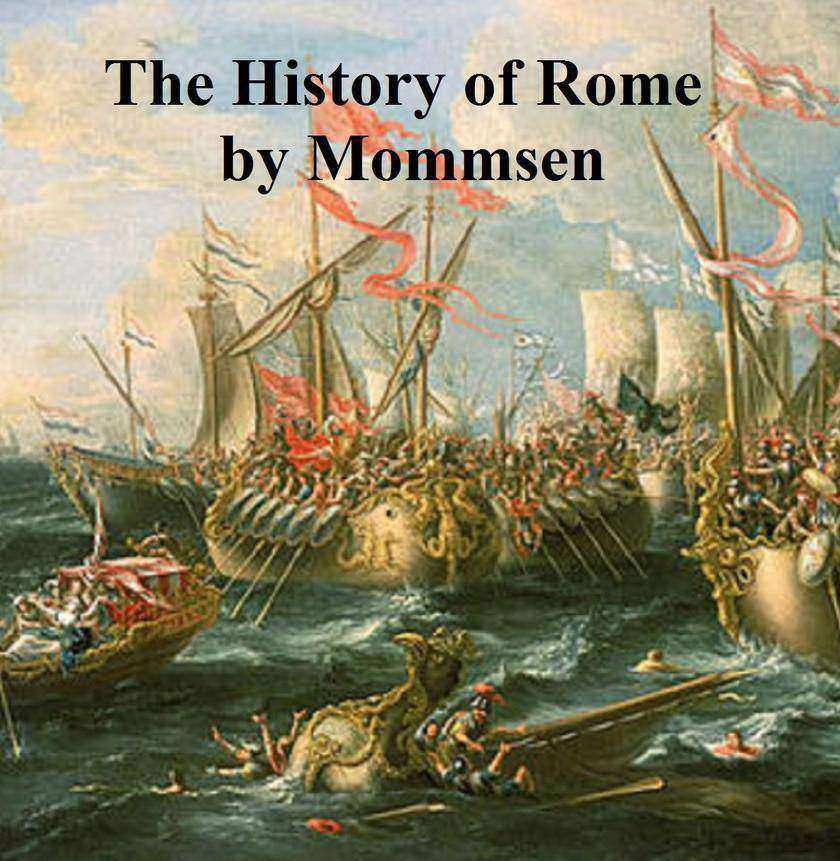
The History of Rome
¥8.09
Mommsen's history of the Roman Republic in five volumes. These volumes cover from the founding of Rome up to the disintegration of the First Triumvirate (Caesar, Pompey, Crassus). The author cites dates in the Roman style, AUC, from the founding of the city in 753 BC. A table at the end shows modern-day equivalents. According to Wikipedia, Mommsen is "generally regarded as the greatest classicist of the 19th century." This work complements Gibbon's "Decline and Fall of the Roman Empire".
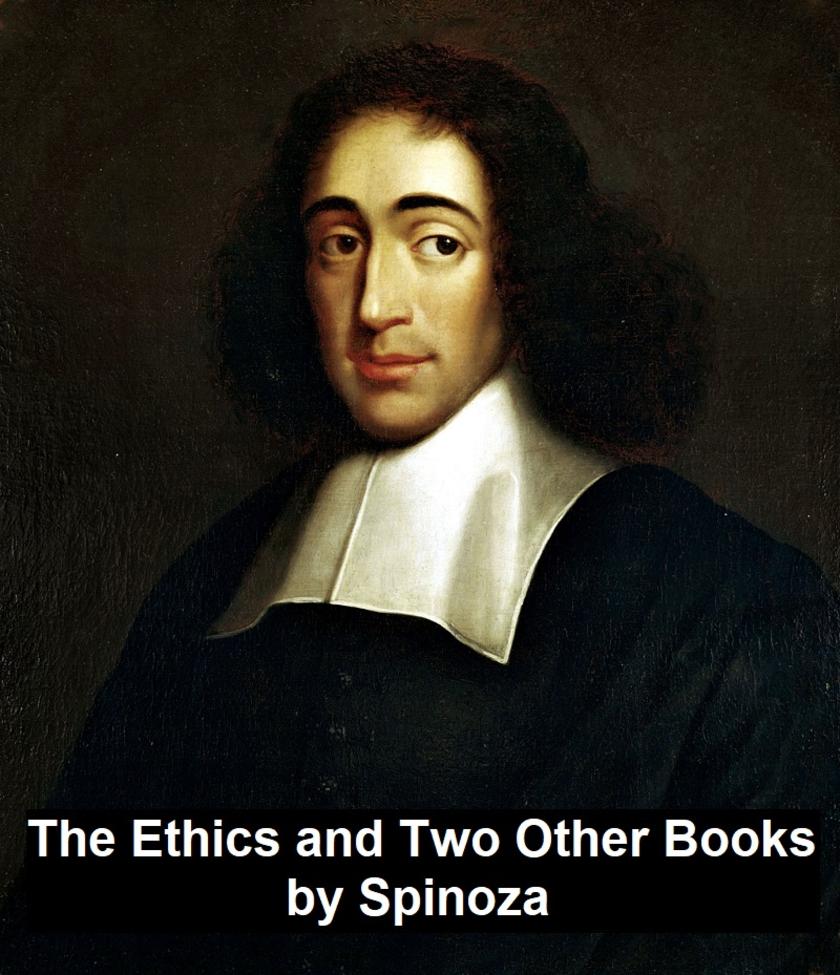
The Ethics and Two Other Books
¥8.09
This file includes: The Ethics, On the Improvement of the Understanding, and A Theologico-Political Treatise (all four parts). According to Wikipedia: "Baruch or Benedict de Spinoza (November 24, 1632 – February 21, 1677) was a Dutch philosopher of Portuguese Jewish origin. Revealing considerable scientific aptitude, the breadth and importance of Spinoza's work was not fully realized until years after his death. Today, he is considered one of the great rationalists of 17th-century philosophy, laying the groundwork for the 18th century Enlightenment and modern biblical criticism. By virtue of his magnum opus, the posthumous Ethics, in which he opposed Descartes' mind–body dualism, Spinoza is considered to be one of Western philosophy's most important philosophers. Philosopher and historian Georg Wilhelm Friedrich Hegel said of all modern philosophers, "You are either a Spinozist or not a philosopher at all." All of Spinoza's works were listed on the Index Librorum Prohibitorum (List of Prohibited Books) by the Roman Catholic Church. Spinoza lived quietly as a lens grinder, turning down rewards and honors throughout his life, including prestigious teaching positions, and gave his family inheritance to his sister."
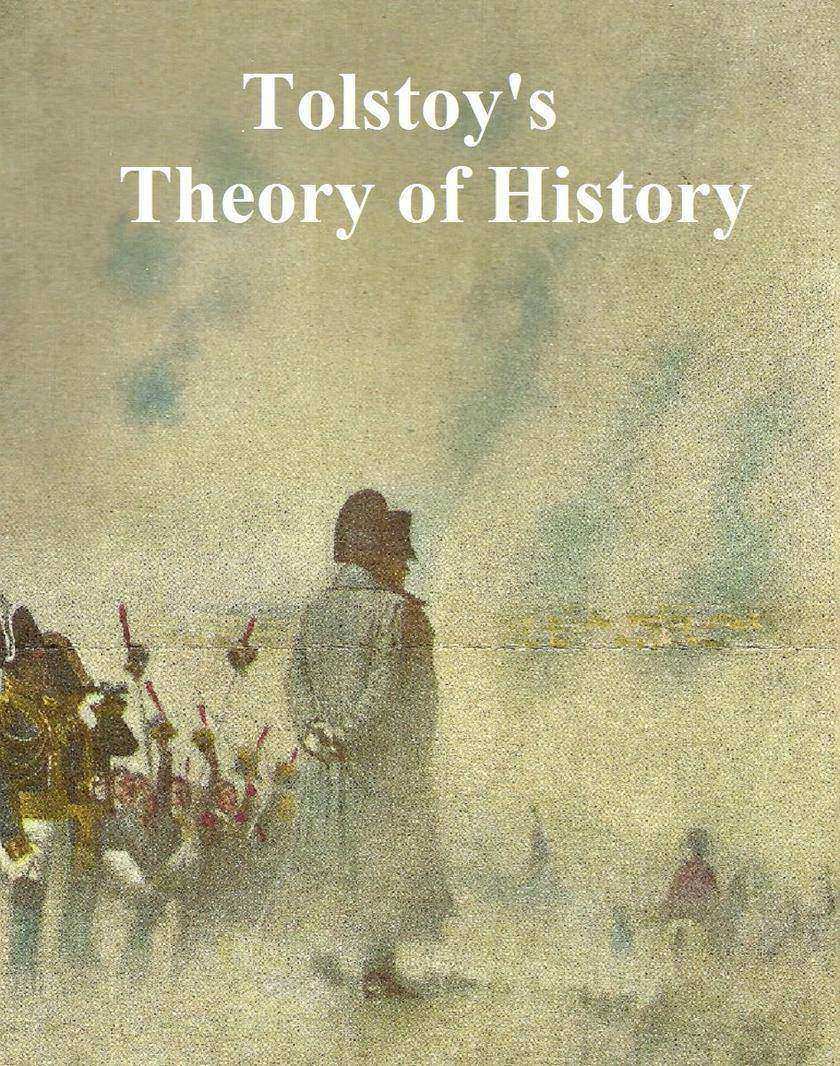
Tolstoy's Theory of History
¥8.09
The extended essay on the role of the individual in history which Tolstoy appended to War and Peace, the result of his ruminations on the phenomenon of the the French Revolution and the Napoleonnic Wars.
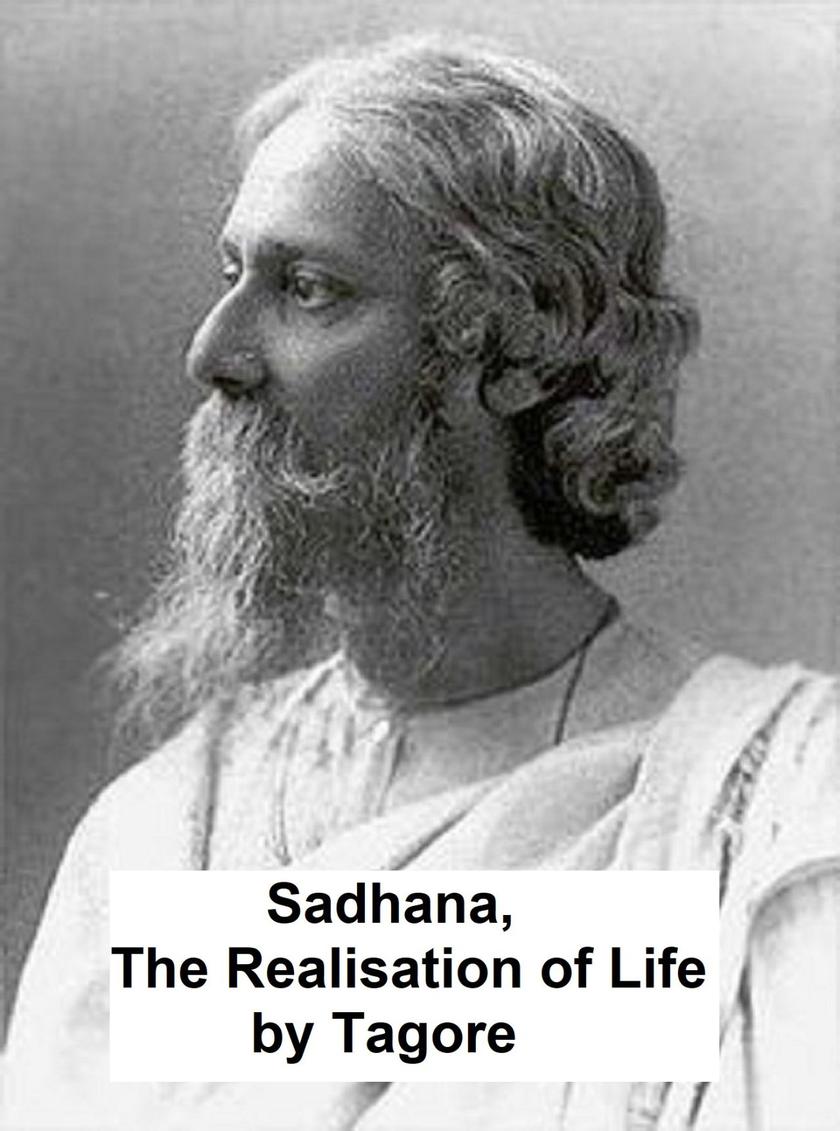
Sadhana: the Realisation of Life
¥8.09
Philosophical essays. According to Wikipedia: "Rabindranath Tagore (7 May 1861 – 7 August 1941), sobriquet Gurudev, was a Bengali poet, novelist, musician, painter and playwright who reshaped Bengali literature and music. As author of Gitanjali and its "profoundly sensitive, fresh and beautiful verse", he was the first non-European who was awarded the Nobel Prize for Literature in 1913. His poetry in translation was viewed as spiritual, and this together with his mesmerizing persona gave him a prophet-like aura in the west. His "elegant prose and magical poetry" still remain largely unknown outside the confines of Bengal."
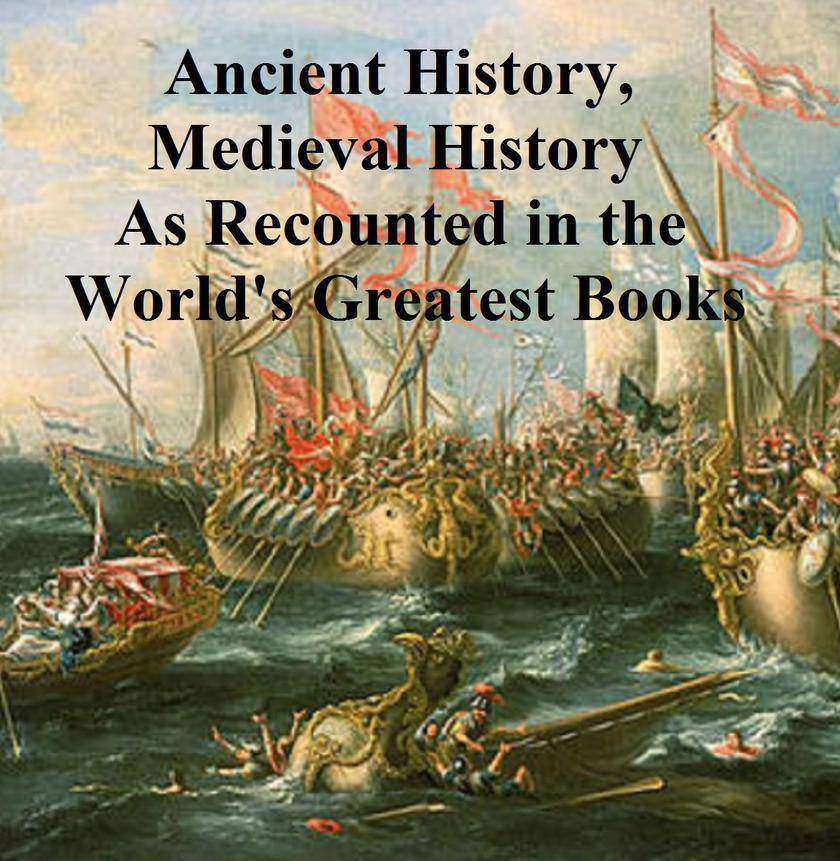
Ancient History, Mediaeval History As Recounted in the World's Greatest Books
¥8.09
First published in 1910, abridgements of such works as: Maspero's Dawn of Civilizatino, Struggle of the Nations, and Passing of the Empires; Josephus' Antiquities of the Jews and Wars of the Jews;Milman's History of the Jews; Herodotus' History; Thucydides' Pelpoonnesian War; Xeophon's Anabasis; Grote's History of Greece, Schliemann's Troy and Its Remains; Caesar's Gallic War; Tacitus' Annals; Sallust's Conspiracy of Catline, Gibbon's Decline and Fal of the Roman Empire; Mommsen's History of Rome; Gibbon's Holy Roman Empire;Guizot's History of civilizatin in Europe, Halam's View of the State of Europe During the MiddleAges; Lane-Poole's Egypt inthe Middle Ages; Holinshed's Chronicles of England, Scotland and Ireland; Freeman's NormanConquest of England, and Froude's History of England.
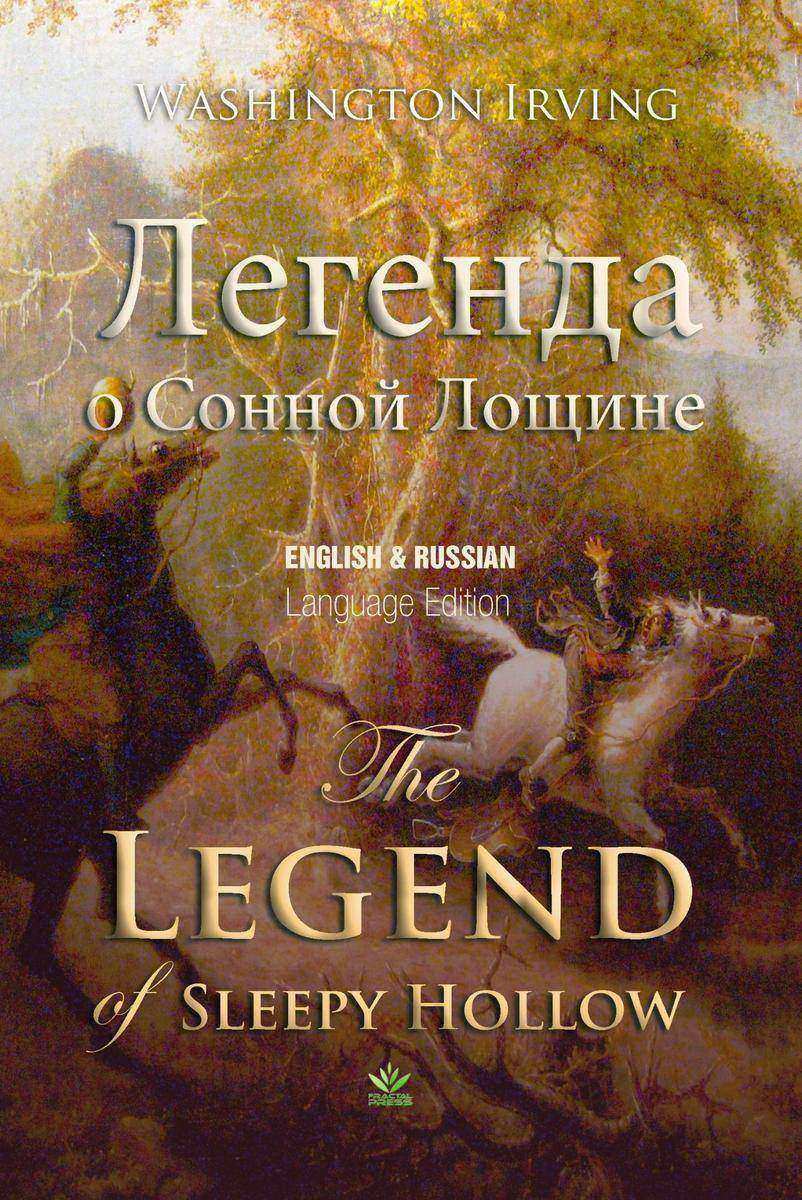
The Legend of Sleepy Hollow: English and Russian language edition
¥40.79
Sleepy Hollow is known for its ghosts and the haunting atmosphere that pervades the imaginations of its inhabitants and visitors. The most infamous spectre in the Hollow is the Headless Horseman, said to be the ghost of a Hessian trooper who had his head shot off by a stray cannonball during some nameless battle of the American Revolutionary War, and who rides forth to the scene of battle in nightly quest of his head. This edition features original English language text followed by Russian language edition for those learning Russian language or curious about this story in other languages.
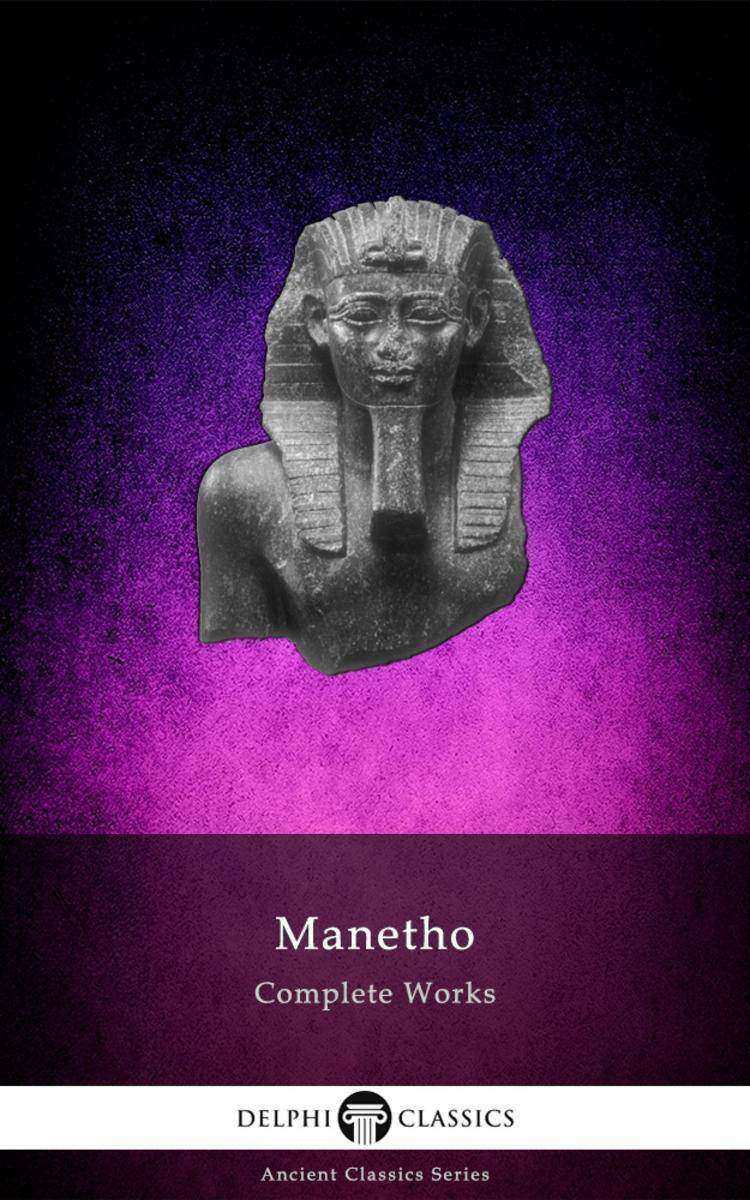
Delphi Complete Works of Manetho (Illustrated)
¥24.44
An Egyptian priest that flourished in the third century BC, Manetho wrote ‘Aegyptiaca’ (History of Egypt), which provided a detailed history of his homeland to the Hellenic world. Although his original texts are now largely lost, important remains have survived, transmitted to us as fragments from several ancient authors. For many centuries, before hieroglyphics could be read, Manetho’s writings were one of the chief sources of information on Egyptian history. Delphi’s Ancient Classics series provides eReaders with the wisdom of the Classical world, with both English translations and the original Latin and Greek texts. This comprehensive eBook presents Manetho’s complete extant works, with illustrations, informative introductions and the usual Delphi bonus material. (Version 1) * Beautifully illustrated with images relating to Manetho's life and works* Features the complete extant works of Manetho, in both English translation and the original Greek and Latin fragments* Concise introduction to ‘Aegyptiaca’* Includes W. G. Waddell’s translations, previously appearing in the Loeb Classical Library edition of Manetho* Excellent formatting of the texts* Easily locate the works you want to read with individual contents tables* Includes rare fragments of Manetho's other works, first time in digital print* Features a bonus biography – discover Manetho's ancient world* Scholarly ordering of texts into chronological order and literary genres Please visit www.delphiclassics.com to explore our range of Ancient Classics titles or buy the entire series as a Super Set CONTENTS: The TranslationsAEGYPTIACAOTHER FRAGMENTS The Greek and Latin TextsLIST OF GREEK AND LATIN TEXTS The BiographyINTRODUCTION TO MANETHO by W. G. Waddell Please visit www.delphiclassics.com to browse through our range of exciting titles


