


 购物车
购物车 个人中心
个人中心

Wounds: A Memoir of War and Love
¥73.58
Fergal Keane OBE was born in London and educated in Ireland. He is one of the BBC's most distinguished correspondents, having worked for the corporation in Northern Ireland, South Africa, Asia and the Balkans. He has been awarded a BAFTA and has been named reporter of the year on television and radio, winning honours from the Royal Television Society and the Sony Radio Awards. He has also been named Reporter of the Year in the Amnesty International Press Awards and won the James Cameron Prize and the Edward R.Murrow Award from the US Overseas Press Association.
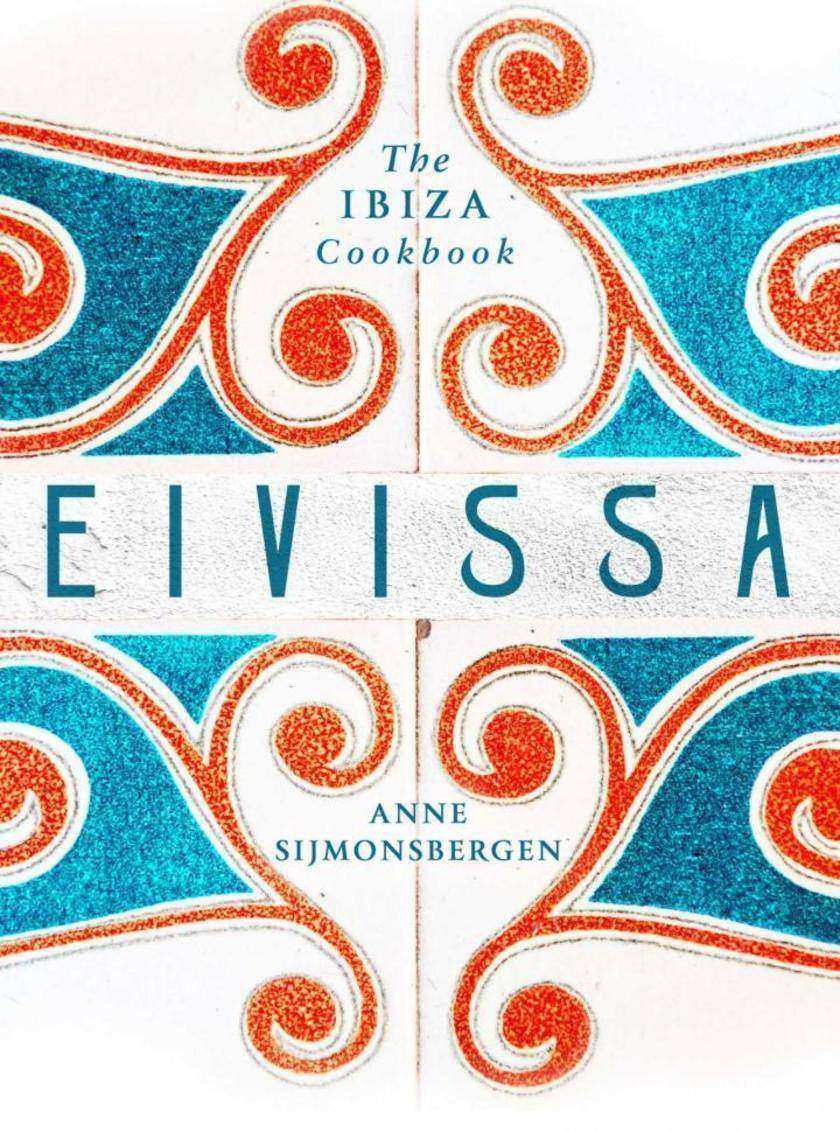
Eivissa: The Ibiza Cookbook
¥147.35
Anne Sijmonsbergen is a chef and Ibiza’s only organic tomato farmer. Ten years ago she moved there with her husband and they bought a 450-year old farmhouse. Her tenure there has coincided with this food revolution, and has led her on an odyssey to discover the food of the island and the people who make it

How to Live Like Your Cat
¥51.50
Stéphane Garner was born in Lyon in 1974. www.stephanegarnier.com
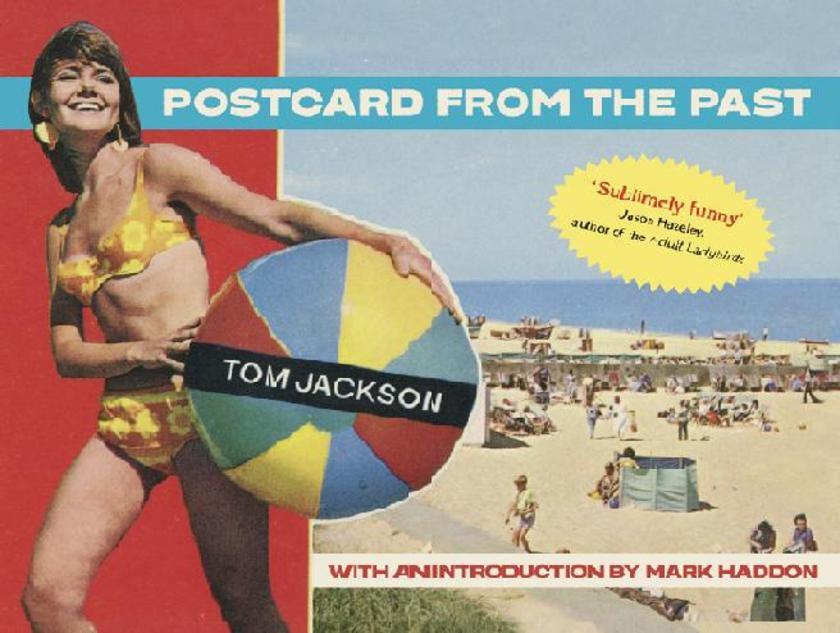
Postcard From The Past
¥73.58
Tom Jackson started putting old postcards on Twitter in 2016. He lives in South London. @pastpostcard

Border Collie (Collins Dog Owner’s Guide)
¥73.58
Writer and canine behaviourist Carol Price has owned, trained and bred Border Collies for over 15 years. She is a member of The UK Registry of Canine Behaviourists, specialising particularly in Border Collies and rescue dogs, and the author of the best-selling books Understanding the Border Collie and Understanding the Rescue Dog. She has written extensively for The Times on canine and other animal behaviour subjects, and is a regular contributor and training advisor for both of the UK’s top-selling dog magazines, Dogs Today and Your Dog.
Exotic Pets (Collins Need to Know?)
¥73.58
By picking up this book, you are probably either considering keeping exotic pets, or you already have an interest in them. Not only are many of these creatures extremely beautiful to look at but they are also much simpler to look after than some of the more traditional pet mammals and birds with whom we choose to share our lives.Among the most popular pet amphibians, tree frogs are remarkably easy to look after and many species are suitable for handling by keepers.

Farming and Birds (Collins New Naturalist Library, Book 135)
¥220.14
Ian Newton is an ornithologist and applied scientist, and a leading expert on bird ecology and biogeography, specialising in finches, waterfowl and birds of prey, especially the sparrowhawk. He graduated from Bristol University and gained his doctorate at Oxford. He joined the NERC in 1967, initially studying population ecology of geese and finches, followed by the impact of pesticides on birds of prey. He has written three previous New Naturalist volumes, Finches (1972), Bird Migration (2010) and Bird Populations (2013).

The New Forest (Collins New Naturalist Library, Book 73)
¥476.96
I recall the New Forest in childhood and explored it in the 1950s. It has been my home and I have been involved in its affairs since 1960 when almost by accident I found myself working in the Nature Conservancy (since 1974 the NCC). The Forest has not been my only professional concern or research interest since then, but it has been of constant and absorbing interest. The absorption grows with time – partly because over long time spans, it becomes possible to measure and witness changes which illuminate the relationships between soils, vegetation, animals and management in ways which no short-term study can achieve; and partly because time increases rather than diminishes the degree of spiritual renewal and intellectual wonder to be derived from the familiar woods and heaths.

Care for your Pony (The Official RSPCA Pet Guide)
¥25.21
Owning and caring for a pony can be one of the most rewarding experiences in life. It teaches self-discipline and self-reliance and helps to develop a sense of responsibility in young people. In return for good care, a pony will provide years of pleasure and a wonderful way to get and stay fit.But ponies can be extremely demanding animals in terms of time, land and money. There may seem nothing to match the fervour of a child’s longing for his or her own pony, but if parents do not give the matter careful thought, or if they make a hasty purchase, then they may find out too late that they have created an impossible situation.A pony must have daily attention at regular times not just when its owner finds it convenient. It must have a safe, well-fenced field or paddock, and field shelter if it is to live out all year. The field must be well-drained and preferably large enough to divide into two or three sections to allow for controlled grazing. If the pony is to be stabled during the winter, a loose box of adequate size must be provided, with plenty of bedding, changed daily. The cost of winter feed is another factor to be considered before taking on ownership of a pony, for even hardy ponies which live out all year need supplementary food from late autumn to early summer. There will also be regular blacksmith’s and vet’s bills to be taken into account.
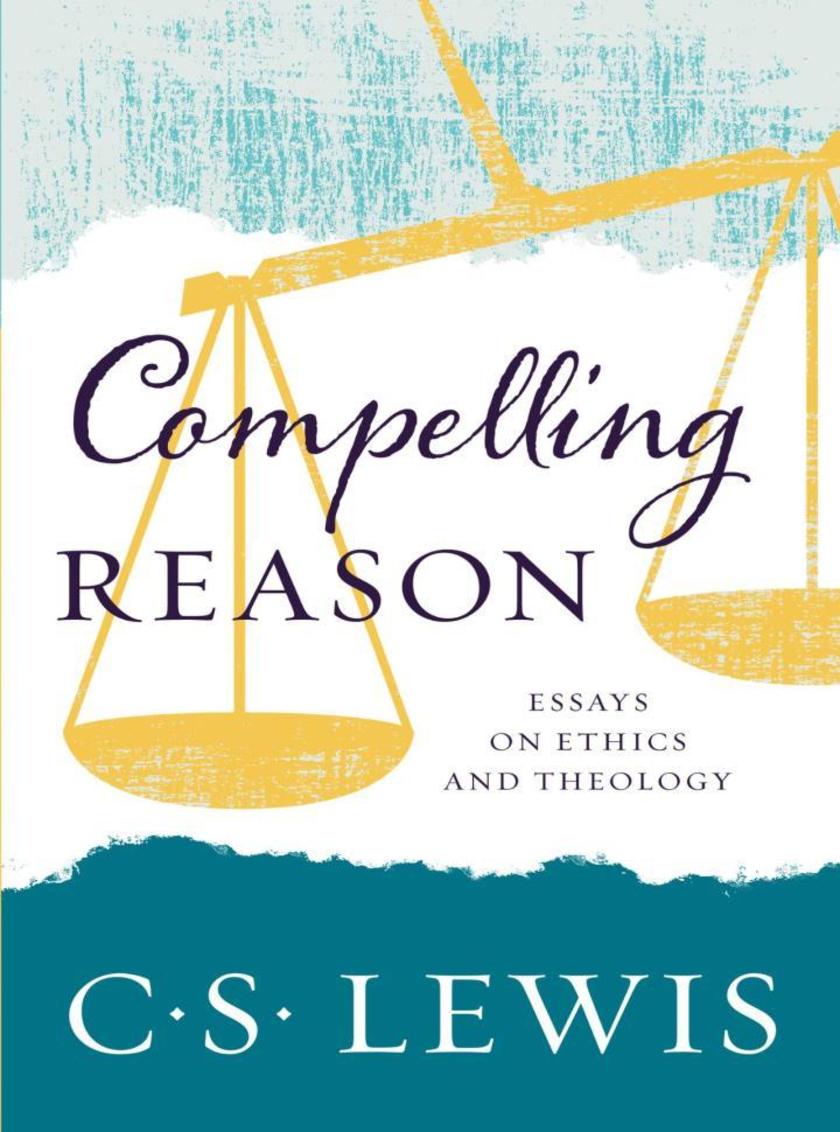
Compelling Reason
¥58.86
Born in Ireland in 1898, Clives Staples Lewis gained a triple First at Oxford and was Fellow and Tutor at Magdalen College from 1925-54, where among others he was a contemporary of Tolkien. In 1954 he became Professor of Mediaeval and Renaissance Literature at Cambridge. C. S. Lewis was for many years an atheist, until his conversion which he memorably described in his autobiography Surprised by Joy: “I gave in, and admitted that God was God … perhaps the most dejected and reluctant convert in all England.” He is also celebrated for his famous series of children’s books, the Narnia Chronicles (which have been filmed and broadcast many times), as well as his literary criticism and science fiction. C. S. Lewis died on 22nd November 1963.

Air Force Blue: The RAF in World War Two – Spearhead of Victory
¥73.58
Patrick Bishop is the author of the critically acclaimed and best-selling ‘Fighter Boys’, ‘Bomber Boys’, ‘3 Para’ and ‘Ground Truth’. Previously, he was a foreign correspondent for over twenty years, reporting from conflicts all over the world.
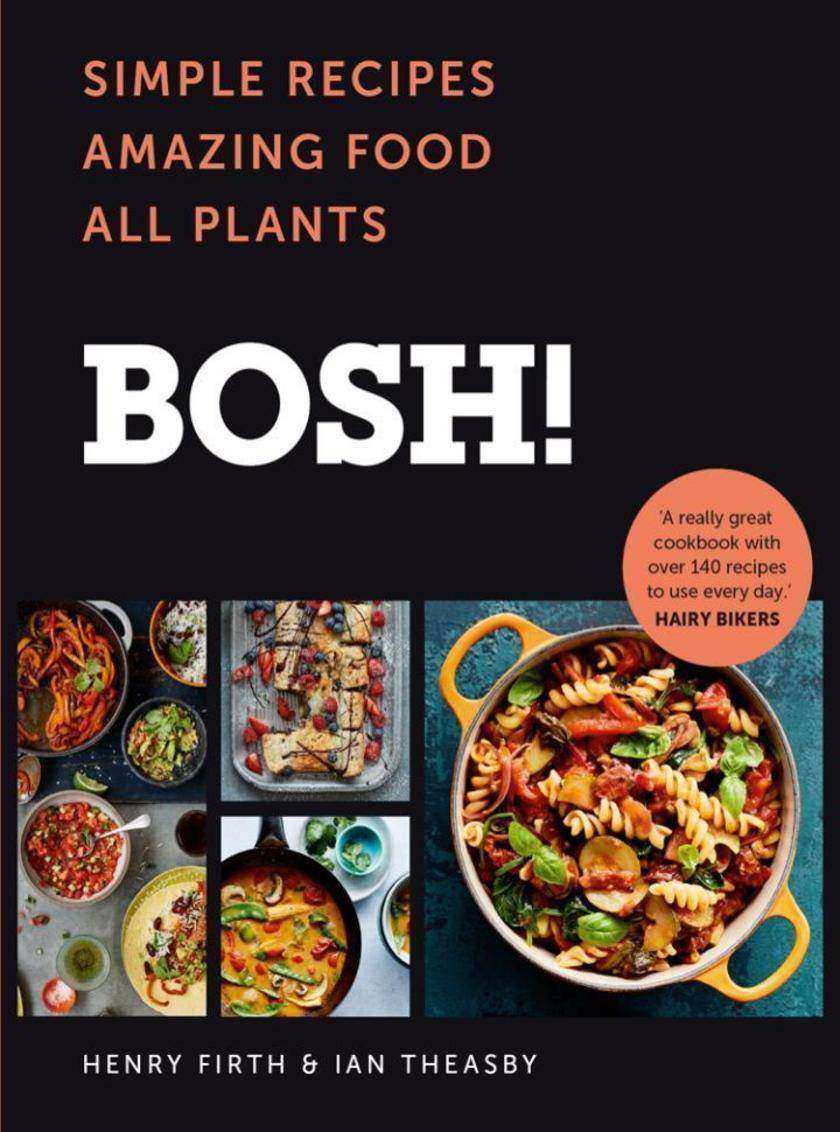
BOSH!: Simple Recipes. Amazing Food. All Plants. The most anticipated vegan cook
¥147.35
Lifelong friends from Sheffield, Henry and Ian are the guys behind BOSH! – the biggest plant-based video channel on Facebook. Totally powered by plants, BOSH! create mouthwatering meat- and dairy-free recipes that are shared across the globe, reaching over 25 million people a month.
Antique Furniture (Collins Gem)
¥38.36
Collins Gem Antique Furniture is a guide to take with you to auctions or car boot sales for it provides a visual guide to identifying the age and style of furniture, combined with advice on caring, buying, and selling antique furniture. This new Gem is produced in flexibinding, providing the durability of a hardback and the flexibility of a paperback. The stylish new cover design, this new Gem Antique Furniture will provide an essential friendly introduction to Antiques. After an introductory section on periods and styles of furniture, and how to look after antique furniture this Gem looks at the main furniture types -- chairs, tables, cupboards and so on -- showing the detailed changes in style that happens over the years -- for example, much can be learnt from understanding the changing shape of chair legs to help you date a chair. * An introduction to identifying antique furniture through understanding the key features of pieces of furniture * Guidance on the care and repair of furniture and advice on buying and selling * Lavishly illustrated with photographs to help identification
The Botham Report
¥53.76
Ian Botham was the most thrilling sight in sport for nearly two decades at the top of international cricket. He retired from the game in 1993 and has since acted as coaching advisor to the England team on the 1997/98 Zimbabwe and New Zealand tour, a commentator for Sky TV, and he has a newspaper column in the Daily Mirror. He continues to be a keen analyser of the game.

An Agenda for Britain
¥44.24
In The Importance of Being Earnest what Lady Bracknell said of Ernest’s loss of both his parents could also be said about the losing of elections. If the loss of one election is unfortunate, and two careless, then three is reckless, four criminal, and to lose five in succession might well prove fatal. This chapter looks at the reasons for Labour’s losing streak. It considers whether the Party is now so enfeebled that it will be unable to win again, unless it offers an electoral reform which will ensure that it is unlikely ever to form a one-party government again. The promise of electoral reform must be accompanied by the most fundamental changes in the Party’s constitution if Labour is to continue to be a serious political force.

The Mills & Boon Modern Girl’s Guide to:Happy Hour:How to have Fun in Dry Januar
¥51.50
Ada Adverse was brought up in a deeply puritanical household where looking at a cake or using words containing more than one vowel were considered decadences punishable by a night in the coal cellar. But at fifteen she ran away from home and is now the world’s leading authority on Having Fun, which is definitely an actual job, she has ‘Fungineer’ printed on her business cards to prove it, though in retrospect she should have been more clear that this does not mean she specialises in mushrooms. Ada’s hobbies include topiary, mazes, homing pigeons, flea circuses, forming imaginary bands in her head, embalming things, tattoos, pylons, and the films of Billy Wilder. Ada’s dislikes include predatory mcaws, getting out the wrong side of the bed, collections of masks, and porcelain dolls with realistic teeth.
Horse Trader: Robert Sangster and the Rise and Fall of the Sport of Kings
¥154.12
It was always tense in The Rooms when they were proposing to elect a statesman to membership. Actually, it was always tense in The Rooms whomever they were proposing to elect to membership. But a statesman created a special feeling of apprehension. Such an event happened only every fifty years or so, because, by and large, the Jockey Club did not see statesmen as the right calibre of chap. Most of them had depressingly brilliant intellects coupled with dazzling charm and tact. Or, put in the more ducal vernacular of the Club, they were too clever by half, ‘too smarmy’.The Earl of Rosebery, during his Lordship’s tenure as Prime Minister of England, had of course been a member of the Club back in 1894 when his colt Ladas had won the Derby at Epsom. However, having been a member since the age of twenty-two, the touchy business of electing a statesman had never really applied.The Jockey Club had admitted an Under-Secretary of State for War, Earl Cadogan, in the middle of the nineteenth century, in the knowledge that he was much preoccupied with the unrest along India’s north-west frontier. The same applied, in smaller measure, to the Marquis of Londonderry and the Earl of Zetland in the 1880s when they were appointed as successive Lords-Lieutenants of Ireland. Different frontier, similar unrest among the natives and one or two furrowed brows in the Club. Lord Randolph Churchill, Chancellor of the Exchequer and owner of an Oaks winner in 1889, had had to be elected. And they could not quite avoid accepting his often fractious son Sir Winston, who won the Jockey Club Cup in 1950 with his stout-hearted grey Colonist II shortly before becoming Prime Minister for the second time.
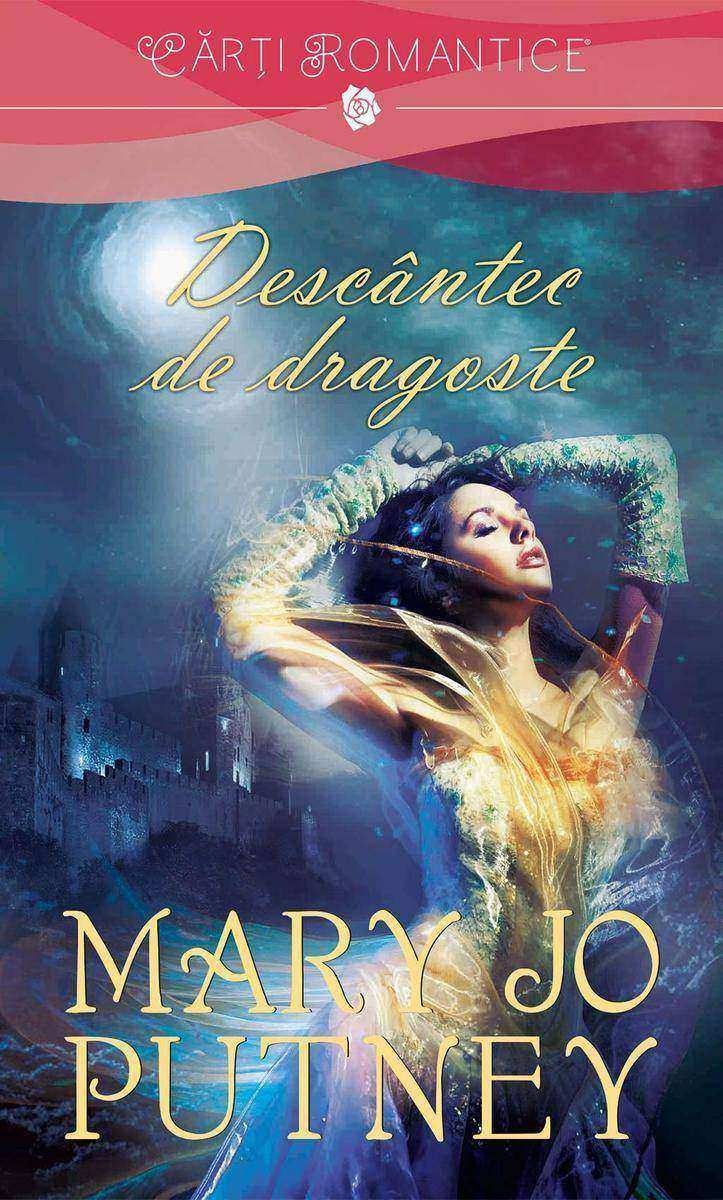
Desc?ntec de dragoste
¥7.36
Jack Langdon, Lord Frayne, trateaz? cu foarte mult? seriozitate onoarea str?vechii sale familii ?i,icircn acela?i timp, ascunde un secret pe care icircl consider? ru?inos: darul de vr?jitor, pe care a fost icirc nv??at s?-l reprime ?i s?-l resping?. Cacirc nd un accident icirc;l aduce pe Jack icirc;n pragul mor?ii, unica lui ?ans? de supravie?uire este Abigail Barton, o vindec?toare talentat?. Abigail trebuie s? icirc;?i asume un mare risc pentru a-i salva via?a lordului Frayne, a?a c? va cere icircn schimb un pre? pe m?sur?: c?s?toria cu Jack. Acesta nu icirc nt acirc rzie s? accepte ?i curacirc;nd se simte atras de sincera lui so?ie, al c?rei farmec este la fel de puternic ca ?i trezirea propriilor abilit??i magice la racirc;ndul ei, Abigail este impresionat? de sensibilitatea ?i bl acirc nde?ea lui Jack. Cunoscacirc nd icirc ns? prea bine ura acestuia fa?? de magie, hot?r??te s? tr?iasc? desp?r?it? de el dup? conceperea copilului pe care ?i-l dorise at acirc;t de mult, pentru ca Jack s? icirc ?i poat? p?stra reputa?ia, iar ea s? icirc ?i poat? îndeplini menirea de vindec?toare. Cu toate acestea, iubirea care se na?te icirc;ntre ei se dovede?te a fi cea mai misterioas? ?i mai seduc?toare for?? pe care au cunoscut-o vreodat?.
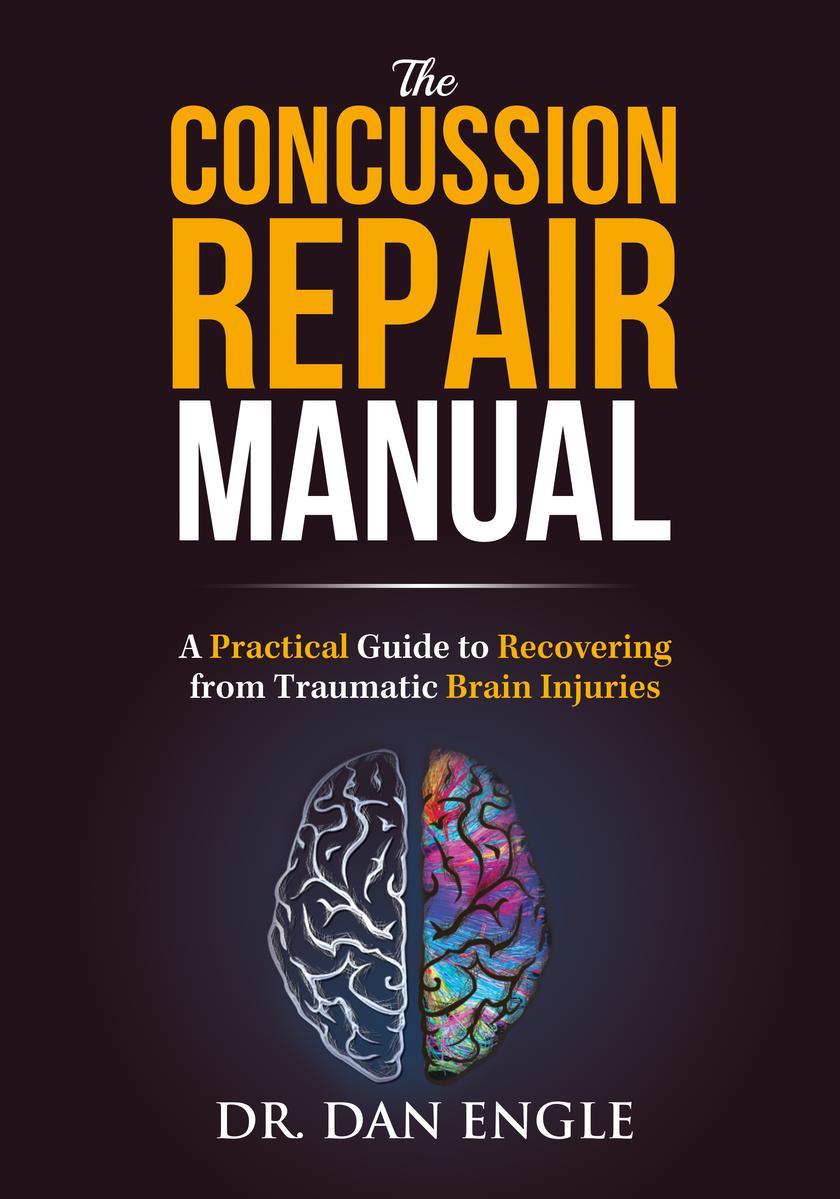
The Concussion Repair Manual: A Practical Guide to Recovering from Traumatic Bra
¥81.50
Concussion -- the biggest name in today's high-impact sports. As more and more high profile athletes come forward to share their stories of invisible suffering after head injuries, we as a culture are finally acknowledging this silent epidemic. The Concussion Repair Manual is written as a user’s guide for those suffering after head traumas and those that support them. ?It is one-part “textbook,” packed with the leading research on medical technologies for healing the injured brain, and one-part “workbook,” offering a step-by-step method for making and tracking a personalized recovery regimen. Dr. Dan Engle's background and passion for concussion repair stem from a three-decade investigation into the many modalities for healing his own traumas. ?When the usual medical treatments didn’t help, he explored what was possible, found what worked and put them into this manual - "the best of the best" in the medical arena for recovering from sports related head injury. Reviews "A game changer. This book is the most useful piece of literature I have ever read on concussion." - Matt Cook, MDFounder, BioReset Medical "(This) book can also be used as a simple tool to get smarter and think better, even if you haven't had a concussion. Whether you are a physician, a patient or simply an optimal health seeker, this book is a must-have for your personal health library." - Ben Greenfield, Human Performance Consultant, BenGreenfieldFitness.com "Dan's CRM is required reading for concussion patients, their caregivers, and all allied healthcare practitioners who care for these patients. There is a better way and this is it. "- Scott Sherr MD, Founder, Integrative HBOT, Head of Protocol and Innovation at Hyperbaric Medical Solutions, @hmsHBOT About the Author Dr. Dan Engle is Board Certified in Psychiatry and Neurology, with a clinical practice that combines functional medicine, integrative psychiatry, neuro-cognitive restoration and peak performance methods. He lectures and consults globally and is the medical advisor to Onnit Labs, the True Rest Float Centers and several international treatment centers using indigenous plant medicines for healing and recovery.

Via?a e u?oar?, nu-?i face griji
¥65.32
ntoars din Irlanda, Diane este hotrt s nceap o via nou la Paris. Cu ajutorul prietenului su, Félix, redeschide cafeneaua literar Oamenii fericii citesc i beau cafea“, oaza ei de linite. Acolo l ntlnete pe Olivier. Un brbat blnd i atent, care nelege refuzul ei de a deveni din nou mam, dup pierderea cumplit pe care a suferito.Dar o ntmplare neateptat o bulverseaz pe Diane i i spulber toate certitudinile.Va avea ea oare curajul de ai construi un nou cmin"Talentul de povestitoare al lui Agnès MartinLugand este incontestabil cunoate n profunzime alfabetul complicat al iubirii." - Le Figaro"Agnès MartinLugand are un sim nnscut al povestirii." - L'Express
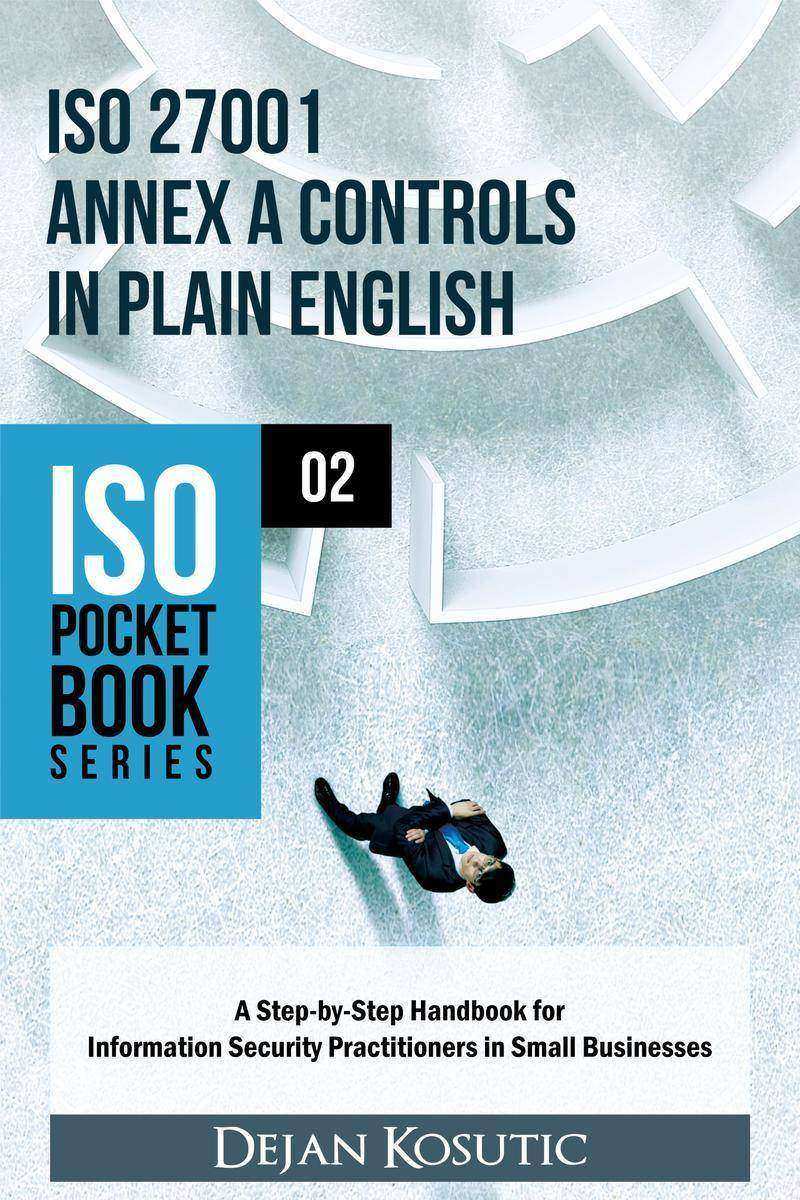
ISO 27001 Annex A Controls in Plain English
¥81.67
In this book, Dejan Kosutic, author and experienced information security consultant, is giving away his practical know-how on ISO 27001 security controls. No matter if you are new or experienced in the field, this book teaches you everything you need to know about security controls. ISO 27001 Annex A Controls in Plain English is written primarily for beginners to ISO 27001, and for people with moderate knowledge about Annex A of the standard and the 114 security controls that are found in the Annex. It is structured in such a way that someone with no prior experience or knowledge about information security can quickly understand what they are all about; however, if you do have experience with ISO 27001, but feel that you still have gaps in your knowledge, you’ll also find this book very helpful. Kosutic uses plain English to explain everything you need to know about security controls in ISO 27001, as well as the differences between the controls in Annex A of ISO 27001 and in ISO 27002. Also, you will learn everything about the crucial link between risk management and security controls, and get a complete overview of Annex A controls starting from the introduction, structuring of the documentation, and instructions on how to write detailed information security policies, all the way to the requirements for compliance. Written in simple language and avoiding the technical jargon, ISO 27001 Annex A Controls in Plain English is the right book to start learning about the subject.


