


 购物车
购物车 个人中心
个人中心

50 Melhores piadas de Jo?ozinho
¥8.18
Divirta-se com as 50 melhores piadas do menino Jo?ozinho, o aluno mais levado na escola, que gosta de brincar com os professores e tirar sarro de todo mundo, até dos próprios pais.Contém linguagem inadequada para menores de 18 anos.

Hogyan készíts eredményes Facebook hirdetéseket?
¥143.72
Fent van a ce?ged a Facebookon, de nem jo?nnek az eredme?nyek? Hirdetsz, de nem vagy ele?g sikeres? Szeretne?d felpo?rgetni?a Facebook-hirdete?seid hate?konysa?ga?t? A Facebook egy nagyon o?sszetett hirdete?si rendszer. To?bb, mint 500 fe?le hirdete?sce?lza?si bea?lli?ta?s, valamint 15 hirdete?sle?trehoza?si leheto?se?g a?ll rendelkeze?su?nkre. Nem ko?nnyu? eldo?nteni melyiket haszna?ljuk, hiszen gyakran csak apro? ku?lo?nbse?gek va?lasztja?k el o?ket egyma?sto?l.?Ra?ada?sul sokszor a siker nem is a technikai tuda?son mu?lik, hanem azon,?hogyan e?pu?l be a marketing folyamatok ko?ze? ez az eszko?z. Erro?l szo?l ez a ko?nyv.A segi?tse?ge?vel nem csak a hirdete?si rendszer tru?kkjeit ismered meg, hanem azokat a mo?dszereket, strate?gia?kat, amik tu?lmutatnak a Facebookon, e?s amik ta?mogatnak abban, hogy me?g eredme?nyesebbe? tedd az online marketingedet. "Atto?l tartok a Ricsi tu?l?sok informa?cio?t?i?rt bele a ko?nyvbe, eze?rt az emberek nem fognak jelentkezni a ke?pze?seire. Aki elolvassa, le?trehozhatja?vagy jelento?sen javi?thatja a saja?t social marketing strate?gia?ja?t. E?n ma?r megtettem!” Damjanovich Nebojsa, senpai.hu ?Ma ma?r egyre nehe- zebb sze?les ko?rnek organikusan eljuttatni egy-egy posztot, eze?rt hirdete?sekre van szu?kse?g. Me?gpedig jo?l megtervezett Facebook-hirdete?sekre. Ezt ja?rja ko?ru?l Richa?rd alapossa?ggal e?s folyamatszemle?lettel, ugyanakkor ko?nnyed sti?lusban. Ko?nyve a Budapesti Metropolitan Egyetem digita?lis marketing executive MBA ke?pze?se?n is fontos alapirodalom lesz.”Dr. Papp-Va?ry A?rpa?d, a Budapesti Metropolitan Egyetem a?ltala?nos rektorhelyettese, a ?ma?rkadoktor” ?Le?vai Ricsi megmutatja, hogyan kell meg fogni e?s nem ereszteni a vevo?idet, aka?r itthoni, aka?r ku?lfo?ldi piacra ce?lzol. E?s Ricsi bo?kezu? az informa?cio?val, hiszen Magyarorsza?gon o? publika?l a legto?bbet Facebook-marketingro?l. E?s ha annyi mindent megoszt ingyen, ke?pzeld, milyen titkokat tartogat Neked a ko?nyve?ben! Szo?val, u?j vevo?k, nagy te?telben, diszkont a?ron – e?rdekel?”Wolf Ga?bor, Marketing Commando U?gy e?rzed, itt az ideje, hogy a Facebook-hirdete?seid igaza?n eredme?nyesek legyenek?Ez a ko?nyv ebben segi?t. Fordi?tsd a saja?t ce?ged java?ra a benne rejlo? informa?cio?kat!
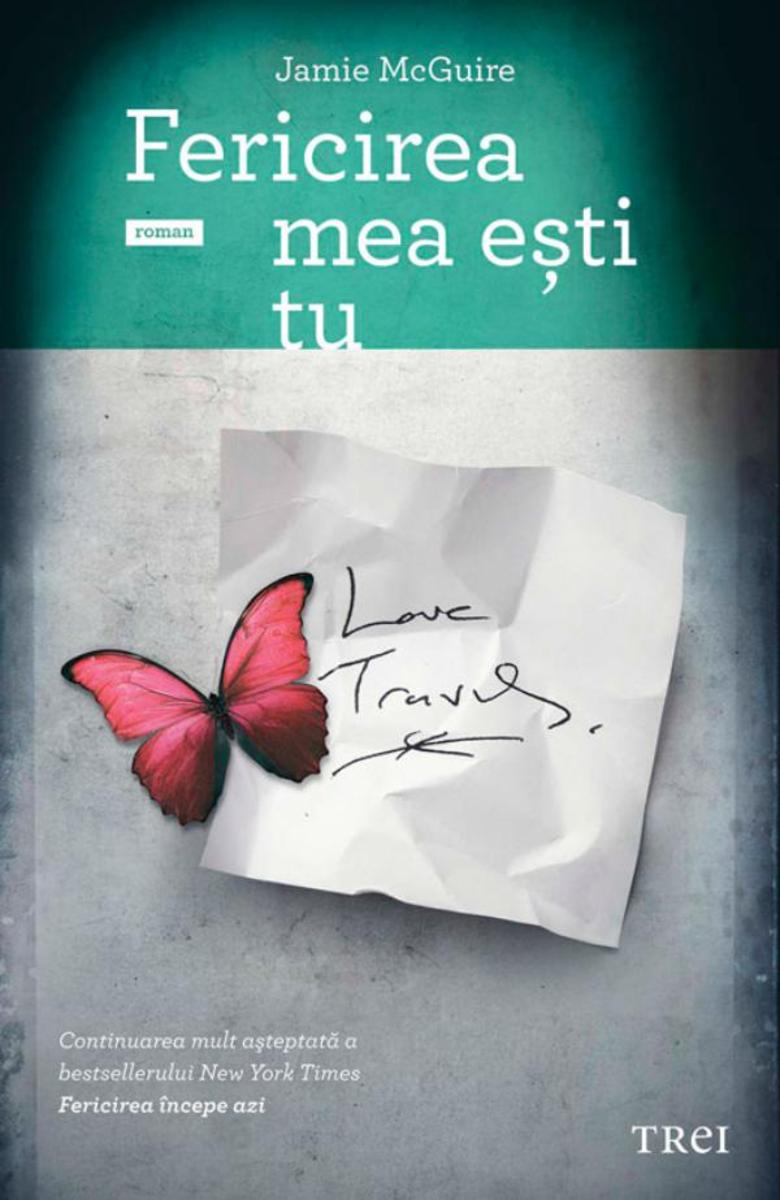
Fericirea mea e?ti tu
¥81.67
Continuarea mult a?teptat? a bestsellerului Fericirea ?ncepe aziAfl? ce este ?n mintea b?rba?ilor!Travis Maddox a ?nv??at dou? lucruri de la mama sa ?nainte ca aceasta s? moar?: Iube?te mult. Lupt? ?i mai mult pentru iubirea ta.?n Fericirea mea e?ti tu, via?a lui Travis e plin? de femei care vin ?i pleac?, de jocuri de noroc ilicite ?i de violen??. ?ns? tocmai c?nd Travis se consider? invincibil, Abby Abernathy ?l pune la p?m?nt.Fiecare poveste are dou? versiuni. ?n Fericirea ?ncepe azi, Abby vorbe?te ?n numele ei. Acum e timpul s? citim povestea prin ochii lui Travis.?Travis e un tip impulsiv. ?ncerc?nd s? scriu din punctul lui de vedere, am ?tiut c? nu puteam s? spun povestea din nou, pur ?i simplu. Mi-am ?ndreptat aten?ia asupra perioadei c?nd Abby ?i Travis nu erau ?mpreun?, pentru ca romanul s? aduc? lucruri noi ?i am sentimentul c? am reu?it s? fac ce mi-am propus.“ – Jamie Mcguire?Fericirea mea e?ti tu are avantajul c? vine dup? o poveste emo?ionant?, pe care o completeaz?, ?i c? are un epilog ingenios, ce surprinde un instantaneu din via?a lui Travis ?i a lui Abby ?n viitor.“ – Reading, Eating Dreaming?Travis Maddox continu? s? lupte pentru ceea ce iube?te. Ce ?i-ai putea dori mai mult de la un b?rbat?“ – Bookwhisperer Reviews?Am f?cut o adev?rat? pasiune pentru personajele acestui roman.“ – The Daily Quirk
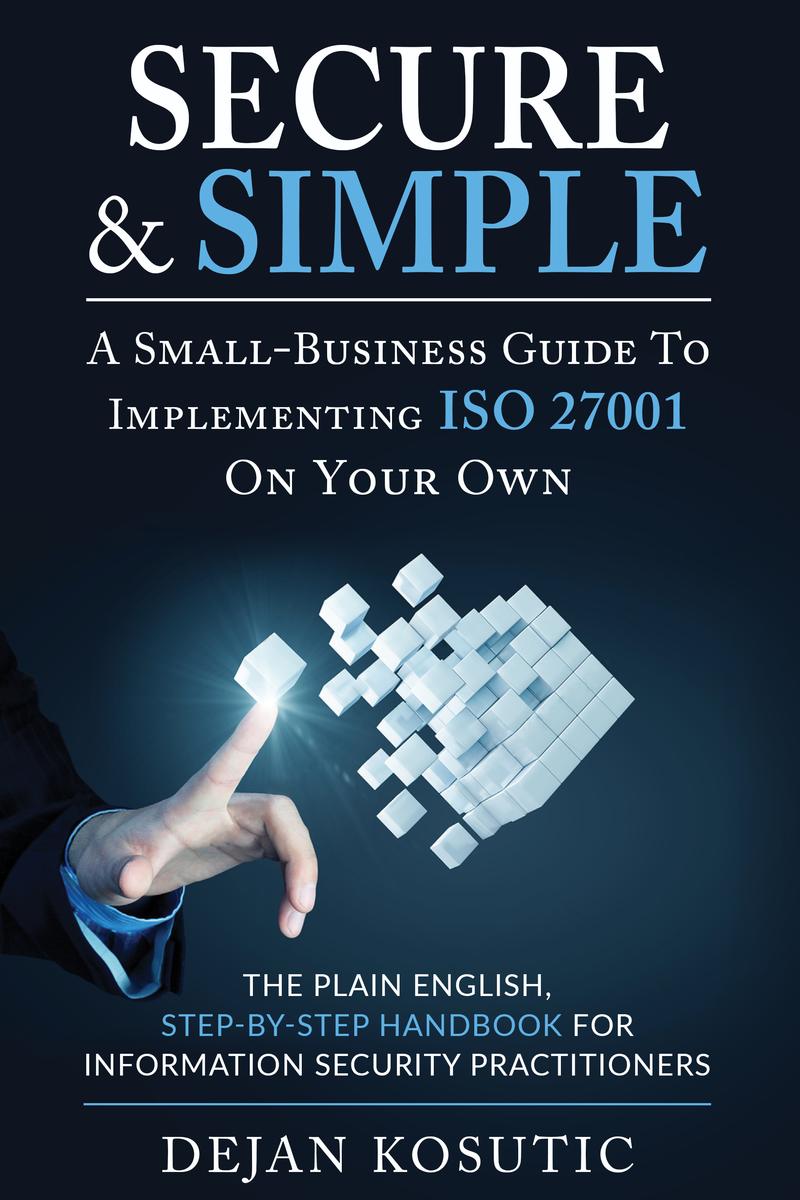
Secure & Simple – A Small-Business Guide to Implementing ISO 27001 On Your Own
¥326.92
Secure Simple Dejan Kosutic, an author and experienced information security consultant, is giving away all his practical know-how on successful ISO 27001 implementation. Whether you’re new or experienced in the field, this book gives you everything you will ever need to implement ISO 27001 on your own. Dejan provides examples of implementing the standard in small and medium-sized organizations (i.e. companies with up to 500 employees). It is written primarily for beginners in the field and for people with moderate knowledge of ISO 27001. Even if you do have experience with the standard, but feel that there are gaps in your knowledge, you’ll find this book very helpful. Secure Simple is the definitive guide for implementing and maintaining the most popular information security standard in the world. The author leads you, step-by-step, from an introduction to ISO 27001 to the moment your company passes the certification audit. During that journey you will learn: The most common ISO 27001 myths, like “The standard requires xyz;” “We’ll let the IT department handle it;” “We’ll implement it in a couple of months;” and others.How to convince your top management to implement ISO 27001. “If you think that your management loves to listen to your great idea about a new firewall, or the perfect tool you've discovered for handling incidents, you're wrong – they just don't care.” This book will help you speak the language they want to hear.How to write the Risk Assessment Methodology plus other policies and procedures.How to identify potential risks.“Employees (and the organization as a whole) are usually aware of only 25 to 40% of risks – therefore, a thorough and systematic process needs to be carried out…” Learn how to identify all potential risks that could endanger the confidentiality, integrity, and availability of organization’s information.What are the most important steps in order to prepare a company for the certification, and much more. Written in plain English with a lot of practical examples, charts and diagrams, it is the only book you’ll need on the subject of ISO 27001 implementation.
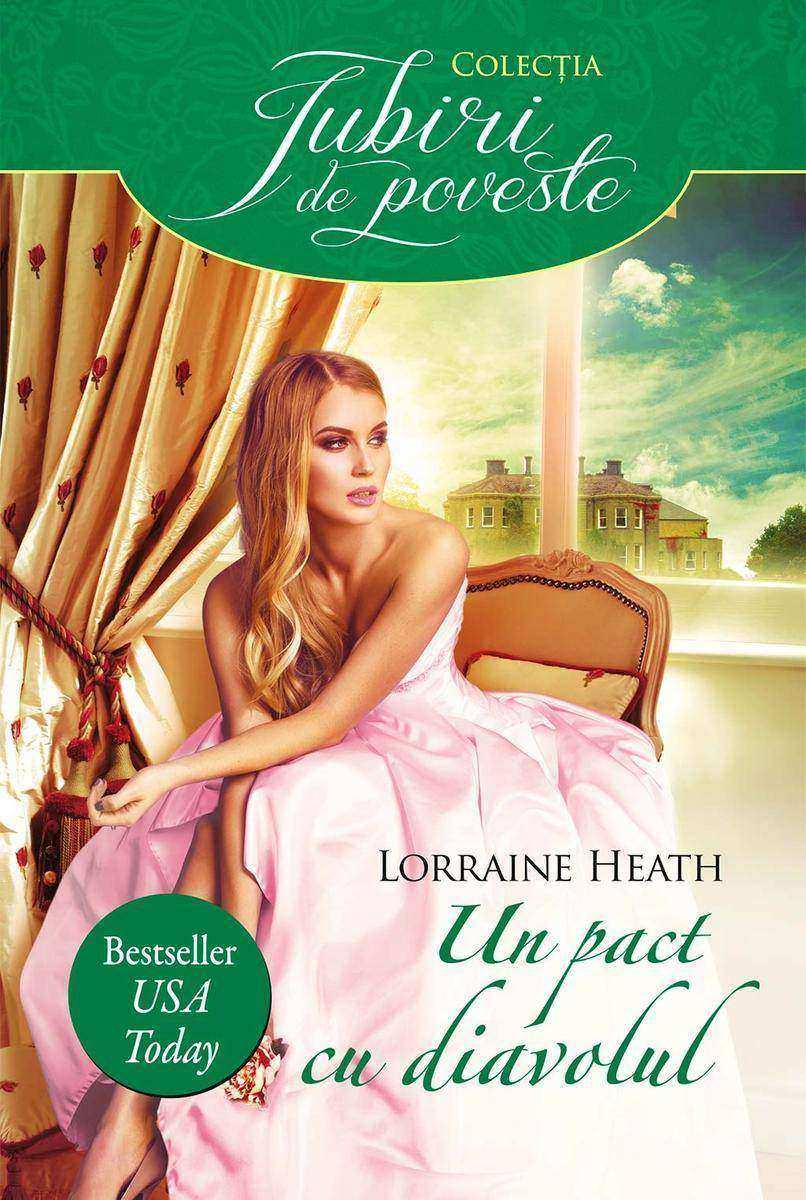
Un pact cu diavolul
¥7.36
A fost poreclit Contele Diavol – un b?rbat cu spirit nesupus, acuzat de crim?, crescut pe str?zile periculoase ale Londrei ?i care nu-?i mai aminte?te nimic despre trecutul lui. Orice domni?oar? bine educat? ?tie c? risc? mai mult dec?t reputa?ia atunci c?nd ??i asociaz? numele cu frumosul Lucian Langdon, ?ns? Lady Catherine Mabry nu are alt? solu?ie. Ar face orice pentru a-i proteja pe oamenii pe care ?i iube?te… chiar ?i s? ajung? la o ?n?elegere cu ?nsu?i diavolul. Lucian vrea s? fie respectat ?i, mai presus de asta, ??i dore?te o so?ie. Problema este c? aleasa lui nu cunoa?te eticheta pe care trebuie s? o respecte ?n mijlocul aristocra?iei ?i nu e acceptat? de ?nalta societate. Catherine ?l poate ajuta pe Lucian s? dob?ndeasc? tot ce-?i dore?te. Dar pre?ul pe care ?l cere ea ?n schimb le poate pune chiar vie?ile ?n pericol. Atunci c?nd primejdia le d? t?rcoale, cei doi se descoper? cu adev?rat: Lucian se dovede?te a fi un b?rbat incredibil de pasional, iar Catherine, o femeie de un curaj nem?surat. Pe m?sur? ce ies la iveal? secrete din trecutul lui ?ntunecat, Lucian ajunge s? pun? sub semnul ?ntreb?rii toate lucrurile pe care le considera adev?rate, inclusiv dorin?ele propriei inimi.

Cuando el amor es una mala palabra
¥15.18
Cuando el amor es una mala palabra es una antología poética que reúne setenta y cinco expresiones de sentimiento escritas por mí desde los inicios del a?o 2008.En Cuando el amor es una mala palabra he plasmado diversas situaciones, reales o imaginarias. Mi única intención es que el lector se transporte a un mundo de muchas historias, en el cual tendrá una total libertad para interpretarlas.Las palabras incluidas en cada una de estas letras no pretenden discriminar. Están ordenadas de la manera como el amor hace lo suyo, con picos y abismos, cuando empieza, cuando se cruza con la desilusión y el dolor, y cuando termina con el deseo de renacer e intentarlo una vez más.Entonces, mejor es dejar que ellas mismas se presenten con su historia.

10 Receitas saudáveis para você ser fit
¥8.18
Quer entrar na academia e conquistar aquele corpito jóia?Muito bom! Exercícios físicos s?o fundamentais para alcan?ar a boa forma; mas, se você n?o se alimentar direito, vai gastar tempo (e dinheiro!) à toa na academia.Aprenda a preparar 10 receitas saudáveis para você ter uma alimenta??o leve e nutritiva; e assim, otimizar a sua vida fitness.

Вдох-выдох:Сборник рассказов
¥15.18
Вдох-выдох — это второй сборник рассказов Ирены Яновой. Первый сборник,Магические книги Невилов, вышел под псевдонимом Ирина Иванова в 2014 году. Знаете ли вы, кто такие энергетические вампиры и что они делают с накопленной энергией В рассказе Вдох-выдох, который дал название сборнику, автор предложила свою версию жизни такого человека. Рассказ Посылка поведает вам о том, что судьбу иногда определяет случай, а 23 реальность о любви. Причем о любви в другой реальности, где ты проживаешь иную жизнь, с другим человеком, с другой любовью. Эхо вселенной — лирический рассказ о космосе и о зарождении чувства на громадном расстоянии. Как помочь девушке, если знаешь, что с ней может приключиться беда Необычный герой, необычный способ помощи и судьба, которая не оставляет влюбленных. А что может произойти, если ваше сознание случайно осталось в вашем клоне Рассказ Человек, которого нет раскроет возможный вариант развития событий. Издательство Animedia Company желает вам приятного чтения.

His First His Second:An Alicia Friend Investigation: An Alicia Friend Investigat
¥0.01
Meet Detective Sergeant Alicia Friend. She’s nice. Too nice to be a police officer, if she’s honest. Now assigned to DI Donald Murphy’s team, the annoyingly-perky detective finds herself in the grip of a northern British winter, investigating the kidnap-murders of two young women - both strikingly similar in appearance. When a third is taken, they have less than a week to chip away the secrets of a high-society family, and uncover the killer’s objective. But Richard - the father of the latest victim - believes the police are not moving quickly enough, so launches a parallel investigation, utilising skills honed in a dark past that is about to catch up with him. As Richard’s secret actions hinder the police, Alicia remains in contact with him, and even starts to fall for his charms, forcing her into choices that will impact the rest of her life. For a chilling serial killer thriller with a quirky main character, pick up His First His Second today! ??? Reviews CrimeFictionLover.com “An intriguing mix of police procedural and serial killer thriller, that will tease, involve and unnerve you. An entertaining and intriguing debut.” Undercover Book Reviews: “Want a book with twists and turns? This is the one. It will not disappoint.” AUTHOR Q&A Q: Alicia Friend is kind of an oddball, isn’t she? A: I’d say she’s unique. She knows who she wants to be and she doesn’t compromise, but most police officers she meets are dour and grumpy, and she sees how that impacts their personal lives. She doesn’t want to be as hard-nosed as many women sleuths in fiction, so radiates the sort of perkiness that sometimes grates on her fellow officers. But it’s who she is. Q: Despite having a quirky woman sleuth as main character, the novel goes to some dark places. A: Yes. I found that at one point I was trying to include ALL my research, and I’m really aiming for a thrill ride as much a straight police procedural. I originally included the sort of forensic details you get with Patricia Cornwell or Kathy Reichs, but it wasn’t right for this book. I keep it as accurate as possible, but it’s about the characters and how they uncover secrets, both externally and within the police. Q: So who is your ideal reader? A: Fans of serial killer books in general. If you like James Patterson, PJ Tracy or Steven James, Mark Billingham or Ian Rankin, Alicia Friend’s series could be worth checking out. Q: What levels of violence and bad language are there? A: Some of the violence is graphic, but the language … that goes as strong as references to one’s posterior and some faecal synonyms, if you get my meaning. No “F” or “C” words, as I don’t think Alicia’s audience appreciates that. Q: And how, exactly, do you come up with a character like Alicia? A: She is based on a real person. But very loosely. The essence is there, although I had to invent certain aspects for dramatic effect. The parts from real life are: a ditzy, perky outer shell, yet possesses a fierce intelligence, true dedication, and being brilliant at her job. Q: So the real Alicia Friend isn’t a serving police officer? A: No, she isn’t. And if she was, I certainly wouldn’t say so here. Alicia Friend Books In Order: His First His Second In Black In White With Courage With Fear A Friend in Spirit To Hide To Seek (novella for summer 2018)

Rebel Faerie
¥40.79
The fae world’s biggest secret has been revealed … Having escaped an Unseelie prince and a world of shadows, Emerson and Calla are now hunted by the Guild of Guardians. On the run, constantly trying to remain one step ahead, they must figure out how to find and rescue everyone the Guild has taken from them. Then, in an unprecedented move, Unseelie Prince Roarke breaks the fae realm’s most important rule. Now two worlds stand on the brink of war. Caught in the middle between guardians and Prince Roarke’s forces, Em knows her Griffin Ability is powerful enough to stop them both. But as she masters control of her unique magic, Em is confronted with a question: how far is too far when you possess the kind of power she was born with? Can she step back from the line that shouldn’t be crossed, or will she end up losing herself before finding those she loves? Join Emerson and her companions in this race to save two worlds and the people they love in the final Creepy Hollow adventure!

Сказки про детей. Продолжение Иллюстрированное издание
¥15.18
Представляем вам второй том полюбившихся многим ?Сказок про детей? от Алексея Лукшина, автора, уже известного вам по ?Сказкам Дружного леса?. Главные герои книги — дети, которые попадают в иногда забавные, а иногда и сложные ситуации, делая из них правильные выводы и усваивая важные жизненные уроки. Издательство Animedia Company желает вам приятного чтения.
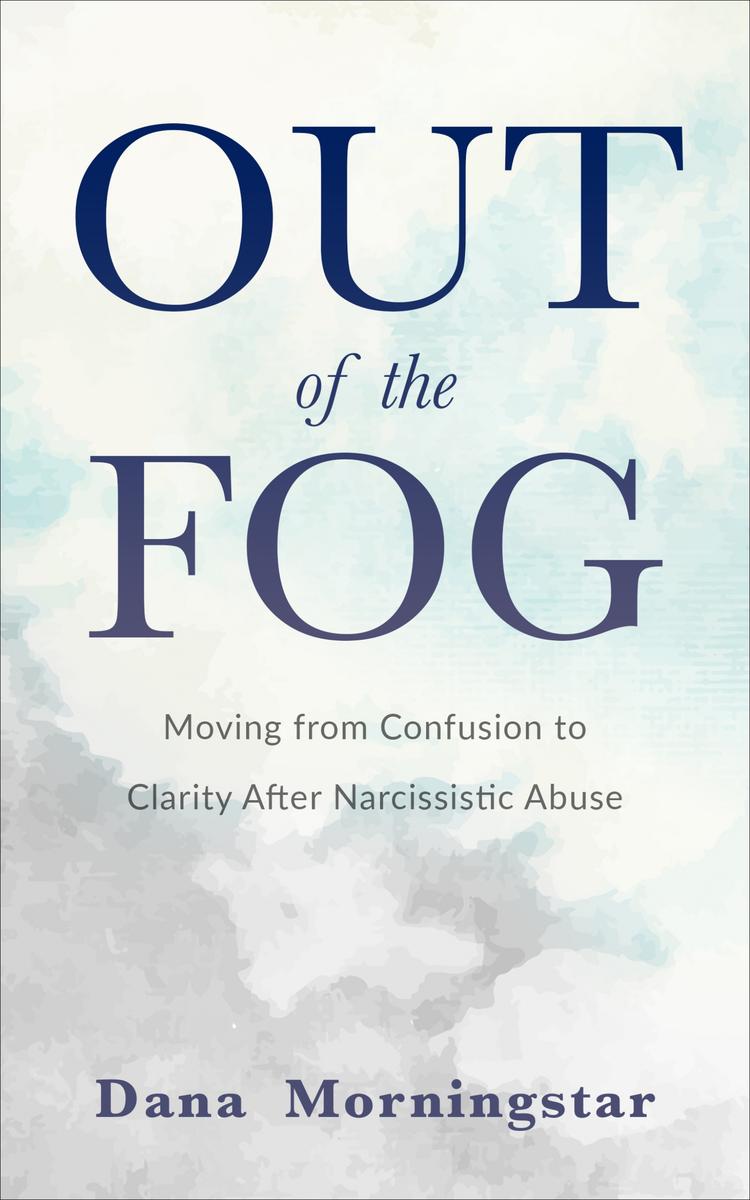
Out of the Fog Moving from Confusion to Clarity After Narcissistic Abuse
¥81.67
Lying. Cheating. Manipulating.?Will they ever change??What will it take to get through to them??They apologized, but will this time be different...or will they just get better at hiding what they are up to??This book will help you get out of the fog of confusion and into the clarity that you are looking for.?FOG is an acronym that stands for "Fear, Obligation, and Guilt." These three emotions are often at the core of manipulation, and are often how narcissists, sociopaths, and other types of emotional manipulators go about controlling their targets.?However, this type of destructive manipulation isn't just limited to narcissists and sociopaths.?There is no shortage of people with well-intended bad advice out there who unintentionally fall into the FOG as well, and push targets of abuse into keeping the relationship going.?The FOG is one of the main reasons that people stay "stuck" in abusive relationships for so long, why they continue to get involved with abusive people, why they feel that they are the problem, and why they tend to feel that the abuse is somehow their fault.?When a person is being manipulated they have a hard time figuring out who has the problem, what is normal, what is problematic, and if their wants, needs, and feelings are valid. The disasterous effects of being lost in the FOG are confusion, crazymaking, people pleasing, and an erosion of boundaries.?What makes this well-intended bad advice so damaging is that, on the surface, it seems like good advice--especially if it's coming from people who seem to have our best interests in mind, such as friends, family, church members, support group members, or a therapist.?Some examples of this well-intended bad advice that comes from other people is:?"Who are you to judge?" "No one is perfect." "You need to forgive them." "She's your mother, you need to have a relationship with her...she's not getting any younger you know." "Commitment is forever."?What can be so crazymaking for targets is that they are often getting two very different messages. On one hand, they are told that they need to work towards a solution, and on the other, they are told that need to leave a partner who lies, cheats, steals, hits, yells, or belittles them.?This book compares and contrasts of these concepts so that targets of any type of manipulation and abuse can make a more empowered decision.?Some of the concepts covered are:?Who are You to Judge vs. Being DiscerningNo One is Perfect vs. Tolerating AbuseYou Need to Forgive Them vs. Keeping Yourself SafeA Parent vs. A PredatorCommitment vs. CodependencySelf-love vs. SelfishnessA Person Acting the Part vs. A Person Actually ChangingGut Instincts vs. HypervigilanceA Friend vs. Someone Being FriendlyCaring vs. CaretakingBeing in Love With Them vs. Being in Love With Who They Pretended to BeWorkable Behavior vs. Deal BreakersAcceptance vs. AllowanceGoing Through So Much Together vs. Being Put Through So Much By ThemSincerity vs. IntensityHealthy Bonding vs. Trauma BondingInsincere Remorse vs. Sincere RemorseReacting vs. Responding...and many more.

Uma prova de amor
¥8.99
Até onde você iria por quem você ama?Um casal de noivos vai ao cinema no shopping. Na saída, o casal é seqüestrado por um estranho homem que n?o pede dinheiro e nem outro tipo de resgate. Ele apenas deseja fazer um jogo!E para salvar o seu noivo, Melissa terá que dar a maior prova de amor de sua vida.
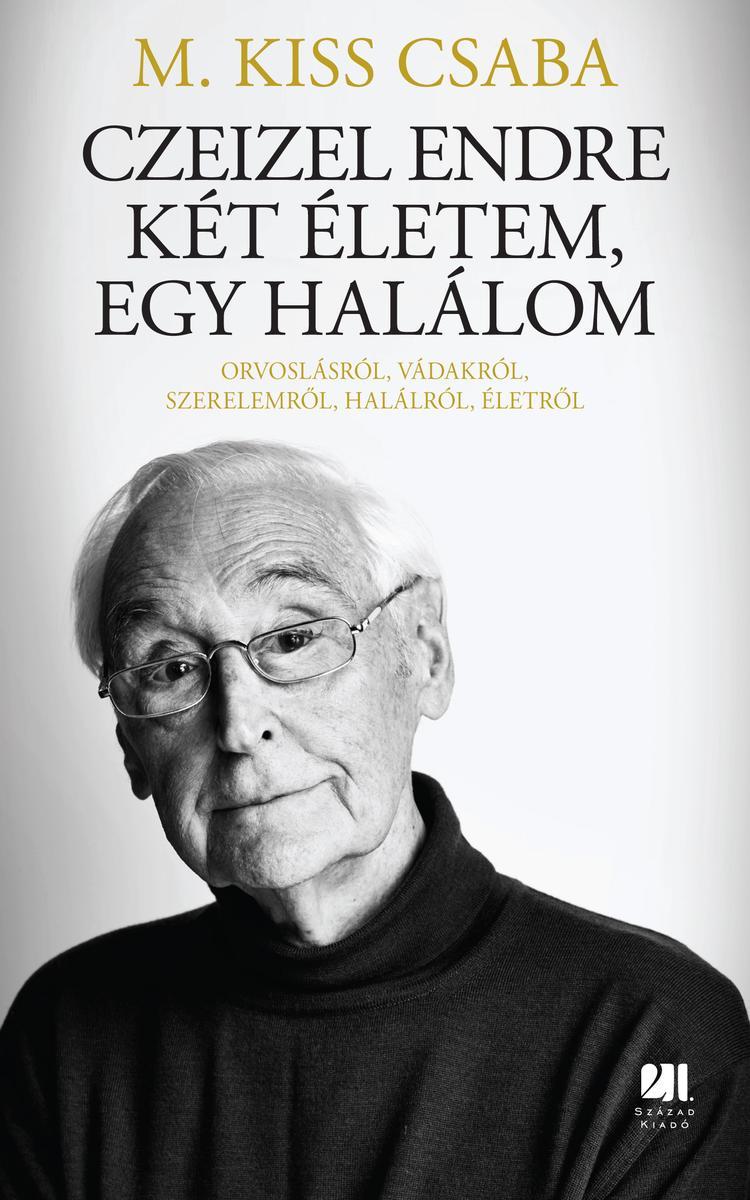
Czeizel Endre Két életem, egy halálom
¥79.95
Aki a halállal néz farkasszemet, nem akar sem szépíteni, sem eltitkolni semmit. ?gy, az olvasó, aki meg akarja ?rizni magában az egyik legnépszer?bb magyar tudósról, orvosról, tévésztárról - Czeizel Endrér?l - alkotott idealizált képét, ne kezdjen bele ebbe a k?nyvbe! Mert Czeizel Endre nem az, akinek sokan hiszik. 79 évesen rákbetegsége végs? stádiumba jutott, így megkísérelte lezárni ügyeit és elbúcsúzni az ?t szeret?kt?l.
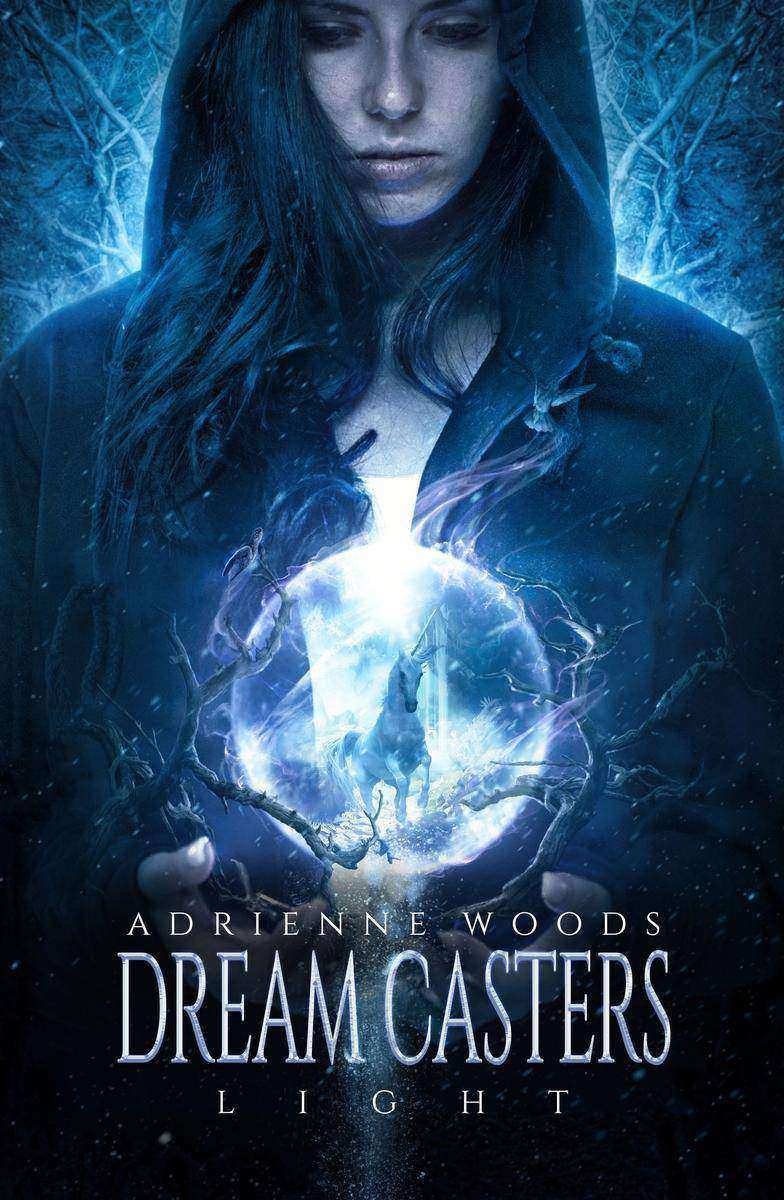
Dream Casters Light
¥0.01
Mr. Sandman, send me a dream, ta da da da.....Seventeen year old Chastity Blake knows the Sandman is just a silly children's story parents tell their children to get them to sleep. At least she thought it was, until the day a mysterious, light golden sand appeared in her hands during a high school prank that went horribly wrong. A sand that has the power to send anyone it touches into a deep, sound sleep. Fearing she had lost her mind, Chastity soon discovers the shocking truth of her heritage- she is a Dream Caster. Chastity was never supposed to be raised on the Domain, or what humans call Earth and she is forced to return to her true birth place, Revera – the world of Dreams. However, in Revera there is no balance between good, the Light Casters, and darkness, the Shadow Casters, and Chastity is caught square in the middle. She soon learns that there is no place for anyone containing both the light and the darkness within them, and the shocking truth that if anyone in Revera ever discovered her shadow self, Chastity would be thrown into the Oblivion – the world of Nightmares. Dreams are always more than they seem, and this time Chastity is going to discover just how different they can be.
101 Piadas de loira
¥8.18
Quer se divertir e dar boas risadas? Curta esta sele??o com as melhores piadas de loira.

Divorturile amantilor
¥53.33
Volumul 4 din seria ?Aman?ilor” ?Sunt Corina Ozon, cea care a disecat sufletul ?i min?ile aman?ilor ?i ?i i-a pus pe tav?. Cea care a ?ncercat, cu asumarea tuturor riscurilor, s? te ?nve?e s? nu judeci, s? nu fii pref?cut ?i s? accep?i s? fii fericit. Ai fost ?ocat c?nd ai v?zut limbajul din Zilele aman?ilor, realismul din Nop?ile aman?ilor ?i actualitatea din Aman?ii 3.0. Ai r?s c?nd mi-ai citit c?r?ile, poate te-ai ?ntrebat c?t e experien?? de via?? ?i c?t fantezie. C?t este refulare ?i frustrare, ?i c?t adev?r. Stau ?ntr-un glob de cristal, pe care mul?i nu-l ating, de team? s? nu se sparg? ?i s? aib? mult de lucru dup? aceea. ?tii c?t curaj am, chiar nebunesc, iar cu nebunii s? nu te pui! Am spart bariere ?i ?i-am b?gat aman?ii ?n cas?, ?n sertarul de la birou, ?n avion sau metrou. Dac? ai avut ?i tu curajul s? cite?ti, e?ti la fel de nebun. Nebun de curajos, mai ales c? le-ai spus ?i altora s? citeasc?. Lumea e mai vie, am spart borcanul cu fluturi ?i alegem s? vorbim f?r? perdea, a?a cum e via?a. Povestea se scrie odat? cu tine, acum ?i aici, iar aventura continu?. Aman?ii, c`est moi!”
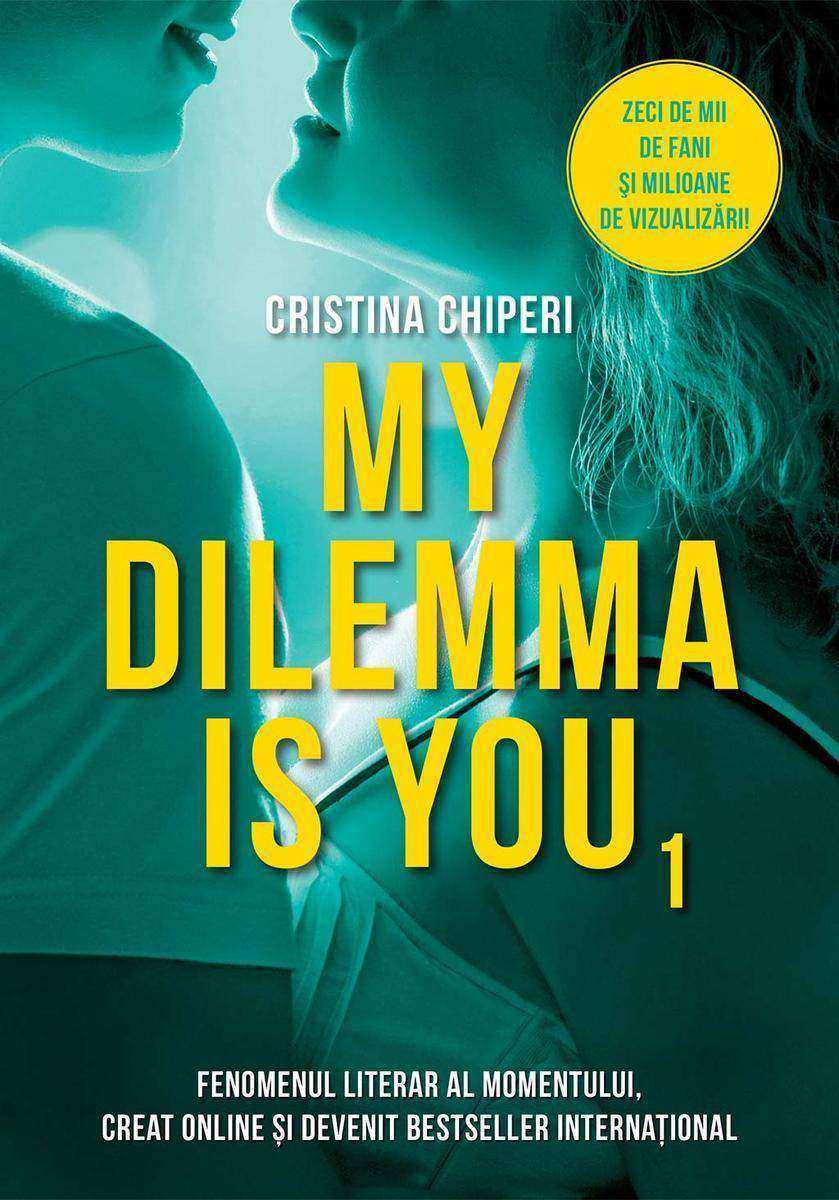
My Dilemma is You. Vol. 1
¥68.34
My dilemma... este senzaia internetului i a librriilor, deopotriv. Cititorii i fanii au nnebunit complet: nimic altceva nu mai exist.“ – La RepubblicaCristina Evans triete la Los Angeles i crede c are o via perfect, pn n ziua n care prinii ei hotrsc s se mute la Miami. Totul se nruie pentru adolescenta de aisprezece ani, care se vede obligat s-i prseasc prietenii dintotdeauna i s ia totul de la capt ntr-un alt ora, la o alt coal. Dei Los Angeles-ul i cei mai buni prieteni de acolo rmn permanent n gndurile ei, Cristina reuete foarte repede s se acomodeze n noua cas i s se mprieteneasc cu civa dintre cei mai populari elevi ai liceului. Toi o primesc n cercul lor, mai puin Cameron i Susan, iubita lui, care o privesc amndoi cu ostilitate. i astfel, printre tot felul de ntmplri mai mult sau mai puin plcute, Cris reuete s-i fac o nou prieten, Sam, i se ndrgostete de Matt. Dei lucrurile par s mearg din ce n ce mai bine n viaa ei, iele inimii ajung s se ncurce tot mai mult cnd Cris i Cameron ncep s-i dea seama c antipatia pe care o simt unul fa de cellalt ascunde, n realitate, un sentiment complet diferit. Vor accepta oare cei doi tineri s priveasc n fa aceast descoperire i s lupte pentru a fi mpreun

Povestea noului nume. Al doilea volum din tetralogia napolitan?
¥81.67
Al doilea volum din Tetralogia Napolitan??Indiferent cine se ascunde ?n spatele numelui Elena Ferrante, misteriosul pseudonim folosit de autoarea romanelor napolitane, dou? lucruri sunt certe: e femeie ?i ?tie s? descrie ora?ul Napoli mai bine ca oricine. Stilul ei are fine?ea unei p?nze de p?ianjen, dar totodat? o for?? a expresiei ?i o magie aparte, cu care creeaz? o ?ntreag? lume.“ Huffington Post Povestea celor dou? prietene, Lila ?i Elena, continu?. Acum sunt dou? tinere ale c?ror drumuri se despart dramatic.Pe c?nd Elena prefer? s?-?i continue studiile, Lila se m?rit?, ob?in?nd astfel o condi?ie social? ?i financiar? superioar? originilor sale modeste, dar r?m?n?nd prizonier? ?ntr-o c?snicie nefericit?.?n ciuda c?ilor diferite pe care au luat-o vie?ile lor, leg?tura dintre Lila ?i Elena r?m?ne complex? ?i intens?, iar sentimentele fiec?reia oscileaz?, pe r?nd, ?ntre nep?sare, dispre? ?i iubire reciproc? profund?.?Elena ?i Lila. Fiecare este pentru cealalt? prietena genial?: o poten?ialitate neexprimat?, un imbold ?i un repro?, un obiect al invidiei ?i un orizont al dorin?ei.“L’indice dei libri?Ferrante descrie dialogul interior feminin cu o fervoare ?ocant de sincer?, tulbur?tor de direct?.“ Booklist?O carte ce se revars? ca o erup?ie a vulcanului Vezuviu.“ La Repubblica

Trónok harca
¥86.33
A Trónok harca lebilincsel? fantasy, amely klasszikus lovagkirályságot tár az olvasó elé: Westeros f?l?tt valaha a sárkánykirályok uralkodtak, ám a Targaryen-dinasztiát 15 évvel ezel?tt el?zték, és most Robert Baratheon uralkodik h? barátai, Jon Arryn, majd Eddard Stark segítségével. A konfliktus k?zéppontjában Deres urai, a Starkok állnak. Olyanok, mint a f?ld, ahol születtek: makacs, kemény jellem? család. Szemünk el?tt h?s?k, gazemberek és egy gonosz hatalom t?rténete elevenedik meg. ?m hamar rá kell ébrednünk, hogy ebben a világban mégsem egyszer?en jók és gonoszok kerülnek szembe egymással, hanem mesterien ábrázolt jellemek bontakoznak ki el?ttünk kül?nb?z? vágyakkal, célokkal, félelmekkel és sebekkel. Martin legnagyobb er?ssége hogy meg tudja újítani, élettel t?lti fel azt a m?fajt, amit a sok populáris Tolkien-imitáció évtizedeken át klisék sorozatába fojtva ismételgetett. A t?z és jég dalának els? k?tete egy világteremt? fantasy eposz nagyszabású felütése.

Конёк-горбунок - Иллюстрированная сказка - Веселые сказки для детей
¥15.18
Конёк-Горбунок — сказка в стихах Петра Ершова с великолепными красочными иллюстрациями Виктории Дунаевой. Являясь классикой русской детской литературы, Конёк-Горбунок за многие десятилетия обрёл признание и популярность не только среди детей, но и среди взрослых. Издательство Animedia Company желает вам приятного чтения.


