


 购物车
购物车 个人中心
个人中心
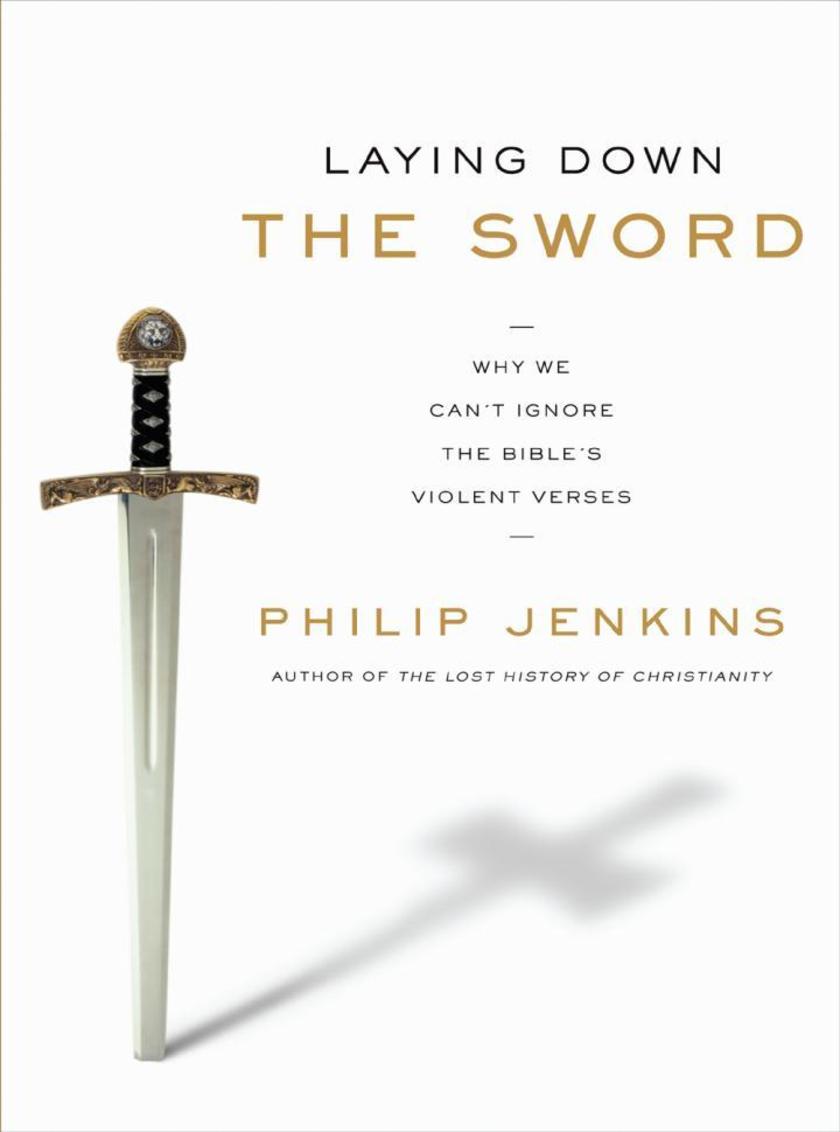
Laying Down the Sword
¥90.77
Commands to kill, to commit ethnic cleansing, to institutionalize segregation, to hate and fear other races and religions all are in the Bible, and all occur with a far greater frequency than in the Qur’an. But fanaticism is no more hard-wired in Christianity than it is in Islam. In Laying Down the Sword, one of America’s best scholars of religion” (The Economist) explores how religions grow past their bloody origins, and delivers a fearless examination of the most violent verses of the Bible and an urgent call to read them anew in pursuit of a richer, more genuine faith.Christians cannot engage with neighbors and critics of other traditions nor enjoy the deepest, most mature embodiment of their own faith until they confront the texts of terror in their heritage. Philip Jenkins identifies the holy amnesia” that, while allowing *ural religions to grow and adapt, has demanded a nearly wholesale suppression of the Bible’s most aggressive passages, leaving them dangerously dormant for extremists to revive in times of conflict. Jenkins lays bare the whole Bible, without compromise or apology, and equips us with tools for reading even the most unsettling texts, from the slaughter of the Canaanites to the alarming rhetoric of the book of Revelation.Laying Down the Sword presents a vital framework for understanding both the Bible and the Qur’an, gives Westerners a credible basis for interaction and dialogue with Islam, and delivers a powerful model for how a faith can grow from terror to mercy.
Say What You Mean and Mean What You Say!
¥73.71
Parents have it tough. Kids have it tough, too. And few people are in a better position to guide readers through these tough times than Judge Glenda Hatchett. As chief presiding judge of one of the largest juvenile court systems in the country, she gained a front-row perspective on the hot-button social issues of our time -- including drug and alcohol abuse, truancy, date rape, and school violence. As presiding judge on the hit television series Judge Hatchett, she continues to build bridges between parents and their lost, angry, and alienated teens. And, as a parent, she's turned her professional experiences to personal advantage, helping her own children navigate through some of the more difficult dilemmas facing young people today.Using her experiences as a judge and a parent, Judge Hatchett shares with readers seven simple strategies to becoming more involved in a child's life and maintaining a strong relationship. Including concrete examples and illuminating anecdotes, Judge Hatchett says what she means and means what she says in this essential guide to raising safe, smart, and successful children ... even in the tough times.
Beginning to Heal
¥77.49
There's nothing as wonderful as starting to heal, waking up in the morning and knowing that nobody can hurt you if you don't let them.Beginning to Heal offers hope and guidance for all survivors starting the healing journey. No matter how great your pain today, you can not only heal but thrive. Based on the authors' bestseller The Courage to Heal, this Revised Edition of Beginning to Heal takes you through the key stages of the healing process, from crisis times to breaking the silence, grief, and anger, to resolution and moving on. It includes inspirational highlights, clear explanations, practical suggestions, and compelling accounts of survivors' pain, their strength, and their triumphs.
Complete Confidence Updated Edition
¥99.65
Confident people react positively and successfully to life's problems and challenges. Those who lack confidence often view themselves as victims blaming others or bingeing on drugs, sex, food, or alcohol to mask their feelings of shame or worthlessness.In Complete Confidence, renowned psychotherapist Dr. Sheenah Hankin points the way to a confident life free of self-criticism, anxiety, and immature anger. Her Winning Hand of Comfort technique is a clear, concise, and powerful pre*ion for dealing with everyday situations from resolving conflicts to ending unhealthy habits like overeating, complaining, and procrastinating. This essential handbook will teach you how to retrain your brain to manage your emotions and put your problems into perspective. You will learn how to calm down, clarify your thinking, challenge your blame habit, comfort your negative feelings, and achieve confidence. That is Dr. Hankin's promise.

Motherless Mothers
¥95.39
When Hope Edelman, author of the New York Times bestseller Motherless Daughters, became a parent, she found herself revisiting the loss of her mother in ways she had never anticipated. Now the mother of two young girls, Edelman set out to learn how the loss of a mother to death or abandonment can affect the ways women raise their own children. In Motherless Mothers, Edelman uses her own story as a prism to reveal the unique anxieties and desires that these women experience as they raise their children without the help of a living maternal guide. In an impeccably researched, luminously written book enriched by the voices of the mothers themselves and filled with practical insight and advice from experienced professionals she examines their parenting choices, their triumphs, and their fears, and offers motherless mothers the guidance and support they want and need.
It Books
¥95.11
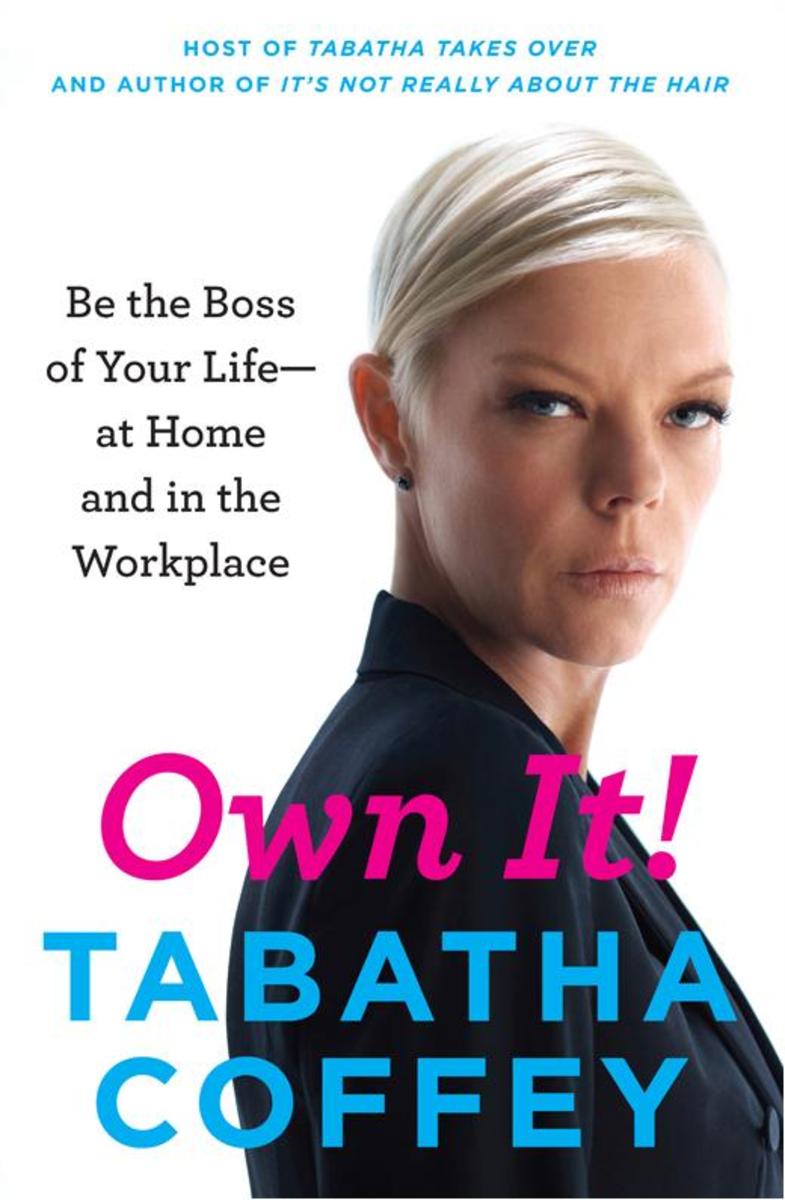
Tabatha is back to share her secrets of business success . . .With her characteristic savvy expertise and no-nonsense advice, the perfectly coiffed celebrity hairstylist, Tabatha Coffey, returns with her second book, teaching readers that the secret of success is taking charge of your priorities, your future, and your life. Fans of her hit show, Tabatha Takes Over, value Tabatha's sound approach to overhauling failing businesses, and now, in Own It!, she takes to the page to reach out to anyone with a dream: whether you're just beginning, revamping your career, or starting your own enterprise.Sharing her blunt but rock-solid wisdom, Tabatha provides tips for every aspect of business from entrepreneurship, to customer service, to management as well as on the home front, to help women seeking to balance their family lives with their careers. Filled with stories about real people who have faced challenging transitions, in addition to anecdotes from Tabatha's own experiences, this book reveals, through her unflinching honesty, Tabatha's commitment to the dreams and goals of her readers, and her never-say-never attitude when it comes to bringing them to life. Success is the result when you Own It! in all aspects of your life, and Tabatha breaks it down step-by-step as your straight-shooting personal coach to show you how it's done.
The Big Disconnect
¥95.39
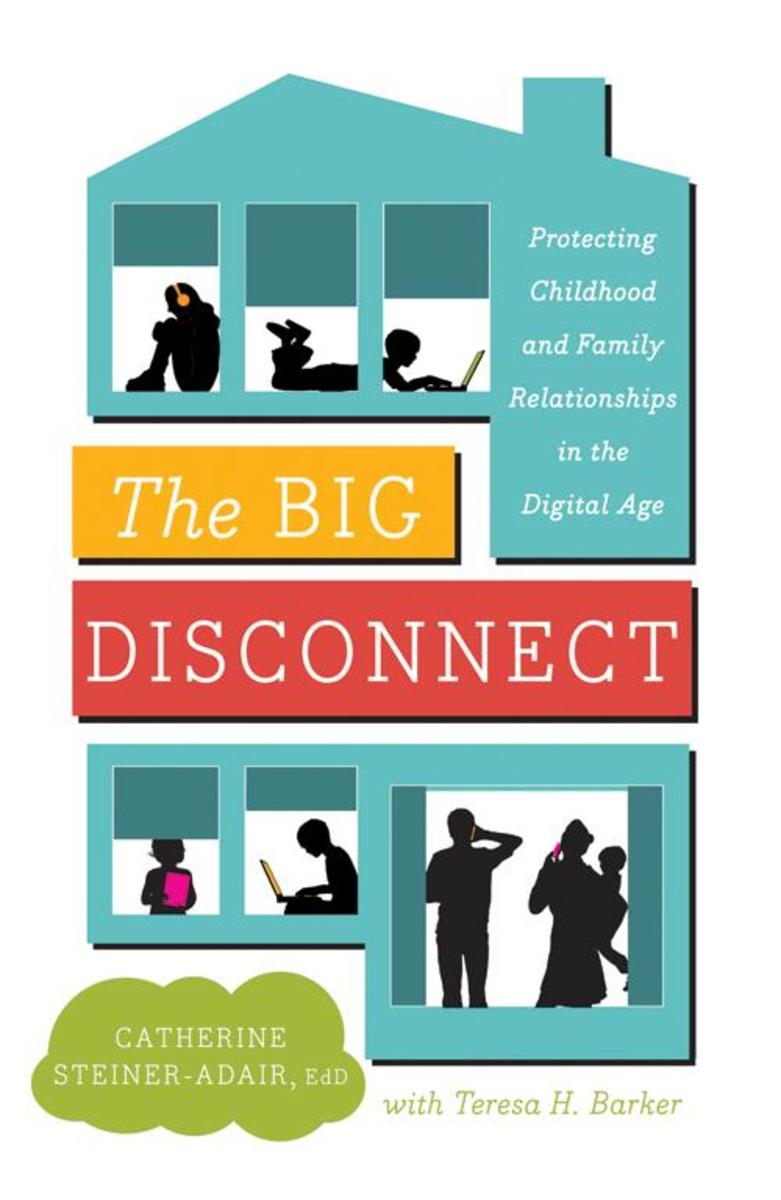
Have iPads replaced conversation at the dinner tableWhat do infants observe when their parents are on their smartphonesShould you be your child's Facebook friendAs the focus of family has turned to the glow of the screen children constantly texting their friends, parents working online around the clock everyday life is undergoing a massive transformation. Easy availability to the Internet and social media has erased the boundaries that protect children from the unsavory aspects of adult life. Parents often feel they are losing a meaningful connection with their children. Children are feeling lonely and alienated. The digital world is here to stay, but what are families losing with technology's gain?As renowned clinical psychologist Catherine Steiner-Adair explains, families are in crisis around this issue, and even more so than they realize. Not only do chronic tech distractions have deep and lasting effects, but children desperately need parents to provide what tech cannot: close, significant interactions with the adults in their lives. Drawing on real-life stories from her clinical work with children and parents, and her consulting work with educators and experts across the country, Steiner-Adair offers insights and advice that can help parents achieve greater under-standing, authority, and confidence as they come up against the tech revolution unfolding in their living rooms.We all know that deep connection with the people we love means everything to us. It's time to look with fresh eyes and an open mind at the disconnection we are experiencing from our extreme device dependence. It's never too late to put down the iPad and come to the dinner table.
Better Single Than Sorry
¥77.49
Let's be honest. No woman really wants to be alone for the rest of her life. But does being alone mean you're doomed to be miserable foreverDefinitely not! And does being single have to equal lonelyNo way! You can have the best time of your life when you're single, but you wouldn't know that from our relationship obsessed society, where celebrity magazines devote the majority of their content to who's dating whom and the wedding industry is a $100-billion business. Yet more than a third of marriages end in divorce, and countless other couples languish in unions that shouldn't have happened in the first place.Don't become a statistic love yourself and never settle!Jen Schefft knows that better than almost anyone. In 2003, she got engaged in front of millions of people on television's The Bachelor, only to see it end nine months later when the relationship just wasn't right anymore. A year later, she turned down an engagement on The Bachelorette, and the backlash was relentless. She was labeled a "spinster" by a celebrity magazine, and a noted national talk-show host remarked that she would be "a bachelorette for the rest of her life."This is a terrible message to send to the millions of sensational single women out there, and in Better Single Than Sorry Schefft makes it her mission to let women know that it's better to be single than to be in a relationship that doesn't make you happy. With testimonials from women of all ages single, married, in committed relationships, with children (even single moms) and without this book tells you how to let go of your fear of being alone and how to love yourself and never settle for a relationship that is anything less than you deserve.Written in a conversational style, as if talking with your best friend, Schefft helps you navigate the pressures of a culture that places an unhealthy importance on being in a relationship and shows you how to find happiness in work, home, and the simple pleasures of everyday life. Above all, she shows you how it's far, far better to be single than sorry. Being single is a time to have fun, learn new things, grow, and blossom not a time to feel desperate or depressed, so cherish it!
Toxic In-Laws
¥95.39
Susan Forward's practical and powerful book will help couples cope with terrible and toxic in–laws. Toxic in–laws are in–laws who create genuine chaos through various assaults––aggressive or subtle––on you and your marriage. Toxic–in laws come in a wide variety of guises, " The Critics.; ", who tell you what you're doing wrong, "The Controllers.;", who try to run you and your partner's life, " The Engulfers.;", who make incessant demands on your time, " The Masters of Chaos.;", who drain you and your partner with their problems, and, " The Rejecters.;", who let you know they don't want you as part of their family. Susan Forward draws on real–life voices and stories of both women and men struggling to free themselves from the frustrating, hurtful and infuriating relationships with their toxic in–laws. Dr. Forward offers you highly effective communication and behavioral techniques for getting through to partners who won't or can't stand up to their parents. Next, she lays out accessible and practical ways to reclaim you marriage from your in–laws. She shows you what to say, what to do and what limits to set. If you follow these strategies, you may not turn toxic in–laws into the in–laws of your dreams, but you will find some peace in your relationship with them.
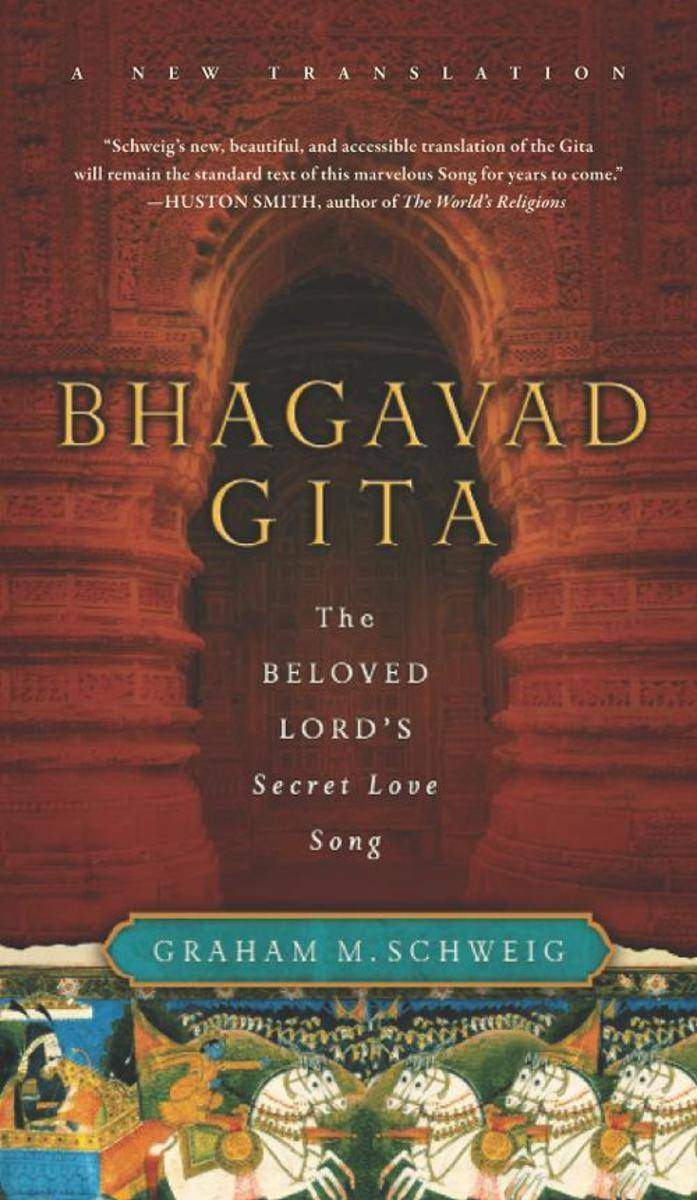
Bhagavad Gita
¥94.10
The Bhagavad Gita is often regarded as the Bible of India. With a gripping story and deeply compelling message, it is unquestionably one of the most popular sacred texts of Asia and, along with the Bible and the Qur'an, one of the most important holy *ures in the world. Part of an ancient Hindu epic poem, the dialogue of the Bhagavad Gita takes place on a battlefield, where a war for the possession of a North Indian kingdom is about to ensue between two noble families related by blood. The epic's hero, young Prince Arjuna, is torn between his duty as a warrior and his revulsion at the thought of his brothers and cousins killing each other over control of the realm. Frozen by this ethical dilemma, he debates the big questions of life and death with the supreme Hindu deity Krishna, cleverly disguised as his charioteer. By the end of the story, Eastern beliefs about mortality and reincarnation, the vision and practice of yoga, the Indian social order and its responsibilities, family loyalty, spiritual knowledge, and the loftiest pursuits of the human heart are explored in depth. Explaining the very purpose of life and existence, this classic has stood the test of twenty-three centuries. It is presented here in a thoroughly accurate, illuminating, and beautiful translation that is sure to become the standard for our day.

Opposites Attract
¥101.00
Does your partner want to go out on Friday nights when you prefer to curl up at home with a movieDoes your neat-freak boyfriend always want to clean up your cluttered officeDoes your wife want to plan trips six months in advance while you're a fly-by-the-seat-of-your-pants kind of personThe truth is, opposites attract. People who are different from each other in fundamental ways often catch each other's attention. We are attracted to the very qualities we wish we had ourselves. A shy person looks for a mate who is outgoing and gregarious to provide a social circle, and the outgoing person may need to be with someone who won't compete with him for attention. It seems like the perfect match that is, until those very differences that originally attracted us start to drive us crazy. But these differences don't have to drive couples apart. Renee Baron, a marriage and family therapist with more than twenty-five years of experience, uses the Myers-Briggs Type Indicator to provide a practical program for learning to appreciate our differences, rather than fight over them. The MBTI is the most widely used personality indicator in the world. By discovering your innate personality preferences and those of your partner, you can stop having the same fights over and over again and start appreciating the gifts each of you offers to the relationship.
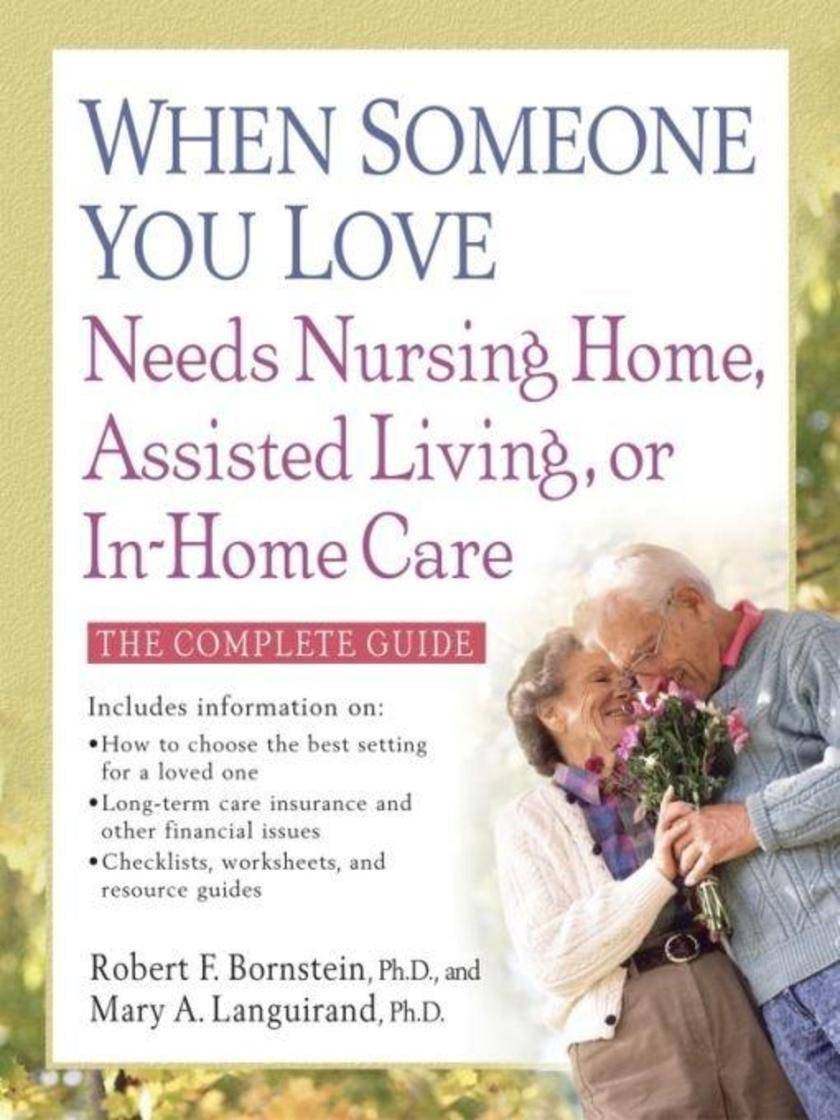
When Someone You Love Needs Nursing Home, Assisted Living, or In-Home Care
¥95.16
When an aging family member needs some extra help and care, whether a parent, spouse, sibling, or friend, this is the book to get. It delivers bottom-line, no-nonsense, practical information for every stage of need, from the earliest signs of illness, through the nursing home, and beyond.Written by two distinguished psychologists with specialties in eldercare counseling and research, this frank, friendly, time-tested guide is meticulously organized to provide answers, dispel myths, anticipate needs, and help you learn strategies for dealing with every aspect of in-home and facility care, including caring for the caregiver in the process. Also includes checklists, phone and Internet lists, budget worksheets, questionnaires, and a detailed index.
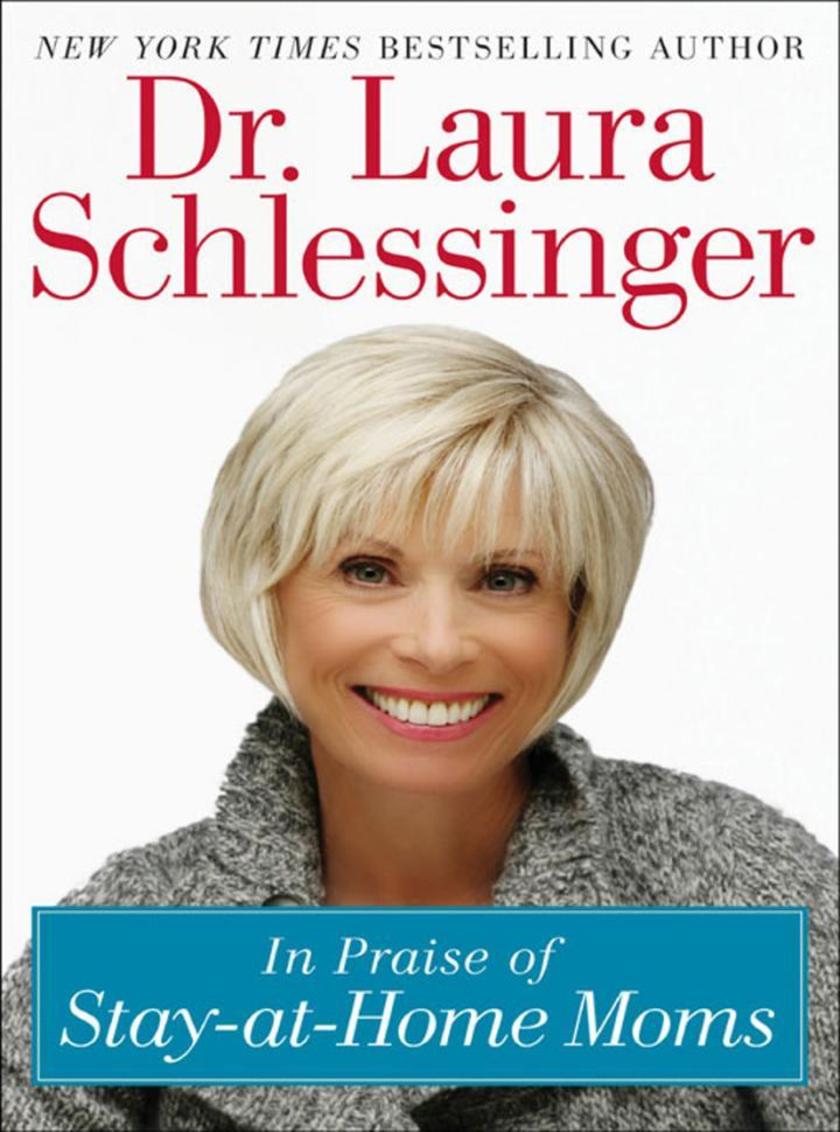
In Praise of Stay-at-Home Moms
¥77.49
They number in the millions and they are incredibly important to families and to our society, yet they are underappreciated, little respected, and even controversial.Who are theyThey are the stay-at-home moms.These are women who know in their hearts that staying home to raise their children is the right choice for the whole family. Some do it from the outset of their marriages, while others make the difficult transition from career-driven women to homemakers. Either way, it is a choice that is incredibly rich and rewarding, not to mention challenging.Now Dr. Laura, building on principles developed during her long career as a licensed marriage and family therapist, provides a wealth of advice and support, as well as compassion and inspiration, to women as they navigate the wonders and struggles of being stay-at-home moms. Learn how: to hold your head high and deal with naysayers; to see the benefits of being home not only for your children but also for your marriage; to understand the changes you see in yourself; to realize that the sacrifices you endure now will make for lasting bonds and a stronger family, in addition to a more cohesive community. In Praise of Stay-at-Home Moms is a special book, a profound and unique understanding of how important it is for mothers to raise their own children.

The Great Theft
¥83.03
Despite President George W. Bush's assurances that Islam is a peaceful religion and that all good Muslims hunger for democracy, confusion persists and far too many Westerners remain convinced that Muslims and terrorists are synonymous. In the aftermath of the attacks of 9/11, the subsequent wars in Afghanistan and Iraq, and the recent bombings in London, an unprecedented amount of attention has been directed toward Islam and the Muslim world. Yet, even with this increased scrutiny, most of the public discourse regarding Islam revolves around the actions of extremist factions such as the Wahhabis and al-Qa'ida. But what of the Islam we don't hear about?As the second-largest and fastest-growing religion in the world, Islam is deemed by more than a billion Muslims to be a source of serenity and spiritual peace, and a touchstone for moral and ethical guidance. While extremists have an impact upon the religion that is wildly disproportionate to their numbers, moderates constitute the majority of Muslims worldwide. It is this rift between the quiet voice of the moderates and the deafening statements of the extremists that threatens the future of the faith.In The Great Theft, Khaled Abou El Fadl, one of the world's preeminent Islamic scholars, argues that Islam is currently passing through a transformative period no less dramatic than the movements that swept through Europe during the Reformation. At this critical juncture there are two completely opposed worldviews within Islam competing to define this great world religion. The stakes have never been higher, and the future of the Muslim world hangs in the balance.Drawing on the rich tradition of Islamic history and law, The Great Theft is an impassioned defense of Islam against the encroaching power of the extremists. As an accomplished Islamic jurist, Abou El Fadl roots his arguments in long-standing historical legal debates and delineates point by point the beliefs and practices of moderate Muslims, distinguishing these tenets from the corrupting influences of the extremists. From the role of women in Islam to the nature of jihad, from democracy and human rights to terrorism and warfare, Abou El Fadl builds a vital vision for a moderate Islam. At long last, the great majority of Muslims who oppose extremism have a desperately needed voice to help reclaim Islam's great moral tradition.

Why Good People Do Bad Things
¥83.03
Discover a Life Filled with Passion, Meaning, and Purpose New York Times bestselling author Debbie Ford leads us into the heart of the duality that unknowingly operates within each one of us. Providing the tools to end self-sabotage, Ford ultimately knocks down the fade of the false self and shows us how to heal the split between light and dark and live the authentic life within our reach.

Creating a Charmed Life
¥88.56
How Does She Do ItWe all know-and envy-women who appear to live "charmed" lives. They seem to unhurriedly and effortlessly manage the whirlwind of their busy lives with grace and poise. Good things happen to them, and their lives are filled with serendipity, joy, and prosperity. But it's not a matter of luck, according to Victoria Moran; a charmed life isn't something that happens to you-it's something you create! In Creating a Charmed Life, Victoria Moran unveils practical, spiritual secrets for expanding your capacity to love, know, and experience a fuller, richer life. Her insight, humor, and unassailable wisdom shine through each page to illuminate the magic in all our lives.Relish the calmCreate miraclesNurture your dreamsSavor simplicityInvite adventureNourish your spirit
You'll See It When You Believe It
¥94.10
Dr. Wayne W. Dyer, psychotherapist, lecturer, and world'famous author of the phenomenal bestseller, Your Erroneous Zones, now takes us to new plateaus of selfawareness in his most powerful book yet. You'll See It When You Believe It will show you how, by tapping the truly amazing power that lies within you, you can direct the course of your own destiny. Using examples from his own highly successful experiences, Wayne Dyer will convince you that, with his proven techniques, you can make your most impossible dreams come true. Believe that you have the power to: Make your life anything you wish it to be; Set real goals and achieve them; Turn obstacles into opportunities; Rid yourself of guilt and inner turmoil; Develop a strong inner confidence; Dramatically improve relationships; Choose a life of abundance; Spend every day doing the things you love to do.
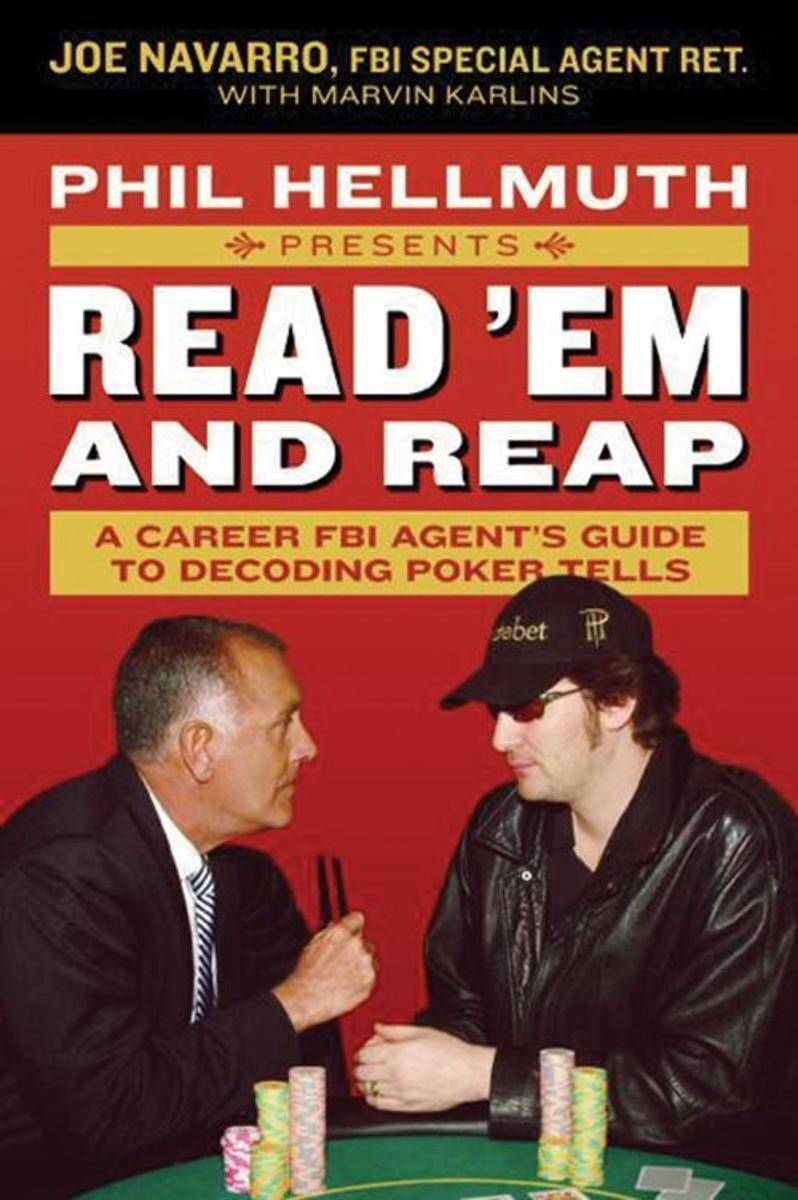
Phil Hellmuth Presents Read 'Em and Reap
¥106.31
very great player knows that success in poker is part luck, part math, and part subterfuge. While the math of poker has been refined over the past 20 years, the ability to read other players and keep your own "tells" in check has mostly been learned by trial and error.But now, Joe Navarro, a former FBI counterintelligence officer specializing in nonverbal communication and behavior analysis or, to put it simply, a man who can tell when someone's lying offers foolproof techniques, illustrated with amazing examples from poker pro Phil Hellmuth, that will help you decode and interpret your opponents' body language and other silent tip-offs while concealing your own. You'll become a human lie detector, ready to call every bluff and the most feared player in the room.
What is Your Life's Work?
¥128.85
What Is Your Life's Workcaptures a most extraordinary moment in each of our lives the time when we sit down with loved ones and attempt to answer the big question about what really matters. Bill Jensen has created a wonderfully practical space for you to explore who you are, what you stand for, what you believe in, what's risky, what's not, what's worth it, what you're struggling with, and what you've accomplished.He has captured the intimate exchanges between mothers and daughters, fathers and sons, and caring teammates all talking about what really matters at work, and in life. Their conversations are as real as yours would be: "Don't kiss tush, beware carnivorous sheep." "Honey, there are no shortcuts." "My daughter was limp with pain ... and I'm worried about deadlines. What was I thinking?!?!" "Speak up if you don't agree." "Be a respectful rebel." In What Is Your Life's Workyou will discover a new way to see and know who you are in today's more-better-faster world. Exposed is what usually stays private; the raw truths we've all experienced, the personal frailties and mistakes we'd like to hide, and the proudest achievements we'd like to celebrate.In the letters and work diaries of others, we see ourselves. In their struggles, we see our own.Bill Jensen has made it his life's work to battle corporate stupidity and help us all simplify our workdays, take more control, and rediscover our passions. As your trail guide and partner, he will take you through five distinct discoveries that thousands have encountered in finding their voices: Finding Yourself Finding the Lessons to Be Learned,the Questions to Be Asked Finding the Choices That Really Matter Finding the Courage to Choose Finding Joy, Serenity, and FulfillmentWhile it touches your heart and lifts your soul, What Is Your Life's Workdoes not shy away from difficult introspection. You are an active participant in this book. Yes, you will find value here stories of people like you, new ways of looking at what really matters, or simple confirmation that others have chosen the same path as you.But the ultimate takeaway asks something of you in return: Take something from this book and pay it forward. Start a new conversation with a loved one about what really matters about your own life's work.You will get back even more than you give. You will have brought these pages to life.

Target Tirpitz
¥68.67
A gripping account of the epic hunt for Hitler’s most terrifying battleship – the legendary Tirpitz – and the brave men who risked their lives to attack and destroy this most potent symbol of the Nazi’s fearsome war machine. Tirpitz was the pride of Hitler’s navy. To Churchill, she was ‘the Beast’, a menace to Britain’s supply lines and a threat to the convoys sustaining Stalin’s armies. Tirpitz was said to be unsinkable, impregnable –no other target attracted so much attention. In total 36 major Allied operations were launched against her, including desperately risky missions by human torpedoes and midget submarines and near-suicidal bombing raids. Yet Tirpitz stayed afloat. It was not until November 1944 that she was finally destroyed by RAF Lancaster Bombers flown by 617 Squadron – the Dambusters – in a gruelling mission that tested the very limits of human endurance. The man who led the raid – Willie Tait – was one of the most remarkable figures of the war, flying missions almost continuously right from the start. Until now his deeds have been virtually unknown. With exclusive co-operation from Tait’s family, Patrick Bishop reveals the extraordinary achievement of a man who shunned the spotlight but whose name will be renowned for generations to come. The book is a magnificent, accessibly written wartime adventure, perfect for fans of Ben Macintyre’s ‘Agent Zigzag’ or ‘Operation Mincemeat’.

Teach Your Children Well
¥94.10
Psychologist Madeline Levine brings together cutting-edge research and thirty years of clinical experience to explode once and for all the myth that good grades, high test scores, and college acceptances should define the parenting endgame.Parents, educators, and the media wring their hands about the plight of America's children and teens soaring rates of emotional problems, limited coping skills, disengagement from learning and yet there are ways to reverse these disheartening trends. Teach Your Children Well acknowledges that every parent wants successful children. However, until we are clearer about our core values and the parenting choices that are most likely to lead to authentic, and not superficial, success, we will continue to raise exhausted, externally driven, impaired children who believe they are only as good as their last performance. Real success is always an inside job, argues Levine, and is measured not by today's report card but by the people our children become fifteen or twenty years down the line.Refusing to be diverted by manufactured controversies such as "tiger moms versus coddling moms," Levine confronts the real issues behind the way we push some of our kids to the breaking point while dismissing the talents and interests of many others. She shows us how to shift our focus from the excesses of hyperparenting and the unhealthy reliance on our children for status and meaning to a parenting style that concentrates on both enabling academic success as well as developing a sense of purpose, well-being, connection, and meaning in our children's lives.Teach Your Children Well is a call to action. And while it takes courage to make the changes we believe in, the time has come, says Levine, to return our overwrought families to a healthier and saner version of themselves.


