


 购物车
购物车 个人中心
个人中心

I'll Quit Tomorrow
¥88.56
This bestselling recovery classic has helped untold thousands of alcoholics onto the road to recovery. Written by the founder of the Johnson Institute in Minneapolis, one of the country's most successful training programs for treatment providers, I'll Quit Tomorrow present the concepts and methods that have brought new hope to alcoholics and their families, friends, and employers. Abstinence is not the only objective of Johnson's breakthrough methods -- his therapy aims at restoring the ego strength of the victim to assure permanent recovery. Johnson outlines a dynamic plan of intervention and treatment that will block the progress of alcoholism and lead to a richer, more productive life.
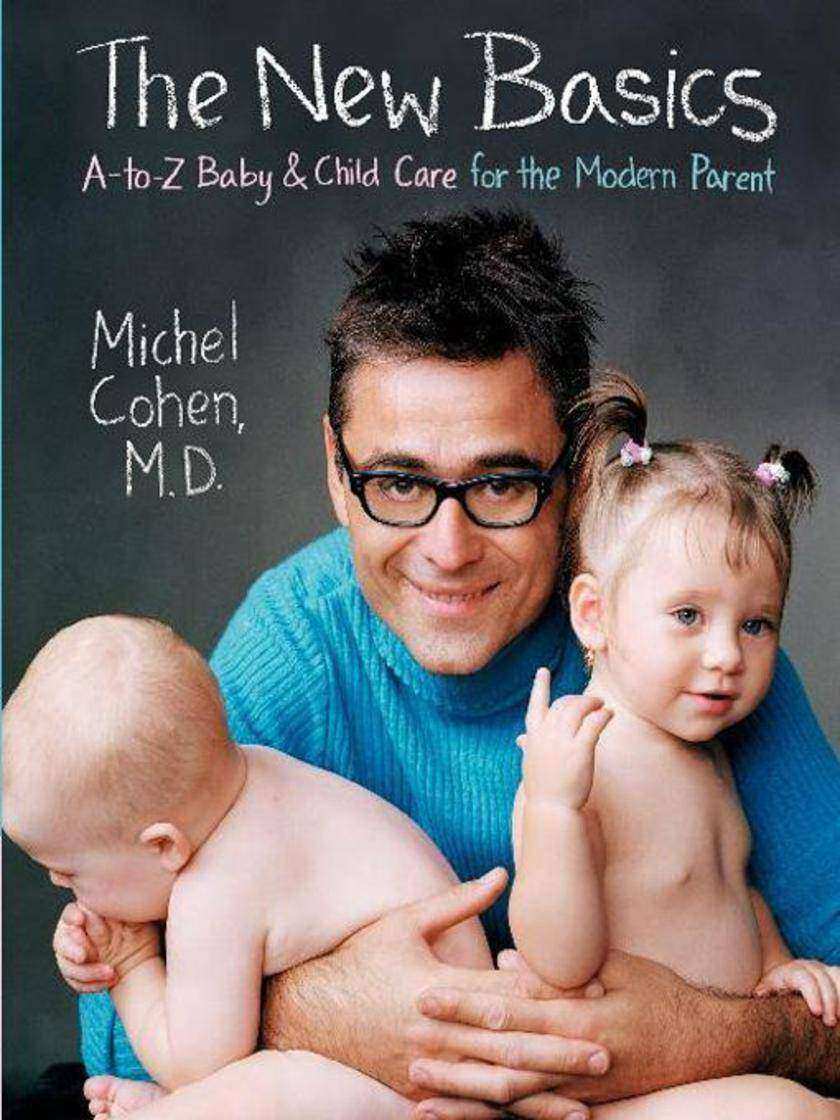
The New Basics
¥94.10
Dr. Michel Cohen, named by the New York Post as the hip, "must-have" pediatrician, has an important message for parents: Don't worry so much. In an easy-reference alphabetical format, The New Basics clearly lays out the concerns you may face as aparent and explains how to solve them -- without fuss, without stress, and without harming your child by using unnecessary medicines or interventions.With sensitivity and love, Dr. Michel describes proven techniques for keeping your children healthy and happy without driving yourself crazy. He will show you how to set positive habits for sleeping and eating and how to treat ailments early and effectively. You'll learn when antibiotics are helpful and when they can be harmful. If you're having trouble breast feeding, pumping, or bottle weaning, Dr. Michel has the advice to set you back on track. If after several months your baby is still not sleeping through the night, The New Basics will provide you with tried-and-true methods to help ease this difficult transition for babies and parents.Dr. Michel recognizes that you're probably asking the same questions his own patients' parents frequently ask, so he includes a section called "Real Questions from Real Parents" throughout the book. You'll find important answers about treating asthma, head injuries, fevers, stomach bugs, colic, earaches, and other ailments. More than just a book on how to care for your child's physical well-being, The New Basics also covers such parenting challenges as biting, hitting, ADD, separation anxiety, how to prevent the terrible twos (and threes and fours ...), and preparing your child for a new sibling.
Ten Days to Self-Esteem
¥105.17
Do you wake up dreading the dayDo you feel ciscouraged with what you've accomplished in lifeDo you want greater self-esteem, productivity, and joy in daily livingIf so, you will benefit from this revolutionary way of brightening your moods without drugs or lengthy therapy. All you need is your own common sense and the easy-to-follow methods revealed in this book by one of the country's foremost authorities on mood and personal relationship problems. In Ten Days to Self-esteem, Dr. David Burns presents innovative, clear, and compassionate methods that will help you identify the causes of your mood slumps and develop a more positive outlook on life. You will learn thatYou feel the way you think: Negative feelings like guilt, anger, and depression do not result from the bad things that happen to you, but from the way you think about these events. This simple but revolutionary idea can change your life!You can change the way you feel: You will discover why you get depressed and learn how to brighten your outlook when you're in a slump.You can enjoy greater happiness, productivity, and intimacy without drugs or lengthy therapy.Can a self-help book do all thisStudies show that two thirds of depressed readers of Dr. Burns's classic bestseller, Feeling Good: The New Mood Therapy, experienced dramatic felief in just four weeks without psychotherapy or antidepressant medications. Three-year follow-up studies revealed that readers did not relapse but continued to enjoy their positive outlook. Ten Days to Self-esteem offers a powerful new tool that provides hope and healing in ten easy steps. The methods are based on common sense and are not difficult to apply. Research shows that they really work!Feeling good feels wonderful. You owe it to yourself to feel good!
Freedom
¥88.56
There are few men who are as quintessentially American as Sonny Barger. He is patriotic a veteran who loves his country. He is independent choosing his own path on his motorcycle, living life on his own terms. He is outspoken he has boldly criticized injustices in American law and society despite the backlash this has evoked from the establishment. Yet the element that he finds most important, most sacred, most American, is freedom.In Freedom, Sonny articulates many of the principles he employs in his own life. Whether he is regarded as a leader, a rebel, a revolutionary, a criminal, or a soldier, Sonny's outlook has been influenced not just by school but by the military, prison, and his experiences riding with the world's most notorious motorcycle club. It was on these various journeys that he learned the lessons that are most important in his life and the qualities he respects when he sees them in others:IndependenceCustomize Yourself; Originals Don't Come Off an Assembly LineToughnessTemper the Steel to Forge a Strong BladeFairness Treat Me Good, I'll Treat You Better; Treat Me Bad, I'll Treat You Worse Presented in the form of fifty credos, this book gives Sonny Barger's perspective on how to live a life that embodies the most fundamental of American virtues: freedom.
The Inner Experience
¥88.56
Now in paperback, revised and redesigned: This is Thomas Merton's last book, in which he draws on both Eastern and Western traditions to explore the hot topic of contemplation/meditation in depth and to show how we can practice true contemplation in everyday life. Never before published except as a series of articles (one per chapter) in an academic journal, this book on contemplation was revised by Merton shortly before his untimely death. The material bridges Merton's early work on Catholic monasticism, mysticism, and contemplation with his later writing on Eastern, especially Buddhist, traditions of meditation and spirituality. This book thus provides a comprehensive understanding of contemplation that draws on the best of Western and Eastern traditions. Merton was still tinkering with this book when he died; it was the book he struggled with most during his career as a writer. But now the Merton Legacy Trust and experts have determined that the book makes such a valuable contribution as his major comprehensive presentation of contemplation that they have allowed its publication.
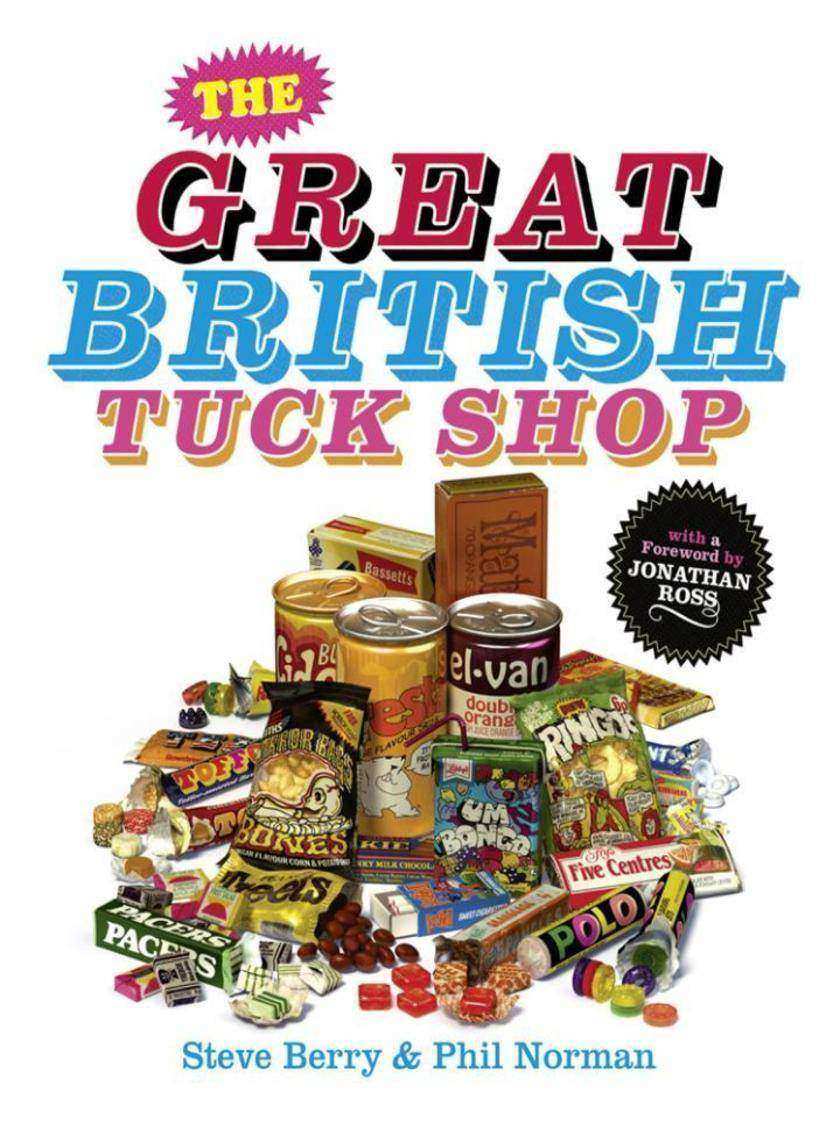
The Great British Tuck Shop
¥91.23
The ultimate book of sweetie nostalgia! AS SEEN ON THIS MORNING A colourful, witty and irreverent encyclopedia of all the sweets and crisps of your youth. From Mojos to Rainbow Drops, Space Raiders to Trios, Corona to Kia Ora and everything in between. Fully illustrated with hundreds of wrappers, ads and specially recreated packshots this book will lead you down memory lane until you reach the corner shop, load up a 10p mix up bag and rot your teeth on the contents. The authors have been given access to the archives, factories and warehouses of some of the leading sweet and snack manufacturers in the country and have delivered a book that is packed full of fascinating historical research… … and lots and lots of sweets. WITH A FOREWORD BY JONATHAN ROSS.
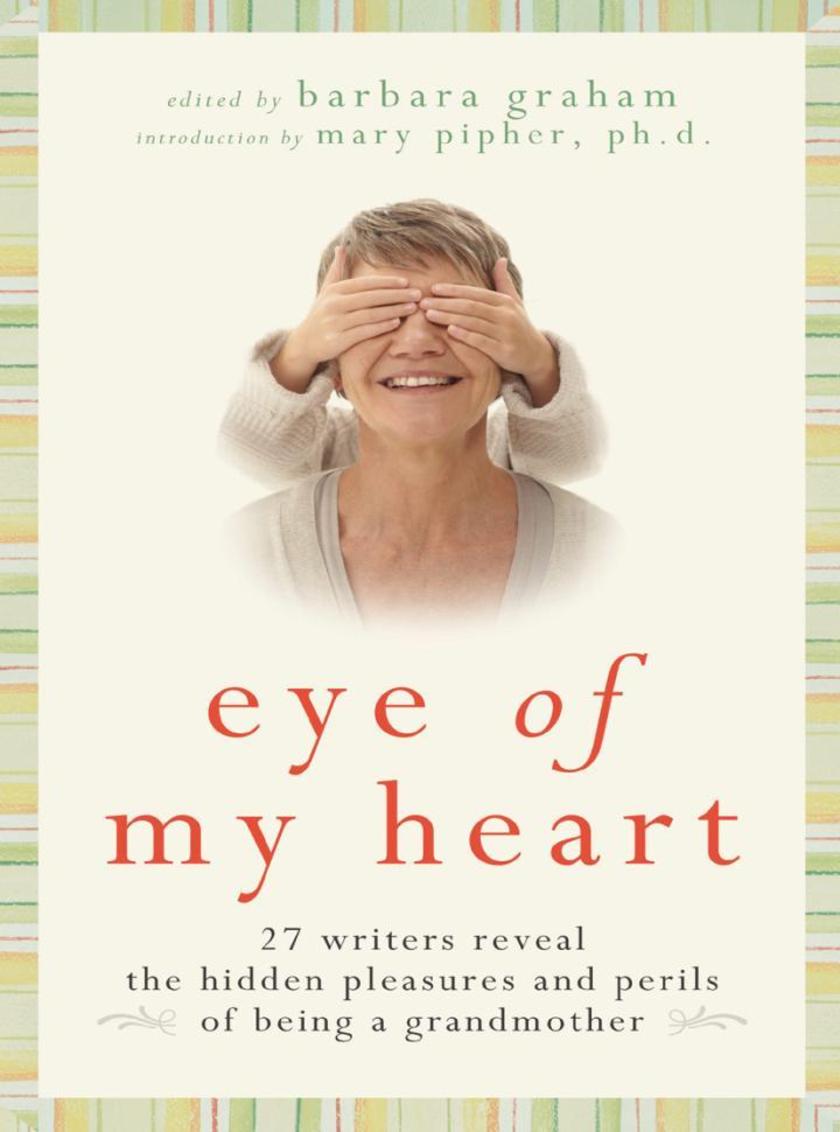
Eye of My Heart
¥83.03
In Eye of My Heart, twenty-seven smart, gutsy writers explode myths and stereotypes and tell the whole crazy, complicated truth about being a grandmother in today's world. Among the contributors: Anne Roiphe learns the hard way to keep her mouth shut and her opinions to herself.Elizabeth Berg marvels at witnessing her child give birth to her child.Beverly Donofrio makes amends for her shortcomings as a teenage mother.Judith Viorst exposes the high-stakes competition for Most Fabulous Grandchild.Jill Nelson grapples with mother-daughter tensions triggered by the birth of her grandson.Judith Guest confesses her failed attempt to emulate her own saintly grandmother.Bharati Mukherjee transcends her strict Hindu upbringing to embrace her adopted Chinese grand-daughters.Lynn Lauber finds joy in grandmotherhood that she missed out on as a mother.Sallie Tisdale pays a high price financially and emotionally for her fast-growing brood of grandkids.Ellen Gilchrist reveals how grandparenthood has eased her fear of death.Molly Giles is spurned by her toddler granddaughter during a trip to Paris.Susan Shreve finally accepts that she's the grandmother, not the mother.Roxana Robinson realizes, with relief, that she doesn't have to worry so much anymore.Abigail Thomas plots her escape when she can't bear to bake one more cake.Letty Cottin Pogrebin longs to leave a lasting impression on her grandchildren.Mary Pipher explores the primal role of grandmothers in a fast-changing world.In this groundbreaking collection, you will encounter the real stories that usually go untold. Free of platitudes and clichs, the essays in Eye of My Heart are linked by a common thread: a love for grandchildren that knows no bounds, despite inescapable obstacles and limitations.

William Morrow
¥123.45
In this inspirational follow-up to the beloved Things I Want My Daughters to Know, lifestyle philosopher Alexandra Stoddard reflects on the lessons she's learned from her daughters and offers further thoughts and words of wisdom garnered from her own life.A mother, a grandmother, and the author of more than twenty-five books on personal fulfillment, Alexandra Stoddard celebrates the wisdom of motherhood and the lessons mothers can learn from their daughters in this warm and deeply moving new book that cuts to the heart of what is important in life.Speaking from her own experience and relying on the many conversations she has had with her contemporaries and their children, Stoddard has created a wonderful gift for every mother, daughter, and mother-to-be to give, receive, and share. Bridging generations, full of timeless insights to help us pursue a life rich with happiness, love, and gratitude, The Shared Wisdom of Mothers and Daughters reminds us of everything that makes life beautiful and profound.
How God Became King
¥83.92
Foundational: The four gospels come directly fromthe ancient church and are among the primary sourcesfor the church's teachings.Familiar: Since Christian worship services began, areading from the gospels has played a central role.Studied: For over two hundred years scholars havechallenged and defended the central claims of thegospels: miracles, historical accuracy, the divinity ofJesus, and more.But Forgotten: Still, leading Bible scholar N. T.Wright reveals shocking news: We have all forgottenwhat the four gospels are about."Despite centuries of intense and heavy industryexpended on the study of all sorts of features of thegospels," Wright writes, "we have often managed tomiss the main thing that they, all four of them, aremost eager to tell us. What we need is not just a bitof fine-tuning, an adjustment here and there. We needa fundamental rethink about what the gospels aretrying to tell us."What Wright offers is an opportunity to confront thesepowerful texts afresh, as if we are encountering themfor the first time. How God Became King reveals thesurprising, unexpected, and shocking news of thegospels: this is the story of a new king, a new kind ofking, a king who has changed everything, and a kingwho invites us to be part of his new world.
Healing Your Aloneness
¥95.39
Erika Chopich and Margaret Paul show how anyone can reconnect with his or her Inner Child to short-circuit self-destructive patterns, resolve fears and conflicts, and build satisfying relationships. Healing Your Aloneness outlines a self-healing process that can be used every day to restore a nurturing balance between loving Adult and loved Inner Child.

Cycle Savvy
¥88.56
Should I be concerned if my cycles are rarely 28 daysWhy do I often feel so emotional before my periodAnd how can I know when my period's really going to start?! If you're a teenage girl, you've probably asked yourself these questions and many more. Now Cycle Savvy has the answers that will help you understand what is really happening with your body on a day-to-day basis. It's the first book specifically designed to teach young women about the practical benefits of charting their cycles. Explore the fascinating world of ovulation, fertility, and why you even have periods at all! And learn all about the body signals, mood changes, and other signs that accompany your cycle. With charming illustrations, fun brainteasers, confidence builders, sample charts, and first-person tales of experiences that every girl can relate to, Cycle Savvy takes the mystery out of your amazing body.
Raising Twins
¥112.23
Raising Twins guides you through the physical, emotional, and cognitive developmental differences and challenges specific to twins. Straightforward and reassuring, this book addresses the key issues that impact twins from babyhood all the way through adolescence: Sharing and comparisons Competition and rivalry The "secret language" of twins The good twin/bad twin myth Teen-specific issues like dating and applying for college And much more including lively, candid discussions with twins and their parents
Good Kids, Bad Habits
¥129.07
When kids start going on TV binges or devouring fistfuls of cookies, it's easy to say, "They'll grow out of it." More likely, they're acquiring bad habits that could lead to childhood obesity and chronic adult diseases, from diabetes and depression to heart trouble and osteoporosis. But by making simple changes now, you can help your children avoid these problems later. Good Kids, Bad Habits supplies the tools you need, starting with the unique RealAge Healthy Kids Test. Based on the proven RealAge Test, which measures biological not calendar age, the Healthy Kids Test reveals where children are doing fine and where they're headed for health trouble. Regardless of the problem from sleeplessness to video-game addiction Dr. Jen has seen and solved it all, working with parents and kids together. Her insightful tips, preventive steps, and kid smarts, learned from working with thousands of children, make this book invaluable. It will help your kids grow into the healthiest adults they can be while still allowing them to be kids.
Mean Mothers
¥139.90
An exploration of the darker side of maternal behavior drawn from scientific research, psychology, and the real-life experiences of adult daughters, Mean Mothers sheds light on one of the last cultural taboos: what happens when a woman doesn't or can't love her daughter.Mean Mothers reveals the multigenerational thread that often runs through these stories many unloving mothers are the daughters of unloving or hypercritical women and explores what happens to a daughter's sense of self and to her relationships when her mother is emotionally absent or even cruel. But Mean Mothers is also a narrative of hope, recounting how daughters can get past the legacy of hurt to become whole within and to become loving mothers to the next generation of daughters. The personal stories of unloved daughters and sons and those of the author herself, are both unflinching and moving, and bring this most difficult of subjects to life.Mean Mothers isn't just a book for daughters who've had difficult or impossible relationships with their mothers. By exposing the myths of motherhood that prevent us from talking about the women for whom mothering a daughter is fraught with ambivalence, tension, or even jealousy, Mean Mothers also casts a different light on the extraordinary influence mothers have over their female children as well as the psychological complexity and emotional depth of the mother-daughter relationship.

The Fragile Bond
¥129.12
Focusing on the author's own marriage and on a group of case studies, this book vividly illustrates the obstacles married couples face today and offers help in overcoming them.
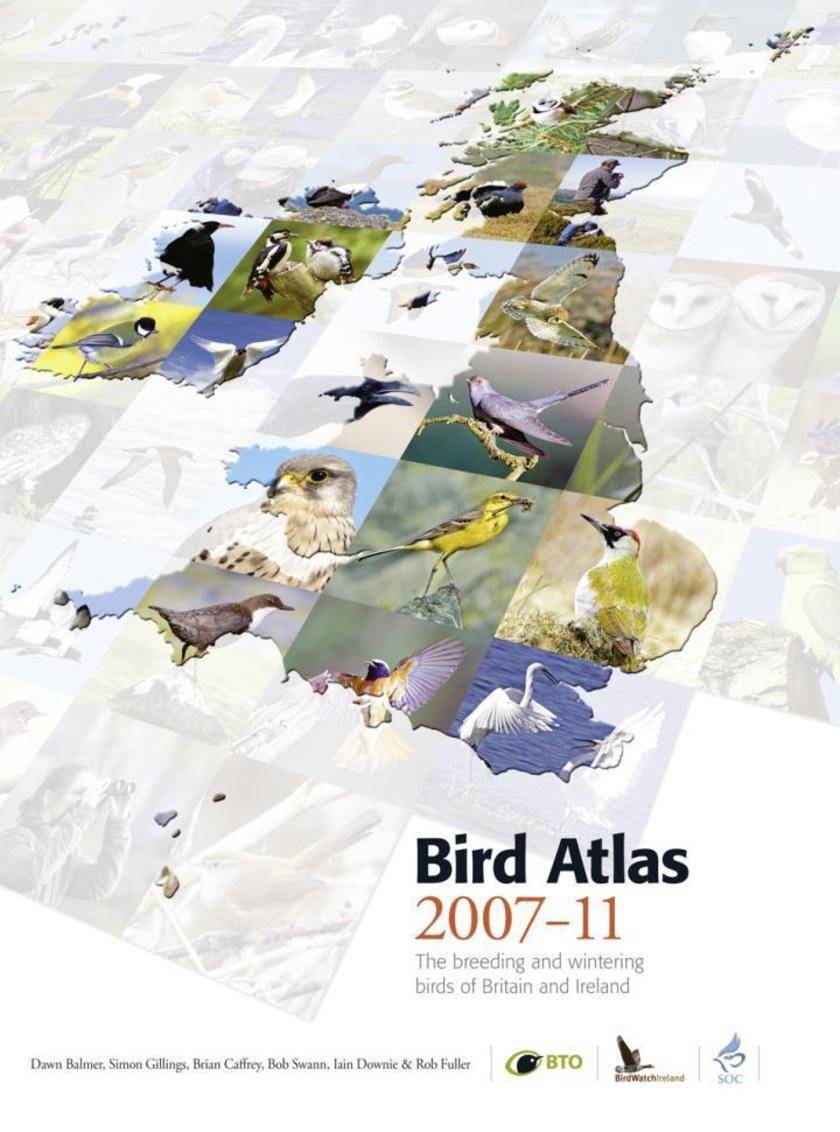
Bird Atlas 2007-11
¥456.07
Bird Atlas 2007-2011 is the definitive statement on breeding and winter bird distributions in Britain and Ireland. It builds on previous atlases (1968-1972 Breeding Atlas, 1981-1984 Winter Atlas, 1988-1991 Breeding Atlas) to show how the fortunes of the birds of Britain and Ireland have changed over the last 40 years. Bird Atlas 2007-2011 presents over 1300 detailed maps for nearly 300 species, showing where each breeds and winters, where they are most and least abundant and where status is changing. The species accounts and chapters bring together the latest scientific findings to explain these patterns and highlight the major issues facing our changing bird faunas.

A History of Sweets in 50 Wrappers
¥15.60
A super-sweet guide to all your favourite sweets from years gone by. A History of Sweets in 50 Wrappers is a colourful and comical history of sweets and chocolates. If you ever dreamt of being the Milkybar Kid, if you remember when Snickers were Marathons and Double Deckers had raisins in them, if you ever checked the colour of your next Fruit Pastille before offering it out, this book is for you. It will lead you down memory lane until you reach the corner shop and load up a 10p mix-up bag. Fully illustrated, with hundreds of classic wrappers and adverts, A History of Sweets in 50 Wrappers is packed full of memories, fun facts, historical research … … and lots and lots of sweets!
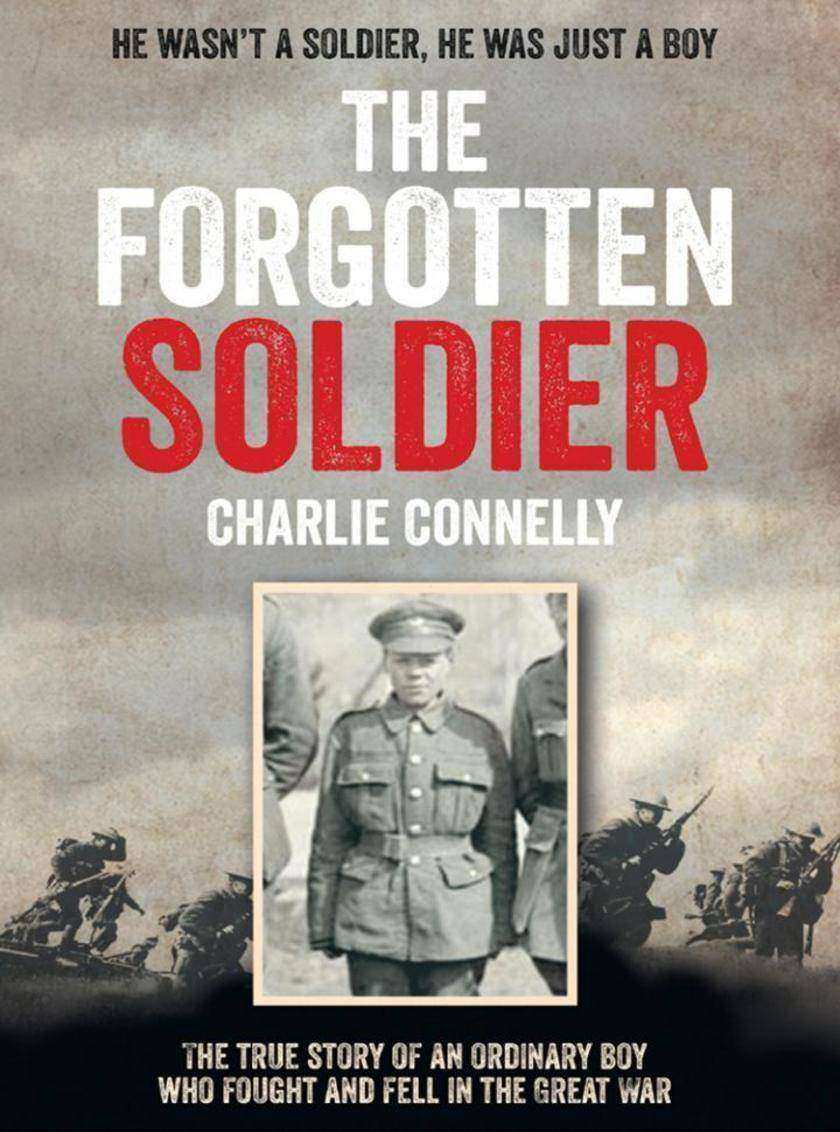
The Forgotten Soldier: He wasn’t a soldier, he was just a boy
¥58.86
Bestselling author Charlie Connelly returns with a First World War memoir of his great uncle, Edward Connelly, who was an ordinary boy sent to fight in a war the likes of which the world had never seen. But this is not just his story; it is the story of all the young forgotten soldiers who fought and bravely died for their country The Forgotten Soldier tells the story of Private Edward Connelly, aged 19, killed in the First World War a week before the Armistice and immediately forgotten, even, it seems, by his own family. Edward died on exactly the same day, and as part of the same military offensive, as Wilfred Owen. They died only a few miles apart and yet there cannot be a bigger contrast between their legacies. Edward had been born into poverty in west London on the eve of the twentieth century, had a job washing railway carriages, was con*ed into the army at the age of eighteen and sent to the Western Front from where he would never return. He lies buried miles from home in a small military cemetery on the outskirts of an obscure town close to the French border in western Belgium. No-one has ever visited him. Like thousands of other young boys, Edward’s life and death were forgotten. By delving into and uncovering letters, poems and war diaries to reconstruct his great uncle’s brief life and needless death; Charlie fills in the blanks of Edward’s life with the experiences of similar young men giving a voice to the voiceless. Edward Connelly’s tragic story comes to represent all the young men who went off to the Great War and never came home. This is a book about the unsung heroes, the ordinary men who did their duty with utmost courage, and who deserve to be remembered.

Terri’s Story (Individual stories from WISH YOU WERE HERE!, Book 7)
¥11.77
One of seven touching true stories from Wish You Were Here!, the tale of Butlin’s holiday camps. ‘When I got to the camp I felt as if I’d suddenly walked into Utopia – it was so colourful, so warm, so friendly. There were lights across the roads, there were banners fluttering in the breeze… There seemed to be laughter coming from every building.’ With grey post-WWII skies hanging low over Britain, factories lining the streets and smoke stacks dotting the horizon, there was one way that ordinary families could escape: the ever-cheerful holiday camps of Butlin’s. When Billy Butlin founded his holiday camps in 1936, they were bastions of community spirit and havens of luxury. Here, for one week, wives and mothers were freed from the toil and drudgery of housework, children ran free through the grounds, fathers and husbands hung up their work clothes. Ever-helpful redcoats were on hand all hours of the day, dinner halls ready with plentiful food for old and young alike, bars stocked to quench any level of thirst, ballrooms waiting to be flooded with shiny shoes, rustling dresses and peals of laughter. And, as the sun went down on another exhausting, happy day, a chorus line was ready to sing holidaymakers back to their beds. Rich in period detail and highly evocative, Wish You Were Here! follows the lives of seven of the camps’ key figures through the highs and lows of the holiday season: from redcoats searching for stardom to young families who returned year after year, to pensioners who rediscovered an inner youth. The laughter and tears, the loves and losses, and the fun and friendships that have lasted a lifetime – it's all here. Funny, moving and heartwarming, they are tales of swimming pools and sing-a-longs, Glamorous Grannies and bicycle rides, and of a community spirit that burned brightly in a much-loved British institution.

The Moral State We’re In
¥72.30
A study of the moral state of the nation – the acid test of this being how we treat the weakest among us. Rabbi Julia Neuberger assesses the situation in the UK from her own unique viewpoint and draws some challenging and thought-provoking conclusions. Just as Will Hutton looked at the political landscape at a turning point in Britain, Rabbi Julia will take the moral temperature of the nation by looking at the ways in which we treat the weakest amongst us. The National Health Service, government pensions and asylum seekers all make daily headlines, and here is a writer with the moral authority and mastery of the necessary information to undertake this timely project. The way we treat the weak and vulnerable members of society has long been an established way to judge how civilised a society is. In this book, Julia looks at the extent to which the elderly are thought a burden, the way we care for the mentally ill, attitudes to asylum seekers and support for ex-offenders, as well as the care of children and the future of society in the UK. Her straight-forward approach to what has elsewhere proven highly esoteric, is here written with ease and fluidity and with a style that is highly approachable for those interested in the state of their nation with purely social, rather than academic, motivations. With her uncomplicated but extremely intelligent and candid take on the issues that make daily headlines, and with Julia’s high media profile, this book is guaranteed to tap into the state of our nation. Includes exciting new sections, reviewing the past year’s events, reception to her book and what – if anything – has changed in the way she sees our nation’s moral predicament.

Warsaw 1920: Lenin’s Failed Conquest of Europe
¥70.44
The dramatic and little-known story of how, in the summer of 1920, Lenin came within a hair's breadth of shattering the painstakingly constructed Versailles peace settlement and spreading Bolshevism to western Europe. In 1920 the new Soviet state was a mess, following a brutal civil war, and the best way of ensuring its survival appeared to be to export the revolution to Germany, itself economically ruined by defeat in World War I and racked by internal political dissension. Between Russia and Germany lay Poland, a nation that had only just recovered its independence after more than a century of foreign oppression. But it was economically and militarily weak and its misguided offensive to liberate the Ukraine in the spring of 1920 laid it open to attack. Egged on by Trotsky, Lenin launched a massive westward advance under the flamboyant Marshal Tukhachevsky. All that Great Britain and France had fought for over four years now seemed at risk. By the middle of August the Russians were only a few kilometres from Warsaw, and Berlin was less than a week's march away. Then occurred the 'Miracle of the Vistula': the Polish army led by Jozef Pilsudski regrouped and achieved one of the most decisive victories in military history. As a result, the Versailles peace settlement survived, and Lenin was forced to settle for Communism in one country. The battle for Warsaw bought Europe nearly two decades of peace, and communism remained a mainly Russian phenomenon, subsuming many of the autocratic and Byzantine characteristics of Russia's tsarist tradition.


