


 购物车
购物车 个人中心
个人中心

Witnessing Waterloo: 24 Hours, 48 Lives, A World Forever Changed
¥73.58
‘Of all the books marking the bicentenary Waterloo, this has to be the best’ Spectator ‘A book to die for’ Evening Standard From Samuel Johnson Prize shortlisted author David Crane, this is a breathtaking portrait of the Britain that fought the battle of Waterloo. As Wellington’s rain-sodden army retreated towards an obscure valley called Waterloo, the men and women of Britain were still going to the theatre and science lectures, working in the fields and the factories, reading and writing books and sermons, painting their pictures and sitting in front of Lord Elgin’s marbles. David Crane’s stunning freeze-frame of Britain on this day of momentous change shifts hour by hour between Britain and Belgium. The Britain that fought Waterloo – its radicals and patriots, artisans and aristocrats, prisoners and poets – appears through the smoke of battle and the mythology of Waterloo in this magnificent and original tracing of the endless, overlapping connections between people’s lives.
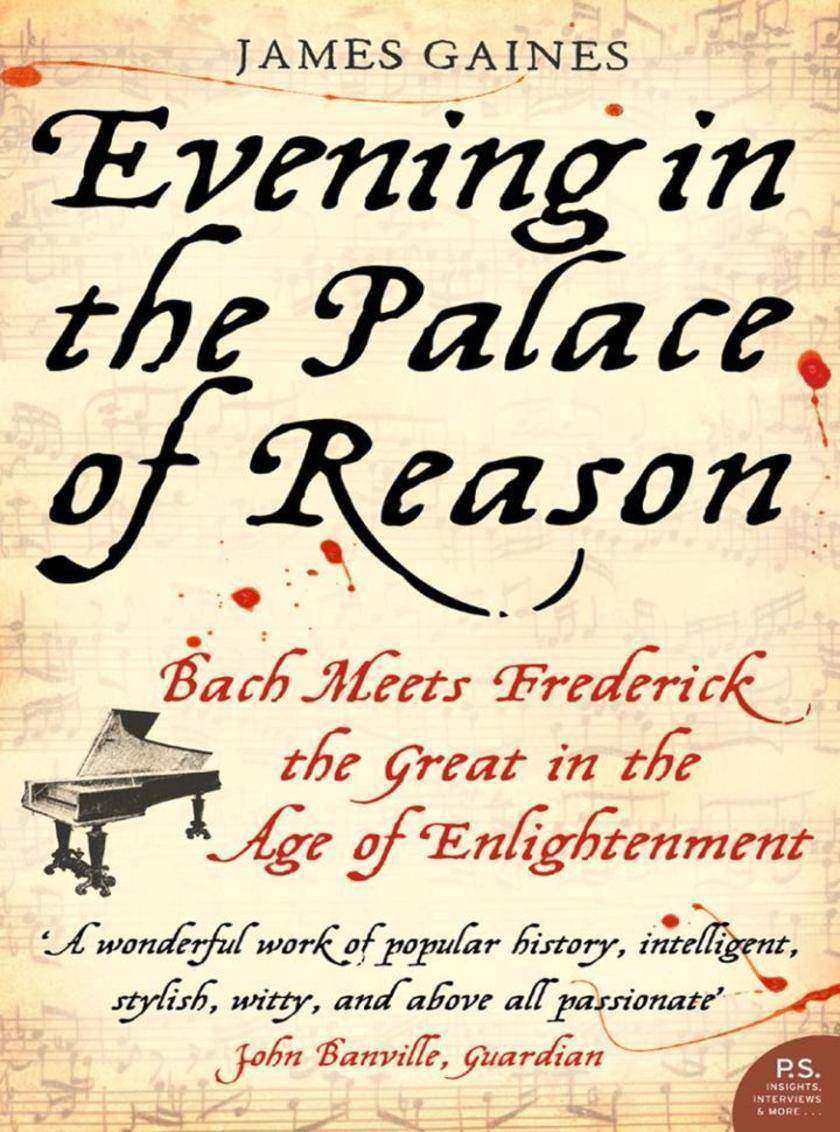
Evening in the Palace of Reason: Bach Meets Frederick the Great in the Age of En
¥81.32
In one corner, a godless young warrior, Voltaire's heralded 'philosopher-king', the It Boy of the Enlightenment. In the other, a devout if bad-tempered old composer of 'outdated' music, a scorned genius in his last years. The sparks from their brief conflict illuminate a turbulent age. Behind the pomp and flash, Prussia's Frederick the Great was a tormented man, son of an abusive king who forced him to watch as his best friend (probably his lover) was beheaded. In what may have been one of history's crueler practical jokes, Frederick challenged 'old Bach' to a musical duel, asking him to improvise a six-part fugue based on an impossibly intricate theme (possibly devised for him by Bach's own son). Bach left the court fuming, but in a fever of composition, he used the coded, alchemical language of counterpoint to write 'A Musical Offering' in response. A stirring declaration of faith, it represented 'as stark a rebuke of his beliefs and world view as an absolute monarch has ever received,' Gaines writes. It is also one of the great works of art in the history of music. Set at the tipping point between the ancient and the modern world, the triumphant story of Bach's victory expands to take in the tumult of the eighteenth century: the legacy of the Reformation, wars and conquest, the birth of the Enlightenment. Brimming with originality and wit, 'Evening in the Palace of Reason' is history of the best kind - intimate in scale and broad in its vision.

A Death in Belmont
¥73.58
A compelling portrait of 1960s America that takes as its starting point the brutal events of 11 March 1963, the day on which the lives of three complete strangers – a black handyman, an Italian-American carpenter and a second-generation Jewish housewife – collided in the leafy Boston suburb of Belmont. These three people did not know one another, but, by the end of the day, the housewife had been raped and strangled, the handyman had been arrested on suspicion of being the notorious Boston Strangler, and the real Boston Strangler – carpenter Al DeSalvo – had returned home to his wife and children. It was not until two years later that DeSalvo admitted to the gruesomely violent murders of thirteen women. Also unwittingly drawn into the drama were one-year-old Sebastian Junger's own family, who posed for a photograph with DeSalvo the day after the Belmont strangling, at the completion of his work on their studio. Taking the chilling family snap as his inspiration, Junger explores the worlds of the three protagonists and, in so doing, creates a portrait of America in the 1960s that touches on the historic themes of the era: the assassination of JFK, the rise of the immigrants and the troubling race relations that prefigured the death of Martin Luther King. This new work by Sebastian Junger, the acclaimed author of ‘Perfect Storm’ and ‘Fire’, is as enlightening as it is haunting. Taking as its foundation the events that shocked a quiet community in 1963, ‘A Death in Belmont’ expands to encompass an entire nation at a time of extraordinary social turmoil.
Etiquette (Collins Nutshell Books)
¥37.96
Ever wondered about the correct way to address a Duke? Or how to get out of a car elegantly? What do you do if you embarrass yourself in public? These, and a whole host of other practical questions, are answered in this charming pocket-sized book. First published in 1960 this charming book provides a wealth of practical information on the right thing to do in just about every situation. Hailing from a time when it was not yet fashionable to condemn good manners and courtesy as hypocrisy, and social situations were distinct from each other with specific codes of conduct, Etiquette is both a delightful insight into the social mores of the '60s and a guide to good manners that is still relevant today. Chapters cover the problems involved in letter writing; sending out invitations; striking up conversation; telephone conversations; flat sharing; entertaining friends, business acquaintances - and their children; correct behaviour on a first date and even how to organise a wedding. Etiquette is part of a series of Collins Nutshell Books which cover hobbies, sports, practical activities and leisure-time interests of many kinds. Originally produced in the '60s, Collins Nutshell Books, recall a bygone era which flourished on the knowledge that many interests make for a happy life and that leisure means much more than watching television.
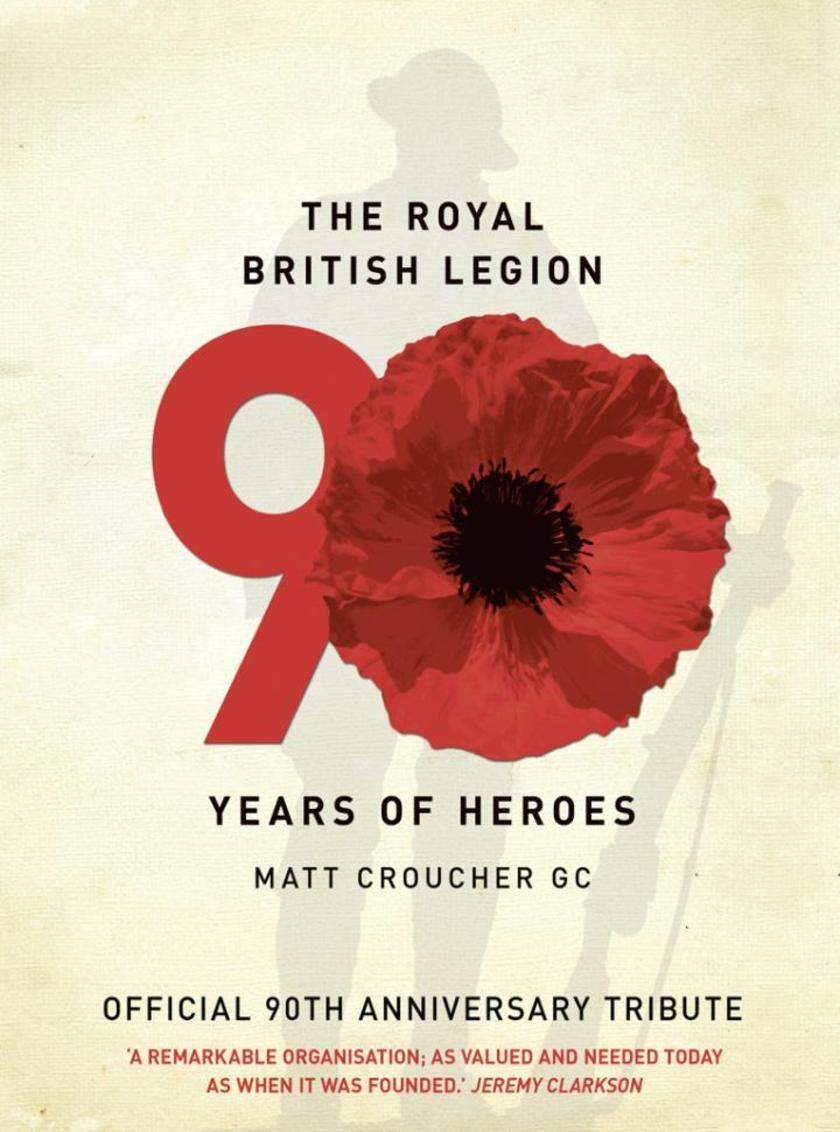
The Royal British Legion: 90 Years of Heroes
¥147.35
The Royal British Legion was founded in 1921. It is now the country’s leading charity providing financial, social and emotional support to those who have served or who are currently serving in the British Armed Forces and their dependants. The RBL is behind the annual Poppy Appeal, the highest profile charity appeal in Britain. This book has the full support of the Royal British Legion and will tell the complete story of its history through exclusive access to its archives, thus providing a celebratory, as well informative, tribute to their work over the past 90 years. It will be the definitive history of this much-loved organisation, charting its work with soldiers and ex-servicemen through the stories of its heroes, famous as well as unknown, during the highest-profile military campaigns of the past 90 years. The book will be divided into nine chapters, each representing one decade in the RBL’s existence. Each chapter will celebrate one hero per year; 1921, 1922, 1923, etc. giving an account of that particular person, and what they achieved. Within each chapter will be special spreads that emphasise also the social history of the evolution of the RBL as a charity. Each one of the heroes, from 1921 right through to 2011, has been personally chosen by decorated royal marine, and RBL ambassador, Lance Corporal Matt Croucher GC. Men such as Major Robert Henry Cain VC (1909-1974), who destroyed six tanks during Operation ‘Market Garden’ at Arnhem in 1944 and was one of the only officers from his battalion to escape the German encirclement of the British 1st Airborne Division. The book was published in late autumn to coincide with the 2011 Poppy Appeal, which will be the biggest in the Legion’s history, with events running nationwide, TV advertising, celebrity involvement and a high-profile marketing campaign. Matt Croucher will be involved in the campaign as an ambassador for the RBL. For any serving member of the armed forces, or those retired from service, or members of the public who are keen to know about this beloved organisation; this will be a fascinating and valued purchase, knowing that royalties will be going to the charity themselves.
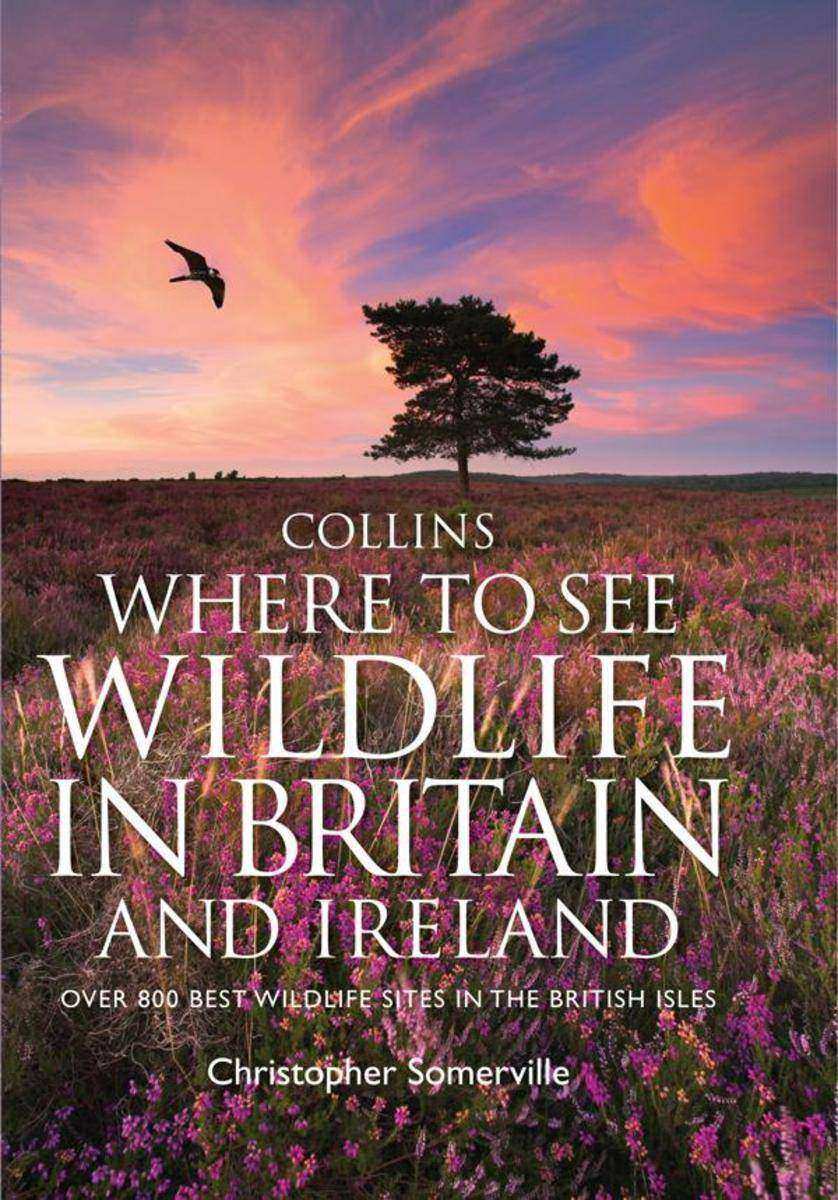
Collins Where to See Wildlife in Britain and Ireland
¥147.35
Have you ever wondered where the best places to go are to see leaping salmon, rutting deer, diving gannets, breaching whales or bluebell woods in full bloom? The British Isles are home to some of the richest and most varied wildlife to be found in Europe, and knowing when and where to go is the key to seeing Britain’s natural beauty at its very best. Divided into 50 regions, each accompanied by a detailed map, Where to See Wildlife in Britain and Ireland is packed with essential information on Britain and Ireland’s most exciting conservation sites, from nature reserves in Somerset renowned for their otters, to remote bird sanctuaries in the Highlands of Scotland, home to the glorious golden eagle. Featuring over 800 sites, including National and Local Nature Reserves, National Parks, RSPB Reserves, Sites of Special Scientific Interest, and Areas of Outstanding Natural Beauty, this highly informative book provides practical advice on the best time to go, how to get there, and what to see, along with suggestions for other places to visit in each area. Plants and animals associated with each site are highlighted throughout, and special features provide insight into the range of habitats you will encounter along the way, from marshes and wetlands to lakes and mountains. With over 500 stunning colour photographs and clear Collins road mapping, Where to See Wildlife in Britain and Ireland allows nature-lovers to plan anything from a fun day out for the family to a two–week tour of Britain’s wildlife treasures. So whether you want to see glow-worms glow in Devon, hares box in Hertfordshire, or sea eagles soar over Skye, this book will get you to the right place at the right time, helping to answer many of your questions along the way.
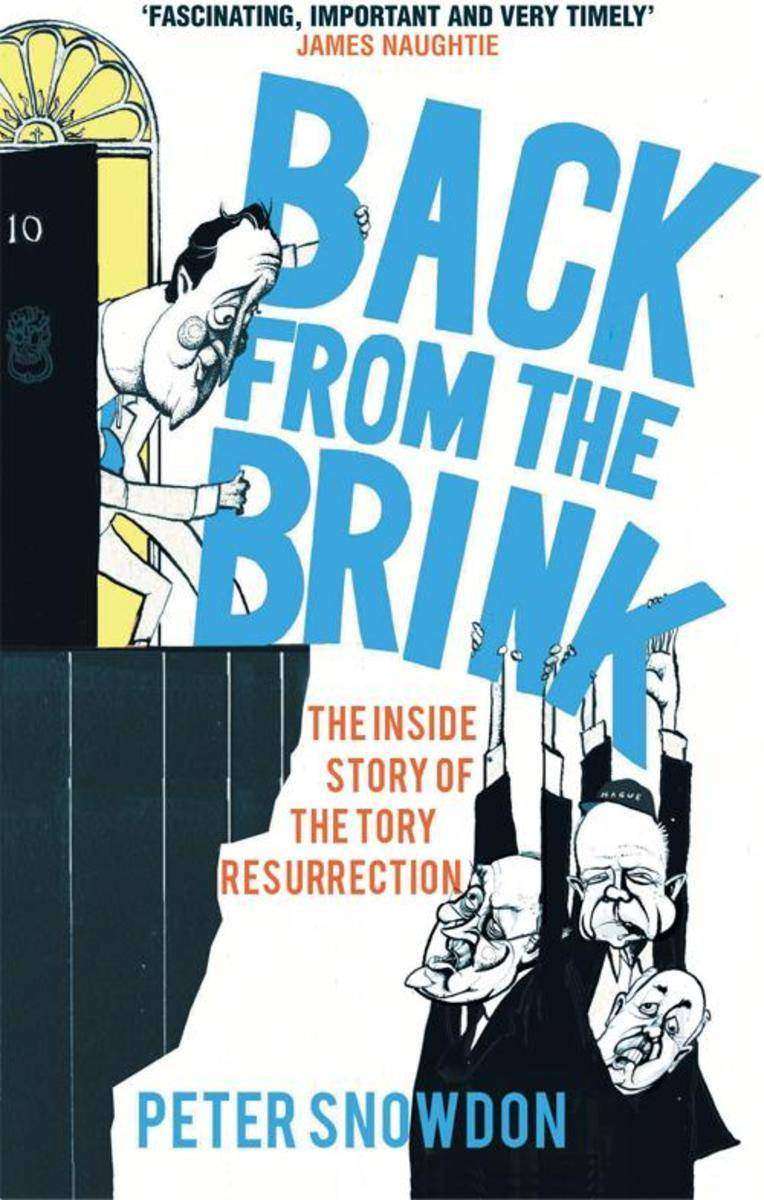
Back from the Brink: The Inside Story of the Tory Resurrection
¥109.48
Lifting the lid on the most captivating story in British politics today, ‘Back from the Brink’ charts the Conservative Party's remarkable journey from the political wilderness to the threshold of power. Based on unprecedented access to key figures in the Conservative party, including every leader from John Major to David Cameron, political journalist Peter Snowdon sheds new light on the dramatic decline and renaissance of the party that dominated 20th century British politics. He reveals how the Conservatives were torn apart by in-fighting as they struggled to come to terms with their catastrophic electoral defeat in 1997 and the continuing trauma of Margaret Thatcher's sudden removal from office several years earlier. Under a succession of hapless leaders - William Hague, Iain Duncan Smith and Michael Howard - the party lost two further elections and at times effectively ceased to function as a political force across whole swathes of Britain. It took the emergence of a new generation of Conservatives, and David Cameron's election as leader in 2005, to set the party on the uneven road to electoral recovery. Packed full of fresh insights into what really goes on behind closed doors at Westminster, Back from the Brink exposes the bitter rivalries and recriminations that have blighted the Conservatives in Opposition, and gets to the heart of Cameron's quest for power and ambitions for office.
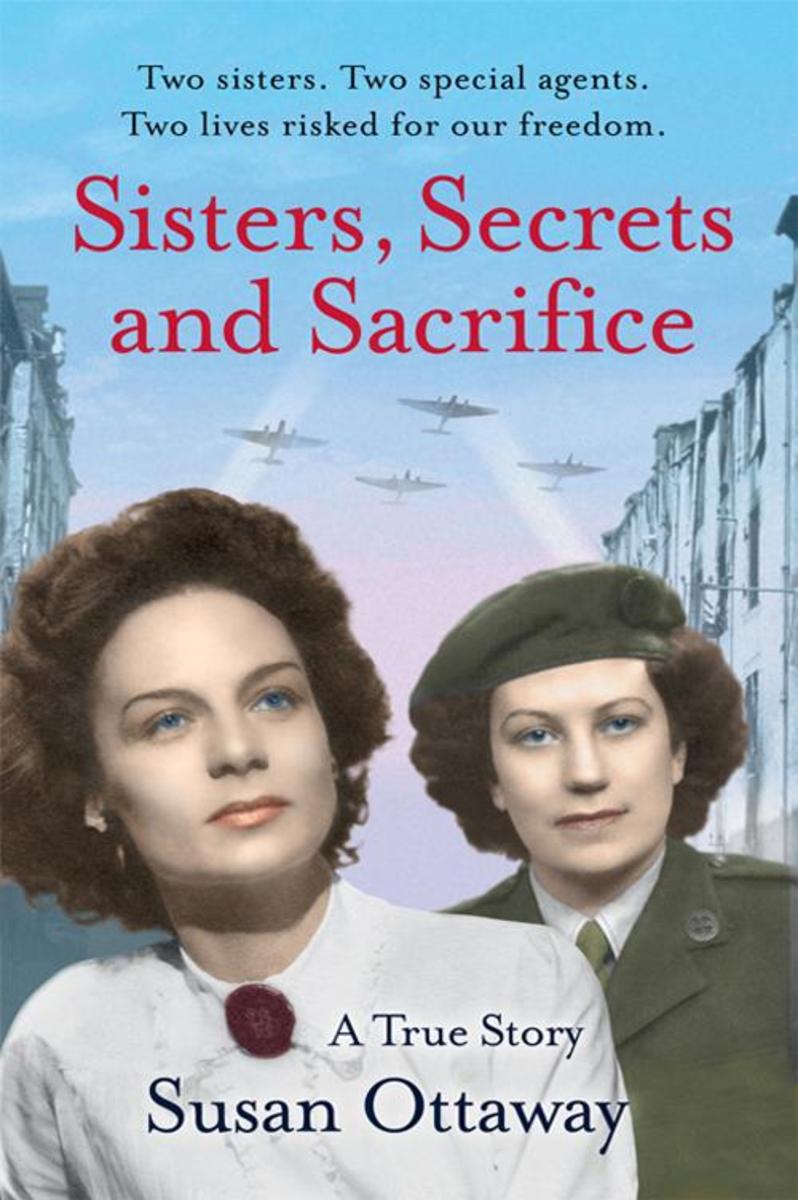
Sisters, Secrets and Sacrifice
¥57.09
Two sisters. Two special agents. One War. Sisters, Secrets and Sacrifice is the incredible true story of British special agents Eileen and Jacqueline Nearne, two sisters who risked everything to fight for our freedom during the Second World War. The death of an eccentric recluse is rarely an event to be given more than a few lines in a local newspaper. But when, in September 2010, police were called to a tiny, cluttered flat in Torquay and discovered the body of local ‘cat lady’ Eileen Nearne, they also found a small bundle of possessions that told an amazing story. For Eileen Nearne had been an agent for the Special Operations Executive during the Second World War, going undercover in Nazi-occupied France to send wireless messages of crucial importance to the Allies. Astonishingly, Eileen was not the only special agent in the family – her sister Jacqueline had also been an SOE. Rarely had two members of the same family sacrificed so much to such dangerous work. Sisters, Secrets and Sacrifice pays tribute to these fiercely patriotic women with hearts of courage, who fought for freedom at much personal cost. While Jacqueline narrowly avoided capture several times, tirelessly couriering secret documents for the resistance, Eileen was arrested and tortured by the Gestapo before being incarcerated at Ravensbrück concentration camp. She was only 23. This is a true story of triumph and tragedy, of two sisters who sacrificed themselves to defend our freedom, who stood shoulder to shoulder during the darkest of days.

Springwatch British Wildlife:Accompanies the BBC 2 TV series
¥147.35
Springwatch British Wildlife is the perfect year-round countryside introduction to the much-loved wildlife of the popular BBC2 television series. The book guides you through Britain's rich and diverse natural heritage, allowing you to enjoy the nation's wildlife at its finest – learning how the animals live and where to find them, why they do what they do and how we can appreciate them. You will be introduced to the birds, mammals and plants that inhabit our gardens, cities and countryside, with detailed species de*ions and beautiful photographs allowing you to understand their appearance, behaviour and habitats. Discover the best-kept secrets about garden birds, fascinating fungi facts and what leaves and seeds tell us about our thriving plant life. Join the Springwatch team as they help you to explore the natural world and unlock the mysteries to British wildlife.
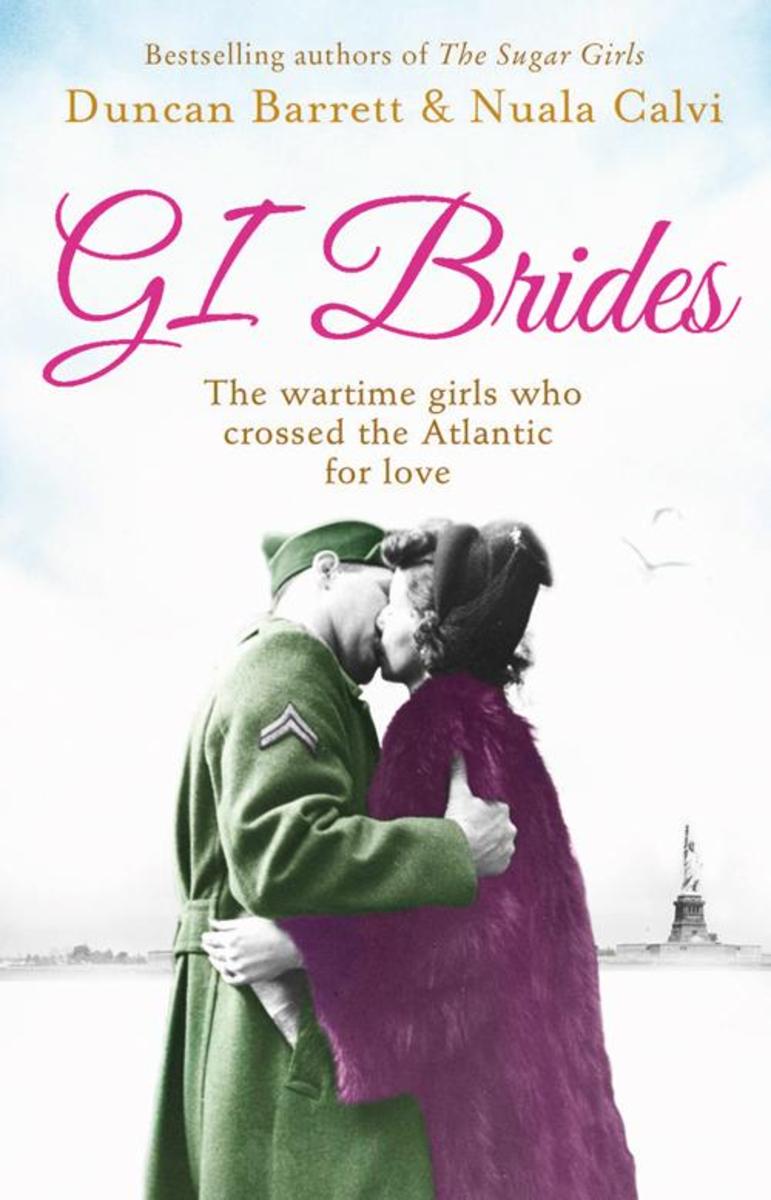
GI Brides:The wartime girls who crossed the Atlantic for love
¥42.67
The Sunday Times bestseller From the bestselling authors of The Sugar Girls, G.I. Brides weaves together the real-life stories of four women who crossed the ocean for love, providing a moving true tale of romance and resilience. The 'friendly invasion' of Britain by over a million American G.I.s caused a sensation amongst a generation of young women deprived of male company during the Second World War. With their exotic accents, smart uniforms and aura of Hollywood glamour, the G.I.s soon had the local girls queuing up for a date, and the British boys off fighting abroad turning green with envy. But American soldiers offered something even more tantalising than a ready supply of chocolate, chewing gum and nylon stockings. Becoming a G.I. bride provided an escape route from Blitz-ravaged Britain, an opportunity for a whole new life in America - a country that was more affluent, more modern and less class-ridden than home. Some 70,000 G.I. brides crossed the Atlantic at the end of the war to join the men who had captured their hearts - but the long voyage was just the beginning of a much bigger journey. Once there, the women would have to adapt to a foreign culture and a new way of life thousands of miles away from family and friends, with a man they hardly knew out of uniform. Some struggled with the isolation of life in rural America, or found their heroic soldier was less appealing once he returned to Civvy Street. But most persevered, determined to turn their wartime romance into a lifelong love affair, and prove to those back home that it really was possible to have a Hollywood ending. www.gibrides.com

Margaret’s Story (GI Brides Shorts, Book 2)
¥9.71
This is Margaret’s story, one of four true stories from the book GI Brides. “Margaret’s eyes were on the handsome officers who milled around the US Army headquarters. But it was one young second lieutenant that she particularly looked out for… And she secretly deteThe room was filled with GIs – some playing pool, some jostling for control of rmined to make him hers.” An attractive young English girl, Margaret finds herself working at the US Army headquarters in London, where she meets a dashing American officer who breaks her heart. Soon she falls pregnant by another GI, marries, and follows him to America’s deep south. What she finds out in Georgia about her husband's true character will shock her. Margaret’s story is extracted from GI Brides, written by the bestselling authors of The Sugar Girls. It tells the true stories of four of the 70,000 British women who crossed the Atlantic for love after the Second World War.

Yorkshire Dales (Collins New Naturalist Library, Book 130)
¥257.90
A definitive natural history of the Yorkshire Dales, covering the range of wildlife habitats, rich cultural heritage and ecological history of one of our best-loved National Parks. The Yorkshire Dales National Park is a special place: its outstanding scenery and the diversity of habitats is perhaps unrivalled in any other National Park in Britain. This rich biodiversity has been a great attraction to naturalists for over two centuries. But to fully appreciate the present-day plant and animal communities, their status and the constraints upon them, it is important to understand the geology and landscape history of the National Park, including the role that human populations have played in modifying the environment. In this long-anticipated New Naturalist volume, John Lee introduces the National Park, exploring both its geology and geomorphology, and describing the role of early naturalists and the Yorkshire Naturalists Union in recording and understanding the natural history of the Dales. He describes the major habitats or groups of habitats which underline the ecological importance of the Dales. Lee covers the earliest settlement times to the modern day, and he focuses in particular on the most iconic plant of the Dales, the Lady’s Slipper Orchid, arguably the rarest of native British plants, which until recently was thought to be confined to a single plant in the Dales. Lee takes a historical approach, describing its near eradication and early attempts to conserve it – including the establishment of a secret society – concluding with recent scientific conservation approaches.
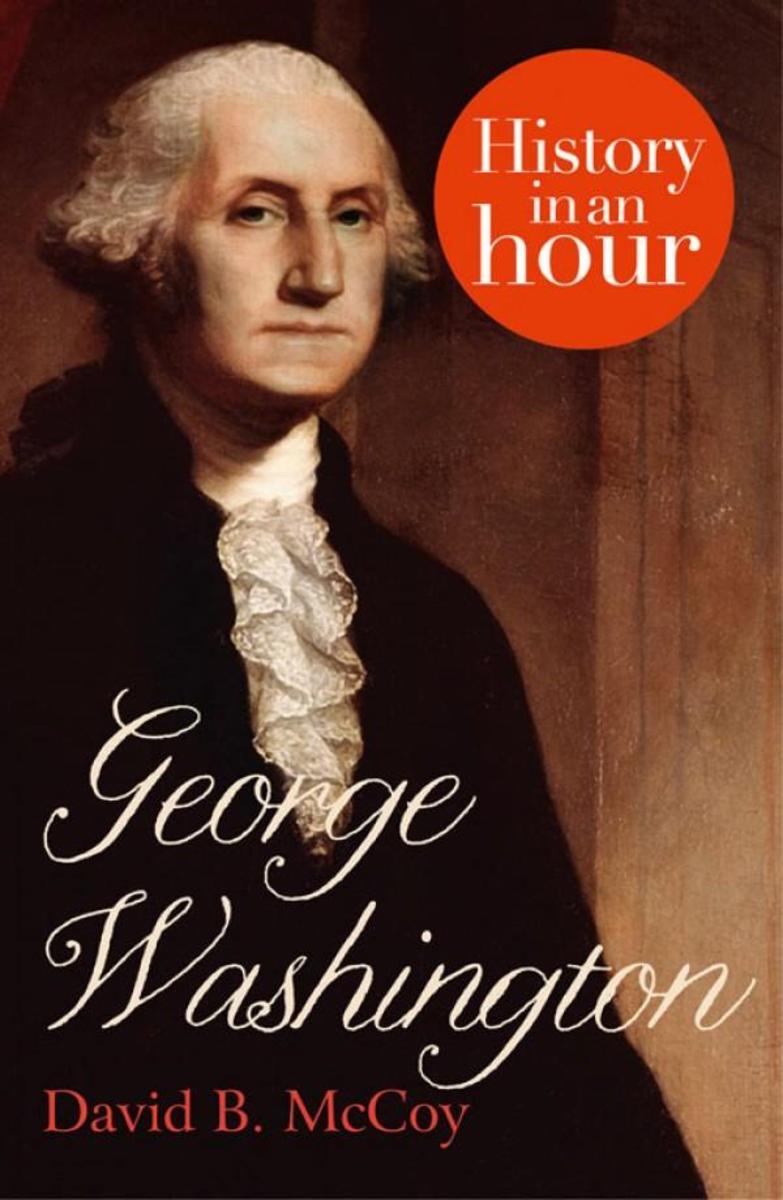
George Washington:History in an Hour
¥14.81
Love history? Know your stuff with History in an Hour. George Washington – a figure synonymous with American history. His image is known worldwide, marked on American currency, postage stamps – even a state is named after him. George Washington in an Hour explores the man beneath the symbol. This is the essential chronicle of Washington’s life – his rise from middle class Virginian upbringing to America’s first President, elected unanimously twice. Explore Washington’s legacy – from securing Independence, to his instrumental role in writing and adopting the American constitution. George Washington in an Hour covers Washington’s redefinition of greatness, relinquishing power not once but twice – at the end of Revolution and his second term in Presidency. Learn why Washington is still considered one of the most influential people in history, and how his impact shaped the world in this engaging overview of his life. Love history? Know your stuff with History in an Hour…
The Gunpowder Plot:History in an Hour
¥18.05
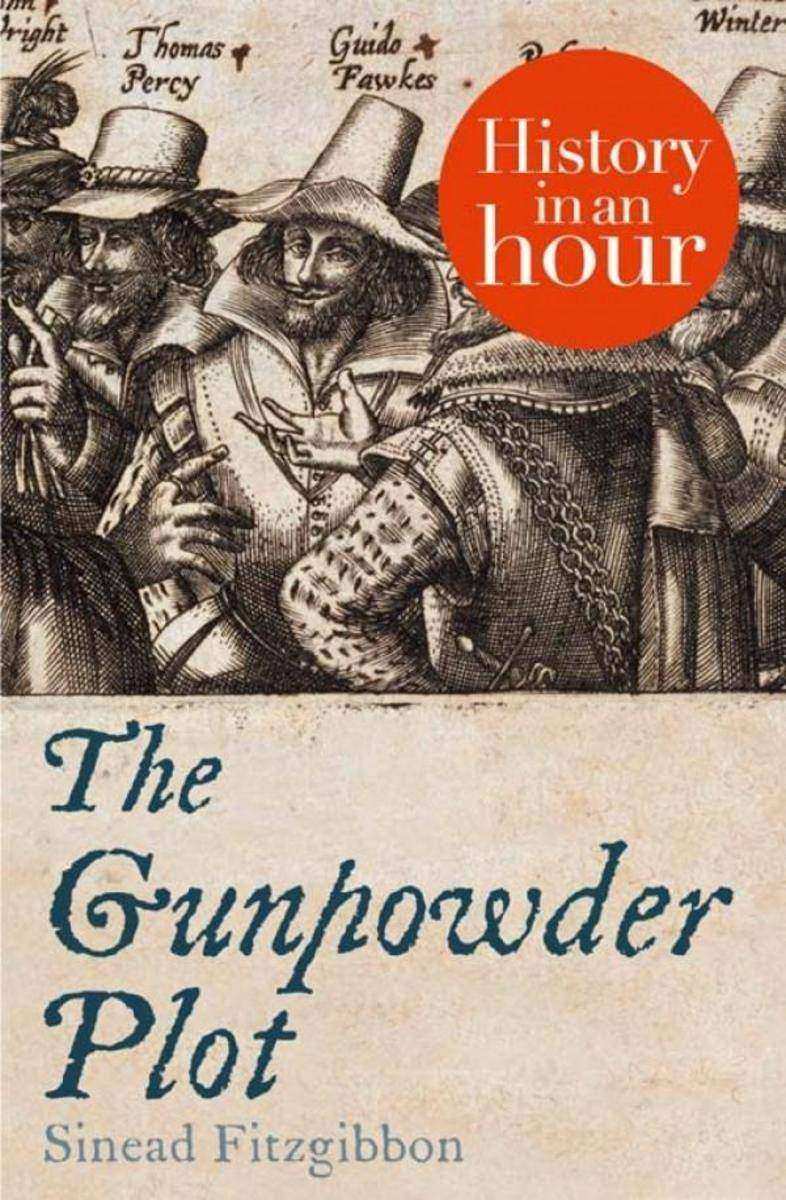
Love history? Know your stuff with History in an Hour. ‘Remember, remember, the fifth of November’. The gunpowder plot is a famed tale of treachery that continues to fascinate and capture the imagination four hundred years on. The Gunpowder Plot in an Hour reveals the elaborate background to the infamous plot to blow up the Houses of Parliament and James I, the ultimate act of treason. This compelling and engaging account of one of the most famous historical events in English history follows the Catholic protagonists hatching their plan through to their inevitable, gruesome deaths. Learn who the Catholic traitors were, what drove them to such desperate measures, and how the plot was discovered. The Gunpowder Plot in an Hour gives a concise overview of this enduring event and is a must for all history lovers. Love history? Know your stuff with History in an Hour…

The Fix
¥68.67
Addictions to iphones, painkillers, cupcakes, alcohol and sex are taking over our lives. Our most casual daily habits can quickly become obsessions that move beyond our control. Damian Thompson, who has himself struggled with a range of addictions, argues that human desire is in the process of being reshaped. Shunning the concept of addiction as disease, he shows how manufacturers are producing substances like ipads, muffins and computer games that we learn to like too much and supplement tradition addictions to alcohol, drugs and gambling. He argues that addictive behaviour is becoming a substitute for family and work bonds that are being swept away by globalisation and urbanisation. This battle to control addiction will soon overshadow familiar ideological debates about how to run the economy, and as whole societies set about “fixing” themselves, the architecture of human relations will come under strain as never before. The Fix offers a truly frightening glimpse of the future and is essential reading for fans of Naomi Klein’s ‘No Logo’, Oliver James’s ‘Affluenza’ and Francis Wheen’s ‘How Mumbo-jumbo Conquered the World’.
Inside Nature’s Giants
¥147.35
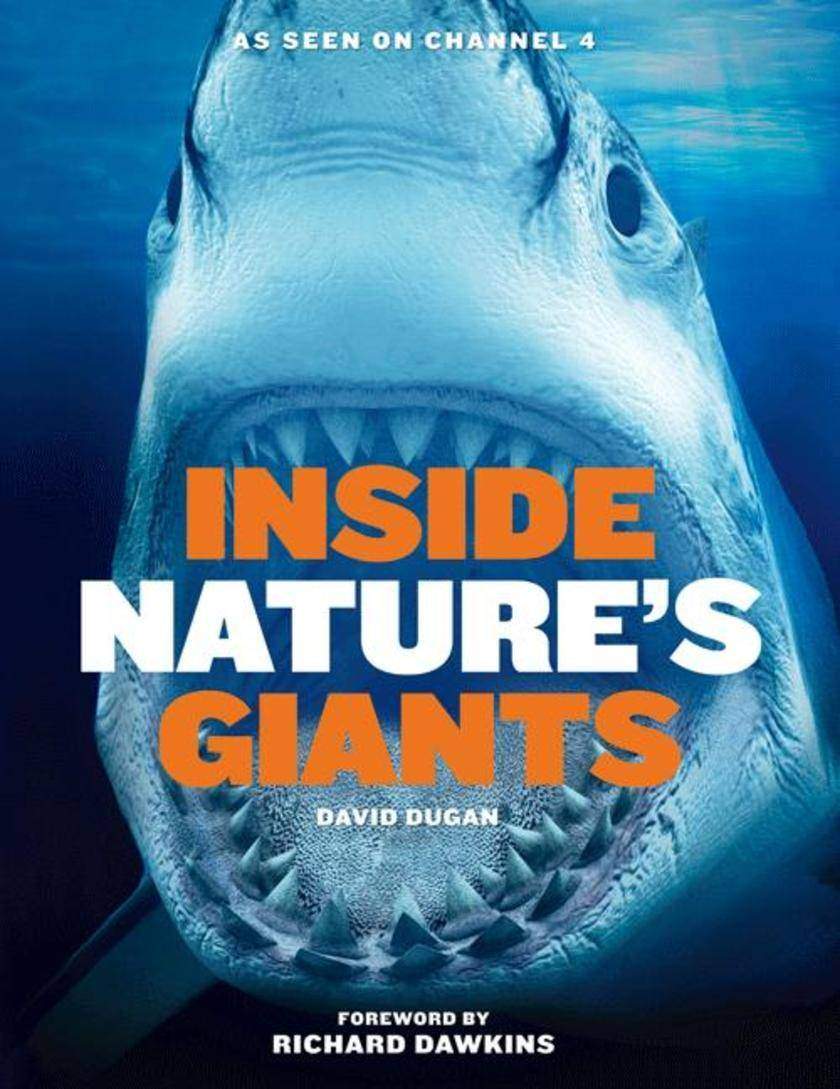
With a foreword by Richard Dawkins, and based on the BAFTA award-winning Channel 4 TV series, Inside Nature’s Giants gets under the skin of the largest animals on the planet. See them as you've never seen them before – from the inside out. Inside Nature’s Giants explores the anatomy of the largest animals on the planet to reveal how these amazing creatures really work. Rather than simply telling you how an animal behaves, the book features dissection, CGI and wildlife photography to show how millions of years of evolution have enabled animals to thrive across the world. This is natural history as you’ve never seen it before – from the inside out. Join the Inside Nature’s Giants team of scientists and anatomical experts, including, among others, veterinary scientist Mark Evans, enthusiastic, scalpel-wielding anatomist Joy Reidenberg, science presenter Simon Watt and evolutionary biologist Richard Dawkins, as they unlock the secrets behind some of nature's most extraordinary beasts. Why doesn’t a giraffe keel over and faint, when its head is so far above its heart? Why are crocodiles hopeless at chewing, when they have the strongest bite of all animals, and why does a giant squid have three hearts and pass food through its brain? By rolling up their sleeves to delve into these animals the team discover the answers to these, and many other fascinating, questions, revealing how evolution by natural selection is responsible for the bizarre biology of elephants, sharks, giraffes, big cats, hippos, crocodiles, camels, whales, kangaroos, giant squids and more. Using an interactive approach, Inside Nature’s Giants offers an exciting, alternative take on natural history. By opening the single- and double-page gatefolds readers can go beneath the skins of the animals to experience for themselves how evolution has shaped the anatomy of some of nature’s most magnificent animals.

Nature Conservation (Collins New Naturalist Library, Book 91)
¥182.47
This latest volume in the New Naturalist series provides a comprehensive study of wildlife conservation in Britain, concentrating on events in the last 30 years. As our environment is subjected to increasing assault from climatic changes and pollutants, conservation has become a growing concern for both specialists and generalists alike. The first chapter of this book considers the political and institutional development of nature conservation and reviews the physical and biological nature of Britain, its geology, climate and wildlife habitats. Subsequent chapters cover the loss of habitats and species, how these losses have been managed and the techniques used to survey and monitor the integration of nature conservation policies in industries from agriculture to forestry and fisheries. Marren continues by discussing how nature conservation has emerged from the sidelines to become a major concern. He addresses the role of the media, weighs up the successes and failures of the conservation movement and looks to what the future may hold.

A Country Parish (Collins New Naturalist Library, Book 9)
¥456.66
The natural history of an ordinary English country parish was one of the first subjects that suggested themselves when the New Naturalist series was planned. Collins are delighted to announce the republication in facsimile form of the first editions of the very first volumes in the New Naturalist Library. Originally planned in the darkest days of World War II and first published in 1945, this series is the longest running nature series in the world. It is a reflection of the quality of the authors and the books they wrote, that they are still sought after 73 years later. The books will be identical in every way to the original first editions, including the iconic jackets by Clifford and Rosemary Ellis. The natural history of an ordinary English country parish was one of the first subjects that suggested themselves when the New Naturalist series was planned. Being chiefly farmland and therefore practically all man-made, most country parishes are extremely complex from the naturalist's point of view and also inevitably contain a vast amount of human history. Any attempt to describe their plants and animals has to be closely related with the ways of man himself, who must be regarded as the chief element in the community - a fact which has been obvious enough to naturalists ever since the days of Gilbert White. For this book we were fortunate to find an author who combined a thorough all-round knowledge of natural history with a sound insight into human customs, history, pastimes and farming methods. Arnold Boyd lived in Cheshire all his life - and in keeping with the best tradition of English amateur naturalists, he excelled as a collector of facts, as is apparent from his previous books, his writing in the Manchester Guardian and other journals, and in his assistant editorship of British Birds. By weaving together his collection of facts he presents us with a book of remarkable unity and which shows a wide grasp of every aspect of the living communities. This charming yet erudite portrait will protect his beloved parish for ever from the ravages of human forgetfulness.
The Natural History of Orkney (Collins New Naturalist Library, Book 70)
¥456.66
This is the first survey of the islands' natural history, complete in one volume. Because Orkney is exceptional, it is vital reading for the serious naturalist, as well as for being a comprehensive and absorbing guide for every visitor. This edition is exclusive to newnaturalists.com Orkney is a very special place for naturalists. Closer to Oslo than to London, its geography and climate create quite distinct environmental conditions - even though it is only six miles from the Scottish mainland. On these islands of fierce gales, long summer days and long winter nights, the wildlife has adapted in intriguing ways… Starlings adapt to ground-nesting…local sheep eat seaweed…and there are voles exclusive to Orkney. Here is one of the very few areas where the rare and delicate Scottish Primrose thrives…where you find the British stronghold of the Hen Harrier, and vast colonies of seabirds and seals. This is the first - and long-needed - survey of the islands' natural history, complete in one volume. Because Orkney is exceptional, it is vital reading for the serious naturalist, as well as for being a comprehensive and absorbing guide for every visitor. In his tracing of the island's evolution from its geological creation to the effects of oil technology; in the detailed, yet fascinating exploration of the plants and animals (and where best to see them), Professor Berry's expertise and enthusiasm is backed by that of local specialists, and Orkney's long tradition of natural history study. Appendices include definitive lists of all the species of flora and fauna on record, and an extensive bibliography.

The Steel Bonnets
¥114.48
From the author of the famous ‘Flashman Papers’ and the ‘Private McAuslan’ stories.
Birds of South America:Passerines (Collins Field Guide)
¥294.79
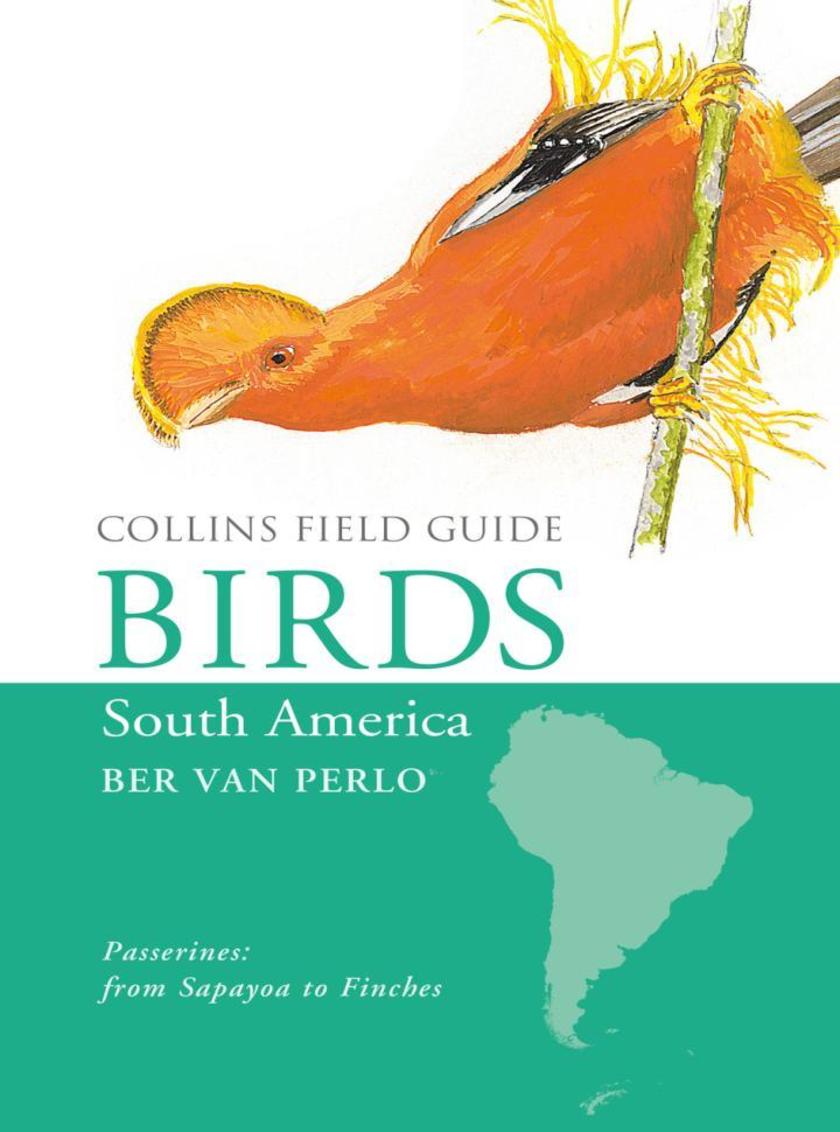
Recommended for viewing on a colour tablet. South America has long been known for its bountiful flora and fauna. The richness in bird life has attracted visitors from all over the world and has helped to make South America an increasingly popular wildlife tourist spot. This major new field guide to the birds of South America covers all the passerines (perching birds), with all plumages for each species illustrated, including males, females and juveniles. The text gives information on key identification features, habitat, and songs and calls. Beautiful artwork featured across 195 colour plates appears opposite the relevant text for quick and easy reference. Distribution maps are included, showing where each species can be found and how common it is, to further aid identification.


