


 购物车
购物车 个人中心
个人中心
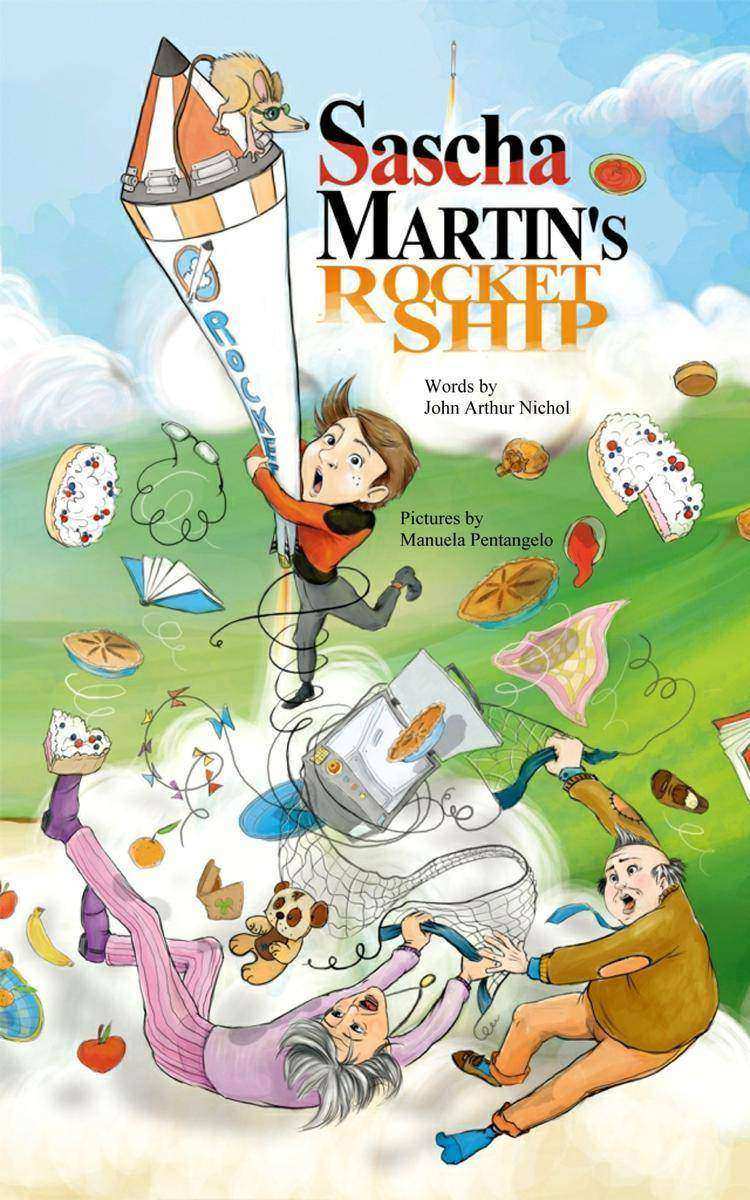
Sascha Martin's Rocket-Ship A hilarious sci fi action and adventure book for kid
¥0.01
The audiobook of Sascha Martin’s Rocket-Ship is free when you download this Kindle book! Eight year old Sascha Martin is always inventing things, so he knows how they work. Mostly. For class news time he brings in a rocket that towers over everyone, including the teacher … but he's written "Don't touch!" on the rocket, so what could possibly go wrong? "The story is 'poetry in motion' for rocket ships! Manuela Pentangelo has visually interpreted John's verse with all the best icons from rocketry and science in the gorgeous illustrations." Samantha Ridgway, scientist, mother, and record-holding Australian rocketeer. This children’s picture book is ideal for kids age 8-10, but readers of all ages, from beginners to preteens to adults, will love this wild, funny, deliciously silly adventure wrapped in verse that rhymes and Manuela Pentangelo’s beautiful full colour artwork. Inside, you’ll find a link to the free audiobook, so if you lose your voice reading Sascha Martin's Rocket-Ship aloud, the audiobook can take over. "Delightful, rhyming story that keeps your fingers turning the pages." E. C. Kraeft, author of White Castle (Book One in her Elf Kingdoms series of children’s books). "I am the mother to an energetic young reader that loves all things books. I am constantly looking for new titles that we can read together and I believe I have struck gold with this one! … I was pleasantly surprised to discover the book rhymed throughout (we love rhymes!) and I must add that they are very well done! This book does a great job at turning an already fun story into one that you can practically sing together (which does wonders with a toddler!!)." Thomai Dion, author of the Think-a-Lot Tots early science readers. Sascha Martin's Rocket-Ship is the first in a fun new series of children’s science fiction action and adventure books, about a kid who knows just enough to be really, really dangerous! Author Q&A Why do you write stories in verse? Well I’m compelled to write them. I don’t decide to write stories in verse. It’s something my mind does in the background. I’ll suddenly realise there’s this rhyming couplet in my mind and that it’s been there for a while, and it’s the start of a story. Then I have to work out the rest of that story, all in verse, and that’s just hard work. But it begins unconsciously. Mind you, I do love rhythm and rhyme and poetry. Kids do, too. There’s a poetry-shaped hole in everyone, as an Australian poet once said, and I think that’s right. What draws you to science fiction? I’ve always loved scifi. It’s what I read as a kid, as a teen, what I read now. Along with mystery and suspense. Scifi sets kids free so their imagination is the only limit. Monsters, aliens, dinosaurs, time travel, travel to the stars, portals to other worlds; you can have all that. With science fiction, kids are free to go anywhere in the universe - in any ‘verse, and it seem there might be lots of universes out there. As many universes as there are kids, at least. It’s a bit like magic. Kids love magic, and there are lots of kids who love sci fi. It’s cool. Sci fi is cool. What’s coming up in the Series? Time Travel next, and lots of kids humor. Book 2 is Sascha Martin’s Time Machine. Sascha invents a machine to take his class back in time, and of course there’s a glitch. Other books in the series have bizarre balls, zombies, aliens, dinosaurs, space-ships and portals, a bit of an apocalypse. So much action and adventure. But one of the books is really embarrassing, super-embarrassing, so kids will cringe even as they’re laughing. Illustrating books takes time, but there’ll be plenty of free sneak previews along the way so kids can get a glimpse of what's to come.
111 Chistes
¥8.18
Una buena chiste puede hacer su mejor día, porque no hay nada mejor que dar una buena risa. Algunas personas les gusta escuchar chistes y hay gente que le gusta contar chistes. Lo que sea, este libro servirá para ambos. Los mejores chistes de Pepito, Jaimito, amigos, suegras, borrachos,novios, es mucho más.

Ketogenic Vegan:50 Healthy & Delicious Recipes For A Ketogenic Vegan Diet
¥0.01
Vegan and ketogenic diets make for a surprisingly good pairing. It may not seem like it first, if you look at their contrasting carb and fat intake requirements. But by following the core principles of each, you get a program that’s much healthier and more effective.Specifically, the vegan keto program combines the no-animal-derived-food-products rule of the vegan diet and the low-carb-high-fat foundation of a ketogenic diet. A Ketogenic Vegan diet, is becoming more popular, not only among celebrities, but common people who want to lose weight without putting their bodies in a starvation mode. The fusion between Ketogenic and Vegan is the perfect deal for anyone who is conscious about their health. Based on thorough research, the contents of the book have been designed to help you reach an overall well being through healthy weight loss. While other "quick" weight loss methods end up being harmful, Ketogenic diet helps you keep your meals balanced and healthy. So, what are you waiting for? You'll find: Chapter 1 - Introduction To Ketogenic DietChapter 2 - Main Benefits Of A Ketogenic Diet Chapter 3 - Some Basic Principles Of Vegan Ketogenic Diet Chapter 4 - How To Lose Weight Faster Than Ever Before? Chapter 5 - Nutrient Rich Vegan Foods Chapter 6 - Balance Of Nutrients In A Ketogenic Diet Chapter 7 - Recipes Order your copy and start your journey today!
Só piadas de português
¥8.18
No metr?, no ?nibus, na escola, no trabalho, em casa, no comercial, no banheiro, na rua, na fila do p?o, na pra?a, na cama, no sofá, em qualquer lugar que você estiver, espante o tédio se divertindo com piadas de português, só as melhores.
150 Really Useful English Phrases:For Intermediate Students Wishing to Advance.
¥0.01
Do you want to become more fluent in English?Do you want to understand everyday language and not just ‘textbook’ English?I taught English for many years and saw that many students get stuck at the high beginner/intermediate stage. They learn the basics and then can't move forward. This problem used to really frustrate me because I had lots of excellent students who were just stuck and eventually they would give up. I thought for a long time about what was wrong and then decided that it wasn't that the student didn't have ability but that what they were studying and how they were studying was not effective.I saw that even though they had good basic English they would read textbooks full of their native language (not English). I used to think 'why are they reading all this German etc about English and not just reading English instead. I decided to see if I could fix this problem. I started assigning students homework like 'watch this English drama with subtitles and then without' or 'read a? short article every night for a month'. I found the results were amazing. My students started becoming much more fluent and confident. This convinced me that the best way to become fluent was to read or watch real English that was interesting to the students. So I started writing short stories using easy to understand English mixed with idioms and phrasal verbs that native English speakers use all the time.In this book I have added explanations in English so you don't mix up English and German in your mind. I have also included easy to understand examples which I recommend you note down in your notebook so you can remember them easily. In my opinion, learning idioms, phrasal verbs and useful phrases is the best way to move your English forward as you will be using the vocabulary that English speakers use every day. If you would like to become more fluent and understand everyday English phrases then get stated today and press the button on the top right.
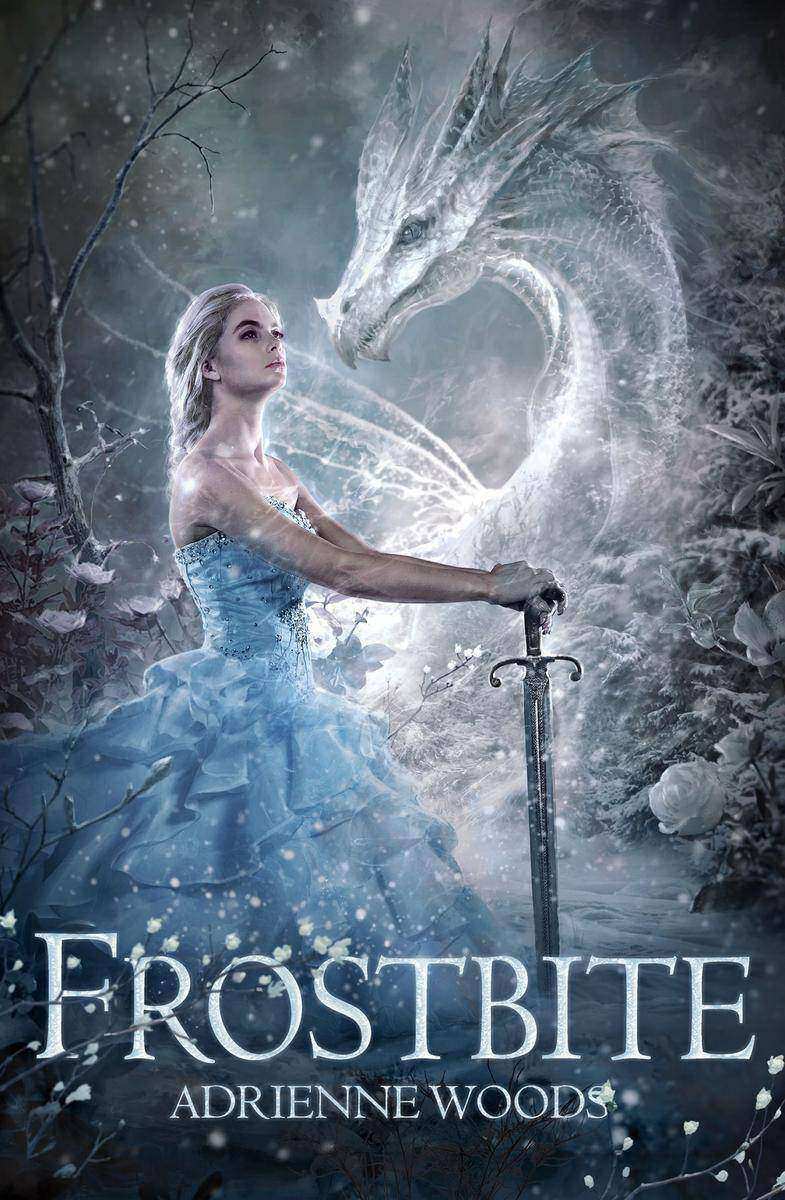
Frostbite
¥40.79
Losing Lucian McKenzie, the Prince of her heart and discovering her true identity has made Elena Watkins' life almost unbearable. However, new trials will test the 17 year-old's strength and push her to limits she didn’t think were possible. Only a mysterious offer from Blake Leaf, the Rubicon and a dragon predestined for evil, reveals there may be a light at the end of Elena’s dark tunnel. With the life she thought she knew crashing down around her, Elena will have to face a monumental decision about the fate of Paegeia. She can either make peace with Blake’s demands or try once again to unravel the Queen’s secrets that lie deep within her dragon, Tanya La Frey’s, heart. The third heart pounding novel in The Dragonian Series by Adrienne Woods.
A Mother’s Day Murder:A Mt. Abrams Mystery
¥0.01
Mt. Abrams was the kind of small, quiet town where, as any of its residents would tell you, nothing ever happened. That was why Ellie Rocca loved living there, even if her ex-husband did not.But even small towns had secrets, as Ellie discovered when Lacey Mitchell suddenly disappeared. Ellie caught Lacey’s husband in a lie, and one small discovery led to another until it became apparent that nothing about the Mitchell’s was quite what it seemed.Mother’s Day was just around the corner. With a sexy detective on the case, and Ellie and her friends getting closer to the truth, can Lacey Mitchell be found in time to enjoy the day with her sons? Or was something more deadly going on?This novella is 35K words, the first in the Mt. Abrams Mystery Series
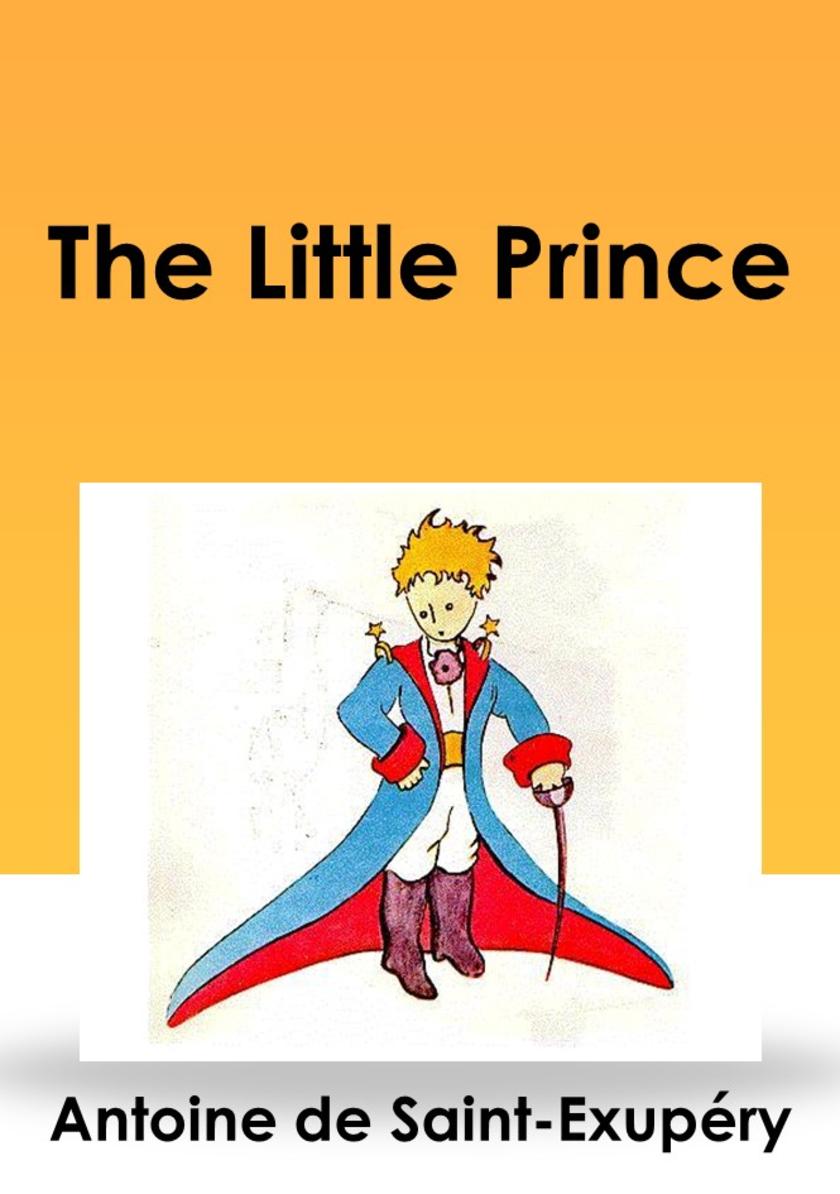
The Little Prince
¥8.67
“Goodbye, said the fox. And now here is my secret, a very simple secret. It is only with the heart that one can see rightly. What is essential is invisible to the eye.” Antoine de Saint-Exupéry, The Little Prince The Little Prince first published in 1943, is a novella and the most famous work of the French aristocrat, writer, poet and pioneering aviator Antoine de Saint-Exupéry. The novella is both the most read and most translated book in the French language, and was voted the best book of the 20th century in France. Translated into more than 250 languages and dialects selling over a million copies per year with sales totalling more than 140 million copies worldwide, it has become one of the best-selling books ever published. Saint-Exupéry, a laureate of several of France's highest literary awards and a reserve military pilot at the start of the Second World War, wrote and illustrated the manuscript while exiled in the United States after the Fall of France. He had travelled there on a personal mission to persuade its government to quickly enter the war against Nazi Germany. In the midst of personal upheavals and failing health he produced almost half of the writings he would be remembered for, including a tender tale of loneliness, friendship, love and loss, in the form of a young prince fallen to Earth.
Successful Self-Publishing:How to self-publish and market your book in ebook and
¥0.01
Do you want to successfully self-publish? There are thousands of new books being published every day, but many self-published books quickly sink to the bottom of the pile. Many authors are frustrated because there are so many options for self-publishing, and they don't know which one to choose or what will be best for their book. Others spend thousands of dollars to publish and end up broken-hearted with the result.? But it doesn't have to be this way.? I've spent the last ten years self-publishing bestselling fiction and non-fiction books and in 2011, I left my day job to become a full-time author-entrepreneur. I've made lots of mistakes along the way, but through the process of self-publishing 27 books, I've learned the most effective way to publish and market your books. In this book, I'll share everything with you.
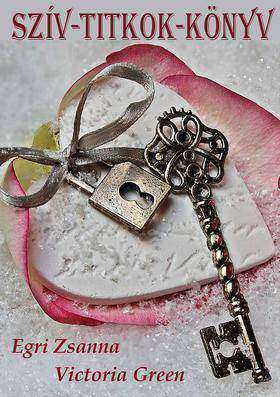
Szív-titkok-k?nyv
¥0.01
Hat kül?nleges t?rténet az egzotikus utazásoktól a szívfájdító szerelemig. Sok-sok kül?nb?z? ember, rendkívüli párok és szerelmek. Egy mexikói luxus prostituált erotikus t?rténete, akit a kegyetlen sors, az átok sem tud megakadályozni abban, hogy rátaláljon az igaz szerelemre. A sivatagban eltévedt fiatal orvosn?, az elkényeztetett maffiaf?n?k lánya, és az ?r?kké bizonytalan magyar Kathy egzotikus világokba viszi el az olvasókat Jement?l Mexikóig. Mindezek mellett két fiatalt, egy testvér szíve, sok-sok fájdalom, és csodálatos érzelmek vezérelnek, hogy szem ne maradjon szárazon. A t?rténetekben megtalálható a kaland, rejtély, izgalom, de mindenekel?tt a romantika.
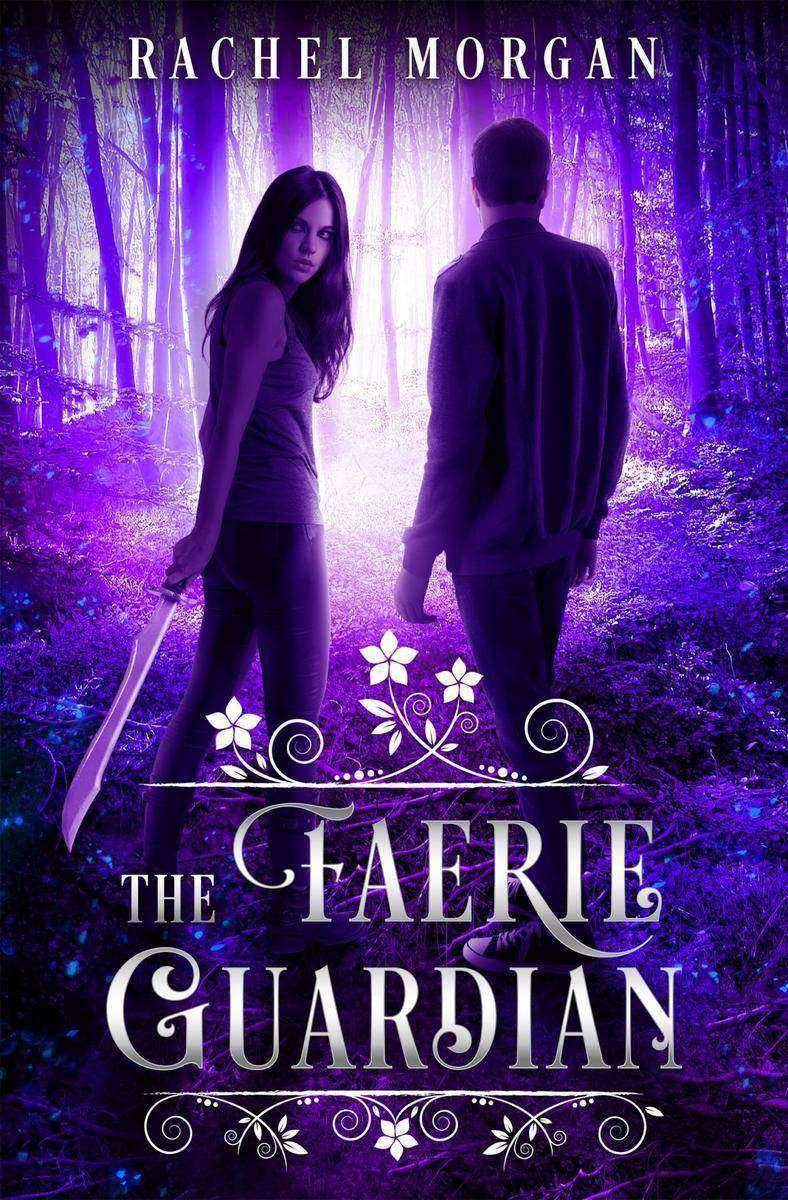
The Faerie Guardian
¥0.01
Enter a hidden world of magic, mystery, action and romance ... Seventeen-year-old Violet Fairdale has one job: protect humans from dangerous magical creatures. It's a job she's good at—until her latest assignment, a cute human guy who can somehow see through her faerie glamour, follows her into the fae realm. Now she's broken Guild law and risked her future as the top graduate of her class. The last thing Vi wants to do is spend any more time with the guy who got her into this mess, but the Guild requires that she return Nate to his home and make him forget everything he's discovered of the fae realm. Easy, right? Not when you factor in evil faeries, long-lost family members, and inconvenient feelings of the romantic kind. Vi is about to find herself tangled up in a dangerous plot—and it'll take all her training to get out alive. Perfect for fans of The Mortal Instruments, The Iron Fey, and Graceling. Readers' reviews:? "The most addictive series I have ever read!" "Seriously so amazing!" "I adored this book, devoured it! A very talented author, who works magic with words and scenes." If you enjoyed The Faerie Guardian, check out the other Creepy Hollow books! Next in the series is?The Faerie Prince.
10 Hábitos de uma pessoa de sucesso
¥8.18
Quer ser uma pessoa de sucesso e vencer na vida?Este pequeno livro vai ensiná-lo 10 hábitos essenciais para conquistar o seu objetivo.Aviso: você deverá se esfor?ar muito para colocar esses 10 hábitos em prática.
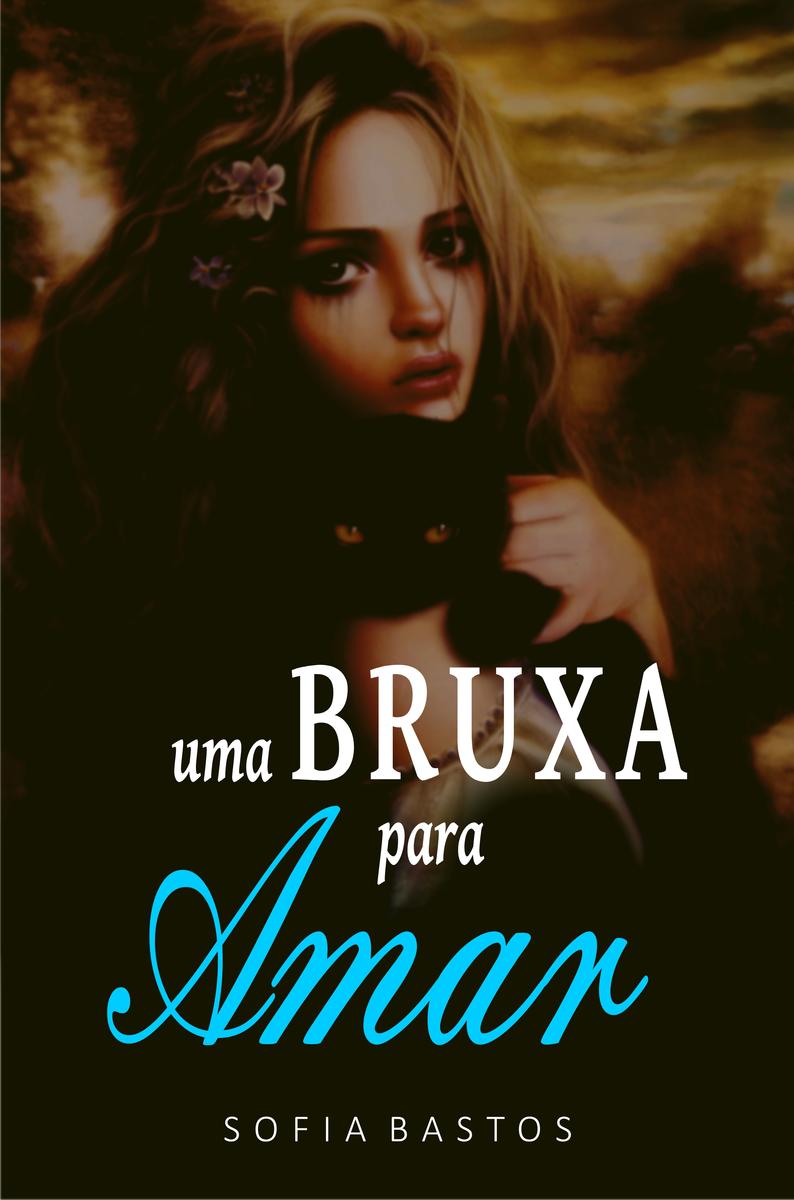
Uma bruxa para amar
¥8.18
A linda história de um rapaz que se apaixona por uma bruxa boa; porém, para que os dois fiquem juntos, eles dever?o derrotar a maldade de homens e de monstros.Um romance de fantasia, humor e uma dose de terror.
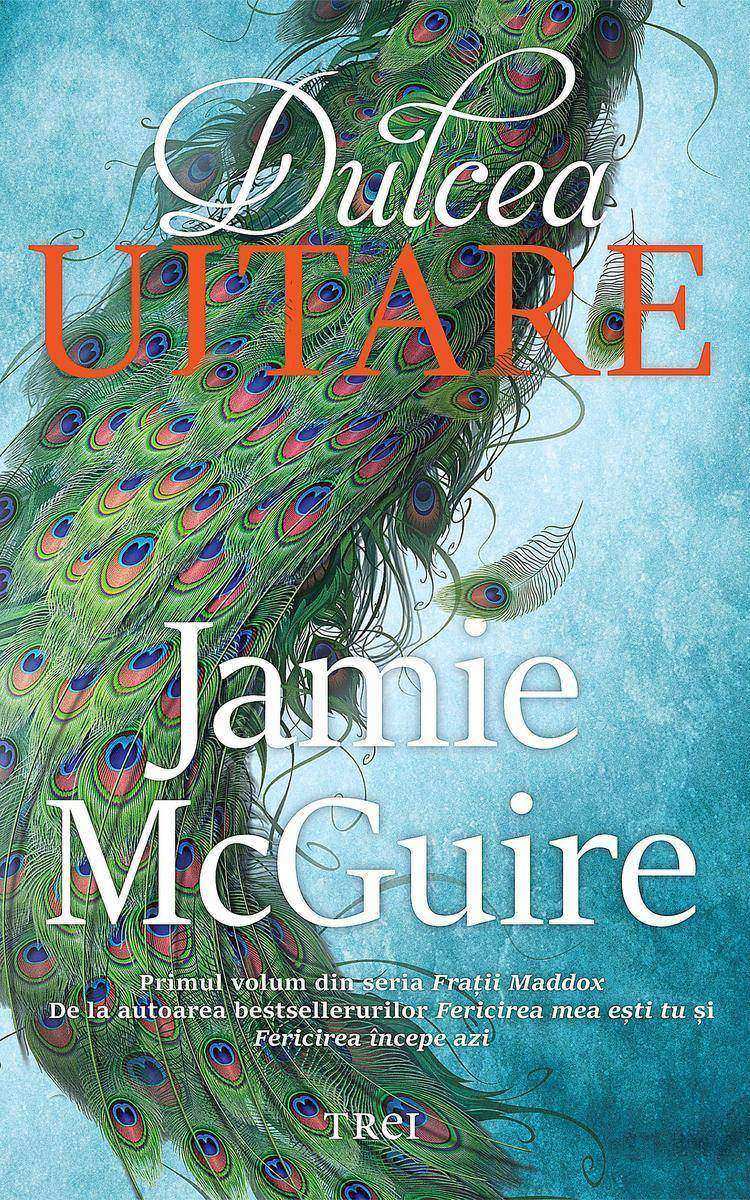
Dulcea uitare
¥73.49
Primul volum din seria Fra?ii Maddox De la autoarea bestsellerurilor Fericirea mea e?ti tu ?i Fericirea ?ncepe azi Cami are un iubit obsedat de munc? ?i care o cam neglijeaz?. De?i Cami ?ncearc? s? fac? s? func?ioneze aceast? rela?ie la distan??, se pare c? nu e at?t de u?or...Brusc, ?n via?a ei apare Trent Maddox, un fost coleg de liceu. Trent, cel cu bra?ele tatuate. Trent, dup? care toate fetele sunt topite.Cami ?i-a jurat c? nu va fi niciodat? pe lista lui. Crede c? n-o poate p?c?li cu tertipurile sale.Dar b?iatul care fur? inimi e hot?r?t s-o fac? s? se ?ndr?gosteasc? nebune?te de el…?O lectur? apetisant? de var?, perfect? pentru jocul de-a seduc?ia.“ - USA Today? Jamie McGuire scrie cu pl?cere ?i lejeritate, iar fanii genului romance vor adora pur ?i simplu rev?rsarea de emo?ii pure. Povestea lui Cami ?i Trent e irezistibil?.“ - Romantic Times?Dar sunt sigur? c? dac? ai ?ti toat? povestea, Trenton, ai fugi de l?ng? mine ?i nu te-ai mai uita ?napoi.Nu vreau toat? povestea. Te vreau doar pe tine.“
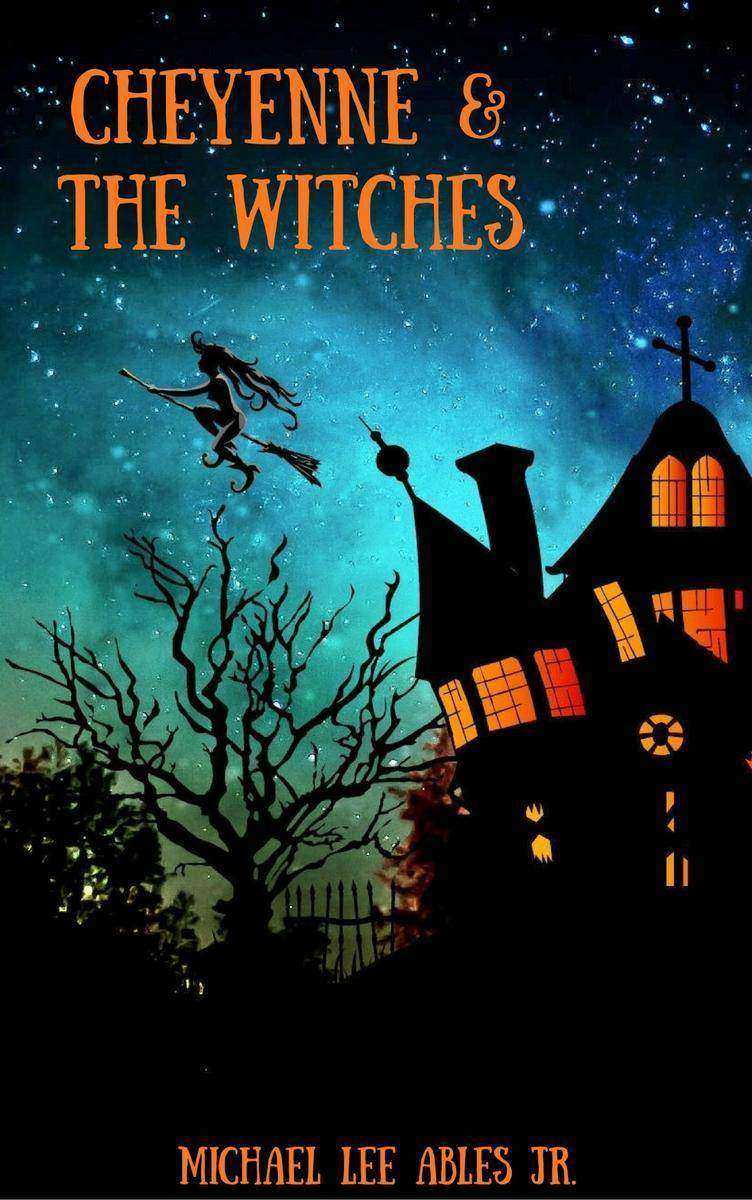
Cheyenne & The Witches
¥0.01
Join Cheyenne as she sets out on a new adventure: Cheyenne befriends?Wendy, who is a curious girl and seems to have no friends; dresses and talks funny; eats strange things, and wears pointed shoes. Who is this new girl? ?Join Cheyenne as she makes friends with Wendy and joins up with some of her old friends to stop the evil witches.
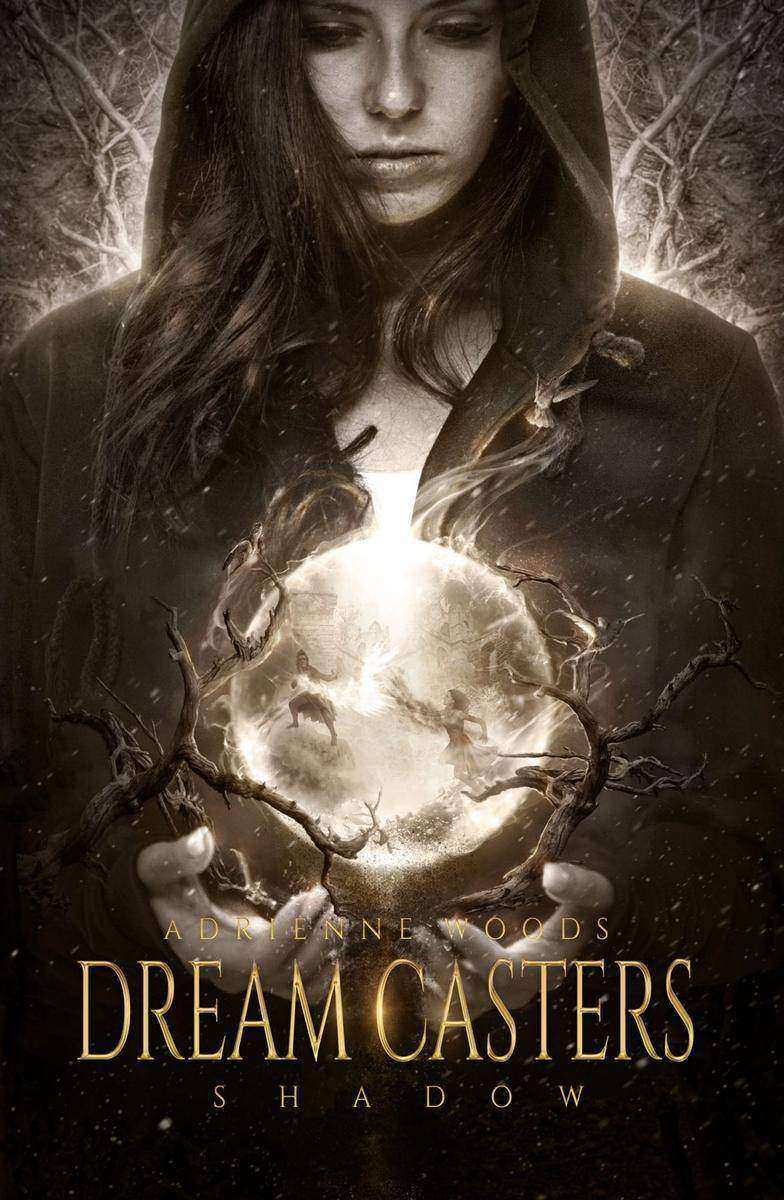
Dream Casters:Shadow
¥40.79
Chastity Blake discovered the hard way what she was: a modern-day Sandman. But things aren't looking up for Chastity. She is guarding a secret deep within her — her dark sand, or what Reverians call her Shadow. Shadow Casters are known for their dark dreams, the nightmares they create. If she's caught with dark sand, she may be subjected to harsh interrogation, even banished to the Oblivion with the other Shadow Casters... and that is SO not on her list. Will she be able to hide her darkness from the most powerful Somnium alive? How long can she outrace her destiny before true nature catches up with her? Shadow Casters is the follow-up of bestselling author Adrienne Woods' second series, Dream Casters.
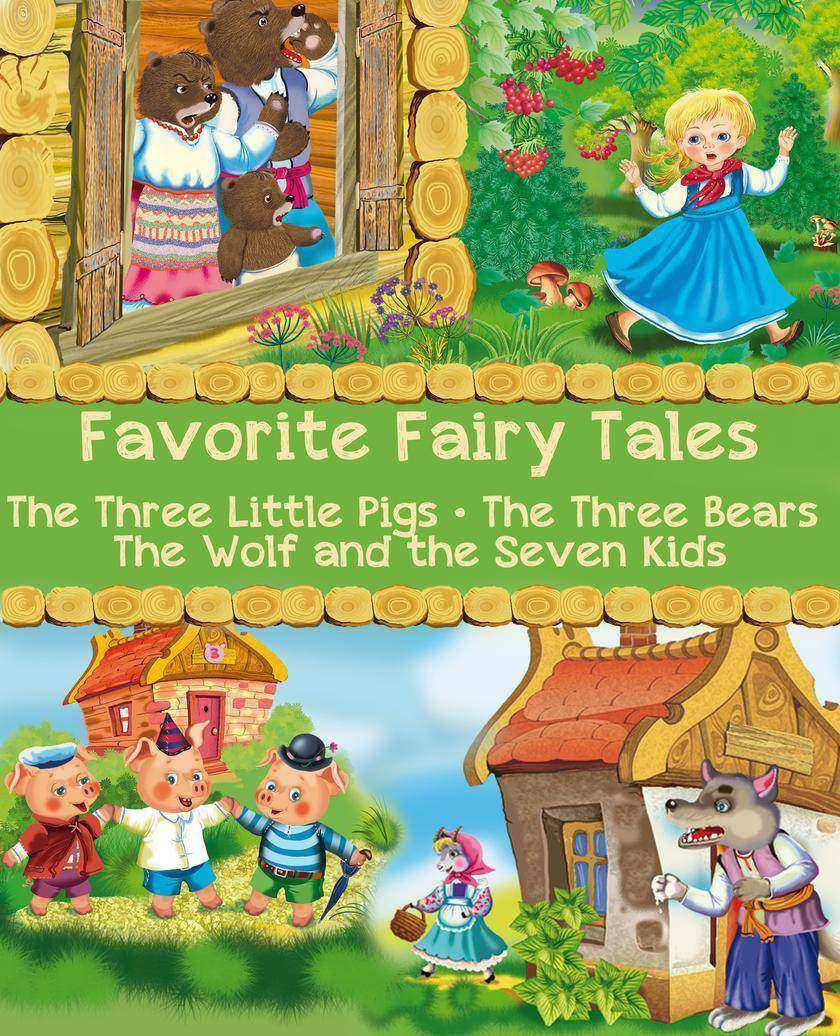
Favorite Fairy Tales (The Three Little Pigs, The Three Bears, The Wolf and the S
¥73.49
We are happy to introduce you to the new collection of ?Favorite Fairy Tales?, which consists of ?The Three Little Pigs?, ?The Three Bears?, ?The Wolf and the Seven Kids?. The tales are told by Joseph Jacobs, Robert Southey, Jacob and Wilhelm Grimm and illustrated by Viktoriya Dunayeva. Published by Animedia Company.
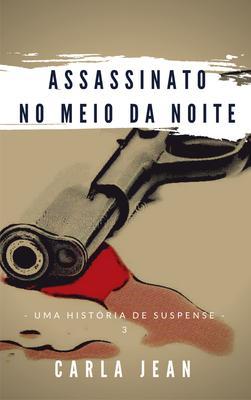
Assassinato no meio da noite
¥7.63
Quando você menos espera, a vingan?a entra na sua casa. Murilo Azevedo é assassinado no meio da noite e sua morte pode ter a ver com uma parcela atrasada do carro.

joke bank - Popular Jokes
¥0.01
For adults we have the adult jokes section, the dirty jokes, and the Yo Mama jokes categories. Of course the classic celebrity characters, like Chuck Norris, Bill Clinton, Al Bundy and Barney Stinson, are all in there too. To tease your friends or your foes, we recommend the professional categories. Whether they're a civil servant, a farmer, a graduate, a student, a doctor, a lawyer, a politician, a broker, a footballer or a schoolboy, we have just the thing. The classical knock knock jokes and light bulb jokes are also included. A separated clean jokes section is available.
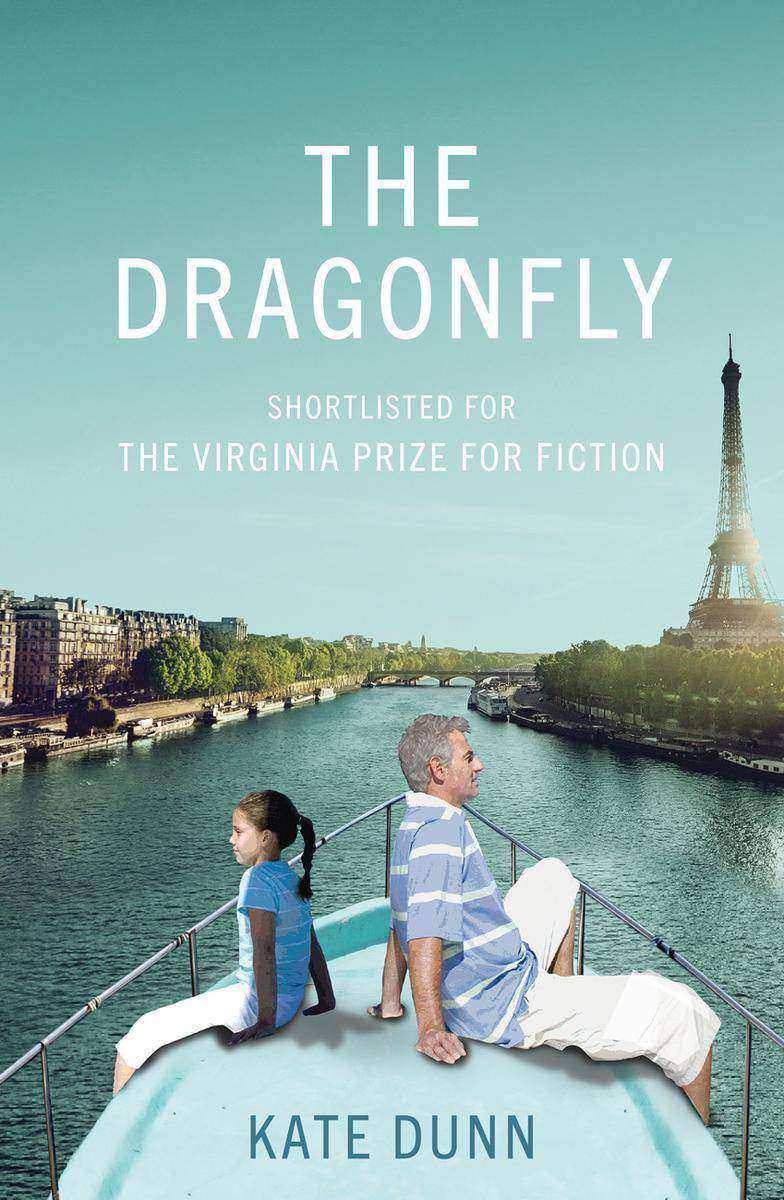
The Dragonfly
¥40.79
Awarded a Blue Star from Kirkus Reviews. When Colin discovers his son is on a murder charge in France, he trails his small boat, ‘The Dragonfly’, across the channel to stay in Paris to try and help him. There he meets his grand-daughter – the irrepressible Delphine – for the first time. They embark on an exciting boat journey through the picturesque French canals, heading south through Burgundy, ‘until the butter melts’. Along the way, they catch up with Tyler, a spirited American, and through various mishaps and misunderstandings, they land big fish, cultivate new loves and uncover a burning secret. But can Colin finally help his son get off the hook?

Como pensar por si mesmo
¥8.18
Você pode até n?o perceber, mas tudo o que você pensa foi determinado por outra pessoa. Suas convic??es e cren?as n?o lhe pertencem, foram ditadas e você copiou.Se quer mesmo ser dono de seus pensamentos, leia este guia.


