


 购物车
购物车 个人中心
个人中心
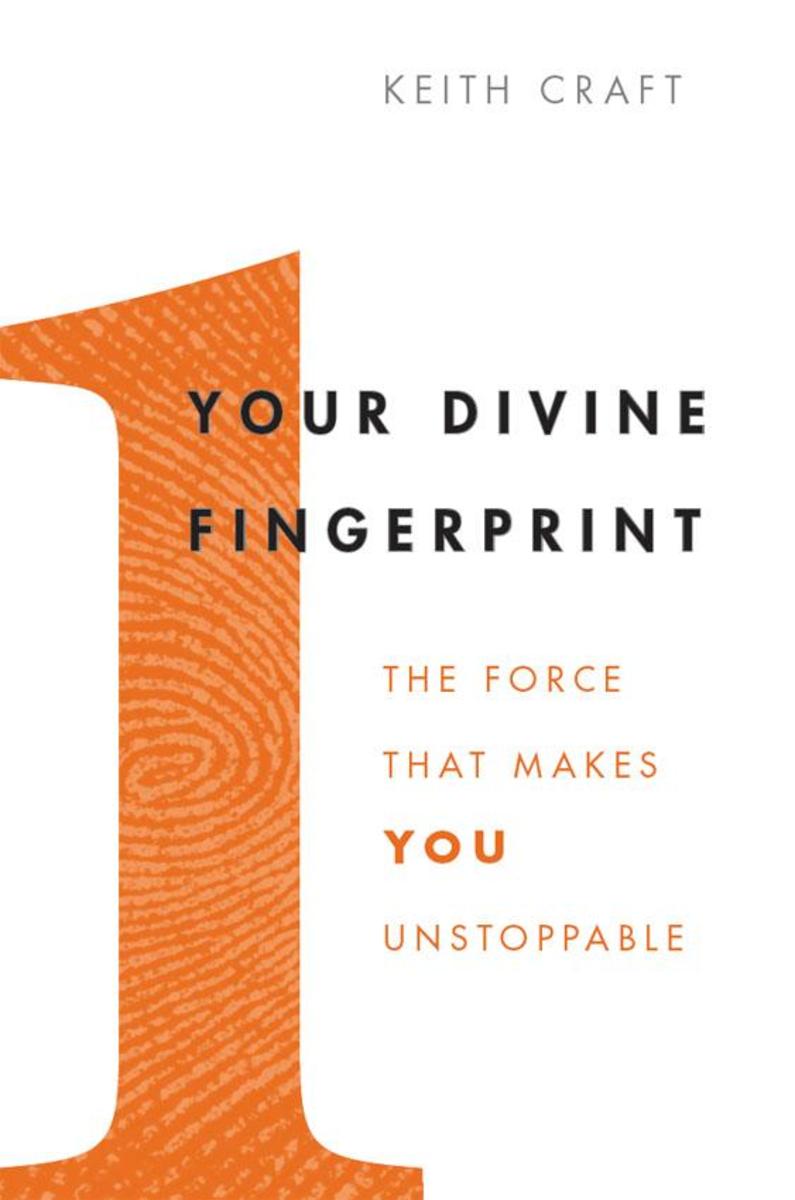
Your Divine Fingerprint
¥84.16
That which makes you different, makes you great!When he was fourteen, Keith Craft looked at his right hand and realized that he had a fingerprint that nobody else had and that no one else ever would. God had made him unique. Today Keith Craft believes the glory of God is literally revealed in the individual fingerprint that He has given us. In Your Divine Fingerprint, Craft teaches you how to identify, amplify, and celebrate your uniqueness and your connection to God.You connect with God when you turn a defining moment into a miracle moment by making a decision and then taking action. When you understand the power you have to choose how a moment will affect you, you can then begin to define the moment instead of the moment defining you. And by taking action, you get nearer to fully living the greatness that God has given you and has given to no one else the 1% you have that no one else has.Pastor Keith Craft wants you to realize your greatness. He wants to give you the tools to overcome your blind spots, to find your winning edge, and to become the greatest thing you can be for the rest of the world a servant leader. He wants to challenge you to believe not only that God created you but that God has a great purpose for your life. When you believe this, your life turns from natural to supernatural. And you start to live the blessed life that God wants you to live!
The Sweetness of Life
¥84.28
A celebration of the small, sweet moments that make life worth living and the importance of taking the time to savor them
Following Our Bliss
¥90.77
Renowned journalist Don Lattin, longtime reporter for the San Francisco Examiner and more recently the San Francisco Chronicle, interprets the American spiritual and religious landscape since the 60s with insight, wit, and telling reporting. What David Brooks did for the American social and commercial landscape in the bestselling Bobos In Paradise, he does for the spiritual landscape, showing how the 60s have had a profound transformative impact in every area of spirituality. This is the first comprehensive look at the spiritual legacy of the 60s and 70s, as seen through the lives of those raised amid some of the eras wildest experimentation.
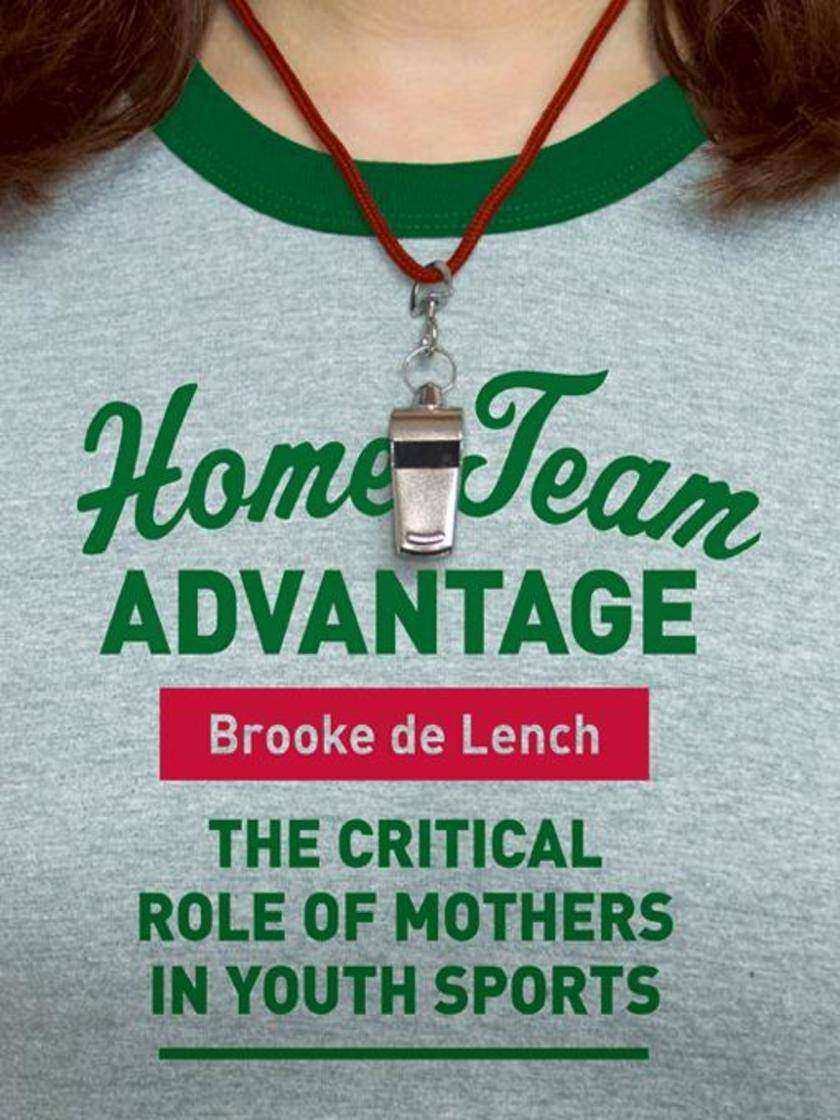
Home Team Advantage
¥90.77
Over the past decade, the stakes in youth sports have reached startling heights; the pressure to win often eclipses the desire to have fun. Sports injuries have increased tenfold; aggression on and off the field between kids, parents, and coaches is at a fever pitch; and drug and alcohol use among young athletes is on the rise. While there are plenty of books that help the best-intentioned parent, most of them are written by men, for men. They do not address concerns specific to mothers, nor empower them to confidently step onto the out-of-control playground to assume whatever role they choose spectator, advocate, administrator, coach, fund-raiser, or team mom.Home Team Advantage is an essential resource manual that will inspire women to confidently tackle some of the issues preventing their kids from enjoying sports. Brooke de Lench authoritatively covers issues ranging from ensuring playing time and confronting out-of-control coaches to countering the "winning at all costs" mentality. Packed with real-life anecdotes and information from experts, Home Team Advantage provides constructive, practical, and forward-thinking advice to help mothers understand the critical role they can play in putting the words fun, game, and play back into youth sports.
When Parents Hurt
¥94.10
This unique book supports parents who are struggling with the heartache of having a teenager or an adult child who is troubled, angry, or distant. Such rifts can cause unspeakable sorrow that parents too often must bear alone. Psychologist and parent Coleman, Ph.D., offers insight, empathy, and perspective to those who have lost the opportunity to be the parent they desperately wanted to be and who are mourning the loss of a harmonious relationship with their child. Through case examples and healing exercises, Dr. Coleman helps parents: Reduce anger, guilt, and shame Learn how temperament, the teen years, their own or a partner's mistakes, and divorce can strain the parent-child bond Come to terms with their own and their child's imperfections Maintain self-esteem through difficult times Develop strategies for rebuilding the relationship or move toward acceptance of what can't be changed Understand how society's high expectations of parents contribute to the risk of parental wounds By helping parents recognize what they can do, and let go of what they cannot, Dr. Coleman helps families develop more positive ways of healing themselves and relating to each other.

Knowing Christ Today
¥88.56
At a time when popular atheism books are talking about the irrationality of believing in God, Willard makes a rigorous intellectual case for why it makes sense to believe in God and in Jesus, the Son.
Permission to Parent
¥94.10
Parental anxiety is at an all-time high, and with parenting styles swinging from attachment parenting to that of "Tiger Moms," Robin Berman, MD, inspires mothers and fathers to find a graceful place in the middle.Children used to be seen and not heard, but now they are at the center of their parents' universe. Parents today seem skittish about asserting their authority. They indulge in their children's demands and tantrums, and enter into endless negotiations, all for fear of hurting their children's feelings. Sadly, this indulgence is creating a generation of psychologically fragile individuals, and it undermines the very self-esteem it seeks to build. In between these parenting extremes lies a better way to raise thriving, well-adjusted children.Parents need to know that it is not only OK but essential to be in charge. Children with too much power often become anxious, and not allowing children to work through negative emotions leads to a lack of resilience later in their lives.Permission to Parent teaches parents to be comfortable setting boundaries while maintaining a loving connection, fostering self-esteem, respect, and emotional maturity. Children need limits more than they need indulgences, time more than schedules, and love more than stuff.Robin Berman, MD, provides the tools for great parenting by drawing from her extensive clinical experience and wisdom collected from seasoned therapists, revered teachers, and role-model parents. Permission to Parent strikes the perfect balance of advice, anecdote, and research to be an essential parenting guide.
Crazy Time
¥88.56
Thoroughly revised and updated for a new generation, the essential guide for men and women to help them weather the turmoil of divorce and build rich, rewarding livesThere is nothing easy about the breakup of a marriage, from coping with loss and failure to dealing with the uncertainty of the future. In this intelligent and insightful book, Abigail Trafford charts this emotional journey, identifying the common phases in the evolution from marriage to separation to divorce and eventually to a new life.Based upon her personal experience, extensive research, and interviews with hundreds of divorced men and women, Trafford offers individuals a better understanding of their own experiences and the message that they are not alone in their pain and confusion. Crazy Time is also an investment in the future Trafford reveals the telltale signs of a marriage in crisis and discusses what determines whether a relationship will survive over time.This revised edition includes the most up-to-date research on the effects of divorce in adults' and children's lives, addresses the special challenges of becoming single again in the age of the Internet, and broadens the experience of divorce to include the breakup of all committed relationships. For anyone who has divorced, or is considering taking that step, Crazy Time offers a sense of hope and confidence that this transition is not only an ending but can also be a valuable beginning.
The Complete Organic Pregnancy
¥95.39
While being pregnant is thrilling, the responsibility of a growing baby can provoke anxiety about what is and isn't safe. In The Complete Organic Pregnancy, Deirdre Dolan and Alexandra Zissu address how you can minimize your exposure to the invisible toxins that surround us—in everything from food, cleaning products, and cosmetics to furniture, rugs, air, and water. Step by step, they tell you where dangerous chemicals are lurking, why it's so important to avoid them when pregnant, and what you can do before, during, and after your pregnancy to protect your child. In this exhaustively researched book, the authors (calmly) talk parents-to-be through everything from the safest laundry detergent to which crib mattresses contain toxic flame retardants. You'll find out how to choose the right face cream, plastic water bottles, household cleaners, types of fish, and much more—all with an eye toward keeping you and your baby safe and healthy. The Complete Organic Pregnancy also features a collection of personal diaries from well-known writers and organophiles, including Barbara Kingsolver and Marion Nestle, as well as recipes from organic chefs. Required reading for anyone heading into this exciting stage of life, The Complete Organic Pregnancy is your chance to make a difference for your children, even before they're born.
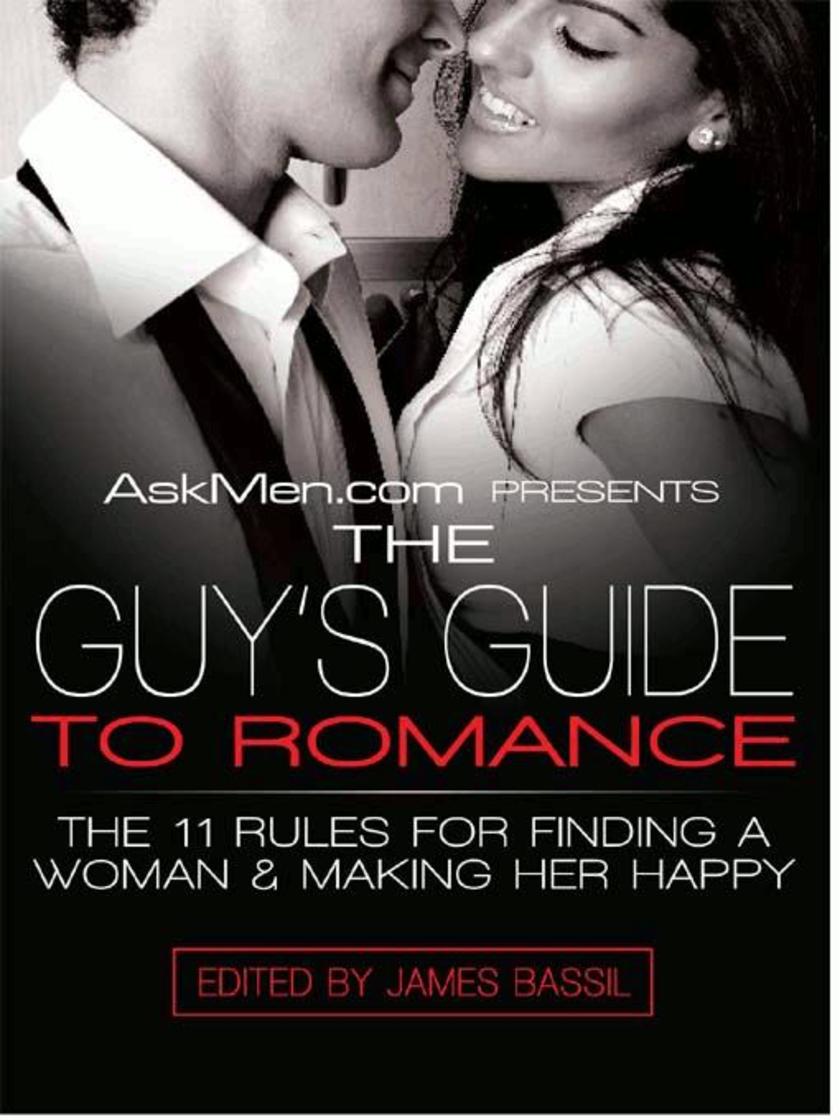
AskMen.com Presents The Guy's Guide to Romance
¥95.39
The Guy's Guide to Romance is an indispensable handbook filled with fundamentals that every man can use to enter into or maintain a happy, healthy relationship. Divided into 11 rules, The Guy's Guide to Romance helps you cater to your girlfriend's wants and needs and teaches you how to get her to do the same for you. You'll learn how to handle arguments and jealousy, how to live together without driving each other crazy, and how to balance your social life with your romantic life. From the first date to the marriage proposal, from meeting her family to keeping the relationship exciting, The Guy's Guide to Romance is essential reading for every man who wants to get a great girl and keep her.

Americans in Paris: Life and Death under Nazi Occupation 1940–44
¥95.75
An elegantly written and highly informative account of a group of Americans living in Paris when the city fell to the Nazis in June 1940. In the early hours of 14 June 1940, Nazi troops paraded through the streets of Paris, marking the beginning of the city’s four-year occupation. French troops withdrew in order to avoid a battle and the potential destruction of their capital. It wasn't long before German tanks rumbled past the Arc de Triomphe and down the Champs Elysees to the Place de la Concorde. The American community in Paris was the largest in Continental Europe, totalling approximately 30,000 before the Second World War. Although Ambassodor Bullitt advised those without vital business in the city to leave in 1939, over half of the Americans in Paris chose to stay. Many had professional and family ties to the city; the majority, though, had a peculiarly American love for the city, rooted in the bravery of the Marquis de la Fayette and the 17,000 Frenchmen who volunteered to fight for American independence in 1776. An eclectic group, they included black soldiers from the Harlem Hellfighters, who were determined not to return to the racial segregation that they faced at home, rich socialites like Peggy Guggenheim and Florence Jay Gould, as well as painters, musicians, bankers and businessmen. There were those whose lives went on as if the Germans were ephemera, those who collaborated and those, like Dr Sumner Jackson and Etta Shiber, who worked underground for the resistance movement. This is a book about adventure, intrigue, passion and deceit, and one which follows its characters into the Maquis, the concentration camps and overseas. Filled with a huge amount of new analysis on the Second World War, ‘Americans in Paris’ is a fascinating, revealing and moving read.
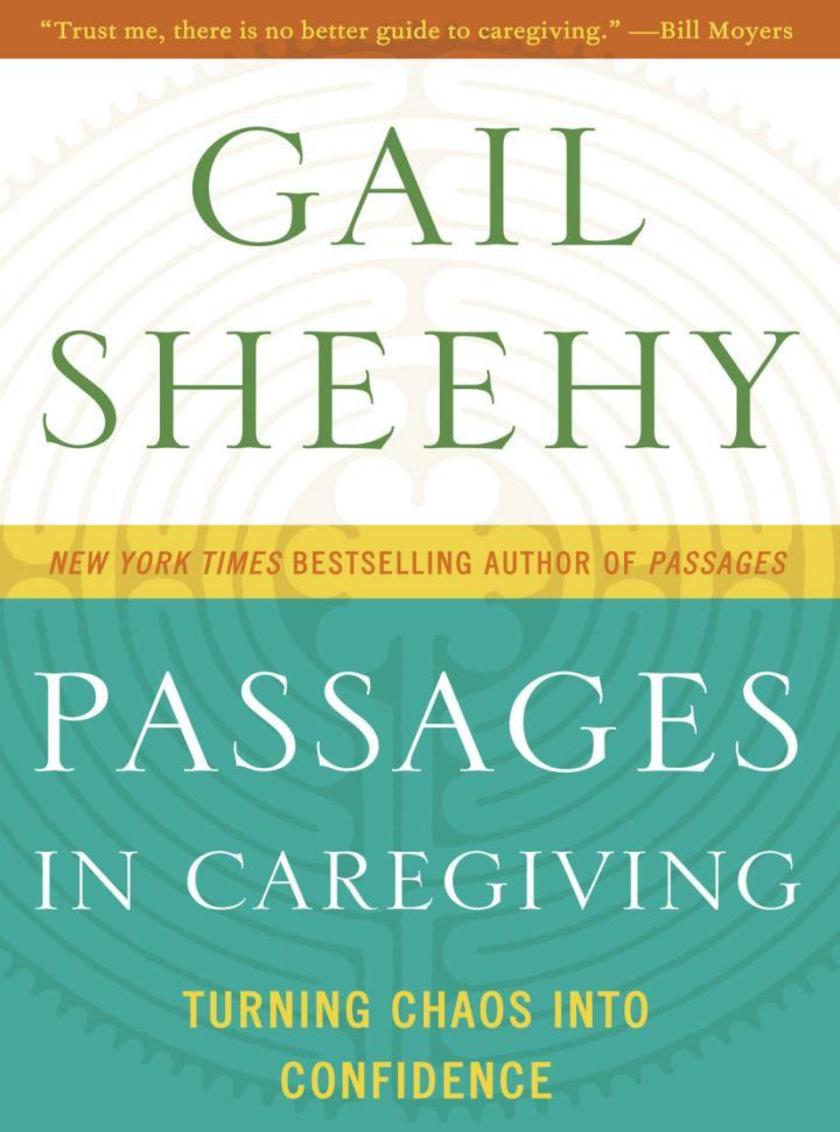
Passages in Caregiving
¥94.10
"I didn't expect this." No one really expects it, but at some time or another, just about everyone has been or will be responsible for giving care, for a sustained period, to someone close to them. Gail Sheehy, who has chronicled every major turning point for twentieth-century Americans, as well as reported on everything from politics to sexuality, knows firsthand the trials, fears, and rare joys of caregiving. In Passages in Caregiving, she takes you by the hand and shows you that you will get through this, and you will do the right things.Sheehy identifies eight crucial stages of caregiving and offers insight for successfully navigating each one. With empathy and intelligence, backed by formidable research, and interspersed with poignant stories of her experience and that of other successful caregivers, Passages in Caregiving addresses the needs of this enormous and growing group. It is sure to become the touchstone for this challenging yet deeply rewarding period in your life journey.Providing invaluable advice and guidance, this book examines the arc of caregiving from the first signs of trouble. Sheehy answers the most important questions to consider: How serious is itWhat do I ask the doctorHow will this be paid forWhat are our optionsAt the same time she offers new tips and strategies that you won't find anywhere else.Most important, however, Passages in Caregiving points out that you don't have to be alone in this process. Included are countless resources and names of advocacy groups that are there to help even the most complicated of situations, many of which are woefully underutilized. With Gail Sheehy as your guide, Passages in Caregiving is sure to help turn a stressful, life-altering situation into a journey that can be safely navigated and from which everyone can benefit.
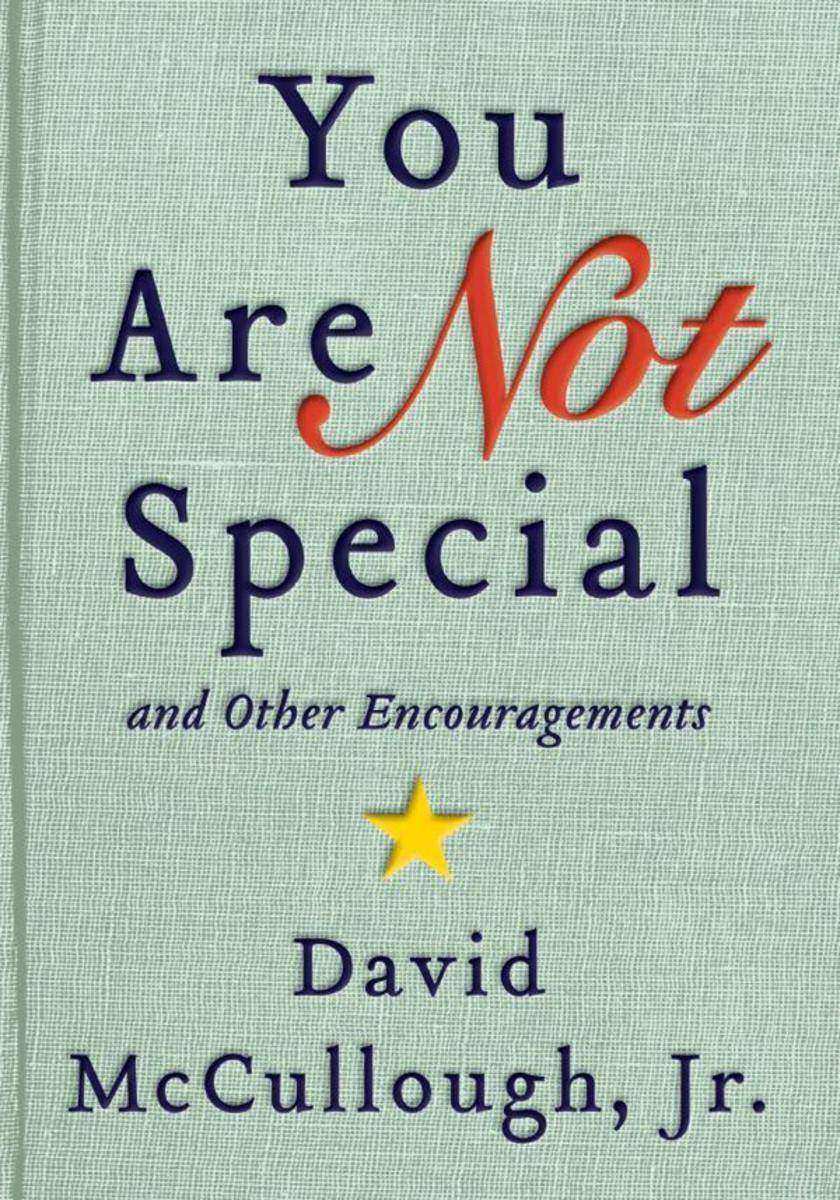
You Are Not Special
¥94.10
A profound expansion of David McCullough, Jr.'s popular commencement speech a call to arms against a prevailing, narrow, conception of success viewed by millions on YouTube You Are (Not) Special is a love letter to students and parents as well as a guide to a truly fulfilling, happy life.Children today, says David McCullough high school English teacher, father of four, and son and namesake of the famous historian are being encouraged to sacrifice passionate engagement with life for specious notions of success. The intense pressure to excel discourages kids from taking chances, failing, and learning empathy and self-confidence from those failures.In You Are (Not) Special, McCullough elaborates on his now-famous speech exploring how, for what purpose, and for whose sake, we're raising our kids. With wry, affectionate humor, McCullough takes on hovering parents, ineffectual schools, professional college prep, electronic distractions, club sports, and generally the manifestations, and the applications and consequences of privilege. By acknowledging that the world is indifferent to them, McCullough takes pressure off of students to be extraordinary achievers and instead exhorts them to roll up their sleeves and do something useful with their advantages.
A Search for Solitude
¥99.65
The third volume of Thomas Merton's journals chronicles Merton's attempts to reconcile his desire for solitude and contemplation with the demands of his new-found celebrity status within the strictures of conventional monastic life.
Sanity Savers
¥72.70
Our world is much more difficult, demanding, and faster-paced than it ever was before. Most women are finding it nearly impossible to escape and wind down even for a few short minutes. Psychologist and author Dr. Dale V. Atkins, the creator and host of television's "Dr. Dale's Life Issues," has the solution: Sanity Savers 52 weeks of invaluable daily tips, thoughts, and suggestions that will help you restore balance, order, simplicity, and, most important, happiness to your over-stimulated life.All it takes is a few minutes each day to save your sanity . . . and improve your life!
Happy Housewives
¥95.39
Says former desperate housewife Darla Shine to stay-at-home moms everywhere: What have you got to complain aboutA modern-day guide to keeping house, raising kids, and loving life. Darla Shine was once a desperate housewife. Being at home with two small children and a husband who was rarely home was enough to drive her crazy. She left her high-profile job as a television producer after her son was born, while her husband continued to move up the corporate ladder. Like many of her stay-at-home-mom friends, Shine employed a housekeeper and baby-sitters so she could spend her time running to the salon, the club, and out to lunch. Then one day she was whining to her mother about how terrible her life was, and her mother yelled at her to wake up and stop being so selfish. It was just the wakeup call she needed!The desperate housewife craze of today is sending the wrong message to women and their children everywhere, says Shine. When did being a good mom and being proud to stay home with the kids go out of styleWhen did it become acceptable to cheat on your husbandWhen did mothers start dressing like their teenage daughtersShine finds the standards of today's desperate housewives astonishingly low, and she has set out to teach women how they can be good mothers, look good, and feel good about the choices they make. Being a housewife does not mean you are on house arrest or can't be satisfied in your marriage. So step up, realize that you want to be home with your children, and embrace your life.
Preventing Miscarriage Rev Ed
¥90.77
A Reassuring and Informative Guide That Offers New Hope For Expectant Parents Along with inspiring accounts of women who have delivered healthy babies after years of heartbreak, Dr. Jonathan Scher provides the latest medical information on preventing recurrent miscarriages, including why couples with "unexplained infertility" actually may be suffering repeat pregnancy loss due to failure of the embryo to implant in the womb, important immunological and tissue tests that may explain or prevent miscarriage, emerging treatments such as heparin and I.V.I.G., updated resources, and much more.
Healing Anxiety Naturally
¥90.77
Feeling anxious or stressedIf So, you are not alone. More people suffer from anxiety than any other mental health problem. However, few receive adequate help, and until recently the only choice for many has been to suffer in silence or take synthetic, often addictive tranquilizers and pills. Finally, there is a way to treat your anxiety that is safe, natural, and medically proven. In Healing Anxiety Naturally, leading psychiatrist and bestselling author Harold H. Bloomfield, M.D., presents a revolutionary selfhealing program using nature's own pharmacy of extraordinary herbal remedies, including: Kava a natural tranquilizer that can often replace Valium-like drugs Valerian improves sleep quality and naturally relieves insomnia Hypericum, or St.-John's-Wort the herbal remedy for depression and anxiety Ginkgo the brain booster and antidote to aging Milk Thistle the best protection for your liver These herbs are inexpensive, available without a pre*ion, and free of the side effects and addiction potential of artificial pills. Clear, informative, and based on the most up-to-date scientific findings, Healing Anxiety Naturally will help you relieve stress, promote sleep, and maximize performance. Put an end to anxiety today!
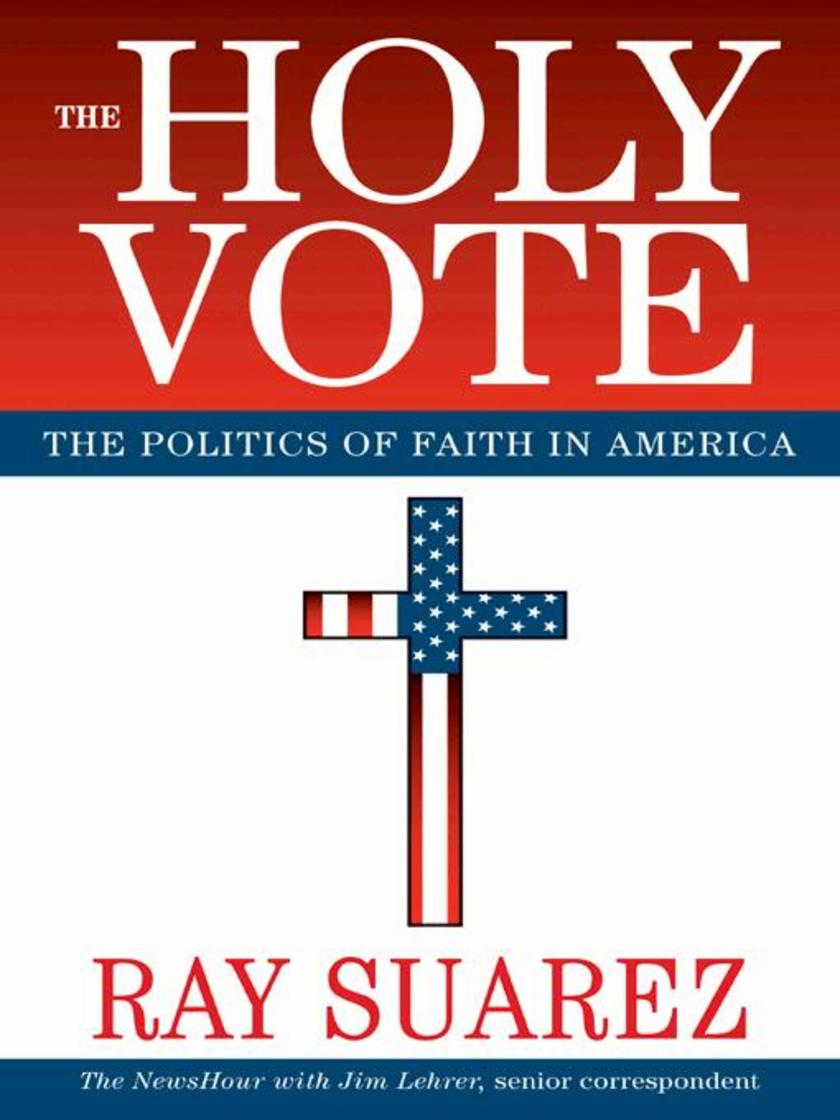
The Holy Vote
¥90.77
Not since the Civil War has the United States been so polarized, politically and ideologically. At the heart of this fracture is a fascinating, paradoxical marriage between our country's politics and religions.In The Holy Vote, Ray Suarez explores the advent of this polarization and how it is profoundly changing the way we live our lives. With hands-on reporting, Suarez explores the attitudes and beliefs of the people behind the voting numbers and how the political divide is manifesting itself across the country. The reader will come to a greater understanding of what Americans believe, and how this belief structure fuels the debates that dominate the issues on our evening news broadcasts.
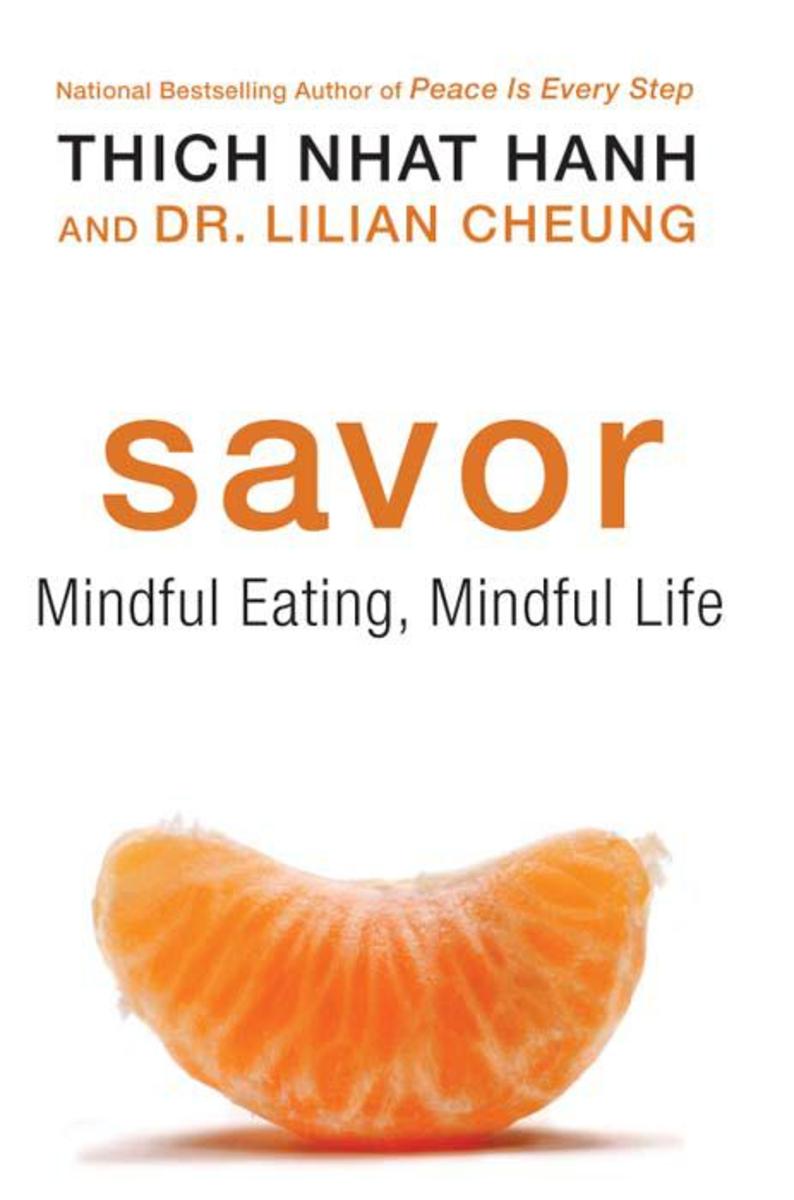
Savor
¥95.39
Common sense tells us that to lose weight, we must eat less and exercise more. But somehow we get stalled. We start on a weight-loss program with good intentions but cannot stay on track. Neither the countless fad diets, nor the annual spending of $50 billion on weight loss helps us feel better or lose weight.Too many of us are in a cycle of shame and guilt. We spend countless hours worrying about what we ate or if we exercised enough, blaming ourselves for actions that we can't undo. We are stuck in the past and unable to live in the present that moment in which we do have the power to make changes in our lives. With Savor, world-renowned Zen master Thich Nhat Hanh and Harvard nutritionist Dr. Lilian Cheung show us how to end our struggles with weight once and for all. Offering practical tools, including personalized goal setting, a detailed nutrition guide, and a mindful living plan, the authors help us to uncover the roots of our habits and then guide us as we transform our actions. Savor teaches us how to easily adopt the practice of mindfulness and integrate it into eating, exercise, and all facets of our daily life, so that being conscious and present becomes a core part of our being. It is the awareness of the present moment, the realization of why we do what we do, that enables us to stop feeling bad and start changing our behavior. Savor not only helps us achieve the healthy weight and well-being we seek, but it also brings to the surface the rich abundance of life available to us in every moment.
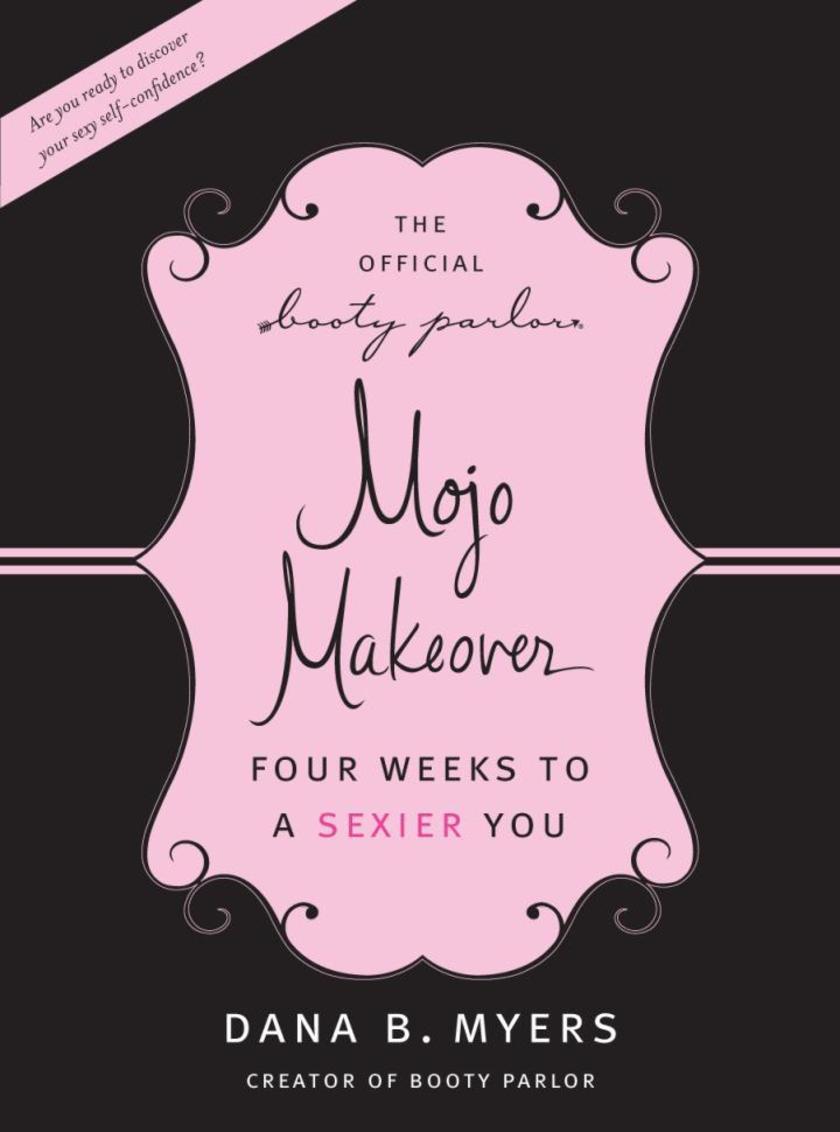
The Official Booty Parlor Mojo Makeover
¥88.56
Confidence is the sexiest thing a woman can have, both inside and outside the bedroom. In just thirty days, The Official Booty Parlor Mojo Makeover will help women of any age become more confident, more enthusiastic, and more satisfied. Filled with inspiring and practical advice, how-to tips and tricks, interactive exercises, and real-life anecdotes, this fun four-week program is sure to leave women feeling happier, sexier, and more fulfilled whether they're in a relationship or not.


