


 购物车
购物车 个人中心
个人中心
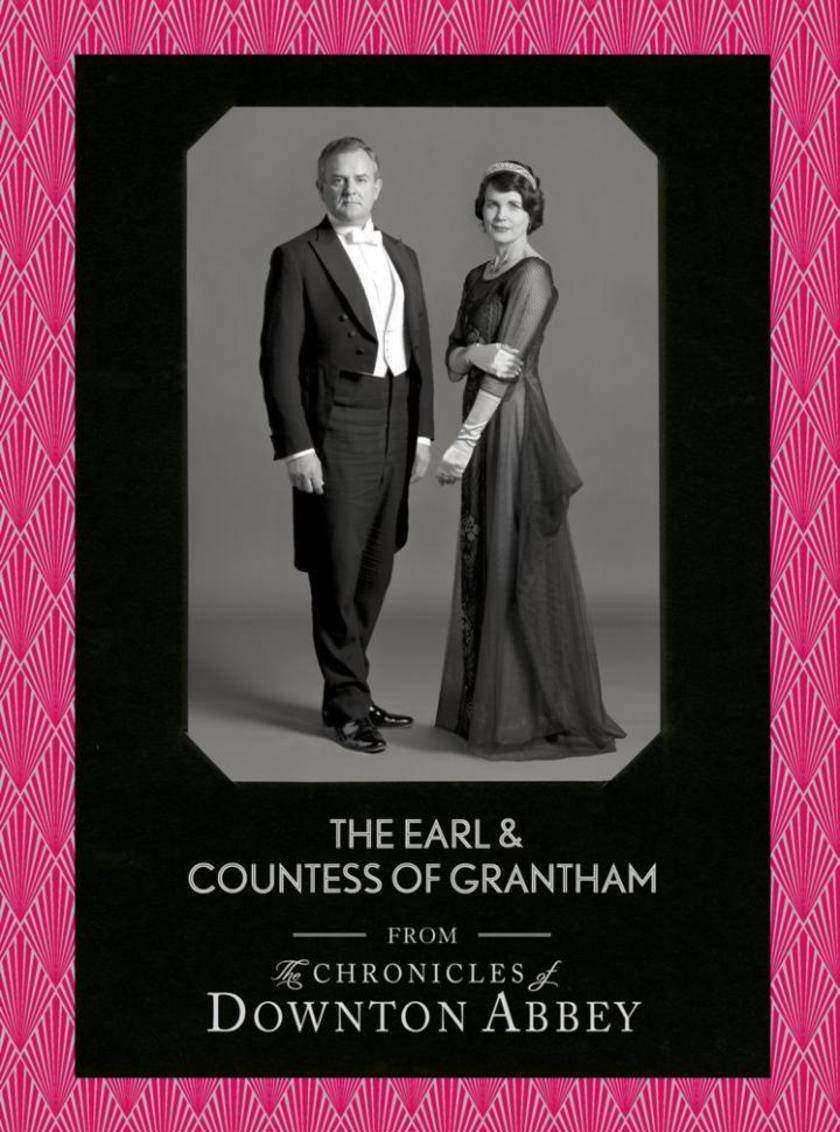
The Earl and Countess of Grantham (Downton Abbey Shorts, Book 3)
¥11.77
This richly illustrated short, extracted from the official book The Chronicles of Downton Abbey, focuses on the characters individually, examining their motivations, their actions and the inspirations behind them. Forwarded by Downton Abbey creator Julian Fellowes. “I think Cora is very much an emotionally connected mother”, says Elizabeth McGovern the actress who plays her. “As an American she would have a distinctive approach, different to the English aristocracy’s way of doing things. Her instinct is to be involved with the day-to-day and to go about things in a more hands-on way.’ Cora is a woman of resilience and unfailing supportiveness. Where Robert is emotionally insecure, she is sure of herself and undaunted by the difficulties they could face. As a mother, she has a role in life, no matter what else is going on, but being Robert’s wife is also very important to her. Lord Grantham – Robert – has many good qualities: he is kind, loyal to his family, loving to his wife, adoring of his daughters, a fair employer and generous to those around him. But, for him, all these things are peripheral in the face of his most important role in life – as the 7th Earl of Grantham. As he sees it, he has been put on this earth with one prime objective: to keep Downton Abbey in its proper state and hand it over in this condition to his heir. Purchase this ebook short and the others in the series to get closer still to the characters at Downton Abbey and to understand more about their social context – from the changing role of the aristocracy to fashion and beauty, American Anglophiles, the Suffragette movement and life below stairs in a big country house like Downton. Search for The Chronicles of Downton Abbey to purchase all shorts combined.
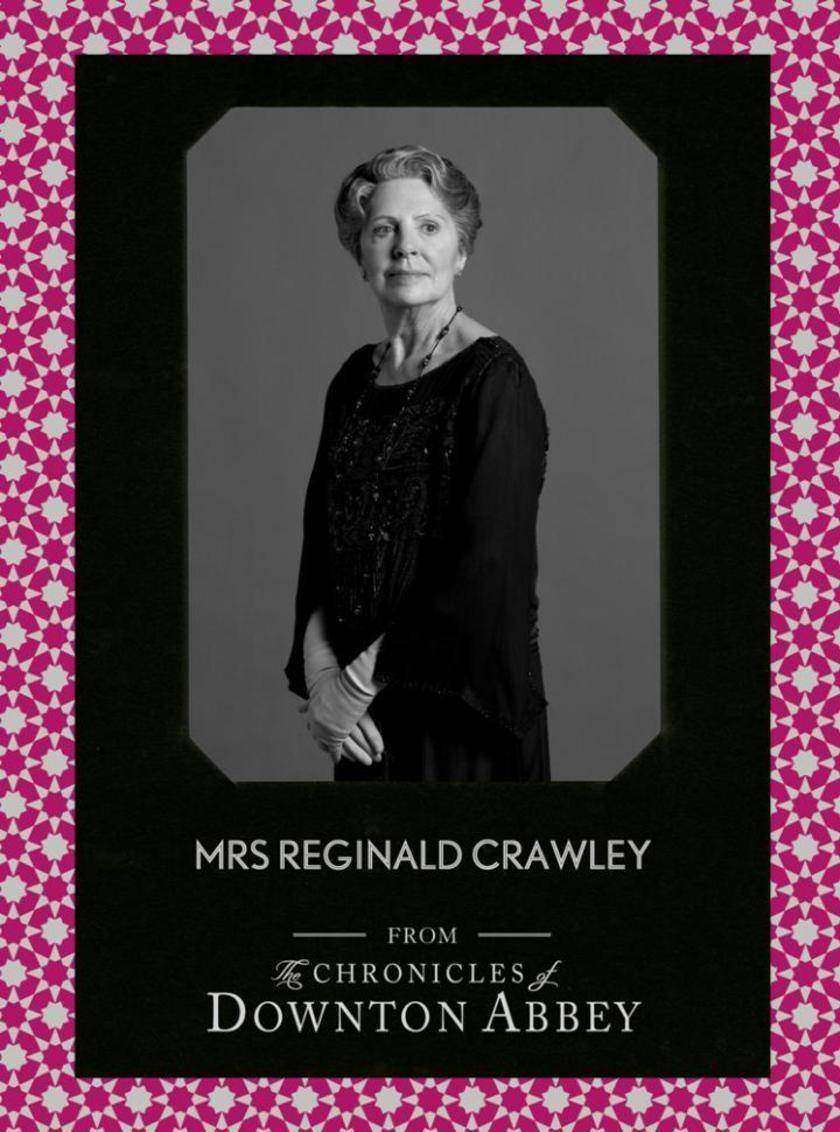
Mrs Reginald Crawley (Downton Abbey Shorts, Book 6)
¥11.77
This richly illustrated short, extracted from the official book The Chronicles of Downton Abbey, focuses on the characters individually, examining their motivations, their actions and the inspirations behind them. Forwarded by Downton Abbey creator Julian Fellowes. Isobel Crawley is a woman with a cause. The cause may change, but she likes to make sure she’s always got one on the go. An educated, forward-thinking woman who lived amongst the professional middle classes of Manchester, she suddenly found herself the mother of an earl-in-waiting. Thrust into this position, she determined that she and Matthew should not be cowed by their new situation. Penelope Wilton, the actress portraying Isobel, explains the subtleties of her character’s motives: ‘She is not the least resentful – or disapproving – of the Downton world. Though she is critical of the wider society and wants to improve it. But she is not a radical socialist. Her desire to help is conceived within the existing structures of her world.’ Purchase this ebook short and the others in the series to get closer still to the characters at Downton Abbey and to understand more about their social context – from the changing role of the aristocracy to fashion and beauty, American Anglophiles, the Suffragette movement and life below stairs in a big country house like Downton. Search for The Chronicles of Downton Abbey to purchase all shorts combined.
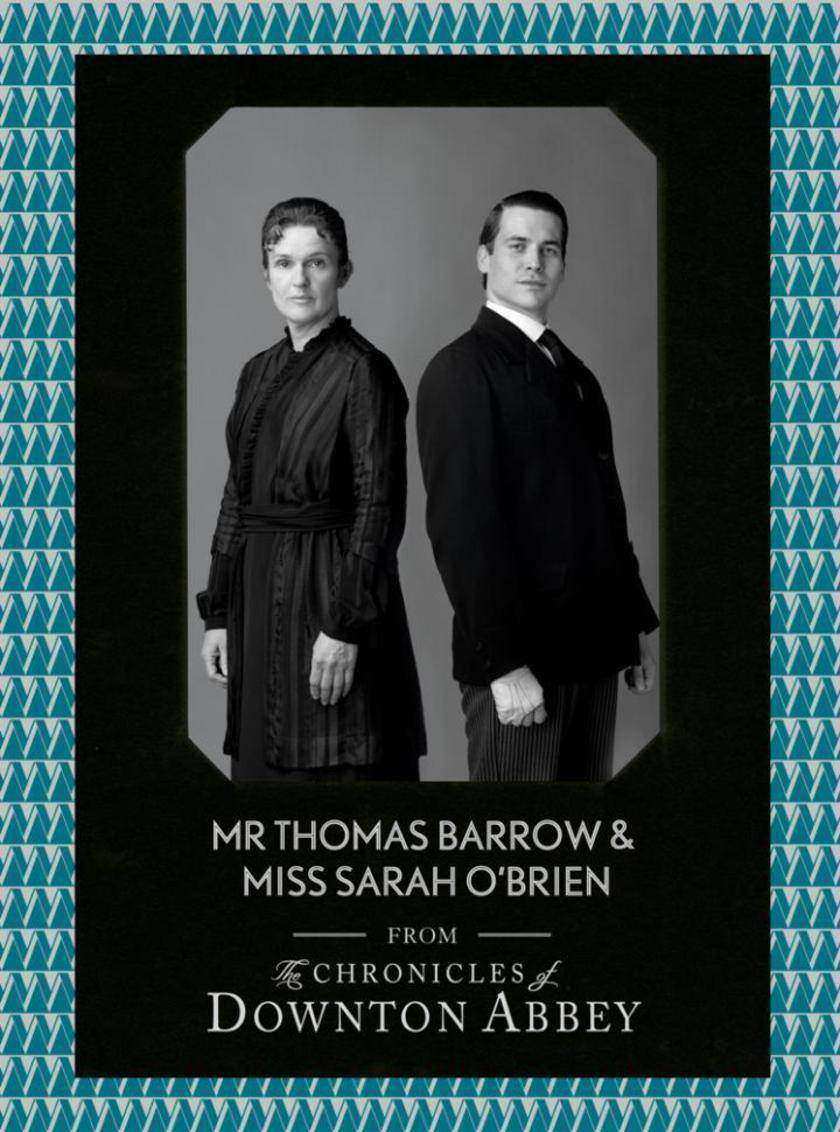
Mr Thomas Barrow and Miss Sarah O’Brien
¥11.77
This richly illustrated short, extracted from the official book The Chronicles of Downton Abbey, focuses on the characters individually, examining their motivations, their actions and the inspirations behind them. Forwarded by Downton Abbey creator Julian Fellowes. Thomas Barrow is one of the most complicated and intriguing of all the characters at Downton Abbey. As we have got to know him through years of both peace and war, multiple layers have been peeled away to reveal an insecure, jealous, sometimes paranoid, defensive and cowardly man beneath a glossy veneer of good looks and arrogance. ‘O’Brien realises that she is never going to be rich or successful – although she is quite successful as the lady’s maid of a countess,” says Julian Fellowes. “But she gets her thrills by manipulating and being devious and plotting. Her reward is in having a sense that she has power over people.’ Purchase this ebook short and the others in the series to get closer still to the characters at Downton Abbey and to understand more about their social context – from the changing role of the aristocracy to fashion and beauty, American Anglophiles, the Suffragette movement and life below stairs in a big country house like Downton. Search for The Chronicles of Downton Abbey to purchase all shorts combined.
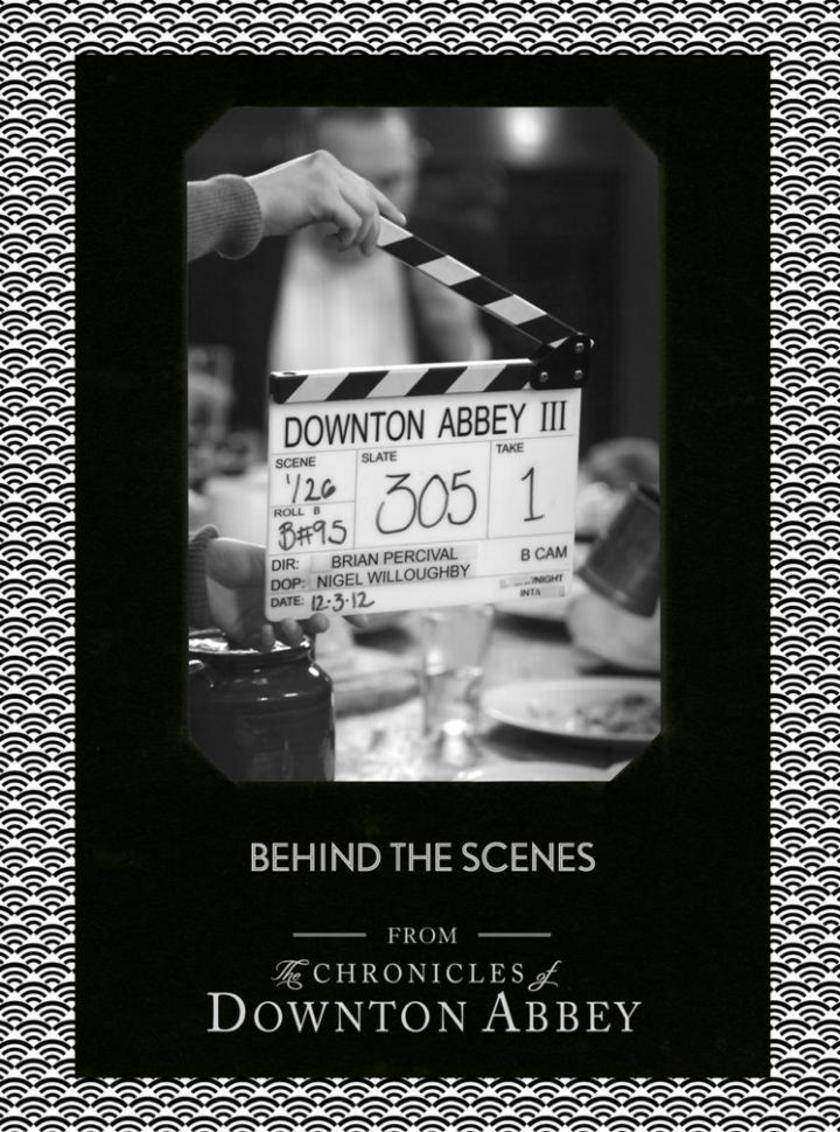
Behind the Scenes (Downton Abbey Shorts, Book 11)
¥11.77
This richly illustrated short, extracted from the official book The Chronicles of Downton Abbey peels back the curtain on the making of Series 3. With a foreword from Downton Abbey creator Julian Fellowes. You’ll have privileged access to the on-set jokes and camaraderie between the actors – including anecdotes about Jim Carter’s (Carson’s) magic tricks and a revelation that two actors liked to burst into an impromptu duet of the Three Degrees classic “When Will I See You Again” between takes – find out who! See also how the sets at Highclere Castle and Ealing Studios were adapted, and hear from the costume and make up artists about the incredible attention to detail they applied to bring the 1920s so vividly to life. Purchase this ebook short and the others in the series to get closer still to the characters at Downton Abbey and to understand more about their social context – from the changing role of the aristocracy to fashion and beauty, American Anglophiles, the Suffragette movement and life below stairs in a big country house like Downton. Search for The Chronicles of Downton Abbey to purchase all shorts combined.
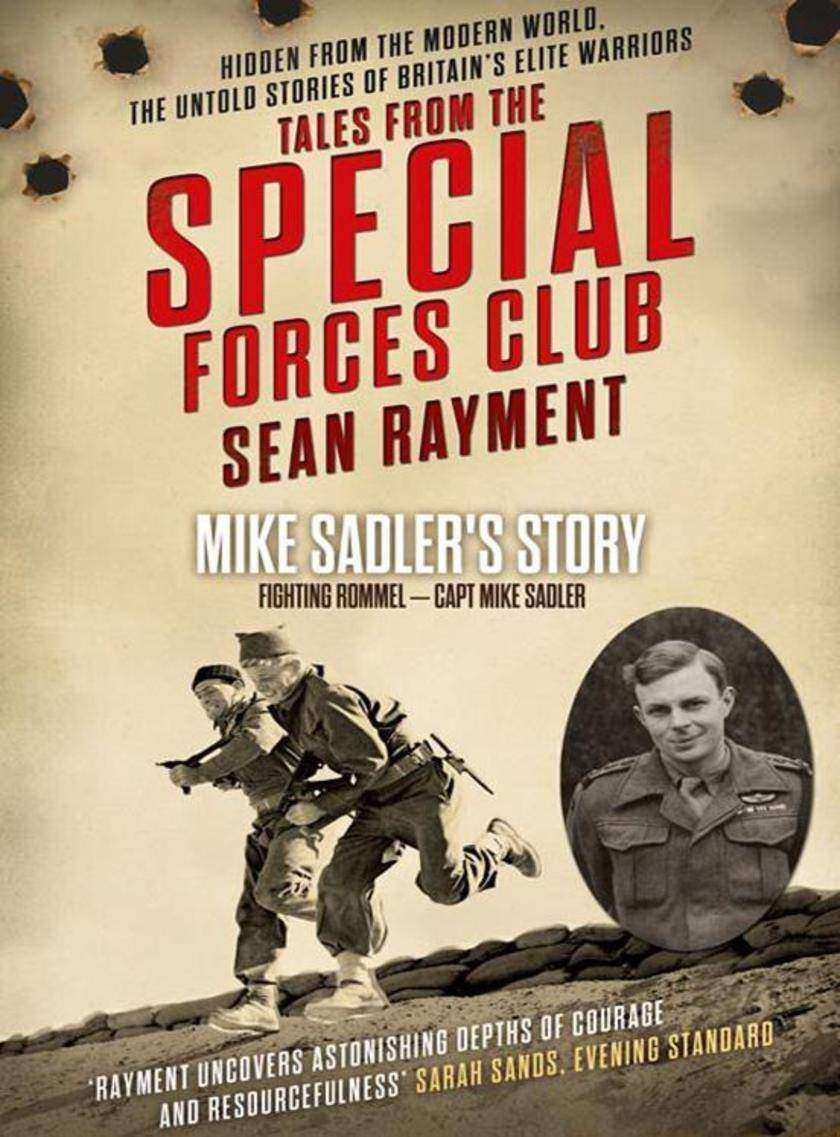
Fighting Rommel
¥9.71
This is Mike Sadler’s story, one of five true-life recollections from the Second World War in Tales From The Special Forces Club. The Special Forces Club is a fabled gentlemen’s club, based in the heart of London. It has a closely guarded secret: you have to be a genuine hero to be a member. Mike Sadler was in Rhodesia working on a farm when he decided to join up and fight Hitler. He would become one of the legendary men in the Long Range Desert Group, roaming behind Erwin Rommel’s front line and causing havoc and confusion to the German Africa Korp. He would also go on to serve with distinction in the SAS. This is his story.
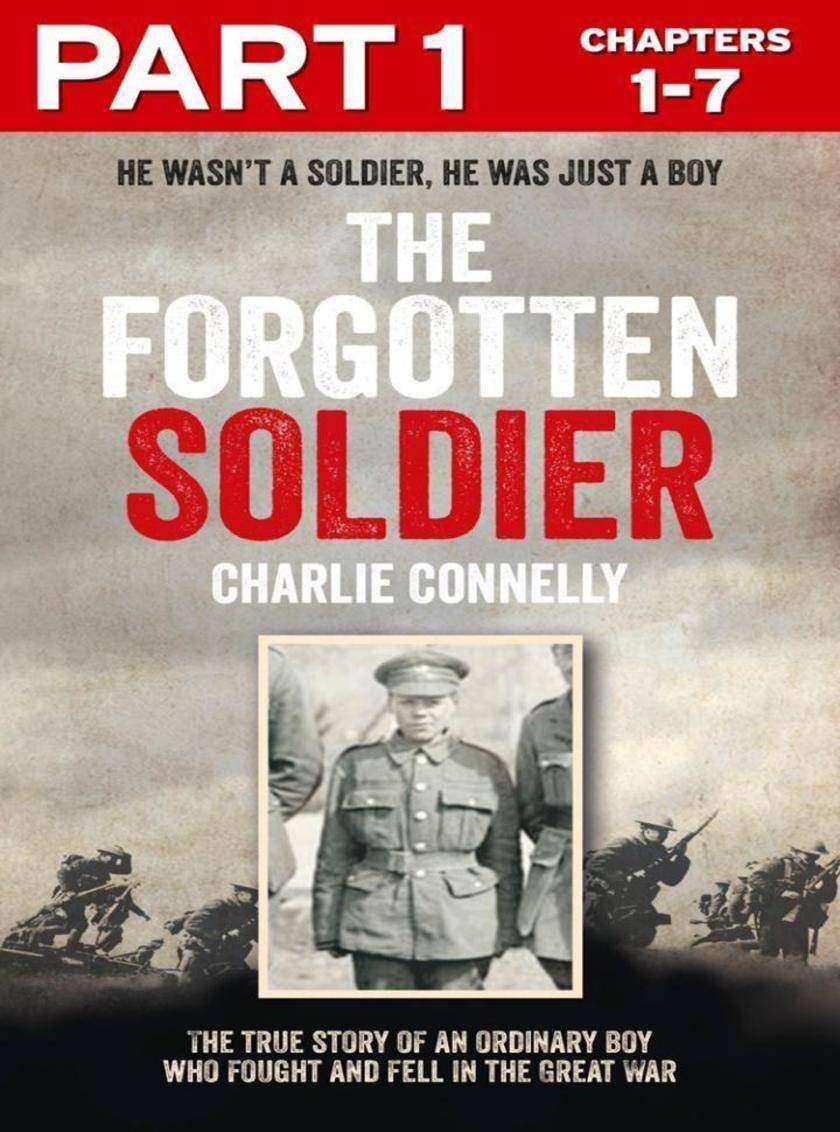
The Forgotten Soldier (Part 1 of 3)
免费
Bestselling author Charlie Connelly returns with a First World War memoir of his great uncle, Edward Connelly, who was an ordinary boy sent to fight in a war the likes of which the world had never seen. But this is not just his story; it is the story of all the young forgotten soldiers who fought and bravely died for their country The Forgotten Soldier tells the story of Private Edward Connelly, aged 19, killed in the First World War a week before the Armistice and immediately forgotten, even, it seems, by his own family. Edward died on exactly the same day, and as part of the same military offensive, as Wilfred Owen. They died only a few miles apart and yet there cannot be a bigger contrast between their legacies. Edward had been born into poverty in west London on the eve of the twentieth century, had a job washing railway carriages, was con*ed into the army at the age of eighteen and sent to the Western Front from where he would never return. He lies buried miles from home in a small military cemetery on the outskirts of an obscure town close to the French border in western Belgium. No-one has ever visited him. Like thousands of other young boys, Edward’s life and death were forgotten. By delving into and uncovering letters, poems and war diaries to reconstruct his great uncle’s brief life and needless death; Charlie fills in the blanks of Edward’s life with the experiences of similar young men giving a voice to the voiceless. Edward Connelly’s tragic story comes to represent all the young men who went off to the Great War and never came home. This is a book about the unsung heroes, the ordinary men who did their duty with utmost courage, and who deserve to be remembered.
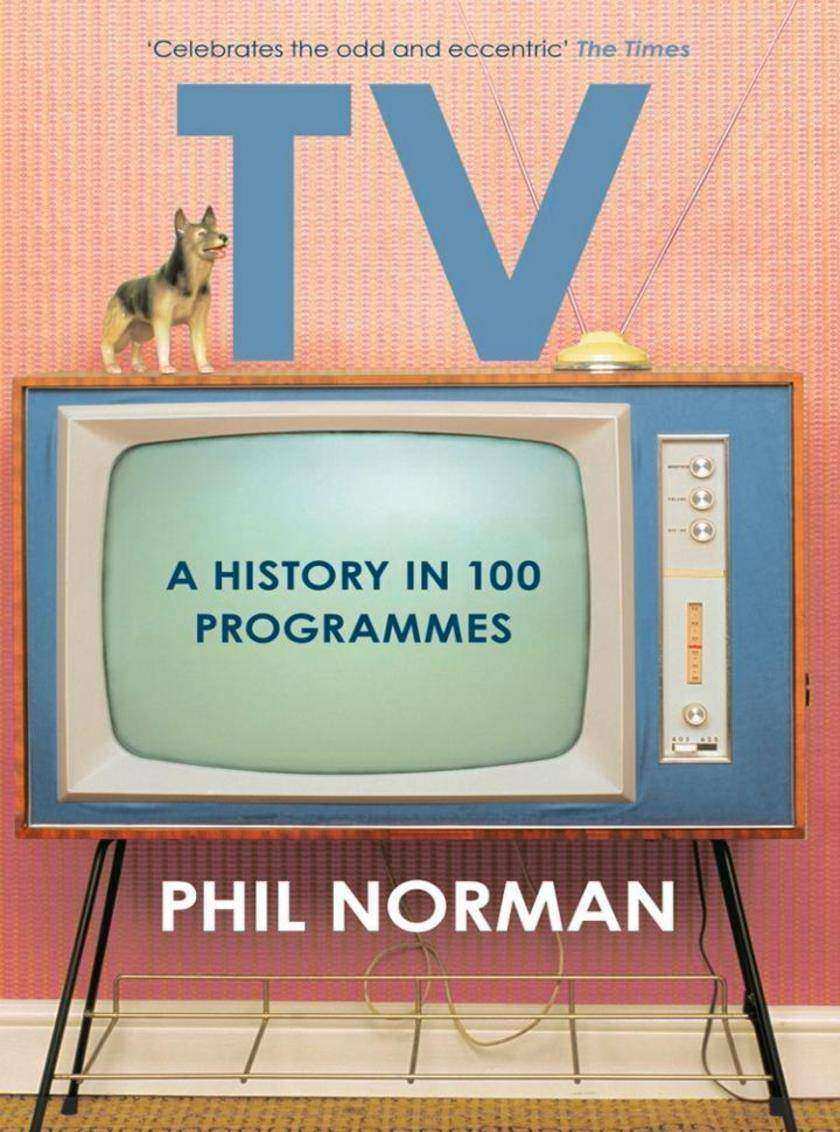
A History of Television in 100 Programmes
¥76.91
An entertaining and illuminating celebration of televisual history by cultural historian Phil Norman For decades, television occupied a unique position in the national imagination. By today’s standards the ‘box’ was tiny, but it dominated the living room in a way its technically superior descendants never quite manage. Has the television lost its power in the internet age? Cultural historian Phil Norman goes in search of such questions as he tells the history of TV through 100 ground-breaking programmes. He celebrates the joy of the TV schedule which, in the days of just a few channels, threw up dizzy juxtapositions on a daily basis: an earnest play might be followed by a variety spectacular; a horror anthology that drove children behind furniture followed a sketch show that chewed the carpet. This riotous mix, now slowly disappearing as themed channels and on-demand services take over, gave television a sense of community that no other media could compete with. The wonderful variety of programmes in the book includes overlooked gems and justly wiped follies, overcooked spectaculars and underfunded experiments – just as much a part of TV history as the national treasures and stone-cold classics. A History of Television in 100 Programmes revels in the days when television was at the most exciting, creative stage of any medium: a cottage industry with the world at its feet.
Americans in Paris: Life and Death under Nazi Occupation 1940–44
¥95.75
An elegantly written and highly informative account of a group of Americans living in Paris when the city fell to the Nazis in June 1940. In the early hours of 14 June 1940, Nazi troops paraded through the streets of Paris, marking the beginning of the city’s four-year occupation. French troops withdrew in order to avoid a battle and the potential destruction of their capital. It wasn't long before German tanks rumbled past the Arc de Triomphe and down the Champs Elysees to the Place de la Concorde. The American community in Paris was the largest in Continental Europe, totalling approximately 30,000 before the Second World War. Although Ambassodor Bullitt advised those without vital business in the city to leave in 1939, over half of the Americans in Paris chose to stay. Many had professional and family ties to the city; the majority, though, had a peculiarly American love for the city, rooted in the bravery of the Marquis de la Fayette and the 17,000 Frenchmen who volunteered to fight for American independence in 1776. An eclectic group, they included black soldiers from the Harlem Hellfighters, who were determined not to return to the racial segregation that they faced at home, rich socialites like Peggy Guggenheim and Florence Jay Gould, as well as painters, musicians, bankers and businessmen. There were those whose lives went on as if the Germans were ephemera, those who collaborated and those, like Dr Sumner Jackson and Etta Shiber, who worked underground for the resistance movement. This is a book about adventure, intrigue, passion and deceit, and one which follows its characters into the Maquis, the concentration camps and overseas. Filled with a huge amount of new analysis on the Second World War, ‘Americans in Paris’ is a fascinating, revealing and moving read.
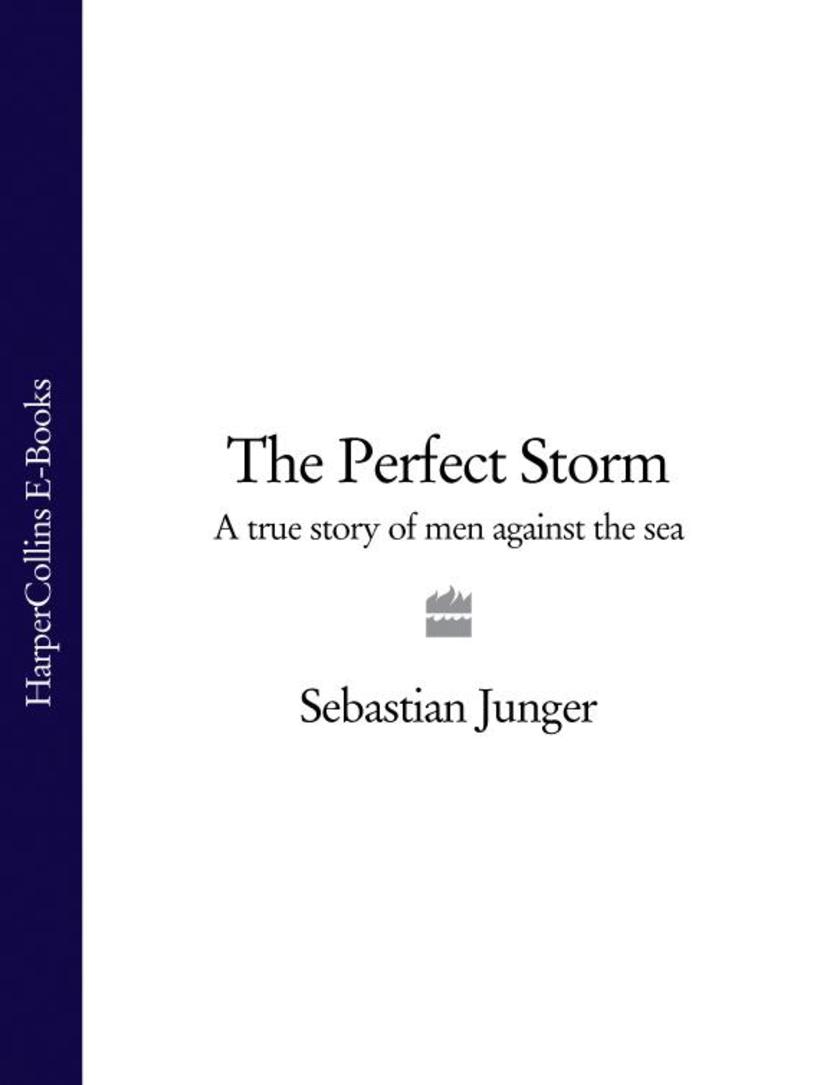
The Perfect Storm: A True Story of Men Against the Sea
¥66.22
The worst storm in history seen from the wheelhouse of a doomed fishing trawler; a mesmerisingly vivid account of a natural hell from a perspective that offers no escape. The ‘perfect storm’ is a once-in-a-hundred-years combination: a high pressure system from the Great Lakes, running into storm winds over an Atlantic island – Sable Island – and colliding with a weather system from the Caribbean: Hurricane Grace. This is the story of that storm, told through the accounts of individual fishing boats caught up in the maelstrom, their families waiting anxiously for news of their return, the rescue services scrambled to save them. It is the story of the old battle between the fisherman and the sea, between man and Nature, that awesome and capricious power which can transform the surface of the Atlantic into an impossible tumult of water walls and gaping voids, with the capacity to break an oil tanker in two. In spare, lyrical prose ‘The Perfect Storm’ describes what happened when the Andrea Gail looked into the wrathful face of the perfect storm.
3 Para
¥68.67
Afghanistan in the summer of 2006. In blazing heat in remote outposts the 3 Para battlegroup is pitted against a stubborn enemy who keep on coming. Until now, the full story of what happened there has not been told. This is it. In April 2006, the elite 3 Para battlegroup was despatched to Helmand Province in southern Afghanistan. They were tasked with providing security to reconstruction efforts, a deployment it was hoped would pass off without a shot being fired. In fact, over the six months they were there, the 3 Para battle group saw near continuous combat – one gruelling battle after another – in what would become one of the most extraordinary campaigns ever fought by British troops. Around parched, dusty outposts reliant on a limited number of helicopters for food and ammunition resupply, troops were subjected to relentless Taliban attacks, as well as energy-sapping 50 degree heat and spartan conditions. At the end of the tour, the Taliban offensive aimed at driving the British and Afghan Government troops out of Helmand had been tactically defeated. But 3 Para paid a high price: fourteen soldiers and one interpreter were killed, and 46 wounded. ‘3 Para’ will tell the stories of the men and women who took part in this extraordinary and largely unreported saga. Best-selling author Patrick Bishop has been given exclusive access to the soldiers whose tales of courage and endurance provide an unforgettable portrait of one of the world's finest and most fascinating fighting regiments, and a remarkable band of warriors. Their bravery was reflected in the array of gallantry medals that were bestowed on their return, including the Victoria Cross awarded to Corporal Bryan Budd and the George Cross won by Corporal Mark Wright, both of whom were killed winning their awards. 3 Para’s saga of comradeship, courage and fortitude is set to become a classic.
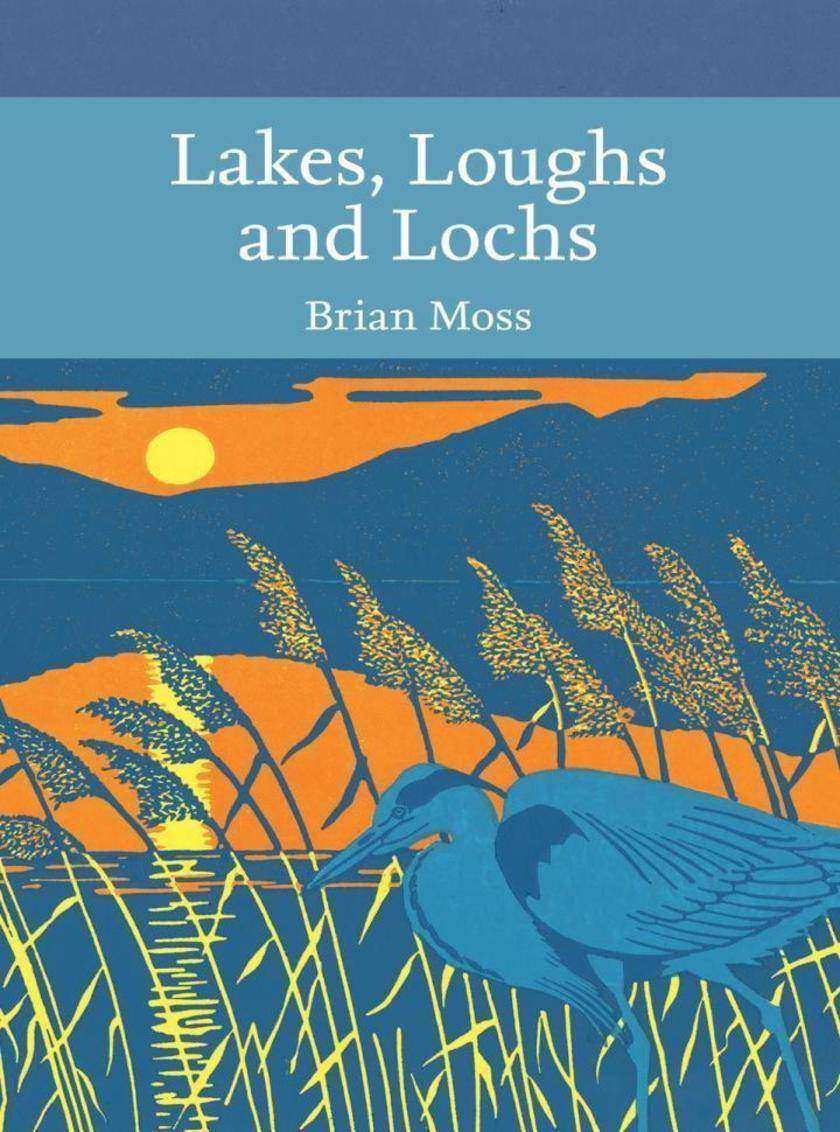
Lakes, Loughs and Lochs (Collins New Naturalist Library, Book 128)
¥257.90
Another volume in the popular New Naturalist series, this book gives a comprehensive account of the natural history of Britain and Ireland’s inland waters, many of which are popular holiday destinations. The study of life in British lakes and rivers has been traditionally neglected in natural history publications, and yet the intricacies of plant and animal ecology as a whole can be readily studied in a pond or lake. Not since Macan and Worthington’s landmark publication in 1951, Life in Lakes and Rivers – volume 15 in the New Naturalist series – has there been a comprehensive overview of British freshwater life. In Brian Moss’s much-anticipated new volume, he gives a passionate account of the natural history of our lakes, loughs and lochs. Our understanding of lakes has changed enormously since the days of Macan and Worthington. From new techniques using stable isotopes and molecular biology to ambitious approaches using whole lakes for experiments; from advances in chemical methods that detect tiny traces of organic substances to the development of new electronic instruments, it is becoming increasingly urgent to make use of these advances to help maintain and conserve some of the most damaged of the Earth’s ecosystems. Freshwaters form the fascinating threads that stitch together the landscapes of our planet with a myriad of exchanges involving an array of organisms, from algae and insects to hippopotami and otters. Healthy lakes and their shores influence our quality of life and they strengthen the economy. They are important ecosystems that can sustain a healthy balance of aquatic life, provide us with much enjoyment, and help support our socio-economic needs. At the same time they suffer the consequences of human abuses of the land – increasing urbanisation, intensive farming, drainage and an increasing invasion of non-native species, to name but a few. Moss explores the richness of their fundamental ecology, emphasizing the need to view these freshwater systems as a whole, and not to manage or assess them in isolation, as well as the importance of ongoing conservation efforts.
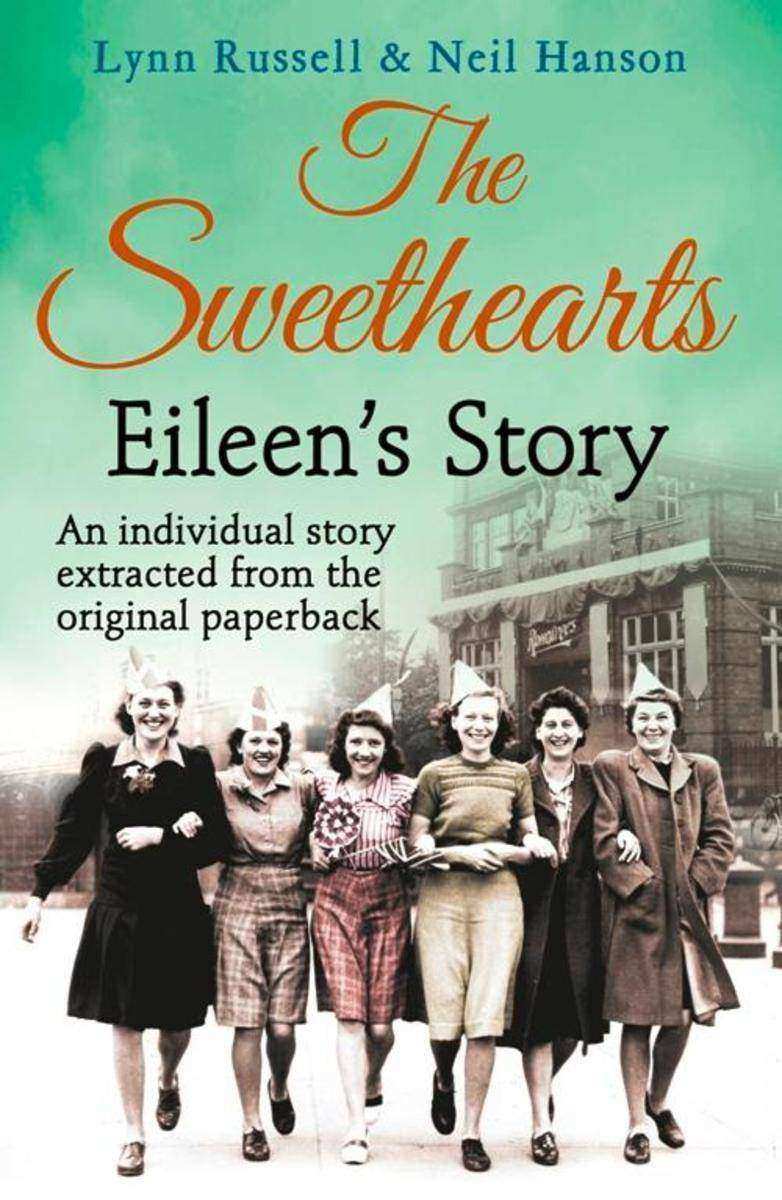
Eileen’s story (Individual stories from THE SWEETHEARTS, Book 3)
¥11.77
This is Eileen’s story, one of five stories extracted from THE SWEETHEARTS. Whether in wartime or peace, tales of love, laughter and hardship from the girls in the Rowntrees factory in Yorkshire. “Eileen’s dad worked at the Rowntree’s factory loading cocoa beans into the grinding mills; it was hard physical work, but he was a tall and powerful figure and very fit. Eileen was only five when war broke out and her dad went away, and was just nine years old when he came back from war. ‘He looked simply horrendous. His wounded leg was still in plaster, his hair had grown long, there were scars all over his face and scalp, and to allow his wounds to continue to heal and to keep his eye sockets open until he could be fitted with glass eyes.’ He could have trained to run a corner shop, or done plenty of other things –but all he wanted to do was go back to Rowntree’s…” From the 1930s through to the 1980s, as Britain endured war, depression, hardship and strikes, the women at the Rowntree’s factory in York kept the chocolates coming. This is the true story of The Sweethearts, the women who roasted the cocoa beans, piped the icing and packed the boxes that became gifts for lovers, snacks for workers and treats for children across the country. More often than not, their working days provided welcome relief from bad husbands and bad housing, a community where they could find new confidence, friendship and when the supervisor wasn’t looking, the occasional chocolate.
Dorothy’s story (Individual stories from THE SWEETHEARTS, Book 4)
¥11.77
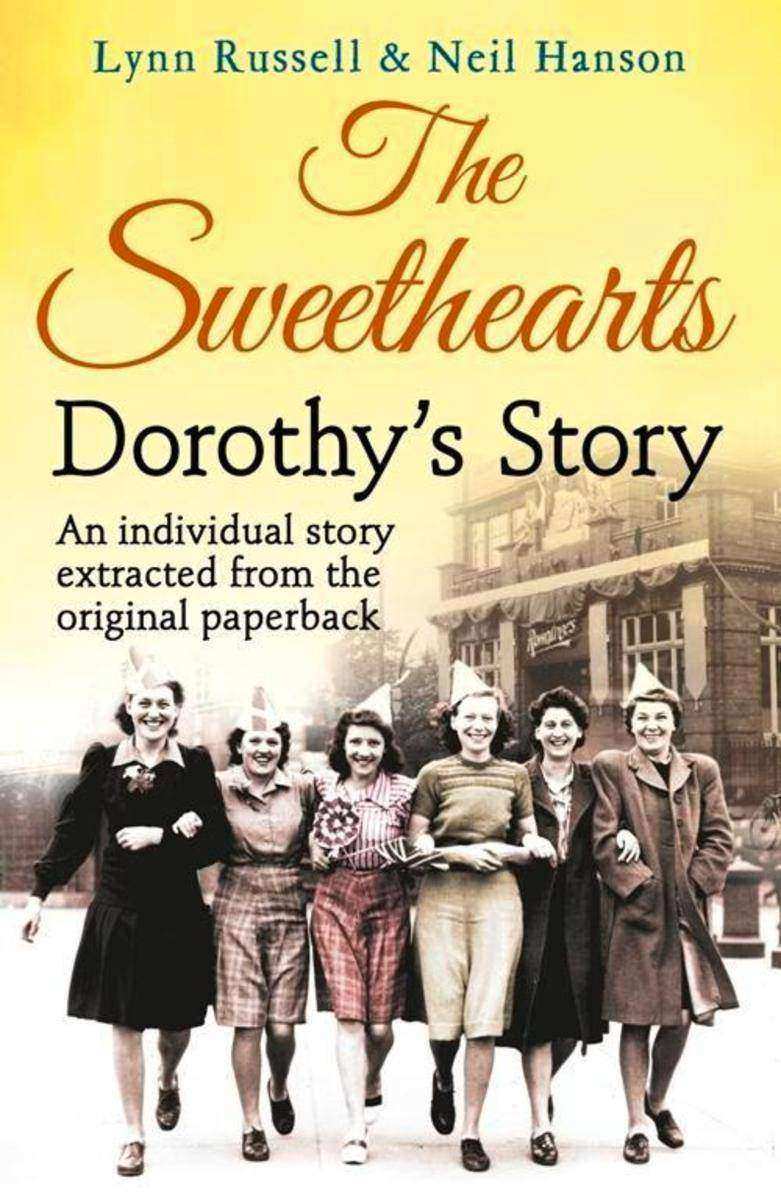
This is Dorothy’s story, one of five stories extracted from THE SWEETHEARTS. Whether in wartime or peace, tales of love, laughter and hardship from the girls in the Rowntrees factory in Yorkshire. “‘Every Friday when we got paid, they used to come round with your pay packet and a tin for charity and you’d put a penny in, and they’d go round all the machines for people to put money in. That was a very Rowntree’s thing to do.’ Dorothy gave all her pay to her grandma for her board, but was given back five shillings for herself. She loved the cinema: ‘I’d put on as much make-up as I thought my grandmother would let me get away with and my friends and I would go to the pictures two or three times a week. We’d all have a good look around and see who was there and what was going on. It used to make me smile when I’d see girls who had been sitting with one boy before the interval, settling down with a different boy as the lights went down again.’…” From the 1930s through to the 1980s, as Britain endured war, depression, hardship and strikes, the women at the Rowntree’s factory in York kept the chocolates coming. This is the true story of The Sweethearts, the women who roasted the cocoa beans, piped the icing and packed the boxes that became gifts for lovers, snacks for workers and treats for children across the country. More often than not, their working days provided welcome relief from bad husbands and bad housing, a community where they could find new confidence, friendship and when the supervisor wasn’t looking, the occasional chocolate.
Maureen’s story (Individual stories from THE SWEETHEARTS, Book 5)
¥11.77
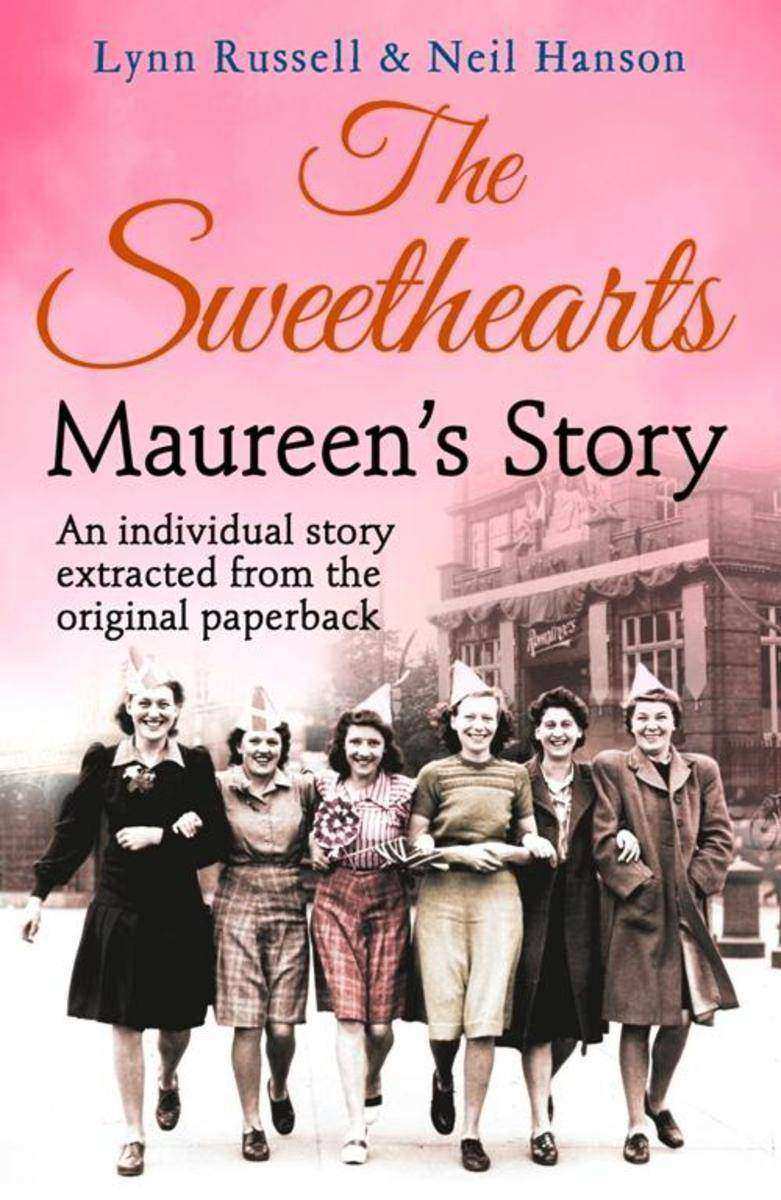
This is Maureen’s story, one of five stories extracted from THE SWEETHEARTS. Whether in wartime or peace, tales of love, laughter and hardship from the girls in the Rowntrees factory in Yorkshire. “Maureen started work at Rowntree’s on her fifteenth birthday in April 1959, and remembers being the only one in the entire workforce who was wearing ankle socks. But she soon settled in and on Saturday afternoons Maureen and the rest of the girls would go into town – 'I really liked the fashions then and used to love getting dressed up in those days. We wore stockings and suspenders, stilettos, and we always wore gloves, usually white ones, and shoes and handbag to match. We all wore skirts under our overalls and hooped petticoats. My digs were just over the bridge from Rowntree’s and the boys used to love watching me run down the bridge in the morning! I was never late for work, but I usually cut it pretty fine and often had to run the last couple of hundred yards. The hoops would ride up while I was running so there’d be a lot of wolf whistles from the boys…’” From the 1930s through to the 1980s, as Britain endured war, depression, hardship and strikes, the women at the Rowntree’s factory in York kept the chocolates coming. This is the true story of The Sweethearts, the women who roasted the cocoa beans, piped the icing and packed the boxes that became gifts for lovers, snacks for workers and treats for children across the country. More often than not, their working days provided welcome relief from bad husbands and bad housing, a community where they could find new confidence, friendship and when the supervisor wasn’t looking, the occasional chocolate.
The Homing Instinct: Meaning and Mystery in Animal Migration
¥73.58
The story and science of how animals find their way home. Home is the place we long for most, when we feel we have travelled too far, for too long. Since boyhood, acclaimed scientist and author Bernd Heinrich has returned every year to a beloved patch of woods in his native western Maine. But while it’s the pull of nostalgia that informs our desire to go back, what is it that drives the homing instinct in animals? Heinrich explores the fascinating science behind the mysteries of animal migration: how geese imprint true visual landscape memory over impossible distances; how the subtlest of scent trails are used by many creatures, from fish to insects to amphibians, to pinpoint their home; and how the tiniest of songbirds are equipped for solar and magnetic orienteering over vast distances. Most movingly, Heinrich chronicles the spring return of a pair of sandhill cranes to their pond in the Alaska tundra. With his marvellously evocative prose, Heinrich portrays the psychological state of the newly arrived birds, articulating just what their yearly return truly means, to the birds and to those fortunate enough to witness this transcendently beautiful ritual. The Homing Instinct is an enchanting study of this phenomenon of the natural world, reminding us that to discount our own feelings toward home is to ignore biology itself.
Abraham Lincoln: History in an Hour
¥18.05
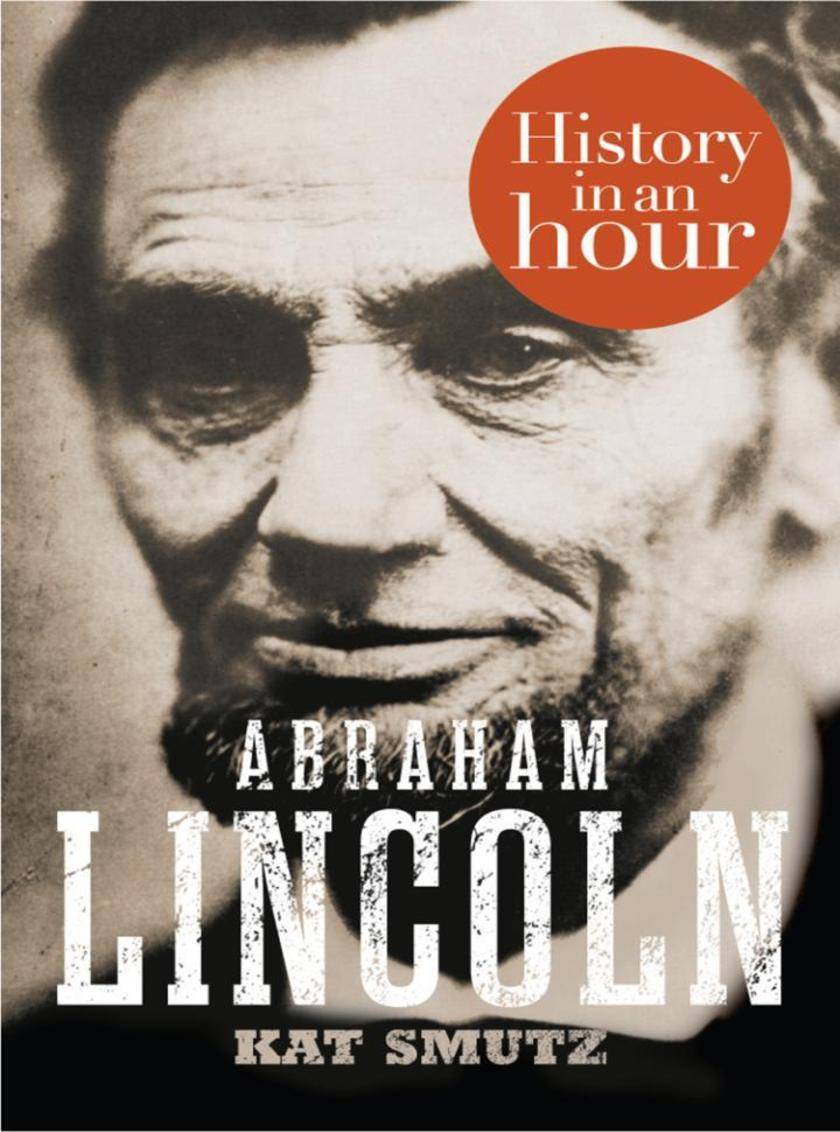
Love history? Know your stuff with History in an Hour. Abraham Lincoln, the sixteenth president of the United States, is an American icon. To many, he is a symbol of values, sacrifice and determination. Modern notions of nationalism, liberty, and constitution all owe their debt to Lincoln, as does the unity of the American states. And yet, in his own day, Lincoln was also reviled by many as a traitor, tarnished by his associations with the wrong kind of race and the wrong end of society. Charting his ascent from humble origins to the leader of the United States during its hardest democratic and ethical conflict – the American Civil War – ‘Lincoln: History in an Hour’ is a succinct guide to the life of a great and controversial modernizer. Having educated himself and made good as a lawyer, he embarked on a journey that would see triumph in the abolition of slavery and then tragedy in the final drama of his own assassination. From his struggles as President to his family life and roles as husband, father and friend, this is the story of one of history’s greatest leaders. Love history? Know your stuff with History in an Hour…
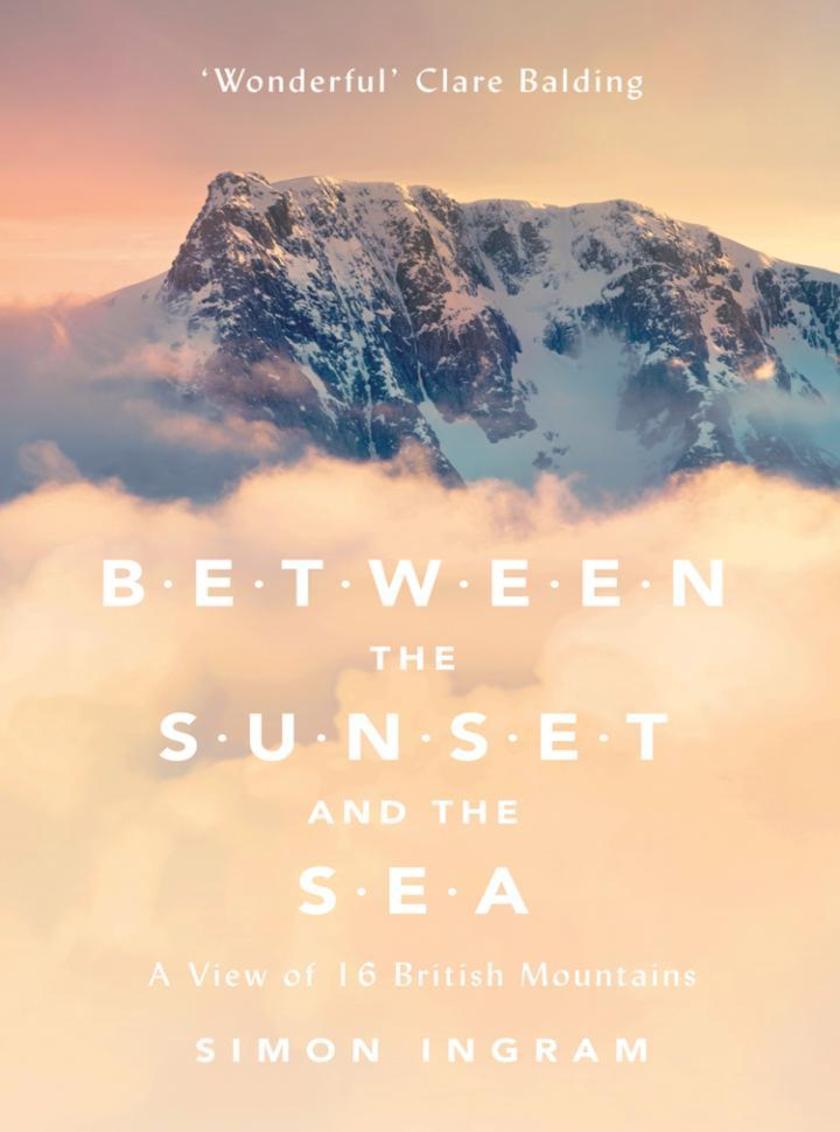
Between the Sunset and the Sea: A View of 16 British Mountains
¥73.58
‘I watched the mirror for a last view, for now, of the frozen mountains of Glen Coe. As the road bent and the outline of Buachaille Etive Mor slid into sight, I did what I always did, and always would. I felt for that flutter of awe and that indefinable, unmistakable quickening of the pulse.’ In the late 18th century, mountains shifted from being universally reviled to becoming the most inspiring things on earth. Simply put, the monsters became muses – and an entire artistic movement was born. This movement became a love affair, the love affair became an obsession, and gradually but surely, obsession became lifestyle as mountains became stitched into the fabric of the British cultural tapestry. In his compelling new book, Simon Ingram explores how mountains became such a preoccupation for the modern western imagination, weaving his own adventures into a powerful narrative which provides a kind of experiential hit list for people who don’t have the time nor the will to climb a thousand mountains. For some of these mountains, the most amazing thing about them might be the journey they’ve taken to get here. Others, the tales of science, endeavour and art that have played out on their slopes. The mythology they’re drenched in. The history they’ve seen. The genius they’ve inspired. The danger that draws people to them. The life that clusters around them, human and otherwise. The extreme weather they conjure. The adventure they fuel. The way that some raise the hairs on the back of your neck, and trigger powerful, strange emotions. And moreover, what they’re like to be amidst, under, on – just what that indefinable quality is that the British mountains wield which takes possession of you so powerfully, and never goes away. Ingram takes us high into the rafters of Britain’s most forbidding, unflinching and unchanging wild places through all the seasons of the year – from the first blush of spring to the deepest, darkest bite of the mountain winter. From Beinn Dearg to Ben Nevis, he takes us on a journey spanning sixteen of Britain’s most evocative mountainous landscapes, and what they mean to us today.
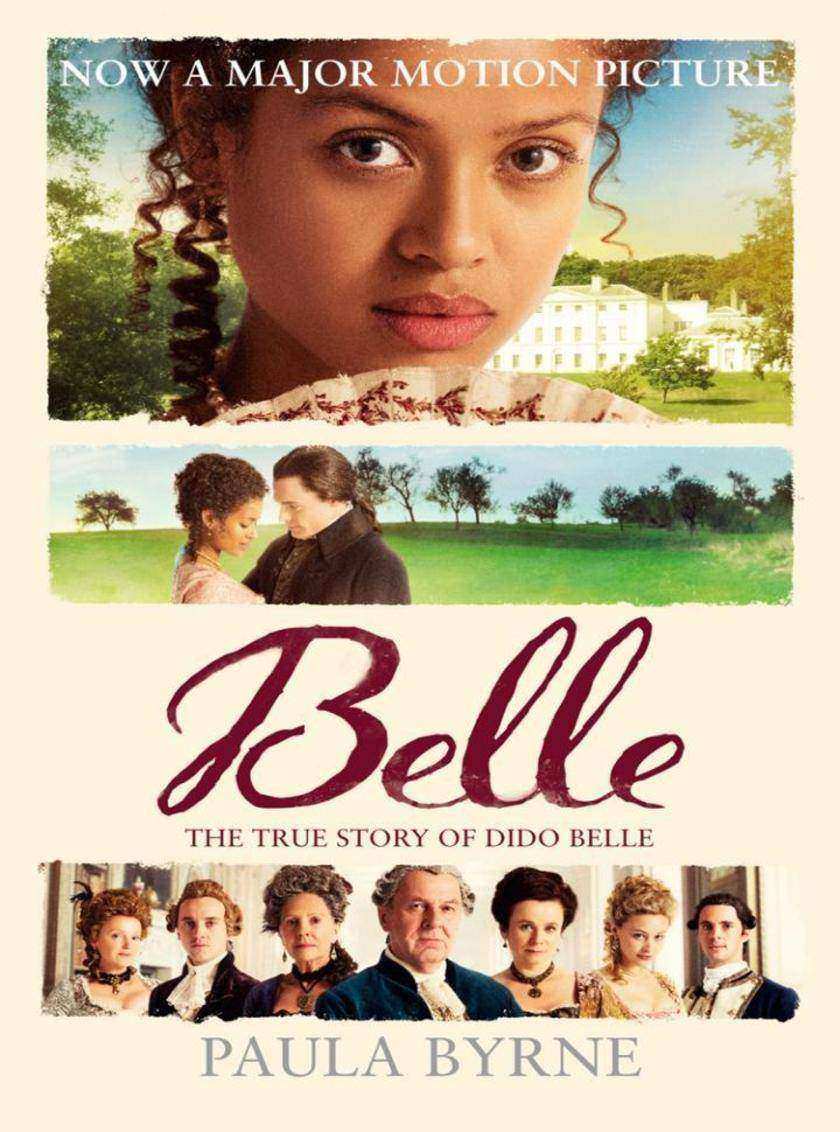
Belle: The True Story of Dido Belle
¥66.22
The inspiration behind the powerful new film starring Gugu Mbatha-Raw, Tom Wilkinson and Emily Watson, this is the story of Dido Belle, whose adoption by an aristocratic family challenged the conventions of 18th century England. In one of the most famous portraits in the world, a pretty girl walks through the grounds of Kenwood House, a vision of aristocratic refinement. But the eye is drawn to the beautiful woman on her right. Pointing at her own cheek, she playfully acknowledges her remarkable position in eighteenth-century society. For Dido Belle was the illegitimate, mixed-race daughter of a Royal Navy captain and a slave woman, adopted by the Earl of Mansfield. As Lord Chief Justice of England he would preside over the notorious Zong case – the drowning of 142 slaves by an unscrupulous shipping company. His ruling provided the legal underpinning to the abolition of slavery in Britain. From the privileged yet unequal lives of Dido and her cousin Elizabeth, to the horrific treatment of African slaves, Paula Byrne – the bestselling author of ‘The Real Jane Austen’ – vividly narrates the story of a family that defied convention, the legal trial that exposed the cruelties of slavery and the woman who challenged notions of race at the highest rank.
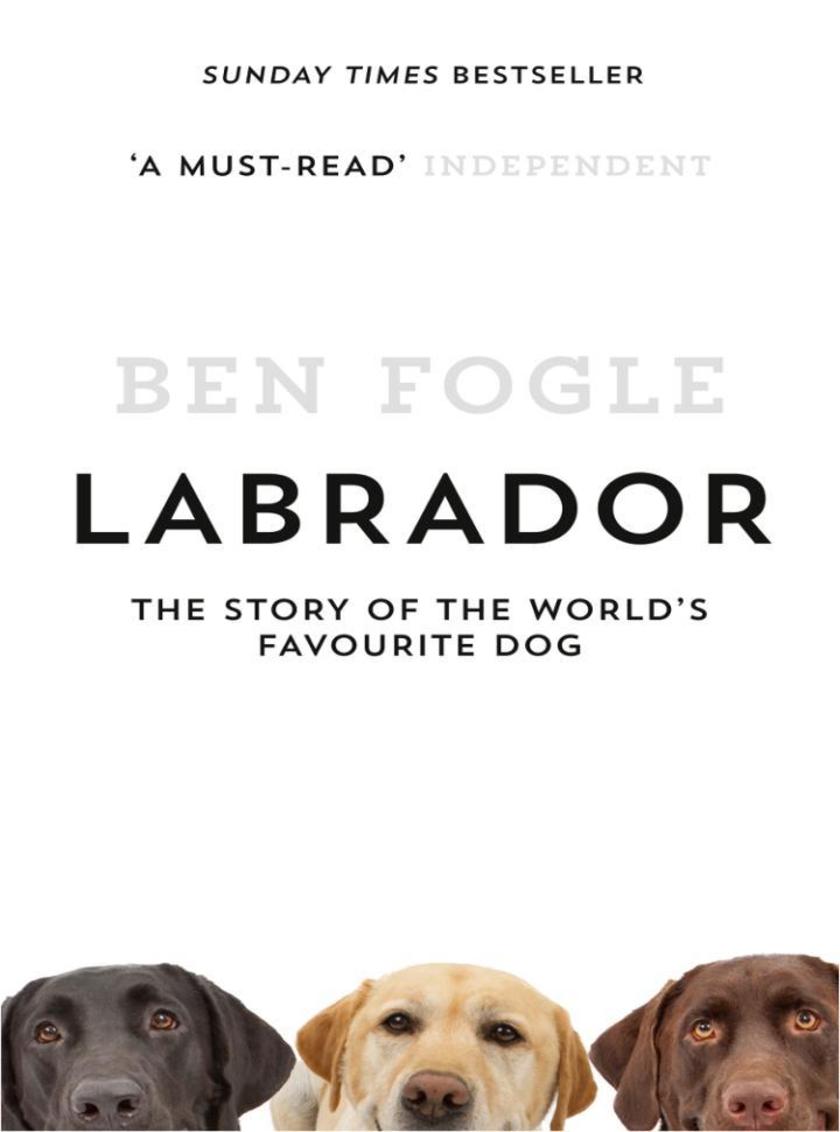
Labrador: The Story of the World’s Favourite Dog
¥66.22
Sunday Times Bestseller ‘Passionate and well-researched’ Tatler ‘A must-read’ Independent A social history of Labradors, and how they have become the world’s most beloved dogs, by writer, presenter and long-time dog lover Ben Fogle. Labradors are the most popular breed of dog in the world. Not only a great family companion, they also excel at hunting, tracking, retrieving, guiding and rescuing. But where did the breed originally come from? How did it develop? When did black, yellow and chocolate Labradors first appear? Did they really all come from Labrador in Canada and are they really all related to just one dog? In this first history of the Labrador, Ben Fogle goes in search of what makes Labradors so special. Their extraordinary companionship, intelligence, work ethic and loyalty is captured by Ben as he weaves the story of the breed into his own story of his beloved Inca. Ben visits Canada, discovers hair-raising stories of early Labrador exploits and uncovers stories of RNIB Labradors and Labradors at war, Labradors as working dogs and every other manifestation of the Labrador’s character. Exploring their origin, early characteristics, their use as gun dogs, as therapy dogs, as police dogs, as search and rescue dogs and last – and absolutely not least – as family pets, Ben tells the story of a dog breed which has captured our imagination and love for hundreds of years.
Ancient Rome (Collins Gem)
¥38.36
From the Colosseum to Hadrian’s Wall, Gem Ancient Rome shows us how Rome’s vast empire laid the foundations of today’s civilisation. From aqueducts to baths, from gladiators to emperors, the fascinating history of and mythology of ancient Rome are brought to life in this entertaining and highly-readable guide. With their sophisticated army, monuments and roads, the Romans literally paved the way to modern Europe. Learn about the hand-to-hand combat at gladiatorial shows, rediscover the myths and legends of the Roman gods and find out how and why Rome became the conquering superpower that it did. History will come to life in this engaging and comprehensive introduction to one of the most fascinating and influential places the world has ever known. Includes: ? Geography – map of the Roman Empire ? History – a timeline with the accomplishments of the emperors ? Culture – what the Romans did for us ? Religion – Gods and Festivals ? Mythology – Virgil's Aeneid, Romulus and Remus ? Daily life in Ancient Greece – different levels in society, the jobs, family life, leisure activities ? Politics – transition from Republic to Dictatorship ? Learning and knowledge – Law, Science, Architecture, Literature, Art ? War – important wars, the Empire, the army and navy ? Rome Today – temples, archaeology, and modern tourist sites
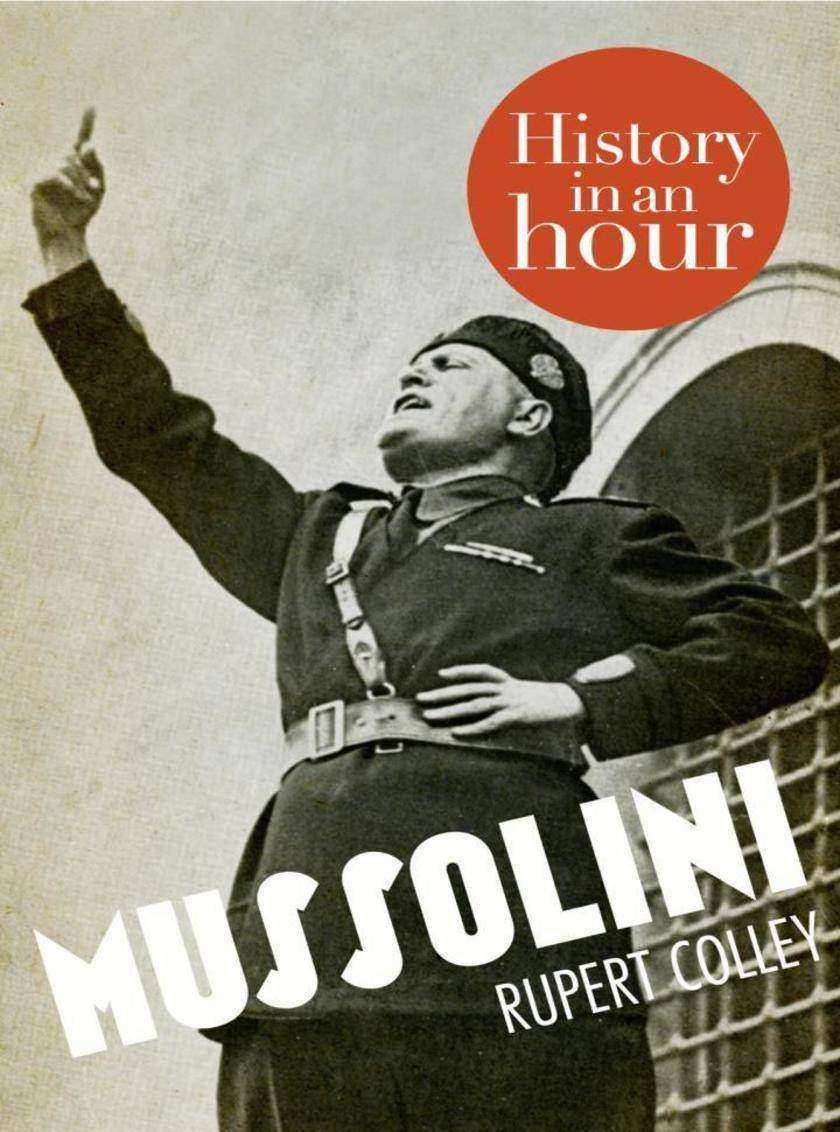
Mussolini: History in an Hour
¥18.05
Love history? Know your stuff with History in an Hour. ‘Il Duce’, Benito Mussolini, was one of the key figures in the creation of fascism. Famed for his dictatorial style, his political cunning and admired – initially – by Hitler, Mussolini led the National Fascist Party and ruled Italy as Prime Minister from 1922 until his ousting in 1943. In so doing, he paved the way towards Italy’s defeat in World War Two, and some of the 20th century’s most destructive ideologies and practices. Following expulsion from Italian Socialist Party, Mussolini denounced all efforts of class conflict, and instead later commanded a Fascist March on Rome to become the youngest Prime Minister in Italian history. Thereafter he set about dismantling the apparatus of democracy and initiated what would become known as the one-party totalitarian state. With World War II came defeat, humiliation and his bloody deposing. Explaining his ideologies, policies, actions and flaws, ‘Mussolini: History in an Hour’ is the concise life of the man whose ideas helped create some of the worst horrors of the modern history. Love history? Know your stuff with History in an Hour…


