


 购物车
购物车 个人中心
个人中心
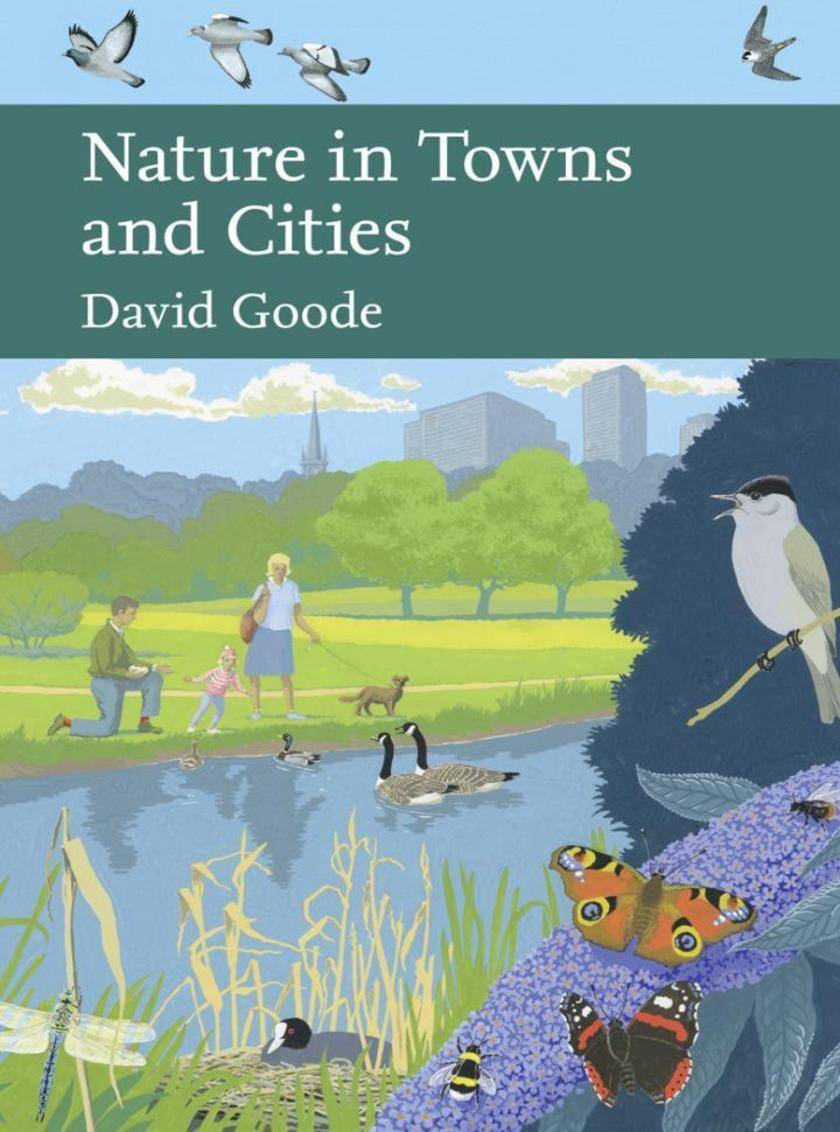
Nature in Towns and Cities (Collins New Naturalist Library, Book 127)
¥269.78
The latest in the New Naturalist series documents the parks and green spaces unique to Britain's cities – and the wildlife that has flourished in these habitats. Not since Richard Fitter’s landmark publication in 1945, ‘London’s Natural History’ – volume 3 in the New Naturalist series – has there been a comprehensive guide to urban natural history. Since then there have been major advances in the conservation of nature in our towns and cities, and there is even more to say about how animals and plants have adapted, in varying degrees, to urbanisation. But this is not merely an exploration of natural history within the urban environment – David Goode uses his knowledge of urban ecology to describe the range of habitats and species which exist within urban areas, and shows how our understanding is being applied to encourage a greater variety of nature into towns and cities. He illustrates how an ecological approach can be incorporated within planning and design to create a range of habitats from tiny oases to extensive new urban woodland and wetlands.
We Were Young and at War
¥66.22
Never before have the diaries and letters of young people from all sides of World War Two been woven together to provide an account of what it was like to grow up amidst the daily struggles and horrors of this devastating war. We Were Young And At War follows the stories of sixteen teenage boys and girls who write with a disarming directness about their reactions to and experiences of a very adult war. They are British, French, American, Japanese, Polish, German and Russian, each with a unique and heart-rending tale to tell. Only two of them are alive today. Some of them fought and died in the war, others starved to death; many were separated from their families. All were forced to grow up quickly, their lives changed beyond all recognition by their experiences. This is their story.
God’s Secret Agents: Queen Elizabeth's Forbidden Priests and the Hatching of the
¥102.51
A thrilling account of treachery, loyalty and martyrdom in Elizabethan England from an exceptional new writer. As darkness fell on the evening of Friday, 28 October 1588, just weeks after the defeat of the Spanish Armada, two young Englishmen landed in secret on a Norfolk beach. They were Jesuit priests. Their aim was to achieve by force of argument what the Armada had failed to do by force of arms: return England to the Catholic Church. Eighteen years later their mission had been shattered by the actions of a small group of terrorists, the Gunpowder Plotters; they themselves had been accused of designing ‘that most horrid and hellish conspiracy’; and the future of every Catholic they had come to save depended on the silence of an Oxford joiner, builder of priest-holes, being tortured in the Tower of London. ‘God’s Secret Agents’ tells the story of Elizabeth’s ‘other’ England, a country at war with an unseen enemy, a country peopled – according to popular pamphlets and Government proclamations – with potential traitors, fifth-columnists and assassins. And it tells this story from the perspective of that unseen ‘enemy’, England’s Catholics, a beleaguered, alienated minority, struggling to uphold its faith. Ultimately, ‘God’s Secret Agents’ is the story of men who would die for their cause undone by men who would kill for it.
Edge of Empire: Conquest and Collecting in the East 1750–1850
¥78.38
Talented historian Maya Jasonoff offers an alternative history of the British Empire. It is not about conquest – but rather a collection of startling and fascinating personal accounts of cross-cultural exchange from those who found themselves on the edges of Empire. A Palladian mansion filled with Western art in the centre of old Calcutta, the Mughal Emperor’s letters in an archive in the French Alps, the names of Italian adventurers scratched into the walls of Egyptian temples: in this imaginative book, Maya Jasanoff delves into the stories behind artefacts like these to uncover the lives of collectors in India and Egypt who lived on the frontiers of European empire. ‘Edge of Empire’ traces their exploits to tell an intimate history of imperialism. Written and researched on four continents, ‘Edge of Empire’ tells a story about the making of European empires, ones that break away from the grand narratives of power, exploitation, and resistance, to delve into the personal dimensions of imperialism. She asks what people brought to imperial frontiers and what they took away, and what motives drove them, whether ambition, opportunism, curiosity or greed. This rich and compelling book enters a world where people lived, loved and died, and identified with each other across cultures much more than our prejudices about ‘Empire’ might suggest.
Consuming Passions: Leisure and Pleasure in Victorian Britain
¥80.25
A delightful and fascinating social history of Victorians at leisure, told through the letters, diaries, journals and novels of nineteenth-century men and women, from the author of the bestselling ‘The Victorian House’. Imagine a world where only one in five people owns a book, where just one in ten has a knife or a fork – a world where five people out of every six do not own a cup to hold a hot drink. That was what England was like in the early eighteenth century. Yet by the close of the nineteenth century, the Industrial Revolution had brought with it not just factories, railways, mines and machines but also fashion, travel, leisure and pleasure. Leisure became an industry – a cornucopia of excitement for the masses – and it was spread by newspapers, advertising, promotions and publicity – all of which were eighteenth-century creations. It was Josiah Wedgwood and his colleagues who invented money-back guarantees, free delivery and celebrity endorsements. New technology such as the railways brought audiences to ever-more-elaborate extravaganzas, whether it was theatrical spectaculars with breathtaking pyrotechnics and hundreds of extras – ‘hippodramas' recreating the battle of Waterloo – or the Great Exhibition itself, proudly displaying 'the products of all quarters of the globe' under twenty-two acres of the sparkling 'Crystal Palace'. In ‘Consuming Passions’, the bestselling author of ‘The Victorian House’ explores this dramatic revolution in science, technology and industry – and how a world of thrilling sensation, lavish spectacle and unimaginable theatricality was born.
The Sisters Who Would Be Queen: The tragedy of Mary, Katherine and Lady Jane Gre
¥81.03
The dramatic untold story of the three tragic Grey sisters, all heirs to the Tudor throne, all victims to their royal blood. Lady Jane Grey is an icon of innocence abused. Remembered as the ‘Nine Days Queen’, she has been mythologized as a child-woman sacrificed to political expedience. But behind the legend lay a rebellious adolescent who became a leader, and no mere victim. Growing up in her shadow, Jane’s sisters Katherine and Mary would have to tread carefully to survive. The dramatic lives of the younger Grey sisters remain little known, but both women became heirs and rivals to the Tudor monarchs, Mary and Elizabeth I. To gain Queen Mary’s trust, teenaged Katherine ignored Jane’s final request not to change her religion, only to risk her life with a marriage that threatened Queen Elizabeth’s throne. While Katherine’s friends fought to save her, the youngest Grey sister, Mary, stayed at court. Though too poor and plain to be significant, she looked set to escape the burden of her royal blood. But then she too fell in love and incurred the Queen’s fury. Exploding the many myths of Lady Jane’s life, and casting fresh light onto Elizabeth’s reign, acclaimed historian Leanda de Lisle brings the Grey sisters’ tumultuous world to life: at a time when a royal marriage could gain you a kingdom, or cost you everything.
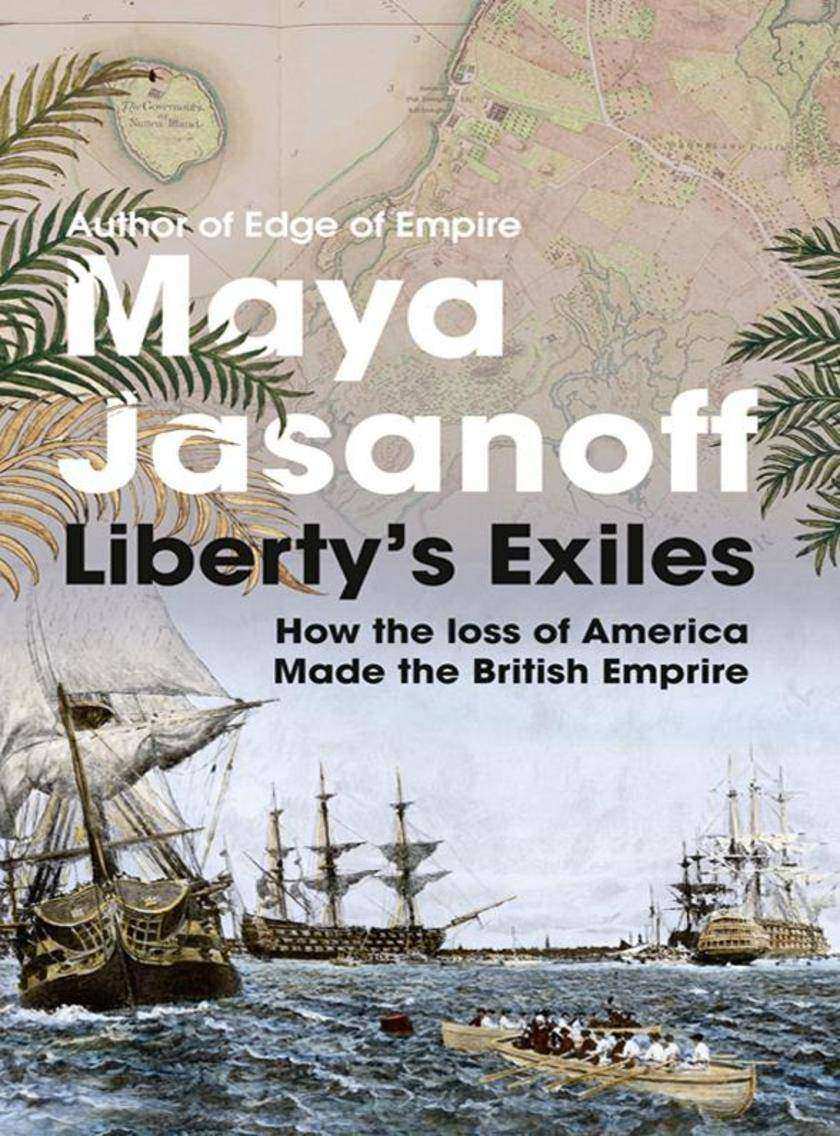
Liberty’s Exiles: The Loss of America and the Remaking of the British Empire.
¥90.84
From the author of ‘Edge of Empire’ comes a fascinating, thought-provoking and alternative history of the American Revolution – that of those Americans who remained loyal to the British Empire. George Washington's triumphant entrance into New York City in 1783 marked the end of the American Revolution; the British were gone, the patriots were back and a key moment inscribed itself in the annals of the emerging United States. Territorial independence had effectively begun. Although widely perceived as a struggle between nations, the reality of the American Revolution is a strikingly different one. This was a war in which Britons fought Britons and Americans fought Americans. It was also one in which hundreds of thousands of American Loyalists, from Georgia to Maine, took Britain's side. And, when George Washington arrived in New York on that November day, they were forced to face up to a very tough situation; would they be free? Would they be safe? Would they retain their property and their jobs? Would they have to leave? As many as 200,000 American Loyalists left the United States. They lost their homes and their possessions and had little choice but to build new lives elsewhere in the British Empire. In ‘The Imperial Exile’, Maya Jasanoff examines the story of the Loyalist refugees, focusing on the life of one woman - Elizabeth Johnston - and her family, who reconstructed their lives in four different imperial settings: St Augustine, Edinburgh, Jamaica and Nova Scotia. Their movements speak eloquently of a larger history of exile, mobility and the shaping of the British Empire in the wake of the American War. A rich, compelling and untold history.
SOE Manual: How to be an Agent in Occupied Europe
¥54.65
The actual course given to all secret agents in SOE before working behind enemy lines. It includes everything you needed to know to go undercover – from documents, cover stories and how to live off the land to how to get through an interrogation. The Special Operations Executive (SOE) was a secret British World War II organisation formed in 1940 to conduct espionage, sabotage and reconnaissance in occupied Europe against the Axis powers, and to aid local resistance movements. In late 1942, SOE was asked to increase the number of agents to aid the invasion of mainland Europe. Part of agent training was ‘tradecraft’ – the practical details on how to be a clandestine agent behind enemy lines – which every agent had to attend at various bases centred around Beaulie in Hampshire. The course was a set of lectures and this book contains the actual text of those lectures which were discovered in the National Archives this year. It is not only a fascinating insight into the workings of one of the Second World Wars most famous and secretive organisations, but is also a reminder of the huge danger anyone being dropped behind enemy lines had to face. SYLLABUS Introduction to Course. Individual Security. Informant Service. Cover. Interrogations. Operational Orders. Know your Enemy. Surveillance. Internal Communications. Premises. Security and Premises for W/T Operator. W/T Operator. External Communications. Organisation. Cell System. Security of Organisation. Recruiting. Discipline and Morale. Burglary. Lock-picking. Selection of Dropping Points and Reception Arrangements. To be given on instructions from London.). Handcuffs. Pigeons. German Counter Espionage. German Uniformed Police. National Police – e.g. of France, Belgium etc. (Given according to student's destination.). The Nazi Party and its Formations in Occupied Territory. Recognition of German Troops by weapons and equipment. Recognition of German Troops by uniforms. Military Intelligence Reports. Handling of German Light Weapons. Morale Warfare. Methods of Morale Warfare. Subversion of enemy troops. Instructions for Foreign Workers in Germany. Passive Resistance in Occupied Countries. Current German Propaganda to Europe. Tasks Preparatory to Allied arrival.
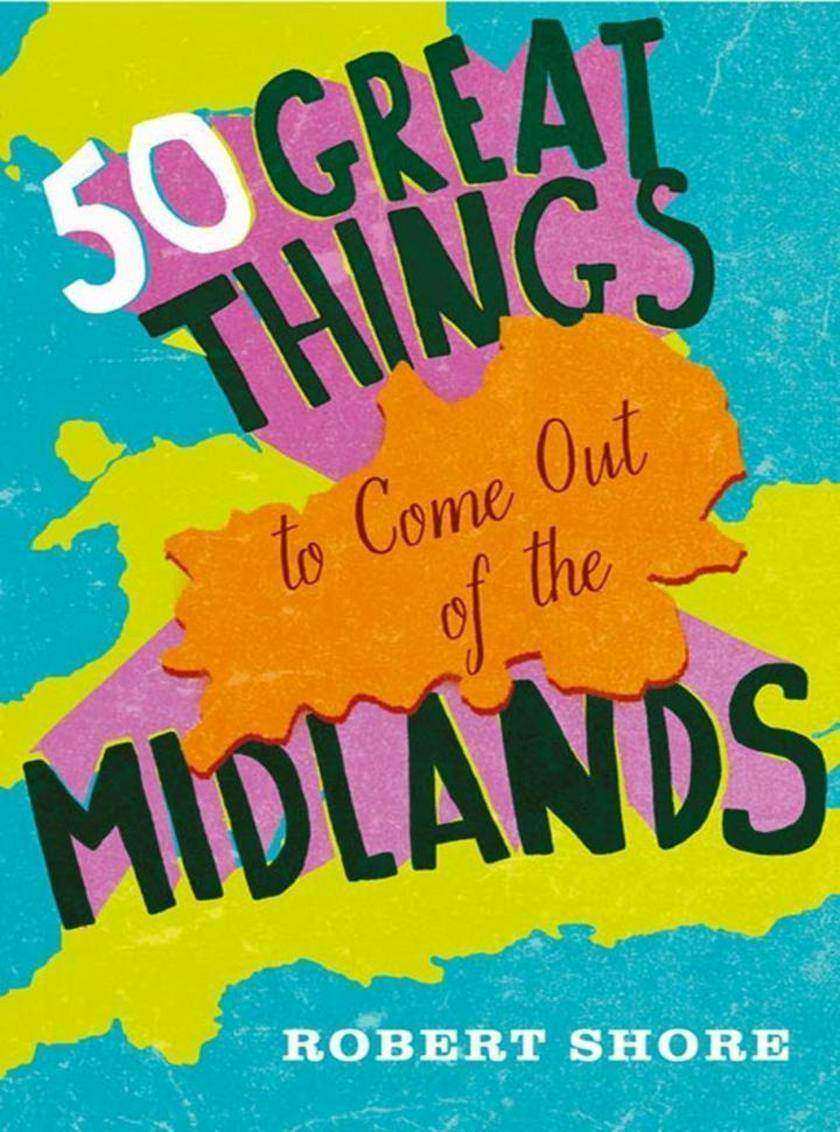
Fifty Great Things to Come Out of the Midlands
¥9.71
Celebrate the heart of Britain in this fun and informative mini-ebook. Rugby, Walkers Crisps, Conkers. These are just a handful of the many great things to have come out of the Midlands. In this celebratory list, journalist and loyal Midlander Robert Shore counts down fifty of the best gifts the Midlands has given the world. Knowledge no Midlander – nay, Brit! – should be without. From the author of Bang in the Middle.
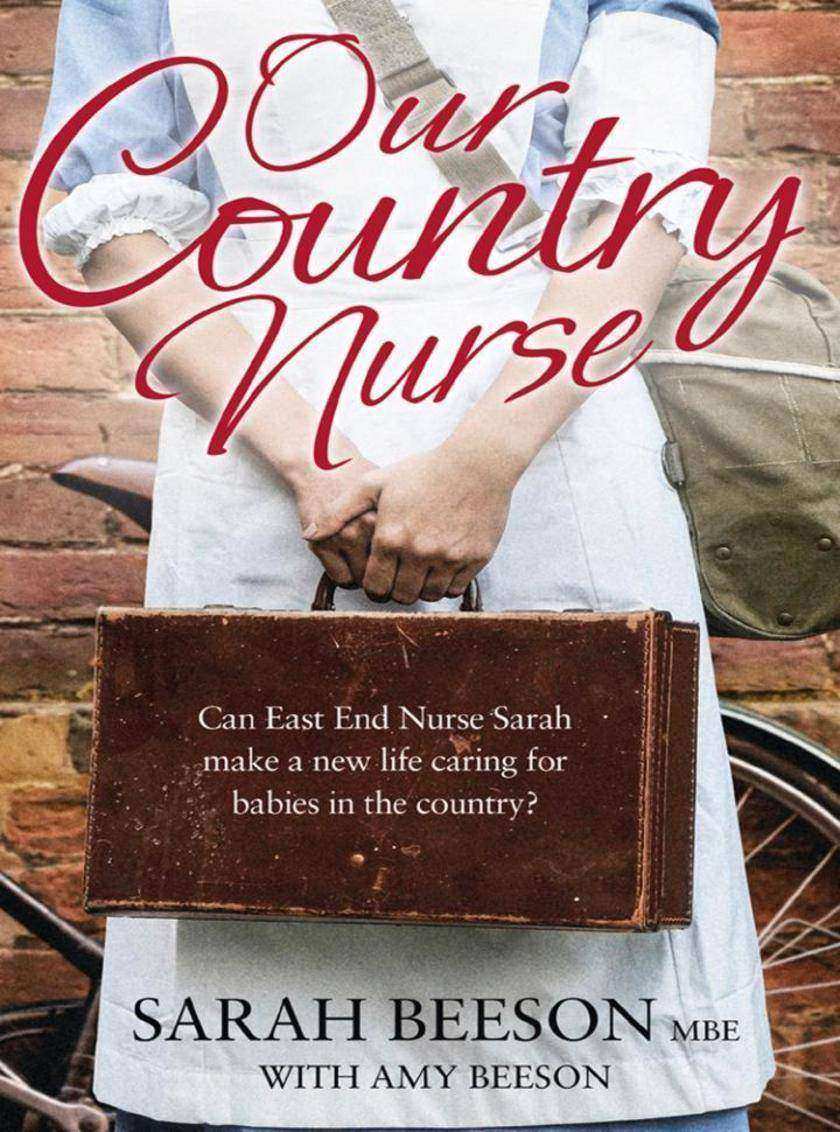
Our Country Nurse
¥37.08
All seems tranquil as newly qualified Health Visitor Sarah motors into a small Kentish hilltop village in her new green mini. She’s barely out of the car when she’s called to assist the midwife with a bride who’s gone into labour in the middle of her own wedding reception. And so her adventures begin… As a health visitor Nurse Sarah is as green as grass but she puts her best foot into wellies and braves the mad dogs, killer ganders and muddy tracks of the farming community. Despite set-backs young Sarah is determined to help the mums she meets, from struggling young mothers in unmodernised farmhouses, to doyennes of the county dinner party set who slave over stuffed olive hors-d'oeuvres. Village life in 1970s isn’t always quite the Good Life Sarah’s been expecting; her attempts at self-sufficiency and cider making lead to drunk badgers and spirited house parties – but will it be the clergyman, the vet or the young doctor that win Sarah’s heart. During her first year in Kent, Nurse Sarah Hill get stuck in – reuniting families and helping mums in the midst of community full of ancient feuds, funny little ways and just a bit of magic.
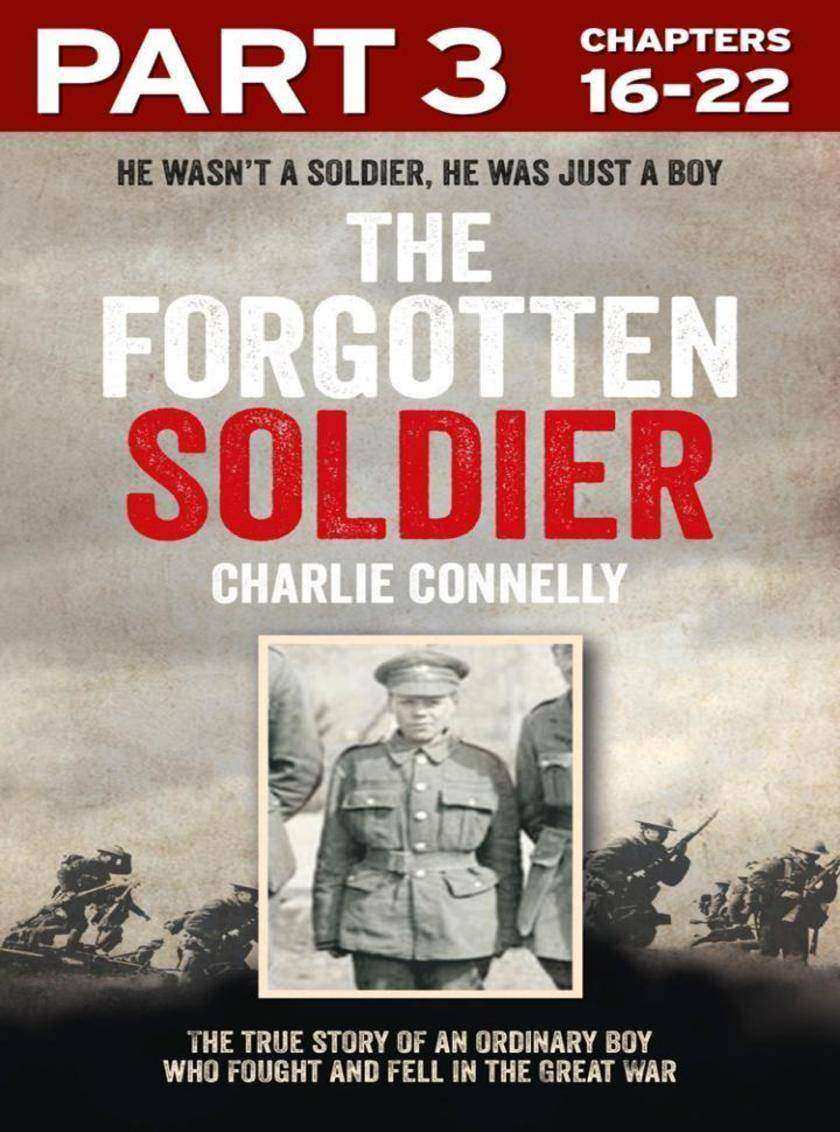
The Forgotten Soldier (Part 3 of 3)
¥47.48
Bestselling author Charlie Connelly returns with a First World War memoir of his great uncle, Edward Connelly, who was an ordinary boy sent to fight in a war the likes of which the world had never seen. But this is not just his story; it is the story of all the young forgotten soldiers who fought and bravely died for their country The Forgotten Soldier tells the story of Private Edward Connelly, aged 19, killed in the First World War a week before the Armistice and immediately forgotten, even, it seems, by his own family. Edward died on exactly the same day, and as part of the same military offensive, as Wilfred Owen. They died only a few miles apart and yet there cannot be a bigger contrast between their legacies. Edward had been born into poverty in west London on the eve of the twentieth century, had a job washing railway carriages, was con*ed into the army at the age of eighteen and sent to the Western Front from where he would never return. He lies buried miles from home in a small military cemetery on the outskirts of an obscure town close to the French border in western Belgium. No-one has ever visited him. Like thousands of other young boys, Edward’s life and death were forgotten. By delving into and uncovering letters, poems and war diaries to reconstruct his great uncle’s brief life and needless death; Charlie fills in the blanks of Edward’s life with the experiences of similar young men giving a voice to the voiceless. Edward Connelly’s tragic story comes to represent all the young men who went off to the Great War and never came home. This is a book about the unsung heroes, the ordinary men who did their duty with utmost courage, and who deserve to be remembered.
Ancient Greece (Collins Gem)
¥36.79
From theatre to politics, no other single civilisation has influenced the Western world more profoundly than that of ancient Greece. From the roots of democracy to philosophy and mathematics, it’s fascinating to learn how much western civilisation has stemmed from that of ancient Greece. This book offers an introduction to the lives of the ancient Greeks, their mythologies and traditions and their culture and learning. With colour illustrations supporting a clear, informative and engaging text, this guide is a perfect companion for both adults and children alike. Includes: ? Geography – map of Greece ? History – the different civilizations from the Minoans through to the Hellenistic period ? Religion – gods, festivals, oracles and muses ? Mythology – Homer's Odyssey, the Minotaur, Icarus ? Daily life in Ancient Greece – everyday life for all levels of society; the jobs, family life, leisure activities ? Politics – democracy and the Athenian council ? Learning and knowledge – philosophy, science, mathematics, medicine and literature ? War – important wars; the army and navy ? Greece Today – temples, archaeology and the monuments that can still be seen today
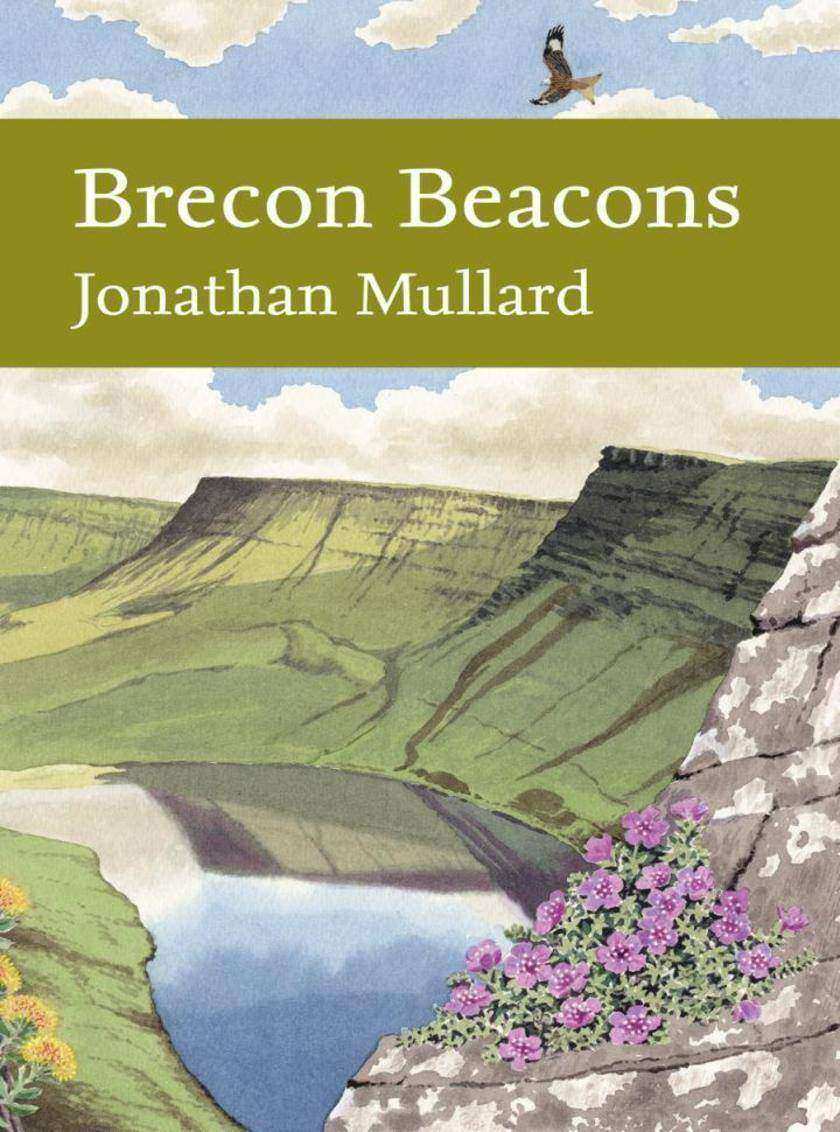
Brecon Beacons (Collins New Naturalist Library, Book 126)
¥257.90
The first comprehensive book to be published about the wildlife of the Brecon Beacons is a much-anticipated addition to the New Naturalist series, and reveals the natural wonders of this seemingly wild and inhospitable mountain landscape. The Brecon Beacons range across upland Wales and create a varied landscape of extensive cave systems, limestone crags and rich meadows. This variety supports thousands of species, some of which are found nowhere else on Earth. The natural history of the Brecon Beacons is like most parts of the British Isles – inextricably linked to the activities of man across many thousand years. Jonathan Mullard explores the evolving landscape and observes its effects on its native species and habitats. He provides a detailed examination of the geology of the region and the integration of the archaeological and historic landscape with the natural landscape and its fauna. Covering the vast diversity of its mountains and moorlands, rivers and waterfalls, caves, woodlands, wetlands and farmland, he provides an overview of man’s influence on the natural environment over the centuries and the ongoing conservation of the area. A landscape rich in legends, the Brecon Beacons play host to a number of myths involving, among others, King Arthur. Mullard explores these rich tales alongside other cultural landmarks of historical interest, such as the churches and chapels of the area. The culmination of years of research, New Naturalist Brecon Beacons is an inspiring exploration of this diverse and fascinating area.
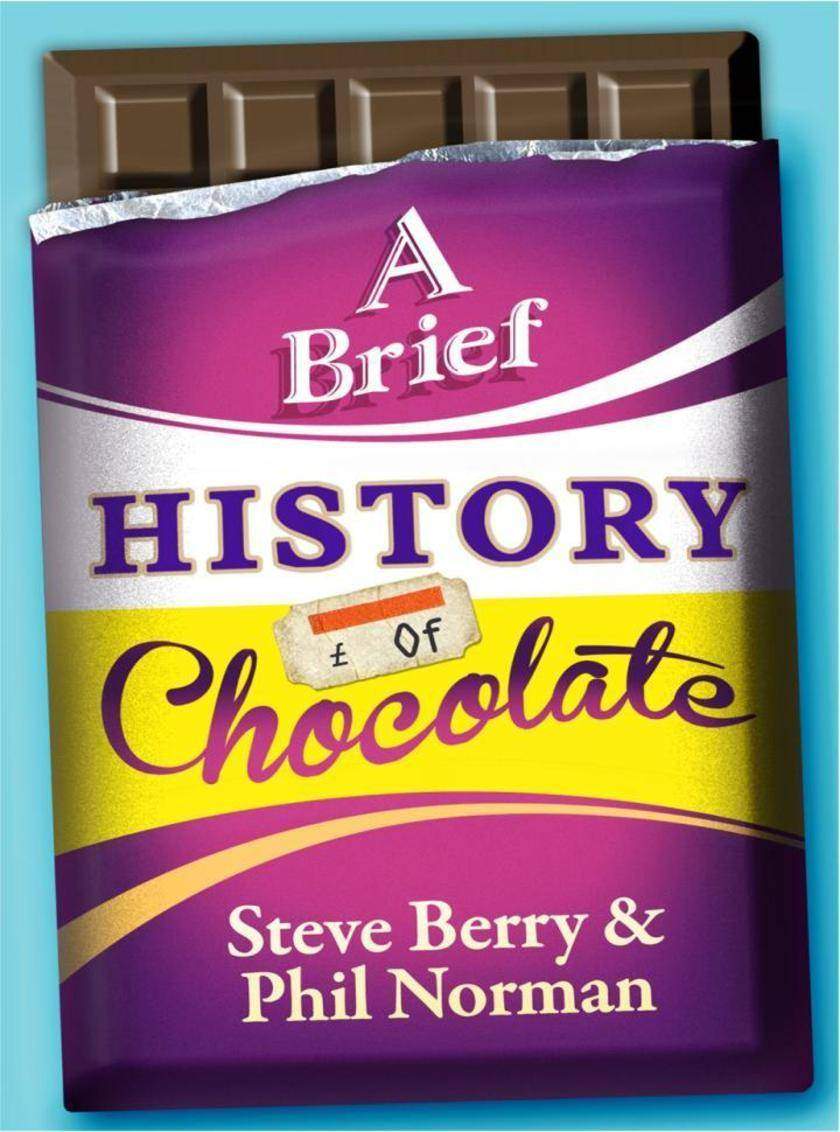
A Brief History of Chocolate
¥22.66
An illustrated guide to chocolate that every self-respecting chocoholic should read. Do you remember when a Snickers was a Marathon? And when you could burst in to a sweet shop and ask for ‘an Oliver Twist, two Tiffins and a Big Wig, please!’ and keep a straight face? Those were the good days: when a Dairy Milk bar was 22p and you’d never seen anything as big as a Wagon Wheel. Revisit some of your forgotten favourites and current addictions, as Steve Berry and Phil Norman take you on a tour of cocoa’s finest moments. Fully illustrated with hundreds of wrappers, ads and pack shots, ‘A Brief History of Chocolate’ brings together research from the archives, factories and warehouses of some of the leading chocolate manufacturers in the country to create a book that is packed full of fascinating historical research… … and lots and lots of chocolate. Warning: may contain nuts A ‘Brief History of Chocolate’ originally featured in ‘The Great British Tuck Shop’, the ultimate book of sweetie nostalgia.
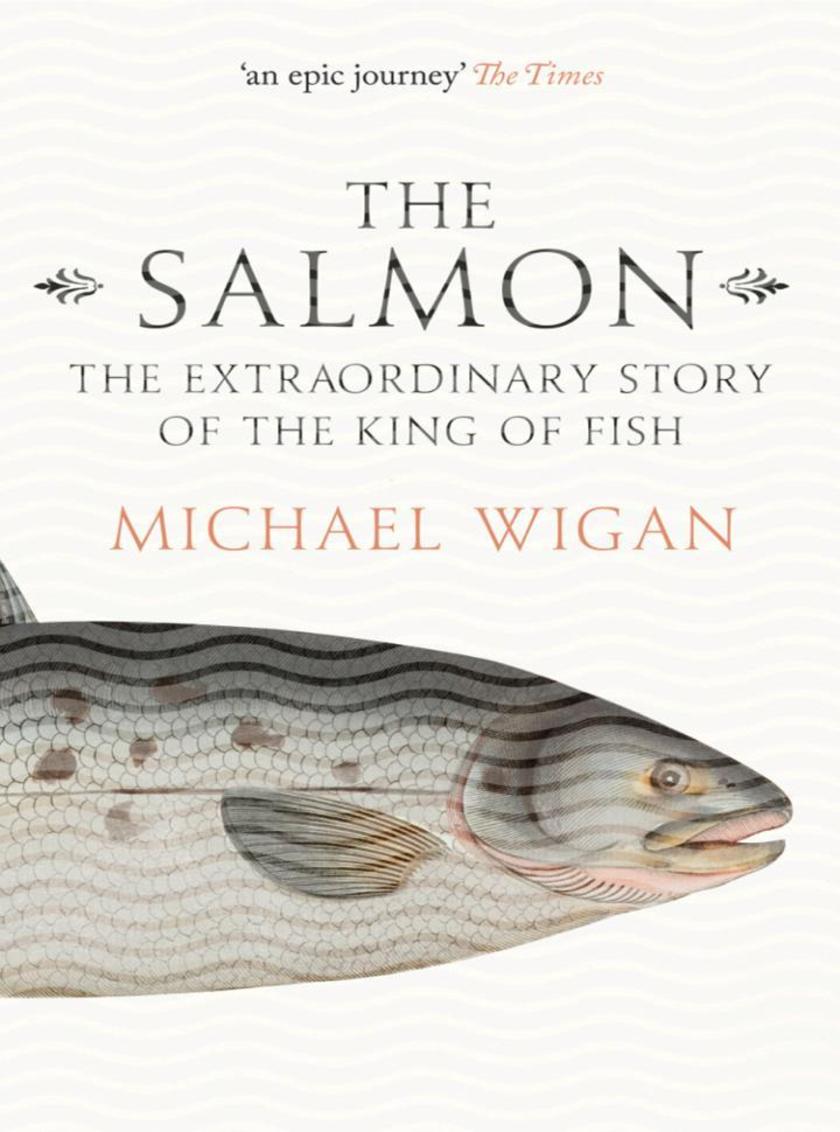
The Salmon:The Extraordinary Story of the King of Fish
¥81.03
A fascinating journey into the extraordinary world of the king of fish: the salmon. This beautiful book explores the natural history of this most mysterious of fishes. Michael Wigan explores the life cycle of the salmon, weaving his own experiences and stories of salmon fishing and spotting into an evocative narrative. Crucially, he addresses the pressing matter of conservation issues and human management, which in the past has led to fast decreasing populations. History suggests it is the pressure of human development which has narrowed down the survival zone of the salmon, and the author questions whether we can go on altering natural systems and freshwater rivers in order to make space for human populations, and do so in sync with fish needs. In his unique and passionate voice, the author transports us to another world – his writing is beautifully evocative and his excitement for the salmon palpable throughout.
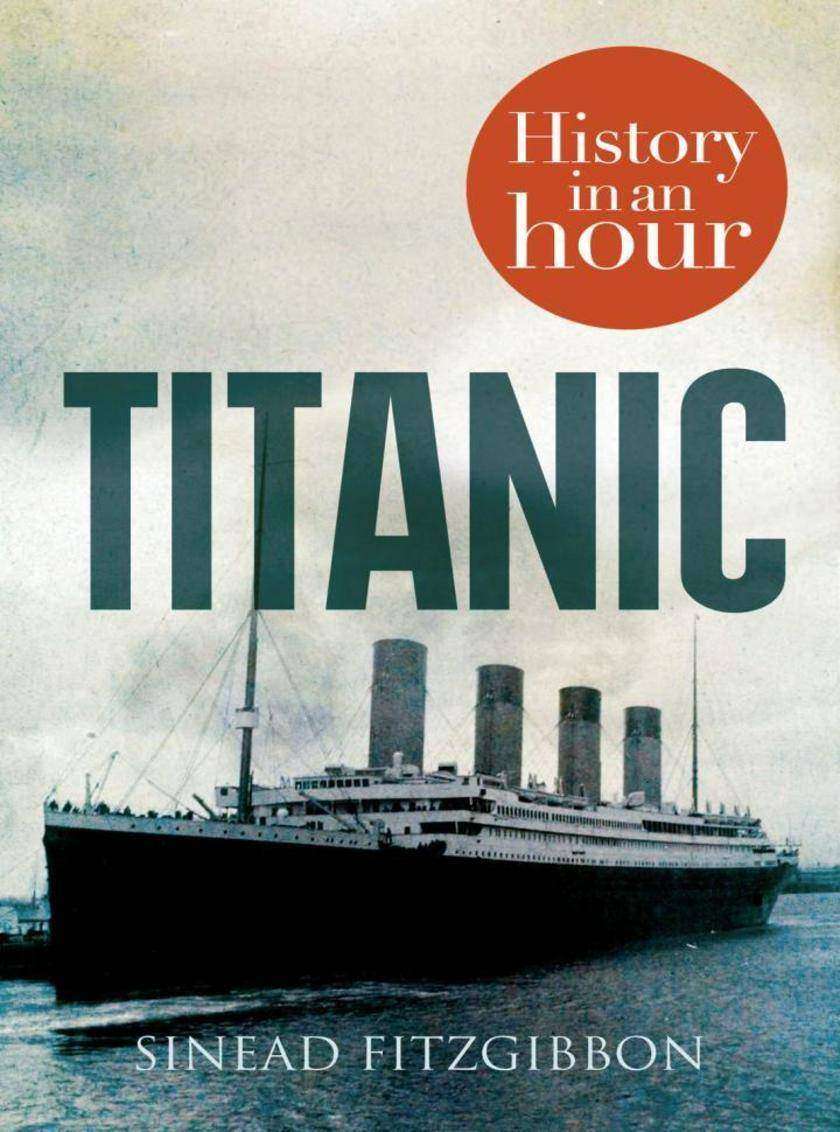
Titanic:History in an Hour
¥14.81
Love history? Know your stuff with History in an Hour. The sinking of the Titanic 100 years ago in 1912, and the subsequent deaths of over 1,500 passengers, sent shock waves around the world. Never before or since has a maritime disaster in a time of peace had such an impact. TITANIC: HISTORY IN AN HOUR is an entertaining and well researched account of the events leading up to the sinking of this ‘unsinkable’ ship, providing an fascinating commentary on the pressures of the White Star Line, the importance of class to Titanic’s unfortunate passengers and the legacy of the disaster in Britain and America. TITANIC:HISTORY IN AN HOUR is a gripping and accessible account. Know your stuff: read about the Titanic in just one hour.
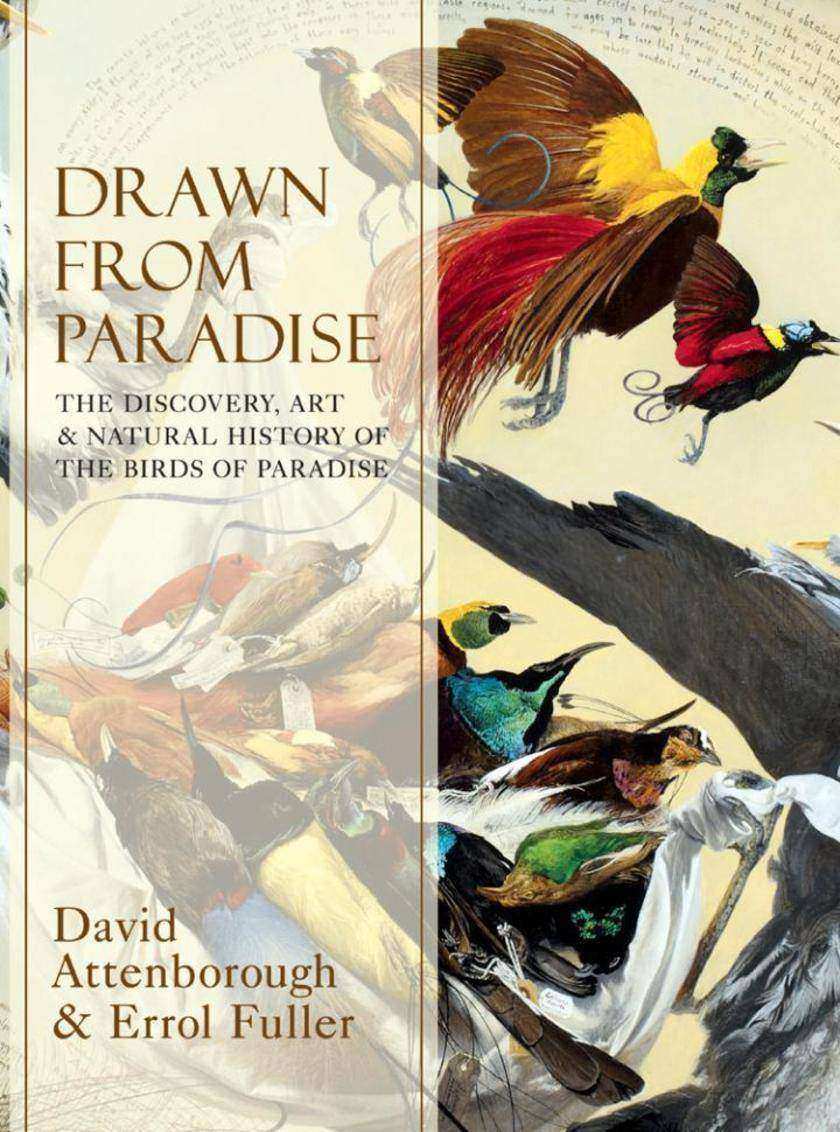
Drawn From Paradise:The Discovery, Art and Natural History of the Birds of Parad
¥206.30
Drawn from Paradise is David Attenborough’s journey through the cultural history of the birds of paradise, one of the most exquisite and extravagant, colourful and intriguing families of birds. From the moment they were introduced to the European mind in the early sixteenth century, their unique beauty was recognised and commemorated in the first name that they were given – birds so beautiful must be birds from paradise. In this unique exploration of a truly awe-inspiring family of birds which to this day is still shrouded in mystery, David Attenborough and Errol Fuller trace the natural history of these enigmatic birds through their depiction in western works of art throughout the centuries, featuring beautiful illustrations by such luminary artists as Jacques Barraband, William Hart, John Gould, Rubens and Breughel, to name but a few. Experienced ornithologists and general nature and art enthusiasts alike will delight in this journey of discovery of the world’s most beautiful and mysterious birds.
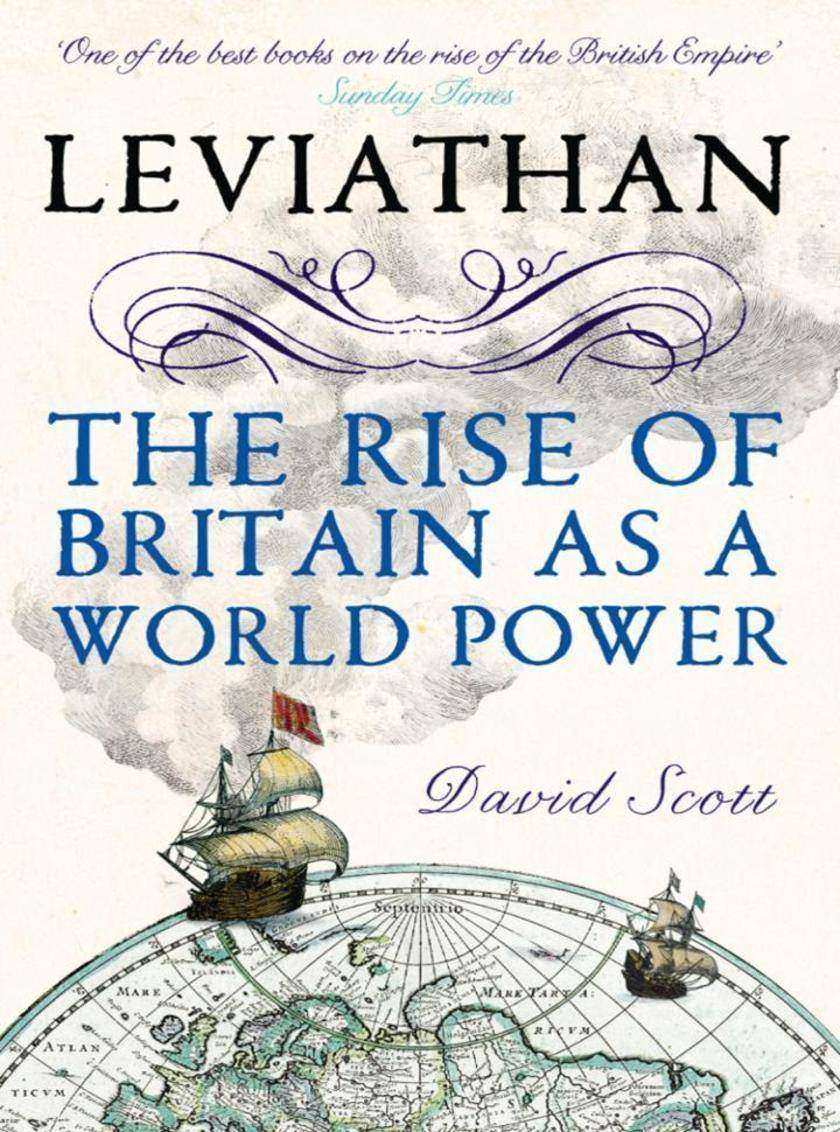
Leviathan:The Rise of Britain as a World Power
¥95.75
For viewers of BBC One’s ‘Britain and the Sea’, ‘Leviathan’ is a must-read; overturning long-held beliefs about our ancestry and weaving together the disparate strands that made the fabric of the Empire. The 350 years between the accession of the Tudors and the beginning of the Victorian era saw one of the great transformations of any nation in history:Britain emerged from its lowly position as European underdog to become the world's only maritime superpower. It was a period that saw the creation of Protestant kingdoms in England and Scotland, the gain and loss of American colonies and the beginnings of a new empire in Africa, India and Australasia. It is a slice of our past represented by some of the most compelling personalities to have graced the historical stage – Elizabeth I, Nelson, Cromwell and Byron amongst them. In this wide-ranging yet succinct history, David Scott challenges some of our longest held beliefs in how Britain achieved its constitutional might. Where other histories have concentrated on a narrow chronology, 'Leviathan:A World of Ships and Men' encompasses a broad spectrum, tracing the connections made across time as never before.
The Last Veteran: Harry Patch and the Legacy of War
¥73.58
This moving and timely book explores the way the First World War has been thought about and commemorated, and how it has affected its own, and later, generations. On 11 November 1920, huge crowds lined the streets of London for the funeral of the Unknown Warrior. As the coffin was drawn on a gun carriage from the Cenotaph to Westminster Abbey, the King and Ministers of State followed silently behind. The modern world had tilted on its axis, but it had been saved. Armistice Day was born, the acknowledgement of the great sacrifice made by a whole generation of British men and women. Now, almost a century later, Harry Patch, the last British veteran who saw active service, has died. Our final link with the First World War is broken. Harry Patch was born in 1898 and was con*ed in 1916. He served with a Lewis gun team at the Battle of Passchendaele and in September 1917 was wounded by a shell that killed three of his comrades. After the war, Patch returned to Somerset to work as a plumber, a job he continued to do until his retirement. The First World War was fought not by a professional army but by ordinary civilians like Patch, who epitomised Edwardian Britain and the sense, now lost, of what Britain stood for and why it was worth fighting for. The Last Veteran tells Patch's story, and explores the meaning of the war to those who fought in it and the generations that have followed. Peter Parker's illuminating and timely book is a moving tribute to a remarkable generation.
The Nineties: When Surface was Depth
¥72.99
the first clear anatomy of a confused decade, the 1990s – ‘Bracewell, with great verve and style, animates the cultural conversation’, Greil Marcus 'Michael Bracewell is the most adroitly gifted writer of his generation.' Morrissey Michael Bracewell is now clearly established as one of the most subtle, penetrating, amusing and far-sighted of all observers of the contemporary scene in Britain. His writing on culture high and low is coveted by every broadsheet, every stylish glossy monthly magazine and on radio and TV punditry platforms. His book, England Is Mine, about the distinctive Englishness of these islands’ twentieth-century popular culture, earned him incredible reviews and an unchallenged position as the first person any right-minded arts producer/editor turns to when they need a definitive opinion about how English or otherwise some new-fangled cultural phenomenon is. With this book Bracewell gives us the first consideration of that still-warm, still-bizarre, still-confused and confusing decade. He talks to and talks about a host of representative Nineties figures, some already forgotten, some absolutely emblematic of their times – from Hanson to Alexander McQueen, from Tracey Emin to Ulrika Jonsson, from the Spice Girls to Duran Duran (yes, Duran Duran). Painstakingly, sometimes painfully, he puts all the pieces together and starts to make sense of it all…
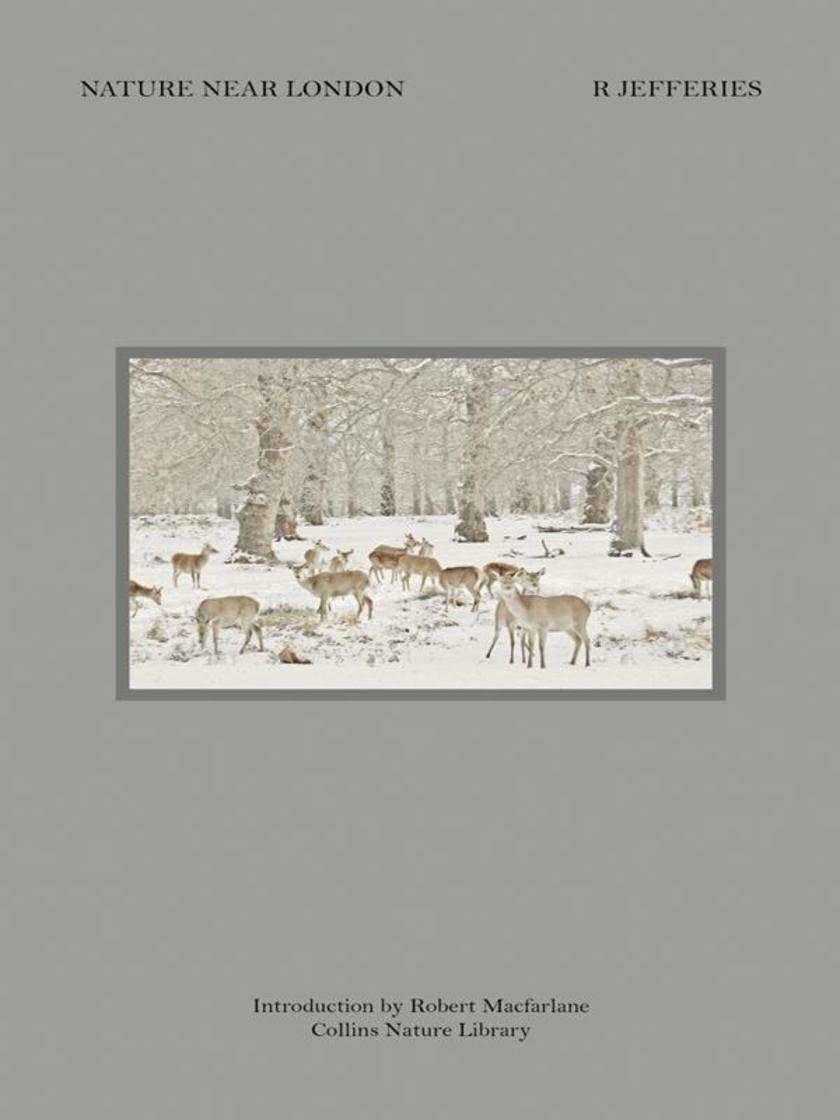
Nature Near London (Collins Nature Library)
¥147.35
The Collins Nature Library is a new series of classic British nature writing – reissues of long-lost seminal works. The titles have been chosen by one of Britain’s best known and highly acclaimed nature writers, Robert Macfarlane, who has also written new introductions that put these classics into a modern context. Nature Near London is a collection of observational pieces from locations near London at the end of the 19th Century. The depth of knowledge and of familiarity with particular places and particular species gives the impression that each small piece is the product of many years of observation. His style of observation is a work in miniature – cataloguing the most minute details; the dancing of a flower in the wind or the darting of a cautious trout. The chapters centre on a special place, a certain species, geographical feature or habitat – everything from orchards and copses to rivers and streams. Jefferies always explains the typical behaviour of whatever he is describing, and often contrasts what he sees with what one would expect to see in another part of the country, or in a different season. His knowledge of flowers is wide-ranging, and his ability to describe one particular patch of a field in such a specific way brings tremendous variety to the chapters that make up the book. The final chapters are a departure – both from the character of the rest of the book, and from London itself, as Jefferies boards the train to Brighton. Suddenly he is describing people and their relationship to nature, as much as nature itself. The scope widens, less a work in miniature, more surging towards a triumphant end as Jefferies becomes ever more philosophical. 100 years on, the book becomes even more relevant than when it was published – as a reminder of the dangers of unrelenting urbanisation, but also the context of the trend that aims to recreate nature where we need it most – around our cities. Nature near London is a portrait of what we’ve lost, and a reminder of nature’s positive and calming influence. Going along with Jefferies is like taking an afternoon stroll out of the city, without having to leave your armchair.


