


 购物车
购物车 个人中心
个人中心
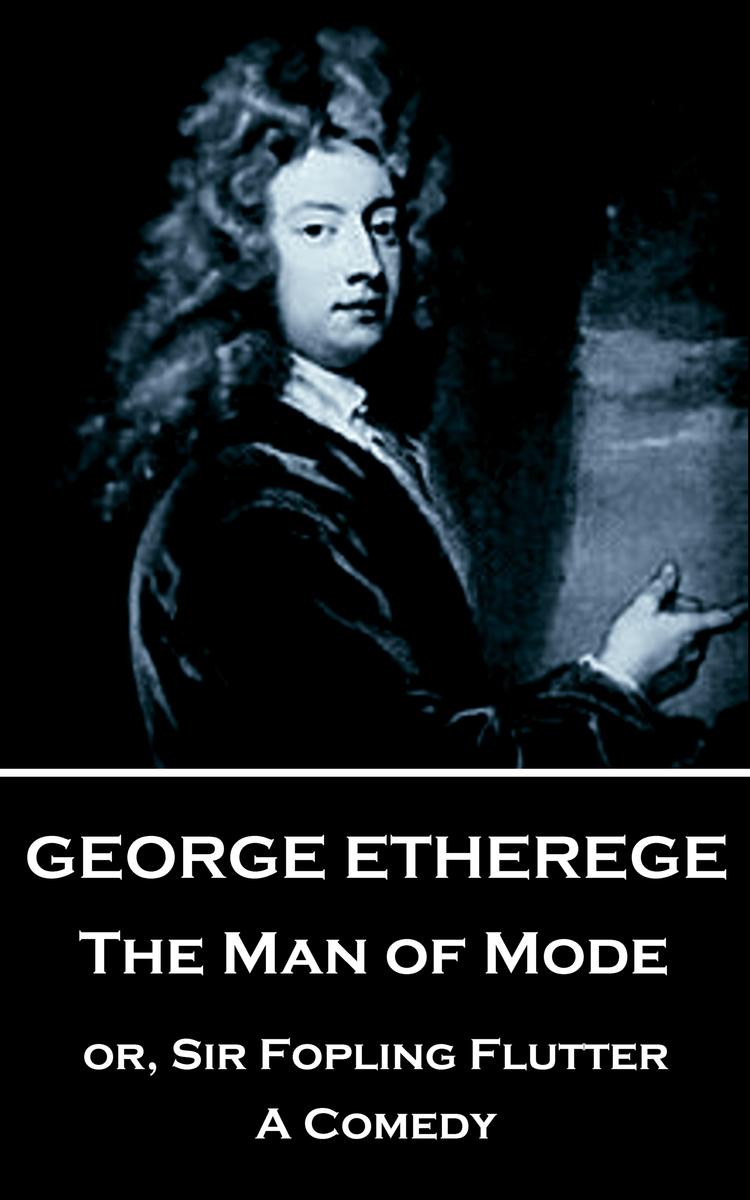
Man of Mode - or, Sir Fopling Flutter. A Comedy
¥25.80
George Etherege was born in Maidenhead, Berkshire, around 1636, the eldest of six children to George Etherege and Mary Powney. Little is known of much of his life and especially his early years. He was educated at Lord Williams's School and the next sighting of him is as apprentice to a lawyer before he himself began to study law at Clement's Inn, London, one of the Inns of Chancery. Thereafter conjecture attributes many things to him but none that can be confirmed as fact. However, after the Restoration to the throne of Charles II in 1660 he wrote his first comedy; The Comical Revenge, or, Love in a Tub, which also brought him to the attention of Lord Buckhurst, who later became the Earl of Dorset. The Comical Revenge was performed at the Duke's theatre in 1664 although other accounts say it was premiered at Lincoln's Inn Fields. It is written partly in rhymed heroic verse and contains several comic scenes that are refreshingly bright, especially in the context of other plays performed at the time. The verbal sparring between Sir Frederick and the Widow was a new departure for the stage and it worked brilliantly. An immediate success, it had followed much of the earlier traditions of theatre but had already begun to lay the foundations for what would become the comedy of manners. It gave him an immediate entree to a world of literary rakes, including Sir Charles Sedley, John Wilmot, the earl of Rochester and many of the roguish elements of the Court circle. He seemed easy-going and amiable and his nicknames seem to confirm this; "e;gentle George"e; and "e;easy Etheredge."e; Whether this rich life of gaudy pleasures hindered his writing or not it would be another four years before his next play would be finished and performed. In 1668 She Would If She Could, a comedy full of action, wit and spirit, came to the stage. Although it was also seen by others to be frivolous and immoral. However, the play does cement Etheredge's modern reputation as a powerful figure in English playwriting. The play dropped the romantic verse element to concentrate on flirtation for flirtations own sake. It was a radical departure. Unfortunately, it also flopped. It is said due to bad acting but the sudden movement away from the normal structure of a play may equally be the reason. Etheridge now departed on new adventures and between 1668 and 1671 Etherege resided in Constantinople as the secretary of the English ambassador, Sir Daniel Harvey. Returning once more to English shores he wrote the prologue for the opening, in 1671, of the new Dorset Garden Theatre. In 1676 his last and wittiest comedy, The Man of Mode; or, Sir Fopling Flutter, was brought to the stage. It was an immediate and over-whelming success. He was acclaimed. A writer being the sum of his own experiences it was widely believed that the play's characters paint comic pictures of several of his well-known contemporaries. Sir Fopling Flutter himself being a portrait of Beau Hewit, the reigning exquisite of the hour, Dorimant a reference to John Wilmot, the Earl of Rochester, and Medley a portrait of Etherege himself or fellow playwright and wit Sir Charles Sedley. Even the drunkard shoemaker was a real character, who made his fortune from being brought to public attention. After this brilliant success Etheredge retired from literature, and a few years later had lost much of his new fortune to gambling. Etherege was knighted in either 1679 or 1680 and went on to marry the wealthy widow Mary Sheppard Arnold. In March, 1685 he was appointed resident minister in the imperial German court at Regensburg. After three and a half-year's residence and the Glorious Revolution, he left for Paris to join James II in exile. He died in Paris, probably in late 1691, although the date and cause of death are uncertain.
Knights - A man may learn wisdom even from a foe
¥11.67
The reality is that little is known of Aristophanes actual life but eleven of his forty plays survive intact and upon those rest his deserved reputation as the Father of Comedy or, The Prince of Ancient Comedy. Accounts agree that he was born sometime between 456BC and 446 BC. Many cities claim the honor of his birthplace and the most probable story makes him the son of Philippus of gina, and therefore only an adopted citizen of Athens, a distinction which, at times could be cruel, though he was raised and educated in Athens. His plays are said to recreate the life of ancient Athens more realistically than any other author could. Intellectually his powers of ridicule were feared by his influential contemporaries; Plato himself singled out Aristophanes' play The Clouds as a slander that contributed to the trial and condemning to death of Socrates and although other satirical playwrights had also caricatured the philosopher his carried the most weight. His now lost play, The Babylonians, was denounced by the demagogue Cleon as a slander against the Athenian polis. Aristophanes seems to have taken this criticism to heart and thereafter caricatured Cleon mercilessly in his subsequent plays, especially The Knights. His life and playwriting years were undoubtedly long though again accounts as to the year of his death vary quite widely. What can be certain is that his legacy of surviving plays is in effect both a treasured legacy but also in itself the only surviving texts of Ancient Greek comedy.
Feast of Solhoug (1856)
¥23.45
Henrik Ibsen (20th March, 1828 - 23rd May, 1906) is often referred to as the father of realism and ranked just below Shakespeare as Europe's greatest ever playwright especially as his plays are performed most frequently throughout the world after Shakespeare's. He was Norwegian and although set his plays in Norway, he wrote them in Danish and lived most of his professional life in Italy and Germany. His affect on the theatre is still evident today and shapes the distinction of plays being art as opposed to entertainment since he broke down all previous traditions and explored issues, developed characterisation, revealed uncomfortable truths, challenged assumptions and brokedown facades in ourselves as well as society. These factors are clearly demonstrated in The Feast of Solhoug, Ibsen's first publicly successful drama which employed Ibsen's poetic style to great effect providing a melody to the lines echoing old Scandinavian ballads and songs. The plot centres around Magrit who as the play opens is marrying the master of Solhoug, Bengt Guateson, Knut Gersling who wants to marry her and Gudmund Alfson, who she wants to marry but is in love with another woman. These make good ingredients for a wonderful melodrama with tantalising misunderstandings. The play has been said to possess the charm of a northern summer night, in which the glimmer of twilight gives place only to the gleam of morning.
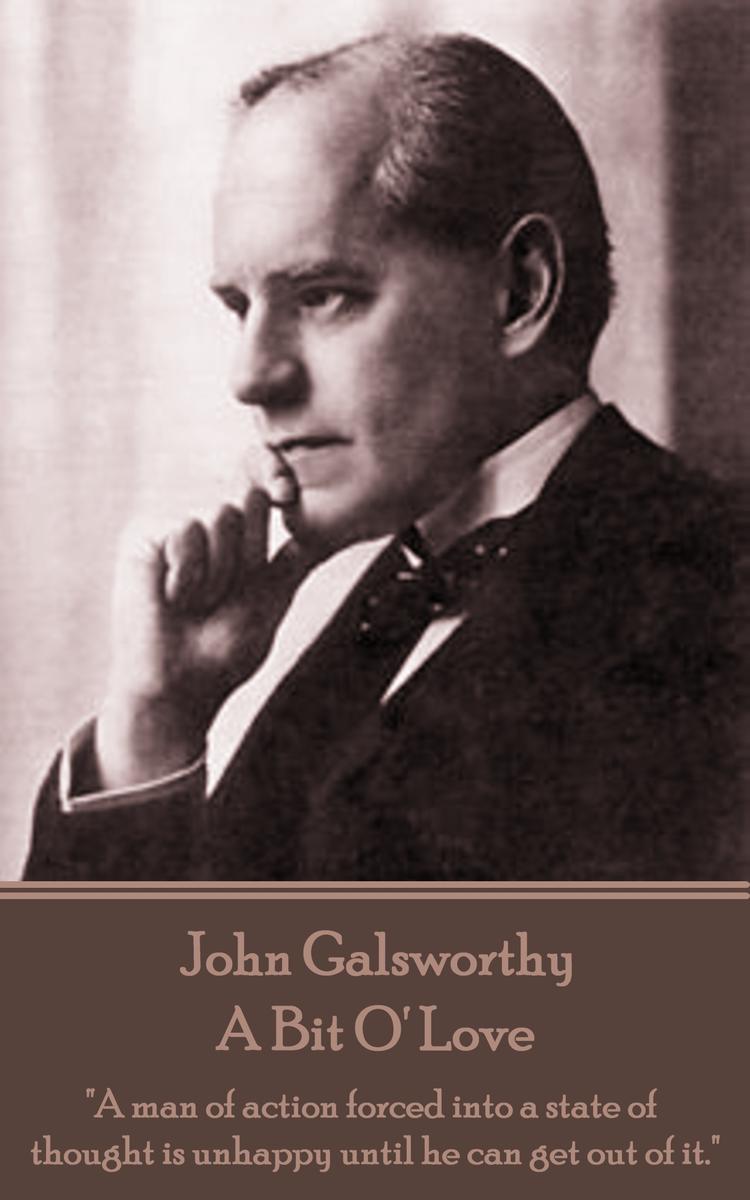
Bit O' Love - A man of action forced into a state of thought is unhappy until he
¥21.09
John Galsworthy was born at Kingston Upon Thames in Surrey, England, on August 14th 1867 to a wealthy and well established family. His schooling was at Harrow and New College, Oxford before training as a barrister and being called to the bar in 1890. However, Law was not attractive to him and he travelled abroad becoming great friends with the novelist Joseph Conrad, then a first mate on a sailing ship. In 1895 Galsworthy began an affair with Ada Nemesis Pearson Cooper, the wife of his cousin Major Arthur Galsworthy. The affair was kept a secret for 10 years till she at last divorced and they married on 23rd September 1905. Galsworthy first published in 1897 with a collection of short stories entitled "e;The Four Winds"e;. For the next 7 years he published these and all works under his pen name John Sinjohn. It was only upon the death of his father and the publication of "e;The Island Pharisees"e; in 1904 that he published as John Galsworthy. His first play, The Silver Box in 1906 was a success and was followed by "e;The Man of Property"e; later that same year and was the first in the Forsyte trilogy. Whilst today he is far more well know as a Nobel Prize winning novelist then he was considered a playwright dealing with social issues and the class system. Here we publish Villa Rubein, a very fine story that captures Galsworthy's unique narrative and take on life of the time. He is now far better known for his novels, particularly The Forsyte Saga, his trilogy about the eponymous family of the same name. These books, as with many of his other works, deal with social class, upper-middle class lives in particular. Although always sympathetic to his characters, he reveals their insular, snobbish, and somewhat greedy attitudes and suffocating moral codes. He is now viewed as one of the first from the Edwardian era to challenge some of the ideals of society depicted in the literature of Victorian England. In his writings he campaigns for a variety of causes, including prison reform, women's rights, animal welfare, and the opposition of censorship as well as a recurring theme of an unhappy marriage from the women's side. During World War I he worked in a hospital in France as an orderly after being passed over for military service. He was appointed to the Order of Merit in 1929, after earlier turning down a knighthood, and awarded the Nobel Prize in 1932 though he was too ill to attend. John Galsworthy died from a brain tumour at his London home, Grove Lodge, Hampstead on January 31st 1933. In accordance with his will he was cremated at Woking with his ashes then being scattered over the South Downs from an aeroplane.
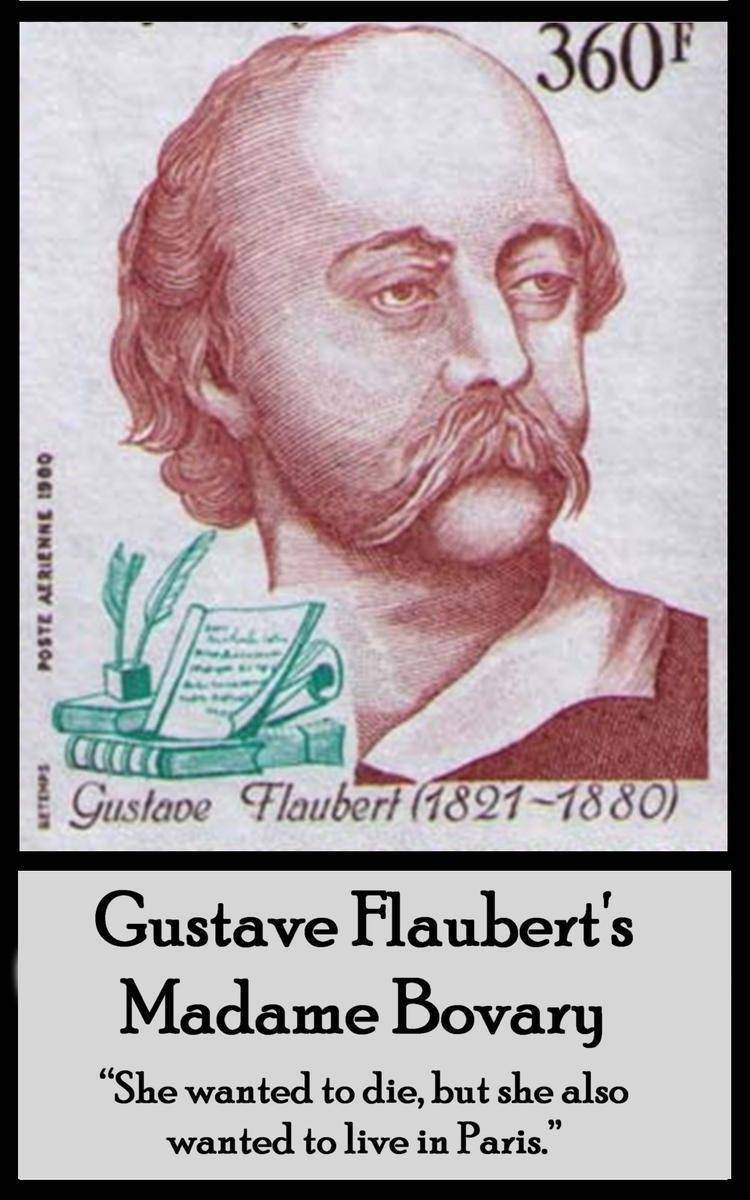
Madame Bovary - She wanted to die, but she also wanted to live in Paris.
¥23.45
Madame Bovary (1856) is the French novelist Gustave Flaubert's much-celebrated masterpiece that has been translated into more than forty languages in the world. It belongs to the realistic movement of fiction and has often been considered by critics as one of its most important foundational works. The book recounts the life story of Charles Bovary, a young man from northern France who has been brought up by his mother to become rather a simpleton. Charles is trained to be a medical doctor and then starts practicing his job. He first marries an elder woman that his mother chooses for him. While being married, he has an acquaintance with a beautiful young woman named Emma with whom he falls in love. He is given the opportunity to get closer to Emma and marry her after the death of his first wife. The story then becomes entirely focused on the character of Emma who soon gets bored of her marital status and starts to look for extramarital relations. She indulges in sexual adventures with two different partners while her husband never suspects anything. She even unsuccessfully attempts to elope with one of her lovers once. Madame Bovary commits suicide by the end of the narrative after having drowned herself in irredeemable debt. Charles, who cherishes her memory, discovers about her cheating only later and still tries to find her excuses before he dies himself.
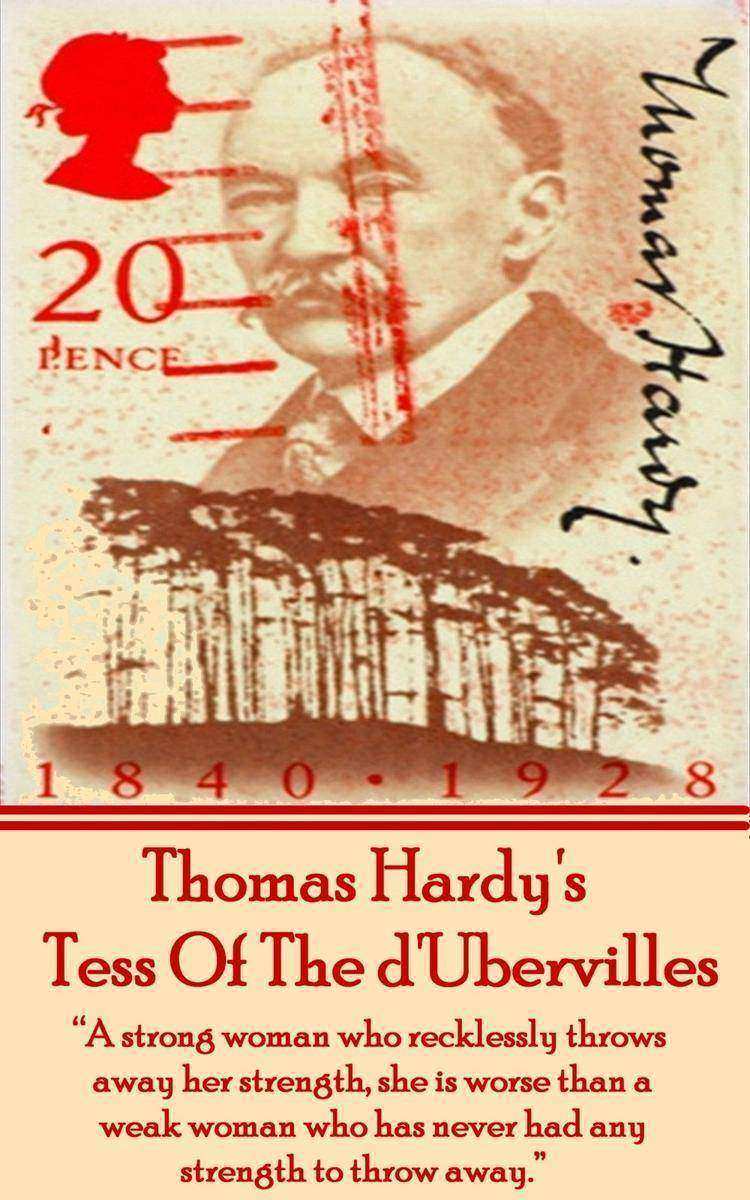
Tess Of The d'Ubervilles
¥35.22
Thomas Hardy (2nd June 1840 - 11th January 1928), celebrated poet and writer, was born in a modest thatched cottage near Dorchester in the West Country, to a builder father. His mother came from a line of intelligent, lively and ambitious women so ensured her son had the best formal education available for their modest means although this ended when he was 16. He became a draughtsman specialising in the building of churches was able to give it up to be a full time writer and poet with the publication of Far From the Madding Crown which became a bestseller and like much of his work was serialised. His writing reflects his passionate beliefs for social reform and exposes the hypocrisy of the rules of the Victorian age which constrained many freedoms with convention and restricted the transcending of class boundaries. His novels are almost entirely set in rural Wessex which although fictional is clearly rooted in the SW counties of England where he was born and lived most of his life. Hardy's writing caused controversy in his lifetime but despite this he was highly praised and showered with doctorates from many universities, and a knighthood, which he refused. Tess Of The D'Urbervilles, wolud be a major work by any hand and shows why such praise and accolades were given.
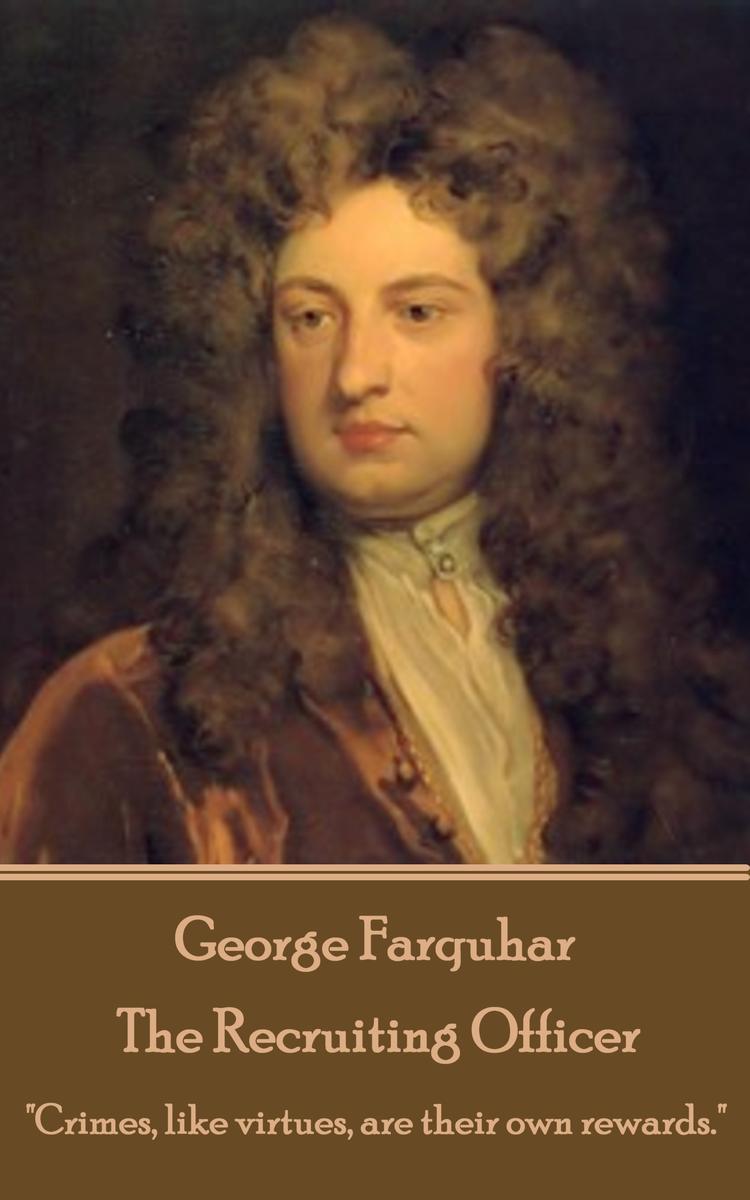
Recruiting Officer - Crimes, like virtues, are their own rewards.
¥21.09
George Farquhar was born in Derry, Ireland in 1677, one of seven children. Farquhar was educated at Foyle College and later, aged 17, he entered Trinity College, Dublin. He departed after only two years, accounts vary as to why, and he took to acting on the Dublin stage. As an actor he seems to have had no real talent. A terrible accident, when he failed to distinguish between a tipped foil and a deadly rapier, and seriously wounded a fellow actor, resolved Farquhar to give up acting for good. His first play, Love and a Bottle, was well received at London's Drury Lane Theatre in 1699 and was admired "e;for its sprightly Dialogue and busy Scenes."e; With the play a success Farquhar settled his talents on a career as a playwright. He had a second play open that same year; The Constant Couple. Again, it was warmly received on debuting at Drury Lane and proved a great success. However, another interest and opportunity now unfolded into his life. He received a commission in the regiment of the Earl of Orrery. His time now became divided between the duties of a successful new playwright and the vocations of soldier. In 1701 Farquhar wrote and debuted a sequel to the Constant Couple, called and based on its main character; Sir Harry Wildair. The following year was to be prolific for the young playwright. He penned both The Inconstant or, The Way To Win and The Twin-Rivals as well as publishing Love and Business, a collection that included letters, verse, and A Discourse Upon Comedy. His work for the army, recruiting soldiers to fight in the War of the Spanish Succession, occupied much of his time for the next three years, and he was to write little except The Stage Coach, in 1774. Farquhar was able, however, to draw upon these years of recruiting experience for his next comedy, The Recruiting Officer in 1706. Early in 1707, Farquhar wrote what was to be his masterpiece: The Beaux Stratagem. In these last two plays his real contribution to the English drama is all the more apparent. He introduced a verbal vigour and sparring, as well as a love of character that are more usually associated with Elizabethan dramatists and laid much of the foundations for Sheridan and Congreve to build upon. George Farquhar, aged only 40, died on April 29th, 1707, almost two months after the debut of his greatest work. He was buried in the Church of St. Martin in the Fields, London, on May 3rd, 1707.
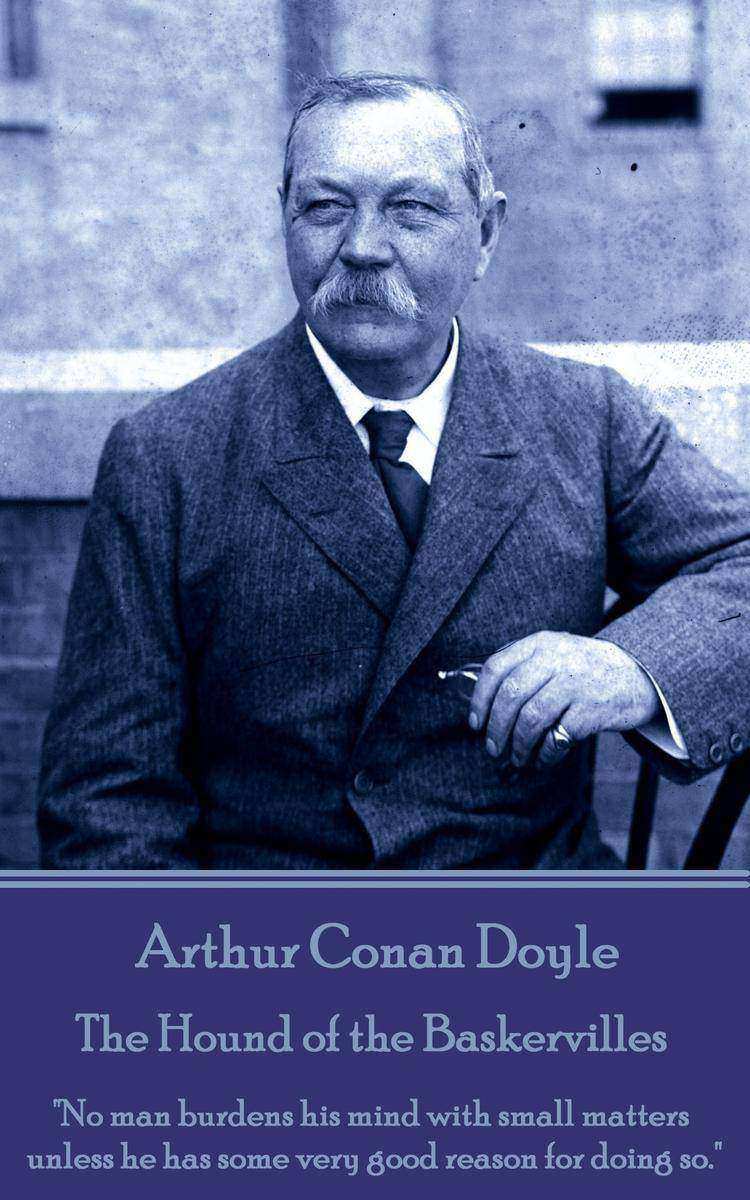
Hound of the Baskervilles
¥15.21
If ever a writer needed an introduction Arthur Conan Doyle would not be considered that man. After all, Sherlock Holmes is perhaps the foremost literary detective of any age. Add to this canon his stories of science fiction and his poems, his historical novels, his plays, his political campaigning, his efforts in establishing a Court of Appeal and there is little room for anything else. Except he was also an exceptional writer of short stories of the horrific and macabre. Something very different from what you might expect. Born in Arthur Conan Doyle was born on 22 May 1859 at 11 Picardy Place, Edinburgh, Scotland. From 1876 - 1881 he studied medicine at the University of Edinburgh following which he was employed as a doctor on the Greenland whaler Hope of Peterhead in 1880 and, after his graduation, as a ship's surgeon on the SS Mayumba during a voyage to the West African coast in 1881. Arriving in Portsmouth in June of that year with less than GBP10 (GBP700 today) to his name, he set up a medical practice at 1 Bush Villas in Elm Grove, Southsea. The practice was initially not very successful. While waiting for patients, Conan Doyle again began writing stories and composed his first novel The Mystery of Cloomber. Although he continued to study and practice medicine his career was now firmly set as a writer. And thereafter great works continued to pour out of him.
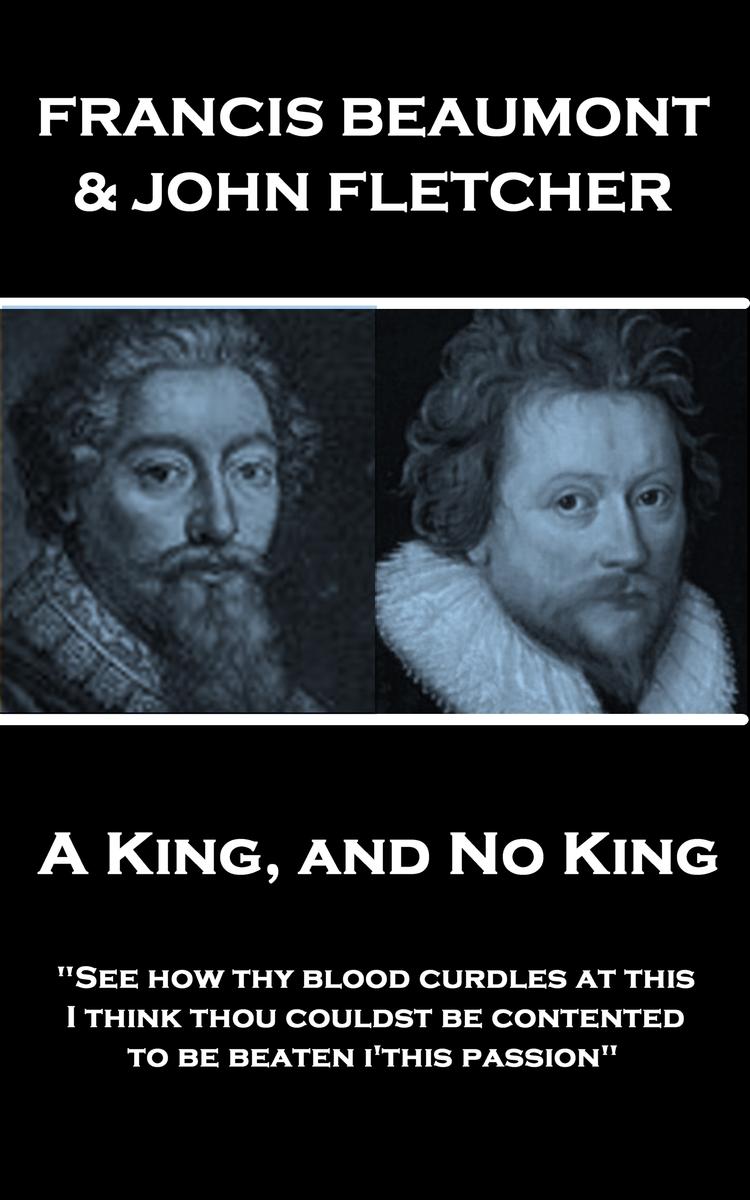
King, and No King - See how thy blood curdles at this
¥38.75
The English dramatists Francis Beaumont and John Fletcher, collaborated in their writing during the reign of James I of England (James VI of Scotland, 1567-1625; in England he reigned from 1603).Beaumont & Fletcher began to collaborate as writers soon after they met. After notable failures of their solo works their first joint effort, Philaster, was a success and tragicomedy was the genre they explored and built upon. There would be many further successes to follow.There is an account that at the time the two men shared everything. They lived together in a house on the Bankside in Southwark, "e;they also lived together in Bankside, sharing clothes and having one wench in the house between them."e; Or as another account puts it "e;sharing everything in the closest intimacy."e;Whatever the truth of this they were now recognised as perhaps the best writing team of their generation, so much so, that their joint names was applied to all the works in which either, or both, had a pen including those with Philip Massinger, James Shirley and Nathan Field.The first Beaumont and Fletcher folio of 1647 contained 35 plays; 53 plays were included in the second folio in 1679. Other works bring the total plays in the canon to about 55. However there appears here to have been some duplicity on the account of the publishers who seemed to attribute so many to the team. It is now thought that the work between solely by Beaumont and Fletcher amounts to approximately 15 plays, though of course further works by them were re-worked by others and the originals lost.After Beaumont's early death in 1616 Fletcher continued to write and, at his height was, by many standards, the equal of Shakespeare in popularity until his own death in 1625.
Eunuchus (The Eunuch) - 'I am human and I think nothing of which is human is ali
¥26.98
Publius Terentius Afer is better known to us as the Roman playwright, Terence.Much of his life, especially the early part, is either unknown or has conflicting sources and accounts.His birth date is said to be either 185 BC or a decade earlier: 195 BC. His place of birth is variously listed as in, or, near Carthage, or, in Greek Italy to a woman taken to Carthage as a slave. It is suggested that he lived in the territory of the Libyan tribe that the Romans called Afri, near Carthage, before being brought to Rome as a slave. Probability suggests that it was there, in North Africa, several decades after the destruction of Carthage by the Romans in 146 BC, at the end of the Punic Wars, that Terence spent his early years.One reliable fact is that he was sold to P. Terentius Lucanus, a Roman senator, who had him educated and, impressed by his literary talents, freed him.These writing talents were to ensure his legacy as a playwright down through the millennia. His comedies, partially adapted from Greek plays of the late phases of Attic Comedy, were performed for the first time around 170-160 BC. All six of the plays he has known to have written have survived.Indeed, thanks to his simple conversational Latin, which was both entertaining and direct, Terence's works were heavily used by monasteries and convents during the Middle Ages and The Renaissance. Scribes often learned Latin through the copious copying of Terence's texts. Priests and nuns often learned to speak Latin through re-enactment of Terence's plays. Although his plays often dealt with pagan material, the quality and distinction of his language promoted the copying and preserving of his text by the church. This preservation enabled his work to influence a wide spectrum of later Western drama.When he was 25 (or 35 depending on which year of birth you ascribe too), Terence travelled to Greece but never returned. It has long been assumed that he died at some point during the journey.Of his own family nothing is known, except that he fathered a daughter and left a small but valuable estate just outside Rome.His most famous quotation reads: "e;Homo sum, humani nihil a me alienum puto"e;, or "e;I am human, and I think nothing human is alien to me."e;

Crime by Gaslight - Volume 2
¥29.33
We all love a good crime story. An anthology of short crime stories, written by the finest of craftsman of their age, is always a welcome treat. The short story is often viewed as an inferior relation to the Novel. But it is an art in itself. To take a story and distil its essence into fewer pages while keeping character and plot rounded and driven is not an easy task. Many try and many fail. In this series we have a selection of short stories from many of our most accomplished writers written at the beginnings of Detective fiction. Our stories include these classics: The Adventure of the Dying Detective by Arthur Conan Doyle, The Secret Garden by GK Chesterton, Gentlemen and Players by E W Hornung, The Purloined Letter by Edgar Allan Poe, The Death Of Halpin Frayser by Ambrose Bierce, The Man With The Cough by Mrs Molesworth, The Man With The Pale Eyes by Guy de Maupassant, On Duty With Inspector Field by Charles Dickens, The Stolen Cigar Case by Bret Harte, A Scandal In Bohemia by Arthur Conan Doyle
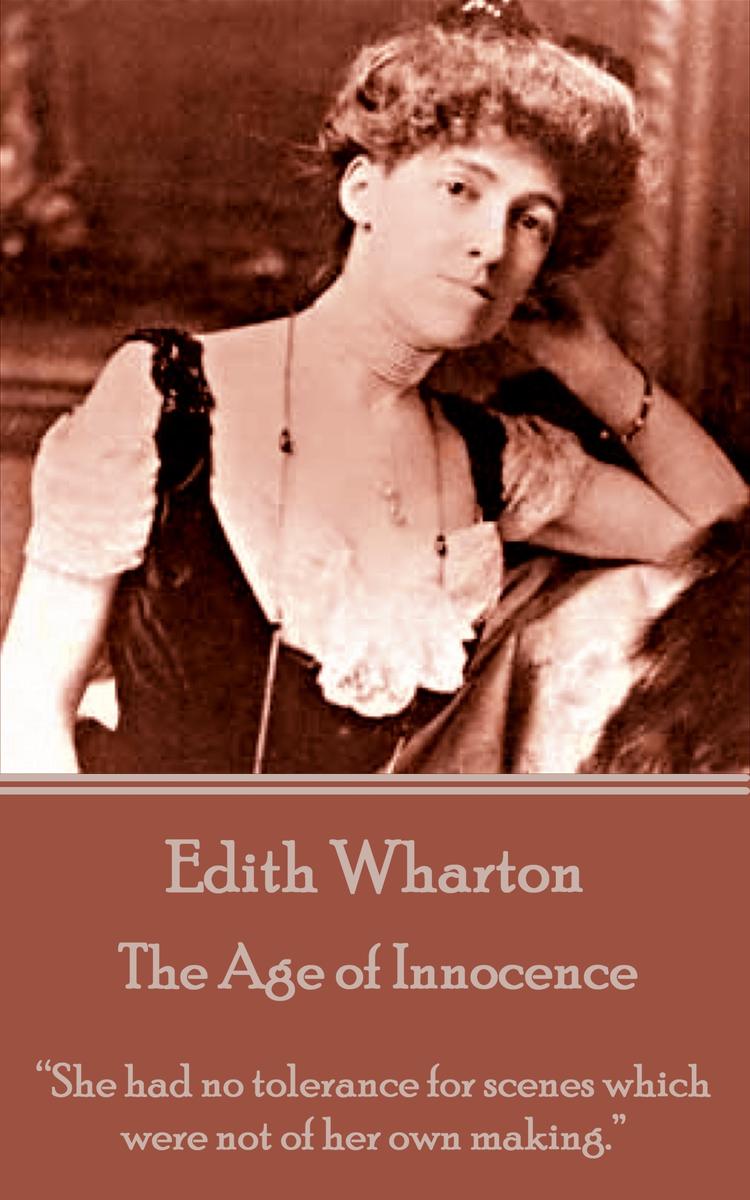
Age of Innocence - She had no tolerance for scenes which were not of her own mak
¥26.98
Edith Newbold Jones was born in New York on January 24, 1862. Born into wealth, this background of privilege gave her a wealth of experience to eventually, after several false starts, produce many works based on it culminating in her Pulitzer Prize winning novel 'The Age Of Innocence'. Marriage to Edward Robbins Wharton, who was 12 years older in 1885 seemed to offer much and for some years they travelled extensively. After some years it was apparent that her husband suffered from acute depression and so the travelling ceased and they retired to The Mount, their estate designed by Edith. By 1908 his condition was said to be incurable and prior to divorcing Edward in 1913 she began an affair, in 1908, with Morton Fullerton, a Times journalist, who was her intellectual equal and allowed her writing talents to push forward and write the novels for which she is so well known. Acknowledged as one of the great American writers with novels such as Ethan Frome and the House of Mirth among many. Wharton also wrote many short stories, including ghost stories and poems which we are pleased to publish. Edith Wharton died of a stroke in 1937 at the Domaine Le Pavillon Colombe, her 18th-century house on Rue de Montmorency in Saint-Brice-sous-Foret.
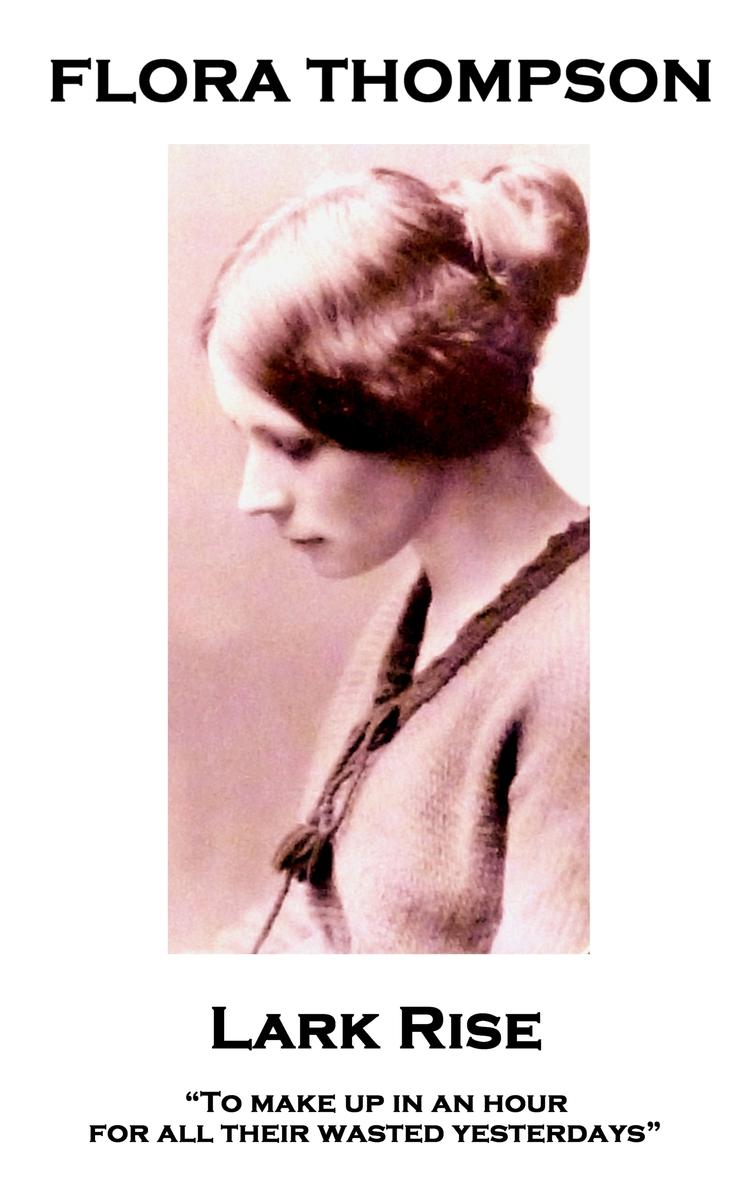
Lark Rise - To make up in an hour for all their wasted yesterdays
¥26.98
Flora Jane Timms was born on December 5th, 1876 in Juniper Hill in northeast Oxfordshire, the eldest of twelve children to Albert Timms, a stonemason, and Emma, a nursemaid. Only she and five siblings survived.Flora was educated at the parish school in the village of Cottisford and described as 'altogether her father's child'.When she was 14, In 1891, Flora moved to start work as a counter clerk at the post office in Fringford, a village about 4 miles northeast of Bicester. It was to be the first in a series of jobs at various other post offices, including those at Grayshott, Yateley, and later Bournemouth.By 1896 Flora was a regular contributor to The Catholic Fireside on her thoughts and activities in the Countryside and many of her works from here were published as The Peverel Papers.In 1903 she married John William Thompson, a post office clerk and telegraphist from the Isle of Wight, at Twickenham Parish Church. After the marriage they moved to Bournemouth to settle down and build a life together. A daughter, Winifred Grace, was born in 1903, followed by two sons, Henry Basil, in 1909 and Peter Redmond in 1918.Flora was a self-taught writer but had taken some time to establish her career. Her early married life may have also required setting writing aside for some time but in 1911 she won a competition in The Ladies Companion for a 300-word essay on Jane Austen.In 1921 she published her only book of poetry, Bog-Myrtle and Peat, and, by the following year, 1922, she was thinking of writing about her childhood in what would later become her defining works.Meanwhile she continued to write extensively, publishing short stories together with magazine and newspaper articles.In 1925 she published a travel guide to Liphook, Bramshott and Neighbourhood.Flora also had a great interest and knowledge, again self-taught, as a naturalist. Many of her works on the subject were published and later anthologised.In 1938 Flora at last sent several essays on her country childhood to Oxford University Press. The publisher accepted them, and they were published in three separate volumes, Lark Rise (1939), Over to Candleford (1941), and Candleford Green (1943). In 1945 the books were republished as a trilogy under the title Lark Rise to Candleford. Together the books are a lightly disguised story of the author's own youth, describing life in a hamlet, a village, and a country town in the 1880s.The death of her younger son during the Second World War affected her deeply and overshadowed her final years.Flora Thompson died on 21st May 1947, at age 70, of a heart attack in Brixham, and is buried at Longcross Cemetery, Dartmouth in Devon.Two of Thompson's later lesser-known works were published posthumously: Heatherley, recounting her time in the post office at Grayshott at the turn of the 20th century as her lifelong interests took shape, the longing for education and culture and the desire to become a writer; and her last completed book Still Glides the Stream.
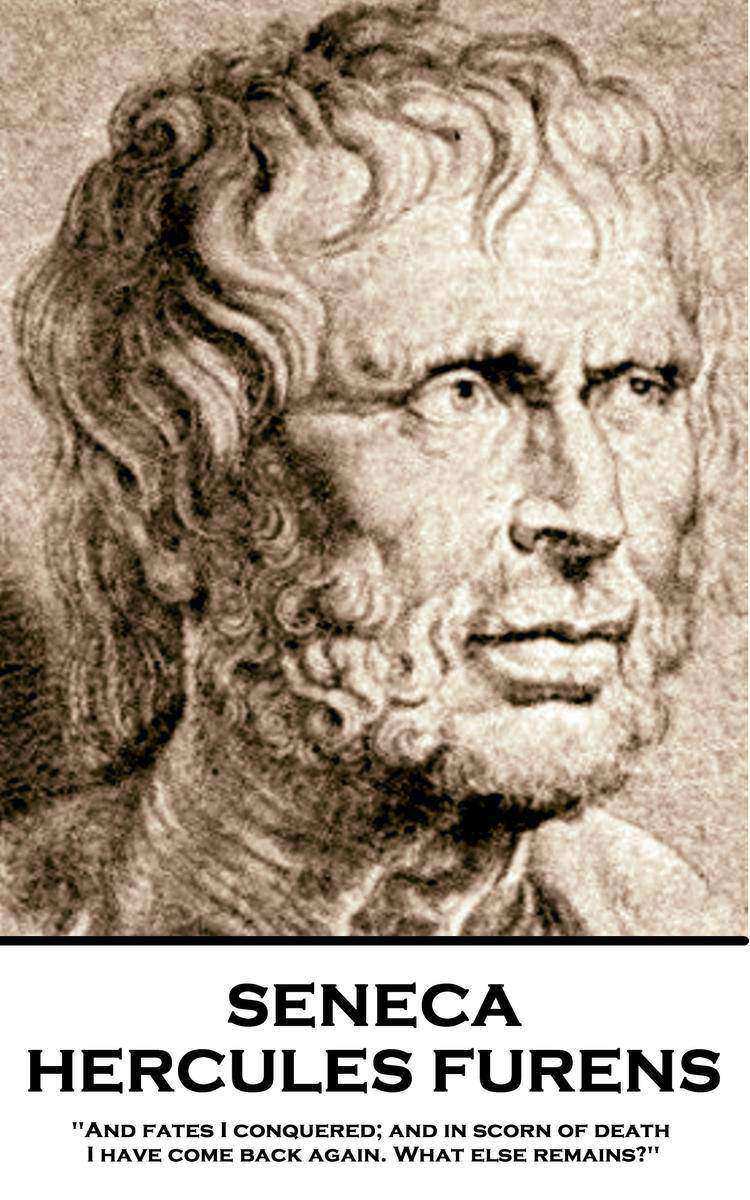
Hercules Furens -And fates I conquered; and in scorn of death I have come back a
¥14.03
Lucius Annaeus Seneca, more readily known as Seneca the Younger, was born at Cordoba in the Roman province of Baetica in Hispania in approx 4 BC.Seneca attests that he was taken to Rome at a young age and educated in literature, grammar, and rhetoric; the standard education of high-born Romans. He also received philosophical training.Much of his life is not well documented but accounts do lean towards a pattern of ill-health at times. His breathing difficulties are thought to be the result of asthma and during his mid-twenties he contracted tuberculosis.He was sent to Egypt to live with his aunt, whose husband, Gaius Galerius, was Prefect of Egypt. In 31 AD he returned to Rome with her and, with her influence, was elected quaestor and with it the right to sit in the Roman Senate.Seneca's early career as a senator was successful and he was fulsomely praised for his oratory. A story related that emperor Caligula was so offended by Seneca's oratorical success that he ordered him to commit suicide. Seneca's ill-health prevented that.In 41 AD, Claudius became emperor, and Seneca was promptly cited by the new empress Messalina of adultery with Julia Livilla, the sister of Caligula and Agrippina.After trial the Senate pronounced a death sentence, which Claudius then commuted to exile. Seneca was to now spend the next eight years in Corsica. From this period of exile survive two of his earliest works-both consolations.In 49 AD Agrippina married her uncle Claudius, and through her Seneca was recalled to Rome. Agrippina appointed him, as tutor to her son, the future emperor Nero.Nero's early rule, during which he followed the advice of Seneca and Burrus, was competent. However, within a few years both Seneca and Burrus had lost their influence.In 58 AD the senator Publius Suillius Rufus made a series of public attacks on him saying that, Seneca had acquired a personal fortune of three hundred million sestertii. In response, Seneca brought a series of prosecutions for corruption against him. Suillius was dispatched into exile.After Burrus's death in 62 AD, Seneca's influence further declined. He adopted a quiet lifestyle at his country estates, concentrating on his studies and seldom visiting Rome. It was during these final few years that he composed two of his greatest works: 'Naturales Quaestiones'-an encyclopedia of the natural world; and his 'Letters to Lucilius'-which document his philosophical thoughts.In AD 65, Seneca was caught up in the aftermath of the Pisonian plot to kill Nero. Nero ordered him to kill himself. Seneca followed tradition by opening several veins in order to bleed to death. It was a sad conclusion for a man who has been called the first great Western thinker on the complex nature and role of gratitude in human relationships.

Adventure of Wisteria Lodge
¥14.03
If ever a writer needed an introduction Arthur Conan Doyle would not be considered that man. After all, Sherlock Holmes is perhaps the foremost literary detective of any age. Add to this canon his stories of science fiction and his poems, his historical novels, his plays, his political campaigning, his efforts in establishing a Court of Appeal and there is little room for anything else. Except he was also an exceptional writer of short stories of the horrific and macabre. Something very different from what you might expect. Born in Arthur Conan Doyle was born on 22 May 1859 at 11 Picardy Place, Edinburgh, Scotland. From 1876 - 1881 he studied medicine at the University of Edinburgh following which he was employed as a doctor on the Greenland whaler Hope of Peterhead in 1880 and, after his graduation, as a ship's surgeon on the SS Mayumba during a voyage to the West African coast in 1881. Arriving in Portsmouth in June of that year with less than GBP10 (GBP700 today) to his name, he set up a medical practice at 1 Bush Villas in Elm Grove, Southsea. The practice was initially not very successful. While waiting for patients, Conan Doyle again began writing stories and composed his first novel The Mystery of Cloomber. Although he continued to study and practice medicine his career was now firmly set as a writer. And thereafter great works continued to pour out of him.
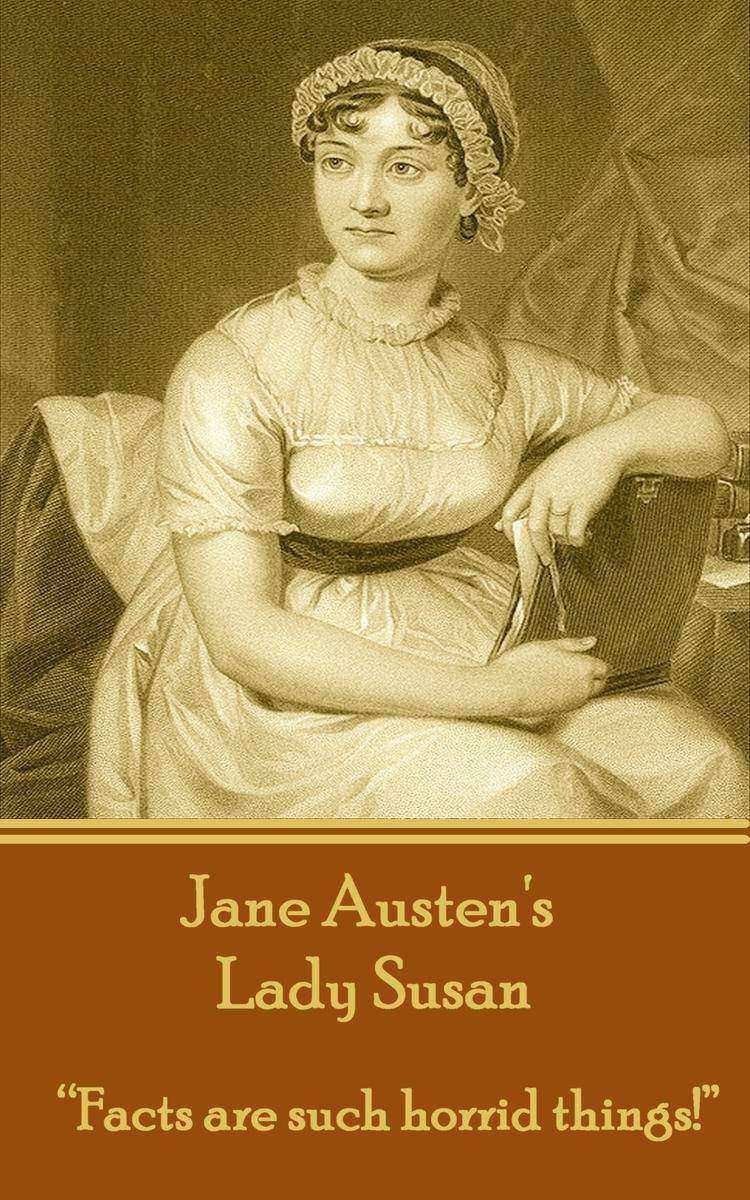
Lady Susan - Facts are such horrid things!
¥14.03
Jane Austen's Lady Susan (1871) is an epistolary novella centering around the character of an attractive and flirtatious widow who is after a second marriage. Lady Susan Vernon is basically portrayed as a selfish villain and a conniving sociopath who engages in different schemes to realize her vicious ends. Her social life is marked by hypocrisy, manipulation and opportunism. She secretly despises all her liaisons. The reader gradually learns that she even looks down on her own daughter Frederica and considers her to be a sort of impediment for her. Throughout the narrative, Lady Susan does her utmost to get rid of her sixteen-year-old daughter by trying to find a wealthy husband for her. Moreover, she makes use of her seductive strategies to lure noble men who are often younger than her. Single men as well as married ones get entangled in her nets as the plot proceeds to its end. Although the resolution of the story is far from being disastrous for the unscrupulous Lady Susan, it still takes the form of moral rectification when Frederica develops an honest, romantic relationship with the warm gentleman Reginald de Courcy while her mother eventually marries after many a flirtatious adventure. We've also included a concise and informative biography of Jane's works and life at the end of the book. We hope it helps to give a little context and colour about how her life interacted with her art.
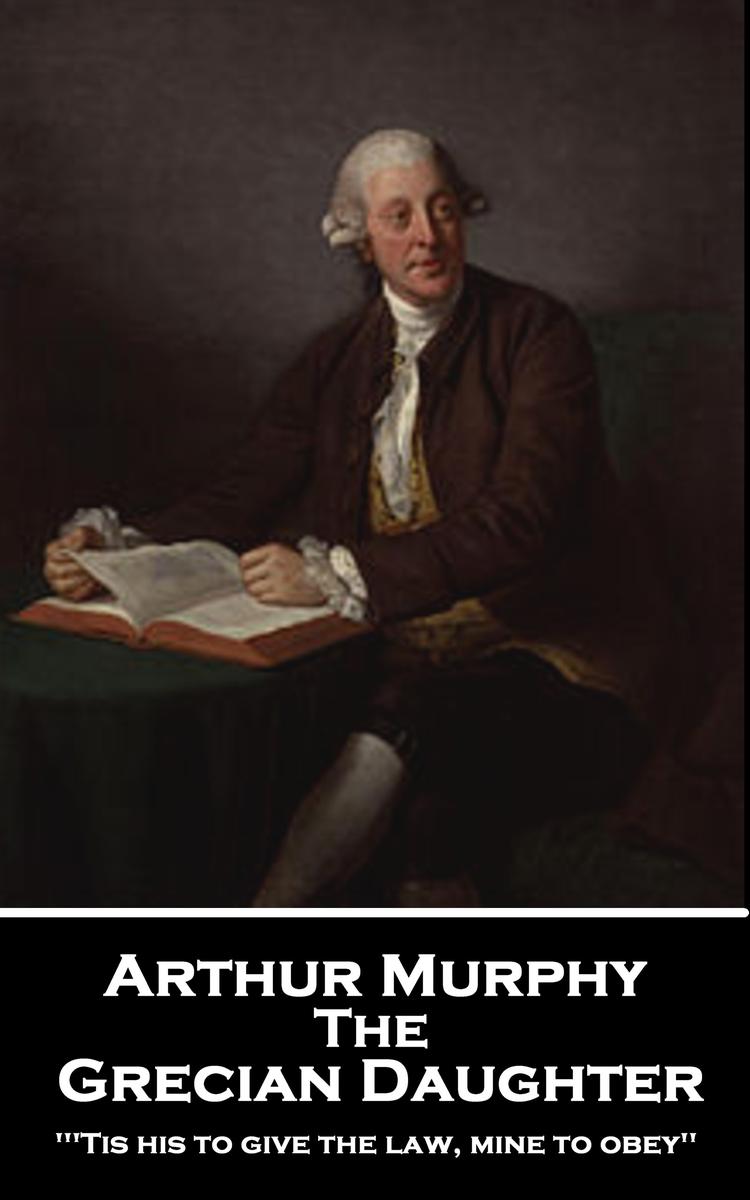
Grecian Daughter - ''Tis his to give the law, mine to obey''
¥14.03
Henry Jones was born at Beaulieu, near Drogheda, County Louth, Ireland in 1721. His working life began when he was apprenticed to a bricklayer. Jones, however, was keen to better himself and studied hard in his private time. He fashioned some complimentary verses, addressed to the corporation of Drogheda and together with some lines 'On Mr. Pope's Death', managed to attract the attention of Lord-chief-justice Singleton, who lived at Beaulieu.In 1745 he obtained employment at the parliament house at Dublin. Jones, used the position to promote his literary talents and celebrated the arrival of Lord Chesterfield as lord-lieutenant of Ireland in a poem that was then presented to Chesterfield by Singleton. Chesterfield asked Jones to accompany him on his return to London in 1748. There, he and his friends helped Jones to publish, by subscription, 'Poems on Several Occasions' in 1749, which delivered a handsome profit for the young poet. Jones is though more noted as a dramatist and that, primarily, is due to his tragedy, 'The Earl of Essex' which he completed in 1752. Chesterfield introduced both the play and Jones to Colley Cibber, the Poet Laureate, who then introduced Jones to the manager of Covent Garden Theatre. Cibber would later attempt to secure the laureateship for Jones after his own death.'The Earl of Essex', after being revised by Chesterfield and Cibber, was premiered at Covent Garden on 21st Feb. 1753, and played for seventeen sold-out nights. It was a triumph, and was equally well received in Dublin and then later in the provinces. It brought Jones over GBP500, a large sum even by today's standards. The play was printed soon after its production, and eventually sold through four editions.The success, unfortunately, was to be the ruin of Jones. His drunken habits, indolence, raw manners, and harshly arrogant temper appalled most of his patrons who soon withdrew their support. However, he seemed adept at keeping on good terms with Chesterfield for some years longer, but at length even he gave up on the relationship when Jones borrowed money from his servant. Jones did continue to write and had made progress on a tragedy entitled 'Harold,' and, on that thin security, managed to raise money as an advance from booksellers. He was rather more successful in his revelries with the acting profession. Jones continued to be on friendly terms with many of the leading actors although in his often drunk state he would harangue the more minor actors as 'parrots', but he repaid them with puffs and panegyrics. His charm and ease with a few lines were valuable commodities.Whenever he was an inmate of sponging-houses he contrived to flatter any bailiff's daughter or wife with verses on their beauty or talents, and, in the process, secured himself more comfortable quarters than he perhaps deserved. Henry Jones died in the parish workhouse in April 1770.After his death, Reddish, the actor of Drury Lane, acquired Jones's manuscripts, which included 'Harold' and three acts of an unfinished tragedy, 'The Cave of Idra.' This was completed by Paul Hiffernan, and re-titled 'The Heroine of the Cave,' was produced for Reddish's benefit on 25th March 1774.
Twelfth Night
¥17.56
William Shakespeare was born in Stratford-upon-Avon in late April 1565 and baptised there on 26th April. He was one of eight children. Little is known about his life but what is evident is the enormous contribution he has made to world literature. His writing was progressive, magnificent in scope and breathtaking in execution. His plays and sonnets helped enable the English language to speak with a voice unmatched by any other. William Shakespeare died on April 23rd 1616, survived by his wife and two daughters. He was buried two days after his death in the chancel of the Holy Trinity Church. The epitaph on the slab which covers his grave includes the following passage, Good friend, for Jesus's sake forbear, To dig the dust enclosed here. Blessed me the man that spares these stones, And cursed be he that moves my bones. Here we publish his comedy from 1599 'Twelfth Night'.
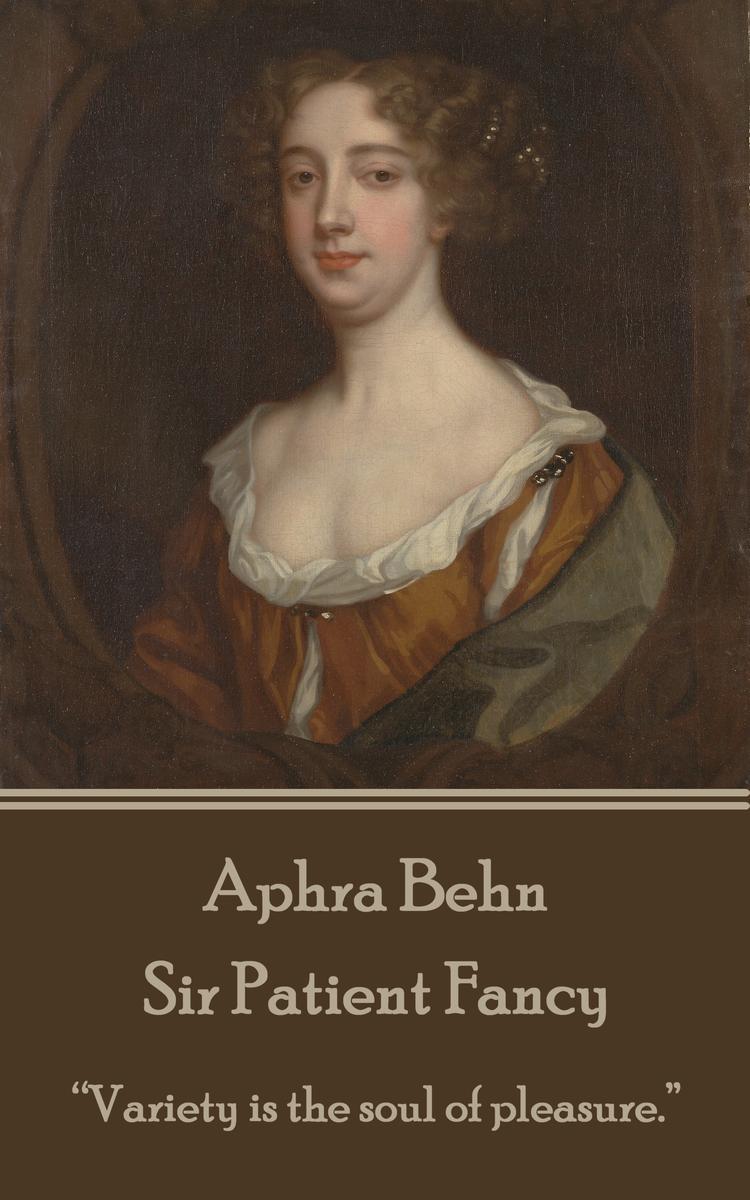
Sir Patient Fancy - Variety is the soul of pleasure.
¥46.99
Aphra Behn was a prolific and well established writer but facts about her remain scant and difficult to confirm. What can safely be said though is that Aphra Behn is now regarded as a key English playwright and a major figure in Restoration theatre. Aphra was born into the rising tensions to the English Civil War. Obviously a time of much division and difficulty as the King and Parliament, and their respective forces, came ever closer to conflict. There are claims she was a spy, that she travelled abroad, possibly as far as Surinam. By 1664 her marriage was over (though by death or separation is not known but presumably the former as it occurred in the year of their marriage) and she now used Mrs Behn as her professional name. Aphra now moved towards pursuing a more sustainable and substantial career and began work for the King's Company and the Duke's Company players as a scribe. Previously her only writing had been poetry but now she would become a playwright. Her first, "e;The Forc'd Marriage"e;, was staged in 1670, followed by "e;The Amorous Prince"e; (1671). After her third play, "e;The Dutch Lover"e;, Aphra had a three year lull in her writing career. Again it is speculated that she went travelling again, possibly once again as a spy. After this sojourn her writing moves towards comic works, which prove commercially more successful. Her most popular works included "e;The Rover"e; and "e;Love-Letters Between a Nobleman and His Sister"e; (1684-87). With her growing reputation Aphra became friends with many of the most notable writers of the day. This is The Age of Dryden and his literary dominance. From the mid 1680's Aphra's health began to decline. This was exacerbated by her continual state of debt and descent into poverty. Aphra Behn died on April 16th 1689, and is buried in the East Cloister of Westminster Abbey. The inscription on her tombstone reads: "e;Here lies a Proof that Wit can never be Defence enough against Mortality."e; She was quoted as stating that she had led a "e;life dedicated to pleasure and poetry."e;
Little Lord Fauntleroy (Mermaids Classics)
¥35.22
Little Lord Fauntleroy (1886) by Frances Hodgson Burnett (1849-1924) is a classic childrens novel based on a young boy named Cedric Errol who lives in poverty with his mother in New York City until he receives a message from his Grandfather who is an English aristocrat based in England that he has become Lord Fauntleroy and heir to a large estate. Cedric teaches his grandfather the concept of compassion.Mermaids Classics, an imprint of Mermaids Publishing brings the very best of old classic literature to a modern era of digital reading by producing high quality books in ebook format. All of the Mermaids Classics epublications are reproductions of classic antique books that were originally published in print format, mostly over a century ago and are now republished in digital format as ebooks. Begin to build your collection of digital books by looking for more literary gems from Mermaids Classics.
Tenant of Wildfell Hall (Mermaids Classics)
¥35.22
The Tenant of Wildfell Hall (1848) by Anne Bronte (1820-1849) is a romance classic novel based on the mysterious widow Mrs Helen Graham who arrives at Wildfell Hall and takes up residence in the mansion with her young son. She endures local gossip within the community which was initiated by the jealous Eliza who had briefly courted the local farmer Gilbert Markham until he developed an interest for the Helen. Gilbert finds the local gossip quite disturbing until he discovers through Helens diary of her mysterious past and how she lived in an unhappy marriage. Mermaids Classics, an imprint of Mermaids Publishing brings the very best of old classic literature to a modern era of digital reading by producing high quality books in ebook format. All of the Mermaids Classics epublications are reproductions of classic antique books that were originally published in print format, mostly over a century ago and are now republished in digital format as ebooks. Begin to build your collection of digital books by looking for more literary gems from Mermaids Classics.


