


 购物车
购物车 个人中心
个人中心
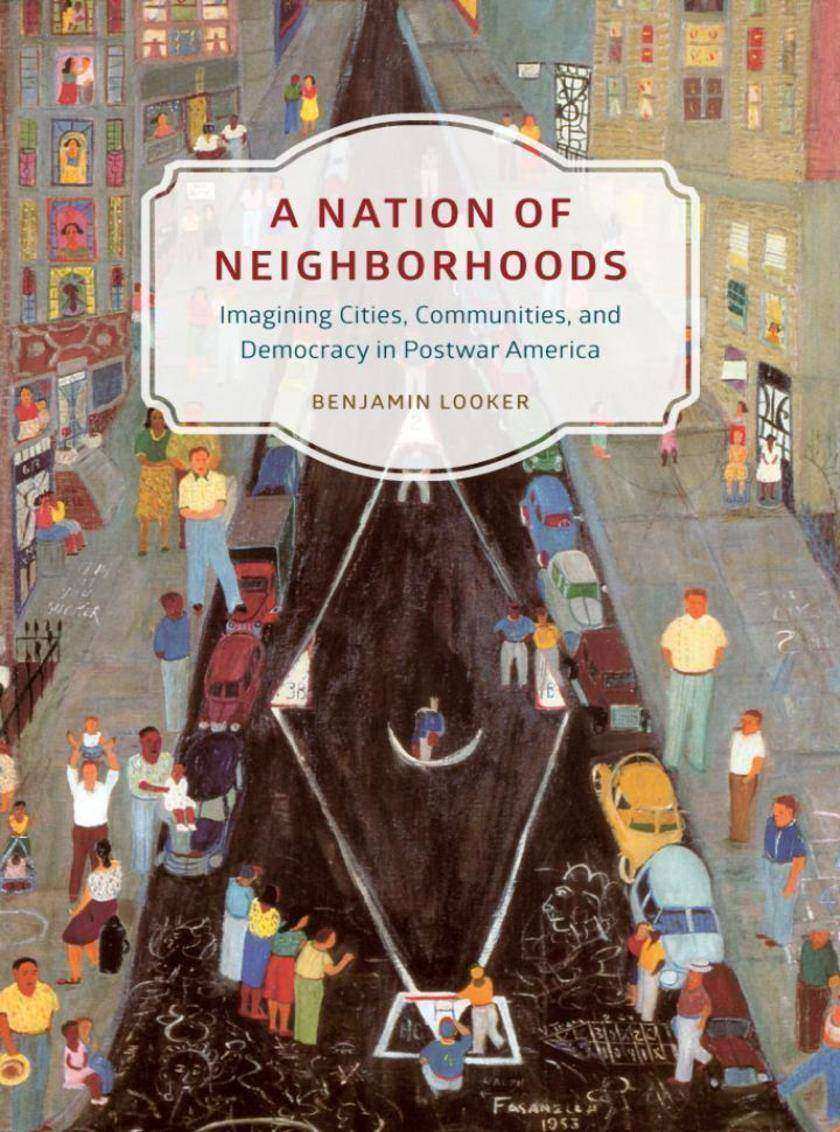
Nation of Neighborhoods
¥229.55
Despite the pundits who have written its epitaph and the latter-day refugees who have fled its confines for the half-acre suburban estate, the city neighborhood has endured as an idea central to American culture. In A Nation of Neighborhoods, Benjamin Looker presents us with the city neighborhood as both an endless problem and a possibility.Looker investigates the cultural, social, and political complexities of the idea of "e;neighborhood"e; in postwar America and how Americans grappled with vast changes in their urban spaces from World War II to the Reagan era. In the face of urban decline, competing visions of the city neighborhood's significance and purpose became proxies for broader debates over the meaning and limits of American democracy. By studying the way these contests unfolded across a startling variety of genres-Broadway shows, radio plays, urban ethnographies, real estate documents, and even children's programming-Looker shows that the neighborhood ideal has functioned as a central symbolic site for advancing and debating theories about American national identity and democratic practice.
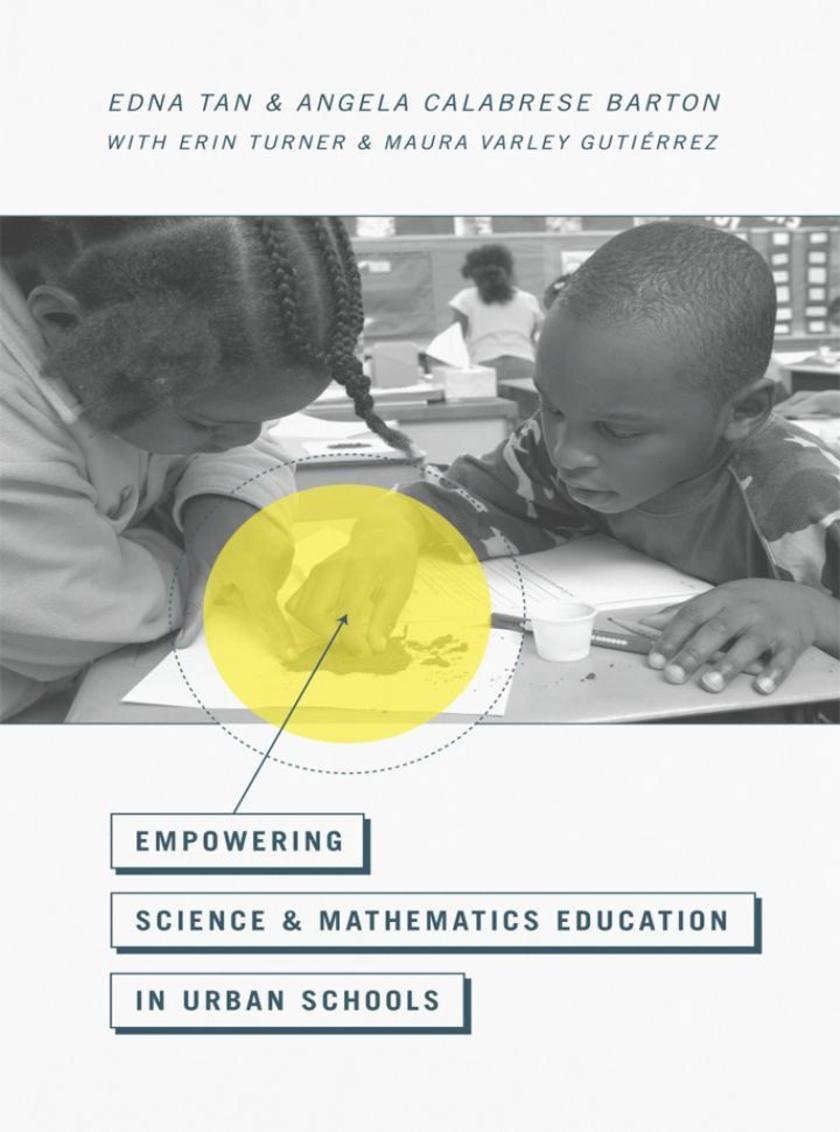
Empowering Science and Mathematics Education in Urban Schools
¥253.10
Math and science hold powerful places in contemporary society, setting the foundations for entry into some of the most robust and highest-paying industries. However, effective math and science education is not equally available to all students, with some of the poorest students-those who would benefit most-going egregiously underserved. This ongoing problem with education highlights one of the core causes of the widening class gap.?While this educational inequality can be attributed to a number of economic and political causes, in?Empowering Science and Mathematics Education in Urban Communities, Angela Calabrese?Barton?and Edna Tan demonstrate that it is augmented by a consistent failure to integrate student history, culture, and social needs into the core curriculum. They argue that teachers and schools should create hybrid third spaces-neither classroom nor home-in which underserved students can merge their personal worlds with those of math and science. A host of examples buttress this argument: schools where these spaces have been instituted now provide students not only an immediate motivation to engage the subjects most critical to their future livelihoods but also the broader math and science literacy necessary for robust societal engagement. A unique look at a frustratingly understudied subject,?Empowering Science and Mathematics Education?pushes beyond the idea of teaching for social justice and into larger questions of how and why students participate in math and science.?

Power in Concert
¥265.87
How states cooperate in the absence of a sovereign power is a perennial question in international relations. With Power in Concert, Jennifer Mitzen argues that global governance is more than just the cooperation of states under anarchy: it is the formation and maintenance of collective intentions, or joint commitments among states to address problems together. The key mechanism through which these intentions are sustained is face-to-face diplomacy, which keeps states' obligations to one another salient and helps them solve problems on a day-to-day basis.Mitzen argues that the origins of this practice lie in the Concert of Europe, an informal agreement among five European states in the wake of the Napoleonic wars to reduce the possibility of recurrence, which first institutionalized the practice of jointly managing the balance of power.?Through the Concert's many successes, she shows that the words and actions of state leaders in public forums contributed to collective self-restraint and a commitment to problem solving-and at a time when communication was considerably more difficult than it is today. Despite the Concert's eventual breakdown, the practice it introduced-of face to face diplomacy as a mode of joint problem solving-survived and is the basis of global governance today.

Good Project
¥229.55
NGOs set out to save lives, relieve suffering, and service basic human needs. They are committed to serving people across national borders and without regard to race, ethnicity, gender, or religion, and they offer crucial help during earthquakes, tsunamis, wars, and pandemics. But with so many ailing areas in need of assistance, how do these organizations decide where to go-and who gets the aid?In?The Good Project, Monika Krause dives into the intricacies of the decision-making process at NGOs and uncovers a basic truth: It may be the case that relief agencies try to help people but, in practical terms, the main focus of their work is to produce projects. Agencies sell projects to key institutional donors, and in the process the project and its beneficiaries become commodities. In an effort to guarantee a successful project, organizations are incentivized to help those who are easy to help, while those who are hardest to help often receive no assistance at all. The poorest of the world are made to compete against each other to become projects-and in exchange they offer legitimacy to aid agencies and donor governments. Sure to be controversial,?The Good Project?offers a provocative new perspective on how NGOs succeed and fail on a local and global level.
We Were Adivasis
¥229.55
In We Were Adivasis, anthropologist Megan Moodie examines the Indian state's relationship to "e;Scheduled Tribes,"e; or adivasis-historically oppressed groups that are now entitled to affirmative action quotas in educational and political institutions. Through a deep ethnography of the Dhanka in Jaipur, Moodie brings readers inside the creative imaginative work of these long-marginalized tribal communities. She shows how they must simultaneously affirm and refute their tribal status on a range of levels, from domestic interactions to historical representation, by relegating their status to the past: we were adivasis.Moodie takes readers to a diversity of settings, including households, tribal council meetings, and wedding festivals, to reveal the aspirations that are expressed in each. Crucially, she demonstrates how such aspiration and identity-building are strongly gendered, requiring different dispositions required of men and women in the pursuit of collective social uplift. The Dhanka strategy for occupying the role of adivasi in urban India comes at a cost: young women must relinquish dreams of education and employment in favor of community-sanctioned marriage and domestic life. Ultimately, We Were Adivasis explores how such groups negotiate their pasts to articulate different visions of a yet uncertain future in the increasingly liberalized world.

Aims of Higher Education
¥229.55
In this book, philosopher Harry Brighouse and Spencer Foundation president Michael McPherson bring together leading philosophers to think about some of the most fundamental questions that higher education faces. Looking beyond the din of arguments over how universities should be financed, how they should be run, and what their contributions to the economy are, the contributors to this volume set their sights on higher issues: ones of moral and political value. The result is an accessible clarification of the crucial concepts and goals we so often skip over-even as they underlie our educational policies and practices.?The contributors tackle the biggest questions in higher education: What are the proper aims of the universityWhat role do the liberal arts play in fulfilling those aimsWhat is the justification for the humanitiesHow should we conceive of critical reflection, and how should we teach it to our studentsHow should professors approach their intellectual relationship with students, both in social interaction and through curriculumWhat obligations do elite institutions have to correct for their historical role in racial and social inequalityAnd, perhaps most important of all: How can the university serve as a model of justiceThe result is a refreshingly thoughtful approach to higher education and what it can, and should, be doing.?
Rethinking Therapeutic Culture
¥247.21
Social critics have long lamented America's descent into a "e;culture of narcissism,"e; as Christopher Lasch so lastingly put it fifty years ago. From "e;first world problems"e; to political correctness, from the Oprahfication of emotional discourse to the development of Big Pharma products for every real and imagined pathology, therapeutic culture gets the blame. Ask not where the stereotype of feckless, overmedicated, half-paralyzed millennials comes from, for it comes from their parents' therapist's couches.?Rethinking Therapeutic Culture makes a powerful case that we've got it all wrong. Editors Timothy Aubry and Trysh Travis bring us a dazzling array of contributors and perspectives to challenge the prevailing view of therapeutic culture as a destructive force that encourages narcissism, insecurity, and social isolation. The collection encourages us to examine what legitimate needs therapeutic practices have served and what unexpected political and social functions they may have performed. Offering both an extended history and a series of critical interventions organized around keywords like pain, privacy, and narcissism, this volume offers a more nuanced, empirically grounded picture of therapeutic culture than the one popularized by critics. Rethinking Therapeutic Culture is a timely book that will change the way we've been taught to see the landscape of therapy and self-help.

Boundaries of the State in US History
¥247.21
The question of how the American state defines its power has become central to a range of historical topics, from the founding of the Republic and the role of the educational system to the functions of agencies and America's place in the world. Yet conventional histories of the state have not reckoned adequately with the roots of an ever-expanding governmental power, assuming instead that the American state was historically and exceptionally weak relative to its European peers.Here, James T. Sparrow, William J. Novak, and Stephen W. Sawyer assemble definitional essays that search for explanations to account for the extraordinary growth of US power without resorting to exceptionalist narratives. Turning away from abstract, metaphysical questions about what the state is, or schematic models of how it must work, these essays focus instead on the more pragmatic, historical question of what it does. By historicizing the construction of the boundaries dividing America and the world, civil society and the state, they are able to explain the dynamism and flexibility of a government whose powers appear so natural as to be given, invisible, inevitable, and exceptional.
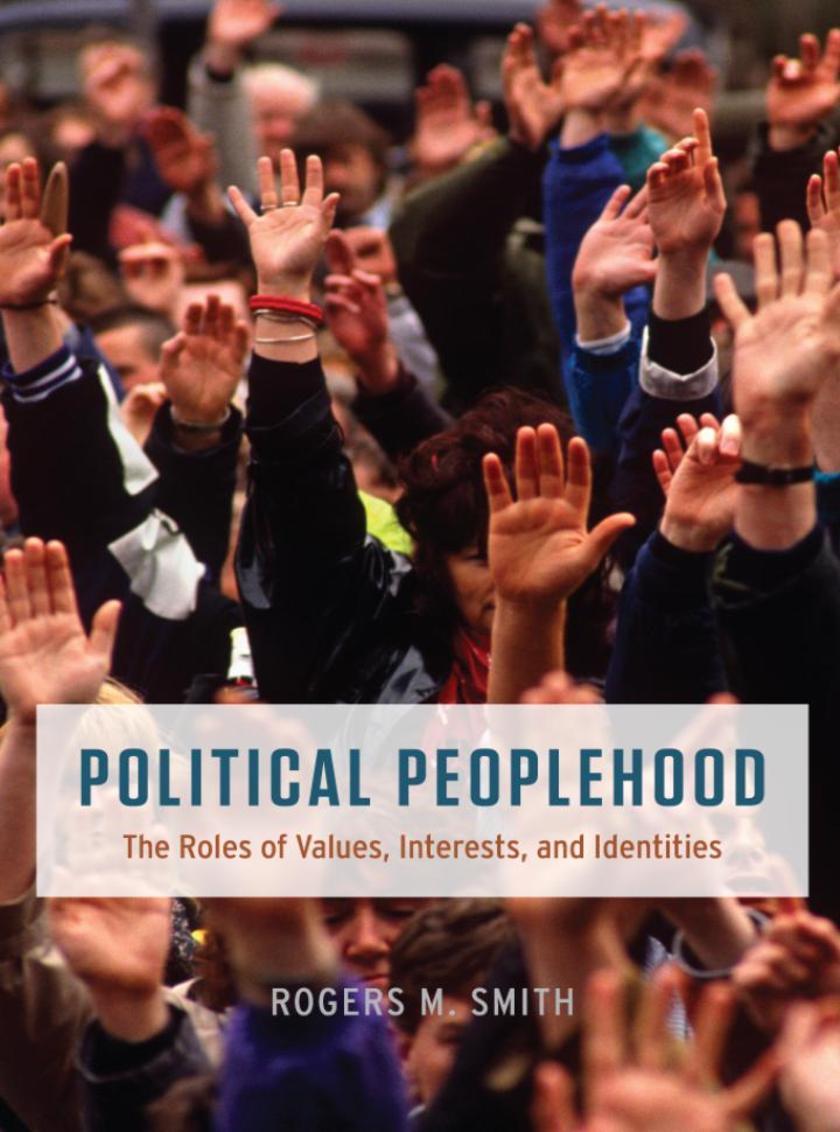
Political Peoplehood
¥247.21
For more than three decades, Rogers M. Smith has been one of the leading scholars of the role of ideas in American politics, policies, and history. Over time, he has developed the concept of "e;political peoples,"e; a category that is much broader and more fluid than legal citizenship, enabling Smith to offer rich new analyses of political communities, governing institutions, public policies, and moral debates.This book gathers Smith's most important writings on peoplehood to build a coherent theoretical and historical account of what peoplehood has meant in American political life, informed by frequent comparisons to other political societies. From the revolutionary-era adoption of individual rights rhetoric to today's battles over the place of immigrants in a rapidly diversifying American society, Smith shows how modern America's growing embrace of overlapping identities is in tension with the providentialism and exceptionalism that continue to make up so much of what many believe it means to be an American.A major work that brings a lifetime of thought to bear on questions that are as urgent now as they have ever been, Political Peoplehood will be essential reading for social scientists, political philosophers, policy analysts, and historians alike.

Stitching the West Back Together
¥288.41
News headlines would often have us believe that conservationists are inevitably locked in conflict with the people who live and work on the lands they seek to protect. Not so. Across the western expanses of the United States, conservationists, ranchers, and forest workers are bucking preconceptions to establish common ground. As they join together to protect the wide open spaces, diverse habitats, and working landscapes upon which people, plants, and animals depend, a new vision of management is emerging in which the conservation of biodiversity, ecosystem integrity, and sustainable resource use are seen not as antithetical, but as compatible, even symbiotic goals.Featuring contributions from an impressive array of scientists, conservationists, scholars, ranchers, and foresters, Stitching the West Back Together explores that expanded, inclusive vision of environmentalism as it delves into the history and evolution of Western land use policy and of the working landscapes themselves. Chapters include detailed case studies of efforts to promote both environmental and economic sustainability, with lessons learned; de*ions of emerging institutional frameworks for conserving Western working landscapes; and implications for best practices and policies crucial to the future of the West's working forests and rangelands. As economic and demographic forces threaten these lands with fragmentation and destruction, this book encourages a hopeful balance between production and conservation on the large, interconnected landscapes required for maintaining cultural and biological diversity over the longterm.
Education, Justice, and Democracy
¥265.87
Education is a contested topic, and not just politically. For years scholars have approached it from two different points of view: one empirical, focused on explanations for student and school success and failure, and the other philosophical, focused on education's value and purpose within the larger society. Rarely have these separate approaches been brought into the same conversation. Education, Justice, and Democracy does just that, offering an intensive discussion by highly respected scholars across empirical and philosophical disciplines.?The contributors explore how the institutions and practices of education can support democracy, by creating the conditions for equal citizenship and egalitarian empowerment, and how they can advance justice, by securing social mobility and cultivating the talents and interests of every individual. Then the authors evaluate constraints on achieving the goals of democracy and justice in the educational arena and identify strategies that we can employ to work through or around those constraints. More than a thorough compendium on a timely and contested topic, Education, Justice, and Democracy exhibits an entirely new, more deeply composed way of thinking about education as a whole and its importance to a good society.
Marketing Schools, Marketing Cities
¥265.87
Discuss real estate with any young family and the subject of schools is certain to come up-in fact, it will likely be a crucial factor in determining where that family lives. Not merely institutions of learning, schools have increasingly become a sign of a neighborhood's vitality, and city planners have ever more explicitly promoted "e;good schools"e; as a means of attracting more affluent families to urban areas, a dynamic process that Maia Bloomfield Cucchiara critically examines in Marketing Schools, Marketing Cities.?Focusing on Philadelphia's Center City Schools Initiative, she shows how education policy makes overt attempts to prevent, or at least slow, middle-class flight to the suburbs. Navigating complex ethical terrain, she balances the successes of such policies in strengthening urban schools and communities against the inherent social injustices they propagate-the further marginalization and disempowerment of lowerclass families. By asking what happens when affluent parents become "e;valued customers,"e; Marketing Schools, Marketing Cities uncovers a problematic relationship between public institutions and private markets, where the former are used to leverage the latter to effect urban transformations.
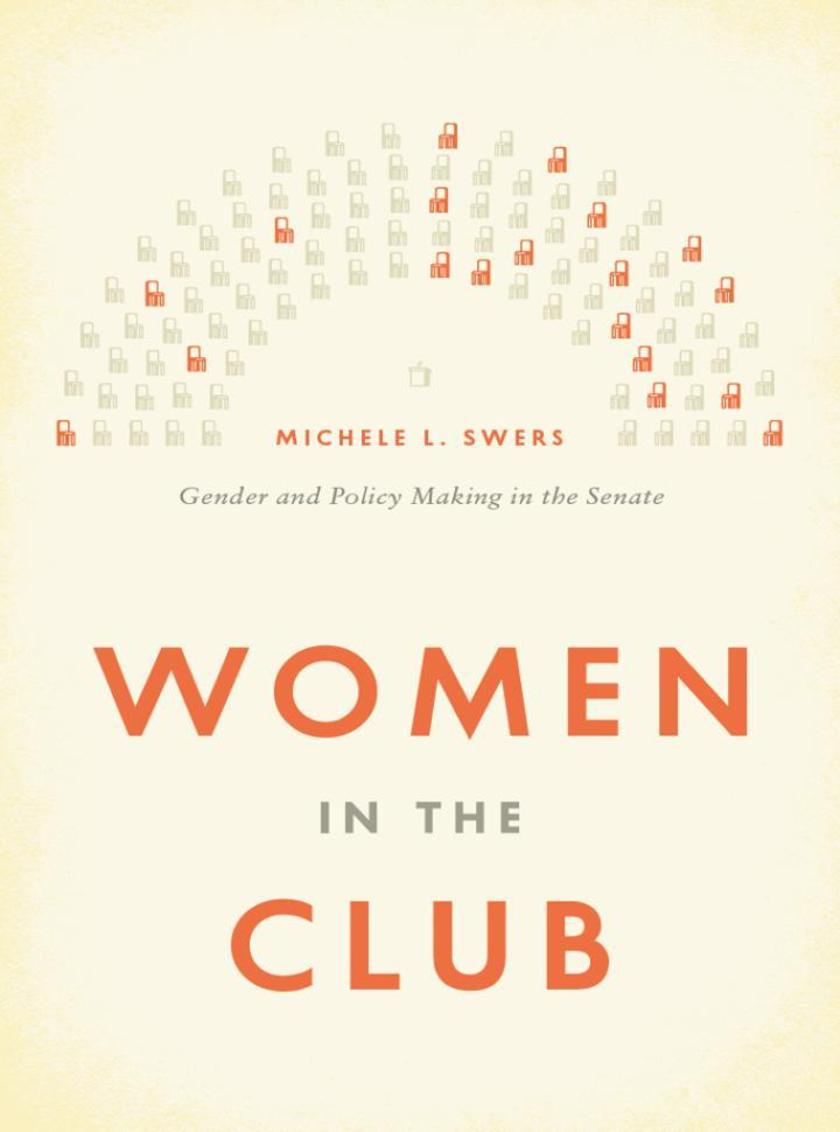
Women in the Club
¥265.87
In the run-up to the 2012 presidential election, Democrats and Republicans were locked in a fierce battle for the female vote. Democrats charged Republicans with waging a "e;war on women,"e; while Republicans countered that Democratic policies actually undermined women's rights. The women of the Senate wielded particular power, planning press conferences, appearing on political programs, and taking to the Senate floor over gender-related issues such as workplace equality and reproductive rights.The first book to examine the impact of gender differences in the Senate, Women in the Club is an eye-opening exploration of how women are influencing policy and politics in this erstwhile male bastion of power. Gender, Michele L. Swers shows, is a fundamental factor for women in the Senate, interacting with both party affiliation and individual ideology to shape priorities on policy. Women, for example, are more active proponents of social welfare and women's rights. But the effects of gender extend beyond mere policy preferences. Senators also develop their priorities with an eye to managing voter expectations about their expertise and advancing their party's position on a given issue. The election of women in increasing numbers has also coincided with the evolution of the Senate as a highly partisan institution. The stark differences between the parties on issues pertaining to gender have meant that Democratic and Republican senators often assume very different roles as they reconcile their policy views on gender issues with the desire to act as members of partisan teams championing or defending their party's record in an effort to reach various groups of voters.

Mixed Medicines
¥353.16
During the first half of the twentieth century, representatives of the French colonial health services actively strove to expand the practice of Western medicine in the frontier colony of Cambodia. But as the French physicians ventured beyond their colonial enclaves, they found themselves negotiating with the plurality of Cambodian cultural practices relating to health and disease. These negotiations were marked by some success, a great deal of misunderstanding, and much failure.Bringing together colorful historical vignettes, social and anthropological theory, and quantitative analyses, Mixed Medicines examines these interactions between the Khmer, Cham, and Vietnamese of Cambodia and the French, documenting the differences in their understandings of medicine and revealing the unexpected transformations that occurred during this period-for both the French and the indigenous population.
Political Theology and Early Modernity
¥270.76
Political theology is a distinctly modern problem, one that takes shape in some of the most important theoretical writings of the twentieth and twenty-first centuries. But its origins stem from the early modern period, in medieval iconographies of sacred kinship and the critique of traditional sovereignty mounted by Hobbes and Spinoza. In this book, Graham Hammill and Julia Reinhard Lupton assemble established and emerging scholars in early modern studies to examine the role played by sixteenth- and seventeenth-century literature and thought in modern conceptions of political theology.?Political Theology and Early Modernity explores texts by Shakespeare, Machiavelli, Milton, and others that have served as points of departure for such thinkers as Schmitt, Strauss, Benjamin, and Arendt. Written from a spectrum of positions ranging from renewed defenses of secularism to attempts to reconceive the religious character of collective life and literary experience, these essays probe moments of productive conflict, disavowal, and entanglement in politics and religion as they pass between early modern and modern scenes of thought. This stimulating collection is the first to answer not only how Renaissance and baroque literature help explain the persistence of political theology in modernity and postmodernity, but also how the reemergence of political theology as an intellectual and political problem deepens our understanding of the early modern period.
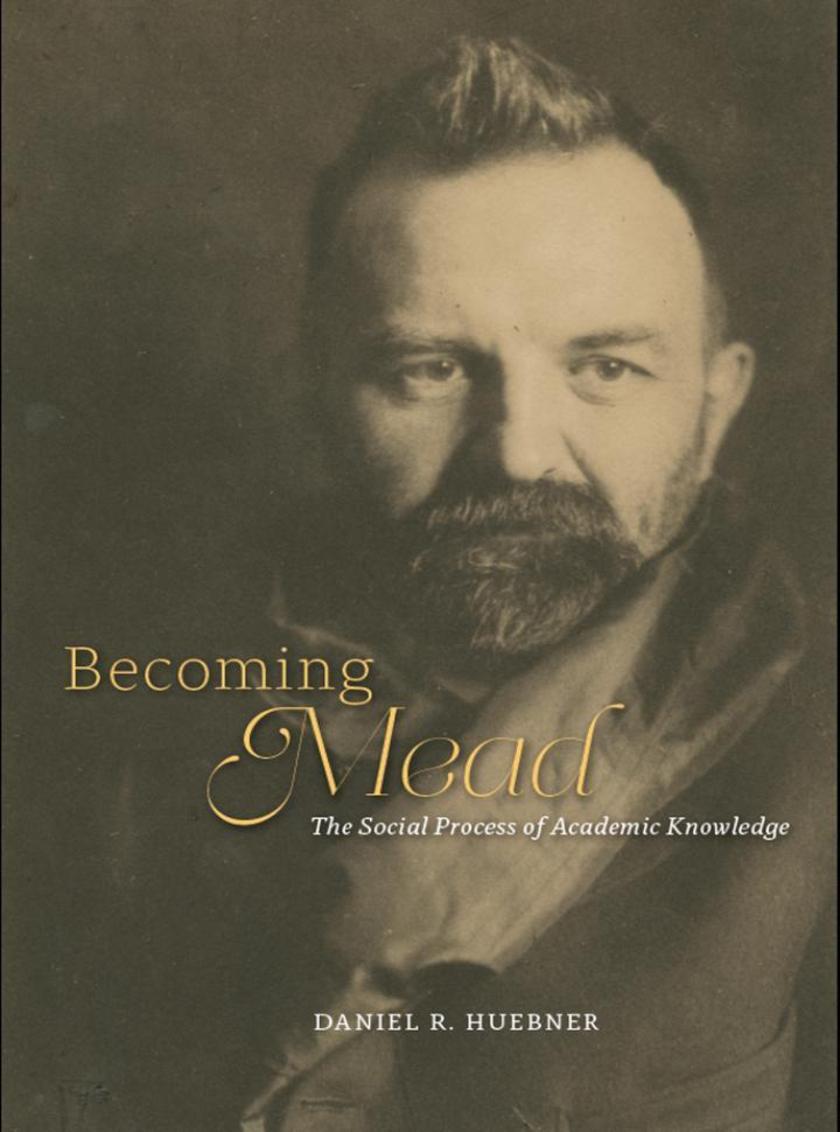
Becoming Mead
¥288.41
George Herbert Mead is a foundational figure in sociology, best known for his book Mind, Self, and Society, which was put together after his death from course notes taken by stenographers and students and from unpublished manu*s. Mead, however, never taught a course primarily housed in a sociology department, and he wrote about a wide variety of topics far outside of the concerns for which he is predominantly remembered-including experimental and comparative psychology, the history of science, and relativity theory.In short, he is known in a discipline in which he did not teach for a book he did not write.In Becoming Mead, Daniel R. Huebner traces the ways in which knowledge has been produced by and about the famed American philosopher. Instead of treating Mead's problematic reputation as a separate topic of study from his intellectual biography, Huebner considers both biography and reputation as social processes of knowledge production. He uses Mead as a case study and provides fresh new answers to critical questions in the social sciences, such as how authors come to be considered canonical in particular disciplines, how academics understand and use others' works in their research, and how claims to authority and knowledge are made in scholarship. Becoming Mead provides a novel take on the history of sociology, placing it in critical dialogue with cultural sociology and the sociology of knowledge and intellectuals.
Lonesome Roads and Streets of Dreams
¥282.53
Any listener knows the power of music to define a place, but few can describe the how or why of this phenomenon. In?Lonesome Roads and Streets of Dreams: Place, Mobility, and Race in Jazz of the 1930s and '40s, Andrew Berish attempts to right this wrong, showcasing how American jazz defined a culture particularly preoccupied with place. By analyzing both the performances and cultural context of leading jazz figures, including the many famous venues where they played, Berish bridges two dominant scholarly approaches to the genre, offering not only a new reading of swing era jazz but an entirely new framework for musical analysis in general, one that examines how the geographical realities of daily life can be transformed into musical sound.?Focusing on white bandleader Jan Garber, black bandleader Duke Ellington, white saxophonist Charlie Barnet, and black guitarist Charlie Christian, as well as traveling from Catalina Island to Manhattan to Oklahoma City,?Lonesome?Roads?and Streets of Dreams?depicts not only a geography of race but how this geography was disrupted, how these musicians crossed physical and racial boundaries-from black to white, South to North, and rural to urban-and how they found expression for these movements in the insistent music they were creating. ?
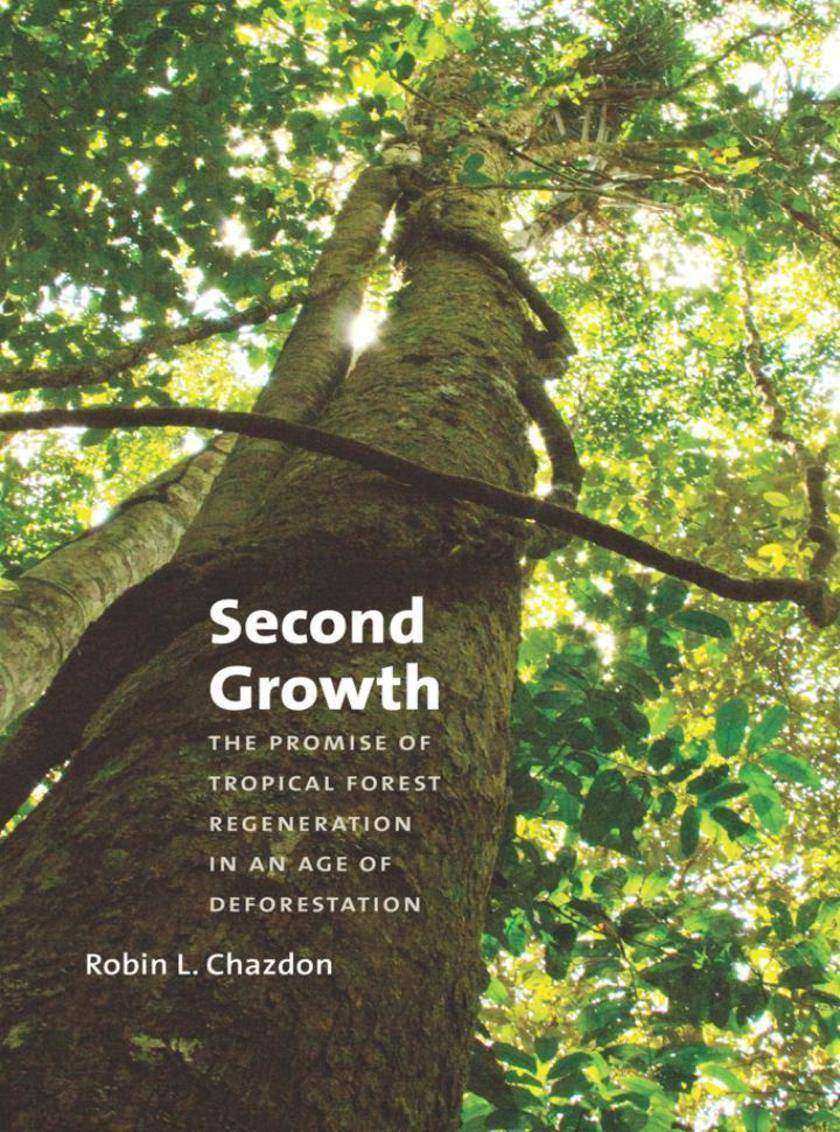
Second Growth
¥370.82
For decades, conservation and research initiatives in tropical forests have focused almost exclusively on old-growth forests because scientists believed that these "e;pristine"e; ecosystems housed superior levels of biodiversity. With Second Growth, Robin L. Chazdon reveals those assumptions to be largely false, bringing to the fore the previously overlooked counterpart to old-growth forest: second growth.Even as human activities result in extensive fragmentation and deforestation, tropical forests demonstrate a great capacity for natural and human-aided regeneration. Although these damaged landscapes can take centuries to regain the characteristics of old growth, Chazdon shows here that regenerating-or second-growth-forests are vital, dynamic reservoirs of biodiversity and environmental services. What is more, they always have been.With chapters on the roles these forests play in carbon and nutrient cycling, sustaining biodiversity, providing timber and non-timber products, and integrated agriculture, Second Growth not only offers a thorough and wide-ranging overview of successional and restoration pathways, but also underscores the need to conserve, and further study, regenerating tropical forests in an attempt to inspire a new age of local and global stewardship.

Serengeti IV
¥535.63
The vast savannas and great migrations of the Serengeti conjure impressions of a harmonious and balanced ecosystem. But in reality, the history of the Serengeti is rife with battles between human and non-human nature. In the 1890s and several times since, the cattle virus rinderpest-at last vanquished in 2008-devastated both domesticated and wild ungulate populations, as well as the lives of humans and other animals who depended on them. In the 1920s, tourists armed with the world's most expensive hunting gear filled the grasslands. And in recent years, violence in Tanzania has threatened one of the most successful long-term ecological research centers in history.Serengeti IV, the latest installment in a long-standing series on the region's ecology and biodiversity, explores the role of our species as a source of both discord and balance in Serengeti ecosystem dynamics. Through chapters charting the complexities of infectious disease transmission across populations, agricultural expansion, and the many challenges of managing this ecosystem today, this book shows how the people and landscapes surrounding crucial protected areas like Serengeti National Park can and must contribute to Serengeti conservation. In order to succeed, conservation efforts must also focus on the welfare of indigenous peoples, allowing them both to sustain their agricultural practices and to benefit from the natural resources provided by protected areas-an undertaking that will require the strengthening of government and education systems and, as such, will present one of the greatest conservation challenges of the next century.

Racial Order
¥323.73
Proceeding from the bold and provocative claim that there never has been a comprehensive and systematic theory of race, Mustafa Emirbayer and Matthew Desmond set out to reformulate how we think about this most difficult of topics in American life. In The Racial Order, they draw on Bourdieu, Durkheim, and Dewey to present a new theoretical framework for race scholarship. Animated by a deep and reflexive intelligence, the book engages the large and important issues of social theory today and, along the way, offers piercing insights into how race actually works in America. Emirbayer and Desmond set out to examine how the racial order is structured, how it is reproduced and sometimes transformed, and how it penetrates into the innermost reaches of our racialized selves. They also consider how-and toward what end-the racial order might be reconstructed.?In the end, this project is not merely about race; it is a theoretical reconsideration of the fundamental problems of order, agency, power, and social justice. The Racial Order is a challenging work of social theory, institutional and cultural analysis, and normative inquiry.
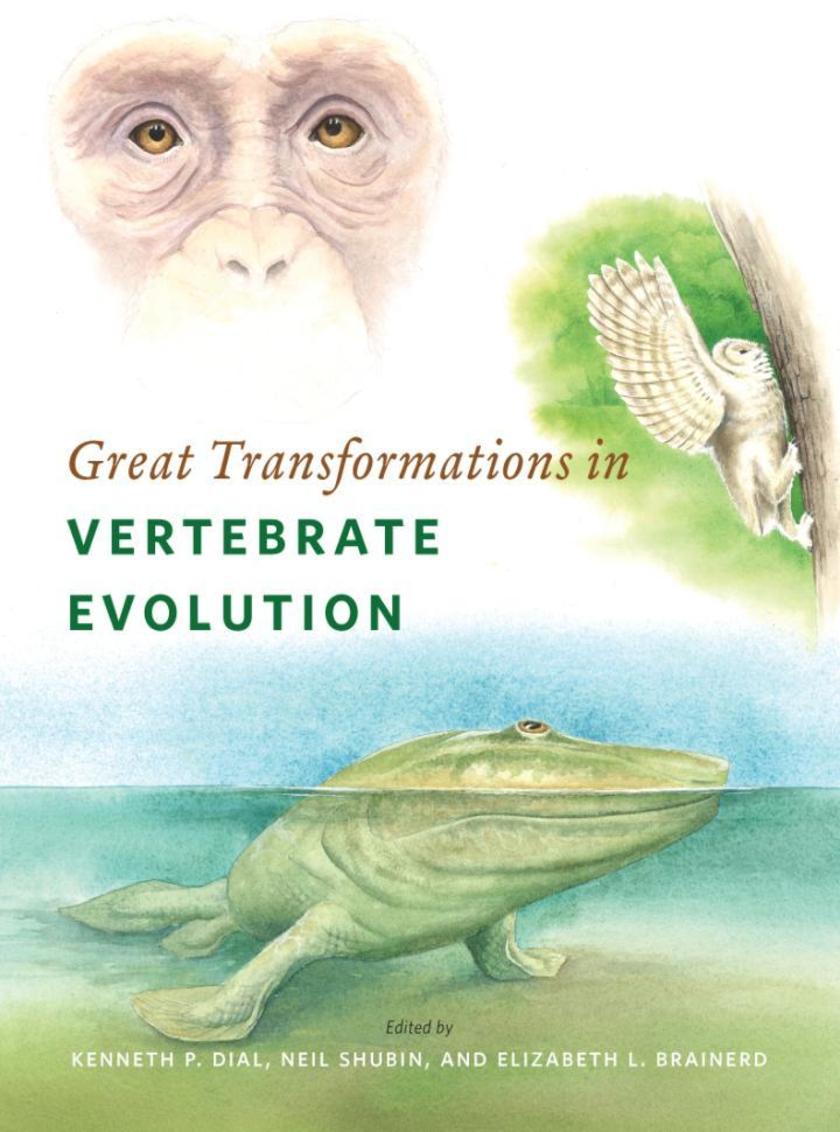
Great Transformations in Vertebrate Evolution
¥294.30
How did flying birds evolve from running dinosaurs, terrestrial trotting tetrapods evolve from swimming fish, and whales return to swim in the seaThese are some of the great transformations in the 500-million-year history of vertebrate life. And with the aid of new techniques and approaches across a range of fields-work spanning multiple levels of biological organization from DNA sequences to organs and the physiology and ecology of whole organisms-we are now beginning to unravel the confounding evolutionary mysteries contained in the structure, genes, and fossil record of every living species.This book gathers a diverse team of renowned scientists to capture the excitement of these new discoveries in a collection that is both accessible to students and an important contribution to the future of its field. Marshaling a range of disciplines-from paleobiology to phylogenetics, developmental biology, ecology, and evolutionary biology-the contributors attack particular transformations in the head and neck, trunk, appendages such as fins and limbs, and the whole body, as well as offer synthetic perspectives. Illustrated throughout, Great Transformations in Vertebrate Evolution not only reveals the true origins of whales with legs, fish with elbows, wrists, and necks, and feathered dinosaurs, but also the relevance to our lives today of these extraordinary narratives of change.


