


 购物车
购物车 个人中心
个人中心

莎士比亚戏剧典藏:李尔王
¥12.99
李尔王年老之际,算把国家分给三个女儿。为了满足虚荣心,他让女儿们表达如何爱戴他的。大女儿和二女儿刻意讨好,只有三女儿朴实而真诚地表达了感情,却遭到李尔王的误解而被驱逐出宫。然而得到王国后,两个女儿态度大变,把李尔王和随从葛罗斯特赶出宫。李尔王伤心的时候遇到了一个圣徒并向她倾诉了对小女儿的歉意和想念,不想圣徒正是小女儿,她早已原谅了父亲。葛罗斯特之前听信了小儿子爱德蒙的谗言,赶走了大儿子爱德伽。为了得到王位,爱德蒙不惜陷害自己的父亲和哥哥。与此同时,李尔王的大女儿和小女儿都爱上了为了得到王位陷害父亲与哥哥的爱德蒙。*终,李尔王等人被抓,爱德蒙发布秘密处死的口令。爱德伽与爱德蒙决斗并杀死了埃德蒙。而高纳里尔与里根也已经死去。李尔王崩溃了......
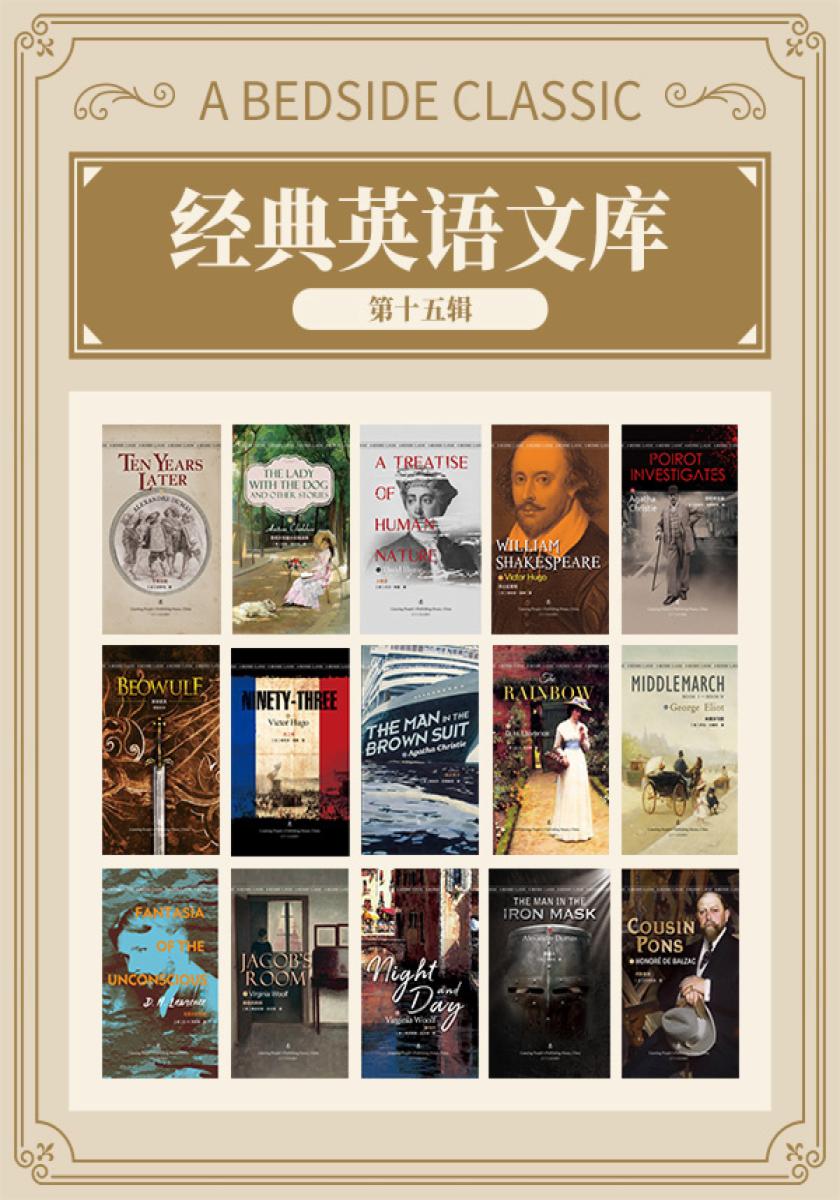
最经典英语文库(第十五辑)共15册
¥256.85
告别碎片式阅读,从阅读经典开始。“最经典英语文库”系列丛书(15辑)共15册:《虹》《无意识幻想曲》《邦斯舅舅》《米德尔马契》《十年以后》《贝尔武夫(英国史诗)》《人性论》《褐衣男子》《九三年》《莎士比亚传》《夜与日》《雅各的房间》《铁面人》《契诃夫短篇小说精选集》《首相绑架案》。
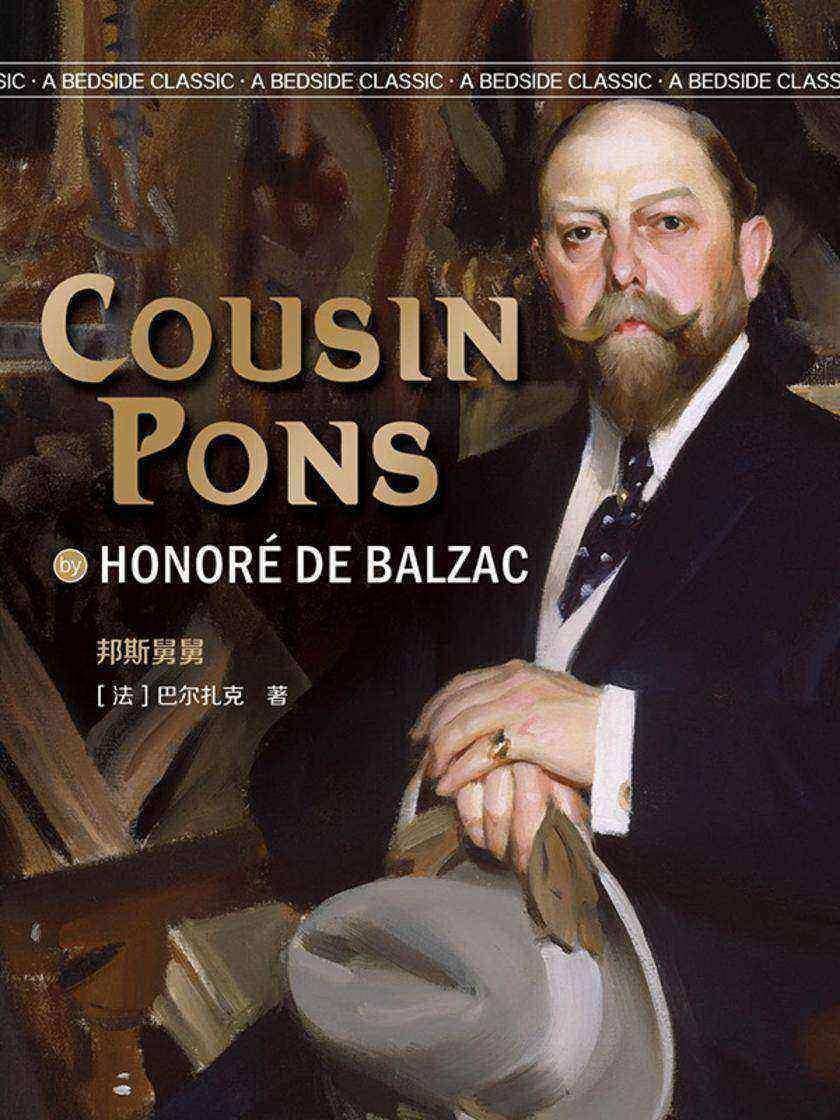
邦斯舅舅(英语文库)
¥12.99
本书作为我社“经典英语文库”第15辑中的一种,精选由英法国著名作家巴尔扎克的经典作品《邦斯舅舅》。作品讲述了邦斯舅舅——一个诚实而高尚的音乐家,具有很高的艺术品位,为了丰富自己的藏画,他不惜付出一切。当人们不知道他家中有这些宝藏时,谁也不把他放在心上。当人们获悉这些名画的价值时,以庭长太太为首的上流社会的人们便千方百计地谋取他的财富的故事。

贝尔武夫(英国史诗)(英语文库)
¥8.99
本书作为我社“经典英语文库”第15辑中的一种,精选著名史诗《贝奥武夫》。作品讲述了斯堪的纳维亚的英雄贝奥武夫的英勇事迹。是迄今为止发现的英国盎格鲁—撒克逊时期古老、长的一部较完整的文学作品,也是欧洲早的方言史诗,完成于公元八世纪左右,它与法国的《罗兰之歌》、德国的《尼伯龙根之歌》并称为欧洲文学的三大英雄史诗。
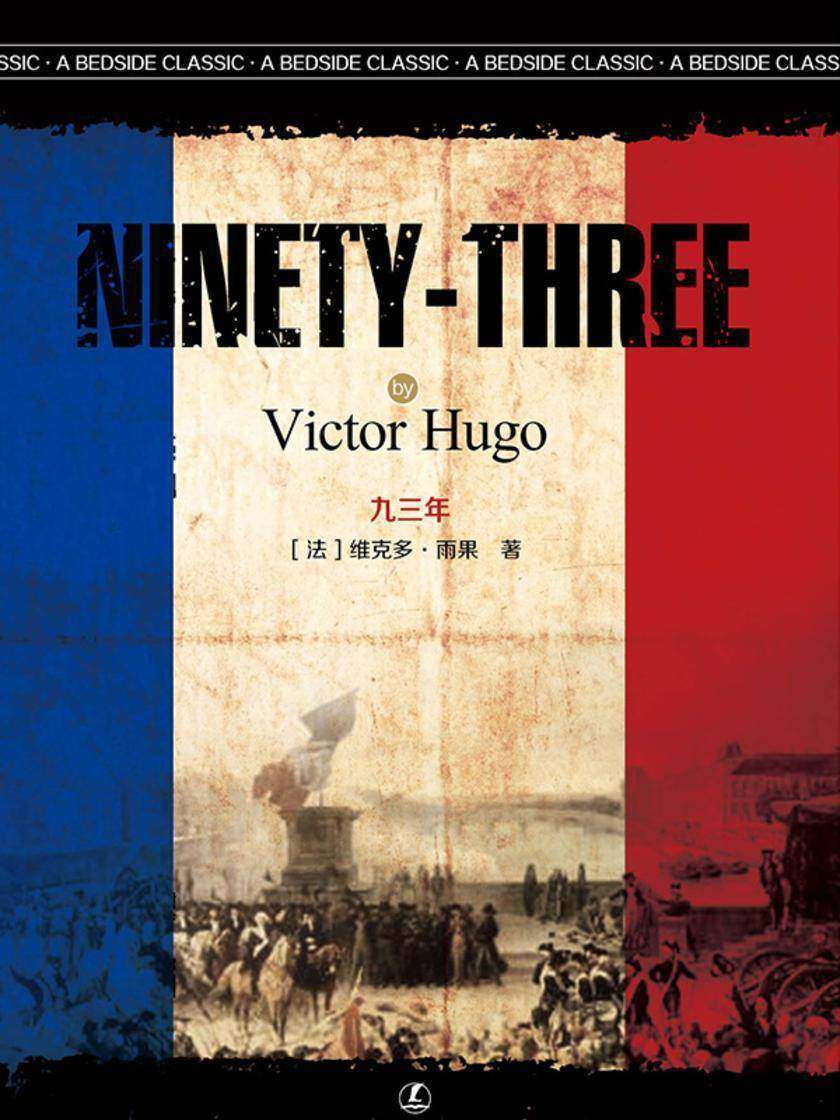
九三年(英语文库)
¥19.99
本书作为我社“经典英语文库”第15辑中的一种,精选由法国著名作家维克多·雨果的经典作品《九三年》。《九三年》是雨果创作的后一部长篇小说,首次出版于1874年2月。雨果在小说中塑造了旺代叛军首领朗德纳克侯爵及其侄孙、镇压叛乱的共和军司令郭文,以及郭文的家庭教师、公安委员会特派员西穆尔登这三个中心人物,围绕他们展了错综复杂的情节,描绘了资产阶级和封建势力在1793年行殊死搏斗的历史场面。对资产阶级和封建阶级展的生死搏斗的正确描写是这本小说的基本价值所在。雨果以深邃的社会历史眼光和磅礴雄伟的气魄,用如椽的巨笔,描绘了一幅资产阶级大革命的真实生动的历史画卷。小说以旺代叛乱与平定叛乱的斗争为背景,以三个孩子的命运为线索,描写了革命与反革命、共和与保王两党之间那场血与火的惨烈严酷的内战,再现了新旧两种制度那不以人的意志为转移的殊死较量,揭露了保王势力的凶残没落,歌颂了以国民公会为代表的新生革命政权,同时也表现了作者一贯的人道主义思想。

莎士比亚传(英语文库)
¥16.99
本书作为我社“经典英语文库”第15辑中的一种,精选由法国著名作家维克多·雨果的作品《莎士比亚传》。这部“莎传”,又名《论莎士比亚》。这部书被视为“一部文艺评论专著”。实际是作者借分析莎翁表达自己的浪漫主义理想,作者是法国重要之浪漫主义大师,所以他认定莎翁也是这样的浪漫主义者。这是一代文豪用其“大心”去领悟另一代文豪的“大心”。这才是真正的“大手笔”,中文叫做“如缘巨笔”。透过书中汪洋恣肆、慧眼独具的文字,我们读到的不止是莎翁,更是整个的西洋文明,几千年传承而下之西洋人的“精神世界”。


福尔摩斯探案集(英文版)
促销价:¥6.99|¥23.99
精选了一些福尔摩斯的英文短篇探案故事,练练英文阅读还是好的,毕竟中文之外还有更多优秀的小说值得你阅读。

假如给我三天光明(英文版)
¥19.99
作为一名盲人兼聋人,海伦·凯勒无疑创造了一个传奇。在如此不便的身体条件下,她不但学会了说话,也学会了写作,一生著述达14本书,还包括若干的散文和随笔。而且,她一生都在为残疾人、妇女权利、劳工权利和世界和平奔走呼号。 本书摘选了她*著名的文章《假如给我三天光明》以及她的小传《我的生活》。从这些原汁原味、饱含深情的文字中,我们当能感受到一个不屈抗争的灵魂。
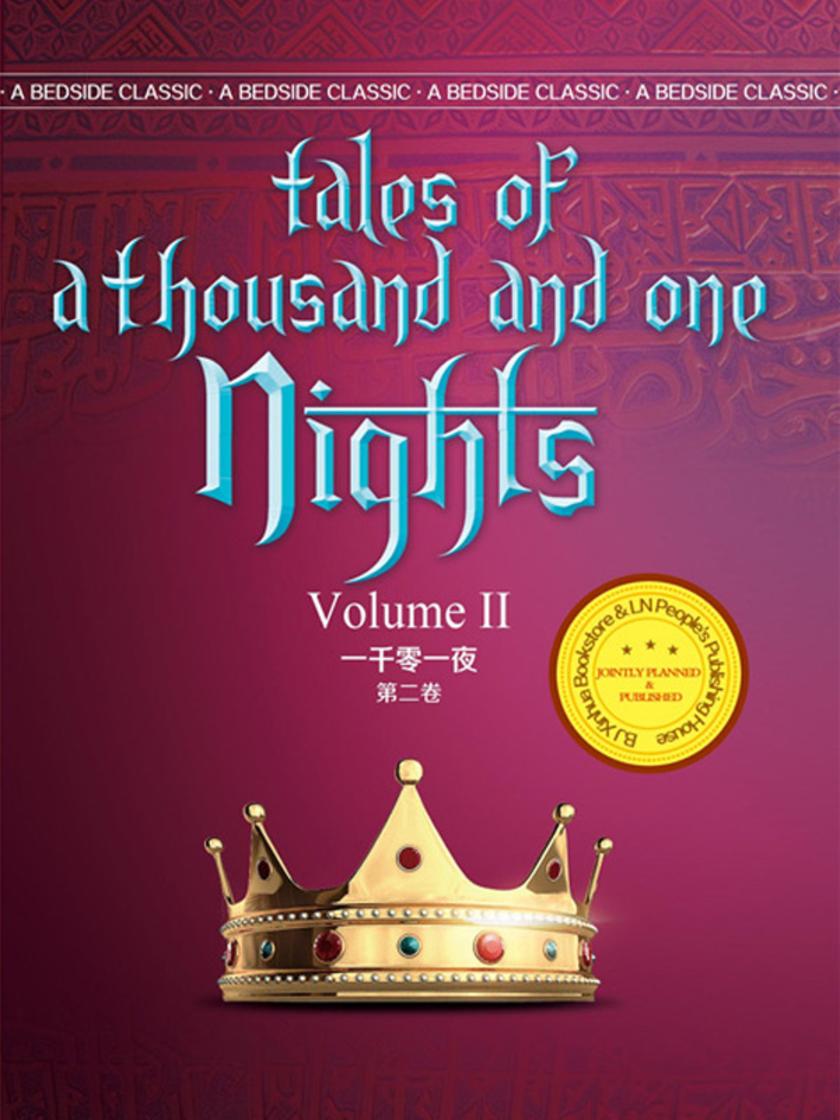
一千零一夜(第二卷)(英语文库)
¥16.99
本书被列我社“*经典英语文库”第14辑中的一种,是阿拉伯帝国创建后阿拉伯民族精神形成和确立时期的产物,共有三个故事来源:一是波斯故事集《赫左儿·艾夫萨乃》,二是伊拉克即以巴格达为中心的阿巴斯王朝时期流行的故事,三是埃及支马立克王朝时期流行的故事。
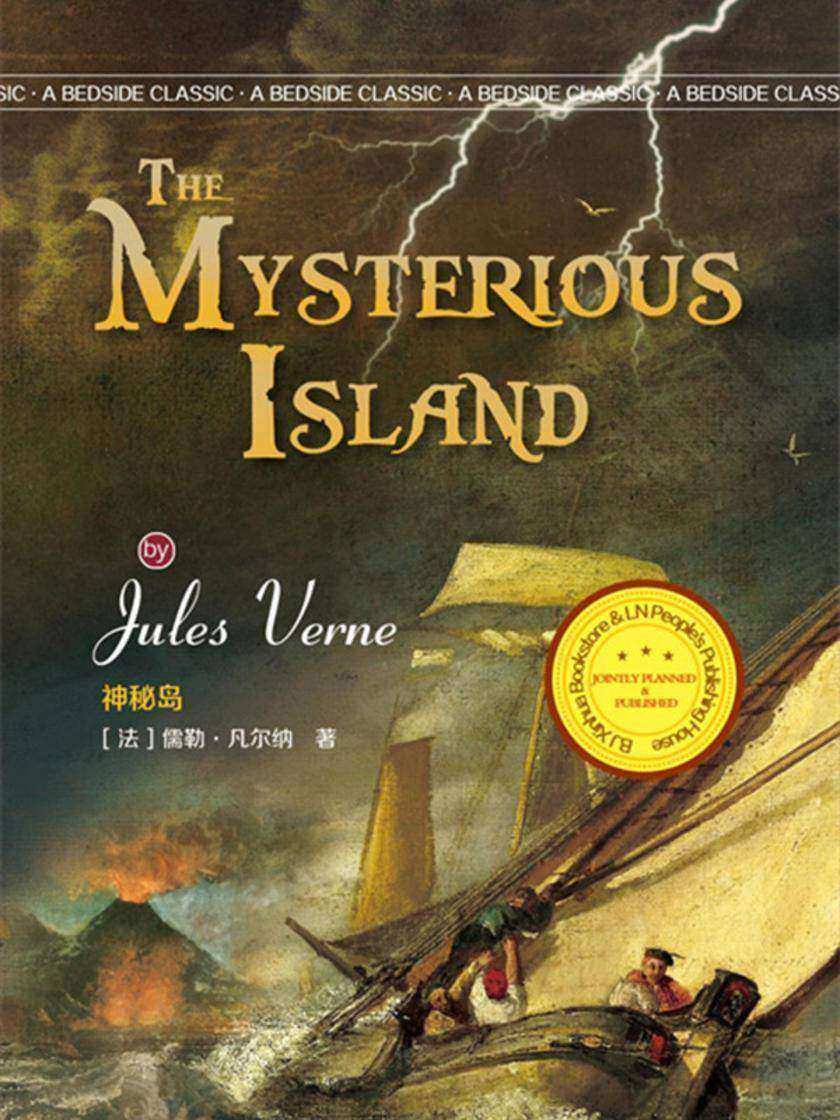
神秘岛(英语文库)
¥24.99
本书作为我社“*经典英语文库”第14辑中的一种,精选由法国著名作家儒勒·凡尔纳的经典作品《神秘岛》。作品讲述了在美国南北战争时期,几个被困在南军中的北方人,中途被风暴吹落在太平洋中的一个荒岛上,他们团结互助,建立起幸福生活,直至回到美国又重新始他们在岛上建立的事业的故事。
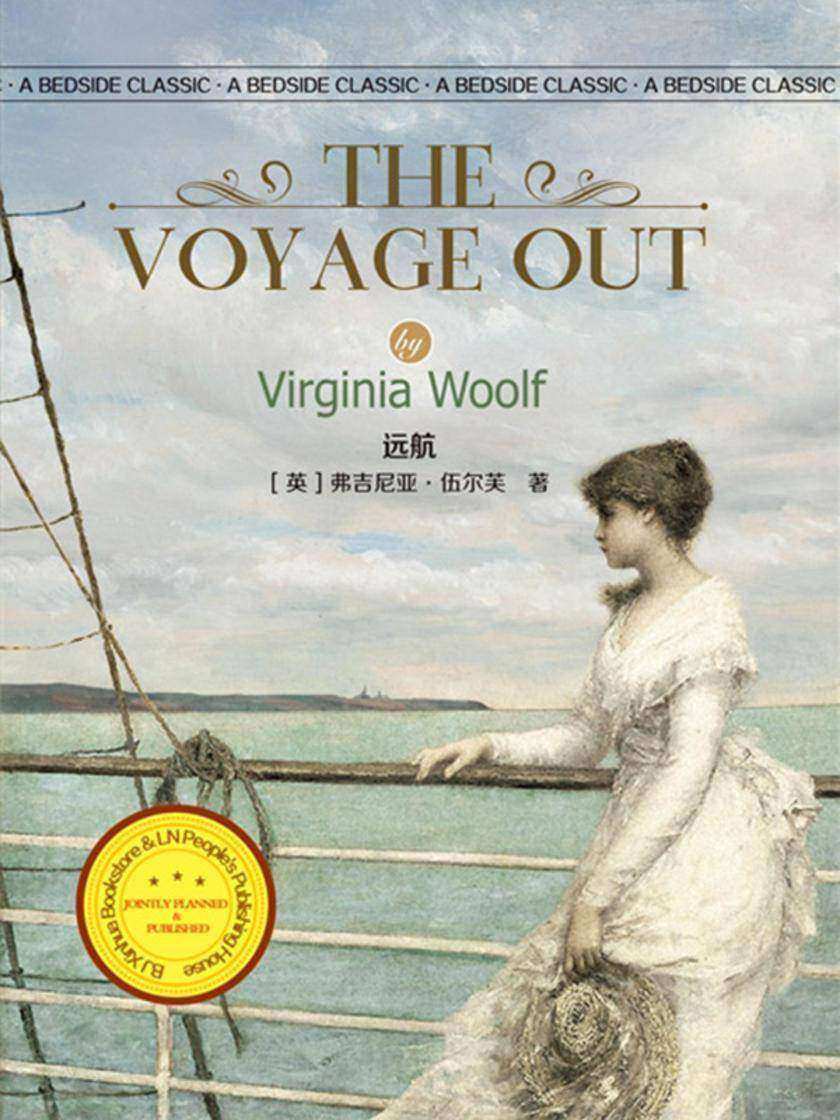
远航(英语文库)
¥16.99
·伍尔芙的*部长篇小说·对女性的成长和两性关系行了初次探讨·揭示了女主人公自我意识不断觉醒的过程

人性论(英语文库)
¥26.99
本书作为我社“经典英语文库”第15辑中的一种,精选英国哲学家大卫·休谟创作的哲学著作《人性论》,以三卷本出版,前两卷(《论知性》与《论情感》)于1739年出版,第三卷(《论道德》)于1740年出版。《人性论》从社会角度而非自然科学角度探讨了基于公共意见与信念而形成的人的社会本性。全书分三卷,分别为“论知性”、 “论情感”、“论道德”。卷阐述认识论,主要说明了知识的起源、分类和范围,人的认识能力和界限,以及推理的性质和作用等内容。第二卷以感觉性观说明伦理学和美学问题,认为快乐的感觉是善和美的共同基础。第三卷是在前两卷基础上对道德问题的全面阐述。
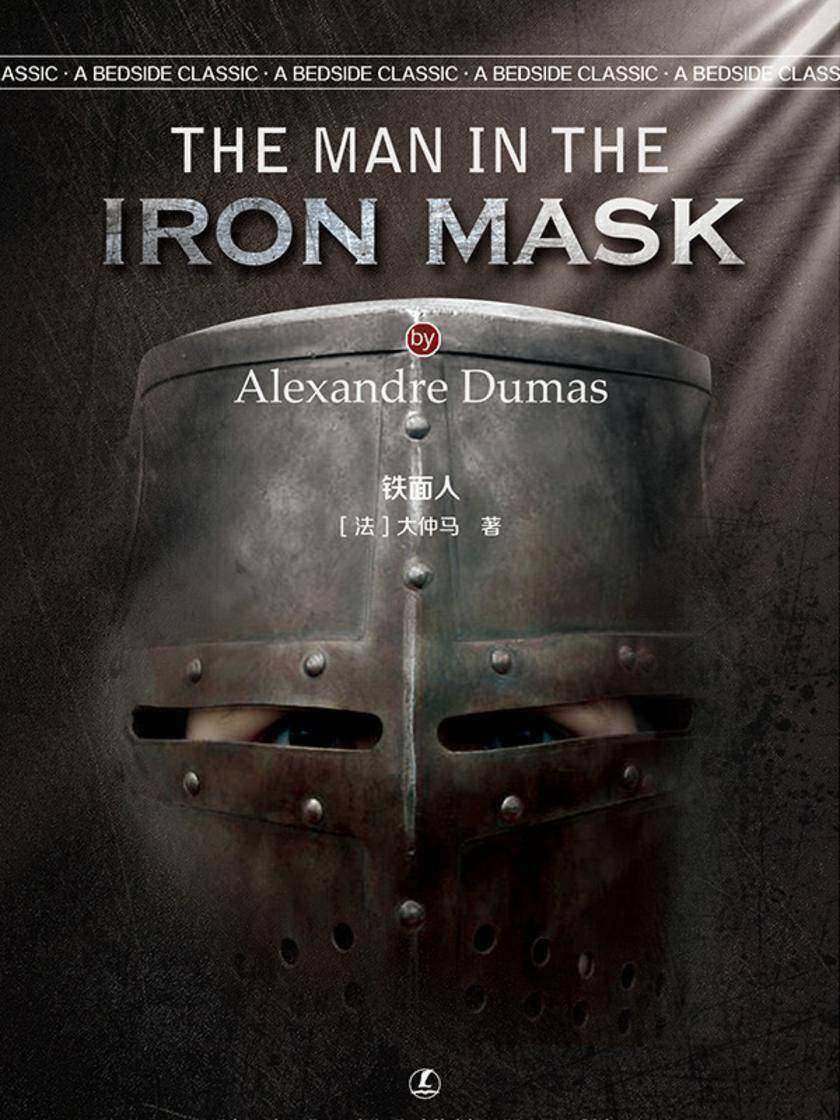
铁面人(英语文库)
¥21.99
本书作为我社“经典英语文库”第15辑中的一种,精选法国著名小说家大仲马的《铁面人》。本书讲述了阿拉宓斯(三个火枪手之一)秘密地从巴士底狱救出了被囚禁的路易十四的孪生兄弟菲力普,并设计让他坐上王位,反把路易十四关巴士底狱。但一昼夜后这一计谋被火枪手队长达尔大尼央识破,他帮助路易十四重登王位,而菲力普则再囹圄,并且脸上永远蒙上了一层面罩。大仲马小说大都以真实的历史作背景,情节曲折生动,往往出人意料,有历史惊险小说之称。结构清晰明朗,语言生动有力,对话灵活机智等构成了大仲马小说的特色。大仲马也因而被后人美誉为“通俗小说之王”。
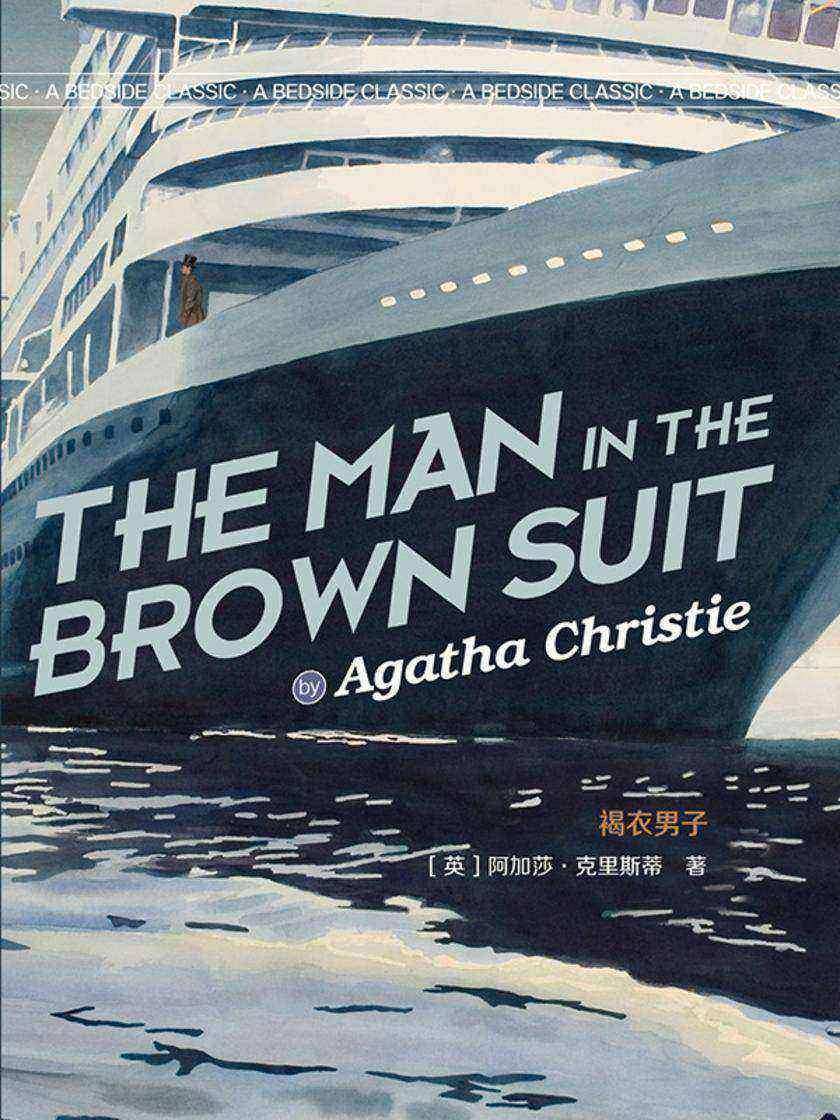
褐衣男子(英语文库)
¥10.99
本书作为我社“经典英语文库”第15辑中的一种,精选由英国著名女作家阿加莎·克里斯蒂的著名小说《褐衣男子》。这是阿加莎·克里斯蒂一次以生活里的人物为原型创作一个书里的角色,而且是应一位朋友的要求——爵士的秘书一角的原型是阿加莎·克里斯蒂前夫的朋友、邀请阿加莎一家去南非旅行的贝尔彻,在题词中,阿加莎也将本书献给了贝尔彻。本书后来连载在《新闻晚报》上,为阿加莎·克里斯蒂获得一笔不菲的收,连载时改用了一个俗气的名字:《女冒险家安娜》。

Thirst - Man is born broken. He lives by mending. The grace of God is glue.
¥14.03
Eugene Gladstone O'Neill was born on October 16, 1888 in a hotel bedroom in what is now Times Square, New York. Much of his childhood was spent in the comfort of books at boarding schools whilst his actor father was on the road and his Mother contended with her own demons. He spent only a year at University - Princeton - and various reasons have been given for his departure. However whatever his background and education denied or added to his development it is agreed amongst all that he was a playwright of the first rank and possibly America's greatest. His introduction of realism into American drama was instrumental in its development and paved a path for many talents thereafter. Of course his winning of both the Pulitzer Prize (4 times) and the Nobel Prize are indicative of his status. His more famous and later works do side with the disillusionment and personal tragedy of those on the fringes of society but continue to build upon ideas and structures he incorporated in his early one act plays. Eugene O'Neill suffered from various health problems, mainly depression and alcoholism. In the last decade he also faced a Parkinson's like tremor in his hands which made writing increasingly difficult. But out of such difficulties came plays of the calibre of The Iceman Cometh, Long Day's Journey Into Night, and A Moon for the Misbegotten. Eugene O'Neill died in Room 401 of the Sheraton Hotel on Bay State Road in Boston, on November 27, 1953, at the age of 65. As he was dying, he whispered his last words: "e;I knew it. I knew it. Born in a hotel room and died in a hotel room."e;
King A dipus - Not all things are to be discovered; many are better concealed
¥11.67
The village of Colonus, near Athens, was, in the year 495 BC, the birthplace of Sophocles. Sophocles place in Greek Tragedy is assured. His birth places him between the two other giants of Greek tragedy; schylus and Euripides. He was 30 years younger than schylus, the reigning master of drama and was fifteen years older than Euripides, who would, in turn, usurp Sophocles. Sophocles was a handsome and agile youth and selected, at the age of sixteen, to lead with dance and lyre the chorus which celebrated the triumph of Athens and its Allies over Persia at the battle at Salamis. Sophocles career as a dramatist was marked by a victory in competition with schylus, under exceptional circumstances. At the time the remains of the hero Theseus were being removed by Cimon from the isle of Scyros to Athens and, at the same time, a contest involving the two dramatists was being held. schylus was lauded at the time as the supreme dramatist but Sophocles was popular if inexperienced. The first prize was awarded to Sophocles, greatly to the disgust of the veteran schylus, who taking umbrage, soon afterward departed for Sicily. By all accounts Sophocles would now write and exhibit tragedies and satyric dramas for the next sixty years. The canon of his work varies to between 120 and 180 plays, naturally a number were fillers and not of his highest standard but the prodigious output is extraordinary. In the annual Dionysia, the number of first prizes he won is put at between eighteen and twenty-four, with many more second prizes. On this basis alone schylus and Euripides were left a long way behind. So far from being dulled with age and toil, his powers seem only to have assumed a mellower tone, a more touching pathos, a sweeter and gentler mode of thought and expression. Sophocles was spared the misery of witnessing the final overthrow of his country, dying, at the age or around 90 after a long life full of triumphs and honours, a few months before the defeat of Aegospotami brought the downfall of his beloved Athens. This naval Battle of Aegospotami took place in 405 BC and decisively determined the outcome of the Peloponnesian War. In the battle, a Spartan fleet under Lysander destroyed the Athenian navy. This effectively ended the war, since Athens could not import grain or communicate with its empire without control of the sea. There are only seven dramas of Sophocles that have survived. It can be argued that Sophocles and his works were the high-water mark of Athenian excellence. He is rightly lauded and we can only wonder at the splendours he wrote that are now lost to us.
Love's Cruelty - Death lays his icy hand on kings. Scepter and crown must tumble
¥25.80
James Shirley was born in London in September 1596. His education was through a collection of England's finest establishments: Merchant Taylors' School, London, St John's College, Oxford, and St Catharine's College, Cambridge, where he took his B.A. degree in approximately 1618. He first published in 1618, a poem entitled Echo, or the Unfortunate Lovers. As with many artists of this period full details of his life and career are not recorded. Sources say that after graduating he became "e;a minister of God's word in or near St Albans."e; A conversion to the Catholic faith enabled him to become master of St Albans School from 1623-25. He wrote his first play, Love Tricks, or the School of Complement, which was licensed on February 10th, 1625. From the given date it would seem he wrote this whilst at St Albans but, after its production, he moved to London and to live in Gray's Inn. For the next two decades, he would write prolifically and with great quality, across a spectrum of thirty plays; through tragedies and comedies to tragicomedies as well as several books of poetry. Unfortunately, his talents were left to wither when Parliament passed the Puritan edict in 1642, forbidding all stage plays and closing the theatres. Most of his early plays were performed by Queen Henrietta's Men, the acting company for which Shirley was engaged as house dramatist. Shirley's sympathies lay with the King in battles with Parliament and he received marks of special favor from the Queen. He made a bitter attack on William Prynne, who had attacked the stage in Histriomastix, and, when in 1634 a special masque was presented at Whitehall by the gentlemen of the Inns of Court as a practical reply to Prynne, Shirley wrote the text-The Triumph of Peace. Shirley spent the years 1636 to 1640 in Ireland, under the patronage of the Earl of Kildare. Several of his plays were produced by his friend John Ogilby in Dublin in the first ever constructed Irish theatre; The Werburgh Street Theatre. During his years in Dublin he wrote The Doubtful Heir, The Royal Master, The Constant Maid, and St. Patrick for Ireland. In his absence from London, Queen Henrietta's Men sold off a dozen of his plays to the stationers, who naturally, enough published them. When Shirley returned to London in 1640, he finished with the Queen Henrietta's company and his final plays in London were acted by the King's Men. On the outbreak of the English Civil War Shirley served with the Earl of Newcastle. However when the King's fortunes began to decline he returned to London. There his friend Thomas Stanley gave him help and thereafter Shirley supported himself in the main by teaching and publishing some educational works under the Commonwealth. In addition to these he published during the period of dramatic eclipse four small volumes of poems and plays, in 1646, 1653, 1655, and 1659. It is said that he was "e;a drudge"e; for John Ogilby in his translations of Homer's Iliad and the Odyssey, and survived into the reign of Charles II, but, though some of his comedies were revived, his days as a playwright were over. His death, at age seventy, along with that of his wife, in 1666, is described as one of fright and exposure due to the Great Fire of London which had raged through parts of London from September 2nd to the 5th. He was buried at St Giles in the Fields, in London, on October 29th, 1666.
Arthur Conan Doyle - The Parasite
¥15.21
The Parasite is another celebrated novel belonging to the creator of Sherlock Holmes, Arthur Conan Doyle. The protagonist of the narrative is named Austin Gilroy. He is a young professor of physiology whose friend, Professor Wilson, is specializing in occult practices and mesmerism. In one occasion, Gilroy is introduced to Miss Penclosa, a strange, crippled woman who claims to have psychic powers. To persuade the incredulous young man, she hypnotizes his fiancee in front of him. Being now convinced of her powers, though without having any rational explanations for them, Gilroy decides to attend the occult gatherings organized by Wilson and allows Miss Penclosa to practice her powers on him. Miss Penclosa, who falls in love with Gilroy, manages to push him to break his engagement with his fiancee. Gradually, he becomes totally dependent on her and can no longer free himself from her grip. She plays her tricks to make him praise her and caress her until he becomes like a mere toy in her hands. He is only freed when one day, as he is heading towards her house for their daily date, her nurse announces that she has died.

Little Plays - These trenches are like Pompeii, sir.
¥14.03
Ford Madox Ford was born Ford Hermann Hueffer on 17th December 1873 in Wimbledon, London, England.Today he is best known for one book, 'The Good Soldier', which is regularly held to be one of the 100 greatest novels of all time. But, rather unfairly, the breadth of his career has been overshadowed. He wrote novels as well as essays, poetry, memoirs and literary criticism. Today he is well-regarded but known only for a few works rather than the grand arc of his career.Ford collaborated with Joseph Conrad on three novels but would later complain that, as with all his collaborators, and those he so readily championed, his contribution was overshadowed by theirs.He founded The English Review and The Transatlantic Review which were instrumental in publishing and promoting the works of so many authors and movements.During WWI he initially worked on propaganda books before enlisting. Ford was invalided back to Britain in 1917, remaining in the army and giving lectures until the War's end. After a spell recuperating in the Sussex countryside he lived mostly in France during the 1920s.He published the series of four novels known as Parade's End, between 1924 and 1928. These were particularly well-received in America, where Ford spent much of his time from the later 1920s to his death in 1939.His last years were spent teaching at Olivet College in Olivet, Michigan.Ford Madox Ford died on 26th June 1939 at Deauville, France at the age of 65.
Man of Mode - or, Sir Fopling Flutter. A Comedy
¥25.80
George Etherege was born in Maidenhead, Berkshire, around 1636, the eldest of six children to George Etherege and Mary Powney. Little is known of much of his life and especially his early years. He was educated at Lord Williams's School and the next sighting of him is as apprentice to a lawyer before he himself began to study law at Clement's Inn, London, one of the Inns of Chancery. Thereafter conjecture attributes many things to him but none that can be confirmed as fact. However, after the Restoration to the throne of Charles II in 1660 he wrote his first comedy; The Comical Revenge, or, Love in a Tub, which also brought him to the attention of Lord Buckhurst, who later became the Earl of Dorset. The Comical Revenge was performed at the Duke's theatre in 1664 although other accounts say it was premiered at Lincoln's Inn Fields. It is written partly in rhymed heroic verse and contains several comic scenes that are refreshingly bright, especially in the context of other plays performed at the time. The verbal sparring between Sir Frederick and the Widow was a new departure for the stage and it worked brilliantly. An immediate success, it had followed much of the earlier traditions of theatre but had already begun to lay the foundations for what would become the comedy of manners. It gave him an immediate entree to a world of literary rakes, including Sir Charles Sedley, John Wilmot, the earl of Rochester and many of the roguish elements of the Court circle. He seemed easy-going and amiable and his nicknames seem to confirm this; "e;gentle George"e; and "e;easy Etheredge."e; Whether this rich life of gaudy pleasures hindered his writing or not it would be another four years before his next play would be finished and performed. In 1668 She Would If She Could, a comedy full of action, wit and spirit, came to the stage. Although it was also seen by others to be frivolous and immoral. However, the play does cement Etheredge's modern reputation as a powerful figure in English playwriting. The play dropped the romantic verse element to concentrate on flirtation for flirtations own sake. It was a radical departure. Unfortunately, it also flopped. It is said due to bad acting but the sudden movement away from the normal structure of a play may equally be the reason. Etheridge now departed on new adventures and between 1668 and 1671 Etherege resided in Constantinople as the secretary of the English ambassador, Sir Daniel Harvey. Returning once more to English shores he wrote the prologue for the opening, in 1671, of the new Dorset Garden Theatre. In 1676 his last and wittiest comedy, The Man of Mode; or, Sir Fopling Flutter, was brought to the stage. It was an immediate and over-whelming success. He was acclaimed. A writer being the sum of his own experiences it was widely believed that the play's characters paint comic pictures of several of his well-known contemporaries. Sir Fopling Flutter himself being a portrait of Beau Hewit, the reigning exquisite of the hour, Dorimant a reference to John Wilmot, the Earl of Rochester, and Medley a portrait of Etherege himself or fellow playwright and wit Sir Charles Sedley. Even the drunkard shoemaker was a real character, who made his fortune from being brought to public attention. After this brilliant success Etheredge retired from literature, and a few years later had lost much of his new fortune to gambling. Etherege was knighted in either 1679 or 1680 and went on to marry the wealthy widow Mary Sheppard Arnold. In March, 1685 he was appointed resident minister in the imperial German court at Regensburg. After three and a half-year's residence and the Glorious Revolution, he left for Paris to join James II in exile. He died in Paris, probably in late 1691, although the date and cause of death are uncertain.
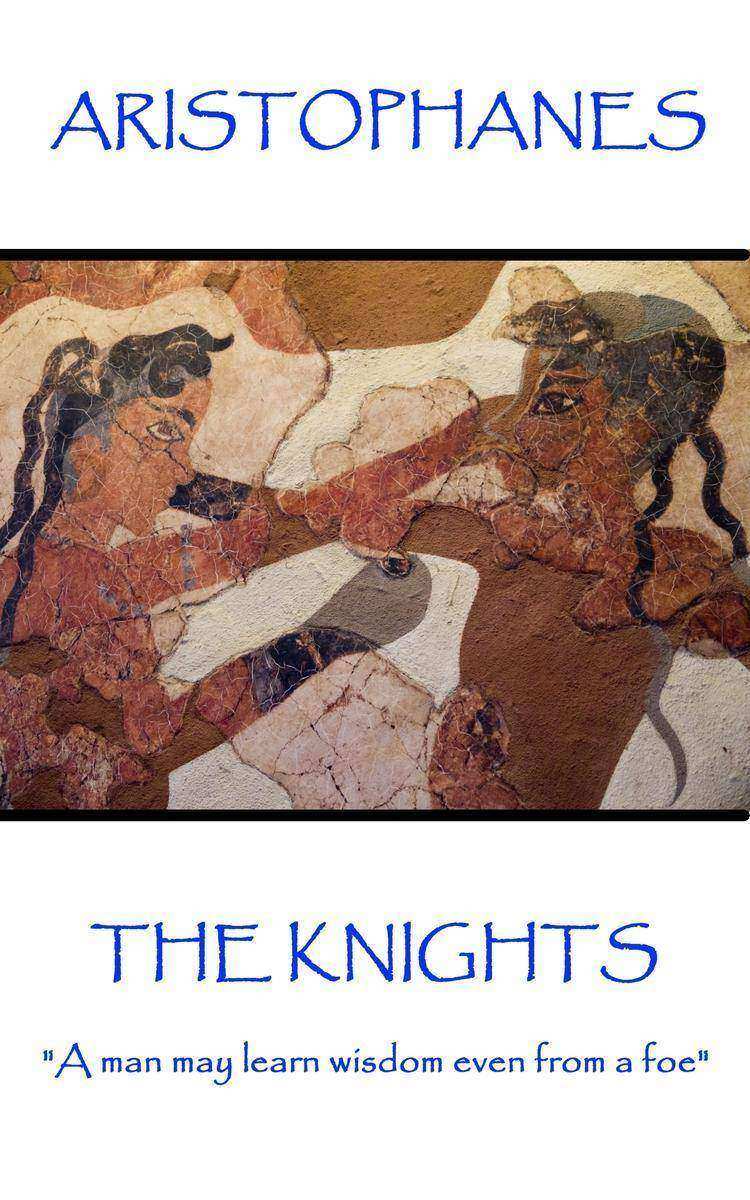
Knights - A man may learn wisdom even from a foe
¥11.67
The reality is that little is known of Aristophanes actual life but eleven of his forty plays survive intact and upon those rest his deserved reputation as the Father of Comedy or, The Prince of Ancient Comedy. Accounts agree that he was born sometime between 456BC and 446 BC. Many cities claim the honor of his birthplace and the most probable story makes him the son of Philippus of gina, and therefore only an adopted citizen of Athens, a distinction which, at times could be cruel, though he was raised and educated in Athens. His plays are said to recreate the life of ancient Athens more realistically than any other author could. Intellectually his powers of ridicule were feared by his influential contemporaries; Plato himself singled out Aristophanes' play The Clouds as a slander that contributed to the trial and condemning to death of Socrates and although other satirical playwrights had also caricatured the philosopher his carried the most weight. His now lost play, The Babylonians, was denounced by the demagogue Cleon as a slander against the Athenian polis. Aristophanes seems to have taken this criticism to heart and thereafter caricatured Cleon mercilessly in his subsequent plays, especially The Knights. His life and playwriting years were undoubtedly long though again accounts as to the year of his death vary quite widely. What can be certain is that his legacy of surviving plays is in effect both a treasured legacy but also in itself the only surviving texts of Ancient Greek comedy.


