


 购物车
购物车 个人中心
个人中心
Maze Maker
¥141.26
"e;I address you across more than three thousand years, you who live at the conjunction of the Fish and the Water-carrier,"e; speaks Daedalus, an artisan, inventor, and designer born into an utterly alien family of heroes who value acts of war above all else, a world where his fellow Greeks seem driven only to destroy-an existence he feels compelled to escape.In this fictional autobiography of the father of Icarus, "e;Apollo's creature,"e; a brilliant but flawed man, writer and sculptor Michael Ayrton harnesses the tales of the past to mold a myth for our times. We learn of Daedalus's increasingly ambitious artifacts and inventions; his fascination with Minoan culture, commerce, and religion, and his efforts to adapt to them; how he comes to design the maze of the horned Minotaur; and how, when he decides that he must flee yet again, he builds two sets of wax wings-wings that will be instruments of his descent into the underworld, a place of both purgatory and rebirth.A compelling mix of history, fable, lore, and meditations on the enigma of art, The Maze Maker will ensnare classicists, artists, and all lovers of story in its convolutions of life and legend. "e;I never understood the pattern of my life,"e; writes Daedalus, "e;so that I have blundered through it in a maze."e;
Forms of Attention
¥129.49
Sir Frank Kermode, the British scholar, instructor, and author, was an inspired critic.?Forms of Attention is based on a series of three lectures he gave on canon formation, or how we choose what art to value. The essay on Botticelli traces the artist's sudden popularity in the nineteenth century for reasons that have more to do with poetry than painting. In the second essay, Kermode reads Hamlet from a very modern angle, offering a useful (and playful) perspective for a contemporary audience. The final essay is a defense of literary criticism as a process and conversation that, while often conflating knowledge with opinion, keeps us reading great art and working with-and for-literature.?"e;Kermode's volume has the virtue of a lecturer's accessible style designed for a listening audience. It is also self-consciously spare of 'naked criticism.' There is, nonetheless, an abundance of learned commentary, steady substance, and unveiled critical excellence. Which is to say the volume is a useful and engaging reflection of its learned author."e;-London Review of Books
Learning to Look
¥123.61
Sometimes seeing is more difficult for the student of art than believing. Taylor, in a book that has sold more than 300,000 copies since its original publication in 1957, has helped two generations of art students "e;learn to look."e;This handy guide to the visual arts is designed to provide a comprehensive view of art, moving from the analytic study of specific works to a consideration of broad principles and technical matters. Forty-four carefully selected illustrations afford an excellent sampling of the wide range of experience awaiting the explorer.The second edition of Learning to Look includes a new chapter on twentieth-century art. Taylor's thoughtful discussion of pure forms and our responses to them gives the reader a few useful starting points for looking at art that does not reproduce nature and for understanding the distance between contemporary figurative art and reality.

Rembrandt's Jews
¥175.40
There is a popular and romantic myth about Rembrandt and the Jewish people. One of history's greatest artists, we are often told, had a special affinity for Judaism. With so many of Rembrandt's works devoted to stories of the Hebrew Bible, and with his apparent penchant for Jewish themes and the sympathetic portrayal of Jewish faces, it is no wonder that the myth has endured for centuries.Rembrandt's Jews puts this myth to the test as it examines both the legend and the reality of Rembrandt's relationship to Jews and Judaism. In his elegantly written and engrossing tour of Jewish Amsterdam-which begins in 1653 as workers are repairing Rembrandt's Portuguese-Jewish neighbor's house and completely disrupting the artist's life and livelihood-Steven Nadler tells us the stories of the artist's portraits of Jewish sitters, of his mundane and often contentious dealings with his neighbors in the Jewish quarter of Amsterdam, and of the tolerant setting that city provided for Sephardic and Ashkenazic Jews fleeing persecution in other parts of Europe. As Nadler shows, Rembrandt was only one of a number of prominent seventeenth-century Dutch painters and draftsmen who found inspiration in Jewish subjects. Looking at other artists, such as the landscape painter Jacob van Ruisdael and Emmanuel de Witte, a celebrated painter of architectural interiors, Nadler is able to build a deep and complex account of the remarkable relationship between Dutch and Jewish cultures in the period, evidenced in the dispassionate, even ordinary ways in which Jews and their religion are represented-far from the demonization and grotesque caricatures, the iconography of the outsider, so often found in depictions of Jews during the Middle Ages and the Renaissance.Through his close look at paintings, etchings, and drawings; in his discussion of intellectual and social life during the Dutch Golden Age; and even through his own travels in pursuit of his subject, Nadler takes the reader through Jewish Amsterdam then and now-a trip that, under ever-threatening Dutch skies, is full of colorful and eccentric personalities, fiery debates, and magnificent art.
Hegel, Heidegger, and the Ground of History
¥182.47
In this wide-ranging and thoughtful study, Michael Allen Gillespie explores the philosophical foundation, or ground, of the concept of history. Analyzing the historical conflict between human nature and freedom, he centers his discussion on Hegel and Heidegger but also draws on the pertinent thought of other philosophers whose contributions to the debate is crucial-particularly Rousseau, Kant, and Nietzsche.
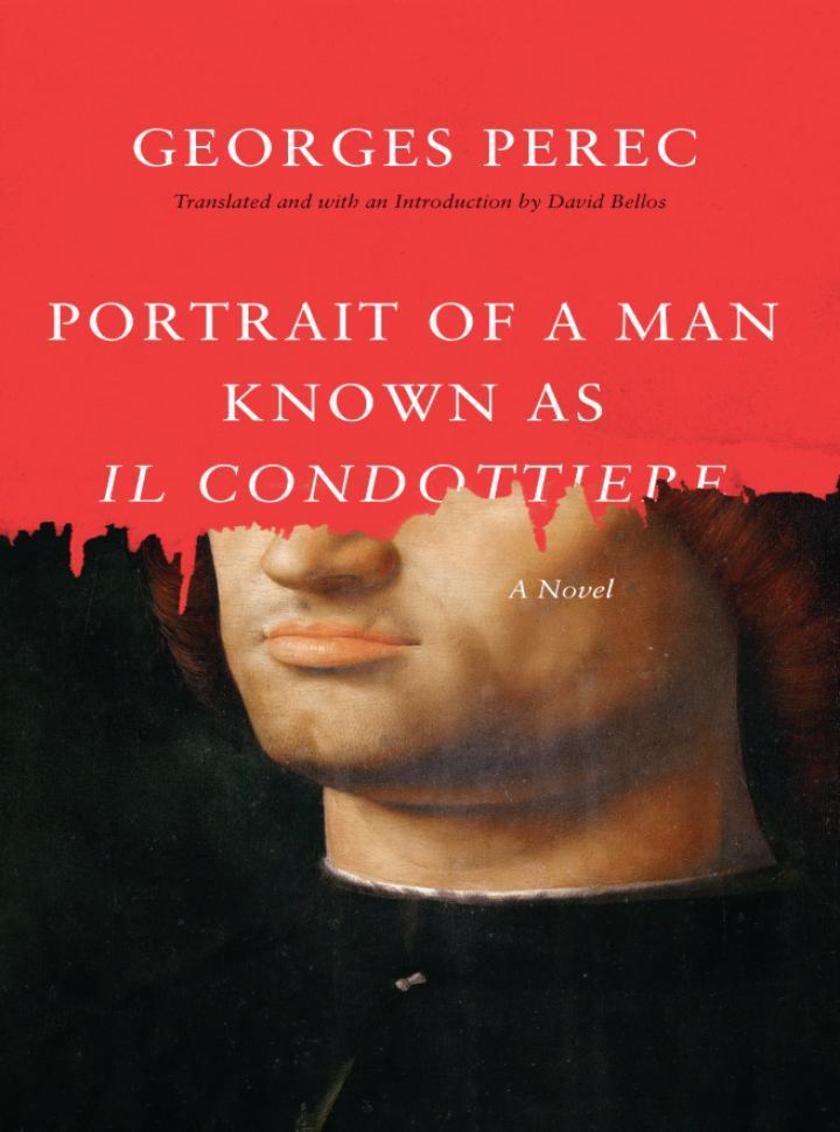
Portrait of a Man Known as Il Condottiere
¥147.15
Puckish and playful, Georges Perec infused avant-garde and experimental fiction with a wit and wonder that belied the serious concerns and concepts that underpinned it. A prominent member of the OuLiPo, and an abiding influence on fiction writers today, Perec used formal constraints to dazzling effect in such works as A Void-a murder mystery that contains nary an "e;e"e;-and Life A User's Manual, in which an apartment building, systematically canvassed, unfolds secrets and, ultimately offers a reflection on creation, destruction, and the devotion to art.?Before embarking on these experiments, however, Perec tried his hand at a relatively straightforward novel, Portrait of a Man. His first book, it was rejected by publishers when he submitted it in 1960, after which he filed it away. Decades after Perec's death, David Bellos discovered the manu*, and through his translation we have a chance to enjoy it in English for the first time. What fans will find here is a thriller that combines themes that would remain prominent in Perec's later work, such as art forgery, authenticity, and murder, as well as craftsman Gaspard Winckler, who whose namesakes play major roles in Life A User's Manual and W or The Memory of Childhood.?Engaging and entertaining on its own merits, and gaining additional interest when set in the context of Perec's career, Portrait of a Man is sure to charm the many fans of this postmodern master.
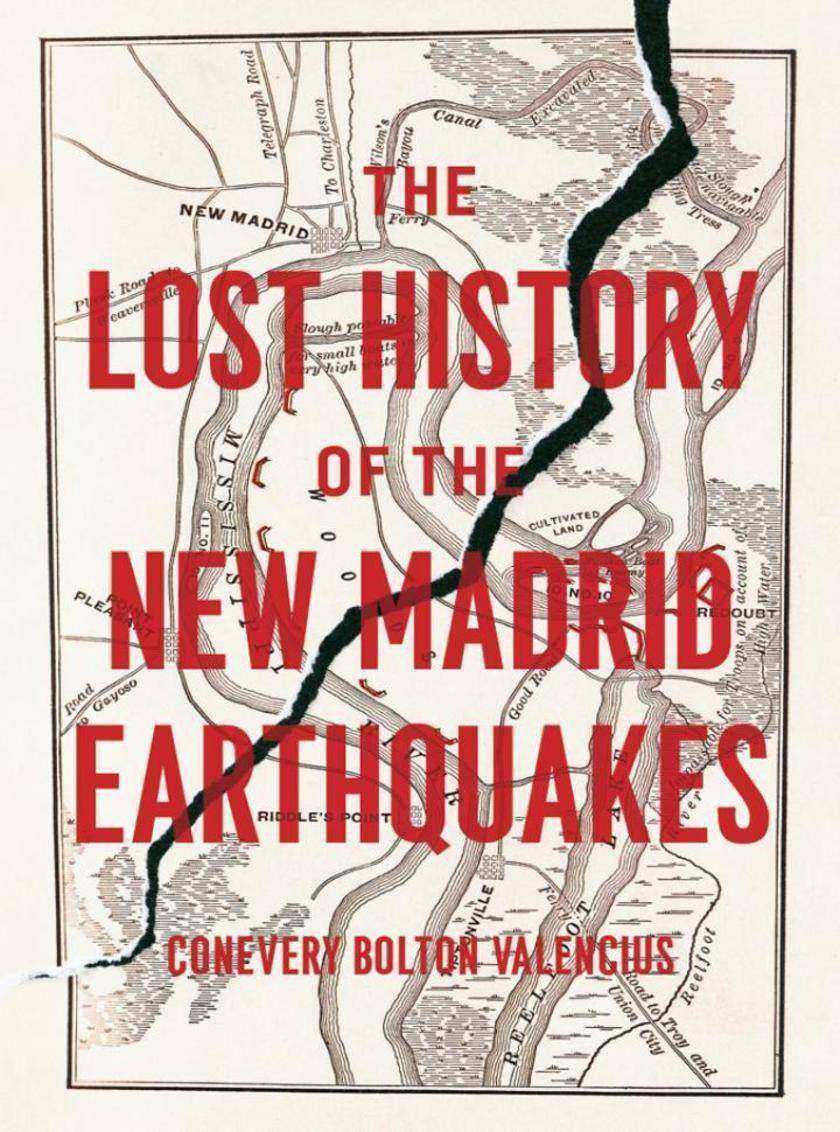
Lost History of the New Madrid Earthquakes
¥247.21
From December 1811 to February 1812, massive earthquakes shook the middle Mississippi Valley, collapsing homes, snapping large trees midtrunk, and briefly but dramatically reversing the flow of the continent's mightiest river. For decades, people puzzled over the causes of the quakes, but by the time the nation began to recover from the Civil War, the New Madrid earthquakes had been essentially forgotten.?In The Lost History of the New Madrid Earthquakes, Conevery Bolton Valencius remembers this major environmental disaster, demonstrating how events that have been long forgotten, even denied and ridiculed as tall tales, were in fact enormously important at the time of their occurrence, and continue to affect us today. Valencius weaves together scientific and historical evidence to demonstrate the vast role the New Madrid earthquakes played in the United States in the early nineteenth century, shaping the settlement patterns of early western Cherokees and other Indians, heightening the credibility of Tecumseh and Tenskwatawa for their Indian League in the War of 1812, giving force to frontier religious revival, and spreading scientific inquiry. Moving into the present, Valencius explores the intertwined reasons-environmental, scientific, social, and economic-why something as consequential as major earthquakes can be lost from public knowledge, offering a cautionary tale in a world struggling to respond to global climate change amid widespread willful denial.Engagingly written and ambitiously researched-both in the scientific literature and the writings of the time-The Lost History of the New Madrid Earthquakes will be an important resource in environmental history, geology, and seismology, as well as history of science and medicine and early American and Native American history.
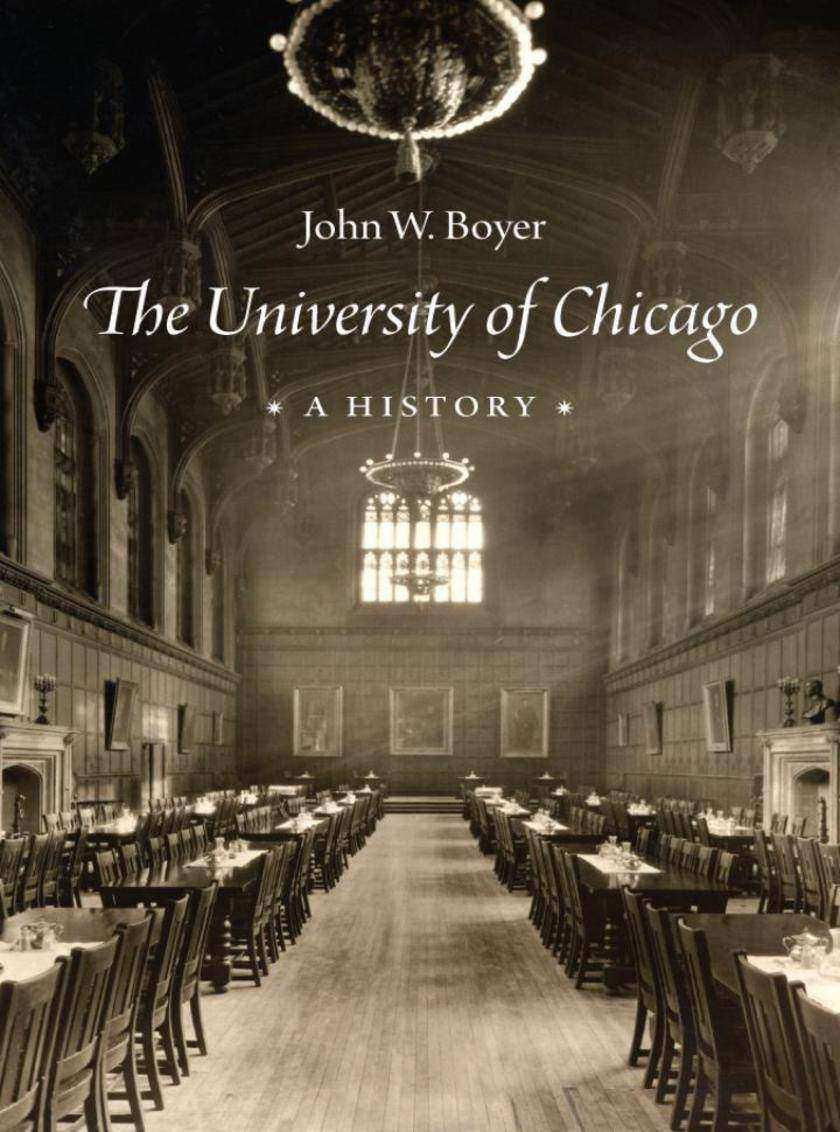
University of Chicago
¥247.21
One of the most influential institutions of higher learning in the world, the University of Chicago has a powerful and distinct identity, and its name is synonymous with intellectual rigor. With nearly 170,000 alumni living and working in more than 150 countries, its impact is far-reaching and long-lasting.With The University of Chicago: A History, John W. Boyer, Dean of the College since 1992, presents a deeply researched and comprehensive history of the university. Boyer has mined the archives, exploring the school's complex and sometimes controversial past to set myth and hearsay apart from fact. The result is a fascinating narrative of a legendary academic community, one that brings to light the nature of its academic culture and curricula, the experience of its students, its engagement with Chicago's civic community, and the conditions that have enabled the university to survive and sustain itself through decades of change.Boyer's extensive research shows that the University of Chicago's identity is profoundly interwoven with its history, and that history is unique in the annals of American higher education. After a little-known false start in the mid-nineteenth century, it achieved remarkable early successes, yet in the 1950s it faced a collapse of undergraduate enrollment, which proved fiscally debilitating for decades. Throughout, the university retained its fierce commitment to a distinctive, intense academic culture marked by intellectual merit and free debate, allowing it to rise to international acclaim. Today it maintains a strong obligation to serve the larger community through its connections to alumni, to the city of Chicago, and increasingly to its global community.Published to coincide with the 125th anniversary of the university, this must-have reference will appeal to alumni and anyone interested in the history of higher education of the United States.
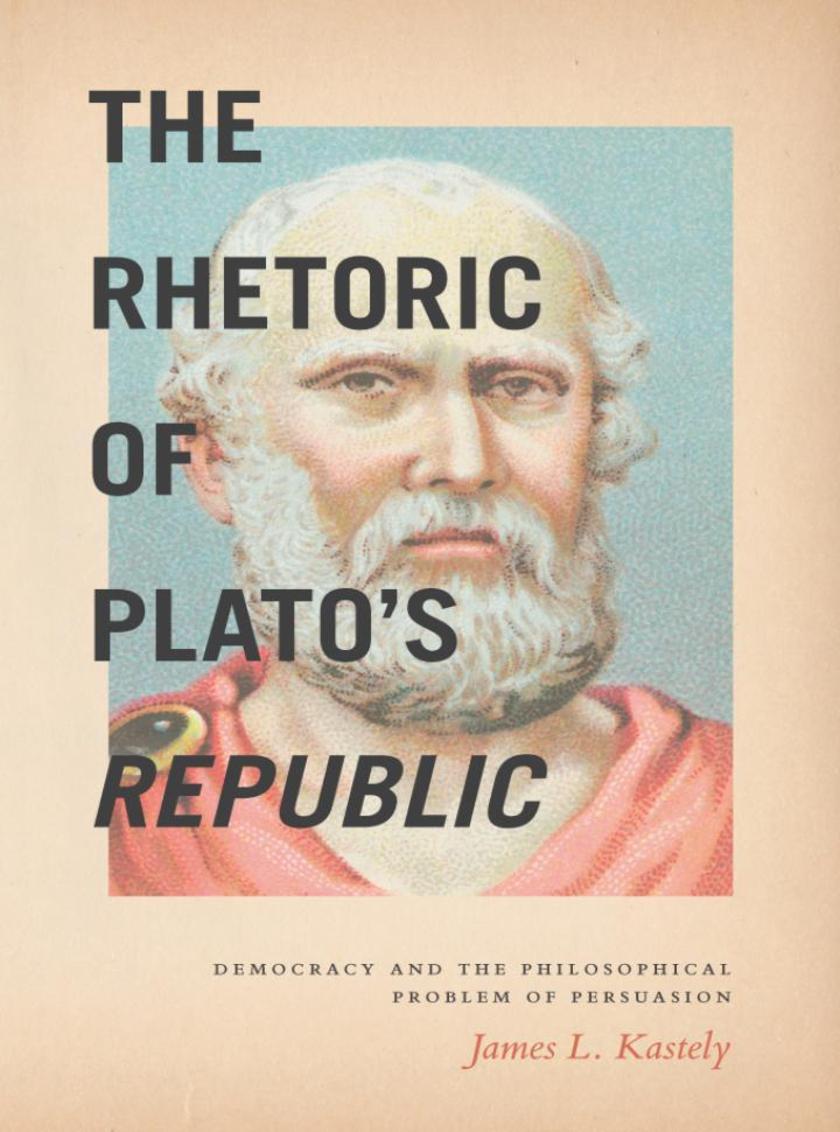
Rhetoric of Plato's Republic
¥247.21
Plato isn't exactly thought of as a champion of democracy, and perhaps even less as an important rhetorical theorist. In this book, James L. Kastely recasts Plato in just these lights, offering a vivid new reading of one of Plato's most important works: the Republic. At heart, Kastely demonstrates, the Republic is a democratic epic poem and pioneering work in rhetorical theory. Examining issues of justice, communication, persuasion, and audience, he uncovers a seedbed of theoretical ideas that resonate all the way up to our contemporary democratic practices. As Kastely shows, the Republic begins with two interrelated crises: one rhetorical, one philosophical. In the first, democracy is defended by a discourse of justice, but no one can take this discourse seriously because no one can see-in a world where the powerful dominate the weak-how justice is a value in itself. That value must be found philosophically, but philosophy, as Plato and Socrates understand it, can reach only the very few. In order to reach its larger political audience, it must become rhetoric; it must become a persuasive part of the larger culture-which, at that time, meant epic poetry. Tracing how Plato and Socrates formulate this transformation in the Republic, Kastely isolates a crucial theory of persuasion that is central to how we talk together about justice and organize ourselves according to democratic principles.?
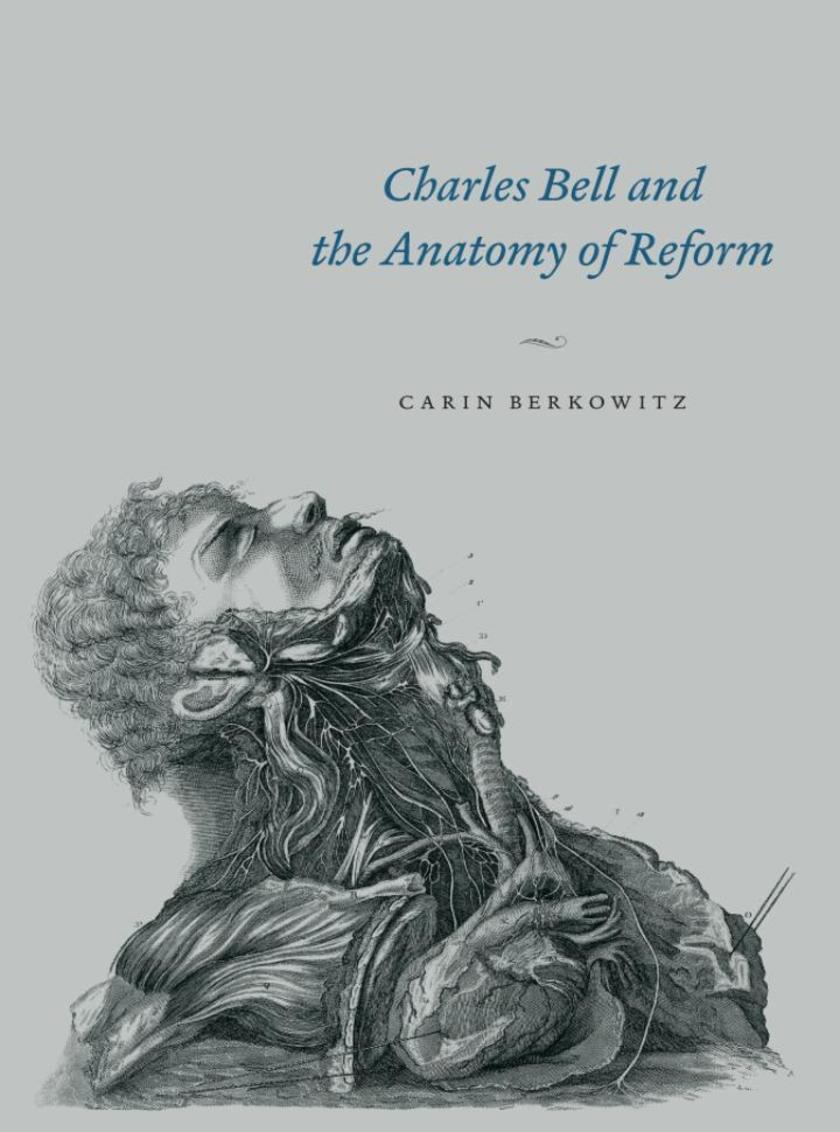
Charles Bell and the Anatomy of Reform
¥247.21
Sir Charles Bell (1774-1842) was a medical reformer in a great age of reform-an occasional and reluctant vivisectionist, a theistic popularizer of natural science, a Fellow of the Royal Society, a surgeon, an artist, and a teacher. He was among the last of a generation of medical men who strove to fashion a particularly British science of medicine; who formed their careers, their research, and their publications through the private classrooms of nineteenth-century London; and whose politics were shaped by the exigencies of developing a living through patronage in a time when careers in medical science simply did not exist. A decade after Bell's death, that world was gone, replaced by professionalism, standardized education, and regular career paths.?In Charles Bell and the Anatomy of Reform, Carin Berkowitz takes readers into Bell's world, helping us understand the life of medicine before the modern separation of classroom, laboratory, and clinic. Through Bell's story, we witness the age when modern medical science, with its practical universities, set curricula, and medical professionals, was born.
Hidden Game of Baseball
¥147.15
Long before Moneyball became a sensation or Nate Silver turned the knowledge he'd honed on baseball into electoral gold, John Thorn and Pete Palmer were using statistics to shake the foundations of the game. First published in 1984, The Hidden Game of Baseball ushered in the sabermetric revolution by demonstrating that we were thinking about baseball stats-and thus the game itself-all wrong. Instead of praising sluggers for gaudy RBI totals or pitchers for wins, Thorn and Palmer argued in favor of more subtle measurements that correlated much more closely to the ultimate goal: winning baseball games.The new gospel promulgated by Thorn and Palmer opened the door for a flood of new questions, such as how a ballpark's layout helps or hinders offense or whether a strikeout really is worse than another kind of out. Taking questions like these seriously-and backing up the answers with data-launched a new era, showing fans, journalists, scouts, executives, and even players themselves a new, better way to look at the game.This brand-new edition retains the body of the original, with its rich, accessible analysis rooted in a deep love of baseball, while adding a new introduction by the authors tracing the book's influence over the years. A foreword by ESPN's lead baseball analyst, Keith Law, details The Hidden Game's central role in the transformation of baseball coverage and team management and shows how teams continue to reap the benefits of Thorn and Palmer's insights today. Thirty years after its original publication, The Hidden Game is still bringing the high heat-a true classic of baseball literature.

Worldmakers
¥294.30
In this beautifully conceived book, Ayesha Ramachandran reconstructs the imaginative struggles of early modern artists, philosophers, and writers to make sense of something that we take for granted: the world, imagined as a whole. Once a new, exciting, and frightening concept, "e;the world"e; was transformed in the sixteenth and seventeenth centuries. But how could one envision something that no one had ever seen in its totalityThe Worldmakers moves beyond histories of globalization to explore how "e;the world"e; itself-variously understood as an object of inquiry, a comprehensive category, and a system of order-was self-consciously shaped by human agents. Gathering an international cast of characters, from Dutch cartographers and French philosophers to Portuguese and English poets, Ramachandran describes a history of firsts: the first world atlas, the first global epic, the first modern attempt to develop a systematic natural philosophy-all part of an effort by early modern thinkers to capture "e;the world"e; on the page.

Patterns in Nature
¥294.30
What species occur where, and why, and why some places harbor more species than others are basic questions for ecologists. Some species simply live in different places: fish live underwater; birds do not. Adaptations follow: most fish have gills; birds have lungs. But as Patterns in Nature reveals, not all patterns are so trivial.Travel from island to island and the species change. Travel along any gradient-up a mountain, from forest into desert, from low tide to high tide on a shoreline -and again the species change, sometimes abruptly. What explains the patterns of these distributionsSome patterns might be as random as a coin toss. But as with a coin toss, can ecologists differentiate associations caused by a multiplicity of complex, idiosyncratic factors from those structured by some unidentified but simple mechanismsCan simple mechanisms that structure communities be inferred from observations of which species associations naturally occurFor decades, community ecologists have debated about whether the patterns are random or show the geographically pervasive effect of competition between species. Bringing this vigorous debate up to date, this book undertakes the identification and interpretation of nature's large-scale patterns of species co-occurrence to offer insight into how nature truly works.Patterns in Nature explains the computing and conceptual advances that allow us to explore these issues. It forces us to reexamine assumptions about species distribution patterns and will be of vital importance to ecologists and conservationists alike.
Third City
¥141.26
Our traditional image of Chicago-as a gritty metropolis carved into ethnically defined enclaves where the game of machine politics overshadows its ends-is such a powerful shaper of the city's identity that many of its closest observers fail to notice that a new Chicago has emerged over the past two decades. Larry Bennett here tackles some of our more commonly held ideas about the Windy City-inherited from such icons as Theodore Dreiser, Carl Sandburg, Daniel Burnham, Robert Park, Sara Paretsky, and Mike Royko-with the goal of better understanding Chicago as it is now: the third city.Bennett calls contemporary Chicago the third city to distinguish it from its two predecessors: the first city, a sprawling industrial center whose historical arc ran from the Civil War to the Great Depression; and the second city, the Rustbelt exemplar of the period from around 1950 to 1990. The third city features a dramatically revitalized urban core, a shifting population mix that includes new immigrant streams, and a growing number of middle-class professionals working in new economy sectors. It is also a city utterly transformed by the top-to-bottom reconstruction of public housing developments and the ambitious provision of public works like Millennium Park. It is, according to Bennett, a work in progress spearheaded by Richard M. Daley, a self-consciously innovative mayor whose strategy of neighborhood revitalization and urban renewal is a prototype of city governance for the twenty-first century. The Third City ultimately contends that to understand Chicago under Daley's charge is to understand what metropolitan life across North America may well look like in the coming decades.

Future of Healthcare Reform in the United States
¥394.36
In the years since the passage of the Patient Protection and Affordable Care Act (PPACA, or, colloquially, Obamacare), most of the discussion about it has been political. But as the politics fade and the law's many complex provisions take effect, a much more interesting question begins to emerge: How will the law affect the American health care regime in the coming years and decades?This book brings together fourteen leading scholars from the fields of law, economics, medicine, and public health to answer that question. Taking discipline-specific views, they offer their analyses and predictions for the future of health care reform. By turns thought-provoking, counterintuitive, and even contradictory, the essays together cover the landscape of positions on the PPACA's prospects. Some see efficiency growth and moderating prices; others fear a strangling bureaucracy and spiraling costs. The result is a deeply informed, richly substantive discussion that will trouble settled positions and lay the groundwork for analysis and assessment as the law's effects begin to become clear.

Siena
¥147.15
Jane Tylus's Siena is a compelling and intimate portrait of this most secretive of cities, often overlooked by travelers to Italy. Cultural history, intellectual memoir, travelogue, and guidebook, it takes the reader on a quest of discovery through the well- and not-so-well-traveled roads and alleys of a town both medieval and modern.?As Tylus leads us through the city, she shares her passion for Siena in novelistic prose, while never losing sight of the historical complexities that have made Siena one of the most fascinating and beautiful towns in Europe. Today, Siena can appear on the surface standoffish and old-fashioned, especially when compared to its larger, flashier cousins Rome and Florence. But first impressions wear away as we learn from Tylus that Siena was an innovator among the cities of Italy: the first to legislate the building and maintenance of its streets, the first to publicly fund its university, the first to institute a municipal bank, and even the first to ban automobile traffic from its city center.?We learn about Siena's great artistic and architectural past, hidden behind centuries of painting and rebuilding, and about the distinctive characters of its different neighborhoods, exemplified in the Palio, the highly competitive horserace that takes place twice a year in the city's main piazza and that serves as both a dividing and a uniting force for the Sienese. Throughout we are guided by the assured voice of a seasoned scholar with a gift for spinning a good story and an eye for the telling detail, whether we are traveling Siena's modern highways, exploring its underground tunnels, tracking the city's financial history, or celebrating giants of painting like Simone Martini or giants of the arena, Siena's former Serie A soccer team.?A practical and engaging guide for tourists and armchair travelers alike, Siena is a testament to the powers of community and resilience in a place that is not quite as timeless and serene as it may at first appear.
Forests
¥147.15
In this wide-ranging exploration of the role of forests in Western thought, Robert Pogue Harrison enriches our understanding not only of the forest's place in the cultural imagination of the West, but also of the ecological dilemmas that now confront us so urgently. Consistently insightful and beautifully written, this work is especially compelling at a time when the forest, as a source of wonder, respect, and meaning, disappears daily from the earth."e;Forests is one of the most remarkable essays on the human place in nature I have ever read, and belongs on the small shelf that includes Raymond Williams' masterpiece, The Country and the City. Elegantly conceived, beautifully written, and powerfully argued, [Forests] is a model of scholarship at its passionate best. No one who cares about cultural history, about the human place in nature, or about the future of our earthly home, should miss it.-William Cronon, Yale Review"e;Forests is, among other things, a work of scholarship, and one of immense value . . . one that we have needed. It can be read and reread, added to and commented on for some time to come."e;-John Haines, The New York Times Book Review

Nature's Ghosts
¥206.01
The rapid growth of the American environmental movement in recent decades obscures the fact that long before the first Earth Day and the passage of the Endangered Species Act, naturalists and concerned citizens recognized-and worried about-the problem of human-caused extinction.As Mark V. Barrow reveals in Nature's Ghosts, the threat of species loss has haunted Americans since the early days of the republic. From Thomas Jefferson's day-when the fossil remains of such fantastic lost animals as the mastodon and the woolly mammoth were first reconstructed-through the pioneering conservation efforts of early naturalists like John James Audubon and John Muir, Barrow shows how Americans came to understand that it was not only possible for entire species to die out, but that humans themselves could be responsible for their extinction. With the destruction of the passenger pigeon and the precipitous decline of the bison, professional scientists and wildlife enthusiasts alike began to understand that even very common species were not safe from the juggernaut of modern, industrial society. That realization spawned public education and legislative campaigns that laid the foundation for the modern environmental movement and the preservation of such iconic creatures as the bald eagle, the California condor, and the whooping crane.A sweeping, beautifully illustrated historical narrative that unites the fascinating stories of endangered animals and the dedicated individuals who have studied and struggled to protect them, Nature's Ghosts offers an unprecedented view of what we've lost-and a stark reminder of the hard work of preservation still ahead.
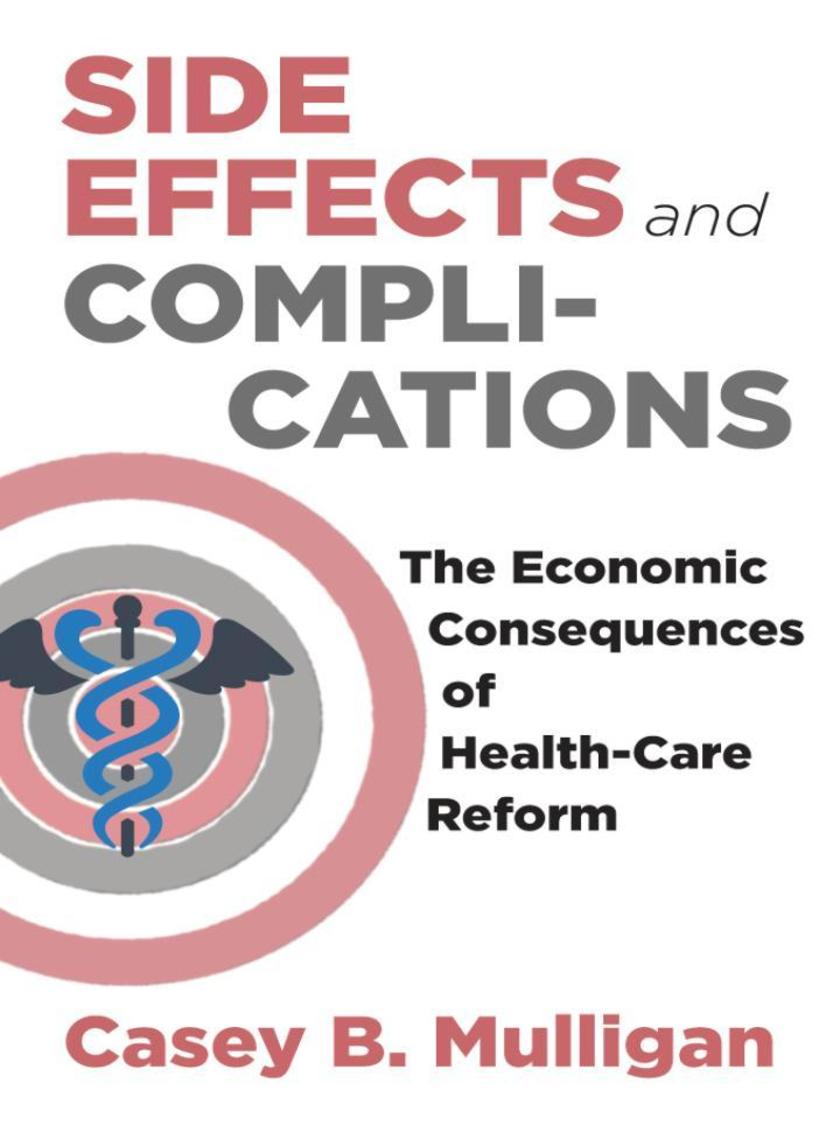
Side Effects and Complications
¥147.15
The Affordable Care Act will have a dangerous effect on the American economy. That may sound like a political stance, but it's a conclusion directly borne out by economic forecasts.In Side Effects and Complications, preeminent labor economist Casey B. Mulligan brings to light the dire economic realities that have been lost in the ideological debate over the ACA, and he offers an eye-opening, accessible look at the price American citizens will pay because of it.Looking specifically at the labor market, Mulligan reveals how the costs of health care under the ACA actually create implicit taxes on individuals, and how increased costs to employers will be passed on to their employees. Mulligan shows how, as a result, millions of workers will find themselves in a situation in which full-time work, adjusted for the expense of health care, will actually pay less than part-time work or even not working at all. Analyzing the incentives-or lack thereof-for people to earn more by working more, Mulligan offers projections on how many hours people will work and how productively they will work, as well as how much they will spend in general. Using the powerful tools of economics, he then illustrates the detrimental consequences on overall employment in the near future.Drawing on extensive knowledge of the labor market and the economic theories at its foundation, Side Effects and Complications offers a crucial wake-up call about the risks the ACA poses for the economy. Plainly laying out the true costs of the ACA, Mulligan's grounded and thorough predictions are something that workers and policy makers cannot afford to ignore.
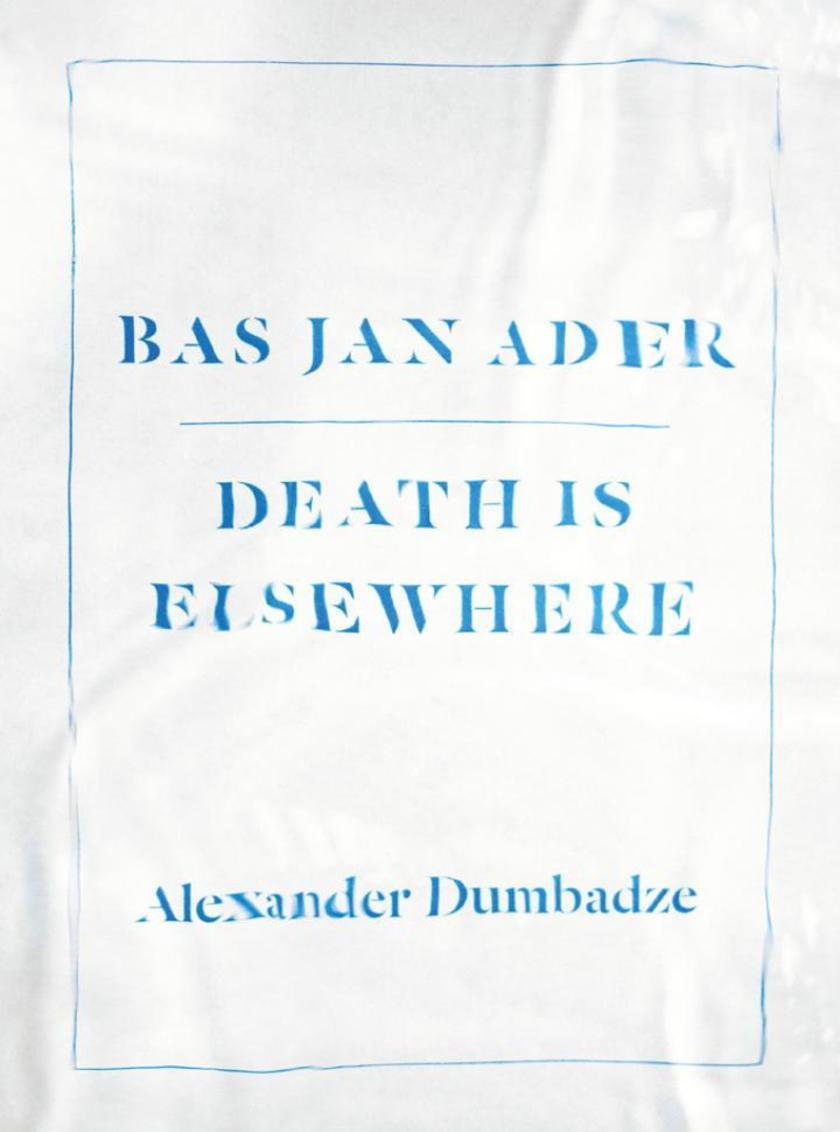
Bas Jan Ader
¥141.26
On July 9, 1975, Dutch-born artist Bas Jan Ader set sail from Chatham, Massachusetts, on a thirteen-foot sailboat. He was bound for Falmouth, England, on the second leg of a three-part piece titled In Search of the Miraculous. The damaged boat was found south of the western tip of Ireland nearly a year later. Ader was never seen again.?Since his untimely death, Ader has achieved mythic status in the art world as a figure literally willing to die for his art. Considering the artist's legacy and concise oeuvre beyond the romantic and tragic associations that accompany his peculiar end, Alexander Dumbadze resituates Ader's art and life within the conceptual art world of Los Angeles in the early 1970s and offers a nuanced argument about artistic subjectivity that explains Ader's tremendous relevance to contemporary art.?Bas Jan Ader blends biography, theoretical reflection, and archival research to draw a detailed picture of the world in which Ader's work was rooted: a vibrant international art scene populated with peers such as Ger van Elk, William Leavitt, and Allen Ruppersberg. Dumbadze looks closely at Ader's engagement with questions of free will and his ultimate success in creating art untainted by mediation. The first in-depth study of this enigmatic conceptual artist, Bas Jan Ader is a thoughtful reflection on the necessity of the creative act and its inescapable relation to death.

Big Jones Cookbook
¥147.15
You expect to hear about restaurant kitchens in Charleston, New Orleans, or Memphis perfecting plates of the finest southern cuisine-from hearty red beans and rice to stewed okra to crispy fried chicken. But who would guess that one of the most innovative chefs cooking heirloom regional southern food is based not in the heart of biscuit country, but in the grain-fed Midwest-in Chicago, no lessSince 2008, chef Paul Fehribach has been introducing Chicagoans to the delectable pleasures of Lowcountry cuisine, while his restaurant Big Jones has become a home away from home for the city's southern diaspora. From its inception, Big Jones has focused on cooking with local and sustainably grown heirloom crops and heritage livestock, reinvigorating southern cooking through meticulous technique and the unique perspective of its Midwest location. And with The Big Jones Cookbook, Fehribach brings the rich stories and traditions of regional southern food to kitchens everywhere.?Organized by region, The Big Jones Cookbook provides an original look at southern heirloom cooking with a focus on history, heritage, and variety. Throughout, Fehribach interweaves personal experience, historical knowledge, and culinary creativity, all while offering tried-and-true takes on everything from Reezy-Peezy to Gumbo Ya-Ya, Chicken and Dumplings, and Crispy Catfish. Fehribach's dishes reflect his careful attention to historical and culinary detail, and many recipes are accompanied by insights about their origins. In addition to the regional chapters, the cookbook features sections on breads, from sweet potato biscuits to spoonbread; pantry put-ups like bread and butter pickles and chow-chow; cocktails, such as the sazerac; desserts, including Sea Island benne cake; as well as an extensive section on snout-to-tail cooking, including homemade Andouille and pickled pigs' feet.?Proof that you need not possess a thick southern drawl to appreciate the comfort of creamy grits and the skill of perfectly fried green tomatoes, The Big Jones Cookbook will be something to savor regardless of where you set your table.


