


 购物车
购物车 个人中心
个人中心
Nietzsche ?i muzica
¥48.97
De ce fr minotaur Fiindc literatura, din perspectiva mea, este un labirint, iar naintarea n ea, una plin de pericole, topite ns n pura iridiscen. Un labirint, dar unul radios, menit s atrag atenia asupra infinitii de jocuri ascunse n textul literar. Jocuri care te prind (mai bine-zis te seduc), doar ca s te poi elibera, s fii vzut n mijloc, schind un salut triumfator – poate spre nite prieteni nevzui. Cu nimic altceva n jur dect pietre ncinse, ncrustate cu nestemate. Nevoit s mergi mereu nainte, lai averea asta altcuiva, n-o poi lua cu tine – sensul e s iei din labirint cu totul nud (neatins de prejudeci ori de cliee), fr cicatrici literare, literatura s fie pentru tine o poart, nu o temni. Ea poart, ntr-adevr, n sine, aceast imens generozitate. Niciun minotaur care s te sfie, doar picurul de miere al bucuriei lecturii, pe lespezile arse de soare: suntem la amiaz, ateni, vigili (minotaurul ar fi doar creaia noastr). Senzaia de deschidere druit de literatur st deci la originea acestei cri, mai degrab un sinuos autoportret de cititor (nu att narcisiac, ct fidel siei) dect o lucrare sistematic. Un chip caleidoscopic, conturat din capricii reunite, firesc, ca rsplata pentru a fi urmrit cu ncredere traiectoria neregulat a lecturii – sinuozitate nelipsit totui de un sim al unitii, tradus n meditaia continu asupra unor noiuni precum familiaritate i alteritate, a relaiona ori a insolita.“ – Simona Grazia Dima
Karma s?n?t??ii
¥40.79
Lidia Lazu a scris aceste poeme. i pe urm a uitat c le-a scris. Le-a gsit pe marginea unei ferestre, ciugulite de psrile cerului, cu frumuseea pierdut pentru totdeauna – c toate lucrurile sortite s ntrein miracolul existenei. Acesta este mitul n jurul cruia ar putea s se consolideze o ntreag oper poetic. Eu cred c nici unul dintre poeii romni nu a reuit s construiasc o asemenea imagine, care ntr-adevr s ne reprezinte ntr-un asemenea chip i ntr-o asemenea msur. Lidia Lazu scrie din preaplinul firii sale. (...) Ea face parte dintre acei oameni care nu scriu din pricina slbiciunilor lor, ci din pricina prea multelor daruri cu care a fost nzestrat de Dumnezeu.“ – Mircea Ciobanu
Karma norocului
¥40.79
Sub limita de detec?ieVorbi?i ?n ?oapt?Ceva se petreceSub pragul vostru auditiv.A?a cum silabele gurii taleSunt sorbite de timpanele ei, tot astfelAcolo, ?n ad?nc,Picur? ceva –P?m?ntului ?i scap? lacrimiPe care le-nghit r?d?cinile;Acolo, ?n ?naltSe spulbera ceva –V?zduhului ?i scap? lacrimiPe care le-nghit ?ngerii.E un plan?et f?r? istovAl lucrurilor, fertil –Doar c? se petreceSub limita de detec?ie.
101 poeme
¥32.62
mi nchipui pe pmnt locuriUnde nu ajunge raza de soareLocuri unde nu adie vntulLocuri oarbe i surde, fr cldurFr memorie –Dar nu am destul putere s-mi nchipuiLocuri unde s nu ajungi s nu m ajungDurerea.
Felsefe Soslu ?iirler: (Geni?letilmi? 2. Bask?)
¥23.14
YAKINDA SIRA G?KY?Z?NE DE GELECEK! ? ?ilahi nizama(Yarat?l?? Yasalar?na) g?re, yeryüzünün hi? bir yeri; hi? bir insana ve zümreye ait de?ildir. ?nsani düzene g?re ise ger?ek tamamen farkl? olup yeryüzü parsel, parsel ya?malanm?? olup nehirler, g?ller, denizler ve hatta k?talar bir avu? az?nl??a ya da zümreye hizmet etmektedir. S?z konusu bu az?nl?klar dünyan?n kaynaklar?n? ?e?itli y?ntemlerle dev?irip s?mürmektedirler. ??S?mürü sadece do?al kaynaklarla s?n?rl? olmay?p dünya üzerinde ya?ayan tüm canl?lar? da kapsamaktad?r. Bundan, tek hücreli organizmalar da nasibini almakta ve efendilerinin ahlaks?z ama?lar?na hizmet etmeye mecbur kalmaktad?r. Bu azg?n küresel s?mürgeciler, insanlar?n beden ve beyin gü?lerini s?mürdükleri yetmezmi? gibi ?imdilerde zihinlerini de ele ge?irmeye y?nelik yo?un bir gayret i?indedirler. ??S?mürgeciler, kaynaklardan dev?irdikleri de?erleri ?nce paraya daha sonra ise parayla birlikte bu kaynaklar? da kullanarak gü? dev?irmekte olup ?bu b?yle katlanarak devam etmektedir. Küresel emperyalistler, s?mürü düzenini hepimizin iyi bildi?i yedi(S) arac?l???yla, yani onlar? de?er dev?irmekte kullanarak ger?ekle?tirir. ? Bunlar s?ras?yla: Su (G?da),Sa?l?k, Seks, Silah, Sanat, Spor ve Siyaset olarak s?ralanabilmektedir. S?ra gü? dev?irmeye gelince bu s?ralamada siyaset birinci s?raya ge?mektedir. Sebebine gelince s?mürgeci en ?ok siyaseti ?veya baz? siyaset?iyi, ?baz? siyaset?iler ise bu sayd?klar?m?z?n tümünü birden kullanmaktad?rlar. ??Birde s?mürgecilerin elinde, onlar?n ?ok sevdikleri bir ba?ka (S) olan ad?na Sava? denilen alt?n (S) vard?r. Sava?lar?n ara?lar? ise sizlerin de ?ok iyi bildi?i gibi temel iki unsura dayanmaktad?r. Bunlar, dindarl?k ve kindarl?k olup toplumlar ayr??t?r?l?p dü?man kamplara b?lüne bilmeleri i?in; ya inan? farkl?l?klar?, ya da tarihin bir d?neminde atalar?n?n birbirlerine yapt?klar? yanl?? davran??lar? k?rükleyerek dü?manl?klar? yaratmaktalar. Sonras?nda da dü?manla?t?r?lan toplumlara gaz verirler, onlar sava??rken bunlar bir yandan silah satarken bir yandan da ya?malar?n?(has?latlar?n?) hazinelerine katarlar? ???nsanlar?, insanl???ndan ??karan, herkesi paran?n pe?inden ko?turan; en ac?s? da para i?in her türlü de?erlerinden vazge?ebilmeyi ba?ar? gibi sunan bu ?arp?k sisteme kar??: Bizler akl?m?z? ba??m?za toplamaz ve s?mürgecilerin de?irmenine su ta??maya devam etmeyi sürdürürsek; ?o zaman g?kyüzüne iyi bakal?m! ?ünkü; korkar?m :Torunlar?m?z g?kyüzünü b?yle mavi olarak bir daha zor g?rebilecekler !!! ?SADEKUL ? Y ? Z L E ? M E ( MAN?FESTO ) ?- G ? R ? ? ?TOPLUMSAL PAST?R?ZASYONLAR VE SAKINCALARI "Sosyolojik Past?rizasyon ve Yeni Bir Düzen ?zerine ?zgün Yakla??m" Hepimizin ?ok iyi?bildi?i gibi; kurals?z ya?ayan insan topluluklar? tarih i?erisinde kurall? ya?ama ge?erek; birer düzen toplumlar? haline gelmi?lerdir ??te: Toplumlar?n egemen oldu?u bu topraklar üzerinde ya?ayan bireylerinin hak ve ?zgürlüklerinin s?n?rlar?n? belirleyen bu tek siyasi erkin ad?na devlet denilmektedir. Bu ?rgütün, en temel g?revi yurtta?lar?n?n i? ve d?? güvenli?ini sa?lamak olmakla birlikte; devlet bu sorumlu?unu yerine getirirken ise her zaman herkese kar?? tarafs?z ve e?itlik?i olmak mecburiyetindedir. ?zellikle de i? güvenli?i sa?larken; hem kendisinden yurtta?lar?n?, hem de yurtta?lar?n? yurtta?lar?ndan korumakla yükümlüdür. Ayr?ca bireylerin beden ve ruh sa?l??? da tamamen bu ?rgütün güvencesinde olup devletler her ko?ulda ki?ilerin beden bütünlü?ü ile zihin sa?l???n? da korumaktan da soruludurlar.
C?ntul clipei
¥24.44
Marieta Rdoi Mihi face parte din acea restrns categorie de poei a cror creaie este lipsit de metafora spectaculoas (glgioas!), beneficiind ns de taina cuvintelor, dnd alturrii acestora acea imprevizibilitate, venind parc dinspre Mallarmé sau, i mai aproape de noi, de la Ion Barbu, acest farmec al imprecisului care asigur autoarei o indiscutabil originalitate i esenializare a acestei poetici.“ – Radu Crneci
Istorie ?i sacralitate
¥16.27
Cartea v? propune spre lectur? o sum? de eseuri inedite, inspirate de la chestiuni cvasi-cotidiene sau rezultate din c?ut?ri la care ne ducem mai rar cu gândul. În plus, atât pentru condimentarea experien?ei de lectur?, cât mai ales pentru democratizarea conceptului de antropologie (în jurul c?ruia graviteaz? prozele din cuprins), seria de eseuri – fuzionând idei de psihologie, sociologie ori de filosofie – este punctat? (ini?ial, median ?i final) cu câte o proz? fic?ional? din seria interpret?rilor speculativ-antropologice de mituri ?i legende populare (aici fiind vizate baladele "Monastirea Arge?ului" ?i "Miori?a"), serie de autor început? odat? cu cartea "Întoarcerea fratelui risipitor" (Editura Europress, Bucure?ti, 2014). Volumul de fa?? aduce cititorului un amalgam de provoc?ri pentru minte ?i pentru inim?, într-un melanj pastelat, sus?inut pe tot parcursul de împletitura a trei filoane esen?iale: auto-ironie, umilin?? ?i duio?ie. De altfel, ideea de smerenie – atât cea subiectiv? cât ?i cea extins? la întreaga specie – constituie aici o reiterare definitorie. Parcurgerea c?r?ii se poate dovedi o experien?? deosebit? atât pentru cititorul pasionat de beletristic? cât ?i pentru cel atras de eseistica de idei. Profunzimile ?i perspectivele vor surprinde adesea.
Genul programului: dram?
¥16.27
n condiiile unei crize a lucrrilor de sintez, monografia marelui crturar Nicolae Balota despre literatura german, constituie un model de analiz a uneia dintre cele mai majore culturi ale lumii. Cartea apare pentru prima dat n colecia Ediii definitive.
DonQuijotisme AntropoLexice
¥47.42
Tenta?ia magnific?rii excesive a valorilor autohtone compor?t? nu pu?ine primejdii. Pe cele, mai ales, de a suscita acuza?ii de ?protocronism“, de etnocentrism, de ?localit?“, de p??unism sau ?esprit de clocher“, de ignorare a tabloului mondial al evolu?iilor ?n domeniul vizat, acuza?ii care, e adev?rat, pot fi drepte sau ne?drepte: criteriul r?m?ne legat de o chestiune de relativizare ?i de dozaj, deci de proced?ri ?nzestrate prin excelen?? cu o foarte firav? voca?ie consensual?. Am mai evocat, cu alt prilej – vorbind despre romanele lui D. ?epeneag, pe care nu le socoteam inferioare celor ale nobelizatului Claude Simon – de riscul reedit?rii sindromului ?Notre grand Arghiropoulos“, ironizat (cu simpatie, totu?i!) de E. Lovinescu ?n Aquaforte. Tot c?ut?nd, ?ns?, s? evit?m acest risc, ajungem s? ne expunem altuia: cel de a subaprecia, ?n pofida evi?den?ei, un num?r, deloc mic, de valori certe ale literaturii noastre postbelice. Nicolae B?rna

Tévúton
¥58.29
Tot ce urmeaz? s? sus?in ?n acest eseu nu poate fi de?monstrat cu precizie. ?ntr?un fel, nu fac altceva dec?t s? m? sabotez singur: sunt critic ?i istoric literar, profesor de lite?ratur? la Facultatea de Litere. Am, cum se spune, o ?cari?er? ?tiin?ific?“. Or, tot ce v? voi povesti ?n cele ce urmeaz? se a?az? contra tradi?iei, care la noi porne?te de la Mihail Dragomirescu, a ??tiin?ei literaturii“. C?linescu ironiza de fi?ecare dat? preten?iile pozitiviste ale unor cercet?tori care au impresia c? pot extrage, eventual cu cianuri, ca pe un mine?reu aurifer, adev?rul din textul literar. Literatura nu se las? disecat? cu instrumente ?tiin?ifice. C? analiza, interpreta?rea, hermeneutica literar? folosesc metode riguroase, fac uz sau caz de erudi?ie, e o alt? poveste. Dar nici o interpretare nu va ajunge la Adev?r. Pentru c? ?adev?rul“ literaturii nu e unul singur, ci o sum? de multe adev?ruri. Fiecare dintre ele depinz?nd de cititor, de inteligen?a lui, de cultura lui ?i, nu ?n ultimul and, de sensibilitatea lui. Bogdan Cre?u
Oameni de nic?ieri
¥22.99
Atunci c?nd Iisus le spune ucenicilor, ?n Evanghelia dup? Matei, 5:14, enun??nd ?fericirile“ (?n Cuv?ntarea de pe munte) c? ?voi sunte?i lumina lumii. O cetate situat? pe un munte nu poate s? r?m?n? ascuns?“, accep?iunea e strict metaforic?, la fel cum se ?nt?mpl? ?i ?n foarte cunoscuta scen? a Schimb?rii la fa??, tot ?n Mat. 17:2, unde se spune c? ?El s-a schimbat la fa?? ?naintea lor; fa?a lui a str?lucit ca Soarele ?i hainele i s-au f?cut albe ca lumina“. ?n Evanghelia dup? Marcu, mai aspr? ?i – dup? cum ?tim – mai veche dec?t aceea a lui Matei, lumina are, de asemenea, o accep?iune metaforic?, fiind asociat? cunoa?terii ezoterice pe care, prin credin??, o vor dob?ndi cre?tinii, spre deosebire de celelalte neamuri, c?rora le este rezervat? doar o cunoa?tere exoteric?. ?tefan Borbély
Comparatism ?i germanistic?
¥65.32
Halucina?ii, semne ?i prevestiri, psihoze, scindare ?i panic?, abandon, decrepitudine, demen?? entropic?, suicid – iat? tot at?tea nume ale ?v?milor depresiunii”, ?n care sufletul nostru intrasecular se zbate, crucificat ?i, totu?i, cu speran?a m?ntuirii. Este tabloul crizei omului, profetizate de vizionari ai veacului al XIX-lea – Dostoevski, Kierkegaard, Nietzsche, Kafka – oferit acum ?n versiune milenarist? de naratori rom?ni precum Nicolae Breban, Augustin Buzura, Florin ?lapac, Radu Aldulescu, Dumitru ?epeneag, Marius Tupan. (Geo Vasile)
Dew Drops
¥24.44
Again and again, in Denver Welte's exquisite Dew Drops, poems startle us into awareness of the understated, the nearly always invisible and the marvelous; those aspects of life that come under the rubrics of loneliness and joy. Welte combines a light lyricism with a postmodern sensibility for life. This collection was gathered from a one time weekly blog that appeared over four years. They are arranged in date order rather than by theme, so that you may witness the poet's growth.

120 Zmajevih pesama za decu
¥37.20
Poruke radosti i vedrine neophodne svakom novom pokoljenju -- pesme bez kojih se ne mo?e odrasti. S originalnim ilustracijama iz ?asopisa Neven.
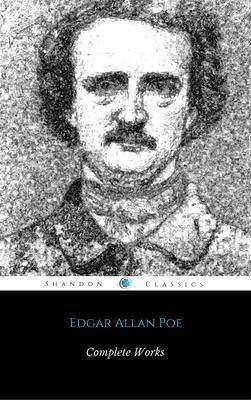
Complete Works Of Edgar Allan Poe: The New Raven Edition
¥8.75
This volume collects the complete works of Edgar Allan Poe (Wikipedia). It started out as a restructuring and reformatting of the 1903 “Raven Edition” of his works—and then it grew.I have rearranged the texts according to genres in the order of first publications (though still using the later revised versions). I added all the stories, poems, essays, and some miscellanea that were missing in the “Raven Edition”. Thus, you’ll find in this collection: THE TALESMetzengerstein, The Duc de L’Omelette, A Tale of Jerusalem, Loss of Breath, Bon-Bon, Ms. Found in a Bottle, The Assignation, Berenice, Morella, Lionizing, The Unparalleled Adventures of One Hans Pfaal, King Pest, Shadow—A Parable, Four Beasts in One—The Homo-Cameleopard, Mystification, Silence—A Fable, Ligeia, How to Write a Blackwood Article, A Predicament, The Devil in the Belfry, The Man that Was Used Up, The Fall of the House of Usher, William Wilson, The Conversation of Eiros and Charmion, Why the Little Frenchman Wears his Hand in a Sling, The Business Man, The Man of the Crowd, The Murders in the Rue Morgue, A Descent into the Maelstr?m, The Island of the Fay, The Colloquy of Monos and Una, Never Bet the Devil Your Head, Eleonora, Three Sundays in a Week, The Oval Portrait, The Masque of the Red Death, The Landscape Garden, The Mystery of Marie Rogêt, The Pit and the Pendulum, The Tell-Tale Heart, The Gold-Bug, The Black Cat, Diddling, The Spectacles, A Tale of the Ragged Mountains, The Premature Burial, Mesmeric Revelation, The Oblong Box, The Angel of the Odd, Thou Art the Man, The Literary Life of Thingum Bob, Esq, The Purloined Letter, The Thousand-and-Second Tale of Scheherazade, Some Words with a Mummy, The Power of Words, The Imp of the Perverse, The System of Doctor Tarr and Professor Fether, The Facts in the Case of M. Valdemar, The Sphinx, The Cask of Amontillado, The Domain of Arnheim, Mellonta Tauta, Hop-Frog, Von Kempelen and his Discovery, X-ing a Paragrab, Landor’s Cottage.THE POEMSPoetry, O, Tempora! O, Mores!, Tamerlane, Song, Dreams, Spirits of the Dead, Evening Star, Imitation, Stanzas, A Dream, The Happiest Day, The Lake —— to ——, To Margaret, Alone, Sonnet—to Science, Al Aaraaf, Romance, To ——, To the River——, To M——, Fairy-Land, To Isaac Lea, An Acrostic, Elizabeth, To Helen, Israfel, The City in the Sea, The Sleeper, A P?an, The Valley of Unrest, Enigma, Fanny, The Coliseum, Serenade, To One in Paradise, Hymn, May Queen Ode, Spiritual Song, Latin Hymn, Bridal Ballad, To Zante, The Haunted Palace, Silence, Lines On Joe Locke, The Conqueror Worm, Lenore, A Campaign Song, Dream-Land, Impromptu. To Kate Carol, To F——, Eulalie, Epigram for Wall Street, The Raven, The Divine Right of Kings, To Frances S. Osgood, A Valentine, Beloved Physician, Deep in Earth, To Marie Louise (Shew), Ulalume, Lines on Ale, To Marie Louise (Shew), An Enigma, To Helen, A Dream within a Dream, Eldorado, For Annie, To My Mother, Annabel Lee, The Bells.THE NOVELSNarrative of A. Gordon Pym, The Journal of Julius Rodman.THE ESSAYSPal?stine, Maelzel’s Chess-Player, Letter to B——, American Novel-Writing, The Capitol at Washington, Instinct vs Reason—A Black Cat, The Philosophy of Furniture, Morning on the Wissahiccon, Some Account of Stonehenge, The Giant’s Dance, A Druidical Ruin in England, A Few Words on Secret Writing, Exordium, Harper’s Ferry, The Balloon-Hoax, Byron and Miss Chaworth, Pay of American Authors, Some Secrets of the Magazine Prison-House, Anastatic Printing, Street-Paving, American Poetry, The Philosophy of Composition, A Few Words on Etiquette, Eureka: A Prose Poem, The Rationale of Verse, The Poetic Principle.THE MISCELLANEAAutography, Pinakidia, Literary Small Talk, Intemperance, A Chapter on Science and Art, Cabs, Omniana, Prospectus of The Penn Magazine, Autobiographical Note, A Chapter on Autography, Prospectus of The Stylus, Souvenirs of Youth, The Head of St. John The Baptist, Doings of Gotham, A Moving Chapter, Desultory Notes on Cats, A Chapter of Suggestions, Marginalia, The Literati, Mr. Poe’s Reply to Mr. English and Others, Fifty Suggestions, Preface to “Tamerlane And Minor Poems,” Prologue to “The Folio Club”, Prefaces and Introduction to “The Conchologist’s First Book,” Preface to “Tales of the Grotesque and Arabesque,” Preface to “The Raven and Other Poems.”THE PLAYPolitian.THE CRITICISMThe Complete Works of Edgar Allan Poe, vols. 8-13, ed. by James A. Harrison, Thomas Y. Crowell & Company 1902.THE LETTERSThe Letters of Edgar Allan Poe, 2nd edition, 2 vols., ed. by J. W. Ostrom, The Gordian Press 1966.
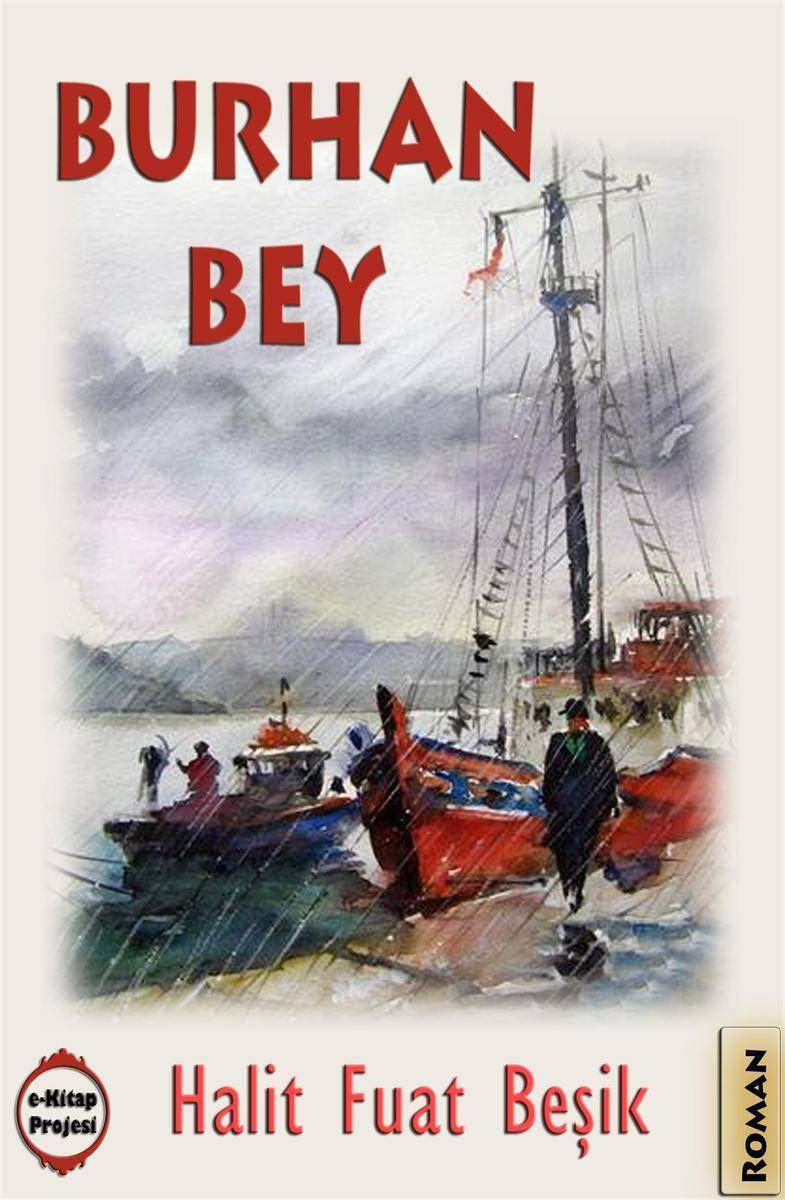
Burhan Bey
¥0.01
Mevsim, k?? ortas?yd?! Günlerce ya?murla ?slanm??t? ?stanbul! Bütün hafta f?rt?nayla, karla, so?ukla insanlar?n can?n ??kar. Sonra da insanlara ?ektirdi?ine pi?man olmu? gibi bir sevimlili?e büründü. ?stanbul bu, bir bakm??s?n?z f?rt?na dinmi?, güne? a?m??, bir bakm??s?n?z aniden kar ya?m??. ?stanbul b?yledir i?te… Parlayan güne?i f?rsat bilen binlerce insan sokaklara d?külür. Kimi bo?azda, kimi k?prüde, kimi deniz k?y?s?nda oltas?yla bal?k tutuyor, kimileri vapurla adalara gidiyor, kimi Emin?nü’ne, kimi al?? veri? merkezlerine, ya da kar?n tad?n? ??karmak i?in Belgrat ormanlar?na gidiyor… Bu gün hava karl?yd? ve tipik ?stanbul hali i?te! Zalim bir ?ehirdir ?u ?stanbul! Tehlike ?ok ama, bir o kadar da güzeldir. Sana hep ihanet eder ve sen yine onu sevmeye devam edersin. “?stanbul’u sevmeyen g?nül, a?k? ne anlar!” demi?ler ?airler ve bu s?zü bo?una s?ylememi?ler! Bir bakm??s?n?z güzel bir gün ge?irirken onu bozacak birisi mutlaka ??kar. Sanki ?stanbul’un de?i?mez bir kurald?r bu! Onu o kadar iyi tan?m?? durumday?m ki, hakk?nda ciltler dolusu kitap bile yazabilirim... ? ? ? Halit Fuat Be?ik kimdir? 1952 y?l?nda Fatsa'da do?du. ?lk ve orta ??renimini Fatsa'da, üniversite ??renimini ise ?stanbul'da tamamlad?. Kapal? ?ar??da ticaret hayat?na at?ld?. Bu arada dünyan?n pek ?ok ülkesini gezme f?rsat? buldu. ?nceleri rezaletten ka?mayan ve "Hep ben" mant???yla maceral? bir hayat ya?ad?. Okumay? ve not almay? ?ok sevdi?i i?in pek ?ok kitap ve notlara sahiptir… Yazar?n ?al??malar?; "TALAN MEVS?M?NDE ADAM G?B? YA?AMAK", "SOKRATES’?N ?SYANI", "HA?LILAR ?ANAKKALEDE", "Y?Z ELL? YA?INDAK? ADAM", "TEVRATIN ?OCUKLARI VE KURAN", "AR?F’?N ?L?M?", "???RLE A?LAMAK", "K???K MAHMUT ?LE KOCA BAYRAM", "VEN?S GEZEGEN?NDE ?SYAN", "ADEME MEKTUPLAR" gibi Kur-an ahlak?na dayal?, ama daha cüretk?r ve farkl? konuda yaz?lm?? kitaplard?r. ?Yazmak konusuna otuz y?ll?k bir emek vermesine ra?men, bu konuda daha pek ?ok ?ey yapmas? gerekti?ine inan?yor. “Talan Mevsiminde Adam gibi ya?amak”, “Sokrates’in ?syan?”, “Ha?l?lar ?anakkale’de”, “Tevrat’?n ?ocuklar? ve Kur-an”, “Yüz Elli Ya??ndaki Adam”, “?iirle A?lamak”, “Kü?ük Mahmut ile Koca Bayram”, “Venüs Gezegeninde ?syan” ve “Adem’e Mektuplar” isimli kitaplar? yay?nlanm??t?r. ?nan?, Adalet, ?nsan sevgisi ve Kuran ahlak?na dayal? o muhte?em denge i?inde eserler vermeye ?al???yor. Ger?ek eserlerini bundan sonra size sunaca??na inan?yor... ?imdilik, ya??yor i?te…
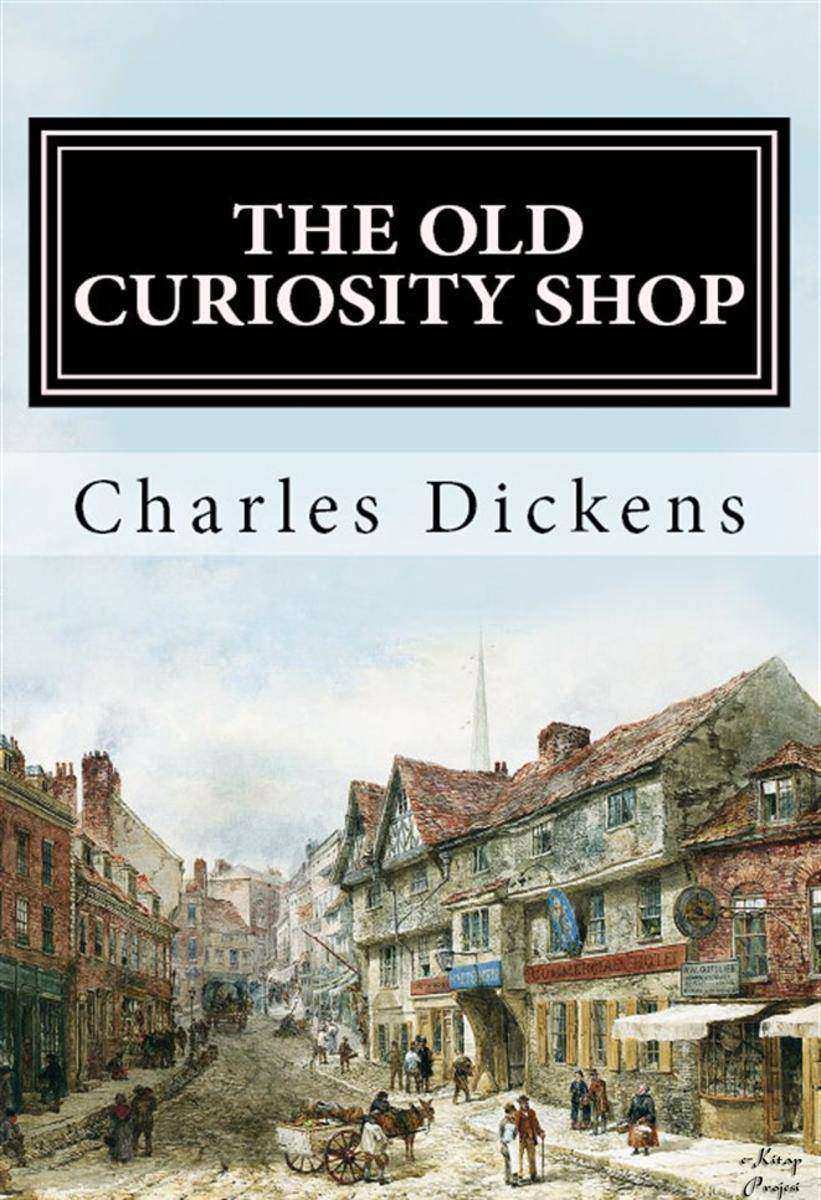
The Old Curiosity Shop
¥28.29
The grandfather of Nell Trent wants to make sure his granddaughter is provided for when he dies. His memory of his daughter’s suffering and premature death gives him a fear of poverty. This obsession results in his financial and physical ruin. Nell and her grandfather flee and embark on a journey that has no destination. For Nell, all she wants is a peaceful existence with enough to subsist on.??They come across many interesting people in their travels and are often met with the kindness of strangers. Yet, underneath an animated and colorful world, they also encounter the bleak reality of the industrial age. From simple villages and fields of flowers, they cross into a dirty city full of mass unemployment and plague victims—where children die from starvation and are left on the curb.??The story isn’t just about Nell and her grandfather, but the people who are connected to them directly or indirectly. There is Richard Swiveller, a careless young man who is a friend of Nell’s plotting brother, who wants Swiveller to marry Nell for the fortune he thinks she has. Daniel Quilp, the malicious dwarf, has a vendetta against the grandfather—who was the one person who managed to fool him. There is honest Kit, who finds himself the victim of spite of people he never harmed. Kit desires to help Nell, whoM he worships as a personal angel that has always inspired the best in him. The mysterious Bevis Marks, who is a generous patron to some and an enemy to others, also has his own reasons for finding Nell and her grandfather.??Unique to this book, unlike Dickens other works, is a fairy tale quality to the story. It is certainly a book of contrasts: the purity of Nell compared to the sadistic depravity of Quilp, fresh air and scenic villages to the polluted, stone covered city, etc. Even people’s reactions to the book revealed a stark contrast. At first, Nell Trent was praised as the most perfect Dickens character. Later, she was ridiculed and criticized by many well-known people like Oscar Wilde. While characters in other Dickens books are moving towards a better future, Nell and her grandfather are fleeing their life—and their story is moving towards an ending.??The Old Curiosity Shop was inspired by a personal tragedy in Dickens life. Nell Trent is based on the seventeen year old sister-in-law of Dickens who lived with him and whom he was fond of. The girl collapsed and died suddenly after the family had come home from the theater, probably due to undiagnosed heart disease. The story is a time capsule—full of references of popular songs, literature, and scandals of the period. As to be expected of a Dickens novel, there is social commentary on the plight of the poor. The Old Curiosity Shop delves into the unknown world of freak shows and other traveling entertainers—showing a magical world, yet one with a dark underside to it.
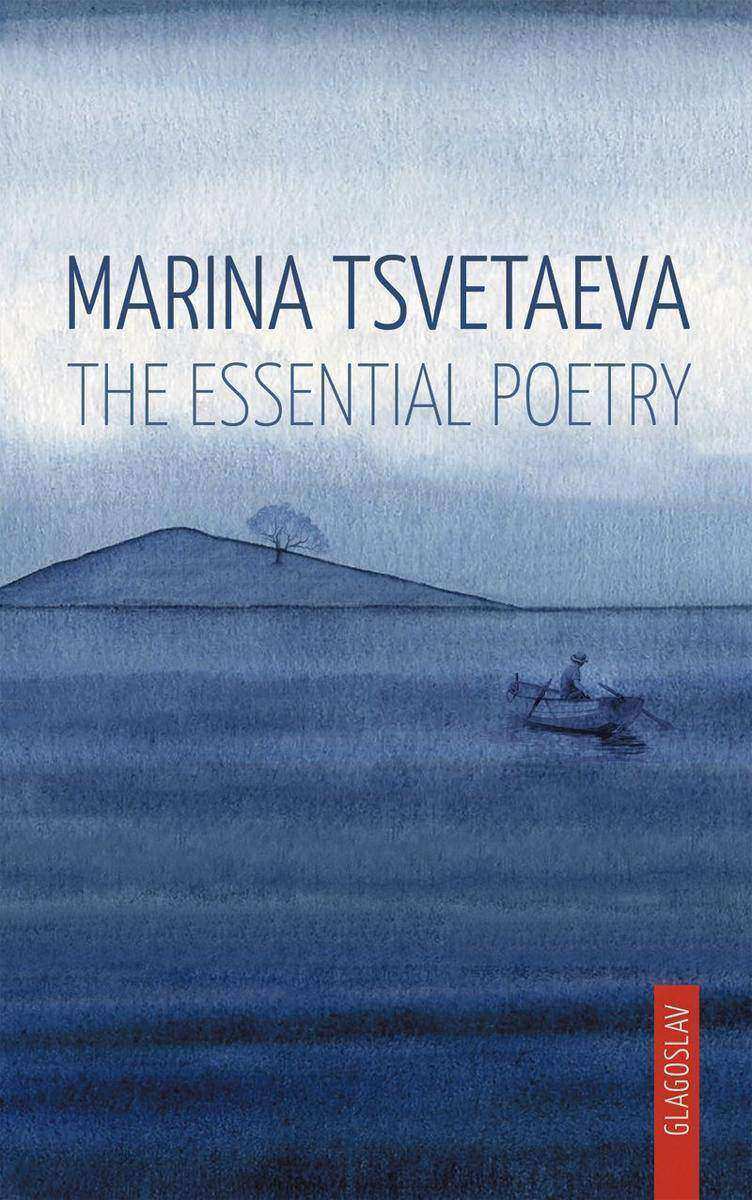
The Essential Poetry
¥90.03
Marina Tsvetaeva: The Essential Poetry includes translations by Michael M. Naydan and Slava I. Yastremski of lyric poetry from all of great Modernist Russian poet Marina Tsvetaeva’s published collections and from all periods of her life. It also includes a translation of two of Tsvetaeva’s masterpieces in the genre of the long poem, “Poem of the End” and “Poem of the Mountain.” The collection strives to present the best of Tsvetaeva’s poetry in a small single volume and to give a representative overview of Tsvetaeva’s high art and development of different poetic styles over the course of her creative lifetime. Also included in the volume are a guest introduction by eminent American poet Tess Gallagher, a translator’s introduction and extensive endnotes. Naydan and Yastremski have previously published a well-received annotated translation of Tsvetaeva’s collection After Russia with Ardis Publishers. The fourteen previously published translations from the After Russia collection have been revised for this volume.
The Complete Correspondence of Hryhory Skovoroda:Philosopher And Poet
¥90.03
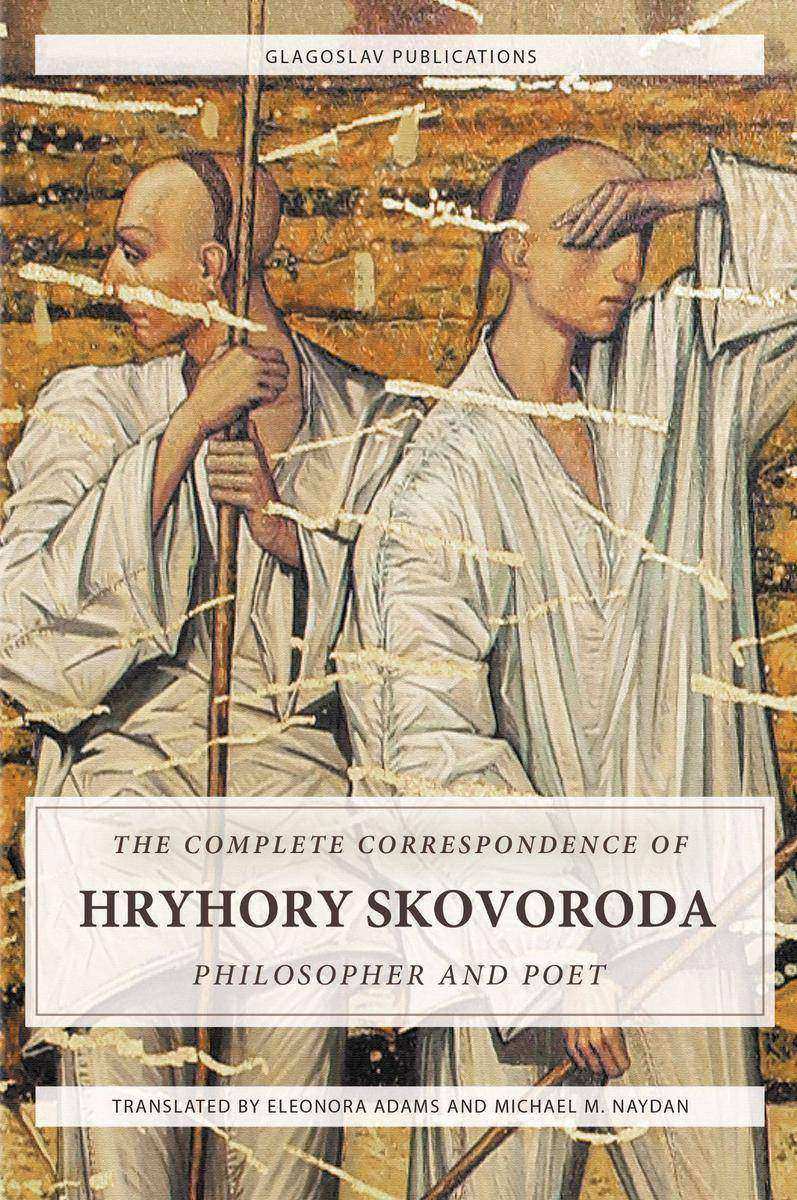
The religious philosopher and poet Hryhory Skovoroda (1722-1794) is described by many as the Ukrainian Socrates and was one of the most learned men of his time. He was a polyglot who knew the Bible virtually by heart, as well as the writings of the Church Fathers and the literature of Greek and Roman antiquity. The eminent literary critic Ivan Dziuba considers Skovoroda the greatest Ukrainian mind ever. And Yuri Andrukhovych, one of the most prominent Ukrainian writers of today, calls him “the first Ukrainian hippie” on account of his itinerant lifestyle and rejection of worldly life. The impact of Skovoroda’s life and works has been well documented on major writers in future generations, such as Leo Tolstoy, Andrei Bely and Pavlo Tychyna, to name but a few. None of Skovoroda’s works appeared during his lifetime – they were first published in 1837 in Moscow. The texts of Skovoroda’s writings were preserved mostly by Skovoroda’s lifelong friend Mykhailo Kovalynsky, to whom he had given the manuscripts. Skovoroda’s extant writings consist of a collection of thirty poems entitled The Garden of Divine Songs along with other occasional poems, a collection of fables entitled Kharkiv Fables, which was published in 1990, and seventeen philosophical treatises. Most of the treatises were composed during the latter part of his life. The letters of Skovoroda are appearing in their entirety here in English for the first time, accompanied by a guest introduction by Leonid Rudnytzky. This title has been realised by a team of the following dedicated professionals: Translated by Eleonora Adams and Michael M. Naydan, Edited by Liliana M. Naydan, The cover shows a detail from Blessing of the Road, by Mykola Kumanovsky from the Woskob Private Collection, Interior Design by Dmytro Podolyanchuck, Guest Introduction by Leonid Rudnytzky, Maxim Hodak - Максим Ходак (Publisher), Max Mendor - Макс Мендор (Director), Ksenia Papazova.
Men of Achievement Inventors
¥56.82
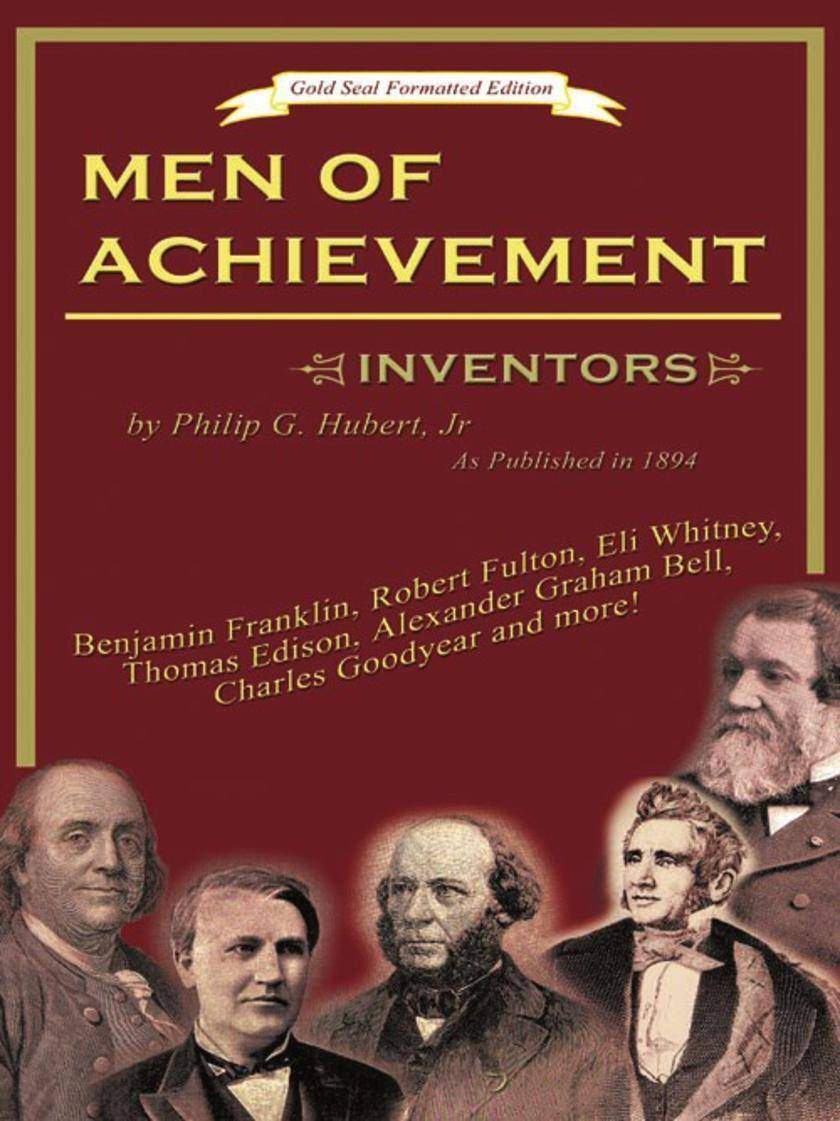
In Men of Achievement Phillip Hubert writes about inventors Benjamin Franklin, Robert Fulton, Eli Whitney, Elias Howe, Samuel Morse, Charles Goodyear, Thomas Edison and Alexander Graham Bell, as well as many others. He reviews their inventions and also examines the inventor: their origins, hopes, aims, principles, disappointments, trials and triumphs ,and their daily life and personal character. With over forty-five illustrations, Men of Achievement discusses the value of their work – the invention of steam power, electricity, the telegraph, the telephone, phonograph, the camera, and Goodyear’s vulcanized rubber. With the patent laws of the time it also highlights how these men contributed thousands of millions of dollars to the nation’s wealth and, in some cases, received comparatively little in return.
Creating a Local Historical Book:Fiction and Non-Fiction Genres
¥32.62
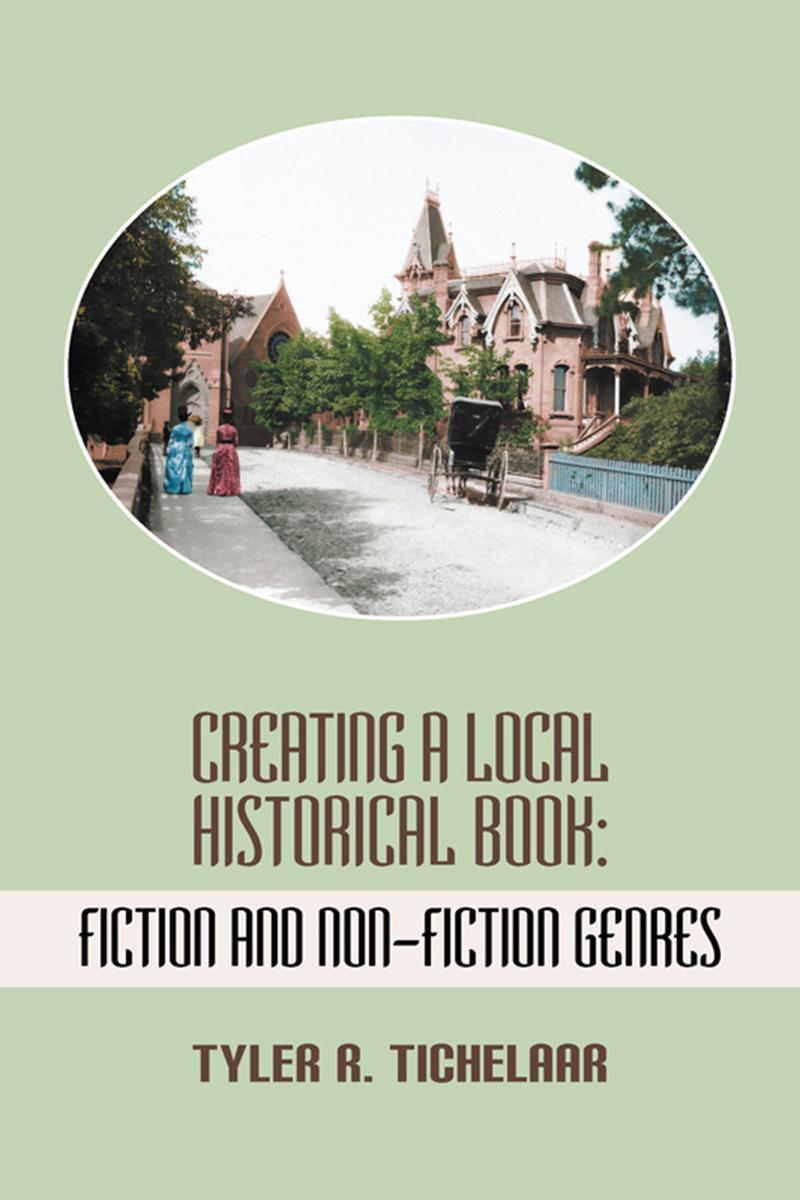
Does Your City or Region Have a Fascinating Story that needs to be told before it's forgotten? Yes, it does, and you can be the person to write it! In this short text, Tyler Tichelaar, author of My Marquette and The Marquette Trilogy, talks in a conversational format about how he became interested in writing both local history and regional and historical fiction and his research and writing process to bring his books to fruition. Readers of "Creating a Local Historical Book" will learn: ·What kind of research is required ·What counts as research ·Where to do research ·How to organize that research into a book ·How not to go overboard with details ·Finding images and gaining usage permission ·How to make your book stand out from others ·Tips on marketing your history book Tyler R. Tichelaar, Ph.D. and seventh generation Marquette resident, was raised on tales of his hometown's past. His other interests include literary studies ranging from King Arthur to Gothic texts. He is also a professional editor and writing coach who has guided dozens of authors through the treacherous seas of composition. "Our committee would like to honor Tyler with this award in honor of his meticulous research, his enlightened and personal testimony about Marquette and his educational contributions to the preservation of Marquette's history." --The Marquette Beautification & Restoration Committee, presenting Tyler with the Barbara H. Kelly Historic Preservation Award "Tyler Tichelaar speaks from the heart about his love affair with the town of his birth. Join him on a nostalgic tour of one of the great small cities of America." --Karl Bohnak, author of So Cold a Sky: Upper Michigan Weather Stories Learn more at www.MarquetteFiction.com From Modern History Press www.ModernHistoryPress.com


