


 购物车
购物车 个人中心
个人中心

A Kis Herceg
¥8.18
La ora la care scriu aceste r?nduri, revista Contemporanul se apropie de aniversarea a 130 de ani de la fondare, si ne ?ntreb?m, cu to?ii, iar??i ?i iar??i, ce schimb?ri s-au produs ?n peisajul cultural, literar, social ?n ultimii 20 de ani? Ce viitor vor avea cultura, literatura rom?n? vie ?n contextul acestor schimb?ri? Cum ??i va reveni din criza actuala, mai grav?, mai dramatic? dec?t criza economic? propriu-zisa fiind, f?r? ?ndoiala, profunda criz? moral? de care este cuprins? societatea rom?neasc?? R?spunsurile formulate de participan?ii la anchet? – precum ?i celelalte articole, eseuri, reportaje etc. – cuprinse ?n acest supliment aniversar vizeaz? ?i aceste aspecte, greu de neglijat, din v?rtejul evenimentelor istorice, din acest dramatic prezent, rezist?nd, spre gloria na?iunii rom?ne, Excelen?a Sa, cultura, literatur? rom?n? vie. (Aura Christi)

Rū?ītis
¥9.32
Cartea e ca o pies? de teatru alc?tuit? din personaje, parantezele autorului, dialoguri, secven?e, scene, acte, cu leg?tura necesar?, intre acestea. ?n treac?t fie spus, critica poate s? ?ntre?in? longevitatea operei, dac? are destul? vigoare ?i dac? opera e de calitate. Sunt vorbe optimiste la vremea Internetului care, deocamdat?, nu de?ine puterea controlului critic ?i nici nu se ?ntrev?d ?anse de aceast? natur?. Tocmai de aceea pericolul dispari?iei c?rt?ii de h?rtie pare anun?area unui cataclism. Noi mai credem ?n ceva. R?m?ne hot?r?t c? interpretarea critic?, pentru a fi c?t mai aproape de text, trebuie s? se asocieze cu "partea estetic?" a demersului, care e scriitura, citatul, descrierea ?i altele. O "conversa?ie", pe c?t posibil neretoric?.

?zlemek Sevmekse, ?zlüyorum Seni
¥9.16
B?R DAMLA SEVG?YLE MERHABA ?Dokunan hafif bir esinti, bir damla ya?, bir kü?ük ka?amak bak??tan ve bir tatl? s?zden sonra yüre?in ?eperlerine yap???p kalan a?k?n izleriyle dolu ya?amakt?r belki de istenilen… ??zlemek sevgiyle yüre?e dokunmaksa; bir tatl? s?z, bir gidenin ard?ndan kalan iz, bir hüzün i?indeki umutsuzluklarda bile, umut arayan kalple var olmakt?r kimbilir belki de i?imizde kalan… ??zlemek; a?k?n g?zya?lar?nda, yar?n? olmayan a?klarda ve bir garip a?k?n i?inde bile mutlulu?u, sevginin kanatlar?nda ?zlemle arayarak yazmakt?r belki de sayfalarda saklanan… ?Kim bilir belki de sevgiyi i?inde bularak kanatlanmakt?r, kanats?z hallerinde bile ?zlemle a?ka u?makt?r… ?Her okunan ?iirin i?inde hissedebilmektir belki de; tarifi olmayan, tarifsiz o duyguyu, yüre?indeki bir k?v?lc?m ate?iyle canland?r?p ya?atabilmektir belki de arzulanan... ?Sevgiyle dolu sayfalarda, hissettiklerinizi bulup dolu dolu ya?aman?z dile?iyle… Cengiz ?ET?K 1964 y?l?nda Konya/Karap?nar do?du. ?lkokulu Emirgazi il?esinde okudu. Ortaokulu ve liseyi Karap?nar’da okudu. Endüstri Meslek Lisesi Torna tesviye’den mezun oldu. 1989 y?l?nda Burdur E?itim Yüksek Okulu’ndan S?n?f ??retmeni olarak mezun olduktan sonra 1990 y?l?ndan bu yana zaman zaman idarecilik yapsa da ?u an Uzman S?n?f ??retmeni olarak ?al??makta olup iki k?z babas?d?r. 1986 y?l?nda ilk ?yküsü “sonun Ba?lang?c?” bir sinema dergisinin a?t??? yar??mada birinci gelmi?tir. Finike yerel gazetelerinde 2005 y?l?ndan sonra bir?ok k??e yaz?lar? yay?nland?. 2006 y?l?nda ilk ?iir kitab? “Son S?züm Sana Gülüm” yay?nlad?. ?kinci kitab? “Siyahlarday?m Alev Bak??l?m” 2008 y?l?nda yay?nland?. Ayr?ca güfte halinde “ Siyahlarday?m” 2010 y?l?nda ve “Vazge? G?nlüm” 2016 y?l?nda iki ?iiri bestelenip ?ark? olarak hayat bulmu?tur. 2017 y?l? son ay?nda ilk bilimkurgu roman? “Pokentranl? G?kmen” okurlar?yla tan??t?.
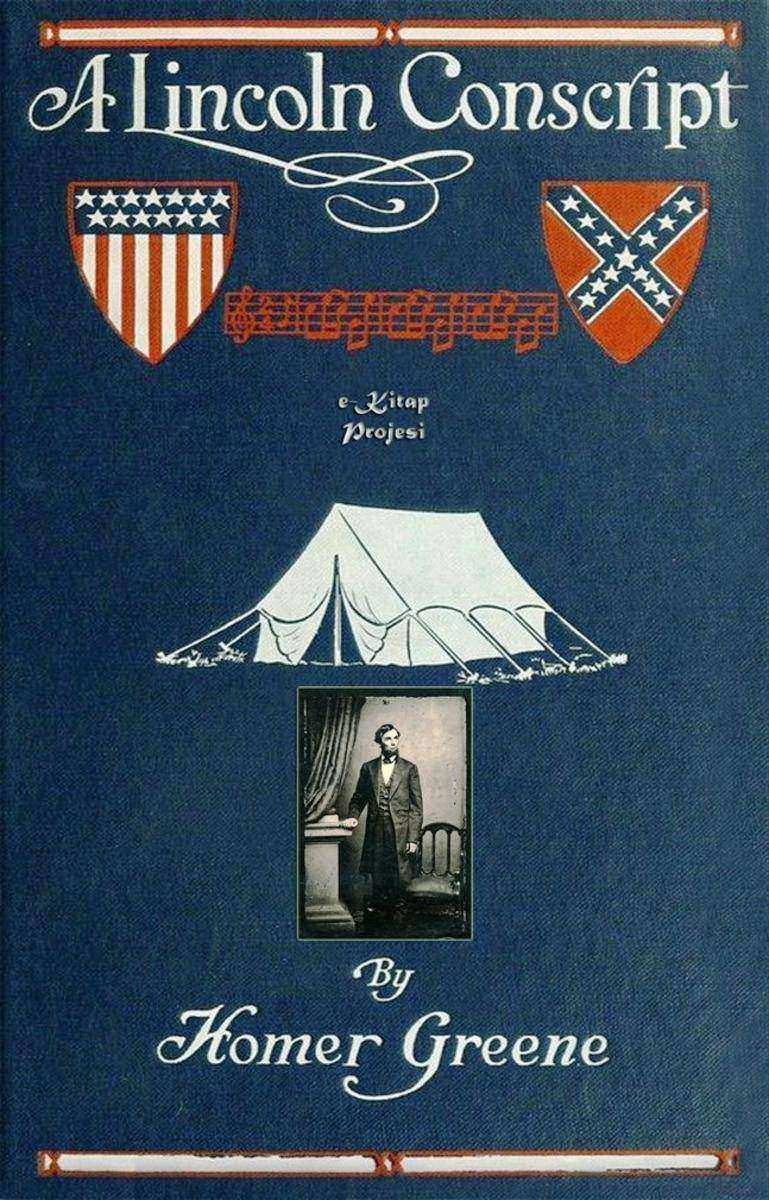
A Lincoln Conscript
¥27.88
On the second day of July in the year 1863 the Civil War in America was at its height. Late in the preceding month Lee had turned his face northward, and, with an army of a hundred thou-sand Confederate soldiers at his back, had marched up into Penn-sylvania. There was little to hinder his advance. Refraining, by reason of strict orders, from wanton destruction of property, his soldiers nevertheless lived on the rich country through which they passed. York and Carlisle were in their grasp. Harrisburg was but a day’s march away, and now, on this second day of July, flushed with fresh victories, they had turned and were giving desperate battle, through the streets and on the hills of Gettysburg, to the Union armies that had followed them. The old commonwealth was stirred as she had not been stirred before since the fall of Sumter. Every town and village in the state responded quickly to the governor’s call for emergency troops to defend the capital city. Mount Hermon, already depleted by gen-erous early enlistments, and by the draft of 1862, gathered to-gether the bulk of the able-bodied men left in the village and its surroundings, and sent them forth in defense of the common-wealth. Not that Mount Hermon was in especial danger from Lee’s invasion, far from it. Up in the northeastern corner of the state, on a plateau of one of the low foot-hills of the Moosic range, sheltered by the mountains at its back, it was well protected, both by reason of distance and location, from the advancing foe. But Mount Hermon was intensely patriotic. In the days preceding the Revolution the sturdy pioneers from Connecticut had met the equally sturdy settlers from the domain of Penn, and on this plateau they had fought out their contentions and settled their differences; the son of the Pennamite had married the daughter of the Yankee; and the new race, with love of country tingeing every drop of its blood a deeper red, had stayed on and possessed the land. So, on this July day, when the armies of North and South were striving and struggling with each other in bloody combat back and forth across the plain and up the hills of Gettysburg, Mount Hermon’s heart beat fast. But it was not for themselves that these people were anxious. It was for the fathers, husbands, sons, lovers in that army with which Meade, untried and unproven, was endeavoring to match the strategy and strength of Lee. News of the first day’s skirmishing had reached the village, and it was felt that a great battle was imminent. In the early evening, while the women were still busy at their household tasks, the men gathered at the post-office and the stores, eager for late news, anxious to discuss the situation as they had learned it. In the meantime the boys of the town had congregated on the village green to resume the military drills which, with more or less frequency, they had carried on during the summer. These drills were not wholly without serious intent. It was play, indeed; but, out of the ranks of these boys, three of the older ones had already gone to the front to fight real battles; and it was felt, by the men of the town, that the boys could not be too thoroughly imbued with the military spirit. So, on this July evening, wakened into new ardor by the news from Gettysburg, they had gathered to resume their nightly work—and play.There were thirty-three of them, ranging in years all the way from eight to eighteen. They were eager and enthusiastic. At the command to fall in there was much pushing and jostling, much striving for desirable places, and even the young captain, with great show of authority, could not quite adjust all differences to the complete satisfaction of his men.Before the confusion had wholly ceased, and while there were still awkward gaps in the ranks, a tall, straight, shy-mannered boy of seventeen, who had remained hitherto on the outskirts of the group, quietly slipped into one of the vacant places.
Laboratuardaki ?blis: ?iir
¥27.71
Yirmi birinci yüzy?lda, teknolojik geli?melerin de etkisiyle, büyük bir "öz güven patlamas?" ya?ayan insanl?k; kurulu?undan bu yana kendi yasalar?na göre çal??an ba?ta ekolojik sistem olmak üzere: Biyolojik ve jeolojik sistemlere müdahale ederek; kendi kurallar?na göre de?i?tirmeye kalkt?. ??te, ba?ta baz? hastal?klar olmak üzere; birçok sorunlar da burada ortaya ç?kt?. Maalesef bugün nerede ise hepimiz, hastay?z! Hastal?klar?m?z?n ise çe?it çe?it ad? olsa bile en yayg?n olan?: "Parçalama Hastal???" olup çok da kolay tedavi edilebilecek gibi de görünmemektedir.Günümüzde, teknolojik geli?mi?li?in de etkisiyle: ?nsano?lu, bütünü anlamak için onu parçalamay? seçti. Parçalar? üzerinden bütünü; anlamaya ve tan?maya çal??maktad?r.. Oysa ki, parçalar? birle?tirerek bütünü tan?mak hem daha kolay, hem de daha do?al bir yöntem oldu?unu da bilmesine ra?men.Y?llard?r; maddeleri parçalad?k yetmedi. Atomlar? parçalad?k bitmedi. Bu i? daha nereye kadar gidecek? Ve ne kadar daha sürecek? Bilinmez! Ancak bizler, bir an önce maddeleri ve sistemleri parçalamaktan vazgeçmek mecburiyetindeyiz! Yoksa: Korkar?m çok yak?nda, yeryüzündeki ya?am? kökünden bitirece?iz!..Bu arada, baz? "Laboratuvar Ka?iflerine" de birkaç hat?rlatmada bulunmak isterim:Hani; Sizlerin, mikro organizmalar? incelemek için hergün bakt???n?z o devasa büyüteçler'iniz (Dev Elektron Mikroskoplar?n?z) var ya! ??te o büyüteçler; inceledi?iniz o organizmalar?, sizlerin gözünde milyonlarca kez büyütmekte iken; sizleri de belki onlar?n "gözünde" milyonlarca kez küçültüyor olmas?nlar (?) Yine: Belki de sizler; onlar? tan?maya çal???rken; onlar da bizleri anlamaya çabal?yor olmas?nlar? Dahas?: Belki de onlar da bizleri merak ediyorlard?r (?) Kim bilir? Ne dersiniz? Bir de böyle dü?ünmeyi denemelisiniz!.."LABORATUARDAK? ?BL?S"{???R L?STES? & ?Ç?NDEK?LER}:YAZAR HAKKINDA {ÖZ GEÇM??}TANITMALIK {PROSPEKTÜS}T?N VE TENZERRELABORATUARDAK? ?BL?SB?ZDEN M?D?R?RUH YARASIKONDUNEFES?ST?R?DYEN?N HÜNER?MOLEKÜLER SEYAHATYARI?L?NÇHIZ/HAZ ÇEL??MECES?HAL?S YAPAYLIKLAR D?YARINDA -1MAZ?DEK? AYAK ?ZLER?MMAN?SA TARZANIARKA KAPAK?a’irin Yay?nlanm?? Di?er Kitaplar?VEYSEL TOPALO?LU (?A?R; SADEKUL)
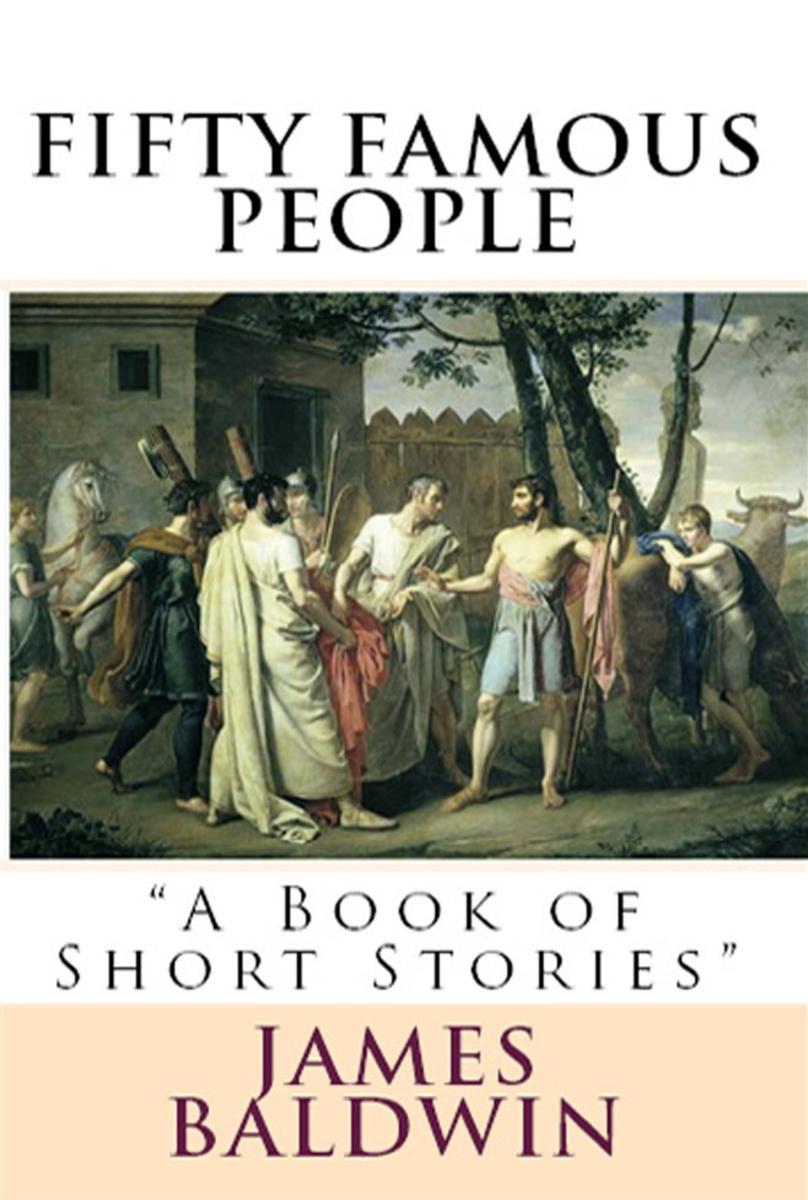
Fifty Famous People: "A Book of Short Stories"
¥28.29
ONE of the best things to be said of the stories in this volume is that, although they are not biographical, they are about real persons who actually lived and performed their parts in the great drama of the world's history. Some of these persons were more famous than others, yet all have left enduring "footprints on the sands of time" and their names will not cease to be remembered. ??In each of the stories there is a basis of truth and an ethical lesson which cannot fail to have a wholesome influence; and each possesses elements of interest which, it is believed, will go far towards proving the fallibility of the doctrine that children find delight only in tales of the imaginative and unreal. The fact that there are a few more than fifty famous people mentioned in the volume may be credited to the author's wish to give good measure.??SAVING THE BIRDS?ONE day in spring four men were riding on horseback along a country road. These men were lawyers, and they were going to the next town to attend court.?There had been a rain, and the ground was very soft. Water was dripping from the trees, and the grass was wet.?The four lawyers rode along, one behind another; for the pathway was narrow, and the mud on each side of it was deep. They rode slowly, and talked and laughed and were very jolly.?As they were passing through a grove of small trees, they heard a great fluttering over their heads and a feeble chirping in the grass by the roadside.? "Stith! stith! stith!" came from the leafy branches above them.?"Cheep! cheep! cheep!" came from the wet grass.?"What is the matter here?" asked the first lawyer, whose name was Speed.?"Oh, it's only some old robins!" said the second lawyer, whose name was Hardin. "The storm has blown two of the little ones out of the nest. They are too young to fly, and the mother bird is making a great fuss about it."?"What a pity! They'll die down there in the grass," said the third lawyer, whose name I forget.?"Oh, well! They're nothing but birds," said Mr. Hardin. "Why should we bother?"? "Yes, why should we?" said Mr. Speed.?The three men, as they passed, looked down and saw the little birds fluttering in the cold, wet grass. They saw the mother robin flying about, and crying to her mate.?Then they rode on, talking and laughing as before. In a few minutes they had forgotten about the birds.?But the fourth lawyer, whose name was Abraham Lincoln, stopped. He got down from his horse and very gently took the little ones up in his big warm hands.
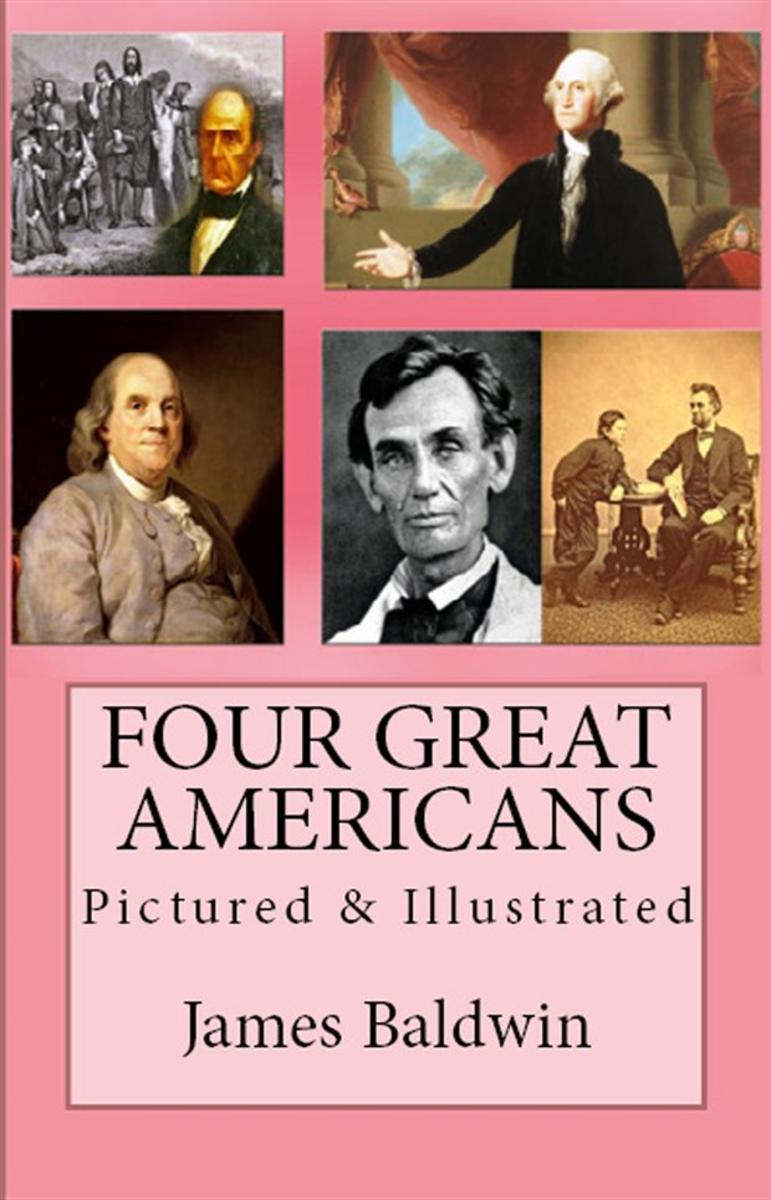
Four Great Americans: Pictured & Illustrated
¥28.29
When George Washington was a boy there was no United States. The land was here, just as it is now, stretching from the Atlantic Ocean to the Pacific; but nearly all of it was wild and unknown.??Between the Atlantic Ocean and the Allegheny Mo-untains there were thirteen colonies, or great settlements. The most of the people who lived in these colonies were English people, or the children of English people; and so the King of England made their laws and appointed their governors.??The newest of the colonies was Georgia, which was settled the year after George Washington was born.?The oldest colony was Virginia, which had been settled one hundred and twenty-five years. It was also the richest colony, and more people were living in it than in any other.??There were only two or three towns in Virginia at that time, and they were quite small.?Most of the people lived on farms or on big plantations, where they raised whatever they needed to eat. They also raised tobacco, which they sent to England to be sold.??The farms, or plantations, were often far apart, with stretches of thick woods between them. Nearly every one was close to a river, or some other large body of water; for there are many rivers in Virginia..
Se numea Sarah
¥66.22
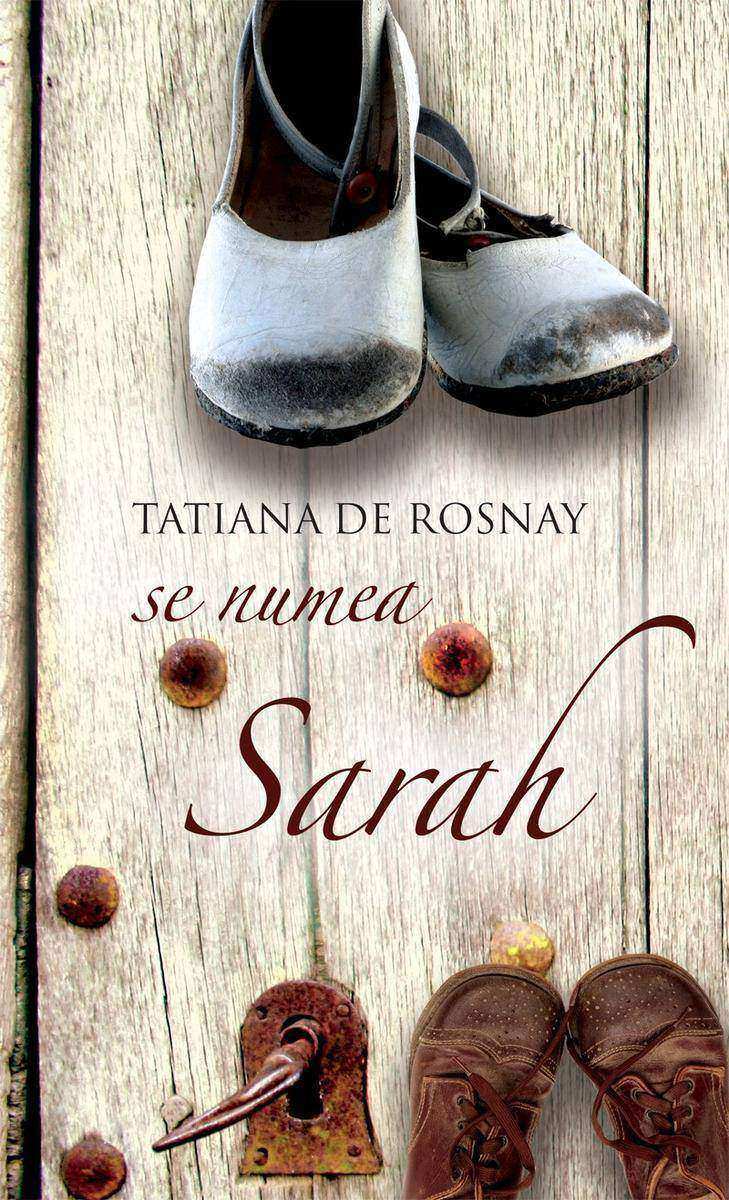
Am mplinit, la 3 martie anul acesta, 81 de ani. O via de om, cu bune i mai puin bune. Am fost martor i actor al multor evenimente, dintre care unele au schimbat cursul istoriei. n cteva dintre aceste schimbri se poate gsi i contribuia mea.[…] Trecerea n revist a istoriei celor 21 de ani de la Revoluia din Decembrie 1989, cu reuite i nereuite, cu experiene pozitive i negative, cu bune i cu rele, trebuie s fie prilej de nvminte pentru toi, s ne inspire pentru a gsi cile cele mai potrivite de redresare i de cuplare a Romniei la procesul n curs de construcie european, n condiiile adncirii procesului amplu de globalizare a economiei i a vieii sociale, n beneficiul tuturor cetenilor rii.“Sunt un om de stnga, nu neg i nu-mi reneg trecutul. Mi-l asum, cu toate ale lui. Dar nimeni nu-mi poate reproa lipsa bunei-credine n ceea ce am fcut. i nici faptul c nu a fi evoluat, c nu a fi nvat din leciile pe care viaa i oamenii mi le-au dat.[…] Nu m-a interesat puterea n sine i nu am folosit puterea pe care am avut-o pentru a face ru sau n interes personal. Puterea devine interesant doar n momentul n care ai un proiect, i ea devine un instrument pentru materializarea lui.Nimic nu corupe mai mult dect puterea. i trebuie s fii, moral vorbind, extrem de puternic pentru a nu te lsa corupt de putere. mi place s cred c pe mine puterea nu m-a corupt. Muli au fost uimii de modul firesc n care s-a fcut transferul de putere n 1996, dup ce domnul Emil Constantinescu a ctigat alegerile prezideniale. Cei care se ateptau la altceva nu m cunosc. Nu mi-am dorit puterea, n 1989, ci mi-am asumat o responsabilitate. Era normal s fiu primul care s respecte regulile la structurarea crora lucrase.[…] Formal, suntem o ar cu toate instituiile i mecanismele unei ri europene, membr a Uniunii Europene. n realitate, lucrurile sunt departe de a fi normale. Am fost i sunt contient de faptul c acestea sunt marile noastre slbiciuni, cele care ne mpiedic s progresm. Nu tiu s existe o soluie miraculoas care s ne vindece de aceste pcate. Cred doar c libertatea de circulaie i dreptul romnilor de a munci n Europa vor permite, n timp, schimbarea profund a Romniei.“
Fairy Circles: [Tales and Legends of Giants, Dwarfs, Fairies, Water-Sprites and
¥27.80
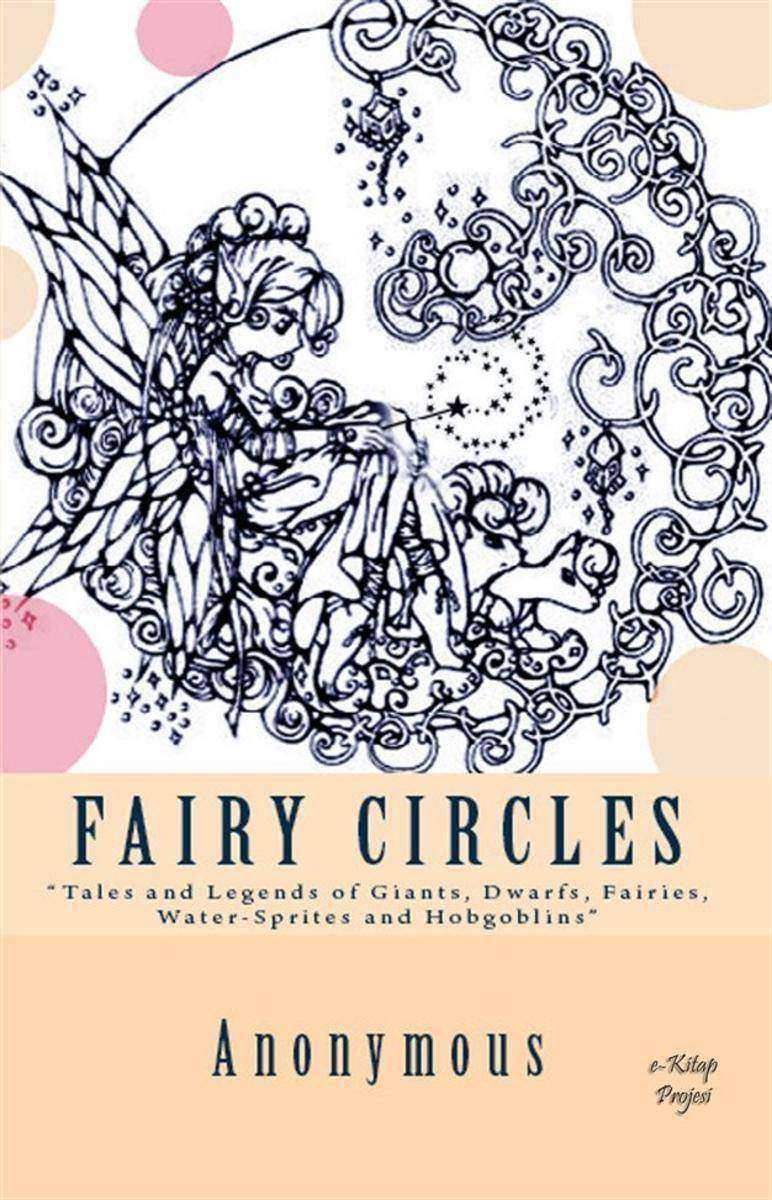
MORE than a thousand years have rolled away since a castle looked down cheerfully from a height amid the Franconian plains into the well-watered Kinzig Valley, with its pleasant villages and towns.?It belonged to the powerful Swabian duke Frederick of Hohenstaufen, whose young and valiant son loved this the best of all his father's proud castles, and often left his uncle's splendid palace to hunt in its forests, or to look down from its lofty oriel window on the blooming plain below.??His father and uncle indeed missed him sadly. His clear blue eye, and the cheerful expression of his noble countenance, seemed to the two grave and war-weary men so gladdening to look upon, that they were always unwilling to let him leave them.??But the young Frederick used to beg them so earnestly to grant him the freedom of the forest for just this once, that father and uncle smilingly granted him permission, though "this once" was often repeated..
Tales from the Riverside
¥24.44
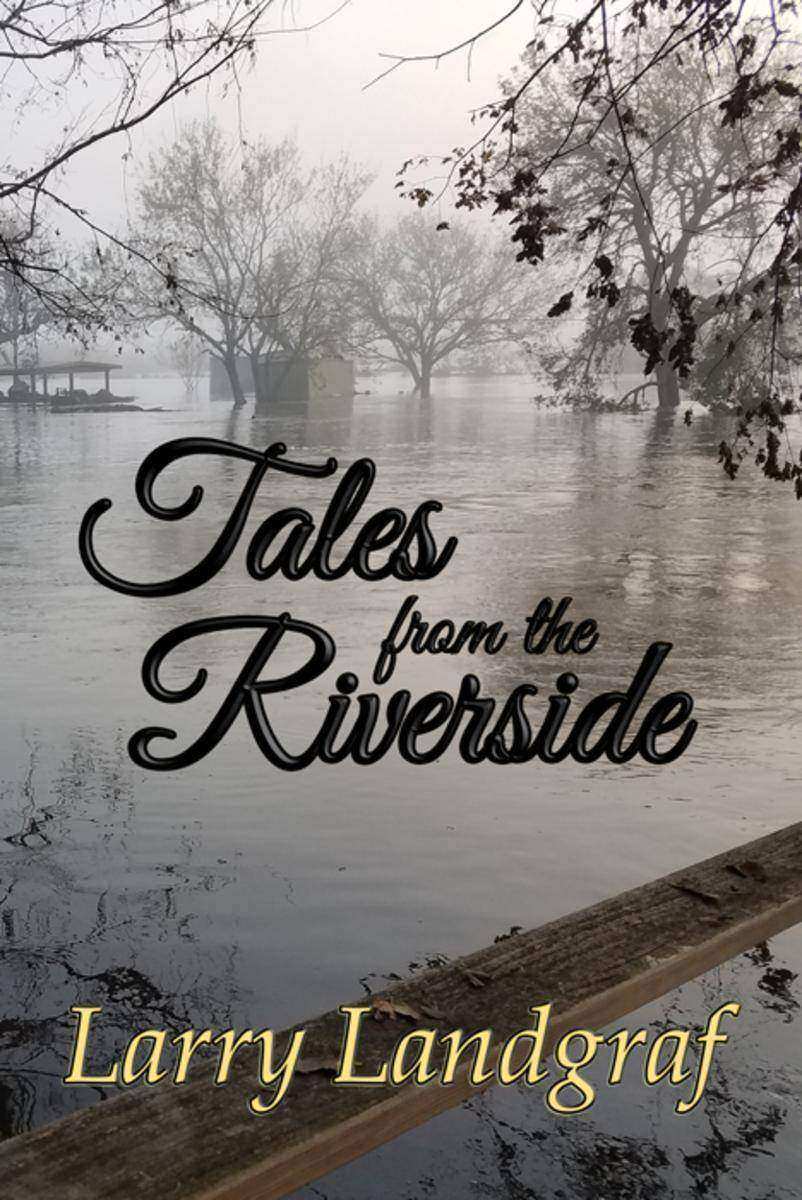
Tales from the Riverside tells true and unique stories about one man’s struggle with alligators, snakes, killer bees, and hordes of nasty critters on a daily basis in his swamp. Experience the danger without the need for professional medical services. Life in a swamp is not for everyone.
![Faraday As A Discoverer: [Illustrated & Biography Added]](https://platform-permanent.ddimg.cn/pt-media-info-soa-resource/digital/product/47/24/1901164724_ii_cover.jpg?version=eff250ca-e17f-4718-971c-9a91a135e3e1)
Faraday As A Discoverer: [Illustrated & Biography Added]
¥27.80
Michael Faraday (1791 –1867) was an English scientist who contributed to the fields of electromagnetism and electrochemistry. His main discoveries include those of electromagnetic induction, diamagnetism and electrolysis. Although Faraday received little formal education, he was one of the most influential scientists in history. It was by his research on the magnetic field around a conductor carrying a direct current that Faraday established the basis for the concept of the electromagnetic field in physics. Faraday also established that magnetism could affect rays of light and that there was an underlying relationship between the two phenomena. He similarly discovered the principle of electromagnetic induction, diamagnetism, and the laws of electrolysis. His inventions of electromagnetic rotary devices formed the foundation of electric motor technology, and it was largely due to his efforts that electricity became practical for use in technology. As a chemist, Faraday discovered benzene, investigated the clathrate hydrate of chlorine, invented an early form of the Bunsen burner and the system ofoxidation numbers, and popularised terminology such as anode, cathode, electrode, and ion. Faraday ultimately became the first and foremost Fullerian Professor of Chemistry at the Royal Institution of Great Britain, a life-time position.. Faraday was an excellent experimentalist who conveyed his ideas in clear and simple language; his mathematical abilities, however, did not extend as far as trigonometry or any but the simplest algebra. James Clerk Maxwell took the work of Faraday and others, and summarized it in a set of equations that is accepted as the basis of all modern theories of electromagnetic phenomena. On Faraday's uses of the lines of force, Maxwell wrote that they show Faraday "to have been in reality a mathematician of a very high order – one from whom the mathematicians of the future may derive valuable and fertile methods." The SI unit of capacitance is named in his honour: the farad. Albert Einstein kept a picture of Faraday on his study wall, alongside pictures of Isaac Newton and James Clerk Maxwell. Physicist Ernest Rutherford stated; "When we consider the magnitude and extent of his discoveries and their influence on the progress of science and of industry, there is no honour too great to pay to the memory of Faraday, one of the greatest scientific discoverers of all time". ABOUT AUTHOR: John Tyndall (1820 – 1893) was a prominent 19th-century Irish physicist. His initial scientific fame arose in the 1850s from his study of diamagnetism. Later he made discoveries in the realms of infrared radiation and the physical properties of air. Tyndall also published more than a dozen science books which brought state-of-the-art 19th century experimental physics to a wide audience. From 1853 to 1887 he was professor of physics at the Royal Institution of Great Britain in London. Tyndall was born in Leighlinbridge, County Carlow, Ireland. His father was a local police constable, descended from Gloucestershire emigrants who settled in southeast Ireland around 1670. Tyndall attended the local schools in County Carlow until his late teens, and was probably an assistant teacher near the end of his time there. Subjects learned at school notably included technical drawing and mathematics with some applications of those subjects to land surveying. He was hired as a draftsman by the Ordnance Survey of Ireland in his late teens in 1839, and moved to work for the Ordnance Survey for Great Britain in 1842. In the decade of the 1840s, a railroad-building boom was in progress, and Tyndall's land surveying experience was valuable and in demand by the railway companies. Between 1844 and 1847, he was lucratively employed in railway construction planning. In 1847 Tyndall opted to become a mathematics and surveying teacher at a boarding school (Queenwood College) in Hampshire. Recalling this decision later, he wrote: "the desire to grow intellectually did not forsake me; and, when railway work slackened, I accepted in 1847 a post as master in Queenwood College." Another recently arrived young teacher at Queenwood was Edward Frankland, who had previously worked as a chemical laboratory assistant for the British Geological Survey. Frankland and Tyndall became good friends. On the strength of Frankland's prior knowledge, they decided to go to Germany to further their education in science. Among other things, Frankland knew that certain German universities were ahead of any in Britain in expe-rimental chemistry and physics. (British universities were still focused on classics and mathematics and not laboratory science.)The pair moved to Germany in summer 1848 and enrolled at the University of Marburg, where Robert Bunsen was an influential teacher. Tyndall studied under Bunsen for two years.
The Road to Femininity: A New Life for a New Woman
¥52.65
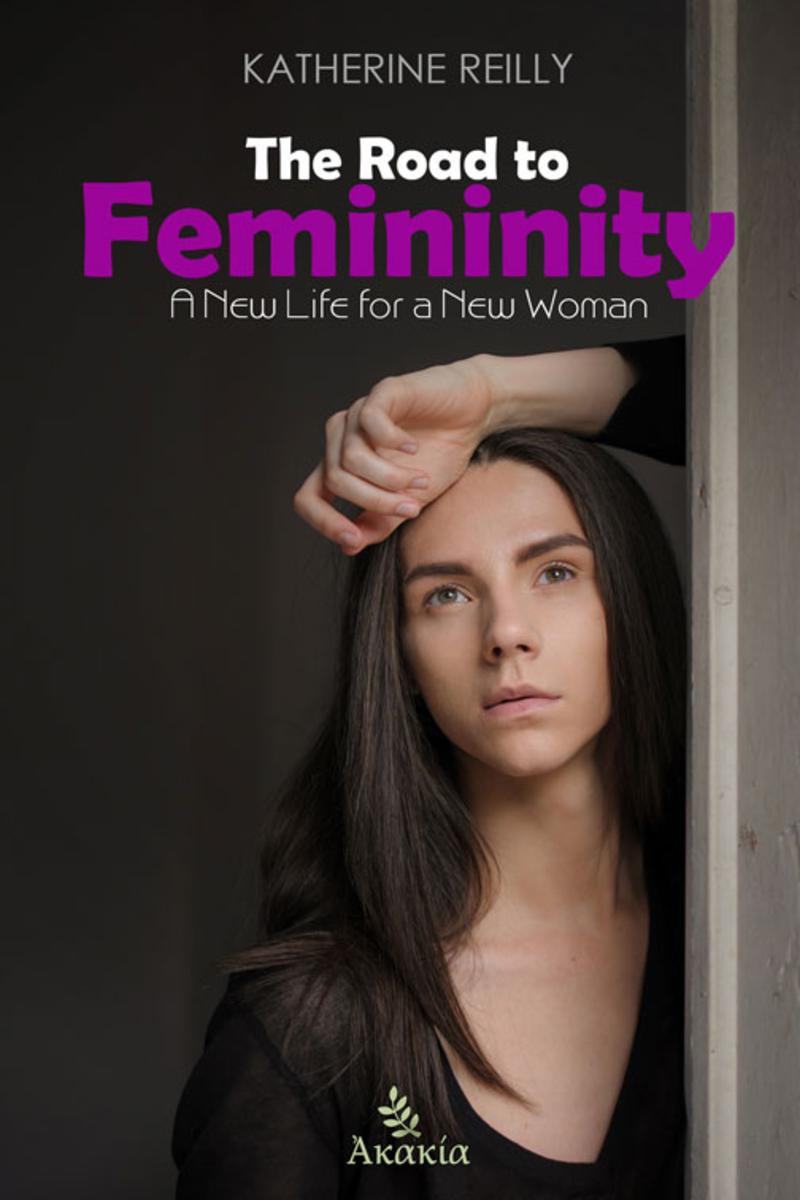
This book is a guide for trans women who need help in their first steps to becoming who they are, as well as experienced trans women who wouldn't mind some more advice dealing with everyday issues they might face. The Road to becoming a Woman has never been easy. Even though society has changed over the years, humanity still has a long way to go... Some countries are more accepting, while others are not. This book highlights most of my experience as a transitioning woman living in Greece. A country that does not legally accept transgenders or support LGBT rights for that matter. My advice will help you avoid a lot of mistakes I’ve made in the past and hopefully have an easier time becoming who you are with less heartache. Being who you are is difficult but not impossible. Just stay true to yourself and remember... This is YOUR LIFE!
Banchetul de litere
¥61.83
Romanul e captivant, bine scris, n ciuda unor efuziuni retorice prea lungi pe alocuri, care puteau fi scurtate. Un text elaborat de ctre un crturar, cu lecturi din Schopenhauer, Nietzsche, Jung sau Dostoievski fcute n profunzime, temeinic. n consecin, e un roman n care simbolurile apar la tot pasul, incifrate n text, n tehnica unui modernism hermeneutic care nu poate fi scos din ecuaie (…). Strict tehnic, ne aflm n faa unui Bildungsroman construit pe un scenariu clasic, de iniiere: tnrul Matei (toate numele sunt luate din Biblie…) interiorizeaz sfietor, dramatic moartea prematur a tatlui su, David, pierdut ntr-un accident de main pe Valea Oltului, se afl n conflict deschis cu mama sa, Riri, femeie pragmatic, dar intrat n faza unui deficit de cldura uman, mascat prin nervozitate, i i fixeaz ntreaga afeciune pe fiina compensativ a bunicului, Grig, mort i el spre sfritul romanului, i pe aceea a profesorului universitar Semion Ruda, stilat, elevat, aristorcatic, un concitadin de ocazie i tat-surogat, cruia, n cele din urm, protagonistul romanului i datoreaz relansarea intelectuala – viitor student n filosofie – i formarea literar, ca romancier, talentul compensativ al scrisului descoperindu-i-l oarecum fr premeditare sau ndemnuri din afar, ca pe o efervescen intern a propriei sale fiine. (tefan Borbély)Viaa cotidian este transferat n interioritate, iar tensiunile generatoare de suspans sunt direcionate ctre aceeai nevoie urgent de a deveni. Eroii Aurei Christi sunt fpturi aflate ntre lumi, ntre vrste, ntre maluri. (Irina Ciobotaru)Intenia vdit a autoarei este aceea de a explora personajele pn n adncul firii lor, astfel nct nu aciunea s stea n prim-plan, ci caracterele. (Bogdan Mihai Dasclu)
Antimemoriile lui Grobei
¥38.62
Aceasta nu este o arc? a salv?rii, a speran?ei, a regener?rii suflete?ti, nici locul ?n care personaje-kamikaze arunc? ?n jur ?n timpul sacrificiului lor, bun?tate, generozitate, bl?nde?e, ?n?elepciune, cump?tare. E o arc? simbolic?. Fictiv?, sau e chiar lumea noastr? condamnat? s? pluteasc? ?n deriv? pe un ocean sub care p?nde?te un tzunami apocaliptic? Da, ?ntr-adev?r, Breban nu neglijeaz? nici o specie, sunt toate conservate aici, e destul s? ?nl?turi dificila, fragila ?i totu?i rezistenta perdea ?esut? din mii de pagini de carte, ca s? descoperi o umanitate crud?, pe care mul?i dintre noi, dintre cititori sau autori avem tendin?a de a o evita, tendin?a de a o machia, de a-i face opera?ii estetice… Arca are capaciatatea de a re?nvia din cenu?a ?i de a ne propune o c?l?torie imaginar? spre o alt? dimensiune, ?ncerc?nd s?-i salveze deopotriv? pe credincio?i ?i pe atei, pe puternici ?i pe cei slabi, pe victime ?i pe c?l?i, pe mae?tri ?i pe discipoli, pe slugi ?i pe st?p?ni. Tu alegi de care parte vrei s? te afli, ?n afara arcei, pe arc? sau ?n structura ei intim? fragil? ?i totu?i rezistent?, capabil? s? te duc? spre cele mai insolite teritorii care ?nc? nu au fost inventate ?i pe care doar acul busolei lui Breban le indic? ?i le plaseaz? pe o hart? altfel inaccesibil?.
?nt?mpl?ri din p?dure
¥46.36
Lidia Lazu semneaz? o poezie delicat-confesiv?, parcelat? pe momente distincte, cu o structur? de jurnal. De?i termenul structur? e oarecum inadecvat acestei materii de fr?gezimi ce se transcriu ca atare, f?r? grija unei osaturi, a unui tipar ce i-ar st?njeni fluiditatea, evanescent?. Fiin?a respir? neconstr?ns? de nimic, supus? doar clipei, ?nc?nta?iei tranzitoriului. A?tept?rile sale sunt naiv-fabuloase, ?n continuitatea unei copil?rii care nu s-a epuizat, care-?i tr?ie?te intens uimirile, dezvolt?ndu-le fin imaginativ... O atare autoscopie fantezista este rodul unei virtuozit??i a simplit??ii. Coeziunea textului se produce ?n jurul acestei neputin?e de a accepta ordinea pragmatic?, meschin?ria, ?n numele unei candori funciare. La polul opus criticismului luciferic, poeta se d?ruie lumii nu doar prin contempla?ie, ci ?i printr-un soi de automatism existen?ial, l?s?ndu-se ?n voia lui, sublim lipsit? de voin??. Ceea ce e o moral? a extazului. (Gheorghe Grigurcu)
Un trib glorios ?i muribund
¥100.53
Mai ales inteligena speculativ i iueala fixrii prioritilor n cmpul de idei au facut din Rzvan Voncu un critic de ntmpinare imposibil de ignorat n peisajul literar romnesc.“ (Eugen Negrici)O panoram literar a ultimului deceniu. Istorie literar, evenimente editoriale. Cri de excepie i autori de excepie. Istoria ultimului deceniu de literatur romn semnat de Rzvan Voncu ofer un peisaj exact, descris n cunotin de cauz.
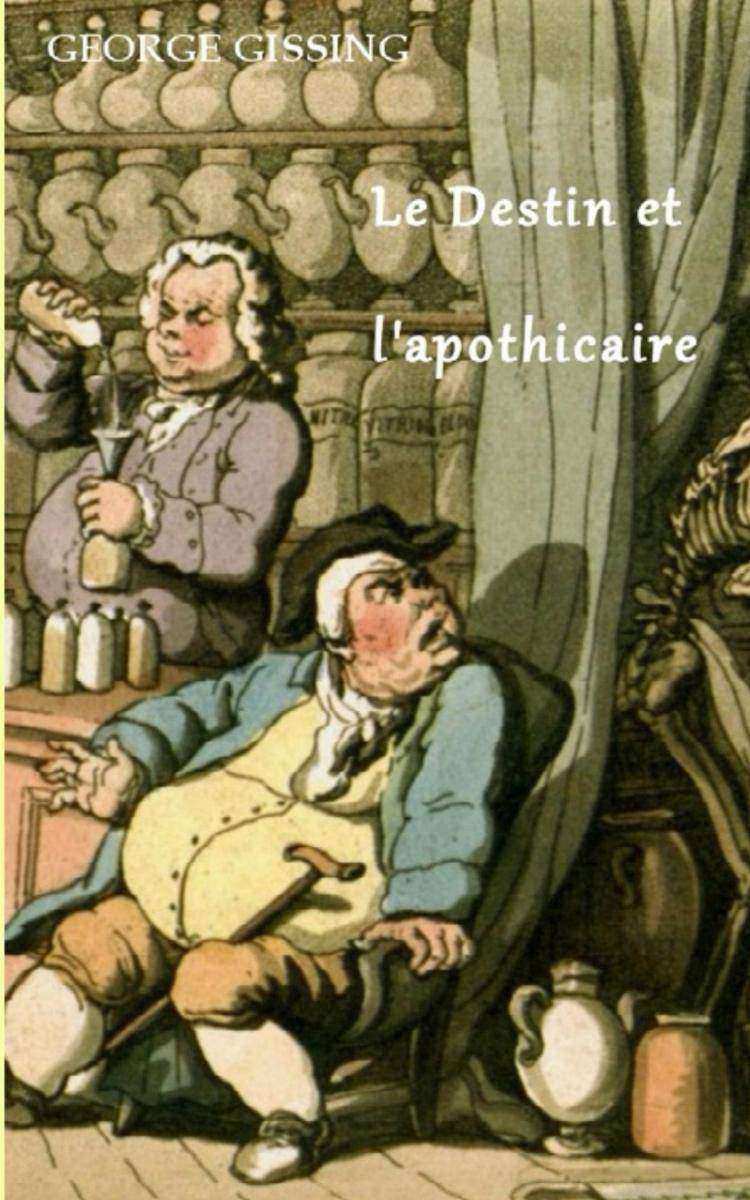
Le Destin et l'apothicaire
¥1.74
George Gissing est un auteur anglais estimé, dont les livres ont cependant été peu traduits et, souvent, relativement peu vendus, y compris dans sa contrée d'origine. Son ?uvre, comme sa biographie, est restée marginale, comme la plupart des écrivains, dont il a régulièrement décrit l'existence dans ses romans. Pourtant, il entretenait et dans une certaine mesure, en tant que sujet d'études, de recherche, entretient toujours des liens privilégiés avec la France, où il a passé les dernières années de sa vie. Revitrans fait revivre par la traduction en langue fran?aise des auteurs oubliés ou en marge, dont l'oeuvre ne trouve pas sa place dans l'édition classique. Cette brève nouvelle de Gissing, qu'on peut interpréter comme une forme de danse macabre, est sa première expérience, dont les suites dépendront des capacités du traducteur et des éventuelles réactions des lecteurs.
Twelfth Night - Better a witty fool, than a foolish wit.
¥11.67
The life of William Shakespeare, arguably the most significant figure in the Western literary canon, is relatively unknown. Shakespeare was born in Stratford-upon-Avon in 1565, possibly on the 23rd April, St. George's Day, and baptised there on 26th April. Little is known of his education and the first firm facts to his life relate to his marriage, aged 18, to Anne Hathaway, who was 26 and from the nearby village of Shottery. Anne gave birth to their first son six months later. Shakespeare's first play, The Comedy of Errors began a procession of real heavyweights that were to emanate from his pen in a career of just over twenty years in which 37 plays were written and his reputation forever established. This early skill was recognised by many and by 1594 the Lord Chamberlain's Men were performing his works. With the advantage of Shakespeare's progressive writing they rapidly became London's leading company of players, affording him more exposure and, following the death of Queen Elizabeth in 1603, a royal patent by the new king, James I, at which point they changed their name to the King's Men. By 1598, and despite efforts to pirate his work, Shakespeare's name was well known and had become a selling point in its own right on title pages. No plays are attributed to Shakespeare after 1613, and the last few plays he wrote before this time were in collaboration with other writers, one of whom is likely to be John Fletcher who succeeded him as the house playwright for the King's Men. William Shakespeare died two months later on April 23rd, 1616, survived by his wife, two daughters and a legacy of writing that none have since yet eclipsed.
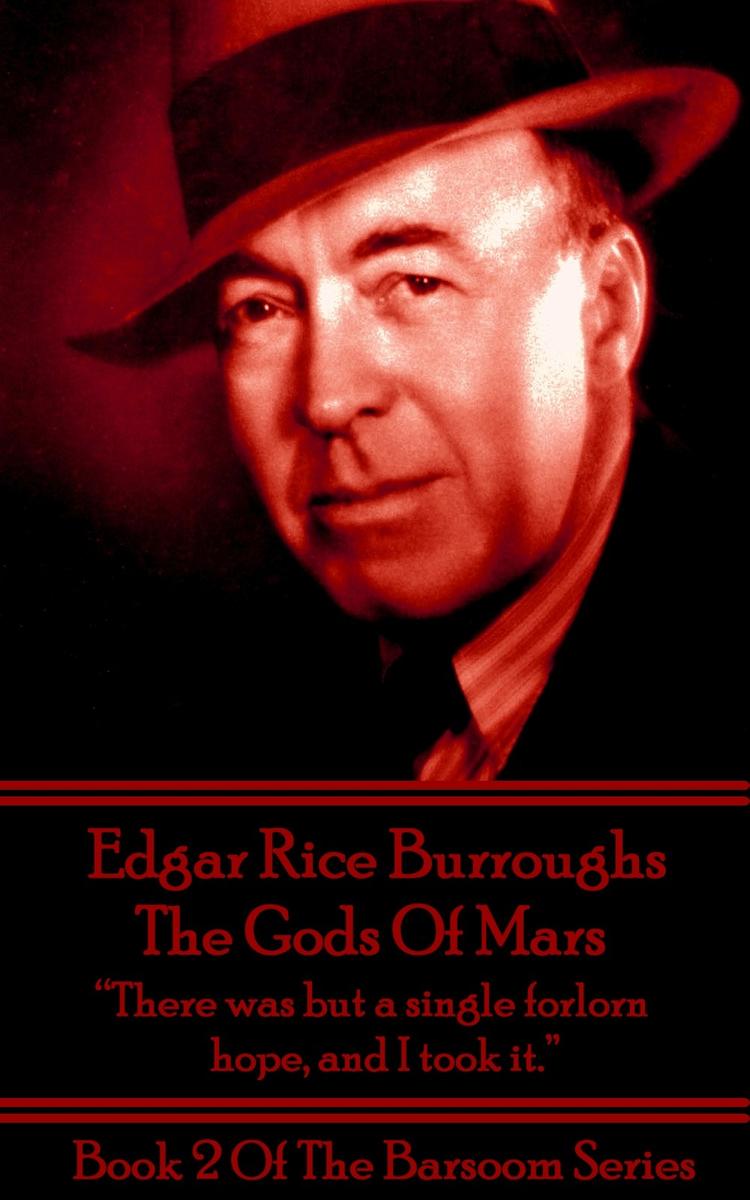
Gods Of Mars - There was but a single forlorn hope, and I took it.
¥35.22
Edgar Rice Burroughs was born on September 1, 1875, in Chicago, Illinois. His early career was unremarkable. After failing to enter West Point he enlisted in the 7th Calvary but was discharged after heart problems were diagnosed. A series of short term jobs gave no indication as to a career path but finally, in 1911, married and with two young children, he turned his hand to writing. He aimed his works squarely at the very popular pulp serial magazines. His first effort 'Under The Moons Of Mars' ran in Munsey's Magazine in 1912 under the pseudonym Norman Bean. With its success he began writing full time. A continuing theme of his work was to develop series so that each character had ample opportunities to return in sequels. John Carter was in the Mars series and there was another on Venus and one on Pellucidar among others. But perhaps the best known is Tarzan. Indeed Burroughs wanted so much to capitalise upon the brand that he introduced a syndicated Tarzan comic strip, movies and merchandise. He purchased a large ranch north of Los Angeles, California, which he named "e;Tarzana."e; The surrounding communities outside the ranch voted in 1927 to adopt the name as their own. By 1932 Burroughs set up his own company to print his own books. Here we publish the second in the Barsoom series and its enduring hero John Carter 'The Gods of Mars'. Another cultural classic.
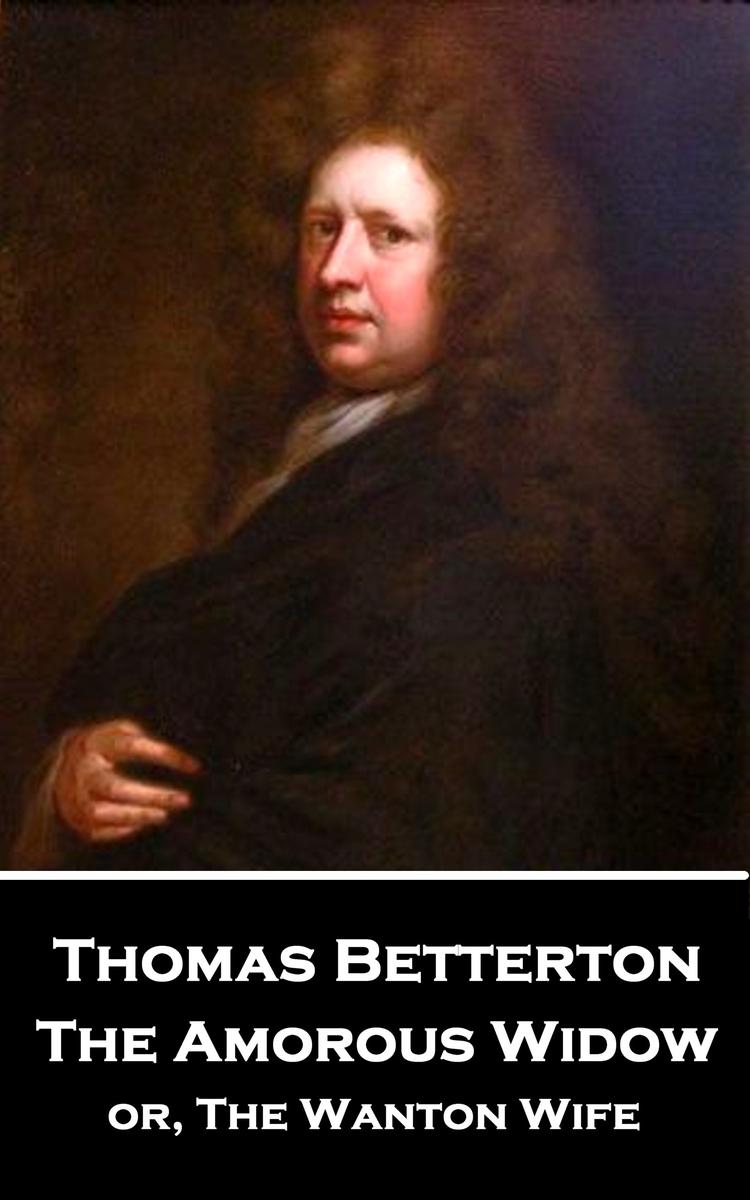
Amorous Widow - or, The Wanton Wife
¥15.21
Thomas Patrick Betterton was born around 1635 in London.As can be understood exact records of much of his early life do not exist.We know he was apprenticed to John Holden, Sir William Davenant's publisher, and later John Rhodes, a bookseller, whose previous career was that of wardrobe-keeper at the Blackfriars Theatre. In 1659, Rhodes obtained a license to set up a company of players at the Cockpit Theatre in Drury Lane; and when the theatre re-opened the following year Betterton made his first stage appearance.By all accounts he was talented and was soon performing the leads. In 1661 a new theatre opened in Lincoln's Inn Fields. Davenant, the patentee of the Duke's Company, engaged Betterton and Rhodes's company to perform his 'The Siege of Rhodes'. Betterton was by now a public favourite and a royal favourite and keen on improving the presentation of plays and the management of theatres. Charles II sent him to Paris to examine stage improvements and then introduced the shifting scenes that replaced the tapestry backgrounds of English theatre.In 1662 Betterton married the actress Mary Saunderson. She and Betterton played opposite each other in a production of Hamlet' she played Ophelia, to his Hamlet. They were also invited to teach the children from noble and royal families to perform John Crowne's 'Calisto', 1675, in the last Stuart court Masque.Betterton was taller than average, athletic, with a strong rather melodious voice which was wonderfully dexterious. His repertory included Shakespearian roles, in versions adapted by Davenant, Dryden, Shadwell and Nahum Tate. In them his performances were praised. He played Lear opposite Elizabeth Barry's Cordelia in Tate's modified version of Shakespeare's 'King Lear'. Betterton was also the author of several popular adaptations.After Davenant's death in 1668, Betterton was the manager and director of the Duke's Company, and from the merger of London's two theatre companies in 1682, he continued these functions in the new United Company. However, in 1695, as this theatrical monopoly worsened conditions of the actors they all walked out. They set up a co-operative company in Lincoln's Inn Fields under Betterton's leadership. The first production was the premiere of Congreve's 'Love for Love' with Betterton as Valentine and Anne Bracegirdle as Angelica. After several years, audiences dwindled, profits fell and Betterton now older and stricken with gout decided to retire from the stage. At his benefit performance, where he again played Valentine in 'Love for Love, the profits are said to have been over GBP500.Betterton's career behind the stage was almost transformative. He invented new stage machines at Dorset Garden Theatre, transposed 'The Prophetess' into an opera, and introduced French singers and dancers to the Restoration stage. He also built the first permanent theatre fully equipped with Italianate machinery. Additionally, he invested in remodeling the tennis court in the Lincoln's Inn Fields and built a new theatre there. His salary was now topped up by a small "e;rent"e; fees for each performance played there.Betterton worked with all of the most significant playwrights of his age and performed with the first generation of English actresses. It is said that Betterton had more than 120 different roles at his command from heroic drama, Jonsonian comedy, comedies of manners, tragicomedies by Beaumont and Fletcher, and tragedies, comedies and histories by Shakespeare. At the age of seventy-five, he claimed, "e;He was yet learning to be an actor."e; Three days before his death at seventy-five, he made his last appearance on the stage in 1710, as Melantius in 'The Maid's Tragedy'. Thomas Betterton died on April 28th 1710. He was buried in Westminster Abbey.
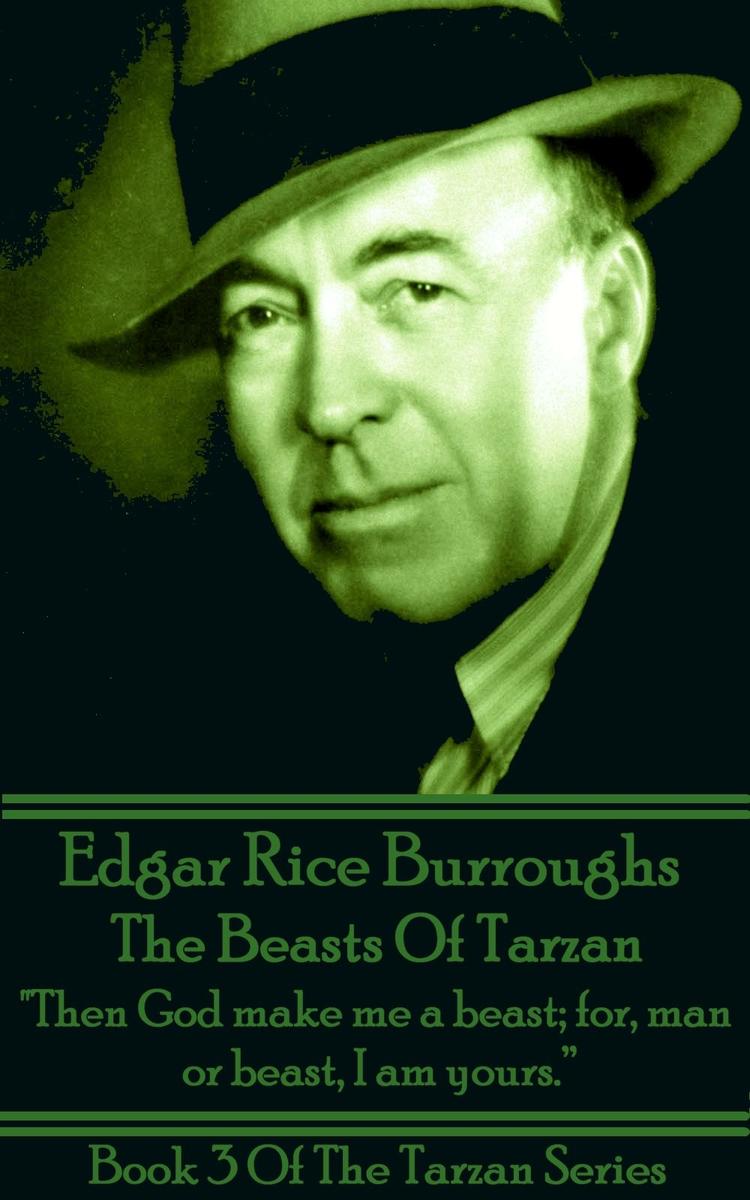
Beasts Of Tarzan - Then God make me a beast; for, man or beast, I am yours.
¥35.22
Edgar Rice Burroughs was born on September 1, 1875, in Chicago, Illinois. His early career was unremarkable. After failing to enter West Point he enlisted in the 7th Calvary but was discharged after heart problems were diagnosed. A series of short term jobs gave no indication as to a career path but finally, in 1911, married and with two young children, he turned his hand to writing. He aimed his works squarely at the very popular pulp serial magazines. His first effort 'Under The Moons Of Mars' ran in Munsey's Magazine in 1912 under the pseudonym Norman Bean. With its success he began writing full time. A continuing theme of his work was to develop series so that each character had ample opportunities to return in sequels. John Carter was in the Mars series and there was another on Venus and one on Pellucidar among others. But perhaps the best known is Tarzan. Indeed Burroughs wanted so much to capitalise upon the brand that he introduced a syndicated Tarzan comic strip, movies and merchandise. He purchased a large ranch north of Los Angeles, California, which he named "e;Tarzana."e; The surrounding communities outside the ranch voted in 1927 to adopt the name as their own. By 1932 Burroughs set up his own company to print his own books. Here we publish the third in the Tarzan series 'The Beasts of Tarzan'. Another cultural classic.


