


 购物车
购物车 个人中心
个人中心
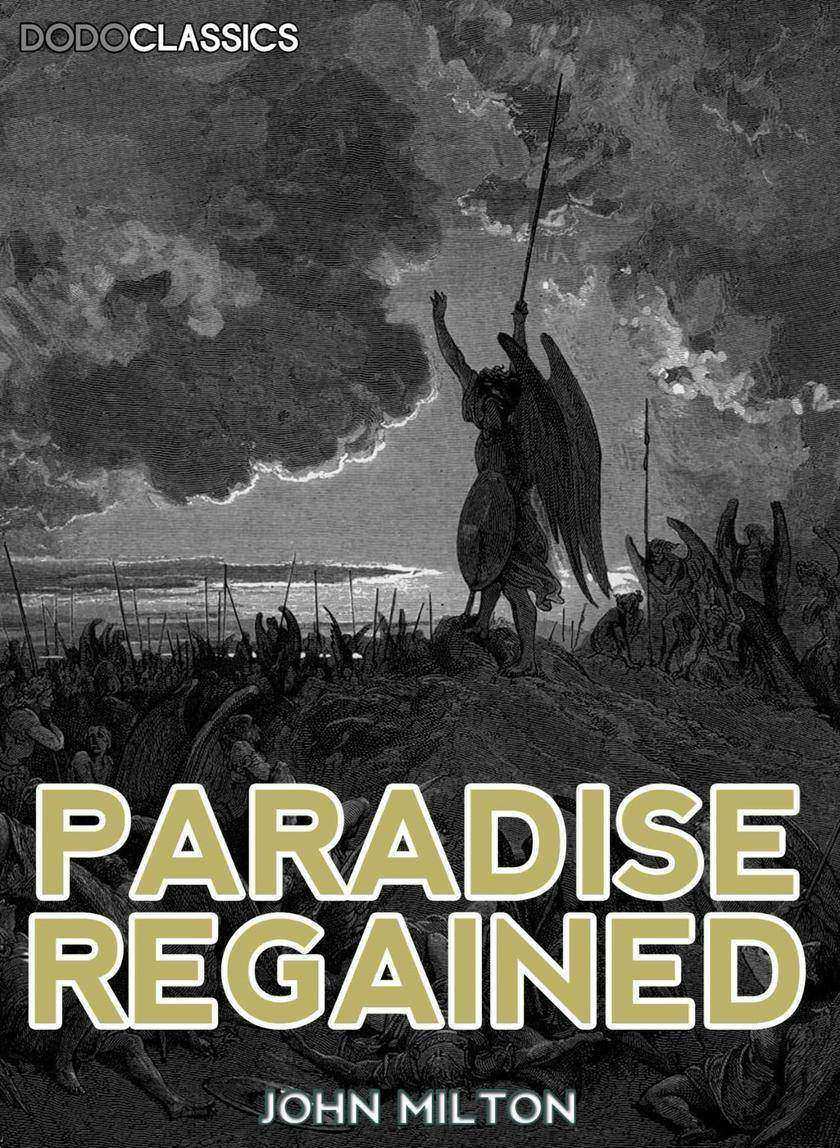
Paradise Regained
¥8.09
Paradise Regained is a poem by English poet John Milton, first published in 1671 by John Macock. The volume in which it appeared also contained the poet's closet drama Samson Agonistes. Paradise Regained is connected by name to his earlier and more famous epic poem Paradise Lost, with which it shares similar theological themes; indeed, its title, its use of blank verse, and its progression through Christian history recall the earlier work. However, this effort deals primarily with the temptation of Christ as recounted in the Gospel of Luke. ? An interesting anecdote recounted by a Quaker named Thomas Ellwood provides some insight into Paradise Regained??'?s development. After studying Latin with Milton and reading the poet's epic Paradise Lost, Ellwood remarked, "Thou hast said much here of Paradise lost, but what hast thou to say of Paradise found?" Hearing this, Milton at first "sat some time in a muse" before changing the subject; however, later on he showed to Ellwood a new manuscript entitled Paradise Regained. Some maintain that although he seemed to express gratitude to Ellwood in a letter, Milton in truth "passed on a friendly if impish fabrication" that made Ellwood feel like the inspiration for the poem. Milton composed Paradise Regained at his cottage in Chalfont St Giles in Buckinghamshire. The poem is four books long, in contrast with Paradise Lost??'?s twelve. As such, Barbara K. Lewalski has labelled the work a "brief epic." ? Whereas Paradise Lost is ornate in style and decorative in its verse, Paradise Regained is carried out in a fairly plain style. Specifically, Milton reduces his use of simile and deploys a simpler syntax in Paradise Regained than he does in Paradise Lost, and this is consistent with Jesus's sublime plainness in his life and teachings (in the epic, he prefers Hebrew psalms to Greek poetry). Modern editors believe the stylistics of Paradise Regained evince Milton's poetic maturity. No longer is the poet out to dazzle his readers with bombastic verse and lengthy epic similes. This is not to say that the poem bears no affinities with Milton's earlier work, but scholars continue to agree with Northrop Frye's suggestion that Paradise Regained is "practically sui generis" in its poetic execution. ? One major concept emphasized throughout Paradise Regained is the idea of reversals. As implied by its title, Milton sets out to reverse the "loss" of Paradise. Thus, antonyms are often found next to each other, reinforcing the idea that everything that was lost in the first epic will be regained by the end of this "brief epic." Additionally, the work focuses on the idea of "hunger", both in a literal and in a spiritual sense. After wandering in the wilderness for forty days, Jesus is starving for food. Satan, too blind to see any non-literal meanings of the term, offers Christ food and various other temptations, but Jesus continually denies him. Although Milton's Jesus is remarkably human, an exclusive focus on this dimension of his character obscures the divine stakes of Jesus’s confrontation with Satan; Jesus emerges victorious, and Satan falls, amazed.

Literary Taste: How to Form It
¥8.09
Dodo Collections brings you another classic from Arnold Bennett, ‘"Literary Taste: How to Form It".’ ? Literary Taste, which has a sub-title "how to form it, with detailed instructions for collecting a complete library of English Literarure", came into that category, and was a very successful publication. More than 100 years after it first appeared (in 1909) it will seem rather quaint, but there is much of value in it, and, bearing in mind that much good and great literary work has been produced in modern times, it is still worth a study. Remember it is a book that pointed the way for the generation of our grandfathers and great-grandfathers! ? Enoch Arnold Bennett (always known as Arnold Bennett) was one of the most remarkable literary figures of his time, a product of the English Potteries that he made famous as the Five Towns. Yet he could hardly wait to escape his home town, and he did so by the sheer force of his ambition to succeed as an author. In his time he turned his hand to every kind of writing, but he will be remembered for such novels as The Old Wives' Tale, the Clayhanger trilogy (Clayhanger, Hilda Lessways, and These Twain), and The Card. He also wrote such intriguing self-improvement books as Literary Taste, How To Live on 24 Hours a Day, The Human Machine, etc. ? After a local education Bennett finished his education at the University of London and for a time was editor of Woman magazine. After 1900 he devoted himself entirely to writing; dramatic criticism was one of his foremost interests. Bennett is best known, however, for his novels, several of which were written during his residence in France. ? Bennett's infancy was spent in genteel poverty, which gave way to prosperity as his father succeeded as a solicitor. From this provincial background he became a novelist. ? His enduring fame is as a Chronicler of the Potteries towns, the setting and inspiration of some of his most famous and enduring literary work and the place where he grew up.
The Letters of Henry James: Volume 2
¥8.09
Dodo Collections brings you another classic from Henry James, ‘The Letters of Henry James: Volume Two’. ? The Complete Letters of Henry James fills a crucial gap in modern literary studies by presenting in a scholarly edition the complete letters of one of the great novelists and letter writers of the English language. Comprising more than ten thousand letters reflecting on a remarkably wide range of topics—from James’s own life and literary projects to broader questions on art, literature, and criticism. ? Henry James, OM (15 April 1843 – 28 February 1916) was an American writer who spent most of his writing career in Britain. He is regarded as one of the key figures of 19th-century literary realism. He was the son of Henry James, Sr. and the brother of philosopher and psychologist William James and diarist Alice James. ? He is best known for a number of novels showing Americans encountering Europe and Europeans. His method of writing from a character's point of view allowed him to explore issues related to consciousness and perception, and his style in later works has been compared to impressionist painting. His imaginative use of point of view, interior monologue and unreliable narrators brought a new depth to narrative fiction. ? James contributed significantly to literary criticism, particularly in his insistence that writers be allowed the greatest possible freedom in presenting their view of the world. James claimed that a text must first and foremost be realistic and contain a representation of life that is recognizable to its readers. Good novels, to James, show life in action and are, most importantly, interesting. In addition to his voluminous works of fiction he published articles and books of travel, biography, autobiography, and criticism, and wrote plays. James alternated between America and Europe for the first twenty years of his life; eventually he settled in England, becoming a British subject in 1915, one year before his death. James was nominated for the Nobel Prize in Literature in 1911, 1912, and 1916.
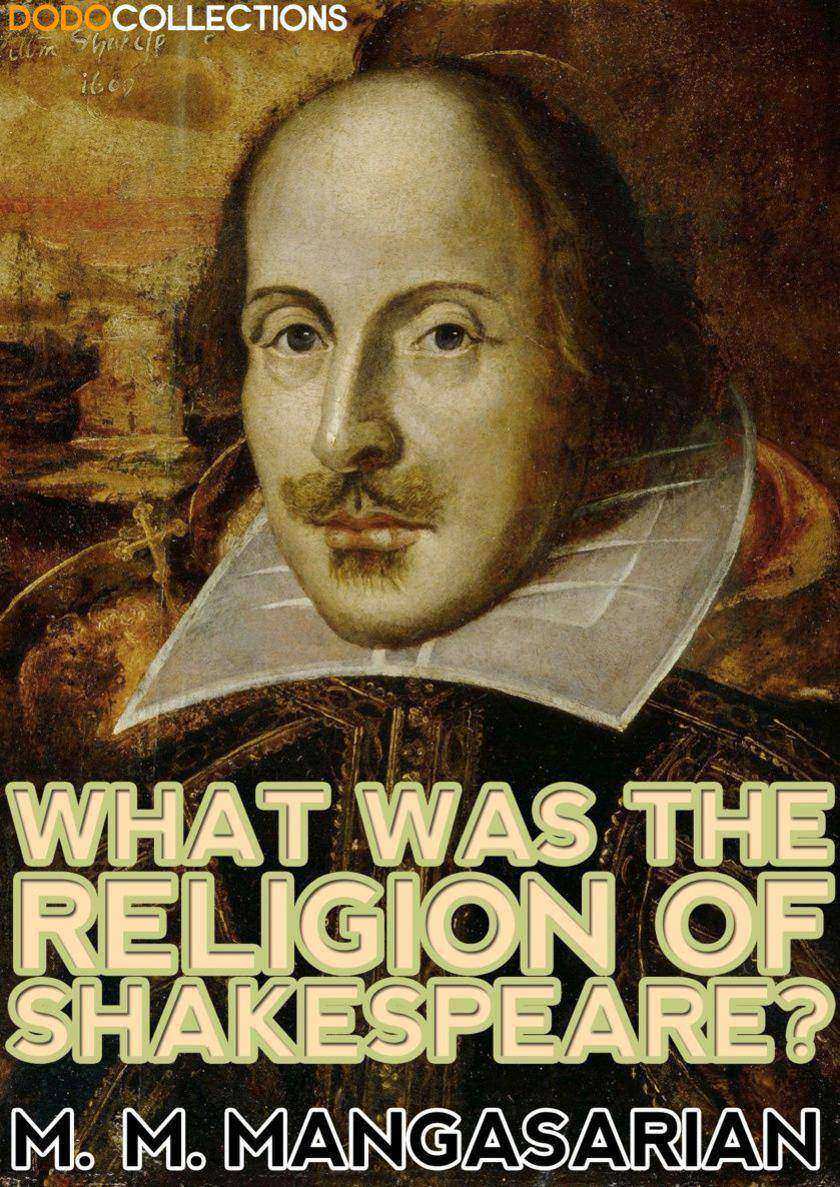
What was the Religion of Shakespeare?
¥8.09
Dodo Collections brings you another classic from M. M. Mangasarian, ‘What was the Religion of Shakespeare?’ ? It is by observing the frequency and emphasis with which certain views and expressions occur and reoccur in an author, and the consistency with which they are given the preference, that we may be able to generalize as to his philosophy or religion. As Shakespeare's works are neither a treatise on theology nor a manual of philosophy, our only means of discovering his attitude toward the problems of life and destiny is by reading, as it were, between the lines. A great mind can neither sophisticate nor suppress its earnest convictions. This does not mean that anyone with earnest convictions must necessarily be a propagandist. To think and to let think, represents a state of mind which is entirely consistent, both with enthusiasm and toleration, if not with proselytism. We believe that Shakespeare has unmistakably expressed himself on the subject of religion, as he has on that of patriotism, for instance, but without any missionary zeal, which fact has led not a few students of his works to the conclusion that of all the great poets Shakespeare is the only one without a religion. ? During his life Mangasarian wrote a number of books. His most popular, including The Truth About Jesus — Is He a Myth? (1909) andThe Bible Unveiled (1911), deal with the evidence against the existence of an historical Jesus. He also wrote hundreds of essays and lectures on questions of the times. His books and essays were translated into French, German, Spanish, and other foreign languages. The general subject of his writing was religious criticism and the philosophy of religion.
The Voyage of the Beagle
¥8.09
The Voyage of the Beagle is the title most commonly given to reissues of the book written by Charles Darwin and published in 1839 as his Journal and Remarks, bringing him considerable fame and respect. This was the third volume of The Narrative of the Voyages of H.M. Ships Adventure and Beagle, and covers Darwin's part in the second survey expedition of the ship HMS Beagle, which set sail from Plymouth Sound on 27 December 1831 under the command of Captain Robert FitzRoy, R.N.. Due to the popularity of Darwin's account, the publisher reissued it later in 1839 as Darwin's Journal of Researches, and the revised second edition published in 1845 used this title. A republication of the book in 1905 introduced the title The Voyage of the "Beagle". ? While the expedition was originally planned to last two years, it lasted almost five—the Beagle did not return until 2 October 1836. Darwin spent most of this time exploring on land (three years and three months on land; 18 months at sea). ? The book is a vivid and exciting travel memoir as well as a detailed scientific field journal covering biology, geology, and anthropology that demonstrates Darwin's keen powers of observation, written at a time when Western Europeans were exploring and charting the whole world. Although Darwin revisited some areas during the expedition, for clarity the chapters of the book are ordered by reference to places and locations rather than by date. Darwin's notes made during the voyage include comments illustrating his changing views at a time when he was developing his theory of evolution by natural selection and includes some suggestions of his ideas, particularly in the second edition of 1845.

John Milton Complete Works – World’s Best Collection: 150+ Works
¥8.09
John Milton Complete Works World's Best Collection This is the world’s best John Milton collection, including the most complete set of Milton’s works available plus many free bonus materials. John Milton John Milton was an English poet, polemicist, man of letters, and civil servant for the Commonwealth of England under Oliver Cromwell, best known for his epic poem Paradise Lost. Milton wrote at a time of religious and political upheaval, and his works reflect a passion for freedom, self-determination, and deep personal conviction. He has been called one of the greatest English authors of all time The ‘Must-Have’ Complete Collection In this irresistible collection you get a full set of Milton’s work, with more than 150 works - All his poems, All poetry, All Letters, All Prose and All Non-Fiction Works. Plus a full length biography and extra Free Bonus material. Works Included: Poetry -?All Poems, Early Works And Collections, Including: Paradise Lost Paradise Regained Samson Agonistes All Psalms That Milton Set To Verse All Religious Poetry All Sonnets, Including: On His Blindness On the Late Massacre in Piedmont Methought I Saw my Late Espoused Saint All Tracts, Non Fiction And Writing, Including: Of Prelatical Episcopacy Animadversions The Reason of Church-Government Doctrine and Discipline of Divorce Judgement of Martin Bucer Concerning Divorce Tetrachordon Colasterion Areopagitica The Tenure of Kings and Magistrates Eikonoklastes Defensio pro Populo Anglicano – in English Defensio Secunda – in English A Treatise of Civil Power All Letters, Including: Letters Written In The Name Of The Parliament. Letters Written In The Name Of Oliver The Protector. Letters Written In The Name Of Richard, Protector. Your Free Special Bonuses Life Of Milton - A biography of Milton’s intriguing life. Milton – a second biography, written by Sir Walter Alexander Raleigh Get This Collection Right Now This is the best John Milton collection you can get, so get it now and start enjoying and being inspired by his words like never before!
Lord Byron Complete Works – World’s Best Collection: 350+ Works
¥8.09
Lord Byron Complete Works Ultimate Collection This is the world's best Byron collection, including the most complete set of Byron's works available plus many free bonus materials. Lord Byron Byron was an English poet and a leading figure in the Romantic Movement. He is still regarded as one of the all-time greatest British poets; and he remains widely read and extremely influential The Most Complete Collection Available In this irresistible collection you get a full set of Byron's work, All his poetry, All his longer pieces, All his rarities and All his legendary works. Plus a bonus Biography. Works Included: Poetry Including: Poems On Various Occasions Hours Of Idleness Poems Of The Separation Fugitive Pieces Hebrew Melodies Including poems such as: A Woman's Hair On The Death Of Mr. Fox She Walks In Beauty The Wild Gazelle Sun Of The Sleepless! The Destruction Of Sennacherib Love And Gold Stanzas For Music The Siege Of Corinth “By The Waters Of Babylon.” The Prisoner Of Chillon The Dream Darkness Prometheus Don Juan English Bards And Scotch Reviewers Longer Works Including: The Curse Of Minerva The Waltz Childe Harold's Pilgrimage The Giaour The Bride Of Abydos The Corsair Manfred Ravenna Sardanapalus The Deformed Transformed Your Free Special BonusesAlso included in this collection is the following: The Life Of Lord Byron – a biography detailing Byron's intriguing and fascinating life Historical Context and Literary Context Notes - Detailed explanations of the Regency Era and Romanticism, written specially for this collection Get This Collection Right Now This is the best Lord Byron collection you can get, so get it now and start enjoying and being inspired by his world like never before.
Twice Told Tales
¥8.09
This Housemartin Classics edition includes the full original text as well as an easy to use interactive table of contents.
Longfellow Complete Works – World’s Best Collection: 600+ Works
¥8.09
Henry Wadsworth Longfellow Complete Works World's Best Collection This is the world’s best Longfellow collection, including the most complete set of Longfellow’s works available plus many free bonus materials. Henry Wadsworth Longfellow Henry Wadsworth Longfellow was an American poet and educator, a Professor at Harvard College. Longfellow wrote predominantly lyric poems, known for their musicality, presenting amazing stories of mythology and legend. He became the most popular American poet of his day and also had success overseas. The ‘Must-Have’ Complete Collection In this irresistible collection you get a full set of Longfellow’s work - more than 600 works, including All his poems, All his Epic Poetry, All his Prose, and All his poetry collections. Plus this collection includes a comprehensive biography so you can experience the life of the man behind the words. There is also free bonus material. Works Including: Prose Works, Including: Kavanagh Hyperion Poetical Works, Including: Evangeline Hiawatha The Wayside In Paul Revere’s Ride Legend Of Rabbi Ben Levi Christus: A Mystery Part I. The Divine Tragedy Part Ii. The Golden Legend Part Iii. The New England Tragedies Other Works, Including: Ultima Thule In The Harbor Birds Of Passage Flight the First to Flights the Fifth Voices Of The Night The Spanish Student Juvenile Poems. Translations - Full set of all Longfellow’s translations from Italian, French, Portuguese, German and Anglo-Saxon sources. Your Free Special Bonuses The Divine Comedy?- Longfellow’s translation of Dante’s Vision Of Inferno, Purgatory And Paradise, including Six Sonnets On Dante’s Divine Comedy By Longfellow himself. Henry Wadsworth Longfellow’s Life?- A biography of Milton’s intriguing life. A Visit To Hiawatha’s People?- Written by Alice Longfellow. Get This Collection Right Now This is the best Longfellow collection you can get, so get it now and start enjoying and being inspired by his world like never before!
Travels with a Donkey in the Cevennes
¥8.09
Travelogue/memoir that begins "The journey which this little book is to describe was very agreeable and fortunate for me. After an uncouth beginning, I had the best of luck to the end. But we are all travellers in what John Bunyan calls the wilderness of this world - all, too, travellers with a donkey: and the best that we find in our travels is an honest friend. He is a fortunate voyager who finds many. We travel, indeed, to find them. They are the end and the reward of life. They keep us worthy of ourselves; and when we are alone, we are only nearer to the absent."
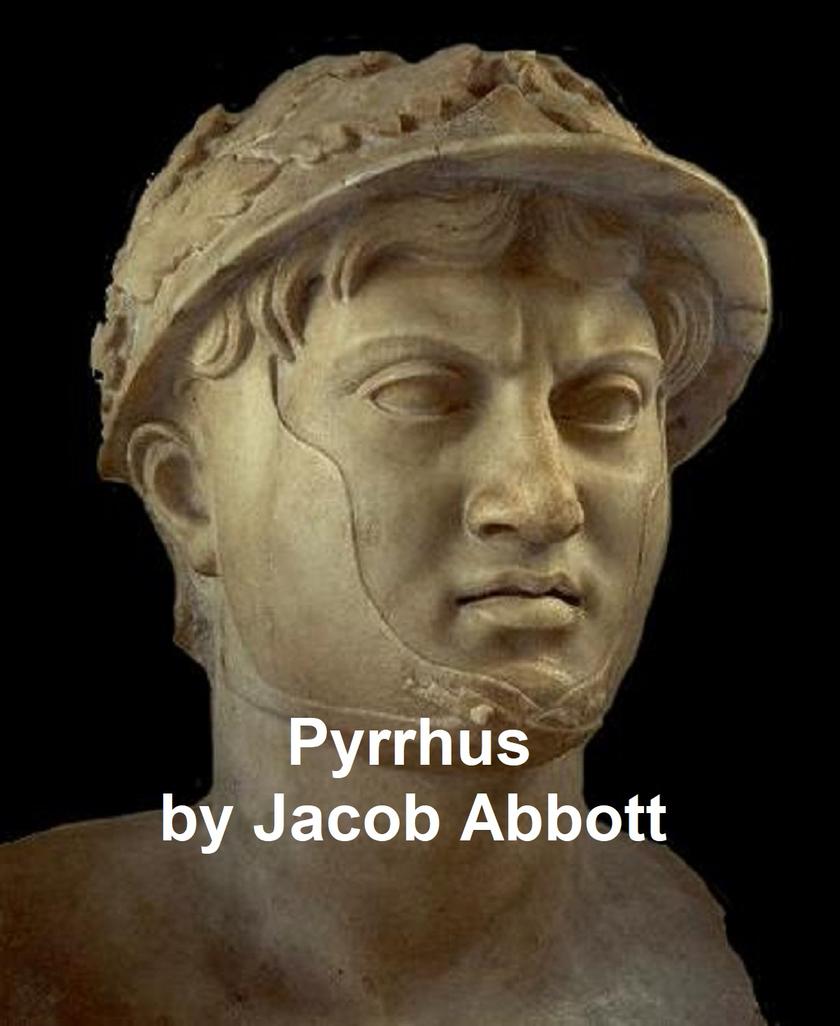
Pyrrhus
¥8.09
According to Wikipedia: "Pyrrhus or Pyrrhos (319/318 BC—272 BC) was a Greek general and statesman of the Hellenistic era. He was king of the Greek tribe of Molossians, of the royal Aeacid house (from ca. 297 BC), and later he became King of Epirus (306-302, 297-272 BC) and Macedon (288-284, 273-272 BC). He was one of the strongest opponents of early Rome. Some of his battles, though successful, cost him heavy losses, from which the term "Pyrrhic victory" was coined. He is the subject of one of Plutarch's Parallel Lives."
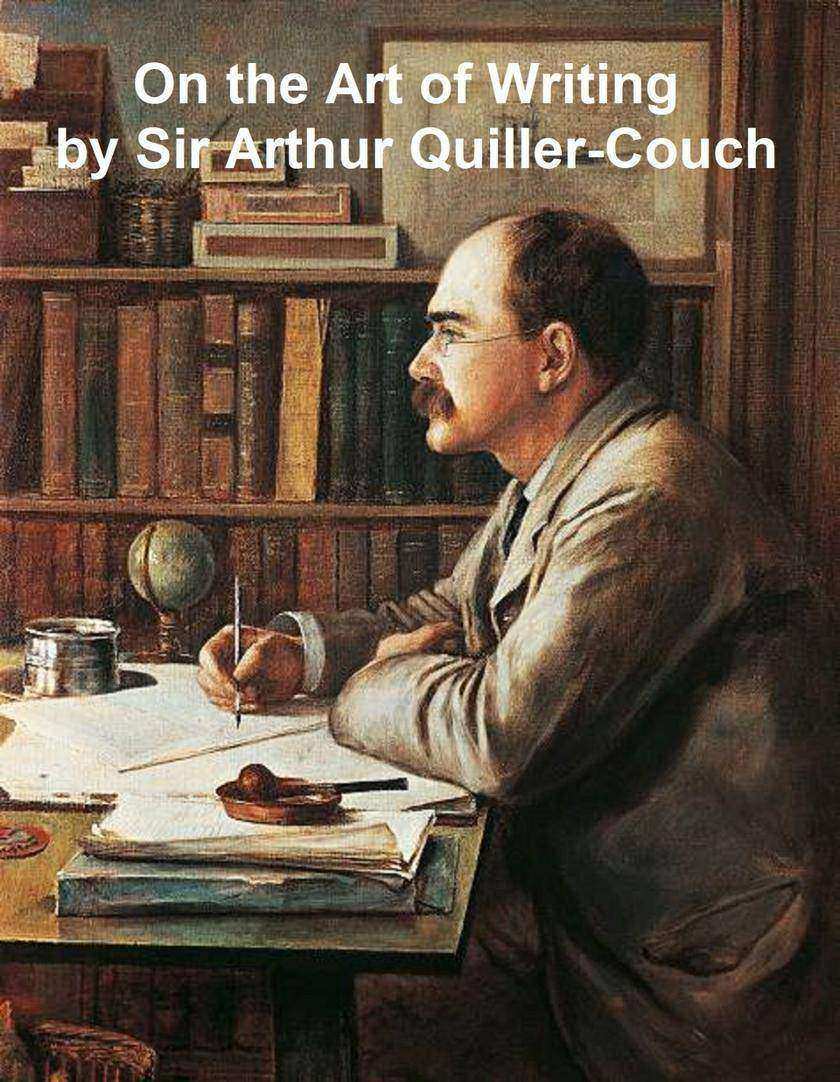
On the Art of Writing
¥8.09
Series of lectures delivered at the University of Cambridge in 1913. According to Wikipedia: "Sir Arthur Thomas Quiller-Couch (21 November 1863 – 12 May 1944) was a British writer, who published under the pen name of Q. He is primarily remembered for the monumental Oxford Book Of English Verse 1250–1900 (later extended to 1918), and for his literary criticism. He guided the taste of many who never met him, including American writer Helene Hanff, author of 84 Charing Cross Road, its sequel, Q's Legacy; and the putatively fictional Horace Rumpole via John Mortimer, his literary amanuensis."
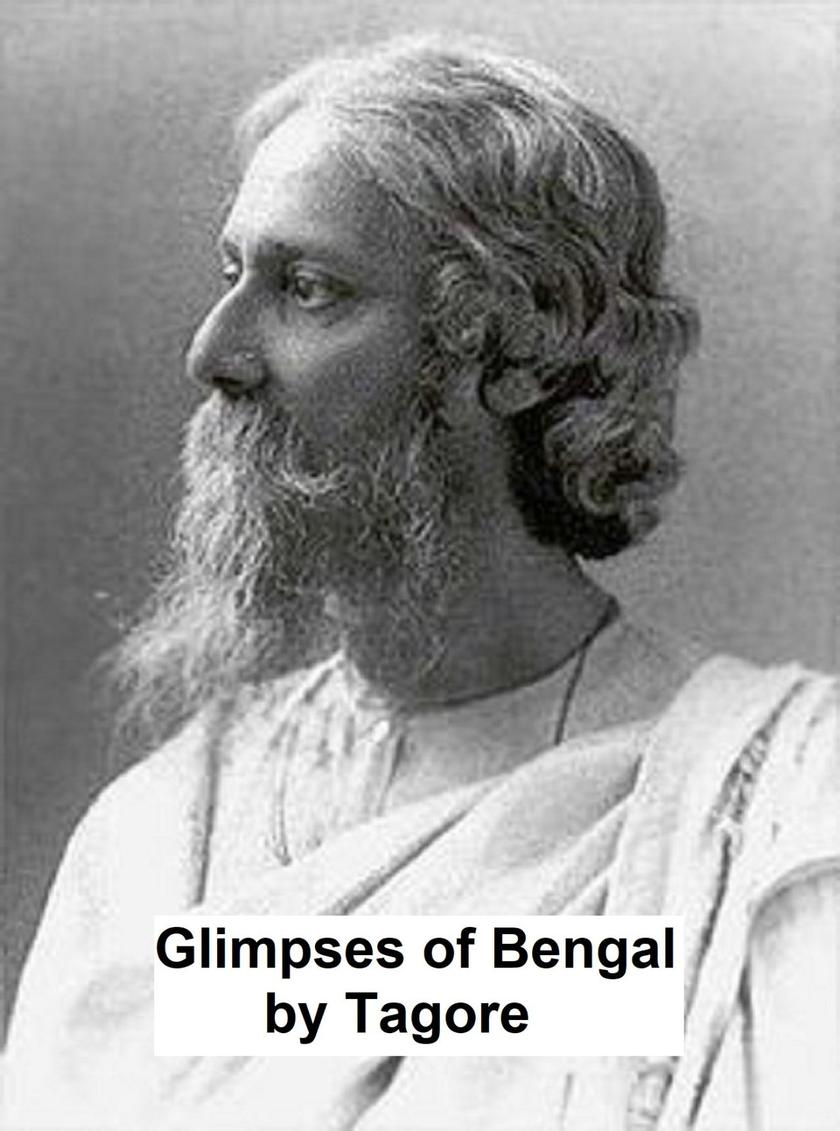
Glimpses of Bengal
¥8.09
According to Wikipedia: "Rabindranath Tagore (7 May 1861 – 7 August 1941), sobriquet Gurudev, was a Bengali poet, novelist, musician, painter and playwright who reshaped Bengali literature and music. As author of Gitanjali and its "profoundly sensitive, fresh and beautiful verse", he was the first non-European who was awarded the Nobel Prize for Literature in 1913. His poetry in translation was viewed as spiritual, and this together with his mesmerizing persona gave him a prophet-like aura in the west. His "elegant prose and magical poetry" still remain largely unknown outside the confines of Bengal."
A Personal Record
¥8.09
Conrad's autobiography. According to Wikipedia: "Joseph Conrad (1857 – 1924) was a Polish-born English novelist. Many critics regard him as one of the greatest novelists in the English language—a fact that is remarkable, as he did not learn to speak English fluently until he was in his twenties (and always with a strong Polish accent). He became a naturalized British subject in 1886. Conrad is recognized as a master prose stylist. Some of his works have a strain of romanticism, but more importantly he is recognized as an important forerunner of modernist literature. His narrative style and anti-heroic characters have influenced many writers, including Ernest Hemingway, D. H. Lawrence, F. Scott Fitzgerald, Graham Greene, William S. Burroughs, Joseph Heller, V.S. Naipaul, Italo Calvino and J. M. Coetzee."
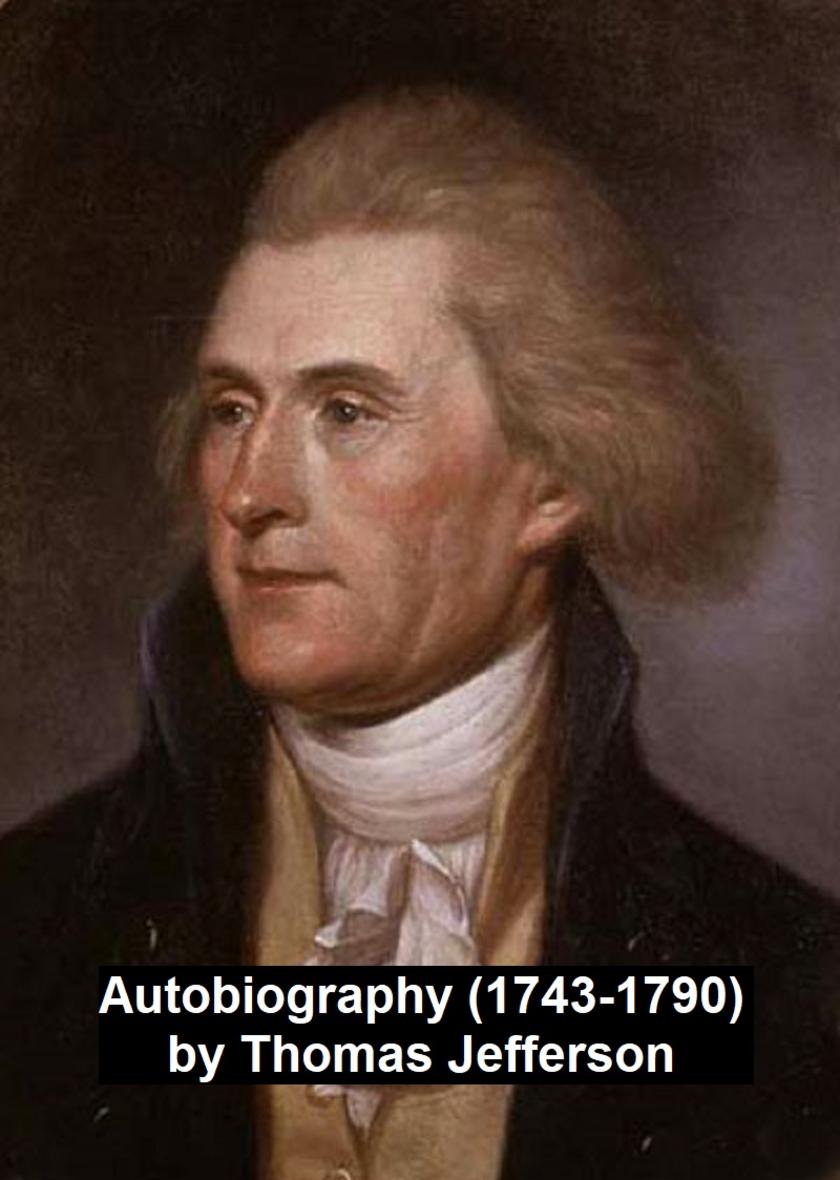
Autobiography (1743-1790)
¥8.09
According to Wikipedia: "Thomas Jefferson (April 13, 1743 – July 4, 1826)[1] was the third President of the United States (1801–1809), the principal author of the Declaration of Independence (1776), and one of the most influential Founding Fathers for his promotion of the ideals of republicanism in the United States. Major events during his presidency include the Louisiana Purchase (1803) and the Lewis and Clark Expedition (1804–1806). As a political philosopher, Jefferson was a man of the Enlightenment and knew many intellectual leaders in Britain and France. He idealized the independent yeoman farmer as exemplar of republican virtues, distrusted cities and financiers, and favored states' rights and a strictly limited federal government. Jefferson supported the separation of church and state[2] and was the author of the Virginia Statute for Religious Freedom (1779, 1786). He was the eponym of Jeffersonian democracy and the co-founder and leader of the Democratic-Republican Party, which dominated American politics for a quarter-century. Jefferson served as the wartime Governor of Virginia (1779–1781), first United States Secretary of State (1789–1793) and second Vice President (1797–1801). A polymath, Jefferson achieved distinction as, among other things, a horticulturist, statesman, architect, archaeologist, inventor, and founder of the University of Virginia."
Personal Recollections of Joan of Arc
¥8.09
Fictionalized history. According to Wikipedia: "Samuel Langhorne Clemens (1835 – 1910), better known by the pen name Mark Twain, was an American author and humorist. Twain is most noted for his novels Adventures of Huckleberry Finn, which has since been called the Great American Novel and The Adventures of Tom Sawyer. He is extensively quoted. During his lifetime, Twain became a friend to presidents, artists, industrialists and European royalty. Twain enjoyed immense public popularity, and his keen wit and incisive satire earned him praise from both critics and peers. American author William Faulkner called Twain "the father of American literature."
The Soul of Man: An essay
¥8.09
An essay. According to Wikipedia: "Oscar Fingal O'Flahertie Wills Wilde (1854 - 1900) was an Irish playwright, novelist, poet, and author of short stories. Known for his barbed wit, he was one of the most successful playwrights of late Victorian London, and one of the greatest celebrities of his day. As the result of a famous trial, he suffered a dramatic downfall and was imprisoned for two years of hard labour after being convicted of the offence of 'gross indecency.'"
Modern Mythology
¥8.09
Anthropology and theory of myths and myth-making. According to Wikipedia: "Andrew Lang (March 31, 1844, Selkirk - July 20, 1912, Banchory, Kincardineshire) was a prolific Scots man of letters. He was a poet, novelist, and literary critic, and contributor to anthropology. He now is best known as the collector of folk and fairy tales."

Dewey and other Naval Commanders
¥8.09
Biography. According to Wikipedia: "Edward Sylvester Ellis (April 11, 1840 – June 20, 1916) was an American author who was born in Ohio and died at Cliff Island, Maine. Ellis was a teacher, school administrator, and journalist, but his most notable work was that that he performed as author of hundreds of dime novels that he produced under his name and a number of noms de plume. Notable works by Ellis include The Huge Hunter, or the Steam Man of the Prairies and Seth Jones, or the Captives of the Frontier. Internationally, Edward S. Ellis is probably best known for his Deerhunter novels widely read by young boys up to the 1950s (together with works by James Fenimore Cooper and Karl May). In the mid-1880s, after a fiction-writing career of some thirty years, Ellis eventually turned his pen to more serious works of biography, history, and persuasive writing."
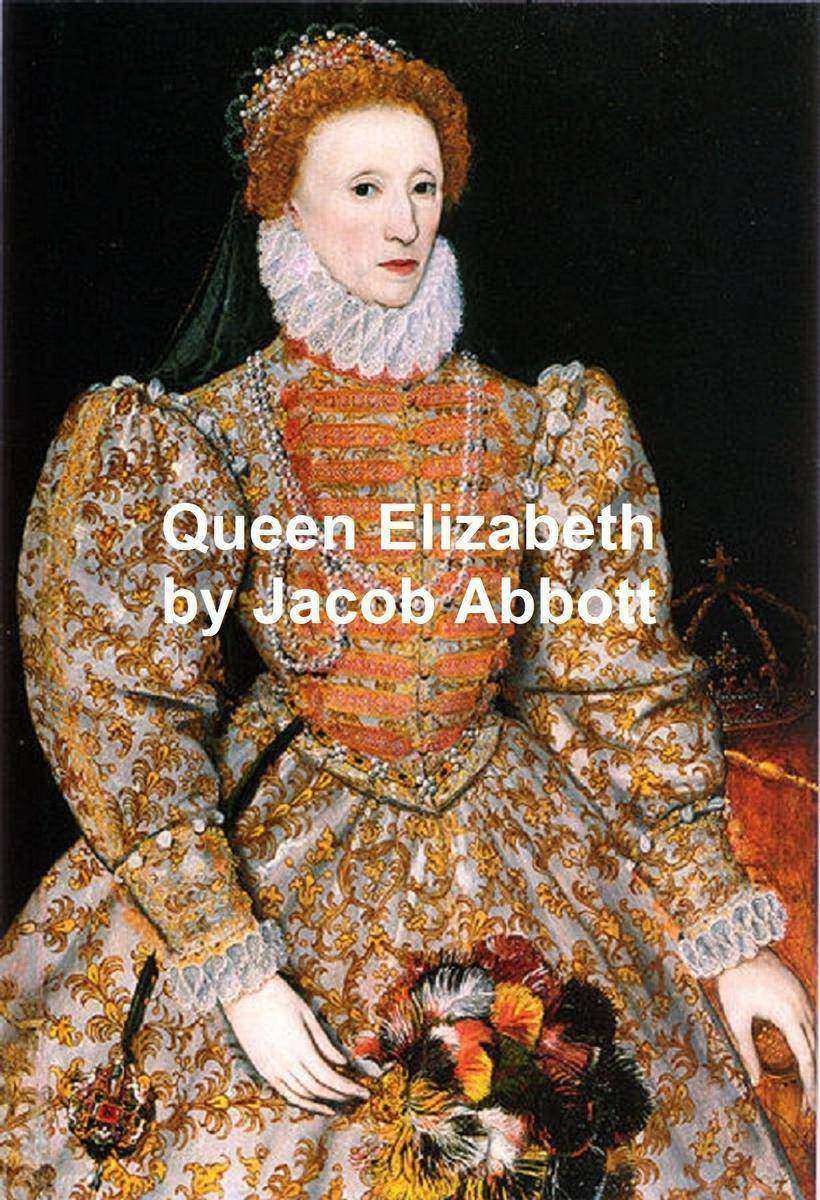
Queen Elizabeth
¥8.09
According to Wikipedia: "Elizabeth I (7 September 1533 – 24 March 1603) was Queen regnant of England and Queen regnant of Ireland from 17 November 1558 until her death. Sometimes called The Virgin Queen, Gloriana, or Good Queen Bess, Elizabeth was the fifth and last monarch of the Tudor dynasty. The daughter of Henry VIII, she was born a princess, but her mother, Anne Boleyn, was executed two and a half years after her birth, and Elizabeth was declared illegitimate. Her brother, Edward VI, bequeathed the crown to Lady Jane Grey, cutting his sisters out of the succession. His will was set aside, Lady Jane Grey was executed, and in 1558 Elizabeth succeeded the Catholic Mary I, during whose reign she had been imprisoned for nearly a year on suspicion of supporting Protestant rebels... Elizabeth's reign is known as the Elizabethan era, famous above all for the flourishing of English drama, led by playwrights such as William Shakespeare and Christopher Marlowe, and for the seafaring prowess of English adventurers such as Sir Francis Drake. Some historians are more reserved in their assessment. They depict Elizabeth as a short-tempered,[4] sometimes indecisive ruler,[5] who enjoyed more than her share of luck. Towards the end of her reign, a series of economic and military problems weakened her popularity to the point where many of her subjects were relieved at her death. Elizabeth is acknowledged as a charismatic performer and a dogged survivor, in an age when government was ramshackle and limited and when monarchs in neighbouring countries faced internal problems that jeopardised their thrones. Such was the case with Elizabeth's rival, Mary, Queen of Scots, whom she imprisoned in 1568 and eventually had executed in 1587. After the short reigns of Elizabeth's brother and sister, her 44 years on the throne provided welcome stability for the kingdom and helped forge a sense of national identity."
Notes on a Journey from Cornhill to Grand Cairo
¥8.09
Classic travelogue. According to Wikipedia: "Thackeray is most often compared to one other great novelist of Victorian literature, Charles Dickens. During the Victorian era, he was ranked second only to Dickens, but he is now much less read and is known almost exclusively for Vanity Fair. In that novel he was able to satirize whole swaths of humanity while retaining a light touch. It also features his most memorable character, the engagingly roguish Becky Sharp. As a result, unlike Thackeray's other novels, it remains popular with the general reading public; it is a standard fixture in university courses and has been repeatedly adapted for movies and television. In Thackeray's own day, some commentators, such as Anthony Trollope, ranked his History of Henry Esmond as his greatest work, perhaps because it expressed Victorian values of duty and earnestness, as did some of his other later novels. It is perhaps for this reason that they have not survived as well as Vanity Fair, which satirizes those values."


