


 购物车
 个人中心


Pragmatic Time Management Techniques: Getting things done on time, everytime!
¥24.44
Pragmatic Time Management Techniques: Getting things done on time, everytime!

The Ultimate Guide on Developing Patience: Be A Better Leader By Expanding Your
¥24.44
The Ultimate Guide on Developing Patience: Be A Better Leader By Expanding Your Patience!

Yachting For Beginners
¥24.44
Yachting For Beginners

Women As Sex Vendors
¥24.44
Women As Sex Vendors

Men, Women and God
¥24.44
Men, Women and God

Maximizing Your Energy To Use Your Maximum Potential
¥24.44
Maximizing Your Energy To Use Your Maximum Potential

Raw Food for Beginners
¥24.44
Raw Food for Beginners

How to Live Life and Love it!
¥24.44
How to Live Life and Love it!

How Not To Give a Shit!: The Art of Not Caring
¥24.44
How Not To Give a Shit!: The Art of Not Caring

RV: All You Need to Know Before Traveling, Living, Or Retiring In A Motorhome
¥24.44
RV: All You Need to Know Before Traveling, Living, Or Retiring In A Motorhome

Hunting: The Complete Hunting, Butchering, Cooking and Wilderness Survival Guide
¥24.44
Hunting: The Complete Hunting, Butchering, Cooking and Wilderness Survival Guide for Beginners

Yoga Therapy: Learn How to Treat the Knee Pain
¥24.44
Yoga Therapy: Learn How to Treat the Knee Pain

Dreams: Fascinating Interpretations of Your Dreams and Their Mysterious Meanings
¥24.44
Dreams: Fascinating Interpretations of Your Dreams and Their Mysterious Meanings

In Tune With the Infinite: Secrets to the Law of Attraction
¥24.44
In Tune With the Infinite: Secrets to the Law of Attraction
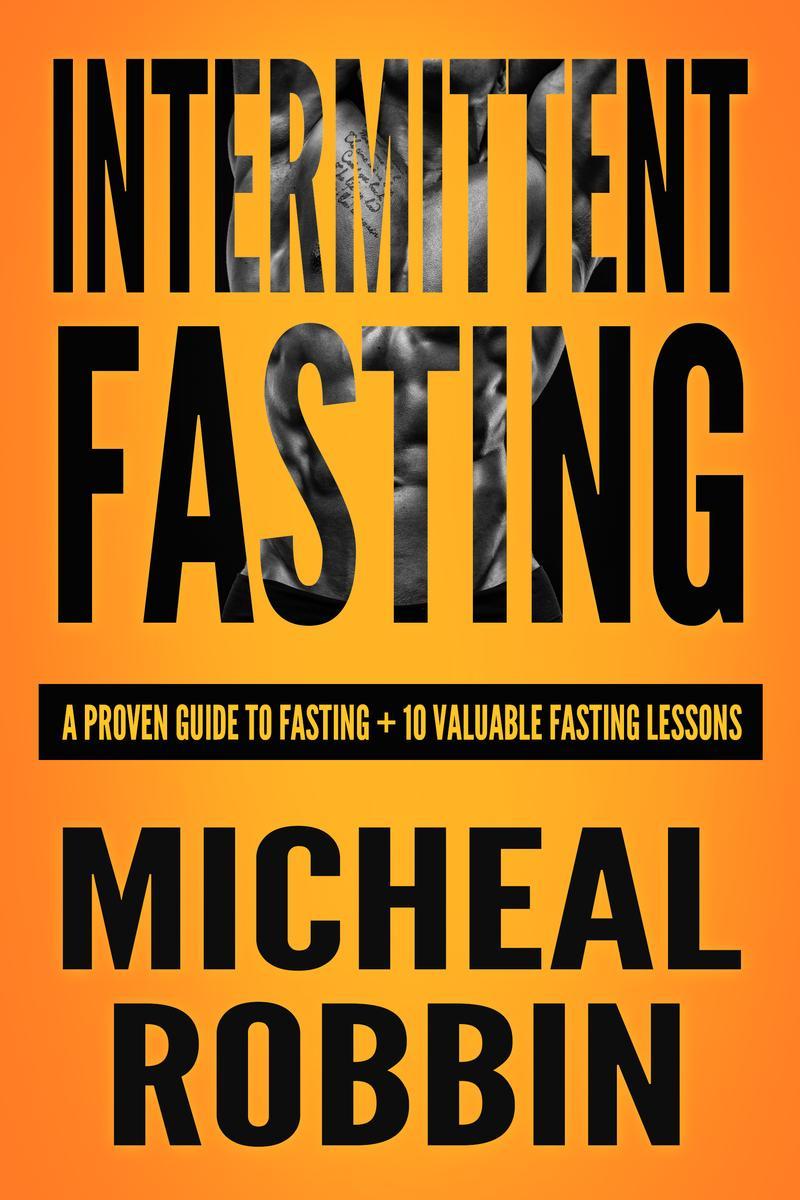
Intermittent Fasting: A Proven Guide To Fasting + 10 Valuable Fasting Lessons
¥24.44
Intermittent Fasting: A Proven Guide To Fasting + 10 Valuable Fasting Lessons

Why Your Body Water Balance Is a Key to Health and Great Shape?
¥24.44
Why Your Body Water Balance Is a Key to Health and Great Shape?

The Top 50 Outdoor Cross Training Workouts You Can Do at Home
¥24.44
The Top 50 Outdoor Cross Training Workouts You Can Do at Home

Genius: How to Be One - How to Live With It
¥24.44
Genius: How to Be One - How to Live With It

Dynamic Thought: Secret to the Law of Attraction
¥24.44
Dynamic Thought: Secret to the Law of Attraction

Looking Through the Trauma Lens
¥24.44
I developed renewed faith in the power of psychotherapy after I attended a Traumatic Incident Reduction (TIR) course in 2011. It opened many doors for me as I began to understand the impact of previously overlooked, objectively minor traumatic incidents on psychological disorders and problems. This article is about the application of this powerful tool over the entire spectrum of psychological problems and disorders and how this brings about impressive and permanent change. The optimal use of this tool in psychotherapy requires a shift in epistemology in which we begin to view mental health through a trauma lens. The definition of psychological trauma can vary. From a TIR perspective, trauma can be defined as any incident that had a negative physical or emotional impact on an individual. This is a very subjective issue as the something could be perceived as traumatic by one individual, but as commonplace and harmless by another. The important thing is the emotional and physical impact the incident had on the individual, its subjective impact. The reason it is so important to view trauma in the broadest way possible is because it explains the chronic mood states of our clients as well as how subconscious intentions and automatic emotional responses affect their current lives. These will be explained below. Traumatic incidents, when understood in the broadest sense possible, have a massive effect on our neurobiology, emotional states and behavioral patterns. Therefore, they can be seen as the driving force behind almost all psychological problems and disorders. When I say traumatic incidents "in the broadest sense possible," I refer to the everyday incidents of trauma that are objectively perceived as minor, such as an embarrassing comment by a teacher, conflict with a friend, breaking your mother's expensive vase, etc. It involves an understanding of how the emotional knocks we take on a daily basis affect our neurobiology and continue to have an impact on us in later life. The understanding of subconscious intentions, automatic emotional reactions and responses and chronic mood states are so crucial when it comes to looking at mental health through a trauma lens. Minor and major psychological and physical trauma involves a complex description of the effects on the brain. This article includes detailed case studies including specific incidents such as birth trauma and jealousy and rage. We will look in detail at how trauma results in Goleman's "Amygdala Hijacking" and how we can help the client break destructive cycles. I also explain why sheer willpower is insufficient to change behavior in the face of traumatic restimulation. Additionally, the article explains how TIR avoids re-traumatization even as clients revisit past incidents.

Critical Issues in Trauma Resolution:The Traumatic Incident Network
¥24.44
Most common approaches to post-traumatic stress reduction fall into two categories: coping techniques and cathartic techniques. Some therapists give their clients specific in vivo (literally "in life") methods for counteracting or coping with the symptoms of PTSD--tools to permit their clients to learn to adapt to, to learn to live with, their PTSD condition. Others encourage their clients to release their feelings, to have a catharsis. The idea is that past traumas generate a certain amount of negative energy or "emotional charge", and the therapist's task is to work with the client to release this charge so that it does not manifest itself as aberrant behavior, negative feelings and attitudes, or psychosomatic conditions. Coping methods and cathartic techniques may help a person to feel better temporarily, but they don't resolve trauma so that it can no longer exert a negative effect on the client. Clients feel better temporarily after coping or having a catharsis, but the basic charge remains in place, and shortly thereafter they need more therapy. The Need for Anamnesis (recovery of repressed memories) Traumatic Incident Reduction (TIR) operates on the principle that a permanent resolution of a case requires anamnesis (recovery of repressed memories), rather than mere catharsis or coping. To understand why clients have to achieve an anamnesis in order to resolve past trauma, we must take a person-centered viewpoint, i.e., the client's viewpoint and, from that viewpoint, explain what makes trauma traumatic. For more information please visit www.TIR.org


