


 购物车
购物车 个人中心
个人中心

Treasuring the Gaze
¥412.02
The end of the eighteenth century saw the start of a new craze in Europe: tiny portraits of single eyes that were exchanged by lovers or family members. Worn as brooches or pendants, these minuscule eyes served the same emotional need as more conventional mementoes, such as lockets containing a coil of a loved one's hair. The fashion lasted only a few decades, and by the early 1800s eye miniatures had faded into oblivion. Unearthing these portraits in Treasuring the Gaze, Hanneke Grootenboer proposes that the rage for eye miniatures-and their abrupt disappearance-reveals a knot in the unfolding of the history of vision.?Drawing on Alois Riegl, Jean-Luc Nancy, Marcia Pointon, Melanie Klein, and others, Grootenboer unravels this knot, discovering previously unseen patterns of looking and strategies for showing. She shows that eye miniatures portray the subject's gaze rather than his or her eye, making the recipient of the keepsake an exclusive beholder who is perpetually watched. These treasured portraits always return the looks they receive and, as such, they create a reciprocal mode of viewing that Grootenboer calls intimate vision. Recounting stories about eye miniatures-including the role one played in the scandalous affair of Mrs. Fitzherbert and the Prince of Wales, a portrait of the mesmerizing eye of Lord Byron, and the loss and longing incorporated in crying eye miniatures-Grootenboer shows that intimate vision brings the gaze of another deep into the heart of private experience.?With a host of fascinating imagery from this eccentric and mostly forgotten yet deeply private keepsake, Treasuring the Gaze provides new insights into the art of miniature painting and the genre of portraiture.

Rebellion in the Backlands
¥394.36
Euclides da Cunha's classic account of the brutal campaigns against religious mystic Antonio Conselheiro has been called the Bible of Brazilian nationality."e;Euclides da Cunha went on the campaigns [against Conselheiro] as a journalist and what he returned with and published in 1902 is still unsurpassed in Latin American literature. Cunha is a talent as grand, spacious, entangled with knowledge, curiosity, and bafflement as the country itself. . . . On every page there is a heart of idea, speculation, dramatic observation that tells of a creative mission undertaken, the identity of the nation, and also the creation of a pure and eloquent prose style."e;-Elizabeth Hardwick, Bartleby in Manhattan
Frankenstein of 1790 and Other Lost Chapters from Revolutionary France
¥394.36
The French Revolution brings to mind violent mobs, the guillotine, and Madame Defarge, but it was also a publishing revolution: more than 1,200 novels were published between 1789 and 1804, when Napoleon declared the Revolution at an end. In this book, Julia V. Douthwaite explores how the works within this enormous corpus announced the new shapes of literature to come and reveals that vestiges of these stories can be found in novels by the likes of Mary Shelley, E. T. A. Hoffmann, Honore de Balzac, Charles Dickens, Gustave Flaubert, and L. Frank Baum.?Deploying political history, archival research, and textual analysis with eye-opening results, Douthwaite focuses on five major events between 1789 and 1794-first in newspapers, then in fiction-and shows how the symbolic stories generated by Louis XVI, Robespierre, the market women who stormed Versailles, and others were transformed into new tales with ongoing appeal. She uncovers a 1790 story of an automaton-builder named Franknsten, links Baum to the suffrage campaign going back to 1789, and discovers a royalist anthem's power to undo Balzac's Pre Goriot. Bringing to light the missing links between the ancien rgime and modernity, The Frankenstein of 1790 and Other Lost Chapters from Revolutionary France is an ambitious account of a remarkable politico-literary moment and its aftermath.
Nietzsche's Enlightenment
¥394.36
While much attention has been lavished on Friedrich Nietzsche's earlier and later works, those of his so-called middle period have been generally neglected, perhaps because of their aphoristic style or perhaps because they are perceived to be inconsistent with the rest of his thought. With Nietzsche's Enlightenment, Paul Franco gives this crucial section of Nietzsche's oeuvre its due, offering a thoughtful analysis of the three works that make up the philosopher's middle period: Human, All too Human; Daybreak; and The Gay Science.?It is Nietzsche himself who suggests that these works are connected, saying that their "e;common goal is to erect a new image and ideal of the free spirit."e; Franco argues that in their more favorable attitude toward reason, science, and the Enlightenment, these works mark a sharp departure from Nietzsche's earlier, more romantic writings and differ in important ways from his later, more prophetic writings, beginning with Thus Spoke Zarathustra. The Nietzsche these works reveal is radically different from the popular image of him and even from the Nietzsche depicted in much of the secondary literature; they reveal a rational Nietzsche, one who preaches moderation instead of passionate excess and Dionysian frenzy. Franco concludes with a wide-ranging examination of Nietzsche's later works, tracking not only how his outlook changes from the middle period to the later but also how his commitment to reason and intellectual honesty in his middle works continues to inform his final writings.

Planning the Home Front
¥370.82
Before Franklin Roosevelt declared December 7 to be a "e;date which will live in infamy"e;; before American soldiers landed on D-Day; before the B-17s, B-24s, and B-29s roared over Europe and Asia, there was Willow Run. Located twenty-five miles west of Detroit, the bomber plant at Willow Run and the community that grew up around it attracted tens of thousands of workers from across the United States during World War II. Together, they helped build the nation's "e;Arsenal of Democracy,"e; but Willow Run also became the site of repeated political conflicts over how to build suburbia while mobilizing for total war.In Planning the Home Front, Sarah Jo Peterson offers readers a portrait of the American people-industrialists and labor leaders, federal officials and municipal leaders, social reformers, industrial workers, and their families-that lays bare the foundations of community, the high costs of racism, and the tangled process of negotiation between New Deal visionaries and wartime planners. By tying the history of suburbanization to that of the home front, Peterson uncovers how the United States planned and built industrial regions in the pursuit of war, setting the stage for the suburban explosion that would change the American landscape when the war was won.
Tristan's Shadow
¥370.82
Das Rheingold, Die Walkre, and Siegfried. Parsifal. Tristan und Isolde. Both revered and reviled, Richard Wagner conceived some of the nineteenth century's most influential operas-and created some of the most indelible characters ever to grace the stage. But over the course of his polarizing career, Wagner also composed volumes of essays and pamphlets, some on topics seemingly quite distant from the opera house. His influential concept of Gesamtkunstwerk-the "e;total work of art"e;-famously and controversially offered a way to unify the different media of an opera into a coherent whole. Less well known, however, are Wagner's strange theories on sexuality-like his ideas about erotic acoustics and the metaphysics of sexual difference. Drawing on the discourses of psychoanalysis, evolutionary biology, and other emerging fields of study that informed Wagner's thinking, Adrian Daub traces the dual influence of Gesamtkunstwerk and eroticism from their classic expressions in Tristan und Isolde into the work of the generation of composers that followed, including Zemlinsky, d'Albert, Schreker, and Strauss. For decades after Wagner's death, Daub writes, these composers continued to grapple with his ideas and with his overwhelming legacy, trying in vain to write their way out from Tristan's shadow.

Frontier Seaport
¥370.82
Detroit's industrial health has long been crucial to the American economy. Today's troubles notwithstanding, Detroit has experienced multiple periods of prosperity, particularly in the second half of the eighteenth century, when the city was the center of the thriving fur trade. Its proximity to the West as well as its access to the Great Lakes and the St. Lawrence River positioned this new metropolis at the intersection of the fur-rich frontier and the Atlantic trade routes.In?Frontier Seaport, Catherine Cangany details this seldom-discussed chapter of Detroit's history. She argues that by the time of the American Revolution, Detroit functioned much like a coastal town as a result of the prosperous fur trade, serving as a critical link in a commercial chain that stretched all the way to Russia and China-thus opening Detroit's shores for eastern merchants and other transplants. This influx of newcomers brought its own transatlantic networks and fed residents' desires for popular culture and manufactured merchandise. Detroit began to be both a frontier town and seaport city-a mixed identity, Cangany argues, that hindered it from becoming a thoroughly "e;American"e; metropolis.

Building for the Arts
¥370.82
Over the past two decades, the arts in America have experienced an unprecedented building boom, with more than sixteen billion dollars directed to the building, expansion, and renovation of museums, theaters, symphony halls, opera houses, and centers for the visual and performing arts. Among the projects that emerged from the boom were many brilliant successes. Others, like the striking addition of the Quadracci Pavilion to the Milwaukee Art Museum, brought international renown but also tens of millions of dollars of off-budget debt while offering scarce additional benefit to the arts and embodying the cultural sector's worst fears that the arts themselves were being displaced by the big, status-driven architecture projects built to contain them.?With Building for the Arts, Peter Frumkin and Ana Kolendo explore how artistic vision, funding partnerships, and institutional culture work together-or fail to-throughout the process of major cultural construction projects. Drawing on detailed case studies and in-depth interviews at museums and other cultural institutions varying in size and funding arrangements, including the Art Institute of Chicago, Atlanta Opera, and AT&T Performing Arts Center in Dallas, Frumkin and Kolendo analyze the decision-making considerations and challenges and identify four factors whose alignment characterizes the most successful and sustainable of the projects discussed: institutional requirements, capacity of the institution to manage the project while maintaining ongoing operations, community interest and support, and sufficient sources of funding. How and whether these factors are strategically aligned in the design and execution of a building initiative, the authors argue, can lead an organization to either thrive or fail. The book closes with an analysis of specific tactics that can enhance the chances of a project's success.A practical guide grounded in the latest scholarship on nonprofit strategy and governance, Building for the Arts will be an invaluable resource for professional arts staff and management, trustees of arts organizations, development professionals, and donors, as well as those who study and seek to understand them.

Victorian Scientific Naturalism
¥370.82
Victorian Scientific Naturalism examines the secular creeds of the generation of intellectuals who, in the wake of The Origin of Species, wrested cultural authority from the old Anglican establishment while installing themselves as a new professional scientific elite. These scientific naturalists-led by biologists, physicists, and mathematicians such as William Kingdon Clifford, Joseph Dalton Hooker, Thomas Henry Huxley, and John Tyndall-sought to persuade both the state and the public that scientists, not theologians, should be granted cultural authority, since their expertise gave them special insight into society, politics, and even ethics.?In Victorian Scientific Naturalism, Gowan Dawson and Bernard Lightman bring together new essays by leading historians of science and literary critics that recall these scientific naturalists, in light of recent scholarship that has tended to sideline them, and that reevaluate their place in the broader landscape of nineteenth-century Britain. Ranging in topic from daring climbing expeditions in the Alps to the maintenance of aristocratic protocols of conduct at Kew Gardens, these essays offer a series of new perspectives on Victorian scientific naturalism-as well as its subsequent incarnations in the early twentieth century-that together provide an innovative understanding of the movement centering on the issues of community, identity, and continuity.

City for Children
¥370.82
American cities are constantly being built and rebuilt, resulting in ever-changing skylines and neighborhoods. While the dynamic urban landscapes of New York, Boston, and Chicago have been widely studied, there is much to be gleaned from west coast cities, especially in California, where the migration boom at the end of the nineteenth century permanently changed the urban fabric of these newly diverse, plural metropolises.In?A City for Children, Marta Gutman focuses on the use and adaptive reuse of everyday buildings in Oakland, California, to make the city a better place for children. She introduces us to the women who were determined to mitigate the burdens placed on working-class families by an indifferent industrial capitalist economy. Often without the financial means to build from scratch, women did not tend to conceive of urban land as a blank slate to be wiped clean for development. Instead, Gutman shows how, over and over, women turned private houses in Oakland into orphanages, kindergartens, settlement houses, and day care centers, and in the process built the charitable landscape-a network of places that was critical for the betterment of children, families, and public life.The industrial landscape of Oakland, riddled with the effects of social inequalities and racial prejudices, is not a neutral backdrop in Gutman's story but an active player. Spanning one hundred years of history,?A City for Children?provides a compelling model for building urban institutions and demonstrates that children, women, charity, and incremental construction, renovations, alterations, additions, and repurposed structures are central to the understanding of modern cities.
Heidegger's Confessions
¥370.82
Although Martin Heidegger is nearly as notorious as Friedrich Nietzsche for embracing the death of God, the philosopher himself acknowledged that Christianity accompanied him at every stage of his career. In Heidegger's Confessions, Ryan Coyne isolates a crucially important player in this story: Saint Augustine. Uncovering the significance of Saint Augustine in Heidegger's philosophy, he details the complex and conflicted ways in which Heidegger paradoxically sought to define himself against the Christian tradition while at the same time making use of its resources.?Coyne first examines the role of Augustine in Heidegger's early period and the development of his magnum opus, Being and Time. He then goes on to show that Heidegger owed an abiding debt to Augustine even following his own rise as a secular philosopher, tracing his early encounters with theological texts through to his late thoughts and writings. Bringing a fresh and unexpected perspective to bear on Heidegger's profoundly influential critique of modern metaphysics, Coyne traces a larger lineage between religious and theological discourse and continental philosophy.
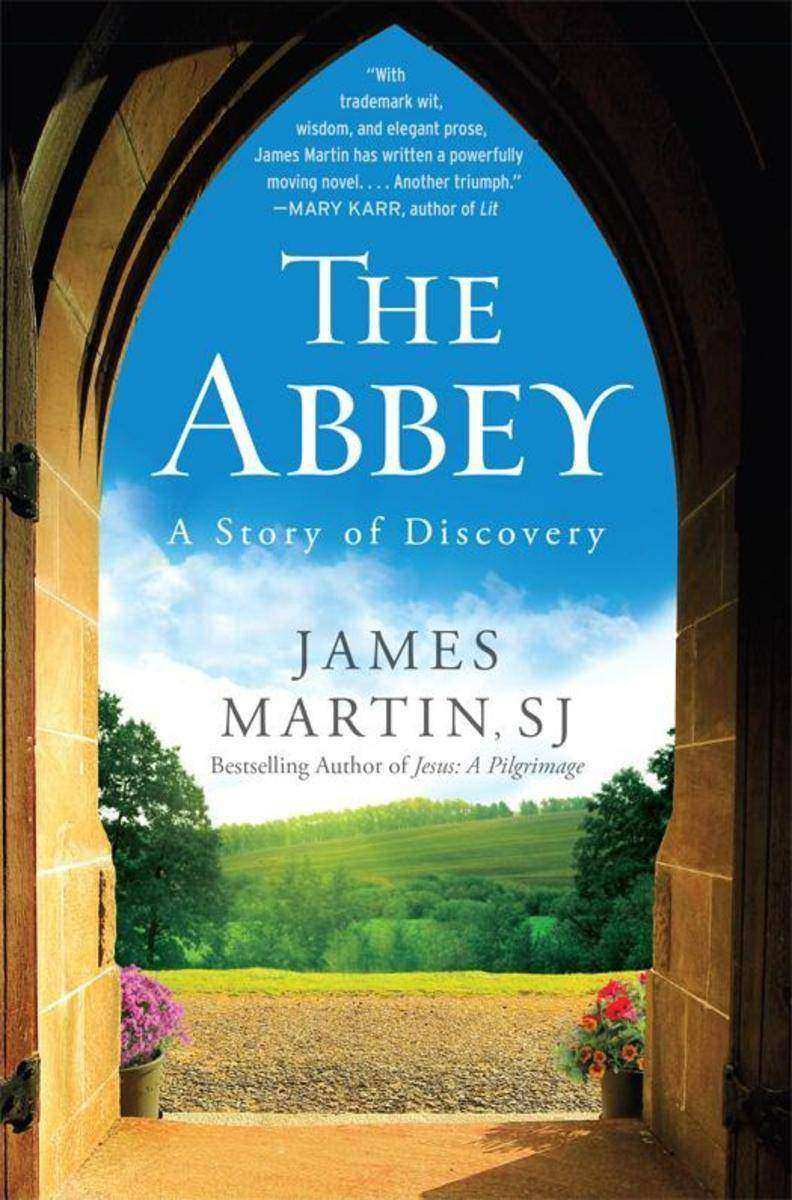
The Abbey
¥83.92
A divorced single mom, Anne can sometimes barely cope with life and struggles to make sense of the death of her young son.A former architect who had a promising career, Mark works as a handyman and wonders how his life got off track.The abbot of the Abbey of Saints Philip and James, Father Paul sometimes questions how to best live a life that secludes him so thoroughly from the world.At a Pennsylvania abbey, this unlikely trio will discover the answers they seek a miracle of hope and understanding that bears witness to the surprising power of God to bring healing and wholeness to our lives.In his debut novel, James Martin, SJ, provides a window into the spiritual journeys of three people seeking direction. As he did in his previous bestsellers Jesus: A Pilgrimage, Between Heaven and Mirth, and The Jesuit Guide to (Almost) Everything Martin once again crafts a book that incarnates deep spiritual wis-dom while being accessible and full of humor and grace. Through the characters' struggles, we see firsthand how God uses our worries, questions, and even anger to help us become whole.
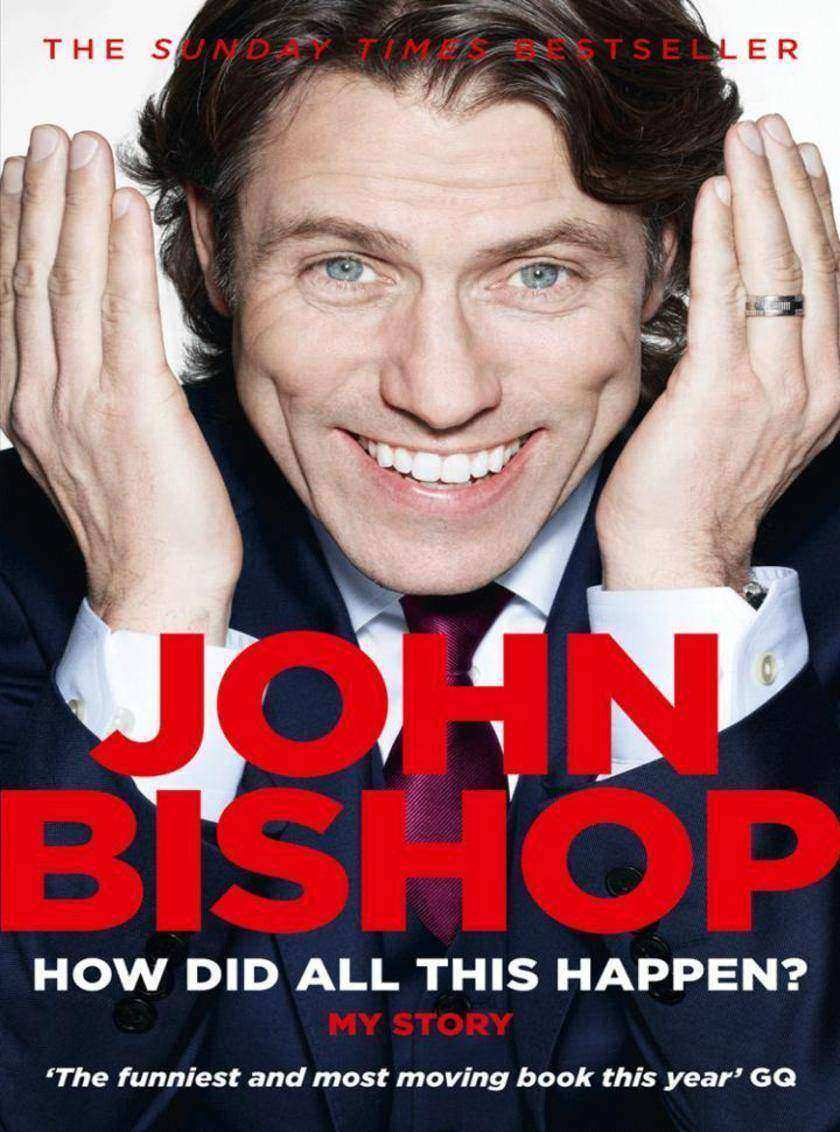
How Did All This Happen?
¥69.26
If you’re a man of a certain age you’ll know there comes a point in life when getting a sports car and over-analysing your contribution to society sounds like a really good idea. With a good job in sales and marketing and a nice house in Manchester that he shared with his wife and kids, John Bishop was no different when he turned the dreaded 4-0. But instead of spanking a load of cash on a car that would have made him look like a senior stylist at Vidal Sassoon, he stumbled onto a pathway that ultimately lead him to become one of the nation’s best loved comedians. It was a gamble, but boy, did it pay off. How Did All This Happen? is the story of how a boy who, growing up on a council estate dreaming of ousting Kenny Dalglish from Liverpool FC’s starting line-up, suddenly found himself on stage in front of thousands of people nationwide, at an age when he should have known better. In his own inimitable style, John guides us through his life from leaving the estate and travelling the globe on a shoe string, to marriage, kids and the split that led him to being on a stage complaining to strangers one night – the night that changed his life and started his journey to stardom. Wonderfully entertaining and packed with colourful reminiscences and comical anecdotes, this is a heart-warming, life-affirming and ultimately very, very funny memoir from one of the nation’s greatest comedians.
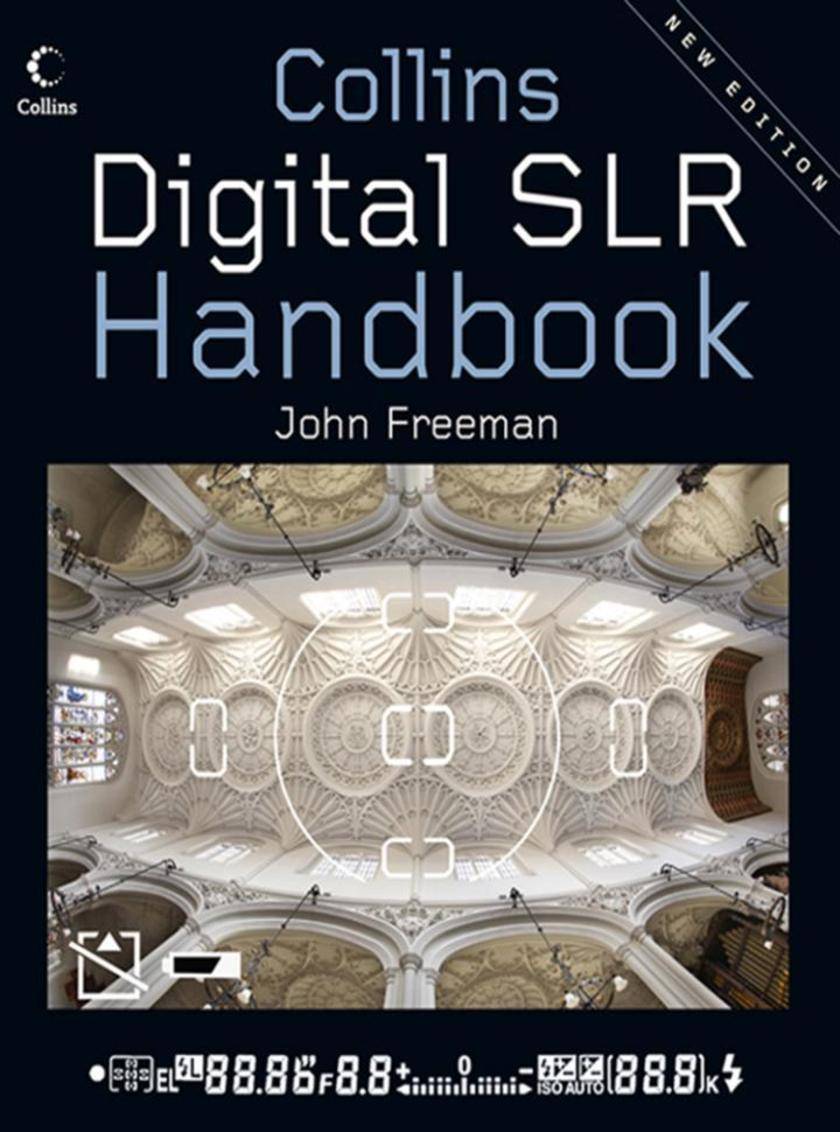
Digital SLR Handbook
¥125.18
This is the definitive practical guide to getting the most out of your digital SLR camera, written by top working photographer, John Freeman. Full of inspiring photography and professional tips, it is ideal for all keen amateur photographers and those aspiring to move over from using a traditional film SLR camera. The digital single lens reflex (DSLR) camera is now the must-have camera for all serious amateur photographers. Whether you already own one or are thinking of making the move from a point-and-shoot digital camera or a film SLR, this practical guide will provide all the help, advice and inspiration you need. Chapters include: understanding the DSLR system, seeing the picture, photographing landscapes, nature, people, architecture, still life, action, getting more from your DSLR and post-production techniques.
More Slow Cooker Recipes
¥76.91
Over 100 delicious, each-to-achieve recipes for your slow cooker. Tired of the same slow-cooked meals? Best-selling cookery writer Katie Bishop's latest collection of mouth-watering dishes will motivate you to dust off your slow cooker and enjoy tasty, satisfying food. From flavour-packed main meals such as Beef Curry with Whole Spices, Aromatic Chicken with lemon and Creamy Roasted Garlic and Rocket Pasta Sauce, to yummy desserts like Moist Orange and Almond Cake and Double Chocolate and Pear Pudding, Katie offers straightforward dishes that can be prepared in advance and eaten when you're ready. Katie’s fresh ideas, helpful advice on making the most of your cooker and easy-to-follow recipes provide new inspiration for anyone who wants to produce perfect meals every time. Enjoy: ? Soups and light meals ? Chillis and pasta sauces ? Curries and spicy dishes ? Braises and stews ? ‘Roasts’ ? Super-slow food ? Feasts and celebrations ? Puddings, cakes and sweet sauces
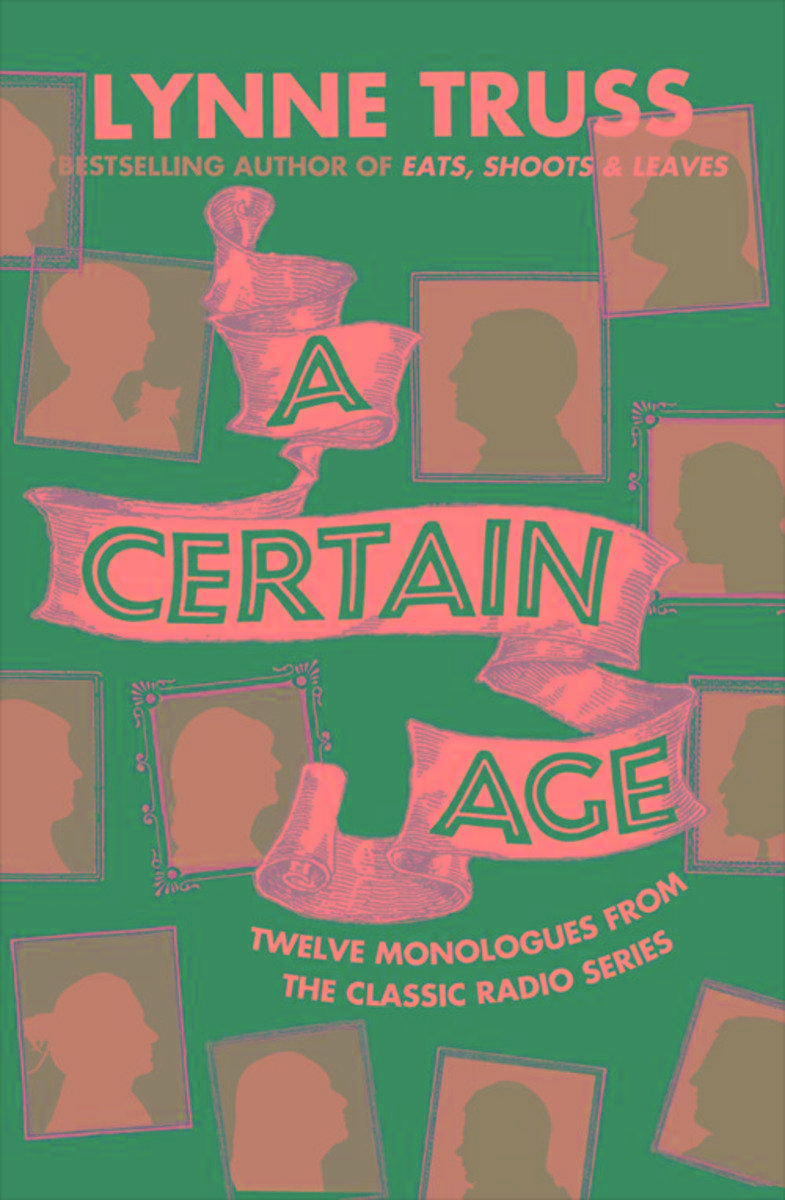
A Certain Age
¥62.59
From the bestselling author of ‘Eats Shoots & Leaves’, a wonderfully funny collection of twelve monologues. In the tradition of Alan Bennett's ‘Talking Heads’ come Lynne Truss's twelve bittersweet tales about love, romance, friendship and family. Her six men and six women each have very different stories to tell, ranging from the wife who feels better when her husband disappears to the pedant who undergoes a TV makeover and the swimmer who can't escape the shadow of her sister…but all are funny, touching and as beautifully observed as would be expected from the bestselling author. Whether describing fathers and daughters, married men, cat-lovers or ‘other women’, she is always brilliantly perceptive.

The Commodore: Aubrey/Maturin series, book 17
¥70.44
Patrick O’Brian’s Aubrey-Maturin tales are widely acknowledged to be the greatest series of historical novels ever written. Now, for the first time, they are available in electronic book format, so a whole new generation of readers can be swept away on the adventure of a lifetime. This is the seventeenth book in the series. Jack Aubrey’s long service is at last rewarded: he is promoted to the rank of Commodore and given a squadron of ships to command. His mission is twofold – to make a large dent in the slave trade off the coast of Africa and, on his return, to intercept a French fleet set for Bantry Bay with a cargo of weapons for the disaffected among the Irish. Invention and surprise follow at every turn in this tale of nineteenth-century seamanship, as rich, as compelling, as masterly as any of its predecessors.
The Hundred Days: Aubrey/Maturin series, book 19
¥66.22
Patrick O’Brian’s Aubrey-Maturin tales are widely acknowledged to be the greatest series of historical novels ever written. Now, for the first time, they are available in electronic book format, so a whole new generation of readers can be swept away on the adventure of a lifetime. This is the nineteenth book in the series. Following the extraordinary success of The Yellow Admiral, this latest Aubrey-Maturin novel brings alive the sights and sounds of North Africa as well as the great naval battles in the days immediately following Napoleon’s escape from Elba. Aubrey and Maturin are in the thick of the plots and counterplots to prevent his regaining power. Coloured by conspiracies in the Adriatic, in the Berber and Arab lands of the southern shores of the Mediterranean, by night actions, fierce pursuits, slave-trading and lion hunts, The Hundred Days is a masterpiece. ’O’Brian is far and away the best of the Napoleonic storytellers and The Hundred Days is one of the best of the series: a classic naval adventure, crammed with incident, superbly plotted and utterly gripping…This is O’Brian at his brilliant, entertaining best and when he is on this form the rest of us who write of the Napoleonic conflict might as well give up and try a new career. Fans of the series will need no encouragement to buy this book, but if you are new to Aubrey and Maturin then this is as splendid an introduction as you could wish for.’ Bernard Cornwell

The Final, Unfinished Voyage of Jack Aubrey: Aubrey/Maturin series, book 21
¥66.22
At the time of his death, Patrick O'Brian had begun to write a novel to follow on from Blue at the Mizzen, the twentieth book in the classic series. These are the chapters he had completed of the final voyage of Jack Aubrey and Stephen Maturin. Now they are available for the first time in electronic book format. The story picks up from the end of ‘Blue at the Mizzen’ when Jack Aubrey receives the news, in Chile, of his elevation to flag rank: Rear Admiral of the Blue Squadron, with orders to sail to the South Africa station. This novel, unfinished and untitled at the time of O’Brian’s death, would have been a chronicle of that mission, and much else besides. The chapters left on O’Brian’s death are presented here both in printed version – including his corrections to the type* – and a facsimilie of his manu*, which goes several pages beyond the end of the type* and includes marginal notes by O’Brian. And so this great ‘roman fleuve’ comes to an end with Jack, with his ‘sacred blue flag’, sailing through fair, sweet days – Stephen with his dissections and new love, Killick muttering darkly over the toasted cheese… Of course, we would rather have had the whole story; instead we have this proof that O’Brian’s powers of observation, his humour and his understanding of his characters were undiminished to the end.
The Magical Peppers and the Island of Invention
¥46.11
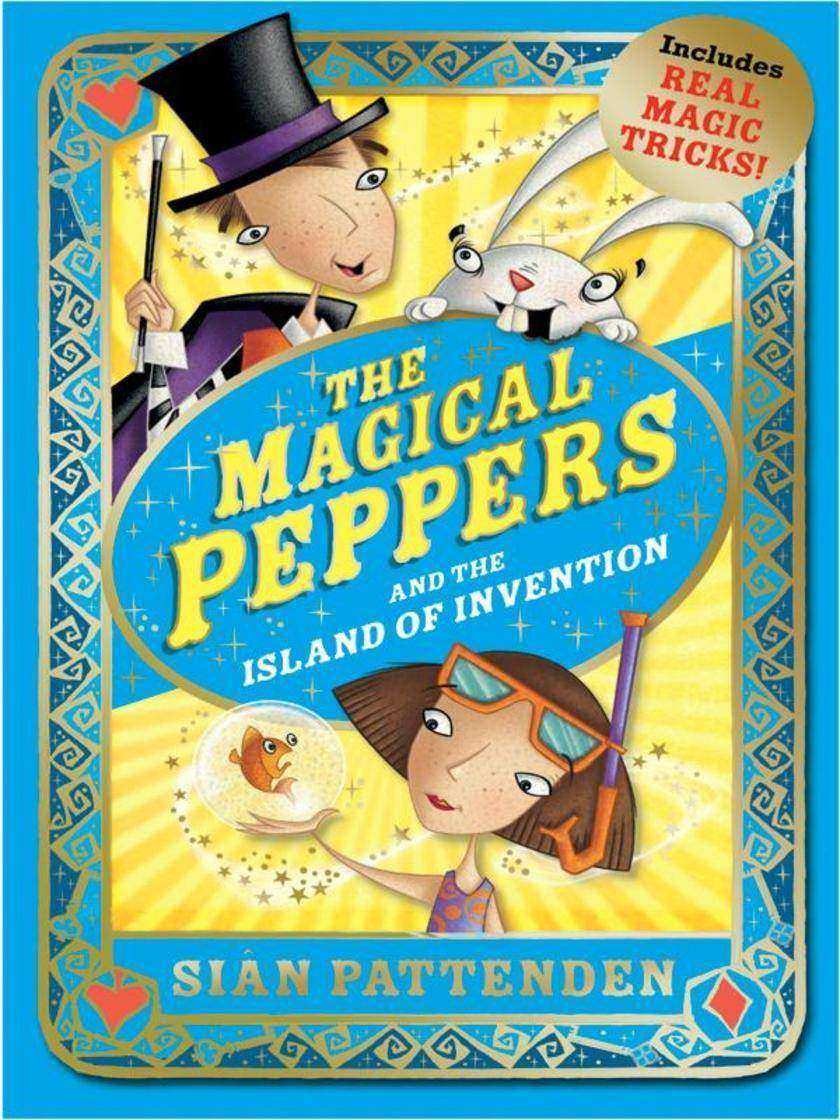
A strange old theatre at the end of the pier is the setting for the next fantastic adventure full of magic and mayhem with unbeatable double act, Esme & Monty Pepper, and their madcap Uncle Potty… The Pepper twins, Esmé and Monty and their uncle Potty have been summoned to the Sea Spray Theatre on the end of Crab Pie Pier. They’re on a mission to keep the old theatre from closing and must perform the show of a lifetime to reel in the crowds. But not everyone wants the theatre to survive and a certain someone is determined to sabotage the show, whatever the cost… Add a strange island hideaway full of zany inventions (including the Great Crab Pie flytrap and the Banana-Powered Test Your Strength machine), a hair-raising helicopter rescue-mission, some dodgy fortune-telling and the world’s biggest goldfish bowl and the Peppers are in for an unforgettable summer.

Wedding Fever
¥51.50
Finding Mr Right and saying ‘yes’ was just the beginning. A delightfully romantic read for fans of Trisha Ashley and Chris Manby. After listening to her friends’ latest travails in love, parenting, and careers, superstitious bride-to-be Nicole sets to work planting silver charms into her wedding cake, each of which will bring its recipient the magical assistance needed to change her destiny. There is one for Melissa, still ringless after dating the same man for six years. Another for Seema, who is in love with her best male friend Scott. And recently laid off journalist Nic should get one too, to help her get her career back on track. Nicole does everything she can to control who gets which silver keepsake, but when the place settings are mysteriously shifted around, mayhem ensues! *Please note that this is the UK edition - in the US, the title of this book is ‘There’s Cake in My Future’*


