


 购物车
购物车 个人中心
个人中心
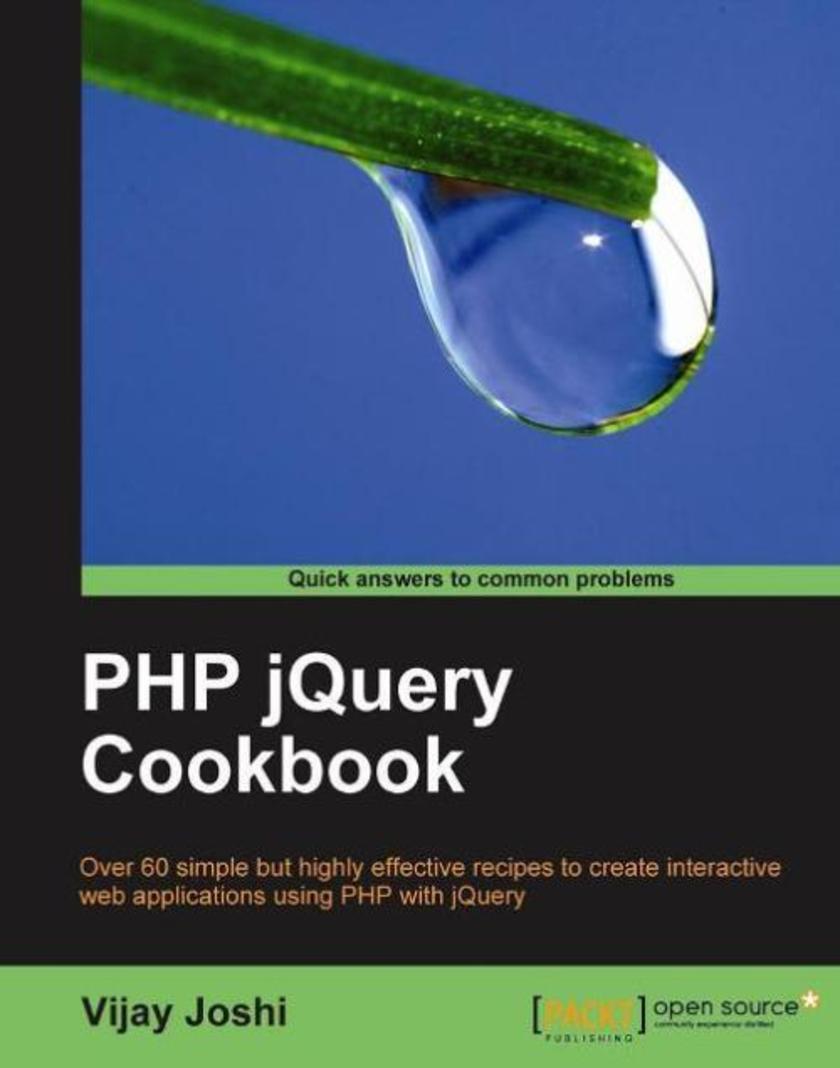
PHP jQuery Cookbook
¥71.93
Written in Packt's cookbook style, this book presents numerous practical examples that you can use directly in your applications. The book covers most of the essential issues you will face while developing your web applications and gives solutions to them. Recipes in the book are written in a manner that will rapidly take you from a beginner to expert level. If you want to use PHP and jQuery together to create web applications this book is for you. It provides a large number of examples in each chapter that will take you from a basic developer to a pro by giving step-by-step instructions for each task in developing web applications using PHP and jQUery. All you need are JavaScript basics and you are on your way to building power web applications, with this book in hand.

Microsoft Azure: Enterprise Application Development
¥80.65
This fast-paced guide enables developers to design and build Enterprise applications for the cloud. You will find it easy to follow this book, as the authors use an actual online portal application for the case study. Throughout the development of the sample application there is discussion of important considerations for moving an application into the cloud. If you provide technological leadership to their enterprise—senior developers, architects, CIO/CTO and you want or need to guide your enterprise's application design to Azure, this is the perfect book for you! Since the examples are in .NET, the book will skew to MS-oriented developers. But a lot of what is discussed will be applicable to anyone wanting to work with Azure. No matter what language you use, you provision the application fabric the same way, and all the underlying concepts will be the same. You will need experience with Visual Studio, and some basic SQL Server knowledge.
Drupal 7 First Look
¥71.93
This hands-on guide takes a look at the main functional areas of Drupal that have significant new features. It explains these new features and how to use them, drawing attention to significant differences from how things used to behave, and giving the reader an idea of the kind of consequences these changes will bring to them. Drupal 7 First Look is written for site administrators, themers, and developers who have some experience with Drupal 6 (or even Drupal 5) and want to upgrade their sites, themes, or modules to Drupal 7 or just learn more about Drupal 7. No programming experience is required, but several code examples are covered for readers that want more in-depth information about building themes and modules.
OmniGraffle 5 Diagramming Essentials
¥80.65
This is a very visual book with more than 750 illustrations and screenshots, never leaving any intermediate steps out from the tutorials. It contains precise tutorials that explain the various tools, how to use them, and the visual results. The examples used in the book are an excellent starting point for your own diagrams, both as ideas and as true diagrams – all the diagrams in the book can be downloaded for your own use. This book is written for both beginners and seasoned users of OmniGraffle. If you are new to the software, then this book will teach you everything you need to know to make stunning diagrams. For seasoned OmniGraffle users, this book contains a lot of tricks and techniques that will save their work and time.
Microsoft Windows Communication Foundation 4.0 Cookbook for Developing SOA Appli
¥90.46
The recipes in this book are easy to understand and follow as the author discusses real-world scenarios. The range of topics covered in this book will bring out the forward-thinking WCF developer in you. It is not a comprehensive reference to the whole of WCF, but a practical guide that boosts proficiency when working with the various features of WCF. The examples are supported by relevant background information for ease of understanding. If you work with Windows Communication Foundation 4.0 and you want to be efficient when working with WCF features such as interoperability, proxy generation, and security, you will find this book very useful. With this book you will be able to find quick and handy solutions for various kinds of service development scenarios using Microsoft Windows Communication Foundation 4.0. To follow the recipes you will need to be comfortable with .NET Framework, C# programming, and the basics of SOA and how to develop them.
Microsoft Dynamics NAV 2009 Programming Cookbook
¥107.90
You won't find any fluff here. This book is written in a direct, to-the-point style to help you get what you need and continue working in NAV. At the same time it provides enough explanation so that you understand what we are doing and why it is necessary. In many programming books you will find yourself searching through paragraph after paragraph to try to find what you are looking for. That's not the case here. Each recipe starts with a short de*ion of what it will teach. It is immediately followed with directions, usually with illustrations, of how to perform the task. You will find the explanation of the code at the end, along with some advice for further reading or other tasks you might be interested in. If you are a junior / entry-level NAV developer then the first half of the book is designed primarily for you. You may or may not have any experience programming. It focuses on the basics of NAV programming. It would be best if you have gone through a brief introduction to the NAV client. If you are a mid-level NAV developer, you will find the second half more useful. These chapters explain how to think outside of the NAV box when building solutions. There are also recipes here and there that senior developers will find useful.
The Silver Mountain
¥24.44
Iro and Iona, two little bears who are best friends, live deep in the forest and spend their days playing happily with all the other little animals. But Iro wants some adventure and so she decides to take her friend Iona and set off on a trip to the mysterious Silver Mountain that everyone is so afraid of. This is the story of what happens when two naughty little bears disobey their parents and get themselves into all sorts of sticky situations. The Silver Mountain is an exciting place full of mystery and we follow Iro and Iona on their adventures in a magical world where in the end, goodness and bravery win the day. A great bedtime story with gorgeous illustrations for children aged 4 to 8 years old.
A New Model of Economy
¥24.44
This book offers a radical revision of modern economic theory. Its starting point is the existing body of both micro and macro economics, as developed in such textbooks as Economics by Begg, Fischer and Dornbusch and Positive Economics by Lipsey and Chrystal. Following a similar framework to these books, it adjusts the whole range of theory by introducing some new concepts and other earlier ones that have been much neglected in the economic thought of the past century. These are related especially to the fundamental part played by land, in it proper sense of all natural resources available on the earth, the significance of credit, especially through the banking system, and the crucial impact of the method of taxation. The resulting analysis yields a thoroughly revised version of the contemporary model of a capitalist economy, so that a genuine ‘third way’ is revealed. This is not a mere modification of the present system of absentee ownership confronting a market for labour, with all the attendant evils of unemployment, monopoly and maldistribution of wealth and income. Rather it is a system based upon natural law, exhibiting economic security for all, fair distribution of output and, above all, the opportunity for self-fulfillment through work. The ‘new model’ draws upon the masters of economic thought from Smith and Ricardo to Marshall, Schumpeter and Keynes, by highlighting concepts often omitted from current studies of their works; such as Ricardo’s analysis of scarcity and differential elements of rent, Schumpeter’s view of the role of banking and Keynes’s hints at a labour theory of value. Indeed this far-reaching revision makes bold advances upon the Marshallian theory of the firm and the Keynesian theory of national income determination, thus providing new insights into both micro and macro theory. It remains faithful, however to the tradition of these latter thinkers in explaining matters fully in words, and resorting to mathematics mainly through the use of diagrams intelligible to anyone with an elementary grasp of the subject. Whilst the book strives to avoid value judgements in the interests of social science, it undoubtedly carries strong implications about economic policy. These are bound up with the central notions of free land and free credit, which have been singularly ignored by policy-makers since a few valiant attempts to introduce them in the early twentieth century. Hence the ‘new model’ is offered to both theorists and practitioners of economics, to politicians and public servants, but particularly to those who, like the author, truly seek a new vision of the subject.
Boom Bust
¥24.44
In the two and a half years since the first edition appeared (April 2005), events have unfolded as predicted. Then the consensus among forecasters was that the boom in house prices would cool to an annual 2 or 3% rise over the following years. In fact, in keeping with the ‘winner’s curse’ phase of the cycle described by the author, prices rose by more than 10% per annum in Britain. Harrison’s first book, The Power in the Land, predicted the early 1990s recession. Boom Bust, warned that investing in property is not always a safe bet, because the housing market is subject to a sharp downturn at the end of a remarkably regular 18-year cycle. The crash of 2007/8 occurred exactly as predicted. His forecast was based on a careful study of the evidence from property markets in many countries over the last 200 years. Gordon Brown’s claim, last made in his 2007 Budget speech, that ‘we will never return to the old boom and bust’ has been proved false. The reason for the instability, Harrison explains, is not the housing market itself but the land market on which all buildings stand. Land is in fixed supply ‘ as Mark Twain noted: ‘They’re not making any more of it’. Therefore, as the demand for land for new homes and offices rises with population growth and economic expansion, market forces, which normally increase supply to reduce prices, have the reverse effect: prices rise. This encourages speculation, with banks lending more against escalating asset values and reinforcing the upward spiral. Under existing government policies, the only way land prices can be brought back to affordable levels is a slump, undermining the banking system and causing widespread unemployment and repossessions. This is exactly what happened in America with the collapse of the sub-prime mortgage market. The run on Northern Rock showed the UK economy is not immune. The author reveals that the government’s monetary policy only has a marginal impact on land speculation, but as the Bank of England raises interest rates to curb house price inflation, the main victim is the first-time buyer and the productive economy, especially small businesses. The only way to neutralise the boom bust cycle in the housing market is through a reform of taxation, he claims. ‘This book is an important contribution to an overdue debate.’ Martin Ricketts, Chairman of the Academic Advisory Council of the Institute of Economic Affairs and Professor of Economic Organisation, University of Buckingham. Endorsing the thrust of Harrison’s argument, Prof. Ricketts goes on to acknowledge ‘that insufficient attention has been given by policymakers to the rent of land as socially the most efficient source of public revenue’, and that that will ‘have important practical consequences … for the stability of the economic system’. Economic stability is the objective of Gordon Brown and most governments around the world. Harrison explains how this may be achieved.

Sketches Sartorial, Tonsorial and the Like
¥24.44
St Claire Bullock - a Professor of Philosophy, no less - in the intervals between pondering the great questions of life, turned his hand to penning light verse in the manner of Hilaire Belloc, Ogden Nash and Edward Lear. In rhyming couplets these wry and witty poems ponder the foibles and vanities of mortals. Some of these are captured in pen and ink drawings which caricature the subject of the poems. Each character is given an amusing name, beginning with Master Cecil Abercorn, through Clarence Castle, Serena Huff, The Marchioness of Mal de Mer, Major Houghton Reid and Thomas Tinkham Tattersall to Roland Washburn White. There are 70 poems in all of which 10 are illustrated. The illustration on the front cover relates to Rupert Ashe: 'The greatest pride of Rupert Ashe was his luxuriant moustache. He took great care to keep it groomed, And even, with restraint, perfumed. He brushed it upward every day, and it made such a grand display, that people who were not the wiser, imagined that he was the Kaiser.'
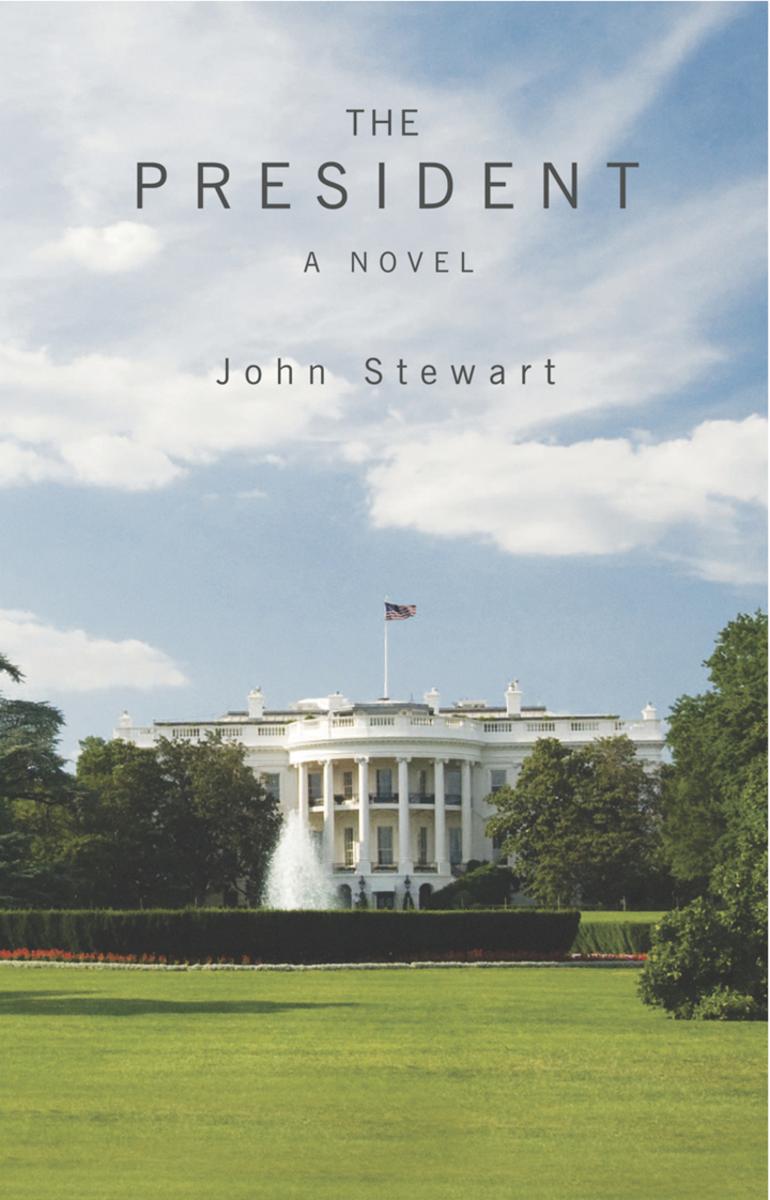
The President
¥24.44
Arguing that an efficient economic system can be compatible with a fair share for all, this novel centers on a United States president who changes his mind about his policies. A deliberate parable about today’s political wars, the novel illustrates the reforms posed by a real 19th-century figure, the American economist Henry George. Accordingly, this fictional reelection campaign provides a convenient stage for speeches and debates when the incumbent president goes missing—and returns with a platform for social justice that enrages those with vested interests and confounds his party operatives.
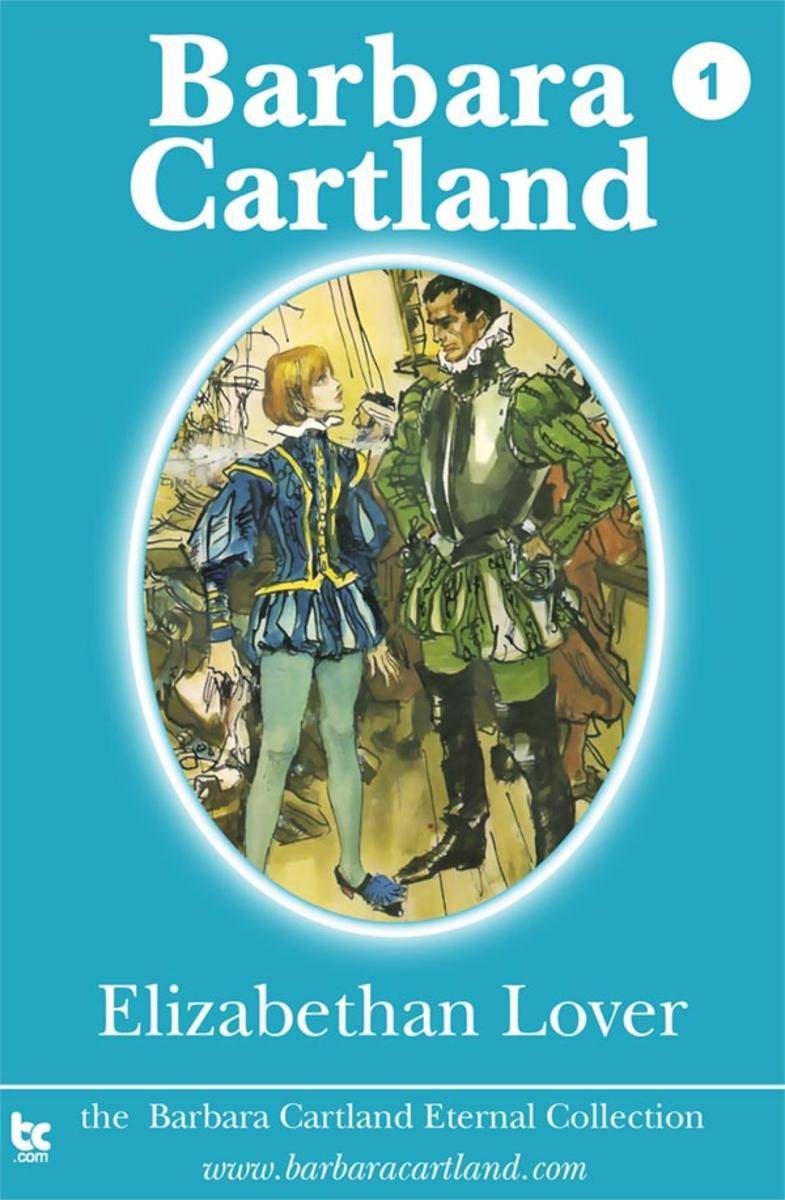
01 Elizabethan Lover
¥24.44
Having sailed with Sir Francis Drake, swashbuckling privateer Rodney Hawkhurst yearns for a galleon of his own with which to plunder the Spanish Main in the name of Queen Elizabeth. Seeking investment from Sir Harry Gillingham, he has a fleeting encounter with an elfin, tomboyish golden-red-haired beauty Sir Harry?s youngest daughter Lizbeth and is bewitched by her limpid green eyes. Yet it is fair and golden-haired elder sister Phillida with whom he first falls in love... Granted his finances on the condition that Sir Harry?s weak, possibly even traitorous son sails with him in the hope that the mission will make him a man, Rodney embarks on a voyage of blood, honour and glory in which he gains great riches but loses his heart, not once, but twice. The risks are great but so are the rewards: wealth beyond compare and, as Rodney finally discovers, a greater, deeper, more passionate love than he ever imagined possible.
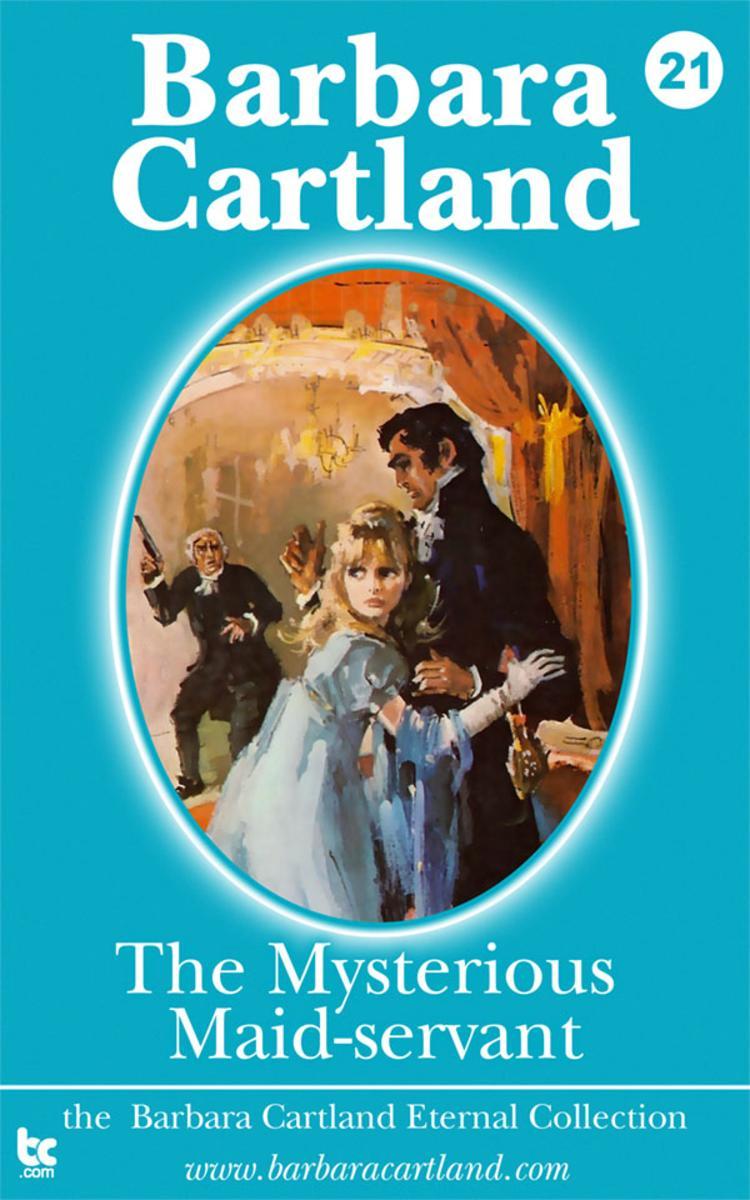
21 The Mysterious Maid-Servant
¥24.44
Have you ever been so desperate that you would do literally anything for moneyThis is the tragic situation Giselda finds herself in, with no money for an operation her younger brother desperately needs to save his life, and no one to turn to. Ground down by poverty she plucks up her courage to offer the only thing she has of value her purity. Choking back her pride and knowing that she is about to forfeit his respect, she approaches her wealthy employer, the handsome Earl of Lyndhurst, who is recovering from his injuries sustained in the Battle of Waterloo. Appalled that this frail and innocent young girl should be faced with such a terrible decision, he vows to find a way to help her without offending her dignity. He knows she would never accept his charity, and she refuses to confide in him the reasons for her family's poverty. Intrigued by the air of mystery about a girl of obvious quality reduced to the role of maidservant, the Earl decides to discover why a beautiful young woman of strong principles has been reduced to such extreme measures. Discovering her to have gentle hands and wonderful nursing skills he employs her as his private nurse and turns his sharp mind to uncovering her secrets and learns his own lessons in love in the process.
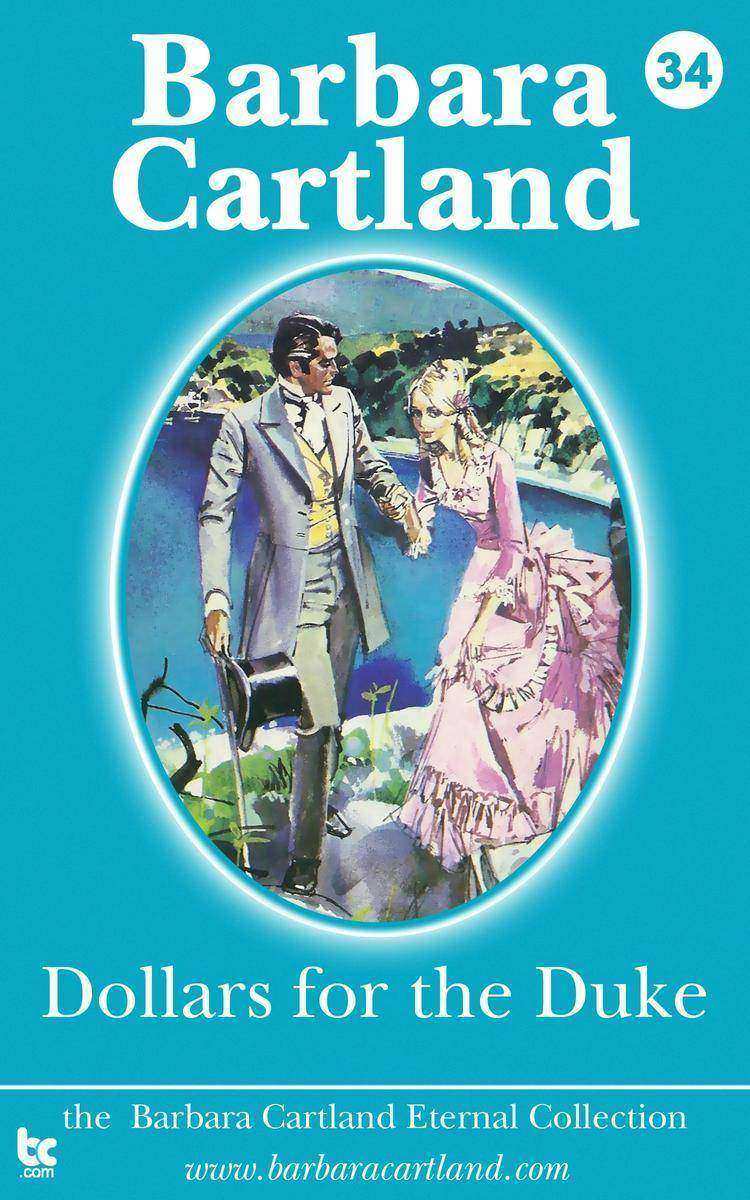
34 Dollars for the Duke
¥24.44
Following the sudden death of his rakish father, Seldon Burn unexpectedly inherits the title of Duke of Otterburn. Returning to the family estate, he swiftly discovers that the title is the only thing he has inherited – along with a mountain of his father’s debts and nothing to pay them with. A brave and proud soldier, nothing has prepared the new Duke for the devastation to the family coffers caused by his late father’s love of lavish entertainment, Gaiety Girls and good living. Meeting with the family Solicitor, the Duke is horrified to discover the Ducal properties are crumbling, everything of value is entailed and even the racehorses have not been schooled properly. Desperately seeking to rebuild the family fortune and honourably fulfil his duty of care to the old and infirm of the village, his cousin Edith, a sophisticated Socialite, offers a solution. She suggests that he follows in the footsteps of many an impoverished English aristocrat and marries a wealthy American heiress – she even has a fitting bride in mind from her recent visit to New York. With no viable alternative and a pressing demand for money, a wedding is hastily arranged – but will the English traditions of generations of the Burn’s family be overshadowed by the razzle-dazzle of the Duke’s mother-in-law to be, Mrs. Vandevilt, the renowned New York hostessHorrified at being married for his title and not love, the Duke is so angry that he barely considers the feelings of his young and vulnerable bride. Meanwhile, the lovely Magnolia Vandevilt, one of the richest heiresses in America, is equally disgusted and contemptuous of a man who is marrying her only for her money. Joined together in holy matrimony, can this marriage of convenience ever be more than a disappointment and battleground as both parties dream of the love they might have had?
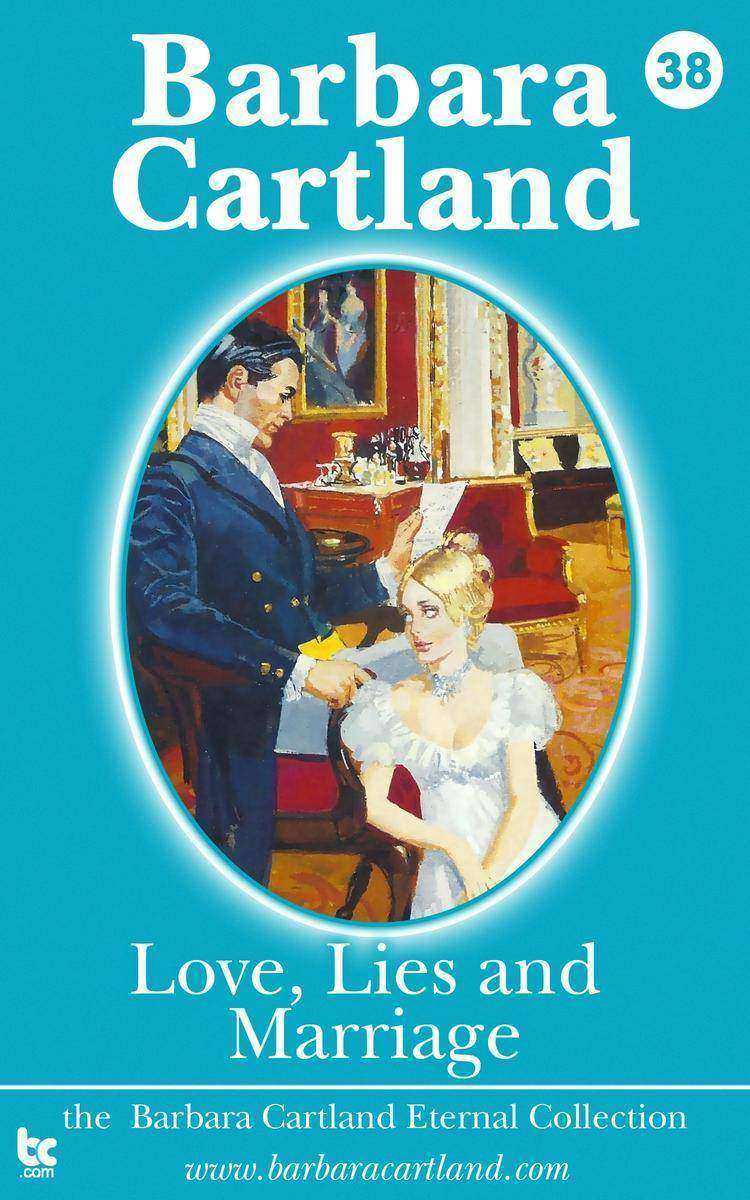
38 Love Lies and Marriage
¥24.44
Teresa is everything her father Sir Hubert Bryan could wish for – clever, loyal and sharp-witted. The only problem is that she was born a girl and not the son he hoped would follow in his footsteps. But Teresa sees no reason why her gender should prevent her from being an asset to him in his mighty shipping empire, and tells him so. Sir Hubert is astounded at her request – he is far more concerned that his beautiful daughter will fall prey to the scavengers and fortune hunters amongst London Society. Having made his own vast fortune the hard way he is only too aware of what men will do to have access to the kind of wealth his lovely daughter will inherit. So when his dear friend the Marquess of Walstoke begs for help to prevent his heir Harry, the Earl of Lanbourne, making a disastrous marriage to a notorious actress he sees an opportunity to help his friend, and set a test of intelligence for his daughter too. Together, the two men hatch a plot to ‘save’ Harry from himself and prevent him from ruining his life. Promising her work in the family business, Teresa agrees to her father’s pleas to play a central character in a daring deception. But Harry is not a fool, and astounded at his uncle’s lack of faith in him he storms off to Bourne Hall, his family estate, taking Teresa with him. Teresa is torn; she loves her father but the longer she spends with Harry the more her loyalties are tested. Experiencing strange new feelings, she begins to have her own reasons to make sure that Harry puts the past behind him. But are these reciprocatedOr is Harry destined to shake the foundations of Society by making his flame-haired actress the new Countess of Lanbourne?

Cassandra High Availability
¥45.77
If you are a developer or DevOps engineer who understands the basics of Cassandra and are ready to take your knowledge to the next level, then this book is for you. An understanding of the essentials of Cassandra is needed.
Mastering Apache Maven 3
¥80.65
If you are working with Java or Java EE projects and you want to take full advantage of Maven in designing, executing, and maintaining your build system for optimal developer productivity, then this book is ideal for you. You should be well versed with Maven and its basic functionality if you wish to get the most out of the book.
Node.js Design Patterns
¥90.46
If you're a JavaScript developer interested in a deeper understanding of how to create and design Node.js applications, this is the book for you.
Building Mapping Applications with QGIS
¥80.65
If you are an experienced Python developer who wants to create your own geospatial applications with minimum fuss, this is the book for you. While some familiarity with mapping applications would be an advantage, no prior knowledge of geospatial concepts is required. Even if you've never used QGIS before, this book will quickly get you up to speed.
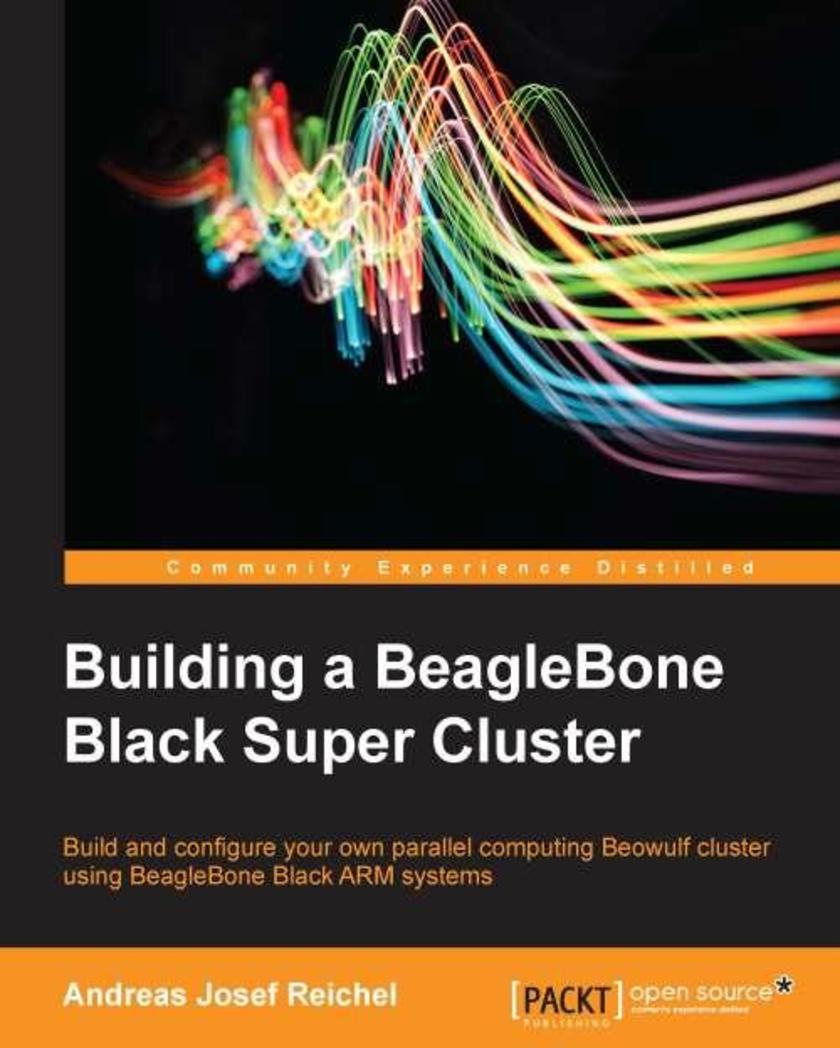
Building a Beaglebone Black Super Cluster
¥54.49
If you are a programmer, scientist, or someone interested in modern computer technology that goes beyond the typical PC, then this book will show you the outstanding possibilities of cluster computing with modern embedded systems based on ARM architecture. Whether you need a high-speed or low-cost scalable cluster for simulations or want to try something new, this book is the right guide for you.
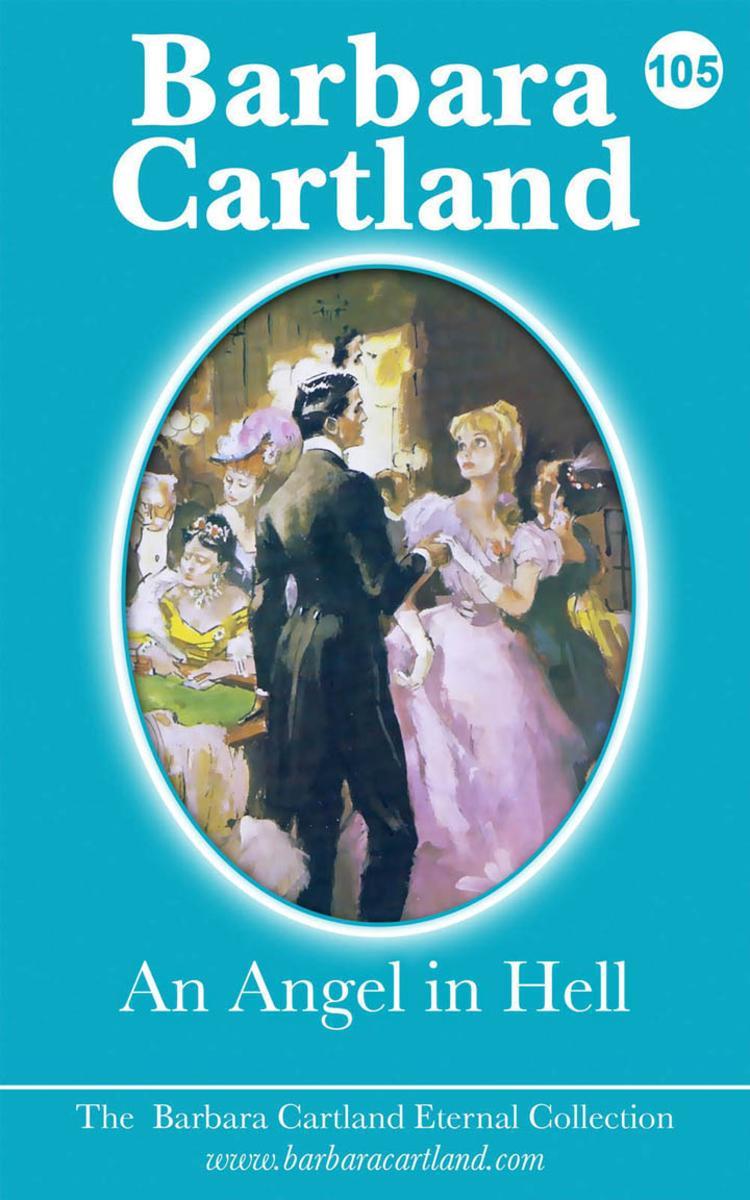
An Angel In Hell
¥24.44
After years of caring for her ailing father, the Earl of Medwin, the ethereally beautiful young Lady Ancella Winn is pale, drawn and exhausted now that he has died and she is devastated. Worse still, she has nowhere to go, except for the home of her strait-laced and disapproving aunts. So when family friend and doctor, Sir Felix Johnson, suggests that it would be good for her health to travel to the French Riviera to work as the nurse-companion to an ageing Russian Princess, she nervously agrees. Although her new employer is difficult and demanding, Ancella is bewitched, first by the beauty of the C?te d’Azur and then by the Princess’s ineffably handsome son, Prince Vladimer. Caught up in the glamour of the Monte Carlo Casino, the den of iniquity against which her aunts had warned her in no uncertain terms, it seems that she has won the Prince’s heart as the feckless aristocrats around her lose fortunes at Roulette and Baccarat. But then to her horror her hopes of the love she has always dreamt about are dashed when it she finds that Prince Vladimer has betrayed her with the grasping but alluring Marchioness of Chiswick.


