


 购物车
购物车 个人中心
个人中心
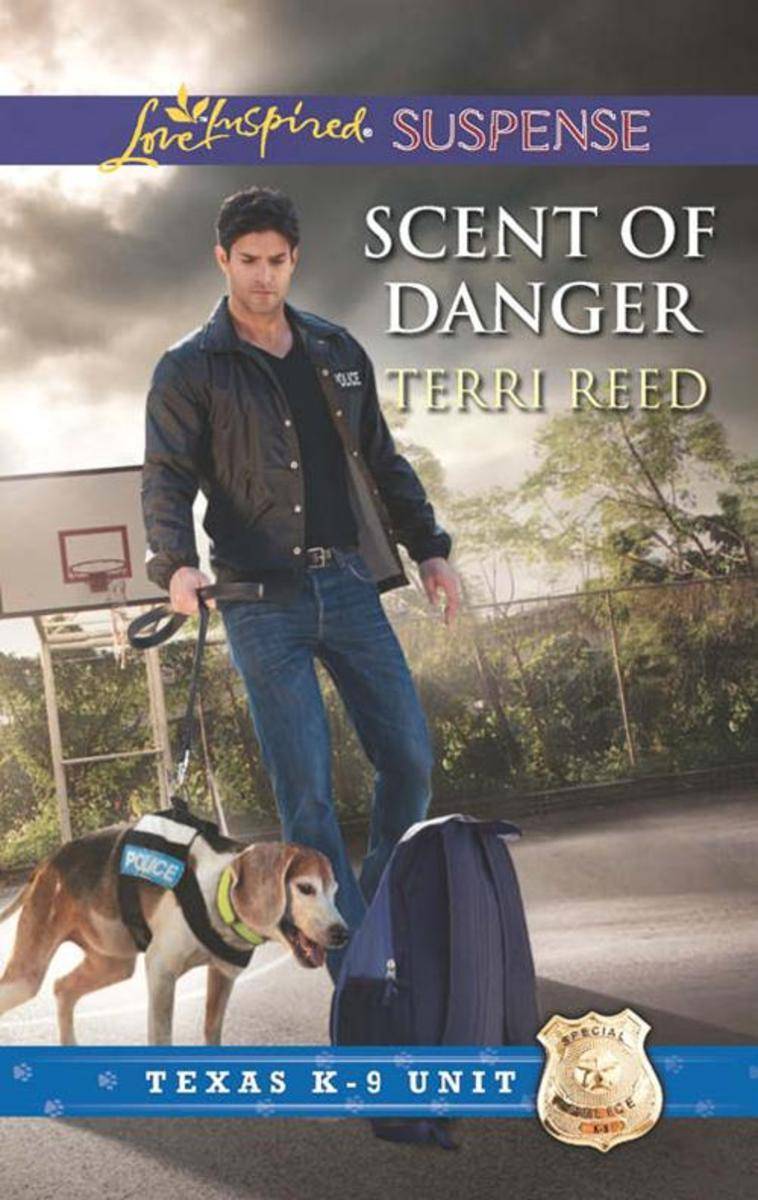
Scent of Danger (Mills & Boon Love Inspired Suspense) (Texas K-9 Unit, Book 5)
¥31.10
RISKING IT ALL Detective Melody Zachary is determined to find who killed her nephew in a drug related murder. She’s launched her teen center in his memory, to keep kids off the streets. And she’ll prove to narcotics officer Parker Adams and his K-9 drug-sniffing partner, Sherlock, it’s not a haven for dealers. As they risk their lives to save others, Melody discovers that Parker and she share the same deep commitment to making a difference. Will circumstances allow them to take the biggest risk yet, on love? Texas K-9 Unit: These lawmen solve the toughest cases with the help of their brave canine partners

Safe Harbor (Mills & Boon Love Inspired Suspense)
¥31.10
“NO ONE’S GOING TO HURT YOU.” When he finds Nicole Harris cowering in a closet—a terrified witness to murder—Detective Alex Donovan’s only priority is keeping the beautiful redhead alive. But Nicole is harboring a deep, dark secret–a childhood trauma that stops her from counting on anyone. Haunted by the violence in his own past, Alex knows he shouldn’t get personally involved, but his own feelings blindside him. With a killer targeting Nicole as his next victim, his toughest road is still ahead. Somehow, he’s got to convince her to trust him with her life . . . and her heart.
No Way Out (Mills & Boon Love Inspired Suspense) (The Justice Agency, Book 3)
¥31.10
Who can she trust? Alyssa Wells has uncovered evidence that her police officer husband was murdered by his partner, a dangerous claim in a small town. After two tours in Iraq, protecting Alyssa and her children shouldn't be a problem for private investigator Cole Justice. Alyssa feels drawn to him, but how can she trust anyone after everything? Cole's sure his heart is closed off to love but Alyssa and her children seem to have found a way in. As the killer draws closer, Alyssa realizes she's trusting Cole with more than her safety. The Justice Agency: Family and law enforcement go hand in hand??????
Plain Pursuit (Mills & Boon Love Inspired Suspense)
¥31.10
DANGER IN AMISH COUNTRY When her brother is killed in a small Amish town, Anna Quinn discovers she’s an unwelcome outsider. But the FBI agent investigating the case is right at home—because Eli Miller was born and raised in Apple Creek’s Plain community. Eli left his Amish faith behind long ago, but his heart is rooted in a local cold case he can’t forget—a mystery with strange connections to Anna’s loss. Desperate to uncover the truth, Anna and Eli are faced with stony silences and secrets . . . secrets that someone wants to stay buried in the past.
Fatal Inheritance (Mills & Boon Love Inspired Suspense)
¥31.10
Someone wants to stop Becki Graw from claiming her inheritance. Police officer Rayne is just as determined to keep his beautiful neighbor safe. She may not be the tomboy Josh remembers, but she’s just as stubborn. Becki is intent on keeping her grandparents’ remote farmhouse—no matter the danger. Becki’s feelings for her childhood crush may be rekindled, but she’s seen too much to risk opening her heart. As the threats against Becki escalate, the list of suspects grows longer. Josh must convince Becki to trust him with her heart—and her life—before a madman ends their chance at happiness—permanently.
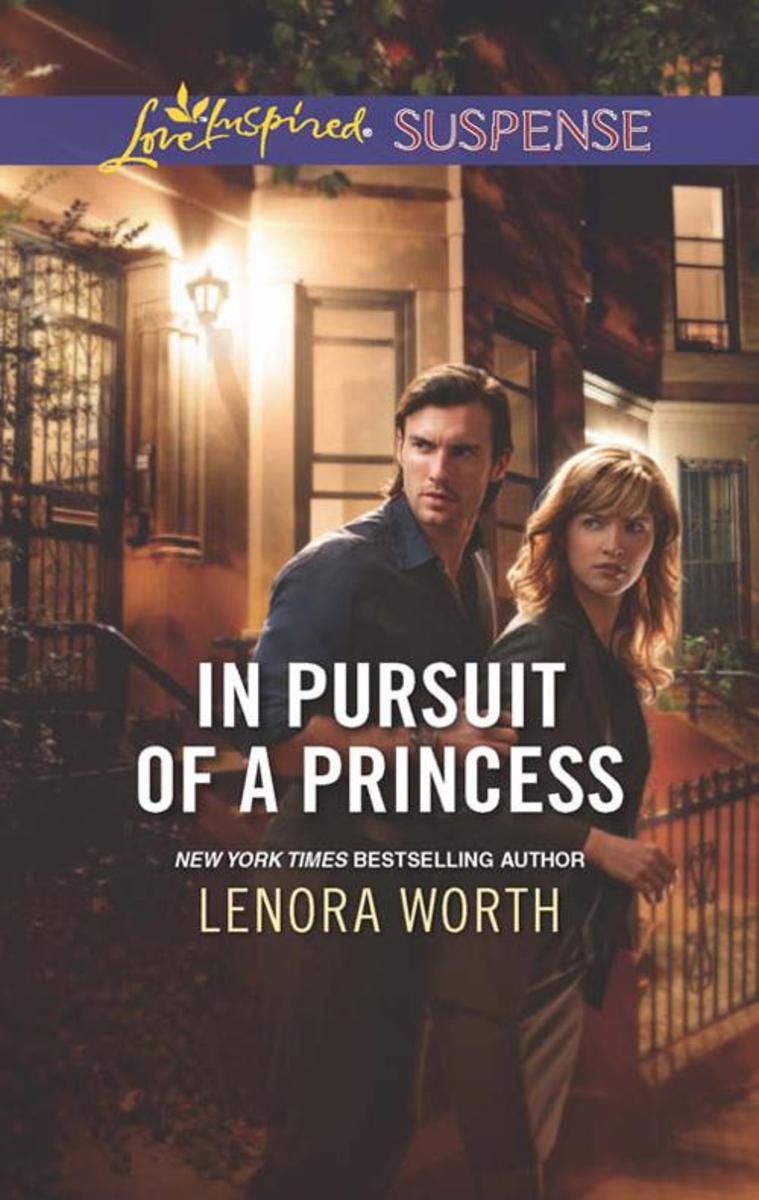
In Pursuit of a Princess (Mills & Boon Love Inspired Suspense)
¥25.60
Princess Lara Kincade returned home to New Orleans to continue her late husband’s humanitarian work. She also hopes to force his killer out of hiding. But a priceless painting has put her plans—and life—at risk. Embroiled in a deadly art scandal, Lara must depend on handsome photojournalist Gabriel Murdock to help her expose a murderer. Gabriel’s determination to keep her safe has softened her heart to love’s possibilities again. Somewhere among his photos lies the identity of the murderer, but can they uncover the killer before this heist turns deadly?
Killer Assignment (Mills & Boon Love Inspired Suspense)
¥31.10
Journalist Katie Todd wanted her name as a byline on the front page, not in the obituaries. When an assignment goes very wrong, she finds herself pursued by ruthless kidnappers. Her only hope is the enigmatic and handsome Mark Armor. All clues point to him being the enemy of her enemy, but is he a friend—or something much more dangerous? Every move Mark makes to help Katie brings him closer to the life he left behind, but he can’t say no to the beautiful writer. Will the secrets of his past put Katie in even more danger?
Thread of Suspicion (Mills & Boon Love Inspired Suspense) (The Justice Agency, B
¥31.10
When someone sabotages ex-Navy SEAL Luke Baldwin’s “unhackable” software, there’s more than his reputation at stake. Faced with treason charges, Luke turns to Dani Justice, a computer expert and skilled investigator. She’s eager to dive into the challenging case…until she uncovers a devastating connection. The hacker framing Luke has a personal, deadly history with Dani. Luke’s code of honor—and his growing feelings—make him resolved to protect the sweet, strong woman he knows is more vulnerable than she’d admit. But what good are his training or determination against an enemy who can hack into any system, and find them wherever they hide?
Montana Standoff (Mills & Boon Love Inspired Suspense)
¥31.10
Kidnapped and dragged into the Montana wilderness, Sarah Langston has no idea where her brother is or what her captors want with him. But when help arrives and removes her blindfold, she’s shocked to see the father of the baby she gave up for adoption. Police officer Bryan Keyes is convinced that Sarah’s kidnapping is tied to a deadly human trafficking ring. Now with Sarah’s brother in the line of fire, Bryan must join forces with the only woman he’s ever loved. Will they have time to rekindle a love that happened too soon?
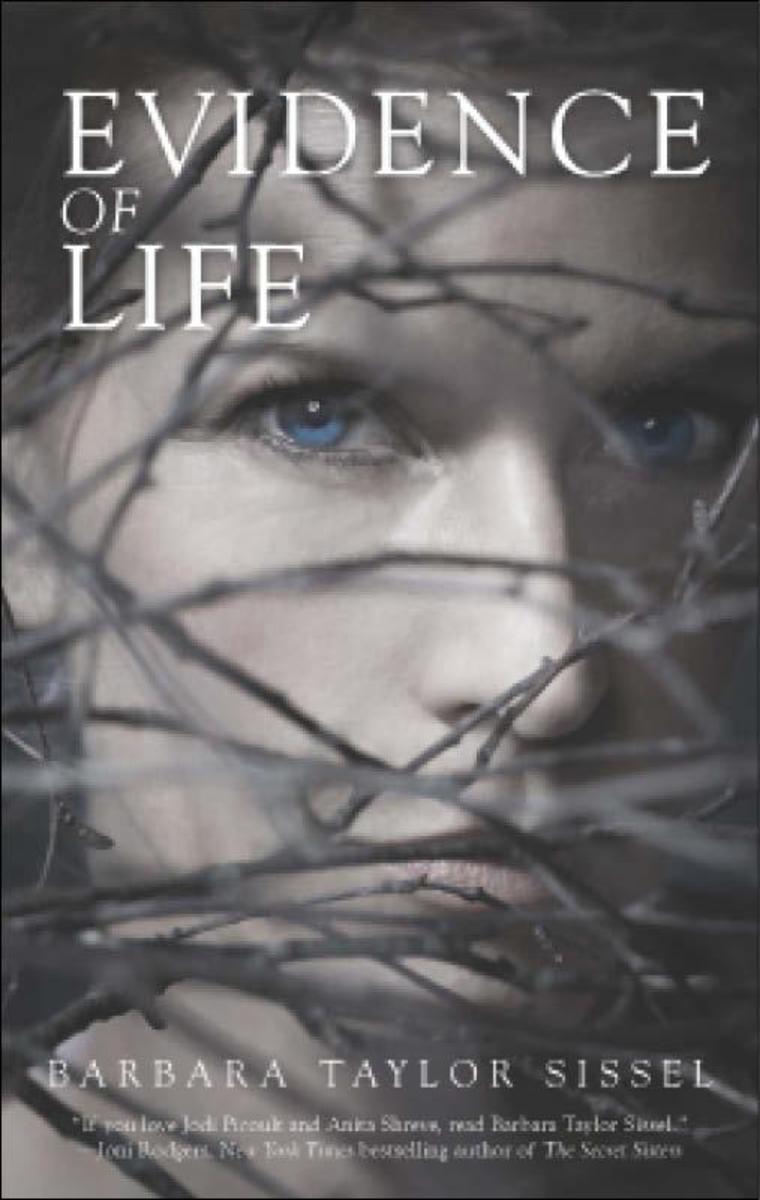
Evidence of Life
¥54.74
On the last ordinary day of her life, Abby Bennett feels like the luckiest woman alive. But everyone knows that luck doesn't last forever… As her husband, Nick, and daughter, Lindsey, embark on a weekend camping trip to the Texas Hill Country, Abby looks forward to having some quiet time to herself. She braids Lindsey's hair, reminds Nick to drive safely, and kisses them both good-bye. For a brief moment, Abby thinks she has it all—a perfect marriage, a perfect life—until a devastating storm rips through the region, and her family vanishes without a trace. When Nick and Lindsey are presumed dead, lost in the raging waters, Abby refuses to give up hope. Consumed by grief and clinging to her belief that her family is still alive, she sets out to find them. But as disturbing clues begin to surface, Abby realizes that the truth may be far more sinister than she imagined. Soon she finds herself caught in a current of lies that threaten to unhinge her and challenge everything she once believed about her marriage and family. With a voice that resonates with stunning clarity, Barbara Taylor Sissel delivers a taut and chilling mystery about a mother’s love, a wife’s obsession, and the invisible fractures that can shatter a family.
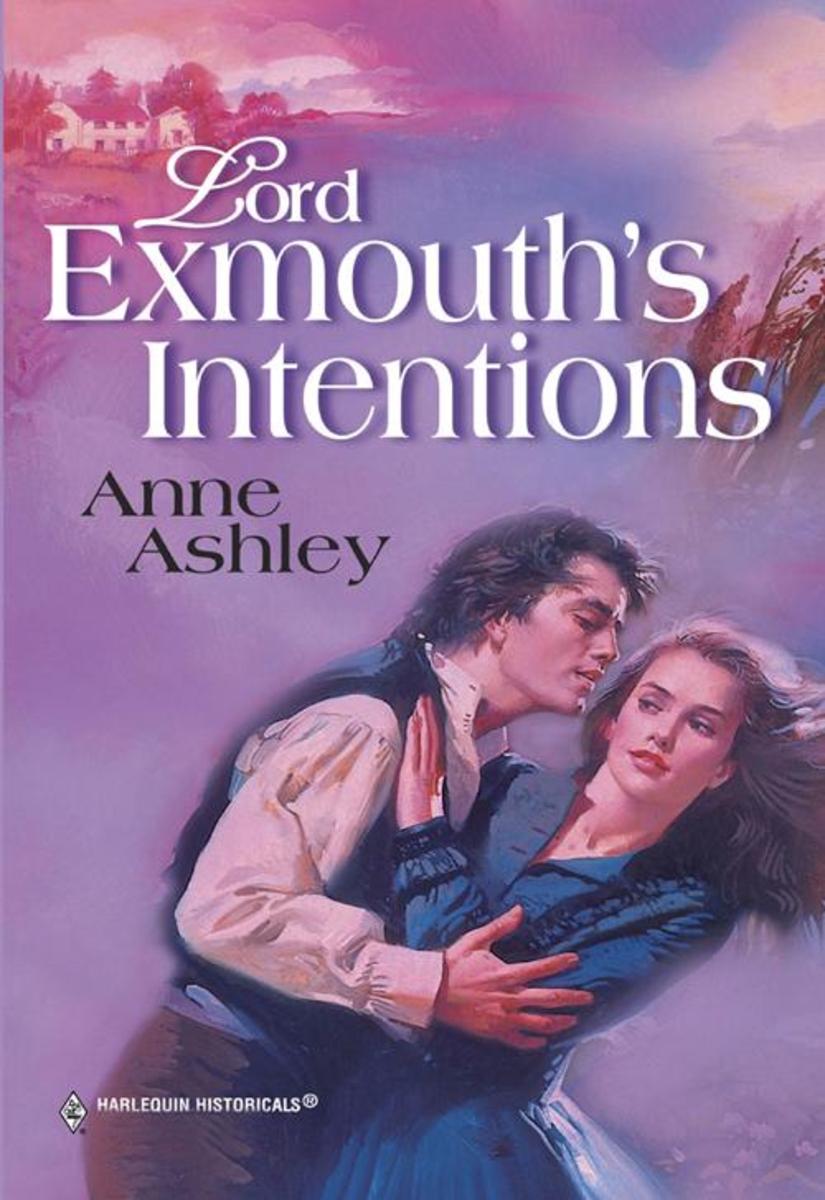
Lord Exmouth's Intentions (Mills & Boon Historical)
¥39.24
A young woman disappears. A husband is suspected of murder. Stirring times for all the neighborhood. Demure vicar's daughter Robina Percival has relished her Season in Town–a definite change for the better after her somewhat straitened situation at home. But what is she to make of Daniel, Lord Exmouth? A widower with two daughters to raise, he appears to be in the market for a wife. Discovering that she has more spirit than she realized, Robina holds back from encouraging her potential suitor. How can she be sure he hasn't buried his heart with his beautiful wife? Regency Drama Intrigue, mischief…and marriage The Steepwood Scandal
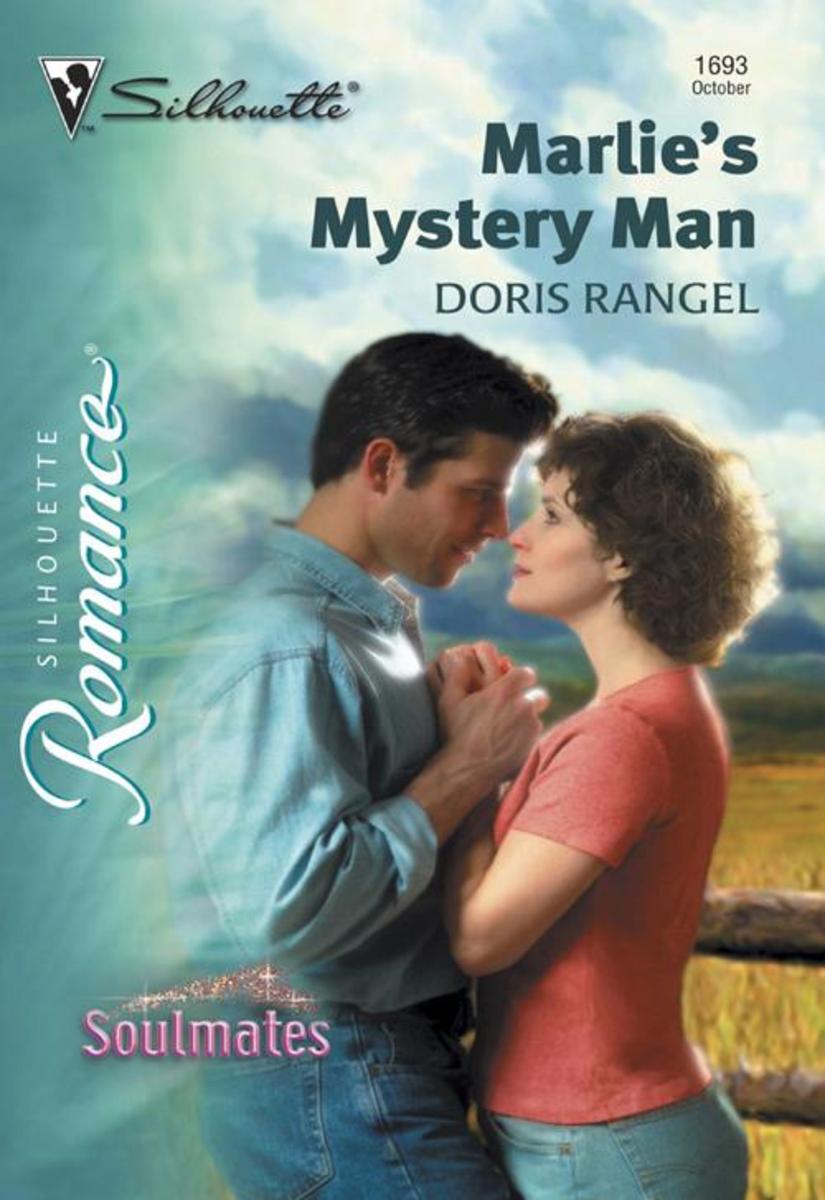
Marlie's Mystery Man (Mills & Boon Silhouette)
¥31.10
To: Grammie From: Marlie Re: I'M FALLING FOR TWO MEN-SORT OF! Gram, Something strange has happened on my summer vacation–there are two Caid Matthews in my life! One Caid–the one only I can see and hear–is romantic and sexy, with a wicked sense of humor. The other is intensely passionate and determined to get what he wants: me! Both give knee-weakening kisses, and I'm falling for each of them…for different reasons. But I can't be happy with just half a man–so how can I get the two halves to reunite and become the perfect, whole man for me to love? HELP!
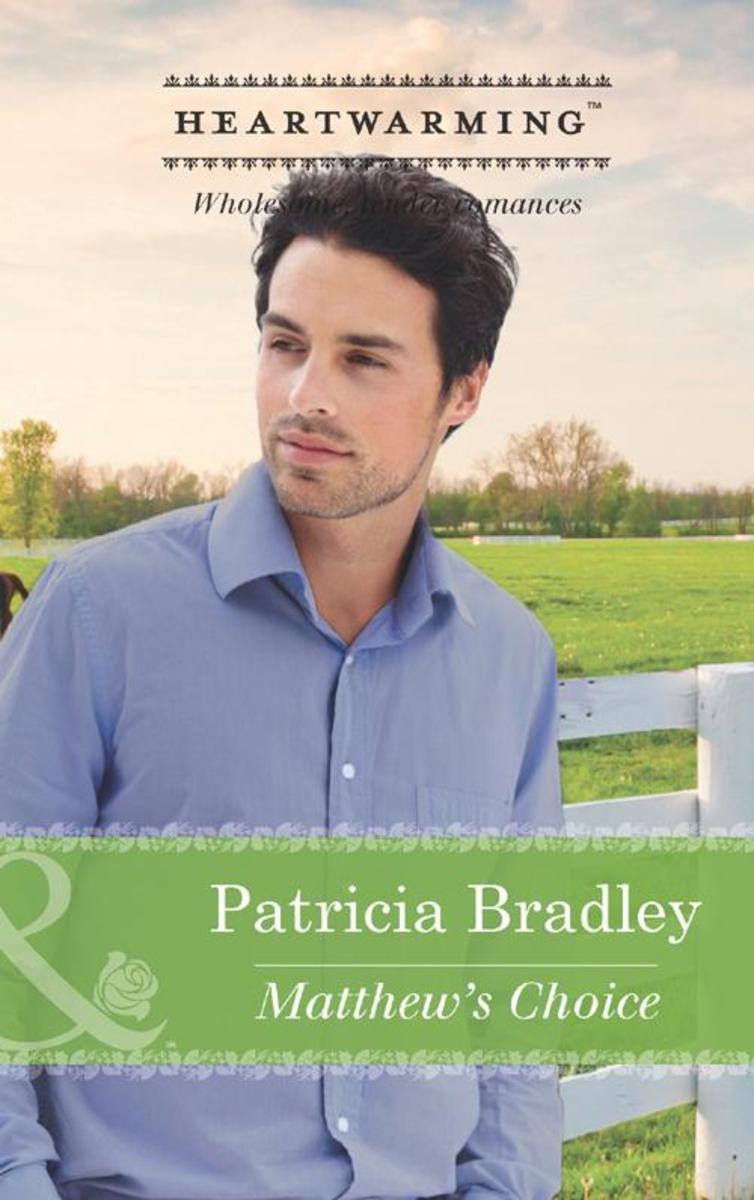
Matthew's Choice (Mills & Boon Heartwarming)
¥31.10
He left it all behind. Until now. It's New Year's Eve, and for Matt Jefferies, life is perfect. The penthouse, the career–even the perfect soon-to-be-fiancée. But then Matt's troubled past knocks on his door. And once Allie Carson says hello, everything changes. Allie broke up with Matt years ago, when he turned "that kid from Beaker Street" into a cold, corporate city slicker. It went against what she loved about him–and the small-town life she could never leave. Now, with Matt's estranged family facing desperate times, it's time for him to come home. And to choose between the man Matt's become…and the woman who never stopped loving him.
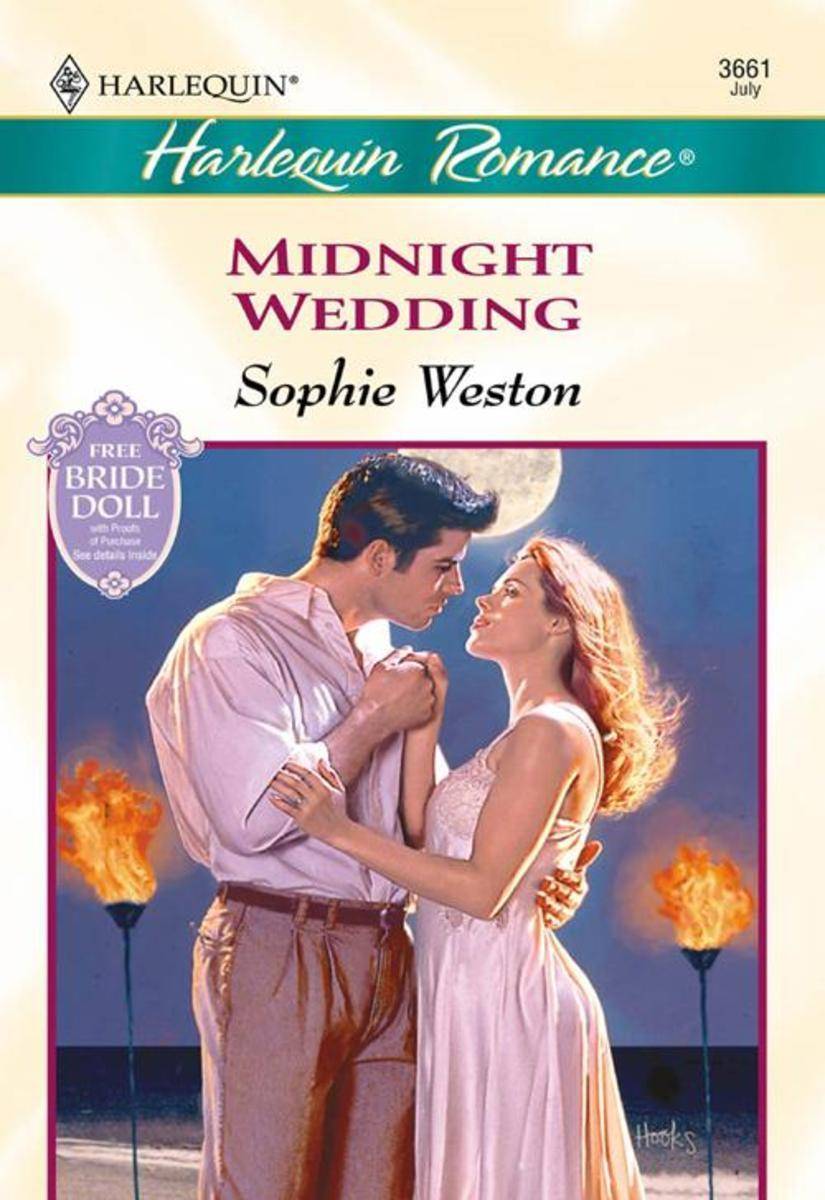
Midnight Wedding (Mills & Boon Cherish)
¥31.10
Holly Dent needs protection–but Jack Armour's suggestion isn't quite what she had in mind. Although they've only just met, Jack insists the best way to keep Holly safe is by making her his wife! He claims his motives are purely chivalrous, that their marriage will be strictly temporary. But is Jack fooling himself? Their secret midnight wedding is followed by a passionate wedding night, and everything becomes a little more complicated….
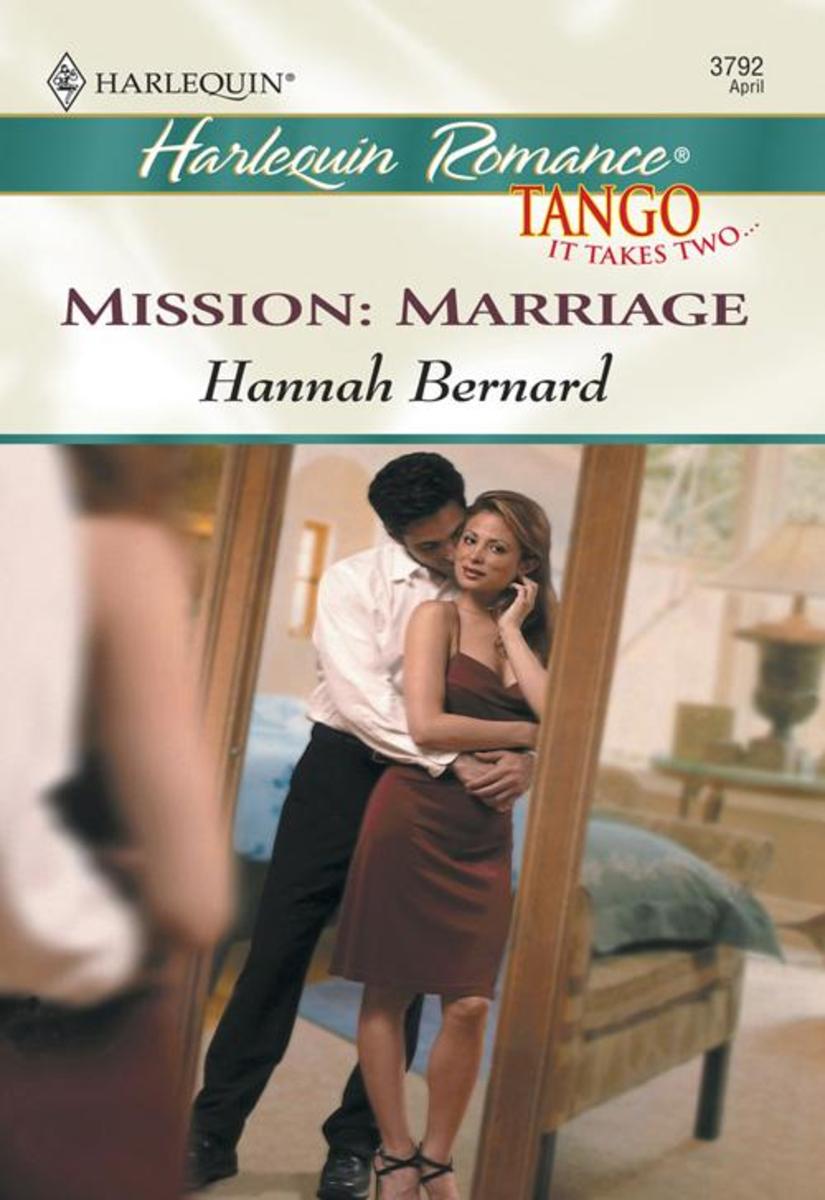
Mission: Marriage (Mills & Boon Cherish)
¥20.01
Lea is turning thirty, and the alarm is ringing on her biological clock. But how does a woman with just one ex-boyfriend under her belt learn to find Mr. Right? Tom may be a serial dater with no interest in settling down, but he's perfect as a dating consultant to help Lea find her flirting feet! Only, when their "practice date" leads to more than one "practice kiss," Lea and Tom find they have to look again at what they really want…
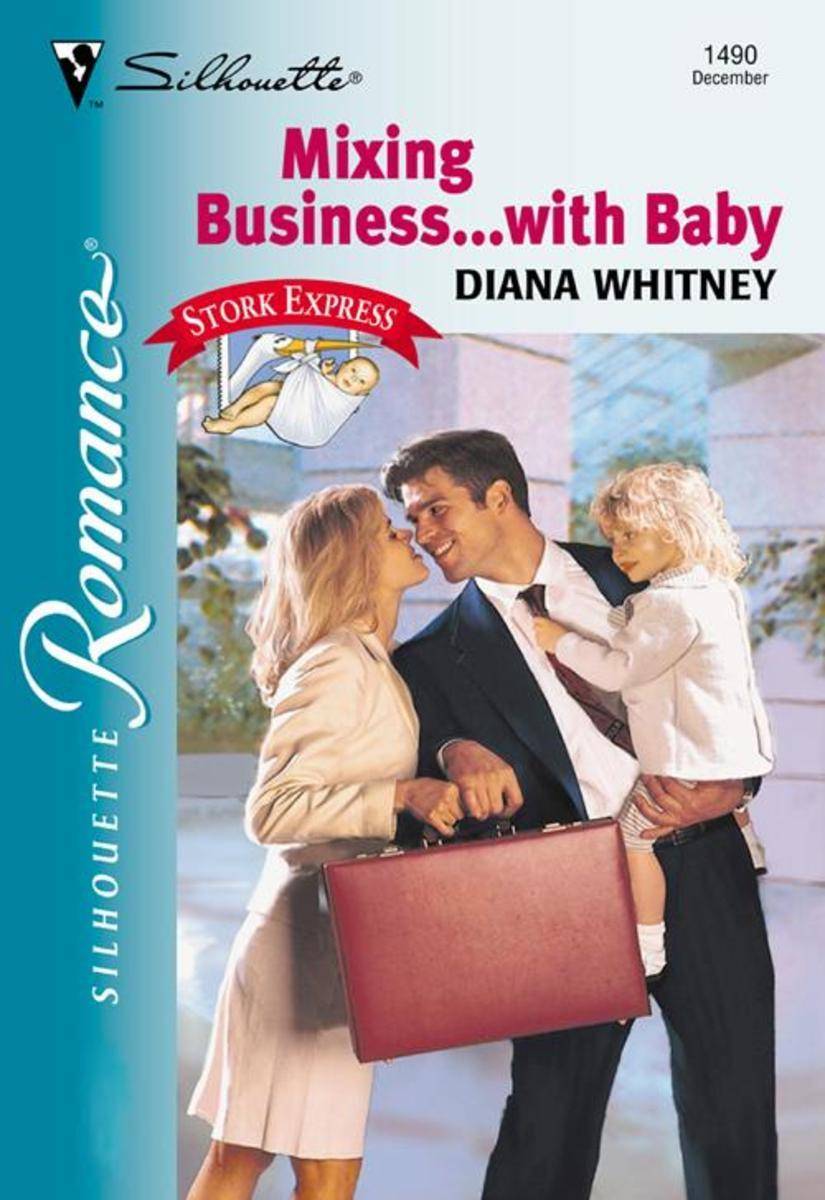
Mixing Business...With Baby (Mills & Boon Silhouette)
¥31.10
Successful, handsome Rick Blaine wanted to know everything about his lovely new employee Catrina Mitchell. What did she like? What made her laugh? But when Rick learned Catrina's daughter was the source of joy in Catrina's luscious brown eyes, his racing heart came to a screeching halt. Having a little girl look up at him with hopeful eyes scared him to death. Children were a lifetime commitment–and he was a confirmed bachelor. But Catrina wasn't so easy to forget…. Should Rick start mixing business with romance–and both with a baby?
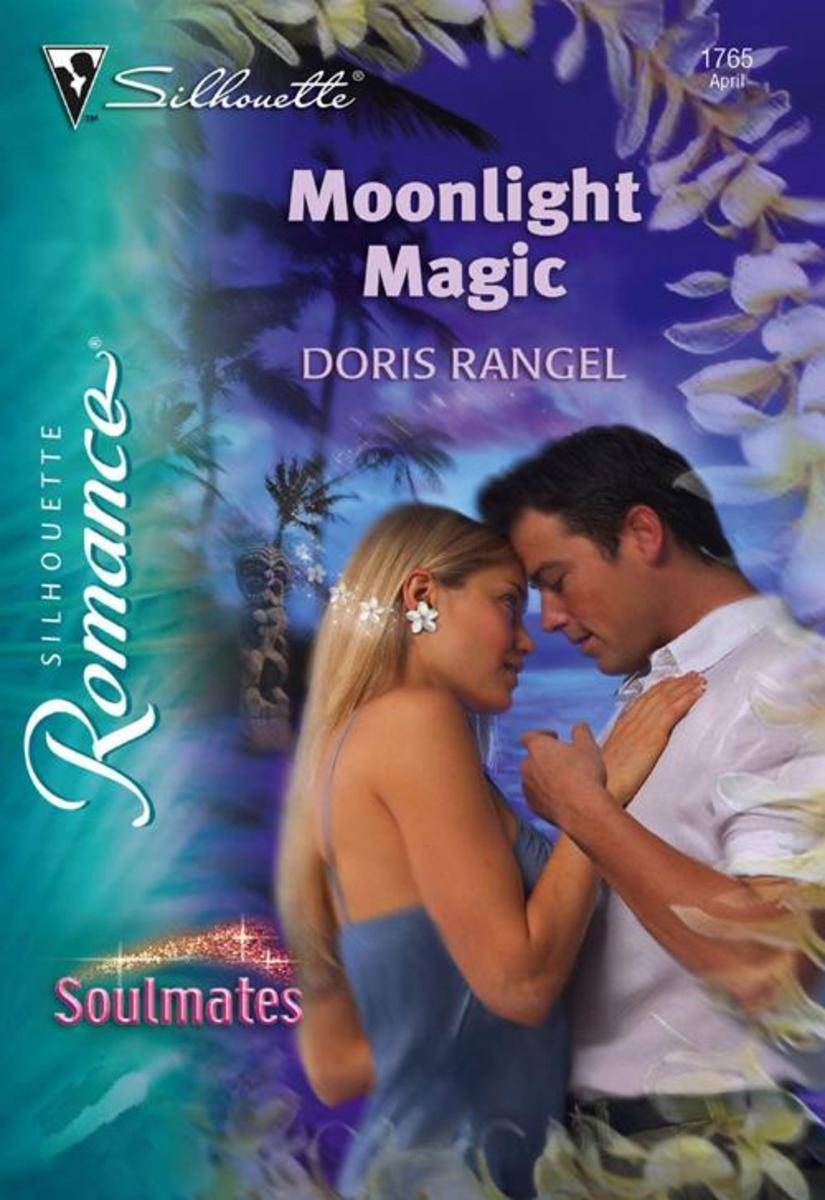
Moonlight Magic (Mills & Boon Silhouette)
¥25.60
TO: Grammie Simms FROM: Eliza Ann Re.: My mysterious stranger Gram, Hawaii is even more beautiful than I imagined! I thank my lucky stars the medical ^conference is in paradise this year. ? This Ptropical air is making me rethink my vow ,to never love again. I know you'll be happy to hear I've met someone. Handsome Daniel Morgan has hula-ed into my life and shows no signs of leaving. He has a knack for popping up out of nowhere and vanishing just as quickly, like magic. But you know what? There's something about the moonlit nights that is starting to make me believe in destiny. Or maybe it's Daniel's heart-fluttering kisses that are changing my mind….
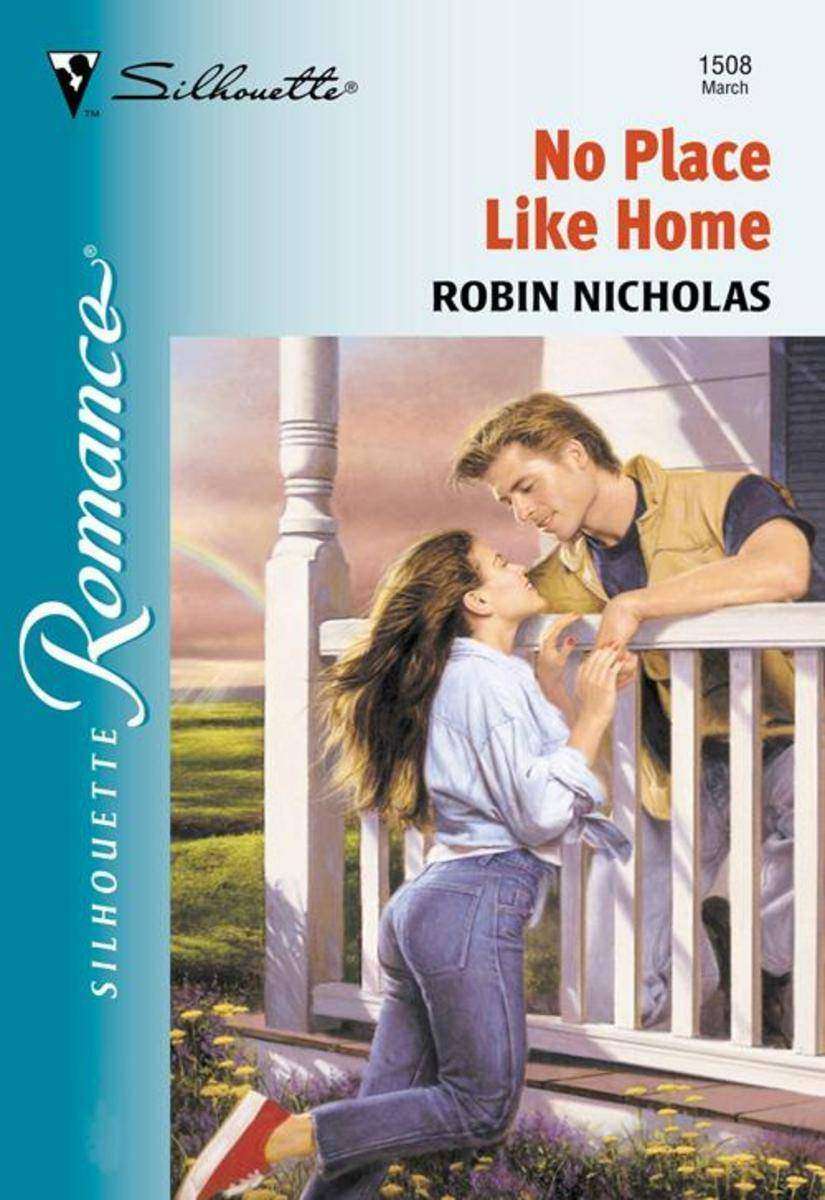
No Place Like Home (Mills & Boon Silhouette)
¥31.10
Mariah knew why she wasn't sleeping at night, why her work was lackluster, why she noticed children everywhere. She wanted a child, and a dependable man to love her. She strode to Rafe, who was nothing like her dear old dad or her brother. "Take me home. And don't worry–I want nothing to do with writing your story." She gave him no chance to reply, stomping to his truck before turning. Her breath caught. Rafe stood on the highway, the incessant breeze tugging his hair, his clothes. He stared after the departing storm, clearly craving to give chase again. He was crazy. And she was crazy for wanting him.

One Night with the Best Man (Mills & Boon Cherish)
¥26.78
A BRIDE FOR THE BEST MAN? Running into his first love at his brother’s wedding isn’t the homecoming Dr Luke Ward imagined. Bridesmaid Penny Montgomery should have been his bride. And now, the former bad girl has made him an offer he’d be foolish to refuse. Eight years ago, Penny lost the only man she ever loved. Spending the weekend together is risky – and the only way to see if she’s really over Luke. But a family emergency turns their passionate reunion fling into a deeper attachment. Does Penny have the courage to say “I do” to her best man?
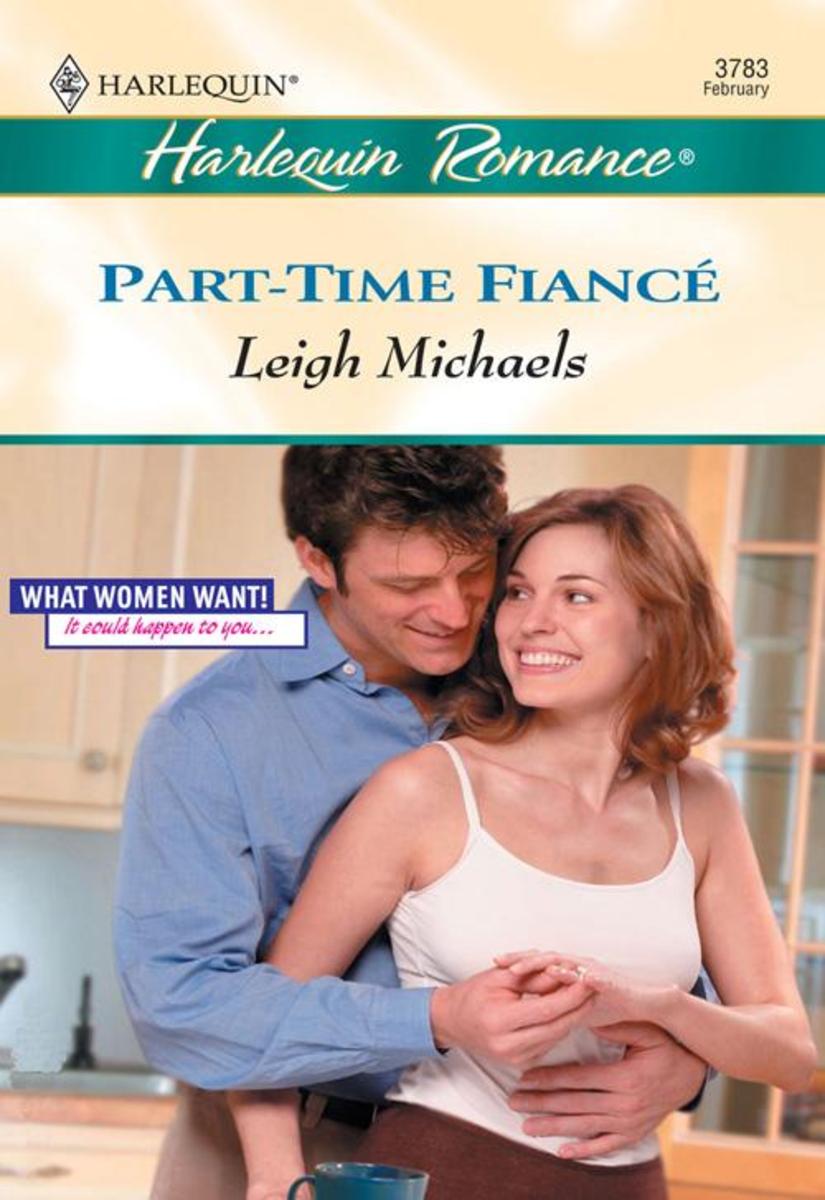
Part-Time Fiance (Mills & Boon Cherish)
¥20.01
For Delainey Hodges things can't get any worse at work… until she finds herself in a very tight corner–and has to pretend that she's engaged! The man she picks to be her "fiancé" is her sexy–but infuriating–neighbor Sam Wagner. Sam is happy to play the role of devoted fiancé–even moving into Delainey's home. In fact, he's so convincing that Delainey starts to wonder if Sam has a marriage agenda of his own….
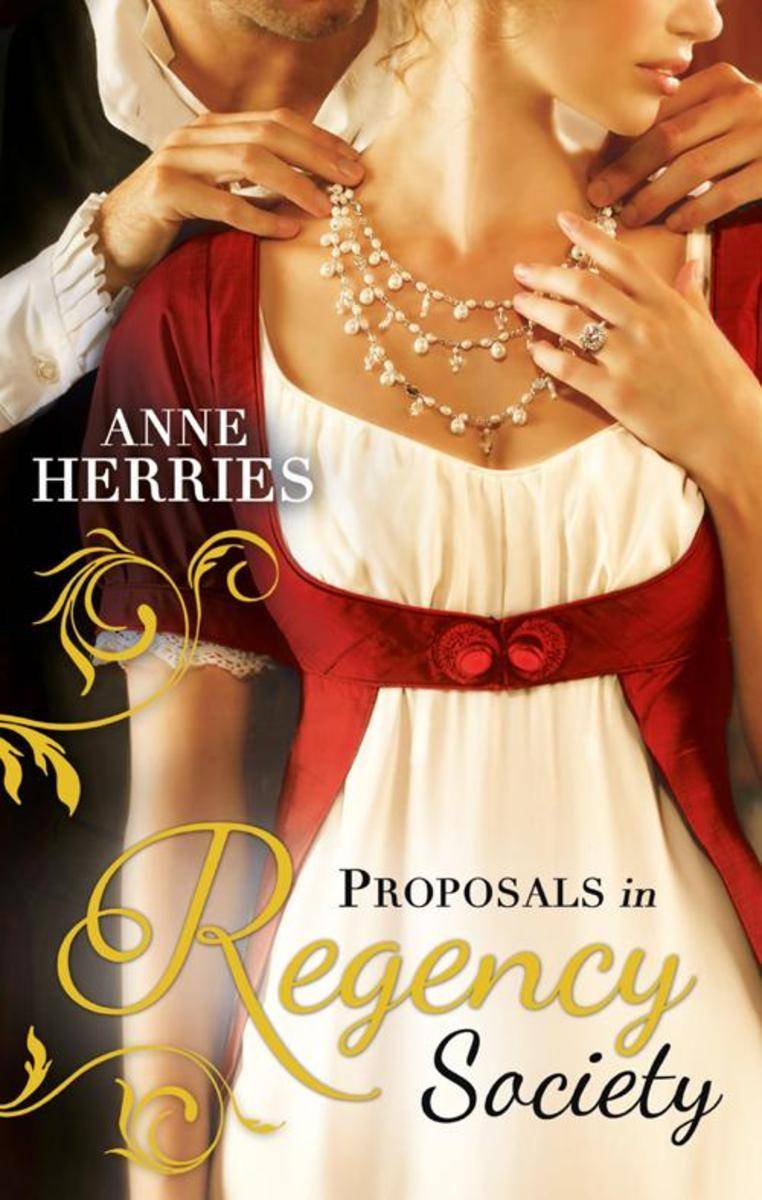
Proposals in Regency Society: Make-Believe Wife / The Homeless Heiress (Mills &
¥51.50
MAKE-BELIEVE WIFE With his rakish reputation and reluctance to wed, Lord Luke Clarendon is in need of a make-believe wife and who better than the beautiful runaway actress Roxanne? She is his perfect leading lady, yet once they uncover her true identity her Lord may claim her as his Lady for real… THE HOMELESS HEIRESS Disguised as a boy and living on the streets, runaway heiress Georgie is cold, hungry and desperate. Forced to pickpocket to survive, Georgie thieves from the wrong man – dashing Captain Richard Hernshaw! Soon the consummate Captain discovers this grubby boy is actually a pretty young woman, yet the dark secrets he conceals may prevent him from ever making Georgie his wife!


