


 购物车
购物车 个人中心
个人中心
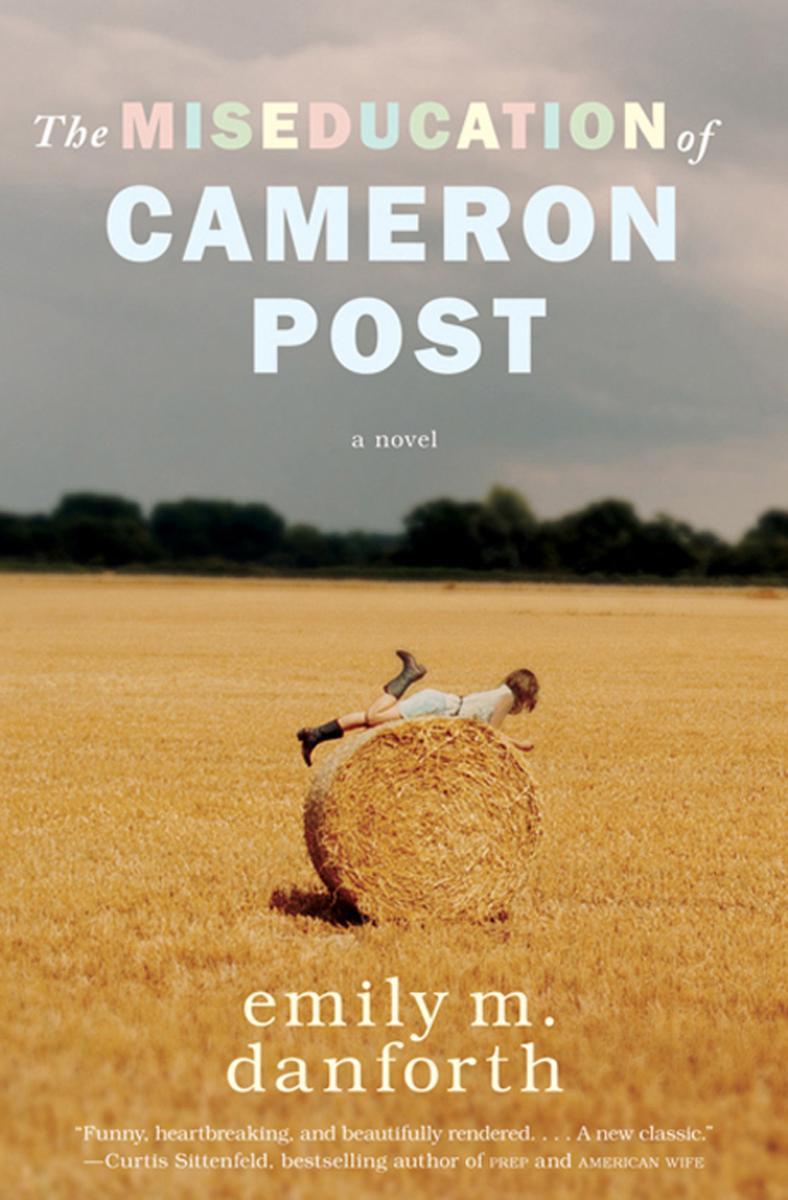
The Miseducation of Cameron Post
¥55.33
Set in rural Montana in the early 1990s, emily m. danforth’s The Miseducation of Cameron Post is a powerful and widely acclaimed YA coming-of-age novel in the tradition of the classic Annie on My Mind.?Cameron Post feels a mix of guilt and relief when her parents die in a car accident. Their deaths mean they will never learn the truth she eventually comes to—that she's gay. Orphaned, Cameron comes to live with her old-fashioned grandmother and ultraconservative aunt Ruth. There she falls in love with her best friend, a beautiful cowgirl. When she’s eventually outed, her aunt sends her to God’s Promise, a religious conversion camp that is supposed to “cure” her homosexuality. At the camp, Cameron comes face to face with the cost of denying her true identity.?The Miseducation of Cameron Post is a stunning and provocative literary debut that was a finalist for the YALSA Morris Award and was named to numerous “best” lists.
The Secret Sisterhood of Heartbreakers
¥56.08
A charming tale of breakups, friendships, new crushes, and magic, The Secret Sisterhood of Heartbreakers by Lynn Weingarten is perfect for fans of Lauren Myracle, Ally Carter, and Meg Cabot.When Lucy's boyfriend breaks her heart, she discovers just how far she'll go to mend it. Lucy is stunned when her boyfriend suddenly ends things on the first day of sophomore year. She barely knows how she'll make it through the rest of the year without her one true love. Then she meets three beautiful girls who promise Lucy they can fix her broken heart. All Lucy has to do is get a guy to fall in love with her and break his heart in the next seven days. And then she'll be a member of the Secret Sisterhood of Heartbreakers—irresistible to guys, unbelievably popular, and able to control magic. Lucy longs for her broken heart to mend, and the sisterhood's magic just might be the perfect way to win back her ex . . . but how far is she willing to go?
A Need So Beautiful
¥50.84
We all want to be remembered. Charlotte's destiny is to be forgotten.Charlotte's best friend thinks Charlotte might be psychic. Her boyfriend thinks she's cheating on him. But Charlotte knows what's really wrong: She is one of the Forgotten, a kind of angel on earth who feels the Need—a powerful, uncontrollable draw to help someone, usually a stranger.But Charlotte never wanted this responsibility. What she wants is to help her best friend, whose life is spiraling out of control. She wants to lie in her boyfriend's arms forever. But as the Need grows stronger, it begins to take a dangerous toll on Charlotte. And who she was, is, and will become—her mark on this earth, her very existence—is in jeopardy of disappearing completely.Charlotte will be forced to choose: Should she embrace her fate as a Forgotten, a fate that promises to rip her from the lives of those she loves foreverOr is she willing to fight against her destiny—no matter how dark the consequences?
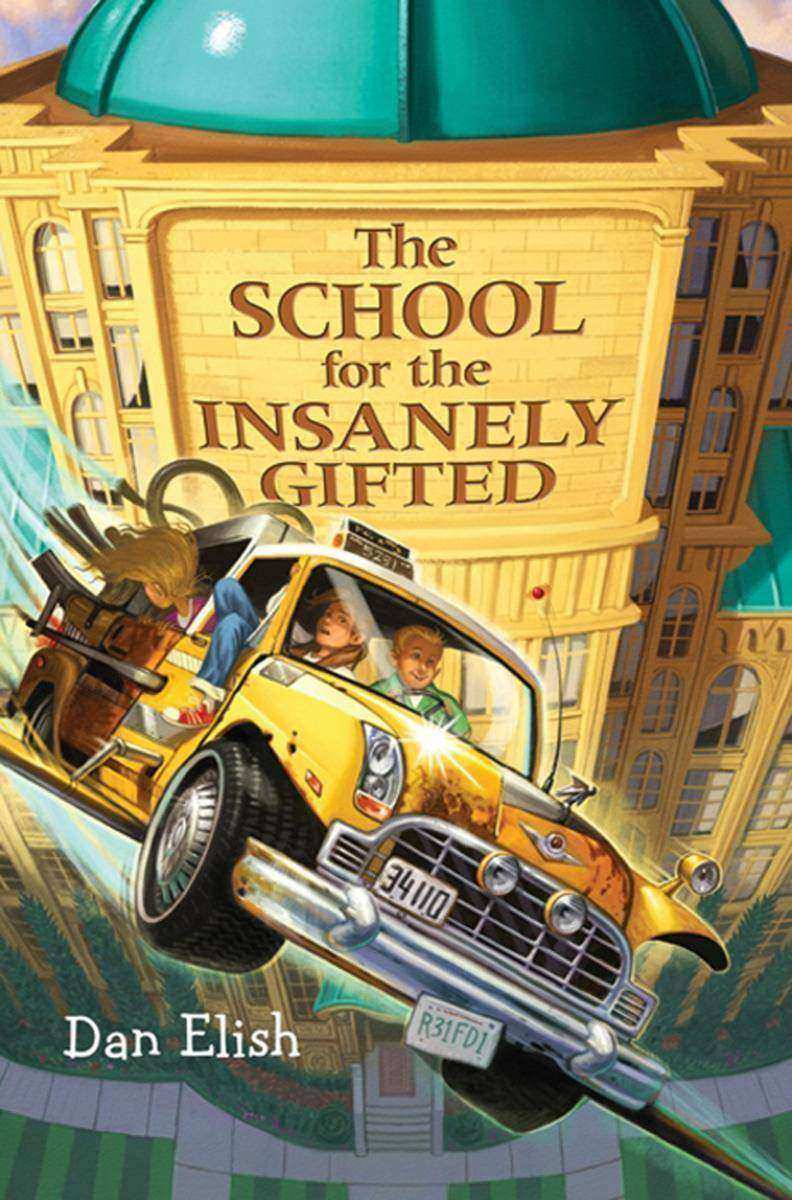
The School for the Insanely Gifted
¥90.77
Daphna Whispers is insanely gifted.At age two and a half, she composed her first sonata.At age eight, she completed an opera.And now, at eleven and three-quarters, she is orchestrating a piano rhapsody.With a résumé like that, it's no wonder she is a student at the prestigious Blatt School for the Insanely Gifted. But as sixth grade draws to a close, Daphna's mind is far from the upcoming "Insanity Cup" competition. She's preoccupied by her mother's disappearance two months ago. When a mysterious man breaks into Daphna's small New York apartment, Daphna discovers that her mother's disappearance wasn't a random accident. Her mother knew something—and now somebody is after Daphna. What starts out as a simple fact-finding trip to the basement with her friends spirals into an international expedition. And while Daphna hopes to uncover the secret of her mother's disappearance on her global trek, the last thing she expects to uncover is an outrageous secret about the Blatt School.And one insanely shocking secret about herself.
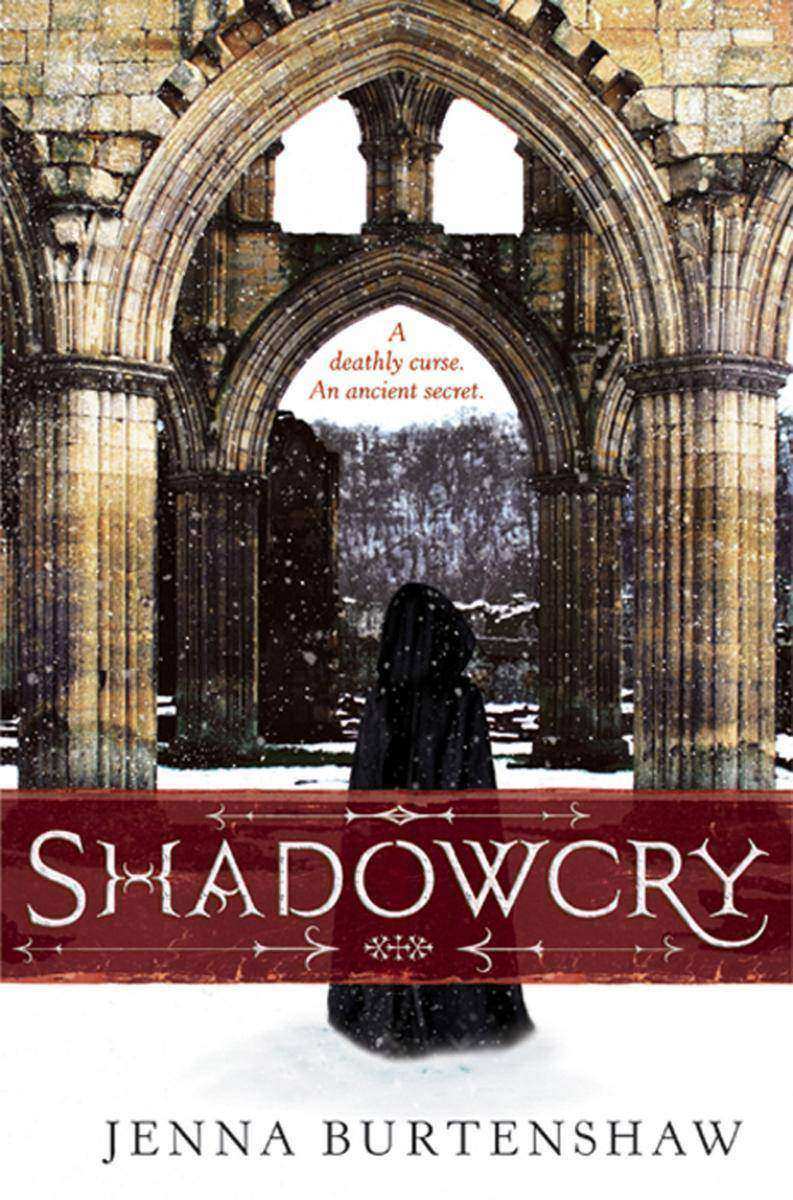
Shadowcry
¥50.47
The Night of Souls—when the veil between the living and the dead is thinnest—is only days away.Albion is at war . . . and losing.The wardens have descended, kidnapping innocent citizens for their army, but looking for one in particular.And fifteen-year-old Kate Winters has just raised a blackbird from the dead.As her home is torn apart by the wardens, Kate's discovery that she is one of the Skilled—the rare people who can cross the veil between life and death—makes her the most hunted person in all of Albion. Only she can unlock the secrets of Wintercraft, the ancient book of dangerous knowledge. Captured and taken to the graveyard city of Fume—with its secret tunnels and underground villages, and where her own parents met their deaths ten years ago—Kate must harness her extraordinary powers to save herself, her country, and the two men she cares for most. And she'll make a pact with a murderer to do it.Those who wish to see the dark, be ready to pay your price.
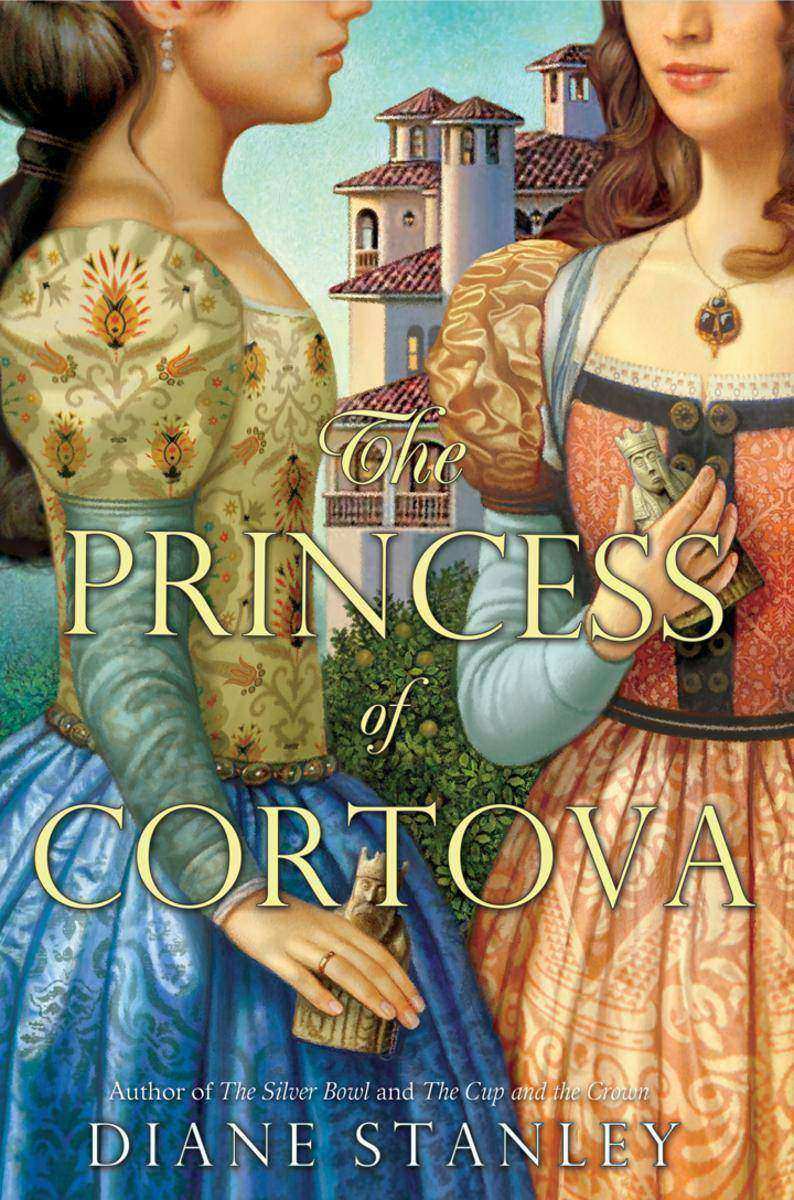
The Princess of Cortova
¥39.24
Molly's exciting story concludes in this final book of Diane Stanley's acclaimed trilogy, which began with The Silver Bowl and The Cup and the Crown—a perfect series for fans of Megan Whalen Turner.With tensions rising between the kingdoms of Westria and Austlind, Molly and Tobias accompany King Alaric to Cortova, where he hopes to form an alliance with the powerful King Gonzalo—an alliance that would be sealed by Alaric's marriage to Gonzalo's daughter, the beautiful princess Elizabetta. But the devious Gonzalo has plans of his own. Upon arriving in Cortova, Alaric is shocked to find that there is already another suitor vying for Princess Elizabetta's hand: his own cousin, Prince Rupert of Austlind.As the days pass, Alaric, Molly, and Tobias find themselves trapped in a suspenseful game of courtly intrigue that soon takes a dangerous turn. For once, Molly's magical visions are little help—they reveal nothing beyond hazy threats. Everything turns around Princess Elizabetta, but is she truly a friend or simply another player in her father's crafty game?
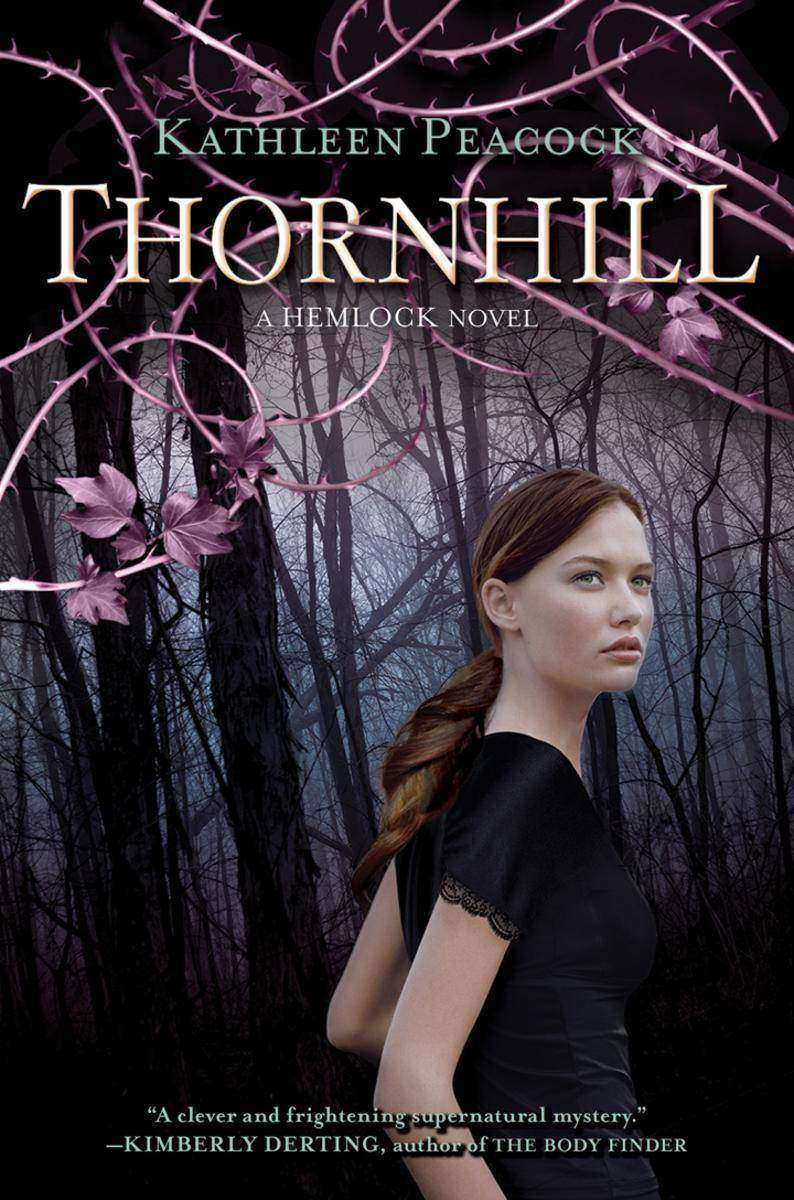
Thornhill
¥55.93
Thornhill is the second book in a supernatural mystery trilogy perfect for readers who love Richelle Meade and HBO's hit drama True Blood. Kathleen Peacock's extraordinary follow-up to her debut novel, Hemlock, features heart-stopping action and a sizzling romance.Mackenzie's new love, Kyle, plans to turn himself in to the Lupine Syndrome Registration Bureau and enroll in a rehabilitation camp, where he can live with other werewolves. But Mac refuses to accept his decision, especially since the camps are rumored to be torturous. When she follows him there, she uncovers dangerous secrets buried within the walls of Thornhill—a prison for the young and infected—and realizes that the risk to the people she loves is greater than ever before.
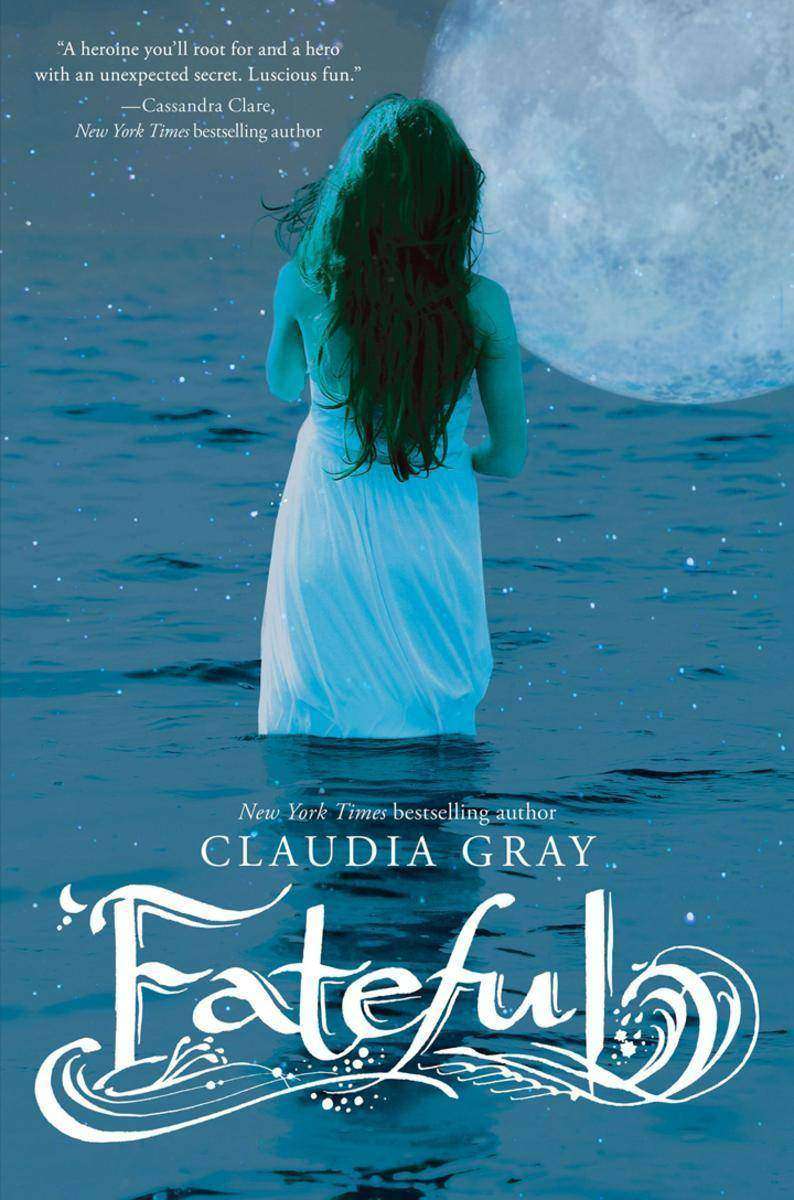
Fateful
¥55.93
Eighteen-year-old maid Tess Davies is determined to escape the wealthy, troubled family she serves. It’s 1912, and Tess has been trapped in?the?employ?of the Lisles?for years,?amid painful memories and twisted secrets. But now?the Lisle family is?headed to America, with?Tess?in tow. Once the ship they’re sailing on—the RMS Titanic—reaches its destination, Tess plans to strike out and create a new lifefor herself.Her single-minded focus shatters when she meets Alec, a handsome first-class passenger who captivates her instantly. But Alec has secrets of his own. He’s in a hurry to leave Europe, and whispers aboard the ship say it’s because of the tragic end of his last affair with the French actress who died so gruesomely and so mysteriously. . . .Soon Tess will learn just how dark Alec’s past truly is.?The danger they face is no ordinary enemy: werewolves exist and are stalking him—and now her, too.?Her growing love for Alec will put?Tess?in mortal peril,?and fate will do the same before their journey on the Titanic is over.In?Fateful, New York Times?bestselling author Claudia Gray delivers paranormal adventure, dark suspense, and alluring romance set against the opulent backdrop of the Titanic’s first—and last—voyage.
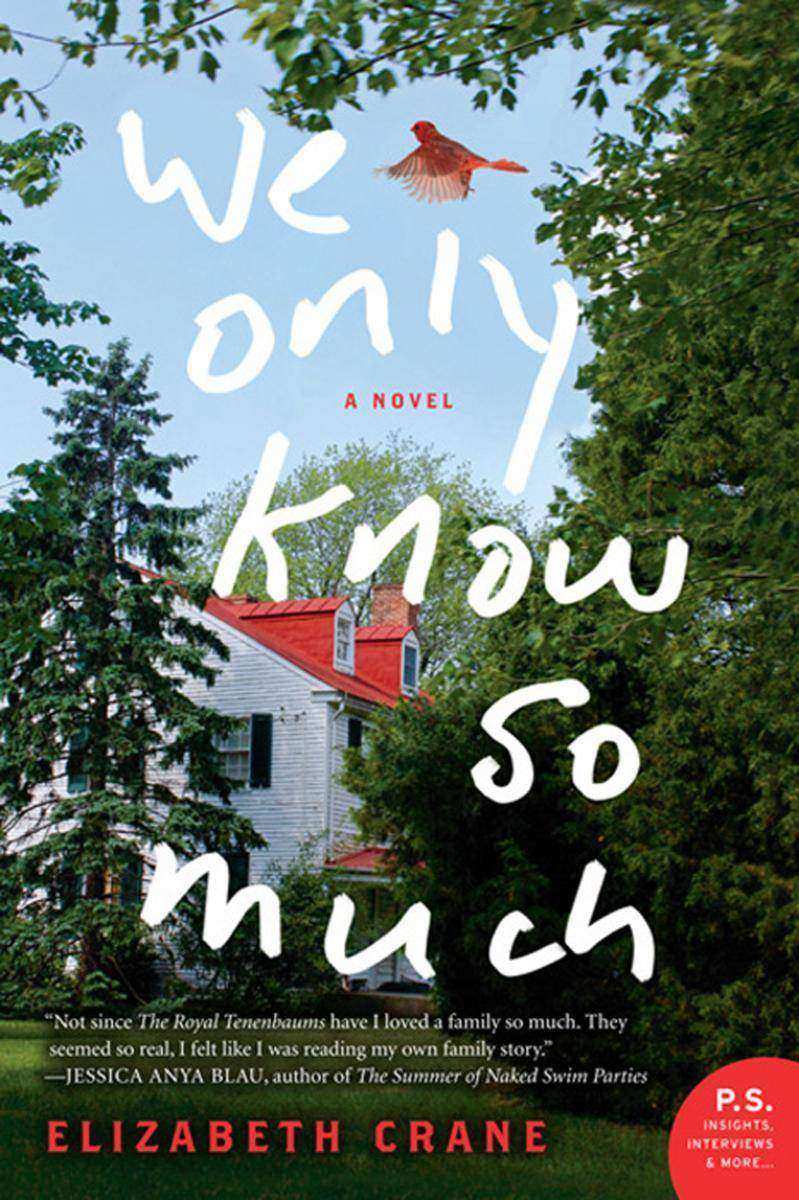
We Only Know So Much
¥84.16
Jean Copeland, an emotionally withdrawn wife and mother of two, has taken a secret lover—only to lose him in a moment of tragedy that leaves her reeling. Her husband, Gordon, is oblivious, distracted by the fear that he's losing his most prized asset: his memory. Daughter Priscilla (a pill since birth—don't get us started) is talking about clothes, or TV, or whatever, and hatching a plan to extend her maddening reach to all of America. Nine-year-old Otis is torn between his two greatest loves: crossword puzzles and his new girlfriend. At the back of the house, grandfather Theodore is in the early throes of Parkinson's disease. (And he's fine with it—as long as they continue to let him walk the damn dog alone.) And Vivian, the family's ninety-eight-year-old matriarch, is a razor-sharp grande dame who suffers no fools...and still harbors secret dreams of her own. With empathy, humor, and an unforgettable voice, Elizabeth Crane reveals what one family finds when everyone goes looking for meaning in all the wrong places.
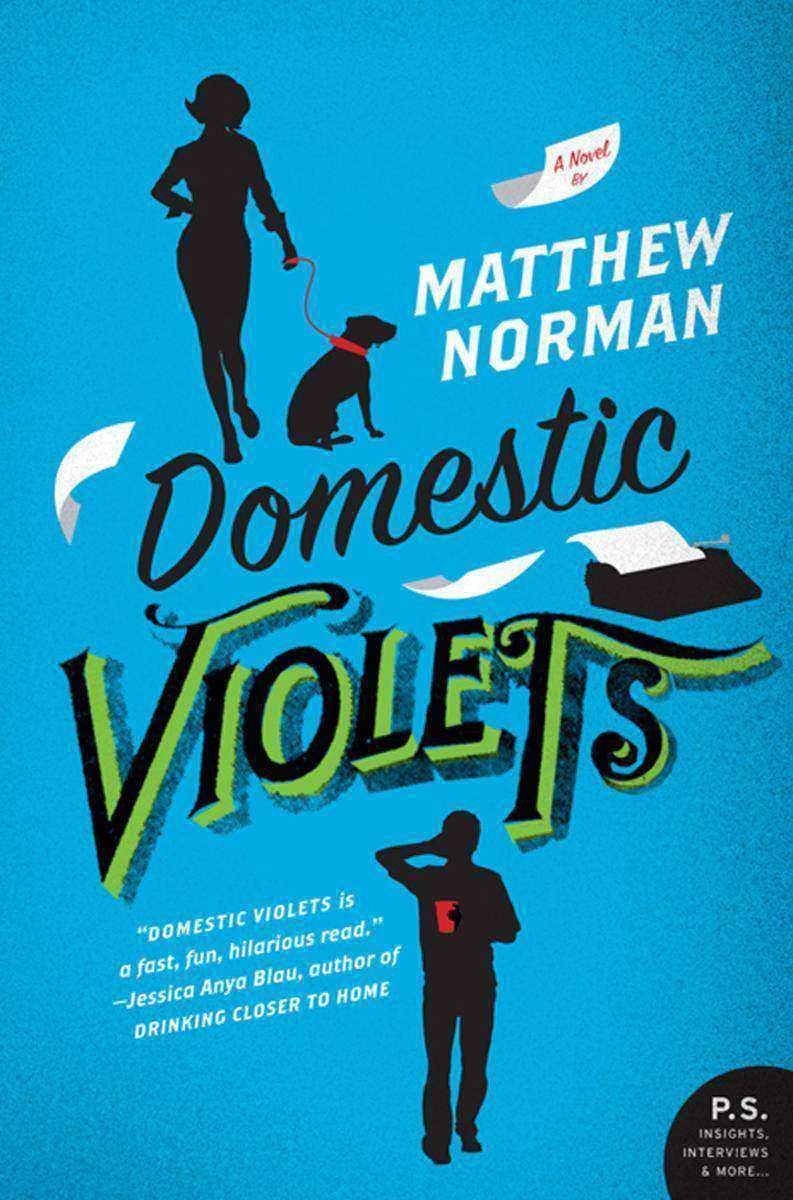
Domestic Violets
¥84.16
Tom Violet always thought that by the time he turned thirty-five, he’d have everything going for him. Fame. Fortune. A beautiful wife. A satisfying career as a successful novelist. A happy dog to greet him at the end of the day. The reality, though, is far different. He’s got a wife, but their problems are bigger than he can even imagine. And he’s written a novel, but the manu* he’s slaved over for years is currently hidden in his desk drawer while his father, an actual famous writer, just won the Pulitzer Prize for Fiction. His career, such that it is, involves mind-numbing corporate buzzwords, his pretentious archnemesis Gregory, and a hopeless, completely inappropriate crush on his favorite coworker. Oh . . . and his dog, according to the vet, is suffering from acute anxiety.Tom’s life is crushing his soul, but he’s decided to do something about it. (Really.) Domestic Violets is the brilliant and beguiling story of a man finally taking control of his own happiness—even if it means making a complete idiot of himself along the way.
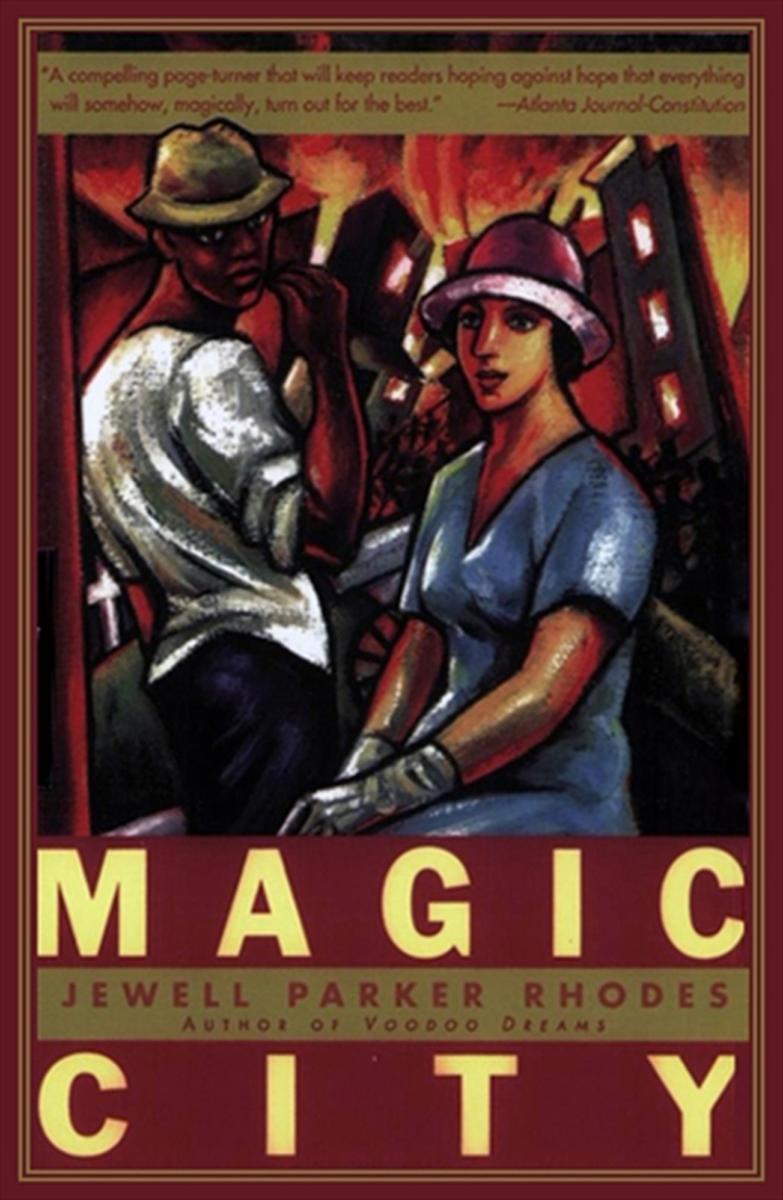
Magic City
¥78.60
Tulsa, Oklahoma, 1921. A white woman and a black man are alone in an elevator. Suddenly, the woman screams, the man runs out, and the chase to capture and lynch him begins. When Joe, a young man trying to be the next Houdini, is accused of rape, he must perform his greatest escape by eluding a bloodthirsty lynch mob. And Mary, the motherless daughter of a farmer who tries to marry her off to the farmhand who viciously raped her, must find the courage to help exonerate the man she had accused with her panicked cry. Based on true events, Magic City is a portrait of an era, climaxing in the heroic but doomed stand that pitted the National Guard against a small band of black men determined to defend the town they had built into the "Negro Wall Street." Named by the Chicago Tribune as a Favorite Book of 1997

The Food52 Cookbook
¥193.85
The Best Cooks Are Home CooksAccomplished food writers and editors Amanda Hesser and Merrill Stubbs had a mission: to discover and celebrate the best home cooks in the country. Each week for fifty-two weeks, they ran recipe contests on their website, Food52.com, and the 140 winning recipes make up this book. They include:Double Chocolate Espresso CookiesSecret Ingredient Beef Stew Simple Summer Peach CakeWishbone Roast Chicken with Herb ButterThese recipes prove the truth that great home cooking doesn’t have to be complicated or precious to be memorable. This book captures the community spirit that has made Food52 a success. It features Amanda’s and Merrill’s thoughts and tips on every recipe, plus behind-the-scenes photos, reader comments, and portraits of the contributors—putting you right in the kitchen with America’s most talented cooks.
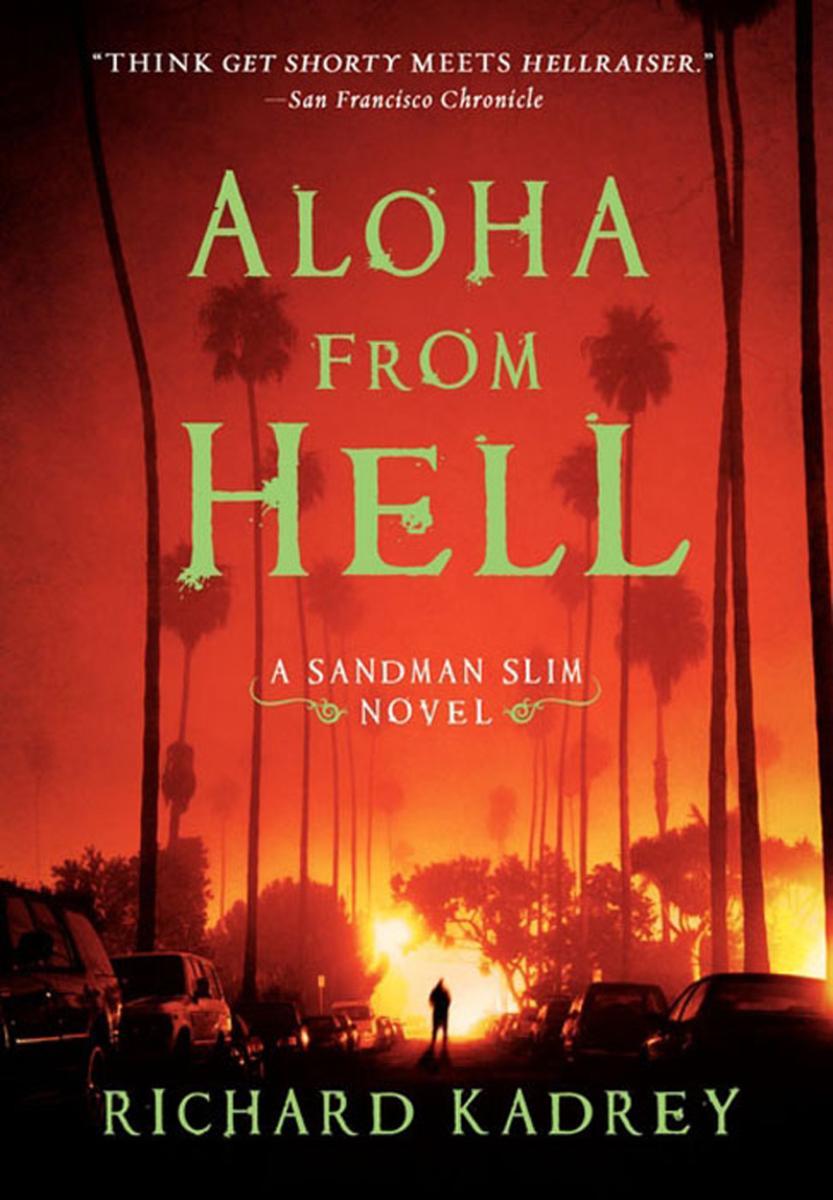
Aloha from Hell
¥83.03
Supernatural fantasy’s greatest anti-hero goes back to hell!In Sandman Slim Stark came back from hell for revenge. In Kill the Dead he tackled both a zombie plague and being Lucifer’s bodyguard. Once again all is not right in L.A. Lucifer is back in Heaven, God is on vacation, and an insane killer mounts a war against both Heaven and Hell. Stark’s got to head back down to his old stomping grounds in Hell to rescue his long lost love, stop an insane serial killer, prevent both Good and Evil from completely destroying each other, and stop the demonic Kissi from ruining the party for everyone.Even for Sandman Slim, that’s a tall order. And it’s only the beginning.
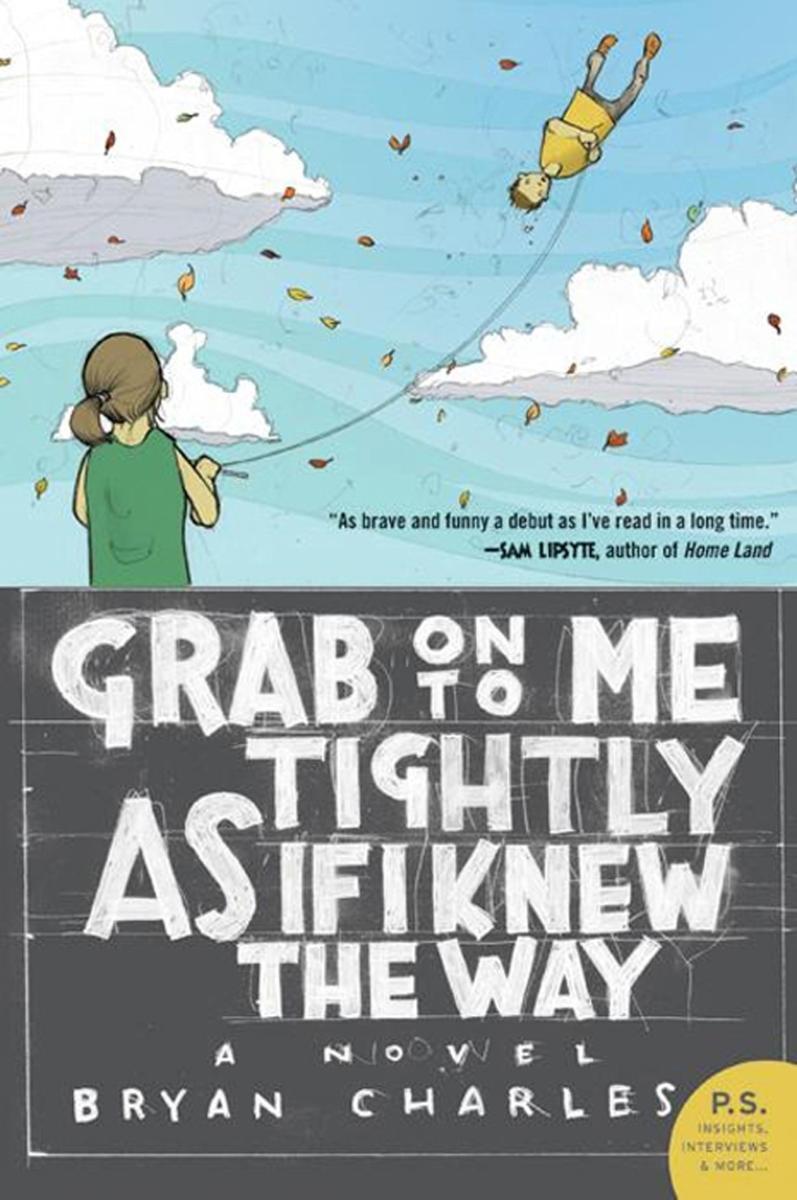
Grab On to Me Tightly as if I Knew the Way
¥90.73
A wise, bighearted, and hilarious look at one teenager's life by a remarkable new voice in contemporary fiction It's 1992, and as Vim Sweeney deals with the recent end of his high school career and the uncertainty of his future, America shares his angst. In Seattle, Kurt Cobain reeks of teen spirit. In Washington, George Bush (the first one) has just finished rattling his saber at Saddam Hussein. And in Kalamazoo, Michigan, Vim is trying to put off adulthood and all that comes with it, whatever that is, for as long as he can. He's already juggling guitars, girls, and a long-absent biological father who's suddenly making noise about Wanting to Be Involved. And he still can't convince his friends why local schoolboy hero Derek Jeter is bound for obscurity. Grab On to Me Tightly as if I Knew the Way traces Vim's stumble toward adulthood as he comes to terms with his parents, balances friendships and infatuation with varying levels of success, and accepts that the things he thought would last forever probably won't. Generous in spirit and laugh-out-loud funny, here is a novel that introduces a tremendous new talent and deftly captures the alternately amusing and harrowing process of holding on until you find your way.

A Love Noire
¥72.70
When Noire, a hip, Afro-wearing Ph.D. student, walks into Brown Betty Books, her righteousness kicks in to overdrive amid the self-identified "talented tenth" who wear their double degrees and five-hundred-dollar shoes like badges of honor. And then Innocent, a well-heeled investment banker from C?te d'Ivoire, West Africa, walks in and turns her on her head. Innocent seems interested in her -- but he's one of them.Before meeting him, Noire shunned the "bourgie" world of black-moneyed cosmopolitans like Innocent, opting instead for socially conscious (but economically challenged) artists and urban intellectuals. Their mutual attraction blossoms into lust -- and eventually love -- but it lives in the shifting sands of personal beliefs and professional ambitions that are often at odds.Set in New York City with jaunts to Africa, Europe, and the Caribbean, A Love Noire is the story of an unlikely couple that transcends all they've known to learn the redemptive power of love.
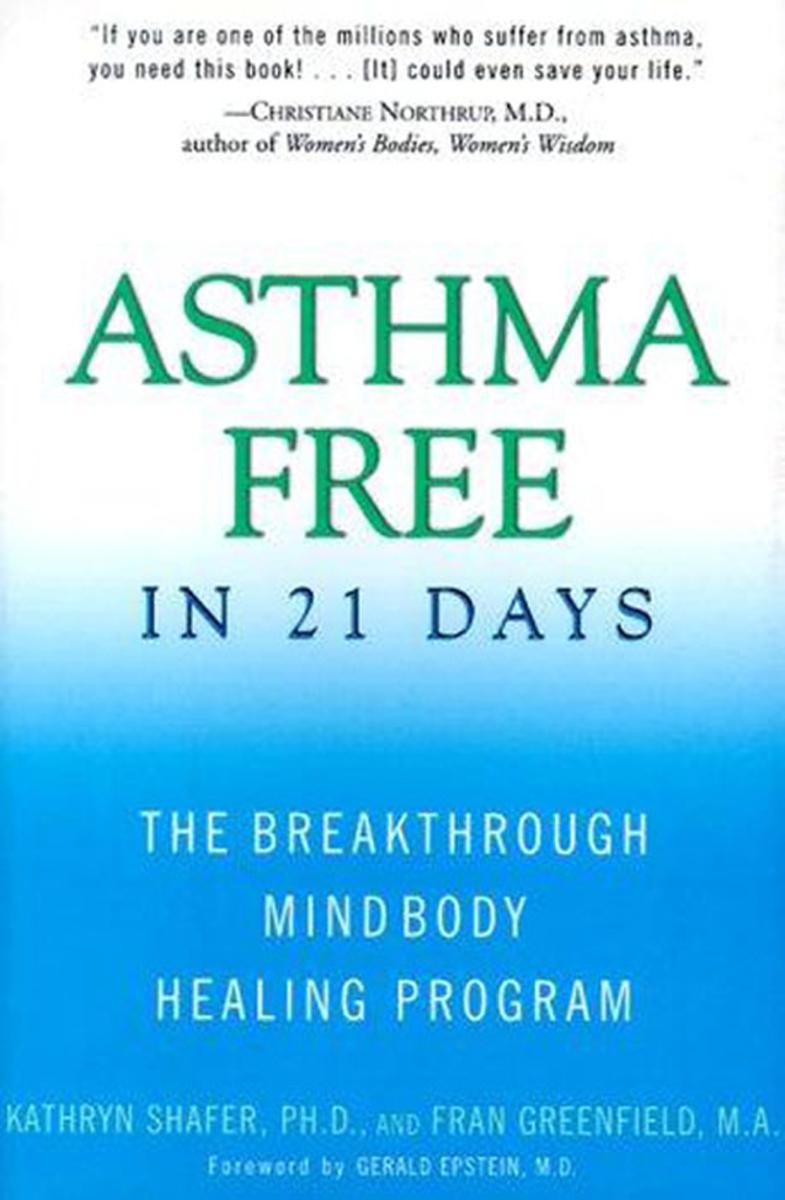
Asthma Free in 21 Days
¥123.51
Is it really possible to reverse the painful, debilitating symptoms of asthma and to reduce your dependence on doctors and medication--in Just 21 days?Conventional medicine offers no real solution to the seventeen million Americans suffering from this disease. But in this remarkable book, Kathryn Shafer, Ph.D., and Fran Greenfield, M.A., share their natural alternative, the FUN program (Focus, Undo, Now Act!), that can help you break the bonds of asthma forever in only minutes a day!Kathryn Shafer's triumph over life-long asthmais a testament to the power of mind body healing. This approach allowed her to successfully run the entirety of the New York City Marathon without medication. Her astounding victory became the seed for the FUN program. Together,Fran Greenfield and Kathryn Shafer reveal the intimate relationship between asthma and personal freedom in this self-guided, breakthrough method, which many of their clients have used with miraculous results.This "masterful, innovative, and successful program for the treatment of asthma" (from the foreword by Gerald Epstein, M.D.) introduces:Over forty exercises, including visualizations, for immediate symptom reliefA blueprint that redefines your relationship with asthmaThree twenty-one-day healing plans that can be tailored to your own needsA unique mind body perspective on exercise-induced asthma, nutrition, and environmentA fun guide developed especially for kids!Along with a wealth of real-life success stories, these strategies can prevent panic, clarify the meaning of symptoms, increase energy levels, and achieve a deeper healing than you ever thought possible. Whether used as a complement to conventional medicine or as a medication reducing alternative, this program empowers people of all ages to live more active, fulfilling lives.

Defiance
¥55.33
Defiance by C. J. Redwine is rich postapocalyptic YA fantasy perfect for fans of Graceling and Tamora Pierce.While the other girls in the walled city-state of Baalboden learn to sew and dance, Rachel Adams learns to track and hunt. While they bend like reeds to the will of their male Protectors, she uses hers for sparring practice.When Rachel's father fails to return from a courier mission and is declared dead, the city's brutal Commander assigns Rachel a new Protector: her father's apprentice, Logan—the boy she declared her love to and who turned her down two years before. Left with nothing but fierce belief in her father's survival, Rachel decides to escape and find him herself.As Rachel and Logan battle their way through the Wasteland, stalked by a monster that can't be killed and an army of assassins out for blood, they discover romance, heartbreak, and a truth that will incite a war decades in the making.
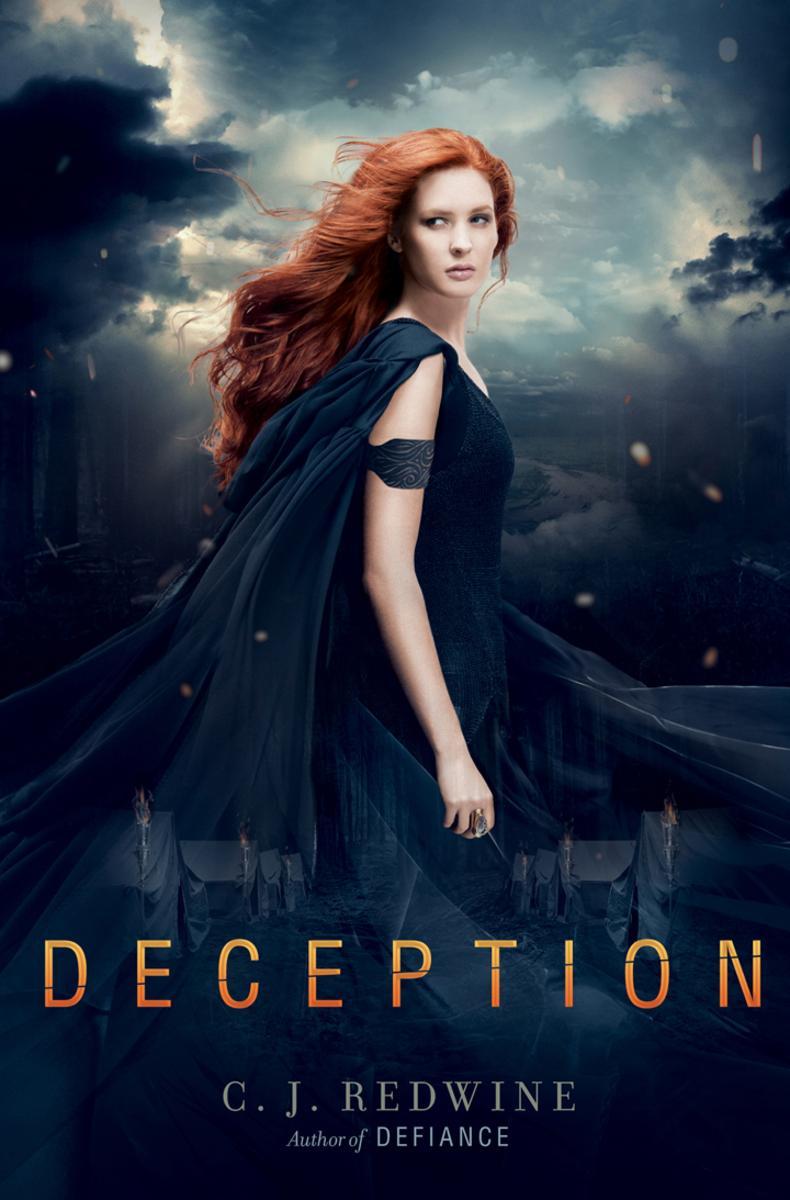
Deception
¥55.33
A rich postapocalyptic YA fantasy perfect for fans of Graceling and Tamora Pierce, this sequel to C. J. Redwine's Defiance continues the story of warrior Rachel Adams and her love, Logan McEntire. With their city-state ravaged, their lives threatened by rival armies, and a band of survivors looking to them for leadership—Rachel and Logan must work to forge a new future for them all. Abandoning the ruins of their home to take their chances in the Wasteland, the group soon realizes their problems have only begun: an unknown killer —possibly inside their ranks—has begun picking off the survivors one by one. And Rachel and Logan must question whether the price of freedom may be too great—and whether they can make it out of the Wasteland alive.
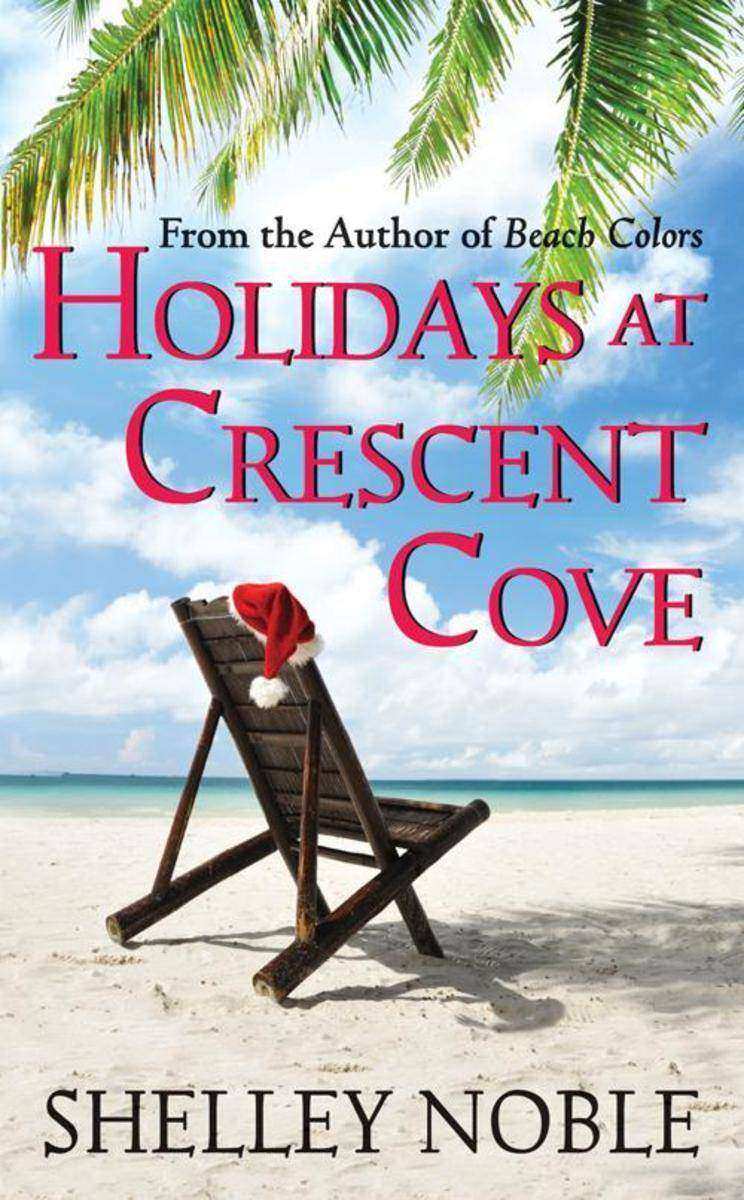
Holidays at Crescent Cove
¥34.91
From the acclaimed author of Beach Colors come two fabulous stories of holidays spent by the beautiful shoreThanksgiving and Christmas are all about friends, family, and good food. But this year, the holidays will truly bring the residents of Crescent Cove home.Thanksgiving At Crescent CoveAmidst visions of turkey and pumpkin pie, sweet Grace is ready to greet Thanksgiving in a quiet celebration of home and heart. But things don't go according to plan. Her father—to whom she hasn't spoken in years—comes walking through the door, expecting a reunion and her help. And of course this is the exact moment her friend Jake has finally decided to make a declaration. Will the spirit of Thanksgiving be enough to help Grace accept her family and her friend's love?Christmas At Crescent CoveIt's Christmas, and Bri never expected to find a handsome stranger sleeping in her barn. But she never expected to be living in Crescent Cove again with her two adopted daughters. Since 'tis the season to open your home to those in need, Bri decides to let David spend the holidays with her new family, and he gives her and the girls a precious gift—the true meaning of Christmas.

Stargazey Nights
¥28.00
Take a trip to the South Carolina coast and indulge in the beautiful sunsets that lead to perfect Stargazey Nights.A call from the past and a mysterious inheritance bring Cabot Reynolds to a magical town and force him to make a decision that will change his life forever. Stargazey Point, once a slice of Southern heaven, is in need of tender love and care, something Cab learns he is in desperate need of himself. Stargazey Nights is a tantalizing glimpse into a world that will come to life in the forthcoming novel Stargazey Point.

How to Meet Boys
¥56.08
Find out what happens when you fall for your best friend's worst enemy in this hilarious tale of a forbidden first love and forever friendship. The author of Maine Squeeze and Love and Other Things I'm Bad At, Catherine Clark, has once again crafted a romantic coming-of-age story that will stay with you long after you turn the last page.Lucy can't wait to spend the summer at the lake with her best friend, Mikayla. But when Jackson, the boy she's been avoiding ever since he rejected her, reappears in her life, Lucy wonders if this summer to remember is one she'd rather forget.Mikayla's never had much luck talking to boys, but when she (literally) runs into the cutest guy she's ever seen, and sparks fly, she thinks things might be looking up . . . until she realizes the adorable stranger is the same boy who broke her best friend's heart.As things begin to heat up between Mikayla and the one guy she should avoid, will Lucy be able to keep her cool or will the girls' perfect summer turn into one hot mess?


