


 购物车
购物车 个人中心
个人中心
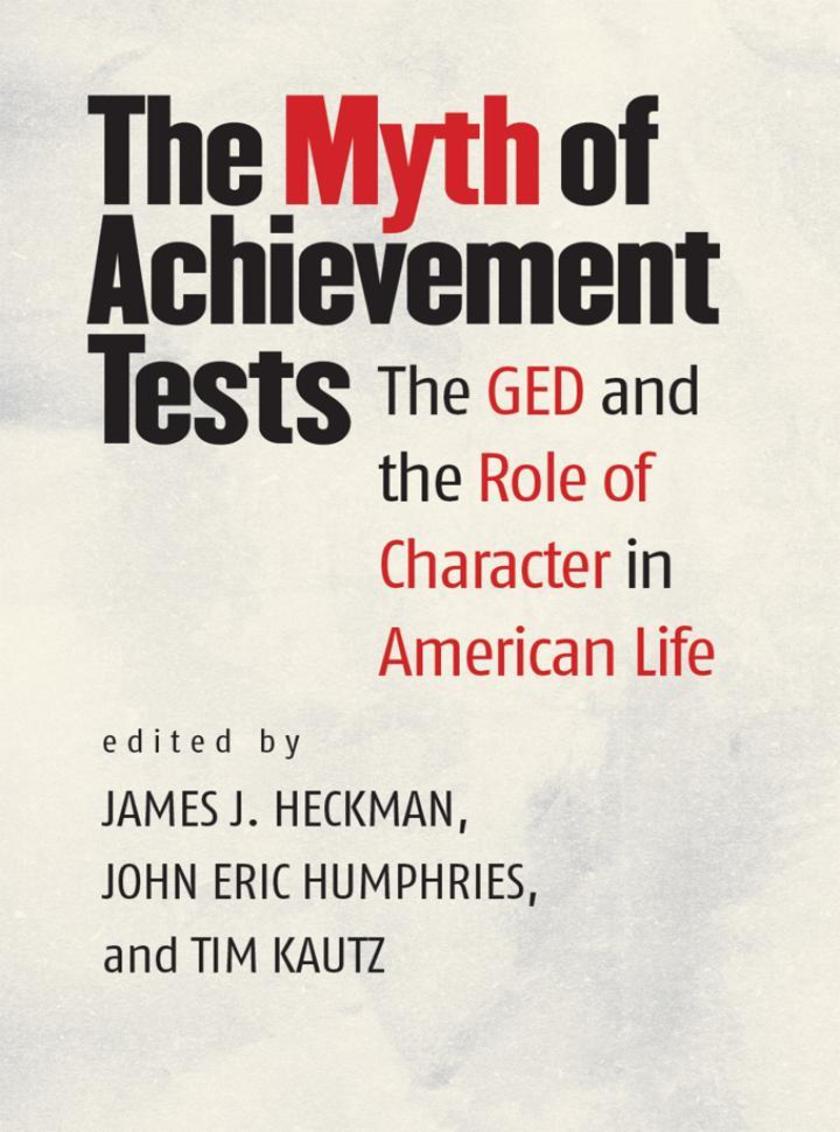
Myth of Achievement Tests
¥265.87
Achievement tests play an important role in modern societies. They are used to evaluate schools, to assign students to tracks within schools, and to identify weaknesses in student knowledge. The GED is an achievement test used to grant the status of high school graduate to anyone who passes it. GED recipients currently account for 12 percent of all high school credentials issued each year in the United States. But do achievement tests predict success in life?The Myth of Achievement Tests shows that achievement tests like the GED fail to measure important life skills. James J. Heckman, John Eric Humphries, Tim Kautz, and a group of scholars offer an in-depth exploration of how the GED came to be used throughout the United States and why our reliance on it is dangerous. Drawing on decades of research, the authors show that, while GED recipients score as well on achievement tests as high school graduates who do not enroll in college, high school graduates vastly outperform GED recipients in terms of their earnings, employment opportunities, educational attainment, and health. The authors show that the differences in success between GED recipients and high school graduates are driven by character skills. Achievement tests like the GED do not adequately capture character skills like conscientiousness, perseverance, sociability, and curiosity. These skills are important in predicting a variety of life outcomes. They can be measured, and they can be taught.?Using the GED as a case study, the authors explore what achievement tests miss and show the dangers of an educational system based on them. They call for a return to an emphasis on character in our schools, our systems of accountability, and our national dialogue.ContributorsEric Grodsky, University of Wisconsin-MadisonAndrew Halpern-Manners, Indiana University BloomingtonPaul A. LaFontaine, Federal Communications CommissionJanice H. Laurence, Temple UniversityLois M. Quinn, University of Wisconsin-MilwaukeePedro L. Rodrguez, Institute of Advanced Studies in AdministrationJohn Robert Warren, University of Minnesota, Twin Cities
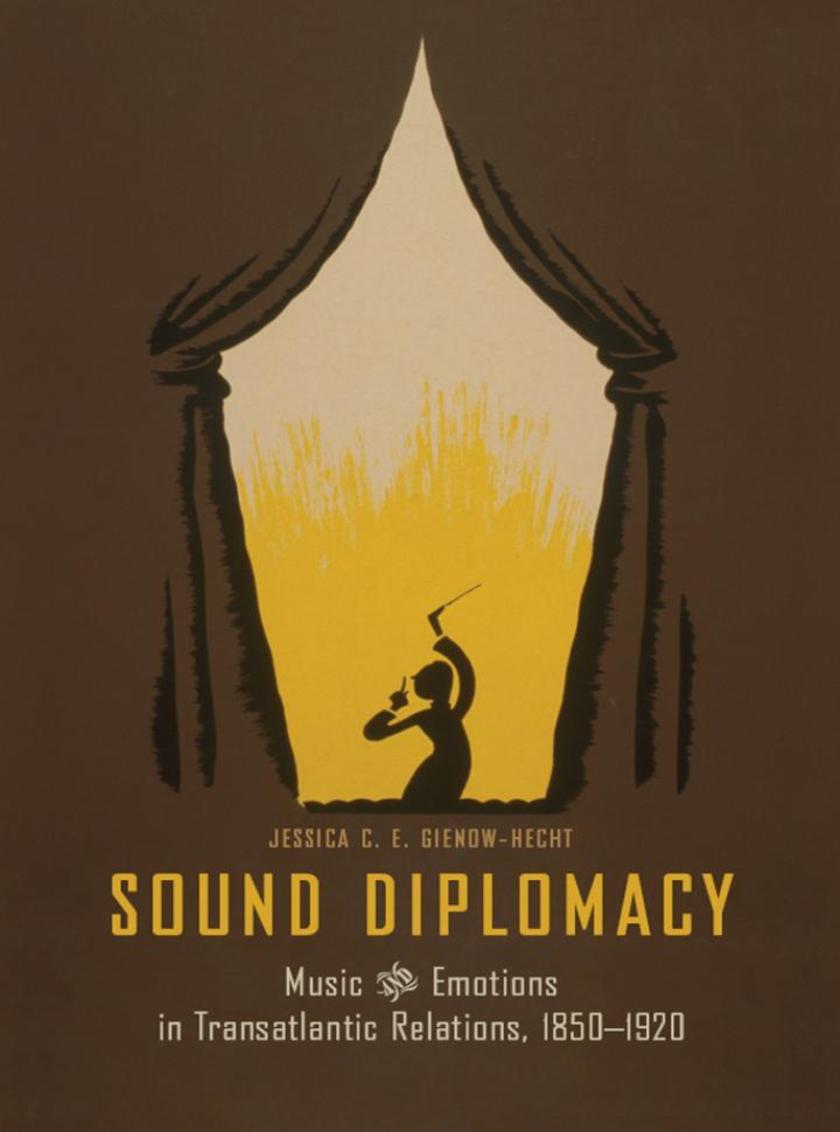
Sound Diplomacy
¥265.87
The German-American relationship was special long before the Cold War; it was rooted not simply in political actions, but also long-term traditions of cultural exchange that date back to the nineteenth century. Between 1850 and 1910, the United States was a rising star in the international arena, and several European nations sought to strengthen their ties to the republic by championing their own cultures in America. While France capitalized on its art and Britain on its social ties and literature, Germany promoted its particular breed of classical music.Delving into a treasure trove of archives that document cross-cultural interactions between America and Germany, Jessica Gienow-Hecht retraces these efforts to export culture as an instrument of nongovernmental diplomacy, paying particular attention to the role of conductors, and uncovers the remarkable history of the musician as a cultural symbol of German cosmopolitanism. Considered sexually attractive and emotionally expressive, German players and conductors acted as an army of informal ambassadors for their home country, and Gienow-Hecht argues that their popularity in the United States paved the way for an emotional elective affinity that survived broken treaties and several wars and continues to the present.
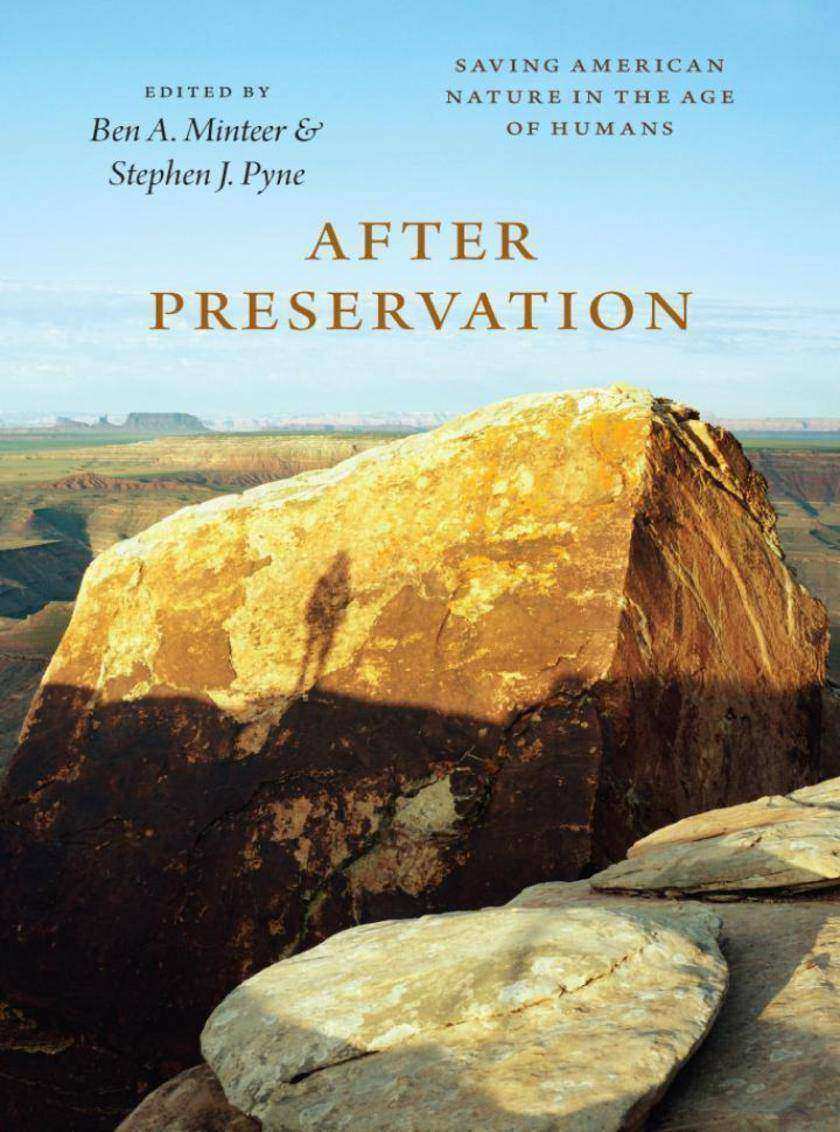
After Preservation
¥147.15
From John Muir to David Brower, from the creation of Yellowstone National Park to the Endangered Species Act, environmentalism in America has always had close to its core a preservationist ideal. Generations have been inspired by its ethos-to encircle nature with our protection, to keep it apart, pristine, walled against the march of human development. But we have to face the facts. Accelerating climate change, rapid urbanization, agricultural and industrial devastation, metastasizing fire regimes, and other quickening anthropogenic forces all attest to the same truth: the earth is now spinning through the age of humans. After Preservation takes stock of the ways we have tried to both preserve and exploit nature to ask a direct but profound question: what is the role of preservationism in an era of seemingly unstoppable human development, in what some have called the AnthropoceneBen A. Minteer and Stephen J. Pyne bring together a stunning consortium of voices comprised of renowned scientists, historians, philosophers, environmental writers, activists, policy makers, and land managers to negotiate the incredible challenges that environmentalism faces. Some call for a new, post-preservationist model, one that is far more pragmatic, interventionist, and human-centered. Others push forcefully back, arguing for a more chastened and restrained vision of human action on the earth. Some try to establish a middle ground, while others ruminate more deeply on the meaning and value of wilderness. Some write on species lost, others on species saved, and yet others discuss the enduring practical challenges of managing our land, water, and air.From spirited optimism to careful prudence to critical skepticism, the resulting range of approaches offers an inspiring contribution to the landscape of modern environmentalism, one driven by serious, sustained engagements with the critical problems we must solve if we-and the wild garden we may now keep-are going to survive the era we have ushered in. ?Contributors include: Chelsea K. Batavia, F. Stuart (Terry) Chapin III, Norman L. Christensen, Jamie Rappaport Clark, William Wallace Covington, Erle C. Ellis, Mark Fiege, Dave Foreman, Harry W. Greene, Emma Marris, Michelle Marvier, Bill McKibben, J. R. McNeill, Curt Meine, Ben A. Minteer, Michael Paul Nelson, Bryan Norton, Stephen J. Pyne, Andrew C. Revkin, Holmes Rolston III, Amy Seidl, Jack Ward Thomas, Diane J. Vosick, John A. Vucetich, Hazel , and Donald Worster.?
Little Magazine in Contemporary America
¥229.55
Little magazines have often showcased the best new writing in America. Historically, these idiosyncratic, small-circulation outlets have served the dual functions of representing the avant-garde of literary expression while also helping many emerging writers become established authors. Although changing technology and the increasingly harsh financial realities of publishing over the past three decades would seem to have pushed little magazines to the brink of extinction, their story is far more complicated.In this collection, Ian Morris and Joanne Diaz gather the reflections of twenty-three prominent editors whose little magazines have flourished over the past thirty-five years. Highlighting the creativity and innovation driving this diverse and still vital medium, contributors offer insights into how their publications sometimes succeeded, sometimes reluctantly folded, but mostly how they evolved and persevered. Other topics discussed include the role of little magazines in promoting the work and concerns of minority and women writers, the place of universities in supporting and shaping little magazines, and the online and offline future of these publications.Selected contributorsBetsy Sussler, BOMB; Lee Gutkind, Creative Nonfiction; Bruce Andrews, L=A=N=G=U=A=G=E; Dave Eggers, McSweeney's; Keith Gessen, n+1; Don Share, Poetry; Jane Friedman, VQR; Amy Hoffman, Women's Review of Books; and more.?

What Did the Romans Know?
¥229.55
What did the Romans know about their worldQuite a lot, as Daryn Lehoux makes clear in this fascinating and much-needed contribution to the history and philosophy of ancient science. Lehoux contends that even though many of the Romans' views about the natural world have no place in modern science-the umbrella-footed monsters and dog-headed people that roamed the earth and the stars that foretold human destinies-their claims turn out not to be so radically different from our own.?Lehoux draws upon a wide range of sources from what is unquestionably the most prolific period of ancient science, from the first century BC to the second century AD. He begins with Cicero's theologico-philosophical trilogy On the Nature of the Gods, On Divination, and On Fate, illustrating how Cicero's engagement with nature is closely related to his concerns in politics, religion, and law. Lehoux then guides readers through highly technical works by Galen and Ptolemy, as well as the more philosophically oriented physics and cosmologies of Lucretius, Plutarch, and Seneca, all the while exploring the complex interrelationships between the objects of scientific inquiry and the norms, processes, and structures of that inquiry. This includes not only the tools and methods the Romans used to investigate nature, but also the Romans' cultural, intellectual, political, and religious perspectives. Lehoux concludes by sketching a methodology that uses the historical material he has carefully explained to directly engage the philosophical questions of incommensurability, realism, and relativism.?By situating Roman arguments about the natural world in their larger philosophical, political, and rhetorical contexts, What Did the Romans Knowdemonstrates that the Romans had sophisticated and novel approaches to nature, approaches that were empirically rigorous, philosophically rich, and epistemologically complex.
Urban Blues
¥211.90
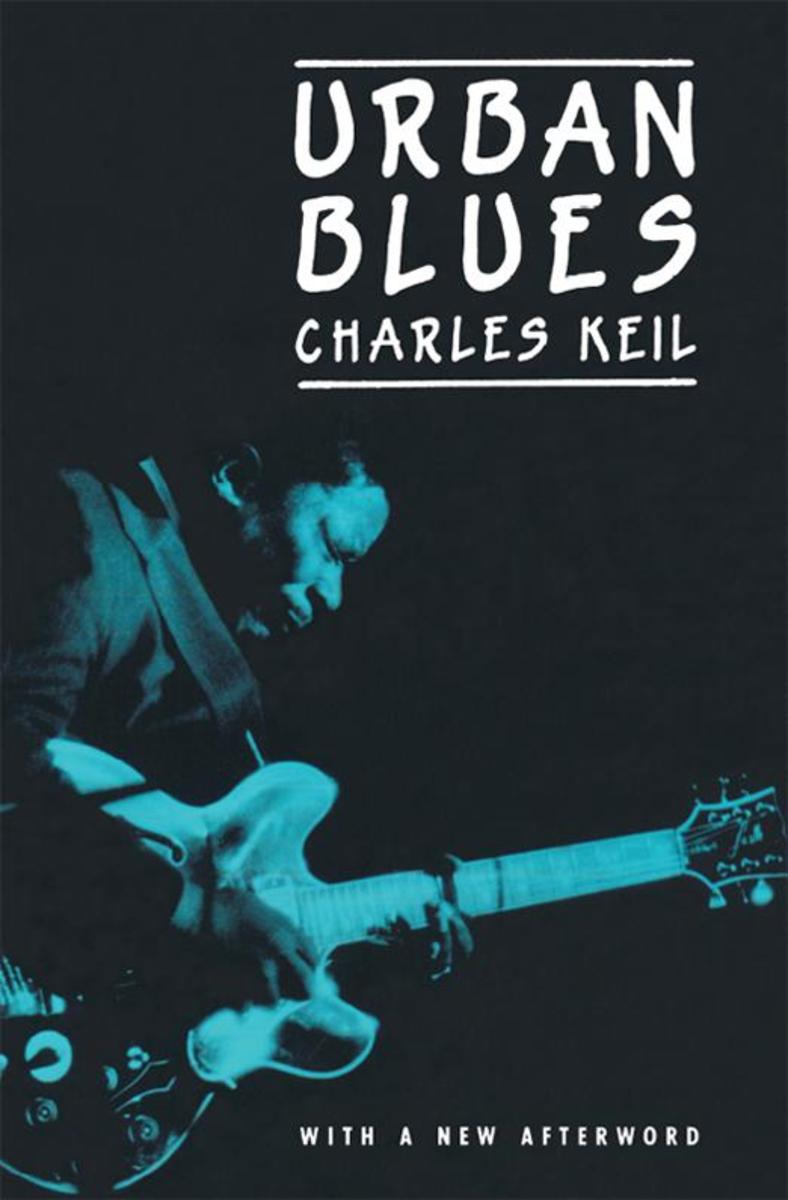
Charles Keil examines the expressive role of blues bands and performers and stresses the intense interaction between performer and audience. Profiling bluesmen Bobby Bland and B. B. King, Keil argues that they are symbols for the black community, embodying important attitudes and roles-success, strong egos, and close ties to the community. While writing Urban Blues in the mid-1960s, Keil optimistically saw this cultural expression as contributing to the rising tide of raised political consciousness in Afro-America. His new Afterword examines black music in the context of capitalism and black culture in the context of worldwide trends toward diversification."e;Enlightening. . . . [Keil] has given a provocative indication of the role of the blues singer as a focal point of ghetto community expression."e;-John S. Wilson, New York Times Book Review"e;A terribly valuable book and a powerful one. . . . Keil is an original thinker and . . . has offered us a major breakthrough."e;-Studs Terkel, Chicago Tribune"e;[Urban Blues] expresses authentic concern for people who are coming to realize that their past was . . . the source of meaningful cultural values."e;-Atlantic"e;An achievement of the first magnitude. . . . He opens our eyes and introduces a world of amazingly complex musical happening."e;-Robert Farris Thompson, Ethnomusicology?"e;[Keil's] vigorous, aggressive scholarship, lucid style and sparkling analysis stimulate the challenge. Valuable insights come from treating urban blues as artistic communication."e;-James A. Bonar, Boston Herald?
Commentary on The Complete Greek Tragedies. Aeschylus
¥211.90
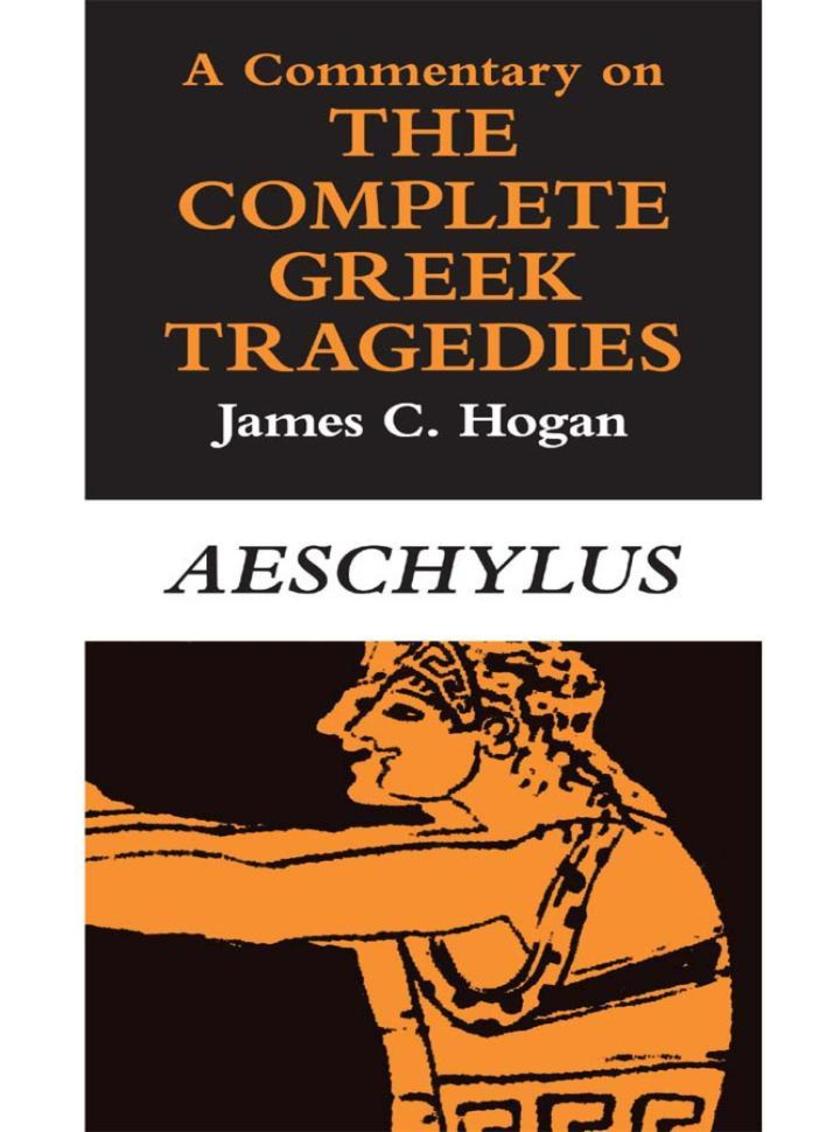
This commentary offers a rich introduction and useful guide to the seven surviving plays attributed to Aeschylus. Though it may profitably be used with any translation of Aeschylus, the commentary is based on the acclaimed Chicago translations, The Complete Greek Tragedies, edited by David Grene and Richmond Lattimore.James C. Hogan provides a general introduction to Aeschylean theater and drama, followed by a line-by-line commentary on each of the seven plays. He places Aeschylus in the historical, cultural, and religious context of fifth-century Athens, showing how the action and metaphor of Aeschylean theater can be illuminated by information on Athenian law athletic contests, relations with neighboring states, beliefs about the underworld, and countless other details of Hellenic life. Hogan clarifies terms that might puzzle modern readers, such as place names and mythological references, and gives special attention to textual and linguistic issues: controversial questions of interpretation; difficult or significant Greek words; use of style, rhetoric, and commonplaces in Greek poetry; and Aeschylus's place in the poetic tradition of Homer, Hesiod, and the elegiac poets. Practical information on staging and production is also included, as are maps and illustrations, a bibliography, indexes, and extensive cross-references between the seven plays. Forthcoming volumes will cover the works of Sophocles and Euripides.

Accounts
¥147.15
The death of a mother alters forever a family's story of itself. Indeed, it taxes the ability of a family to tell that story at all. The Accounts narrates the struggle to speak with any clear understanding in the wake of that loss. The title poem attempts three explanations of the departure of a life from the earth-a physical account, a psychological account, and a spiritual account. It is embedded in a long narrative sequence that tries to state plainly the facts of the last days of the mother's life, in a room that formerly housed a television, next to a California backyard. The visual focus of that sequence, a robin's nest, poised above the family home, sings in a kind of lament, giving its own version of ways we can see the transformation of the dying into the dead. In other poems, called "e;Arguments,"e; two voices exchange uncertain truths about subjects as high as heaven and as low as crime. Grief is a problem that cannot be solved by thinking, but that doesn't stop the mind, which relentlessly carries on, trying in vain to settle its accounts. The death of a well-loved person creates a debt that can never be repaid. It reminds the living of our own psychological debts to each other, and to the dead. In this sense, the death of this particular mother and the transformation of this particular family are evocative of a greater struggle against any changing reality, and the loss of all beautiful and passing forms of order.

El Dorado
¥147.15
In El Dorado, Peter Campion explores what it feels like to live in America right now, at the beginning of the twenty-first century. Splicing cell-phone chatter with translations of ancient poems, jump-cutting from traditional to invented forms, and turning his high-res lens on everything from box stores to trout streams to airport lounges, Campion renders both personal and collective experience with capacious and subtle skill.
Reel to Reel
¥147.15
Reel to Reel, Alan Shapiro's twelfth collection of poetry, moves outward from the intimate spaces of family and romantic life to embrace not only the human realm of politics and culture but also the natural world, and even the outer spaces of the cosmos itself. In language richly nuanced yet accessible, these poems inhabit and explore fundamental questions of existence, such as time, mortality, consciousness, and matter. How did we get hereWhy is there something rather than nothingHow do we live fully and lovingly as conscious creatures in an unconscious universe with no ultimate purpose or destination beyond returning to the abyss that spawned usShapiro brings his humor, imaginative intensity, characteristic syntactical energy, and generous heart to bear on these ultimate mysteries. In ways few poets have done, he writes from a premodern, primal sense of wonder about our postmodern world.
Anyone
¥147.15
Milton's GodWhere I-95 meets The Pike,a ponderous thunderhead flowered-?stewed a minute, then flippedlike a flash card, tatterededges crinkling in, linings so darkwith excessive bright?that, standing, waiting, at the overpass edge,the onlooker couldn't decide?until the end, or even then,what was revealed and what had been hidden.Using a variety of forms and achieving a range of musical effects, Nate Klug's Anyone traces the unraveling of astonishment upon small scenes-natural and domestic, political and religious-across America's East and Midwest. The book's title foregrounds the anonymity it seeks through several means: first, through close observation (a concrete saw, a goshawk, a bicyclist); and, second, via translation (satires from Horace and Catullus, and excerpts from Virgil's Aeneid). Uniquely among contemporary poetry volumes, Anyone demonstrates fluency in the paradoxes of a religious existence: "e;To stand sometime / outside my faith . . . or keep waiting / to be claimed in it."e; Engaged with theology and the classics but never abstruse, all the while the poems remain grounded in the phenomenal, physical world of "e;what it is to feel: /moods, half moods, / swarming, then darting loose."e;
Lectures on Kant's Political Philosophy
¥141.26
Hannah Arendt's last philosophical work was an intended three-part project entitled The Life of the Mind. Unfortunately, Arendt lived to complete only the first two parts, Thinking and Willing. Of the third, Judging, only the title page, with epigraphs from Cato and Goethe, was found after her death. As the titles suggest, Arendt conceived of her work as roughly parallel to the three Critiques of Immanuel Kant. In fact, while she began work on The Life of the Mind, Arendt lectured on "e;Kant's Political Philosophy,"e; using the Critique of Judgment as her main text. The present volume brings Arendt's notes for these lectures together with other of her texts on the topic of judging and provides important clues to the likely direction of Arendt's thinking in this area.
Culture of Ancient Egypt
¥129.49
The story of Egypt is the story of history itself-the endless rise and fall, the life and death and life again of the eternal human effort to endure, enjoy, and understand the mystery of our universe. Emerging from the ancient mists of time, Egypt met the challenge of the mystery in a glorious evolution of religious, intellectual, and political institutions and for two millenniums flourished with all the vigor that the human heart can invest in a social and cultural order. Then Egypt began to crumble into the desert sands and the waters of the Nile, and her remarkable achievements in civilization became her lingering epitaph. John A. Wilson has written a rich and interpretive biography of one of the greatest cultural periods in human experience. He answers-as best the modern Egyptologist can-the questions inevitably asked concerning the dissolution of Egypt's glory. Here is scholarship in its finest form, concerned with the humanity that has preceded us, and finding in man's past grandeur and failure much meaning for men of today.
Dead Ladies Project
¥129.49
When Jessa Crispin was thirty, she burned her settled Chicago life to the ground and took off for Berlin with a pair of suitcases and no plan beyond leaving. Half a decade later, she's still on the road, in search not so much of a home as of understanding, a way of being in the world that demands neither constant struggle nor complete surrender.The Dead Ladies Project is an account of that journey-but it's also much, much more. Fascinated by exile, Crispin travels an itinerary of key locations in its literary map, of places that have drawn writers who needed to break free from their origins and start afresh. As she reflects on William James struggling through despair in Berlin, Nora Barnacle dependant on and dependable for James Joyce in Trieste, Maud Gonne fomenting revolution and fostering myth in Dublin, or Igor Stravinsky starting over from nothing in Switzerland, Crispin interweaves biography, incisive literary analysis, and personal experience into a rich meditation on the complicated interactions of place, personality, and society that can make escape and reinvention such an attractive, even intoxicating proposition.?Personal and profane, funny and fervent, The Dead Ladies Project ranges from the nineteenth century to the present, from historical figures to brand-new hangovers, in search, ultimately, of an answer to a bedrock question: How does a person decide how to live their life?

Venusberg
¥129.49
Written from a vantage point both high and deliberately narrow, the early novels of the late British master Anthony Powell nevertheless deal in the universal themes that would become a substantial part of his oeuvre: pride, greed, and the strange drivers of human behavior. More explorations of relationships and vanity than plot-driven narratives, Powell's early works reveal the stirrings of the unequaled style, ear for dialogue, and eye for irony that would reach their caustic peak in his epic, A Dance to the Music of Time.Powell's sophomore novel, Venusberg, follows journalist Lushington as he leaves behind his unrequited love in England and travels by boat to an unnamed Baltic state. Awash in a marvelously odd assortment of counts and ladies navigating a multicultural, elegant, and politically precarious social scene, Lushington becomes infatuated with his very own, very foreign Venus. An action-packed literary precursor to Wes Anderson's The Grand Budapest Hotel, Venusberg is replete with assassins and Nazis, loose countesses and misunderstandings, fatal accidents and social comedy. But beyond its humor, this early installment in Powell's literary canon will offer readers a welcome window onto the mind of a great artist learning his craft.

Planet of Viruses
¥105.95
The past year has been one of viral panic-panic about viruses, that is. Through headlines, public health warnings, and at least one homemade hazmat suit, we were reminded of the powerful force of viruses. They are the smallest living things known to science, yet they can hold the entire planet in their sway.A Planet of Viruses is Carl Zimmer's eye-opening look at the hidden world of viruses. Zimmer, the popular science writer and author of National Geographic's award-winning blog The Loom, has updated this edition to include the stories of new outbreaks, such as Ebola, MERS, and chikungunya virus; new scientific discoveries, such as a hundred-million-year-old virus that infected the common ancestor of armadillos, elephants, and humans; and new findings that show why climate change may lead to even deadlier outbreaks. Zimmer's lucid explanations and fascinating stories demonstrate how deeply humans and viruses are intertwined. Viruses helped give rise to the first life-forms, are responsible for many of our most devastating diseases, and will continue to control our fate for centuries. Thoroughly readable, and as reassuring as it is frightening, A Planet of Viruses is a fascinating tour of a formidable hidden world.
Becoming a Marihuana User
¥82.40
OG Kush. Sour Diesel. Wax, shatter, and vapes. Marijuana has come a long way since its seedy days in the back parking lots of our culture. So has Howard S. Becker, the eminent sociologist, jazz musician, expert on "e;deviant"e; culture, and founding NORML board member. When he published Becoming a Marihuana User more than sixty years ago, hardly anyone paid attention-because few people smoked pot. Decades of Cheech and Chong films, Grateful Dead shows, and Cannabis Cups later, and it's clear-marijuana isn't just an established commodity, it's an entire culture. And that's just the thing-Becker totally called it: pot has everything to do with culture. It's not a blight on culture, but a culture itself-in fact, you'll see in this book the first use of the term "e;users,"e; rather than "e;abusers"e; or "e;addicts."e; Come along on this short little study-now a famous timestamp in weed studies-and you will be astonished at how relevant it is to us today.?Becker doesn't judge, but neither does he holler for legalization, tell you how to grow it in a hollowed-out dresser, or anything else like that for which there are plenty of other books you can buy. Instead, he looks at marijuana with a clear sociological lens-as a substance that some people enjoy, and that some others have decided none of us should. From there he asks: so how do people decide to get high, and what kind of experience do they have as a result of being part of the marijuana worldWhat he discovers will bother some, especially those who proselytize the irrefutably stunning effects of the latest strain: chemistry isn't everything-the important thing about pot is how we interact with it. We learn to be high. We learn to like it. And from there, we teach others, passing the pipe in a circle that begins to resemble a bona fide community, defined by shared norms, values, and definitions just like any other community.?All throughout this book, you'll see the intimate moments when this transformation takes place. You'll see people doing it for the first time and those with considerable experience. You'll see the early signs of the truths that have come to define the marijuana experience: that you probably won't get high at first, that you have to hold the hit in, and that there are other people here who are going to smoke that, too.?
Medea
¥65.75
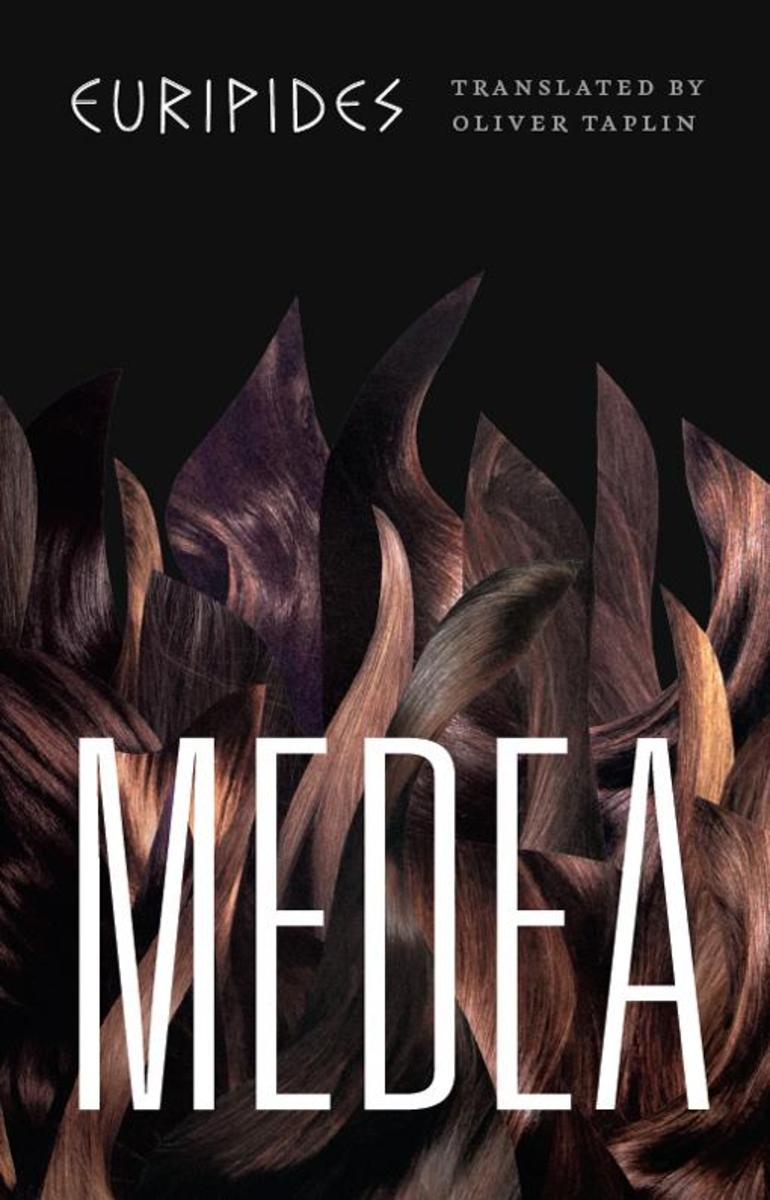
In the centuries since it was first performed, Euripides's Medea has established itself as one of the most influential of the Greek tragedies. The story of the wronged wife who seeks revenge against her unfaithful husband by murdering their children is lodged securely in the popular imagination, a touchstone for politics, law, and psychoanalysis and the subject of constant retellings and reinterpretations.This new translation of Medea by classicist Oliver Taplin, originally published as part of the acclaimed third edition of Chicago's Complete Greek Tragedies, brilliantly replicates the musicality and strength of Euripides's verse while retaining the play's dramatic and emotional impact.?Taplin has created an edition of Medea that is particularly suited to performance, while not losing any of the power it has long held as an object of reading or study. This edition is poised to become the new standard, and to introduce a new generation of readers to the heights and depths of Greek tragedy.

Hidden Wealth of Nations
¥147.15
We are well aware of the rise of the 1% as the rapid growth of economic inequality has put the majority of the world's wealth in the pockets of fewer and fewer. One much-discussed solution to this imbalance is to significantly increase the rate at which we tax the wealthy. But with an enormous amount of the world's wealth hidden in tax havens-in countries like Switzerland, Luxembourg, and the Cayman Islands-this wealth cannot be fully accounted for and taxed fairly. No one, from economists to bankers to politicians, has been able to quantify exactly how much of the world's assets are currently hidden-until now. Gabriel Zucman is the first economist to offer reliable insight into the actual extent of the world's money held in tax havens. And it's staggering.In The Hidden Wealth of Nations, Zucman offers an inventive and sophisticated approach to quantifying how big the problem is, how tax havens work and are organized, and how we can begin to approach a solution. His research reveals that tax havens are a quickly growing danger to the world economy. In the past five years, the amount of wealth in tax havens has increased over 25%-there has never been as much money held offshore as there is today. This hidden wealth accounts for at least $7.6 trillion, equivalent to 8% of the global financial assets of households. Fighting the notion that any attempts to vanquish tax havens are futile, since some countries will always offer more advantageous tax rates than others, as well the counter-argument that since the financial crisis tax havens have disappeared, Zucman shows how both sides are actually very wrong. In The Hidden Wealth of Nations he offers an ambitious agenda for reform, focused on ways in which countries can change the incentives of tax havens. Only by first understanding the enormity of the secret wealth can we begin to estimate the kind of actions that would force tax havens to give up their practices.Zucman's work has quickly become the gold standard for quantifying the amount of the world's assets held in havens. In this concise book, he lays out in approachable language how the international banking system works and the dangerous extent to which the large-scale evasion of taxes is undermining the global market as a whole. If we are to find a way to solve the problem of increasing inequality, The Hidden Wealth of Nations is essential reading.

Last Asylum
¥147.15
In the late 1970s, Barbara Taylor, then an acclaimed young historian, began to suffer from severe anxiety. In the years that followed, Taylor's world contracted around her illness. Eventually, her struggles were severe enough to lead to her admission to what had once been England's largest psychiatric institution, the infamous Friern Mental Hospital in North London.The Last Asylum is Taylor's breathtakingly blunt and brave account of those years. In it, Taylor draws not only on her experience as a historian, but also, more importantly, on her own lived history at Friern- once known as the Colney Hatch Lunatic Asylum and today the site of a luxury apartment complex. Taylor was admitted to Friern in July 1988, not long before England's asylum system began to undergo dramatic change: in a development that was mirrored in America, the 1990s saw the old asylums shuttered, their patients left to plot courses through a perpetually overcrowded and underfunded system of community care. But Taylor contends that the emptying of the asylums also marked a bigger loss, a loss of community. She credits her own recovery to the help of a steadfast psychoanalyst and a loyal circle of friends- from Magda, Taylor's manic-depressive roommate, to Fiona, who shares tips for navigating the system and stories of her boyfriend, the "e;Spaceman,"e; and his regular journeys to Saturn. The forging of that network of support and trust was crucial to Taylor's recovery, offering a respite from the "e;stranded, homeless feelings"e; she and others found in the outside world.A vivid picture of mental health treatment at a moment of epochal change, The Last Asylum is also a moving meditation on Taylor's own experience, as well as that of millions of others who struggle with mental illness.
Brushstroke and Emergence
¥247.21
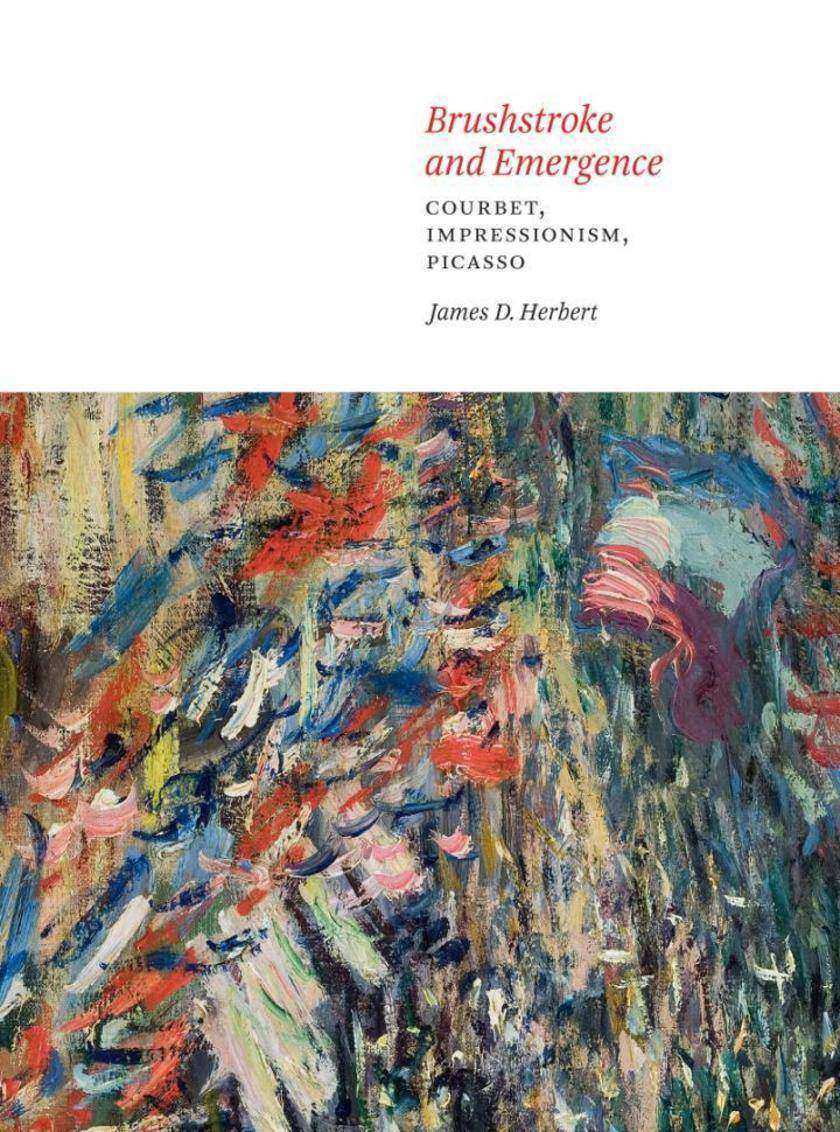
No pictorial device in nineteenth-century French painting more clearly represented the free-ranging self than the loose brushstroke. From the romantics through the impressionists and post-impressionists, the brushstroke bespoke autonomous artistic individuality and freedom from convention.Yet the question of how much we can credit to the individual brushstroke is complicated-and in?Brushstroke and Emergence, James D. Herbert uses that question as a starting point for an extended essay that draws on philosophy of mind, the science of emergence, and art history. Brushstrokes, he reminds us, are as much creatures of habit and embodied experience as they are of intent. When they gather in great numbers they take on a life of their own, out of which emerge complexity and meaning. Analyzing ten paintings by Courbet, Manet, Czanne, Monet, Seurat, and Picasso, Herbert exposes vital relationships between intention and habit, the singular and the complex. In doing so, he uncovers a space worthy of historical and aesthetic analysis between the brushstroke and the self.


