


 购物车
购物车 个人中心
个人中心
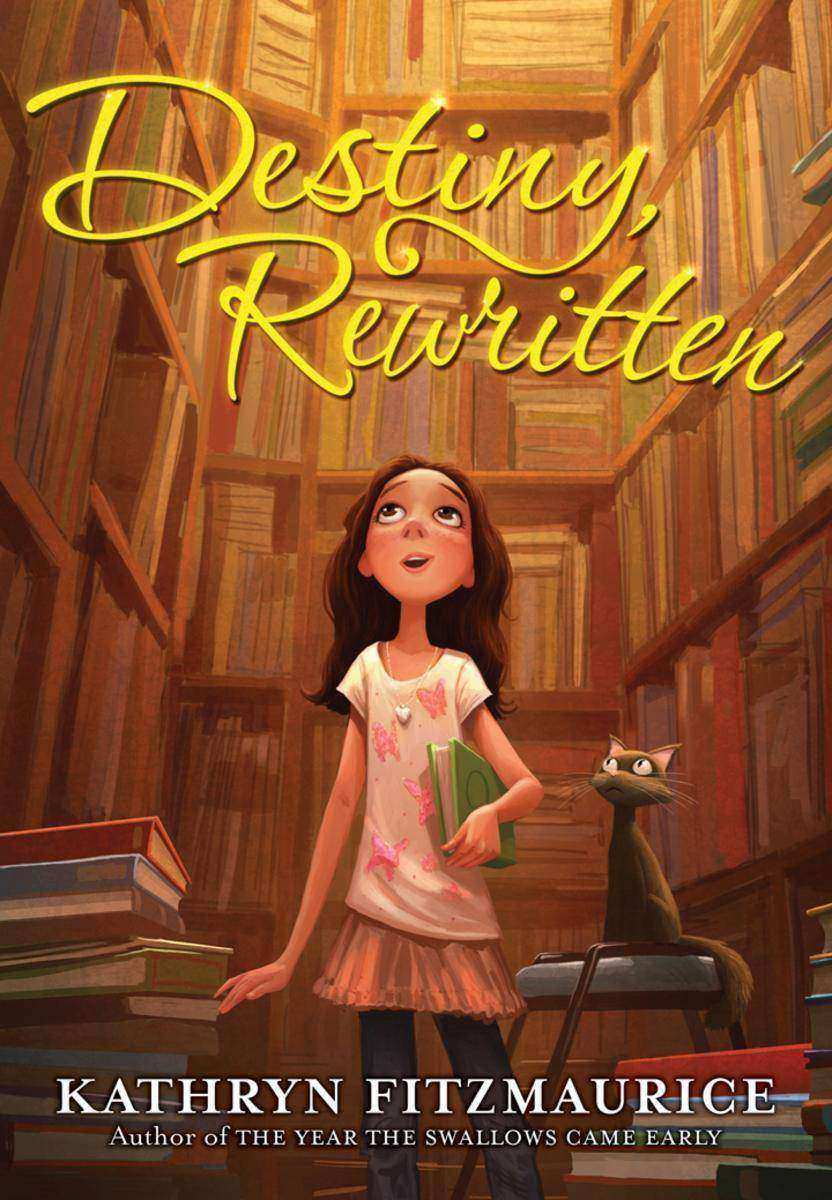
Destiny, Rewritten
¥39.24
This sweet contemporary story about poetry, family, and determining your own destiny is perfect for fans of books by Wendy Mass, Joan Bauer, Sharon Creech, and Rebecca Stead. Eleven-year-old Emily Elizabeth Davis has never met her father, so when a book of poetry with his name in it goes missing, Emily and her friends search all over their hometown of Berkeley, California, hoping to track it down. Meanwhile, even though her English-professor mother insists that Emily is destined to become a poet (she named her after Emily Dickinson!), Emily secretly corresponds with her idol, romance writer Danielle Steel. As Publishers Weekly says, "Fitzmaurice's story deftly mingles Dickinson, Danielle Steel, a budding crush, and protesting tree sitters while maintaining suspense that leads to a satisfying ending."
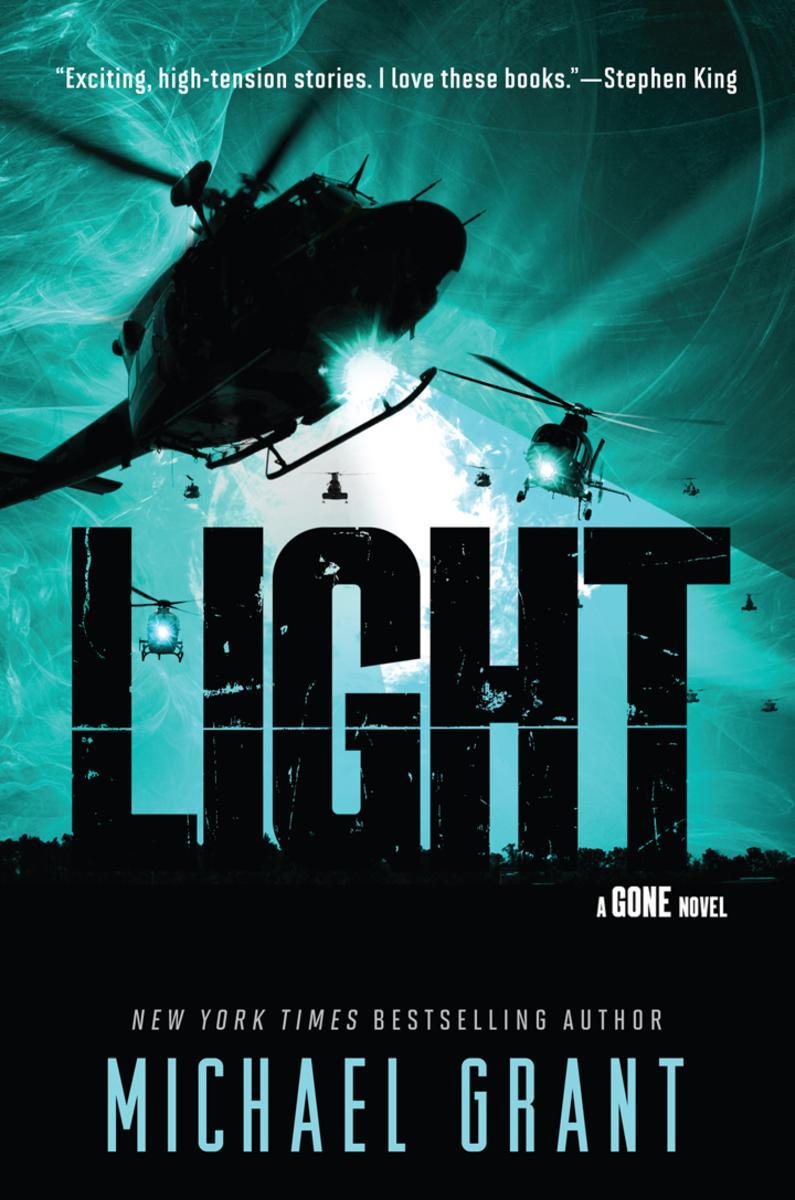
Light
¥61.52
It been over a year since all the adults disappeared. Gone. In the time since every person over the age of fourteen disappeared from the town of Perdido Beach, California, countless battles have been fought: battles against hunger and lies and plague, and epic battles of good against evil. Light , Michael Grant sixth and final book in the New York Times bestselling Gone series creates a masterful, arresting conclusion to life in the FAYZ. And now, the gaiaphage has been reborn as Diana malicious mutant daughter, Gaia. Gaia is endlessly hungry for destruction. She yearns to conquer her nemesis, Little Pete, and then bend the entire world to her warped will. As long-standing enemies become allies, secrets are revealed and unexpected sacrifices are made. Will their attempts to save themselves and one another matter in the end, or will the kids of Perdido Beach perish in this final power struggle?

Balthazar
¥56.08
For hundreds of years, the vampire Balthazar has been alone without allies, without love. When Balthazar agrees to help Skye Tierney, a human girl who once attended Evernight Academy, he has no idea how dangerous it will be. Skye newfound psychic powers have caught the attention of Redgrave, the cruel, seductive master vampire responsible for murdering Balthazar and his family four centuries ago. Now Redgrave plans to use Skye powers for his own evil purposes. Balthazar will do whatever it takes to stop Redgrave and exact his long-awaited revenge against his killer. As Skye and Balthazar stand together to fight him, they grow closer first unwillingly, then undeniably. Balthazar realizes his lonely world could finally be changed by her. . . . In a story filled with forbidden love and dark suspense, one of the most beloved characters in Claudia Gray New York Times bestselling Evernight series will captivate readers with his battle to overcome his past and follow his heart.

Delicacy
¥83.92
Natalie and Fran?ois are the perfect couple, and perfectly happy. But after Fran?ois dies suddenly, only seven years into their still blissful marriage, the widowed Natalie erects a fortress around her emotions into which no one can gain access. Until the most unlikely candidate appears: Markus, Natalie Swedish, geeky, and unassuming coworker.

Pandemonium
¥61.70
I'm pushing aside the memory of my nightmare, pushing aside thoughts of Alex, pushing aside thoughts of Hana and my old school, push, push, push, like Raven taught me to do. The old life is dead. But the old Lena is dead too. I buried her. I left her beyond a fence, behind a wall of smoke and ?ame. Lauren Oliver delivers an electrifying follow-up to her acclaimed New York Times bestseller, Delirium. This riveting, brilliant novel crackles with the fire of fierce defiance, forbidden romance, and the sparks of a revolution about to ignite.
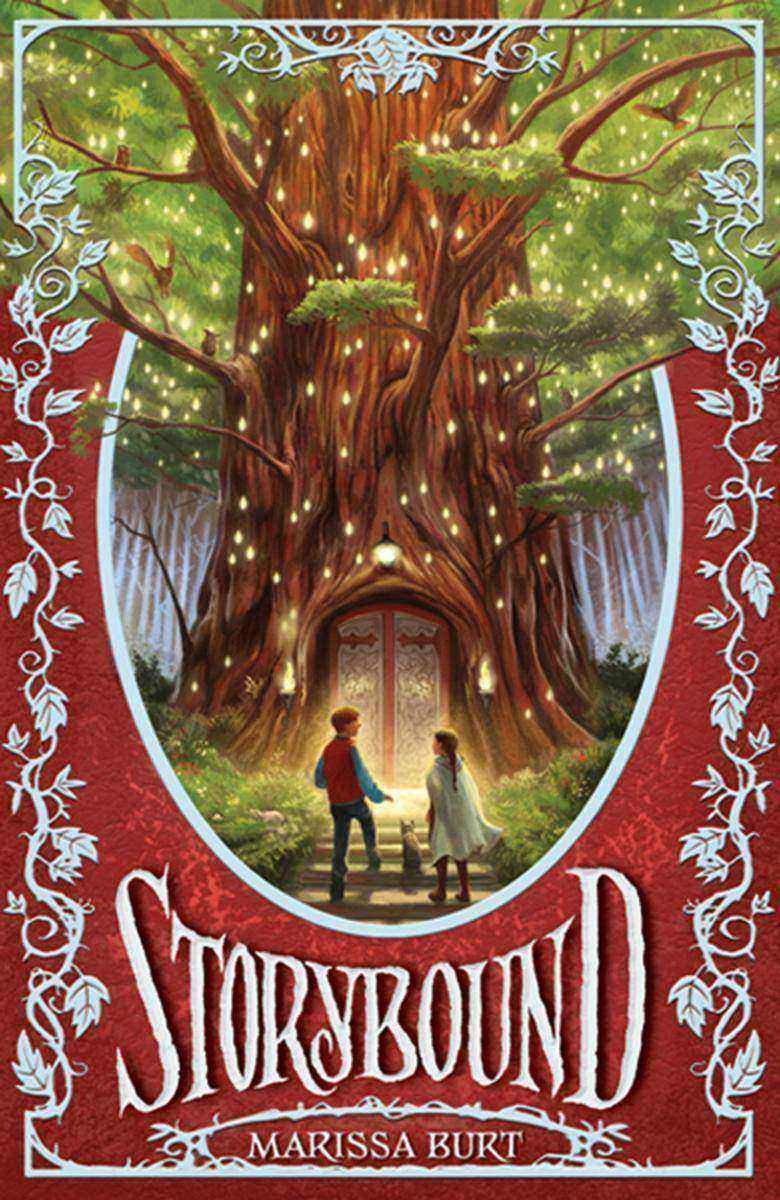
Storybound
¥44.85
When Una Fairchild stumbles upon a mysterious book buried deep in the basement of her school library, she thinks nothing of opening the cover and diving in. But instead of paging through a regular novel, Una suddenly finds herself Written In to the land of Story a world filled with Heroes and Villains and fairy-tale characters. But not everything in Story is as magical as it seems. Una must figure out why she has been Written In and fast before anyone else discovers her secret. Together with her new friend Peter and a talking cat named Sam, Una digs deep into Story's shadowy past. She quickly realizes that she is tied to the world in ways she never could have imagined and it might be up to her to save it.
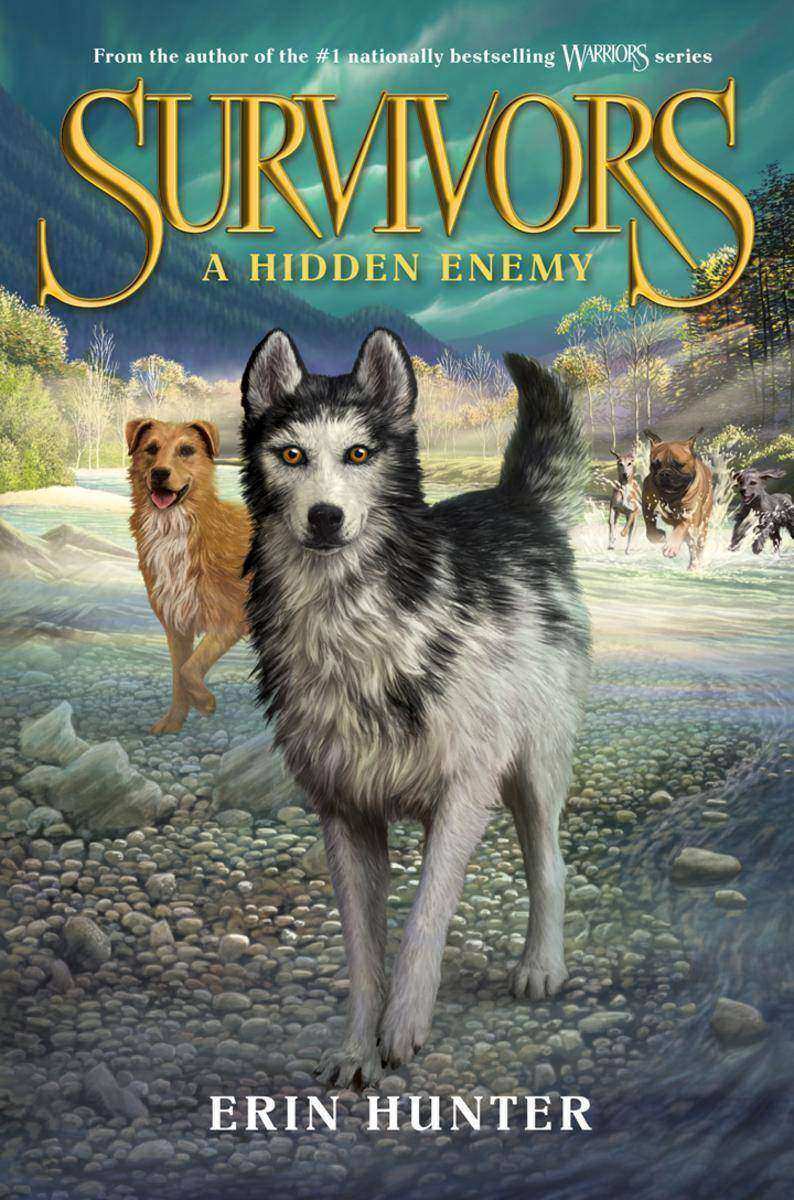
Survivors #2: A Hidden Enemy
¥44.73
Erin Hunter, the #1 nationally bestselling author of the Warriors series, is back with book two in the New York Times bestselling Survivors series about a dog named Lucky. A Hidden Enemy was praised by Kirkus as "perfectly crafted" in a starred review. It will be welcomed by all fans of epic animal fantasy adventure. After discovering a forest filled with prey and fresh water, Lucky and the Leashed Dogs are sure that they have found their new home. But a fierce pack of Wild Dogs has laid claim to the land and their menacing Alpha is determined to make sure that no other dogs settle there. Now Lucky finds himself forced to go behind enemy lines and he has to decide which dogs will ultimately be his true allies.
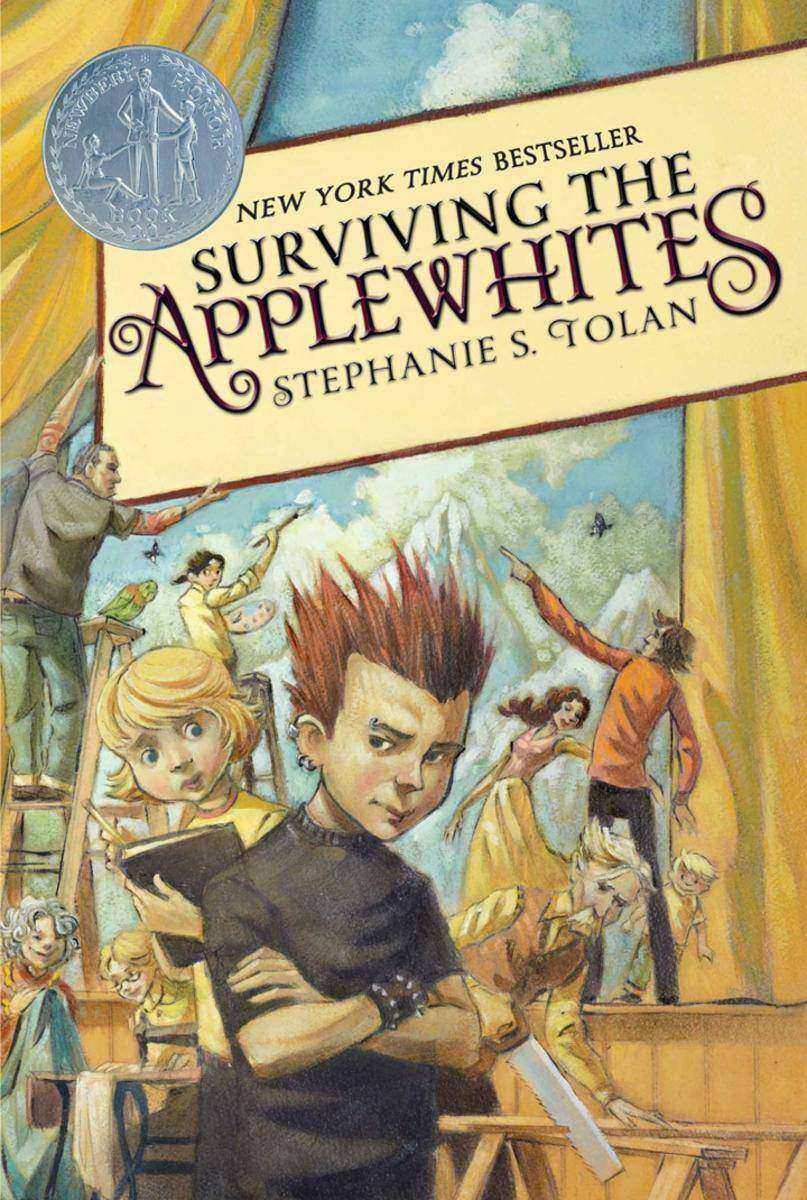
Surviving the Applewhites
¥38.72
Will anyone take on Jake SempleJake Semple is notorious. Rumor has it he burned down his old school and got kicked out of every school in his home state. Only one place will take him now, and that's a home school run by the Applewhites, a chaotic and hilarious family of artists. The only one who doesn't fit the Applewhite mold is E.D. a smart, sensible girl who immediately clashes with the unruly Jake. Jake thinks surviving this one will be a breeze . . . but is he really as tough or as bad as he seems?
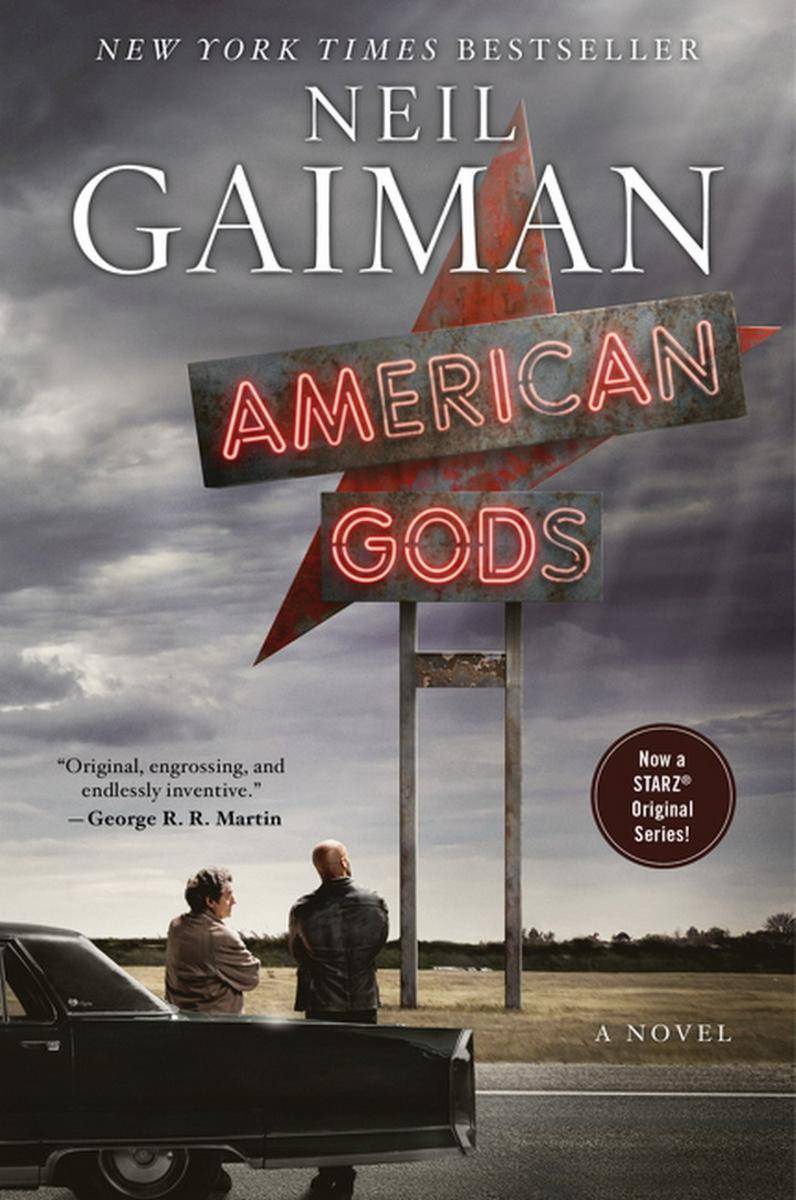
American Gods: The Tenth Anniversary Edition
¥70.10
First published in 2001, American Gods became an instant classic an intellectual and artistic benchmark from the multiple-award-winning master of innovative fiction, Neil Gaiman. Now discover the mystery and magic of American Gods in this tenth anniversary edition. Newly updated and expanded with the author preferred text, this commemorative volume is a true celebration of a modern masterpiece by the one, the only, Neil Gaiman. A storm is coming . . . Locked behind bars for three years, Shadow did his time, quietly waiting for the magic day when he could return to Eagle Point, Indiana. A man no longer scared of what tomorrow might bring, all he wanted was to be with Laura, the wife he deeply loved, and start a new life. But just days before his release, Laura and Shadow best friend are killed in an accident. With his life in pieces and nothing to keep him tethered, Shadow accepts a job from a beguiling stranger he meets on the way home, an enigmatic man who calls himself Mr. Wednesday. A trickster and rogue, Wednesday seems to know more about Shadow than Shadow does himself. Life as Wednesday bodyguard, driver, and errand boy is far more interesting and dangerous than Shadow ever imagined it is a job that takes him on a dark and strange road trip and introduces him to a host of eccentric characters whose fates are mysteriously intertwined with his own. Along the way Shadow will learn that the past never dies; that everyone, including his beloved Laura, harbors secrets; and that dreams, totems, legends, and myths are more real than we know. Ultimately, he will discover that beneath the placid surface of everyday life a storm is brewing an epic war for the very soul of America and that he is standing squarely in its path. Relevant and prescient, American Gods has been lauded for its brilliant synthesis of “mystery, satire, sex, horror, and poetic prose” (Michael Dirda, Washington Post Book World ) and as a modern phantasmagoria that “distills the essence of America” (Seattle Post-Intelligencer ). It is, quite simply, an outstanding work of literary imagination that will endure for generations.
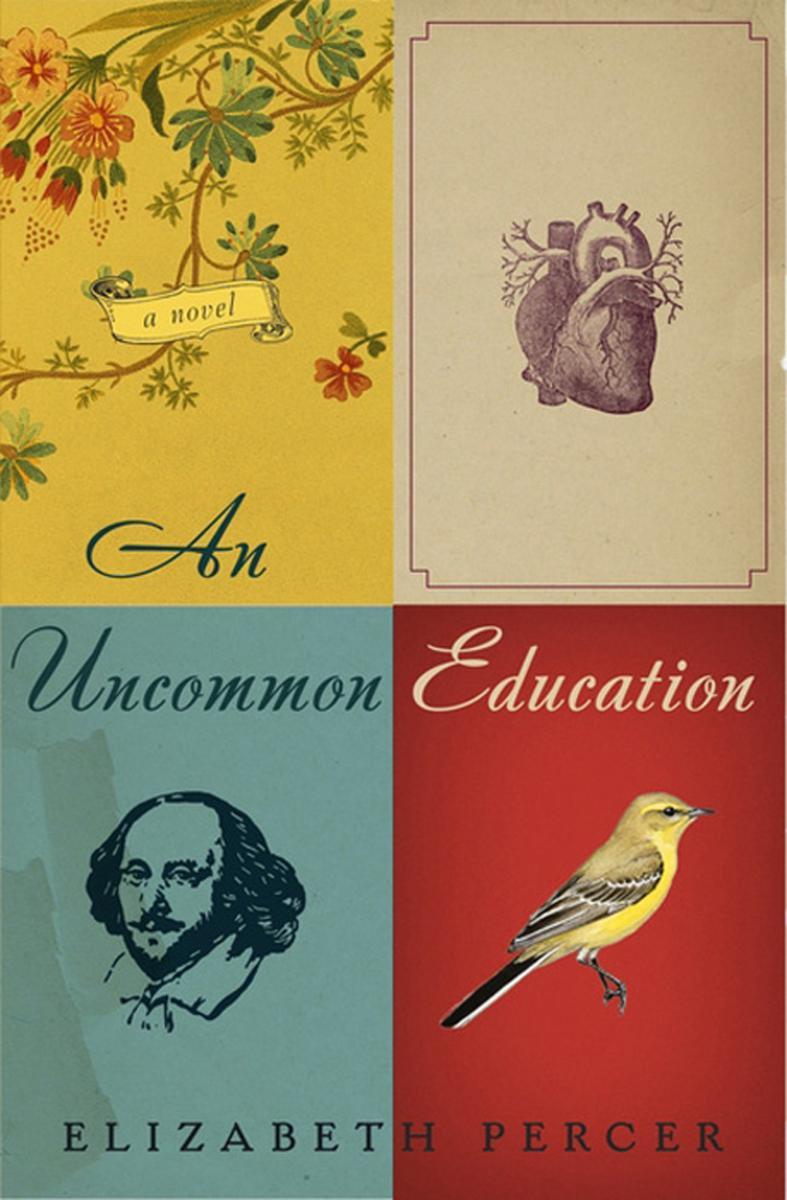
An Uncommon Education
¥84.16
A young woman tries to save three people she loves in this elegant and remarkably insightful coming-of-age debut. Afraid of losing her parents at a young age her father with his weak heart, her deeply depressed mother Naomi Feinstein prepared single-mindedly for a prestigious future as a doctor. An outcast at school, Naomi loses herself in books, and daydreams of Wellesley College. But when Teddy, her confidant and only friend, abruptly departs from her life, it's the first devastating loss from which Naomi is not sure she can ever recover, even after her long-awaited acceptance letter to Wellesley arrives. Naomi soon learns that college isn't the bastion of solidarity and security she had imagined. Amid hundreds of other young women, she is consumed by loneliness until the day she sees a girl fall into the freezing waters of a lake. The event marks Naomi's introduction to Wellesley's oldest honor society, the mysterious Shakespeare Society, defined by secret rituals and filled with unconventional, passionate students. Naomi finally begins to detach from the past and so much of what defines her, immersing herself in this exciting and liberating new world and learning the value of friendship. But her happiness is soon compromised by a scandal that brings irrevocable consequences. Naomi has always tried to save the ones she loves, but part of growing up is learning that sometimes saving others is a matter of saving yourself. An Uncommon Education is a compelling portrait of a quest for greatness and the grace of human limitations. Poignant and wise, it artfully captures the complicated ties of family, the bittersweet inevitability of loss, and the importance of learning to let go.
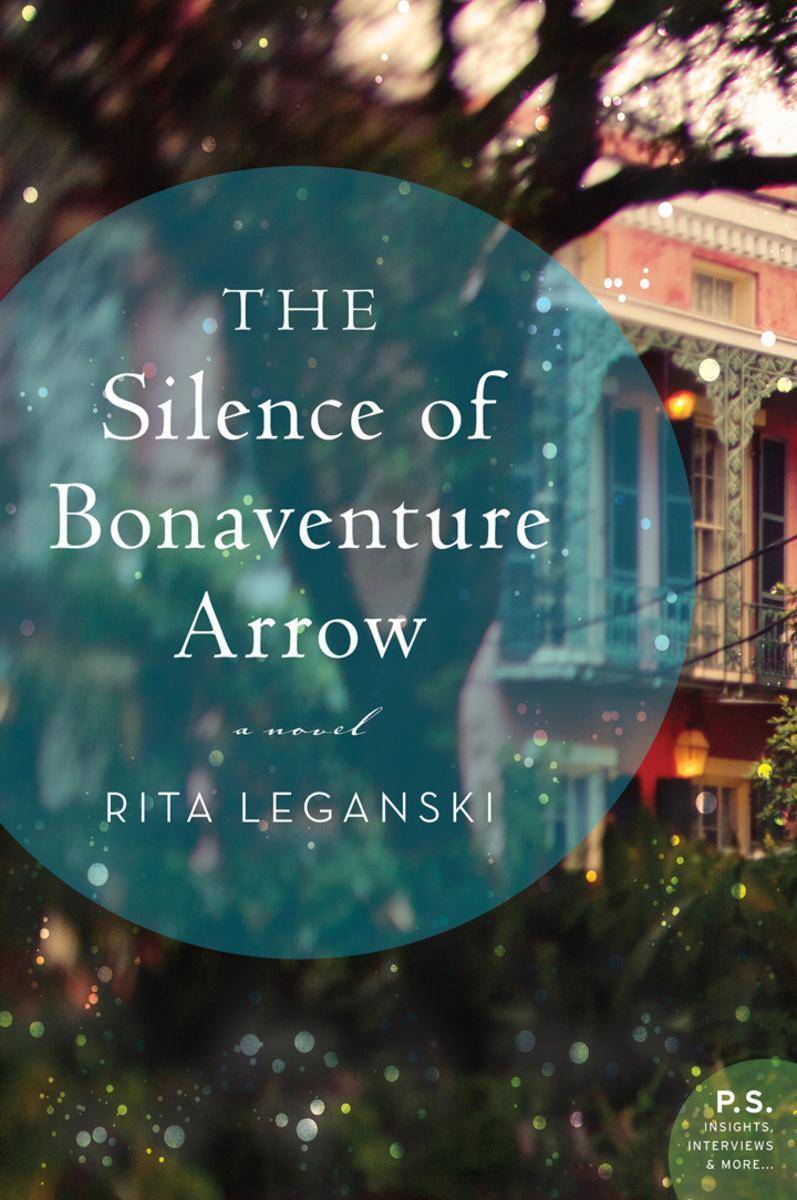
The Silence of Bonaventure Arrow
¥88.56
Conceived in love and possibility, Bonaventure Arrow didn't make a peep when he was born, and the doctor nearly took him for dead. No one knows that Bonaventure silence is filled with resonance a miraculous gift of rarified hearing that encompasses the Universe of Every Single Sound. Growing up in the big house on Christopher Street in Bayou Cymbaline, Bonaventure can hear flowers grow, a thousand shades of blue, and the miniature tempests that rage inside raindrops. He can also hear the gentle voice of his father, William Arrow, shot dead before Bonaventure was born by a mysterious stranger known only as the Wanderer. Bonaventure remarkable gift of listening promises salvation to the souls who love him: his beautiful young mother, Dancy, haunted by the death of her husband; his Grand-mère Letice, plagued by grief and a long-buried guilt she locks away in a chapel; and his father, William, whose roaming spirit must fix the wreckage of the past. With the help of Trinidad Prefontaine, a Creole housekeeper endowed with her own special gifts, Bonaventure will find the key to long-buried mysteries and soothe a chorus of family secrets clamoring to be healed.

The Calling
¥55.33
Maya Delaney's paw-print birthmark is the mark of what she truly is a skin-walker. She can run faster, climb higher, and see better than nearly everyone else. Experiencing intense connections with the animals that roam the woods outside her home, Maya knows it's only a matter of time before she's able to Shift and become one of them. And she believes there may be others in her small town with surprising talents. Now Maya and her friends have been forced to flee from their homes during a forest fire they suspect was deliberately set. Then they're kidnapped, and after a chilling helicopter crash, they find themselves in the Vancouver Island wilderness with nothing but their extraordinary abilities to help them get back home. In The Calling , the sizzling second book in the Darkness Rising trilogy, New York Times bestselling author Kelley Armstrong pumps up the romance, danger, and suspense that left readers of The Gathering clamoring for more.
Ever After
¥55.91
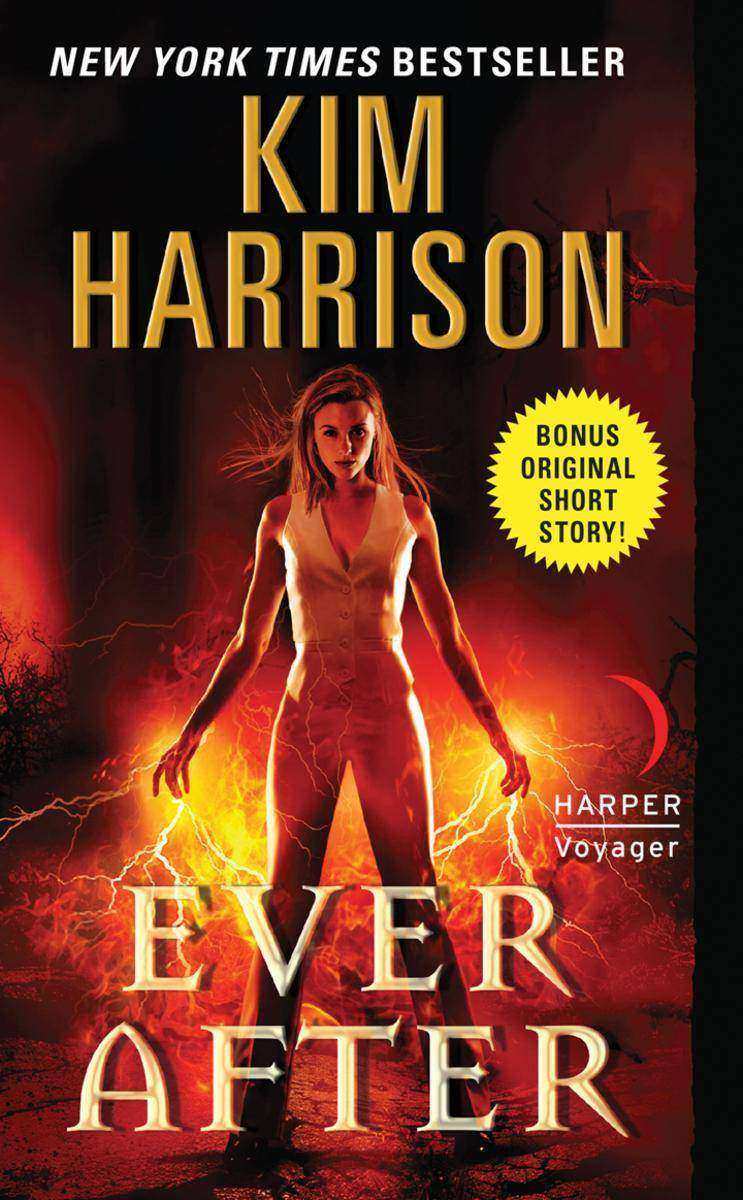
New York Times bestselling author Kim Harrison returns to the sexy, supernatural adventures of Rachel Morgan with the eleventh book in the Hollows series Ever After The ever-after, the demonic realm that parallels our own, is shrinking, and if it disappears, so does all magic. It's up to witch-turned-daywalking-demon Rachel Morgan to fix the ever-after before the fragile balance between magic users and humans falls apart. Of course, there's also the small fact that Rachel is the one who caused the ley line to rip in the first place, and her life is forfeit unless she can fix it. Not to mention the most powerful demon in the ever-after the soul-eater Ku'Sox Sha-Ku'ru has vowed to destroy her, and has kidnapped her friend and her goddaughter as leverage. If Rachel doesn't give herself up, they will die. Forced by circumstance, Rachel teams up with elven tycoon Trent Kalamack a partnership fraught with dangers of the heart as well as betrayal of the soul to return to the ever-after and rescue those she loves. One world teeters on the brink of interspecies war, the other on the brink of its very demise and it's up to Rachel to keep them both from being destroyed.

What Happens in Scotland
¥41.46
She Woke Up Married When Lady Georgette Thorold awoke she saw . . . her corset hanging from the armoire . . . a very handsome, very naked Scotsman lying beside her . . . and a wedding ring on her finger! Before the attractive stranger can tell her his name, Georgette does the only sensible thing she runs for it. Little does she know, James MacKenzie isn't clear on what happened the night before either. All he knows is that his money is missing and the stunning woman who just ran from the room is either his wife or a thief . . . or possibly both. What happens in Scotland when two complete strangers fall madly, deeply in love?

The Pinballs
¥39.24
You can't always decide where life will take you--especially when you're a kid. Carlie knows she's got no say in what happens to her. Stuck in a foster home with two other kids, Harvey and Thomas J, she's just a pinball being bounced from bumper to bumper. As soon as you get settled, somebody puts another coin in the machine and off you go again. But against her will and her better judgment, Carlie and the boys become friends. And all three of them start to see that they can take control of their own Iives. Carlie knows she's got no say in what happens to her. Stuck in a foster home with two other kids, Harvey and Thomas J, she's just a pinball being bounced from bumper to bumper. As soon as you get settled, somebody puts another coin in the machine and off you go again. But against her will and her beter judgement, Carlie and the boys become friends. And all three of them start to see that they can take control of their own lives.
Castle in the Air
¥44.73
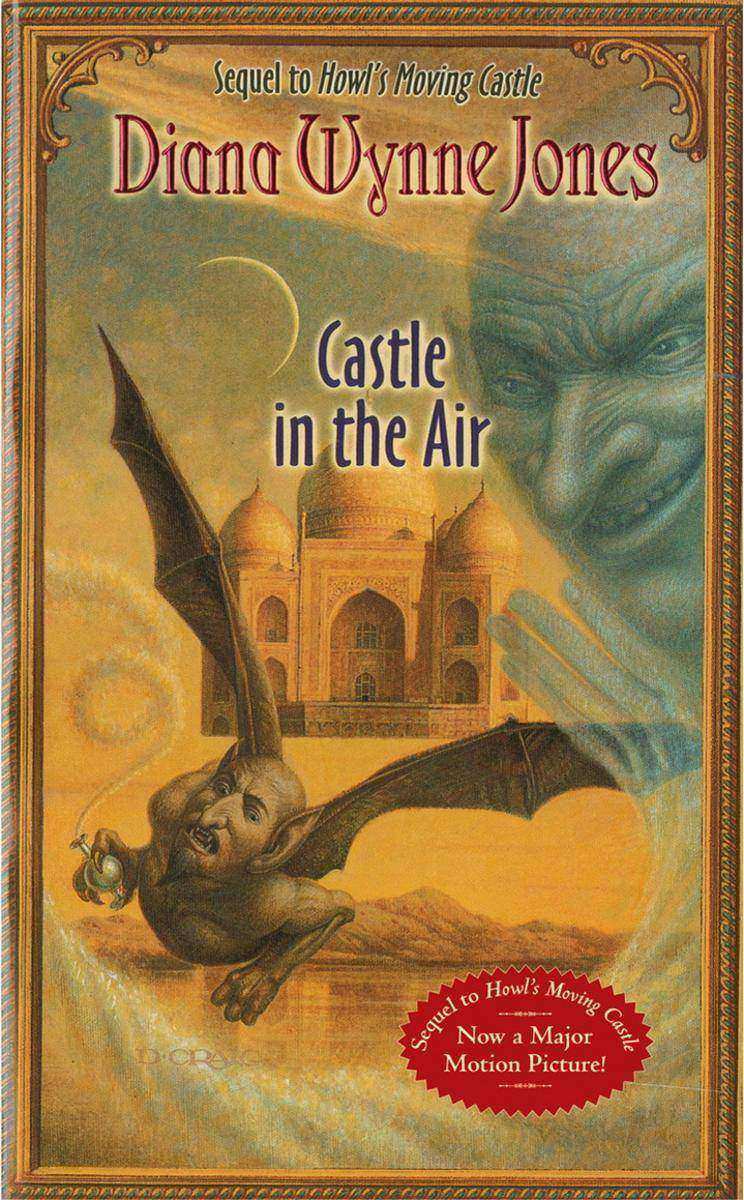
Abdullah was a young and not very prosperous carpet dealer. His father, who had been disappointed in him, had left him only enough money to open a modest booth in the Bazaar. When he was not selling carpets, Abdullah spent his time daydreaming. In his dreams he was not the son of his father, but the long-lost son of a prince. There was also a princess who had been betrothed to him at birth. He was content with his life and his daydreams until, one day, a stranger sold him a magic carpet. In this stunning sequel to Howl's Moving Castle, Diana Wynne Jones has again created a large-scale, fast-paced fantasy in which people and things are never quite what they seem. There are good and bad djinns, a genie in a bottle, wizards, witches, cats and dogs (but are they cats and dogs?), and a mysterious floating castle filled with kidnapped princesses, as well as two puzzling prophecies. The story speeds along with tantalizing twists and turns until the prophecies are fulfilled, true identities are revealed, and all is resolved in a totally satisfying, breathtaking, surprise-filled ending.
Surviving Hitler
¥44.25
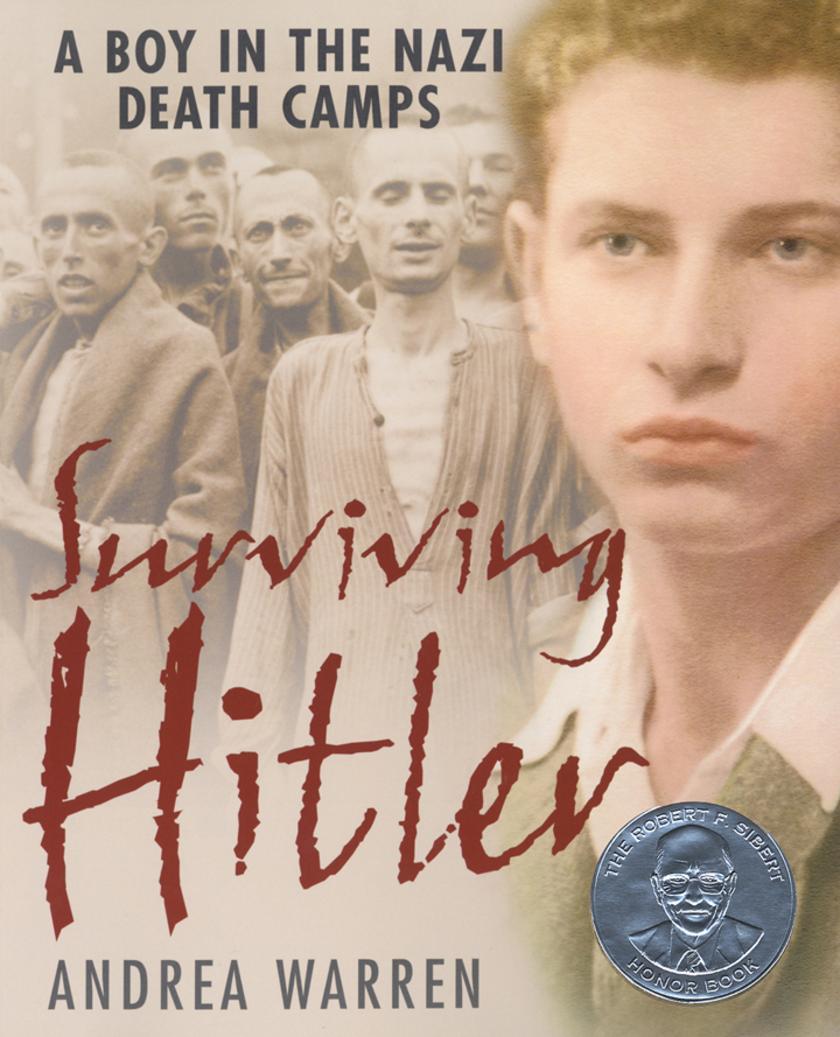
Award-winning author Andrea Warren presents a life-changing story of a young boy's struggle for survival in a Nazi-run concentration camp. In this Robert F. Silbert Honor Book, narrated in the voice of Holocaust survivor Jack Mandelbaum, readers will glimpse the dark reality of life during the Holocaust, and how one boy made it out alive. When twelve-year-old Jack Mandelbaum is separated from his family and shipped off to the Blechhammer concentration camp, his life becomes a never-ending nightmare. With minimal food to eat and harsh living conditions threatening his health, Jack manages to survive by thinking of his family. Supports the Common Core State Standards

Crush
¥56.08
The conclusion to the New York Times bestselling Crash trilogy, never before published in any format! A football fantasy. A giant diamond. The modern-day Romeo and Juliet are taking their relationship to the next level. . . . Jude and Lucy are happily engaged, but that doesn't mean life a bed of roses. Once again, the hottest couple around is torn apart, this time by football training and a summer job. Now it Jude with the trust issues. Will Lucy life-changing news bring them back together or end their relationship for goodCan love triumph foreverFind out in the best installment yet in Nicole Williams racy and romantic Crash trilogy!

Typography 33
¥365.92
For over fifty years, the Type Directors Club has encouraged the worldwide graphic arts community to achieve excellence in typography through its annual international competitions. Typography 33 is the only annual devoted exclusively to typography and presents the finest work in the field for the year 2011. Selected from approximately 2300 international submissions to the annual Type Directors Club competition, the winning designs are models of excellence and innovation in the use of type design, representing a wide range of categories including books, magazines, corporate identities, logos, stationery, annual reports, video and web graphics, and posters.
The Wonderful Wizard of Oz
¥44.85
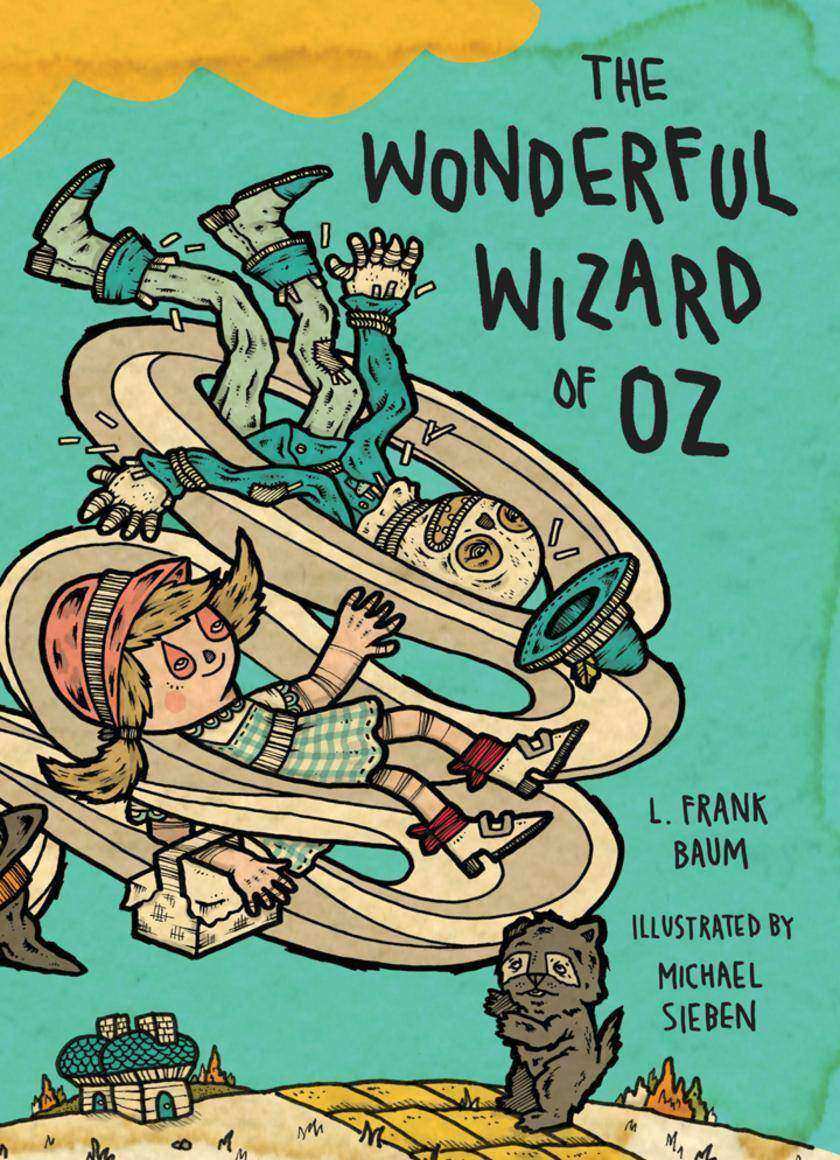
In this dazzling full-color gift edition, L. Frank Baum The Wonderful Wizard of Oz is brought to life with specially commissioned illustrations by contemporary artist and designer Michael Sieben. Follow the yellow brick road with Dorothy and her friends as they travel to the Emerald City in search of the great Wizard of Oz in this new, complete and unabridged edition of the classic tale that winds its way from Kansas to faraway places and back. From the land of the Munchkins to the deadly poppy field, from encounters with ferocious Kalidahs, Winged Monkeys, and Fighting Trees to battles with the Wicked Witches of the East and West, the magic of Baum story is beautifully reimagined through the extraordinary art of Michael Sieben.
HarperCollins
¥44.85
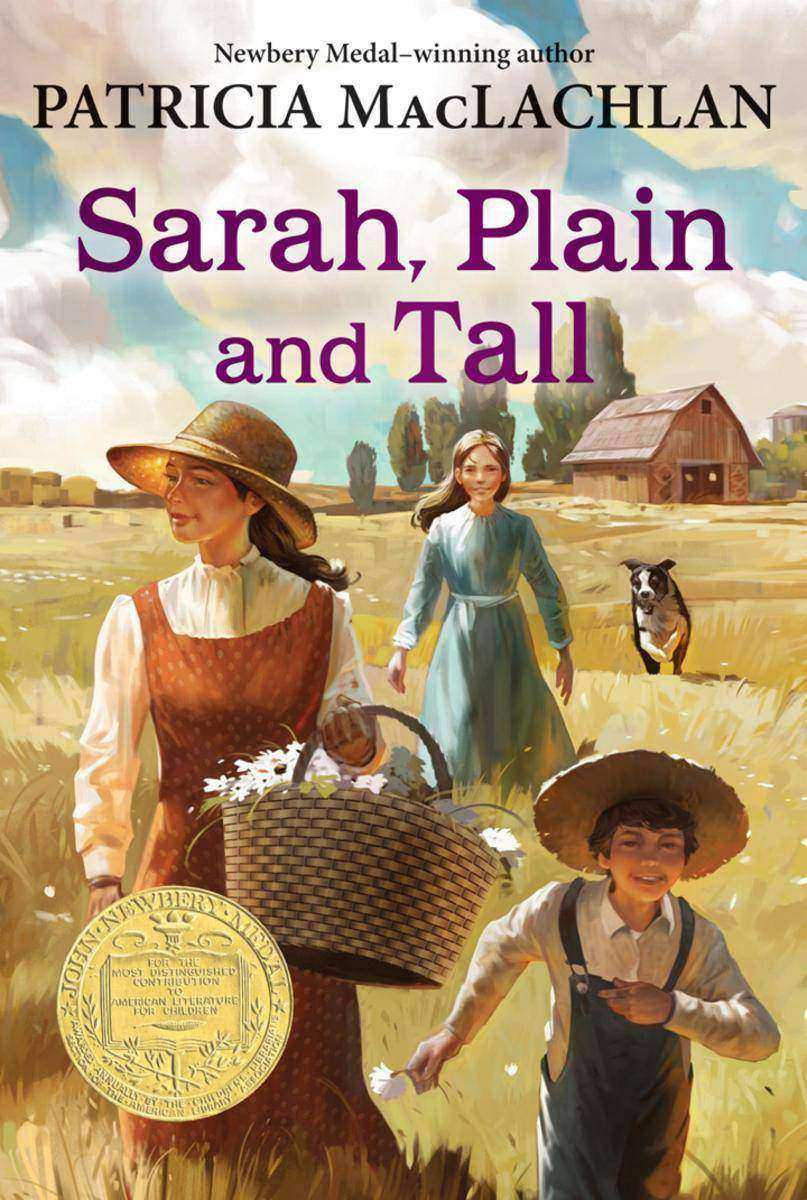
"Did Mama sing every day?" Caleb asks his sister Anna. "Every-single-day," she answers. "Papa sang, too." This Newbery Medal winning book is the first of five books in Patricia MacLachlan's chapter book series about the Witting family. Set in the late nineteenth century and told from young Anna's point of view, Sarah, Plain and Tall tells the story of how Sarah Elisabeth Wheaton comes from Maine to the prairie to answer Papa's advertisement for a wife and mother. Before Sarah arrives, Anna and her younger brother Caleb wait and wonder. Will Sarah be niceWill she singWill she stayThis children's literature classic is perfect for fans of Laura Ingalls Wilder's Little House on the Prairie books, historical fiction, and timeless stories using rich and beautiful language. Sarah, Plain and Tall gently explores themes of abandonment, loss and love. Supports the Common Core State Standards


