


 购物车
购物车 个人中心
个人中心

The Spoils of Poynton
¥8.09
Dodo Collections brings you another classic from Henry James, ‘The Spoils of Poynton’. ? The Spoils of Poynton is a novel by Henry James, first published under the title The Old Things as a serial in The Atlantic Monthly in 1896 and then as a book in 1897. This half-length novel describes the struggle between Mrs. Gereth, a widow of impeccable taste and iron will, and her son Owen over a houseful of precious antique furniture. The story is largely told from the viewpoint of Fleda Vetch, a young woman in love with Owen but sympathetic to Mrs. Gereth's anguish over losing the antiques she patiently collected. ? Henry James, OM (15 April 1843 – 28 February 1916) was an American writer who spent most of his writing career in Britain. He is regarded as one of the key figures of 19th-century literary realism. He was the son of Henry James, Sr. and the brother of philosopher and psychologist William James and diarist Alice James. ? He is best known for a number of novels showing Americans encountering Europe and Europeans. His method of writing from a character's point of view allowed him to explore issues related to consciousness and perception, and his style in later works has been compared to impressionist painting. His imaginative use of point of view, interior monologue and unreliable narrators brought a new depth to narrative fiction. ? James contributed significantly to literary criticism, particularly in his insistence that writers be allowed the greatest possible freedom in presenting their view of the world. James claimed that a text must first and foremost be realistic and contain a representation of life that is recognizable to its readers. Good novels, to James, show life in action and are, most importantly, interesting. In addition to his voluminous works of fiction he published articles and books of travel, biography, autobiography, and criticism, and wrote plays. James alternated between America and Europe for the first twenty years of his life; eventually he settled in England, becoming a British subject in 1915, one year before his death. James was nominated for the Nobel Prize in Literature in 1911, 1912, and 1916.

The Letters of Henry James
¥8.09
Dodo Collections brings you another classic from Henry James, ‘The Letters of Henry James’. ? The Complete Letters of Henry James fills a crucial gap in modern literary studies by presenting in a scholarly edition the complete letters of one of the great novelists and letter writers of the English language. Comprising more than ten thousand letters reflecting on a remarkably wide range of topics—from James’s own life and literary projects to broader questions on art, literature, and criticism. ? Henry James, OM (15 April 1843 – 28 February 1916) was an American writer who spent most of his writing career in Britain. He is regarded as one of the key figures of 19th-century literary realism. He was the son of Henry James, Sr. and the brother of philosopher and psychologist William James and diarist Alice James. ? He is best known for a number of novels showing Americans encountering Europe and Europeans. His method of writing from a character's point of view allowed him to explore issues related to consciousness and perception, and his style in later works has been compared to impressionist painting. His imaginative use of point of view, interior monologue and unreliable narrators brought a new depth to narrative fiction. ? James contributed significantly to literary criticism, particularly in his insistence that writers be allowed the greatest possible freedom in presenting their view of the world. James claimed that a text must first and foremost be realistic and contain a representation of life that is recognizable to its readers. Good novels, to James, show life in action and are, most importantly, interesting. In addition to his voluminous works of fiction he published articles and books of travel, biography, autobiography, and criticism, and wrote plays. James alternated between America and Europe for the first twenty years of his life; eventually he settled in England, becoming a British subject in 1915, one year before his death. James was nominated for the Nobel Prize in Literature in 1911, 1912, and 1916.

Finished
¥8.09
Dodo Collections brings you another classic from H. Rider Haggard, ‘Finished.’ ? A curious effect of Haggard's successful emulation of the terse, pithy style of saga prose is that the idiom of this novel actually seems rather less dated in the early 21st century than Haggard's other work or the general run of Victorian adventure fiction. Improvements in our understanding of the Viking period have done surprisingly little to falsify Haggard's imagination of its setting, and the book should still hold appeal to any reader interested in the period. ? Sir Henry Rider Haggard was an English writer of adventure novels set in exotic locations, predominantly Africa, and the creator of the Lost World literary genre. His stories, situated at the lighter end of the scale of Victorian literature, continue to be popular and influential. He was also involved in agricultural reform and improvement in the British Empire.? His breakout novel was?King Solomon's Mines(1885), which was to be the first in a series telling of the multitudinous adventures of its protagonist, Allan Quatermain. Haggard was made a Knight Bachelor in 1912 and a Knight Commander of the Order of the British Empire in 1919. He stood unsuccessfully for Parliament as a Conservative candidate for the Eastern division of Norfolk in 1895. The locality of Rider, British Columbia, was named in his memory.

Black Heart and White Heart: A Zulu Idyll
¥8.09
Dodo Collections brings you another classic from H. Rider Haggard, ‘Black Heart and White Heart: A Zulu Idyll.’ ? In "Black Heart And White Heart", H. Rider Haggard mounts once more those trusty steeds of his, the nobility of the savage and the rascality of the civilized white. He rides, too, with all his old dexterity, and the story concerning Zulus, witches, battles, sacrifices, and traitors, of which this volume consists, will revive the pleasures of reading his books. ? "Has the age of miracle quite gone by?" asks H. Rider Haggard concerning this story. "Hardly," most readers would be inclined to answer, if the question were put to them while their brains were alive with the witcheries and the wonders which are Haggard's " stock-in trade." The marvels he recounts lose nothing in effect because they deal with the immediate and the remote past of the country in which Briton and Boer have just fought the fight for supremacy and empire. And by an odd coincidence, a book which opens with a description of an encounter between an Englishman and a Boer at Utrecht appeared on the very day on which Utrecht was occupied by British forces. ? Haggard takes us to Zululand just before the outbreak of the war which crushed the power of Cetewayo, to ancient Zimbabwe, just before the period at which the Phoenicians may be supposed to have succumbed to the attacks of the native barbarians, and to a part of Central Africa occupied by the Children of Fire, whose country had been penetrated, and whose horrible customs had been observed by none but a solitary missionary. ? The novelist rings the changes on scenes and ideas which he has made familiar; here are the wizardry, the superstitions, the horrors, the deeds of devotion, of treachery, of love and of triumph, the superlative heroism, spiritual and material, which characterize all his work. Imagination runs riot, making unrealities live, and the fascination of "King Solomon's Mines" and " She" is over all. ? Sir Henry Rider Haggard was an English writer of adventure novels set in exotic locations, predominantly Africa, and the creator of the Lost World literary genre. His stories, situated at the lighter end of the scale of Victorian literature, continue to be popular and influential. He was also involved in agricultural reform and improvement in the British Empire. ? His breakout novel was King Solomon's Mines( 1885), which was to be the first in a series telling of the multitudinous adventures of its protagonist, Allan Quatermain. ? Haggard was made a Knight Bachelor in 1912 and a Knight Commander of the Order of the British Empire in 1919. He stood unsuccessfully for Parliament as a Conservative candidate for the Eastern division of Norfolk in 1895. The locality of Rider, British Columbia, was named in his memory.

Marching Men
¥8.09
Dodo Collections brings you another classic from Sherwood Anderson, ‘"Marching Men".’ ? Marching Men is the story of Norman "Beaut" McGregor, a young man discontented with the powerlessness and lack of personal ambition among the miners of his hometown. After moving to Chicago he discovers his purpose is to empower workers by having them march in unison. Major themes of the novel include the organization of laborers, eradication of disorder, and the role of the exceptional man in society. The latter theme led post-World War II critics to compare Anderson's militaristic approach to homosocial order and the fascists of the War's Axis powers. ? Anderson was born on Sept. 13, 1876, in Camden, Ohio. He never finished high school because he had to work to support his family. By 1912, he was the successful manager of a paint factory in Elyria, Ohio, and the father of three children by the first of his four wives. In 1912, Anderson deserted his family and job. In early 1913, he moved to Chicago, where he devoted more time to his imaginative writing. He became a heroic model for younger writers because he broke with what they considered to be American materialism and convention to commit himself to art.
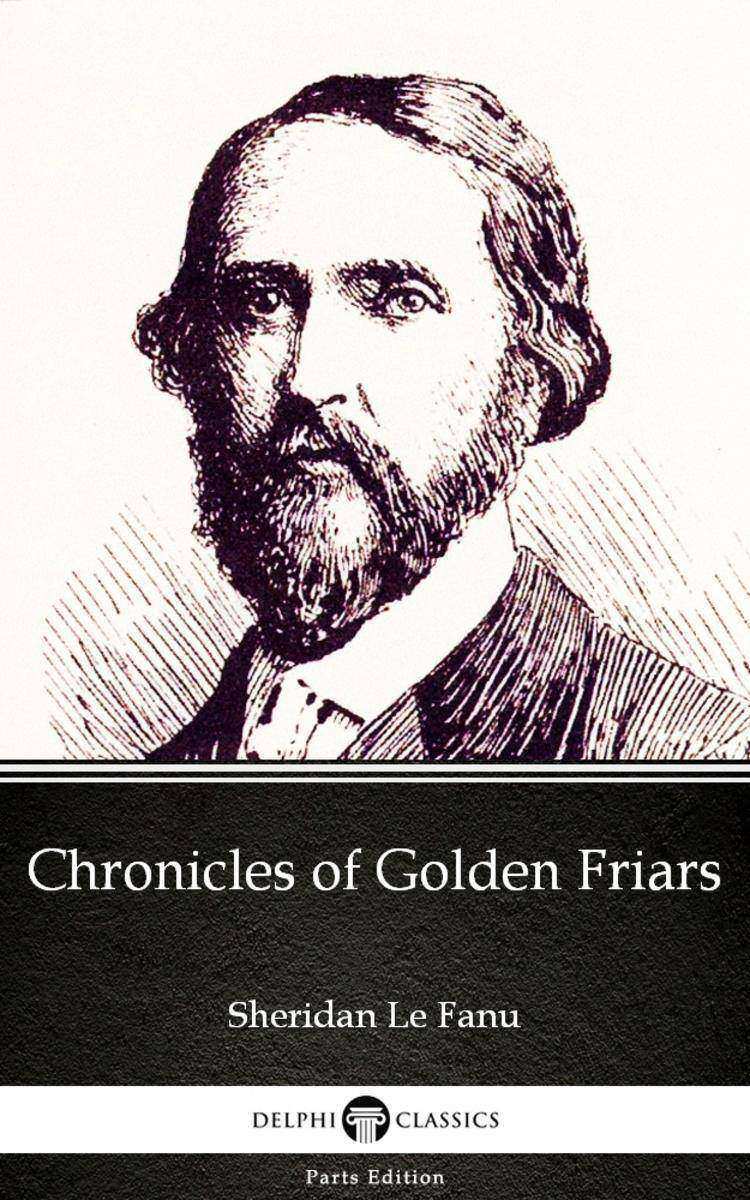
Chronicles of Golden Friars by Sheridan Le Fanu - Delphi Classics (Illustrated)
¥8.09
This eBook features the unabridged text of ‘Chronicles of Golden Friars by Sheridan Le Fanu - Delphi Classics (Illustrated)’ from the bestselling edition of ‘The Complete Works of Sheridan Le Fanu’. Having established their name as the leading publisher of classic literature and art, Delphi Classics produce publications that are individually crafted with superior formatting, while introducing many rare texts for the first time in digital print. The Delphi Classics edition of Fanu includes original annotations and illustrations relating to the life and works of the author, as well as individual tables of contents, allowing you to navigate eBooks quickly and easily. eBook features: * The complete unabridged text of ‘Chronicles of Golden Friars by Sheridan Le Fanu - Delphi Classics (Illustrated)’ * Beautifully illustrated with images related to Fanu’s works * Individual contents table, allowing easy navigation around the eBook * Excellent formatting of the text Please visit www.delphiclassics.com to learn more about our wide range of titles
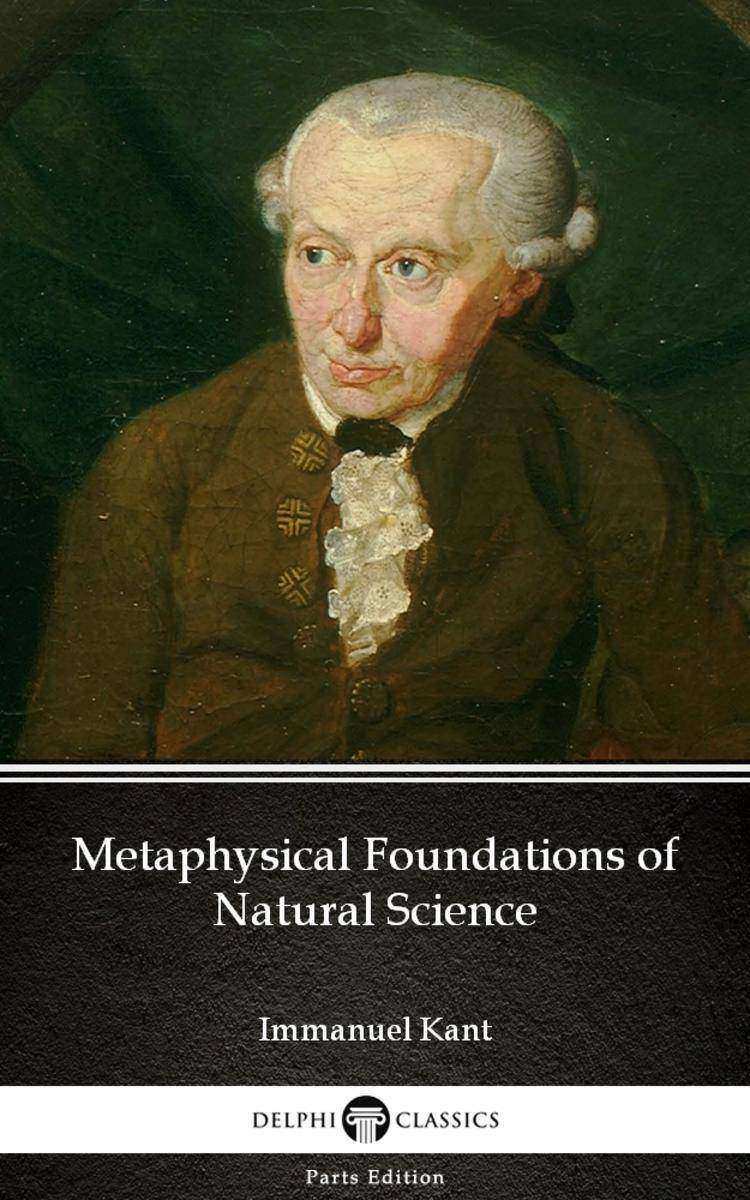
Metaphysical Foundations of Natural Science by Immanuel Kant - Delphi Classics (
¥8.09
This eBook features the unabridged text of ‘Metaphysical Foundations of Natural Science by Immanuel Kant - Delphi Classics (Illustrated)’ from the bestselling edition of ‘The Collected Works of Immanuel Kant’. Having established their name as the leading publisher of classic literature and art, Delphi Classics produce publications that are individually crafted with superior formatting, while introducing many rare texts for the first time in digital print. The Delphi Classics edition of Kant includes original annotations and illustrations relating to the life and works of the author, as well as individual tables of contents, allowing you to navigate eBooks quickly and easily. eBook features: * The complete unabridged text of ‘Metaphysical Foundations of Natural Science by Immanuel Kant - Delphi Classics (Illustrated)’ * Beautifully illustrated with images related to Kant’s works * Individual contents table, allowing easy navigation around the eBook * Excellent formatting of the text Please visit www.delphiclassics.com to learn more about our wide range of titles
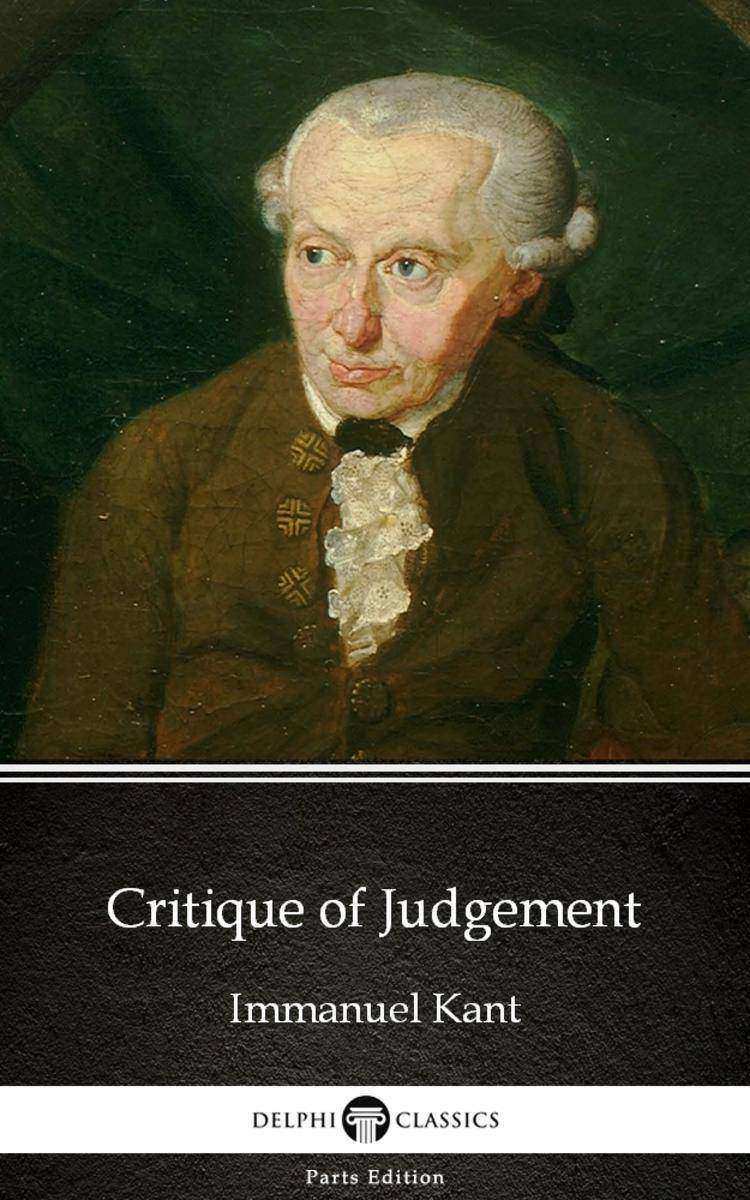
Critique of Judgement by Immanuel Kant - Delphi Classics (Illustrated)
¥8.09
This eBook features the unabridged text of ‘Critique of Judgement by Immanuel Kant - Delphi Classics (Illustrated)’ from the bestselling edition of ‘The Collected Works of Immanuel Kant’. Having established their name as the leading publisher of classic literature and art, Delphi Classics produce publications that are individually crafted with superior formatting, while introducing many rare texts for the first time in digital print. The Delphi Classics edition of Kant includes original annotations and illustrations relating to the life and works of the author, as well as individual tables of contents, allowing you to navigate eBooks quickly and easily. eBook features: * The complete unabridged text of ‘Critique of Judgement by Immanuel Kant - Delphi Classics (Illustrated)’ * Beautifully illustrated with images related to Kant’s works * Individual contents table, allowing easy navigation around the eBook * Excellent formatting of the text Please visit www.delphiclassics.com to learn more about our wide range of titles
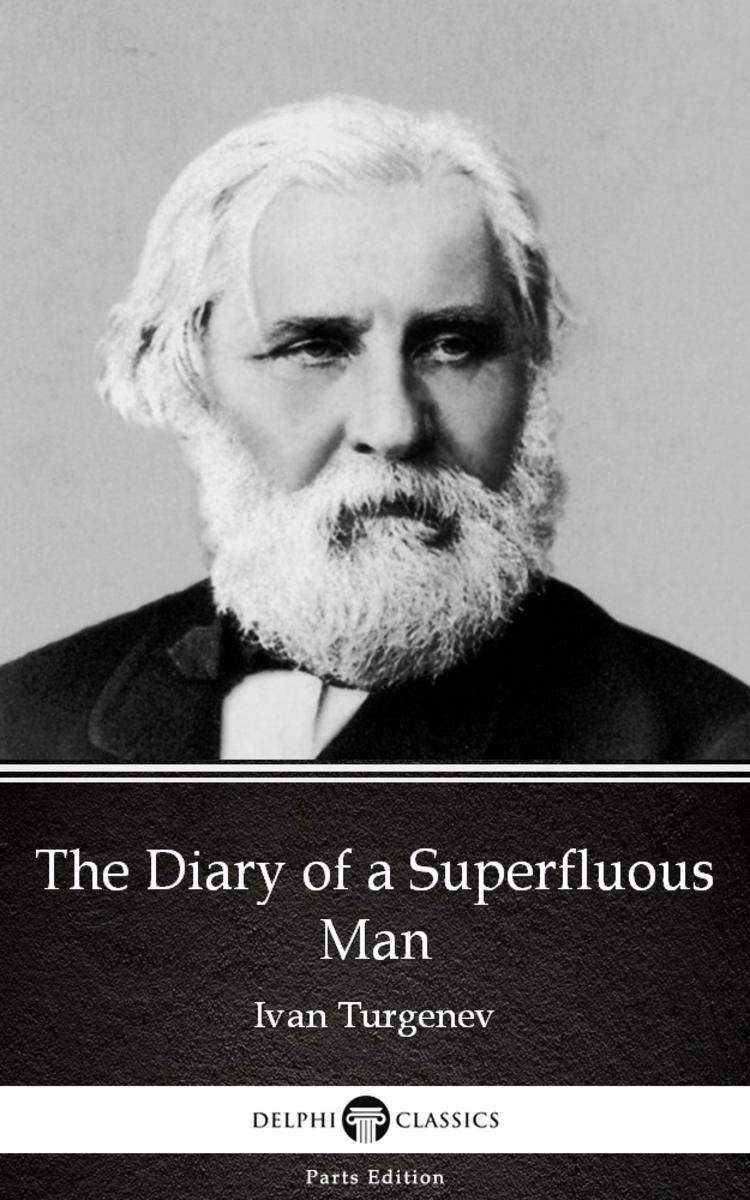
The Diary of a Superfluous Man by Ivan Turgenev - Delphi Classics (Illustrated)
¥8.09
This eBook features the unabridged text of ‘The Diary of a Superfluous Man by Ivan Turgenev - Delphi Classics (Illustrated)’ from the bestselling edition of ‘The Collected Works of Ivan Turgenev’. Having established their name as the leading publisher of classic literature and art, Delphi Classics produce publications that are individually crafted with superior formatting, while introducing many rare texts for the first time in digital print. The Delphi Classics edition of Turgenev includes original annotations and illustrations relating to the life and works of the author, as well as individual tables of contents, allowing you to navigate eBooks quickly and easily. eBook features: * The complete unabridged text of ‘The Diary of a Superfluous Man by Ivan Turgenev - Delphi Classics (Illustrated)’ * Beautifully illustrated with images related to Turgenev’s works * Individual contents table, allowing easy navigation around the eBook * Excellent formatting of the text Please visit www.delphiclassics.com to learn more about our wide range of titles
Selected Stories of Bret Harte
¥8.09
This collection includes: The Luck of Roaring Camp, The Outcasts of Poker Flat, Miggles, Tennessee's Partner, The Idyl of Red Gulch, Brown of Calaveras, High-Water Mark, A Lonely Ride, The Man of No Account, Miss, The Right Eye of the Commander, Notes by Flood and Field, An Episode of Fiddletown, Barker's Luck, A Yellow Dog, A Mother of Five, Bulger's Reputation, In the Tules, A Convert of the Mission, The Indiscretion of Elsbeth, and The Devotion of Enriquez. According to Wikipedia: "Bret Harte (August 25, 1836 – May 6, 1902) was an American author and poet, best remembered for his accounts of pioneering life in California. He was born in Albany, New York. ... He moved to California in 1853, later working there in a number of capacities, including miner, teacher, messenger, and journalist. He spent part of his life in the northern California coast town now known as Arcata, then just a mining camp on Humboldt Bay. His first literary efforts, including poetry and prose, appeared in The Californian, an early literary journal edited by Charles Henry Webb. In 1868 he became editor of The Overland Monthly, another new literary magazine, but this one more in tune with the pioneering spirit of excitement in California. His story, "The Luck of Roaring Camp," appeared in the magazine's second edition, propelling Harte to nationwide fame... Determined to pursue his literary career, in 1871 he and his family traveled back East, to New York and eventually to Boston, where he contracted with the publisher of The Atlantic Monthly for an annual salary of $10,000, "an unprecedented sum at the time." His popularity waned, however, and by the end of 1872 he was without a publishing contract and increasingly desperate. He spent the next few years struggling to publish new work (or republish old), delivering lectures about the gold rush, and even selling an advertising jingle to a soap company. In 1878 Harte was appointed to the position of United States Consul in the town of Krefeld, Germany and then to Glasgow in 1880. In 1885 he settled in London. During the thirty years he spent in Europe, he never abandoned writing, and maintained a prodigious output of stories that retained the freshness of his earlier work. He died in England in 1902 of throat cancer and is buried at Frimley."
Tales and Fantasies
¥8.09
This collection includes: The Misadventures of John Nicholson, The Body-Snatcher, and The Story of a Lie. According to Wikipedia: "Robert Louis (Balfour) Stevenson ( 1850 - 1894), was a Scottish novelist, poet, and travel writer, and a leading representative of Neo-romanticism in English literature. He was the man who "seemed to pick the right word up on the point of his pen, like a man playing spillikins", as G. K. Chesterton put it. He was also greatly admired by many authors, including Jorge Luis Borges, Ernest Hemingway, Rudyard Kipling, Vladimir Nabokov, and J. M. Barrie. Most modernist writers dismissed him, however, because he was popular and did not write within their definition of modernism. It is only recently that critics have begun to look beyond Stevenson's popularity and allow him a place in the canon."

The Little White Bird by J. M. Barrie - Delphi Classics (Illustrated)
¥8.09
This eBook features the unabridged text of ‘The Little White Bird by J. M. Barrie - Delphi Classics (Illustrated)’ from the bestselling edition of ‘The Complete Works of J. M. Barrie’. Having established their name as the leading publisher of classic literature and art, Delphi Classics produce publications that are individually crafted with superior formatting, while introducing many rare texts for the first time in digital print. The Delphi Classics edition of Barrie includes original annotations and illustrations relating to the life and works of the author, as well as individual tables of contents, allowing you to navigate eBooks quickly and easily. eBook features: * The complete unabridged text of ‘The Little White Bird by J. M. Barrie - Delphi Classics (Illustrated)’ * Beautifully illustrated with images related to Barrie’s works * Individual contents table, allowing easy navigation around the eBook * Excellent formatting of the text Please visit www.delphiclassics.com to learn more about our wide range of titles
Peter Pan in Kensington Gardens by J. M. Barrie - Delphi Classics (Illustrated)
¥8.09
This eBook features the unabridged text of ‘Peter Pan in Kensington Gardens by J. M. Barrie - Delphi Classics (Illustrated)’ from the bestselling edition of ‘The Complete Works of J. M. Barrie’. Having established their name as the leading publisher of classic literature and art, Delphi Classics produce publications that are individually crafted with superior formatting, while introducing many rare texts for the first time in digital print. The Delphi Classics edition of Barrie includes original annotations and illustrations relating to the life and works of the author, as well as individual tables of contents, allowing you to navigate eBooks quickly and easily. eBook features: * The complete unabridged text of ‘Peter Pan in Kensington Gardens by J. M. Barrie - Delphi Classics (Illustrated)’ * Beautifully illustrated with images related to Barrie’s works * Individual contents table, allowing easy navigation around the eBook * Excellent formatting of the text Please visit www.delphiclassics.com to learn more about our wide range of titles
A Sportsman’s Sketches by Ivan Turgenev - Delphi Classics (Illustrated)
¥8.09
This eBook features the unabridged text of ‘A Sportsman’s Sketches by Ivan Turgenev - Delphi Classics (Illustrated)’ from the bestselling edition of ‘The Collected Works of Ivan Turgenev’. Having established their name as the leading publisher of classic literature and art, Delphi Classics produce publications that are individually crafted with superior formatting, while introducing many rare texts for the first time in digital print. The Delphi Classics edition of Turgenev includes original annotations and illustrations relating to the life and works of the author, as well as individual tables of contents, allowing you to navigate eBooks quickly and easily. eBook features: * The complete unabridged text of ‘A Sportsman’s Sketches by Ivan Turgenev - Delphi Classics (Illustrated)’ * Beautifully illustrated with images related to Turgenev’s works * Individual contents table, allowing easy navigation around the eBook * Excellent formatting of the text Please visit www.delphiclassics.com to learn more about our wide range of titles

The Spirit of the People by Ford Madox Ford - Delphi Classics (Illustrated)
¥8.09
This eBook features the unabridged text of ‘The Spirit of the People by Ford Madox Ford - Delphi Classics (Illustrated)’ from the bestselling edition of ‘The Complete Works of Ford Madox Ford’. Having established their name as the leading publisher of classic literature and art, Delphi Classics produce publications that are individually crafted with superior formatting, while introducing many rare texts for the first time in digital print. The Delphi Classics edition of Ford includes original annotations and illustrations relating to the life and works of the author, as well as individual tables of contents, allowing you to navigate eBooks quickly and easily. eBook features: * The complete unabridged text of ‘The Spirit of the People by Ford Madox Ford - Delphi Classics (Illustrated)’ * Beautifully illustrated with images related to Ford’s works * Individual contents table, allowing easy navigation around the eBook * Excellent formatting of the text Please visit www.delphiclassics.com to learn more about our wide range of titles
Witch Wood by John Buchan - Delphi Classics (Illustrated)
¥8.09
This eBook features the unabridged text of ‘Witch Wood by John Buchan - Delphi Classics (Illustrated)’ from the bestselling edition of ‘The Complete Works of John Buchan’. Having established their name as the leading publisher of classic literature and art, Delphi Classics produce publications that are individually crafted with superior formatting, while introducing many rare texts for the first time in digital print. The Delphi Classics edition of Buchan includes original annotations and illustrations relating to the life and works of the author, as well as individual tables of contents, allowing you to navigate eBooks quickly and easily. eBook features: * The complete unabridged text of ‘Witch Wood by John Buchan - Delphi Classics (Illustrated)’ * Beautifully illustrated with images related to Buchan’s works * Individual contents table, allowing easy navigation around the eBook * Excellent formatting of the text Please visit www.delphiclassics.com to learn more about our wide range of titles
Castle Gay by John Buchan - Delphi Classics (Illustrated)
¥8.09
This eBook features the unabridged text of ‘Castle Gay by John Buchan - Delphi Classics (Illustrated)’ from the bestselling edition of ‘The Complete Works of John Buchan’. Having established their name as the leading publisher of classic literature and art, Delphi Classics produce publications that are individually crafted with superior formatting, while introducing many rare texts for the first time in digital print. The Delphi Classics edition of Buchan includes original annotations and illustrations relating to the life and works of the author, as well as individual tables of contents, allowing you to navigate eBooks quickly and easily. eBook features: * The complete unabridged text of ‘Castle Gay by John Buchan - Delphi Classics (Illustrated)’ * Beautifully illustrated with images related to Buchan’s works * Individual contents table, allowing easy navigation around the eBook * Excellent formatting of the text Please visit www.delphiclassics.com to learn more about our wide range of titles
The House of the Four Winds by John Buchan - Delphi Classics (Illustrated)
¥8.09
This eBook features the unabridged text of ‘The House of the Four Winds by John Buchan - Delphi Classics (Illustrated)’ from the bestselling edition of ‘The Complete Works of John Buchan’. Having established their name as the leading publisher of classic literature and art, Delphi Classics produce publications that are individually crafted with superior formatting, while introducing many rare texts for the first time in digital print. The Delphi Classics edition of Buchan includes original annotations and illustrations relating to the life and works of the author, as well as individual tables of contents, allowing you to navigate eBooks quickly and easily. eBook features: * The complete unabridged text of ‘The House of the Four Winds by John Buchan - Delphi Classics (Illustrated)’ * Beautifully illustrated with images related to Buchan’s works * Individual contents table, allowing easy navigation around the eBook * Excellent formatting of the text Please visit www.delphiclassics.com to learn more about our wide range of titles
Valperga by Mary Shelley - Delphi Classics (Illustrated)
¥8.09
This eBook features the unabridged text of ‘Valperga by Mary Shelley - Delphi Classics (Illustrated)’ from the bestselling edition of ‘The Complete Works of Mary Shelley’. Having established their name as the leading publisher of classic literature and art, Delphi Classics produce publications that are individually crafted with superior formatting, while introducing many rare texts for the first time in digital print. The Delphi Classics edition of Shelley includes original annotations and illustrations relating to the life and works of the author, as well as individual tables of contents, allowing you to navigate eBooks quickly and easily. eBook features: * The complete unabridged text of ‘Valperga by Mary Shelley - Delphi Classics (Illustrated)’ * Beautifully illustrated with images related to Shelley’s works * Individual contents table, allowing easy navigation around the eBook * Excellent formatting of the text Please visit www.delphiclassics.com to learn more about our wide range of titles
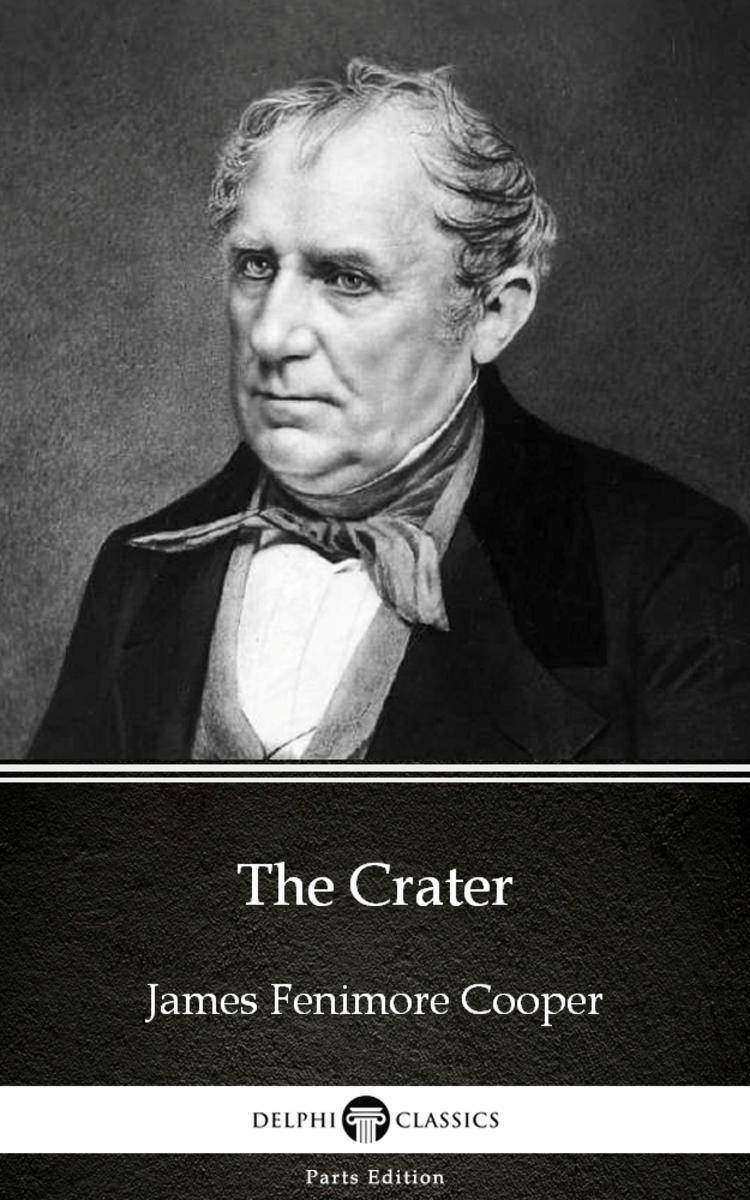
The Crater by James Fenimore Cooper - Delphi Classics (Illustrated)
¥8.09
This eBook features the unabridged text of ‘The Crater by James Fenimore Cooper - Delphi Classics (Illustrated)’ from the bestselling edition of ‘The Complete Works of James Fenimore Cooper’. Having established their name as the leading publisher of classic literature and art, Delphi Classics produce publications that are individually crafted with superior formatting, while introducing many rare texts for the first time in digital print. The Delphi Classics edition of Cooper includes original annotations and illustrations relating to the life and works of the author, as well as individual tables of contents, allowing you to navigate eBooks quickly and easily. eBook features: * The complete unabridged text of ‘The Crater by James Fenimore Cooper - Delphi Classics (Illustrated)’ * Beautifully illustrated with images related to Cooper’s works * Individual contents table, allowing easy navigation around the eBook * Excellent formatting of the text Please visit www.delphiclassics.com to learn more about our wide range of titles
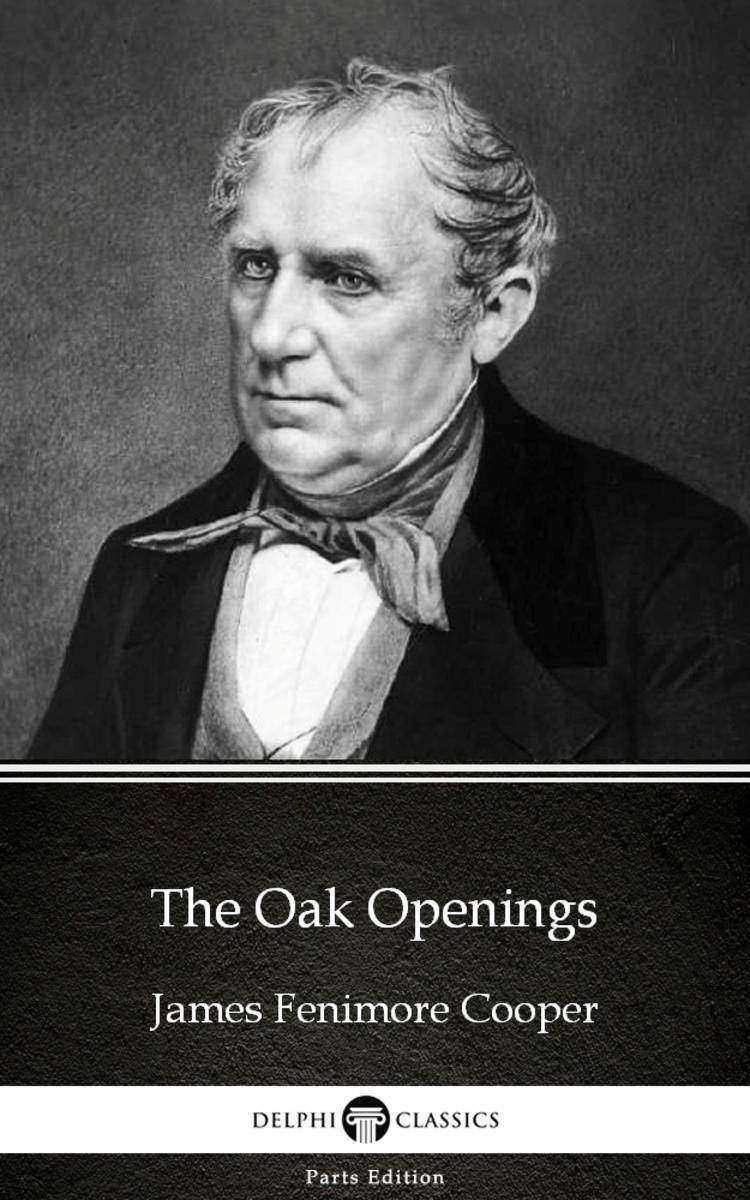
The Oak Openings by James Fenimore Cooper - Delphi Classics (Illustrated)
¥8.09
This eBook features the unabridged text of ‘The Oak Openings by James Fenimore Cooper - Delphi Classics (Illustrated)’ from the bestselling edition of ‘The Complete Works of James Fenimore Cooper’. Having established their name as the leading publisher of classic literature and art, Delphi Classics produce publications that are individually crafted with superior formatting, while introducing many rare texts for the first time in digital print. The Delphi Classics edition of Cooper includes original annotations and illustrations relating to the life and works of the author, as well as individual tables of contents, allowing you to navigate eBooks quickly and easily. eBook features: * The complete unabridged text of ‘The Oak Openings by James Fenimore Cooper - Delphi Classics (Illustrated)’ * Beautifully illustrated with images related to Cooper’s works * Individual contents table, allowing easy navigation around the eBook * Excellent formatting of the text Please visit www.delphiclassics.com to learn more about our wide range of titles


