


 购物车
购物车 个人中心
个人中心
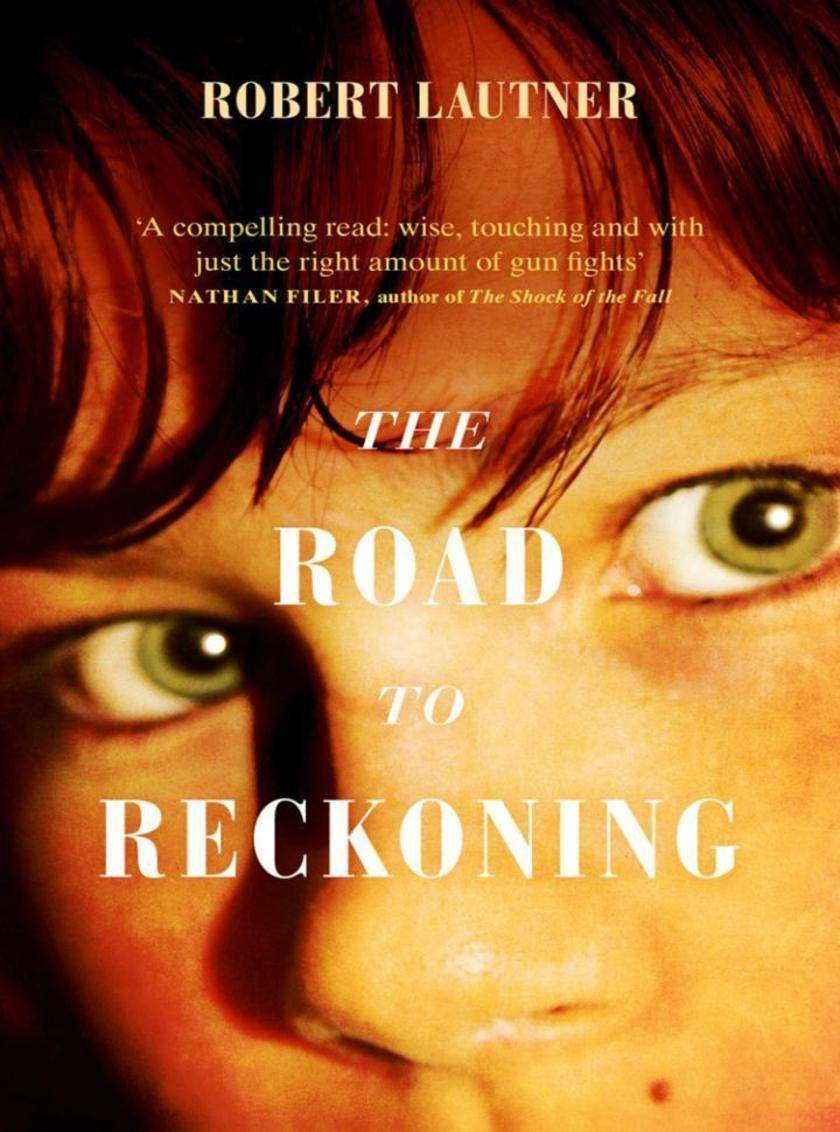
The Road to Reckoning
¥61.51
A novel that hits right to the heart of fans of Cold Mountain and True Grit. Set in 1837, this is the completely compelling story of 12-year-old orphan Thomas Walker and his treacherous journey home through the wide open lands of America. ‘I, to this day, hold to only one truth: if a man chooses to carry a gun he will get shot. My father agreed to carry twelve.’ Young Tom Walker cannot believe his luck when his father allows him to accompany him on the road, selling Samuel Colt’s newly-invented revolver. They will leave behind the depression and disease that is gripping 1830’s New York to travel the country together. Still only twelve years old, Tom is convinced that he is now a man. Fate, it seems, thinks so too … On the road west the towns get smaller, the forests wilder, and the path more unforgiving. A devastating encounter cuts their journey tragically short, and leaves Tom all alone in the wilderness. Struggling to see a way home, he finds his only hope: ageing ranger Henry Stands, who is heading back east. Tom’s resolve to survive initiates an unlikely partnership that will be tested by the dangers of the road ahead, where outlaws prowl.
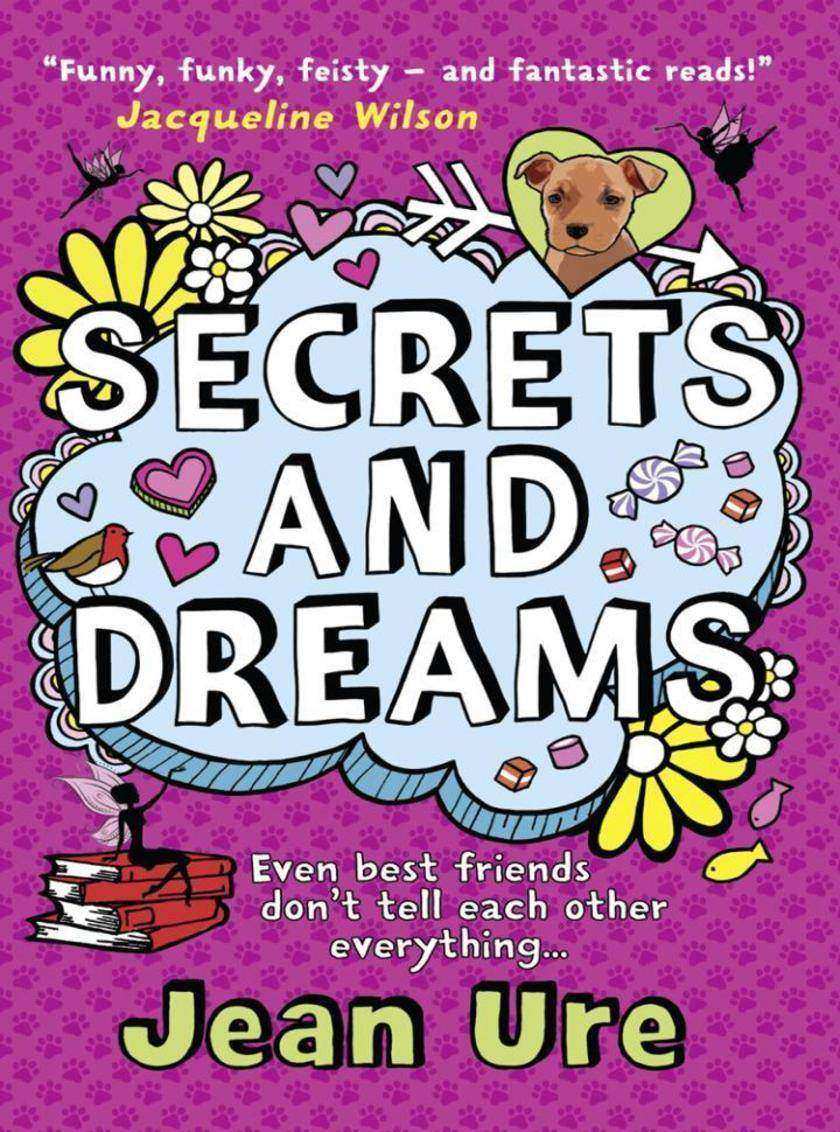
Secrets and Dreams
¥51.50
The latest novel from bestselling author Jean Ure - perfect for fans of Jacqueline Wilson and Cathy Cassidy When Zoe’s dream of going to boarding school becomes a reality, she can’t wait for her life there to begin – but sometimes things don’t turn out the way we expect, and when one of Zoe's new friends reveals a secret too big to share with the others in the group, Zoe finds herself caught in the middle. Will she be able to keep the Daisies together? Staying loyal while ‘fitting in’ has never seemed harder…
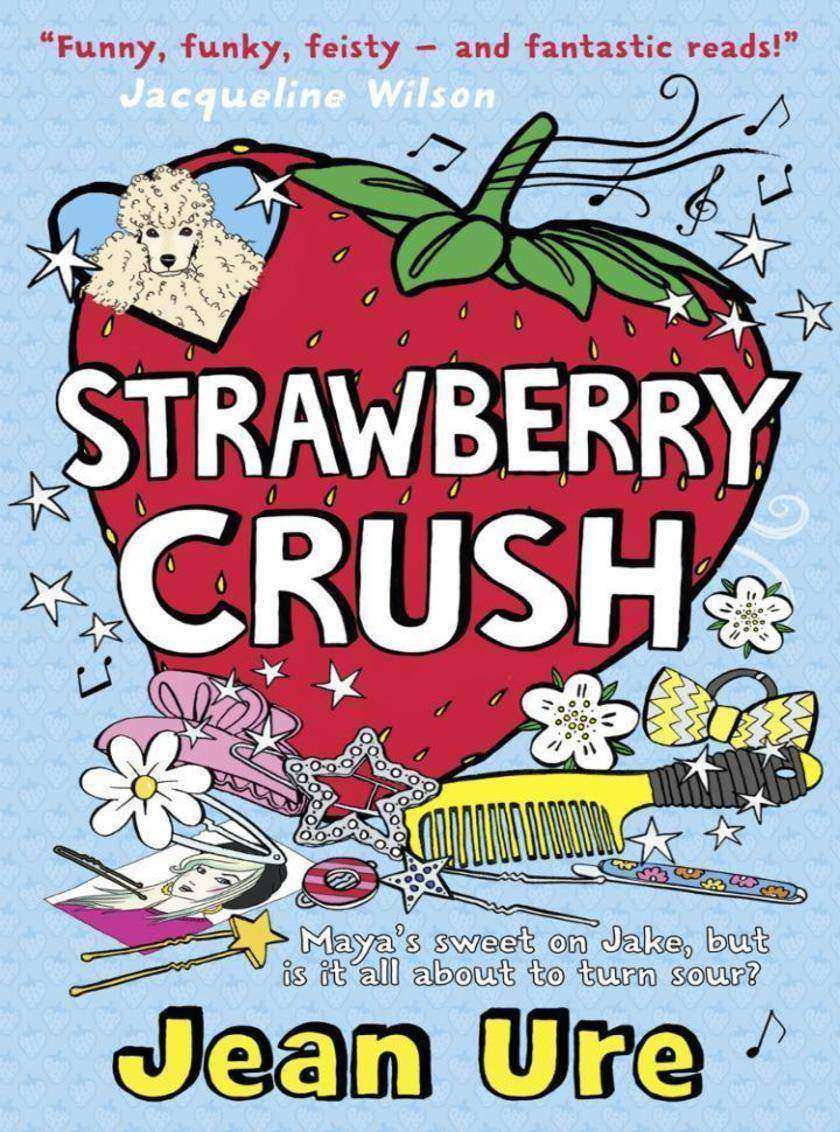
Strawberry Crush
¥44.44
A brand new story of crushes, first love and friendship from the original Queen of Tween – Jean Ure! When Maya falls off her bike and into the arms of Jake Harper, her cousin Mattie thinks the crush that follows will be as short-lived as the rest – especially as Maya is a Year 8 nobody and Jake is a Year 12 god. Mattie’s pretty sure that Jake's taken, anyway. But if Jake’s got a girlfriend then why does he keep offering Maya lifts around town? And why does Maya accuse Mattie of being jealous of her? Perhaps there’s more to this crush than meets the eye…
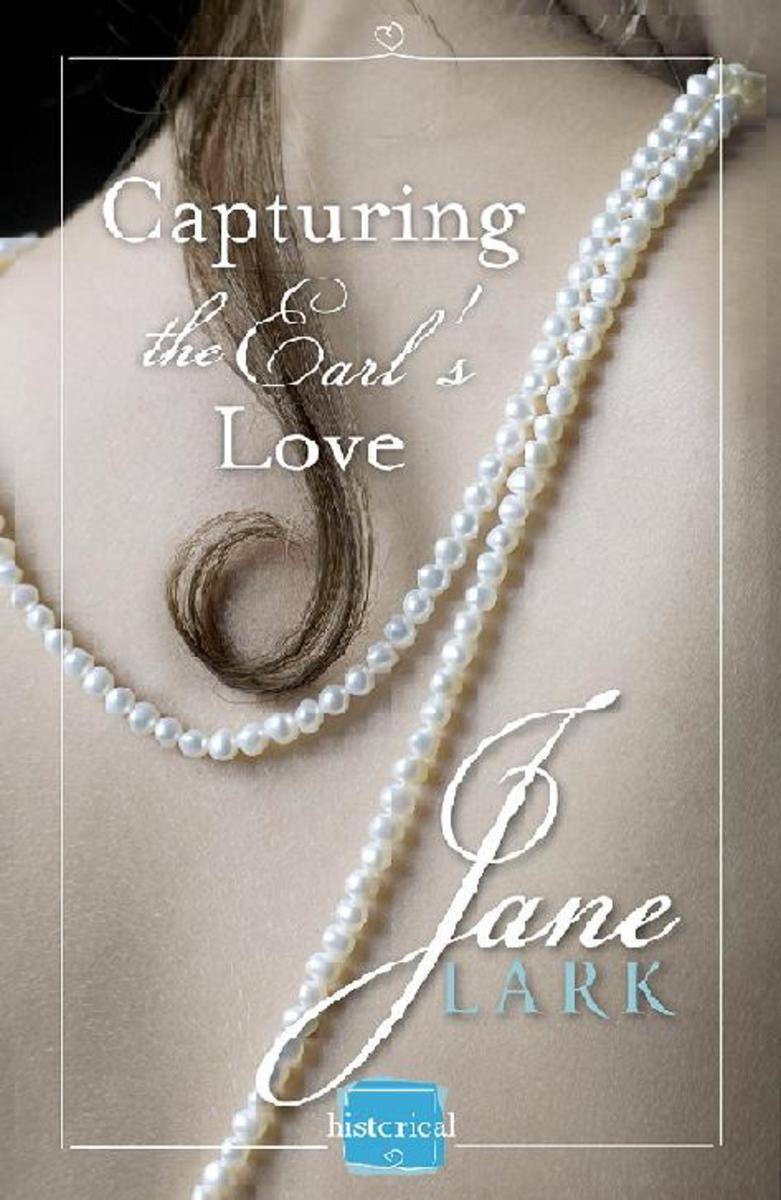
Capturing the Earl’s Love: A free Novella
免费
From Kindle bestselling Historical romance author, Jane Lark, comes a brand new FREE novella to accompany her breathtaking Marlow Intrigues series. "Pure, unadulterated romance." Best Chick Lit.com Don't miss the other novels in the series, The Illicit Love of a Courtesan The Passionate Love of a Rake The Scandalous Love of a Duke and coming soon... The Lost Love of a Soldier This novella tells the story of secondary characters from The Illicit Love of a Courtesan Rupert Stanforth, Earl of Morton, is exasperated by his sister's choice of friend. Meredith Divine, clings, using Rowena's plain appearance as a foil for her auburn curls and fuller figure. He would break the friendship, but the more he complains the more time the girls spend together. Ceasing his disagreement, he hopes the friendship will die, believing Meredith will take a wrong-step soon... Meredith clings to her only friend, Lady Rowena Stanforth, despite the disgusted looks thrown by Rowena's proud, judgemental brother. Lord Morton cannot abide Meredith because of her low standing but Meredith's heart favours him... then in his single act of kindness, Meredith grasps an opportunity she cannot resist...

Short walks in the Lake District
¥51.50
The Lake District contains some of the most spectacular landscapes in Britain with superb walking areas. These can be explored with these 20 walks, all of which are 5 miles or under in length and can easily be completed in less than 3 hours. This guide, produced in co-operation with the Ramblers and featuring Ordnance Survey mapping, is the perfect way to really appreciate the landscapes of the Lake District. INCLUDES: ? 20 easy to follow walks which can be completed in 3 hours and under. ? Each walk has a detailed 1:25 000 Ordnance Survey map with the route clearly marked plus a detailed de*ion of the route. ? The walks have been chosen with issues like parking and refreshments in mind to make life easy for families. ? Packed with colour photographs of scenes you will see along the walk. The perfect guide for afternoon walks near to Keswick, Windermere, Coniston, Grasmere and Ambleside.

City Kid
¥58.86
From the author of international bestsellers A Circle of Children and Lovey comes an inspiring true story of a gifted teacher’s determination to understand the ‘rotten’ city kid everyone has given up on. Sitting quiet and withdrawn at a battered school desk, Luke had the looks of a shy angel – and a past that special needs teacher Mary MacCracken could barely believe. Already Luke had been picked up 24 times by the police. He’d set over a dozen major fires, and had a staggering record of thefts. No adult could reach him, no teacher could control him, and no policeman could cow him. All this – and Luke was only seven and a half years old. Trying to help Luke was Mary MacCracken’s job – and a seemingly impossible challenge. This is the remarkable story of how the impossible came true.

United States of Love
¥54.65
‘If you want a fun, emotional and really enjoyable read, don’t miss United States of Love by Sue Fortin.’ – Sara at Harlequin Junkie Since splitting from her husband, single mum Anna Barnes is enjoying her new found freedom and independence. However, she didn't bank on working for Tex Garcia – or the sparks that fly between them. The gorgeous American chef is getting the locals hot under the collar and not just because of his culinary prowess! One problem: Tex can't commit and women pass through his life like dishes going out to service! Will it be the same with Anna? One thing’s for sure, this All American man is determined to break her self-imposed rule of never mixing business with pleasure – and add some spice into the mix…
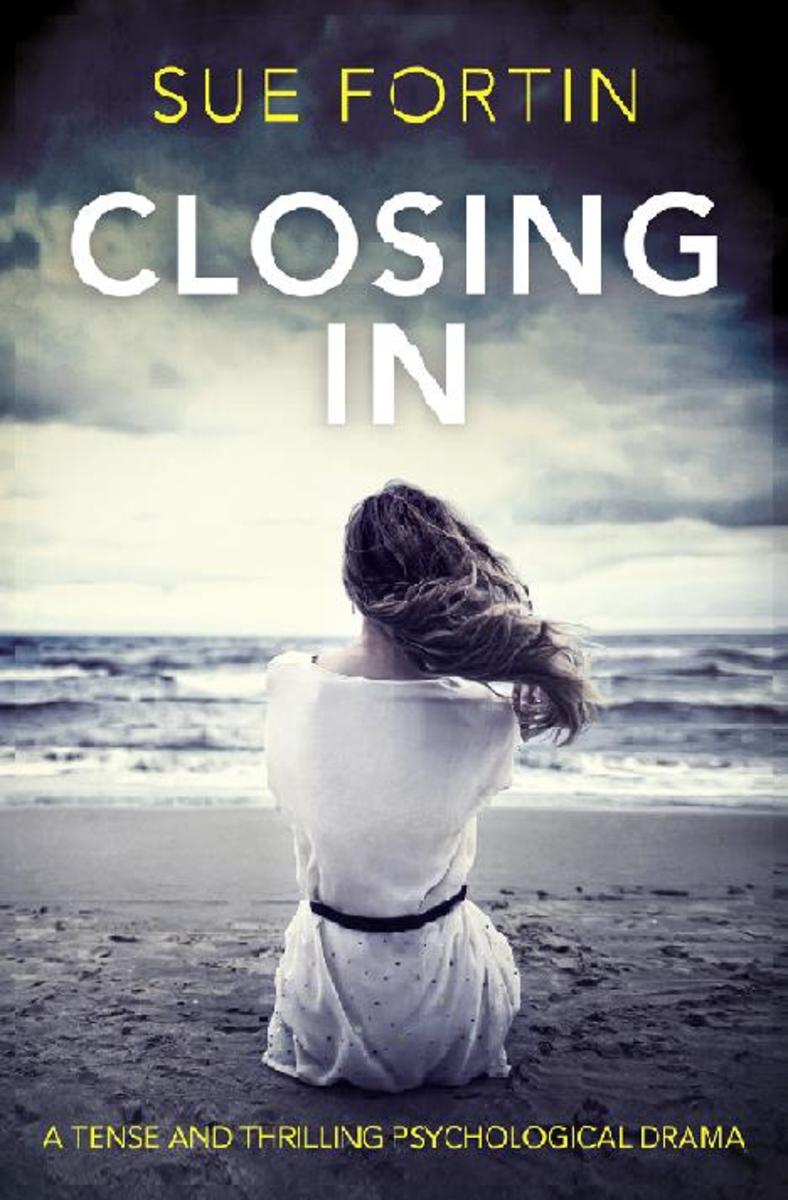
Closing In
¥45.42
‘Compelling and gripping’ – Blabbering about Books ‘Thoroughly gripping…full of suspense’ – Kim The Bookworm She thinks she’s escaped. She thinks she’s safe… Helen has had to leave everything she’s ever known behind; her home, her family, even her own name. Now, returning to the UK as Ellen Newman, she moves to a small coastal village, working as a nanny for Donovan, a criminal psychologist. Attractive, caring and protective, this single father and his sweet daughter are a world away from Ellen’s brutal past. But Ellen can’t shake the feeling that something’s wrong. Strange incidents begin to plague her new family, and their house of calm is about to become one of suspicion and fear. Who can be trusted? Who is the target? Who is closing in?
Negotiation Skills in 7 simple steps
¥61.51
7 simple steps to flawless negotiations A successful negotiation results in a win-win agreement for both parties. But where do you start if you’re up against people or organisations with conflicting objectives? Or people who are just downright difficult? Getting what you want requires determination and tact. You need to be assertive but know when to compromise. We’ll help you refine your persuasive skills through verbal and non-verbal communication. We’ll show you how to identify and understand the key issues, distinguish between needs and interests and come to an agreement that benefits everyone. With our 7 simple steps you’ll be a pro in no time.
Get that Job in 7 simple steps
¥61.51
7 simple steps to help you find your perfect job Kickstart your job applications and get the job you want. If you’re new to the job market, back for a restart, or want a change of scene, we’ll help you target what you want and show you how to get there. The job market is tougher than ever, and making a great first impression is everything. We’ll debunk the myths of applying for jobs, help get your CV into shape and prepare you for the interview. Just make sure you get there on time (that bit’s up to you).
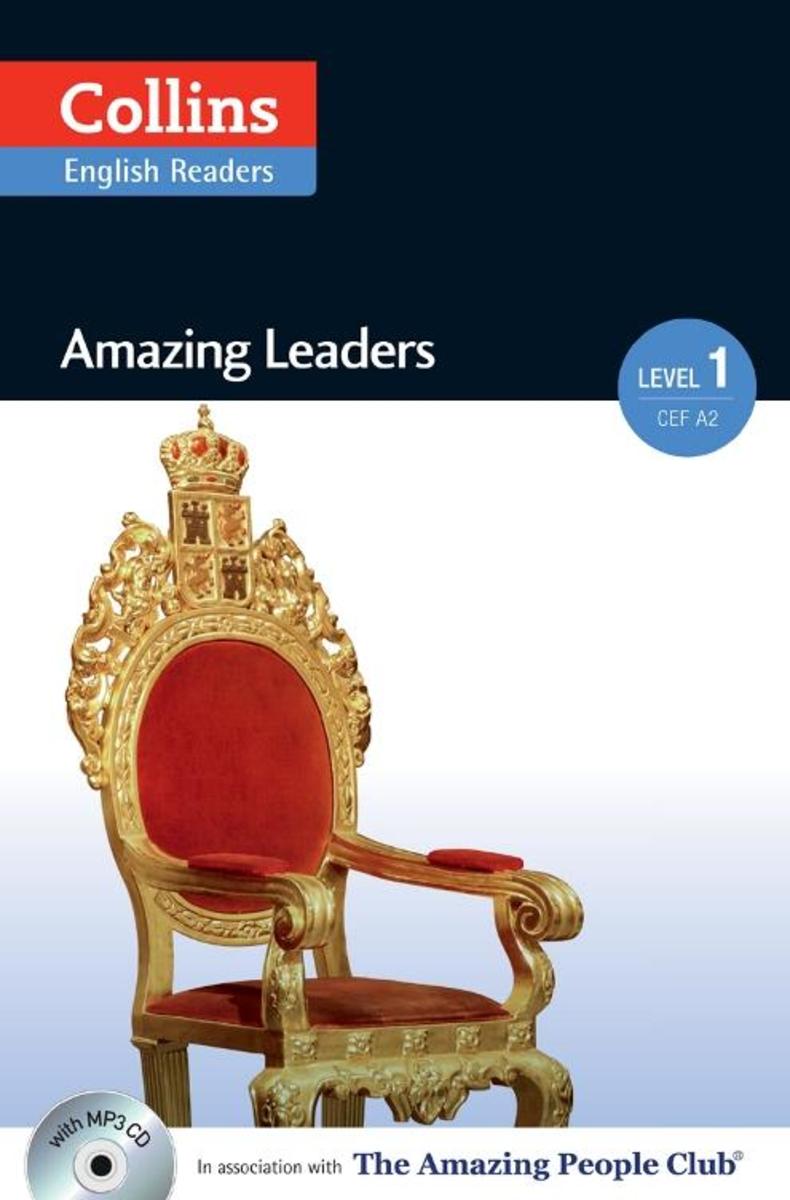
Amazing Leaders: A2 (Collins Amazing People ELT Readers)
¥42.67
The inspiring stories of 6 people who changed history. Contents: Gaius Julius Caesar, the powerful Roman leader Queen Elizabeth I who ruled England for 45 years George Washington, the first president of the USA King Louis XVI, the last king of France Winston Churchill who led Britain in the Second World War Che Guevara, the Argentinian doctor who fought for revolution BRITISH ENGLISH Word count: 18,924 Headword count: 1,654 Each book includes a free CD with a full recording of each story. PLUS: visit www.collinselt.com/readers for videos, teacher resources and self-study materials. This book is Level 4 in the Collins ELT Readers series. Level 4 is equivalent to CEF level B2. About the Amazing People series: A unique opportunity for learners of English to read about the exceptional lives and incredible abilities of some of the most insightful people the world has seen. Each book contains six short stories, told by the characters themselves, as if in their own words. The stories explain the most significant parts of each character’s life, giving an insight into how they came to be such an important historic figure. After each story, a timeline presents the most major events in their life in a clear and succinct fashion. The timeline is ideal for checking comprehension or as a basis for project work or further research. Created in association with The Amazing People Club. About Collins ELT Readers: Collins ELT Readers are divided into four levels: Level 1 - elementary (A2) Level 2 - pre-intermediate (A2–B1) Level 3 - intermediate (B1) Level 4 - upper intermediate (B2) Each level is carefully graded to ensure that the learner both enjoys and benefits from their reading experience.

Say it with Sequins: The Charleston: (A Novella)
¥27.17
For fans of reality dance shows, this series is strictly irresistible! Into the last stage of ‘Who Dares Dances’ blasts Meredith Denning, a tour de force! She’s a voluptuous, beautiful Oxford grad looking for a direction in life. Merry is partnered with professional dancer Daniel, who is still nurturing feelings for a newly engaged Julia. Though it’s not long before these two take their incredible chemistry from ballroom… to bedroom! With Daniel on her arm and the trophy within reach, Merry finds herself in danger of breaking the habit of a lifetime as she falls heavily for Daniel. Find out how it all ends the final part of the flirty, fun and FAB-U-LOUS series, Say it with Sequins!
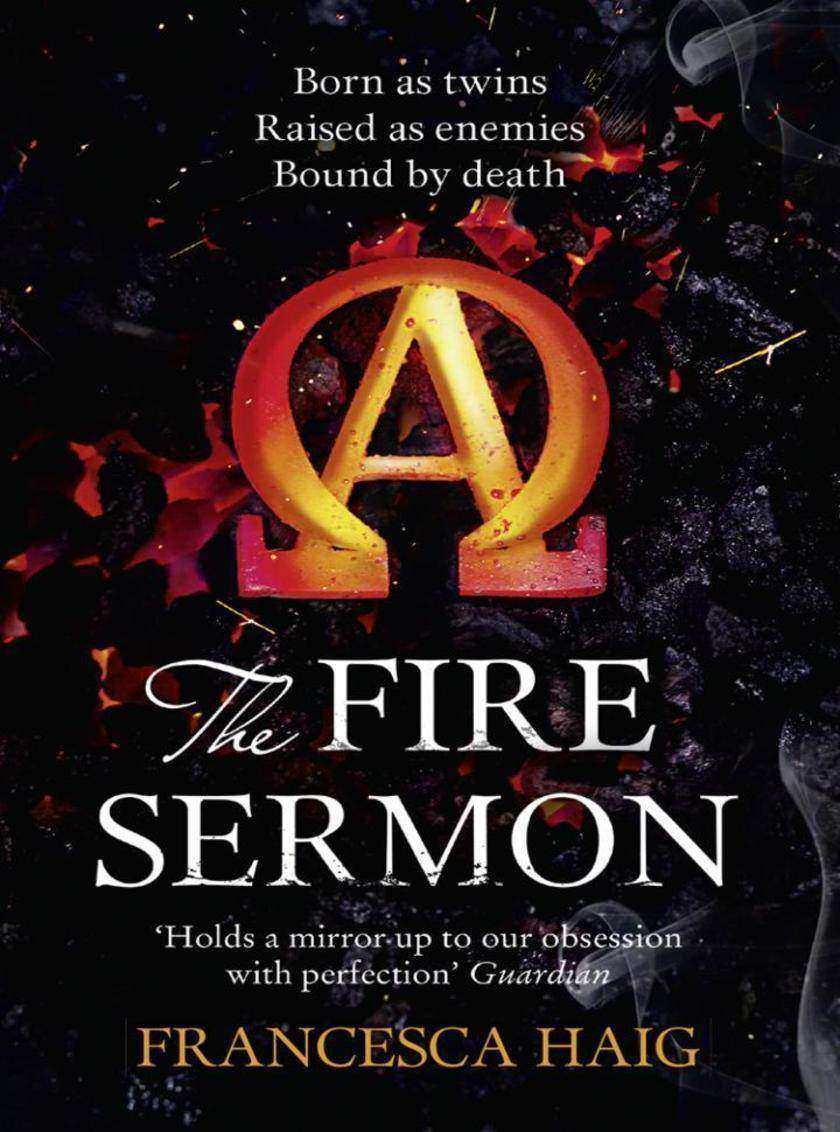
The Fire Sermon (Fire Sermon, Book 1)
¥65.16
BORN AS TWINS RAISED AS ENEMIES BOUND BY DEATH Cass is born a few minutes after her brother, Zach. Both infants are perfect, but only one is a blessing; only one is an Alpha. The other child must be cast out. But with no discernible difference, other than their genders, their parents cannot tell which baby is tainted. Perfect twins. So rare, they are almost a myth. But sooner or later the Omega will slip up. It will eventually show its true self. The polluted cannot help themselves. Then its face can be branded. Then it can be sent away.

World War 2 Thriller Collection
¥165.91
Presented for the first time, three classic war novels from the generals of the genre, Len Deighton, Jack Higgins & Alistair MacLean. Prepare to be blown away by these explosive thrillers: WINTER The epic prelude to Deighton’s acclaimed Bernard Samson spy series, in which the complex lives of two brothers unfold during the dramatic rise of Nazi Germany between two world wars. THE EAGLE HAS FLOWN Sequel to Higgins’ legendary The Eagle Has Landed. The mission to assassinate Winston Churchill has failed, but two of the ringleaders are still alive and now the Reichsfuhrer is demanding the Eagle’s return – at all costs. SOUTH BY JAVA HEAD 1942: Singapore lies shattered, overrun by the conquering Japanese army, as the last boat slips out to sea. On board, a desperate group of people, each with a secret they will kill to protect. Ahead lie murderous dive-bombers, the fierce tropical sun, and the hell-bent Japanese, who will stop at nothing to prevent the boat escaping south by Java Head.

Checker and the Derailleurs
¥66.22
From the Orange Prize winning author of We Need to Talk About Kevin this is a novel about what it takes to make it in music. How charisma is worth its weight in gold. And how jealously can grow until it has eaten away at a musician’s heart. He has that thing that they’d all pay for but can’t buy: on stage and off, the 19-year-old rock drummer Checker Secretti is electric. When he plays with his band The Derailleurs, the natives of Astoria, Queens clamour for a piece of him. But charisma comes at a price. A Salieri to Checker’s Mozart, the fiercely envious fellow drummer Eaton Striker is eager to sow discord among the Derailleurs, that he might replace the exasperatingly popular goody-goody in the close-knit neighbourhood’s affections. An examination of the passion, the jealousy and the friendship of young musicians trying to break out, Checker and The Derailleurs is also about cycling, rock lyrics, glass blowing, the marriage of convenience, and―most of all―the mystery of joy.

Lindsey Kelk 5-Book ‘I Heart...’ Collection
¥275.07
Indulge in the unputdownable I HEART series. Follow Angela’s adventures from day one . . . When Angela Clark flees her best friend's wedding for New York, leaving chaos, an injured groom and a boyfriend in her wake, her adventures are only just beginning. Follow her through five hilarious and highly entertaining novels as her attempts to start a new life and new career – and a new love affair too – take her to Hollywood, Vegas, Paris and back to London. Being Angela, it's not long before she's in one scrape after another…

Sour: My Story
¥61.51
They call me Sour. The opposite of sweet. Shanking, stabbing, steaming, robbing, I did it all, rolling with the Man Dem. I did it because I was bad. I did it because I had heart. And the reason I reckon I got away with it for so long? Because I was a girl. SOUR is the true story of a former Brixton gang girl, drug dealer and full-time criminal. A member of the Younger 28s, a notorious gang that terrorised the postcodes around Brixton in the 90s, Sour escapes a troubled family life to immerse herself in the street life of likking and linking. She never leaves her house without a knife. At the age of fifteen, she stabs an innocent man in the street, earning her unrivalled respect and ‘Top-Dog’ status amongst her crew. She believes she is invincible. But the consequences of her actions are soon to catch up with her. Waking for the second time in two weeks in a hospital bed, to the news that she is pregnant, she realises it’s time to turn her life around. Motherhood will be a rude awakening, but it may also be her saving grace. Told with raw emotions and ferocious honesty, this is the real, on-the-record, story of one woman’s descent down the rabbit hole of gangland, and her efforts, as a daughter, mother and girlfriend, to claw herself out.
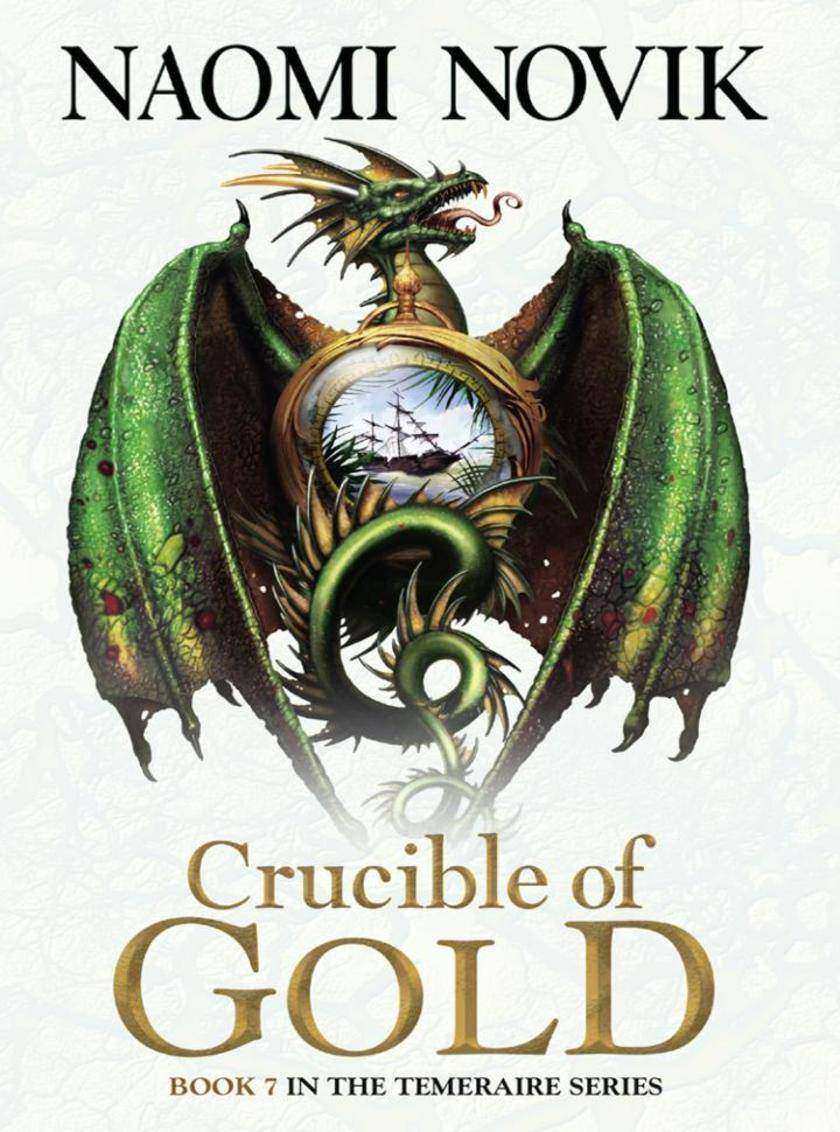
Crucible of Gold (The Temeraire Series, Book 7)
¥72.30
Naomi Novik’s stunning series of novels follow the global adventures of Captain William Laurence and his fighting dragon Temeraire as they are thrown together to fight for Britain during the turbulent time of the Napoleonic Wars. Former Aerial Corps captain Will Laurence and his faithful dragon, Temeraire, have been put out to pasture in Australia – and it seems their part in the war has ended just when they are needed most. The French have invaded Spain, forged an alliance with Africa’s powerful Tswana empire, and brought revolution to Brazil. With Britain’s last desperate hope of defeating Napoleon in peril, the government that sidelined Laurence swiftly offers to reinstate him, convinced that he’s the best man to enter the fray and negotiate peace. So the pair embark for Brazil, only to meet with a string of unmitigated disasters that forces them to make an unexpected landing in the hostile territory of the Incan empire. With the success of the mission balanced on a razor’s edge, an old enemy appears and threatens to tip the scales toward ruin. Yet even in the midst of disaster, opportunity may lurk – for one bold enough to grasp it.

The Complete Confessions of a GP (The Confessions Series)
¥34.14
Confessions of a GP and Further Confessions of a GP together in one volume. Benjamin Daniels is angry. He is frustrated, confused, baffled and, quite frequently, very funny. He is also a GP. These are his confessions.
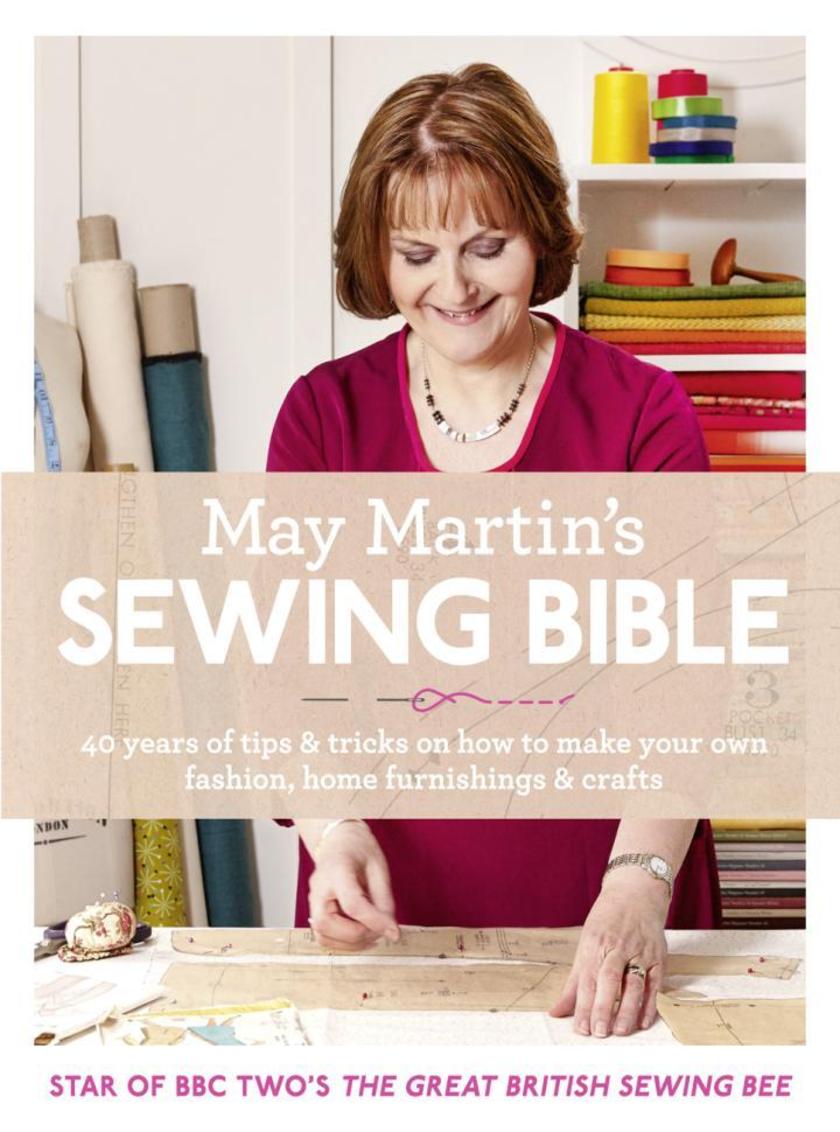
May Martin’s Sewing Bible: 40 years of tips and tricks
¥184.23
Star of the Great British Sewing Bee and doyenne of the Women’s Institute, May Martin has been teaching sewing for over 40 years. Now for the first time she shares her tips and tricks, offering the ultimate beginners’ guide to sewing. Beautifully styled and simple-to-follow, this authoritative sewing bible gives readers information on everything they need to know to get started with sewing. Providing all the essential background information on sewing, setting up your sewing space and detailed lists of all the equipment you’ll need; step-by-step instructions for over 40 projects; and a wealth of general sewing tips and techniques to help you finally master overlocking, seams, fastenings, hemming and much much more, with this book May will simplify all the skills and terms you need, demystify sewing and inspire you to unpack your sewing machine and have a go. It contains over 40 beautiful projects, including crafts, accessories, womenswear, kidswear, menswear and home furnishings. With a range of difficulties for each category – from super-easy but stylish ideas to get even the most nervous sewers started to more elaborate ideas for the aspiring sewer looking for a challenge.
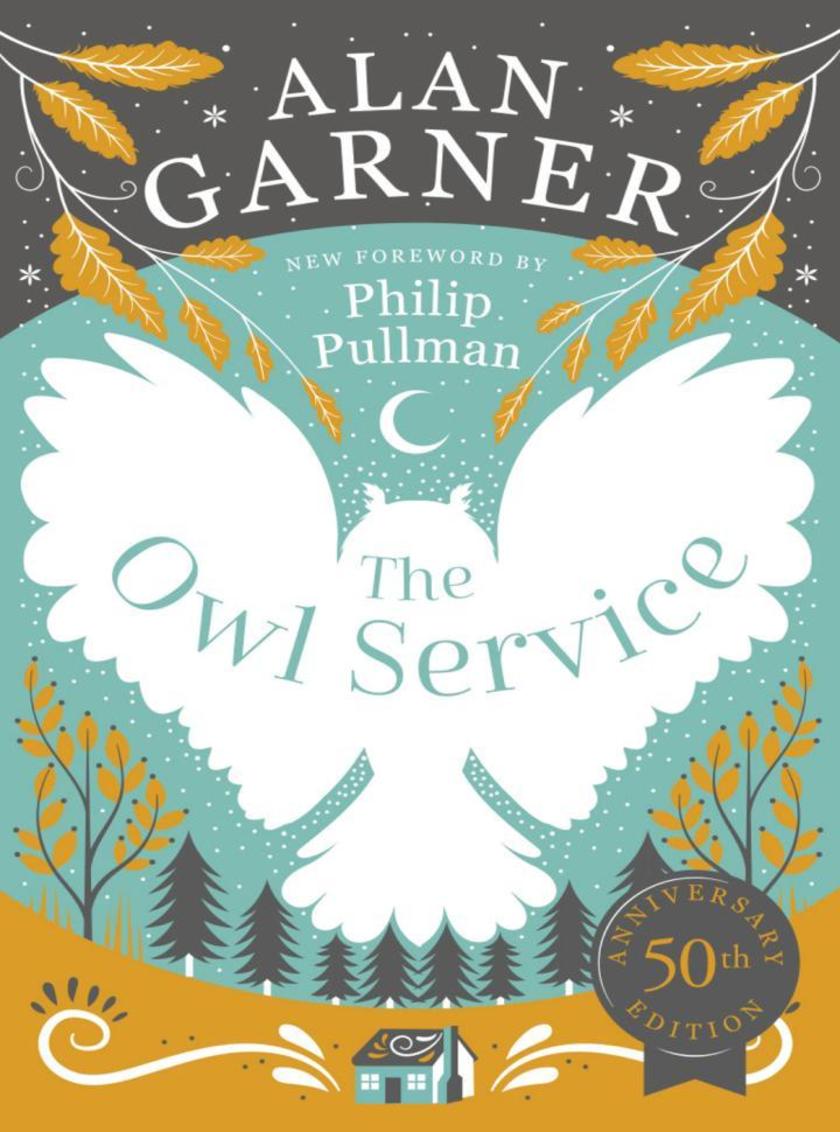
The Owl Service
¥34.14
Winner of both the Guardian Award and the Carnegie Medal, this is an all-time classic, combining mystery, adventure, history and a complex set of human relationships. Featuring a new introduction by Philip Pullman. It all begins with the scratching in the ceiling. From the moment Alison discovers the dinner service in the attic, with its curious pattern of floral owls, a chain of events is set in progress that is to effect everybody’s lives. Relentlessly, Alison, her step-brother Roger and Welsh boy Gwyn are drawn into the replay of a tragic Welsh legend – a modern drama played out against a background of ancient jealousies. As the tension mounts, it becomes apparent that only by accepting and facing the situation can it be resolved.


