


 购物车
购物车 个人中心
个人中心
Timon of Athens, with line numbers
¥8.09
Sometimes classified as tragedy, sometimes as comedy, and sometimes as "problem play." According to Wikipedia: "The Life of Timon of Athens is a play by William Shakespeare about the legendary Athenian misanthrope Timon (and probably influenced by the philosopher of the same name, as well), generally regarded as one of his most obscure and difficult works. Originally grouped with the tragedies, it is generally considered such, but some scholars group it with the problem plays."
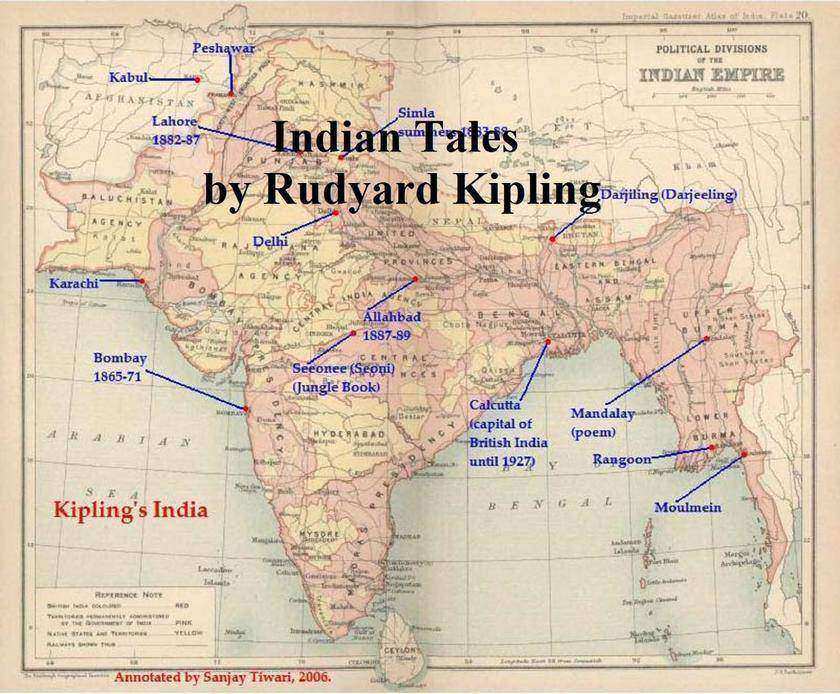
Indian Tales
¥8.09
Classic Kipling short stories, including "The Finest Story in the World", With the Main Guard, Wee Willie Winkie, The Rout of the White Hussars, At Twenty-two, The Courting of Dinah Shadd, The Story of Muhammad Din, In Flood Time, My Own True Ghost Story, The Big Drunk Draf', By Word of Mouth, The Drums of the Fore and Aft, The Sending of Dana Da, On the City Wall, The Broken-link Handicap, On Greenhow Hill, To Be Filed for Reference, The Man Who Would Be King, The Gate of the Hundred Sorrows, The Incarnation of Krishna Mulvaney, His Majesty the King, The Strange Ride of Morrowbie, Jukes, In the House of Suddhoo, Black Jack, The Taking of Lungtungpen, The Phantom Rickshaw, On the Strength of a Likeness, Private Learoyd's Story, Wressley of the Foreign Office, The Solid Muldoon, The Three Musketeers, Beyond the Pale, The God from the Machine, The Daughter of the Regiment, The Madness of Private Ortheris, and L'Envoi.
Lord Arthur Savile's Crime: And Other Stories
¥8.09
Story collection including: Lord Arthur Savile's Crime, The Canterville Ghost, The Sphinx, Without a Secret, The Model Millionaire, and The Portrait of Mr. W. H. According to Wikipedia: "Oscar Fingal O'Flahertie Wills Wilde (1854 - 1900) was an Irish playwright, novelist, poet, and author of short stories. Known for his barbed wit, he was one of the most successful playwrights of late Victorian London, and one of the greatest celebrities of his day. As the result of a famous trial, he suffered a dramatic downfall and was imprisoned for two years of hard labour after being convicted of the offence of 'gross indecency.'"
American Cookery (1796)
¥8.09
THE ART OF DRESSING VIANDS, FISH, POULTRY and VEGETABLES, AND THE BEST MODES OF MAKING PASTES, PUFFS, PIES, TARTS, PUDDINGS, CUSTARDS AND PRESERVES, AND ALL KINDS OF CAKES, FROM THE IMPERIAL PLUMB TO PLAIN CAKE. ADAPTED TO THIS COUNTRY, AND ALL GRADES OF LIFE. "As this treatise is calculated for the improvement of the rising generation of _Females_ in America, the Lady of fashion and fortune will not be displeased, if many hints are suggested for the more general and universal knowledge of those females in this country, who by the loss of their parents, or other unfortunate circumstances, are reduced to the necessity of going into families in the line of domestics, or taking refuge with their friends or relations, and doing those things which are really essential to the perfecting them as good wives..."
As You Like It, with line numbers
¥8.09
The classic comedy. According to Wikipedia: "As You Like It is a pastoral comedy by William Shakespeare believed to have been written in 1599 or early 1600 and first published in the folio of 1623. The work was based upon the novel Rosalynde by Thomas Lodge. The play's first performance is uncertain, though a performance at Wilton House in 1603 has been suggested as a possibility. As You Like It follows its heroine Rosalind as she flees persecution in her uncle's court to find safety and eventually love in the Forest of Arden. Historically, critical response has varied, with some critics finding the work of lesser quality than other Shakespearean works and some finding the play a work of great merit. The play features one of Shakespeare's most famous and oft-quoted soliloquies, "All the world's a stage" and the phrase "too much of a good thing." The play remains a favorite among audiences and has been adapted for radio, film, and musical theatre."
Much Ado About Nothing, with line numbers
¥8.09
The classic comedy. According to Wikipedia: "Much Ado About Nothing is a romantic comedy by William Shakespeare set in Messina, Sicily about a pair of lovers named Claudio and Hero due to be married in a week. To pass the time before their wedding day they conspire with Don Pedro, the prince of Aragon, to trick their friends, Beatrice and Benedick, into confessing their love for one another. The prince's brother Don John, however, jealous of both Don Pedro's power and his affection for Claudio, conspires to sabotage the coming wedding."
Beaucoup de Bruit pour Rien (Much Ado About Nothing in French)
¥8.09
Shakespeare comdey, traduit en fran?ais par Fran?ois Pierre Guillaume Guizot (1787 - 1874), historien fran?ais et homme d'?tat. Publié en 1862. Selon Wikipedia: "Beaucoup Ado About Nothing est une comédie écrite par William Shakespeare sur deux couples d'amoureux, Benedick et Beatrice, et Claudio et Hero Benedick et Beatrice sont engagés dans une" guerre joyeuse ", ils Parlez un kilomètre à la minute et proclamez leur mépris pour l'amour, le mariage et les autres.Par contraste, Claudio et Hero sont des jeunes gens doux qui sont rendus pratiquement sans voix par leur amour les uns pour les autres. "
Othello in French
¥8.09
Traduit par Fran?ois Pierre Guillaume Guizot (1787 - 1874), historien fran?ais et homme d'?tat. Publié en 1863. Selon Wikipedia: "La Tragédie d'Othello, le Maure de Venise est une tragédie de William Shakespeare, qui aurait été écrite vers 1603, et basée sur la nouvelle italienne Un Capitano Moro (" Un capitaine maure " Cinthio, un disciple de Boccace, publié pour la première fois en 1565. L'?uvre s'articule autour de quatre personnages principaux: Othello, général mauresque de l'armée vénitienne, sa femme Desdemona, son lieutenant Cassio et son enseigne de confiance, Iago.
Timon d'Athenes (Timon of Athens in French)
¥8.09
Traduit par Fran?ois Pierre Guillaume Guizot (1787 - 1874), historien fran?ais et homme d'?tat. Publié en 1862. Selon Wikipedia: "La vie de Timon d'Athènes est une pièce de William Shakespeare sur la fortune d'un Athénien nommé Timon (et probablement influencé par le philosophe du même nom, aussi), généralement considéré comme l'un des ses travaux les plus obscurs et les plus difficiles, groupés à l'origine avec les tragédies, sont généralement considérés comme tels, mais certains savants les groupent avec les pièces à problèmes.
The New Jerusalem
¥8.09
Travelogue and related essays. According to Wikipedia: "Gilbert Keith Chesterton (1874 - 1936) was an influential English writer of the early 20th century. His prolific and diverse output included journalism, philosophy, poetry, biography, Christian apologetics, fantasy and detective fiction. Chesterton has been called the "prince of paradox."[1] He wrote in an off-hand, whimsical prose studded with startling formulations. For example: "Thieves respect property. They merely wish the property to become their property that they may more perfectly respect it."[2] He is one of the few Christian thinkers who are equally admired and quoted by both liberal and conservative Christians, and indeed by many non-Christians. Chesterton's own theological and political views were far too nuanced to fit comfortably under the "liberal" or "conservative" banner."
Prayers Written at Vailima
¥8.09
Very short collection of short prayers written in Samoa. According to Wikipedia: "Robert Louis (Balfour) Stevenson ( 1850 - 1894), was a Scottish novelist, poet, and travel writer, and a leading representative of Neo-romanticism in English literature. He was the man who "seemed to pick the right word up on the point of his pen, like a man playing spillikins", as G. K. Chesterton put it. He was also greatly admired by many authors, including Jorge Luis Borges, Ernest Hemingway, Rudyard Kipling, Vladimir Nabokov, and J. M. Barrie. Most modernist writers dismissed him, however, because he was popular and did not write within their definition of modernism. It is only recently that critics have begun to look beyond Stevenson's popularity and allow him a place in the canon."
Essays and Miscellanies
¥8.09
Volume 3 of the Complete Works of Plutarch. According to Wikipedia: "Lucius Mestrius Plutarchus (c. AD 46 - 120 — commonly known in English as Plutarch — was a Roman historian (of Greek ethnicity), biographer, essayist, and Middle Platonist. Plutarch was born to a prominent family in Chaeronea, Boeotia, a town about twenty miles east of Delphi. His known works consist of the Parallel Lives and the Moralia."
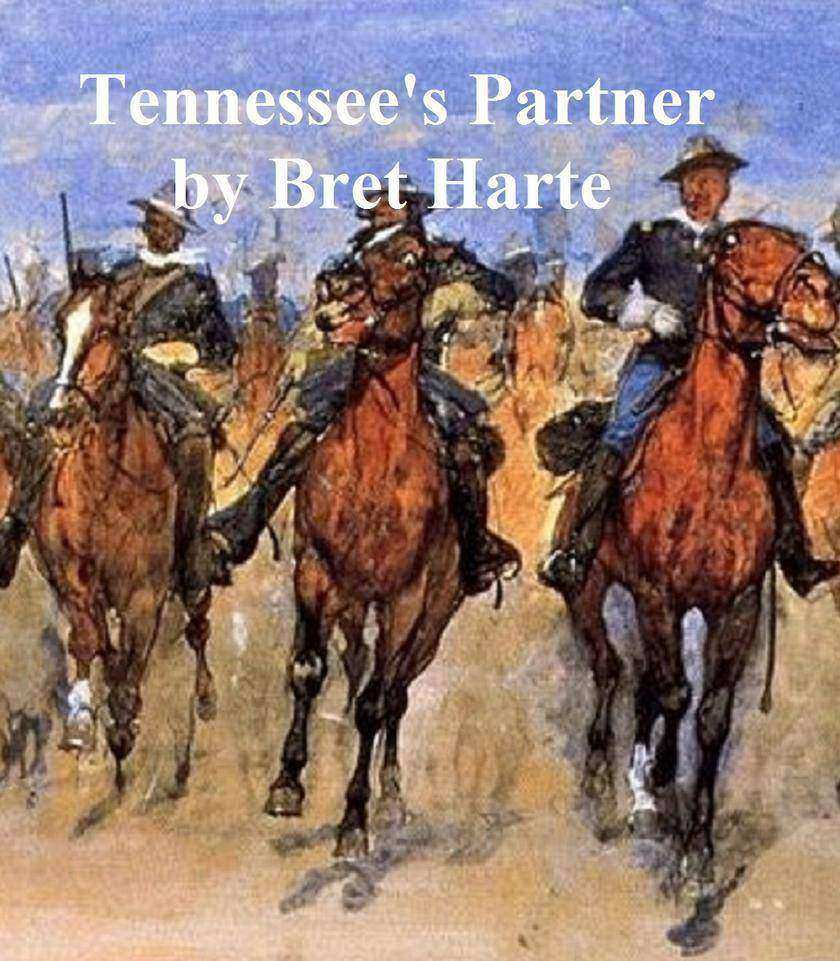
Tennessee's Partner
¥8.09
Western short story. According to Wikipedia: "Bret Harte (August 25, 1836[2] – May 6, 1902) was an American author and poet, best remembered for his accounts of pioneering life in California. He was born in Albany, New York. ... He moved to California in 1853, later working there in a number of capacities, including miner, teacher, messenger, and journalist. He spent part of his life in the northern California coast town now known as Arcata, then just a mining camp on Humboldt Bay. His first literary efforts, including poetry and prose, appeared in The Californian, an early literary journal edited by Charles Henry Webb. In 1868 he became editor of The Overland Monthly, another new literary magazine, but this one more in tune with the pioneering spirit of excitement in California. His story, "The Luck of Roaring Camp," appeared in the magazine's second edition, propelling Harte to nationwide fame... Determined to pursue his literary career, in 1871 he and his family traveled back East, to New York and eventually to Boston, where he contracted with the publisher of The Atlantic Monthly for an annual salary of $10,000, "an unprecedented sum at the time." His popularity waned, however, and by the end of 1872 he was without a publishing contract and increasingly desperate. He spent the next few years struggling to publish new work (or republish old), delivering lectures about the gold rush, and even selling an advertising jingle to a soap company. In 1878 Harte was appointed to the position of United States Consul in the town of Krefeld, Germany and then to Glasgow in 1880. In 1885 he settled in London. During the thirty years he spent in Europe, he never abandoned writing, and maintained a prodigious output of stories that retained the freshness of his earlier work. He died in England in 1902 of throat cancer and is buried at Frimley."
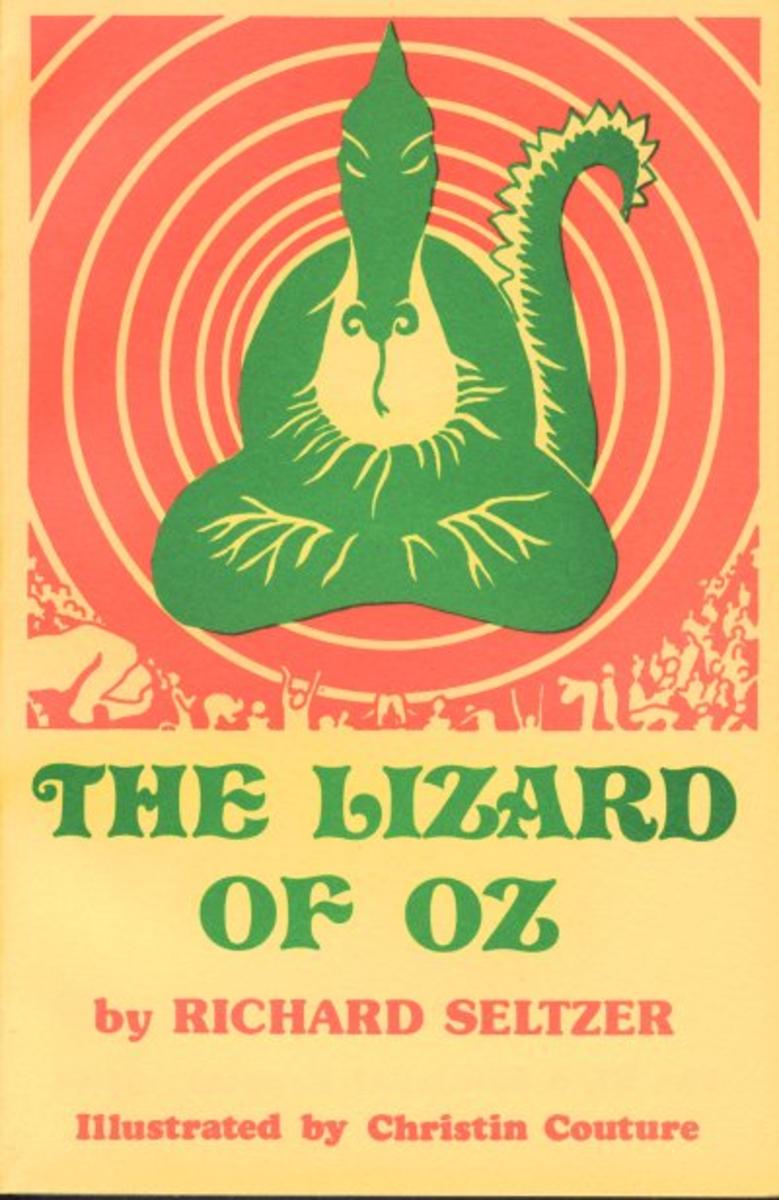
The Lizard of Oz
¥8.09
When an elementary class sets out on a quest to save the world from disenchantment, their adventures reveal paradoxes of the human mind and ways of awakening the magic within us. Library Journal -- "An intriguing and very entertaining little novel" Aspect -- "Carroll and Tolkien have a new companion" Lancaster (PA) Independent Press -- "a work so saturated that the mind is both stoned with pleasure and alive with wonder" Philadelphia Bulletin -- "A commentary on our times done delightfully"
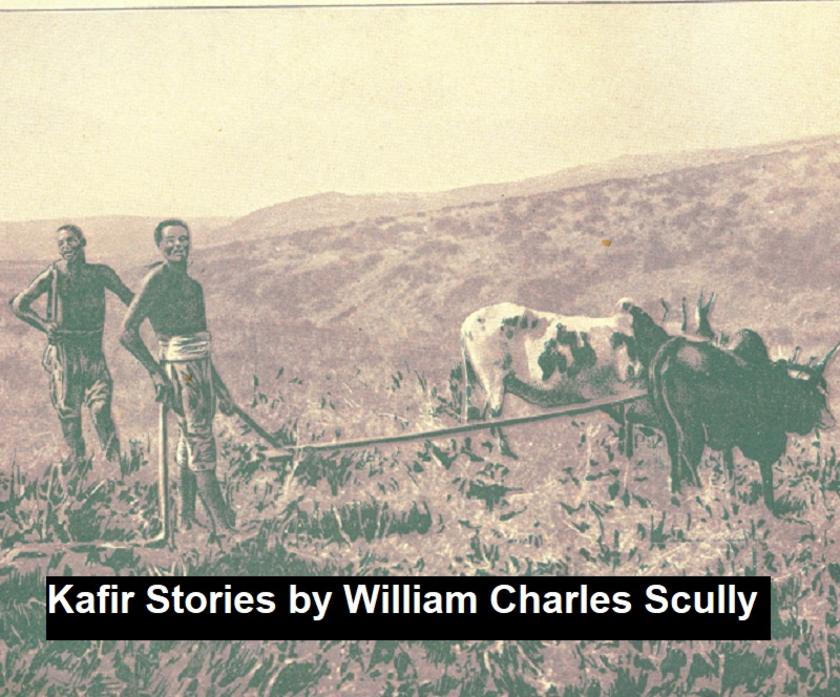
Kafir Stories
¥8.09
Seven short stories, first published in 1895. According to Wikipedia: "William Charles Scully (29 October 1855 – 25 August 1943) is one of South Africa's best-known authors, although little known outside South Africa. In addition to his work as an author, his paid work was principally as a magistrate in Springfontein, South Africa, as well as in Namaqualand and the Transkei. His last position before retirement was as Chief Magistrate of Port Elizabeth, one of South Africa's larger cities. He organised the building of "New Brighton", a township for aboriginal African people in Port Elizabeth. At the time it was regarded as very progressive—a pleasant place to live. Scully was born in Dublin, Ireland, raised in Cashel, County Tipperary, and then emigrated to southern Africa with his parents in 1867. During 1871 he prospected for diamonds with Cecil Rhodes in Africa. His daughter, Miriam Power (b. 1893), married Dr John A.Ryle; their children included Sir Martin Ryle, Nobel laureate and Astronomer Royal from 1972 to 1982. W.C.Scully died in Umbogintwini on Natal's coast in 1943, the same year as his wife Nora died. His novel Daniel Vananda describes the violence engendered by the ethnic legislation of the time. Similarly, Kafir Stories contains stories that are generally sympathetic with the aboriginal African peoples of South Africa."
Web Business Bootcamp
¥8.09
First published in 2002. The specific examples are dated, because business on the Internet changes rapidly. But the underlying principles and lessons hold true. "You're in basic training for the battle of your life. Your mission is to keep your company alive and to help it move forward quickly in unfamiliar territory. You must master the tools and techniques needed to serve customers and beat the competition into he strange and potentially hostile online business environment. This no-nonsense, tip-driven guide targets key activities that anyone can perform to truly achieve online business success. Internet marketing pioneer Richard Seltzer gets managers out of the boardroom and into the trenches for crucial hands-on Web experience -- which provides insight into how to win on the e-commerce battlefield. He also helps entrepreneurs develop a viable business model without depending on high-priced design services and consultants, as well as gives technology-oriented professionals a broad business perspective for tackling new online responsibilities."
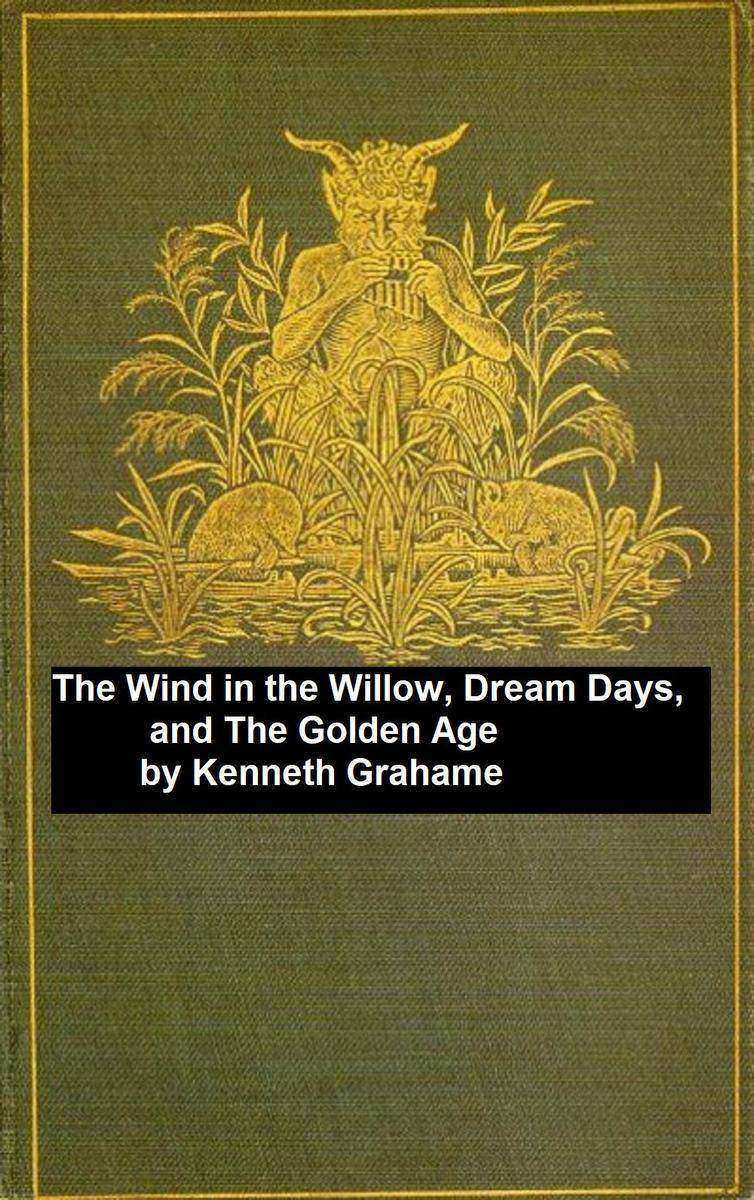
The Wind in the Willows, Dream Days, The Golden Age
¥8.09
This file includes: The Wind in the Willows, Dream Days (with The Reluctant Dragon as one of the stories), and The Golden Age (retellings of Greek and Roman myths). According to Wikipedia: "Kenneth Grahame (July 20, 1859 – July 6, 1932) was a British writer, most famous for The Wind in the Willows (1908), one of the classics of children's literature. He also wrote The Reluctant Dragon, which was much later adapted into a Disney film."
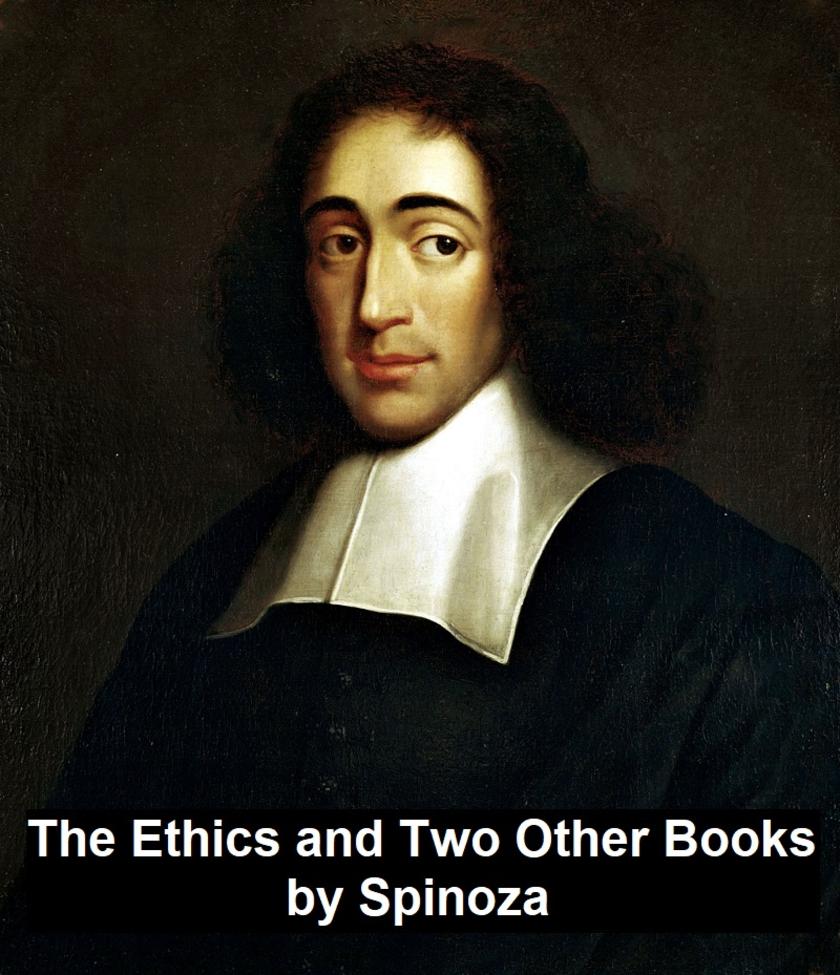
The Ethics and Two Other Books
¥8.09
This file includes: The Ethics, On the Improvement of the Understanding, and A Theologico-Political Treatise (all four parts). According to Wikipedia: "Baruch or Benedict de Spinoza (November 24, 1632 – February 21, 1677) was a Dutch philosopher of Portuguese Jewish origin. Revealing considerable scientific aptitude, the breadth and importance of Spinoza's work was not fully realized until years after his death. Today, he is considered one of the great rationalists of 17th-century philosophy, laying the groundwork for the 18th century Enlightenment and modern biblical criticism. By virtue of his magnum opus, the posthumous Ethics, in which he opposed Descartes' mind–body dualism, Spinoza is considered to be one of Western philosophy's most important philosophers. Philosopher and historian Georg Wilhelm Friedrich Hegel said of all modern philosophers, "You are either a Spinozist or not a philosopher at all." All of Spinoza's works were listed on the Index Librorum Prohibitorum (List of Prohibited Books) by the Roman Catholic Church. Spinoza lived quietly as a lens grinder, turning down rewards and honors throughout his life, including prestigious teaching positions, and gave his family inheritance to his sister."
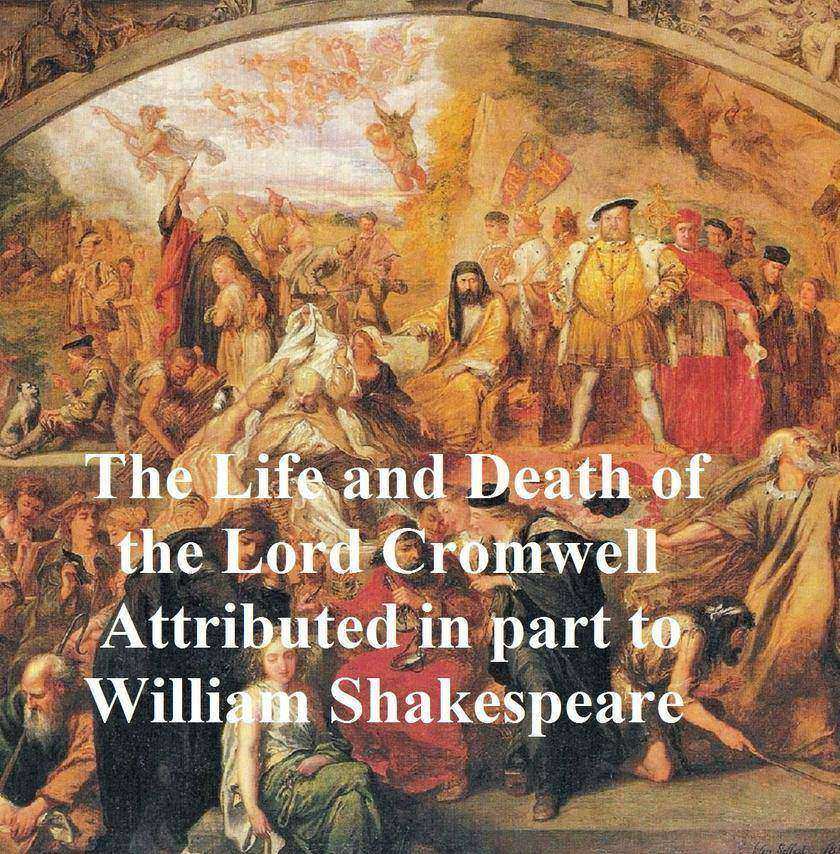
The Life and Death of Lord Cromwell
¥8.09
Elizabethan play, sometimes attributed in part to Shakespeare. According to Wikipedia: "William Shakespeare (baptised 26 April 1564 – died 23 April 1616) was an English poet and playwright, widely regarded as the greatest writer in the English language and the world's pre-eminent dramatist. He is often called England's national poet and the "Bard of Avon" (or simply "The Bard"). His surviving works consist of 38 plays, 154 sonnets, two long narrative poems, and several other poems. His plays have been translated into every major living language, and are performed more often than those of any other playwright."
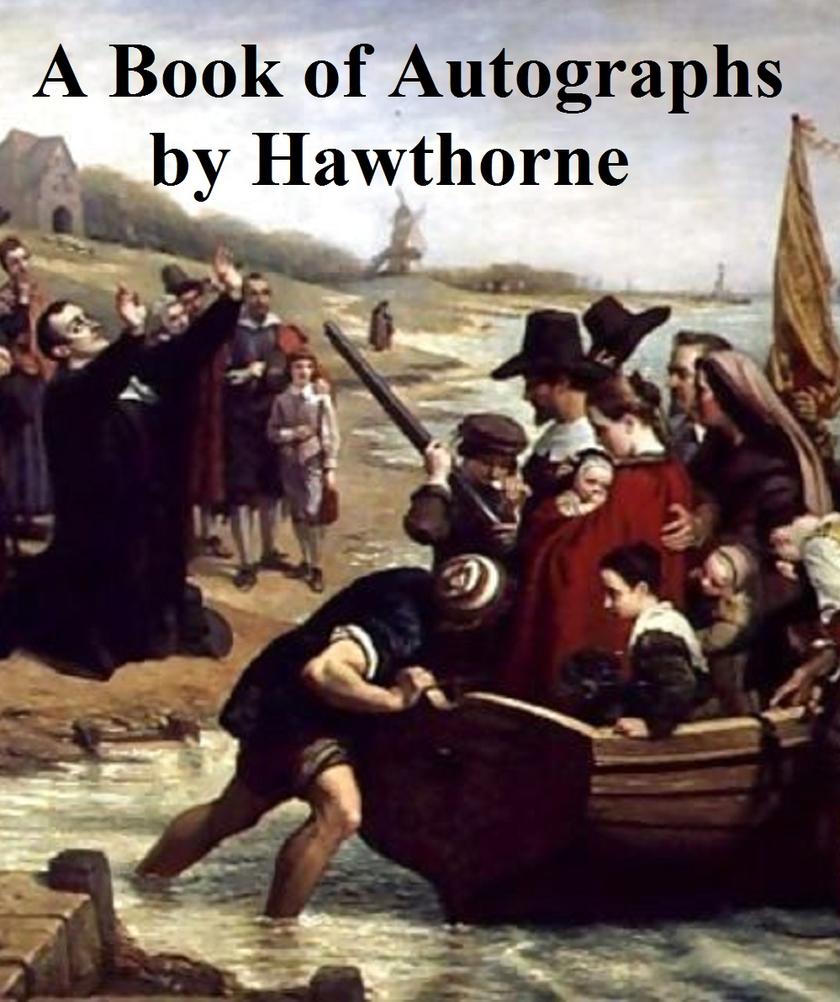
The Book of Autographs
¥8.09
A short fragment from The Dolliver Romance, an unfinished novel. According to Wikipedia: "Nathaniel Hawthorne (1804 –1864) was an American novelist and short story writer... Much of Hawthorne's writing centers around New England and many feature moral allegories with a Puritan inspiration. His fiction works are considered part of the Romantic movement and, more specifically, dark romanticism. His themes often center on the inherent evil and sin of humanity and his works often have moral messages and deep psychological complexity. His published works include novels, short stories, and a biography of his friend Franklin Pierce."
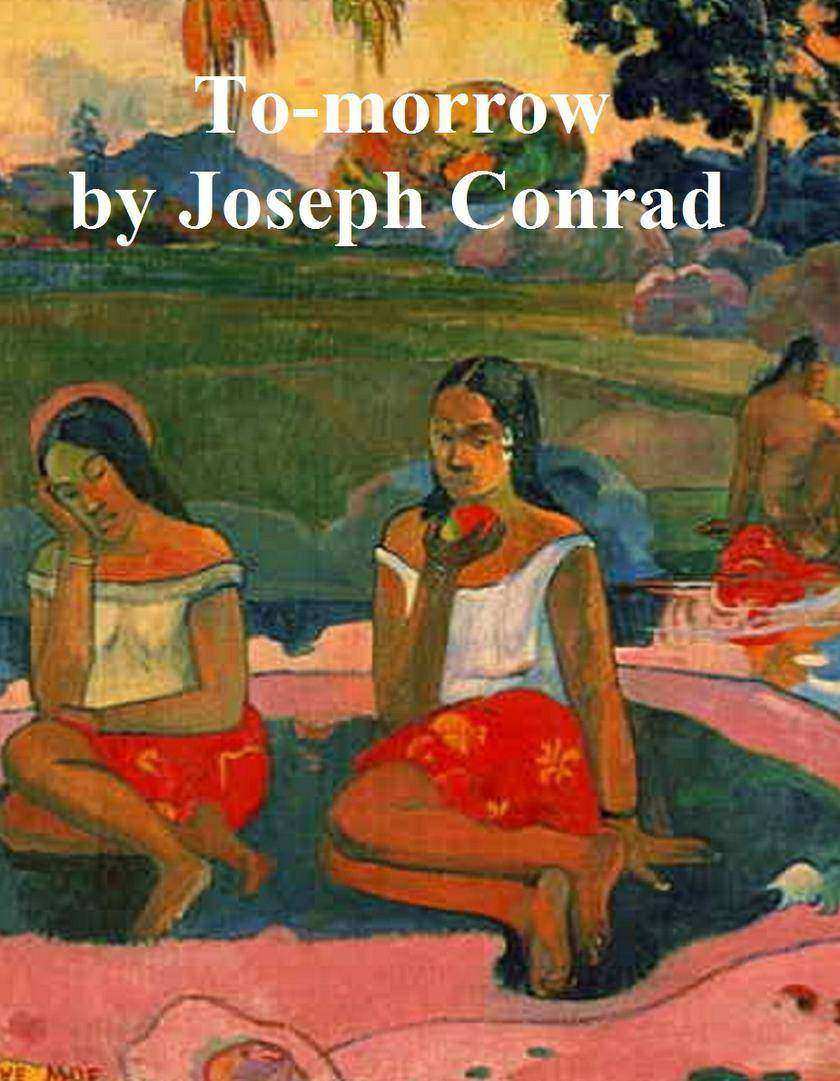
To-morrow
¥8.09
Classic Conrad short story. "What was known of Captain Hagberd in the little seaport of Colebrook was not exactly in his favour. He did not belong to the place. He had come to settle there under circumstances not at all myste- rious--he used to be very communicative about them at the time--but extremely morbid and un- reasonable. He was possessed of some little money evidently, because he bought a plot of ground, and had a pair of ugly yellow brick cottages run up very cheaply. He occupied one of them himself and let the other to Josiah Carvil--blind Carvil, the retired boat-builder--a man of evil repute as a domestic tyrant." According to Wikipedia: "Joseph Conrad (1857 – 1924) was a Polish-born English novelist. Many critics regard him as one of the greatest novelists in the English language—a fact that is remarkable, as he did not learn to speak English fluently until he was in his twenties (and always with a strong Polish accent). He became a naturalized British subject in 1886. Conrad is recognized as a master prose stylist. Some of his works have a strain of romanticism, but more importantly he is recognized as an important forerunner of modernist literature. His narrative style and anti-heroic characters have influenced many writers, including Ernest Hemingway, D. H. Lawrence, F. Scott Fitzgerald, Graham Greene, William S. Burroughs, Joseph Heller, V.S. Naipaul, Italo Calvino and J. M. Coetzee."


