


 购物车
购物车 个人中心
个人中心
In Defence of Harriet Shelley
¥8.09
Humorous essay. According to Wikipedia: "Samuel Langhorne Clemens (November 30, 1835 - April 21, 1910), better known by the pen name Mark Twain, was a humorist, satirist, lecturer and writer from the United States of America. Twain is most noted for his novels Adventures of Huckleberry Finn, which has since been called the Great American Novel, and The Adventures of Tom Sawyer. He is also known for his quotations. During his lifetime, Twain became a friend to presidents, artists, leading industrialists and European royalty. Twain enjoyed immense public popularity, and his keen wit and incisive satire earned him praise from both critics and peers. American author William Faulkner called Twain 'the father of American literature.'"
The Borgias
¥8.09
Popular biography of the Borgia family. According to Wikipedia: "Alexandre Dumas, born Dumas Davy de la Pailleterie (24 July 1802 – 5 December 1870)[1] was a French writer, best known for his historical novels of high adventure which have made him one of the most widely read French authors in the world. Many of his novels, including The Count of Monte Cristo, The Three Musketeers, Twenty Years After, and The Vicomte de Bragelonne were originally serialized. He also wrote plays and magazine articles and was a prolific correspondent... From 1839 to 1841 Dumas, with the assistance of several friends, compiled Celebrated Crimes, an eight-volume collection of essays on famous criminals and crimes from European history, including Beatrice Cenci, Martin Guerre, Cesare and Lucrezia Borgia as well as more recent incidents, including the cases of executed alleged murderers Karl Ludwig Sand and Antoine Fran?ois Desrues."

Passages from the French and Italian Notebooks of Nathaniel Hawthorne
¥8.09
Journal of his stays in France and Italy, two volumes in one file. According to Wikipedia: "Nathaniel Hawthorne (1804 –1864) was an American novelist and short story writer... Much of Hawthorne's writing centers around New England and many feature moral allegories with a Puritan inspiration. His fiction works are considered part of the Romantic movement and, more specifically, dark romanticism. His themes often center on the inherent evil and sin of humanity and his works often have moral messages and deep psychological complexity. His published works include novels, short stories, and a biography of his friend Franklin Pierce."
The Return of Tarzan, Second Novel of the Tarzan Series
¥8.09
Jungle adventure, first published in 1913. According to Wikipedia: "Edgar Rice Burroughs (1875 – 1950) was an American author, best known for his creation of the jungle hero Tarzan and the heroic John Carter, although he produced works in many genres."
The Eyes of the Woods
¥8.09
Historical novel, part of the Young Trailers series. According to the original publisher, in the Young Trailers Series, "two boys, Henry Ware and Paul Cotter, and three scouts are the chief characters in these books dealing with frontier life and adventures with the Indians about the time of the Revolutionary War. Each story is complete in itself, full of excitement, and historically accurate." And in this book, "The Indians at length determine to destroy the boys and their friends. In the struggle the boys call into play all their lore of the woods." According to Wikipedia, "Joseph Alexander Altsheler (April 29, 1862 - June 5, 1919), was an American author of popular juvenile historical fiction."
The Son of Tarzan
¥8.09
Jungle adventure, first published in 1914. According to Wikipedia: "Edgar Rice Burroughs (1875 – 1950) was an American author, best known for his creation of the jungle hero Tarzan and the heroic John Carter, although he produced works in many genres."
Tarzan the Terrible
¥8.09
Jungle adventure, first published in 1921. According to Wikipedia: "Edgar Rice Burroughs (1875 – 1950) was an American author, best known for his creation of the jungle hero Tarzan and the heroic John Carter, although he produced works in many genres."
The House with the Mezzanine and Other Stories
¥8.09
This collection includes the stories: The House with the Mezzanine, Typhus, Gooseberries, In Exile, The Lady with the Toy Dog, Goussiev, and My Life. According to Wikipedia: "Anton Pavlovich Chekhov (January 1860 – 15 July 1904) was a Russian short-story writer, playwright and physician, considered to be one of the greatest short-story writers in the history of world literature. His career as a dramatist produced four classics and his best short stories are held in high esteem by writers and critics. Chekhov practiced as a doctor throughout most of his literary career: "Medicine is my lawful wife", he once said, "and literature is my mistress."
Burlesques
¥8.09
Large collection of humorous fiction. According to Wikipedia: "Thackeray is most often compared to one other great novelist of Victorian literature, Charles Dickens. During the Victorian era, he was ranked second only to Dickens, but he is now much less read and is known almost exclusively for Vanity Fair. In that novel he was able to satirize whole swaths of humanity while retaining a light touch. It also features his most memorable character, the engagingly roguish Becky Sharp. As a result, unlike Thackeray's other novels, it remains popular with the general reading public; it is a standard fixture in university courses and has been repeatedly adapted for movies and television. In Thackeray's own day, some commentators, such as Anthony Trollope, ranked his History of Henry Esmond as his greatest work, perhaps because it expressed Victorian values of duty and earnestness, as did some of his other later novels."
A Horse's Tale
¥8.09
Long humorous story. It begins: "I am Buffalo Bill's horse. I have spent my life under his saddle - with him in it, too, and he is good for two hundred pounds, without his clothes; and there is no telling how much he does weigh when he is out on the war-path and has his batteries belted on. He is over six feet, is young, hasn't an ounce of waste flesh, is straight, graceful, springy in his motions, quick as a cat, and has a handsome face, and black hair dangling down on his shoulders, and is beautiful to look at; and nobody is braver than he is, and nobody is stronger, except myself. Yes, a person that doubts that he is fine to see should see him in his beaded buck-skins, on my back and his rifle peeping above his shoulder, chasing a hostile trail, with me going like the wind and his hair streaming out behind from the shelter of his broad slouch. Yes, he is a sight to look at then - and I'm part of it myself."
The Prussian Terror
¥8.09
Historical novel set in 1866, during the Austro-Prussian War. According to Wikipedia: "Alexandre Dumas, born Dumas Davy de la Pailleterie (24 July 1802 – 5 December 1870) was a French writer, best known for his historical novels of high adventure which have made him one of the most widely read French authors in the world. Many of his novels, including The Count of Monte Cristo, The Three Musketeers, Twenty Years After, and The Vicomte de Bragelonne were originally serialized. He also wrote plays and magazine articles and was a prolific correspondent."
Herodias
¥8.09
Long short story, first published in 1877. According to Wikipedia: "Herodias is the retelling of the beheading of John the Baptist. It starts slightly before the arrival of the Syrian governor, Vitellius. Herodias holds a huge birthday celebration for her second husband, Herod Antipas. Unknown to him, she has concocted a plan to behead John. According to Flaubert, this plan entails making her husband fall in love with her daughter, Salomé, leading to him promising her whatever she wants. Salomé, obviously in line with the instructions of her mother, will ask for John's head. Everything goes as planned. John has been repeatedly insulting the royals, so the king does not think long before granting Salomé's wish. The crowd gathered for the party waits anxiously while the executioner, Mannaeus, kills John. The story ends with some of John's disciples awaiting the Messiah."
The Young Trailers
¥8.09
Historical novel from the Young Trailers series. According to Wikipedia: "Joseph Alexander Altsheler (1862 - 1919), was an American author of popular juvenile historical fiction. Altsheler was born in Three Springs, Kentucky to Joseph and Louise Altsheler. In 1885, he took a job at the Louisville Courier-Journal as a reporter and later, an editor. He started working for the New York World in 1892, first as the paper's Hawaiian correspondent and then as the editor of the World's tri-weekly magazine. Due to a lack of suitable stories, he began writing children's stories for the magazine."
The Old Peabody Pew, a Christmas romance of a country church
¥8.09
Long story for children and teens. According to Wikipedia: "Kate Douglas Wiggin ( 1856 - 1923) was an American children's author and educator. Kate Douglas Smith Wiggin was born in Philadelphia, and was of Welsh descent. She started the first free kindergarten in San Francisco in 1878 (the Silver Street Free Kindergarten). With her sister in the 1880s she also established a training school for kindergarten teachers. She was also a writer of children's books, the best known being The Birds' Christmas Carol (1887) and Rebecca of Sunnybrook Farm (1903)."
Of the Nature of Things
¥8.09
Classic work of philosophy, in English translation. Titus Lucretius Carus (ca. 99 BC – ca. 55 BC) was a Roman poet and philosopher. His only known work is an epic philosophical poem laying out the beliefs of Epicureanism, De rerum natura, translated into English as On the Nature of Things or "On the Nature of the Universe".
Grimm's Fairy Tales: all 200 tales and 10 legends
¥8.09
200 tales and 10 legends. Margaret Hunt's translation. According to Wikipedia: "Children's and Household Tales (German: Kinder- und Hausm?rchen) is a collection of German origin fairy tales first published in 1812 by Jacob and Wilhelm Grimm, the Brothers Grimm. The collection is commonly known today as Grimms' Fairy Tales... The Brothers Grimm (German: Die Gebrüder Grimm), Jacob and Wilhelm Grimm, were German academics who were best known for publishing collections of folk tales and fairy tales[1] and for their work in linguistics, relating to how the sounds in words shift over time (Grimm's Law). They are among the best known story tellers of novellas from Europe, allowing the widespread knowledge of such tales as Rumpelstiltskin, Snow White, Sleeping Beauty, Rapunzel, Cinderella, Hansel and Gretel."
Inaugural Addresses Washington to Obama
¥8.09
Collection of speeches by U.S. presidents. According to Wikipedia: "The inauguration of the President of the United States takes place during the commencement of a new term of a President of the United States, which is every four years... "
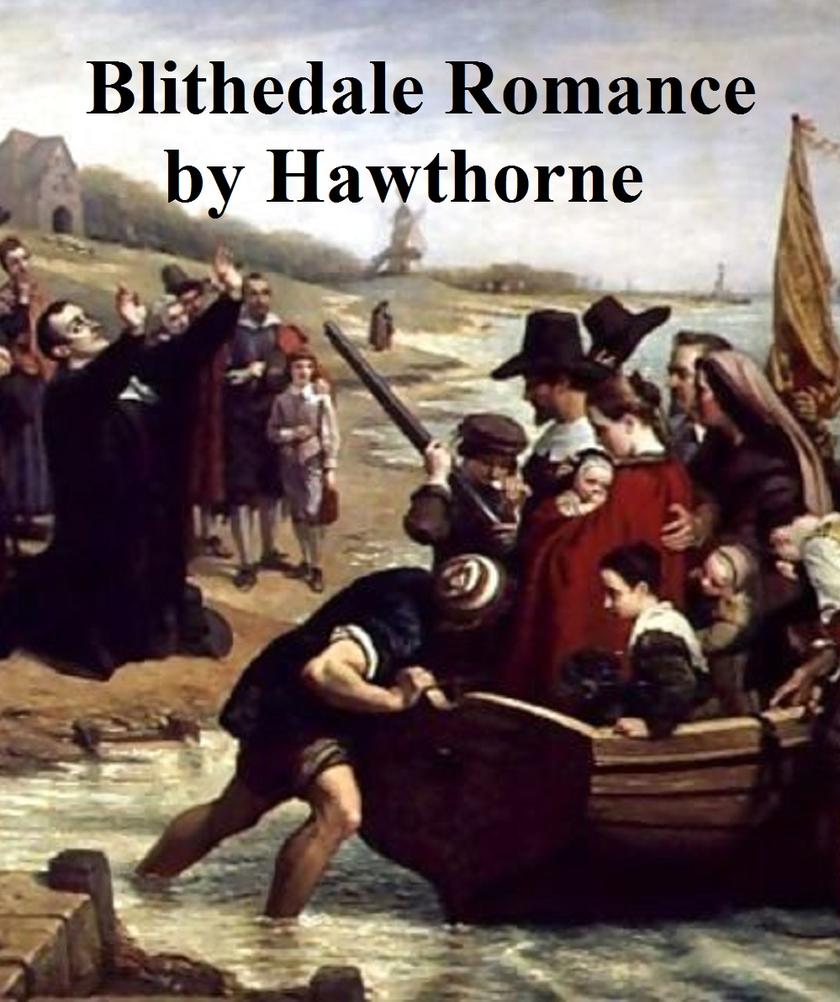
The Blithedale Romance
¥8.09
Novel based on Hawthorne's experiences at Brook Farm, a world-be utopian community. According to Wikipedia: "Nathaniel Hawthorne (1804 –1864) was an American novelist and short story writer... Much of Hawthorne's writing centers around New England and many feature moral allegories with a Puritan inspiration. His fiction works are considered part of the Romantic movement and, more specifically, dark romanticism. His themes often center on the inherent evil and sin of humanity and his works often have moral messages and deep psychological complexity. His published works include novels, short stories, and a biography of his friend Franklin Pierce."

Damaged Goods
¥8.09
Novel based on the play "Les Avaries" by Eugene Brieux. According to Wikipedia: "Upton Beall Sinclair, Jr. (1878 - 1968), was a prolific American author who wrote over 90 books in many genres and was widely considered to be one of the best investigators advocating socialist views. He achieved considerable popularity in the first half of the 20th century. He gained particular fame for his 1906 novel The Jungle, which dealt with conditions in the U.S. meat packing industry and caused a public uproar that partly contributed to the passage of the Pure Food and Drug Act and the Meat Inspection Act in 1906."
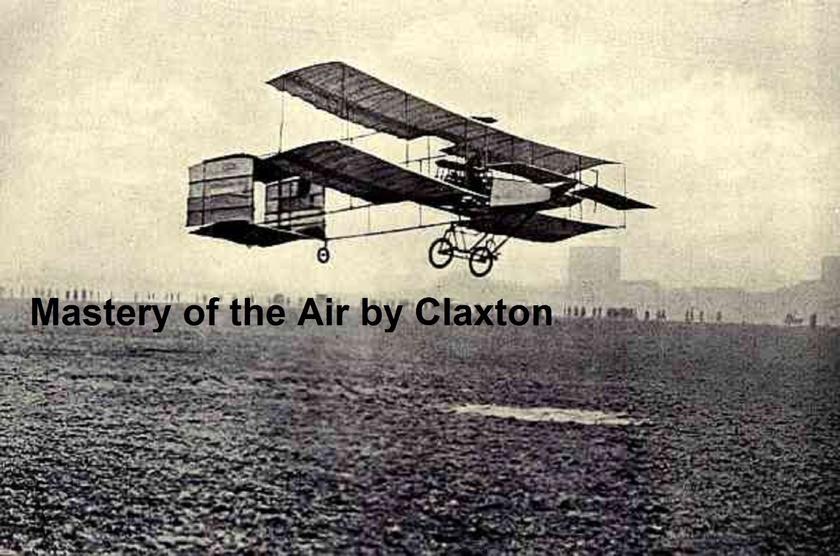
Mastery of the Air
¥8.09
According to the Preface: "This book makes no pretence of going minutely into the technical and scientific sides of human flight: rather does it deal mainly with the real achievements of pioneers who have helped to make aviation what it is to-day." According to Wikipedia: "William Gordon Claxton DSO, DFC & Bar (June 1, 1899–September 28, 1967) was a Canadian World War I flying ace credited with 37 victories. He became the leading ace in his squadron."
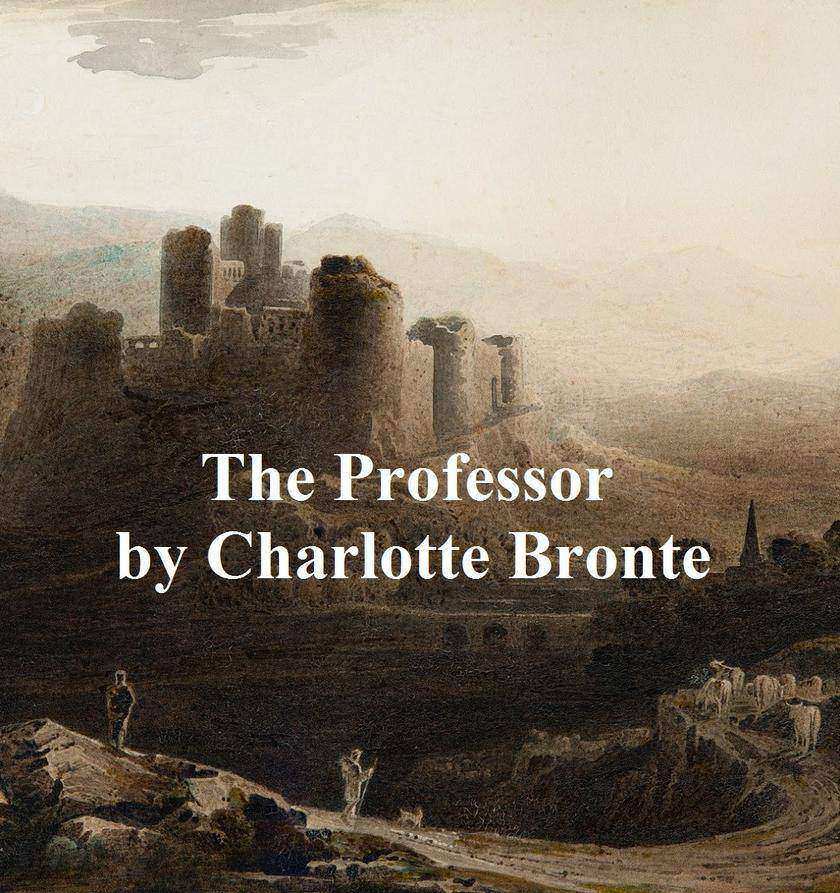
The Professor
¥8.09
Novel by the author of Jane Eyre. According to Wikipedia: "The Bront? sisters (Charlotte (1816 – 1855), Emily (1818 – 1848) and Anne (1820 – 1849), were English writers of the 1840s and 1850s. Their novels caused a sensation when they were first published and were subsequently accepted into the canon of great English literature."


