


 购物车
购物车 个人中心
个人中心

The Last Boer War
¥8.09
Dodo Collections brings you another classic from H. Rider Haggard, ‘The Last Boer War’ ? The Last Boer War is a 1899 non-fiction book by H. Rider Haggard about the Boer War of 1881. It was originally written in 1882 but not published until years later. ? Haggard wrote the book in 1885, primarily in his Chambers where he was working as a barrister. King Solomon's Mines had been an enormous success but Haggard says he had been "somewhat piqued by the frequent descriptions of myself as 'a mere writer of romances and boys’ books' ". ? Sir Henry Rider Haggard was an English writer of adventure novels set in exotic locations, predominantly Africa, and the creator of the Lost World literary genre. His stories, situated at the lighter end of the scale of Victorian literature, continue to be popular and influential. He was also involved in agricultural reform and improvement in the British Empire. Haggard was made a Knight Bachelor in 1912 and a Knight Commander of the Order of the British Empire in 1919. He stood unsuccessfully for Parliament as a Conservative candidate for the Eastern division of Norfolk in 1895. The locality of Rider, British Columbia, was named in his memory.
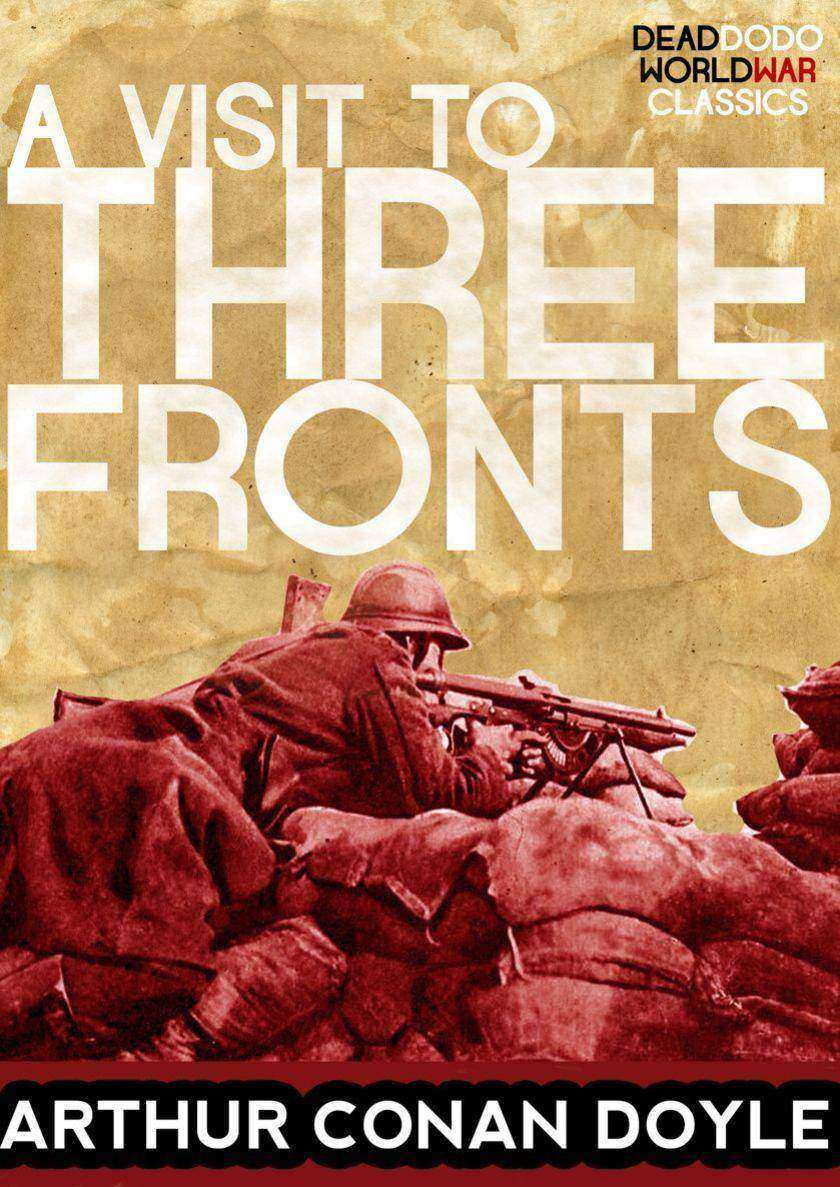
A Visit to Three Fronts
¥8.09
In the course of May 1916, the Italian authorities expressed a desire that some independent observer from Great Britain should visit their lines and report his impressions. It was at the time when our brave and capable allies had sustained a set-back in the Trentino owing to a sudden concentration of the Austrians, supported by very heavy artillery. I was asked to undertake this mission. In order to carry it out properly, I stipulated that I should be allowed to visit the British lines first, so that I might have some standard of comparison. The War Office kindly assented to my request. Later I obtained permission to pay a visit to the French front as well. Thus it was my great good fortune, at the very crisis of the war, to visit the battle line of each of the three great Western allies. I only wish that it had been within my power to complete my experiences in this seat of war by seeing the gallant little Belgian army which has done so remarkably well upon the extreme left wing of the hosts of freedom. ? My experiences and impressions are here set down, and may have some small effect in counteracting those mischievous misunderstandings and mutual belittlements which are eagerly fomented by our cunning enemy. Arthur Conan Doyle. Crowborough, July 1916.
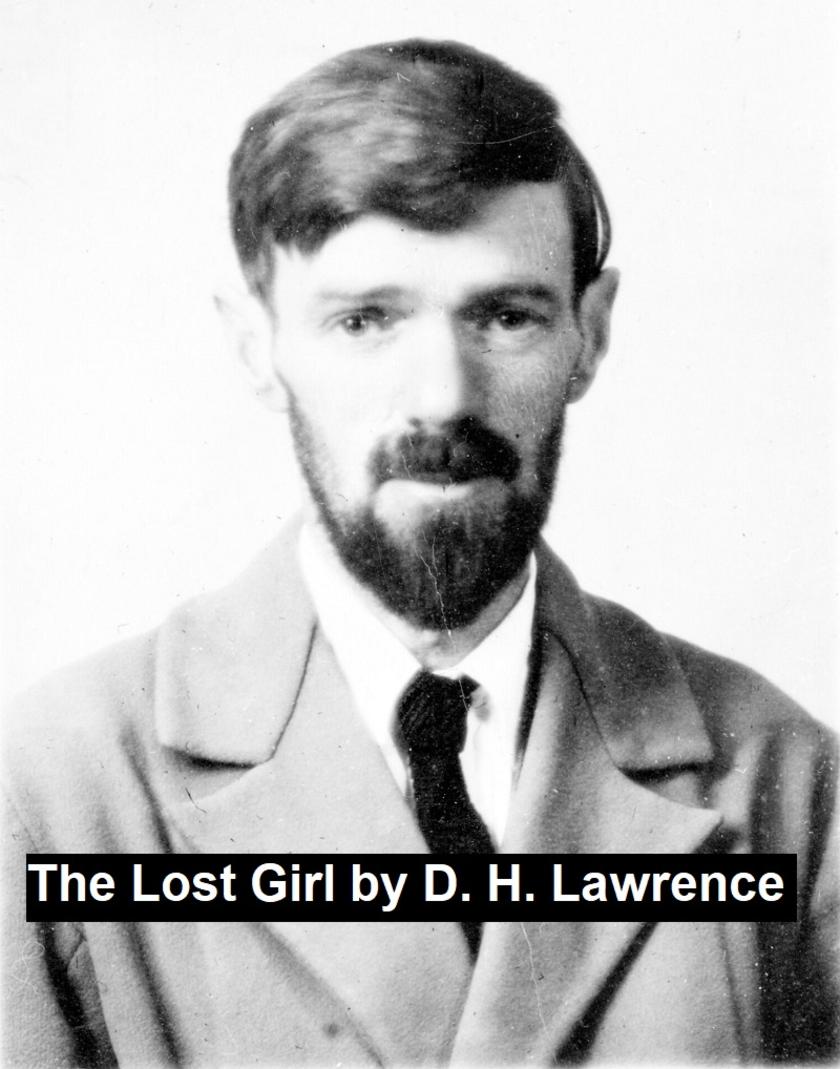
The Lost Girl
¥8.09
Classic novel, first published in 1920. According to Wikipedia: "David Herbert Richards Lawrence (11 September 1885 – 2 March 1930) was an English novelist, poet, playwright, essayist, literary critic and painter who published as D. H. Lawrence. His collected works represent an extended reflection upon the dehumanising effects of modernity and industrialisation. In them, Lawrence confronts issues relating to emotional health and vitality, spontaneity, and instinct."
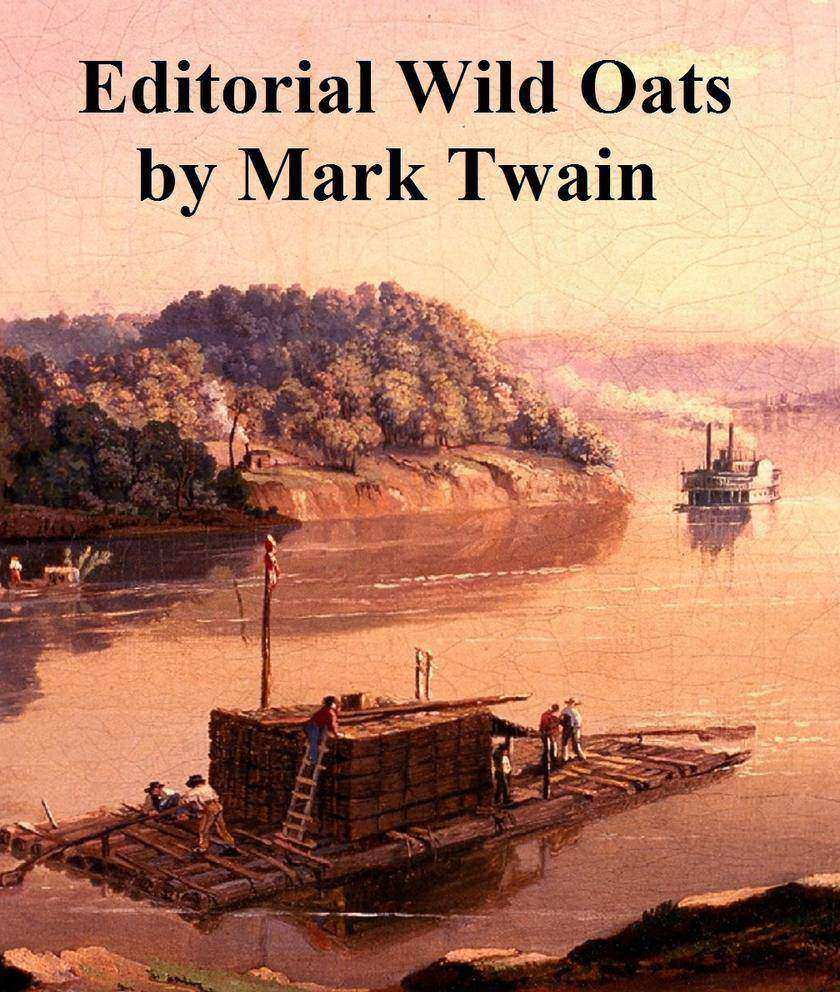
Editorial Wild Oats
¥8.09
Short collection of short humorous essays, including: PAGE MY FIRST LITERARY VENTURE, JOURNALISM IN TENNESSEE, NICODEMUS DODGE--PRINTER, MR. BLOKE'S ITEM, HOW I EDITED AN AGRICULTURAL PAPER, and THE KILLING OF JULIUS CAESAR "LOCALIZED".
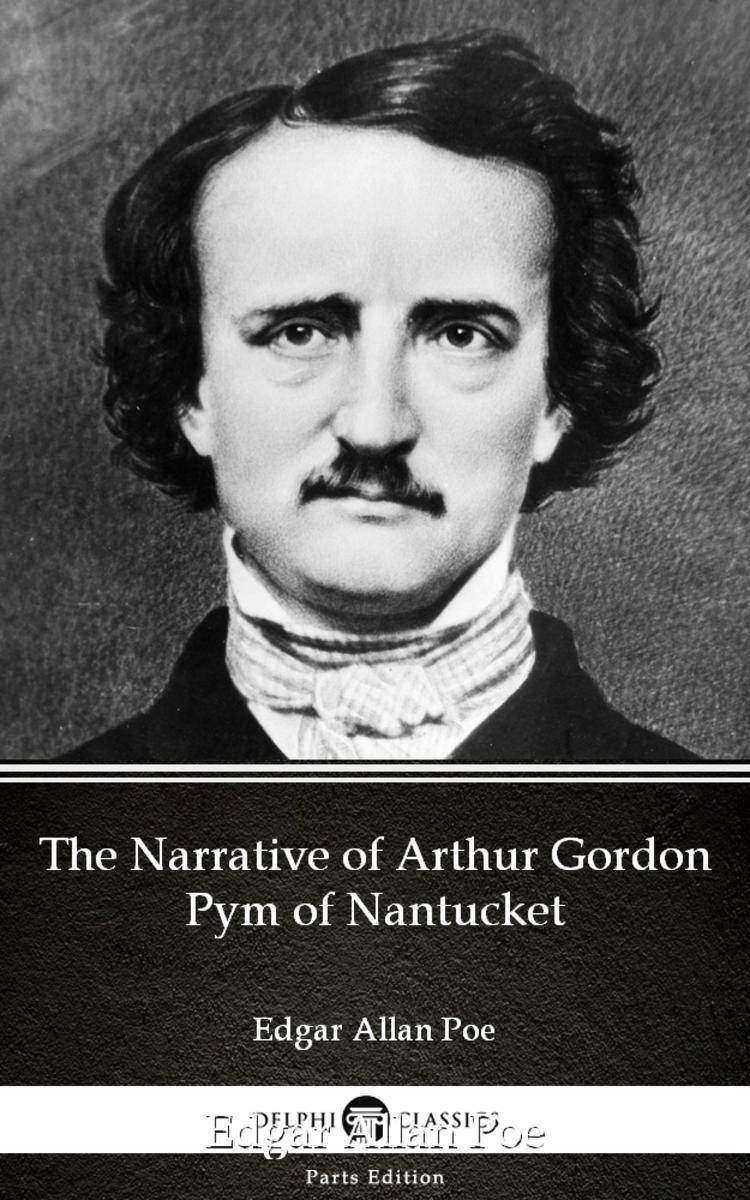
The Narrative of Arthur Gordon Pym of Nantucket by Edgar Allan Poe - Delphi Clas
¥8.09
This eBook features the unabridged text of ‘The Narrative of Arthur Gordon Pym of Nantucket by Edgar Allan Poe - Delphi Classics (Illustrated)’ from the bestselling edition of ‘The Complete Works of Edgar Allan Poe’. Having established their name as the leading publisher of classic literature and art, Delphi Classics produce publications that are individually crafted with superior formatting, while introducing many rare texts for the first time in digital print. The Delphi Classics edition of Poe includes original annotations and illustrations relating to the life and works of the author, as well as individual tables of contents, allowing you to navigate eBooks quickly and easily. eBook features: * The complete unabridged text of ‘The Narrative of Arthur Gordon Pym of Nantucket by Edgar Allan Poe - Delphi Classics (Illustrated)’ * Beautifully illustrated with images related to Poe’s works * Individual contents table, allowing easy navigation around the eBook * Excellent formatting of the text Please visit www.delphiclassics.com to learn more about our wide range of titles
The Queen of the Pirate Isle
¥8.09
Short story. According to Wikipedia: "Bret Harte (August 25, 1836[2] – May 6, 1902) was an American author and poet, best remembered for his accounts of pioneering life in California. He was born in Albany, New York. ... He moved to California in 1853, later working there in a number of capacities, including miner, teacher, messenger, and journalist. He spent part of his life in the northern California coast town now known as Arcata, then just a mining camp on Humboldt Bay. His first literary efforts, including poetry and prose, appeared in The Californian, an early literary journal edited by Charles Henry Webb. In 1868 he became editor of The Overland Monthly, another new literary magazine, but this one more in tune with the pioneering spirit of excitement in California. His story, "The Luck of Roaring Camp," appeared in the magazine's second edition, propelling Harte to nationwide fame... Determined to pursue his literary career, in 1871 he and his family traveled back East, to New York and eventually to Boston, where he contracted with the publisher of The Atlantic Monthly for an annual salary of $10,000, "an unprecedented sum at the time." His popularity waned, however, and by the end of 1872 he was without a publishing contract and increasingly desperate. He spent the next few years struggling to publish new work (or republish old), delivering lectures about the gold rush, and even selling an advertising jingle to a soap company. In 1878 Harte was appointed to the position of United States Consul in the town of Krefeld, Germany and then to Glasgow in 1880. In 1885 he settled in London. During the thirty years he spent in Europe, he never abandoned writing, and maintained a prodigious output of stories that retained the freshness of his earlier work. He died in England in 1902 of throat cancer and is buried at Frimley."
Red Men and White
¥8.09
Classic western novel, first published in 1895. According to Wikipedia: "Owen Wister (July 14, 1860 – July 21, 1938) was an American writer and "father" of western fiction."

The Jungle
¥8.09
Sinclair's masterpiece. According to Wikipedia: "Upton Beall Sinclair, Jr. (1878 - 1968), was a prolific American author who wrote over 90 books in many genres and was widely considered to be one of the best investigators advocating socialist views. He achieved considerable popularity in the first half of the 20th century. He gained particular fame for his 1906 novel The Jungle, which dealt with conditions in the U.S. meat packing industry and caused a public uproar that partly contributed to the passage of the Pure Food and Drug Act and the Meat Inspection Act in 1906."
Vanity Fair
¥8.09
Thackeray's best-known novel. According to Wikipedia: "Thackeray is most often compared to one other great novelist of Victorian literature, Charles Dickens. During the Victorian era, he was ranked second only to Dickens, but he is now much less read and is known almost exclusively for Vanity Fair. In that novel he was able to satirize whole swaths of humanity while retaining a light touch. It also features his most memorable character, the engagingly roguish Becky Sharp. As a result, unlike Thackeray's other novels, it remains popular with the general reading public; it is a standard fixture in university courses and has been repeatedly adapted for movies and television. In Thackeray's own day, some commentators, such as Anthony Trollope, ranked his History of Henry Esmond as his greatest work, perhaps because it expressed Victorian values of duty and earnestness, as did some of his other later novels. It is perhaps for this reason that they have not survived as well as Vanity Fair, which satirizes those values."
The Duke's Children
¥8.09
The books of the Palliser series are: Can You Forgive Her? Phineas Finn, The Eustace Diamonds, Phineas Redux, The Prime Minister, and The Duke's Children. According to Wikipedia: "Anthony Trollope ( 1815 – 1882 ) became one of the most successful, prolific and respected English novelists of the Victorian era. Some of Trollope's best-loved works, known as the Chronicles of Barsetshire, revolve around the imaginary county of Barsetshire; he also wrote penetrating novels on political, social, and gender issues and conflicts of his day. Trollope has always been a popular novelist. Noted fans have included Sir Alec Guinness (who never travelled without a Trollope novel), former British Prime Ministers Harold Macmillan and Sir John Major, economist John Kenneth Galbraith, American novelists Sue Grafton and Dominick Dunne and soap opera writer Harding Lemay. Trollope's literary reputation dipped somewhat during the last years of his life, but he regained the esteem of critics by the mid-twentieth century. "Of all novelists in any country, Trollope best understands the role of money. Compared with him even Balzac is a romantic." — W. H. Auden"

Notre Coeur by Guy de Maupassant - Delphi Classics (Illustrated)
¥8.09
This eBook features the unabridged text of ‘Notre Coeur by Guy de Maupassant - Delphi Classics (Illustrated)’ from the bestselling edition of ‘The Complete Works of Guy de Maupassant’. Having established their name as the leading publisher of classic literature and art, Delphi Classics produce publications that are individually crafted with superior formatting, while introducing many rare texts for the first time in digital print. The Delphi Classics edition of Maupassant includes original annotations and illustrations relating to the life and works of the author, as well as individual tables of contents, allowing you to navigate eBooks quickly and easily. eBook features: * The complete unabridged text of ‘Notre Coeur by Guy de Maupassant - Delphi Classics (Illustrated)’ * Beautifully illustrated with images related to Maupassant’s works * Individual contents table, allowing easy navigation around the eBook * Excellent formatting of the text Please visit www.delphiclassics.com to learn more about our wide range of titles

Crime and Punishment
¥8.09
The classic Dostoevsky novel. According to Wikipedia: "Fyodor Mikhaylovich Dostoyevsky (1821 – 1881) was a Russian fiction writer, essayist and philosopher whose works include Crime and Punishment and The Brothers Karamazov. Dostoyevsky's literary output explores human psychology in the troubled political, social and spiritual context of 19th-century Russian society. Considered by many as a founder or precursor of 20th century existentialism, his Notes from Underground (1864), written in the embittered voice of the anonymous "underground man", was called by Walter Kaufmann the "best overture for existentialism ever written."
Common Sense
¥8.09
The classic essay that helped ignite the American Revolution. According to Wikipedia: "Thomas Paine (Thetford, England, 29 January 1737 - 8 June 1809, New York City, U.S.) was an English pamphleteer, revolutionary, radical, classical liberal, inventor and intellectual. He lived and worked in Britain until the age of 37, when he migrated to the American colonies just in time to take part in the American Revolution. His main contribution was as the author of the powerful, widely read pamphlet, Common Sense (1776), advocating independence for the American Colonies from the Kingdom of Great Britain, and of The American Crisis, supporting the Revolution."
Stories from Tagore
¥8.09
Classic novel. According to Wikipedia: "Rabindranath Tagore (May 1861 – 7 August 1941)was a Bengali polymath who reshaped his region's literature and music. Author of Gitanjali and its "profoundly sensitive, fresh and beautiful verse", he became the first non-European to win the Nobel Prize in Literature in 1913. In translation his poetry was viewed as spiritual and mercurial; his seemingly mesmeric personality, flowing hair, and other-worldly dress earned him a prophet-like reputation in the West. His "elegant prose and magical poetry" remain largely unknown outside Bengal."
The History of the Peloponnesian War
¥8.09
The classic history of war between Athens and Sparta. According to Wikipedia: "Thucydides (c. 460 B.C. – c. 395 B.C.) was a Greek historian and author of the History of the Peloponnesian War, which recounts the 5th century B.C. war between Sparta and Athens to the year 411 B.C. Thucydides has been dubbed the father of "scientific history" due to his strict standards of evidence-gathering and analysis in terms of cause and effect without reference to intervention by the gods. He has also been called the father of the school of political realism, which views the relations between nations as based on might rather than right. His classical text is still studied at advanced military colleges worldwide, and the Melian dialogue remains a seminal work of international relations theory. More generally, Thucydides showed an interest in developing an understanding of human nature to explain behaviour in such crises as plague and civil war."
Other Tales and Sketches
¥8.09
Collection of three short stories: My Visit to Niagra, The Antique Ring, and Graves and Goblins. According to Wikipedia: "Nathaniel Hawthorne (born Nathaniel Hathorne; July 4, 1804 – May 19, 1864) was an American novelist and short story writer."
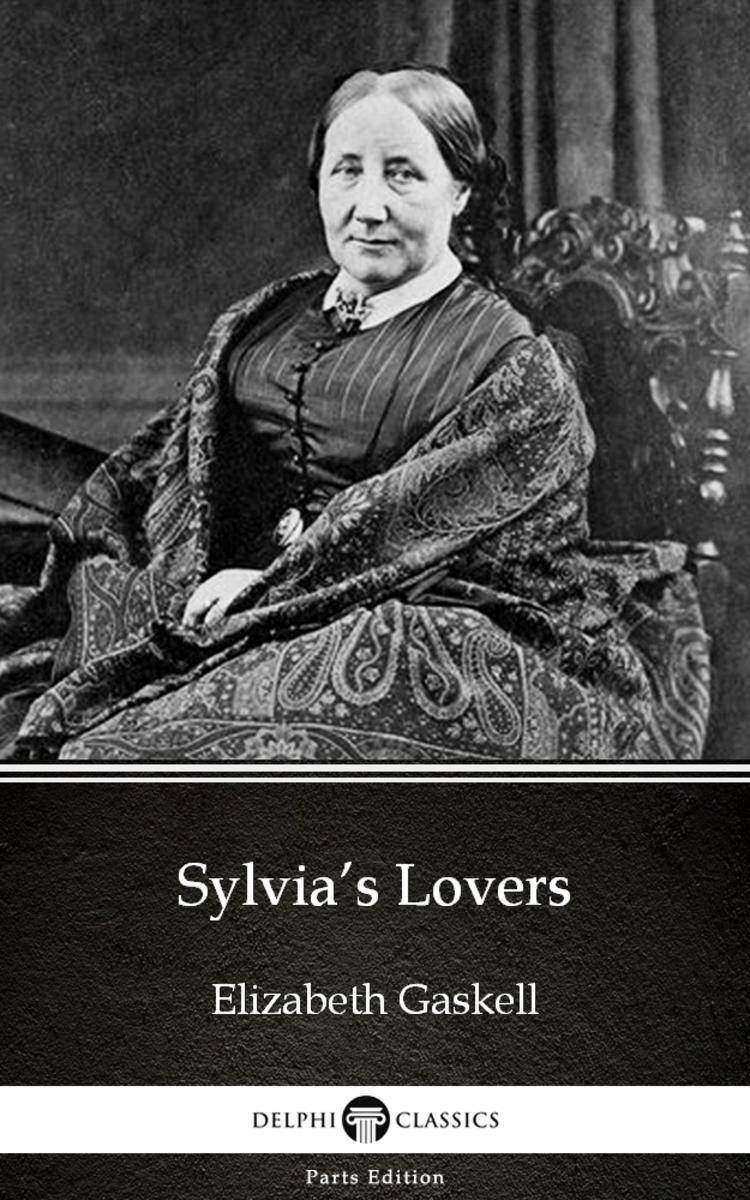
Sylvia’s Lovers by Elizabeth Gaskell - Delphi Classics (Illustrated)
¥8.09
This eBook features the unabridged text of ‘Sylvia’s Lovers by Elizabeth Gaskell - Delphi Classics (Illustrated)’ from the bestselling edition of ‘The Complete Works of Elizabeth Gaskell’. Having established their name as the leading publisher of classic literature and art, Delphi Classics produce publications that are individually crafted with superior formatting, while introducing many rare texts for the first time in digital print. The Delphi Classics edition of Gaskell includes original annotations and illustrations relating to the life and works of the author, as well as individual tables of contents, allowing you to navigate eBooks quickly and easily. eBook features: * The complete unabridged text of ‘Sylvia’s Lovers by Elizabeth Gaskell - Delphi Classics (Illustrated)’ * Beautifully illustrated with images related to Gaskell’s works * Individual contents table, allowing easy navigation around the eBook * Excellent formatting of the text Please visit www.delphiclassics.com to learn more about our wide range of titles
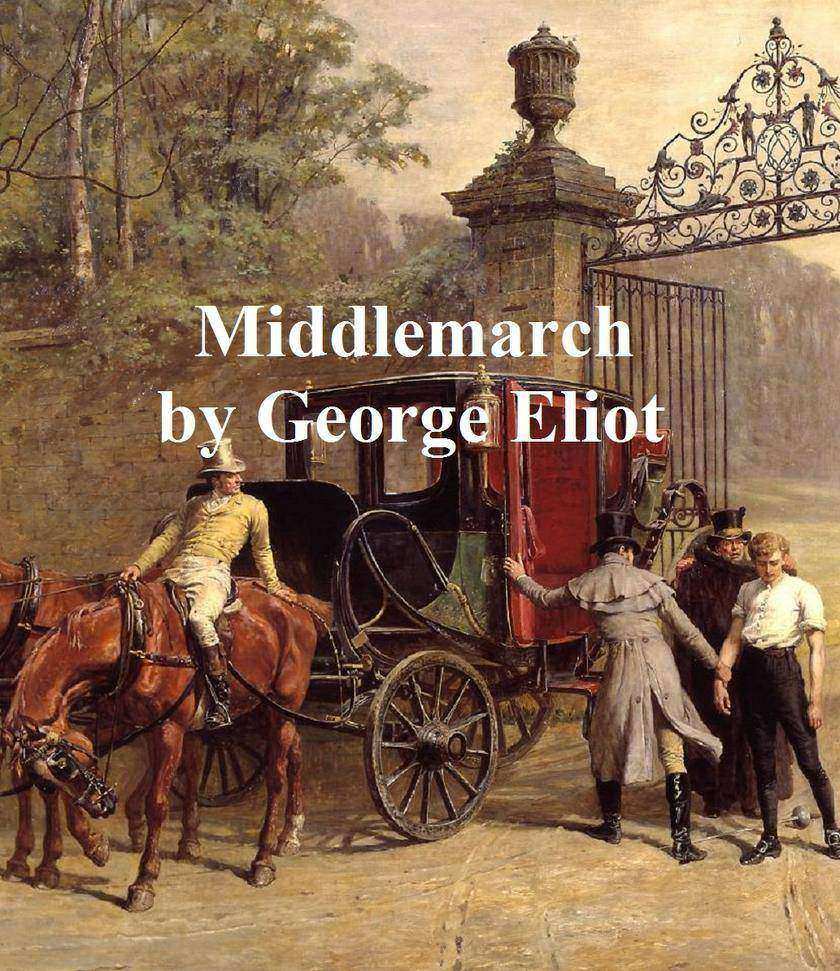
Middlemarch
¥8.09
The classic novel. According to Wikipedia: "Mary Ann (Marian) Evans (1819 – 1880), better known by her pen name, George Eliot, was an English novelist. She was one of the leading writers of the Victorian era. Her novels, largely set in provincial England, are well known for their realism and psychological perspicacity. She used a male pen name, she said, to ensure that her works were taken seriously. Female authors published freely under their own names, but Eliot wanted to ensure that she was not seen as merely a writer of romances. An additional factor may have been a desire to shield her private life from public scrutiny and to prevent scandals attending her relationship with the married George Henry Lewes."
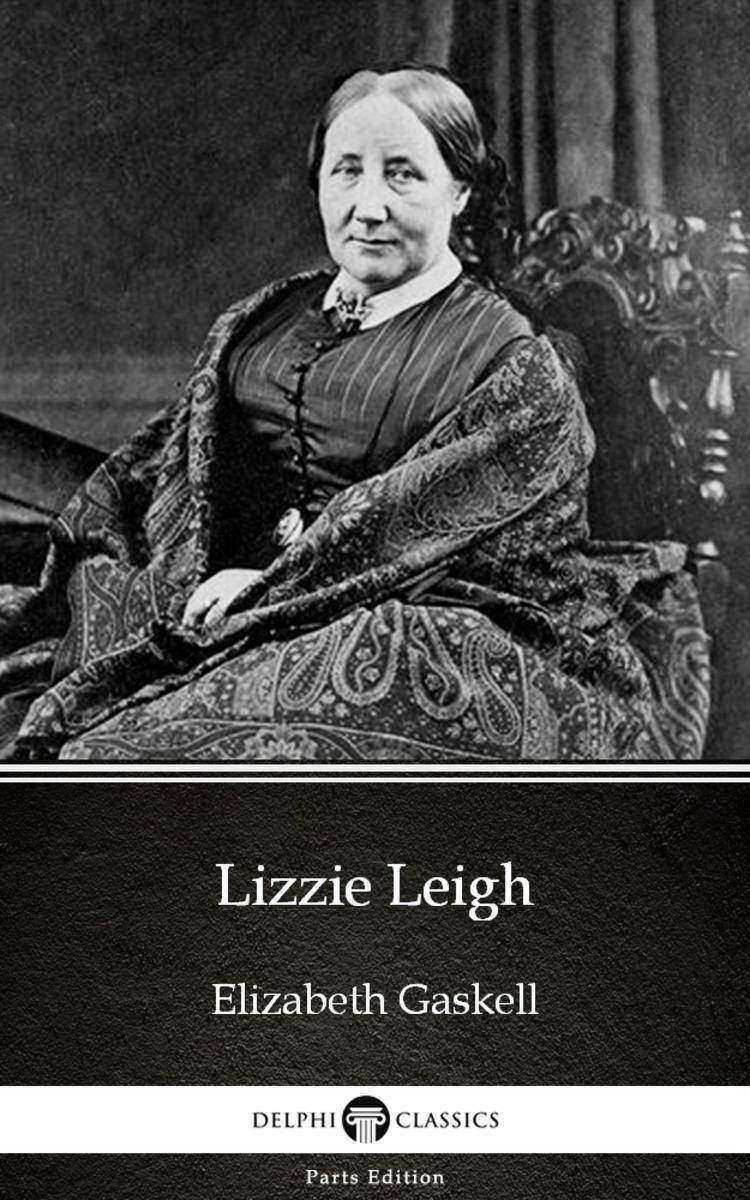
Lizzie Leigh by Elizabeth Gaskell - Delphi Classics (Illustrated)
¥8.09
This eBook features the unabridged text of ‘Lizzie Leigh by Elizabeth Gaskell - Delphi Classics (Illustrated)’ from the bestselling edition of ‘The Complete Works of Elizabeth Gaskell’. Having established their name as the leading publisher of classic literature and art, Delphi Classics produce publications that are individually crafted with superior formatting, while introducing many rare texts for the first time in digital print. The Delphi Classics edition of Gaskell includes original annotations and illustrations relating to the life and works of the author, as well as individual tables of contents, allowing you to navigate eBooks quickly and easily. eBook features: * The complete unabridged text of ‘Lizzie Leigh by Elizabeth Gaskell - Delphi Classics (Illustrated)’ * Beautifully illustrated with images related to Gaskell’s works * Individual contents table, allowing easy navigation around the eBook * Excellent formatting of the text Please visit www.delphiclassics.com to learn more about our wide range of titles
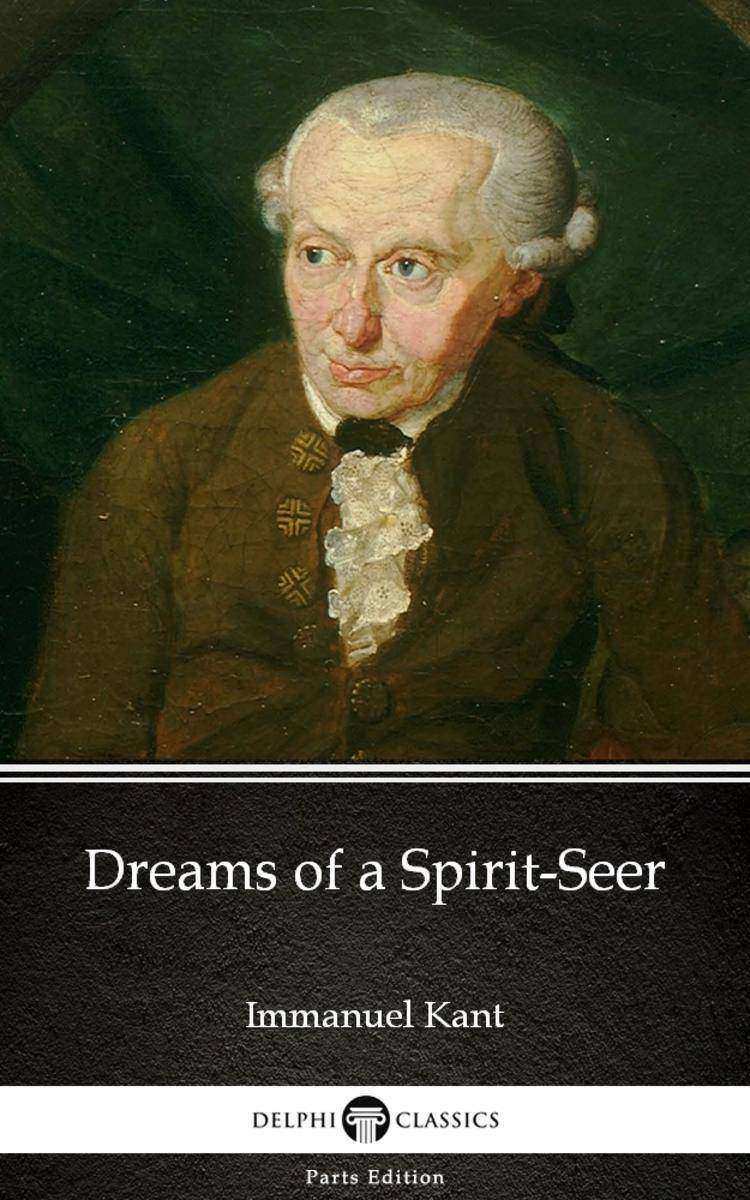
Dreams of a Spirit-Seer by Immanuel Kant - Delphi Classics (Illustrated)
¥8.09
This eBook features the unabridged text of ‘Dreams of a Spirit-Seer by Immanuel Kant - Delphi Classics (Illustrated)’ from the bestselling edition of ‘The Collected Works of Immanuel Kant’. Having established their name as the leading publisher of classic literature and art, Delphi Classics produce publications that are individually crafted with superior formatting, while introducing many rare texts for the first time in digital print. The Delphi Classics edition of Kant includes original annotations and illustrations relating to the life and works of the author, as well as individual tables of contents, allowing you to navigate eBooks quickly and easily. eBook features: * The complete unabridged text of ‘Dreams of a Spirit-Seer by Immanuel Kant - Delphi Classics (Illustrated)’ * Beautifully illustrated with images related to Kant’s works * Individual contents table, allowing easy navigation around the eBook * Excellent formatting of the text Please visit www.delphiclassics.com to learn more about our wide range of titles
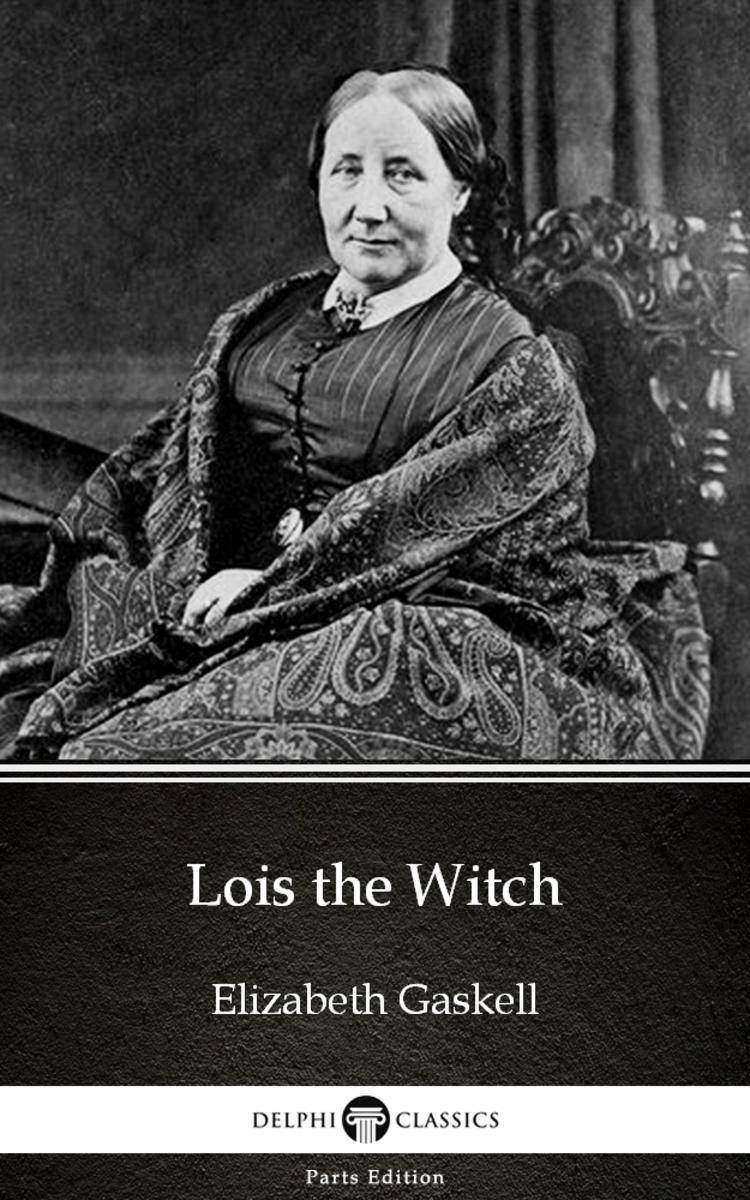
Lois the Witch by Elizabeth Gaskell - Delphi Classics (Illustrated)
¥8.09
This eBook features the unabridged text of ‘Lois the Witch by Elizabeth Gaskell - Delphi Classics (Illustrated)’ from the bestselling edition of ‘The Complete Works of Elizabeth Gaskell’. Having established their name as the leading publisher of classic literature and art, Delphi Classics produce publications that are individually crafted with superior formatting, while introducing many rare texts for the first time in digital print. The Delphi Classics edition of Gaskell includes original annotations and illustrations relating to the life and works of the author, as well as individual tables of contents, allowing you to navigate eBooks quickly and easily. eBook features: * The complete unabridged text of ‘Lois the Witch by Elizabeth Gaskell - Delphi Classics (Illustrated)’ * Beautifully illustrated with images related to Gaskell’s works * Individual contents table, allowing easy navigation around the eBook * Excellent formatting of the text Please visit www.delphiclassics.com to learn more about our wide range of titles


