


 购物车
购物车 个人中心
个人中心

Autoritate
¥73.49
„Greu este s? fii bun“. A?a suna verdictul unui filozof presocratic la care m? încruntam abitir pe la 20 de ani. Acum, la 60, dup? ce am înv??at de la aceia?i în?elep?i c? „to?i oamenii sunt r?i“, dar c? „nu trebuie s?-i judeci“, nu m? mai gr?besc cu încruntarea. Doar zâmbesc pu?in ofilit, în dulce resemnare. Cu un astfel de zâmbet – trist, admirativ, îng?duitor ?i comp?timitor totodat? – trebuie întâmpinat (?i f?r? îndoial? iertat) Tomas H., personajul axial din romanul Cameliei Cavadia. Destinat fericirii, dar e?uat lamentabil. Vinovat inocent ?i egofil culpabil. ?i totu?i înseninat, dureros de triumf?tor în final, dup? ce altruismul învinge mizantropia, iar d?ruirea de sine absolv? vinov??ia. În fond, ce ar fi vina f?r? isp??ire? Un roman despre povara fericirii (chiar a?a!) ?i chinul permanent al demonicului de a surpa – prin patologia patimii oarbe – iubirea curat?, armonia conjugal?, farmecul divin al copil?riei ?i nobila condi?ie de p?rinte. Un debut surprinz?tor prin precizia arhitecturii narative ?i siguran?a rotirii caruselului cu multe ?i subtile rela?ii psihologice. În plus, îmbucur?tor prin op?iunea preponderent moral?, într-o vreme dominat? de anarhie, relativism ?i etic? în r?sp?r. – Dan C. Mih?ilescu ?„De când m? ?tiu am vrut s? devin scriitoare. PR de meserie, am scris pove?tile altora, dar mi-am dat seama c? am în?untrul meu propriile pove?ti care a?teapt? s? le dau via??. Tot ceea ce am f?cut pîn? acum a roit în jurul cuvintelor. Prin prisma meseriei mele, am scris sute de comunicate, am luat zeci de interviuri, m-am trezit cu zeci de fraze construite-n cap ?i am adormit cu altele bâzâindu-mi în ureche. Am hot?rât ca e timpul s?-mi urmez visul ?i s? devin ceea ce m-am sim?it mereu.“ – Camelia Cavadia

400 de re?ete culinare pentru copilul t?u. 0-3 ani. Cre?te?i mari ?i s?n?to?i!
¥73.49
Dac? Riscul g?ndirii nu s-a bucurat de aten?ia meritat?, probabil din cauza exploziei nea?teptate de produc?ii culturale – ?i mai ales pseudoculturale – care s-a petrecut dup? decembrie 1989, noua lucrare a celor doi g?nditori, scris? dup? aproape dou? decenii, ar trebui s? aib? toate premisele pentru a fi receptat? cum se cuvine.Sub forma ?n?el?toare a dialogului ?ntre cinci personaje caracterizate – fiecare – de un stil de g?ndire bine determinat cei doi ascund nenum?rate giuvaere ale g?ndirii originale, penetrante ?i vizionare. Cititorul obi?nuit s? caute pe copert? elementele care s?-i permit? m?car printr-un exerci?iu deductiv descifrarea ingredientelor discursului celor doi autori va fi surprins la fiecare pagin?.Dac? ?cele 5 lucruri esen?iale pe care trebuie s? le ?tii despre via??“ reprezint? de cele mai multe ori o simpl? etichet?, sub care compozi?ia eterogen? a con?inutului, superficialitatea ?i caracterul facil al expunerii mul?umesc ?i conving doar pe termen scurt, ?n cazul lucr?rii celor doi filosofi rom?ni lucrurile stau exact pe dos. ?n cele cinci capitole care analizeaz? avatarurile g?ndirii sunt ascunse nenum?rate modele de ?n?elepciune ?i de disciplin? a logosului, f?r? a fi anun?ate, explicate cu toate determina?iile conexe sau accentuate ?n vreun fel. Acesta este probabil cel mai elegant mod de a r?spl?ti cititorii: spun?ndu-le cum f?r? a-i avertiza c?.Pentru cine ??i dore?te totu?i o etichet? care s? u?ureze clasificarea acestui volum, cea mai concis? ?i mai potrivit? este oferit? de un binecunoscut dicton latin: Sapienti sat. ?ntr-un ocean de solu?ii, Sorin Vieru ?i Terente Robert construiesc o insul? de probleme a c?rei tr?inicie este alarmant? ?i, ?n acela?i timp, reconfortant?.

Analiza conflictelor internationale
¥50.30
Istoriile excentricit??ii din Logica elefan?ilor adopt? tonul comentariului pe dou? voci, simul?nd (?i stimul?nd) un canon care dubleaz?, prin reluare, recuperarea detaliului ca fiind princip(i)al. Fiziologiile devin ilustre, consecven?a ??i expune abera?ia, apetitul pentru trecut este inevitabil patologic, iar neao?ismele curente rezoneaz?, fire?te, cu globalizarea. ?ntr-o logic? elefantin?, inteligen?a are a se v?di, chiar gigantesc, ?n nimicnicia ?faptului divers“. Supraabunden?a concentr?rii miniaturale exacerbeaz? efectele ?ngurgit?rii unei mu?te ori ale studierii timpului liber al felinelor de cas?. Lenjeria intim? necesit? un tratament aristocratic, iar ?njur?tura ?i b?taia se sacralizeaz? ?ntr-un univers ?n care guvernarea p?r?se?te modelul pastoral pentru recursul la structuri galinacee. Textele lui Ciprian V?lcan ?i ale Danei Percec (sur)prind acest nesa? cu care lumea ?ns??i pare a-?i exprimenta limitele, n?ucit? parc? de proliferarea propriilor excese.
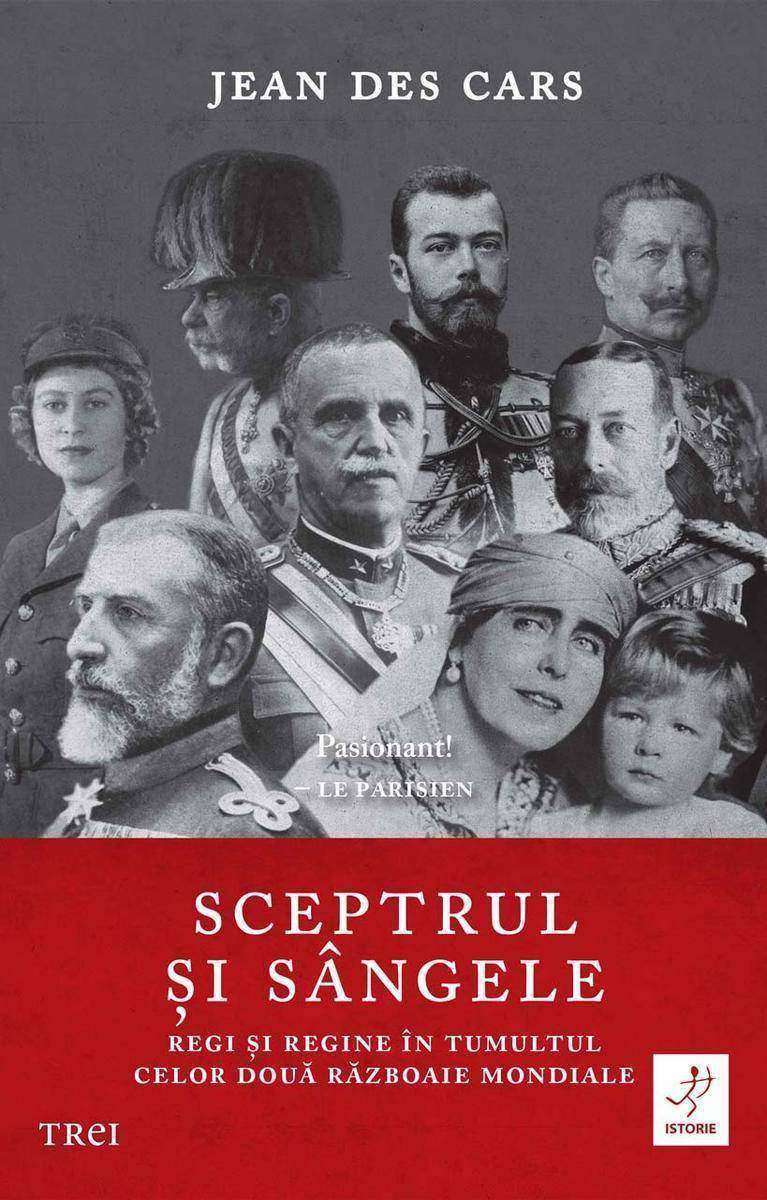
Sceptrul ?i s?ngele. Regi ?i regine ?n tumultul celor dou? R?zboaie Mondiale
¥90.84
Cum a fost ?nceputul, de unde ?i de ce a venit Universul la fiin??? Cine a creat, de fapt, via?a pe P?m?nt ?i cum va fi Sf?r?itul? Ce se ?nt?mpl? atunci c?nd murim ?i unde ajungem dup? aceea? ?i, la urma urmei, ce contur trebuie s?-i d?m vie?ii noastre dac? Dumnezeu nu exist?? Miturile ?i speran?ele noastre ofer? r?spunsuri convenabile, dar periculoase, la aceste ?ntreb?ri ?ntruc?t ?ntre?in iluzii care ne sporesc, ?n realitate, angoasa ?i la?itatea. Avem, totu?i, o alternativ?: apelul la metodele ?i descoperirile ?tiin?ei pentru a repune lucrurile ?i problemele ?n contextul din care au fost decupate din ignoran?? sau din r?utate. Despre via?? ?i moarte reabiliteaz? acest tip de demers ?ntr-un periplu scris cu umor, dar ?i cu seriozitate, cu elegan??, dar ?i cu duio?ie.

Emigra?ia alb? ?i Biserica Rus? pe teritoriul Rom?niei Socialiste, 1950-1952
¥61.83
Publicat? ini?ial, ?n prima edi?ie ?n 1785, cu titlul Grundlegung zur Metaphysik der Sitten, este una dintre cele mai influente crea?ii din ?ntreaga oper? filosofic? a lui Immanuel Kant ?i, totodat?, un reper ?n istoria filosofiei universale. Lucrarea filosofului german cuprinde o prefa??, trei sec?iuni – Trecerea de la cunoa?terea ra?ional? comun? a moravurilor la aceea filosofic?, Trecerea de la ?n?elepciunea moral? popular? la metafizica moravurilor, Trecerea de la metafizica moravurilor la critica ra?iunii pure practice – ?i o remarc? final?, precedate de nota traduc?torului, Valentin Mure?an. ?n prefa??, Kant pledeaz? pentru o metafizic? a moravurilor ?i discut? despre metodologia pe care a folosit-o. El porne?te de la ?mp?r?irea filosofiei grece?ti ?n fizic?, etic? ?i logic?. ?n prima sec?iune, dup? cum ?i titlul sugereaz?, se face trecerea de la forma cunoa?terii comune privind moravurile la cea filosofic?. El discut?, printre altele, despre voin?a bun? ?i datorie. ?n sec?iunea a doua se aprofundeaz? problema imperativelor. ?n ultima sec?iune, Kant discut? despre voin??, libertate. De fapt, cea de-a treia sec?iune reprezint? punctul de pornire de la care Kant a dezvoltat Critica ra?iunii practice, publicat? ?n 1788.
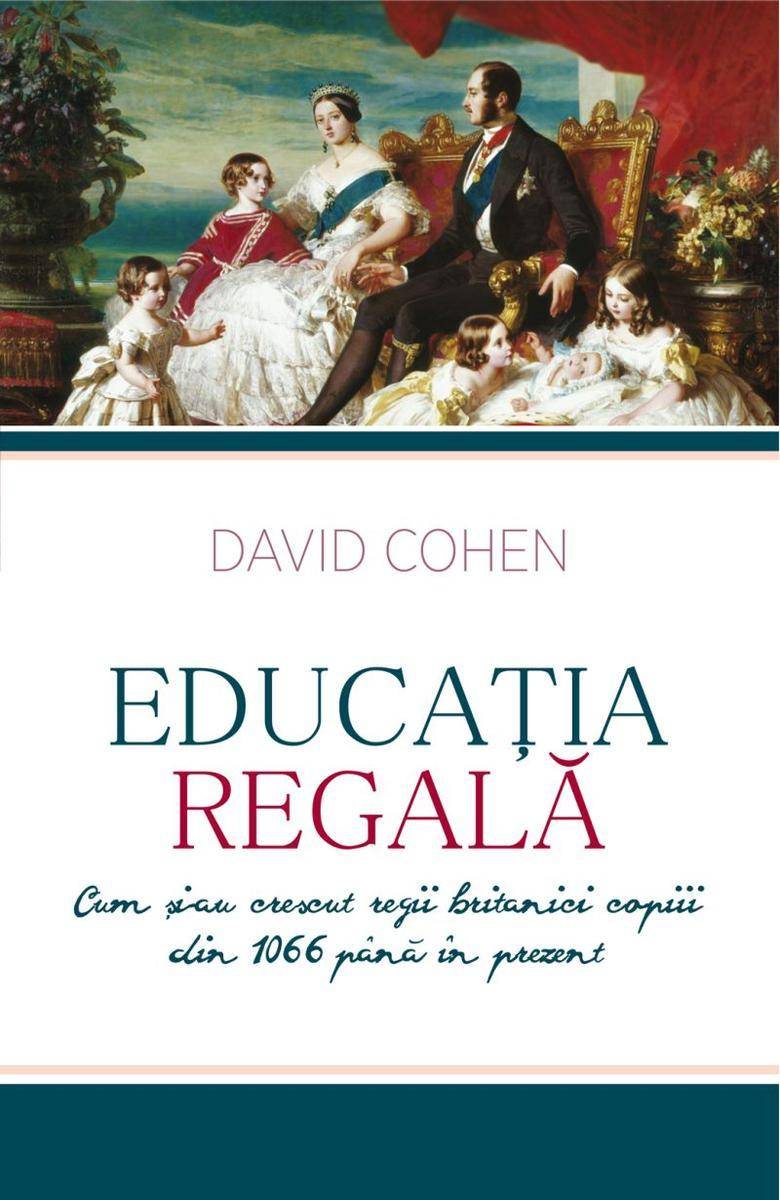
Educa?ia regal?. Cum ?i-au crescut regii britanici copiii din 1066 p?n? ?n preze
¥98.02
Despre guvernarea reprezentativ” este o carte plin de surprize i sugestii despre bunele practici ale guvernrii, care nu trebuie s lipseasc din bibliotecile celor preocupai de zona politicii. Volumul de fa a vzut prima dat lumina tiparului n 1861 i reunete principiile la care a lucrat filosoful britanic John Stuart Mill n cea mai mare parte a vieii sale. Aceast lucrare publicat la mijlocul secolului al XIX-lea i pstreaz prospeimea i relevana pn astzi, cnd suntem tot mai aproape de a ncheia a doua decad a secolului XXI. n primul rnd, pentru c imagineaz pn n cele mai mici detalii acel model politic pe care l numim democraia reprezentativ”. Winston Churchill spunea despre acesta c este prost, dar e cel mai bun dintre cele pe care le-a inventat omenirea”. John Stuart Mill i descrie organizarea, detaliaz rolul instituiilor, felul n care sunt alei sau numii demnitarii i explic atribuiile fiecruia. Pune n eviden atu-urile, dar i vulnerabilitile guvernrii reprezentative, comparnd-o cu alte sisteme politice din vremea sa. n final, ajunge la o concluzie foarte asemntoare cu cea a premierului britanic din secolul urmtor. Colecia IN NUCE reunete fragmente venic verzi” din cultura omenirii, mpletind discursuri din art, literatur, tiine sociale i religie. Dincolo de renumele autorilor i de valoarea titlurilor pentru fiecare domeniu n parte, acestea sunt pilde ale nelepciunii universale din toate vremurile. De acelasi autor: Utilitarismul
61 de ore
¥81.67
Cartea este o culegere de eseuri pe teme de istorie literar?, istoria ideilor ?i probleme generale de estetica artelor, toate acestea fiind abordate dintr-un accentuat unghi filozofic ?i ?tiin?ific deopotriv?.
Revistele literare ale exilului rom?nesc. Luceaf?rul
¥69.57
Adam Smith (1723-1790) este p?rintele g?ndirii economice moderne. ?n volumul de fa?? au fost culese c?teva dintre cele mai importante capitole din lucrarea care a marcat ?nceputurile disciplinare ale unui domeniu pentru care ast?zi se acord? Premiul Nobel, dar ?i paragraful care ofer? cititorului o explica?ie sintetic? a conceptului pentru care autorul va r?m?ne ?n istorie: m?na invizibil?. Chiar daca unele concepte-cheie ale teoriei g?nditorului sco?ian par dep??ite, ?n esen?a observa?iile ?i explica?iile sale privitoare la natura economic? a socialului r?m?n c?t se poate de subtile ?i conving?toare.
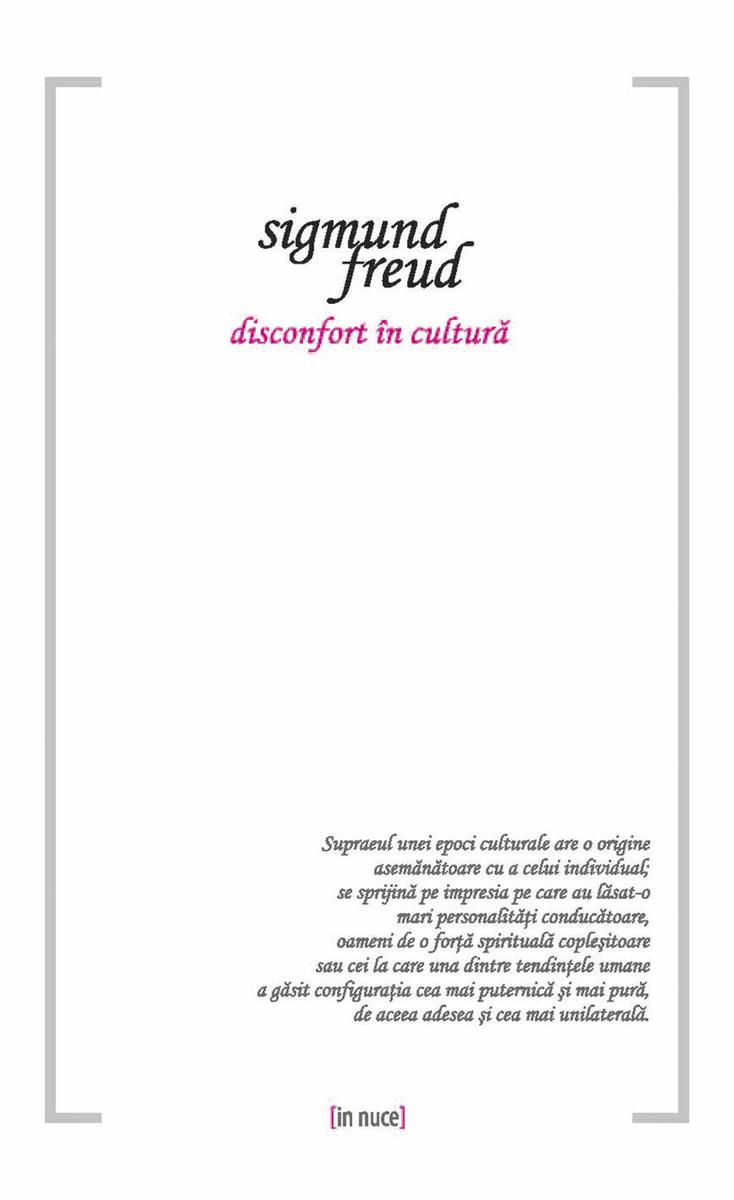
Disconfort ?n cultur?
¥24.44
Jonathan Swift (1667-1745) este cunoscut publicului larg ca autor al C?l?toriilor lui Gulliver. A fost considerat de mul?i un mizantrop des?v?r?it, de?i a f?cut parte din clerul Bisericii Anglicane. Va r?m?ne ?ns? ?n istorie ca primul pamfletar de limba englez?. Povestea unui poloboc este cea mai consistent? lucrare de acest gen, de care ?nsu?i autorul s-a declarat ?ntotdeauna foarte satisf?cut. ?n aceast? ?poveste“ satiristul irlandez ne propune o ingenioas? alegorie, ?n egal? m?sur? un atac la adresa bisericilor occidentale care au pervertit p?n? la desfigurare credin?a mo?tenit? de la biserica primar? ?i la adresa modelor care au infestat at?t operele spiritului, c?t ?i discursul teologic.Pus? la index la vremea apari?iei ei de regina Ana a Angliei din cauza nest?p?nitelor ?arje la adresa papismului ?i a puritanismului britanic, considerat? un text ?reac?ionar“ ?n Rom?nia epocii lui Ceau?escu, aceast? carte nu este, cu siguran??, o lectur? confortabil?, dar r?m?ne una dintre cele mai spumoase ?i mai fine satire scrise vreodat?.

Pagini de istorie american?
¥46.36
Aceasta este prima lucrare scris? ?n limba rom?n? care se concentreaz? asupra operei lui Thomas Kuhn, probabil cel mai influent filosof al ?tiin?ei din ultima jum?tate a secolului trecut. ?n particular, lucrarea analizeaz? ?n detaliu, ?ntr-o manier? original?, o idee foarte provocatoare a filosofului american, teza incomensurabilit??ii conceptuale, conform c?reia, ?n dezvoltarea cunoa?terii ?tiin?ifice, teoriile noi utilizeaz? un limbaj ireductibil la cel al teoriilor anterioare. Totodat?, lucrarea se apleac? ?ntr-o manier? sistematic? asupra conceptului de paradigm?, introdus de Kuhn, care avea s? fie utilizat ulterior pe scar? larg? ?n filosofie ?i ?tiin?ele sociale.
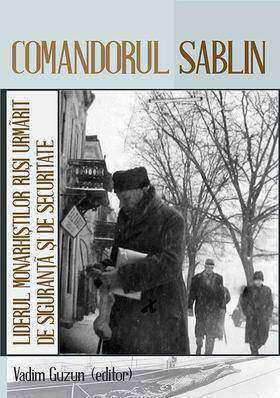
Comandorul Sablin. Liderul monarhi?tilor ru?i urm?rit de Siguran?? ?i de Securit
¥61.83
Volumul de fa?? cuprinde trei eseuri ale autorului francez despre ,,r?sul provocat ?n mod special de c?tre comic“. Acestea au la baz? ideile urm?toare: comicul este uman, r?sul are nevoie de o deta?are emo?ional? fa?? de obiectul/subiectul vizat, r?sul are o func?ie social?. Autorul exploreaz? diferite ipostaze ale comicului ?n art? sau ?n via?a de zi cu zi ?n func?ie de cauza care a produs efectul respectiv. Un om care se ?mpiedic? ?i cade poate st?rni r?sul trec?torilor. ?n aceast? situa?ie comicul survine ca urmare a rigidit??ii mecanice a personajului care a c?zut pentru nu a putut evita un obstacol. ?i o diformitate poate st?rni r?sul, ?nsa una care poate fi imitat? de o persoan? care nu are acea diformitate. Exist? ?i un comic al mi?c?rilor, de exemplu, gesturile unui orator. ?n cel de-al doilea capitol, autorul analizeaz? alt? dou? categorii: comicul de situa?ie ?i pe cel de limbaj. ?n fine, al treilea capitol este consacrat comicului de caracter. Anexa de la sf?r?itul lucr?rii curprinde o scurt? discu?ie despre defini?iile comicului, dar ?i despre metoda utilizat? de autor ?n cele trei capitole. Comicul ?ine de aceast? dimensiune a persoanei prin care se seam?n? cu un lucru, acest aspect al evenimentelor umane care imit? prin rigiditatea sa de un fel cu totul spe-cial, mecanismul pur ?i simplu, automatismul, de fapt mi?carea f?r? via??. El exprim?, a?adar, o imperfec?iune individual? sau colectiv? care necesit? o corec?ie imediat?. R?sul este ?ns??i aceast? corec?ie. R?sul este un anumit tip de gest social care subliniaz? ?i reprim? o distragere special? a oamenilor ?i evenimentelor.

R?sul
¥16.27
Publicat? ini?ial, ?n trei articole, ?n 1861, o lucrare fundamental?, cu o influen?? de necontestat ?n domeniul ?tiin?elor sociale, Utilitarismul lui J.S.Mill cuprinde o serie de discu?ii despre principiile care stau la baza doctrinei filosofice a utilitarismului. Structura lucr?rii, cu cinci capitole clare ?i concise (Considera?ii generale, Ce este utilitarismul, Despre sanc?iunea fundamental? a principiului utilit??ii, De ce fel de demonstra?ie este susceptibil principiul utilit??ii, Despre leg?tura dintre dreptate ?i utilitate), este elegant? ?i faciliteaz? ?n?elegerea ideilor aprofundate de g?nditorul englez. ?ntr-un sens, Utilitarismul reprezint? o rafinare a ideilor lui Jeremy Bentham despre ceea ce ar trebui s? constituie m?sura binelui ?i a r?ului: exigen?a de a ob?ine cea mai mare fericire pentru un num?r c?t mai mare de oameni. ?ntr-un alt sens, mai larg ?i mai important, cartea de fa?? formuleaz? ?i analizeaz? ?n profunzime toate implica?iile, pentru moral?, ale principiului utilit??ii. John Stuart Mill aduce etica ?n vecin?tatea economiei (maximizarea fericirii, ierarhizarea pl?cerilor ?n func?ie de profit, decizia bazat? pe calcularea utilit??ii alternativelor etc.) ?i ?ncearc? s? rezolve toate dificult??ile rezultate din acest mod de a trata problema drept??ii. Mill ofer? r?spunsuri la c?teva ?ntreb?ri esen?iale precum: ,,?n ce const? fericirea?“, ,,Ce urm?rim, de fapt, atunci c?nd alegem o anumit? conduit??“, ,,Ce pl?ceri sunt preferabile?“, ,,Cum trebuie s? arate legile (?i sanc?iunile inerente) dac? morala se ?ntemeieaz? pe utilitate?“, ,,De ce este preferabil principiul utilit??ii, at?t din perspectiva binelui personal, c?t ?i din aceea a binelui public?“
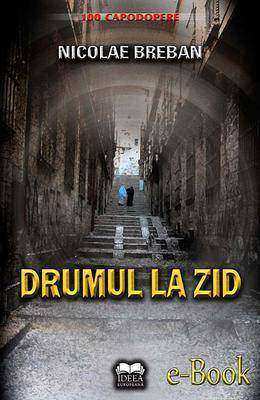
Drumul la zid
¥131.49
Volumul cuprinde dou? traduceri clasicizate, semnate de Victor Scorade?, Dincolo de bine ?i de r?u, ?i de Janina Iano?i ?i Horia Stanca, Genealogia moralei. Un mare vinovat f?r? vin?, sihastrul de la Sils-Maria a dinamitat g?ndirea secolului al XIX-lea, figur?nd – al?turi de Dostoievski – printre uria?ii profe?i ai omenirii, care au proorocit nenorocirile ce-au urmat, crimele ?n numele unei idei, rasismul, precum ?i devastatorul totalitarism ro?u. Dincolo de bine ?i de r?u e una dintre capodoperele g?nditorului german.


花雨满天 维摩说法(上册)
¥15.00
二十一世纪初,有感于文化教育之重要,南先生亲自撰成《中国文化教育的自诉》一文,讲述从远古夏商周至清代一脉相承的中华民族文化、历史、教育、生活以及与政治、经济交互影响所产生的演变,叙述清晰扼要,内容发人深省。其后,他随缘讲课,内容广泛,但终不离文化之根本——或讲述二十世纪以来教育的发展历程,或从人生目标、家教、师道等方面漫谈教育。本书将此类话题的讲述行整理,与前文合为一体,南师亲自定名为《廿一世纪初的前言后语》,以突显众所关心之话题。

廿一世纪初的前言后语(上册)
¥21.00
《参同契》又名《周易参同契》,为东汉魏伯阳著。其学说汇融周易、黄老、丹火之功于一体,用《易》的阴阳变化之理,阐述炼丹、内养之道,证明人与天地、宇宙有同体、同功而异用的法则。 《我说<参同契>》是南怀瑾先生继《论语别裁》后用力*深、*有分量的作品之一,共八十余万言,分上、中、下三册。内容涉及广泛,旁征博引,举证极多,更有南师本人所经历的诸多奇特的人和事,是国人了解、解读《参同契》这部“天书”的选择。

我说参同契.下册
¥21.00
《参同契》是早期道教重要典籍,全名《周易参同契》。书中借用乾、坤、坎、离、水、火等法象,以明炼丹修仙之术。为道教系统论述炼丹的早著作,道教奉为“丹经王”,是千古丹经之鼻祖。 本书是南怀瑾先生一九八三年在台湾讲解《参同契》的记录,分上、中、下三册。南怀瑾先生认为:《参同契》参合了三种原则相同的学问,且熔于一炉——老庄、道家的丹道,还有《易经》的学问,是一本非读不可的秘密典籍。《参同契》不止是丹经道书,它既是哲学又是科学,也是古典文学之作,其中包含了中华民族深之承天接地的文化。《参同契》素有“天书”之称。这部因深奥而埋藏已久的天书,因南师深入浅出的讲解而重新散发光芒。

我说参同契.上册
¥19.20
《参同契》是早期道教重要典籍,全名《周易参同契》。书中借用乾、坤、坎、离、水、火等法象,以明炼丹修仙之术。为道教系统论述炼丹的早著作,道教奉为“丹经王”,是千古丹经之鼻祖。 本书是南怀瑾先生一九八三年在台湾讲解《参同契》的记录,分上、中、下三册。南怀瑾先生认为:《参同契》参合了三种原则相同的学问,且熔于一炉——老庄、道家的丹道,还有《易经》的学问,是一本非读不可的秘密典籍。《参同契》不止是丹经道书,它既是哲学又是科学,也是古典文学之作,其中包含了中华民族深之承天接地的文化。《参同契》素有“天书”之称。这部因深奥而埋藏已久的天书,因南师深入浅出的讲解而重新散发光芒。

列子臆说(下册)
¥21.00
《悦心语(南怀瑾先生*述佳句选摘)(精)》是南怀瑾先生语录集,以笔记形式呈现。取材自南先生《论语别裁》、《孟子旁通》、《老子他说》、《禅宗与道家》等*作。编者“断章取义”,稍加整理。本书内容博大精深,文字简短,通俗易懂,便于现代读者阅读。 《悦心语》是南怀瑾先生的语录集,从《论语别裁》《孟子旁通》等南怀瑾先生代表作中精选经典章句而成,浓缩南师智慧精华。 南怀瑾先生是海内外享有盛誉的儒释道大师,将中华文化各种思想融会贯通,带领国人重读中国古代儒、释、道典籍,引导人们关注人的内心,关注人伦世界,关注人文教化。 南师*作不是象牙塔里不食人间烟火的精密考校疏证,处处体现着对现实世界的深切关怀,和芸芸众生的生活与命运紧密相连。南怀瑾先生认为,人生的*高境界是:佛为心,道为骨,儒为表,大度看世界;技在手,能在身,思在脑,从容过生活。这正是夫子自道。 谨以《悦心语》一书,深切缅怀敬爱的南怀瑾先生。

列子臆说(上册)
¥21.60
《列子》为道家重要典籍之一,与老庄并列。它高深莫测,易读而难懂,以故事、神话的形态,阐释道家的学术及观念。 《列子臆说》是南怀瑾先生关于《列子》的讲记,共分上中下三册。南怀瑾先生讲述列子,深浅出、生动自在,以《列子》的内容为研究重,带领读者广阔的视野、深难测的奇妙境界,并破了意识的种种局限。列子,这个御风而行的人,要我们从一切自设的框架中突围,成就天地间的自在逍遥。

费孝通早期思想探源
¥36.00
《费孝通早期思想探源》的论证有助于理解费孝通的社会改革思想所代表的江南社会精英群体,进一步明晰费孝通“合作主义”和“社会主义”取向的社会来源和思想来源。此外,作者还考证和分析了四十年代中期费孝通对中国文化看法的变化、原因及思想来源,指出费晚年倡导的“文化自觉”思想在1947年初已具雏形。本研究可增进对费孝通整体思想沿革的认识。

康德书信百封
¥23.99
本书从康德遗留于世的300多封信中选出100封书信,根据年代先后按照编年史顺序排列。康德书信是康德哲学思想体系的一个重要组成部分。它们不仅包含了康德对自己思想体系的许多重要的说明和解释,形成了康德哲学著作的一个重要补充,而且以动态的方式再现了康德哲学思想形成的过程。同时,它们也是康德生活与事业的忠实见证人。 此外,本书的附录部分收录了康德三篇重要的论文,即《关于一种出自世界公民意图的普遍历史的观念》《回答一个问题:什么是启蒙》《重新提出的问题:人类是否在不断地向善步?》


