


 购物车
购物车 个人中心
个人中心

Zorii din Alexanderplatz
¥40.79
innd seama de multiplele referiri la istorie, ct i de importana i relevana perspectivei temporal-istorice pentru orice alt tem, ajungem firesc la cardinalitatea istoriei n discursul lui Emil Cioran. n noianul tuturor temelor sale obsesive, istoria este o mega-tem, aflat n puternice raporturi cu celelalte. Aderena i entuziasmul pentru studiul problemelor de filosofia istoriei le gsim mrturisite nc de la nceputul traseului, n cteva scrisori ctre Bucur incu din anii ‘30. n acele scrisori vorbete de pasiune, de gndire spontan i personal, de adaptare natural asupra domeniului, i se arat ncredinat c, alturi de problemele de filosofia culturii i antropologiei filosofice, problemele de filosofia istoriei nu pot concepe c lea prsi vreodat. Dintre multiplele justificri ulterioare – opuse ca atitudine fa de cele din perioada iniial, dar care marcheaz aceeai aderen –, s punem dou n corelaie, scrise n ani apropiai, n care preocuparea pentru istorie este descris prin stri de dependen: slbiciune, sete, patim.“ – Ioan Costea
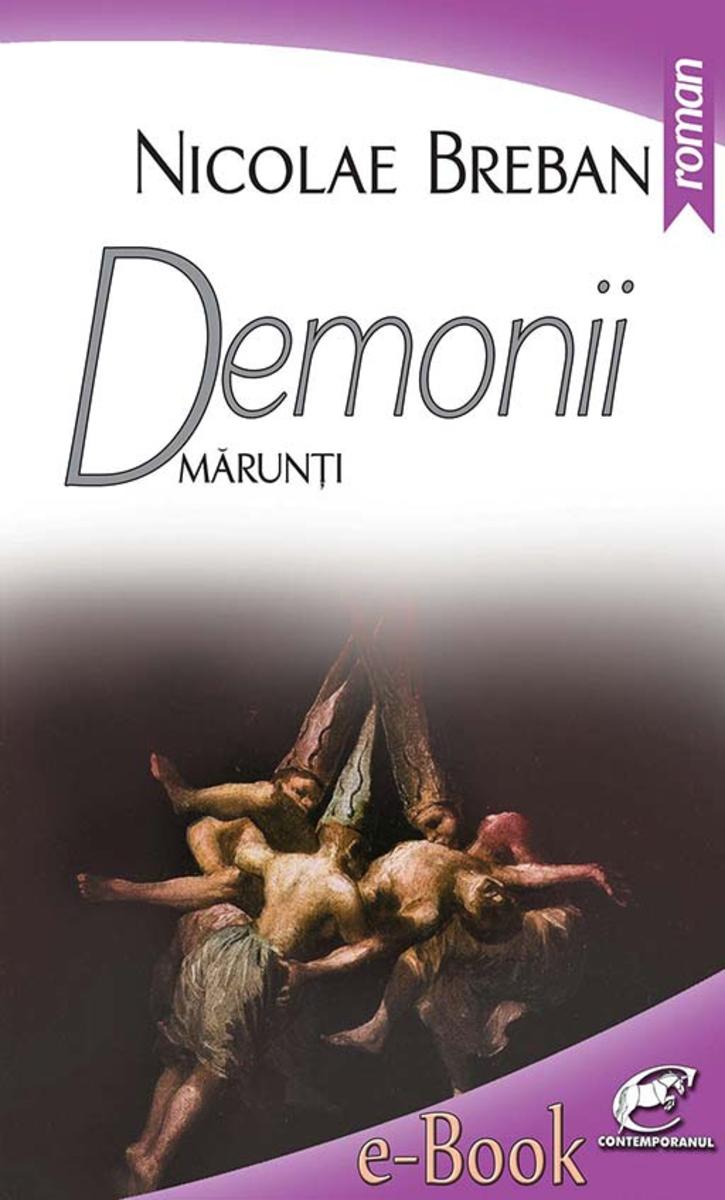
Demonii m?run?i
¥65.32
Avem o carte preponderent de sondare a mentalit??ii ruse, care este rezultatul unei radiografieri a societ??ii pe mai multe pali?ere, dintre care se deta?eaz? cel istoric ?i cel religios. (…) Rusia bolnav? este scris? ?n primii ani dup? evenimentele revolu?ionare din 1905?l907, ?n cursul c?rora autorul a avut o participare activ?, mai ales ?n ce prive?te punerea acestei revolu?ii sub semnul lui Hris?tos. Este o carte important? tocmai pentru c? oglinde?te deziluziile unei naturi pasiona?le, care, ?n centrul istoriei ?i al religiei, pune mereu fapta. Fire?te acum, dup? Arhipelagul lui Soljeni??n, pamfletele lui Merejkovski par simple exerci?ii de stil, ?nelibertatea” deza?vuat? ?n ele, Rusia ?arist? ca ??nchisoare a popoarelor” ap?r?nd chiar foarte apropiat? de ceea ce s?ar putea numi ?stat de drept”. ?n privin?a ?demasc?rii” ororilor contemporane?it??ii, putem spune c? – a?a cum au dovedit?o deceniile bol?evice – ?ntotdeauna este loc de mai r?u. (Emil Iordache)

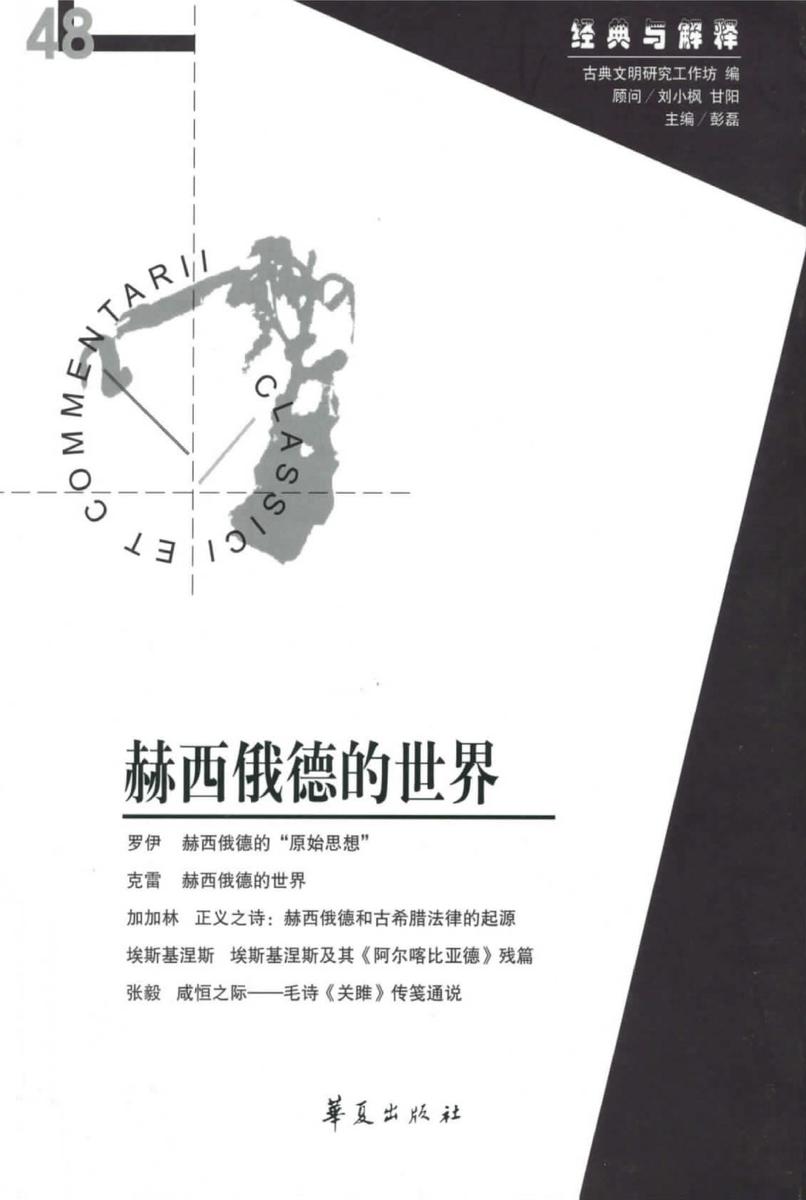
赫西俄德的世界(“经典与解释”第48期)
¥22.42
本期为赫西俄德专题,选译了英语学界研究赫西俄德的四篇代表性文章,分别涉及赫西俄德诗歌与自然哲学和政治哲学的关系问题,意图显示赫西俄德的两个世界——自然的世界和正义的世界之间的关系,揭示赫西俄德与古希腊思想的深刻勾连。 “古典作品研究”栏目选译了日本学者斋藤拙堂的《老子辨》和古希腊哲学家埃斯基涅斯的《阿尔喀比亚德》残篇。“思想史发微”则收录研究海德格尔的力作《从“同一者”到“命运”》;“旧文新刊”栏目刊布民国湖南学者郭倬瑩的《四部通論·經部流別》;“评论”收录两篇译文,分别涉及黑格尔和施特劳斯。
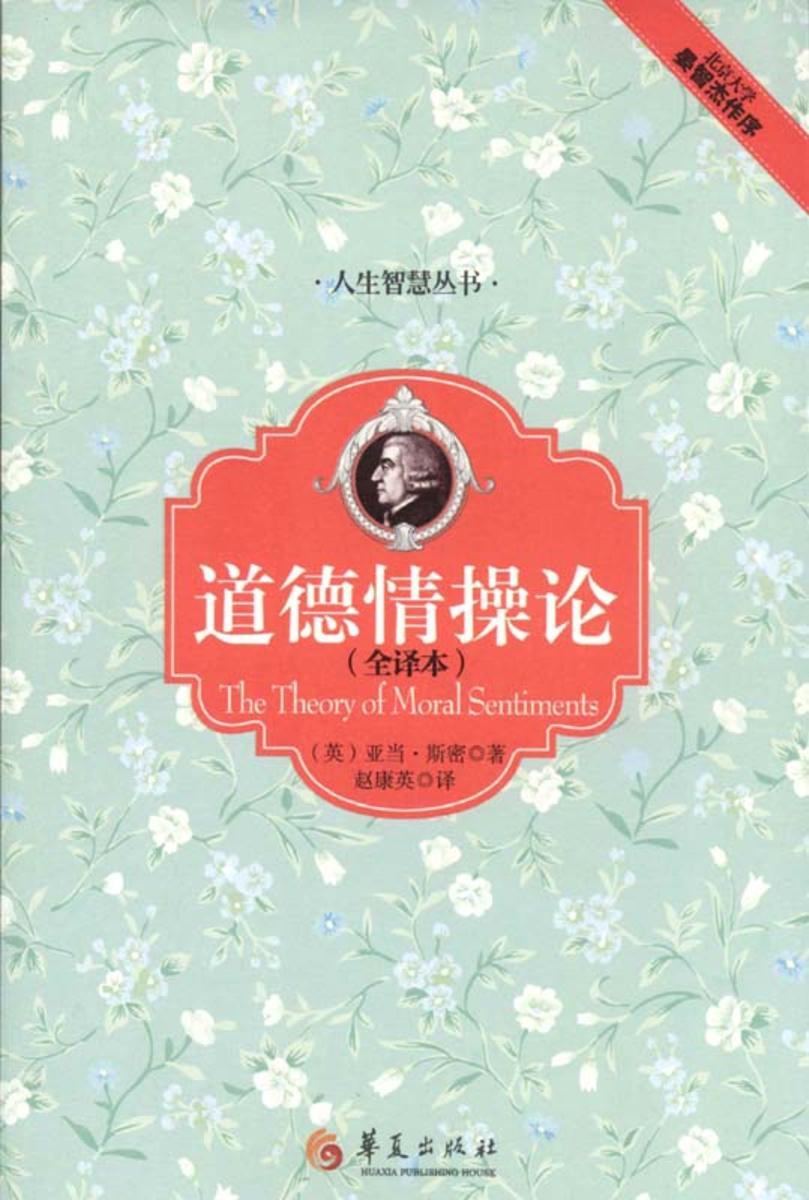
道德情操论
¥13.68
本书不仅从伦理道德的角度,而且从哲学、法学、心理学和经济学的角度,对资本主义社会生产关系的各个方面作了探讨。它共分为七部分。在书中,斯密用同情的基本原理来阐释正义、仁慈、克己等一切道德情操产生的根源,说明道德评价的性质、原则以及各种美德的特征,并对各种道德哲学学说进行了介绍和评价,进而揭示出人类社会赖以维系的和谐的发展基础以及人的行为应遵循的一般道德准则。《道德情操论》(1759)是和《国富论》(1776)同样齐名的亚当·斯密的经典传世之作。
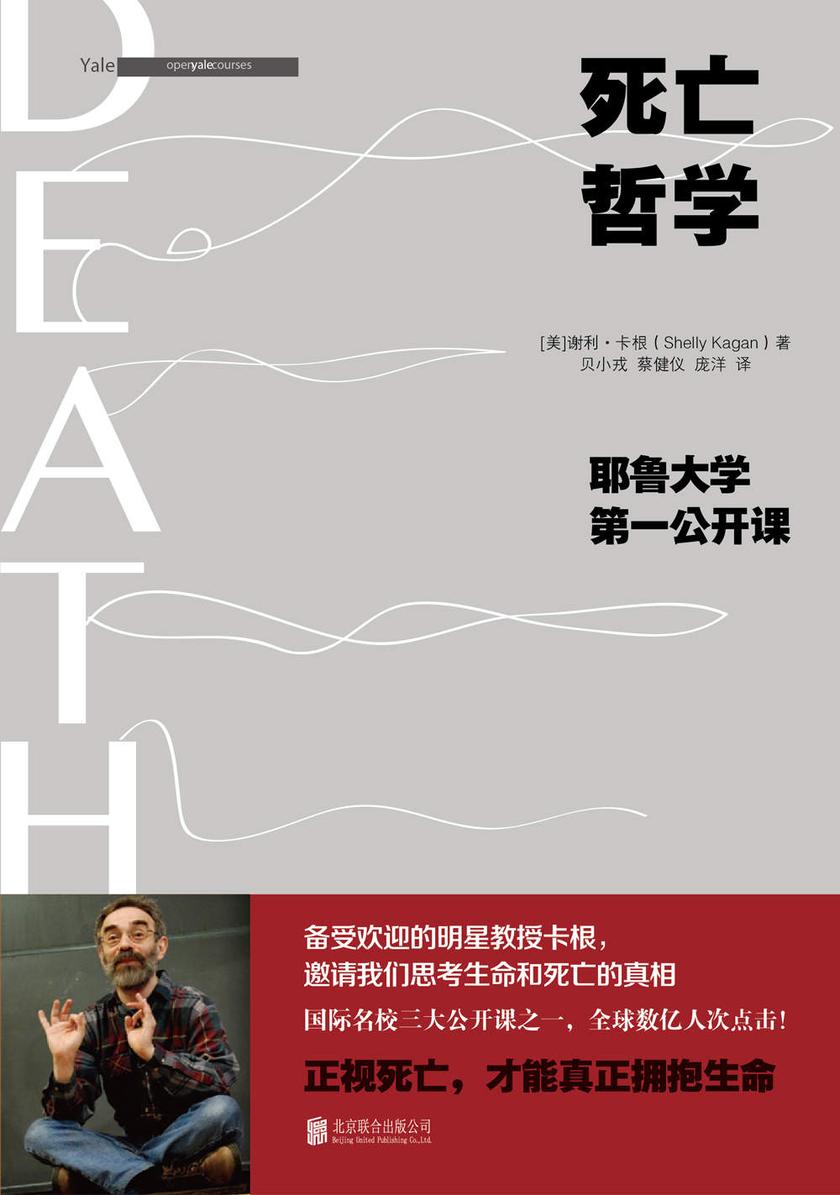
死亡哲学:耶鲁大学第一公开课(精装典藏版)
¥14.99
有件事是确定无疑的:终我们都会死亡。 但我们真的相信自己会死吗? 死亡是生命的终吗? 人是否有不朽的灵魂? 为什么说永生是件坏的事情? 在某些情况下自杀是否可能合理和符合道德? 我们终将死掉这个事实,会怎么影响我们的生活方式? …… 《死亡哲学:耶鲁大学公课》一书源于受欢迎的国际名校公课之一《哲学:死亡》。在这本通俗易懂的哲学著作中,谢利卡根教授挑战了许多我们习以为常或未经深思的观,邀请读者系统反思死亡的哲学之谜,以更清晰的概念探讨死亡的意义为何,从形而上学到价值观,认真、理性地思考生命和死亡的真相。而带领我们探索生命的价值,该以什么样的态度来面对人生这趟旅程。 叔本华对死亡哲学的阐述,对本书来说至为贴切:“由于对死亡的认识所带来的反省,致使人类获得形而上学的见解,并由此得到一种慰藉。所有宗教和哲学体系,主要即为针对这种目的而发,以帮助人们培养反省的理性,作为对死亡观念的解毒剂。”死亡虽是我们每个人的宿命,但看待死亡的视角,却可以让人们获得拯救。
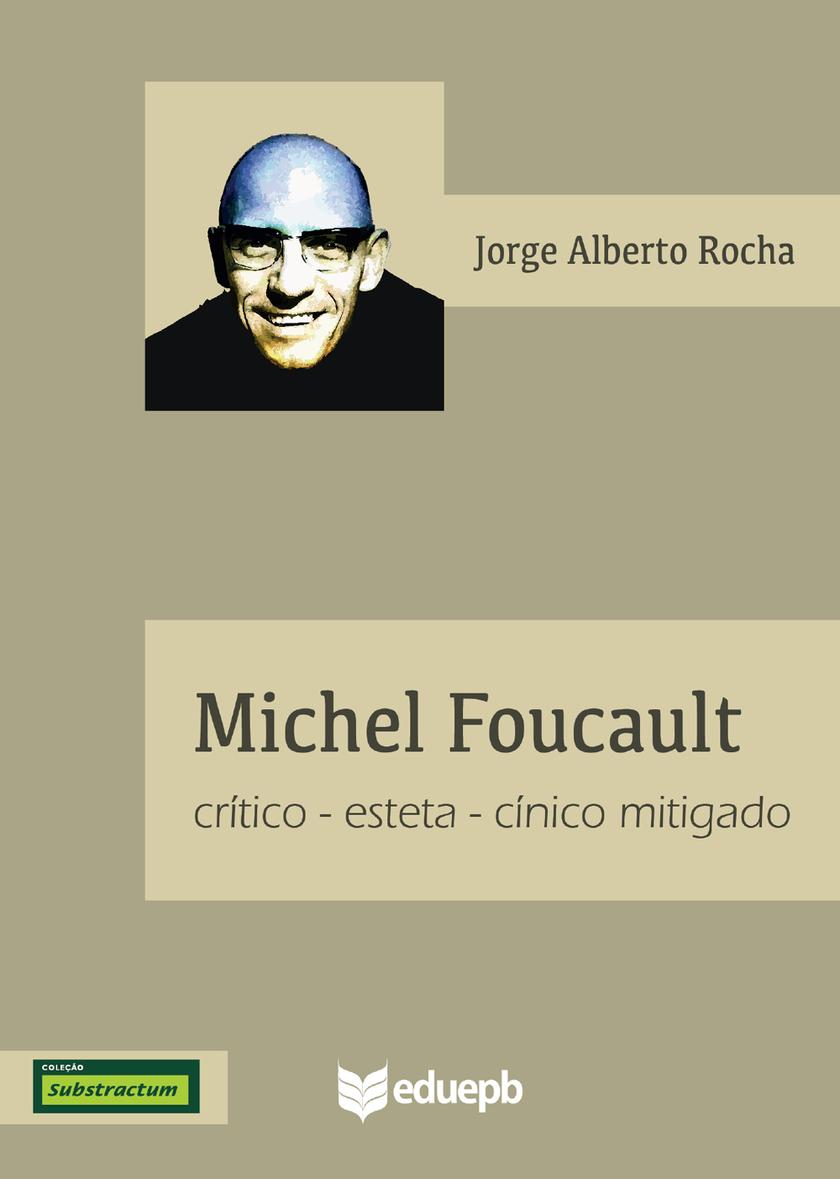
Michel Foucault: crítico-esteta-cínico mitigado
¥57.14
S?rmanul Nietzsche, ?bestia blond?“, a avut ?i el parte de crucificare. Multor profe?i ?i m?ntuitori li se ?nt?mpl? asta: eventual ?i ?n timpul vie?ii, ?i dup? moarte. Nietzsche, r?zvr?titul ?mpotriva legilor celor vechi, ?ntemeietorul orgolios al noii sale ?religii“, a trebuit s? suporte ?i el toate e?ecurile ?i r?st?lm?cirile posibile, ba chiar ?i punerea terifiant? ?n practic? a unora dintre ideile lui, care nici nu mai erau ale lui ?i, ?ndeob?te, nu mai erau idei…?Viclenia ra?iunii“, implicit a istoriei, o descrisese Hegel, unul dintre cei mul?i pe care Nietzsche nu-i agrea. Dincoace de istorie ?i chiar dincolo de ea, r?m?n c?r?ile. Omul n-a fost s? fie m?ntuit de Nietzsche. C?r?ile lui vor d?inui printre oameni: pentru oameni.
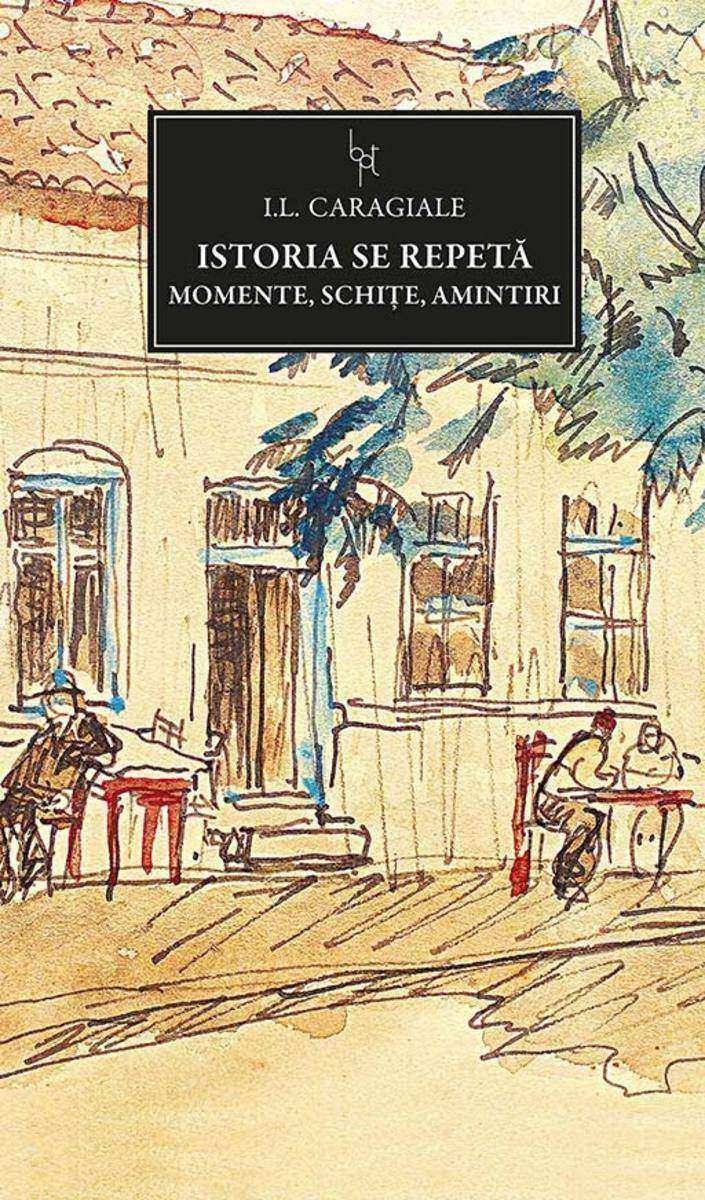
Istoria se repet?. Momente, Schi?e, Amintiri
¥33.03
Antropologie ?i antroposofie ? Max Dessoir despre antroposofie ? Franz BrentanoAlc?tuind cuprinsul acestei lucr?ri, Rudolf Steiner reveleaz? ?c?teva din firele ?tiin?ifice care trebuie trasate pornind de la antropozofie la filozofie, la psihologie ?i la fiziologie“. Cunoa?terea omului va trebui atunci s? fie extins? ?in?nd cont de enigmaticele aspecte ale vie?ii sale interioare, privite din perspective multiple. ?n aceast? carte, Rudolf Steiner prezint? ?n scris aspectele semnificative ale configur?rii ?ntreite a fiin?ei omene?ti: corpul fizic, organismul sufletesc ?i configura?ia spiritual?.

MALARIA: История военного переводчика
¥11.77
A partir de uma sugest?o de Gilles Deleuze e Félix Guattari – a de que todos os filósofos ocidentais terminaram construindo, no interregno do seu pensamento, personagens conceituais, uma espécie de assinatura do filósofo – este livro objetiva identificar esse tra?o a partir da obra de Michel Foucault. A tese em quest?o é que este autor n?o se enquadra em uma imagem única, como a do Juiz em Kant, ou a do sedutor em Kierkegaard, mas em uma imagem híbrida e triádica, fazendo coro com muitos filósofos chamados de transversais e que se instalaram no horizonte de filosofias chamadas de pós-estruturalistas, como Deleuze.

Безжальна правда про нещадний б?знес
¥24.53
Em Vida sem Princípio , Henry David Thoreau nos apresenta um verdadeiro manual de como viver em sociedade e em contato com a Natureza respeitando a natureza e ao próximo.? puro Transcendentalismo , um apelo para que cada um siga a sua própria luz interior.Este ensaio foi obtido a partir da palestra''What Shall It Profit? ''apresentada ao publico em 06 de dezembro de 1854, no Sal?o Railroad em Providence Rhode Island.Foi publicado pela primeira vez na edi??o de outubro de 1863 The Atlantic Monthly, onde foi dado o título moderno.Vida sem Princípio é um ensaio em que Thoreau coloca o seu programa para viver bem. Incluem-se aqui as suas ideias sobre a forma de abordagem da comunica??o interpessoal, modos de trabalho, sustento financeiro e outros códigos de conduta baseados na filosofia de de vida de Thoreau.'
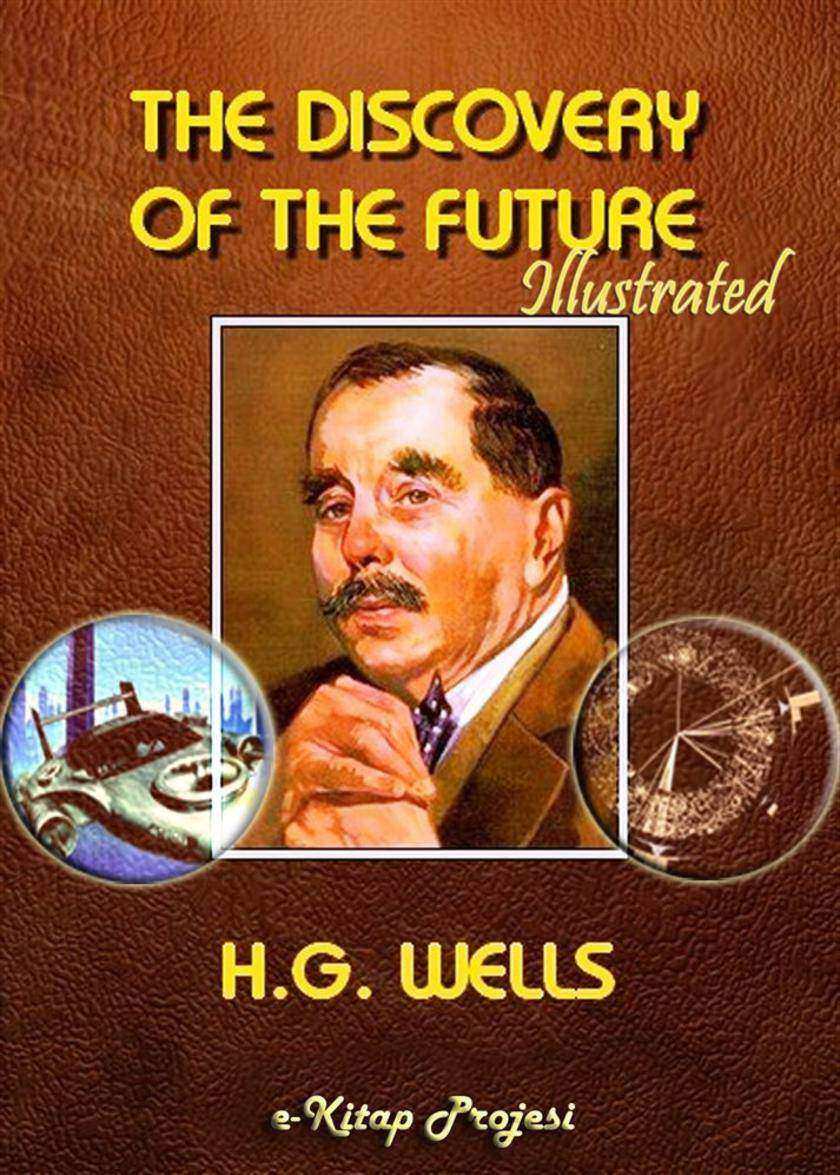
Discovery of the Future: Illustrated
¥13.98
Such is the system which underlies the Meditations of Marcus Aurelius. Some knowledge of it is necessary to the right understanding of the book, but for us the chief interest lies elsewhere. We do not come to Marcus Aurelius for a treatise on Stoicism. He is no head of a school to lay down a body of doctrine for students; he does not even contemplate that others should read what he writes. His philosophy is not an eager intellectual inquiry, but more what we should call religious feeling. The uncompromising stiffness of Zeno or Chrysippus is softened and transformed by passing through a nature reverent and tolerant, gentle and free from guile; the grim resignation which made life possible to the Stoic sage becomes in him almost a mood of aspiration. His book records the innermost thoughts of his heart, set down to ease it, with such moral maxims and reflections as may help him to bear the burden of duty and the countless annoyances of a busy life. It is instructive to compare the Meditations with another famous book, the Imitation of Christ. There is the same ideal of self-control in both. It should be a man's task, says the Imitation, 'to overcome himself, and every day to be stronger than himself.' 'In withstanding of the passions standeth very peace of heart.' 'Let us set the axe to the root, that we being purged of our passions may have a peaceable mind.' To this end there must be continual self-examination. 'If thou may not continually gather thyself together, namely sometimes do it, at least once a day, the morning or the evening. In the morning purpose, in the evening discuss the manner, what thou hast been this day, in word, work, and thought.' But while the Roman's temper is a modest self-reliance, the Christian aims at a more passive mood, humbleness and meekness, and reliance on the presence and personal friendship of God. The Roman scrutinises his faults with severity, but without the self-contempt which makes the Christian 'vile in his own sight.' The Christian, like the Roman, bids 'study to withdraw thine heart from the love of things visible'; but it is not the busy life of duty he has in mind so much as the contempt of all worldly things, and the 'cutting away of all lower delectations.' Both rate men's praise or blame at their real worthlessness; 'Let not thy peace,' says the Christian, 'be in the mouths of men.' But it is to God's censure the Christian appeals, the Roman to his own soul. The petty annoyances of injustice or unkindness are looked on by each with the same magnanimity. 'Why doth a little thing said or done against thee make thee sorry? It is no new thing; it is not the first, nor shall it be the last, if thou live long. At best suffer patiently, if thou canst not suffer joyously.' The Christian should sorrow more for other men's malice than for our own wrongs; but the Roman is inclined to wash his hands of the offender. 'Study to be patient in suffering and bearing other men's defaults and all manner infirmities,' says the Christian; but the Roman would never have thought to add, 'If all men were perfect, what had we then to suffer of other men for God?' The virtue of suffering in itself is an idea which does not meet us in the Meditations. Both alike realise that man is one of a great community. 'No man is sufficient to himself,' says the Christian; 'we must bear together, help together, comfort together.' But while he sees a chief importance in zeal, in exalted emotion that is, and avoidance of lukewarmness, the Roman thought mainly of the duty to be done as well as might be, and less of the feeling which should go with the doing of it. To the saint as to the emperor, the world is a poor thing at best. 'Verily it is a misery to live upon the earth,' says the Christian; few and evil are the days of man's life, which passeth away suddenly as a shadow. ? ? ? ? ? ? ? ? ? ? ? ? ? ? ? ? ? ? ? ? ? ? ? ? ? ? ? ? ? ? ? ? ? ? ? ? ? ? ? ? ? ?*** ? "MARCUS AURELIUS ANTONINUS" was born on April 26, A.D. 121. His real name was M. Annius Verus, and he was sprung of a noble family which claimed descent from Numa, second King of Rome. Thus the most religious of emperors came of the blood of the most pious of early kings. His father, Annius Verus, had held high office in Rome, and his grandfather, of the same name, had been thrice Consul. Both his parents died young, but Marcus held them in loving remembrance. On his father's death Marcus was adopted by his grandfather, the consular Annius Verus, and there was deep love between these two. On the very first page of his book Marcus gratefully declares how of his grandfather he had learned to be gentle and meek, and to refrain from all anger and passion. The Emperor Hadrian divined the fine character of the lad, whom he used to call not Verus but Verissimus, more Truthful than his own name. He advanced Marcus to equestrian rank when six years of age, and at the age of eight made him a member of the ancient Salian priesthood. The boy's aunt, A


论语说什么(全3册)
¥39.99
如果说,当今社会有一套帮大家如何获得快乐、如何避免不快乐的知识体系,那显然孔子的思想体系更合适。它能让你成为一个没有敌人的人——仁者,起码也能让你变成一个在朋友圈有吸引力和比较受尊重的人。 很多人这辈子都没活好,总想活出超越这辈子的境界,但很容易走偏。其实,《论语说什么》告诉我们:哪怕我们在正道上前得慢一儿,也比走岔路而绕不回来的好。 一个人上半生主要是求存,下半生慢慢就要求真。求存是向外的,求真是向内的。不管是求存,还是求真,都要有一个学习的过程。因为你改变不了命运,但可以通过学习改变自己处理命运的能力。 读《论语说什么》,zui起码可以让你在糟糕的生活中成为一个不太糟糕的人——勤勉而好学,爱生活但不炫耀,正确地好色……
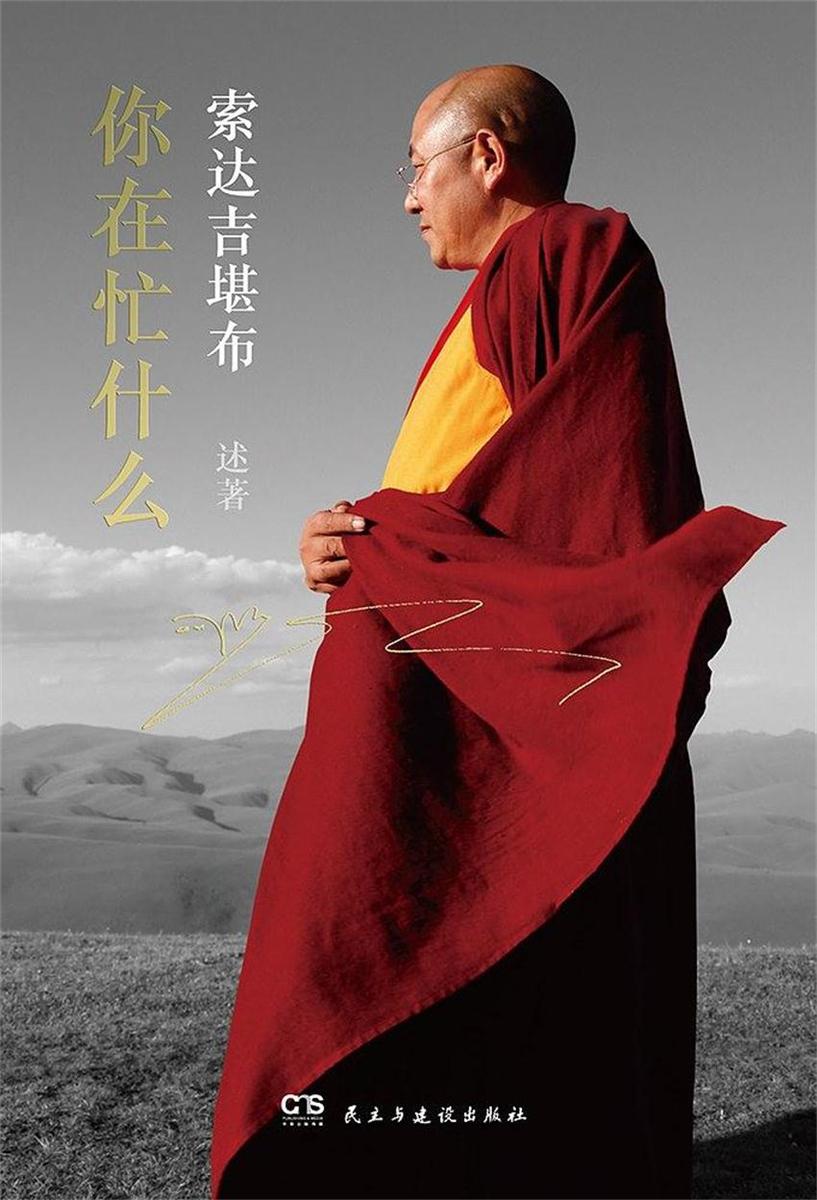
你在忙什么
¥17.99
《你在忙什么》是由影响力遍及全球的佛教大德索达吉堪布近年来赴哈佛、耶鲁、斯坦福、哥廷根、清华、北大、港大……等全球近百所学府的演讲精粹。 堪布认为,时代在变迁,但佛教的宗旨没有变,人们可以从中找到解决现代问题的真正答案,这是应该去提醒大家的。 本书以幸福、压力、财富、情感、快乐为关键词,关注当下社会现状,针对现代人的思想误区,以浅显易懂的语言,为世人打开一条光明之路。身体的忙碌,根本在心。但愿由此你能得到佛教中的宁静心灵,减少无意义的忙碌,活得更加淡定。

我说参同契.中册
¥22.80
《参同契》是早期道教重要典籍,全名《周易参同契》。书中借用乾、坤、坎、离、水、火等法象,以明炼丹修仙之术。为道教系统论述炼丹的早著作,道教奉为“丹经王”,是千古丹经之鼻祖。 本书是南怀瑾先生一九八三年在台湾讲解《参同契》的记录,分上、中、下三册。南怀瑾先生认为:《参同契》参合了三种原则相同的学问,且熔于一炉——老庄、道家的丹道,还有《易经》的学问,是一本非读不可的秘密典籍。《参同契》不止是丹经道书,它既是哲学又是科学,也是古典文学之作,其中包含了中华民族深之承天接地的文化。《参同契》素有“天书”之称。这部因深奥而埋藏已久的天书,因南师深入浅出的讲解而重新散发光芒。

列子臆说(中册)
¥28.80
《金粟轩纪年诗初集(精)》为南怀瑾先生四十余年旧体诗作品合集,收录他在中国大陆、台湾以及美国等地创作的*句、律诗、长短句共计五百五十余首,根据不同时期,分别命名为《西行集》《海屋集》《海东集》《掩关集》《美京集》,同时又附录其佛门诗偈、楹联及佚诗数十首于后,可谓诗笔琳琅,洋洋大观,充分展现了南先生超拔敏锐的思想见地和丰富细腻的情感世界。
西南联大哲学通识课
¥12.99
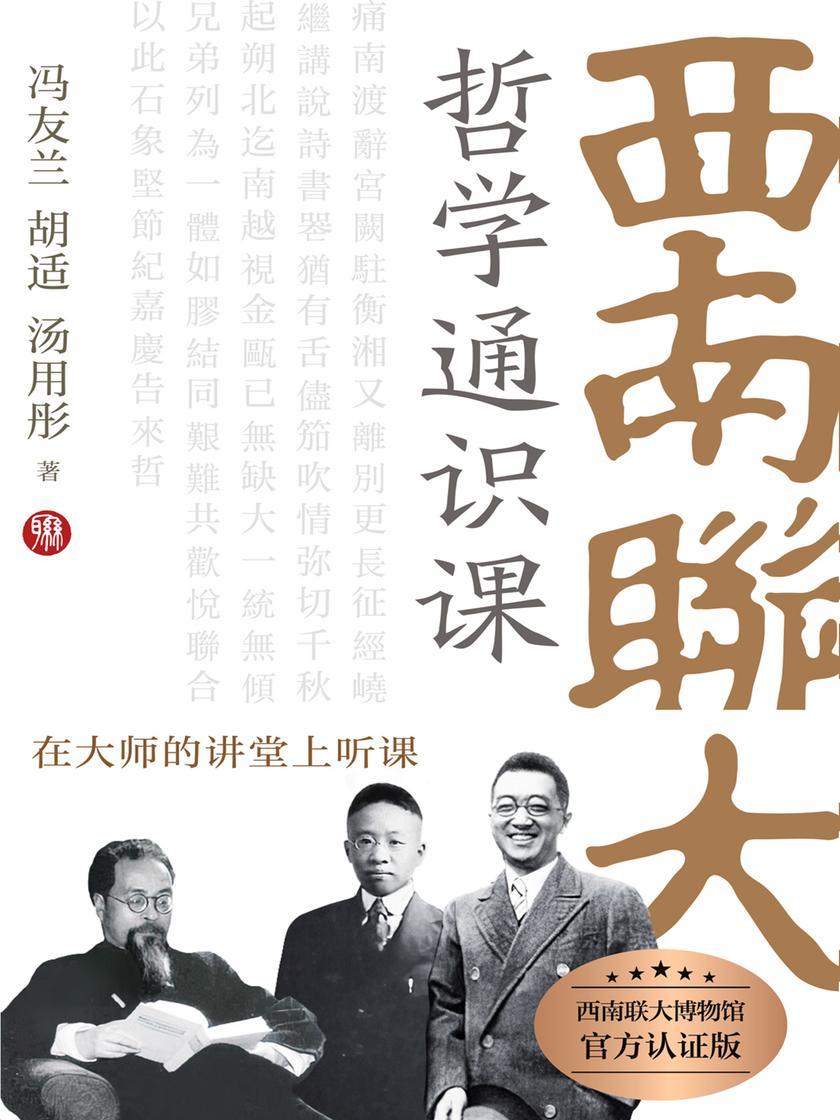
西南联大多元自由的学术、教学环境,为师生提供了成长和发挥的巨大空间;西南联大开创的中国通识教育系统,创造了教育神话,为中国教育现代化奠定了基础。 《西南联大哲学通识课》按历史顺序共分7个部分:胡适先生讲“哲学概说”“诸子哲学”,冯友兰先生讲“汉代儒学”,汤用彤先生讲“魏晋玄学”和“隋唐佛学”,冯友兰先生讲“宋明理学”和“清代经学”。三位大师各呈所长,互文成趣,多层次启发读者,构成一部完整的中国哲学史
西方哲学史
¥21.90
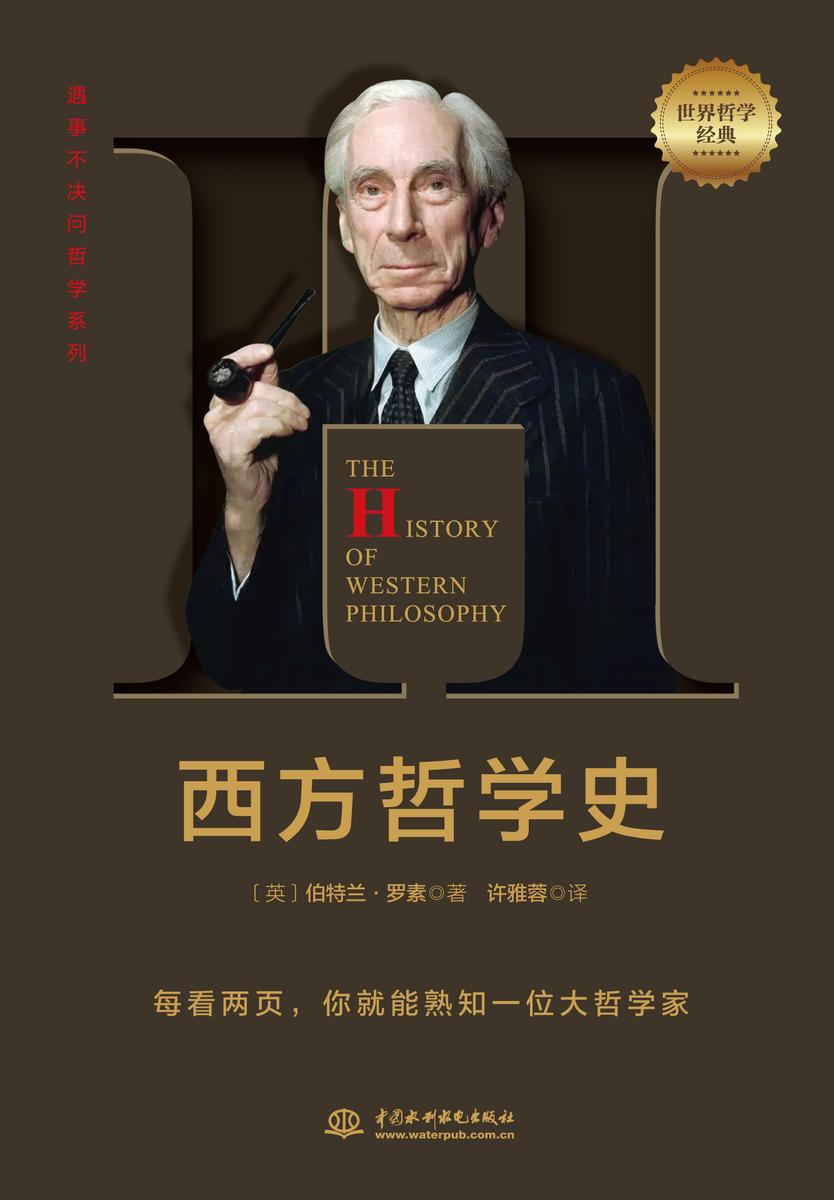
《西方哲学史》对各个哲学流派产生的历史背景、哲学家的生活时代加以描述,从古希腊文明说起,分别介绍了米利都学派、毕达哥拉斯、原子论者、普罗泰戈拉、苏格拉底、柏拉图……一直讲到逻辑分析哲学为止,在真相所能容许的范围内,充分展现了每一位大哲学家的毕生精髓,以此反映当时社会所共有的思想与感情。

哲学入门:有趣有用的96个哲学知识
¥19.99
多数人都热衷学习专业知识,因为它是谋生手段和就业技能。然而对于哲学,却鲜少有人乐意琢磨,总觉得它是一门枯燥的无用之学。当然,哲学无法直观地给出解决问题的答案,但哲学教会我们的是一种思维方式。换而言之,缺少了哲学思辨能力,在生活中遇到的各种问题,就像散落在地上的铜板,只能停留在就事论事的水平,而无法高屋建瓴。 事实上,哲学离我们并不远,我们的生活时刻都充满了哲思。这本书的意义就在于,把哲学知识与实际生活相关联,让大家意识到,许多哲学问题都是为了解决生活中的问题,而许多生活中的迷雾也可以借助哲学变得清晰。

中西文化的精神分野:传统与更新
¥46.80
中西文明中的上古神话有哪些异同?神话之后的世界如何展?从孔子与苏格拉底的生存哲学中,为何发展出了两条路数迥异的文化主脉?在与西方文化的碰撞中,中国文化曾遇到哪些身份焦虑,又经历了多少争执与变革?……这本书是一部条理清晰、深浅出的中西文化溯源之作,以文化比较的方式讲述了大约4000多年以来的中西文明,其中,作者不仅阐述了两种文化内部的若干源流传统,而且还以源流传统的演变与更新为视角,分析了中西文化的近代启蒙历程和现代转型,以及全球化视野下中国文化的自我更新;等等。 在这本书中,读者可以从神话时代出发,重走中西文化时至今日波澜壮阔的发展历程,从历史与哲学的角度切两种文化在不同时代中的基本精神,探寻埋藏在文明底部的思维逻辑。
江苏儒学史
¥34.00
儒学传统是江苏历史文脉中非常重要的一个组成部分。本书以历史唯物主义观为指导,按照历史阶段叙述作为一种思想和学术文化传统的儒学自先秦至近代在江苏地域流传、继承和发展的历史。书中以历代出生于今江苏行政区划范围内或生平与此地域有密切关系的儒学人物及其儒学著作、儒学思想、儒学活动为重,展示历代江苏儒者的学术成就、思想创造和人格魅力,以及江苏儒学在整个中国儒学发展史上的独特贡献和特色。本书力图揭示古代江苏地域社会经济文化与儒学发展之间的关系,以及儒学思想传统在形成江苏地区独特的区域文化和人文精神风貌过程中所起到的作用。
理想国
¥21.90
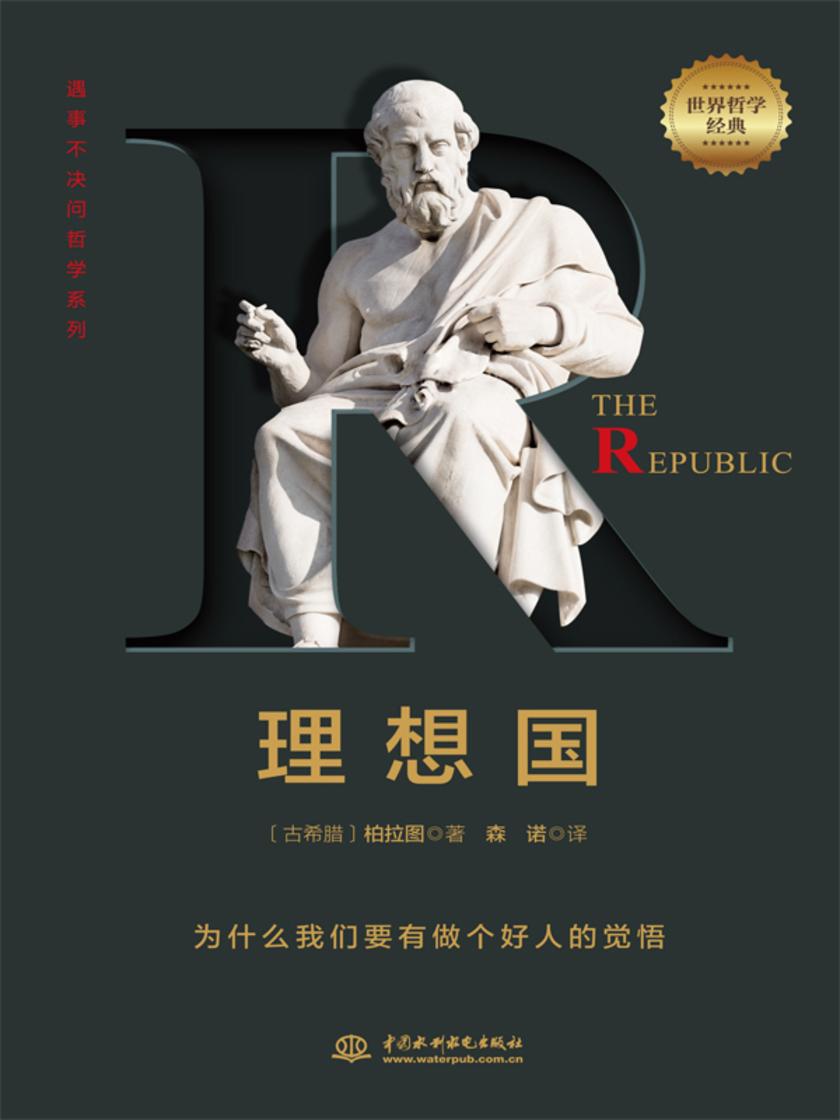
《理想国》是柏拉图创作的哲学经典著作。本书借苏格拉底与格劳孔、色拉叙马霍斯、阿德曼托斯等人的对话,描述了一个理想国家的蓝图,还讨论了诸多与日常生活密切相关的话题,比如正义、财产、教育、品德等,妙趣横生且思想深邃,值得每个人研究和学习。
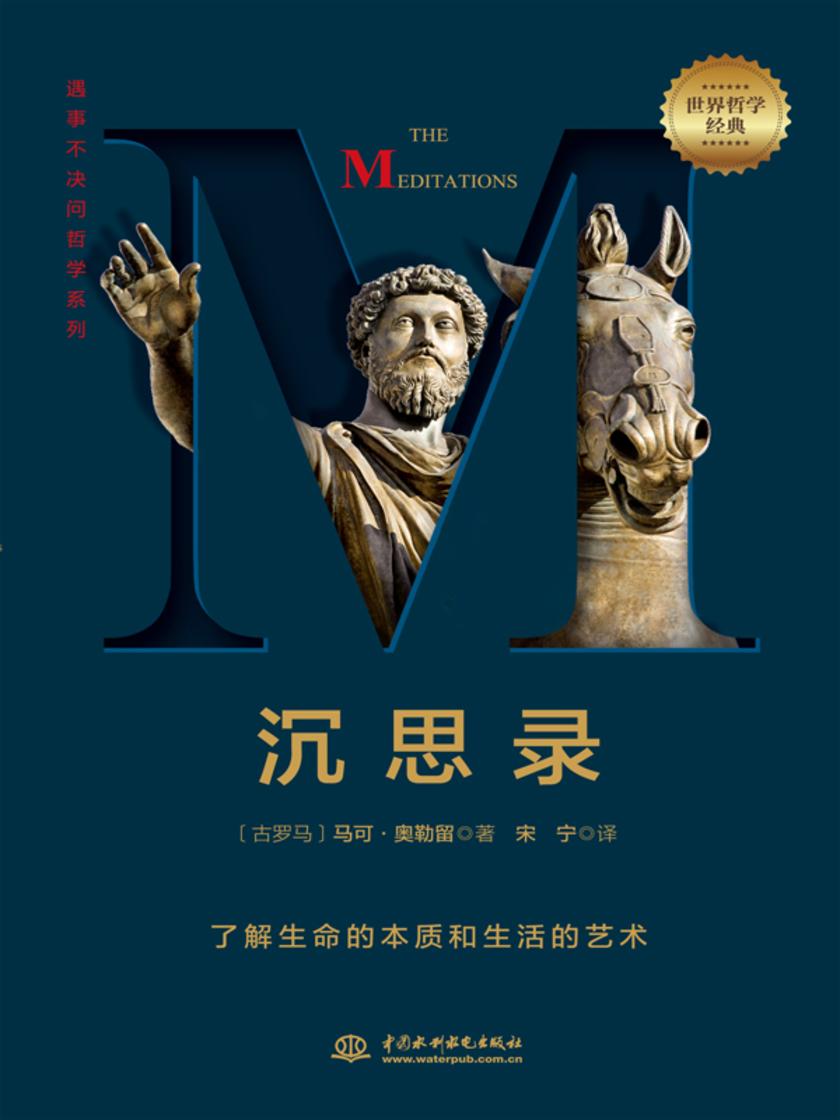
沉思录
¥21.90
《沉思录》是古罗马帝王哲学家马可·奥勒留所著,阐释了灵魂与死亡的关系、自然与社会的关系、宇宙自然与人生的关系、理性与欲望的关系、自我与他人的关系等;他主张摈弃一切无用和琐屑的思想,而去思考光明磊落的事情,并付诸行动,以此达到内心的平静。


