


 购物车
 个人中心


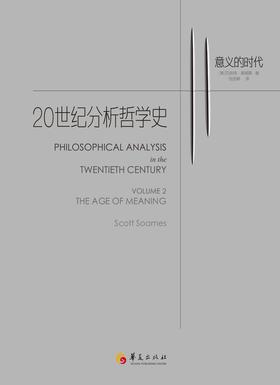
20世纪分析哲学史卷二
¥56.24
分析哲学是20世纪主要的两大哲学流派之一,自摩尔、罗素以来,大师辈出,经典产品层出不穷,可以说,整个改变了西方哲学的面貌。本书是探讨20世纪分析哲学的一部巨著,作者是著名的分析哲学家,在书中详尽地考察了从摩尔、罗素、维特根斯坦到蒯因、克里普克等大师的哲学思想,对其在哲学史上的主要贡献做了极其精彩的分析,对其论证中的不足同样做了犀利的批评。可以说,本书必将作为一部经典的哲学史而流传后世。第二卷通过如下哲学家或学派来解释分析传统在接下来的四分之一个世纪里的演变:首先是后期维特根斯坦和英国的日常语言学派,然后是威拉德·冯·奥曼·蒯因在科学启发下向自然主义的转变,以及这种转变与唐纳德·戴维森的语言理论的融合,后是索尔·克里普克对必然性和先天性的概念重构,这种重构改变了分析哲学的轨迹。正是这个时候,分析的传统背离了关于哲学的语言观念,并回归到把逻辑和语言作为哲学理论化的有力工具的早期视野中去。尽管关于哲学的语言视野失败了,但我们在理解哲学各个领域的核心问题方面还是取得了很大进展。第二卷讲述了上述故事,而它的“尾声”部分勾勒了二十世纪结束之际哲学专业化的多元化新纪元。
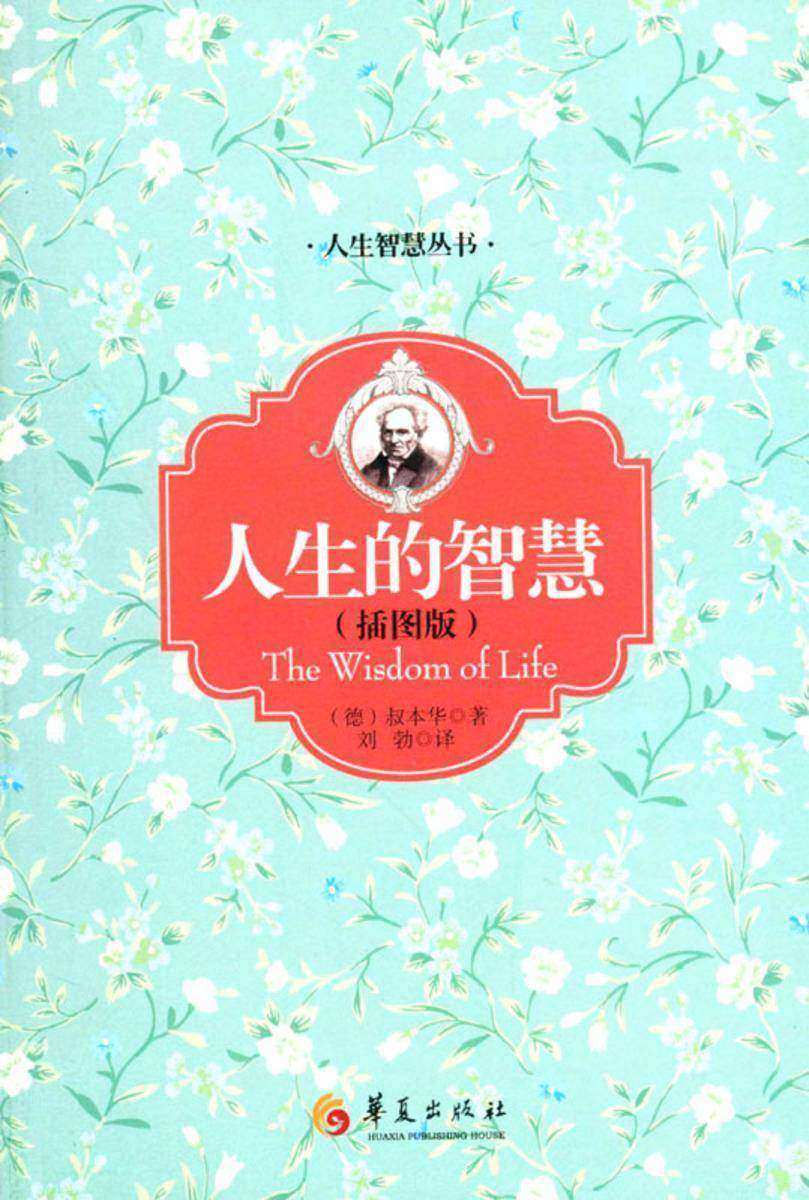
人生的智慧
¥14.82
《人生的智慧》取自德国思想家叔本华的《附录和补遗》,而实际上是独立成书的,阐述了生活的本质及如何在生活中获得幸福,所讨论的事情与我们的世俗生活极为近,如健康、财富、荣誉、名声、待人物所应遵循的原则等。正如叔本华所说的,在《人生智慧丛书:人生的智慧(插图版)》里,他尽量从世俗、实用的角度考虑问题。因此,《人生智慧丛书:人生的智慧(插图版)》尤其适合大众阅读。 书中含有几分孤芳自赏的自我辩白和自我激励,甚至还流露着顾影自怜的几丝悲凉、几许惆怅,但更多的还是他因为自尊而隐匿在文中的深刻的自我剖析和感悟,以及由此而来的坚定与自信、清醒与睿智。 《人生智慧丛书:人生的智慧(插图版)》插了七十余幅摄影作品,由自由摄影师闰笑枫摄影并首次出版,与主题非常呼应。

(畅销版)图解心理学
¥20.40
《图解心理学:教给你生活中必须知道的心理学原理和技巧(2014图解版)》心理学的前生今世以及对生活的指导作用将在此清晰展现。《图解心理学:教给你生活中必须知道的心理学原理和技巧(2014图解版)》大致上从历史发展、基础知识和应用领域几大方面来介绍心理学,重点讲了如何利用这些知识指导生活上。目的在于告诉您,心理学并不神秘,其实质就是对生活现象进行规律性的总结。例如,心理学将告诉你,人性是什么,人有什么需要,人们追求什么,应该如何与人交往,教会读者这些规律,使其更好地工作、学习和生活。
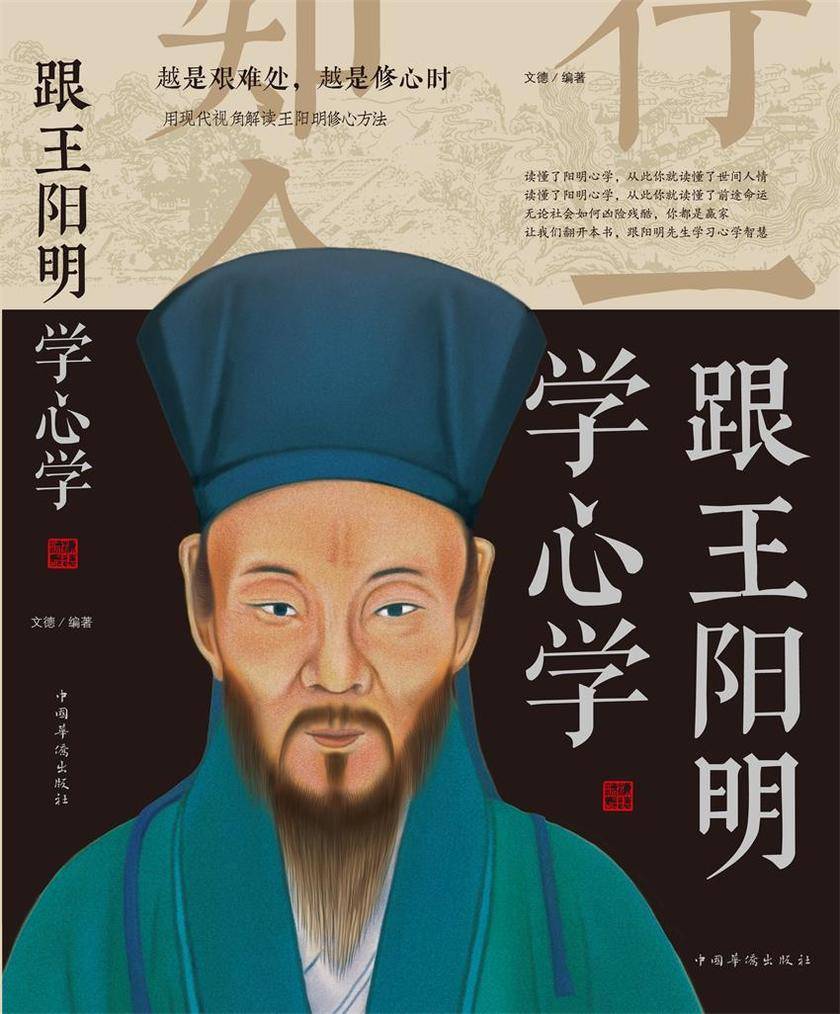
跟王阳明学心学
¥39.80
王阳明的心学,大致可分为三个部分:心即是理的人生论,知行合一的认识论,致良知的修养学说。心是天地万物的主宰,心外无理、心外无物,是心学说的基本观点。本书共分为十九章,每一小节文章开头均以王阳明的一句或一段经典言论做引,在正文具体展开论述其思想的精炼和智慧所在。本书从现代人立身处世的需要出发,从宽心、诚心、进取心、道德心、孝敬心、素净心、喜乐心等十九个方面阐释了王阳明在立志、修心、仁爱、至诚等方面修身处世的智慧。
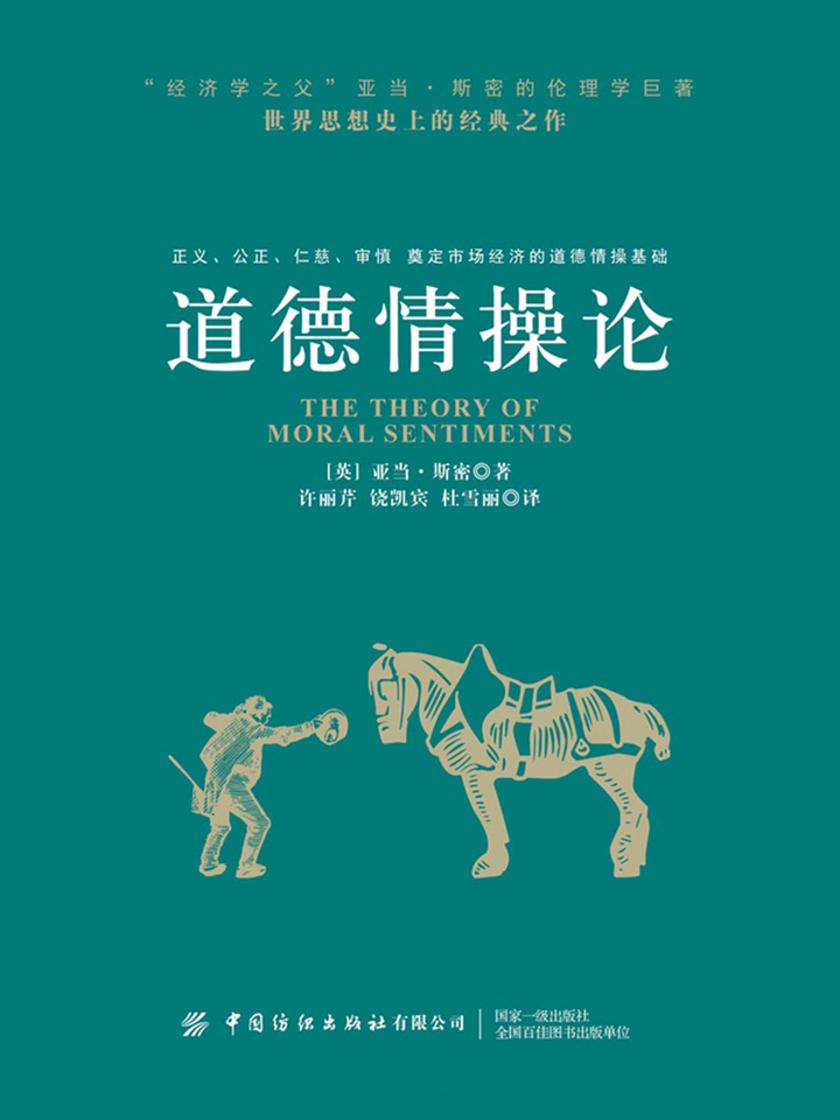
道德情操论
¥19.00
《道德情操论》是亚当·斯密的伦理学著作,首次出版于1759年,斯密去世前共出版过六次。主要阐明了道德情感的本质、道德评价的性质以及他的以“公民的幸福生活”为目标的伦理思想。亚当·斯密把人本性中的同情的情感作为阐释道德的基础,他用同情的原理来解释人类正义感和其它一切道德情感的根源,来说明道德评价的性质,并以此为基础表明各种基本美德的特征。
中国伦理学史
¥6.99
中国近代以来,在西学东渐、中西文化交流大潮中,蔡元培审时度势,一方面积极主动地译介、传播西方伦理学说,同时又注重中西伦理学说的比较、融合,力求建构具有新时代、新特点、新方法的中国伦理学,在伦理学方法、伦理学原理、伦理学史诸多方面为中国近代伦理学的建构做出了重要贡献。该书条理清楚、语言朴素、言简意赅。

菜根谭
¥6.99
《菜根谭》是明还初道人洪应明收集编著的一部论述修养、人生、处世、出世的语录世集,成书于万历年间。作为一部富有汉民族生活伦理思想的著作,它深刻的体现了汉族传统道德生活化的倾向。《菜根谭》是明还初道人洪应明收集编著的一部论述修养、人生、处世、出世的语录世集,成书于万历年间。作为一部富有汉民族生活伦理思想的著作,它深刻的体现了汉族传统道德生活化的倾向。告诉我们,人心叵测,世态炎凉,但是为人处世,忍让为高,宽厚是福。只要我们安分随缘、保持心灵的纯净,我们就能享受到人生的真趣。
范仲淹与宋学精神(中国哲学新思丛书)
¥23.87
范仲淹主持的庆历新政,是以整饬吏治为首要,以改革科举、兴办学校、砥砺士风、培养人才为本源,兼及经济和军事等领域。虽然其整饬吏治仅及一年就夭折了,但其改革科举、兴办学校、砥砺士风、培养人才则对以后宋学的发展产生了深远的影响。 范仲淹门下多延贤士,如胡瑗、孙复、石介、李觏等皆与之从游。庆历之际,学统四起。三苏的蜀学、王安石的新学、周敦颐的濂学、张载的关学和二程的洛学等,都与范仲淹及庆历新政有着密切的关系。宋儒的“内圣”与“外王”是相贯通的。南宋理学时代,与其称为“后王安石时代”,不如称为“后范仲淹时代”。
人生的智慧
¥6.99
《人生的智慧》一书是德国思想家叔本华以简单的语言,所写成的一部并不简单的书,从世俗的角度探讨了人生应遵循的原则,阐述了生活的本质并教导人们如何在生活中获得幸福。我们作为万物之灵、竭尽全力在生活中寻觅幸福的人类,面对伟大思想家这部深入浅出教导如何获得生活的启示,人生的幸福。

中国哲学十讲
¥6.99
民国年间,兵荒马乱。然学术前所未有之自由,百家争鸣。作者首先从整体上对中西方哲学的几个重要发展阶段和代表性思想家加以对比,而后选取了中国哲学重要的九个流派思想,深入各派哲学文本,分别作详尽的评述,其援西入中的研究进路和精辟观点在同时期的中国哲学著作中可谓独树一帜。李石岑从哲学发展过程和哲学思想实质两方面对中国哲学和西方哲学的同异进行了形式和内容上的比较,有不少独到的见解。
未读小经典:苏格拉底之死
¥18.99
苏格拉底之死,是古希腊哲学的分水岭,也是欧洲乃至世界历史上重要的文化事件之一。本书收选的三篇柏拉图对话:“申辩篇”“克里同篇”和“斐多篇”——分别记述了苏格拉底在审判时、狱后和服刑前的经历。这三篇完整地展现了甘为信仰和真理献身的苏格拉底对自我、对人生价值、对生命和灵魂的看法,让我们在领略他光辉独具的人格与思想魅力的同时,更好地了解到古希腊人是如何将哲学与生活结合在一起的。
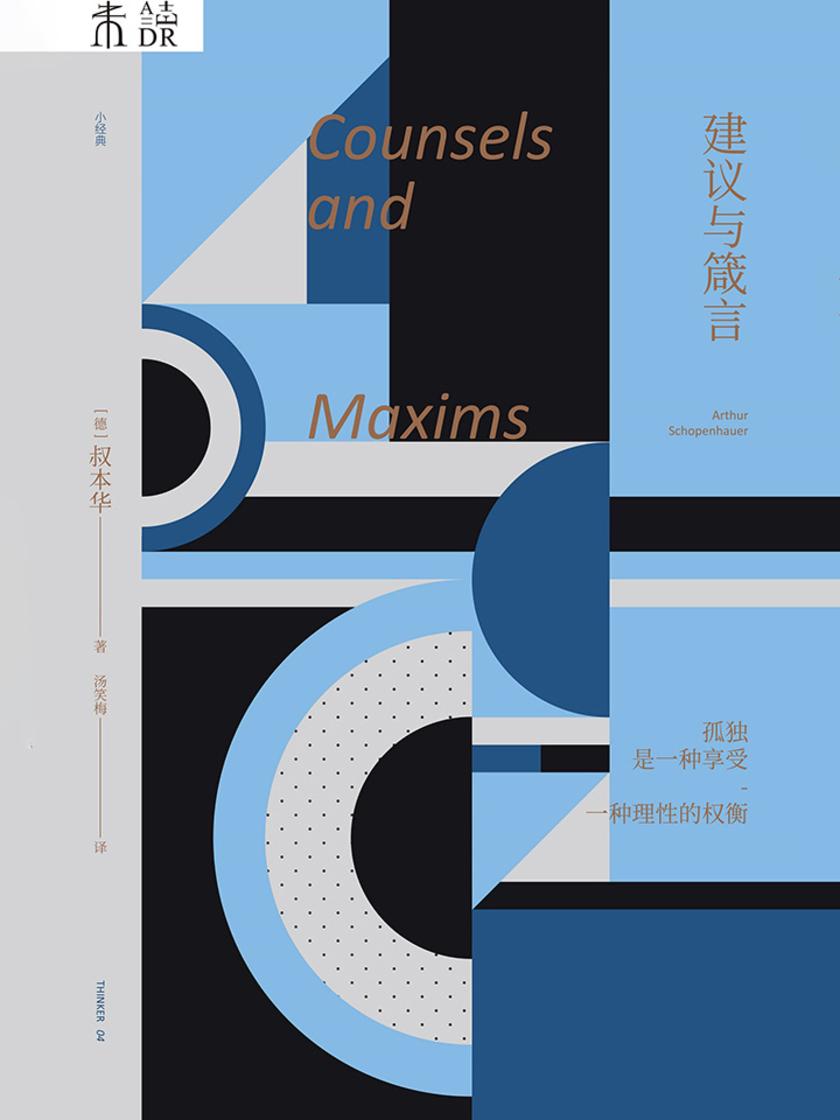
未读小经典:建议与箴言
¥21.99
叔本华(Arthur Schopenhauer,1788—1860),德国哲学家,哲学史上个公开反对理性主义哲学的人,开创了非理性主义哲学的先河,创立了唯意志论哲学,他认为生命意志是主宰世界运作的力量。他毕生致力思考人类幸福的问题,深刻影响了尼采和萨特等20世纪哲学家,也为现代心理疗法提供了哲学依据。代表著作有《作为意志和表象的世界》《建议与箴言》等。

导读尼采《悲剧的诞生》
¥24.50
如果要问,读者(包括一般读者以及对尼采有特殊兴趣的读者)在阅读尼采发表的本著作时,能够得到什么益处,简短的答案将是:这是一本非常吸引人的书,它简明扼要地将19世纪思想的方方面面呈现在读者面前。此书不仅为尼采其他的作品做了铺垫,也为19世纪后发生的文化及思想运动奠定了基础。因此,在第1章和第2章,我们将论述对尼采影响*的几个事件,其他的影响会在本书主体章节(第3章)陆续提到。在第4章,我们会介绍《悲剧的诞生》一书发表后的反响,被读者受的情况,以及它的长远影响。
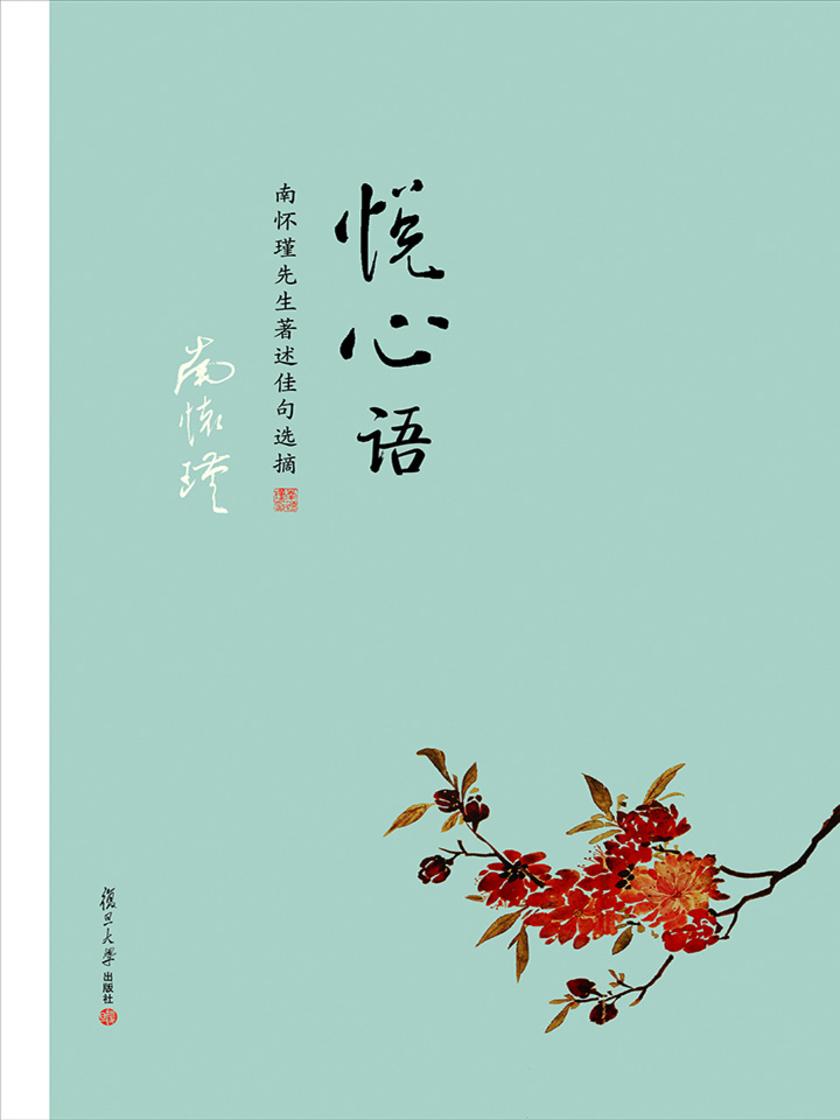
悦心语
¥21.00
《悦心语(南怀瑾先生*述佳句选摘)(精)》是南怀瑾先生语录集,以笔记形式呈现。取材自南先生《论语别裁》、《孟子旁通》、《老子他说》、《禅宗与道家》等*作。编者“断章取义”,稍加整理。本书内容博大精深,文字简短,通俗易懂,便于现代读者阅读。 《悦心语》是南怀瑾先生的语录集,从《论语别裁》《孟子旁通》等南怀瑾先生代表作中精选经典章句而成,浓缩南师智慧精华。 南怀瑾先生是海内外享有盛誉的儒释道大师,将中华文化各种思想融会贯通,带领国人重读中国古代儒、释、道典籍,引导人们关注人的内心,关注人伦世界,关注人文教化。 南师*作不是象牙塔里不食人间烟火的精密考校疏证,处处体现着对现实世界的深切关怀,和芸芸众生的生活与命运紧密相连。南怀瑾先生认为,人生的*高境界是:佛为心,道为骨,儒为表,大度看世界;技在手,能在身,思在脑,从容过生活。这正是夫子自道。 谨以《悦心语》一书,深切缅怀敬爱的南怀瑾先生。
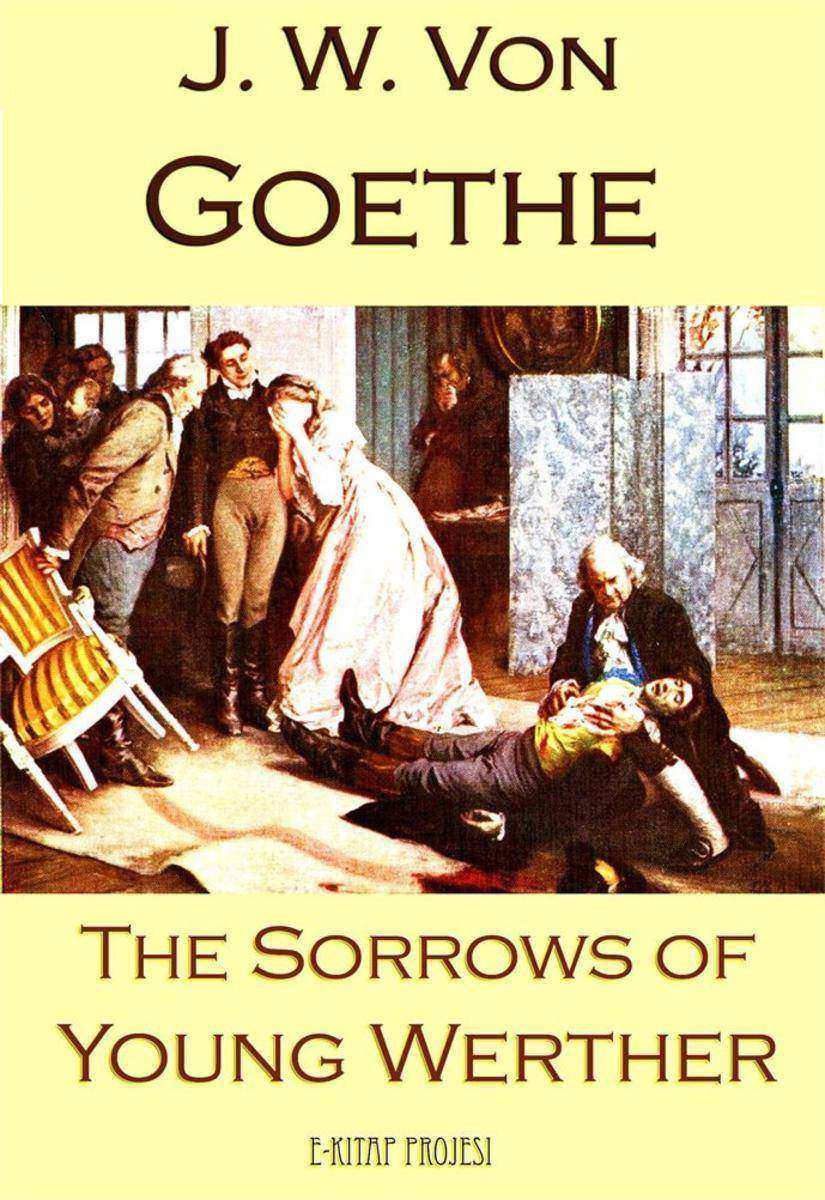
The Sorrows of Young Werther
¥18.74
Among the notable books of later times-we may say, without exaggeration, of all time--must be reckoned The Confessions of Jean Jacques Rousseau. It deals with leading personages and transactions of a momentous epoch, when absolutism and feudalism were rallying for their last struggle against the modern spirit, chiefly represented by Voltaire, the Encyclopedists, and Rousseau himself--a struggle to which, after many fierce intestine quarrels and sanguinary wars throughout Europe and America, has succeeded the prevalence of those more tolerant and rational principles by which the statesmen of our own day are actuated. On these matters, however, it is not our province to enlarge; nor is it necessary to furnish any detailed account of our author's political, religious, and philosophic axioms and systems, his paradoxes and his errors in logic: these have been so long and so exhaustively disputed over by contending factions that little is left for even the most assiduous gleaner in the field. The inquirer will find, in Mr. John Money's excellent work, the opinions of Rousseau reviewed succinctly and impartially. The 'Contrat Social', the 'Lattres Ecrites de la Montagne', and other treatises that once aroused fierce controversy, may therefore be left in the repose to which they have long been consigned, so far as the mass of mankind is concerned, though they must always form part of the library of the politician and the historian. One prefers to turn to the man Rousseau as he paints himself in the remarkable work before us. That the task which he undertook in offering to show himself--as Persius puts it--'Intus et in cute', to posterity, exceeded his powers, is a trite criticism; like all human enterprises, his purpose was only imperfectly fulfilled; but this circumstance in no way lessens the attractive qualities of his book, not only for the student of history or psychology, but for the intelligent man of the world. Its startling frankness gives it a peculiar interest wanting in most other autobiographies. Many censors have elected to sit in judgment on the failings of this strangely constituted being, and some have pronounced upon him very severe sentences. Let it be said once for all that his faults and mistakes were generally due to causes over which he had but little control, such as a defective education, a too acute sensitiveness, which engendered suspicion of his fellows, irresolution, an overstrained sense of honour and independence, and an obstinate refusal to take advice from those who really wished to befriend him; nor should it be forgotten that he was afflicted during the greater part of his life with an incurable disease. Lord Byron had a soul near akin to Rousseau's, whose writings naturally made a deep impression on the poet's mind, and probably had an influence on his conduct and modes of thought: In some stanzas of 'Childe Harold' this sympathy is expressed with truth and power; especially is the weakness of the Swiss philosopher's character summed up in the following admirable lines: "Here the self-torturing sophist, wild Rousseau, The apostle of affliction, he who threw Enchantment over passion, and from woe Wrung overwhelming eloquence, first drew The breath which made him wretched; yet he knew How to make madness beautiful, and cast O'er erring deeds and thoughts a heavenly hue Of words, like sunbeams, dazzling as they passed The eyes, which o'er them shed tears feelingly and fast. "His life was one long war with self-sought foes, Or friends by him self-banished; for his mind Had grown Suspicion's sanctuary, and chose, For its own cruel sacrifice, the kind, 'Gainst whom he raged with fury strange and blind. But he was frenzied,-wherefore, who may know? Since cause might be which skill could never find; But he was frenzied by disease or woe To that worst pitch of all, which wears a reasoning show."
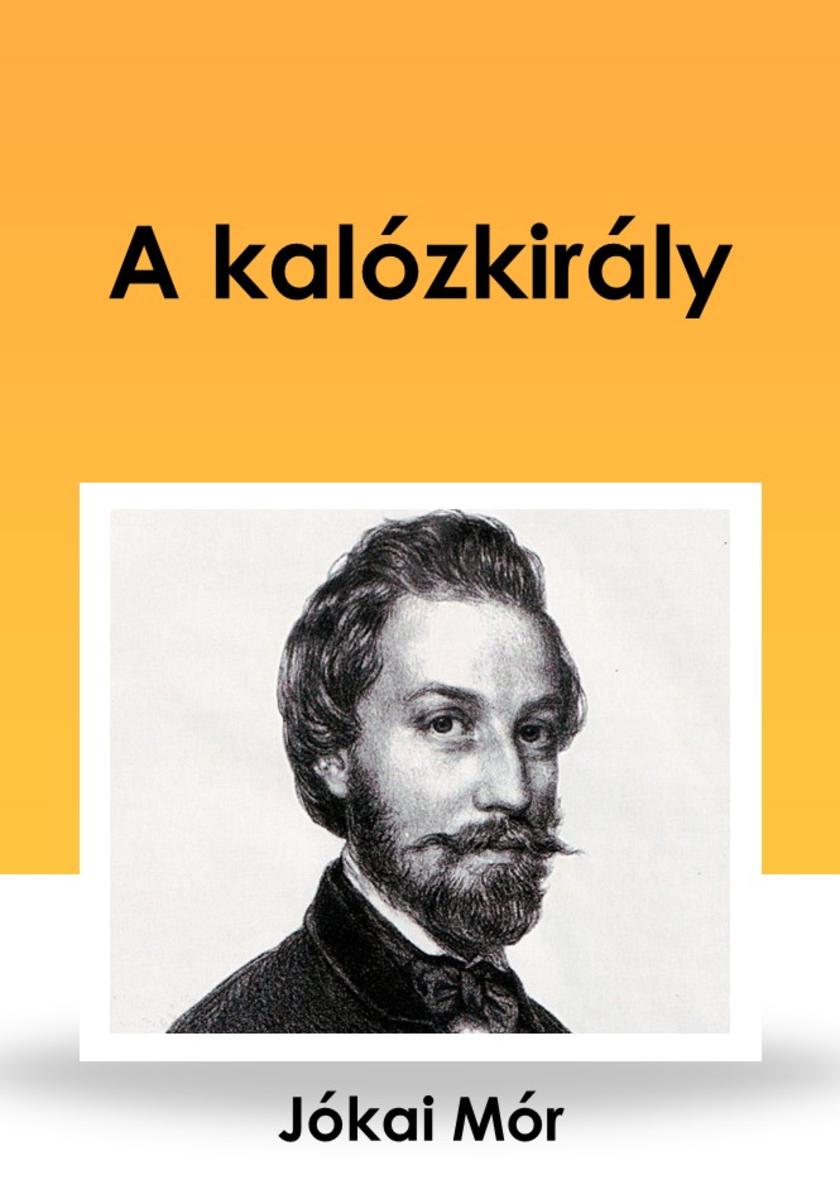
A kalózkirály
¥8.67
Euthyphro (Ancient Greek: Euthuphron) is one of Plato's early dialogues, dated to after 399 BC. Taking place during the weeks leading up to Socrates' trial, the dialogue features Socrates and Euthyphro, a religious expert also mentioned at Cratylus 396a and 396d, attempting to define piety or holiness. Background The dialogue is set near the king-archon's court, where the two men encounter each other. They are both there for preliminary hearings before possible trials (2a).Euthyphro has come to lay manslaughter charges against his father, as his father had allowed one of his workers to die exposed to the elements without proper care and attention (3e–4d). This worker had killed a slave belonging to the family estate on the island of Naxos; while Euthyphro's father waited to hear from the expounders of religious law (exegetes cf. Laws 759d) about how to proceed, the worker died bound and gagged in a ditch. Socrates expresses his astonishment at the confidence of a man able to take his own father to court on such a serious charge, even when Athenian Law allows only relatives of the deceased to sue for murder. Euthyphro misses the astonishment, and merely confirms his overconfidence in his own judgment of religious/ethical matters. In an example of "Socratic irony," Socrates states that Euthyphro obviously has a clear understanding of what is pious and impious. Since Socrates himself is facing a charge of impiety, he expresses the hope to learn from Euthyphro, all the better to defend himself in his own trial. Euthyphro claims that what lies behind the charge brought against Socrates by Meletus and the other accusers is Socrates' claim that he is subjected to a daimon or divine sign which warns him of various courses of action (3b). Even more suspicious from the viewpoint of many Athenians, Socrates expresses skeptical views on the main stories about the Greek gods, which the two men briefly discuss before plunging into the main argument. Socrates expresses reservations about such accounts which show up the gods' cruelty and inconsistency. He mentions the castration of the early sky god, Uranus, by his son Cronus, saying he finds such stories very difficult to accept (6a–6c). Euthyphro, after claiming to be able to tell even more amazing such stories, spends little time or effort defending the conventional view of the gods. Instead, he is led straight to the real task at hand, as Socrates forces him to confront his ignorance, ever pressing him for a definition of 'piety'. Yet, with every definition Euthyphro proposes, Socrates very quickly finds a fatal flaw (6d ff.). At the end of the dialogue, Euthyphro is forced to admit that each definition has been a failure, but rather than correct it, he makes the excuse that it is time for him to go, and Socrates ends the dialogue with a classic example of Socratic irony: since Euthyphro has been unable to come up with a definition that will stand on its own two feet, Euthyphro has failed to teach Socrates anything at all about piety, and so he has received no aid for his own defense at his own trial (15c ff.).
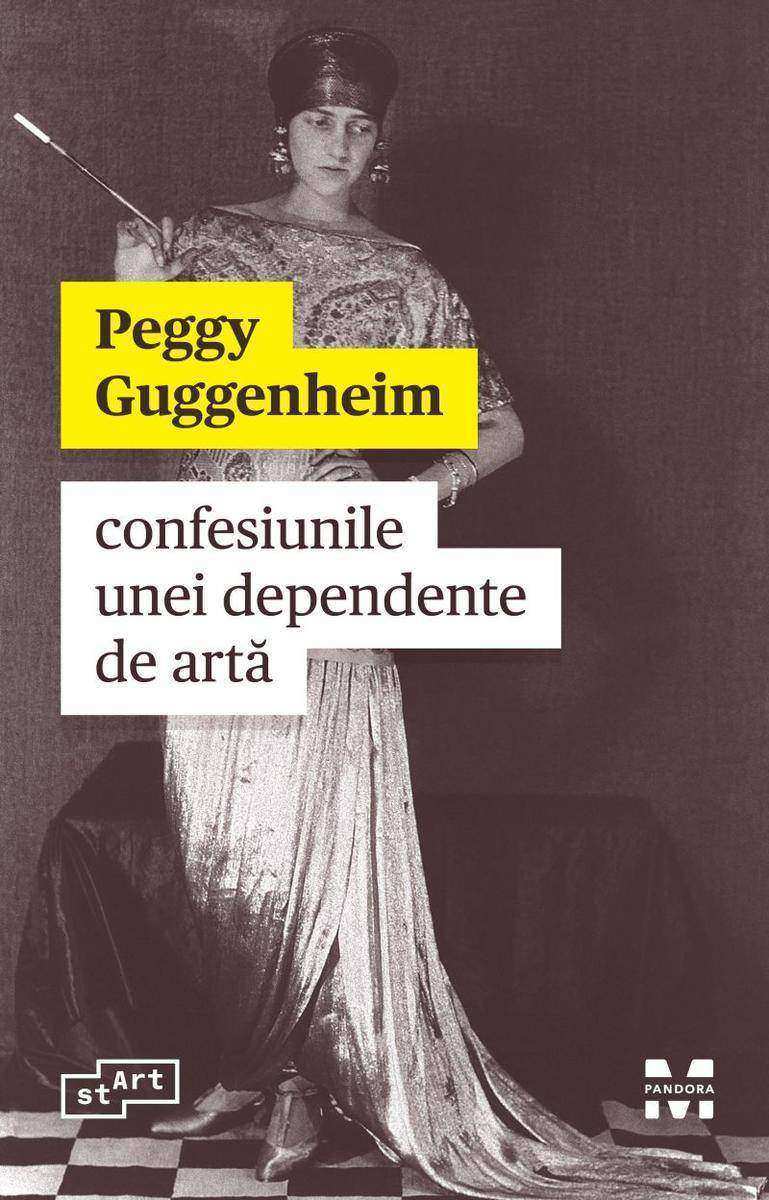
Confesiunile unei dependente de art?
¥57.14
One of the greatest works of philosophy, political theory, and literature ever produced, Plato’s Republic has shaped Western thought for thousands of years, and remains as relevant today as when it was written during the fourth century B.C.Republic begins by posing a central question: "What is justice, and why should we be just, especially when the wicked often seem happier and more successful?" For Plato, the answer lies with the ways people, groups, and institutions organize and behave. A brilliant inquiry into the problems of constructing the perfect state, and the roles education, the arts, family, and religion should play in our lives, Republic employs picturesque settings, sharply outlined characters, and conversational dialogue to drive home the philosopher’s often provocative arguments.Highly regarded as one of the most accurate renderings of Plato's Republic that has yet been published, this widely acclaimed work is the first strictly literal translation of a timeless classic. This Special Collector's Edition includes a new introduction by Prof. Colin Kant, PH.D, a noted Platonian and Socratic scholar.
宗镜录略讲(卷三)
¥21.60
《列子》为道家重要典籍之一,与老庄并列。它高深莫测,易读而难懂,以故事、神话的形态,阐释道家的学术及观念。 《列子臆说》是南怀瑾先生关于《列子》的讲记,共分上中下三册。南怀瑾先生讲述列子,深浅出、生动自在,以《列子》的内容为研究重,带领读者广阔的视野、深难测的奇妙境界,并破了意识的种种局限。列子,这个御风而行的人,要我们从一切自设的框架中突围,成就天地间的自在逍遥。
ALL, biografia unui succes
¥24.44
Charles Sanders Peirce (1839-1914) este o figur? important? a filosofiei secolului XIX ?i unul dintre prefa?atorii principalelor curente de g?ndire din secolul XX, fiind considerat fondatorul pragmatismului american. Cele dou? eseuri prezentate aici, primele din seria cunoscut? sub numele Ilustr?ri ale logicii ?tiin?ei, sunt reprezentative pentru opera sa, caracterizat? de profunzimi ?i subtilit??i specifice unui g?nditor care beneficiaz? ?i de preg?tirea unui om de ?tiin?a.Cu toate c? sunt uneori pur abstracte, observa?iile privitoare la convingeri ?i idei r?m?n, indiferent de sistem, puncte principale de sprijin pentru distinc?ia ?ntre g?ndirea s?n?toas? ?i cea viciat?.“ Este groaznic s? vezi cum o singur? idee neclar?, o singur? formul? f?r? ?n?eles, care se furi?eaz? ?n capul unui t?n?r, va ac?iona uneori ca un obstacol de materie inert? ?ntr-o arter?, ?mpiedic?nd circula?ia ?n creier ?i condamn?ndu-?i victima spre ofilire ?n plenitudinea vigorii intelectuale ?i ?n mijlocul abunden?ei intelectuale.“ - Charles Sanders Peirce
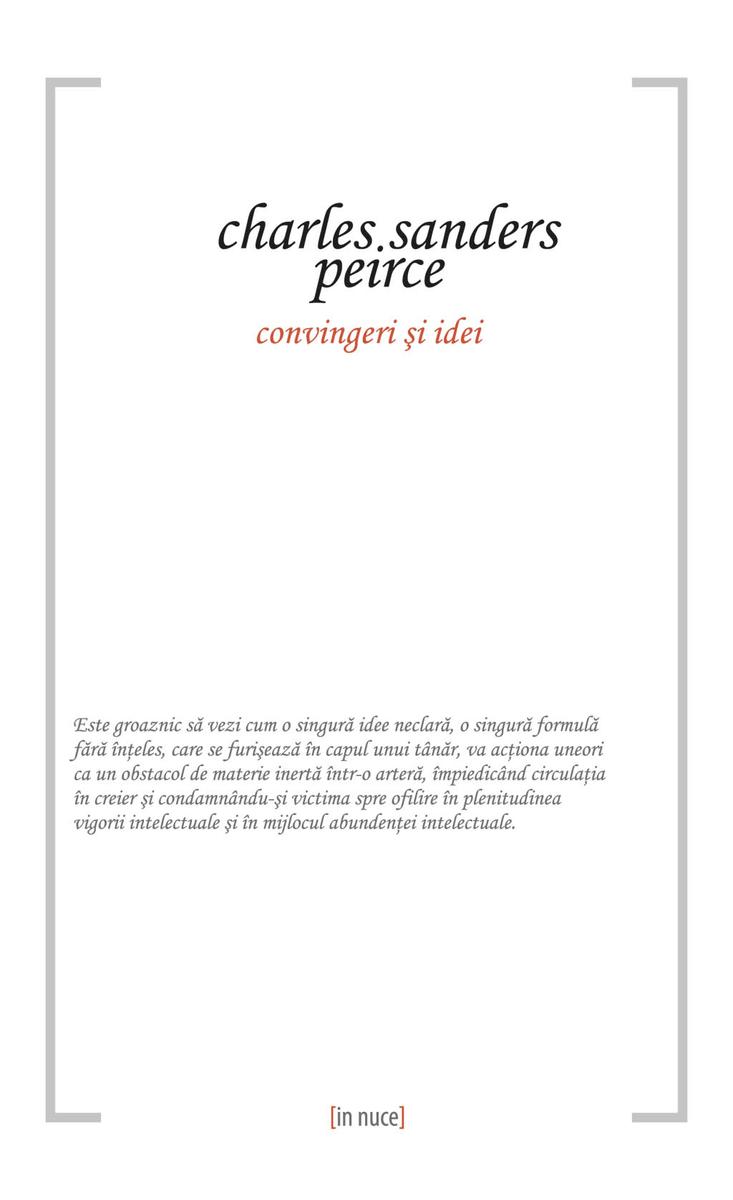
Convingeri ?i idei
¥24.44
Critic erudit ?i pamfletar de for??, Paul Zarifopol (1874-1934) a fost un fin observator al omului ?i al fibrei care alc?tuie?te ?es?turile sociale profunde. Volumul de fa?? cuprinde eseuri care au r?mas de o actualitate acut?, chiar ?i la aproape un secol dup? ce au fost scrise.Coroziv ?i doct, discursul aduce ?n fa?a cititorului concepte esen?iale pentru morala ?i politica mai mult sau mai pu?in balcanice ale Rom?niei interbelice. Lumina ?n care ne sunt prezentate tipul politic ?i geniul organizator, de pild?, ne ofer? at?t senza?ia unei glacia?iuni temporale, c?t ?i pe aceea a unei familiarit??i inefabile.

Will Grayson, Will Grayson
¥73.49
Pornind de la leg?tura natural? care se creeaz? ?ntre mam? ?i copil, D.W. Winnicott exploreaz? o serie de probleme cotidiene din via?a unui bebelu? ?i a mamei lui, cum ar fi hr?nirea, pl?nsul ?i joaca, grijile, primele mi?c?ri spre independen??, precum ?i, mai t?rziu, probleme serioase, cum sunt furtul ?i minciuna. Importan?a mamei la ?nceputul vie?ii, timiditatea, educa?ia sexual? ?n ?coal? ?i r?d?cinile agresivit??ii sunt expuse ?ntr-o manier? direct?, accesibil? ?i prietenoas?. Pe parcursul fiec?rui capitol, Winnicott scoate ?n eviden?? abilit??ile ?nn?scute ale mamei ?i ale p?rin?ilor ?n general ?i face diferen?a ?ntre acestea ?i deprinderile care trebuie achizi?ionate de-a lungul timpului de c?tre cei care cresc ?i educ? un copil. Capacitatea voastr? de a ?ti ceea ce este real ?i ceea ce nu este real ?i este de mare ajutor copilului din toate punctele de vedere, pentru c? el nu reu?e?te s? ?n?eleag? dec?t treptat c? lumea nu este a?a cum ne o imagin?m ?i c? imagina?ia nu este chiar ca lumea real?. Dar fiecare are nevoie de cealalt?. ?ti?i prea bine c? primul obiect pe care ?l iube?te bebelu?ul – o buc??ic? de p?tur? sau o juc?rie moale –?nseamn? pentru el o parte din propria persoan? ?i, dac? i o lua?i sau o da?i la sp?lat, este o tragedie. C?nd bebelu?ul ?ncepe s? arunce obiectul iubit ?i alte obiecte (a?tept?ndu-se, desigur, s? le ridice cineva ?i s? i le dea ?napoi), atunci ?ti?i c? a venit momentul ?n care ave?i ?i voi permisiunea de a pleca ?i a v? ?ntoarce. Unele persoane cred c? un copil este ca lutul ?n m?inile unui olar. Ele ?ncep s? ?l modeleze ?i se simt responsabile de ceea ce vor ob?ine. Total gre?it. Dac? asta este ceea ce sim?i?i, ve?i fi cople?i?i de o responsabilitate pe care nu trebuie s? v-o asuma?i. Dac? accepta?i ideea c? bebelu?ul con?ine ?n el tot ce ?i trebuie pentru a tr?i, atunci ve?i putea acorda mai mult? aten?ie procesului de dezvoltare ?i ve?i fi ferici?i s? r?spunde?i nevoilor lui.


