


 购物车
购物车 个人中心
个人中心

Grani?ele alegoriei medievale
¥34.05
Are femeia vreun rol ?n evolu?ia spiritual? a b?rbatului? Ce anume, ?n iubire ?i ?n erotism, declan?eaz? intui?ii ?i tr?iri care dep??esc datul, ordinarul, norma? Otto Weininger, un g?nditor catalogat drept misogin ?i antisemit, repune ?n discu?ie opera Peer Gynt al lui Ibsen, st?ruind asupra temelor sale favorite: superioritatea masculinului, asociat spiritului, fa?? cu femininul, asociat instinctualit??ii oarbe, lipsite de spirit, de perspectiv?, deci ?i de valoare. Aforistica acestui autor, deopotriv? prezent? ?n volumul de fa??, abordeaz? problematica sadismului ?i a masochismului, imoralitatea dus? p?n? la ilegalitate ?i crim?, culmin?nd cu – sau decurg?nd din – p?catul originar.
Despre prostie
¥16.27
Volumul cuprinde o culegere de eseuri scrise de un filosof despre c?teva teme fierbin?i ale actualit??ii. Este un exerci?iu de ?angajare“ ?n cotidian, explor?nd statutul ?i ?utilitatea“ abord?rii filosofice ?ntr-o lume care pare s? -?i fi pierdut direc?ia. Valentin Mure?an scrie despre criza filosofiei, despre felul ?n care ar trebui reformat sistemul de ?nv???m?nt, despre anomaliile culturale ale dragostei ori despre secretul construirii unor institu?ii morale. Reflec?iile, amare ?n constat?ri, dar entuziaste ?n construirea solu?iilor, sunt completate de c?teva portrete sentimentale ale unor colegi.

Скоропадський. Спогади 1917-1918
¥22.74
Potere, cortigianeria, dispotismo, libertà, uguaglianza... attuali o inattuali la satira d'Holbach e La Boétie? Cambiano i tempi e i nomi, ma la natura umana nel suo fondo negli ultimi secoli non è mutata. Com'è virtù di tutti i classici, le loro voci continuano a farci sorridere, indignare e riflettere non solo sul passato ma ugualmente sul presente e sul futuro, su quanto in esso ci possa essere di desiderabile o indesiderabile. In Appendice, i testi si possono leggere anche nella loro originaria edizione in francese. SOMMARIO?- Fabrizio Pinna, Una introduzione (in due tempi) e qualche digressione: I. Barone d'Holbach, "Quest'arte sublime dello strisciare"...; II. ?tienne de La Boétie, "Siate determinati di non voler più servire ed eccovi liberi"... . LIBERT? & POTERE: Paul Henri Thiry d'Holbach, Saggio sull'arte di strisciare ad uso dei cortigiani; Paul Henri Thiry d'Holbach, I Cortigiani; Jean le Rond d'Alembert, Cortigiano; ?tienne de La Boétie, La servitù volontaria. APPENDICE I: Libertà Uguaglianza (1799)- Il Cittadino Editore. APPENDICE II: Essai sur l’art de ramper, à l’usage des courtisans (1764) - Paul Henri Thiry d'Holbach; Des Courtisans (1773) - Paul Henri Thiry d'Holbach; Courtisan (1752) / Courtisane (1754) - Jean le Rond d'Alembert; Discours de la servitude volontaire o Contr'un (1549) - ?tienne de La Boétie.?LE COLLANE IN/DEFINIZIONI & CON(TRO)TESTI

Unicat. Cartea cu o sut? de finaluri
¥48.97
O parte dintre noi au tr?it vremuri grele pe care uneori le mai vis?m, le povestim sau despre care scriem ?nc?, f?r? patima cumplit? care i-a cuprins pe profitorii de atunci, care ?i ast?zi ne fac r?u, ?i chiar mai r?u dec?t ?pe vremea aceea“, cum se zice. E drept c? noi am prev?zut-o ?ntr-un fel sau altul, spun?nd-o celor care se-ncumetau s? ne asculte, f?r? preten?ia, Doamne, fere?te!, de a ne considera ?i disiden?i, cum o f?cur? cei men?iona?i mai sus. Previziunile noastre s-au bazat pe o anume cunoa?tere a mersului istoriei, care, cum se ?tie, se tot repet?, cu mici deosebiri, fire?te. Oricum, ceva cuno?tin?e de economie politic? nu ne stric? nici ?n zilele noastre, pentru a ne da seama de jocul frecvent al trecerii de la economia politic? la politica economic? ?i, mai ales, al trecerilor de la un sistem sau or?nduire economic? la alta ?i invers, cum le-am tr?it noi: de la capitalism la socialism ?i viceversa. Ca un fel de ciud??enie, au r?mas considera?iunile despre noul eon sau noua er? (New Age) ale filosofului din Lancr?m, mai ales c? acestea s-au realizat abia dup? c?derea comunismului, pe care n-o mai prev?zuse Blaga. (Alexandru Surdu) Eseuri filosofice de acela?i autor 1. Voca?ii filosofice rom?ne?ti, Editura Aca?de?miei Rom?ne, Bucure?ti, 1995, 216 p.; edi??ia a II-a, Editura Ardealul, T?rgu-Mure?, 2003, 206 p. 2. Confluen?e cultural-filosofice, Editura Pai?de?ia, Bucure?ti, 2002, 219 p. 3. M?rturiile anamnezei, Editura Paideia, Bu?cu?re?ti, 2004, 193 p. 4. Comentarii la rostirea filosofic?, Editura Kron-Art, Bra?ov, 2009, 186 p. 5. Izvoare de filosofie rom?neasc?, Editura Biblioteca Bucure?tilor, Bucure?ti, 2010, 171 p.; edi?ia a II-a, Editura Renaissance, Bucu?re?ti, 2011, 161 p. 6. A sufletului rom?nesc cinstire, Editura Re?naissance, Bucure?ti, 2011, 197 p. 7. Pietre de poticnire, Editura Ardealul, T?r?gu-Mure?, 2014, 179 p.

Mindig is éjjel lesz
¥69.65
Sri Krsna számtalan univerzum vitathatatlan Ura, akit korlátlan er?, gazdagság, hírnév, tudás és lemondás jellemez, ám ezek az ?r?kké diadalmas energiák csupán részben tárják fel ?t. Végtelen dics?ségét csak az ismerheti meg, aki elb?v?l? szépségénél keres menedéket, ?sszes t?bbi fenséges tulajdonsága forrásánál, melynek páratlan transzcendentális teste ad otthont. Szépségének legf?bb jellemz?je az a mindenek f?l?tt álló édes íz, ami t?mény kivonata mindennek, ami édes. Minden édes dolgot túlszárnyal, és nem más, mint az édes íz megízlelésének képessége. Sri Krsna édes természete finom arany sugárzásként ragyog át transzcendentális testén. Govinda páratlanul gy?ny?r? testének legszebb és legédesebb része ragyogó arca. ?des hold-arcán rejtélyes mosolya a legédesebb, az az arcáról ragyogó ezüst holdsugár, ami nektárral árasztja el a világot. Mosolyának sugárzása nélkül keser? lenne a cukor, savanyú a méz, és a nektárnak sem lenne íze. Amikor mosolyának holdsugara elvegyül teste ragyogásával, a kett? együtt a kámfor aromájára emlékeztet. Ez a kámfor aztán ajkán keresztül a fuvolába kerül, ahonnan megfoghatatlan hangvibrációként t?r el?, és er?nek erejével rabul ejti azoknak az elméjét, akik hallják. Ahogy a szavak gondolatok mondanivalóját hordozzák, ahogy a gondolatok a szemben tükr?z?dnek, ahogy egy mosoly a szív érzelmeir?l árulkodik, úgy a fuvola hangja Sri Krsna szépségét viszi a fül?n keresztül a szív templomának oltárára.

哲学是很好玩儿的(套装共15册)
¥229.99
《哲学是很好玩儿的》(套装共15册)包括生命哲学、心灵哲学等多种哲学思想结晶,读者可以从入门开始,通过通俗易懂的方式学会如何用哲学思维思考,感受哲学里的自我和世界,帮读者重新审视自我和我们栖居的世界,以及和这个世界的关系,捕捉心中迸发的迷惑与感悟,进而把它们锤炼为人生的智慧。

Puterea miraculoas? a apei. Nu e?ti bolnav, doar ?nsetat! Nu trata setea cu medi
¥40.79
Cartea publicat? ?n 1983 este ?mp?r?it? ?n cinci p?r?i (ce cuprind treisprezece capitole). Fiecare capitol este constituit dintr-un dialog sau dialoguri, povestiri sau ra?ionamente ce abordeaz?, ?n general, paradoxuri, probleme de filosofie, logic? ?i matematic?. Printre temele redate ?n aceast? lucrare se num?r? problema p?catului ?i a virtu?ii (capitolul 4, intitulat ,,O ?ntrebare“), percep?ia ?i reprezentarea realit??ii (capitolul 7 ,,O fantezie minte-corp“), ontologia (capitolul 10 ,,Ce este existen?a?“), solipsismul (capitolul 12 ,,Solipsismul luminat“), problema adev?rului (capitolul 1 ,,De ce spui adev?rul?“ ?i capitolul 2 ,,O problem?“), problema vie?ii ?i a mor?ii (capitolul 9 ,,Zen de via?? ?i de moarte“). Lucrarea se remarc? printr-o formul? dens? ?i, ?n egal? m?sur?, elegant?, care ?i permite autorului s? prezinte chestiuni de altfel complexe ?n c?teva pagini revelatoare, prin povestiri sau dialoguri, f?r? a-?i plictisi cititorii. Ca ?ntr-un num?r de magie, art? de care autorul nu este str?in, publicul este atras ?i captivat de aparenta simplitate ?i ingeniozitate a ra?ionamentelor expuse. Probabil, ceea ce face cartea mai u?or de citit este atitudinea autorului, tonul s?u glume?, ludic ?n cea mai mare parte din cele 200 de pagini. Putem ilustra aceast? idee prin c?teva exemple. ?n cadrul capitolului 3, denumit ,,C?teva fragmente“, Raymond Smullyan poveste?te c? le-ar fi declarat studen?ilor ?n timpul unui examen c? dac? ei ?i-ar da cuv?ntul de onoare c? nu vor copia, atunci el ?i-ar da cuv?ntul c? nu va raporta mai departe dac? ei ar ?ncerca s? copieze. Cineva l-ar fi ?ntrebat la un moment dat dac? crede ?n astrologie. El a r?spuns c? nu crede ?n astrologie deoarece este ?n zodia Gemeni. Lista de propozi?ii care se contrazic singure, a lui Saul Gorn, un specialist ?n informatic?, pe care Smullyan le citeaz?, reprezint? ?i ele o mostr? de umor. Printre acestea se reg?sesc afirma?ii precum: ,,?nainte de a ?ncepe s? vorbesc, a? vrea s? v? spun ceva.“, ,,Jum?tate dintre minciunile pe care ei le spun despre mine sunt adev?rate.“ sau ,,Te ai dep??it pe tine ?nsu?i, ca de obicei.“

A leskel?d?
¥66.79
Within our Society (the International Society for Krishna Consciousness), guru has been taken to be synonymous with diksa-guru, but what about those great souls who have introduced us to Krsna consciousness? What relationship do we have with these Vaisnavas, and what are our obligations toward them, as well as toward parents, teachers, sannyasis, and other superiors who help guide us back to Godhead? Not much has been said by the Society on these topics, and hardly any appreciation is shown for those souls who labor to elevate us day by day.The scriptures, however, glorify as guru all Vaisnavas who guide a conditioned soul back to Godhead — be they instructors or initiators — advocating a culture of honor and respect. ISKCON needs to reflect upon these principles further, and the purpose of this book is to act as a catalyst toward such an end.

Horda
¥72.27
Un mare vinovat f?r? vin?, sihastrul de la Sils-Maria a dinamitat g?ndirea secolului al XIX-lea, figur?nd – al?turi de Dostoievski – printre uria?ii profe?i ai omenirii, care au proorocit nenorocirile ce-au urmat, crimele ?n numele unei idei, rasismul, precum ?i devastatorul totalitarism ro?u. Dincolo de bine ?i de r?u e una dintre capodoperele g?nditorului de la na?terea c?ruia se va s?rb?tori ?n toamna anului 2014 (15 octombrie) 170 de ani.

叶秀山全集·第三卷
¥91.00
【内容简介】 本选题分类结集叶秀山先生全部已经出版的专著,在学术期刊上发表的所有论文,以及部分笔记、札记、书信和讲演录,共11卷。本选题代表了当代中国哲学的高度,是哲学专业学习者和研究者的重要学习和参考用书。第三卷包括《美的哲学》《无尽的学与思》《愉快的思》三本专著。

人论
¥39.80
《人论》是文化哲学创始人卡西尔生前出版的*后一部著作,是其毕生理论的浓缩,在其著作中是*为著名、流传*广、影响力*的一本。全书围绕"人是什么"这一问题,旁征博引,高屋建瓴,独树一帜地提出了"人是符号动物"这一观,指出"人不仅生活在自然物质宇宙中,还生活在符号宇宙中"的事实。 全书分上下两篇,上篇"人是什么"着力探讨了人与动物的分野以及人的符号创造性特;下篇"人与文化"则对人类文化各个形态与现象,如神话、宗教、语言、艺术、历史、科学等,行深浅出的分析探索,自"符号"出发解读人类与人类文化的关系。 人类对于自我认识的探索永不停息,而卡西尔则给予了我们一个睿智精妙的解答。

南怀瑾国学八经典(套装共12册)(南怀瑾独家授权定本种子书)
¥218.00
南怀瑾先生的著述涉及儒、释、道等中国传统文化经典,他常以经史合参的讲述方式、生动幽默语言,结合古今中外历史人文典故,结合当下的日常生活,引领新世代的人们直入文化的核心智慧,让读者更乐于了解历史人文的博大精深。本套装收录东方出版社已出版的南怀瑾作品。
如何形成清晰的观点(美国实用主义创始人皮尔士告诉你:如何科学地进行深思考、逻辑推理、准确表达)
¥24.99
在人们的思维活动中,有许多种想法,却不知怎样表达。该如何形成自己清晰的观?这种观又是怎样决定人们的习惯从而影响人们的现实生活?什么样的观是有效的观? 美国实用主义哲学创始人查尔斯·S.皮尔士(Charles Sanders Peirce)在本书中有效地回答了这些问题。他系统阐述了自己对此问题的见解:首先探讨了人们在面对纷繁复杂的世界时,是如何一步一步形成清晰的观;其次对人们在形成具体而清晰的观过程中常用的几种方法行了分析。查尔斯·S.皮尔士认为,在面对具体情形时,人们不仅仅要找到所隐藏的前提条件或原则,更要有意识地把它们表达出来,这样才有利于行分析和表达,而积极、有效地影响或改变生活和工作。 阅读本书,可以培养人们在学习和工作中科学地行深度思考、逻辑推理与准确表达。?
20世纪马克思主义发展史·第二卷(马克思主义研究论库·第二辑)
¥74.00
19世纪末20世纪初,是人类社会发生深刻变化的关键时期,也是马克思主义发展的重要时期。如何认识资本主义新变化的本质?马克思主义在时代新变化面前还有没有生命力?在新的历史条件下无产阶级面临的*紧迫任务及其实现路径是什么?以列宁为代表的马克思主义者,科学地回答了时代提出的重大问题,与各种错误思潮展了坚决斗争,有力地推了马克思主义的重大发展,为马克思主义在20世纪波澜壮阔的历史揭了精彩的序幕。 在《20世纪马克思主义发展史》(九卷本)的体系结构中,本卷具有反映历史承、时代转换和内容综合的特殊性质,总体遵循逻辑与历史相统一的思路,采用史论结合的叙述方法,着力考察19世纪末至十月革命前马克思主义发展史上的重大事件、重要人物、重著作,力图全面、准确地反映这一时期马克思主义发展的历史风貌。
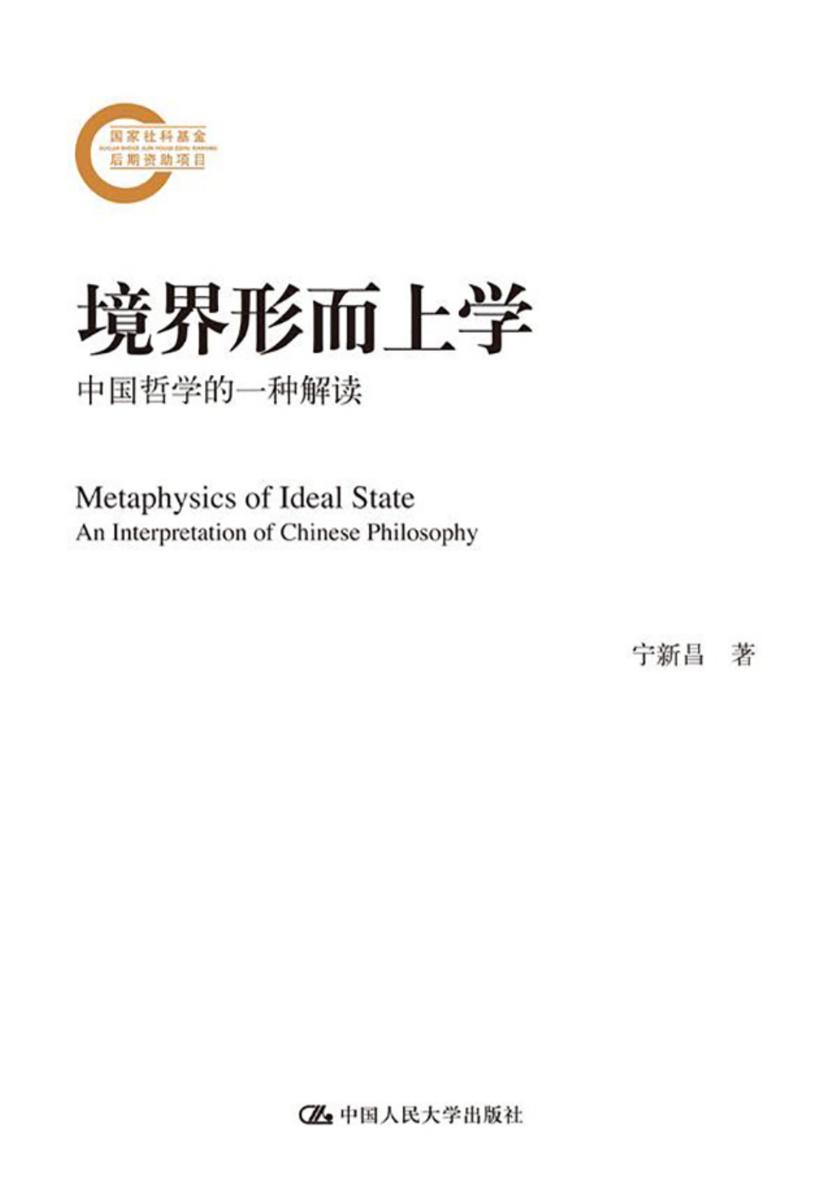
境界形而上学——中国哲学的一种解读
¥39.90
本书论述了形而上学的基本含义,比较说明了中西形而上学的差异与会通,探讨了境界形而上学的内涵,主张哲学意义上的实事求是与真善美的自由人格的内在统一。本书通过境界形而上学的视角探索中国哲学中儒释道的本体、工夫、境界三者的统一,揭示了儒释道所说的本体与人的关系,即本体与人的存在内在相连,并由人的道德实践而呈现在精神境界上。

半小时喵星哲学史
¥44.40
写给大忙人的喵喵漫画哲学书 不读哲学,少了文青感;想读哲学,又怕深奥难懂? 这套书破你对哲学的认知! 国内以猫猫形象来讲解哲学的图书,用独创的漫画形式,按时间线为横轴,融合了中西方的哲学思想,随手翻,就能轻松有趣的哲学世界。 本套书分为古代·中世纪、现代和近代三册,全部精选当时*有代表性的大咖喵! 37位有着人类大智慧的哲学喵,例如“有哲学就够了”的苏格喵底(地球名:苏格拉底)、改变世界的大神牛顿喵(地球名:牛顿);一统哲学江山的康德喵(地球名:康德);“英年早疯”的尼采喵(地球名:尼采)等等。大家平时对他们耳熟能详,但未必真正了解他们的生平事迹和观主张,我们把它画出来给你看,保证你是哲学小白也能看得懂、学得会!
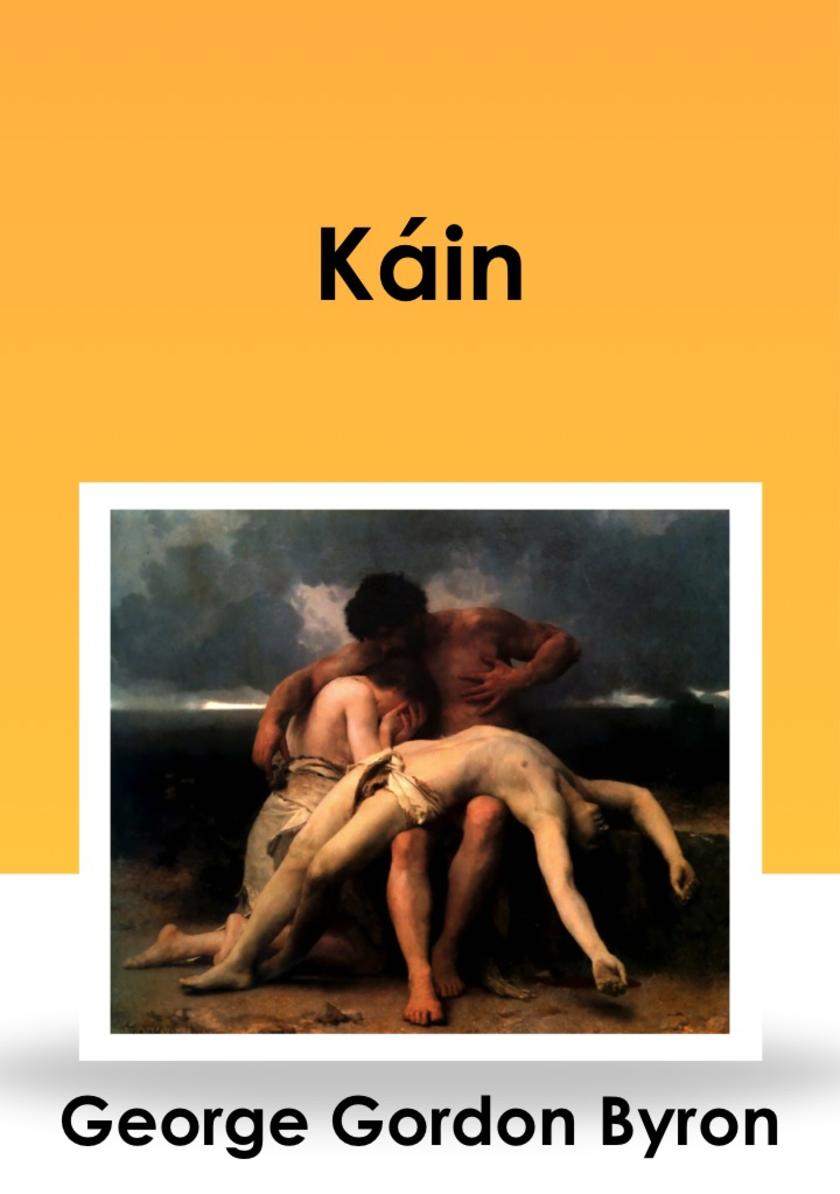
Káin
¥8.83
...amikor apaként elmegyek az óvodába, hogy elhozzam a kisfiamat, akkor milyen alapon választom ki, hogy kit viszek haza Talán megkérdezem az óvóntl, hogy melyik gyerek viselkedett a legjobban Vagy krülnézek, hogy melyik klyk a legszebb s ha az óvón azzal fogad, hogy az én gyerekem elpáholta t csoporttársát, és egy pohár kefirt nttt a takarító néni fejére, akkor ott hagyom, és választok egy normális gyereket Nem. Minden krülmények kzt a sajátomat viszem haza. Azért, mert az enyém! Ez a vele való kapcsolatom alapja. s ha ez az alap megvan, hazaviszem t, és otthon elbeszélgetek vele a pohár kefirrl, az ovistársakról, a takarító nénirl és a verekedésrl. Milyen egyszernek és természetesnek tnik mindez, ha a saját gyermekeinkrl van szó, de ha Jézus mondja ugyanezt az Atyáról, akkor zavarba jvünk, mert a szégyen és a félelem által belénk vésdtt kalmárszellem olyan mélyen járja át a lelkünket, hogy el sem tudjuk képzelni, hogy csak úgy, minden feltétel nélkül szeretni való emberek vagyunk...” BOLYKI LSZL 1973-ban született Budapesten. Zenész (Bolyki Brothers, Budapesti Fesztiválzenekar, Erkel Ferenc Kamarazenekar), spirituális szemlélet lelkigondozó, párkapcsolati és nismereti témákra szakosodott tréner, a Milyen zenét szeret Isten cím ktet szerzje. Bolyki László munkája azt tanítja nekünk, hogy a múlt si kultúrájának szimbolikus értékei a mai ember problémáiban is eleven lélektani, spirituális útmutatást tudnak nyújtani.” dr. SLE FERENC, a volt Országos Pszichiátriai és Neurológiai Intézet Valláslélektani Osztályának forvosa A Kegyelem és kalmárszellem nem csak egy knyv a sok kzül; fontos, hogy minél tbb olvasóhoz eljusson! Mindenkinek ajánlom szeretettel.” SZENCZY SNDOR a Baptista Szeretetszolgálat Alapítvány vezetje

Don Quijote de la Mancha
¥8.83
Valamikor a muzsika egyszer volt, szerény és tiszteletreméltó, ma cicomás lett és zrzavaros, méltóságát és értékét veszített, gyalázatos iparrá süllyedt.” Mikor volt a muzsika egyszer, szerény és tiszteletreméltó, és vajon milyen úton-módon veszítette el méltóságát és értékét Meg tudjuk határozni, hogy melyek a zene zrzavaros és cicomás stíluselemei Tudjuk-e, hogy hogyan és miért süllyedt a zene gyalázatos iparrá Végül, de nem utolsósorban fel tudjuk-e mérni annak jelentségét, hogy a fenti idézet a 6. századból származik, a nagy keresztény gondolkodó, Boethiusz tollából E knyv a zene és a kereszténység hagyományosan feszültségektl terhelt kapcsolatát vizsgálja, a valamikor” és a ma” szakrális zenéjének tükrében. A szerz szándéka, hogy a zene a dicséret és magasztalás eszkze, és ne a feszültségek állandó forrása legyen a keresztény egyházak és gyülekezetek életében. BOLYKI LSZL 1994-ben szerezte mvész-tanári diplomáját a budapesti Zeneakadémián. A Bolyki Brothers énekegyüttes, a Budapesti Fesztiválzenekar és az Erkel Ferenc Kamarazenekar tagjaként rendszeresen fllép Európa, Amerika és zsia legjelentsebb zenei kzpontjaiban. Spirituális szemlélet lelkigondozó, párkapcsolati és nismereti témákra szakosodott tréner, a Kegyelem és kalmárszellem cím ktet szerzje.

大学中庸译注--国民阅读经典(平装) 中华书局出品
¥7.00
《国民阅读经典》丛书的缘起,也因此决定了这套丛书的几个特:? 首先,选的经典是指古今中外人文社科领域的名著。世界的眼光、历史的观和中国的根基,是我们编选这套丛书的三个基本的立足。? 第二,选的经典,不是指某时某地某一专业领域之内的重要著作,而是指历经岁月的淘洗、汇聚人类重要的精神创造和知识积累的基础名著,都是人人应读、和常读的名著。? 第三,选的经典,我们坚持优中选优的原则,尽量选择好的版本,选择好的注本或译本。
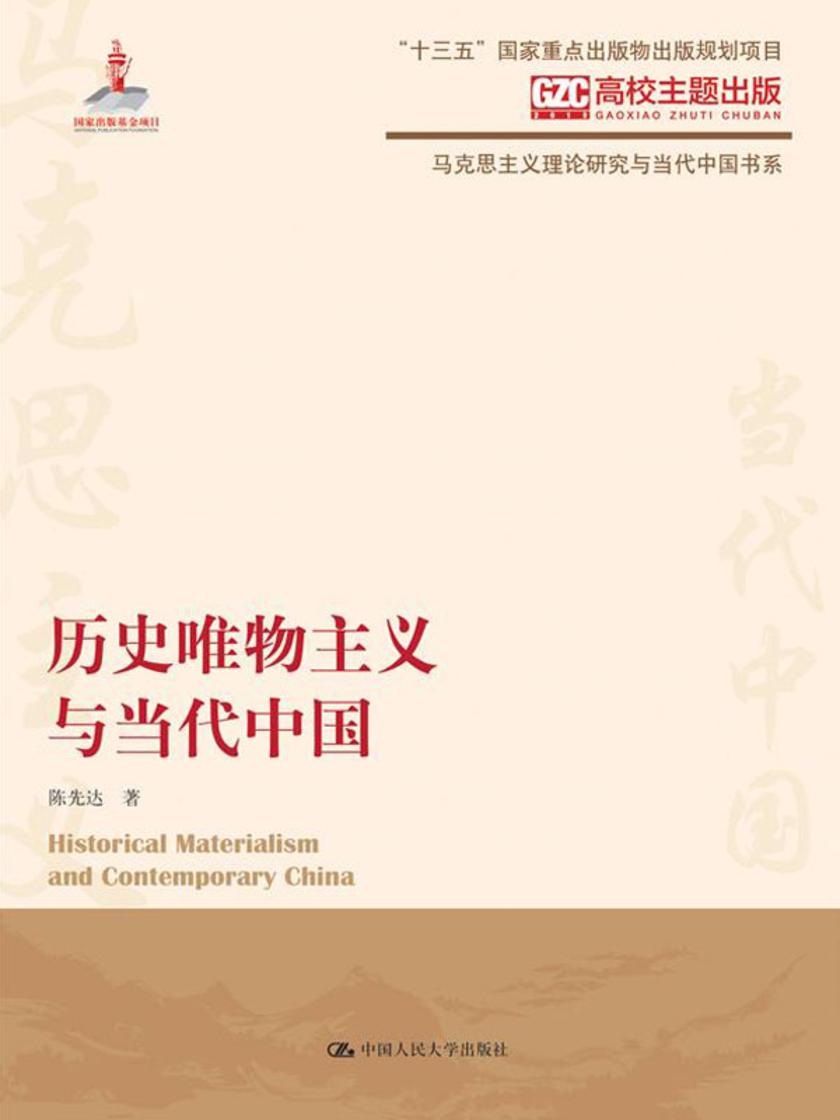
历史唯物主义与当代中国(马克思主义理论研究与当代中国书系)
¥46.80
本书坚持马克思主义社会历史观的基本观和基本原理,在存在论的高度上阐释了马克思的生产、劳动、资本、现代和历史等概念。主要内容包括:历史唯物主义是科学的历史观、人类社会和自然界、生产力和生产关系、经济基础和上层建筑、社会意识、科学及其在社会历史中的地位和作用等。

贺麟全集:文化与人生(全新升级版)
¥69.00
《文化与人生》是哲学家贺麟撰写于抗战时期的论文集,是贺麟先生前期思想的代表作。《文化与人生》中每一篇文字都是为中国当时迫切的文化问题、伦理问题和人生问题所引起,而根据贺麟先生读书思想体验所得去加以适当的解答。这些解答所取的途径,如从学派的分野来看,似乎比较近中国的儒家思想,和西洋康德、费希特、黑格尔所代表的理想主义。《文化与人生》中大都系亲切地自道所思所感和所体察到的新意思,以与青年朋友们谈心论学。 《文化与人生》涉及人生、道德、教育、法制、宗教、中西文化与哲学各个方面,贺麟先生针对当时的现实问题行了思考与解答。贺麟先生注重将中国传统文化与西方哲学融合在一起,相互吸收、补充。同时,拒绝空谈自由、民主、平等等口号,而是讨论在现实生活中,如何使人们树立起自由、民主、平等的精神。


