万本电子书0元读

万本电子书0元读

Theaetetus
Theaetetus
Plato
¥40.79
Some dialogues of Plato are of so various a character that their relation to the other dialogues cannot be determined with any degree of certainty. The Theaetetus, like the Parmenides, has points of similarity both with his earlier and his later writings. The perfection of style, the humour, the dramatic interest, the complexity of structure, the fertility of illustration, the shifting of the points of view, are characteristic of his best period of authorship. The vain search, the negative conclusion, the figure of the midwives, the constant profession of ignorance on the part of Socrates, also bear the stamp of the early dialogues, in which the original Socrates is not yet Platonized.
Sophist
Sophist
Plato
¥40.79
There are no descriptions of time, place or persons, in the Sophist and Statesman, but we are plunged at once into philosophical discussions; the poetical charm has disappeared, and those who have no taste for abstruse metaphysics will greatly prefer the earlier dialogues to the later ones. Plato is conscious of the change, and in the Statesman expressly accuses himself of a tediousness in the two dialogues, which he ascribes to his desire of developing the dialectical method.
On the Gait of Animals
Aristotle
¥40.79
We have now to consider the parts which are useful to animals for movement in place (locomotion); first, why each part is such as it is and to what end they possess them; and second, the differences between these parts both in one and the same creature, and again by comparison of the parts of creatures of different species with one another. First then let us lay down how many questions we have to consider.
Discourse on Inequality
Jean-Jacques Rousseau
¥40.79
Rousseau first exposes in this work his conception of a human state of nature, presented as a philosophical fiction, and of human perfectibility, an early idea of progress. He then explains the way, according to him, people may have established civil society, which leads him to present private property as the original source and basis of all inequality.
The Social Contract
The Social Contract
Jean-Jacques Rousseau
¥40.79
A book in which Rousseau theorized about the best way to establish a political community in the face of the problems of commercial society, which he had already identified in his Discourse on Inequality. The Social Contract helped inspire political reforms or revolutions in Europe, especially in France. The Social Contract argued against the idea that monarchs were divinely empowered to legislate. Rousseau asserts that only the people, who are sovereign, have that all-powerful right.
The History of Animals
Aristotle
¥40.79
Generally seen as a pioneering work of zoology, Aristotle frames his text by explaining that he is investigating the existing facts about animals. History of Animals is one of the major texts on biology.
Il mago di Oz
Il mago di Oz
L. Frank Baum
¥32.54
Nietzsche despre filologia clasic? – iat? un subiect cu adev?rat pasionant, prilej de satisfac?ii unice pentru amatorul de a urm?ri fascinantul spectacol al form?rii ?i al cunoa?terii de sine. C?ci acest subiect ?nseamn?, de fapt, Nietzsche despre el ?nsu?i ?i ?n acest sens pledeaz? chiar propria sa m?rturie – ?Filologii sunt asemenea oameni care folosesc sentimentul ap?s?tor pe care ?l provoac? infirmitatea proprie omului modern pentru a c??tiga cu el bani ?i p?ine. ?i cunosc, eu ?nsumi sunt unul dintre ei“ (Noi, filologii, fr. 170). Mai precis, este vorba despre o ipostaz? a personalit??ii spirituale nietzscheene considerat? din unghiul evolu?iei sale interioare; dar, nu o ipostaz? oarecare, ci una esen?ial?. ?i aceasta nu pentru simplul motiv c? este cea dint?i, ci pentru c? este cea mai profund?, cea care i-a marcat definitiv orizontul de cultur? ?i de g?ndire ?i a l?sat o amprent? durabil? ?n desf??urarea destinului personal al omului. (Vasile Musc?)
Avu?ia na?iunilor
Avu?ia na?iunilor
Smith Adam
¥24.44
Scriitorul francez Xavier de Maistre (1763-1852) este fratele mai mic ?i mai pu?in celebru al g?nditorului Joseph de Maistre. Ironist fin ?i amator de filosofie, el ??i invit? cititorul ?ntr-o c?l?torie prin propria camer?, prilejuit? de cele ?ase s?pt?m?ni de arest cu care a fost pedepsit pentru participarea la un duel. Umorul ?i ingeniozitatea fac din acest text aparent banal o critic? spumoas? ?i fascinant? a viciilor umane ?i sociale bogat ?i expresiv ilustrate de contemporanii autorului ?i ai cititorului deopotriv?. Leprosul din Cetatea Aosta, un text prea pu?in semnificativ ca dimensiuni, constituie ?i el una dintre cele mai mi?c?toare incursiuni ?n arcanele condi?iei umane.
C?l?torie ?n jurul camerei mele
Maistre Xavier de
¥24.44
Thomas Hobbes (1588-1679) este unul dintre p?rin?ii liberalismului ?n g?ndirea politic?. Textele de fa?? reprezint? cel mai important segment din Leviathan - cea mai important? lucrare a lui Hobbes, scris? ?n 1651, care poate fi considerat pe bun? dreptate punctul de pornire al trecerii de la sabie la cuv?nt ca principal? arm? ?n politic?. Cititorul poate descoperi ?n aceste pagini un filosof care s-a aplecat asupra temei societ??ii cum pu?ini au f?cut-o ?nainte de secolul XX, ?ntruc?t acesta este ?miezul fierbinte“ al g?ndirii hobbesiene, pe care arhicunoscutele sintagme ?starea de natur?“ ?i bellum omnium contra omnes nu au reu?it niciodat? s?-l scoat? la iveal?.
Limba Rom?n?. Admiterea la drept. 1200 de ?ntreb?ri ?i r?spunsuri
Moroianu Cristian, Stoicescu Adrian
¥48.97
Numele lui Comenius s-a ?nscris ?n istoria literaturii cehe ?i universale prin cea mai important? lucrare a sa de beletristic?, romanul alegoric Labirintul lumii ?i raiul inimii. Cartea cuprinde dou? p?r?i. ?n prima, Labirintul lumii, este ?nf??i?at? alegoric lumea sub forma unui ora? medieval, amintind de un labirint pe care ?l parcurge c?l?torul-povestitor. ?n cea de-a doua parte, Raiul inimii, c?l?torul se retrage dezam?git ?n l?ca?ul inimii sale, unde ?l ?nt?lne?te pe Dumnezeu, iar credin?a ?i aduce pacea ?i alinarea. C?l?torul este de fapt reprezentarea alegoric? a curiozit??ii omene?ti; el str?bate ora?ul-lume c?ut?ndu-?i o ?ndeletnicire pl?cut? sufletului ?i trupului.Labirintul lumii ?i raiul inimii face parte din a?a-numita serie de scrieri de consolare, prin care Comenius ?ncerca s? arate c? destinul oamenilor este condus prin dreapta decizie a lui Dumnezeu. Romanul este considerat de critica literar? ceh? ca fiind cea mai reu?it? lucrare a literaturii vechi, cel mai frecvent tip?rit? p?n? ?n zilele noastre.
Puterea miraculoas? a apei. Nu e?ti bolnav, doar ?nsetat! Nu trata setea cu medi
Dr. Fereydoon Batmanghelidj
¥40.79
Cartea publicat? ?n 1983 este ?mp?r?it? ?n cinci p?r?i (ce cuprind treisprezece capitole). Fiecare capitol este constituit dintr-un dialog sau dialoguri, povestiri sau ra?ionamente ce abordeaz?, ?n general, paradoxuri, probleme de filosofie, logic? ?i matematic?. Printre temele redate ?n aceast? lucrare se num?r? problema p?catului ?i a virtu?ii (capitolul 4, intitulat ,,O ?ntrebare“), percep?ia ?i reprezentarea realit??ii (capitolul 7 ,,O fantezie minte-corp“), ontologia (capitolul 10 ,,Ce este existen?a?“), solipsismul (capitolul 12 ,,Solipsismul luminat“), problema adev?rului (capitolul 1 ,,De ce spui adev?rul?“ ?i capitolul 2 ,,O problem?“), problema vie?ii ?i a mor?ii (capitolul 9 ,,Zen de via?? ?i de moarte“). Lucrarea se remarc? printr-o formul? dens? ?i, ?n egal? m?sur?, elegant?, care ?i permite autorului s? prezinte chestiuni de altfel complexe ?n c?teva pagini revelatoare, prin povestiri sau dialoguri, f?r? a-?i plictisi cititorii. Ca ?ntr-un num?r de magie, art? de care autorul nu este str?in, publicul este atras ?i captivat de aparenta simplitate ?i ingeniozitate a ra?ionamentelor expuse. Probabil, ceea ce face cartea mai u?or de citit este atitudinea autorului, tonul s?u glume?, ludic ?n cea mai mare parte din cele 200 de pagini. Putem ilustra aceast? idee prin c?teva exemple. ?n cadrul capitolului 3, denumit ,,C?teva fragmente“, Raymond Smullyan poveste?te c? le-ar fi declarat studen?ilor ?n timpul unui examen c? dac? ei ?i-ar da cuv?ntul de onoare c? nu vor copia, atunci el ?i-ar da cuv?ntul c? nu va raporta mai departe dac? ei ar ?ncerca s? copieze. Cineva l-ar fi ?ntrebat la un moment dat dac? crede ?n astrologie. El a r?spuns c? nu crede ?n astrologie deoarece este ?n zodia Gemeni. Lista de propozi?ii care se contrazic singure, a lui Saul Gorn, un specialist ?n informatic?, pe care Smullyan le citeaz?, reprezint? ?i ele o mostr? de umor. Printre acestea se reg?sesc afirma?ii precum: ,,?nainte de a ?ncepe s? vorbesc, a? vrea s? v? spun ceva.“, ,,Jum?tate dintre minciunile pe care ei le spun despre mine sunt adev?rate.“ sau ,,Te ai dep??it pe tine ?nsu?i, ca de obicei.“
Eu - ?i el. ?nsemn?ri subiective despre Ceau?escu
Ianoși Ion
¥54.10
De?i frecvent contestat f?r? s? fie citit, Karl Marx r?m?ne a fi unul dintre cei mai importan?i g?nditori ai omenirii, r?u ?n?eles ?i, ?n ciuda celebrit??ii sale, r?u cunoscut; selec?ia – prima de dup? 1990 – f?cut? de marele c?rturar Ion Iano?i demonstreaz? r?spicat acest lucru.
Horda
Horda
Ann Aguirre
¥72.27
Un mare vinovat f?r? vin?, sihastrul de la Sils-Maria a dinamitat g?ndirea secolului al XIX-lea, figur?nd – al?turi de Dostoievski – printre uria?ii profe?i ai omenirii, care au proorocit nenorocirile ce-au urmat, crimele ?n numele unei idei, rasismul, precum ?i devastatorul totalitarism ro?u. Dincolo de bine ?i de r?u e una dintre capodoperele g?nditorului de la na?terea c?ruia se va s?rb?tori ?n toamna anului 2014 (15 octombrie) 170 de ani.
Enders
Enders
Lissa Price
¥65.32
Dialoguri cu Vasile Dem. Zamfirescu consemnate de Leonid DragomirLa Facultatea de Filosofie din Bucure?ti unde eram studen?i exista pe atunci mult? libertate ?n alegerea cursurilor pe care doream s? le urm?m. Se afi?a la ?nceputul anului universitar o list? a cursurilor obligatorii ?i op?ionale, acestea din urm? fiind majoritare. A?a am descoperit cursul de Psihanaliz? filosofic? al profesorului Vasile Dem. Zamfirescu, despre care ?tiam vag c? fusese unul dintre discipolii lui Constantin Noica. Atmosfera de libertate ?n care ne mi?cam se reg?sea ?n totalitate aici. Cursul ne interesa at?t prin con?inutul lui — care adolescent n-a fost fascinat de psihanaliz?! — c?t ?i prin rigoarea ?i claritatea expunerii. De?i nu mai predase p?n? atunci, Vasile Dem. Zamfirescu era cu adev?rat profesor. Seminariile erau ?ns? ale noastre. Aici se iscau polemici, se propuneau interpret?ri insolite, se scriau ?i se citeau eseuri inspirate de noile probleme ?i lecturi. De obicei dep??eam limitele temei propuse, astfel ?nc?t totul ar fi putut degenera ?ntr-un dialog al surzilor sau ?n divaga?ii sterile dac? n-ar fi existat polul magnetic: profesorul. Nu numai c? el aducea, cu mult tact, discu?ia pe f?ga?ul normal, la obiect, dar opiniile noastre, oric?t de ?ndr?zne?e, vizau direct sau indirect aprobarea lui. Aceasta uneori venea, alteori nu, dar ceea ce conta pentru noi era faptul de a ne ?ti asculta?i. Sim?eam c? el poate s? vad? ?n spusele noastre sau dincolo de ele personalitatea noastr? ?ntreag?. De aceea voiam s? d?m totul ?n acele seminarii care treceau at?t de repede, de?i discu?iile se prelungeau ?n pauze ?i dup? ?ncheierea lor.
Unicat. Cartea cu o sut? de finaluri
Milorad Pavić
¥48.97
O parte dintre noi au tr?it vremuri grele pe care uneori le mai vis?m, le povestim sau despre care scriem ?nc?, f?r? patima cumplit? care i-a cuprins pe profitorii de atunci, care ?i ast?zi ne fac r?u, ?i chiar mai r?u dec?t ?pe vremea aceea“, cum se zice. E drept c? noi am prev?zut-o ?ntr-un fel sau altul, spun?nd-o celor care se-ncumetau s? ne asculte, f?r? preten?ia, Doamne, fere?te!, de a ne considera ?i disiden?i, cum o f?cur? cei men?iona?i mai sus. Previziunile noastre s-au bazat pe o anume cunoa?tere a mersului istoriei, care, cum se ?tie, se tot repet?, cu mici deosebiri, fire?te. Oricum, ceva cuno?tin?e de economie politic? nu ne stric? nici ?n zilele noastre, pentru a ne da seama de jocul frecvent al trecerii de la economia politic? la politica economic? ?i, mai ales, al trecerilor de la un sistem sau or?nduire economic? la alta ?i invers, cum le-am tr?it noi: de la capitalism la socialism ?i viceversa. Ca un fel de ciud??enie, au r?mas considera?iunile despre noul eon sau noua er? (New Age) ale filosofului din Lancr?m, mai ales c? acestea s-au realizat abia dup? c?derea comunismului, pe care n-o mai prev?zuse Blaga. (Alexandru Surdu) Eseuri filosofice de acela?i autor 1. Voca?ii filosofice rom?ne?ti, Editura Aca?de?miei Rom?ne, Bucure?ti, 1995, 216 p.; edi??ia a II-a, Editura Ardealul, T?rgu-Mure?, 2003, 206 p. 2. Confluen?e cultural-filosofice, Editura Pai?de?ia, Bucure?ti, 2002, 219 p. 3. M?rturiile anamnezei, Editura Paideia, Bu?cu?re?ti, 2004, 193 p. 4. Comentarii la rostirea filosofic?, Editura Kron-Art, Bra?ov, 2009, 186 p. 5. Izvoare de filosofie rom?neasc?, Editura Biblioteca Bucure?tilor, Bucure?ti, 2010, 171 p.; edi?ia a II-a, Editura Renaissance, Bucu?re?ti, 2011, 161 p. 6. A sufletului rom?nesc cinstire, Editura Re?naissance, Bucure?ti, 2011, 197 p. 7. Pietre de poticnire, Editura Ardealul, T?r?gu-Mure?, 2014, 179 p.
Confesiunile unei dependente de art?
David Guggenheim
¥57.14
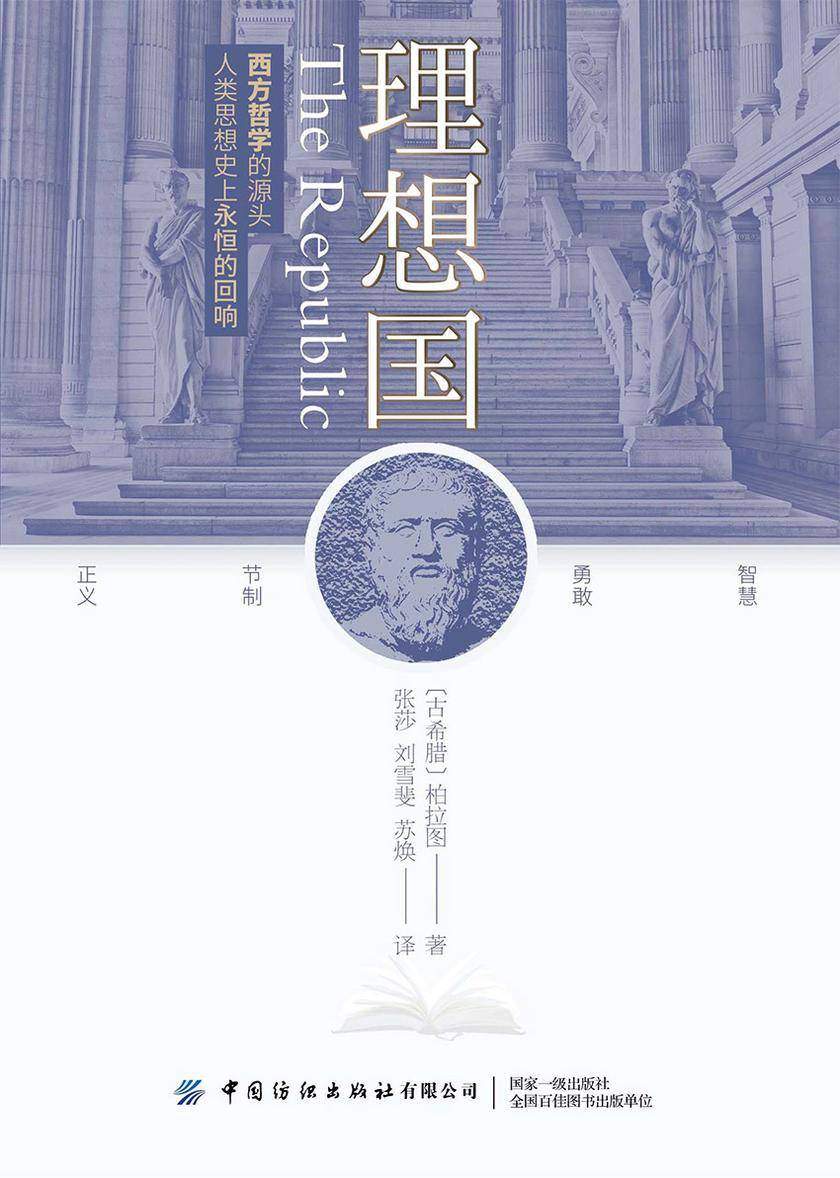
One of the greatest works of philosophy, political theory, and literature ever produced, Plato’s Republic has shaped Western thought for thousands of years, and remains as relevant today as when it was written during the fourth century B.C.Republic begins by posing a central question: "What is justice, and why should we be just, especially when the wicked often seem happier and more successful?" For Plato, the answer lies with the ways people, groups, and institutions organize and behave. A brilliant inquiry into the problems of constructing the perfect state, and the roles education, the arts, family, and religion should play in our lives, Republic employs picturesque settings, sharply outlined characters, and conversational dialogue to drive home the philosopher’s often provocative arguments.Highly regarded as one of the most accurate renderings of Plato's Republic that has yet been published, this widely acclaimed work is the first strictly literal translation of a timeless classic. This Special Collector's Edition includes a new introduction by Prof. Colin Kant, PH.D, a noted Platonian and Socratic scholar.
Noica. B?t?lia continu?
Popescu Dorin
¥81.67
Ce este dragostea? Cum poate fi explicat ceva at?t de intim, de misterios, de minunat? Autorul nu ??i propune s? ne dezv?luie vreun mare adev?r filosofic, nici s? ne ofere sfaturi practice. Nu ne ?nva?? cum s? avem orgasm sau cum s? sc?p?m de gelozie. Nu ne spune c? femeile g?ndesc cu o alt? parte a creierului dec?t b?rba?ii, nici nu ne arat? cum s? ne salv?m rela?ia. ?n schimb, ne ajut? s? ?n?elegem comportamentul sexual ?i social, dar ?i mecanismele din spatele unor reac?ii pe care le consider?m normale ?i fire?ti.?n c?utarea r?spunsului la ?ntrebarea Ce este dragostea?, Richard David Precht exploreaz? discipline dintre cele mai diverse: biologia, psihologia, sociologia, filosofia, chiar ?i chimia. De la fiecare vom afla c?te ceva despre dragoste: c?t de egoiste sunt genele noastre ?i c?t de mult ne influen?eaz?; ce este tipic comportamentului sexual feminin ?i celui masculin; c?t de mare este aportul culturii la capacitatea noastr? de a ne ?n?elege pe noi ?n?ine ?i de a ?n?elege lumea, ca femeie sau ca b?rbat; ce se ?nt?mpl?, de fapt, ?n creierul nostru c?nd iubim; care este diferen?a dintre dragoste ?i sex; de ce a devenit at?t de important? pentru noi dragostea romantic?.?n final, afl?m c? dragostea nu are explica?ie. Ea nu poate fi dec?t tr?it?!
Káin
Káin
George Gordon Byron
¥8.83
...amikor apaként elmegyek az óvodába, hogy elhozzam a kisfiamat, akkor milyen alapon választom ki, hogy kit viszek haza Talán megkérdezem az óvóntl, hogy melyik gyerek viselkedett a legjobban Vagy krülnézek, hogy melyik klyk a legszebb s ha az óvón azzal fogad, hogy az én gyerekem elpáholta t csoporttársát, és egy pohár kefirt nttt a takarító néni fejére, akkor ott hagyom, és választok egy normális gyereket Nem. Minden krülmények kzt a sajátomat viszem haza. Azért, mert az enyém! Ez a vele való kapcsolatom alapja. s ha ez az alap megvan, hazaviszem t, és otthon elbeszélgetek vele a pohár kefirrl, az ovistársakról, a takarító nénirl és a verekedésrl. Milyen egyszernek és természetesnek tnik mindez, ha a saját gyermekeinkrl van szó, de ha Jézus mondja ugyanezt az Atyáról, akkor zavarba jvünk, mert a szégyen és a félelem által belénk vésdtt kalmárszellem olyan mélyen járja át a lelkünket, hogy el sem tudjuk képzelni, hogy csak úgy, minden feltétel nélkül szeretni való emberek vagyunk...” BOLYKI LSZL 1973-ban született Budapesten. Zenész (Bolyki Brothers, Budapesti Fesztiválzenekar, Erkel Ferenc Kamarazenekar), spirituális szemlélet lelkigondozó, párkapcsolati és nismereti témákra szakosodott tréner, a Milyen zenét szeret Isten cím ktet szerzje. Bolyki László munkája azt tanítja nekünk, hogy a múlt si kultúrájának szimbolikus értékei a mai ember problémáiban is eleven lélektani, spirituális útmutatást tudnak nyújtani.” dr. SLE FERENC, a volt Országos Pszichiátriai és Neurológiai Intézet Valláslélektani Osztályának forvosa A Kegyelem és kalmárszellem nem csak egy knyv a sok kzül; fontos, hogy minél tbb olvasóhoz eljusson! Mindenkinek ajánlom szeretettel.” SZENCZY SNDOR a Baptista Szeretetszolgálat Alapítvány vezetje
Don Quijote de la Mancha
Miguel de Cervantes Saavedra
¥8.83
Valamikor a muzsika egyszer volt, szerény és tiszteletreméltó, ma cicomás lett és zrzavaros, méltóságát és értékét veszített, gyalázatos iparrá süllyedt.” Mikor volt a muzsika egyszer, szerény és tiszteletreméltó, és vajon milyen úton-módon veszítette el méltóságát és értékét Meg tudjuk határozni, hogy melyek a zene zrzavaros és cicomás stíluselemei Tudjuk-e, hogy hogyan és miért süllyedt a zene gyalázatos iparrá Végül, de nem utolsósorban fel tudjuk-e mérni annak jelentségét, hogy a fenti idézet a 6. századból származik, a nagy keresztény gondolkodó, Boethiusz tollából E knyv a zene és a kereszténység hagyományosan feszültségektl terhelt kapcsolatát vizsgálja, a valamikor” és a ma” szakrális zenéjének tükrében. A szerz szándéka, hogy a zene a dicséret és magasztalás eszkze, és ne a feszültségek állandó forrása legyen a keresztény egyházak és gyülekezetek életében. BOLYKI LSZL 1994-ben szerezte mvész-tanári diplomáját a budapesti Zeneakadémián. A Bolyki Brothers énekegyüttes, a Budapesti Fesztiválzenekar és az Erkel Ferenc Kamarazenekar tagjaként rendszeresen fllép Európa, Amerika és zsia legjelentsebb zenei kzpontjaiban. Spirituális szemlélet lelkigondozó, párkapcsolati és nismereti témákra szakosodott tréner, a Kegyelem és kalmárszellem cím ktet szerzje.
Ruins of Ancient Cities: (Volume -II)
Charles Bucke
¥28.61
More’s “Utopia” was written in Latin, and is in two parts, of which the second, describing the place ([Greek text]—or Nusquama, as he called it sometimes in his letters—“Nowhere”), was probably written towards the close of 1515; the first part, introductory, early in 1516. The book was first printed at Louvain, late in 1516, under the editorship of Erasmus, Peter Giles, and other of More’s friends in Flanders. It was then revised by More, and printed by Frobenius at Basle in November, 1518. It was reprinted at Paris and Vienna, but was not printed in England during More’s lifetime. Its first publication in this country was in the English translation, made in Edward’s VI.’s reign (1551) by Ralph Robinson. It was translated with more literary skill by Gilbert Burnet, in 1684, soon after he had conducted the defence of his friend Lord William Russell, attended his execution, vindicated his memory, and been spitefully deprived by James II. of his lectureship at St. Clement’s. Burnet was drawn to the translation of “Utopia” by the same sense of unreason in high places that caused More to write the book. Burnet’s is the translation given in this volume. The name of the book has given an adjective to our language—we call an impracticable scheme Utopian. Yet, under the veil of a playful fiction, the talk is intensely earnest, and abounds in practical suggestion. It is the work of a scholarly and witty Englishman, who attacks in his own way the chief political and social evils of his time. Beginning with fact, More tells how he was sent into Flanders with Cuthbert Tunstal, “whom the king’s majesty of late, to the great rejoicing of all men, did prefer to the office of Master of the Rolls;” how the commissioners of Charles met them at Bruges, and presently returned to Brussels for instructions; and how More then went to Antwerp, where he found a pleasure in the society of Peter Giles which soothed his desire to see again his wife and children, from whom he had been four months away. Then fact slides into fiction with the finding of Raphael Hythloday (whose name, made of two Greek words [Greek text] and [Greek text], means “knowing in trifles”), a man who had been with Amerigo Vespucci in the three last of the voyages to the new world lately discovered, of which the account had been first printed in 1507, only nine years before Utopia was written. Designedly fantastic in suggestion of details, “Utopia” is the work of a scholar who had read Plato’s “Republic,” and had his fancy quickened after reading Plutarch’s account of Spartan life under Lycurgus. Beneath the veil of an ideal communism, into which there has been worked some witty extravagance, there lies a noble English argument. Sometimes More puts the case as of France when he means England. Sometimes there is ironical praise of the good faith of Christian kings, saving the book from censure as a political attack on the policy of Henry VIII. Erasmus wrote to a friend in 1517 that he should send for More’s “Utopia,” if he had not read it, and “wished to see the true source of all political evils.” And to More Erasmus wrote of his book, “A burgomaster of Antwerp is so pleased with it that he knows it all by heart.” Sir Thomas More, son of Sir John More, a justice of the King’s Bench, was born in 1478, in Milk Street, in the city of London. After his earlier education at St. Anthony’s School, in Threadneedle Street, he was placed, as a boy, in the household of Cardinal John Morton, Archbishop of Canterbury and Lord Chancellor. It was not unusual for persons of wealth or influence and sons of good families to be so established together in a relation of patron and client. The youth wore his patron’s livery, and added to his state. The patron used, afterwards, his wealth or influence in helping his young client forward in the world.
The Sorrows of Young Werther
J. W. Von Goethe
¥18.74
Among the notable books of later times-we may say, without exaggeration, of all time--must be reckoned The Confessions of Jean Jacques Rousseau. It deals with leading personages and transactions of a momentous epoch, when absolutism and feudalism were rallying for their last struggle against the modern spirit, chiefly represented by Voltaire, the Encyclopedists, and Rousseau himself--a struggle to which, after many fierce intestine quarrels and sanguinary wars throughout Europe and America, has succeeded the prevalence of those more tolerant and rational principles by which the statesmen of our own day are actuated. On these matters, however, it is not our province to enlarge; nor is it necessary to furnish any detailed account of our author's political, religious, and philosophic axioms and systems, his paradoxes and his errors in logic: these have been so long and so exhaustively disputed over by contending factions that little is left for even the most assiduous gleaner in the field. The inquirer will find, in Mr. John Money's excellent work, the opinions of Rousseau reviewed succinctly and impartially. The 'Contrat Social', the 'Lattres Ecrites de la Montagne', and other treatises that once aroused fierce controversy, may therefore be left in the repose to which they have long been consigned, so far as the mass of mankind is concerned, though they must always form part of the library of the politician and the historian. One prefers to turn to the man Rousseau as he paints himself in the remarkable work before us. That the task which he undertook in offering to show himself--as Persius puts it--'Intus et in cute', to posterity, exceeded his powers, is a trite criticism; like all human enterprises, his purpose was only imperfectly fulfilled; but this circumstance in no way lessens the attractive qualities of his book, not only for the student of history or psychology, but for the intelligent man of the world. Its startling frankness gives it a peculiar interest wanting in most other autobiographies. Many censors have elected to sit in judgment on the failings of this strangely constituted being, and some have pronounced upon him very severe sentences. Let it be said once for all that his faults and mistakes were generally due to causes over which he had but little control, such as a defective education, a too acute sensitiveness, which engendered suspicion of his fellows, irresolution, an overstrained sense of honour and independence, and an obstinate refusal to take advice from those who really wished to befriend him; nor should it be forgotten that he was afflicted during the greater part of his life with an incurable disease. Lord Byron had a soul near akin to Rousseau's, whose writings naturally made a deep impression on the poet's mind, and probably had an influence on his conduct and modes of thought: In some stanzas of 'Childe Harold' this sympathy is expressed with truth and power; especially is the weakness of the Swiss philosopher's character summed up in the following admirable lines: "Here the self-torturing sophist, wild Rousseau, The apostle of affliction, he who threw Enchantment over passion, and from woe Wrung overwhelming eloquence, first drew The breath which made him wretched; yet he knew How to make madness beautiful, and cast O'er erring deeds and thoughts a heavenly hue Of words, like sunbeams, dazzling as they passed The eyes, which o'er them shed tears feelingly and fast. "His life was one long war with self-sought foes, Or friends by him self-banished; for his mind Had grown Suspicion's sanctuary, and chose, For its own cruel sacrifice, the kind, 'Gainst whom he raged with fury strange and blind. But he was frenzied,-wherefore, who may know? Since cause might be which skill could never find; But he was frenzied by disease or woe To that worst pitch of all, which wears a reasoning show."