The Civil Wars, Book 1
¥40.79
Caesar, although he was not as yet at open enmity with him, determined neither to aid him by his influence nor openly oppose him on this occasion. But the consuls Lentulus and Marcellus, who had previously been on unfriendly terms with Caesar, resolved to use all means in their power to prevent him from gaining his object. Marcellus in particular did not hesitate to offer Caesar other insults. Caesar had lately planned the colony of Novumcomum in Gaul: Marcellus, not content with taking from it the right of citizenship, ordered the principal man of the colony to be arrested and scourged at Rome, and sent him to make his complaints to Caesar: an insult of this description had never before been offered to a Roman citizen.
Скоропадський. Спогади 1917-1918
¥22.74
Potere, cortigianeria, dispotismo, libertà, uguaglianza... attuali o inattuali la satira d'Holbach e La Boétie? Cambiano i tempi e i nomi, ma la natura umana nel suo fondo negli ultimi secoli non è mutata. Com'è virtù di tutti i classici, le loro voci continuano a farci sorridere, indignare e riflettere non solo sul passato ma ugualmente sul presente e sul futuro, su quanto in esso ci possa essere di desiderabile o indesiderabile. In Appendice, i testi si possono leggere anche nella loro originaria edizione in francese. SOMMARIO?- Fabrizio Pinna, Una introduzione (in due tempi) e qualche digressione: I. Barone d'Holbach, "Quest'arte sublime dello strisciare"...; II. ?tienne de La Boétie, "Siate determinati di non voler più servire ed eccovi liberi"... . LIBERT? & POTERE: Paul Henri Thiry d'Holbach, Saggio sull'arte di strisciare ad uso dei cortigiani; Paul Henri Thiry d'Holbach, I Cortigiani; Jean le Rond d'Alembert, Cortigiano; ?tienne de La Boétie, La servitù volontaria. APPENDICE I: Libertà Uguaglianza (1799)- Il Cittadino Editore. APPENDICE II: Essai sur l’art de ramper, à l’usage des courtisans (1764) - Paul Henri Thiry d'Holbach; Des Courtisans (1773) - Paul Henri Thiry d'Holbach; Courtisan (1752) / Courtisane (1754) - Jean le Rond d'Alembert; Discours de la servitude volontaire o Contr'un (1549) - ?tienne de La Boétie.?LE COLLANE IN/DEFINIZIONI & CON(TRO)TESTI
Suprema?ia experien?ei. Conservatorismul anglo-saxon
¥57.14
Via?a fiec?ruia dintre noi se desf??oar? pe fundalul unor nara?iuni?sau teorii filosofice discrete ?i insesizabile, care ne ofer? sens ?i ne ?ndrum? ?n momentele de cump?n?.Au o istorie fascinant? ?i uneori extrem de agitat?, care st? m?rturie?pentru str?daniile noastre de a ?n?elege lumea ?i de a o transforma ?ntr-un mediu familiar.Cartea de fa?? ne prezint? istoriile a trei dintre aceste nara?iuni,?cunoscute mai mult filosofilor, cu toate c? ele ?ncearc? s? ofere r?spuns?la ?ntreb?ri tulbur?toare ?i de?o importan?? cov?r?itoare pentru?noi to?i: de ce exist? lumea, ?n ce const? identitatea persoanei, ce?este realitatea.
ALL, biografia unui succes
¥24.44
Charles Sanders Peirce (1839-1914) este o figur? important? a filosofiei secolului XIX ?i unul dintre prefa?atorii principalelor curente de g?ndire din secolul XX, fiind considerat fondatorul pragmatismului american. Cele dou? eseuri prezentate aici, primele din seria cunoscut? sub numele Ilustr?ri ale logicii ?tiin?ei, sunt reprezentative pentru opera sa, caracterizat? de profunzimi ?i subtilit??i specifice unui g?nditor care beneficiaz? ?i de preg?tirea unui om de ?tiin?a.Cu toate c? sunt uneori pur abstracte, observa?iile privitoare la convingeri ?i idei r?m?n, indiferent de sistem, puncte principale de sprijin pentru distinc?ia ?ntre g?ndirea s?n?toas? ?i cea viciat?.“ Este groaznic s? vezi cum o singur? idee neclar?, o singur? formul? f?r? ?n?eles, care se furi?eaz? ?n capul unui t?n?r, va ac?iona uneori ca un obstacol de materie inert? ?ntr-o arter?, ?mpiedic?nd circula?ia ?n creier ?i condamn?ndu-?i victima spre ofilire ?n plenitudinea vigorii intelectuale ?i ?n mijlocul abunden?ei intelectuale.“ - Charles Sanders Peirce
Convingeri ?i idei
¥24.44
Critic erudit ?i pamfletar de for??, Paul Zarifopol (1874-1934) a fost un fin observator al omului ?i al fibrei care alc?tuie?te ?es?turile sociale profunde. Volumul de fa?? cuprinde eseuri care au r?mas de o actualitate acut?, chiar ?i la aproape un secol dup? ce au fost scrise.Coroziv ?i doct, discursul aduce ?n fa?a cititorului concepte esen?iale pentru morala ?i politica mai mult sau mai pu?in balcanice ale Rom?niei interbelice. Lumina ?n care ne sunt prezentate tipul politic ?i geniul organizator, de pild?, ne ofer? at?t senza?ia unei glacia?iuni temporale, c?t ?i pe aceea a unei familiarit??i inefabile.
Will Grayson, Will Grayson
¥73.49
Pornind de la leg?tura natural? care se creeaz? ?ntre mam? ?i copil, D.W. Winnicott exploreaz? o serie de probleme cotidiene din via?a unui bebelu? ?i a mamei lui, cum ar fi hr?nirea, pl?nsul ?i joaca, grijile, primele mi?c?ri spre independen??, precum ?i, mai t?rziu, probleme serioase, cum sunt furtul ?i minciuna. Importan?a mamei la ?nceputul vie?ii, timiditatea, educa?ia sexual? ?n ?coal? ?i r?d?cinile agresivit??ii sunt expuse ?ntr-o manier? direct?, accesibil? ?i prietenoas?. Pe parcursul fiec?rui capitol, Winnicott scoate ?n eviden?? abilit??ile ?nn?scute ale mamei ?i ale p?rin?ilor ?n general ?i face diferen?a ?ntre acestea ?i deprinderile care trebuie achizi?ionate de-a lungul timpului de c?tre cei care cresc ?i educ? un copil. Capacitatea voastr? de a ?ti ceea ce este real ?i ceea ce nu este real ?i este de mare ajutor copilului din toate punctele de vedere, pentru c? el nu reu?e?te s? ?n?eleag? dec?t treptat c? lumea nu este a?a cum ne o imagin?m ?i c? imagina?ia nu este chiar ca lumea real?. Dar fiecare are nevoie de cealalt?. ?ti?i prea bine c? primul obiect pe care ?l iube?te bebelu?ul – o buc??ic? de p?tur? sau o juc?rie moale –?nseamn? pentru el o parte din propria persoan? ?i, dac? i o lua?i sau o da?i la sp?lat, este o tragedie. C?nd bebelu?ul ?ncepe s? arunce obiectul iubit ?i alte obiecte (a?tept?ndu-se, desigur, s? le ridice cineva ?i s? i le dea ?napoi), atunci ?ti?i c? a venit momentul ?n care ave?i ?i voi permisiunea de a pleca ?i a v? ?ntoarce. Unele persoane cred c? un copil este ca lutul ?n m?inile unui olar. Ele ?ncep s? ?l modeleze ?i se simt responsabile de ceea ce vor ob?ine. Total gre?it. Dac? asta este ceea ce sim?i?i, ve?i fi cople?i?i de o responsabilitate pe care nu trebuie s? v-o asuma?i. Dac? accepta?i ideea c? bebelu?ul con?ine ?n el tot ce ?i trebuie pentru a tr?i, atunci ve?i putea acorda mai mult? aten?ie procesului de dezvoltare ?i ve?i fi ferici?i s? r?spunde?i nevoilor lui.
Grani?ele alegoriei medievale
¥34.05
Are femeia vreun rol ?n evolu?ia spiritual? a b?rbatului? Ce anume, ?n iubire ?i ?n erotism, declan?eaz? intui?ii ?i tr?iri care dep??esc datul, ordinarul, norma? Otto Weininger, un g?nditor catalogat drept misogin ?i antisemit, repune ?n discu?ie opera Peer Gynt al lui Ibsen, st?ruind asupra temelor sale favorite: superioritatea masculinului, asociat spiritului, fa?? cu femininul, asociat instinctualit??ii oarbe, lipsite de spirit, de perspectiv?, deci ?i de valoare. Aforistica acestui autor, deopotriv? prezent? ?n volumul de fa??, abordeaz? problematica sadismului ?i a masochismului, imoralitatea dus? p?n? la ilegalitate ?i crim?, culmin?nd cu – sau decurg?nd din – p?catul originar.
Despre prostie
¥16.27
Volumul cuprinde o culegere de eseuri scrise de un filosof despre c?teva teme fierbin?i ale actualit??ii. Este un exerci?iu de ?angajare“ ?n cotidian, explor?nd statutul ?i ?utilitatea“ abord?rii filosofice ?ntr-o lume care pare s? -?i fi pierdut direc?ia. Valentin Mure?an scrie despre criza filosofiei, despre felul ?n care ar trebui reformat sistemul de ?nv???m?nt, despre anomaliile culturale ale dragostei ori despre secretul construirii unor institu?ii morale. Reflec?iile, amare ?n constat?ri, dar entuziaste ?n construirea solu?iilor, sunt completate de c?teva portrete sentimentale ale unor colegi.
Horda
¥72.27
Un mare vinovat f?r? vin?, sihastrul de la Sils-Maria a dinamitat g?ndirea secolului al XIX-lea, figur?nd – al?turi de Dostoievski – printre uria?ii profe?i ai omenirii, care au proorocit nenorocirile ce-au urmat, crimele ?n numele unei idei, rasismul, precum ?i devastatorul totalitarism ro?u. Dincolo de bine ?i de r?u e una dintre capodoperele g?nditorului de la na?terea c?ruia se va s?rb?tori ?n toamna anului 2014 (15 octombrie) 170 de ani.
Ruins of Ancient Cities: (Volume -II)
¥28.61
More’s “Utopia” was written in Latin, and is in two parts, of which the second, describing the place ([Greek text]—or Nusquama, as he called it sometimes in his letters—“Nowhere”), was probably written towards the close of 1515; the first part, introductory, early in 1516. The book was first printed at Louvain, late in 1516, under the editorship of Erasmus, Peter Giles, and other of More’s friends in Flanders. It was then revised by More, and printed by Frobenius at Basle in November, 1518. It was reprinted at Paris and Vienna, but was not printed in England during More’s lifetime. Its first publication in this country was in the English translation, made in Edward’s VI.’s reign (1551) by Ralph Robinson. It was translated with more literary skill by Gilbert Burnet, in 1684, soon after he had conducted the defence of his friend Lord William Russell, attended his execution, vindicated his memory, and been spitefully deprived by James II. of his lectureship at St. Clement’s. Burnet was drawn to the translation of “Utopia” by the same sense of unreason in high places that caused More to write the book. Burnet’s is the translation given in this volume. The name of the book has given an adjective to our language—we call an impracticable scheme Utopian. Yet, under the veil of a playful fiction, the talk is intensely earnest, and abounds in practical suggestion. It is the work of a scholarly and witty Englishman, who attacks in his own way the chief political and social evils of his time. Beginning with fact, More tells how he was sent into Flanders with Cuthbert Tunstal, “whom the king’s majesty of late, to the great rejoicing of all men, did prefer to the office of Master of the Rolls;” how the commissioners of Charles met them at Bruges, and presently returned to Brussels for instructions; and how More then went to Antwerp, where he found a pleasure in the society of Peter Giles which soothed his desire to see again his wife and children, from whom he had been four months away. Then fact slides into fiction with the finding of Raphael Hythloday (whose name, made of two Greek words [Greek text] and [Greek text], means “knowing in trifles”), a man who had been with Amerigo Vespucci in the three last of the voyages to the new world lately discovered, of which the account had been first printed in 1507, only nine years before Utopia was written. Designedly fantastic in suggestion of details, “Utopia” is the work of a scholar who had read Plato’s “Republic,” and had his fancy quickened after reading Plutarch’s account of Spartan life under Lycurgus. Beneath the veil of an ideal communism, into which there has been worked some witty extravagance, there lies a noble English argument. Sometimes More puts the case as of France when he means England. Sometimes there is ironical praise of the good faith of Christian kings, saving the book from censure as a political attack on the policy of Henry VIII. Erasmus wrote to a friend in 1517 that he should send for More’s “Utopia,” if he had not read it, and “wished to see the true source of all political evils.” And to More Erasmus wrote of his book, “A burgomaster of Antwerp is so pleased with it that he knows it all by heart.” Sir Thomas More, son of Sir John More, a justice of the King’s Bench, was born in 1478, in Milk Street, in the city of London. After his earlier education at St. Anthony’s School, in Threadneedle Street, he was placed, as a boy, in the household of Cardinal John Morton, Archbishop of Canterbury and Lord Chancellor. It was not unusual for persons of wealth or influence and sons of good families to be so established together in a relation of patron and client. The youth wore his patron’s livery, and added to his state. The patron used, afterwards, his wealth or influence in helping his young client forward in the world.
西方美学史:全2册(西方美学入门经典)(美学大师朱光潜的扛鼎之作,中国历史上系统讲述西方美学的著作!展现西方美学横跨三千年的历史发展。)
¥15.99
《西方美学史》是美学泰斗朱光潜*重要的一部著作,也是中国学者撰写的*部西方美学专著,具有开创性的学术价值。 本书选取了西方各个美学流派中*代表性的人物及其美学观点,进行评述。对美学上的一些带有普遍性和现实意义的问题,作了比较深入的探讨。 作者挑选的这些人物代表了各时期的主要美学思潮,展现了西方美学的历史发展脉络,通过本书,读者可以全面了解西方美学思想的发展概况。美学、文艺批评、文艺理论等研究者也能从中受到启发,为进一步的美学研究奠定良好的基础。
太平经(精)全三册--中华经典名著全本全注全译丛书
¥118.80
《太平经》十部一百七十卷,据《后汉书》等史料记载为东汉末期道士干吉等人所传,是我国道教早期的主要经典之一。此经假托神人(又称天师)与六方真人问答,演说原始道教教义和方术,卷帙浩繁,内容庞杂。大抵以奉天法道,顺应阴阳五行为宗旨,广述治世之道、伦理准则,以及长寿成仙、治病养生、通神占验之术。其说虽受汉代谶纬神学影响,宣扬灾异祥瑞,善恶报应观念,“多巫觋杂语”。但亦自成体系,以顺天地之法,治政修身,达于天下太平为主旨。有代表下层民众反对统治者恃强凌弱,主张自食其力,周穷救急的思想。故为张角等早期民间道教领袖所利用,组织发动农民起义。后世道教各派教义,亦受此书影响。堪称了解中国道教的名典。本次译注作者杨寄林教授积数十年研究《太平经》之功力精心注译全本,注释详尽征引丰富,译文清晰流畅而不乏生动有趣之处,题解中对各篇思想内容和篇目流传情况做了详细说明,是帮助广大读者阅读理解这部名著的*读本之一。
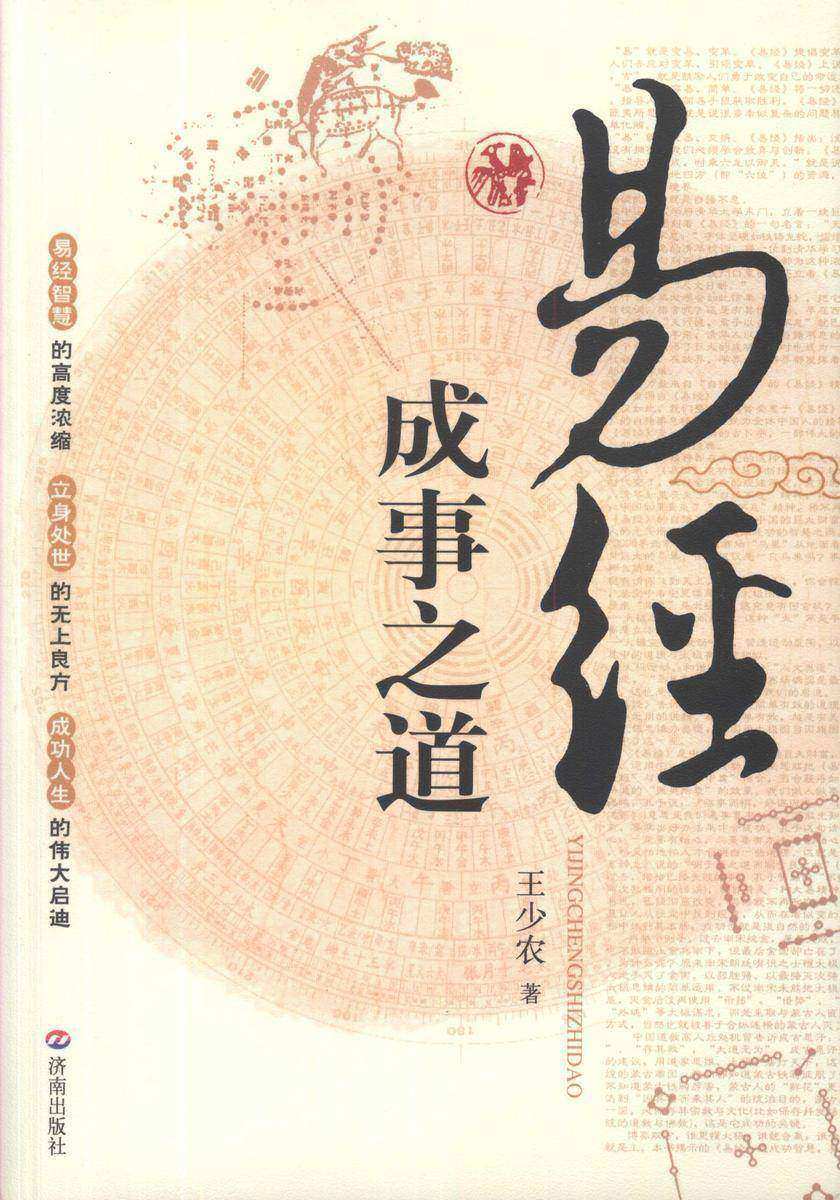
易经的智慧全集
¥1.99
《易经》是我国古代的一本筮占之书,是我国*古老的一部经典之作,也是历代政治家、军事家、商家的之书,有“群经之首”之称。《易经》是智慧的哲学,内容是积极的、乐观向上的,无数人学会了它是如何修身养性、如何与人交往、如何开创和发展事业、怎样去挑战困难、怎么去战胜挫折等方面的技巧,通过这些技巧而获得了成功。《易经》不仅是古代的,也是现代的,更是未来的;不仅是中国的,也是东方的,更是世界的。我们坚信,通过此书,你能从《易经》的处世智慧中,找到人生中的自我,从中吸取力量,以此为指导,走向辉煌的人生之路。
海纳百川的中国哲学(新视野百科书坊)
¥0.99
《海纳百川的中国哲学》将带读者了解中华哲学。哲学是智慧的学问,是民族精神的精华。华夏是个多民族的大家庭,历史悠久,文化博大精深。植根于中华传统文化肥沃土壤的中华哲学,也必然源远流长、博大精深,有着极为深厚的文化底蕴。它不但善于融合多种民族的文化思想,而且善于吸收、融合外来文化,从而不断丰富着自己的思想内涵。
《老子》译解 中华书局出品
¥23.40
《老子》一书虽只有短短五千余言,但充满了玄妙哲思,于政治、经济、历史、哲学、军事、养生等诸多方面作了精神阐述,是一部能慧明道的经典。 本书主要内容包括三个部分: 一、导读(介绍老子其人、其书以及怎样阅读《老子》) 二、正文 1.原文。阅读原文能更直地感受、体味其中的含义以及言外之意。原文文字主要依据王弼《老子道德经注》,也参考其他本子。 2.注释。词语注释有助于理解原文。词语有不同释义时,则略为选择数种。 3.译文。基本上采取直译。 4.解析。扼要分析每章内容、特并做简评,加深对原文的理解。 三、附录(介绍《老子》一书的思想内容以及研究状况)
斯威夫特的鹅毛笔与墨水谜语
¥29.00
这是“经典与解释”辑刊的第60辑,也是辑刊创办第20个年头的年辑。本辑论题再次围绕斯威夫特采编译文。斯威夫特以《格列佛游记》知名,但他的谜语文学和修辞术是目前西方学界研究的重,这些写作形式和修辞特征反映了他对自己作为知识人的身份,尤其是他对西方现代性的深刻认识。 另外收录的柏拉图研究《<克力同>中的守法与正义》,以及研究莎士比亚研究《<威尼斯商人>中的犹太人问题》,沿袭了“经典与解释”丛书细读经典文本的惯例。“思想史发微”收两篇经学研究文章,一篇讨论康乾时期官方在《春秋》的经史性质及夷夏观念上与胡安国《春秋传》的分歧,认为分歧背后实际上存在着清廷维护政治统治的考虑。另一篇讨论乾隆间所编经学书籍《御纂诗义折中》在立意上与康熙时期不同,其中体现出浓厚的“四书学”特色。 另“旧文新刊”收台湾学者程元敏的旧文《<尚书•周诰•梓材>篇义证》,以飨读者。
鬼谷子
¥19.04
《鬼谷子》是一部奇书,由后人根据鬼谷子的言论整理而成。其思想内容博大精深,涵盖了哲学、政治、军事、心理、社会、文学、情报等多种学科,是一部可以被广泛解读的经典,被人们称为“智慧禁果,旷世奇书”。书中所载“捭阖、反应、内揵、飞箝、忤合、揣摩”等游说和谋略的原则与技巧,历来受到海内外政界、军界的广泛研究。本版附录清代杨景淐所著《鬼谷四友志》,以期给读者带去不一样的阅读体验。
雷卡纳蒂语言哲学思想研究(当代西方语言哲学翻译与研究)
¥39.00
“当代西方语言哲学翻译与研究”拟包括2016年国家社科基金项目成果:四部译著和一本专著,除《想象与规约》外,三本译著和专著,都有关雷卡纳蒂(Fran?ois Récanati),包括I.译注1.《直指称》(Direct Reference: From Language to Thought);2.《直引语 间引语》(Oratio Obliqua Oratio Recta);3.《视角思维》(Perspectival Thought:A Plea for (Moderate) Relativism)II.专著《雷卡纳蒂语言哲学思想研究》,本项目将多维度、全方位、成体系地阐发雷卡纳蒂的理论学说,客观公正、辩证唯物地评价其学术贡献、存在不足及发展动向。
权衡:批判性思维的探究与应用(修订版)(明德经典人文课)
¥53.40
本书以一种引人胜、通俗易懂的方式,通过聚焦于批判性探究的实践,对批判性思维理论行了深浅出的介绍。本书通过在一组角色人物之间不断行的对话,展现出推理和论辩在批判性思维中的作用。通过关注探究的实践,而不仅仅只是单个的论证及其评价,书中所展现的途径也使得读者得以磨炼他们的批判性思维技能。 本书特色包括:1.独特的方式:在一组角色人物之间不断行的对话,为探究过程树立了模型,也凸显了批判性思维的辩证维度。2.跨学科:有专门的章节致力于自然科学、社会科学以及艺术领域的探究,从而展现出批判性思维与哲学系之外的课程的关系。 这一新鲜而独到的批判性思维途径教给学生做出一个有充分理由支持的判断的能力,并且鼓励他们将所学知识应用于探究的实践。 中国版《权衡》拟在原书基础上行修订:保留原书核心理论及论述,删减部分章节,使之更适合基础教育读者群,并邀请业内专家提供中国案例,替换原书中欧美背景的案例,并针对这些新案例做出分析。
曾国藩家书(书信集)
¥41.30
《曾国藩家书》内容广泛,是曾国藩一生主要的治家、治学、育儿、孝道等方面的生动反映。此次新版收录文章如下:其一,曾国藩写给其祖父母、父母、叔婶的全部家书,计76封,体现了曾国藩的孝道思想;其二,教育子女修身、学习、处世等方面的书信,即“家训”,计188封。曾国藩所写家书有1500余封,百余万字,我们从中精选了264封。本书是曾国藩所写家书中的精华。
未来形而上学导论(注释本)
¥13.20
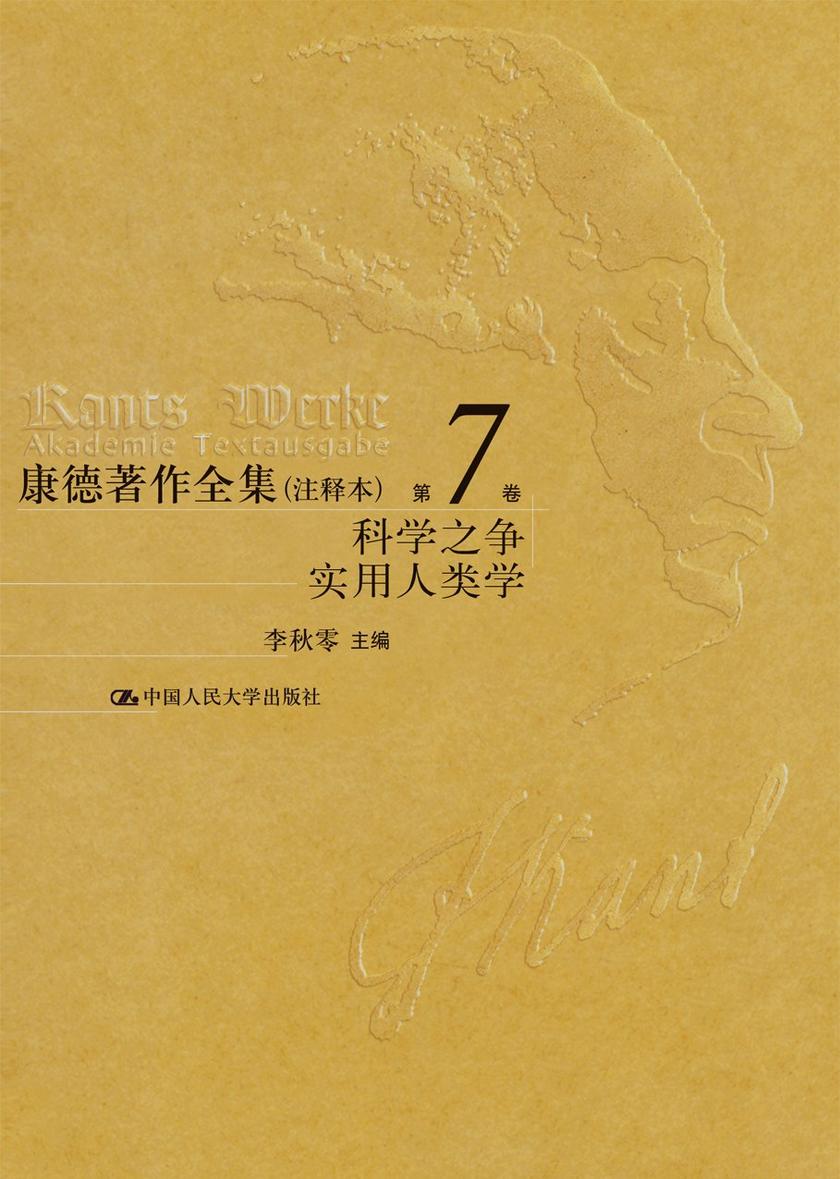
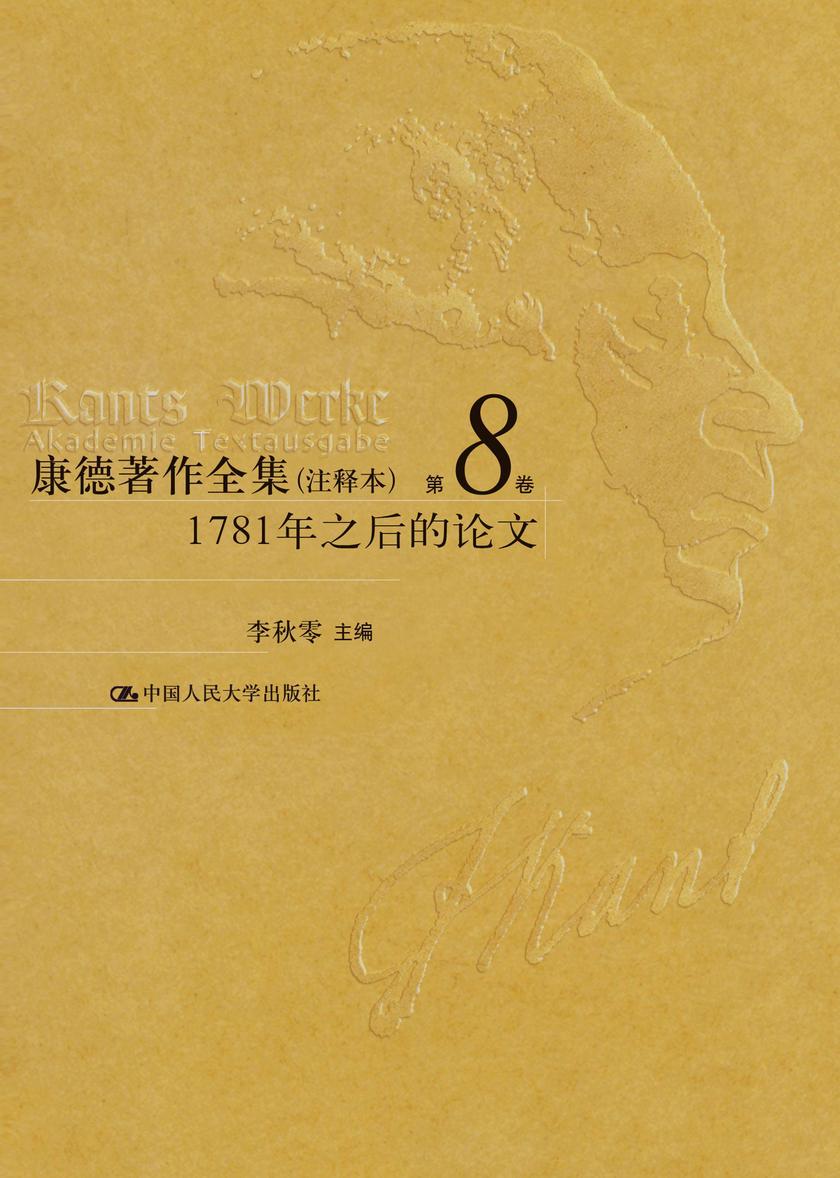
由中国人民大学哲学院教授李秋零主编、主译的《康德著作全集》(9卷本),以普鲁士王家科学院本(通称“科学院版”)为底本,全部直从德文译出,原文为拉丁文的则直从拉丁文译出。科学院版《全集》包含了康德生前公发表的所有著作和文章,并且经过了德文编辑者的详细校勘。中译者在翻译过程中参考了已有的各种译本,同时也对一些名词、术语提出了自己的独到见解。中译者以其在西方哲学、宗教学、语言学方面的深厚学养,以及十年如一日的苦心孤诣,为我们提供了一个可信、可读的康德著作文本,对康德翻译与研究作出了不朽的贡献。

购物车
个人中心