


 购物车
购物车 个人中心
个人中心

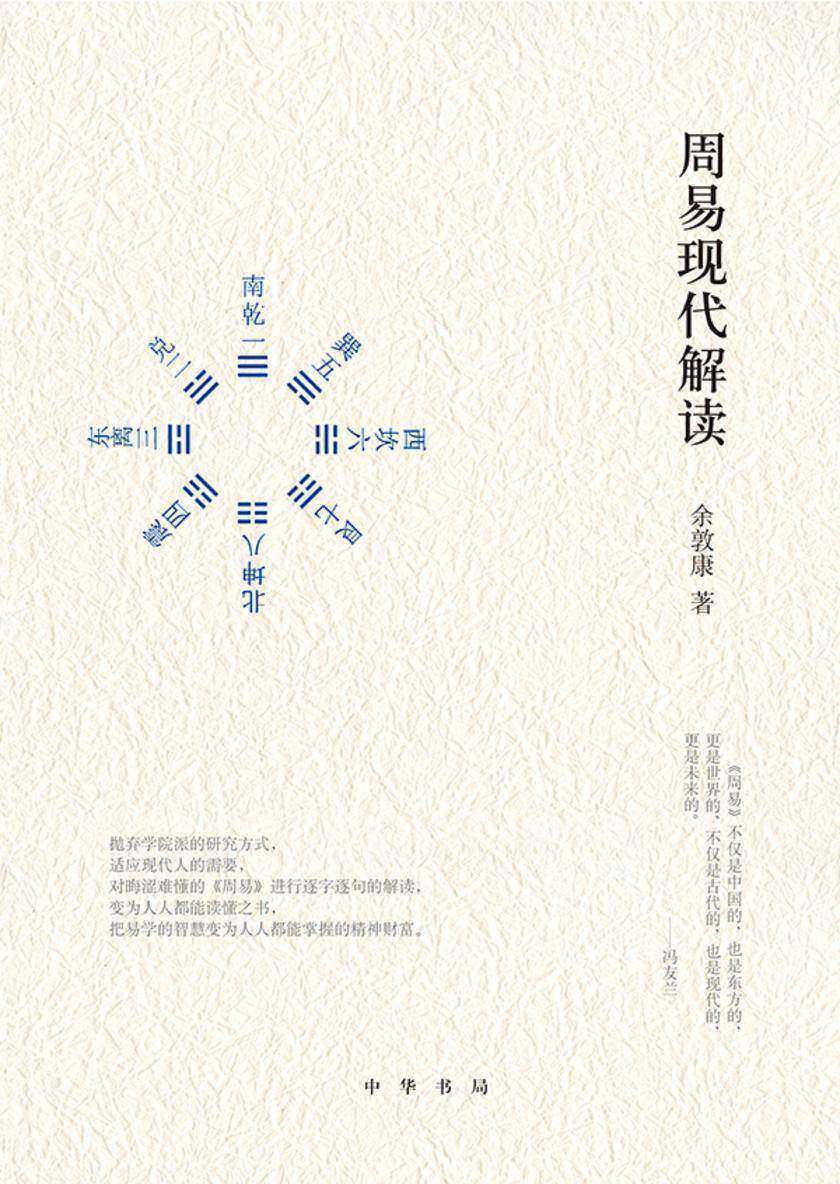
周易现代解读 中华书局出品
¥14.70
《周易现代解读》是著名哲学家、易学大家余敦康所撰对《周易》进行现代解读的入门性普及读物,目的在于站在现代人的角度,适应现代人的需要,把艰深晦涩的《周易》变为人人都能读懂的书,把易学的智慧变为人人都能掌握的精神财富。作者认为易学都是时代的产物,明体达用的精神是一脉相承的,因而如何在现代的历史条件下继承这种明体以达用的精神,把易学的智慧运用于现代人的伦常日用,也许是促使易学切合时代需要由传统向现代转型的一种选择。基于这种考量,作者力求改变过去所奉行的学院派的研究方式,面向社会大众,对通行的经传合一的《周易》文本进行逐字逐句的训释,扫除文言与白话的语言障碍,沟通传统与现代的时空距离,凸显文本内在的哲理智慧,尽可能地在通俗易懂方面下工夫,以让当前读者易于理解易于把握。
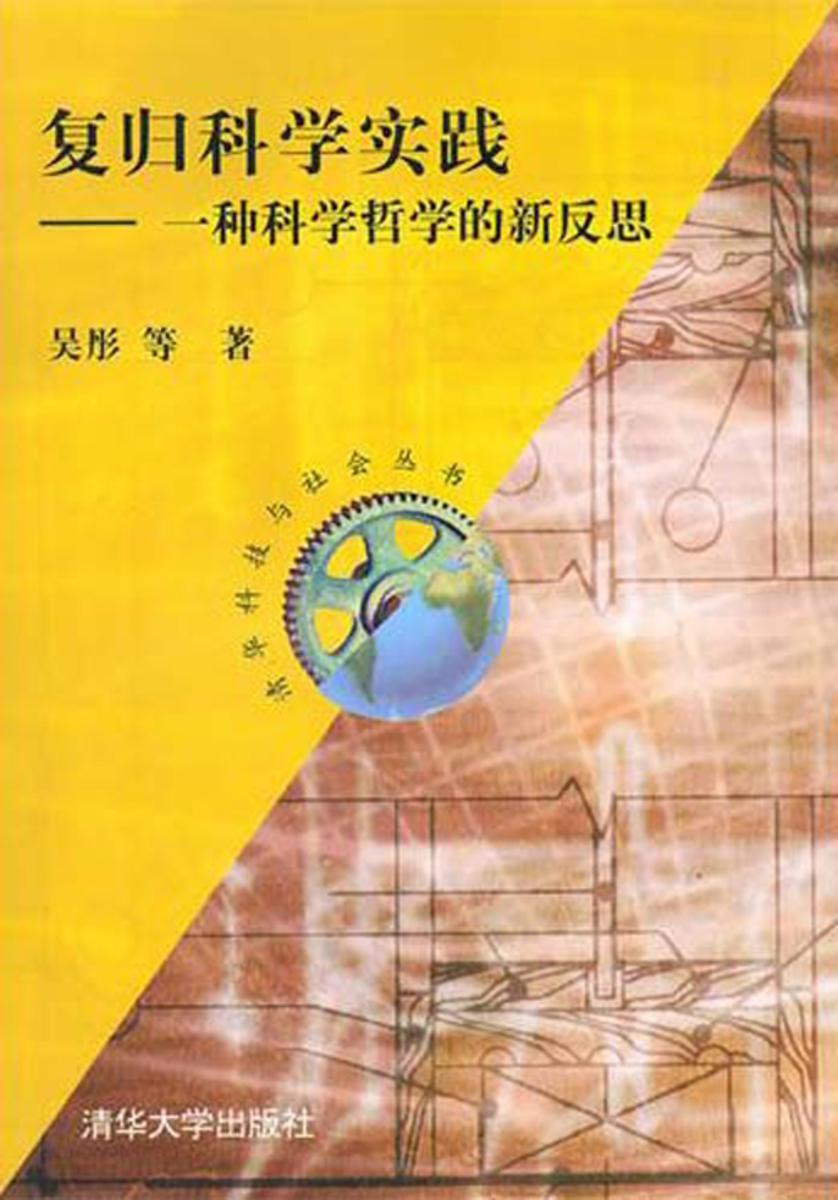
复归科学实践――一种科学哲学的新反思
¥14.80
本书是一部以20世纪80年代在西方兴起的科学实践哲学的研究为主题的反思性著作,分为上、下两篇。上篇为理论篇,主要讨论科学实践概念、性质和相关问题(如科学实践与规范性问题、地方性知识本性、知识与权力关系等等),批判了传统的理论优位的科学哲学;下篇为应用篇,主要以科学实践哲学的观点和立场研究了一些传统科学哲学和新的科学哲学问题(如科学研究的起点问题,科学实验、观察与理论的关系问题,本土实践和知识境况问题,以及科学研究的负面影响等等)。本书是作者多年来的悉心研究成果。体现了一种与传统科学哲学非常不同的路向。
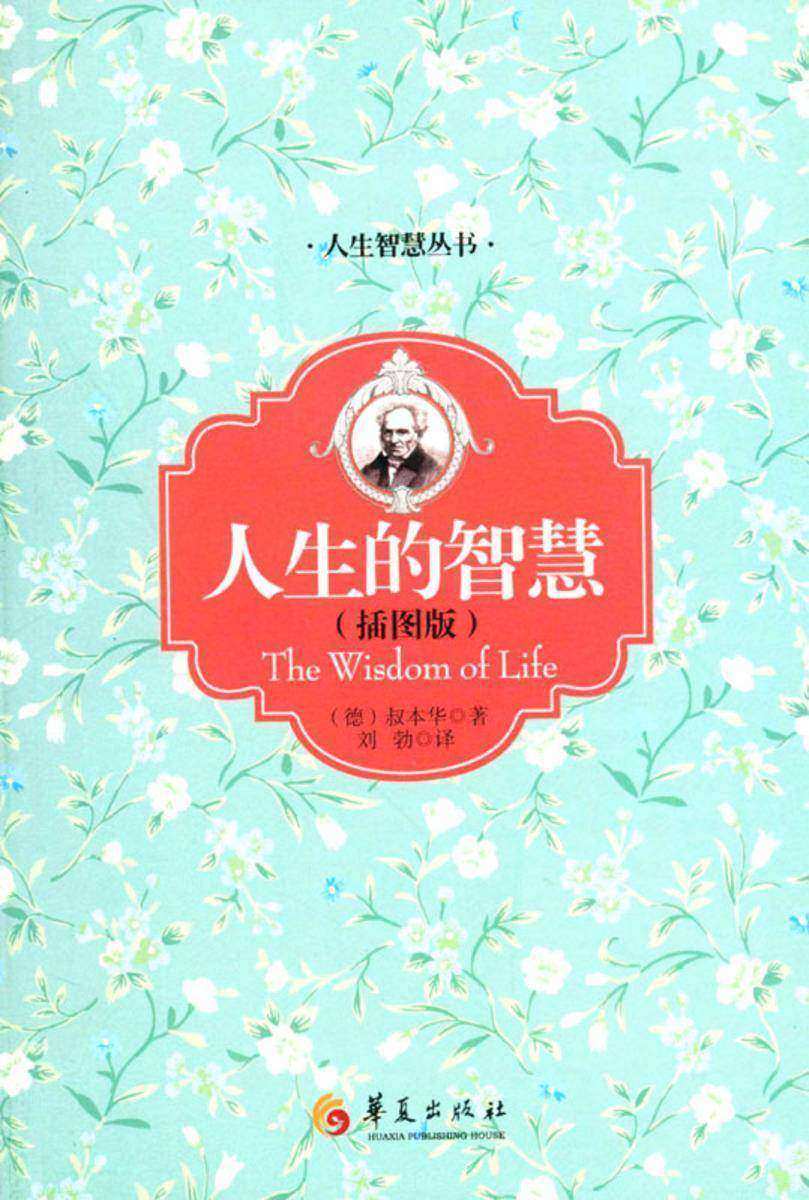
人生的智慧
¥14.82
《人生的智慧》取自德国思想家叔本华的《附录和补遗》,而实际上是独立成书的,阐述了生活的本质及如何在生活中获得幸福,所讨论的事情与我们的世俗生活极为近,如健康、财富、荣誉、名声、待人物所应遵循的原则等。正如叔本华所说的,在《人生智慧丛书:人生的智慧(插图版)》里,他尽量从世俗、实用的角度考虑问题。因此,《人生智慧丛书:人生的智慧(插图版)》尤其适合大众阅读。 书中含有几分孤芳自赏的自我辩白和自我激励,甚至还流露着顾影自怜的几丝悲凉、几许惆怅,但更多的还是他因为自尊而隐匿在文中的深刻的自我剖析和感悟,以及由此而来的坚定与自信、清醒与睿智。 《人生智慧丛书:人生的智慧(插图版)》插了七十余幅摄影作品,由自由摄影师闰笑枫摄影并首次出版,与主题非常呼应。
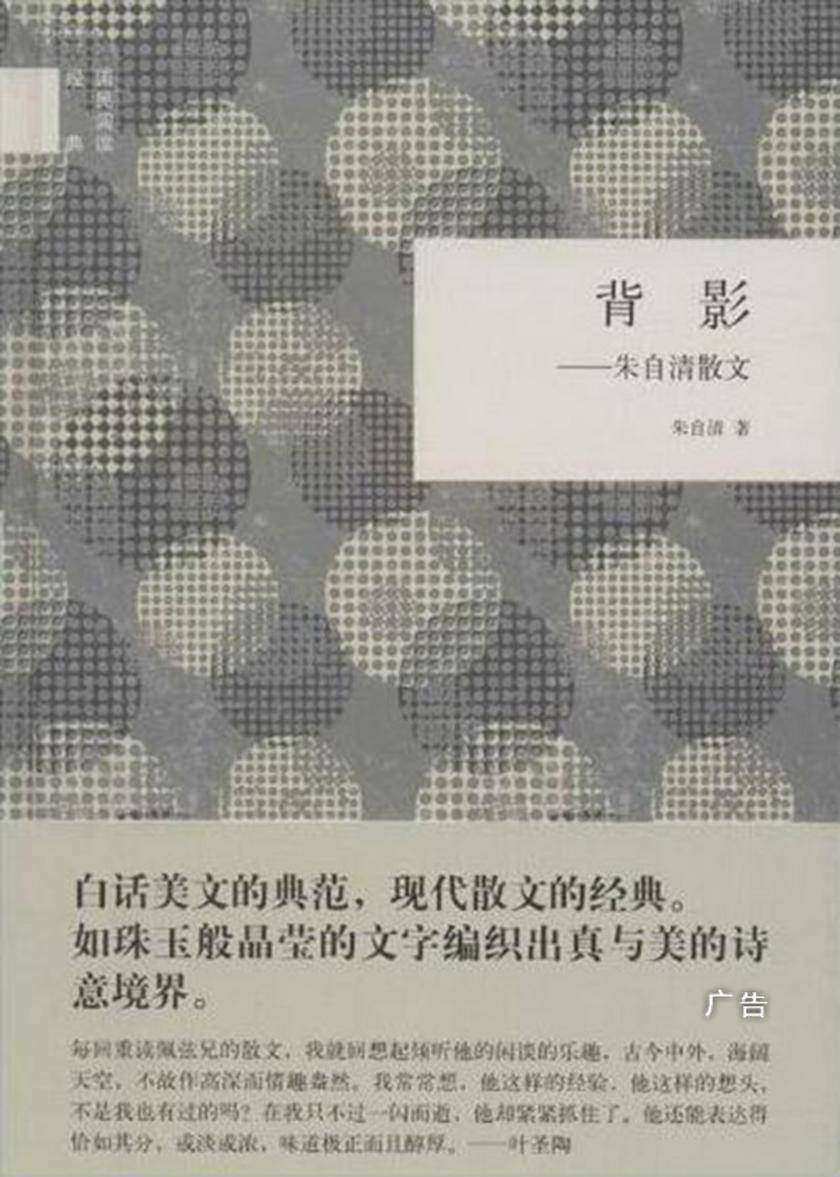
背影:朱自清散文--(精)国民阅读经典 中华书局出品
¥14.90
众所周知朱自清散文写得出色,尤其是叙事性和抒情性的小品文,有很多脍炙人口的名篇。他多描写个人及家庭生活,表现父子、夫妻、朋友间的人伦之情,具有浓厚的人情味,以写景为主的抒情小品文、论说文和游记的艺术成就也很高。朱自清一生写了120余篇散文,本书选取了40篇文章并按写作年代加以编排,不仅着眼于其前期作品,还把视野延伸到其中后期作品,这样就能对朱自清散文的艺术个性,以及他在中国现代散文史的地位,有一个大致准确的定位。让大家了解朱自清散文艺术风格前后期的变化。若读者通过本书能够引发出对朱自清人与文的兴趣,而去通览他的其他作品,那么,编者的目的也就达到了。
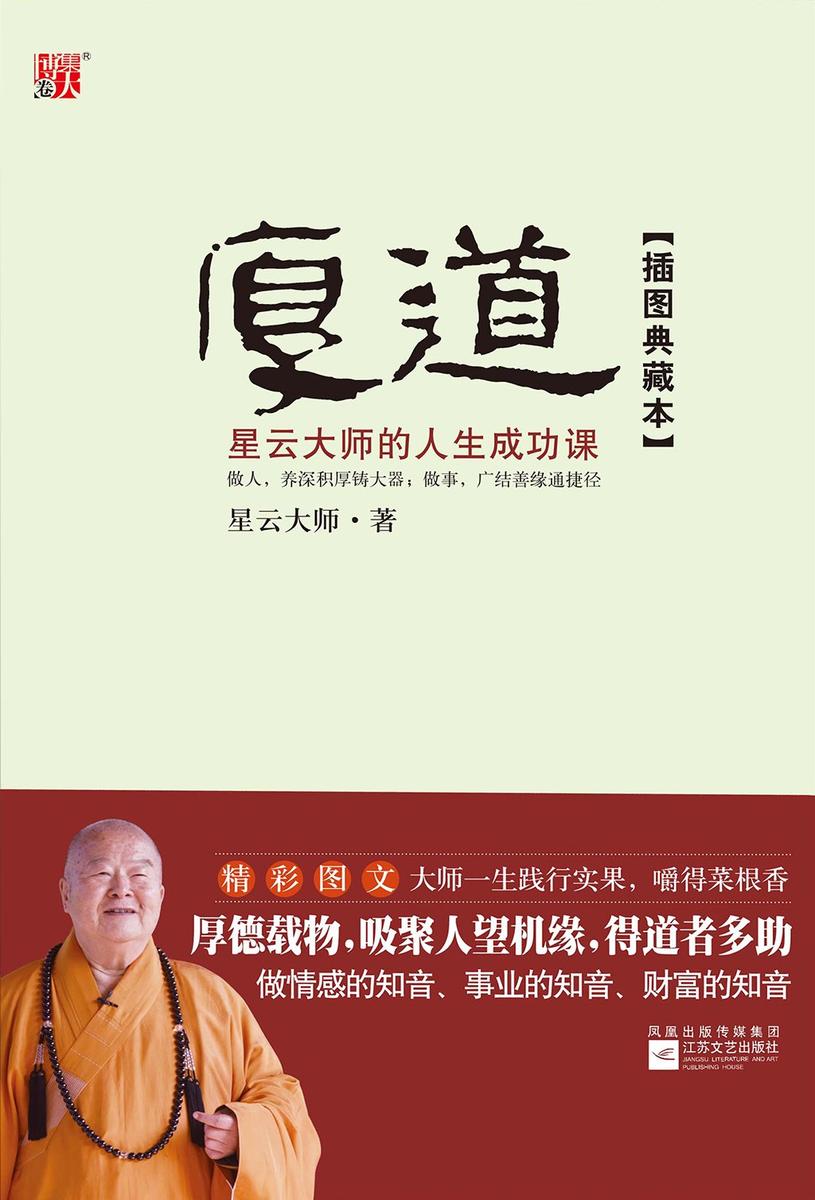
厚道:星云大师的人生成功课
¥14.90
在《厚道》中,星云大师讲做人做事成功的一些基本准则,追求厚德载物——人生修养*讲究的就是律己。一个“厚道”的人,在德业能够养深积厚,在人际能够广结善缘,在事业能得道多助,可谓“厚道”才能成事。
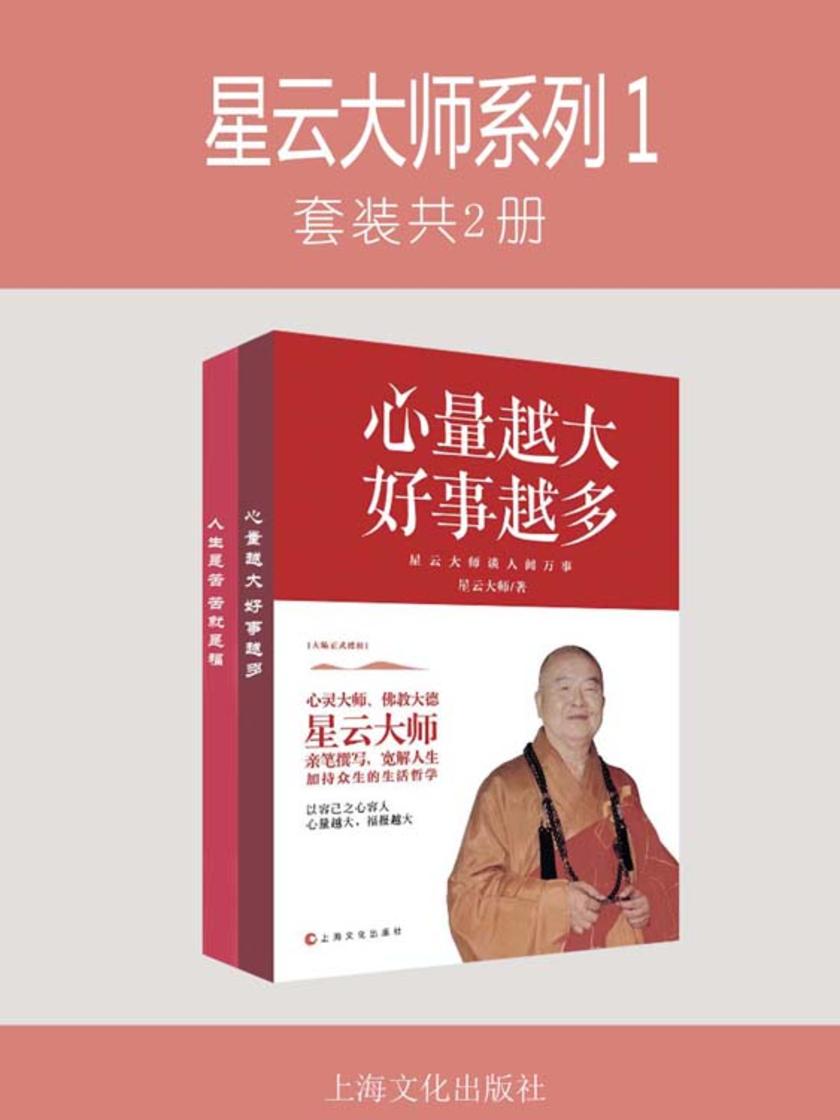
星云大师系列1(套装共2册)
¥14.91
星云大师系列1(套装共2册),《心量越大,好事越多》。分别是《心量越大,好事越多》《人生就是苦,苦就是福》。 对于幸福的追求,是人类永恒的课题。能够保证幸福的,就是大的心量,“能容天下难容之事、之人”,在别人看来天大的事到了他那里都成了小事,自然烦恼就少,欢喜就多。心量大的人,能够不被种种琐事困扰,专注于自己的目标,吸引各种各样的人来帮助自己达成事业;心量大的人,宽容度高,这也是家庭幸福的基础。 宽广的心量除了跟与生俱来的气质有关系外,还需要靠后天的觉悟和修行来逐步拓宽。星云大师在本书中具体而微地刻划出人间万象与众生实相,深入浅出的探讨世间的问题与人生的哲理,从生活、工作、艺术等各个层面,分享了修身养性方面的智慧。 以宽己之心容人,心量越大,福报越大。我们的心量有多大,就能够完成多大的事业;如果我们能够包容一家,就能够做一家之主;能够包容一市,就可以做一市之长;能够包容一国,就可以做一国之君;能泯除一切对待,包容整个法界,就可以随缘应现,逍遥自在,成为法界之王。 《人生就是苦,苦就是福》 看不开是苦,想开了是福。有欢喜心才合乎佛法,才合乎做人的意义。一个人在世间一年一年地过去,如果活得不欢喜那有什么意思?“欢喜”是佛法,欢喜是财富,有欢喜才能安住身心。如果做到欢喜?不管见到任何人都很欢喜,不管做什么事都很欢喜,不管在哪个地方都很欢喜,不管读什么书都很欢喜……能有越多欢喜,表示心中越有佛法,越有成就。保持欢喜的方法是:凡事皆生欢喜心。 在本书中,星云大师具体而微地刻划出人间万象与众生实相,深入浅出的探讨世间的问题与人生的哲理,从家庭、工作、艺术、人际、生死等各个层面,分享了自在生活方面的智慧。
中信国学大典·淮南鸿烈
¥14.99
【内容简介】中信国学大典(50册)是中信出版社引进自香港中华书局的一套深具国际视野、贴近当代社会的中华传统文化经典藏书。中信国学大典延聘国学泰斗饶宗颐为名誉主编,邀请海内外知名国学家担任经典的选编、导读及译注。中信国学大典既收录了《论语》、《老子》、《孙子兵法》、《孟子》、《庄子》等不可不读、不可不知的中华经典名著,也囊括了《诗经》《楚辞》《唐诗三百首》《宋词三百首》《元曲三百首》等耳熟能详的经典作品。 《战国策》是一部国别体史书。主要记述了战国时期的纵横家的政治主张和策略,展示了战国时代的历史特点和社会风貌,是研究战国历史的重要典籍。该书文辞优美,语言生动,富于雄辩与运筹的机智,描写人物绘声绘色,常用寓言阐述道理,具有浓厚的艺术魅力和文学趣味,在我国古典文学史上亦占有重要地位。 “中信国学大典”系列丛书之《战国策》,由陈岸峰导读及译注,在带领读者阅读学习经典的过程中,探讨其中关于六国兴衰覆亡和策士辗转诸侯之间对各国形势变化所发挥的作用,以及其对于当今外交局势和职场及各界人士具有的借鉴启发意义。
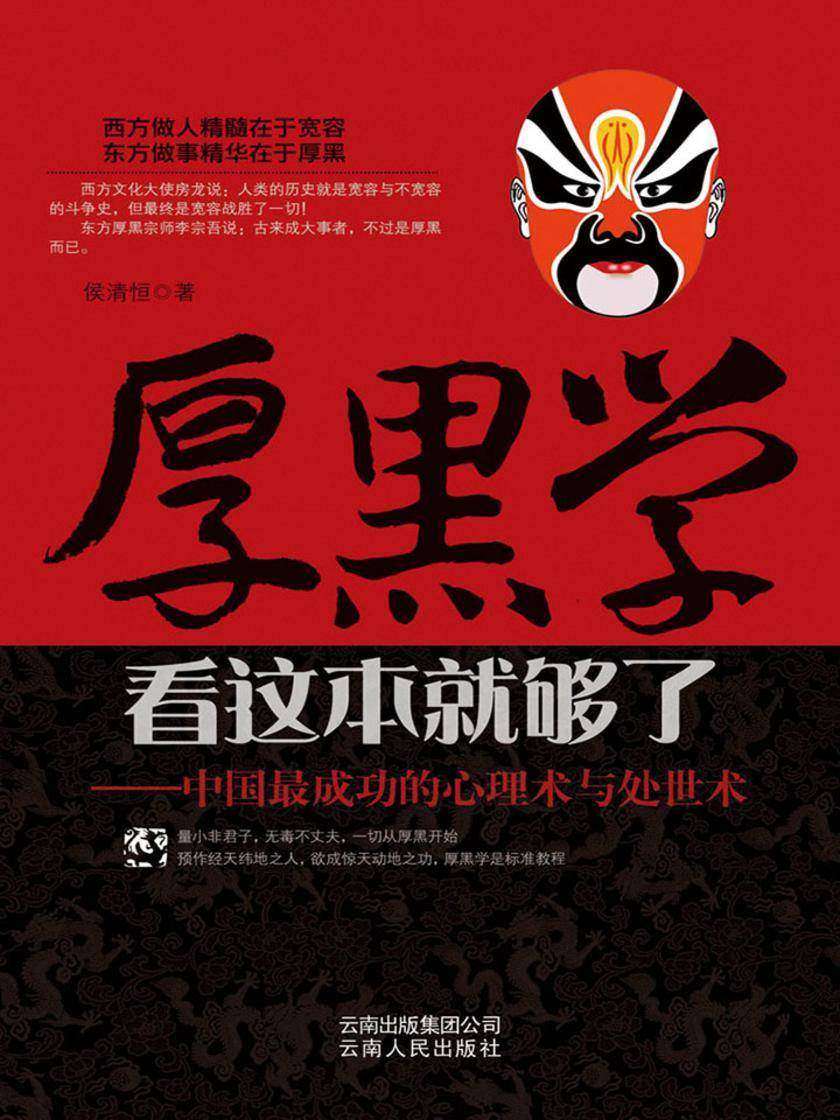
厚黑学看这本就够了
¥14.99
《厚黑学》一书见解深邃.文笔流畅轻松,语言幽默隽永,既能启迪心智,增长智慧,又能让读者学会如何得心应手地应对生活中的难题,是掌握当前社会*的“生存法则”。 《厚黑学》,一部处世奇书,问世百余年而畅销不衰。其内容涉及哲学、政治、经济学、心理学、社会学等,曾轰动中国思想界。林语堂、柏杨、南坯瑾、李敖等都曾为其作序。 “厚”,不是单纯的厚颜无耻,恬不知耻,而是隐忍、宽厚与醇厚。“黑”,也不是简单的诡计多端、狡诈阴险,它更包容了睿智、谋略与高瞻远瞩的深刻内涵。
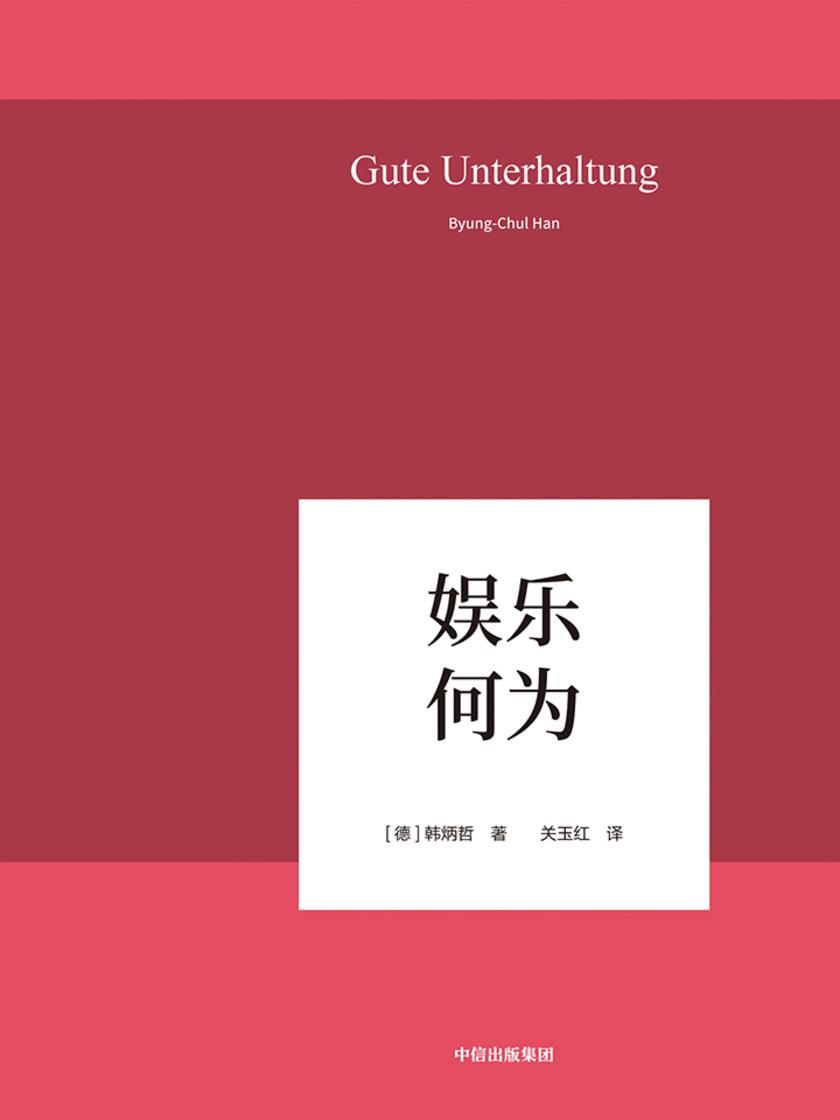
娱乐何为
¥14.99
现在,娱乐的无处不在预示着全新的事物即将来临。人们对世界和现实的理解始发生根本性的变化。 今天,娱乐升级成为一种新式范例,即一种新的决定什么具有处世能力、什么没有,也就是决定什么是存在者的存在模式。因此,现实本身呈现出一种特殊的娱乐效果。 娱乐的*化导致世界变成享乐的世界,受难精神将这样的世界解释和贬低为沉沦、虚无,甚至是非在。然而,受难和娱乐其实并不完全相异。娱乐的纯粹无意义与受难的纯粹意义是紧密相邻的。 小丑的微笑与痛苦之人痛苦扭曲的表情看起来惊人地相似。 韩炳哲创造了一种他个人独有的思想传统。 ——周日世界报(Welt am Sonntag) --------------- 韩炳哲作品系列(见识城邦出品) 《精神政治学》 Psychopolitik 《爱欲之死》 Agonie des Eros 《在群中》 Im Schwarm 《他者的消失》 Die Austreibung des Anderen 《倦怠社会》 Müdigkeitsgesellschaft 《娱乐何为》 Gute Unterhaltung 《暴力拓扑学》 Topologie der Gewalt 《透明社会》 Transparenzgesellschaft 《美的救赎》 Die Errettung des Sch?nen
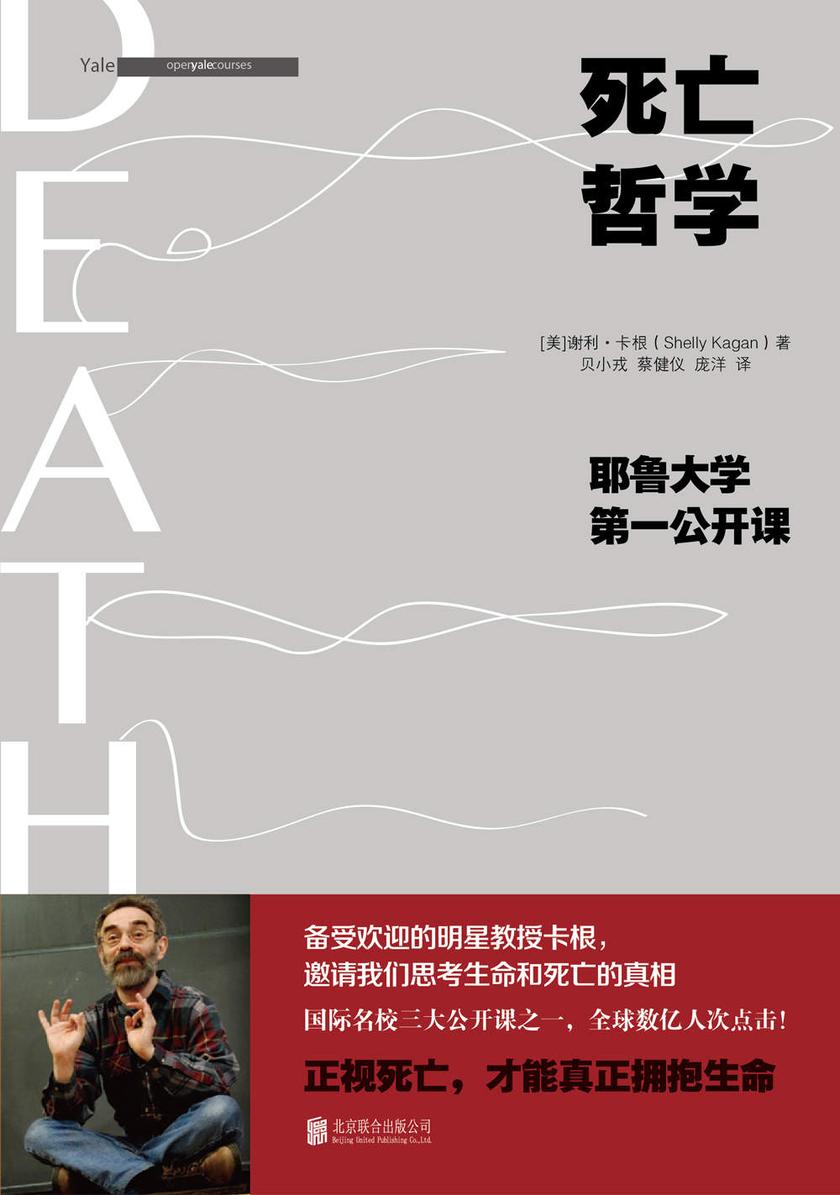
死亡哲学:耶鲁大学第一公开课(精装典藏版)
¥14.99
有件事是确定无疑的:终我们都会死亡。 但我们真的相信自己会死吗? 死亡是生命的终吗? 人是否有不朽的灵魂? 为什么说永生是件坏的事情? 在某些情况下自杀是否可能合理和符合道德? 我们终将死掉这个事实,会怎么影响我们的生活方式? …… 《死亡哲学:耶鲁大学公课》一书源于受欢迎的国际名校公课之一《哲学:死亡》。在这本通俗易懂的哲学著作中,谢利卡根教授挑战了许多我们习以为常或未经深思的观,邀请读者系统反思死亡的哲学之谜,以更清晰的概念探讨死亡的意义为何,从形而上学到价值观,认真、理性地思考生命和死亡的真相。而带领我们探索生命的价值,该以什么样的态度来面对人生这趟旅程。 叔本华对死亡哲学的阐述,对本书来说至为贴切:“由于对死亡的认识所带来的反省,致使人类获得形而上学的见解,并由此得到一种慰藉。所有宗教和哲学体系,主要即为针对这种目的而发,以帮助人们培养反省的理性,作为对死亡观念的解毒剂。”死亡虽是我们每个人的宿命,但看待死亡的视角,却可以让人们获得拯救。
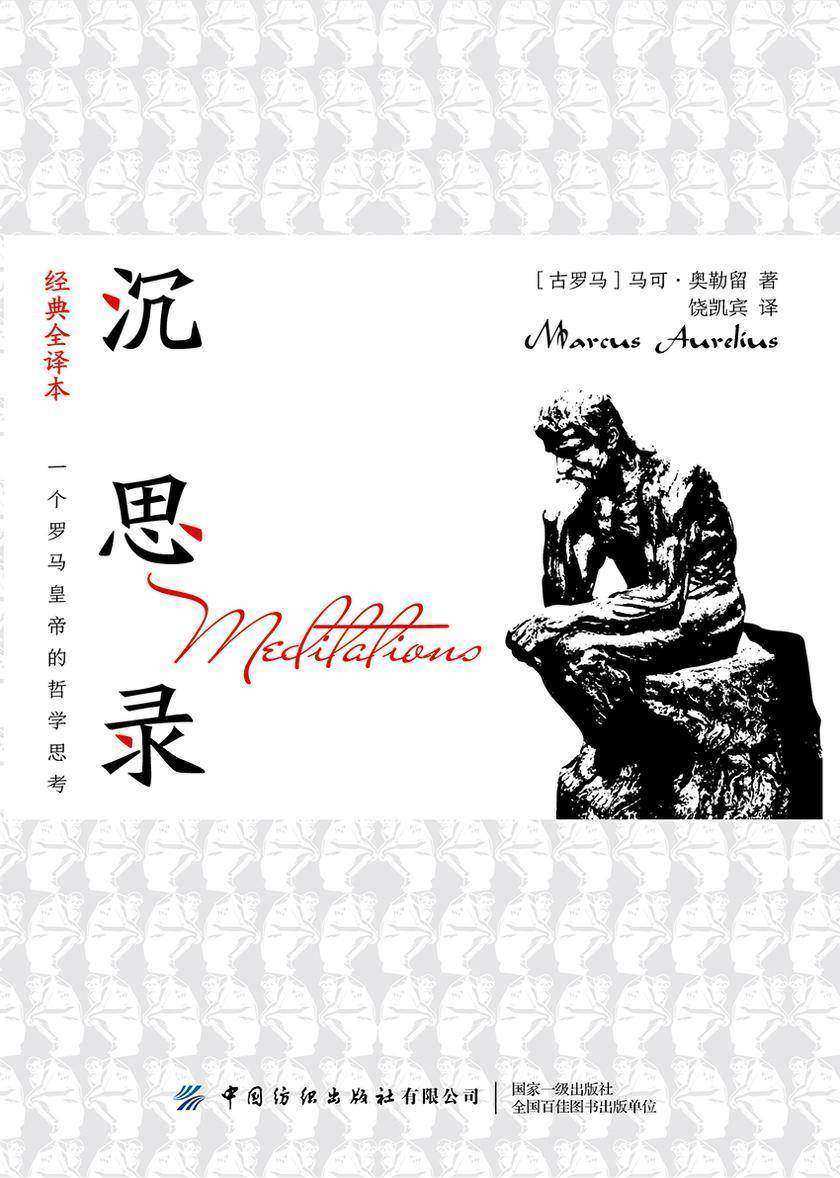
沉思录
¥14.99
《沉思录》是古罗马皇帝马克·奥勒留留给世人的伟大著作。书中,奥勒留用一些道德格言和个人思考记录了其身居宫廷和面对乱世的深切感悟,影响和启发了无数人。
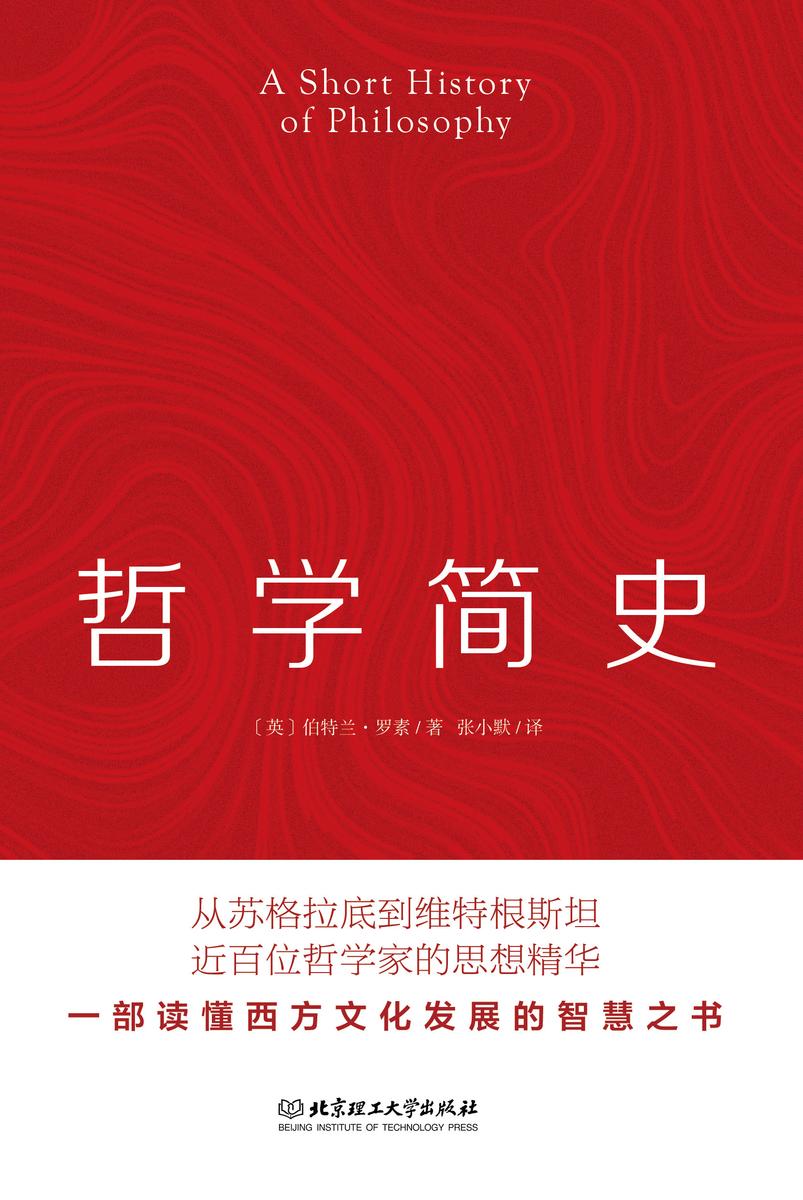
哲学简史(从苏格拉底到维特根斯坦,近百位哲学家的思想精华解读,一部读懂西方文化发展的智慧之书)
¥14.99
《哲学简史》是一部通俗哲学著作。作者在书中以各个哲学流派及其代表哲学家为中心记述西方哲学的发展历程,同时也对各个哲学流派产生的历史背景、哲学家的生活时代加以描述,内容涉及历史、科学、经济、政治等方面。本书一改以往哲学书的艰深晦涩,通俗易懂,可谓是了解西方文化的入门书。

不较真的哲学
¥14.99
生活无疑是美好的,但生活有时又是烦琐的、闹人的、无奈的,甚至是残酷的。这一切的烦琐之事、闹人之人、硬生生的生活充斥于我们的生活,常常让我们喘不过气来,让我们活得累、活得烦、活得苦。 世事洞察的聪慧,反而成了压榨生命的苦酒。本书就是告诉活在尘世中的我们,要学会模糊处世,冷眼看人生,减少不必要的纷争,减少无谓的痛苦,减少不必要的祸端……
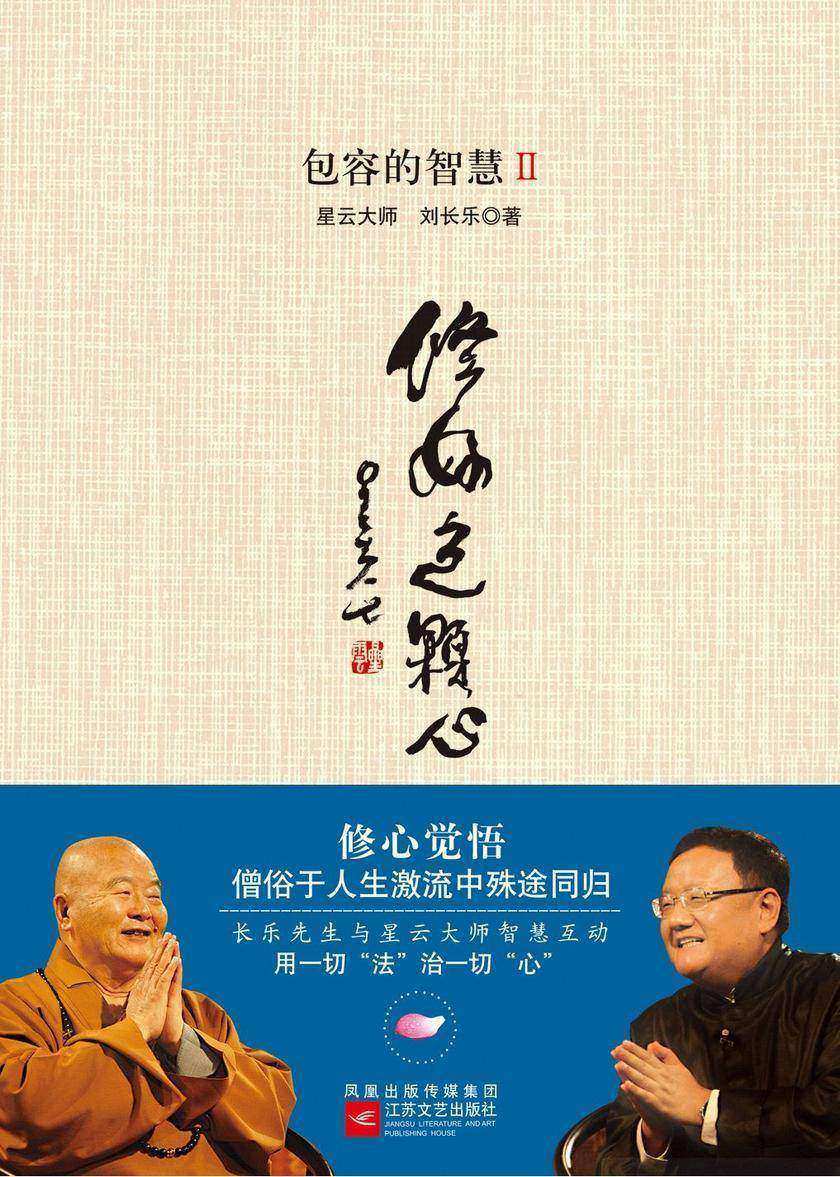
包容的智慧2:修好这颗心
¥14.99
本书是星云大师与刘长乐先继07年合作《包容的智慧》后的又一次智慧互动。 平易之处与我们交流人生的阅历,世间的故事,生活的感知,从心治、义利、笃学、慈爱到忍辱、舍得、财富、格局。书中观和态度更加与时俱,也更世、更实用、更贴读者的生活,而故事也更幽默、更动人。这也就决定了它在风格上的时代感。会让读者一步的体会古老东方哲学与现代都市人呈现出的完美交融。
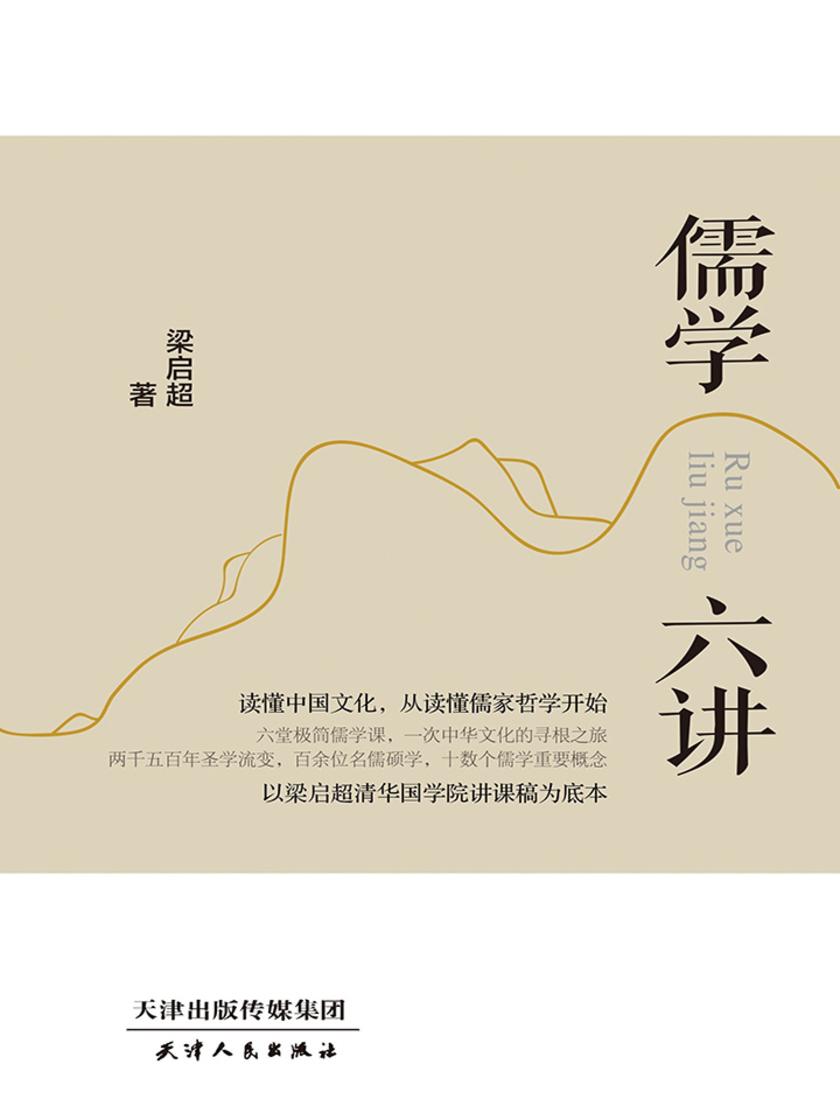
儒学六讲(读懂中国文化,从读懂儒家哲学开始)
¥14.99
《儒学六讲》是国学大师梁启超为一般读者讲解儒家文化的普及读物,代表了梁启超儒学研究的精髓。《儒学六讲》系统讲述了自孔子至清末民初两千五百年中儒学的起源、变迁、继承、演化和影响,介绍了孔子、董仲舒、程颐、程颢、张载、朱熹、陆九渊、王阳明等儒学代表人物的学说主张,帮助读者了解儒学各个流派在不同时空内的流衍变化。《儒学六讲》以梁启超在清华国学院讲课稿为底本,通俗易懂,深刻全面,是读者了解儒家哲学和中国文化不可不读的一本经典读物。
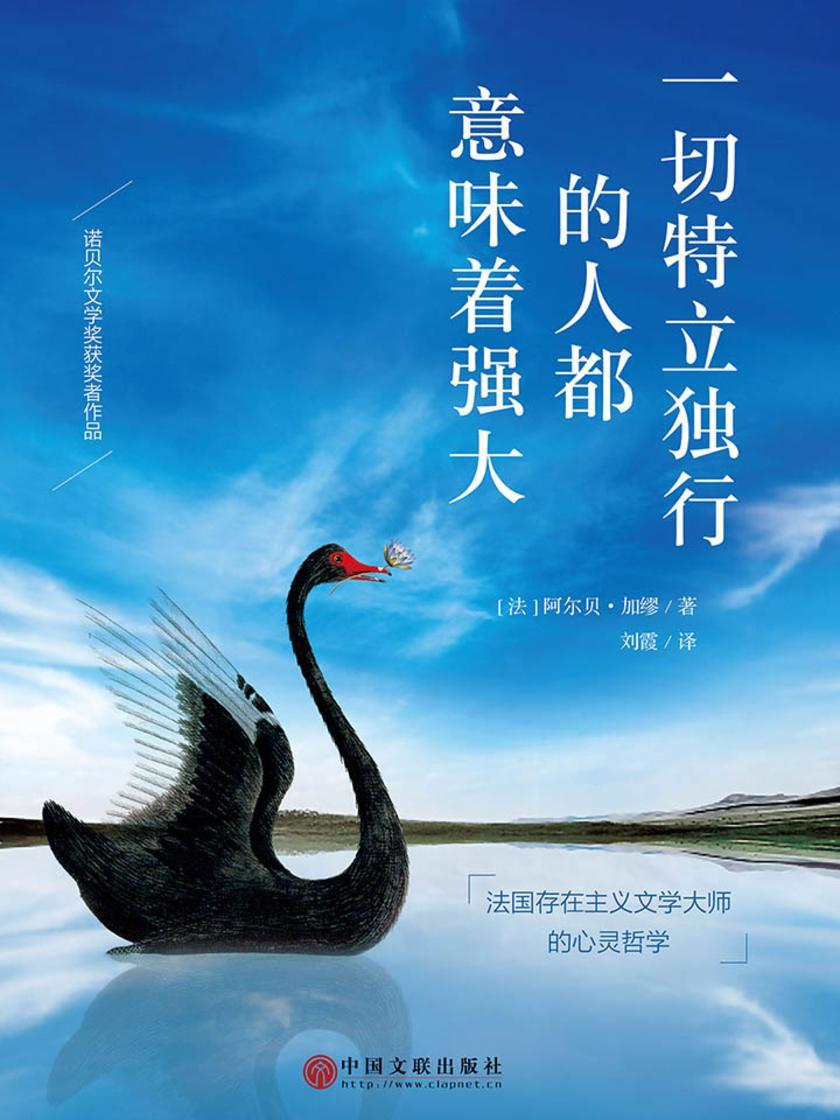
一切特立独行的人都意味着强大
¥14.99
《一切特立独行的人都意味着强大》是一部诺贝尔文学奖得主、法国著名作家加缪关于人生哲学的散文集。 《一切特立独行的人都意味着强大》一书涵盖了加缪整个创作过程中具有重要意义的作品,作者创作这些作品都是取材于周围的生活与人物,从细微之处着手,以日常生活为出发讲述出人生的哲理。 《一切特立独行的人都意味着强大》一书风格多变,情感丰富,有愉悦温馨,也有沉重忧郁,有优美绝伦,也有凄凉悲怆,大悲大喜在书中尽情泼洒,使读者在阅读过程中能够感受到作者真挚、热烈、浓郁的情感。 《一切特立独行的人都意味着强大》一书可以比作是一本心情日记,它详细记录了作者心中的阴晴冷暖,酸甜苦辣,书中的主旨是生活,通过对自然风光的描写,让人对身边的人和事处处充满了热爱,让人们在这个喧闹、繁杂的世界中感受到自然的美好和生活的美妙,享受着生活的乐趣,使人对未来有一个美好的向往。
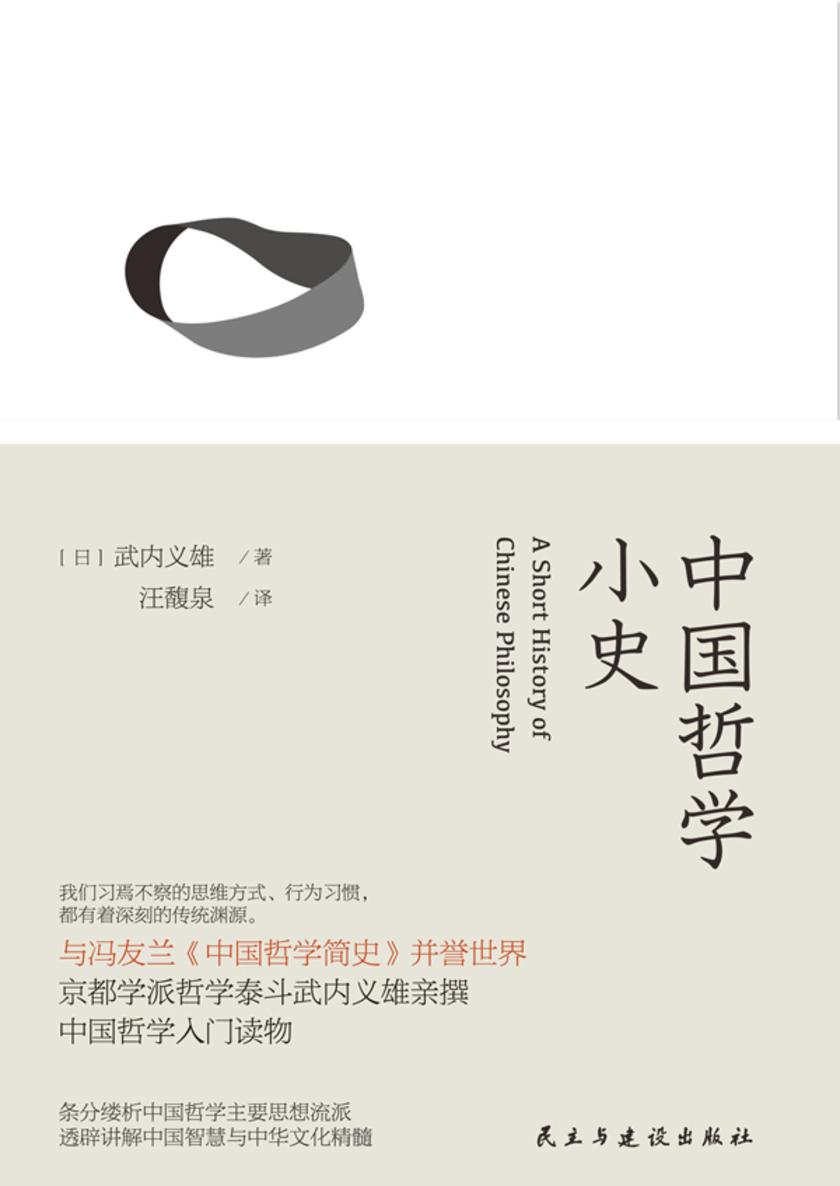
中国哲学小史
¥14.99
《中国哲学小史》是日本哲学家武内义雄所作的中国哲学思想史论著。《中国哲学小史》按时间顺序,详尽地介绍并分析了上自殷周、下迄明清的中国哲学史。除一般中国哲学史著作重视的儒家学说、宋明理学之外,本书对以往为主流所忽略的思想流派,如稷下学派、两汉经学,有精到之论述。以“流派”为梳理中国哲学史之枝干,理路清晰,便于读者把握。对中国哲学史之分期及演过程,有独到之见。
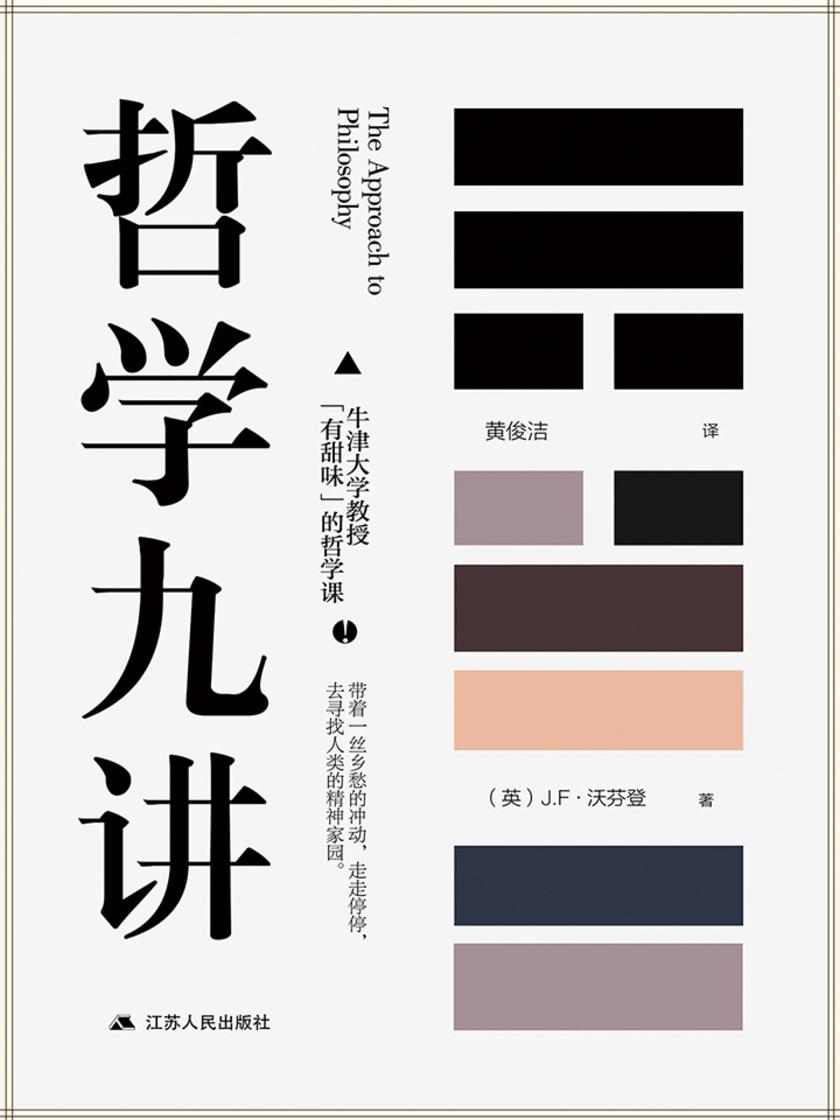
哲学九讲(牛津教授的简明哲学课)
¥14.99
本书共九章,分别为殿之基、事物、填补鸿沟、因果律、目的、意愿、判断、真理、表象与实在。作者逐一讲述了循着两位伟大的欧洲思想家的脚步如何建立一种*确定的真相;什么是客体的本质、何为*性质与第二性质、本体又是什么、以及另一出路,等等。

什么是理性思考
¥14.99
本书主讲如何正确思维,让人成为真正的理性人。 本书是一部面向广大读者,尤其是青少年读者的逻辑学入门书。作者从日常生活的小事入手,分析日常生活中的思维过程,从而引出逻辑学的基本原理。本书深入浅出,注重推理训练,浅显易懂。
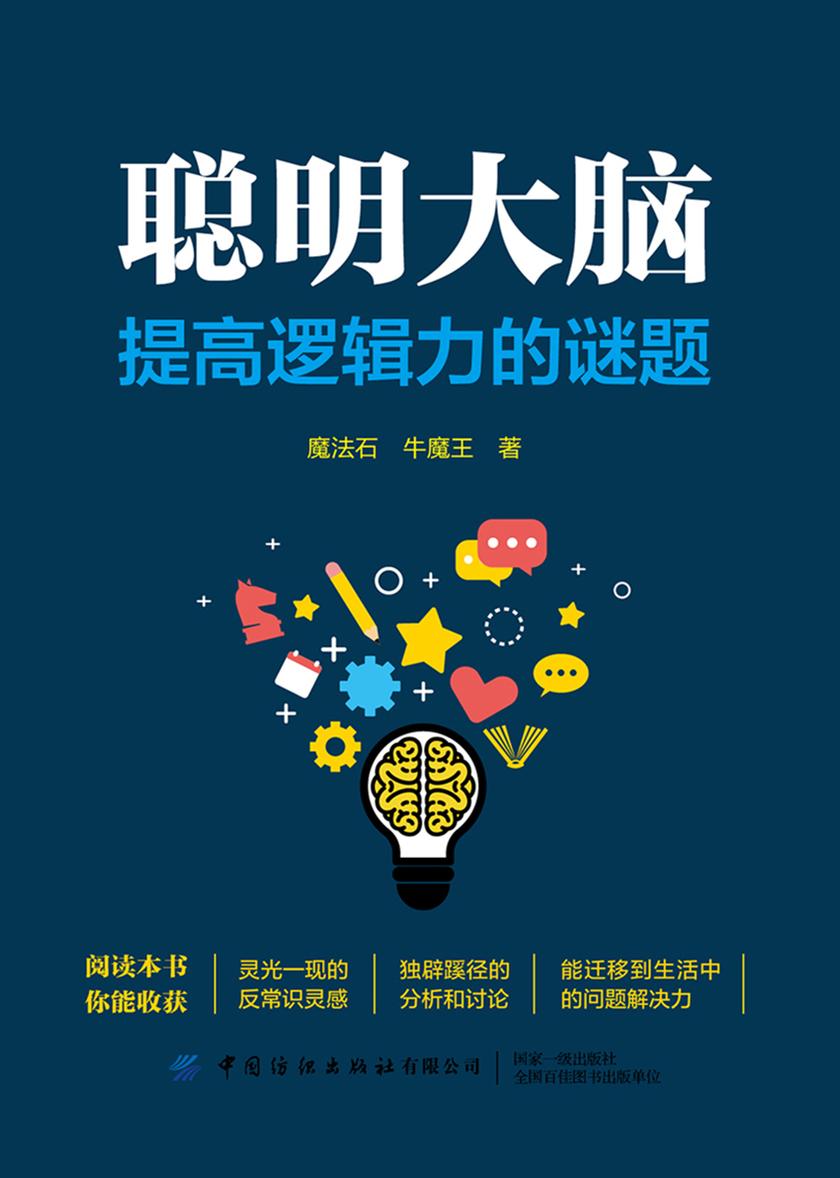
聪明大脑:提高逻辑力的谜题
¥14.99
逻辑力是人类大脑理性分析和判断的基础,对于成人有助于更好地解决日常生活中的复杂实际问题,对于学生有助于准确快速解决数理化等学科问题。不管你天生聪明与否,逻辑力都可以通过后天的学习和训练得以提升。这本书列举了45道题目,它们非常有趣却又能让人脑洞大,需要用严密的逻辑推理以及灵光一现的反常识灵感才能解。作者也提供了独辟蹊径、令人大眼界的解析和讨论,帮你提高逻辑力。解这些题目,你不但可以享受解题带来的乐趣,还可以从中获得启发,解决生活中的难题。
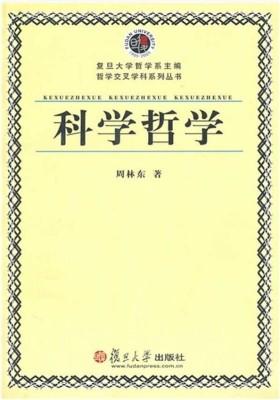
科学哲学
¥15.00
科学哲学是当代西方哲学的一个重要分支,同时又是一门相对独立的哲学学科。国外许多大学都开设这样的课程,供文理科学生选修,我国也不例外。目前国内的科学哲学出版物大体上可以分为两类:一类属于科学哲学史性质,另一类就是科学哲学概论。本书的*特点就是史论结合,基本上吸收了以上两类的研究成果,并且有所发展和创新。作者力图避免重复同类出版物的写法,以全新面貌展示国内外科学哲学的研究成果。


