


 购物车
购物车 个人中心
个人中心

道德理由的追寻——道德推理理论研究(国家出版基金项目;当代中国社会道德理论与实践研究丛书)
¥35.88
本书强调了道德推理中的理性内涵和价值积淀,对道德推理的价值依据、逻辑形式、复杂过程以及与其相关的因素行了深的研究,探讨了道德推理在伦理学理论研究中的重要作用,倡导社会生活和道德实践中的理性精神。

弟子规说什么(全新升级版)
¥9.90
现代人生活、工作的不如意、身心的失常,几乎全是从性情失调而来,这根源于少儿时期的教育纰漏,如不懂规矩,各种心态、性格培养的不成熟。本书通过逐字逐句解读《弟子规》,用贴近生活的实例告诉您,在规矩里的自由,可能因保护而完整;如果放任自由,则可能会带来伤害。
Wolfert’s Roost by Washington Irving - Delphi Classics (Illustrated)
¥8.09
This eBook features the unabridged text of ‘Wolfert’s Roost by Washington Irving - Delphi Classics (Illustrated)’ from the bestselling edition of ‘The Complete Works of Washington Irving’. Having established their name as the leading publisher of classic literature and art, Delphi Classics produce publications that are individually crafted with superior formatting, while introducing many rare texts for the first time in digital print. The Delphi Classics edition of Irving includes original annotations and illustrations relating to the life and works of the author, as well as individual tables of contents, allowing you to navigate eBooks quickly and easily. eBook features: * The complete unabridged text of ‘Wolfert’s Roost by Washington Irving - Delphi Classics (Illustrated)’ * Beautifully illustrated with images related to Irving’s works * Individual contents table, allowing easy navigation around the eBook * Excellent formatting of the text Please visit www.delphiclassics.com to learn more about our wide range of titles

一切都是最好的安排3
¥45.00
本书系列是加措活佛的代表作品,共三部,被他称为“人生智慧三部曲”,书中公开分享了加措活佛对于生命的感悟。本书是这一系列的完结篇,加措活佛在书中对于学会放下后,人生如何精进等问题给出了暖心开示。 全书共分七个章节,以自我、内在、逆境、情绪、相处、快乐、生活为主题,详细讲述了我们在遇到人生种种困顿、挫折、痛苦时,如何有效地实现自我、突破自我,活出生命美好的样子。 不管你想成为怎样的人,面对世间何种烦恼,愿你翻开本书,都能够获得源源不断的内在能量的加持,开启全新人生。

宗镜录略讲(卷二)
¥24.00
《列子》为道家重要典籍之一,与老庄并列。它高深莫测,易读而难懂,以故事、神话的形态,阐释道家的学术及观念。 《列子臆说》是南怀瑾先生关于《列子》的讲记,共分上中下三册。南怀瑾先生讲述列子,深浅出、生动自在,以《列子》的内容为研究重,带领读者广阔的视野、深难测的奇妙境界,并破了意识的种种局限。列子,这个御风而行的人,要我们从一切自设的框架中突围,成就天地间的自在逍遥。
暴力拓扑学
¥21.99
有些事物,永不消逝,暴力即属此类。 暴力性表达并非现代性的标志。暴力只是变化多端而已,其表现形式随社会局势而变。如今,它回到皮下、交际之下、毛细和神经元的领域,呈现出微观物理学的形态;这种形态的存在,无需在统治或敌对关系中的那种否定或排斥性。 它从可见转为无形,从粗野蛮横转为沉思内省,从正面直转为病毒性感染。暴力起作用的方式不是公然袭,而是蔓延传染。 作者在本书中首次揭示了暴力事件的变形记,从君权和血亲等前现代社会的斩首,经由现代规训社会的畸变,*终到了今天绩效社会和倦怠社会的抑郁。 ------------- 韩炳哲作品系列(见识城邦出品)(已出齐) 《精神政治学》(2019年3月) Psychopolitik 《爱欲之死》(2019年3月) Agonie des Eros 《在群中》(2019年3月) Im Schwarm 《他者的消失》(2019年6月) Die Austreibung des Anderen 《倦怠社会》(2019年6月) Müdigkeitsgesellschaft 《娱乐何为》(2019年6月) Gute Unterhaltung 《暴力拓扑学》(2019年10月) Topologie der Gewalt 《透明社会》(2019年10月) Transparenzgesellschaft 《美的救赎》(2019年10月) Die Errettung des Sch?nen

我说参同契.中册
¥22.80
《参同契》是早期道教重要典籍,全名《周易参同契》。书中借用乾、坤、坎、离、水、火等法象,以明炼丹修仙之术。为道教系统论述炼丹的早著作,道教奉为“丹经王”,是千古丹经之鼻祖。 本书是南怀瑾先生一九八三年在台湾讲解《参同契》的记录,分上、中、下三册。南怀瑾先生认为:《参同契》参合了三种原则相同的学问,且熔于一炉——老庄、道家的丹道,还有《易经》的学问,是一本非读不可的秘密典籍。《参同契》不止是丹经道书,它既是哲学又是科学,也是古典文学之作,其中包含了中华民族深之承天接地的文化。《参同契》素有“天书”之称。这部因深奥而埋藏已久的天书,因南师深入浅出的讲解而重新散发光芒。
John Dough and the Cherub by L. Frank Baum - Delphi Classics (Illustrated)
¥8.09
This eBook features the unabridged text of ‘John Dough and the Cherub by L. Frank Baum - Delphi Classics (Illustrated)’ from the bestselling edition of ‘The Complete Works of L. Frank Baum’. Having established their name as the leading publisher of classic literature and art, Delphi Classics produce publications that are individually crafted with superior formatting, while introducing many rare texts for the first time in digital print. The Delphi Classics edition of Baum includes original annotations and illustrations relating to the life and works of the author, as well as individual tables of contents, allowing you to navigate eBooks quickly and easily. eBook features: * The complete unabridged text of ‘John Dough and the Cherub by L. Frank Baum - Delphi Classics (Illustrated)’ * Beautifully illustrated with images related to Baum’s works * Individual contents table, allowing easy navigation around the eBook * Excellent formatting of the text Please visit www.delphiclassics.com to learn more about our wide range of titles
The Last Man by Mary Shelley - Delphi Classics (Illustrated)
¥8.09
This eBook features the unabridged text of ‘The Last Man by Mary Shelley - Delphi Classics (Illustrated)’ from the bestselling edition of ‘The Complete Works of Mary Shelley’. Having established their name as the leading publisher of classic literature and art, Delphi Classics produce publications that are individually crafted with superior formatting, while introducing many rare texts for the first time in digital print. The Delphi Classics edition of Shelley includes original annotations and illustrations relating to the life and works of the author, as well as individual tables of contents, allowing you to navigate eBooks quickly and easily. eBook features: * The complete unabridged text of ‘The Last Man by Mary Shelley - Delphi Classics (Illustrated)’ * Beautifully illustrated with images related to Shelley’s works * Individual contents table, allowing easy navigation around the eBook * Excellent formatting of the text Please visit www.delphiclassics.com to learn more about our wide range of titles
The Song of Triumphant Love by Ivan Turgenev - Delphi Classics (Illustrated)
¥8.09
This eBook features the unabridged text of ‘The Song of Triumphant Love by Ivan Turgenev - Delphi Classics (Illustrated)’ from the bestselling edition of ‘The Collected Works of Ivan Turgenev’. Having established their name as the leading publisher of classic literature and art, Delphi Classics produce publications that are individually crafted with superior formatting, while introducing many rare texts for the first time in digital print. The Delphi Classics edition of Turgenev includes original annotations and illustrations relating to the life and works of the author, as well as individual tables of contents, allowing you to navigate eBooks quickly and easily. eBook features: * The complete unabridged text of ‘The Song of Triumphant Love by Ivan Turgenev - Delphi Classics (Illustrated)’ * Beautifully illustrated with images related to Turgenev’s works * Individual contents table, allowing easy navigation around the eBook * Excellent formatting of the text Please visit www.delphiclassics.com to learn more about our wide range of titles
The Dream by Ivan Turgenev - Delphi Classics (Illustrated)
¥8.09
This eBook features the unabridged text of ‘The Dream by Ivan Turgenev - Delphi Classics (Illustrated)’ from the bestselling edition of ‘The Collected Works of Ivan Turgenev’. Having established their name as the leading publisher of classic literature and art, Delphi Classics produce publications that are individually crafted with superior formatting, while introducing many rare texts for the first time in digital print. The Delphi Classics edition of Turgenev includes original annotations and illustrations relating to the life and works of the author, as well as individual tables of contents, allowing you to navigate eBooks quickly and easily. eBook features: * The complete unabridged text of ‘The Dream by Ivan Turgenev - Delphi Classics (Illustrated)’ * Beautifully illustrated with images related to Turgenev’s works * Individual contents table, allowing easy navigation around the eBook * Excellent formatting of the text Please visit www.delphiclassics.com to learn more about our wide range of titles
Embedded Linux Development using Yocto Projects - Second Edition
¥259.95
Optimize and boost your Linux-based system with Yocto Project and increase its reliability and robustness efficiently and cost-effectively. About This Book Optimize your Yocto Project tools to develop efficient Linux-based projects Practical approach to learning Linux development using Yocto Project Demonstrates concepts in a practical and easy-to-understand way Who This Book Is For If you are an embedded Linux developer with a basic knowledge of Yocto Project and want to broaden your knowledge with examples of embedded development, then this book is for you. This book is also for professionals who want to find new insights into working methodologies for Linux development. What You Will Learn Understand the basic concepts involved in Poky workflows along with configuring and preparing the Poky build environment. Configure a build server and customize images using Toaster. Generate images and fit packages into created images using BitBake. Support the development process by setting up and using Package feeds. Debug Yocto Project by configuring Poky. Build an image for the BeagleBone Black, RaspberryPi 3, and Wandboard, and boot it from an SD card. In Detail Yocto Project is turning out to be the best integration framework for creating reliable embedded Linux projects. It has the edge over other frameworks because of its features such as less development time and improved reliability and robustness. Embedded Linux Development using Yocto Project starts with an in-depth explanation of all Yocto Project tools, to help you perform different Linux-based tasks. The book then moves on to in-depth explanations of Poky and BitBake. It also includes some practical use cases for building a Linux subsystem project using Yocto Project tools available for embedded Linux. The book also covers topics such as SDK, recipetool, and others. By the end of the book, you will have learned how to generate and run an image for real hardware boards and will have gained hands-on experience at building efficient Linux systems using Yocto Project. Style and approach A clear, concise, and straightforward book that will enable you to use and implement the latest features of Yocto Project.

Dawn by H. Rider Haggard - Delphi Classics (Illustrated)
¥8.09
This eBook features the unabridged text of ‘Dawn by H. Rider Haggard - Delphi Classics (Illustrated)’ from the bestselling edition of ‘The Complete Works of H. Rider Haggard’. Having established their name as the leading publisher of classic literature and art, Delphi Classics produce publications that are individually crafted with superior formatting, while introducing many rare texts for the first time in digital print. The Delphi Classics edition of Haggard includes original annotations and illustrations relating to the life and works of the author, as well as individual tables of contents, allowing you to navigate eBooks quickly and easily. eBook features: * The complete unabridged text of ‘Dawn by H. Rider Haggard - Delphi Classics (Illustrated)’ * Beautifully illustrated with images related to Haggard’s works * Individual contents table, allowing easy navigation around the eBook * Excellent formatting of the text Please visit www.delphiclassics.com to learn more about our wide range of titles
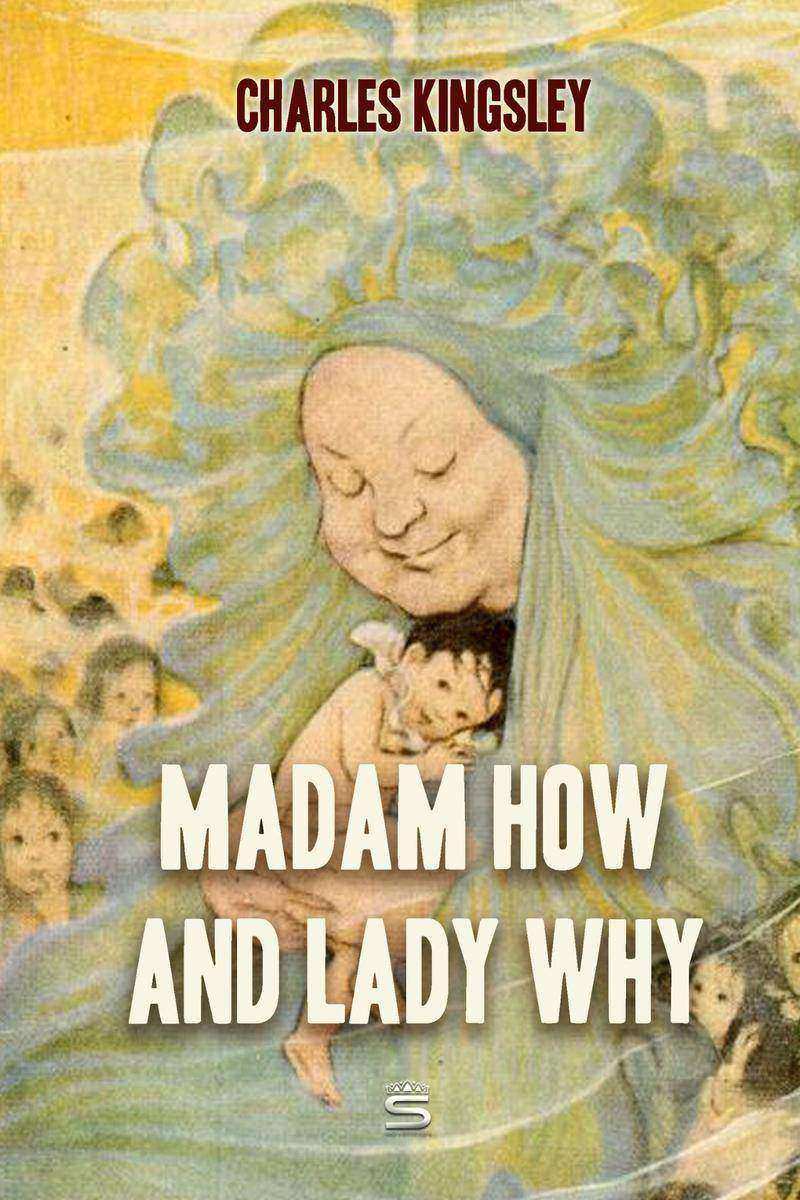
Madam How and Lady Why
¥40.79
A delightful children's classic dealing with questions of natural life with plentiful and colourful examples of how things work, and more importantly, why such things as rain, snow, wind and others happen.
The Nether World
¥40.79
Michael Snowdon inherits a substantial sum of money from his deceased son and decides to return from Australia to London. He spends only on necessities and lives like a poor man despite being able to live comfortably. His fortune is kept a secret even from his close friends and relatives.
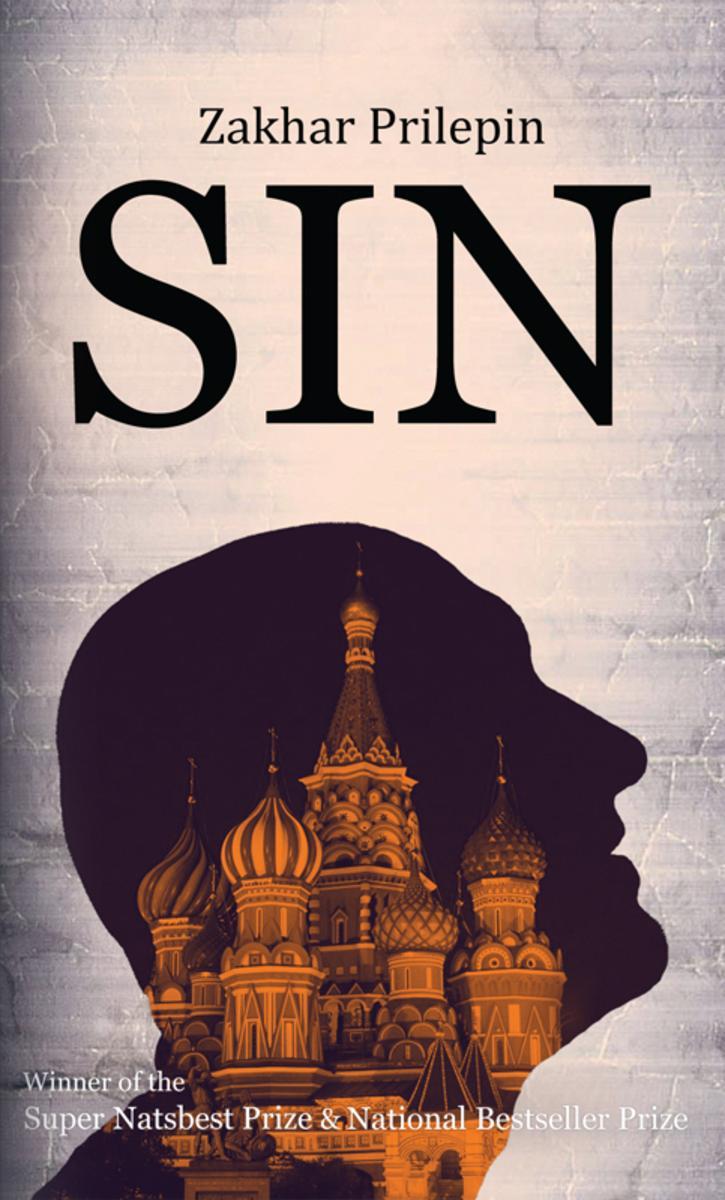
Sin
¥90.03
Zakhar Prilepin’s novel-in-stories, Sin, has become a literary phenomenon in Russia, where it was published in 2007. It has been hailed as the epitome of the spirit of the opening decade of the 21st century, and was called “the book of the decade” by the prestigious Super Natsbest Award jury. Now available for the first time in English, it not only embodies the reality of post-perestroika Russia, but also shows that even in this reality, just like in any other, it is possible to maintain a positive attitude while remaining human. Zakharka is young, strong, in love with love and with life’s random, telling moments. In the episodes of his life, presented here in non-chronological order, we see him as a little boy, a lovelorn teenager, a hard-drinking grave-digger, a nightclub bouncer, a father, and a soldier in Chechnya. He even writes poetry, and his stylistically varied verses are presented in the penultimate chapter of the book. Loving life, he looks boldly, and even with curiosity, into the face of death – taking pictures of the deceased at a funeral, staring with agitation at the entrails of a just-disembowelled pig, chronicling the death of a childhood friend – and values the freedom of not fearing his own end. It is family that ultimately defines happiness for Zakharka; but it is also family that makes him realize, on the desolate Chechen border, that his love for them has deprived him of this freedom. Sin offers a fascinating glimpse into the recent Russian past, as well as its present, with its unemployment, poverty, violence, and local wars – social problems that may be found in many corners of the world. Zakhar Prilepin presents these realities through the eyes of Zakharka, taking us along on the life-affirming journey of his unforgettable protagonist.

康德书信百封
¥23.99
本书从康德遗留于世的300多封信中选出100封书信,根据年代先后按照编年史顺序排列。康德书信是康德哲学思想体系的一个重要组成部分。它们不仅包含了康德对自己思想体系的许多重要的说明和解释,形成了康德哲学著作的一个重要补充,而且以动态的方式再现了康德哲学思想形成的过程。同时,它们也是康德生活与事业的忠实见证人。 此外,本书的附录部分收录了康德三篇重要的论文,即《关于一种出自世界公民意图的普遍历史的观念》《回答一个问题:什么是启蒙》《重新提出的问题:人类是否在不断地向善步?》
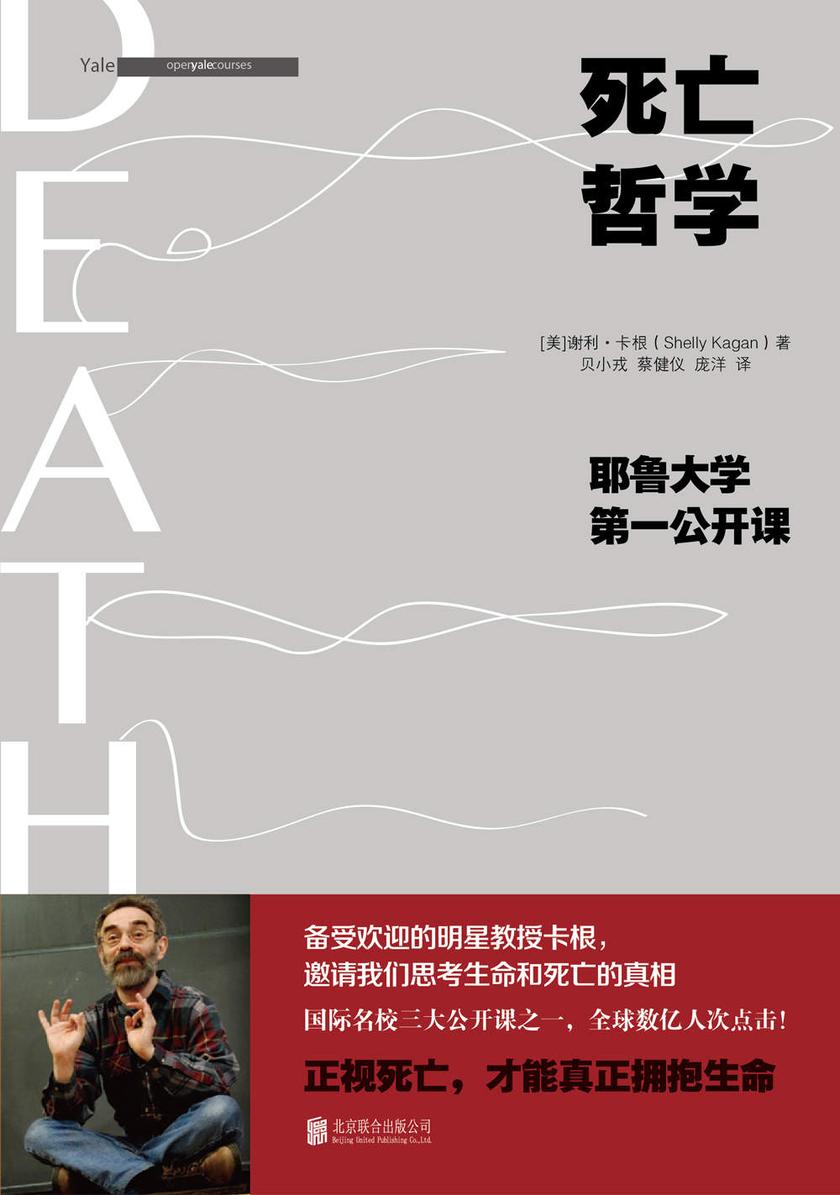
死亡哲学:耶鲁大学第一公开课(精装典藏版)
¥14.99
有件事是确定无疑的:终我们都会死亡。 但我们真的相信自己会死吗? 死亡是生命的终吗? 人是否有不朽的灵魂? 为什么说永生是件坏的事情? 在某些情况下自杀是否可能合理和符合道德? 我们终将死掉这个事实,会怎么影响我们的生活方式? …… 《死亡哲学:耶鲁大学公课》一书源于受欢迎的国际名校公课之一《哲学:死亡》。在这本通俗易懂的哲学著作中,谢利卡根教授挑战了许多我们习以为常或未经深思的观,邀请读者系统反思死亡的哲学之谜,以更清晰的概念探讨死亡的意义为何,从形而上学到价值观,认真、理性地思考生命和死亡的真相。而带领我们探索生命的价值,该以什么样的态度来面对人生这趟旅程。 叔本华对死亡哲学的阐述,对本书来说至为贴切:“由于对死亡的认识所带来的反省,致使人类获得形而上学的见解,并由此得到一种慰藉。所有宗教和哲学体系,主要即为针对这种目的而发,以帮助人们培养反省的理性,作为对死亡观念的解毒剂。”死亡虽是我们每个人的宿命,但看待死亡的视角,却可以让人们获得拯救。

你在忙什么
¥17.99
《你在忙什么》是由影响力遍及全球的佛教大德索达吉堪布近年来赴哈佛、耶鲁、斯坦福、哥廷根、清华、北大、港大……等全球近百所学府的演讲精粹。 堪布认为,时代在变迁,但佛教的宗旨没有变,人们可以从中找到解决现代问题的真正答案,这是应该去提醒大家的。 本书以幸福、压力、财富、情感、快乐为关键词,关注当下社会现状,针对现代人的思想误区,以浅显易懂的语言,为世人打开一条光明之路。身体的忙碌,根本在心。但愿由此你能得到佛教中的宁静心灵,减少无意义的忙碌,活得更加淡定。

Zorii din Alexanderplatz
¥40.79
innd seama de multiplele referiri la istorie, ct i de importana i relevana perspectivei temporal-istorice pentru orice alt tem, ajungem firesc la cardinalitatea istoriei n discursul lui Emil Cioran. n noianul tuturor temelor sale obsesive, istoria este o mega-tem, aflat n puternice raporturi cu celelalte. Aderena i entuziasmul pentru studiul problemelor de filosofia istoriei le gsim mrturisite nc de la nceputul traseului, n cteva scrisori ctre Bucur incu din anii ‘30. n acele scrisori vorbete de pasiune, de gndire spontan i personal, de adaptare natural asupra domeniului, i se arat ncredinat c, alturi de problemele de filosofia culturii i antropologiei filosofice, problemele de filosofia istoriei nu pot concepe c lea prsi vreodat. Dintre multiplele justificri ulterioare – opuse ca atitudine fa de cele din perioada iniial, dar care marcheaz aceeai aderen –, s punem dou n corelaie, scrise n ani apropiai, n care preocuparea pentru istorie este descris prin stri de dependen: slbiciune, sete, patim.“ – Ioan Costea


论语说什么(全3册)
¥39.99
如果说,当今社会有一套帮大家如何获得快乐、如何避免不快乐的知识体系,那显然孔子的思想体系更合适。它能让你成为一个没有敌人的人——仁者,起码也能让你变成一个在朋友圈有吸引力和比较受尊重的人。 很多人这辈子都没活好,总想活出超越这辈子的境界,但很容易走偏。其实,《论语说什么》告诉我们:哪怕我们在正道上前得慢一儿,也比走岔路而绕不回来的好。 一个人上半生主要是求存,下半生慢慢就要求真。求存是向外的,求真是向内的。不管是求存,还是求真,都要有一个学习的过程。因为你改变不了命运,但可以通过学习改变自己处理命运的能力。 读《论语说什么》,zui起码可以让你在糟糕的生活中成为一个不太糟糕的人——勤勉而好学,爱生活但不炫耀,正确地好色……


