


 购物车
 个人中心


Cleopatra
¥8.09
Dodo Collections brings you another classic from H. Rider Haggard, ‘Cleopatra.’ ? The story is set in the Ptolemaic era of ancient Egyptian history and revolves around the survival of a dynasty bloodline protected by the Priesthood of Isis. The main character Harmachis (the living descendant of this bloodline) is charged by the Priesthood to overthrow the supposed impostor Cleopatra, drive out the Romans, and restore Egypt to its golden era. As is the case with the majority of Haggard's works, the story draws heavily upon adventure and exotic concepts. The story, told from the point of view of the Egyptian priest Harmachis, is recounted in biblical language, being in the form of papyrus scrolls found in a tomb. Haggard's portrait of Cleopatra is quite stunning, revealing her wit, her treachery, and her overwhelming presence. All of the characters are mixtures of good and evil, and evoke both sympathy and loathing. ? Sir Henry Rider Haggard was an English writer of adventure novels set in exotic locations, predominantly Africa, and the creator of the Lost World literary genre. His stories, situated at the lighter end of the scale of Victorian literature, continue to be popular and influential. He was also involved in agricultural reform and improvement in the British Empire.? His breakout novel was?King Solomon's Mines(1885), which was to be the first in a series telling of the multitudinous adventures of its protagonist, Allan Quatermain. Haggard was made a Knight Bachelor in 1912 and a Knight Commander of the Order of the British Empire in 1919. He stood unsuccessfully for Parliament as a Conservative candidate for the Eastern division of Norfolk in 1895. The locality of Rider, British Columbia, was named in his memory.

The Ghost Kings
¥8.09
Dodo Collections brings you another classic from H. Rider Haggard, ‘The Ghost Kings.’ "The Zulus have a strange story of a white girl who in Dingaan's day was supposed to 'hold the spirit' of some legendary goddess of theirs who is also white. This girl, they say, was very beautiful and brave, and had great power in the land before the battle of the Blood River, which they fought with the emigrant Boers. Her title was Lady of the Zulus, or more shortly, Zoola, which means Heaven." This is her story. Sir Henry Rider Haggard was an English writer of adventure novels set in exotic locations, predominantly Africa, and the creator of the Lost World literary genre. His stories, situated at the lighter end of the scale of Victorian literature, continue to be popular and influential. He was also involved in agricultural reform and improvement in the British Empire. His breakout novel was King Solomon's Mines (1885), which was to be the first in a series telling of the multitudinous adventures of its protagonist, Allan Quatermain. Haggard was made a Knight Bachelor in 1912 and a Knight Commander of the Order of the British Empire in 1919. He stood unsuccessfully for Parliament as a Conservative candidate for the Eastern division of Norfolk in 1895. The locality of Rider, British Columbia, was named in his memory.

Gunman's Reckoning
¥8.09
Classic western. According to Wikipedia: "Frederick Schiller Faust (May 29, 1892 - May 12, 1944) was an American fiction author known primarily for his thoughtful and literary Westerns. Faust wrote mostly under pen names, and today is primarily known by one, Max Brand. Others include George Owen Baxter, Evan Evans, David Manning, John Frederick, Peter Morland, George Challis, and Frederick Frost. ... Faust managed a massive outpouring of fiction, rivaling Edgar Wallace and especially Isaac Asimov as one of the most prolific authors of all time. He wrote more than 500 novels for magazines and almost as many stories of shorter length. His total literary output is estimated to have been between 25,000,000 and 30,000,000 words. Most of his books and stories were turned out at breakneck rate, sometimes as quickly as 12,000 words in the course of a weekend. New books based on magazine serials or unpublished manuscripts or restored versions continue to appear so that he has averaged a new book every four months for seventy-five years. Beyond this, some work by him is newly reprinted every week of every year in one or another format somewhere in the world."
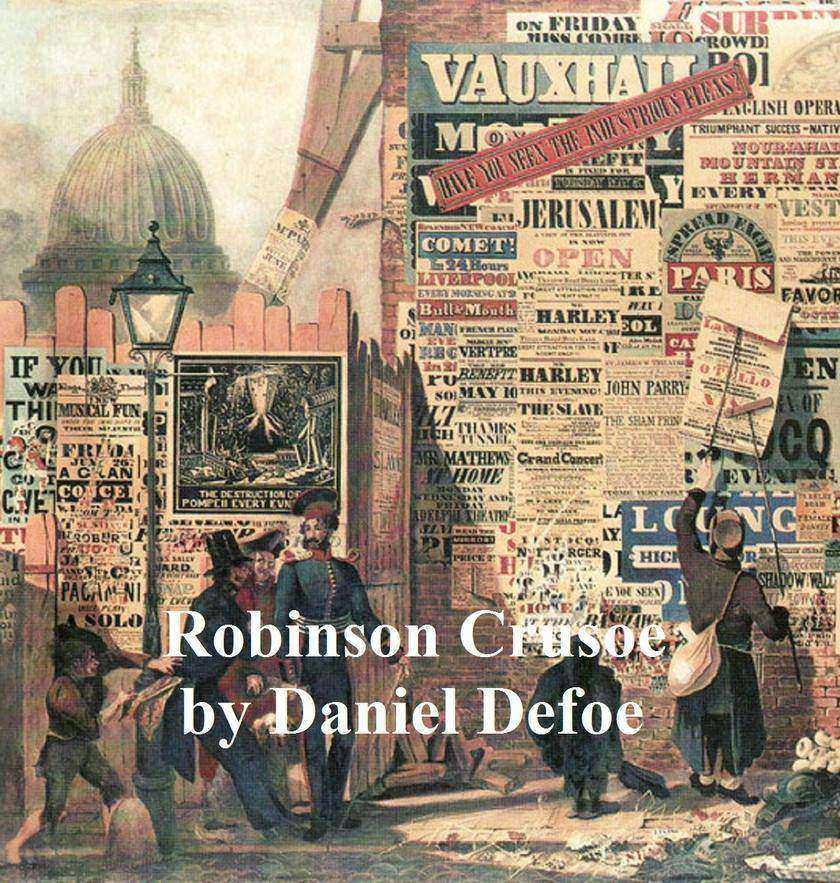
Robinson Crusoe
¥8.09
The classic tale of survival on a deserted island. The story begins: "I WAS born in the year 1632, in the city of York, of a good family, though not of that country, my father being a foreigner of Bremen, who settled first at Hull. He got a good estate by merchandise, and leaving off his trade, lived afterwards at York, from whence he had married my mother, whose relations were named Robinson, a very good family in that country, and from whom I was called Robinson Kreutznaer; but, by the usual corruption of words in England, we are now called - nay we call ourselves and write our name - Crusoe; and so my companions always called me." According to Wikipedia: Daniel Defoe (1659/1661 [?] — 1731), born Daniel Foe, was an English writer, journalist, and pamphleteer, who gained enduring fame for his novel Robinson Crusoe. Defoe is notable for being one of the earliest practitioners of the novel, as he helped to popularise the form in Britain, and is even referred to by some as one of the founders of the English novel. A prolific and versatile writer, he wrote more than five hundred books, pamphlets, and journals on various topics (including politics, crime, religion, marriage, psychology and the supernatural). He was also a pioneer of economic journalism.

In the Cage
¥8.09
Dodo Collections brings you another classic from Henry James, ‘In the Cage’. ? This long story centers on an unnamed London telegrapher. She deciphers clues to her clients' personal lives from the often cryptic telegrams they submit to her as she sits in the "cage" at the post office. Sensitive and intelligent, the telegrapher eventually finds out more than she may want to know. Henry James, OM (15 April 1843 – 28 February 1916) was an American writer who spent most of his writing career in Britain. He is regarded as one of the key figures of 19th-century literary realism. He was the son of Henry James, Sr. and the brother of philosopher and psychologist William James and diarist Alice James. ? He is best known for a number of novels showing Americans encountering Europe and Europeans. His method of writing from a character's point of view allowed him to explore issues related to consciousness and perception, and his style in later works has been compared to impressionist painting. His imaginative use of point of view, interior monologue and unreliable narrators brought a new depth to narrative fiction. ? James contributed significantly to literary criticism, particularly in his insistence that writers be allowed the greatest possible freedom in presenting their view of the world. James claimed that a text must first and foremost be realistic and contain a representation of life that is recognizable to its readers. Good novels, to James, show life in action and are, most importantly, interesting. In addition to his voluminous works of fiction he published articles and books of travel, biography, autobiography, and criticism, and wrote plays. James alternated between America and Europe for the first twenty years of his life; eventually he settled in England, becoming a British subject in 1915, one year before his death. James was nominated for the Nobel Prize in Literature in 1911, 1912, and 1916.

The American
¥8.09
Dodo Classics brings you another classic from Henry James, ‘The American’. ? The novel is an uneasy combination of social comedy and melodrama concerning the adventures and misadventures of Christopher Newman, an essentially good-hearted but rather gauche American businessman on his first tour of Europe. Newman is looking for a world different from the simple, harsh realities of 19th-century American business. He encounters both the beauty and the ugliness of Europe, and learns not to take either for granted. The core of the novel concerns Newman's courtship of a young widow from an aristocratic Parisian family. Henry James, OM (15 April 1843 – 28 February 1916) was an American writer who spent most of his writing career in Britain. He is regarded as one of the key figures of 19th-century literary realism. He was the son of Henry James, Sr. and the brother of philosopher and psychologist William James and diarist Alice James. ? He is best known for a number of novels showing Americans encountering Europe and Europeans. His method of writing from a character's point of view allowed him to explore issues related to consciousness and perception, and his style in later works has been compared to impressionist painting. His imaginative use of point of view, interior monologue and unreliable narrators brought a new depth to narrative fiction. ? James contributed significantly to literary criticism, particularly in his insistence that writers be allowed the greatest possible freedom in presenting their view of the world. James claimed that a text must first and foremost be realistic and contain a representation of life that is recognizable to its readers. Good novels, to James, show life in action and are, most importantly, interesting. In addition to his voluminous works of fiction he published articles and books of travel, biography, autobiography, and criticism, and wrote plays. James alternated between America and Europe for the first twenty years of his life; eventually he settled in England, becoming a British subject in 1915, one year before his death. James was nominated for the Nobel Prize in Literature in 1911, 1912, and 1916.
A Dialogue in Hades: "Illustrated"
¥8.09
t lány, t nézpont, t knyv. Cherry trténete, a Cseresznyés ábránd az els. Cherry Costello élete hamarosan rkre megváltozik. Somersetbe kltzik az apukájával, ahol egy új anyuka és egy csomó vadiúj testvér vár rá. Rgtn az els napon megismeri Shay Fletchert, aki annyira szívdgleszt, hogy az már kzveszélyes. Csakhogy Shay foglalt: Cherry új mostohatestvérével, Honey-val jár. Cherry pontosan tudja, milyen kockázatos Shayjel barátkoznia – hiszen ezzel mindent tnkretehet. Csakhogy ez még nem jelenti azt, hogy távol is tudja tartani magát tle… Csajok és csokik. Egy knyvsorozat, melyben minden testvérnek megvan a maga trténete… Neked melyik lány lesz a kedvenced Talán a Cseresznyés ábránd fhse, Cherry Az a lány, akinek tejeskávé szín a bre, stétbarna szeme pedig mandulavágású. Akinek élénk a képzelete, szórakoztató a társaságában lenni, és aki mindig kiáll magáért. Cathy Cassidy nyolc-kilencéves korában írta meg els képesknyvét kisccsének, és azóta ontja magából a trténeteket. Magyarul elsként a Csajok és csokik-sorozata (a Cseresznyés ábránd az 1. ktet) jelenik meg, melynek a vagány Tanberry-nvérek a fhsei, de mellettük feltnik néhány szupermen srác is, valamint Cathy egyik legnagyobb szerelme, a csokoládé is fontos szerepet kap. Cathy Skóciában él a családjával. Az sszes munka kzül, amivel valaha megpróbálkozott, az írást szereti a legjobban – hiszen amikor ír, mást sem kell csinálnia, mint ébren álmodozni egész álló nap.

Jurgen
¥8.09
According to Wikipedia: "James Branch Cabell (1879 - 1958) was an American author of fantasy fiction and belles lettres... Cabell's work was thought of very highly by a number of his peers, including Mark Twain, Sinclair Lewis, H. L. Mencken, Joseph Hergesheimer, and Jack Woodford. When Twain died he was reading Cabell's Chivalry. And although now largely forgotten by the general public, his work was remarkably influential on later authors of fantastic fiction... Cabell's eighth (and best-known) book, Jurgen, A Comedy of Justice (1919), was the subject of a celebrated obscenity case shortly after its publication. The eponymous hero, who considers himself a "monstrous clever fellow", embarks on a journey through ever more fantastic realms, even to hell and heaven. Everywhere he goes, he winds up seducing the local women, even the Devil's wife."
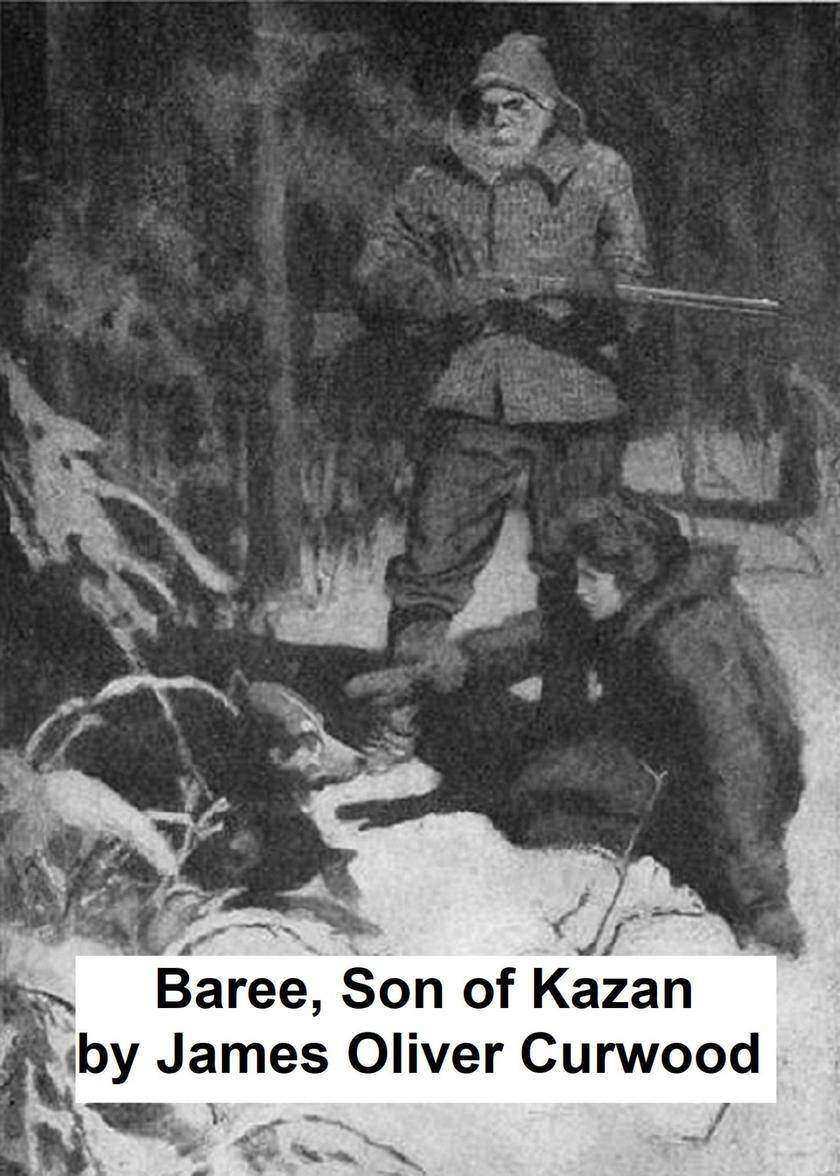
Baree, Son of Kazan
¥8.09
According to Wikipedia: "Baree, Son of Kazan is the eponymous name of a 1917 novel about a wild wolfling pup named Baree. It was written by James Oliver Curwood as the sequel to Kazan. Baree, Son of Kazan is a story about a wild wolfdog pup sired by Kazan (1/4 wolf, 3/4 dog) and born of blind Greywolf (pure wolf). This story is about Baree's survival after being separated from his parents as a young pup. He eventually finds himself in the care of Nepeese and her father Pierrot, a trapper. He bonds with Nepeese, and the story goes from there. James Oliver Curwood took the well used "a boy and his dog" formula, and created a great adventure story about a girl and her dog. A successful formula featuring a strong heroine, rather than a male hero, that he used in many of his stories."
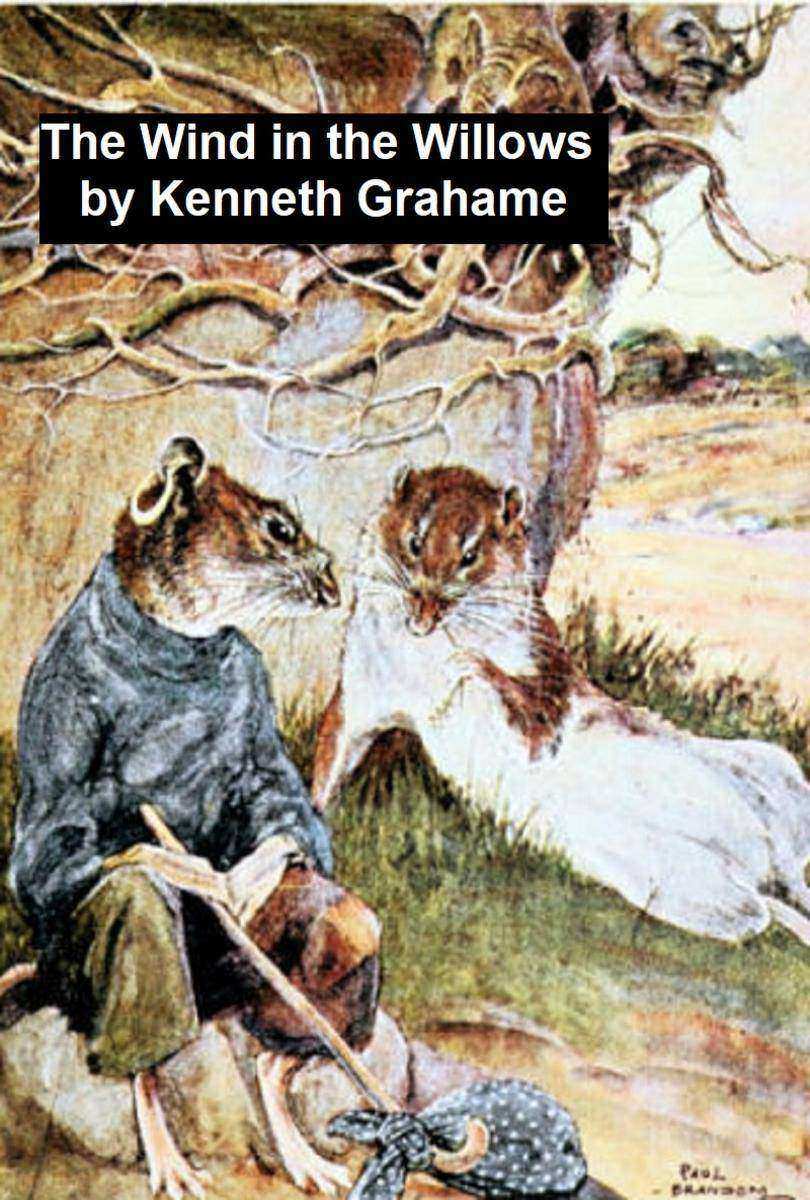
The Wind in the Willows
¥8.09
With 10 illustrations. According to Wikipedia: "Kenneth Grahame (July 20, 1859 – July 6, 1932) was a British writer, most famous for The Wind in the Willows (1908), one of the classics of children's literature. He also wrote The Reluctant Dragon, which was much later adapted into a Disney film."
The Bobbsey Twins at Snow Lodge
¥8.09
According to Wikipedia: "Laura Lee Hope is a pseudonym used by the Stratemeyer Syndicate for the Bobbsey Twins and several other series of children's novels. Actual writers taking up the pen of Laura Lee Hope include Edward Stratemeyer, Howard and Lilian Garis, Elizabeth Ward, Harriet (Stratemeyer) Adams, and Nancy Axelrad. Laura Lee Hope was first used as a pseudonym in 1904 for the debut of the Bobbsey Twins. Series: The Bobbsey Twins (1904-), The Outdoor Girls (23 vols. 1913-1933), The Moving Picture Girls (7 vols. 1914-1916), Bunny Brown (20 vols. 1916-1931), Six Little Bunkers (14 vols. 1918-1930), Make Believe Stories (12 vols. c. 1920-1923), Blythe Girls (12 vols. 1925-1932)."
The Bobbsey Twins in a Great City
¥8.09
According to Wikipedia: "Laura Lee Hope is a pseudonym used by the Stratemeyer Syndicate for the Bobbsey Twins and several other series of children's novels. Actual writers taking up the pen of Laura Lee Hope include Edward Stratemeyer, Howard and Lilian Garis, Elizabeth Ward, Harriet (Stratemeyer) Adams, and Nancy Axelrad. Laura Lee Hope was first used as a pseudonym in 1904 for the debut of the Bobbsey Twins. Series: The Bobbsey Twins (1904-), The Outdoor Girls (23 vols. 1913-1933), The Moving Picture Girls (7 vols. 1914-1916), Bunny Brown (20 vols. 1916-1931), Six Little Bunkers (14 vols. 1918-1930), Make Believe Stories (12 vols. c. 1920-1923), Blythe Girls (12 vols. 1925-1932)."
The Prince of India
¥8.09
According to Wikipedia: "Lewis "Lew" Wallace (April 10, 1827 – February 15, 1905) was a lawyer, governor, Union general in the American Civil War, American statesman, and author, best remembered for his historical novel Ben-Hur: A Tale of the Christ… Wallace's most notable service came in July 1864, at the Battle of Monocacy, part of the Valley Campaigns of 1864. Although the force under his command (amalgamated from the Middle Department) and the division of James B. Ricketts from VI Corps was defeated by Confederate General Jubal A. Early, he was able to delay Early's advance toward Washington, D.C., to the point that the city defenses had time to organize and repel Early... Wallace participated in the military commission trial of the Lincoln assassination conspirators as well as the court-martial of Henry Wirz, commandant of the Andersonville prison camp.[4] He resigned from the army on November 30, 1865.[5] Late in the war, he directed secret efforts by the government to help the Mexicans remove the French occupation forces who had seized control of Mexico in 1864. He continued in those efforts more publicly after the war and was offered a major general's commission in the Mexican army after his resignation from the U.S. Army. Multiple promises by the Mexican revolutionaries were never delivered, which forced Wallace into deep financial debt. Wallace held a number of important political posts during the 1870s and 1880s. He served as governor of New Mexico Territory from 1878 to 1881, and as U.S. Minister to the Ottoman Empire from 1881 to 1885. As governor, he offered amnesty to many men involved in the Lincoln County War; in the process he met with Billy the Kid. On March 17, 1879, the pair arranged that the Kid would act as an informant and testify against others involved in the Lincoln County War, and, in return, the Kid would be "scot free with a pardon in [his] pocket for all [his] misdeeds". But the Kid returned to his outlaw ways and Governor Wallace withdrew his offer. While serving as governor, Wallace completed the novel that made him famous: Ben-Hur: A Tale of the Christ (1880). It grew to be the best-selling American novel of the 19th century.[6] The book has never been out of print and has been filmed four times."
The Sea Fairies
¥8.09
According to Wikipedia: "Baum had decided to end the Oz series with The Emerald City of Oz in 1910, after six installments over the first decade of the twentieth century. The Sea Fairies was intended to be the first in a new series of fantasy novels, which Baum and Reilly & Britton continued the next year with Sky Island. Unfortunately for author and publisher, the two volumes of the new projected series did not meet with the same success as the Oz books previously had. The first edition of The Sea Fairies sold 12,400 copies in its initial year on the market, where The Emerald City of Oz had sold 20,000. Even when Baum's books experienced a major resurgence in interest and sales in 1918, The Sea Fairies sold only 611 copies that year while the Oz books and even Baum's non-Oz works were selling thousands of copies. Once Baum returned to writing Oz books with The Patchwork Girl of Oz in 1913, the Trot series was retired — but the main characters lived on. Trot and Cap'n Bill are the main protagonists in The Scarecrow of Oz (1915) — the plot of which was reworked from the projected third book in their aborted series — and they play a significant role in The Magic of Oz (1919). Trot appears in The Lost Princess of Oz (1917) and Glinda of Oz (1920) as well."
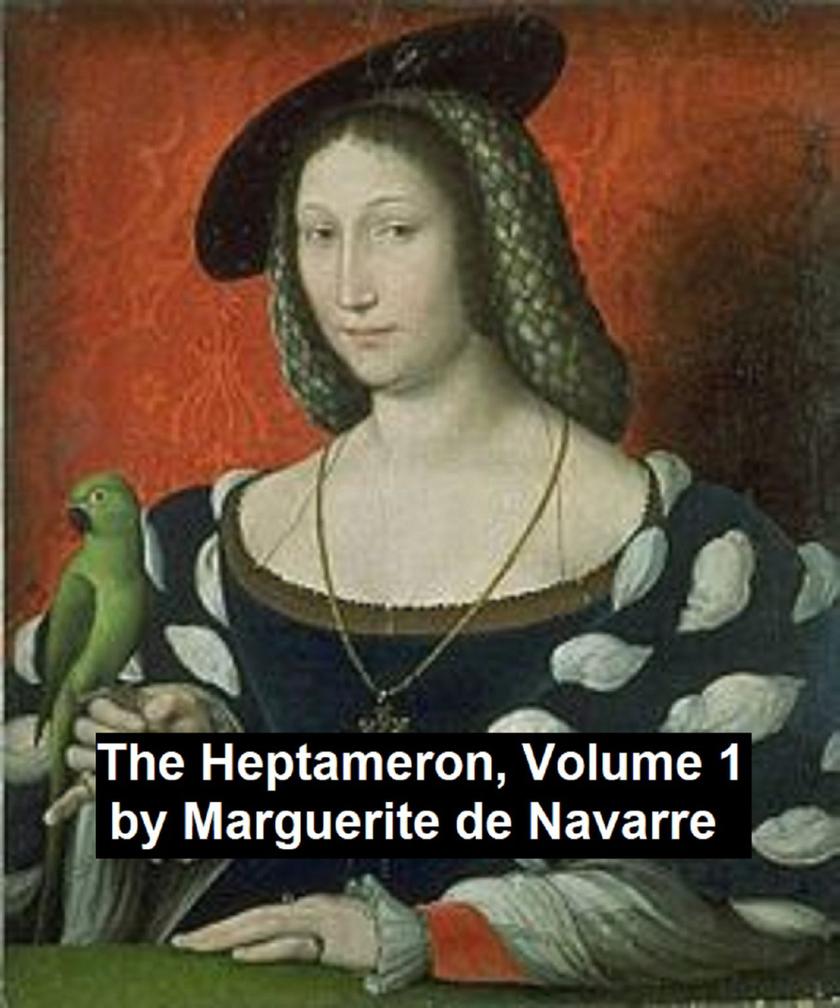
The Heptameron, Volume 1
¥8.09
With 23 illustrations. According to Wikipedia: "The Heptameron is a collection of 72 short stories written in French by Marguerite of Navarre (1492-1549), published posthumously in 1558. It has the form of a frame narrative and was inspired by The Decameron of Giovanni Boccaccio. It was originally intended to contain one hundred stories covering ten days just as The Decameron does, but at Marguerite’s death it was only completed as far as the second story of the eighth day. Many of the stories deal with love, lust, infidelity and other romantic and sexual matters. One was based on the life of Marguerite de La Rocque, a French noblewoman abandoned, as punishment, with her lover on an island off Quebec... Marguerite de Navarre (French: Marguerite d'Angoulême) (April 11, 1492 – December 21, 1549), also known as Marguerite of Angouleme and Margaret of Navarre, was the queen consort of King Henry II of Navarre. As patron of humanists and reformers, and as an author in her own right, she was an outstanding figure of the French Renaissance. Samuel Putnam called her "The First Modern Woman"."
The After House
¥8.09
According to Wikipedia: "Mary Roberts Rinehart (August 12, 1876-September 22, 1958) was a prolific author often called the American Agatha Christie. She is considered the source of the phrase "The butler did it", although she did not actually use the phrase herself, and also considered to have invented the "Had-I-But-Known" school of mystery writing.... Rinehart wrote hundreds of short stories, poems, travelogues and special articles. Many of her books and plays, such as The Bat (1920) were adapted for movies, such as The Bat (1926), The Bat Whispers (1930), and The Bat (1959). While many of her books were best-sellers, critics were most appreciative of her murder mysteries. Rinehart, in The Circular Staircase (1908), is credited with inventing the "Had-I-But-Known" school of mystery writing. The Circular Staircase is a novel in which "a middle-aged spinster is persuaded by her niece and nephew to rent a country house for the summer. The house they choose belonged to a bank defaulter who had hidden stolen securities in the walls. The gentle, peace-loving trio is plunged into a series of crimes solved with the help of the aunt. This novel is credited with being the first in the "Had-I-But-Known" school."[3] The Had-I-But-Known mystery novel is one where the principal character (frequently female) does less than sensible things in connection with a crime which have the effect of prolonging the action of the novel. Ogden Nash parodied the school in his poem Don't Guess Let Me Tell You: "Sometimes the Had I But Known then what I know now I could have saved at least three lives by revealing to the Inspector the conversation I heard through that fortuitous hole in the floor." The phrase "The butler did it", which has become a cliché, came from Rinehart's novel The Door, in which the butler actually did do it, although that exact phrase does not actually appear in the work."
The Bat
¥8.09
According to Wikipedia: "Mary Roberts Rinehart (August 12, 1876-September 22, 1958) was a prolific author often called the American Agatha Christie.[1] She is considered the source of the phrase "The butler did it", although she did not actually use the phrase herself, and also considered to have invented the "Had-I-But-Known" school of mystery writing.... Rinehart wrote hundreds of short stories, poems, travelogues and special articles. Many of her books and plays, such as The Bat (1920) were adapted for movies, such as The Bat (1926), The Bat Whispers (1930), and The Bat (1959). While many of her books were best-sellers, critics were most appreciative of her murder mysteries. Rinehart, in The Circular Staircase (1908), is credited with inventing the "Had-I-But-Known" school of mystery writing. The Circular Staircase is a novel in which "a middle-aged spinster is persuaded by her niece and nephew to rent a country house for the summer. The house they choose belonged to a bank defaulter who had hidden stolen securities in the walls. The gentle, peace-loving trio is plunged into a series of crimes solved with the help of the aunt. This novel is credited with being the first in the "Had-I-But-Known" school."[3] The Had-I-But-Known mystery novel is one where the principal character (frequently female) does less than sensible things in connection with a crime which have the effect of prolonging the action of the novel. Ogden Nash parodied the school in his poem Don't Guess Let Me Tell You: "Sometimes the Had I But Known then what I know now I could have saved at least three lives by revealing to the Inspector the conversation I heard through that fortuitous hole in the floor." The phrase "The butler did it", which has become a cliché, came from Rinehart's novel The Door, in which the butler actually did do it, although that exact phrase does not actually appear in the work."

Erewhon or Over the Range
¥8.09
According to Wikipedia: "Samuel Butler (4 December 1835 - 18 June 1902) was an iconoclastic Victorian author who published a variety of works, including the Utopian satire Erewhon and the posthumous novel The Way of All Flesh, his two best-known works, but also extending to examinations of Christian orthodoxy, substantive studies of evolutionary thought, studies of Italian art, and works of literary history and criticism . Butler also made prose translations of The Iliad and The Odyssey which remain in use to this day."
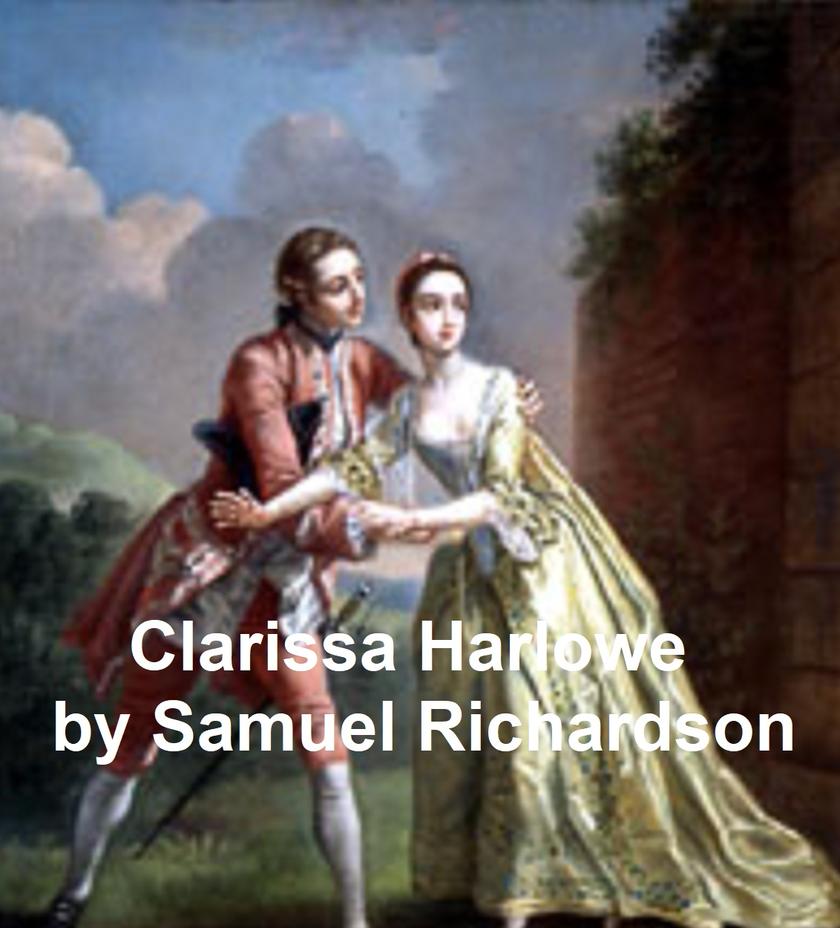
Clarissa Harlowe or the History of a Young Lady
¥8.09
According to Wikipedia: "Samuel Richardson's Clarissa, or, the History of a Young Lady epistolary novel, published in 1748, tells the tragic story of a heroine whose quest for virtue is continually thwarted by her family. It is commonly cited as the longest novel in the English language." Richardson "was a major English 18th century writer best known for his three epistolary novels: Pamela: Or, Virtue Rewarded (1740), Clarissa: Or the History of a Young Lady (1748) and Sir Charles Grandison (1753). Richardson had been an established printer and publisher for most of his life when, at the age of 51, he wrote his first novel and immediately became one of the most popular and admired writers of his time."
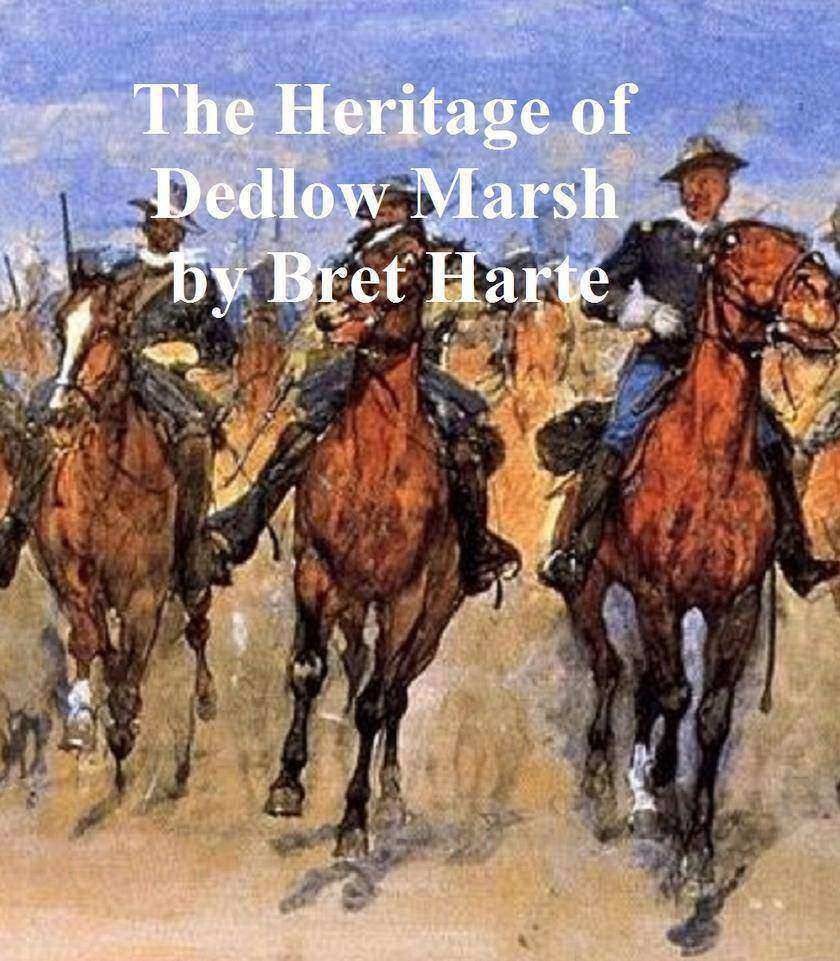
The Heritage of Dedlow Marsh and Other Tales, collection of stories
¥8.09
Collection of stories, including: The Heritage of Dedlow Marsh, A Knight-Errant of the Foot-Hills, A Secret of Telegraph Hill, and Captain Jim's Friend. According to Wikipedia: "Bret Harte (August 25, 1836[2] – May 6, 1902) was an American author and poet, best remembered for his accounts of pioneering life in California. He was born in Albany, New York. ... He moved to California in 1853, later working there in a number of capacities, including miner, teacher, messenger, and journalist. He spent part of his life in the northern California coast town now known as Arcata, then just a mining camp on Humboldt Bay. His first literary efforts, including poetry and prose, appeared in The Californian, an early literary journal edited by Charles Henry Webb. In 1868 he became editor of The Overland Monthly, another new literary magazine, but this one more in tune with the pioneering spirit of excitement in California. His story, "The Luck of Roaring Camp," appeared in the magazine's second edition, propelling Harte to nationwide fame... Determined to pursue his literary career, in 1871 he and his family traveled back East, to New York and eventually to Boston, where he contracted with the publisher of The Atlantic Monthly for an annual salary of $10,000, "an unprecedented sum at the time." His popularity waned, however, and by the end of 1872 he was without a publishing contract and increasingly desperate. He spent the next few years struggling to publish new work (or republish old), delivering lectures about the gold rush, and even selling an advertising jingle to a soap company. In 1878 Harte was appointed to the position of United States Consul in the town of Krefeld, Germany and then to Glasgow in 1880. In 1885 he settled in London. During the thirty years he spent in Europe, he never abandoned writing, and maintained a prodigious output of stories that retained the freshness of his earlier work. He died in England in 1902 of throat cancer and is buried at Frimley."
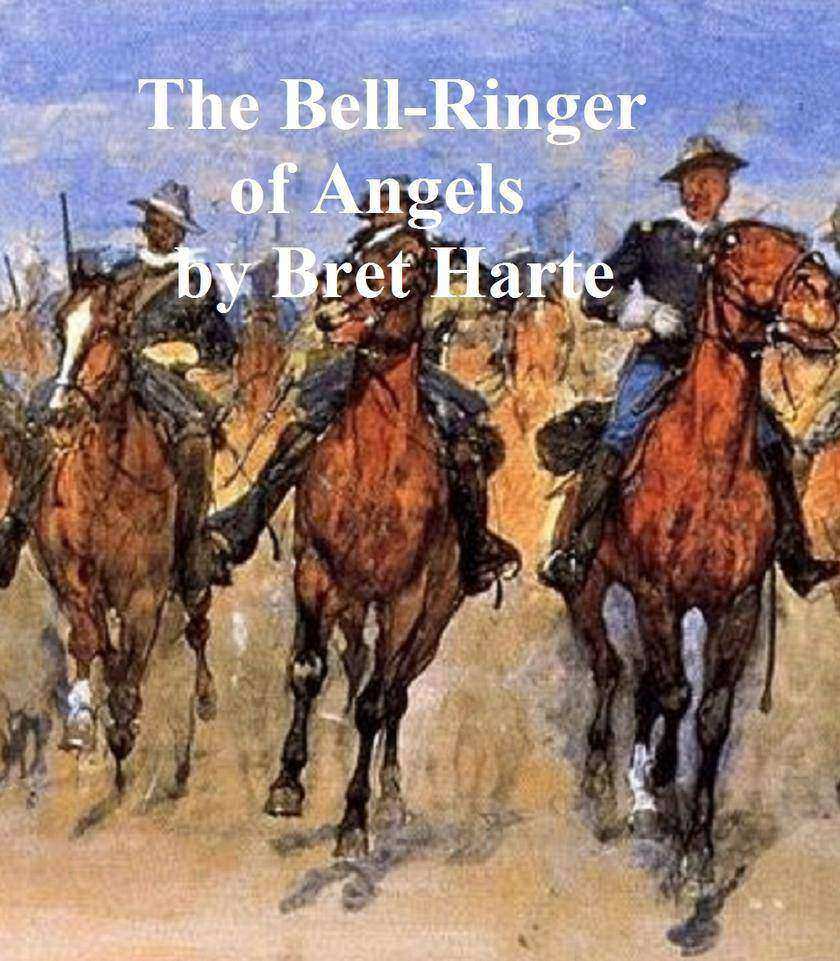
The Bell-Ringer of Angel's, a collection of stories
¥8.09
Collection of stories. According to Wikipedia: "Bret Harte (August 25, 1836[2] – May 6, 1902) was an American author and poet, best remembered for his accounts of pioneering life in California. He was born in Albany, New York. ... He moved to California in 1853, later working there in a number of capacities, including miner, teacher, messenger, and journalist. He spent part of his life in the northern California coast town now known as Arcata, then just a mining camp on Humboldt Bay. His first literary efforts, including poetry and prose, appeared in The Californian, an early literary journal edited by Charles Henry Webb. In 1868 he became editor of The Overland Monthly, another new literary magazine, but this one more in tune with the pioneering spirit of excitement in California. His story, "The Luck of Roaring Camp," appeared in the magazine's second edition, propelling Harte to nationwide fame... Determined to pursue his literary career, in 1871 he and his family traveled back East, to New York and eventually to Boston, where he contracted with the publisher of The Atlantic Monthly for an annual salary of $10,000, "an unprecedented sum at the time." His popularity waned, however, and by the end of 1872 he was without a publishing contract and increasingly desperate. He spent the next few years struggling to publish new work (or republish old), delivering lectures about the gold rush, and even selling an advertising jingle to a soap company. In 1878 Harte was appointed to the position of United States Consul in the town of Krefeld, Germany and then to Glasgow in 1880. In 1885 he settled in London. During the thirty years he spent in Europe, he never abandoned writing, and maintained a prodigious output of stories that retained the freshness of his earlier work. He died in England in 1902 of throat cancer and is buried at Frimley."


