


 购物车
购物车 个人中心
个人中心

Delphi Collected Works of Sara Teasdale US (Illustrated)
¥8.09
Winner of the first Pulitzer Prize for poetry, the American poet Sara Teasdale composed short, personal lyrics, noted for their classical simplicity and quiet intensity. In 1918 she won the Columbia University Poetry Society prize (forerunner of the Pulitzer Prize for poetry) and the annual prize of the Poetry Society of America for her pioneering collection of verse, ‘Love Songs’. The Delphi Poets Series offers readers the works of literature's finest poets, with superior formatting. This volume presents Teasdale’s collected poetical works, with related illustrations and the usual Delphi bonus material. (Version 1) * Beautifully illustrated with images relating to Teasdale's life and works* Concise introduction to Teasdale’s life and poetry* Include all the poems available in the US public domain* Images of how the poetry books were first printed, giving your eReader a taste of the original texts* Excellent formatting of the poems* Special chronological and alphabetical contents tables for the poetry* Easily locate the poems you want to read* Scholarly ordering of texts into chronological order and literary genres Please visit www.delphiclassics.com to see our wide range of poet titles CONTENTS: The Life and Poetry of Sara TeasdaleBrief Introduction: Sara TeasdaleSonnets to Duse and Other Poems, 1907Helen of Troy and Other Poems, 1911Rivers to the Sea, 1915Love Songs, 1917Flame and Shadow, 1920 The PoemsList of Poems in Chronological OrderList of Poems in Alphabetical Order Please visit www.delphiclassics.com to browse through our range of poetry titles or buy the entire Delphi Poets Series as a Super Set

The Man Who Knew Too Much and Other Stories by G. K. Chesterton (Illustrated)
¥8.09
This eBook features the unabridged text of ‘The Man Who Knew Too Much and Other Stories’ from the bestselling edition of ‘The Complete Works of G. K. Chesterton’. Having established their name as the leading publisher of classic literature and art, Delphi Classics produce publications that are individually crafted with superior formatting, while introducing many rare texts for the first time in digital print. The Delphi Classics edition of Chesterton includes original annotations and illustrations relating to the life and works of the author, as well as individual tables of contents, allowing you to navigate eBooks quickly and easily.eBook features:* The complete unabridged text of ‘The Man Who Knew Too Much and Other Stories’* Beautifully illustrated with images related to Chesterton’s works* Individual contents table, allowing easy navigation around the eBook* Excellent formatting of the textPlease visit www.delphiclassics.com to learn more about our wide range of titles

An Ideal Husband by Oscar Wilde (Illustrated)
¥8.09
This eBook features the unabridged text of ‘An Ideal Husband’ from the bestselling edition of ‘The Complete Works of Oscar Wilde’. Having established their name as the leading publisher of classic literature and art, Delphi Classics produce publications that are individually crafted with superior formatting, while introducing many rare texts for the first time in digital print. The Delphi Classics edition of Wilde includes original annotations and illustrations relating to the life and works of the author, as well as individual tables of contents, allowing you to navigate eBooks quickly and easily.eBook features:* The complete unabridged text of ‘An Ideal Husband’* Beautifully illustrated with images related to Wilde’s works* Individual contents table, allowing easy navigation around the eBook* Excellent formatting of the textPlease visit www.delphiclassics.com to learn more about our wide range of titles

The Picture of Dorian Gray - the Revised 20 Chapter Version by Oscar Wilde
¥8.09
This eBook features the unabridged text of ‘The Picture of Dorian Gray - the Revised 20 Chapter Version’ from the bestselling edition of ‘The Complete Works of Oscar Wilde’. Having established their name as the leading publisher of classic literature and art, Delphi Classics produce publications that are individually crafted with superior formatting, while introducing many rare texts for the first time in digital print. The Delphi Classics edition of Wilde includes original annotations and illustrations relating to the life and works of the author, as well as individual tables of contents, allowing you to navigate eBooks quickly and easily.eBook features:* The complete unabridged text of ‘The Picture of Dorian Gray - the Revised 20 Chapter Version’* Beautifully illustrated with images related to Wilde’s works* Individual contents table, allowing easy navigation around the eBook* Excellent formatting of the textPlease visit www.delphiclassics.com to learn more about our wide range of titles

Lord Arthur Savile’s Crime and Other Stories by Oscar Wilde (Illustrated)
¥8.09
This eBook features the unabridged text of ‘Lord Arthur Savile’s Crime and Other Stories’ from the bestselling edition of ‘The Complete Works of Oscar Wilde’. Having established their name as the leading publisher of classic literature and art, Delphi Classics produce publications that are individually crafted with superior formatting, while introducing many rare texts for the first time in digital print. The Delphi Classics edition of Wilde includes original annotations and illustrations relating to the life and works of the author, as well as individual tables of contents, allowing you to navigate eBooks quickly and easily.eBook features:* The complete unabridged text of ‘Lord Arthur Savile’s Crime and Other Stories’* Beautifully illustrated with images related to Wilde’s works* Individual contents table, allowing easy navigation around the eBook* Excellent formatting of the textPlease visit www.delphiclassics.com to learn more about our wide range of titles

Oscar Wilde, His Life and Confessions by Frank Harris (Illustrated)
¥8.09
This eBook features the unabridged text of ‘Oscar Wilde, His Life and Confessions by Frank Harris’ from the bestselling edition of ‘The Complete Works of Oscar Wilde’. Having established their name as the leading publisher of classic literature and art, Delphi Classics produce publications that are individually crafted with superior formatting, while introducing many rare texts for the first time in digital print. The Delphi Classics edition of Wilde includes original annotations and illustrations relating to the life and works of the author, as well as individual tables of contents, allowing you to navigate eBooks quickly and easily.eBook features:* The complete unabridged text of ‘Oscar Wilde, His Life and Confessions by Frank Harris’* Beautifully illustrated with images related to Wilde’s works* Individual contents table, allowing easy navigation around the eBook* Excellent formatting of the textPlease visit www.delphiclassics.com to learn more about our wide range of titles

Before Adam by Jack London (Illustrated)
¥8.09
This eBook features the unabridged text of ‘Before Adam’ from the bestselling edition of ‘The Complete Works of Jack London’. Having established their name as the leading publisher of classic literature and art, Delphi Classics produce publications that are individually crafted with superior formatting, while introducing many rare texts for the first time in digital print. The Delphi Classics edition of London includes original annotations and illustrations relating to the life and works of the author, as well as individual tables of contents, allowing you to navigate eBooks quickly and easily.eBook features:* The complete unabridged text of ‘Before Adam’* Beautifully illustrated with images related to London’s works* Individual contents table, allowing easy navigation around the eBook* Excellent formatting of the textPlease visit www.delphiclassics.com to learn more about our wide range of titles

The Iron Heel by Jack London (Illustrated)
¥8.09
This eBook features the unabridged text of ‘The Iron Heel’ from the bestselling edition of ‘The Complete Works of Jack London’. Having established their name as the leading publisher of classic literature and art, Delphi Classics produce publications that are individually crafted with superior formatting, while introducing many rare texts for the first time in digital print. The Delphi Classics edition of London includes original annotations and illustrations relating to the life and works of the author, as well as individual tables of contents, allowing you to navigate eBooks quickly and easily.eBook features:* The complete unabridged text of ‘The Iron Heel’* Beautifully illustrated with images related to London’s works* Individual contents table, allowing easy navigation around the eBook* Excellent formatting of the textPlease visit www.delphiclassics.com to learn more about our wide range of titles

Waverley by Sir Walter Scott (Illustrated)
¥8.09
This eBook features the unabridged text of ‘Waverley’ from the bestselling edition of ‘The Complete Works of Sir Walter Scott’. Having established their name as the leading publisher of classic literature and art, Delphi Classics produce publications that are individually crafted with superior formatting, while introducing many rare texts for the first time in digital print. The Delphi Classics edition of Scott includes original annotations and illustrations relating to the life and works of the author, as well as individual tables of contents, allowing you to navigate eBooks quickly and easily.eBook features:* The complete unabridged text of ‘Waverley’* Beautifully illustrated with images related to Scott’s works* Individual contents table, allowing easy navigation around the eBook* Excellent formatting of the textPlease visit www.delphiclassics.com to learn more about our wide range of titles

The Well-Beloved by Thomas Hardy (Illustrated)
¥8.09
This eBook features the unabridged text of ‘The Well-Beloved’ from the bestselling edition of ‘The Complete Works of Thomas Hardy’. Having established their name as the leading publisher of classic literature and art, Delphi Classics produce publications that are individually crafted with superior formatting, while introducing many rare texts for the first time in digital print. The Delphi Classics edition of Hardy includes original annotations and illustrations relating to the life and works of the author, as well as individual tables of contents, allowing you to navigate eBooks quickly and easily.eBook features:* The complete unabridged text of ‘The Well-Beloved’* Beautifully illustrated with images related to Hardy’s works* Individual contents table, allowing easy navigation around the eBook* Excellent formatting of the textPlease visit www.delphiclassics.com to learn more about our wide range of titles

Black Dwarf by Sir Walter Scott (Illustrated)
¥8.09
This eBook features the unabridged text of ‘Black Dwarf’ from the bestselling edition of ‘The Complete Works of Sir Walter Scott’. Having established their name as the leading publisher of classic literature and art, Delphi Classics produce publications that are individually crafted with superior formatting, while introducing many rare texts for the first time in digital print. The Delphi Classics edition of Scott includes original annotations and illustrations relating to the life and works of the author, as well as individual tables of contents, allowing you to navigate eBooks quickly and easily.eBook features:* The complete unabridged text of ‘Black Dwarf’* Beautifully illustrated with images related to Scott’s works* Individual contents table, allowing easy navigation around the eBook* Excellent formatting of the textPlease visit www.delphiclassics.com to learn more about our wide range of titles

The Heart of Midlothian by Sir Walter Scott (Illustrated)
¥8.09
This eBook features the unabridged text of ‘The Heart of Midlothian’ from the bestselling edition of ‘The Complete Works of Sir Walter Scott’. Having established their name as the leading publisher of classic literature and art, Delphi Classics produce publications that are individually crafted with superior formatting, while introducing many rare texts for the first time in digital print. The Delphi Classics edition of Scott includes original annotations and illustrations relating to the life and works of the author, as well as individual tables of contents, allowing you to navigate eBooks quickly and easily.eBook features:* The complete unabridged text of ‘The Heart of Midlothian’* Beautifully illustrated with images related to Scott’s works* Individual contents table, allowing easy navigation around the eBook* Excellent formatting of the textPlease visit www.delphiclassics.com to learn more about our wide range of titles

The Fortunes of Nigel by Sir Walter Scott (Illustrated)
¥8.09
This eBook features the unabridged text of ‘The Fortunes of Nigel’ from the bestselling edition of ‘The Complete Works of Sir Walter Scott’. Having established their name as the leading publisher of classic literature and art, Delphi Classics produce publications that are individually crafted with superior formatting, while introducing many rare texts for the first time in digital print. The Delphi Classics edition of Scott includes original annotations and illustrations relating to the life and works of the author, as well as individual tables of contents, allowing you to navigate eBooks quickly and easily.eBook features:* The complete unabridged text of ‘The Fortunes of Nigel’* Beautifully illustrated with images related to Scott’s works* Individual contents table, allowing easy navigation around the eBook* Excellent formatting of the textPlease visit www.delphiclassics.com to learn more about our wide range of titles

The Journal of Sir Walter Scott by Sir Walter Scott (Illustrated)
¥8.09
This eBook features the unabridged text of ‘The Journal of Sir Walter Scott’ from the bestselling edition of ‘The Complete Works of Sir Walter Scott’. Having established their name as the leading publisher of classic literature and art, Delphi Classics produce publications that are individually crafted with superior formatting, while introducing many rare texts for the first time in digital print. The Delphi Classics edition of Scott includes original annotations and illustrations relating to the life and works of the author, as well as individual tables of contents, allowing you to navigate eBooks quickly and easily.eBook features:* The complete unabridged text of ‘The Journal of Sir Walter Scott’* Beautifully illustrated with images related to Scott’s works* Individual contents table, allowing easy navigation around the eBook* Excellent formatting of the textPlease visit www.delphiclassics.com to learn more about our wide range of titles

Sir Walter Scott by Richard H. Hutton by Sir Walter Scott (Illustrated)
¥8.09
This eBook features the unabridged text of ‘Sir Walter Scott by Richard H. Hutton’ from the bestselling edition of ‘The Complete Works of Sir Walter Scott’. Having established their name as the leading publisher of classic literature and art, Delphi Classics produce publications that are individually crafted with superior formatting, while introducing many rare texts for the first time in digital print. The Delphi Classics edition of Scott includes original annotations and illustrations relating to the life and works of the author, as well as individual tables of contents, allowing you to navigate eBooks quickly and easily.eBook features:* The complete unabridged text of ‘Sir Walter Scott by Richard H. Hutton’* Beautifully illustrated with images related to Scott’s works* Individual contents table, allowing easy navigation around the eBook* Excellent formatting of the textPlease visit www.delphiclassics.com to learn more about our wide range of titles
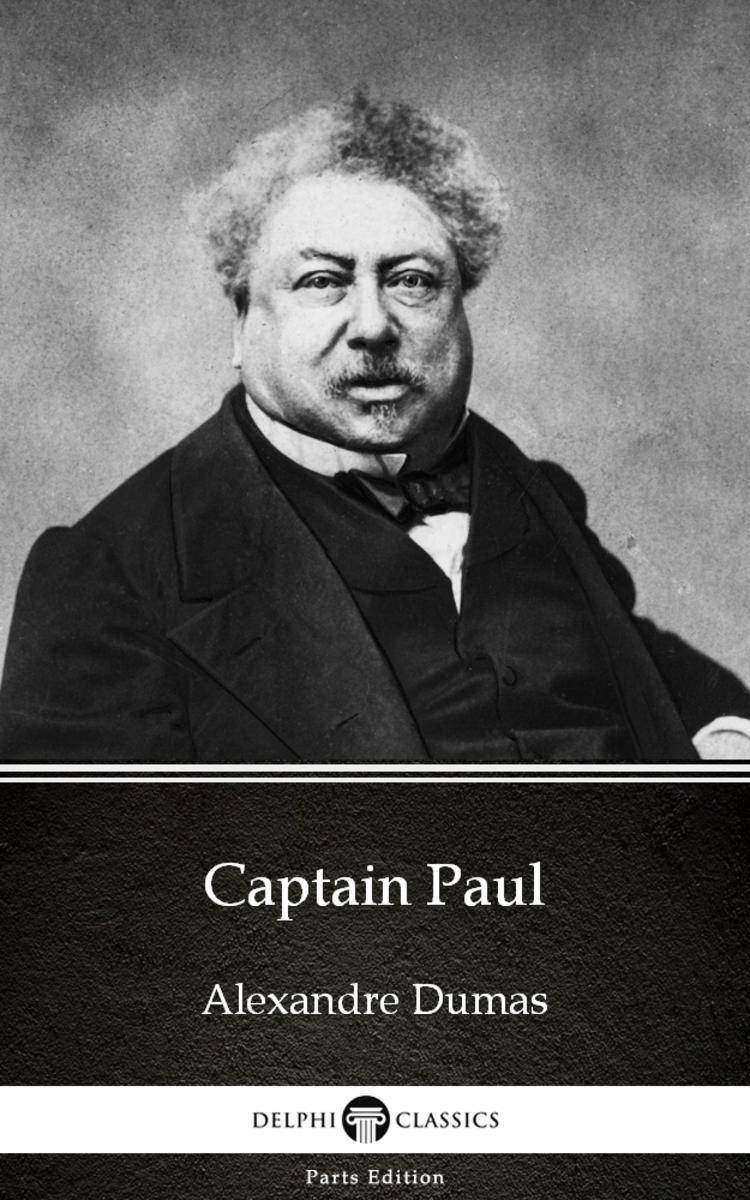
Captain Paul by Alexandre Dumas (Illustrated)
¥8.09
This eBook features the unabridged text of ‘Captain Paul’ from the bestselling edition of ‘The Collected Works of Alexandre Dumas’. Having established their name as the leading publisher of classic literature and art, Delphi Classics produce publications that are individually crafted with superior formatting, while introducing many rare texts for the first time in digital print. The Delphi Classics edition of Dumas includes original annotations and illustrations relating to the life and works of the author, as well as individual tables of contents, allowing you to navigate eBooks quickly and easily.eBook features:* The complete unabridged text of ‘Captain Paul’* Beautifully illustrated with images related to Dumas’s works* Individual contents table, allowing easy navigation around the eBook* Excellent formatting of the textPlease visit www.delphiclassics.com to learn more about our wide range of titles

Chicot the Jester by Alexandre Dumas (Illustrated)
¥8.09
This eBook features the unabridged text of ‘Chicot the Jester’ from the bestselling edition of ‘The Collected Works of Alexandre Dumas’. Having established their name as the leading publisher of classic literature and art, Delphi Classics produce publications that are individually crafted with superior formatting, while introducing many rare texts for the first time in digital print. The Delphi Classics edition of Dumas includes original annotations and illustrations relating to the life and works of the author, as well as individual tables of contents, allowing you to navigate eBooks quickly and easily.eBook features:* The complete unabridged text of ‘Chicot the Jester’* Beautifully illustrated with images related to Dumas’s works* Individual contents table, allowing easy navigation around the eBook* Excellent formatting of the textPlease visit www.delphiclassics.com to learn more about our wide range of titles

The Wolf Leader by Alexandre Dumas (Illustrated)
¥8.09
This eBook features the unabridged text of ‘The Wolf Leader’ from the bestselling edition of ‘The Collected Works of Alexandre Dumas’. Having established their name as the leading publisher of classic literature and art, Delphi Classics produce publications that are individually crafted with superior formatting, while introducing many rare texts for the first time in digital print. The Delphi Classics edition of Dumas includes original annotations and illustrations relating to the life and works of the author, as well as individual tables of contents, allowing you to navigate eBooks quickly and easily.eBook features:* The complete unabridged text of ‘The Wolf Leader’* Beautifully illustrated with images related to Dumas’s works* Individual contents table, allowing easy navigation around the eBook* Excellent formatting of the textPlease visit www.delphiclassics.com to learn more about our wide range of titles
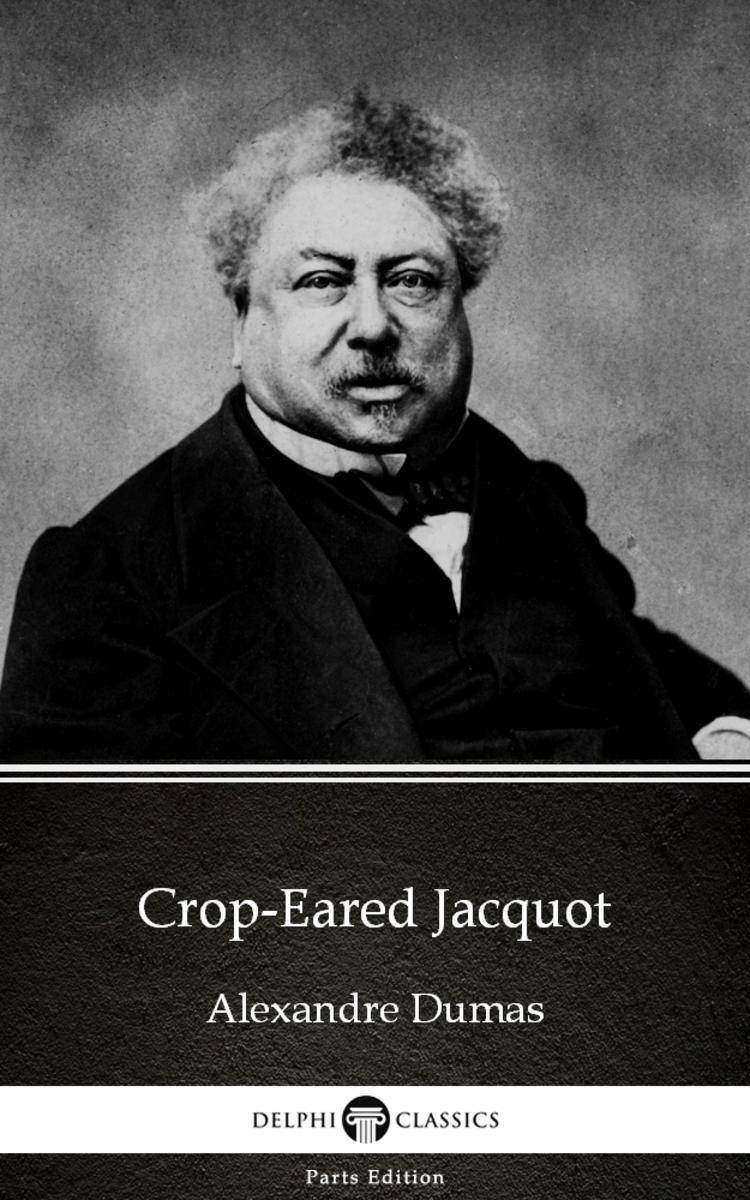
Crop-Eared Jacquot by Alexandre Dumas (Illustrated)
¥8.09
This eBook features the unabridged text of ‘Crop-Eared Jacquot’ from the bestselling edition of ‘The Collected Works of Alexandre Dumas’. Having established their name as the leading publisher of classic literature and art, Delphi Classics produce publications that are individually crafted with superior formatting, while introducing many rare texts for the first time in digital print. The Delphi Classics edition of Dumas includes original annotations and illustrations relating to the life and works of the author, as well as individual tables of contents, allowing you to navigate eBooks quickly and easily.eBook features:* The complete unabridged text of ‘Crop-Eared Jacquot’* Beautifully illustrated with images related to Dumas’s works* Individual contents table, allowing easy navigation around the eBook* Excellent formatting of the textPlease visit www.delphiclassics.com to learn more about our wide range of titles

The White Peacock by D. H. Lawrence (Illustrated)
¥8.09
This eBook features the unabridged text of ‘The White Peacock’ from the bestselling edition of ‘The Complete Works of D. H. Lawrence’. Having established their name as the leading publisher of classic literature and art, Delphi Classics produce publications that are individually crafted with superior formatting, while introducing many rare texts for the first time in digital print. The Delphi Classics edition of Lawrence includes original annotations and illustrations relating to the life and works of the author, as well as individual tables of contents, allowing you to navigate eBooks quickly and easily.eBook features:* The complete unabridged text of ‘The White Peacock’* Beautifully illustrated with images related to Lawrence’s works* Individual contents table, allowing easy navigation around the eBook* Excellent formatting of the textPlease visit www.delphiclassics.com to learn more about our wide range of titles

The Trespasser by D. H. Lawrence (Illustrated)
¥8.09
This eBook features the unabridged text of ‘The Trespasser’ from the bestselling edition of ‘The Complete Works of D. H. Lawrence’. Having established their name as the leading publisher of classic literature and art, Delphi Classics produce publications that are individually crafted with superior formatting, while introducing many rare texts for the first time in digital print. The Delphi Classics edition of Lawrence includes original annotations and illustrations relating to the life and works of the author, as well as individual tables of contents, allowing you to navigate eBooks quickly and easily.eBook features:* The complete unabridged text of ‘The Trespasser’* Beautifully illustrated with images related to Lawrence’s works* Individual contents table, allowing easy navigation around the eBook* Excellent formatting of the textPlease visit www.delphiclassics.com to learn more about our wide range of titles


