


 购物车
购物车 个人中心
个人中心

Cue for Quiet
¥9.24
Madame Bovary takes place in provincial northern France, near the town of Rouen in Normandy. The story begins and ends with Charles Bovary, a stolid, kindhearted man without much ability or ambition. As the novel opens, Charles is a shy, oddly dressed teenager arriving at a new school amidst the ridicule of his new classmates. Later, Charles struggles his way to a second-rate medical degree and becomes an officier de santé in the Public Health Service. His mother chooses a wife for him, an unpleasant but supposedly rich widow named Heloise Dubuc, and Charles sets out to build a practice in the village of Tostes (now T?tes). One day, Charles visits a local farm to set the owner's broken leg, and meets his client's daughter, Emma Rouault. Emma is a beautiful, daintily dressed young woman who has received a "good education" in a convent and who has a latent but powerful yearning for luxury and romance imbibed from the popular novels she has read. Charles is immediately attracted to her, and begins checking on his patient far more often than necessary until Heloise's jealousy puts a stop to the visits. When Heloise dies, Charles waits a decent interval, then begins courting Emma in earnest. Her father gives his consent, and Emma and Charles are married. ABOUT AUTHOR: Gustave Flaubert (French: December 12, 1821 – May 8, 1880) was an influential French writer widely considered one of the greatest novelists in Western literature. He is known especially for his first published novel, Madame Bovary (1857), for his Correspondence, and for his scrupulous devotion to his style and aesthetics. The celebrated short story writer Maupassant was a protégé of Flaubert. Early life and education:Flaubert was born on December 12, 1821, in Rouen, in the Seine-Maritime department of Upper Normandy, in northern France. He was the second son of Anne Justine Caroline (née Fleuriot; 1793–1872) and Achille-Cléophas Flaubert (1784–1846), a surgeon. He began writing at an early age, as early as eight according to some sources.He was educated at the Lycée Pierre Corneille in Rouen, and did not leave until 1840, when he went to Paris to study law. In Paris, he was an indifferent student and found the city distasteful. He made a few acquaintances, including Victor Hugo. Toward the end of 1840, he traveled in the Pyrenees and Corsica. In 1846, after an attack of epilepsy, he left Paris and abandoned the study of law. Writing career:His first finished work was November, a novella, which was completed in 1842.In September 1849, Flaubert completed the first version of a novel, The Temptation of Saint Anthony. He read the novel aloud to Louis Bouilhet and Maxime Du Camp over the course of four days, not allowing them to interrupt or give any opinions. At the end of the reading, his friends told him to throw the manuscript in the fire, suggesting instead that he focus on day-to-day life rather than fantastic subjects.In 1850, after returning from Egypt, Flaubert began work on Madame Bovary. The novel, which took five years to write, was serialized in the Revue de Paris in 1856. The government brought an action against the publisher and author on the charge of immorality, which was heard during the following year, but both were acquitted. When Madame Bovary appeared in book form, it met with a warm reception.In 1858, Flaubert traveled to Carthage to gather material for his next novel, Salammb?. The novel was completed in 1862 after four years of work.Drawing on his youth, Flaubert next wrote L'?ducation sentimentale (Sentimental Education), an effort that took seven years. This was his last complete novel, published in the year 1869.He wrote an unsuccessful drama, Le Candidat, and published a reworked version of Temptation of Saint Anthony.
The Thing in the Attic
¥9.24
The first published novel by Leo Tolstoy released in November 1852. It is the first in a series of three novels and is followed by Boyhood and Youth. Published when Tolstoy was just twenty-three years old, the book was an immediate success, earning notice from other Russian novelists including Ivan Turgenev, who heralded the young Tolstoy as a major up-and-coming figure in Russian literature. Well-worth reading if you are interested in 19th century literature. Count Lev Nikolayevich Tolstoy (1828 – 1910), usually referred to in English as Leo Tolstoy, was a Russian novelist today regarded as one of the greatest of all time. He is best known for War and Peace (1869) and Anna Karenina (1877). He first achieved literary acclaim in his 20s with his semi-autobiographical trilogy, Childhood, Boyhood, and Youth (1852–1856), and Sevastopol Sketches (1855), based upon his experiences in the Crimean War. Tolstoy's fiction includes dozens of short stories and several novellas such as The Death of Ivan Ilyich, Family Happiness, and Hadji Murad. He also wrote plays and numerous philosophical essays. In the 1870s Tolstoy experienced a profound moral crisis, followed by what he regarded as an equally profound spiritual awakening. His literal interpretation of the ethical teachings of Jesus, centering on the Sermon on the Mount, caused him to become a fervent Christian anarchist and pacifist. His new-found asceticism and determination to renounce his considerable wealth tipped his marriage into bitter turmoil, which continued right up to his death at the age of 82 in the waiting room of an, until then, obscure Russian railway station. Tolstoy's ideas on nonviolent resistance, expressed in such works as The Kingdom of God Is Within You, were to have a profound impact on such pivotal 20th-century figures as Mohandas Gandhi, Martin Luther King, Jr., and James Bevel.
The Adventure Girls at K Bar O
¥9.24
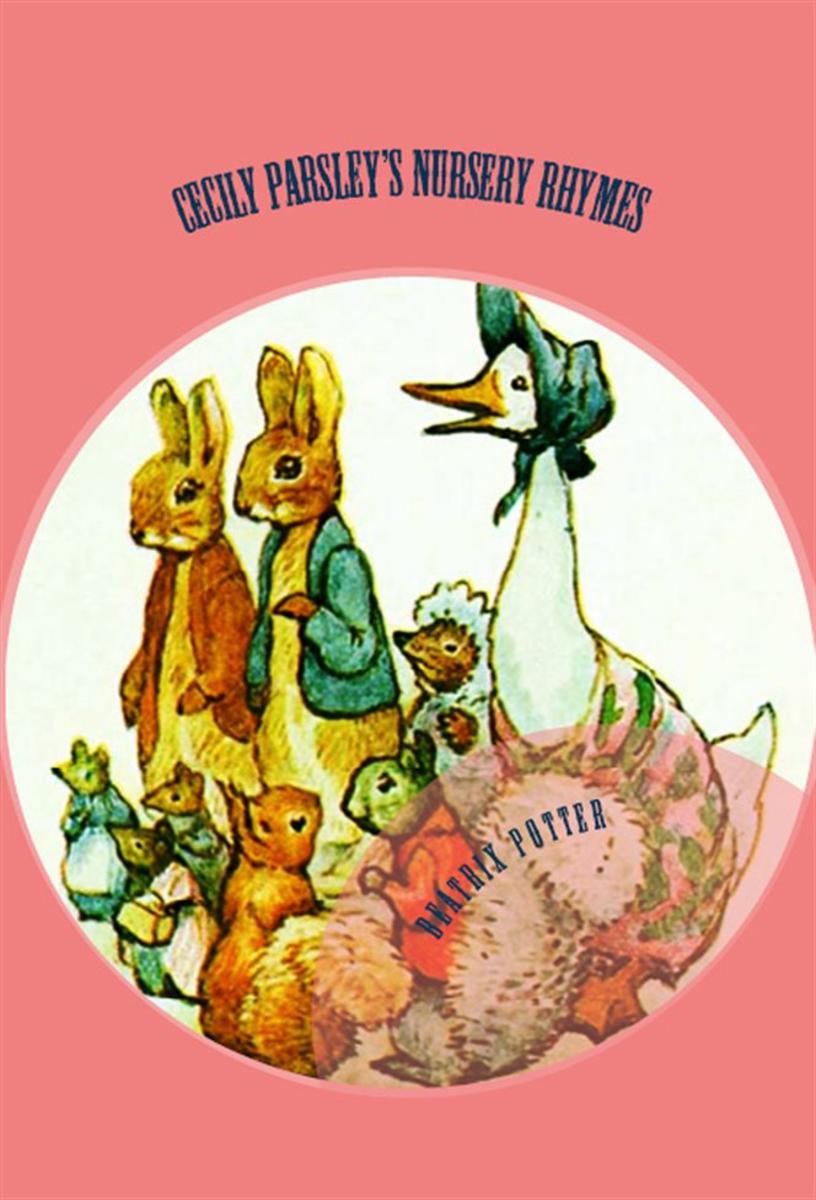
Though flattered by imitators galore Miss Potter's work stands supreme. Her many picture stories should be among the first books owned by children.Cecily Parsley lived in a pen,And brewed good ale for gentlemen; Gentlemen came every day,Till Cecily Parsley ran away.

The Island of Doctor Moreau: "Illustrated"
¥9.24
Once upon a time there was an old Sow with three little Pigs, and as she had not enough to keep them, she sent them out to seek their fortune. The first that went off met a Man with a bundle of straw, and said to him, "Please, Man, give me that straw to build me a house"; which the Man did, and the little Pig built a house with it. Presently came along a Wolf, and knocked at the door, and said, "Little Pig, little Pig, let me come in." To which the Pig answered, "No, no, by the hair of my chinny chin chin."

Heidi: Illustrated Edition
¥9.24
The thing that went under the name of automobile wheezed into the ranchyard and rattled to a halt. With creaks and groans in every joint the car discharged its six very dusty, very weary occupants. At the same time, the screen door of the ranch house banged shut and a flying figure descended on the new arrivals. “Oh, Gale, but I’m glad to see you,” the girl from the ranch house declared hugging the foremost one of the visitors. Gale Howard returned the hug with equal warmth. The two were cousins, and Gale and her friends, The Adventure Girls, had traveled West to spend the summer on the K Bar O Ranch, owned by Gale’s uncle. “But don’t tell me you traveled all the way West in that!” Virginia Wilson murmured aghast, when the introductions and first greetings were over. “We wouldn’t have lived to tell the tale,” declared Carol Carter. “I never knew a car that had so many bumps in it.” “We came West to Phoenix on the train,” Gale explained. “It was there we bought the car and drove up here.” “You wouldn’t think we bought it second hand, would you?” Janet Gordon murmured. “No,” Phyllis Elton agreed with a twinkle in her eyes. “It looks as though we made it ourselves.” The last two of the new arrivals, Madge Reynolds and Valerie Wallace, who had been busy unstrapping luggage and tumbling bags onto the ground, turned now to the ranch girl. “What shall we do with our stuff?” Madge asked. “I suppose you will want to change from your traveling suits,” Virginia suggested, “so just bring along what you want now. Leave the rest here. Tom can bring it in later.” Tom was her elder brother and as the girls walked toward the ranch house he crossed the yard from the corral. Behind him came Gale’s uncle. Virginia called her mother and more greetings and introductions followed. “But how did you manage to leave home without a chaperon?” Virginia asked from her position on the bed in the room shared by Gale and Valerie. “It was all we could do to get away without one,” a laughing voice in the adjoining room declared, and Janet appeared on the threshold. “Finally our parents decided that Gale and Valerie, being the only sane and level-headed ones among us, could be trusted to see that we behaved properly,” Carol added, hanging over Janet’s shoulder. “That shows how much they really know Gale and Valerie,” added Janet mischievously. “If they had any sense at all, they would have appointed me guardian angel of the troupe.” “Then we would never have gotten this far,” Valerie declared, struggling to pull on a brown riding boot. “Yes, Virginia,” Gale laughed, “when we did let Janet drive for a little while, she ran us into a ditch, went the wrong way on a one way street in a little town below here, talked back to a policeman and nearly landed us all in jail.” “Yes, we had to let Gale drive thereafter for self preservation,” Carol murmured.

Polly
¥9.24
One Thursday, Camille, on returning from his office, brought with him a great fellow with square shoulders, whom he pushed in a familiar manner into the shop. "Mother," he said to Madame Raquin, pointing to the newcomer, "do you recognise this gentleman?" The old mercer looked at the strapping blade, seeking among her recollections and finding nothing, while Therese placidly observed the scene. "What!" resumed Camille, "you don't recognise Laurent, little Laurent, the son of daddy Laurent who owns those beautiful fields of corn out Jeufosse way. Don't you remember? I went to school with him; he came to fetch me of a morning on leaving the house of his uncle, who was our neighbour, and you used to give him slices of bread and jam." All at once Madame Raquin recollected little Laurent, whom she found very much grown. It was quite ten years since she had seen him. She now did her best to make him forget her lapse of memory in greeting him, by recalling a thousand little incidents of the past, and by adopting a wheedling manner towards him that was quite maternal. Laurent had seated himself. With a peaceful smile on his lips, he replied to the questions addressed to him in a clear voice, casting calm and easy glances around him. "Just imagine," said Camille, "this joker has been employed at the Orleans-Railway-Station for eighteen months, and it was only to-night that we met and recognised one another—the administration is so vast, so important!" As the young man made this remark, he opened his eyes wider, and pinched his lips, proud to be a humble wheel in such a large machine. Shaking his head, he continued: "Oh! but he is in a good position. He has studied. He already earns 1,500 francs a year. His father sent him to college. He had read for the bar, and learnt painting. That is so, is it not, Laurent? You'll dine with us?" "I am quite willing," boldly replied the other. He got rid of his hat and made himself comfortable in the shop, while Madame Raquin ran off to her stewpots. Therese, who had not yet pronounced a word, looked at the new arrival. She had never seen such a man before. Laurent, who was tall and robust, with a florid complexion, astonished her. It was with a feeling akin to admiration, that she contemplated his low forehead planted with coarse black hair, his full cheeks, his red lips, his regular features of sanguineous beauty. For an instant her eyes rested on his neck, a neck that was thick and short, fat and powerful. Then she became lost in the contemplation of his great hands which he kept spread out on his knees: the fingers were square; the clenched fist must be enormous and would fell an ox.

日语词汇新思维:词源+联想记忆法 (新东方在线同名课程指定教材)
¥9.25
《日语词汇新思维:词源 联想记忆法》一书从日语假名的“发音”和“形状”入手,追本溯源,将假名赋予含义,帮助读者从假名来源角度掌握单词。充分利用以心理学理论为基础的左脑的逻辑思维和右脑的想象功能进行联想,提供了一种记忆日语词汇的全新思维和有效方法。总结汉语词与汉语发音的对应规律,按照鼻音、长音、重音、促音、汉语的R音将汉语词进行分类整理,便于读者对照学习,加深记忆。逐一标注单词的假名及音调,辅以作者原声朗读的中日双语MP3录音,帮助读者彻底告别“哑巴日语”。

Par Perfeito: Episódio 3
¥9.27
Par Perfeito: Episódio 3

Par Perfeito: Episódio 2
¥9.27
Par Perfeito: Episódio 2
Piktasis princas
¥9.32
i acest volum intr ?n seria celor pregtitoare, anun?nd O istorie politic a literaturii rom?ne postbelice. Nu e vorba de un ?rzboi cu estetismul”, reanim?nd fantoma lui Gherea, ci de reevaluri pe temei estetic, la mai multe m?ini, folosind achiziiile criticii literare; i, firete, de recontextualizri (interog?nd epoca), in?nd cont, ?ns, de fluctuaiile recepiei i de capricioasa meteorologie politic. ?n fond, suntem consecveni cu programul, anunat ?nc de la debut (Orizontul lecturii, 1983), ?neleg?nd c, sociologic judec?nd, nu putem examina fenomenul literar retez?ndu-i ombilicul istoric. Generaia orfelin discut, prin profiluri sintetizatoare, despre o serie creatoare, av?nd drept numitor comun vitregele condiii formative; ea a fost modelat de interdicii (lecturi clandestine, maetri ?ascuni”, biblioteci epurate), provoc?nd o reacie polemic (ruptura) i promov?nd, astfel, la start, un program negativ. Dar, ?n acelai timp, este o generaie auroral, cu rol de verig, redescoperind – euforic – tradiia, definind o stare de spirit, angaj?ndu-se, prin combustie creatoare, la o lucrare comun, recuperatoare, fecund, susinut, prin propulsie adjectival, de o critic solidar, risipind i cronici ?tactice”, cum recunotea Matei Clinescu. Chiar dac noi discutm, ?n acest volum, poeii ei, evident nu poate fi vorba doar despre o generaie de poei, transport?nd legenda Labi, anun?nd, prin voci tinere, o nou epoc de lirism. Nu e vorba, aadar, de o compact ?echip” liric, ci de un buchet de personaliti, cu voci distincte, evolu?nd ?n direcii imprevizibile, isc?nd, ?n timp, disensiuni, controverse ?nfierb?ntate, ierarhizri provizorii. i propun?nd un inventar tematic, hrnind un imaginar, p?n la un punct, comun, definind o fizionomie specific. (Adrian Dinu Rachieru)
Rū?ītis
¥9.32
Cartea e ca o pies? de teatru alc?tuit? din personaje, parantezele autorului, dialoguri, secven?e, scene, acte, cu leg?tura necesar?, intre acestea. ?n treac?t fie spus, critica poate s? ?ntre?in? longevitatea operei, dac? are destul? vigoare ?i dac? opera e de calitate. Sunt vorbe optimiste la vremea Internetului care, deocamdat?, nu de?ine puterea controlului critic ?i nici nu se ?ntrev?d ?anse de aceast? natur?. Tocmai de aceea pericolul dispari?iei c?rt?ii de h?rtie pare anun?area unui cataclism. Noi mai credem ?n ceva. R?m?ne hot?r?t c? interpretarea critic?, pentru a fi c?t mai aproape de text, trebuie s? se asocieze cu "partea estetic?" a demersului, care e scriitura, citatul, descrierea ?i altele. O "conversa?ie", pe c?t posibil neretoric?.

Bilin? ve Zaman
¥9.32
Her ?ey ?evresiyle etkile?imsel bütünlükte anlaml? olmaktad?r. Soral?m yine de; Bütünü par?alar?ndan fazlas? yapan nedenler nelerdir? Evrende neyin ifadesiyiz? Canl?l?k, bilin?, ruh, duygular art?k anla??labilir midir? Canl?l?k h?z farklar?ndan m? olu?maktad?r? H?zl? bile?enimiz olan elektri?in; canl?l???n ve bilincimizin olu?umunda nas?l bir etken olmaktad?r? Bizleri olu?turanlardan beden, duygular, bilin?, ruh diye tan?mlad?klar?m?z aras?nda ba?lant?lar nas?l kurulmaktad?r? Sorular?, günümüzde enerjiler aras? ba?lant?, etkile?im nas?l kurulmaktad?r? Sorusu gibi oldu?u, yani her?ey gibi onlar?nda enerji oldu?u anla??lm??t?r. Ruh olarak tan?mlad?k, zihin-beden aras?nda ba?lant?y? kurmaya, duygular? anlamaya ?al??t?k. Bilincin, alg?n?n tüm bunlarla nas?l bir ili?kisi olabilece?ini sorgulad?k. Genelde ?yle oluyor ya, bütünün ?nce par?alar?n? anlamaya, par?alara ay?r?p anlamaya ?al??man?n sorunlar?n?n izlerini sürüp bütünle olan etkile?imini g?rmeye y?neliyoruz. Zaman?n i?inde zaman ge?irmemize ra?men bilincimizle, canl?l???m?zla nas?l ba?lant?l? oldu?unu g?rmezden geldik. Günümüz dünyas?n?n ula?t??? bilgi, ya?amsal deneyimlerin kaydedilip aktar?lmas?, izledi?imiz filmlerden tutun da, deneyimlerimizin h?zl? etkile?imiyle zaman aral?klar?n? orduk. S?n?r sistemimize benzeyen internet a?lar? olu?turduk. ?nsanl?k olarak yapay zekalar geli?tirdik. Hücre ile beden benzeri; canl?yla tüm canl?l???n, ekosistemin, varl???n etkile?im ?rüntüsü oldu?unu, etkile?imsel ?rüntüde anlam? oldu?unu ??rendik. Belki de olu?turdu?umuz yeni anlamlar gelecekte olu?acaklar?n par?alar?d?r. De?i?im devam ediyor. G?rünen o ki, canl?lar bu evrenin en ileri evrensel enerji alanlar?d?r. Soral?m kendimize; Evrende canl?l?ktan daha anlaml? bir ?ey var m?d?r? Dünya bilinci ?a?lard?r. Biriktirdi?i bilgi ve deneyimlerini, olu?umun ba?lang?c?ndan itibaren nesiller boyu aktarm??, ekosistemiyle bir bütün olarak evrilmi?tir. Ula?t??? bilin? halini ?evresiyle etkile?imsel d?ngü i?inde hep yeniden ?ekillendirmi?tir. D?nü?ümsel etkile?imin hi?bir zaman?n?n ayn? olmay??? temel evrensel durumun etkisiyle de zamanda evrilmi? ve günümüz dünyas?n?n paradigmas?na ula?m??t?r. Evrimsel ?rüntüye paralel geli?en teknolojik entegrasyonla bilgi, zamanda ?ok yo?un etkile?ebilmi?tir. Dünya üzerinde artan s?n?r hücresi say?s? yani artan canl? say?s?n?n olumlu bir yan? ise, bilginin etkile?imini art?rm?? olmas?d?r. Platon’un idealar dünyas?nda var olan?n kendi ba??na var olamayaca??n?, var olan?n ?ncül bir mükemmeli olmal? dü?üncesiyle hareket etti?i g?rülüyor. Bu dü?ünceye bi ele?tiriyle ba?lay?p daha sonra ele?tiriyide ele?tirelim. Diyelim ki bu dü?ünceye evrimin, zaman?n itiraz? var. Buna b?yle devam edersek ba?lang?? i?inde, uzaylar i?inde ba?layan evrenler olsa bile bugünki mant?k yine en ba?a d?nmemizi s?ylüyor. Yani ilk nas?l olu?tu? Bu olu?um ?ncesi uzay diyeyim en mükemmel saf hali olan B?R nas?l olu?tu. 1’de ise hi?bir ?zellik olmamal? yani nas?l olurda idea’lar oradan kaynaklan?r. Demek ki varl?k olu?umu bi süre?, evrim olur gibi. Sondan ba?a d?nsekte bi süre?, ba?tan ba?lam?? olsakta bi süre?. Bu ifadeler B?R d?ngüsü i?inde do?ru olabilir. ?dealar nereden geldi ?ünki sonu? olarak idealar B?R de olmamal? ?ünkü B?R farkl?l?k bar?nd?rm?yor. Asl?nda her ?eyi B?R kapsar, o kaynak potansiyeller alan?d?r. Haliyle her ?eyle ayn? alandad?r. Bi nevi potansiyeller alan?yla varl?k ayn? ?eydir, benzerdir. O halde Platon’un idealar kuram?n?n kayna?? ve kendisi bu evrendedir, bu evrendir. Günümüz bilim dünyas?nda ?oklu evrenler dü?üncesi olduk?a yayg?nd?r. O halde evrenlerin oldu?u daha dev uzaysal kaynaklar, alanlar olmal?d?r. ??te B?R belkide bizimde i?inde evrildi?imiz vede k?smen farkl?la?t???m?z her ?eyin kayna??, alan?d?r. Evren büyük tabii ancak büyüklük hep yan?lt?c? olmaya devam etmi?tir. Belkide hiper bir uzay hatta uzaylar alan?nda olabiliriz. Belki ama e?er do?ru b? dü?ünce ?ekliyse bu ilk soruyu yinede de?i?tirmiyor. ?lk ba?lang?? diye bir ?ey var m??
Dr Faustus - Hell is just a frame of mind.
¥9.32
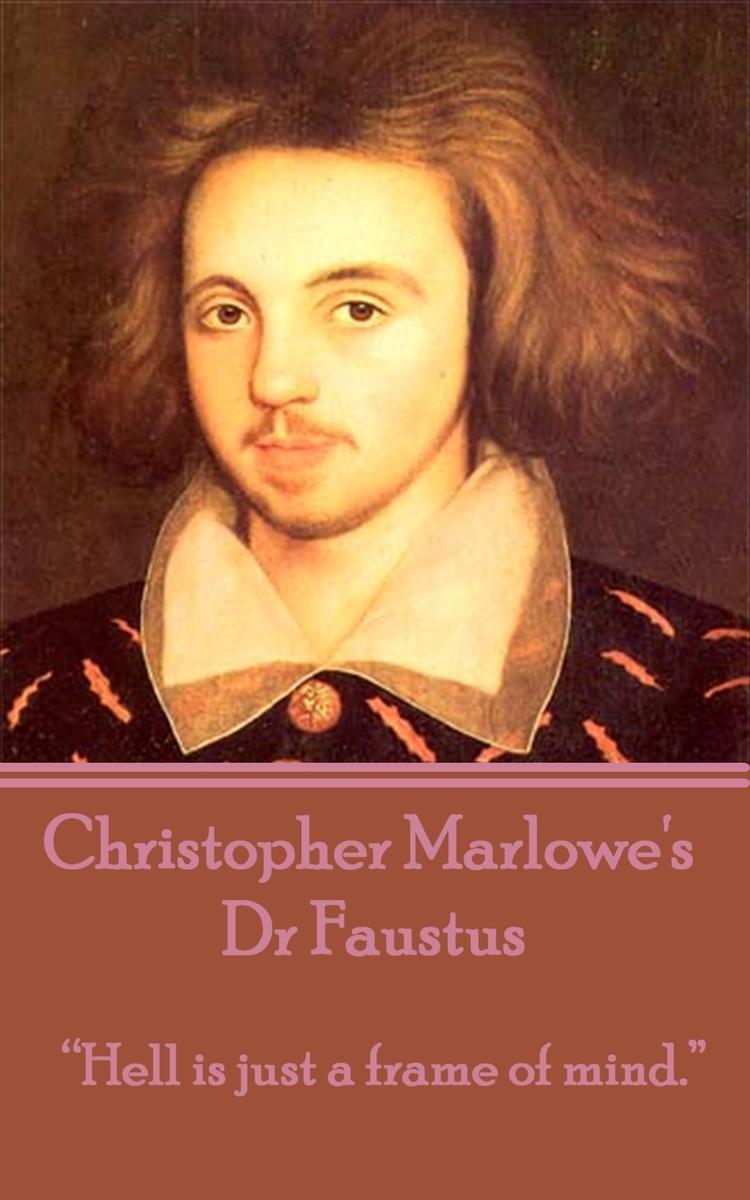
In this foundational classic play, Christopher Marlowe beautifully retells the legend of Doctor Faustus in a masterful combination of verse and prose. The celebrated moral of the play is about how excessive ambition and unlimited lust for knowledge and power lead to self-destruction and damnation. The protagonist in the story is a talented lower-class man who is obsessed with the study of sciences and the secrets of life. His excessive academic ambition and his reliance solely on logic and reason lead him to cogitate about the nature of the world and its existence and to question the utility of the "e;doctrine of Divinity."e; Unsatisfied with the knowledge that pure and experimental sciences can offer, he eventually decides to explore the curious world of Black Magic. Through the recital of a strange incantation, Faustus succeeds in summoning a devil called Mephistopheles who informs him that he will only obey his orders once a pact is signed between Faustus and the devil's master: Lucifer. The pact is signed by Faustus' own blood and stipulates that in return of Mephistopheles' services, which unexpectedly turn to be unworthy by the end, he must give his soul over to Lucifer. The denouement of the play opens the floor for different speculations about Faustus' damnation or salvation.

The Man Who Saved The Earth
¥9.32
Austin Hall (c. 1885 - 1933) was an American short story writer and novelist. He began writing when, while working as a cowboy, he was asked to write a story. He wrote westerns, science fiction and fantasy for pulp magazines.??The story opens on an oppressively hot day with a poor little newspaper boy, Charley, playing with a "burning glass" (a magnifying glass) which he uses to concentrate sunlight onto a small focal spot, thus intensifying the heat on some paper until it burns a hole, perhaps a portent of things to come. He is noticed by a recluse scientist, Dr. Robold, who takes interest in Charley's scientific curiosity and calls him a young Archimedes, referring to the ancient Greek who, as legend tells, used a "burning glass" from shore to set enemy ships ablaze as they were approaching. Charley has no parents to care for him. Dr. Robold takes Charley away from his pitiful life, to a mountain retreat in Colorado.??Years later, bizarre, terrifying events begin to occur. At a street intersection in Oakland, California, everything within a large circular area--streetcars, autos, people, pavement--suddenly vanishes without a sound, during a flash of bright, multi-colored light, leaving a vastly deep hole with perfectly smooth sides as though cut with a knife.

Three Ghost Stories
¥9.32
THREE GHOST STORIES??Though best known for his heartwarming holiday tales and sweeping social novels such as A Tale of Two Cities and Great Expectations, Charles Dickens was a prolific writer who was always willing to experiment with new styles. The chilling tales collected in Three Ghost Stories are a result of his brief but successful foray into the mystery and detective genres.??Under none of the accredited ghostly circumstances, and environed by none of the conventional ghostly surroundings, did I first make acquaintance with the house which is the subject of this Christmas piece.??I saw it in the daylight, with the sun upon it. There was no wind, no rain, no lightning, no thunder, no awful or unwonted circumstance, of any kind, to heighten its ef-fect. More than that: I had come to it direct from a railway station: it was not more than a mile distant from the railway station; and, as I stood outside the house, looking back upon the way I had come, I could see the goods train running smoothly along the embankment in the valley. I will not say that everything was utterly commonplace, because I doubt if anything can be that, except to utterly commonplace people—and there my vanity steps in; but, I will take it on myself to say that anybody might see the house as I saw it, any fine autumn morning.??The manner of my lighting on it was this.

Réussir sa prépa: Les 10 clés essentielles pour un mental de gagnant
¥9.40
tudiants en Classe Préparatoire aux Grandes coles des filières littéraires, scientifiques ou commerciales, ce livre est fait pour vous !Divisé en dix thématiques centrales, ce guide pratique, inspiré des dernières découvertes scientifiques, met à votre disposition un ensemble de conseils, méthodes et astuces qui vous permettront de gagner en efficacité dans l’acquisition de vos connaissances tout en renforant votre mental.Découvrez le secret de ces petites choses , qui contribueront grandement à améliorer la qualité de vos révisions : développement de la confiance en soi, réduction du stress, meilleure organisation...Cet ouvrage sera le partenaire de votre réussite.Lise LEINER, Psychologue clinicienne, diplmée de l’université Paris VII, est formée aux Thérapies Cognitivo-Comportementales et à la Sophrologie. Spécialisée dans la gestion du stress, elle accompagne depuis plusieurs années dejeunes étudiants dans la préparation de cursus exigeants.
The Story of Noah's Ark
¥9.40
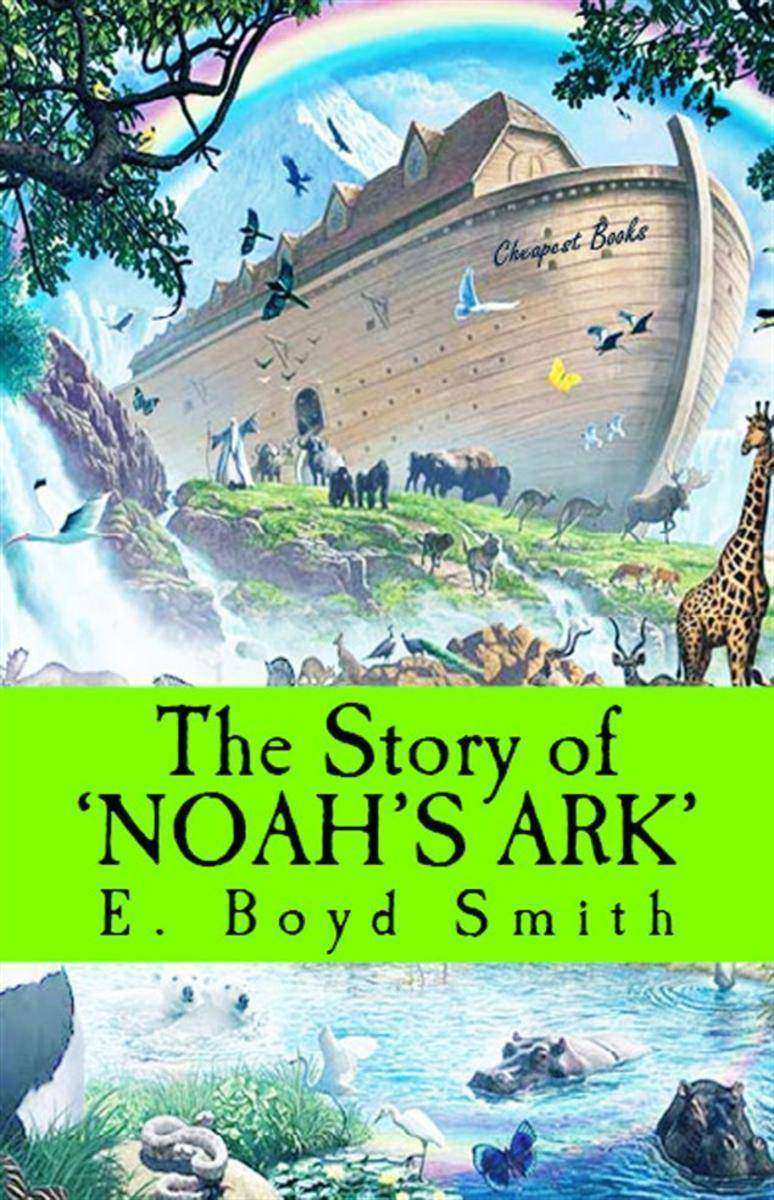
THE WARNING!?In the early days of the world lived the patriarch Noah, a good and venerable man whose years already numbered six hundred.?Now Noah was warned that a great flood was to come, which would pour down from the clouds and drown the whole earth. He straightway told his neighbors what was to happen, but they refused to believe, and scoffed at him, and said: "Let it rain."??BUILDING THE ARK:?Then Noah went his way, and set to work to build him a great ship, to be ready for the day of deluge.?And he laid the keel in the pasture fields, among the daisies; while the idlers came to look on and laugh at such folly—a ship for a rainy day!

The Jewish State
¥9.48
"Der Judenstaat" (German, literally "The Jew State", commonly translated as "The Jewish State") is a pamphlet written by Theodor Herzl and published in February 1896 in Leipzig and Vienna by M. Breitenstein's Verlags-Buchhandlung. It is subtitled with "Versuch einer modernen L?sung der Judenfrage", "Proposal of a modern solution for the Jewish question", and originally called "Address to the Rothschilds" referring to the Rothschild family banking dynasty.It is considered one of the most important texts of early Zionism. As expressed in this book, Herzl envisioned the founding of a future independent Jewish state during the 20th century. He argued that the best way to avoid antisemitism in Europe was to create this independent Jewish state. Herzl, who had lived as a secular, largely assimilated Jew, was fluent in neither Hebrew nor Yiddish. His lack of contact with Jewish culture and intellectual currents, and his limited contact with Jews less assimilated than he was probably the reason he abandoned fundamental Jewish principles and rekindled Zionism with this text. The book was used to encourage Jews from all across Europe to purchase land in Palestine. In Der Judenstaat, Herzl noted the possibility of a Jewish state in Argentina.Herzl popularized the term "Zionism", which was coined by Nathan Birnbaum. The nationalist movement culminated in the birth of the State of Israel in 1948, though Zionism continues to be connected with political support of the State of Israel.
George Romney: 60 Drawings & Studies (Colour Plates)
¥9.48
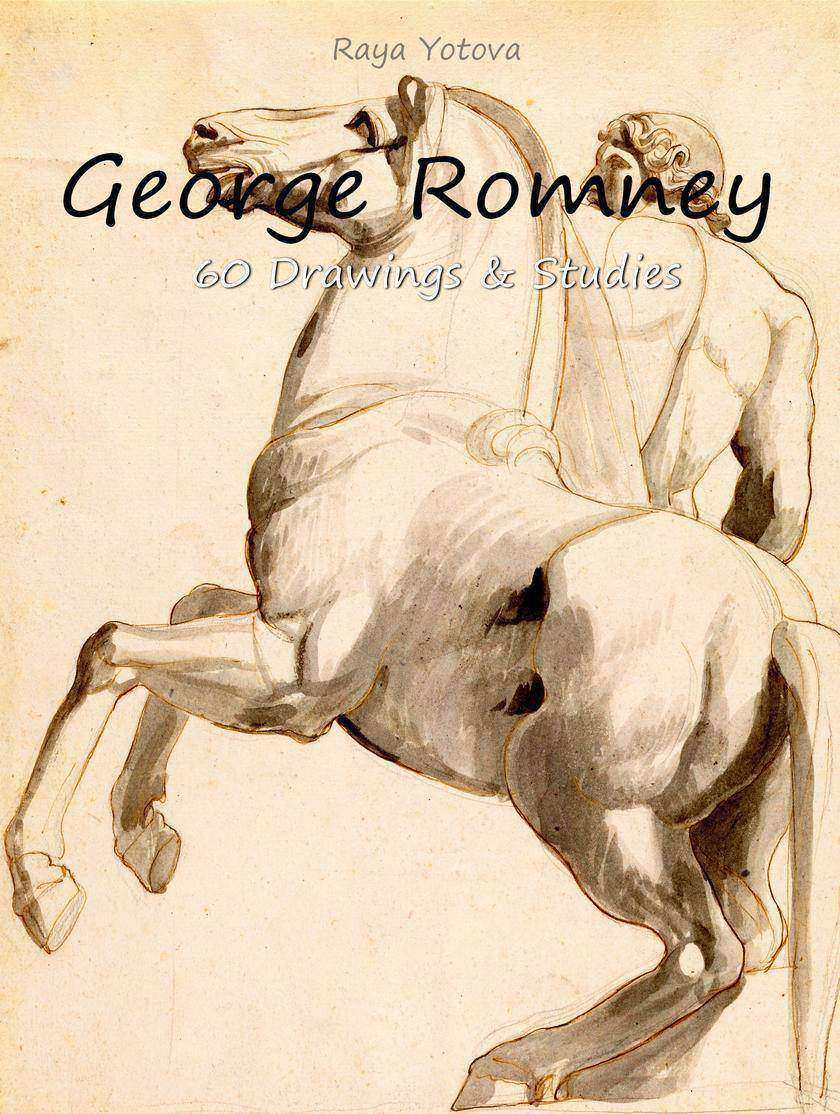
George Romney: 60 Drawings & Studies (Colour Plates)
![Mother Goose: [Illustrated & The Original Volland Edition]](https://platform-permanent.ddimg.cn/pt-media-info-soa-resource/digital/product/75/14/1901167514_ii_cover.jpg?version=bdba6de9-4577-4269-8082-011f10d5ecb2)
Mother Goose: [Illustrated & The Original Volland Edition]
¥9.48
The Horse-Dealer's Daughter was written in the year 1922 by David Herbert Lawrence. This book is one of the most popular novels of David Herbert Lawrence, and has been translated into several other languages around the world.This book is published by Booklassic which brings young readers closer to classic literature globally.
Cecily Parsley's Nursery Rhymes: "Illustrated"
¥9.48
England, My England was written in the year 1915 by David Herbert Lawrence. This book is one of the most popular novels of David Herbert Lawrence, and has been translated into several other languages around the world.This book is published by Booklassic which brings young readers closer to classic literature globally.


