


 购物车
购物车 个人中心
个人中心
How To Love Like a Hot Chick
¥84.16
Hot Chick: A confident, passionate, honest woman. . . . You want to be around her to soak up those good vibes. The duo that taught you to embrace your body and indulge without guilt in How to Eat Like a Hot Chick is back to remind you of something that will transform your love life forever you are a Hot Chick! With their feisty humor and uplifting message, Jodi Lipper and Cerina Vincent will help you figure out what you want, how to get it, and why you shouldn't settle for anything less. Most important, they'll make the entire process a lot more fun with their advice on the hidden joys of being single, how to send out magical Hot Chick vibes and interpret your date's vibes, falling in love without freaking out, tactful dumping procedures, survival techniques for heart-wrenching breakups, and much more.Whether you're single, dating, in a relationship, or so confused you don't know what your status even is, How to Love Like a Hot Chick will have you laughing your way through dating and relationship issues and tackling them like the sexy, fabulous woman you deserve to be.

The Mother-Daughter Book Club Rev Ed.
¥84.16
Newly revised and updated! The tenth anniversary edition of the inspirational book that has brought countless mothers and daughters closer together! The Mother-Daughter Book Club is the story of a group of mothers and their daughters, and how their relationships were strengthened and changed by starting a monthly reading club. But it is also a practical step-by-step guide filled with stories, anecdotes, and reading lists that will inspire parents to start reading clubs of their own.Shireen Dodson's message is a powerful one: Reading, learning, and sharing ideas can help nourish a daughter's confidence, strength, spirit, and independence. A reading club offers a mother the opportunity to enjoy her daughter's burgeoning mind as she moves toward womanhood. The Mother-Daughter Book Club is not merely about books. It is about mothers and daughters, girls and women, and how reading and talking enriches our relationships with one another.
Healing Your Aloneness
¥95.39
Erika Chopich and Margaret Paul show how anyone can reconnect with his or her Inner Child to short-circuit self-destructive patterns, resolve fears and conflicts, and build satisfying relationships. Healing Your Aloneness outlines a self-healing process that can be used every day to restore a nurturing balance between loving Adult and loved Inner Child.

The Alpha Woman Meets Her Match
¥83.03
For the first time ever: a liberating guide to life and love that tells successful women that they can find the right partner without having to change or settle and then shows them how to do itIn the twenty-first century, women are outpacing men in education and career advancement. Yet amazingly, successful women are constantly being told that their professional achievements might doom their chances of marriage and family. Don't believe the alarmist, negative hype, advises top relationship therapist Dr. Sonya Rhodes. Data show that today's Alpha women ambitious, self-assured, and hardworking are hardly fated to be spinsters. On the contrary, by rethinking outmoded gender roles, women can have better relationships than ever before. A clinical psychologist with more than thirty years' experience, Dr. Rhodes shares her secrets to helping women triumph in love by finding men who will appreciate and complement their strengths.Challenging gender stereotypes associated with the terms Alpha and Beta, she advises the Alpha woman to look past the overly competitive, domineering Alpha male for a man who is not threatened by her strengths but is communicative, responsible, and collaborative. Just as Alpha women aren't demanding bitches, Beta men aren't passive wimps. Demonstrating that nearly everyone is a combination of both qualities, Dr. Rhodes includes a comprehensive test to help readers define where they (and their partners) are on the Alpha-Beta spectrum. This tool will give women more options and help them make better choices.More than just offering advice about romance, The Alpha Woman Meets Her Match explores the dramatic shifts in our culture, and how these can bring women greater empowerment in both their love lives and their careers.

The Epidemic
¥84.16
A call for parents to take responsibility for their children and give them what they truly need in order to grow, thrive, and love.Take a good look around you: you can't go into stores or restaurants without seeing joyless children screaming and sulking while their parents ignore them. According to esteemed child psychiatrist Robert Shaw, this epidemic has become so much the norm that we often don't recognize its warning signs. This bold and timely book tells you how to save your child and your family with a commonsense approach that cuts to the core of the problem and shows us the cure. The Epidemic covers: Developing your child's ability to love Managing child care and minimizing the damage Raising cooperative, joyful, and creative children Promoting self-esteem and confidence rather than self-centeredness Avoiding the harmful effects of electronic media Healing angry, contemptuous, withdrawn, and out-of-control children

The Rabbi and the Hit Man
¥94.10
A fascinating true-crime narrative about the first rabbi ever accused of murder and what the case says about the role of clergy in America.On the evening of November 1, 1994, Rabbi Fred Neulander returned home to find his wife, Carol, facedown on the living room floor, blood everywhere. He called for help, but it was too late. Two trials and eight years later, the founder of the largest reform synagogue in southern New Jersey became the first rabbi ever convicted of murder and sentenced to life in prison.In a gripping examination of the misuses of the pulpit and the self-delusions of power, Arthur J. Magida paints a devastating portrait of a manipulative man who used his position of trust in the temple to attract several mistresses -- and to befriend a lonely recovering alcoholic, whom he convinced to kill his wife "for the good of Israel."The Rabbi and the Hit Man straddles the juncture of faith and trust, and confronts issues of sex, narcissism, arrogance, and adultery. It is the definitive account of a charismatic clergyman who paid the ultimate price for ignoring his own words of wisdom: "We live at any moment with our total past ... What we do will stay with us forever."

Fear
¥88.56
Without fear, we are able to see more clearly our connections to others. Without fear, we have more room for understanding and compassion. Without fear, we are truly free. from FearMost of us live in a constant state of fear of our past, of illness and aging and death, and of losing the things we treasure most. But it doesn't have to be this way, promises Zen master and Buddhist monk Thich Nhat Hanh.Drawing on a lifetime of mindfulness in action, Thich Nhat Hanh shows us how to use the practice of living in the present to acknowledge and embrace our fears, recognize their origins, and render them powerless. The world-renowned Zen teacher guides us through practical exercises for transforming fear into clarity. The worries of the past and the anxiety of the future disappear as we discover the power of the present moment. Not only are we are able to handle challenging emotions as they arise, but we can summon feelings of well-being and contentment, no matter what the unknown may bring.Rooted in the moment, we have the capacity to restore balance and happiness and be present with what is beautiful and affirming inside us and around us, every day.

Plain and Simple
¥88.56
"I had an obsession with the Amish. Plan and simple. Objectively it made no sense. I, who worked hard at being special, fell in love with a people who valued being ordinary." So begins Sue Bender's story, the captivating and inspiring true story of a harried urban Californian moved by the beauty of a display of quilts to seek out and live with the Amish. Discovering lives shaped by unfamiliar yet comforting ideas about time, work, and community, Bender is gently coaxed to consider, "Is there another way to lead a good life?" Her journey begins in a New York men's clothing store. There she is spellbound by the vibrant colors and stunning geometric simplicity of the Amish quilts "spoke directly to me," writes Bender. Somehow, "they went straight to my heart." Heeding a persistent inner voice, Bender searches for Amish families willing to allow her to visit and share in there daily lives. Plain and Simple vividly recounts sojourns with two Amish families, visits during which Bender enters a world without television, telephone, electric light, or refrigerators; a world where clutter and hurry are replaced with inner quiet and calm ritual; a world where a sunny kitchen "glows" and "no distinction was made between the sacred and the everyday." In nine interrelated chapters--as simple and elegant as a classic nine-patch Amish quilt--Bender shares the quiet power she found reflected in lives of joyful simplicity, humanity, and clarity. The fast-paced, opinionated, often frazzled Bender returns home and reworks her "crazy-quilt" life, integrating the soul-soothing qualities she has observed in the Amish, and celebrating the patterns in the Amish, and celebrating the patterns formed by the distinctive "patches" of her own life. Charmingly illustrated and refreshingly spare, Plain and Simple speaks to the seeker in each of us.
An Uncertain Inheritance
¥90.77
In this eloquent collection of essays from the editor of the national bestseller Unholy Ghost: Writers on Depression contributors reveal their experiences in caring for family through illness and death Today, thirty million people look after frail family members in their own homes. This number will increase drastically over the next decade as baby boomers tiptoe toward old age; as soldiers return home from war wounded, mentally and physically; as a growing number of Americans find themselves caught between the needs of elderly parents and young children; as medical advances extend lives and health insurance fails to cover them. This compelling book offers both literary solace and guidance to the people who find themselves witness to and participants in the fading lives of their intimates.Some of the country's most accomplished writers offer frank insights and revelations about this complex relationship. Julia Glass describes the tension between giving care to her two young sons and needing care after being diagnosed with breast cancer; Ann Harleman explores her decision to place her husband in an institution; Sam Lipsyte alternates between dark humor and profound understanding in telling the story of his mother's battle with cancer; Ann Hood wishes she'd had more time as a caregiver, to prepare herself for the loss of her daughter; Andrew Solomon examines the humbling experience of returning as an adult to be cared for by his father; cartoonist Stan Mack offers an illustrated piece about the humor and hell of making his way through the medical bureaucracy alongside his partner, Janet; Julia Alvarez writes about the competition between her and her three sisters to be the best daughter as they tend to their ailing parents. An Uncertain Inheritance examines the caregiving relationship from every angle children caring for parents; parents caring for children; sib-lings, spouses, and close friends, all looking after one another to reveal the pain, intimacy, and grace that take place in this meaningful connection.
Saving Childhood
¥90.73
Saving Childhood offers parents and grandparents practical strategies to cope with a society that seems perversely determined to frighten and corrupt its young. Cultural critic and popular radio host Michael Medved and his wife, psychologist Diane Medved, argue that in a mistaken effort to curb problems plaguing its youth, our culture has changed from protecting childhood as a precious time of growth to hammering even the smallest youngsters with a grim, harsh, and menacing view of the world. The Medveds systematically present unassailable scientific evidence, moving anecdotes, and personal experiences of raising their three young children to explain the attack from four primary directions--media, schools, peers, and even well-intentioned parents themselves.In a unique analysis the Medveds define innocence not as ignorance but as the result of three components--security, a sense of wonder and optimism. They empower parents and all who care about childhood with concrete, easily accomplished means to fend off the assault, as well as advice for handling hurdles such as the Internet, television, peer pressure, and the plague of pessimism. Saving Childhood enables us to restore and maintain for our children imagination, confidence, and hope for the future.
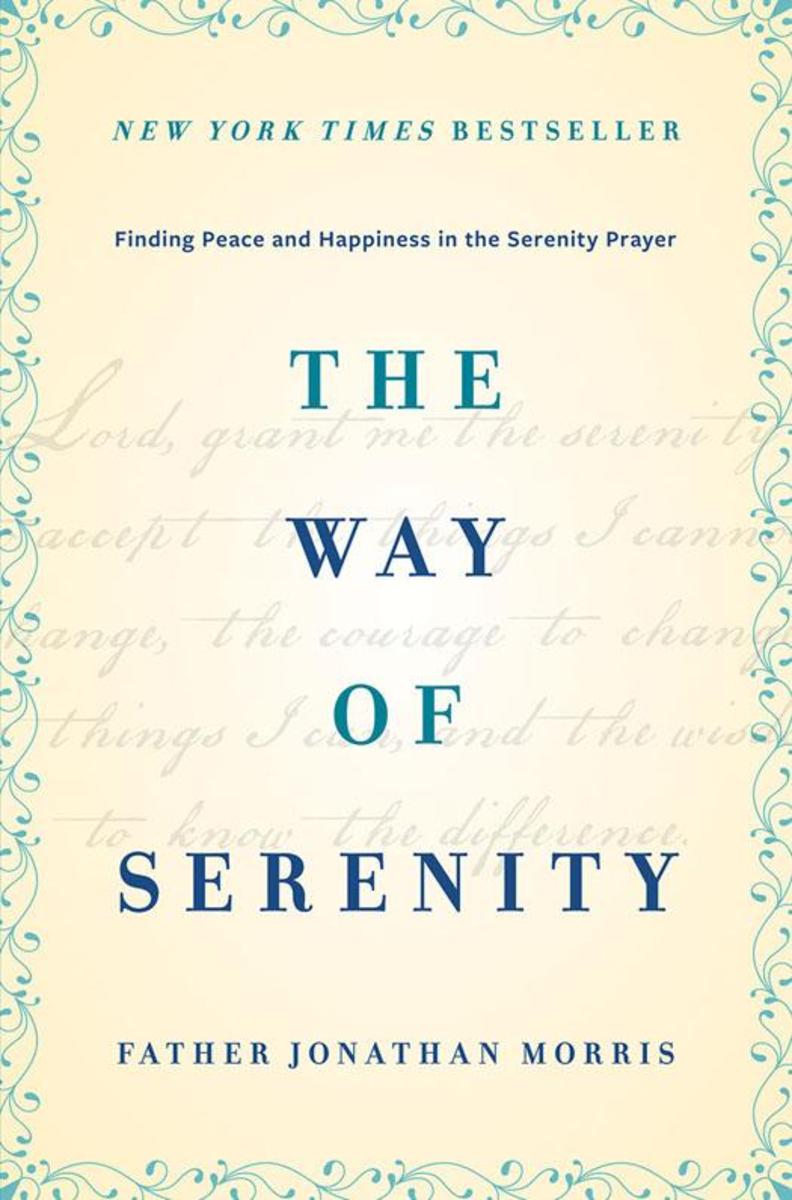
The Way of Serenity
¥95.39
Father Jonathan Morris, Fox News religion analyst, bestselling author, and parish priest, has seen firsthand how easily our day-to-day lives are consumed with anxiety and stress as we focus on our failures and troubles, while peace feels unattainable. When he re-discovered the Serenity Prayer, he realized that this little prayer can be, in fact, a powerful roadmap for our spiritual journey toward God. As he began to share this prayer with others, he saw that living these simple lines became a source of profound peace and happiness: Lord, grant me the serenity to accept the things I cannot change,The courage to change the things I can,And the wisdom to know the difference. For years a mainstay of recovery programs, this prayer has proven it can change lives. What's more, through it we all can find comfort and support, including an active collaboration with God's grace as he works alongside us to grant the serenity we seek. Unpacking the prayer phrase by phrase, Father Jonathan shows how we can gain a deeper spiritual understanding by practicing its message. Through powerful personal stories, illuminating historical anecdotes, and biblical passages that show us God's plan for our lives, The Way of Serenity will help us grow closer to God and find serenity, regardless of our circumstances.Join Father Jonathan and the many others who have made this prayer an integral part of their lives, and find lasting peace and happiness today.
Voluntary Simplicity Second
¥83.03
When Voluntary Simplicity was first published in 1981, it quickly became recognized as a powerful and visionary work in the emerging dialogue over sustainable ways of living. Nearly three decades later, as the planet's environmental stresses become more urgent than ever, Duane Elgin has revised and updated his revolutionary book.Voluntary Simplicity is not about living in poverty; it is about living with balance. This book illuminates the pattern of changes that an increasing number of people around the world are making in their everyday lives adjustments in day-to-day living that are an active, positive response to the complex dilemmas of our time. By embracing a lifeway of voluntary simplicity characterized by ecological awareness, frugal consumption, and personal growth people can change their lives. And in the process, they have the power to change the world.
When Children Grieve
¥94.10
To watch a child grieve and not know what to do is a profoundly difficult experience for parents, teachers, and caregivers. Yet, there are guidelines for helping children develop a lifelong, healthy response to loss.In When Children Grieve, the authors offer a cutting-edge volume to free children from the false idea of "not feeling bad" and to empower them with positive, effective methods of dealing with loss.There are many life experiences that can produce feelings of grief in a child, from the death of a relative or a divorce in the family to more everyday experiences such as moving to a new neighborhood or losing a prized possession. No matter the reason or degree of severity, if a child you love is grieving, the guidelines examined in this thoughtful book can make a difference.

The Vitamin E Factor
¥84.16
It is too early to conclude that vitamin E has all the beneficial effects attributed to it, but even if only 25% of current expectations were to be fulfilled, vitamin E would become an important weapon against a range of chronic diseases.The book is not simply scientific and education but also a please to read.

The Shadow Effect
¥88.56
Deepak Chopra, Debbie Ford, and Marianne New York Times bestselling authors and internationally acclaimed teachers have joined together to share their knowledge on one of the most crucial obstacles to happiness we face the shadow. These three luminaries, each with a signature approach, bring to light the parts of ourselves we deny but that still direct our life. For it is only when we embrace our shadow that we discover the gifts of our authentic nature.The shadow exists within all of us. It is a part of us and yet we spend most of our life running from it. But far from being scary, our dark side holds the promise of a better, more fulfilling life. Our shadow makes itself known every day. It is the reason we get furious over a friend showing up ten minutes late, yell at our parents or kids when they have done nothing wrong, and sabotage our own success at the worst possible time. Until we are able to embrace our dualistic nature, we will continue to hurt ourselves and those closest to us and fall short of our potential.Combining the wisdom of three experts, The Shadow Effect is a practical and profound guide to discovering the gifts of our shadow. These three authors powerfully pierce the veil of our unclaimed self, releasing us from the past and propelling us on a journey to wholeness. No longer living a half life, we are capable of achieving our dreams and reclaiming the happiness that is our birthright.
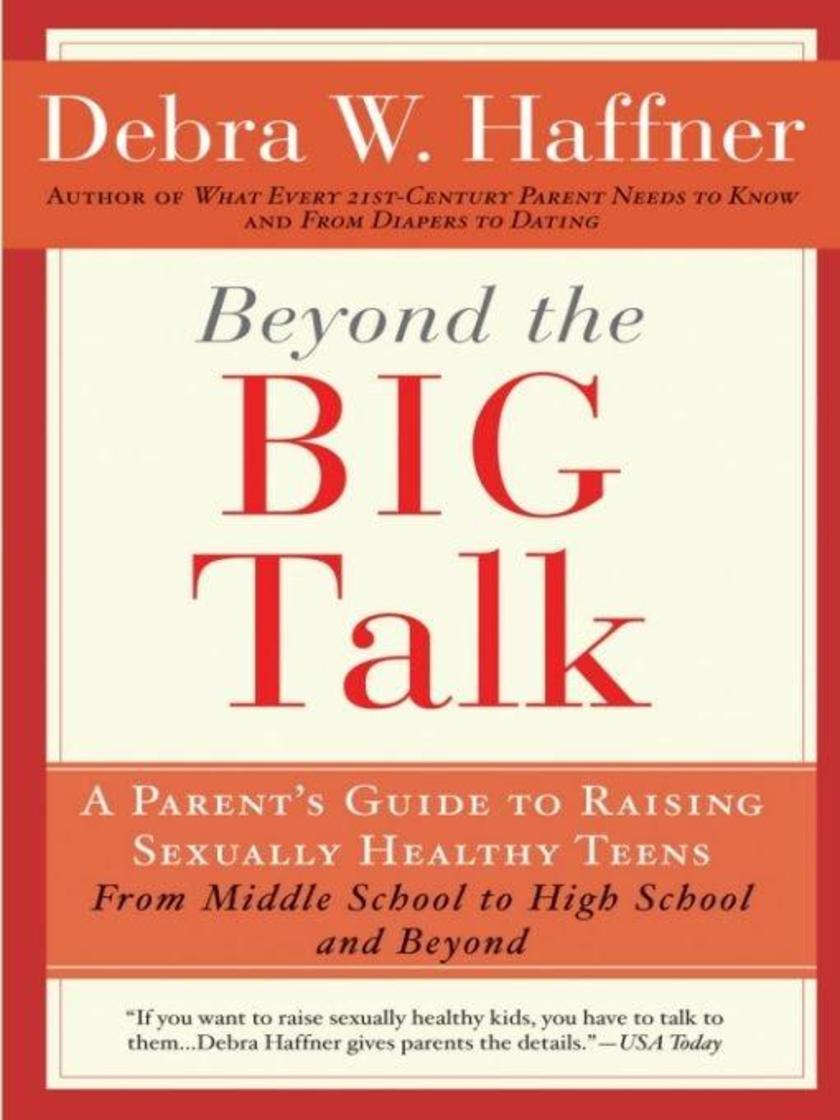
Beyond the Big Talk
¥95.39
As featured in Newsweek, Time, USA Today, and on Oprah, Dateline NBC, MTV and 20/20, this leading sexuality educator now helps parents guide their children through the difficult adolescent years from the author of From Diapers to Dating.Debra Haffner's valuable, award-winning book first book on raising sexually healthy children, From Diapers to Dating, helps parents through the infant-to-age-12 period. Her sequel, Beyond the Big Talk, now guides them through the difficult adolescent years, when they are likely to confront such issues as peer pressure, dating and parties, alcohol and drugs, harassment, abstinence, and much more. Organized by age group middle school (grades seven and eight), early high school (grades nine and ten), late high school (grades eleven and twelve), and beyond (ages 18 and up), each section provides: "Values Exercises" to help parents decide their own beliefs on various topics, and how to communicate them to their teen. "Special Issues" advice on topics such as eating disorders, date rape, sexual violence, and dealing with your teen's questions about your own sexual history. Advice on finding "teachable moments" with your teens entry points into discussions on important topics in television, in the movies, and in your daily lives. A frank and supportive foreword by Haffner's teen-age daughter, Alyssa, gives a young person's perspective on the challenges teens face every day. An extensive Appendix offers a wealth of books, websites, and organizations for both teens and their parents. In her trademark "realistic, practical, and informative" style (Kirkus Reviews), Haffner's values-oriented approach is an invaluable resource to both parents and children.

Give the Gift of Healing
¥78.65
From The New York Times bestselling author of The Eagle and the Rose and Proud Spirit comes a book on spiritual healing.Rosemary Altea, the internationally renowned medium known to millions worldwide as "The Voice of the Spirit World," is also the founder of the Rosemary Altea Association of Healers, a charitable organization with patients worldwide. In this book package, Rosemary offers an introduction to spiritual healing, beginning with a personal account of how she embraced her role as a healer sixteen years ago. Sharing her belief that sickness and pain can cause the soul to live in a dark place, Rosemary presents healing techniques designed to give light - the Seven Steps to Self-Healing. We meet two inspiring patients who have been treated by Rosemary and her team of healers, and we learn how we can harness the power of our own thoughts and use color energy visualizations to achieve inner peace. Also included is a color chart explaining how each of eight vibrant hues can give us the gift of healing.
Kids, Parents, and Power Struggles
¥88.56
End Those Power Struggles and Begin Connecting with Your ChildNoted family educator Mary Sheedy Kurcinka struck a national chord with her bestselling Raising Your Spirited Child. Now she hits upon another crucial parenting topic: coping with the everyday challenges of disciplining your child, while understanding the issues behind his or her behavior. In Kids, Parents, and Power Struggles, she offers unique approaches to solving the daily, and often draining, power struggles between you and your child. Kurcinka views these conflicts as rich opportunities to teach your child essential life skills, like how to deal with strong emotions and problem solve. With her successful strategies, you'll be able to identify the trigger situations that set off these struggles and get to the root of the emotions and needs of you and your child.
The Heart of Addiction
¥83.03
Nobody has had an answer for why people with addictions continue to repeat them -- until now.For more than twenty years, distinguished psychiatrist Dr. Lance Dodes has been successfully helping people master their addictions -- alcoholism, compulsive gambling, smoking, sexual addiction, and more with a radical approach. Dr. Dodes describes how all addictions have, at their heart, unrecognized emotional factors that explain: Why we feel the impulse Why we feel it when we do What alternatives (really) work in that critical moment In this refreshing book filled with compelling case studies, Dr. Dodes debunks several such widely accepted myths as:Addictions are fundamentally a physical problem. People with addictions are different from other people. You have to hit bottom before you can get well. You are wasting your time if you ask "why" you have an addiction.
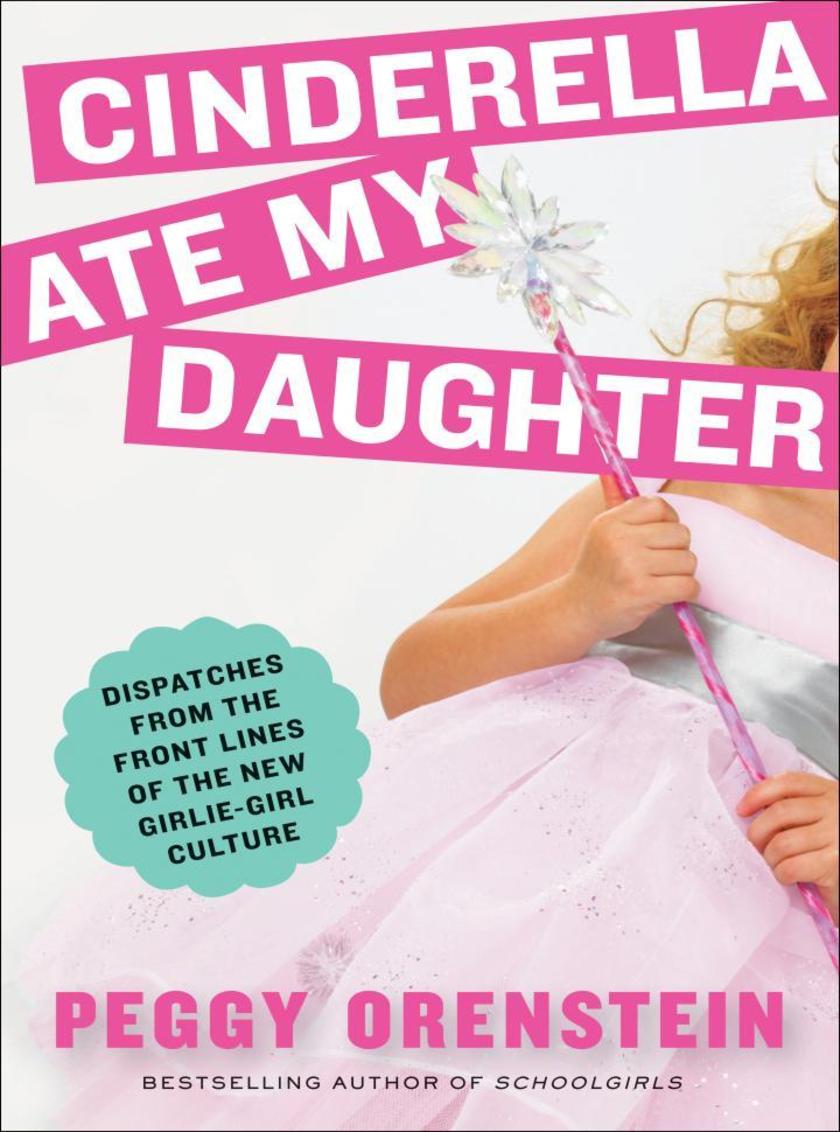
Cinderella Ate My Daughter
¥88.56
The acclaimed author of the groundbreaking bestseller Schoolgirls reveals the dark side of pink and pretty: the rise of the girlie-girl, she warns, is not that innocent. Pink and pretty or predatory and hardened, sexualized girlhood influences our daughters from infancy onward, telling them that how a girl looks matters more than who she is. Somewhere between the exhilarating rise of Girl Power in the 1990s and today, the pursuit of physical perfection has been recast as a source the source of female empowerment. And commercialization has spread the message faster and farther, reaching girls at ever-younger ages.But, realistically, how many times can you say no when your daughter begs for a pint-size wedding gown or the latest Hannah Montana CDAnd how dangerous is pink and pretty anyway especially given girls' successes in the classroom and on the playing fieldBeing a princess is just make-believe, after all; eventually they grow out of it. Or do theyDoes playing Cinderella shield girls from early sexualization or prime them for itCould today's little princess become tomorrow's sexting teenAnd what if she doesWould that make her in charge of her sexuality or an unwitting captive to it?Those questions hit home with Peggy Orenstein, so she went sleuthing. She visited Disneyland and the international toy fair, trolled American Girl Place and Pottery Barn Kids, and met beauty pageant parents with preschoolers tricked out like Vegas showgirls. She dissected the science, created an online avatar, and parsed the original fairy tales. The stakes turn out to be higher than she or we ever imagined: nothing less than the health, development, and futures of our girls. From premature sexualization to the risk of depression to rising rates of narcissism, the potential negative impact of this new girlie-girl culture is undeniable yet armed with awareness and recognition, parents can effectively counterbalance its influence in their daughters' lives.Cinderella Ate My Daughter is a must-read for anyone who cares about girls, and for parents helping their daughters navigate the rocky road to adulthood.
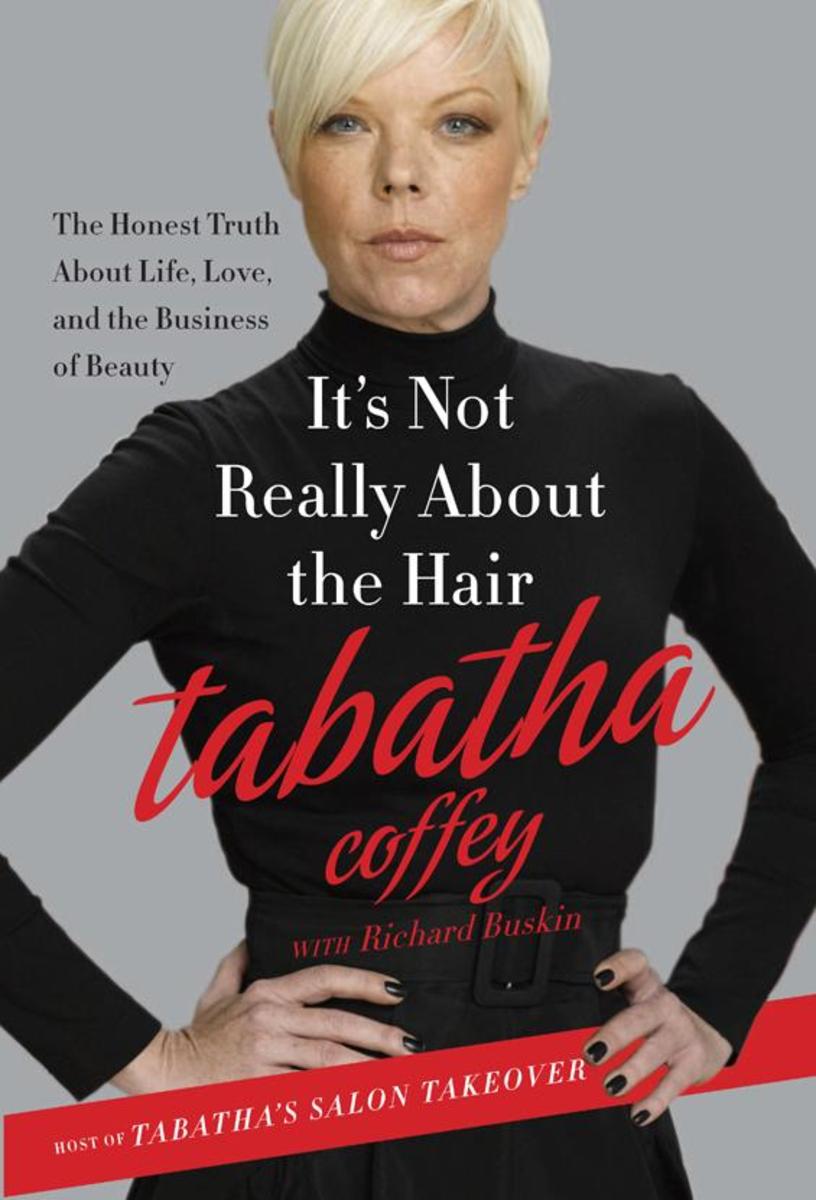
It's Not Really About the Hair
¥83.03
Fans of the hit Bravo show Tabatha's Salon Takeover tune in for the straight-shooting, unvarnished commentary of its ballsy, stylish, and savvy star. Though millions admire Tabatha Coffey's unflinching honesty and never-say-die attitude, some do not and have even taken to name-calling. Refusing to let others define her, she has reclaimed the word "bitch," transforming it to fit the person she is: Brave, Intelligent, Tenacious, Creative, and Honest. In It's Not Really About the Hair, this deeply private woman shares the experiences of her own life to encourage you to get in touch with your own inner bitch. Tabatha reveals how she used her strength and openness to help define her signature look, personal relationships, life choices, and tenacious work ethic—one that in her own words likens her to "a pit bull with a bone." Here are the people and the circumstances that have led her to a place of honesty, self-assurance, satisfaction, and success—from her tough-minded mum to her famous mentors, her peers, and clients. Part memoir, part business manual, and part coaching guide on achieving self-acceptance and love, It's Not Really About the Hair teaches you that it's all right to be who you are, stand up for what you believe in, and do what makes you happy without being defined by others. Tabatha Coffey's raw, funny, shocking, and always inspirational story will encourage you to celebrate the long-lasting and most important beauty of all—the true beauty that is you.


