


 购物车
购物车 个人中心
个人中心
Dezvoltare personal?, vindecare emo?ional? ?i maturizare. 12 povestiri terapeuti
¥40.79
n doar opt ani, Peggy Guggenheim a schimbat faa artei secolului XX; iar viaa sa, cea public i cea privat, a fost la fel de radical precum colecia pe care a deinut o. --The IndependentPatroan a artelor nc din anii 1930, Peggy Guggenheim ne ofer, ntr un autoportret plin de sinceritate, o perspectiv din interior asupra nceputului artei moderne, fcnd mrturisiri revelatoare despre familia sa bogat i excentric, despre relaiile sale personale i oferindu ne portrete adesea surprinztoare ale artitilor nii.Confesiunile unei dependente de art imortalizeaz un capitol nsemnat din istoria artei moderne, precum i personalitatea uneia dintre cele mai fervente susintoare a ei.Ar trebui s ne mulumim, deocamdat, cu ceea ce a produs secolul XX — Picasso, Matisse, Mondrian, Kandinsky, Klee, Léger, Braque, Gris, Ernst, Miró, Brncui, Arp, Giacometti, Lipchitz, Calder, Pevsner, Moore i Pollock. Astzi este vremea colecionrii, nu a creaiei.Haidei cel puin s conservm i s le oferim oamenilor toate marile comori pe care le avem. -- Peggy Guggenheimntlnirea cu frumosul ne modific. Arta, n toate formele ei de exprimare, ne vorbete despre frumuseea acestei lumi, indiferent ct de sublim sau atroce este ea.Prin Colecia StArt pe care o inaugureaz odat cu apariia Confesiunilor lui Peggy Guggenheim, Editura Pandora M i propune s familiarizeze cititorii cu arta modern a secolului XX i cu fabuloasa lume din spatele cortinelor care ascund de multe ori poveti extraordinare i viziuni inedite. Colecia StArt este un loc de ntlnire ntre cei care au curiozitatea de a citi viaa prin alt fel de lentile dect cele obinuite i cei mai importani actori ai scenei de art, fie c este vorba despre artiti, curatori, galeriti, colecionari, critici sau istorici.
Iluzoria vulpe a fericirii
¥40.79
Din nord, dup? o experien?? de dasc?l la ?coala din Ieud, Ioan Es. Pop a naufragiat prin ’88, ?n Capital? ca muncitor pe un ?antier, mai apoi, dup? ’89, ca redactor la Luceaf?rul, izbutind s?-?i transforme naufragiul ?n descoperire esen?ial?, precum eroul lui Defoe. Cu migal?, cu entuziasm, cu r?bdare, cu Vineri, Robinson a f?cut din naufragiul s?u o terapeutic? a oric?rei alien?ri, inclusiv a celei de sine ?nsu?i. Cu talent, cu intui?ie, cu imagina?ie, cu nou?zeci?tii, Ioan Es. Pop ?i-a convertit naufragiul ?ntr-o splendid? revocare dramatic-liric? a neantului zilnic, cum numai poe?ilor de tot li se poate ?nt?mpla. Ieudul f?r? ie?ire este expresia plin? de prospe?ime poetic? a cestei convertiri. Lauren?iu Ulici
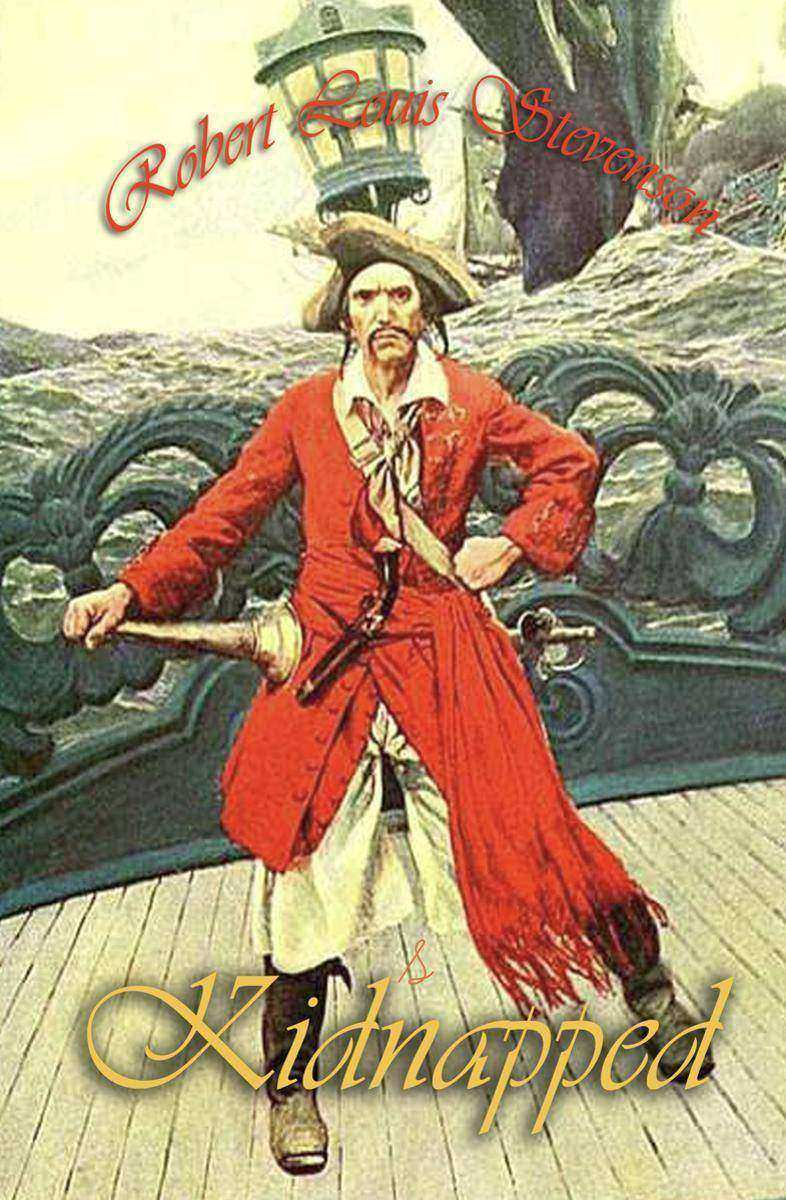
Kidnapped
¥40.79
Kidnapped is a historical adventure novel set around 18th-century Scottish events, notably the Appin Murder, which occurred near Ballachulish in the aftermath of the Jacobite Rising. Many of the characters, and one of the principals, Alan Breck Stewart, were real people.
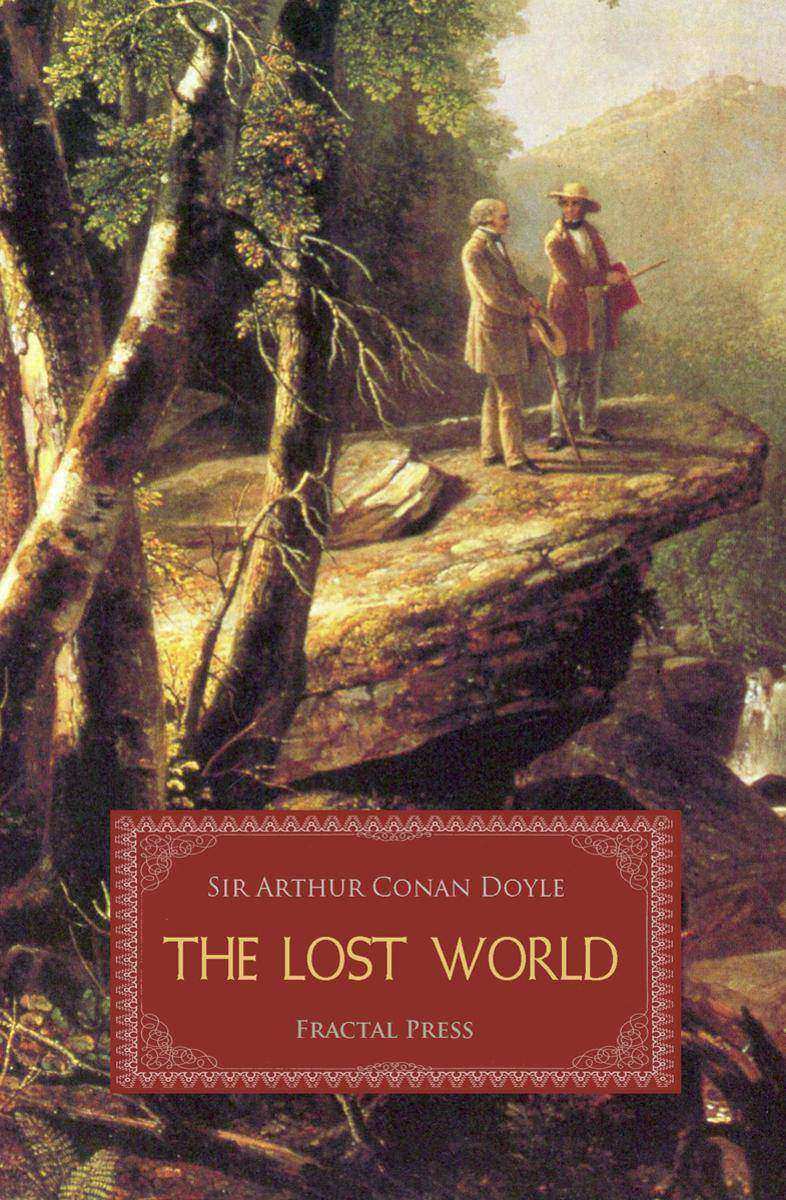
The Lost World
¥40.79
We follow Professor Challenger to a South American plateau in the Amazon basin where dinosaurs and other extinct creatures still survive. A legendary work of science fiction which sparked the Lost World genre.
Four Faultless Felons
¥40.79
Four Faultless Felons includes The Moderate Murderer, The Honest Quack, The Ecstatic Thief, and The Loyal Traitor. Chesterton's protagonist's faultless crimes include: murder, fraud, theft, and treason. They are motivated by good intentions of course, by altruism and virtues.
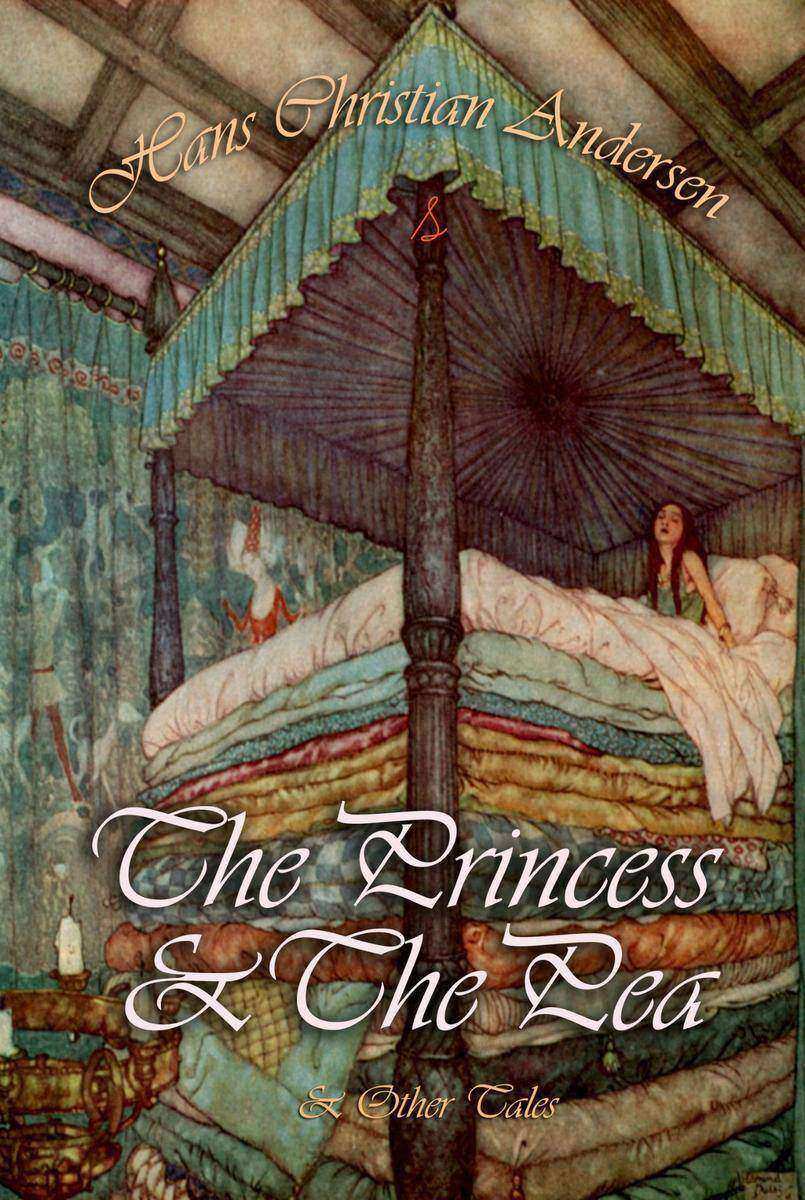
The Princess and The Pea and Other Tales
¥40.79
The story tells of a prince who wants to marry a princess, but is having difficulty finding a suitable wife. One stormy night a young woman drenched with rain seeks shelter in the prince's castle. She claims to be a princess, so the prince's mother decides to test their unexpected guest by placing a pea in the bed she is offered for the night. The Princess and The Pea is one of the twenty stories featured in this timeless collection of fairy tales by Hans Christian Andersen.
Crotchet Castle
¥40.79
In one of those beautiful valleys, through which the Thames not yet polluted by the tide, the scouring of cities, or even the minor defilement of the sandy streams of Surrey rolls a clear flood through flowery meadows, under the shade of old beech woods, and the smooth mossy greensward of the chalk hills which pour into it their tributary rivulets, as pure and pellucid as the fountain of Bandusium, or the wells of Scamander, by which the wives and daughters of the Trojans washed their splendid garments in the days of peace, before the coming of the Greeks...
Lost Illusions
¥40.79
Lucien Chardon, the son of a lower middle-class father and an impoverished mother of remote aristocratic descent, is the pivotal figure of the entire work. Living at Angouleme, he is impoverished, impatient, handsome and ambitious. His widowed mother, his sister Eve and his best friend, David Sechard, do nothing to lessen his high opinion of his own talents, for it is an opinion they share.
The Last Chronicle of Barset
¥40.79
The Archdeacon, although allowing that Grace is a lady, doesn't think her of high enough rank or wealth for his widowed son; his position is strengthened by the Reverend Mr Crawley's apparent crime. Almost broken by poverty and trouble, the Reverend Mr Crawley hardly knows himself if he is guilty or not; fortunately, the mystery is resolved just as Major Grantly's determination and Grace Crawley's own merit force the Archdeacon to overcome his prejudice against her as a daughter-in-law.
Studies in Self Culture and Character: A Man's Value to Society
¥40.79
Man’s evident failure to make the most out of his material life suggests a study of the elements in each citizen that make him of value to his age and community. What are the measurements of mankind, and why is it that daily some add new treasures to the storehouse of civilization, while others take from and waste the store already accumulated?

Unfamiliar Tunes: Plays by Anton Chekhov
¥40.79
Anton Chekhov's iconic plays including some of the unfamiliar short pieces such as The Wedding, and some of the more established classics such as The Cherry Orchard. Chekhov revolutionised world literature influencing generations of playwrights, screenwriters and actors. George Bernard Shaw described Chekhov's work as a fantasia in the Russian manner on English themes.
Troilus and Cressida
¥40.79
Troilus and Cressida is set during the later years of the Trojan War, faithfully following the plotline of the Iliad from Achilles' refusal to participate in battle to Hector's death. Troilus, a Trojan prince (son of Priam), woos Cressida, another Trojan. They have sex, professing their undying love, before Cressida is exchanged for a Trojan prisoner of war. As he attempts to visit her in the Greek camp, Troilus glimpses Diomedes flirting with his beloved Cressida, and decides to avenge her perfidy.
The Flying Inn
¥40.79
Set in a future England where the Temperance movement has allowed a bizarre form of Progressive Islam to dominate the political and social life of the country. Because of this, alcohol sales to the poor are effectively prohibited, while the rich can get alcoholic drinks under a medical certificate.
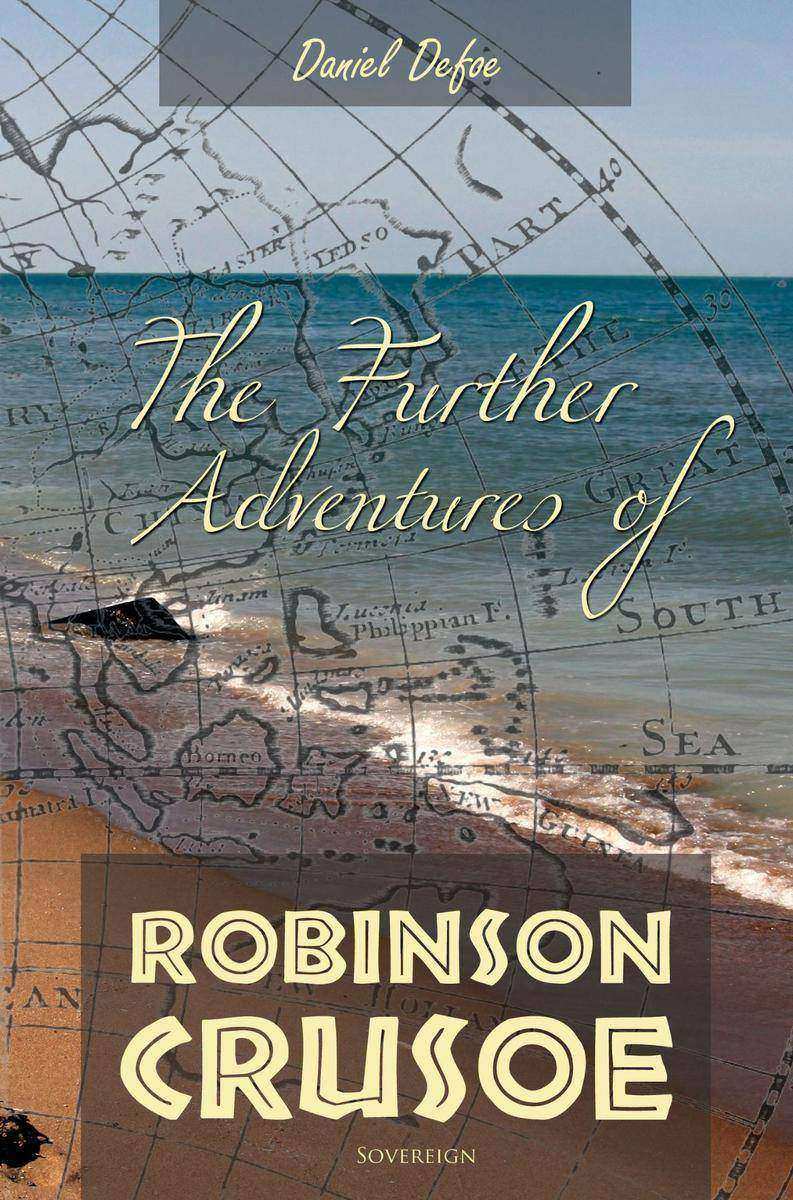
The Further Adventures of Robinson Crusoe
¥40.79
A sequel to Daniel Defoe's legendary Robinson Crusoe story of his adventures and survival on a remote tropical island. In this volume we follow Crusoe's return to his island, his voyages to Brazil, Southeast Asia, China, Madagascar, Siberia, and his adventures with the local tribes.
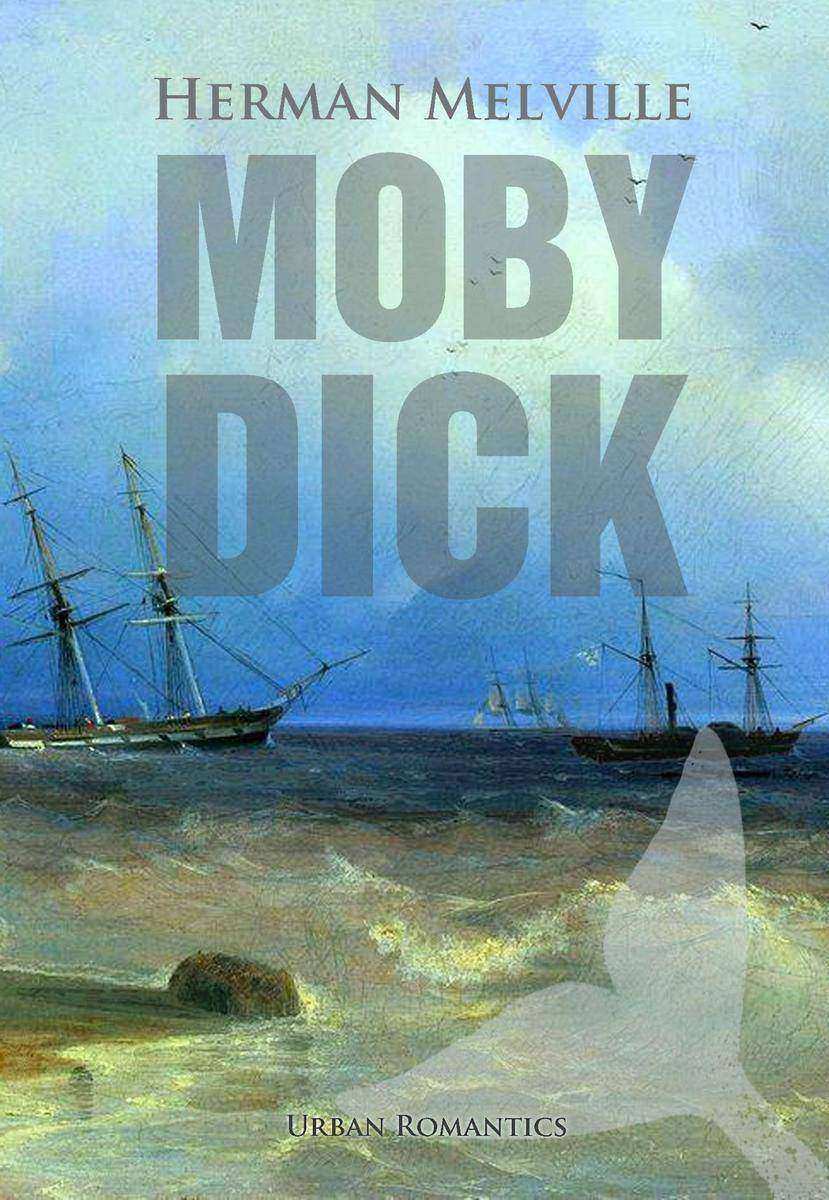
Moby-Dick: The Whale
¥40.79
Moby-Dick, one of the Great American Novels and a treasure of world literature, follows the adventures of wandering sailor Ishmael, and Captain Ahab who seeks out Moby Dick, a ferocious, enigmatic white sperm whale. In a previous encounter, the whale destroyed Ahab's boat and bit off his leg, which now drives Ahab to take revenge.

Dubliners
¥40.79
Ireland is at a crossroads of history and culture, and so are the characters in Joyce's collection of fifteen stories in this book. The initial stories are narrated by child protagonists, and later deal with the lives and concerns of progressively more mature characters. The stories centre on Joyce's idea of an epiphany: a moment where a character experiences self-understanding or illumination.
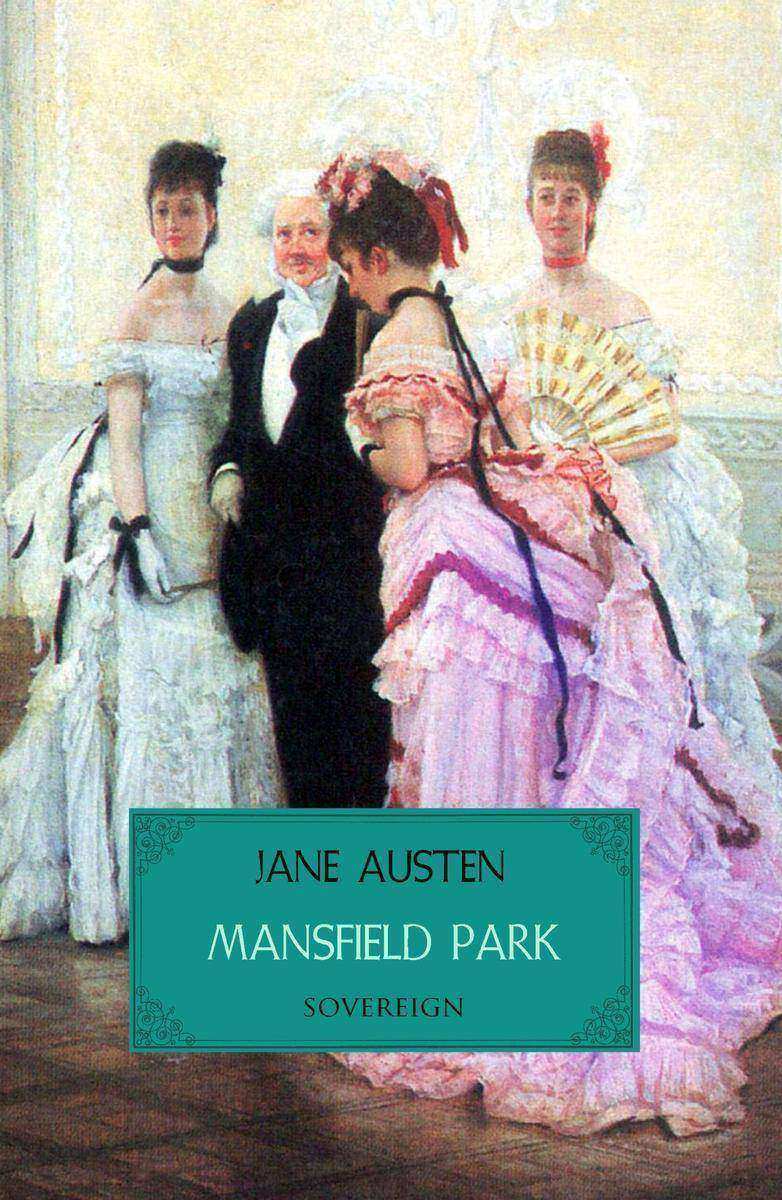
Mansfield Park
¥40.79
Fanny Price, a young girl from a large and relatively poor family, is taken to be raised by her rich uncle and aunt, Sir Thomas, and Lady Bertram, of Mansfield Park. Fanny grows up with her four older cousins but is always treated as something of a poor relation. Only Edmund, the second son, shows her real kindness. Over time, Fanny's gratitude for Edmund's thoughtfulness secretly grows into romantic love.
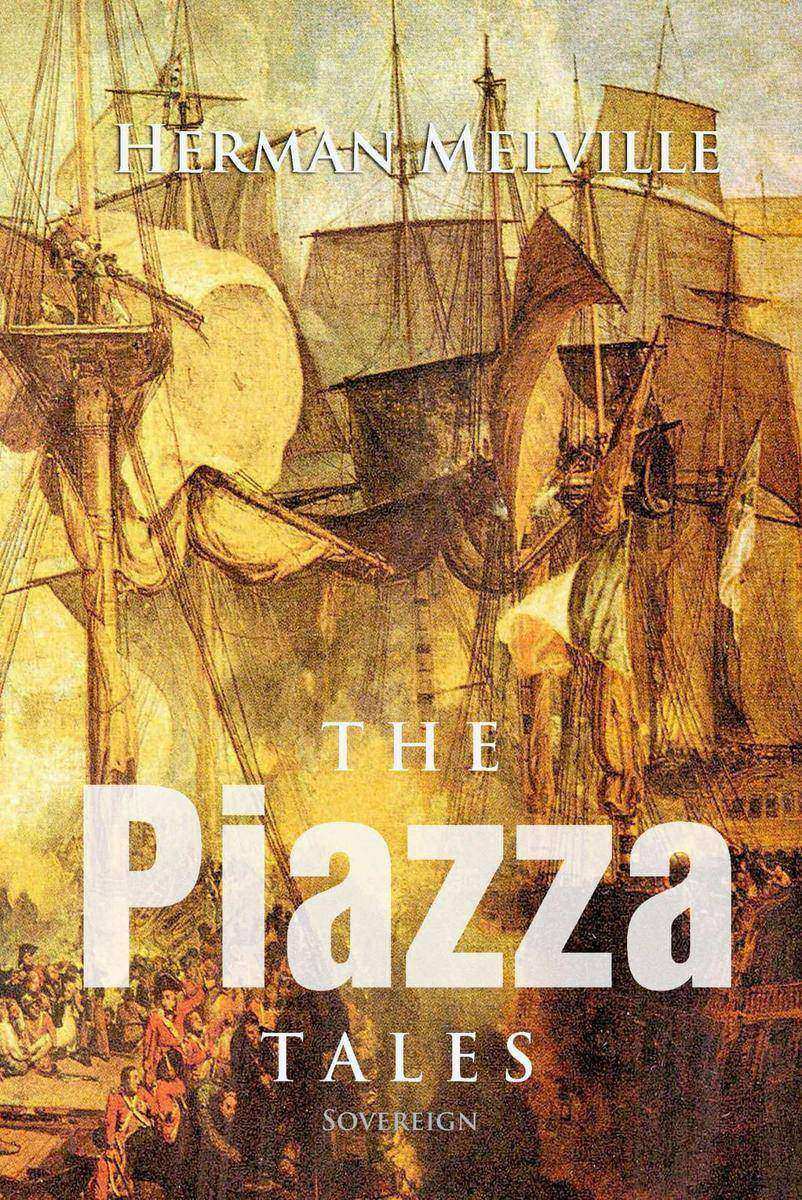
The Piazza Tales
¥40.79
The Piazza Tales is the only collection of short stories by Herman Melville including: The Piazza, Bartleby, Benito Cereno, The Lightning-Rod Man, The Encantadas, The Bell-Tower.
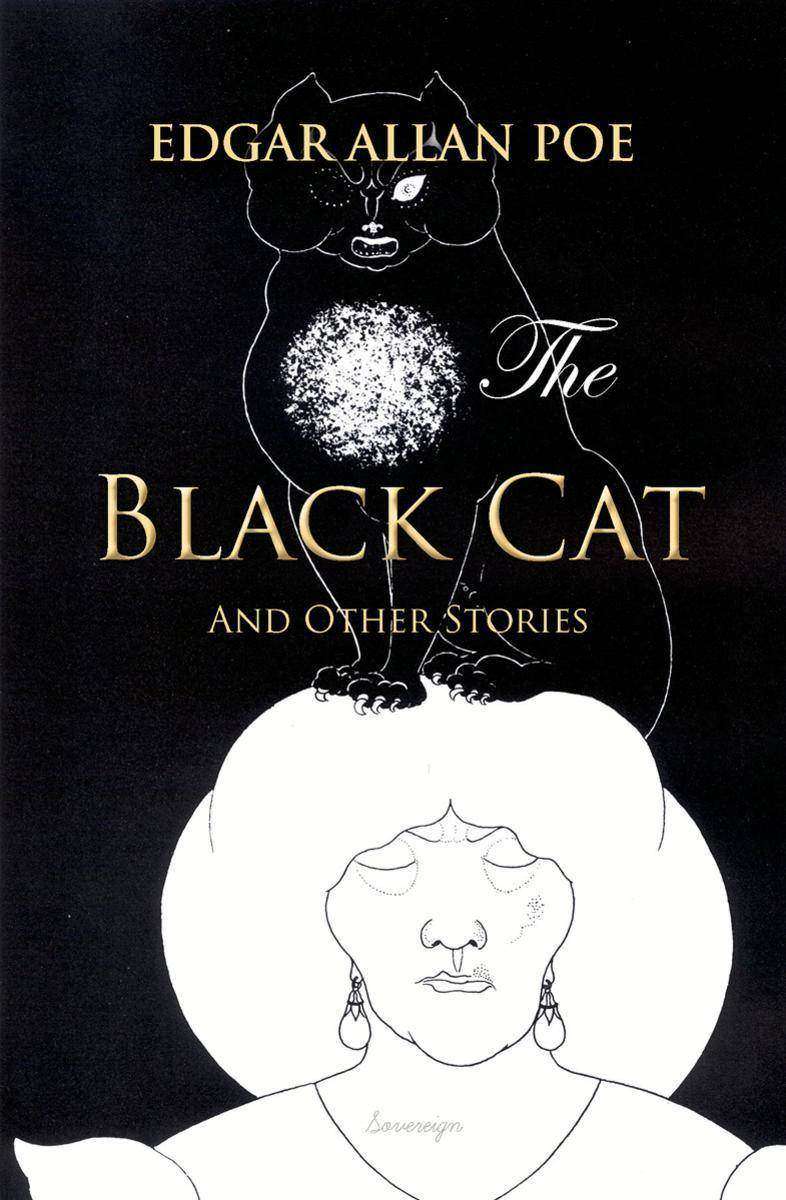
The Black Cat and Other Stories
¥40.79
Our pet-loving narrator injures his black cat under heavy influence of alcohol. From that moment onward, the cat flees in terror at his master's approach but this does not save Pluto from his master and eventually leads to Pluto's death and a mysterious house fire. The mystery does not end there and leads to even more unexpected events. The book features twenty other stories including: The Fall of the House of Usher, The Masque of the Red Death, The Imp of the Perverse.
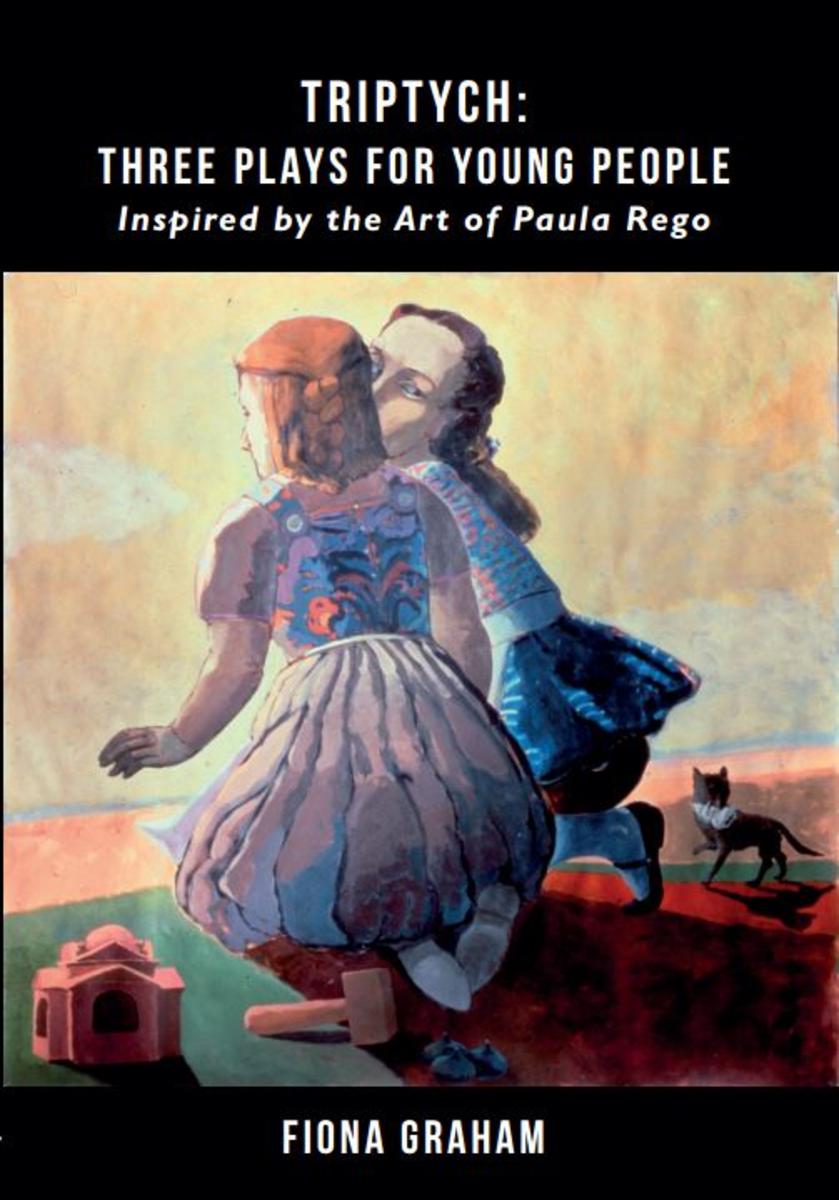
Triptych: Three Plays for Young People: Inspired by the Art of Paula Rego
¥40.79
The Portuguese visual artist Paula Rego has inspired this trilogy of plays. Her paintings Crivelli’s Garden, The Prey and Breaking China became the catalyst for writing by theatre maker Fiona Graham. Commissioned by Theatre Centre and Komedia, these three new plays were developed for specific audiences through a series of artist/audience residencies and collaborations. These works have toured Britain and been re-staged in Portugal and Singapore. Crivellis’s Garden was created for a 16+ audience and explores rites of passage as two young women decide whether they should stay or leave their fishing village to go to university in Portugal. Between Friends is for 7 -11 year olds and examines the politics of friendship between three young people when they are shipwrecked and abandoned in a lighthouse. Breaking China is for 4-8 year olds and shows the importance of creative play and storytelling when making sense of change and adversity. About the authorDR FIONA GRAHAMFiona teaches dramaturgy at Goldsmiths University. Previously she spent over a decade in New Zealand writing and teaching at Auckland University. Her plays include: Passage (The Herald Theatre, Auckland 2010), Breaking China (Theatre Centre, 2002 and Singapore’s International Festival, 2004) and Legacy (for Massive Theatre Company, 1998). Most recently she worked as dramaturge with Otago University and Talking House Theatre Company on Be/Longing and Hush, with Red Leap Theatre Company on Paper Sky and Sea, with playwright Mei-Lin Hansen on The Mooncake And The Kumara, with Winning Productions on I Wanna Be -- Ponsonby and Carol Brown on 1000 Lovers and the Pah Collective. Her book Catalyst For Change: The Interventions of the Dramaturge was published in New Zealand in 2017. Reviews: ‘Graham’s poetically eloquent script flows like molten silver and should give students, teachers and other theatregoers much to think about’ (on Crivelli’s Garden) – The Stage ‘A prime example of how an excellent script innovatively directed and beautifully performed can be applied to a wide age range. This joyful production provides much food for thought.’ (on Breaking China) – The Stage
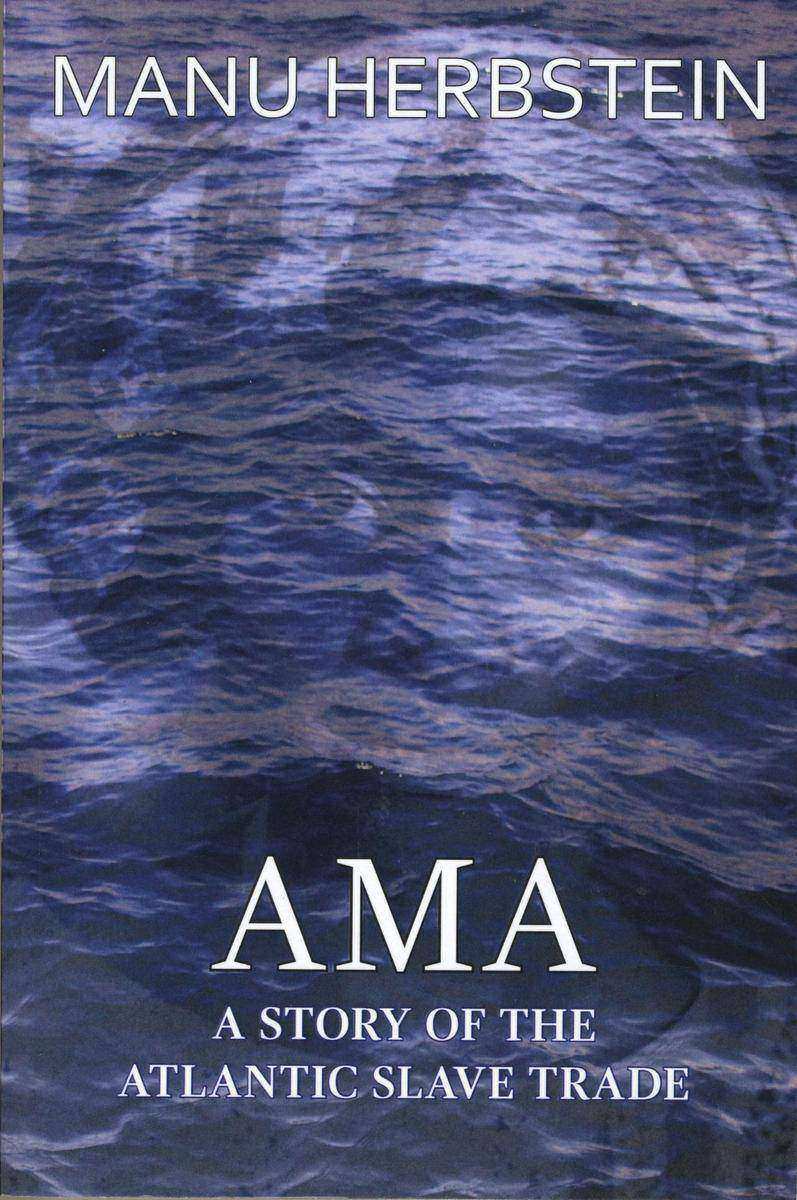
Ama, a Story of the Atlantic Slave Trade
¥40.79
"I am a human being; I am a woman; I am a black woman; I am an African. Once I was free; then I was captured and became a slave; but inside me, here and here, I am still a free woman."During a period of four hundred years, European slave traders ferried some 12 million enslaved Africans across the Atlantic. In the Americas, teaching a slave to read and write was a criminal offense. When the last slaves gained their freedom in Brazil, barely a thousand of them were literate. Hardly any stories of the enslaved and transported Africans have survived.This novel is an attempt to recreate just one of those stories, one story of a possible 12 million or more.Lawrence Hill created another in The Book of Negroes (Someone Knows my Name in the U.S.) and, more recently, Yaa Gyasi has done the same in Homegoing. Ama occupies center stage throughout this novel. As the story opens, she is sixteen. Distant drums announce the death of her grandfather. Her family departs to attend the funeral, leaving her alone to tend her ailing baby brother. It is 1775. Asante has conquered its northern neighbor and exacted an annual tribute of 500 slaves. The ruler of Dagbon dispatches a raiding party into the lands of the neighboring Bekpokpam. They capture Ama. That night, her lover, Itsho, leads an attack on the raiders’ camp. The rescue bid fails. Sent to collect water from a stream, Ama comes across Itsho’s mangled corpse. For the rest of her life she will call upon his spirit in time of need. In Kumase, the Asante capital, Ama is given as a gift to the Queen-mother. When the adolescent monarch, Osei Kwame, conceives a passion for her, the regents dispatch her to the coast for sale to the Dutch at Elmina Castle. There the governor, Pieter de Bruyn, selects her as his concubine, dressing her in the elegant clothes of his late Dutch wife and instructing the obese chaplain to teach her to read and write English. De Bruyn plans to marry Ama and take her with him to Europe. He makes a last trip to the Dutch coastal outstations and returns infected with yellow fever. On his death, his successor rapes Ama and sends her back to the female dungeon. Traumatized, her mind goes blank. She comes to her senses in the canoe which takes her and other women out to the slave ship, The Love of Liberty. Before the ship leaves the coast of Africa, Ama instigates a slave rebellion. It fails and a brutal whipping leaves her blind in one eye. The ship is becalmed in mid-Atlantic. Then a fierce storm cripples it and drives it into the port of Salvador, capital of Brazil. Ama finds herself working in the fields and the mill on a sugar estate. She is absorbed into slave society and begins to adapt, learning Portuguese. Years pass. Ama is now totally blind. Clutching the cloth which is her only material link with Africa, she reminisces, dozes, falls asleep. A short epilogue brings the story up to date. The consequences of the slave trade and slavery are still with us. Brazilians of African descent remain entrenched in the lower reaches of society, enmeshed in poverty. “This is story telling on a grand scale,” writes Tony Sim?es da Silva. “In Ama, Herbstein creates a work of literature that celebrates the resilience of human beings while denouncing the inscrutable nature of their cruelty. By focusing on the brutalization of Ama's body, and on the psychological scars of her experiences, Herbstein dramatizes the collective trauma of slavery through the story of a single African woman. Ama echoes the views of writers, historians and philosophers of the African diaspora who have argued that the phenomenon of slavery is inextricable from the deepest foundations of contemporary western civilization.” Ama, a Story of the Atlantic Slave Trade, won the 2002 Commonwealth Writers Prize for the Best First Book.


