


 购物车
购物车 个人中心
个人中心
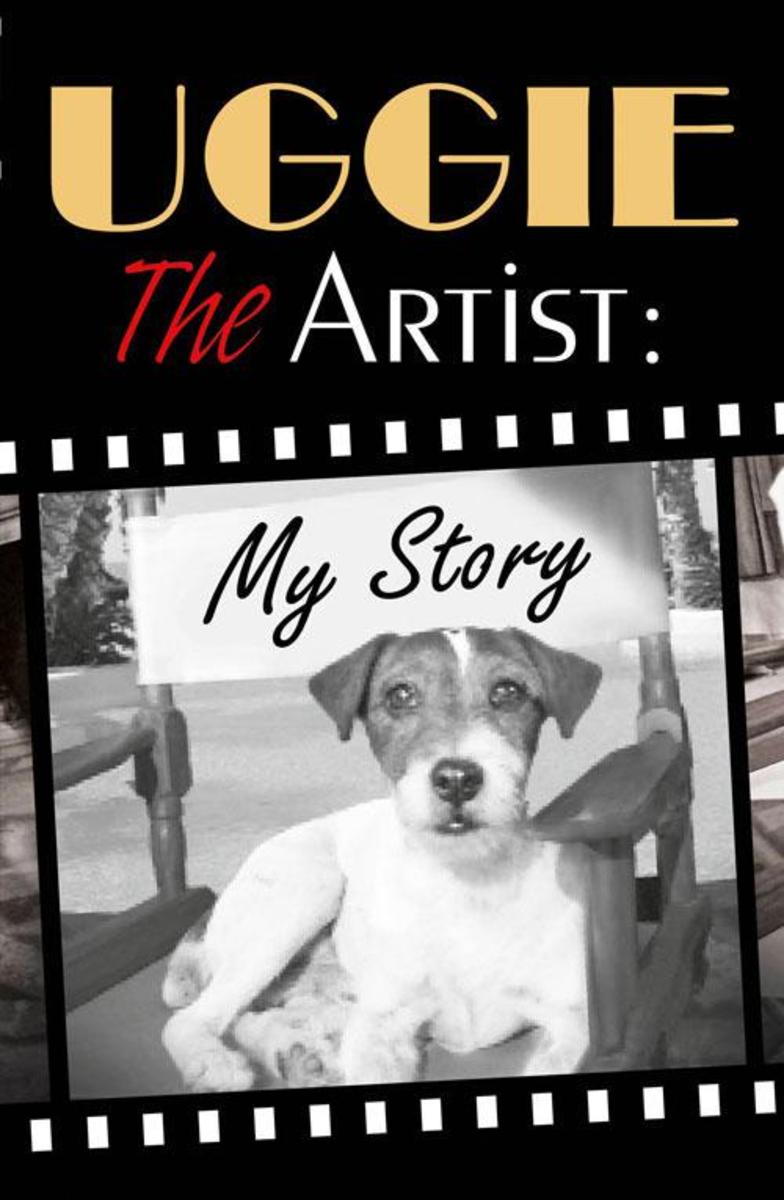
Uggie, the Artist:My Story
¥73.58
Chronicling Uggie’s life and that of his humans in intimate detail, Uggie: My Story is the hilarious and heart-warming life story of Hollywood’s favourite dog. The undisputed canine star of multiple-award-winning movie The Artist tells all. From his humble beginnings as a pound-bound hound, Uggie confesses to his youthful misdemeanours including Cat-Gate and Goat-Gate, before taking the reader on a page-turning journey through his career as a Jack Russell pin-up, star of numerous commercials, and bit-part player in several B-list movies. Aged almost seventy in human years, Uggie finally made it to the Oscars in the silent movie that set the world talking before being forced to retire at the peak of his career through ill health. Uggie’s memoir offers an entertaining romp through his encounters with celebrity actors (animal and human) as well as directors, politicians, journalists and vets. It also covers his disastrous dalliance with alcohol and his squirrel obsession. As well as a love letter to his acting coach Omar Von Muller, Uggie: My Story is revealingly frank about Uggie’s enduring crush on his one-time co-star Reese Witherspoon, which was finally sealed with a kiss at the White House Correspondent’s Dinner. Everyone loves a happy ending, especially a dog. ‘Uggie’s the catch of the day!’ Katy Perry ‘That was the best action I’ve had in years!’ Whoopi Goldberg, after being kissed by Uggie ‘You have no idea how star struck I am!’ Gerard Butler ‘Uggie was my shadow and my friend’ Jean Dujardin Warm, funny and totally absorbing, this is the perfect Christmas gift for film and dog fans alike.
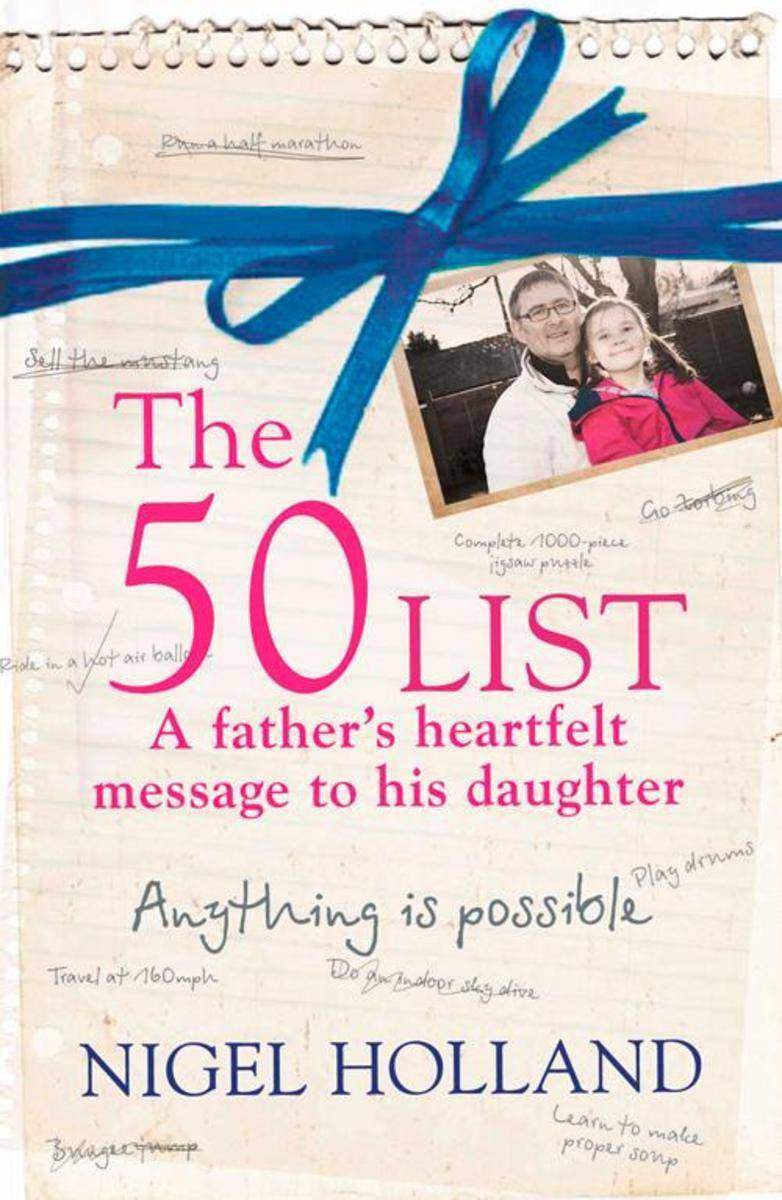
The 50 List – A Father’s Heartfelt Message to his Daughter:Anything Is Possible
¥58.86
Nigel has a disability – an inherited disease that means his nerves don’t tell his muscles what to do – but he does not consider himself disabled. His youngest daughter Ellie has been diagnosed with the same condition. To inspire Ellie, and show her anything is possible, Nigel set himself a list of fifty challenges. This is the story of that list. Nigel and his wife Lisa have three children and, like all parents, they have always wanted the best for their kids. For Nigel, this meant helping them to understand that life is to be challenged: to be explored and enjoyed, no matter what obstacles you might have to face. Even during the darkest times, Nigel has never let anything stop him from realising his dreams. To inspire his youngest daughter, and let her see firsthand that anything is possible, Nigel set himself a list of 50 challenges to complete before he turned 50. Some are crazy, wild physical challenges, others are seemingly simple tasks people often take for granted. Some are activities Nigel has done before, others are skills he has learnt to cope with his condition that he wants to share with other people. All of them hold huge emotional significance to Nigel and his family. This is the heart-warming account of the year Nigel completed The 50 List. Inspiring and surprising, it will move you to tears and laughter, and leave you believing that you really can accomplish anything.
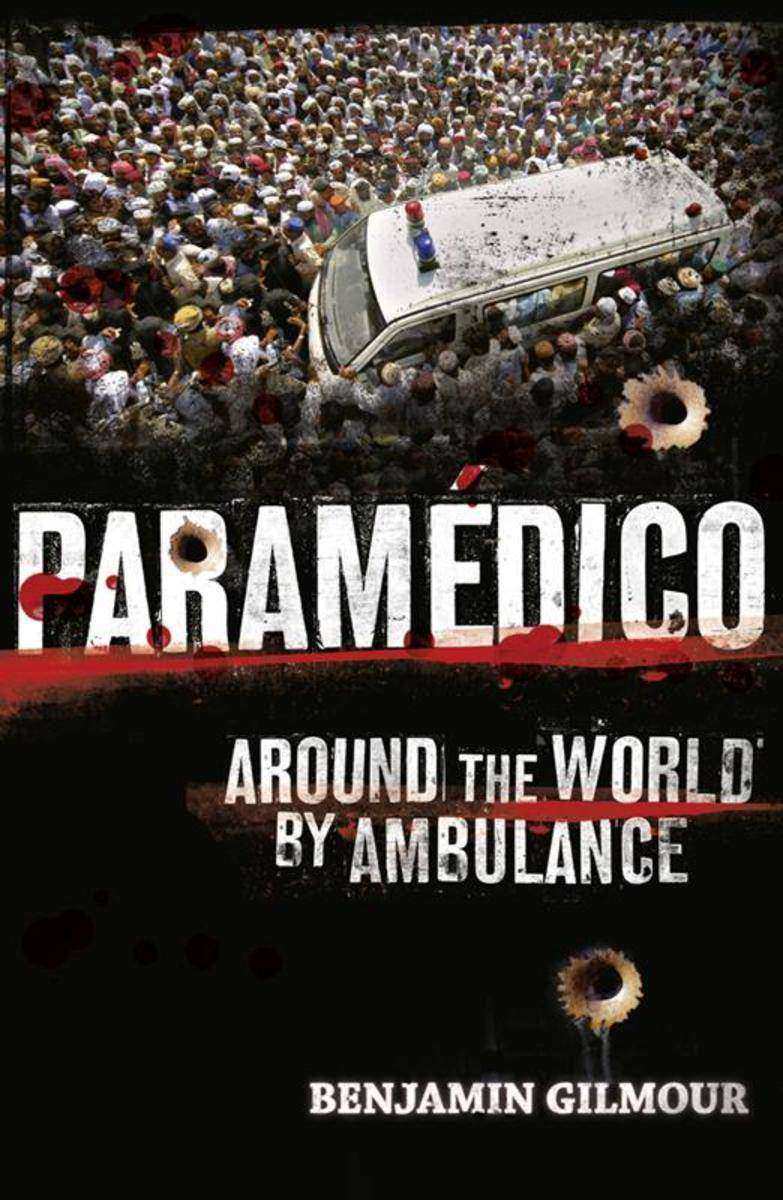
Paramédico
¥66.22
Around the world by ambulance. Paramédico is a brilliant collection of adventures by Australian paramedic Benjamin Gilmour as he works and volunteers on ambulances around the world. From England to Mexico, and Iceland to Pakistan, Gilmour takes us on an extraordinary thrill-ride with his wild coworkers. Along the way he learns a few things, too, and shows us not only how precious life truly is, but how to passionately embrace it. Now an acclaimed feature-length documentary movie.

Marcus Aurelius: The Dialogues
¥24.44
‘In this delightful and well written book, Alan Stedall … has done an enormous service in making some of Marcus Aurelius’s reflections very accessible to the modern reader’ Faith & Freedom ‘The Dialogues are eminently readable and immediate …in places it is irresistible’ The Philosopher ‘I was drawn deeper and deeper into the simple solid reasoning …Stedall’s imagined dialogue had me fully in the present’ Midwest Book Review ‘I knew within a few lines this was going to be a treasure... Stedall is a word master... Bravo!’ The Smoking Poet Marcus Aurelius, one of the greatest Roman emperors, is remembered less for his military exploits than for his private reflections. His Meditations, as they became known, have been a major influence on Western thought and behaviour down the centuries the pen is mightier than the sword. Seeking an alternative to faith based religion, Alan Stedall came across the book and found rational answers to questions about the meaning and purpose of life that had been troubling him. Here too were answers to his concern that, in the absence of moral beliefs based on religion, we risk creating a world where relativism, the rejection of any sense of absolute right or wrong, prevails. In such a society any moral position is considered subjective and amoral behaviour is unchallengeable. Because the Meditations were jotted down in spare moments during a busy life ruling and defending a huge empire, they lack order and sequence. Inspired by the wisdom of Marcus Aurelius, Stedall has sought to present the contents in a more contemporary and digestible way. To achieve this, he employed the Greek philosophical technique of dialogue to create a fictional conversation between five historical figures who actually met at Aquileia on the Adriatic coast in AD 168. Apart from Marcus, they were his brother and coemperor, Lucius, the famous Hellenic surgeon of antiquity, Galen, an Egyptian high priest of Isis, Harnouphis, and Bassaeus Rufus, Prefect of the Praetorian Guard. The Dialogues afford Marcus and his guests the opportunity to express their views on such topics as the brevity of life and the need to seek meaning; the pursuit of purpose; the supreme good and the pursuit of a virtuous life – issues as relevant today as they were in antiquity. By a gentle process of question and answer, Marcus shows up the weakness of his guests’ arguments and reveals how a virtuous life may be lived without the threat of eternal damnation or promise of salvation to enforce compliance. Virtue is its own reward.

Shakespeare and Platonic Beauty
¥24.44
John Vyvyan’s third Shakespearean study was originally published by Chatto & Windus in 1961, but has long been out of print. Looking at some of the comedies, he reveals how the Platonic ideas of beauty and love, as developed by Plotinus, Ficino, Castiglione and Spenser, add an extra dimension to the plays. In A Midsummer Night’s Dream, As You Like It and All’s Well That Ends Well, the heroines bring to life the idea of love as the force that is awakened in the world by beauty which then leads the soul to perfection. Vyvyan believes that for Shake-speare love was pre-eminent over human ideas of justice, that self-discovery was a supreme human experience and that breaking faith with the ideal ‘ as Agamemnon, Cressida and Hector all do in Troilus and Cressida ‘ sowed the seeds of tragedy. The author’s recognition of Shakespeare’s use of allegory enables him to make sense of certain developments in these plays which seem weak or absurd from the psychological standpoint ‘ the ‘tidy’ marriage of Celia and Oliver in As You Like It, the ignoble behaviour of Bertram in All’s Well That Ends Well, or the constancy of Julia’s love for the fickle Proteus in The Two Gentlemen of Verona. John Vyvyan’s work is extraordinarily perceptive, compelling us to think again about the underlying philosophy in Shakespeare’s plays, and to see their action from a fresh point of view. It is not often that one finds combined in one critical book so much learning, insight and modesty. ‘If a clearly conceived philosophy is implicit [in Shakespeare's work]‘, Vyvyan writes, ‘then it is by parable and allegory that it is expressed; and the recognition of this ‘I think’ immensely enhances our enjoyment of the plays: it gives them a new dimension and a richness that has yet to be explored; it is a stimulating challenge to acting and production; and to the audience it reveals a drama beyond the theatre, written, as Coleridge so finely said, for the stage of the universal mind.’

Hyam The Cat Who Talked Too Much
¥24.44
This is a tale of a cat called Hyam a very special cat. In fact he is a theatrical cat, a fastidious cat, a funny cat, but most of all an adored cat.Most famous for talking himself out of a part at an audition for a West End production for he is an actor. Here he tells his own story in a series of delightfully readable poems a pleasure for all age groups. Follow his adventures as he takes us on his travels through the ups and downs of theatre life and his many escapades as a sophisticated actor, a country puss and a muchloved family pet. Irresistibly combining both a sense of humour and an abounding love of its Feline Subject, with the Author’s delightful illustrations throughout ‘ Hyam The Cat who Talked To Much‘ will capture your imagination and steal your heart.The perfect gift book for all the family ages 9 – 90. Comes with a special offer to buy the Hyam the Cat gift.

If Only Politicians Had Brains
¥24.44
Hopefully you are old enough to remember‘Yes Minister.’Does government really work like thatIf it does, you really need a sense of humour to examine not only its workings but also its nonworkings. That is exactly what’ If Only Politicians Had Brains’ does , examine government workings with a sense of humour. Ten years ago BSE was going to destroy mankind (if mankind ate beef ). So far less than 150 people have died – over a twelve year period. ‘If Only Politicians Had Brains ’takes an, often times , humorous look– with serious intents– at the politically manufactured creations designed to divert public attention away from the real issues. Why do so many people“ fall for “the smoke and mirrors trap that makes“ Hustle ” the successful programme that it isTerenceO?Halloran has a thirty (plus) year experience of dealing with government through British Chambers of Commerce and the Federation of Small Businesses at local and central government level . This is a chance to share his insight into the real “ smoke and mirror ” minds of a group of people that will do anything to prove that they, and only they ,know how they should run your life..

Planning for Learning through Where I Live
¥73.48
Plan for six weeks of learning covering all six areas of learning and development of the EYFS through the topic of where I live. The Planning for Learning series is a series of topic books written around the Early Years Foundation Stage designed to make planning easy. This book takes you through six weeks of activities on the theme of the local area and where children live. Each activity is linked to a specific Early Learning Goal, and the book contains a skills overview so that practitioners can keep track of which areas of learning and development they are promoting. This book also includes a photocopiable page to give to parents with ideas for them to get involved with their children's topic, as well as ideas for bringing the six weeks of learning together.The weekly themes in this book include: on the high street; people where I live; parks and gardens; safe and strong; getting around and big buildings.
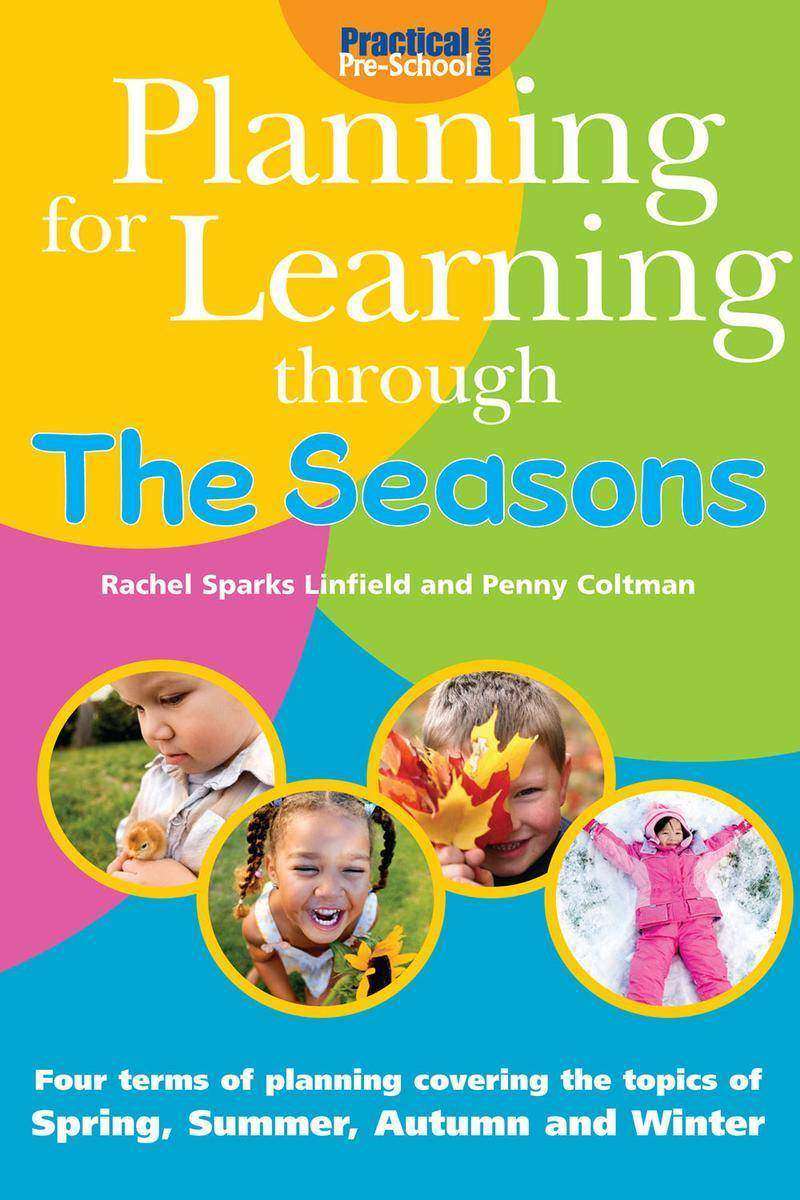
Planning for Learning through the Seasons
¥186.29
Plan for six weeks of learning for each season with this bumper edition, covering all six areas of learning and development of the EYFS. This bumper edition contains all the material contained in Planning for Learning Through Spring, Summer, Autumn and Winter in one value book. Ideal for helping young children to explore the seasons, whatever the time of year, with this step-by-step guide to planning fun activities that cover a wide range of Early Learning Goals. This title comes with advice on observing and assessing children's learning, as well as how to record evidence of learning. It also includes photocopiable sheets for parents to take and extend the learning at home. A must-have for any early years setting wanting easy to dip into planning all year round.
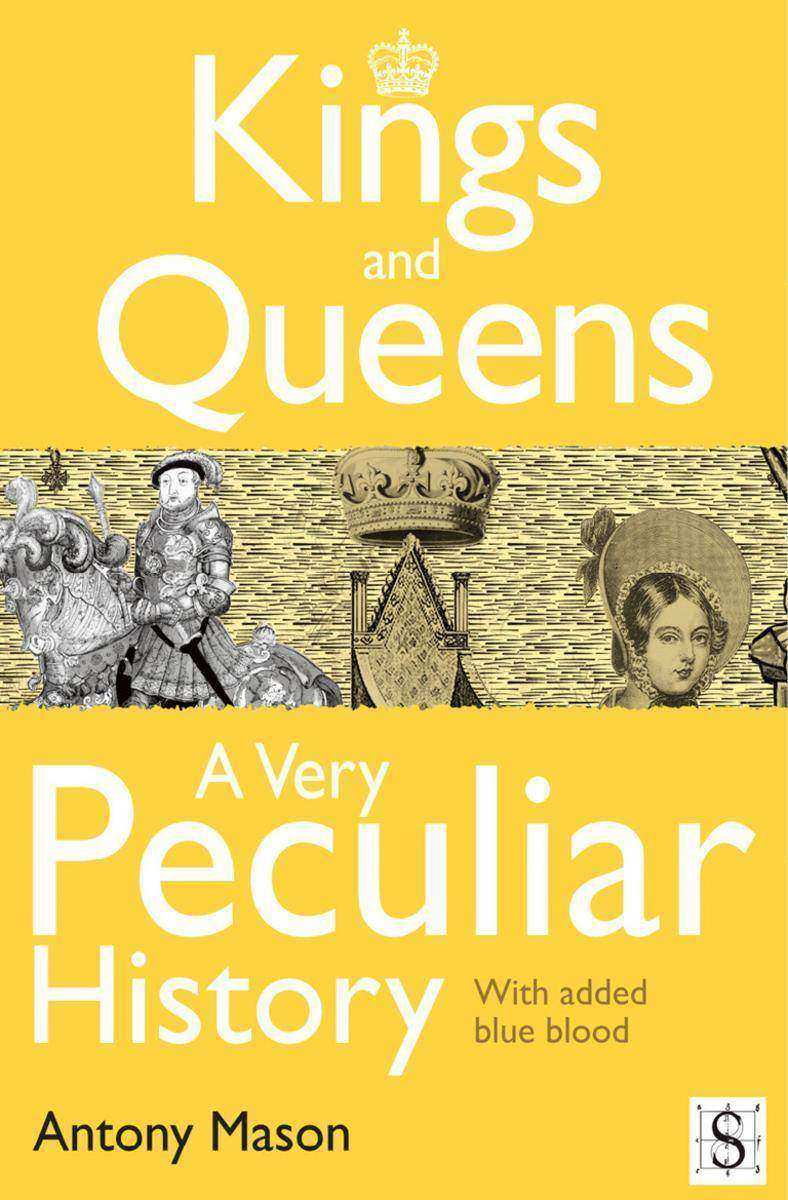
Kings and Queens - A Very Peculiar History
¥58.76
Which king's guards massacred a group of his supporters by mistake? Who had an oversized tongue and had to slobber when they ate food? Who was so large when they died that they had to be buried in a square coffin? Who survived seven assassination attempts? As you can tell from the bizarre questions above, it wasn't all thrones and sceptres for British kings and queens. Some of them were completely batty, and others were downright vicious. On the other hand, some monarchs were an icon to the people and represented the power and importance of Britain and England. 'Kings & Queens, A Very Peculiar History' explores some of the most marvellous monarchs to have ruled Britain and ekes out their bizarre habits and idiosyncracies, featuring quirky stories and fascinating facts and lists.
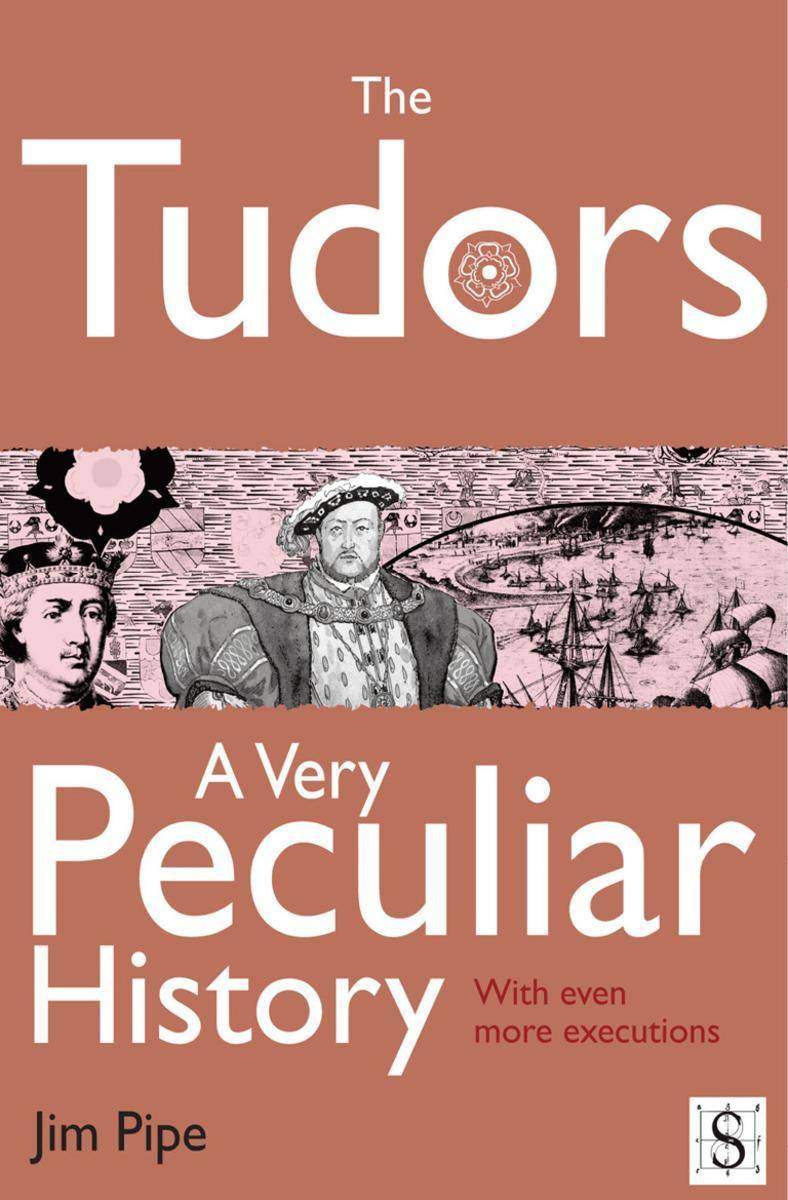
Tudors, A Very Peculiar History
¥58.76
The Tudors were an odd bunch, even weirder than their subjects, perhaps. When they weren't beheading wives and enemies they were threatening to, or going around earning themselves nicknames like 'Bloody Mary' and 'The 9 Day Queen'. 'The Tudors: A Very Peculiar History; tells the story of the Tudor monarchs, their castles, their lives and their subjects in a time when it was fashionable to slash up your clothes for that 'fresh from battle' look. The book details each monarch's reign and casts light on the more bizarre elements of their time in power, right down to an analysis of their seals and signatures and the various torture and execution methods they liked to use.
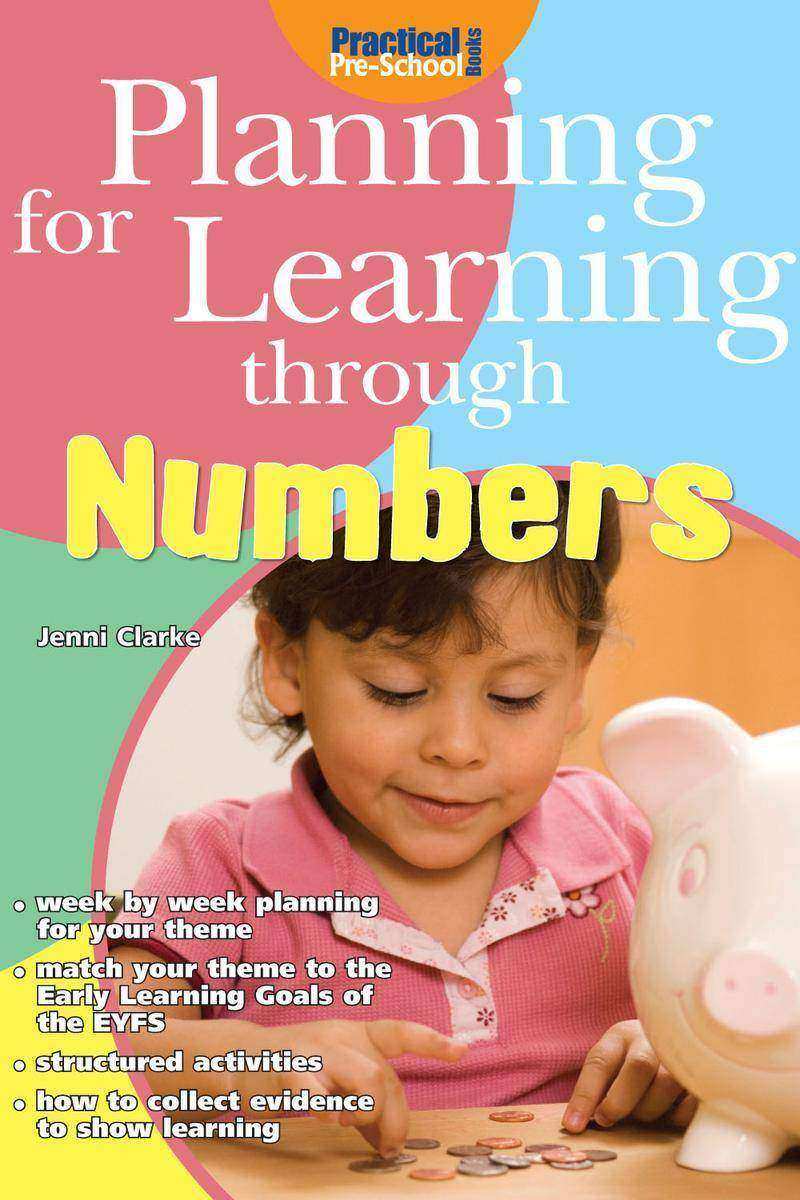
Planning for Learning through Numbers
¥73.48
Plan for six weeks of learning covering all six areas of learning and development of the EYFS through the topic of numbers. The Planning for Learning series is a series of topic books written around the Early Years Foundation Stage designed to make planning easy. This book takes you through six weeks of activities on the theme of numbers. Each activity is linked to a specific Early Learning Goal, and the book contains a skills overview so that practitioners can keep track of which areas of learning and development they are promoting. This book also includes a photocopiable page to give to parents with ideas for them to get involved with their children's topic, as well as ideas for bringing the six weeks of learning together. The weekly themes in this book include: finding numbers outdoors, musical numbers, cooking with numbers, arty numbers, shopping with numbers, and we love numbers. This book is a great way to bring numbers and early problem solving and numeracy skills into all areas of the curriculum so children learn about them in a fun and unpressured way.
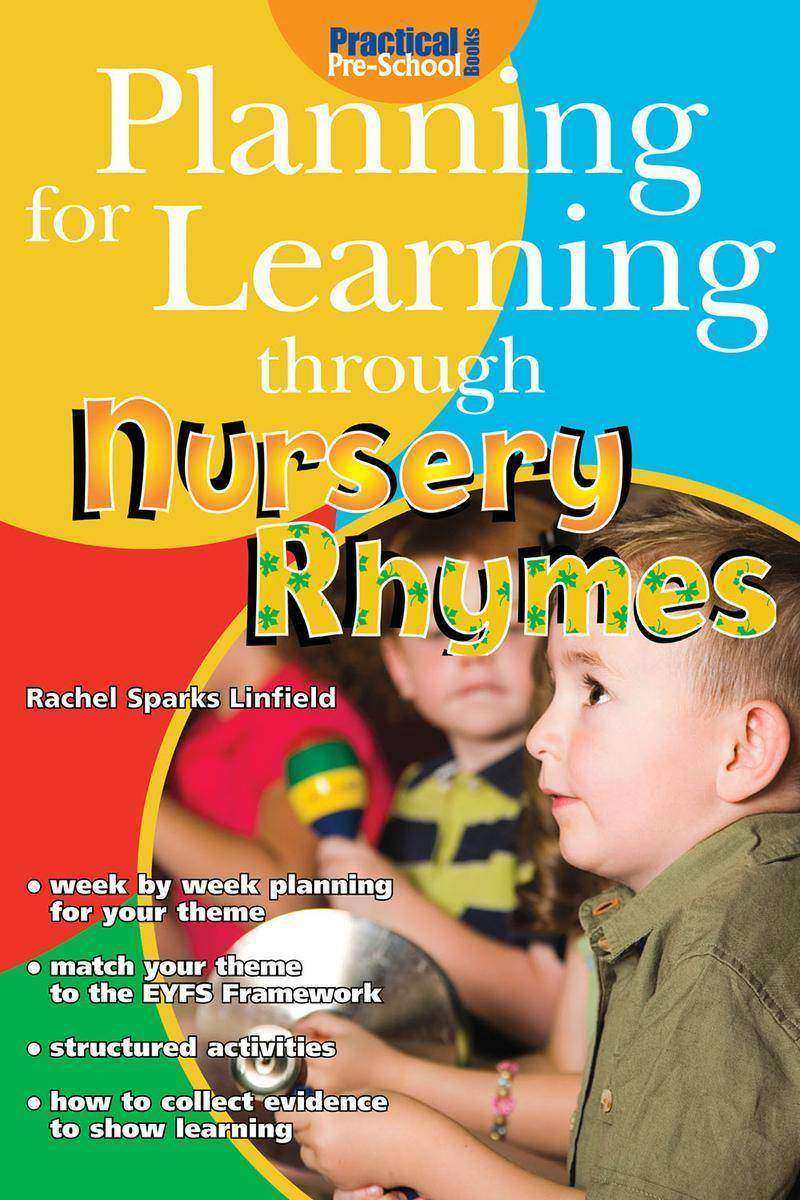
Planning for Learning through Nursery Rhymes
¥73.48
Plan for six weeks of learning covering all six areas of learning and development of the EYFS through the topic of nursery rhymes. The Planning for Learning series is a series of topic books written around the Early Years Foundation Stage designed to make planning easy. This book takes you through six weeks of activities on the theme of nursery rhymes. Each activity is linked to a specific Early Learning Goal, and the book contains a skills overview so that practitioners can keep track of which areas of learning and development they are promoting. This book also includes a photocopiable page to give to parents with ideas for them to get involved with their children's topic, as well as ideas for bringing the six weeks of learning together. The weekly themes in this book include: Humpty Dumpty, Little Miss Muffet, Jack and Jill, The Grand Old Duke of York, Hickory Dickory Dock and Little Bo Peep.
?llamalkotók: Warren Hastings
¥23.05
llamalkotók: Warren Hastings
Az ?rvény
¥28.86
Az ?rvény

A nagy b?rt?n
¥25.91
A nagy b?rt?n
Kelet fia
¥25.91
Kelet fia
Aki egy várost kirabolt
¥28.86
Aki egy várost kirabolt

Szerelem, diplomácia és faházak
¥34.66
Szerelem, diplomácia és faházak

A vadon szava
¥25.91
A vadon szava

Az ordas
¥28.86
Az ordas


