


 购物车
购物车 个人中心
个人中心
Uncle Tom's Cabin
¥8.09
Eram ?n Her?str?u, la parcul de distrac?ii, ?Luna-parc“, cum i se spunea pe atunci, ?ase b?ie?i ?i o fat?: Vintil? Iv?nceanu, Virgil Mazilescu, Daniel Turcea, Mihai Teclu, George Almosnino, Iulian Neac?u ?i Nora Iuga. Infatua?ii, arogan?ii, scandalagii, cosmopoli?ii – ONIRICII. B?ie?ii trecuser? un pic de dou?zeci, ?fata“ trecuse bini?or de treizeci, important era c? nu se vedea. Ne d?deam ?n ma?inu?e; caramboluri ?i chiote! Pe urm?, la bere, Pur?i – a?a ?i spuneam eu lui Vintil? – se ia de Iulian: ?Da’ neagra ta, cum ?i zice, dactilografa de noapte, te mai viziteaz??“... ?i urechea mea p?lnie se f?cu ?i la dou? noaptea, la ma?ina mea, am b?tut eu mai departe ce-mi dicta ea. (Nora Iuga, iulie 2010)

Mastering Rejections In One Sitting
¥8.09
Mastering Rejections In One Sitting
Intentions
¥8.09
Dodo Collections brings you another classic from Oscar Wilde, ‘Intentions’. Originally published in 1891 when Wilde was at the height of his form, these brilliant essays on art, literature, criticism, and society display the flamboyant poseur’s famous wit and wide learning. A leading spokesman for the English Aesthetic movement, Wilde promoted "art for art’s sake" against critics who argued that art must serve a moral purpose. On every page of this collection the gifted literary stylist admirably demonstrates not only that the characteristics of art are "distinction, charm, beauty, and imaginative power," but also that criticism itself can be raised to an art form possessing these very qualities. Oscar Fingal O'Flahertie Wills Wilde (16 October 1854 – 30 November 1900) was an Irish author, playwright and poet. After writing in different forms throughout the 1880s, he became one of London's most popular playwrights in the early 1890s. He is remembered for his epigrams, his novel The Picture of Dorian Gray, his plays, as well as the circumstances of his imprisonment and early death. At the height of his fame and success, while his masterpiece, The Importance of Being Earnest (1895), was still on stage in London, Wilde had the Marquess of Queensberry prosecuted for libel. The Marquess was the father of Wilde's lover, Lord Alfred Douglas. The charge carried a penalty of up to two years in prison. The trial unearthed evidence that caused Wilde to drop his charges and led to his own arrest and trial for gross indecency with other men. After two more trials he was convicted and imprisoned for two years' hard labour. In 1897, in prison, he wrote De Profundis, which was published in 1905, a long letter which discusses his spiritual journey through his trials, forming a dark counterpoint to his earlier philosophy of pleasure. Upon his release he left immediately for France, never to return to Ireland or Britain. There he wrote his last work, The Ballad of Reading Gaol (1898), a long poem commemorating the harsh rhythms of prison life. He died destitute in Paris at the age of 46.
The Admirable Crichton
¥8.09
This unique edition of The Admirable Crichton from Dead Dodo Vintage includes the full original text as well as exclusive features not available in other editions.
The Autobiography of Benjamin Franklin
¥8.09
Space and Time are pleased to bring you this classic presented as a wonderfully presented edition with a fully interactive table of contents.
Fortitude
¥8.09
This unique edition of Fortitude from Dead Dodo Vintage includes the full original text as well as exclusive features not available in other editions.
Short Stories of Various Types
¥8.09
You will find that the stories in this collection are of different types with settings that take you in imagination all over our own country and into foreign lands. Try writing a story with a surprise ending like "The Gift of the Magi," a character story with the theme of unselfish love, and its setting in a big city. Again, "John G," the story of adventure with an animal for the hero, might suggest to you an adventuresome incident in your own experience. If you have a vivid imagination, it might be interesting to write a fanciful story like "Feathertop." All of you have heard of true and thrilling incidents of the recent Great War. Try to weave one into a good war story as did Daudet or Mrs. Andrews. Almost every young person loves nature or the open country. After you have read Mr. Garland's, "The Camping Trip," see how well you can tell a story of your own experience in the out-of-doors. Or, best of all, see if you can equal the great Conan Doyle in a detective story.
Oliver Cromwell: A Play
¥8.09
This unique edition of Oliver Cromwell: A Play from Dead Dodo Vintage includes the full original text as well as exclusive features not available in other editions.
Witch Wood by John Buchan - Delphi Classics (Illustrated)
¥8.09
This eBook features the unabridged text of ‘Witch Wood by John Buchan - Delphi Classics (Illustrated)’ from the bestselling edition of ‘The Complete Works of John Buchan’. Having established their name as the leading publisher of classic literature and art, Delphi Classics produce publications that are individually crafted with superior formatting, while introducing many rare texts for the first time in digital print. The Delphi Classics edition of Buchan includes original annotations and illustrations relating to the life and works of the author, as well as individual tables of contents, allowing you to navigate eBooks quickly and easily. eBook features: * The complete unabridged text of ‘Witch Wood by John Buchan - Delphi Classics (Illustrated)’ * Beautifully illustrated with images related to Buchan’s works * Individual contents table, allowing easy navigation around the eBook * Excellent formatting of the text Please visit www.delphiclassics.com to learn more about our wide range of titles
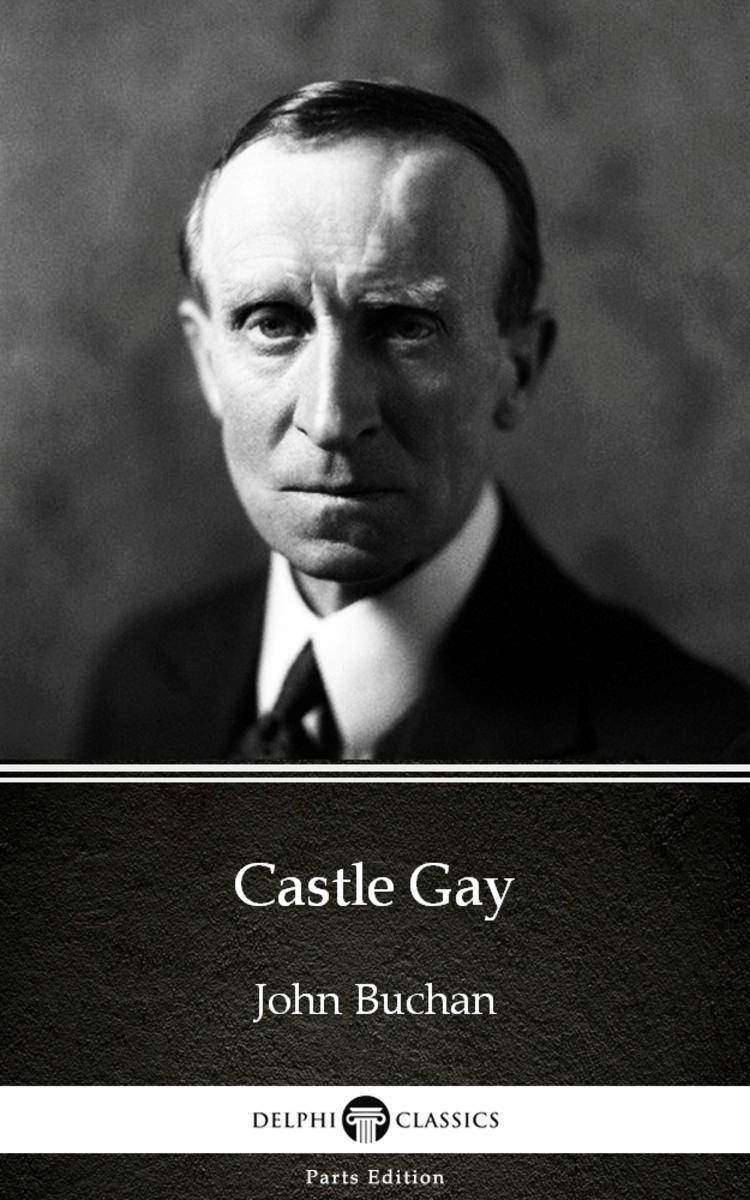
Castle Gay by John Buchan - Delphi Classics (Illustrated)
¥8.09
This eBook features the unabridged text of ‘Castle Gay by John Buchan - Delphi Classics (Illustrated)’ from the bestselling edition of ‘The Complete Works of John Buchan’. Having established their name as the leading publisher of classic literature and art, Delphi Classics produce publications that are individually crafted with superior formatting, while introducing many rare texts for the first time in digital print. The Delphi Classics edition of Buchan includes original annotations and illustrations relating to the life and works of the author, as well as individual tables of contents, allowing you to navigate eBooks quickly and easily. eBook features: * The complete unabridged text of ‘Castle Gay by John Buchan - Delphi Classics (Illustrated)’ * Beautifully illustrated with images related to Buchan’s works * Individual contents table, allowing easy navigation around the eBook * Excellent formatting of the text Please visit www.delphiclassics.com to learn more about our wide range of titles
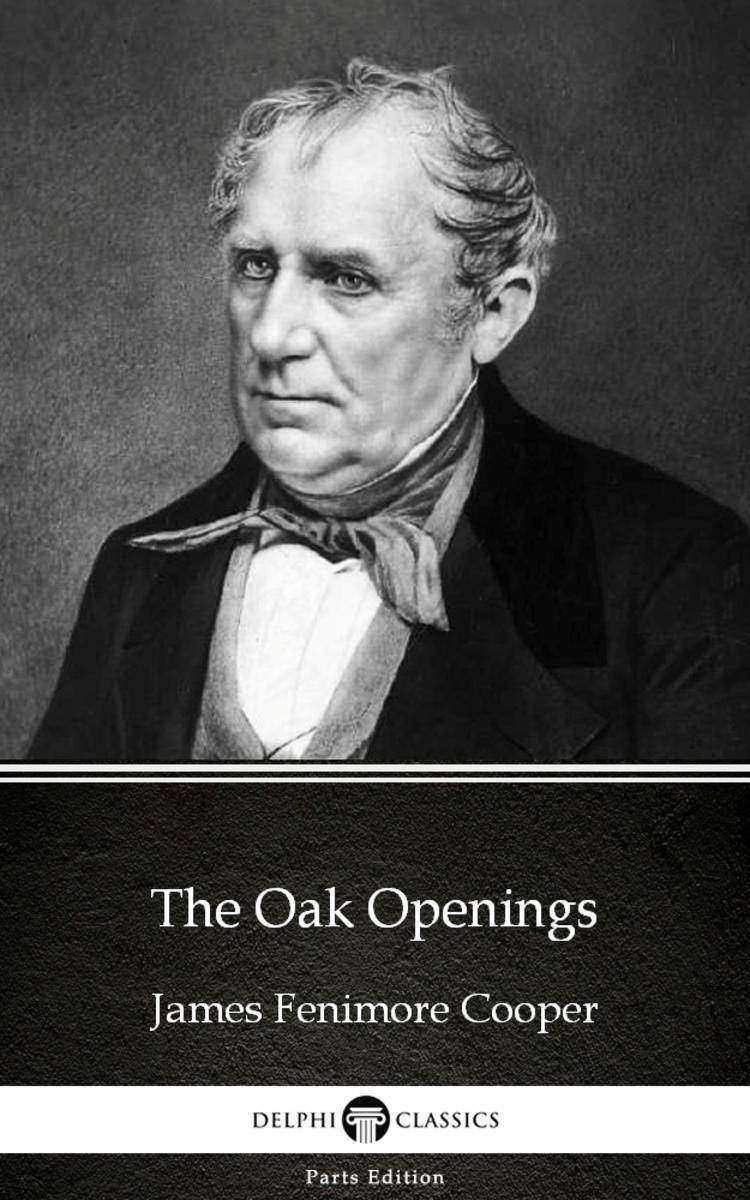
The Oak Openings by James Fenimore Cooper - Delphi Classics (Illustrated)
¥8.09
This eBook features the unabridged text of ‘The Oak Openings by James Fenimore Cooper - Delphi Classics (Illustrated)’ from the bestselling edition of ‘The Complete Works of James Fenimore Cooper’. Having established their name as the leading publisher of classic literature and art, Delphi Classics produce publications that are individually crafted with superior formatting, while introducing many rare texts for the first time in digital print. The Delphi Classics edition of Cooper includes original annotations and illustrations relating to the life and works of the author, as well as individual tables of contents, allowing you to navigate eBooks quickly and easily. eBook features: * The complete unabridged text of ‘The Oak Openings by James Fenimore Cooper - Delphi Classics (Illustrated)’ * Beautifully illustrated with images related to Cooper’s works * Individual contents table, allowing easy navigation around the eBook * Excellent formatting of the text Please visit www.delphiclassics.com to learn more about our wide range of titles
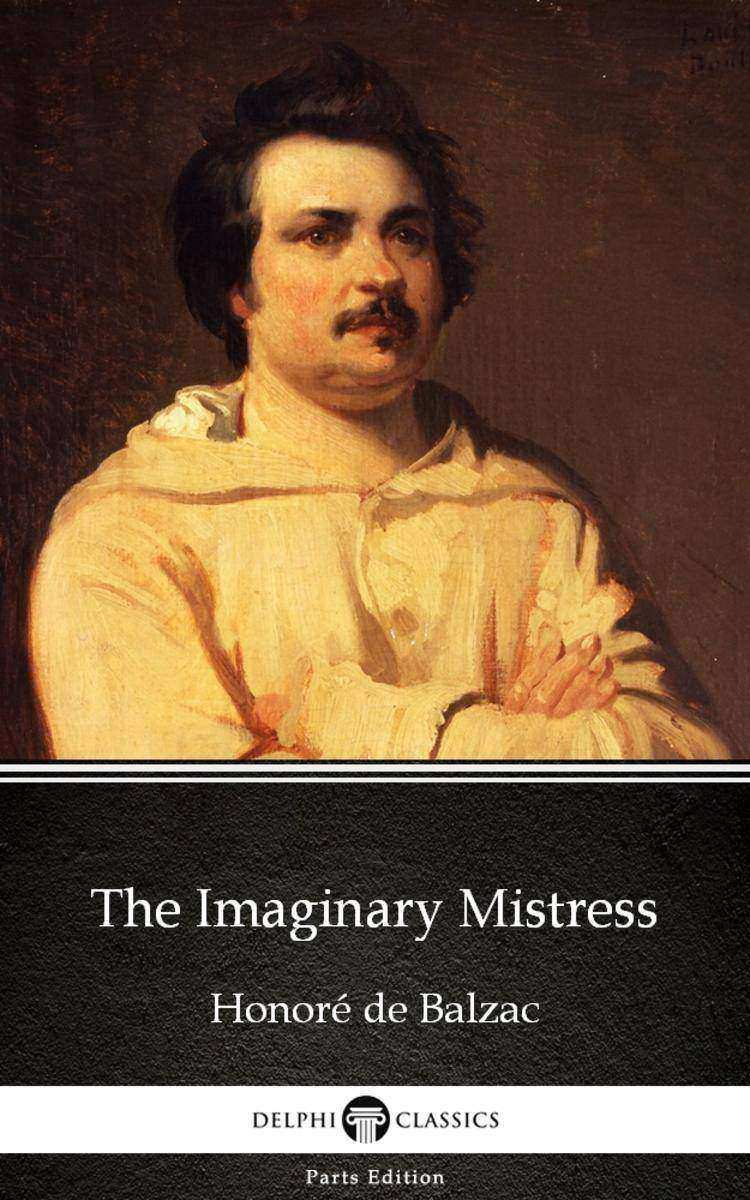
Eugenie Grandet by Honoré de Balzac - Delphi Classics (Illustrated)
¥8.09
This eBook features the unabridged text of ‘Eugenie Grandet by Honoré de Balzac - Delphi Classics (Illustrated)’ from the bestselling edition of ‘The Collected Works of Honoré de Balzac’. Having established their name as the leading publisher of classic literature and art, Delphi Classics produce publications that are individually crafted with superior formatting, while introducing many rare texts for the first time in digital print. The Delphi Classics edition of Balzac includes original annotations and illustrations relating to the life and works of the author, as well as individual tables of contents, allowing you to navigate eBooks quickly and easily. eBook features: * The complete unabridged text of ‘Eugenie Grandet by Honoré de Balzac - Delphi Classics (Illustrated)’ * Beautifully illustrated with images related to Balzac’s works * Individual contents table, allowing easy navigation around the eBook * Excellent formatting of the text Please visit www.delphiclassics.com to learn more about our wide range of titles
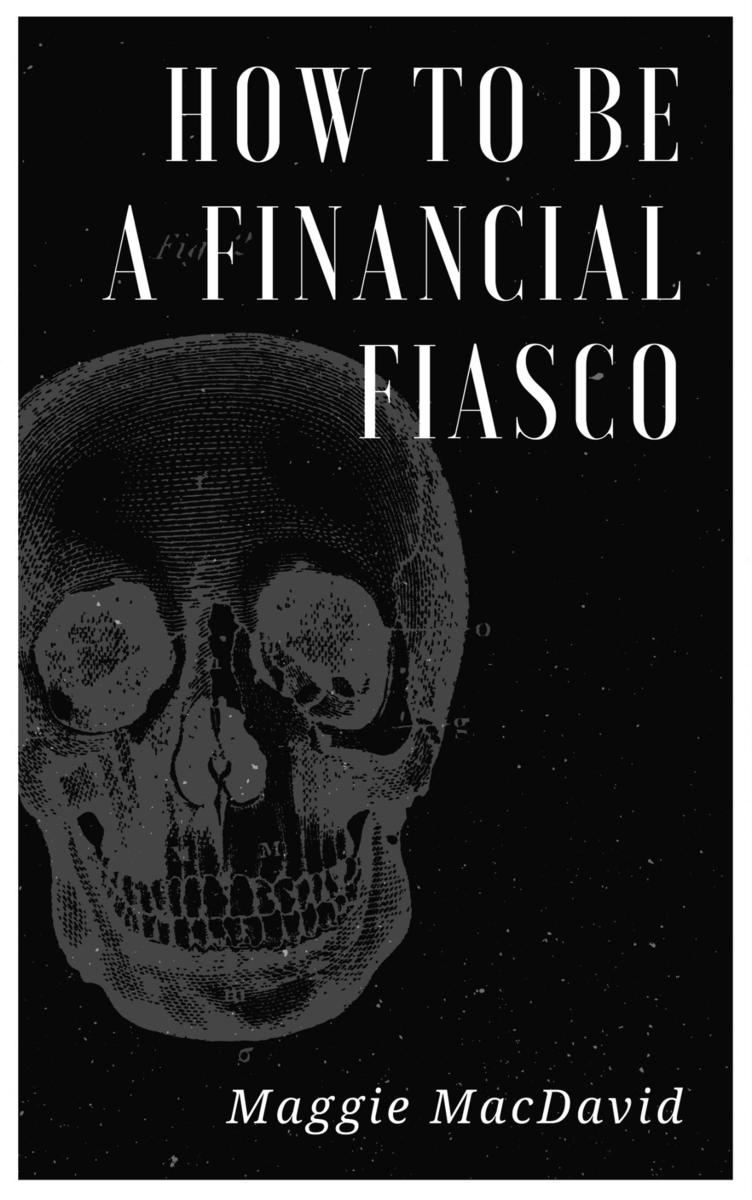
How To Be A Financial Fiasco:A Field Guide
¥8.09
How to Be a Financial Fiasco contains my personal tips and tricks on how to become a complete financial disaster. If you love true stories, dark humor, & sarcasm, you’ll love this foul-mouthed but forthright look at how I got myself $20K in debt. Consider it an instructive guide on how NOT to handle your finances well.
The Essays or Counsels, Civil and Moral
¥8.09
Essays: Religious Meditations. Places of Perswasion and Disswasion. Seene and Allowed (1597) was the first published book by the philosopher, statesman and jurist Francis Bacon. The Essays are written in a wide range of styles, from the plain and unadorned to the epigrammatic. They cover topics drawn from both public and private life, and in each case the essays cover their topics systematically from a number of different angles, weighing one argument against another. A much-enlarged second edition appeared in 1612 with 38 essays. Another, under the title Essayes or Counsels, Civill and Morall, was published in 1625 with 58 essays. Translations into French and Italian appeared during Bacon's lifetime. ? Bacon's genius as a phrase-maker appears to great advantage in the later essays. In "Of Boldness" he wrote, "If the Hill will not come to Mahomet, Mahomet will go to the hill", which is the earliest known appearance of that proverb in print. The phrase "hostages to fortune" appears in the essay "Of Marriage and Single Life" – again the earliest known usage. Aldous Huxley's book Jesting Pilate took its epigraph, "What is Truth? said jesting Pilate; and would not stay for an answer", from Bacon's essay "Of Truth". The 1999 edition of The Oxford Dictionary of Quotations includes no fewer than 91 quotations from the Essays.

Haydn
¥8.09
Haydn
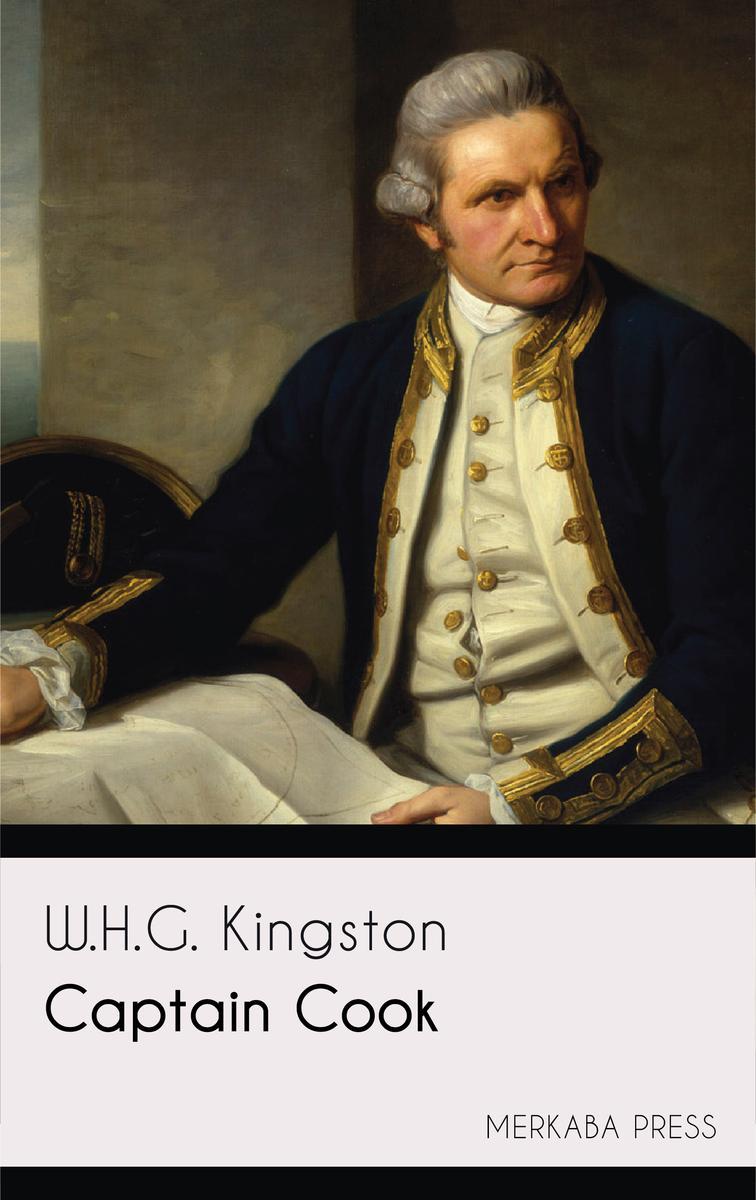
Captain Cook
¥8.09
Captain Cook
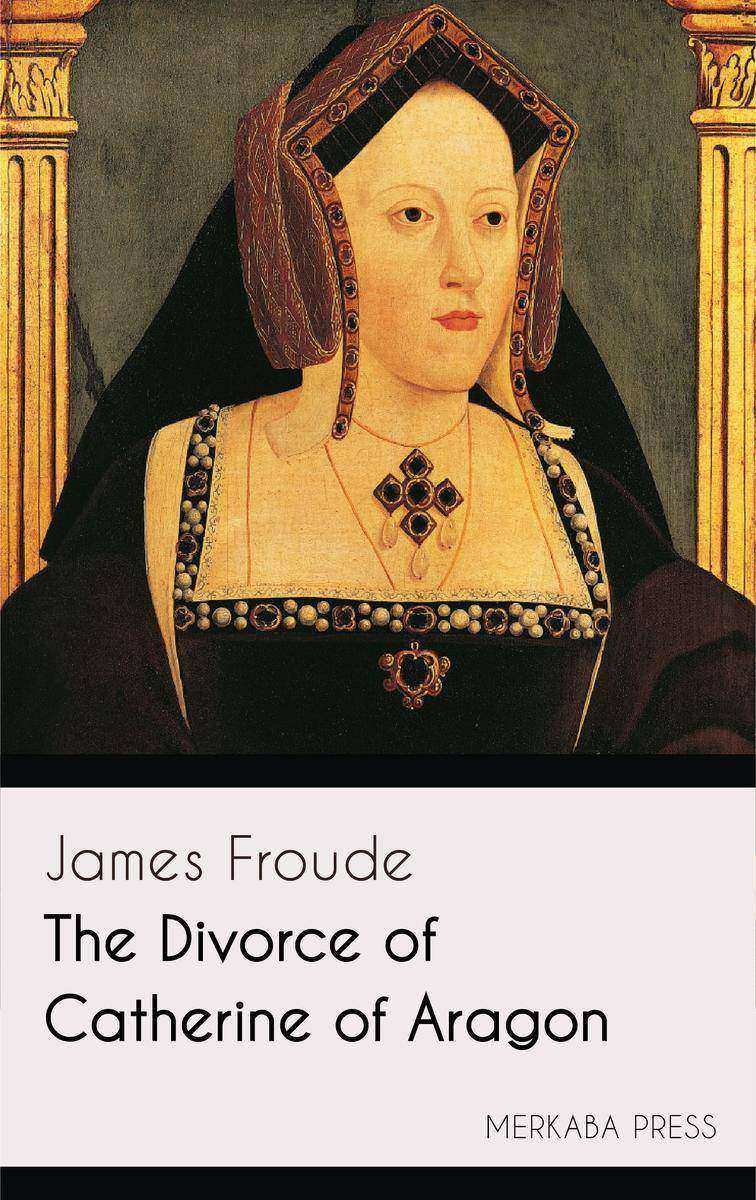
The Divorce of Catherine of Aragon
¥8.09
The Divorce of Catherine of Aragon
The English Utilitarians Volume II
¥8.09
The English Utilitarians Volume II
History of Norway
¥8.09
History of Norway
The Ottoman Empire
¥8.09
The Ottoman Empire
Arabian Society in the Middle Ages
¥8.09
Arabian Society in the Middle Ages


