


 购物车
购物车 个人中心
个人中心
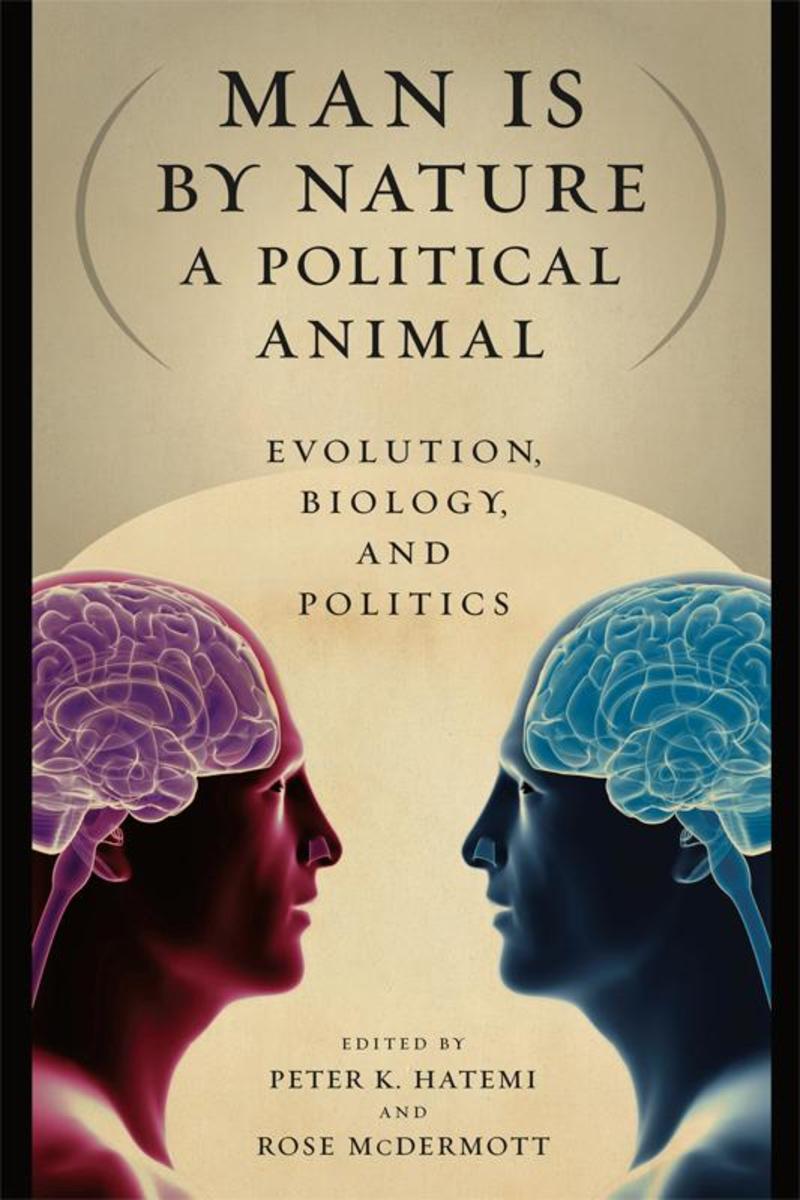
Man Is by Nature a Political Animal
¥265.87
In Man Is by Nature a Political Animal, Peter K. Hatemi and Rose McDermott bring together a diverse group of contributors to examine the ways in which evolutionary theory and biological research are increasingly informing analyses of political behavior. Focusing on the theoretical, methodological, and empirical frameworks of a variety of biological approaches to political attitudes and preferences, the authors consider a wide range of topics, including the comparative basis of political behavior, the utility of formal modeling informed by evolutionary theory, the genetic bases of attitudes and behaviors, psychophysiological methods and research, and the wealth of insight generated by recent research on the human brain. Through this approach, the book reveals the biological bases of many previously unexplained variances within the extant models of political behavior.?The diversity of methods discussed and variety of issues examined here will make this book of great interest to students and scholars seeking a comprehensive overview of this emerging approach to the study of politics and behavior.

Wartime President
¥247.21
"e;It is the nature of war to increase the executive at the expense of the legislative authority,"e; wrote Alexander Hamilton in the Federalist Papers. The balance of power between Congress and the president has been a powerful thread throughout American political thought since the time of the Founding Fathers. And yet, for all that has been written on the topic, we still lack a solid empirical or theoretical justification for Hamilton's proposition.?For the first time, William G. Howell, Saul P. Jackman, and Jon C. Rogowski systematically analyze the question. Congress, they show, is more likely to defer to the president's policy preferences when political debates center on national rather than local considerations. Thus, World War II and the post-9/11 wars in Afghanistan and Iraq significantly augmented presidential power, allowing the president to enact foreign and domestic policies that would have been unattainable in times of peace. But, contrary to popular belief, there are also times when war has little effect on a president's influence in Congress. The Vietnam and Gulf Wars, for instance, did not nationalize our politics nearly so much, and presidential influence expanded only moderately.?Built on groundbreaking research, The Wartime President offers one of the most significant works ever written on the wartime powers presidents wield at home.
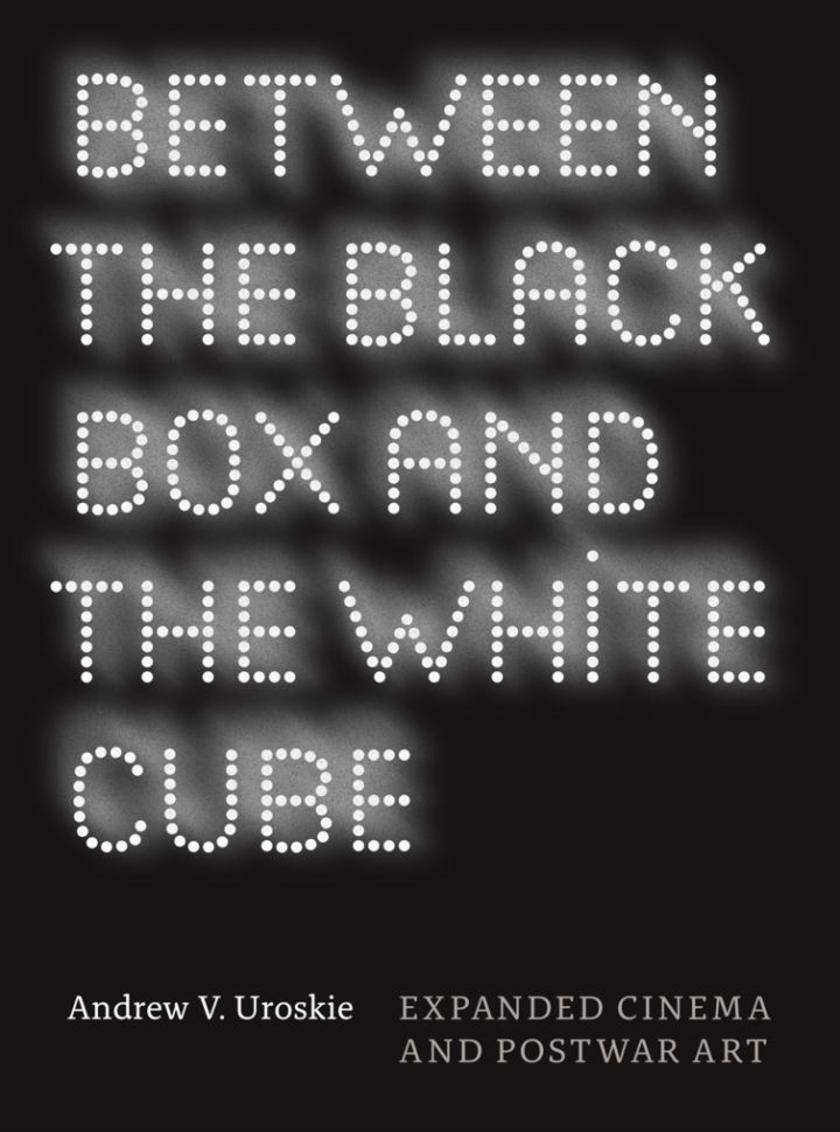
Between the Black Box and the White Cube
¥247.21
Today, the moving image is ubiquitous in global contemporary art. The first book to tell the story of the postwar expanded cinema that inspired this omnipresence,?Between the Black Box and the White Cube?travels back to the 1950s and 1960s, when the rise of television caused movie theaters to lose their monopoly over the moving image, leading cinema to be installed directly alongside other forms of modern art.?Explaining that the postwar expanded cinema was a response to both developments, Andrew V. Uroskie argues that, rather than a formal or technological innovation, the key change for artists involved a displacement of the moving image from the familiarity of the cinematic theater to original spaces and contexts. He shows how newly available, inexpensive film and video technology enabled artists such as Nam June Paik, Robert Whitman, Stan VanDerBeek, Robert Breer, and especially Andy Warhol to become filmmakers. Through their efforts to explore a fresh way of experiencing the moving image, these artists sought to reimagine the nature and possibilities of art in a post-cinematic age and helped to develop a novel space between the "e;black box"e; of the movie theater and the "e;white cube"e; of the art gallery. Packed with over one hundred illustrations,?Between the Black Box and the White Cube?is a compelling look at a seminal moment in the cultural life of the moving image and its emergence in contemporary art.

Class Warfare
¥247.21
Stories abound about the lengths to which middle- and upper-middle-class parents will go to ensure a spot for their child at a prestigious university. From the Suzuki method to calculus-based physics, from AP tests all the way back to early-learning Kumon courses, students are increasingly pushed to excel with that Harvard or Yale acceptance letter held tantalizingly in front of them. And nowhere is this drive more apparent than in our elite secondary schools. In Class Warfare, Lois Weis, Kristin Cipollone, and Heather Jenkins go inside the ivy-yearning halls of three such schools to offer a day-to-day, week-by-week look at this remarkable drive toward college admissions and one of its most salient purposes: to determine class.Drawing on deep and sustained contact with students, parents, teachers, and administrators at three iconic secondary schools in the United States, the authors unveil a formidable process of class positioning at the heart of the college admissions process. They detail the ways students and parents exploit every opportunity and employ every bit of cultural, social, and economic capital they can in order to gain admission into a "e;Most Competitive"e; or "e;Highly Competitive Plus"e; university. Moreover, they show how admissions into these schools-with their attendant rankings-are used to lock in or improve class standing for the next generation. It's a story of class warfare within a given class, the substrata of which-whether economically, racially, or socially determined-are fiercely negotiated through the college admissions process.In a historic moment marked by deep economic uncertainty, anxieties over socioeconomic standing are at their highest. Class, as this book shows, must be won, and the collateral damage of this aggressive pursuit may just be education itself, flattened into a mere victory banner. ?
Birth of Theory
¥247.21
Modern theory needs a history lesson. Neither Marx nor Nietzsche first gave us theory-Hegel did. To support this contention, Andrew Cole's The Birth of Theory presents a refreshingly clear and lively account of the origins and legacy of Hegel's dialectic as theory. Cole explains how Hegel boldly broke from modern philosophy when he adopted medieval dialectical habits of thought to fashion his own dialectic. While his contemporaries rejected premodern dialectic as outdated dogma, Hegel embraced both its emphasis on language as thought and its fascination with the categories of identity and difference, creating what we now recognize as theory, distinct from systematic philosophy. Not content merely to change philosophy, Hegel also used this dialectic to expose the persistent archaism of modern life itself, Cole shows, establishing a method of social analysis that has influenced everyone from Marx and the nineteenth-century Hegelians, to Nietzsche and Bakhtin, all the way to Deleuze and Jameson.?By uncovering these theoretical filiations across time, The Birth of Theory will not only change the way we read Hegel, but also the way we think about the histories of theory. With chapters that powerfully reanimate the overly familiar topics of ideology, commodity fetishism, and political economy, along with a groundbreaking reinterpretation of Hegel's famous master/slave dialectic, The Birth of Theory places the disciplines of philosophy, literature, and history in conversation with one another in an unprecedented way. Daring to reconcile the sworn enemies of Hegelianism and Deleuzianism, this timely book will revitalize dialectics for the twenty-first century.
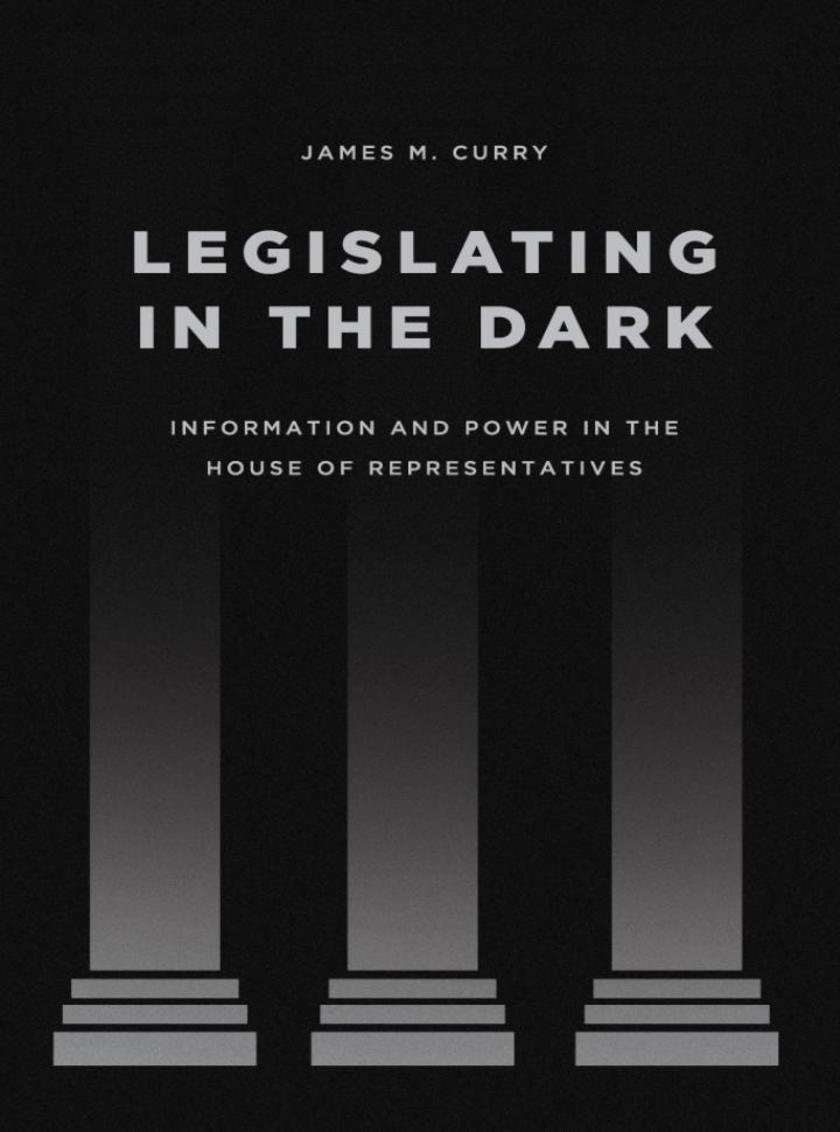
Legislating in the Dark
¥247.21
The 2009 financial stimulus bill ran to more than 1,100 pages, yet it wasn't even given to Congress in its final form until thirteen hours before debate was set to begin, and it was passed twenty-eight hours later. How are representatives expected to digest so much information in such a short time.The answerThey aren't. With Legislating in the Dark, James M. Curry reveals that the availability of information about legislation is a key tool through which Congressional leadership exercises power. Through a deft mix of legislative analysis, interviews, and participant observation, Curry shows how congresspersons-lacking the time and resources to study bills deeply themselves-are forced to rely on information and cues from their leadership. By controlling their rank-and-file's access to information, Congressional leaders are able to emphasize or bury particular items, exploiting their information advantage to push the legislative agenda in directions that they and their party prefer.Offering an unexpected new way of thinking about party power and influence, Legislating in the Dark will spark substantial debate in political science.
Opera Fanatic
¥270.76
Though some dismiss opera as old-fashioned, it shows no sign of disappearing from the world's stage. So why do audiences continue to flock to itGiven its association with wealth, one might imagine that opera tickets function as a status symbol. But while a desire to hobnob with the upper crust might motivate the occasional operagoer, for hardcore fans the real answer, according to The Opera Fanatic, is passion-they do it for love.Opera lovers are an intense lot, Claudio E. Benzecry discovers in his look at the fanatics who haunt the legendary Coln Opera House in Buenos Aires, a key site for opera's globalization. Listening to the fans and their stories, Benzecry hears of two-hundred-mile trips for performances and nightlong camp-outs for tickets, while others testify to a particular opera's power to move them-whether to song or to tears-no matter how many times they have seen it before. Drawing on his insightful analysis of these acts of love, Benzecry proposes new ways of thinking about people's relationship to art and shows how, far from merely enhancing aspects of everyday life, art allows us to transcend it.
Interanimations
¥288.41
In this latest book, renowned philosopher and scholar Robert B. Pippin offers the thought-provoking argument that the study of historical figures is not only an interpretation and explication of their views, but can be understood as a form of philosophy itself. In doing so, he reconceives philosophical scholarship as a kind of network of philosophical interanimations, one in which major positions in the history of philosophy, when they are themselves properly understood within their own historical context, form philosophy's lingua franca. Examining a number of philosophers to explore the nature of this interanimation, he presents an illuminating assortment of especially thoughtful examples of historical commentary that powerfully enact philosophy.After opening up his territory with an initial discussion of contemporary revisionist readings of Kant's moral theory, Pippin sets his sights on his main objects of interest: Hegel and Nietzsche. Through them, however, he offers what few others could: an astonishing synthesis of an immense and diverse set of thinkers and traditions. Deploying an almost dialogical, conversational approach, he pursues patterns of thought that both shape and, importantly, connect the major traditions: neo-Aristotelian, analytic, continental, and postmodern, bringing the likes of Heidegger, Honneth, MacIntyre, McDowell, Brandom, Strauss, Williams, and A iA ek-not to mention Hegel and Nietzsche- into the same philosophical conversation.By means of these case studies, Pippin mounts an impressive argument about a relatively under discussed issue in professional philosophy-the bearing of work in the history of philosophy on philosophy itself-and thereby he argues for the controversial thesis that no strict separation between the domains is defensible.

Reinventing Public Education
¥288.41
A heated debate is raging over our nation's public schools and how they should be reformed, with proposals ranging from imposing national standards to replacing public education?altogether with a voucher system for private schools. Combining decades of experience in education, the authors propose an innovative approach to solving the problems of our school system and find a middle ground between these extremes.Reinventing Public Education shows how contracting would radically change the way we operate our schools, while keeping them public and accessible to all, and making them better able to meet standards of achievement and equity. Using public funds, local school boards would select private providers to operate individual schools under formal contracts specifying the type and quality of instruction.In a hands-on, concrete fashion, the authors provide a thorough explanation of the pros and cons of school contracting and how it would work in practice. They show how contracting would free local school boards from operating schools so they can focus on improving educational policy; how it would allow parents to choose the best school for their children; and, finally, how it would ensure that schools are held accountable and academic standards are met.While retaining a strong public role in education, contracting enables schools to be more imaginative, adaptable, and suited to the needs of children and families. In presenting an alternative vision for America's schools, Reinventing Public Education is too important to be ignored.
Internationalization of Palace Wars
¥282.53
How does globalization workFocusing on Latin America, Yves Dezalay and Bryant G. Garth show that exports of expertise and ideals from the United States to Argentina, Brazil, Chile, and Mexico have played a crucial role in transforming their state forms and economies since World War II.Based on more than 300 extensive interviews with major players in governments, foundations, law firms, universities, and think tanks, Dezalay and Garth examine both the production of northern exports such as neoliberal economics and international human rights law and the ways they are received south of the United States. They find that the content of what is exported and how it fares are profoundly shaped by domestic struggles for power and influence-"e;palace wars"e;-in the nations involved. For instance, challenges to the eastern intellectual establishment influenced the Reagan-era export of University of Chicago-style neoliberal economics to Chile, where it enjoyed a warm reception from Pinochet and his allies because they could use it to discredit the previous regime.Innovative and sophisticated, The Internationalization of Palace Wars offers much needed concrete information about the transnational processes that shape our world.
Wildlife Conservation in a Changing Climate
¥394.36
Human-induced climate change is emerging as one of the gravest threats to biodiversity in history, and while a vast amount of literature on the ecological impact of climate change exists, very little has been dedicated to the management of wildlife populations and communities in the wake of unprecedented habitat changes. Wildlife Conservation in a Changing Climate is an essential resource, bringing together leaders in the fields of climate change ecology, wildlife population dynamics, and environmental policy to examine the impacts of climate change on populations of terrestrial vertebrates. Chapters assess the details of climate change ecology, including demographic implications for individual populations, evolutionary responses, impacts on movement patterns, alterations of species interactions, and predicting impacts across regions. The contributors also present a number of strategies by which conservationists and wildlife managers can counter or mitigate the impacts of climate change as well as increase the resilience of wildlife populations to such changes. A seminal contribution to the fields of ecology and conservation biology, Wildlife Conservation in a Changing Climate will serve as the spark that ignites a new direction of discussions about and action on the ecology and conservation of wildlife in a changing climate.

Scientific Babel
¥147.15
English is the language of science today. No matter which languages you know, if you want your work seen, studied, and cited, you need to publish in English. But that hasn't always been the case. Though there was a time when Latin dominated the field, for centuries science has been a polyglot enterprise, conducted in a number of languages whose importance waxed and waned over time-until the rise of English in the twentieth century.?So how did we get from there to hereHow did French, German, Latin, Russian, and even Esperanto give way to EnglishAnd what can we reconstruct of the experience of doing science in the polyglot pastWith Scientific Babel, Michael D. Gordin resurrects that lost world, in part through an ingenious mechanism: the pages of his highly readable narrative account teem with footnotes-not offering background information, but presenting quoted material in its original language. The result is stunning: as we read about the rise and fall of languages, driven by politics, war, economics, and institutions, we actually see it happen in the ever-changing web of multilingual examples. The history of science, and of English as its dominant language, comes to life, and brings with it a new understanding not only of the frictions generated by a scientific community that spoke in many often mutually unintelligible voices, but also of the possibilities of the polyglot, and the losses that the dominance of English entails.?Few historians of science write as well as Gordin, and Scientific Babel reveals his incredible command of the literature, language, and intellectual essence of science past and present. No reader who takes this linguistic journey with him will be disappointed.
Black New Orleans, 1860-1880
¥282.53
Reissued for the first time in over thirty years, Black New Orleans explores the twenty-year period in which the city's black population more than doubled. Meticulously researched and replete with archival illustrations from newspapers and rare periodicals, John W. Blassingame's groundbreaking history offers a unique look at the economic and social life of black people in New Orleans during Reconstruction. Not a conventional political treatment, Blassingame's history instead emphasizes the educational, religious, cultural, and economic activities of African Americans during the late nineteenth century."e;Blending historical and sociological perspectives, and drawing with skill and imagination upon a variety of sources, [Blassingame] offers fresh insights into an oft-studied period of Southern history. . . .In both time and place the author has chosen an extraordinarily revealing vantage point from which to view his subject.?"e;-Neil R. McMillen, American Historical Review
Doctors and Demonstrators
¥353.16
Since Roe v. Wade, abortion has continued to be a divisive political issue in the United States. In contrast, it has remained primarily a medical issue in Britain and Canada despite the countries' shared heritage. Doctors and Demonstrators looks beyond simplistic cultural or religious explanations to find out why abortion politics and policies differ so dramatically in these otherwise similar countries.?Drew Halfmann argues that political institutions are the key. In the United States, federalism, judicial review, and a private health care system contributed to the public definition of abortion as an individual right rather than a medical necessity. Meanwhile, Halfmann explains, the porous structure of American political parties gave pro-choice and pro-life groups the opportunity to move the issue onto the political agenda. A groundbreaking study of the complex legal and political factors behind the evolution of abortion policy, Doctors and Demonstrators will be vital for anyone trying to understand this contentious issue.
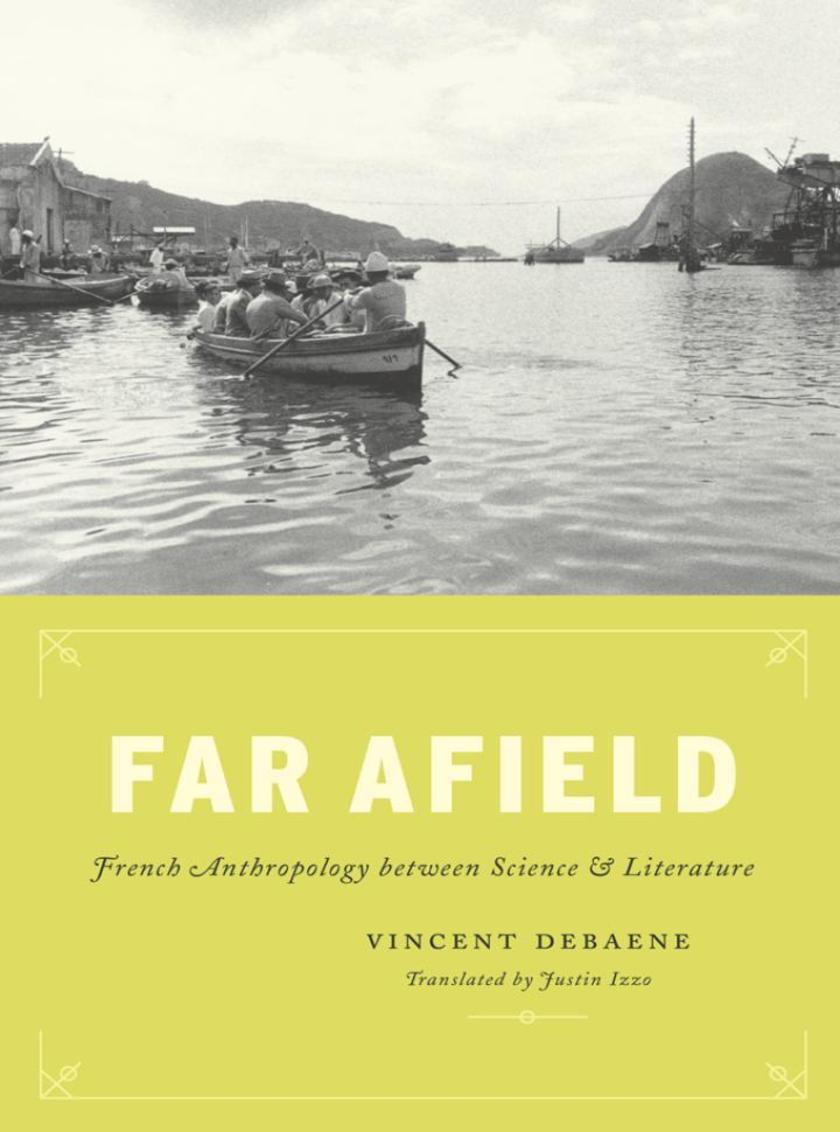
Far Afield
¥288.41
Anthropology has long had a vexed relationship with literature, and nowhere has this been more acutely felt than in France, where most ethnographers, upon returning from the field, write not one book, but two: a scientific monograph and a literary account. In?Far Afield-brought to English-language readers here for the first time-Vincent Debaene puzzles out this phenomenon, tracing the contours of anthropology and literature's mutual fascination and the ground upon which they meet in the works of thinkers from Marcel Mauss and Georges Bataille to Claude Levi-Strauss and Roland Barthes.?The relationship between anthropology and literature in France is one of careful curiosity. Literary writers are wary about anthropologists' scientific austerity but intrigued by the objects they collect and the issues they raise, while anthropologists claim to be scientists but at the same time are deeply concerned with writing and representational practices. Debaene elucidates the richness that this curiosity fosters and the diverse range of writings it has produced, from Proustian memoirs to proto-surrealist diaries. In the end he offers a fascinating intellectual history, one that is itself located precisely where science and literature meet.

Ecology of Place
¥447.34
Ecologists can spend a lifetime researching a small patch of the earth, studying the interactions between organisms and the environment, and exploring the roles those interactions play in determining distribution, abundance, and evolutionary change. With so few ecologists and so many systems to study, generalizations are essential. But how do you extrapolate knowledge about a well-studied area and apply it elsewhere?Through a range of original essays written by eminent ecologists and naturalists, The Ecology of Place explores how place-focused research yields exportable general knowledge as well as practical local knowledge, and how society can facilitate ecological understanding by investing in field sites, place-centered databases, interdisciplinary collaborations, and field-oriented education programs that emphasize natural history. This unique patchwork of case-study narratives, philosophical musings, and historical analyses is tied together with commentaries from editors Ian Billick and Mary Price that develop and synthesize common threads. The result is a unique volume rich with all-too-rare insights into how science is actually done, as told by scientists themselves.
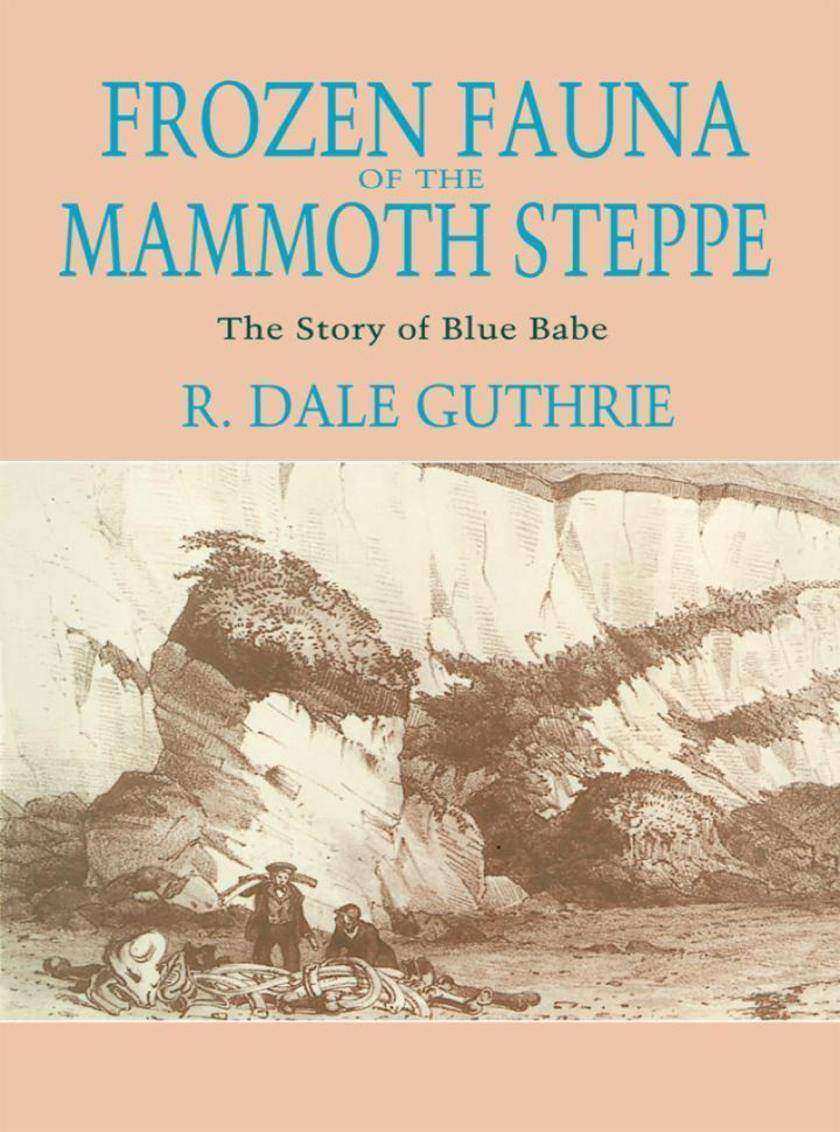
Frozen Fauna of the Mammoth Steppe
¥265.87
Frozen mammals of the Ice Age, preserved for millennia in the tundra, have been a source of fascination and mystery since their first discovery over two centuries ago. These mummies, their ecology, and their preservation are the subject of this compelling book by paleontologist Dale Guthrie. The 1979 find of a frozen, extinct steppe bison in an Alaskan gold mine allowed him to undertake the first scientific excavation of an Ice Age mummy in North America and to test theories about these enigmatic frozen fauna.The 36,000-year-old bison mummy, coated with blue mineral crystals, was dubbed "e;Blue Babe."e; Guthrie conveys the excitement of its excavation and shows how he made use of evidence from living animals, other Pleistocene mummies, Paleolithic art, and geological data. With photographs and scores?of detailed drawings, he takes the reader through the excavation and subsequent detective work, analyzing the animal's carcass and its surroundings, the circumstances of its death, its appearance in life, the landscape it inhabited, and the processes of preservation by freezing. His examination shows that Blue Babe died in early winter, falling prey to lions that inhabited the Arctic during the Pleistocene era.Guthrie uses information gleaned from his study of Blue Babe to provide a broad picture of bison evolutionary history and ecology, including speculations on the interactions of bison and Ice Age peoples. His de*ion of the Mammoth Steppe as a cold, dry, grassy plain is based on an entirely new way of reading the fossil record.

Afterlife Is Where We Come From
¥265.87
When a new baby arrives among the Beng people of West Africa, they see it not as being born, but as being reincarnated after a rich life in a previous world. Far from being a tabula rasa, a Beng infant is thought to begin its life filled with spiritual knowledge. How do these beliefs affect the way the Beng rear their children?In this unique and engaging ethnography of babies, Alma Gottlieb explores how religious ideology affects every aspect of Beng childrearing practices-from bathing infants to protecting them from disease to teaching them how to crawl and walk-and how widespread poverty limits these practices. A mother of two, Gottlieb includes moving discussions of how her experiences among the Beng changed the way she saw her own parenting. Throughout the book she also draws telling comparisons between Beng and Euro-American parenting, bringing home just how deeply culture matters to the way we all rear our children.All parents and anyone interested in the place of culture in the lives of infants, and vice versa, will enjoy The Afterlife Is Where We Come From."e;This wonderfully reflective text should provide the impetus for formulating research possibilities about infancy and toddlerhood for this century."e; - Caren J. Frost, Medical Anthropology Quarterly?"e;Alma Gottlieb's careful and thought-provoking account of infancy sheds spectacular light upon a much neglected topic. . . . [It] makes a strong case for the central place of babies in anthropological accounts of religion. ?Gottlieb's remarkably rich account, delivered after a long and reflective period of gestation, deserves a wide audience across a range of disciplines."e;-Anthony Simpson, Critique of Anthropology?
With the Boys
¥247.21
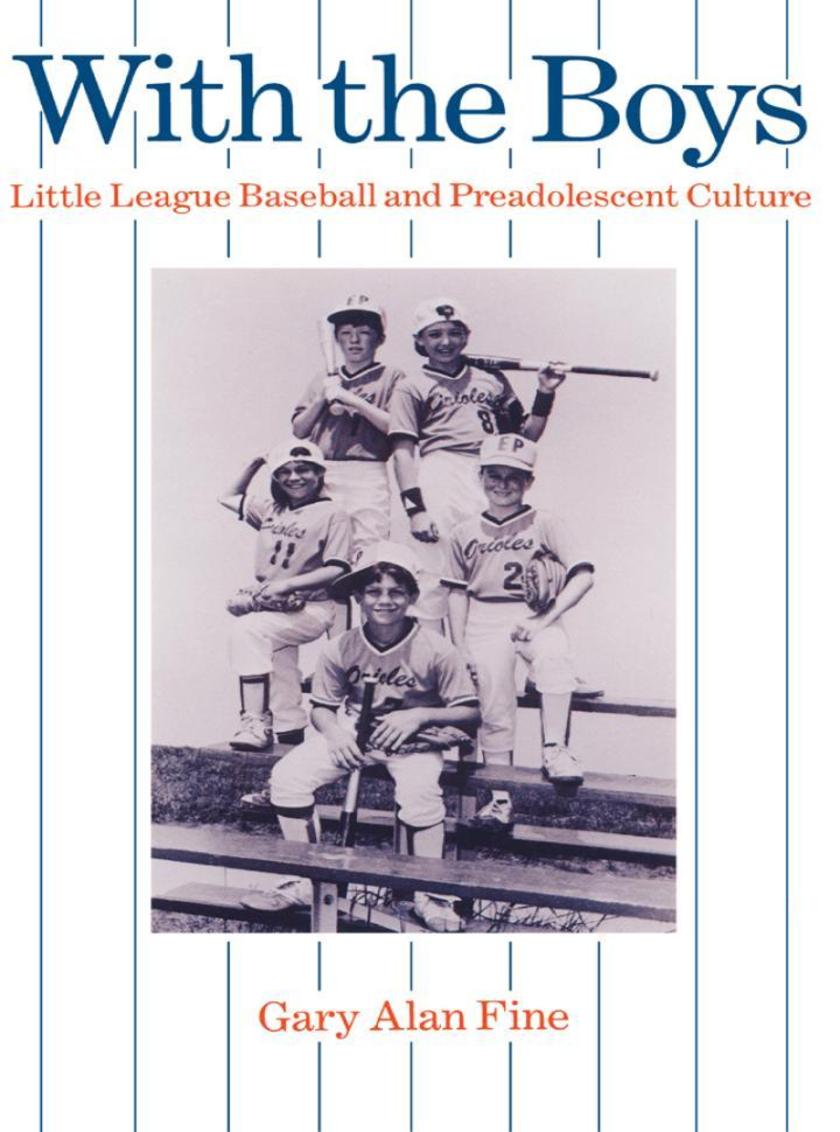
What are boys likeWho is the creature inhabiting the twilight zone between the perils of the Oedipus complex and the Strum und Drang of pubertyIn With the Boys, Gary Alan Fine examines the American male preadolescent by studying the world of Little League baseball. Drawings on three years of firsthand observation of five Little Leagues, Fine describes how, through organized sport and its accompanying activities, boys learn to play, work, and generally be "e;men."e;

Before the Law
¥188.35
Animal studies and biopolitics are two of the most dynamic areas of interdisciplinary scholarship, but until now, they have had little to say to each other. Bringing these two emergent areas of thought into direct conversation in Before the Law, Cary Wolfe fosters a new discussion about the status of nonhuman animals and the shared plight of humans and animals under biopolitics.?Wolfe argues that the human-animal distinction must be supplemented with the central distinction of biopolitics: the difference between those animals that are members of a community and those that are deemed killable but not murderable. From this understanding, we can begin to make sense of the fact that this distinction prevails within both the human and animal domains and address such difficult issues as why we afford some animals unprecedented levels of care and recognition while subjecting others to unparalleled forms of brutality and exploitation. Engaging with many major figures in biopolitical thought-from Heidegger, Arendt, and Foucault to Agamben, Esposito, and Derrida-Wolfe explores how biopolitics can help us understand both the ethical and political dimensions of the current questions surrounding the rights of animals.
African American Writers and Classical Tradition
¥241.33
Constraints on freedom, education, and individual dignity have always been fundamental in determining who is able to write, when, and where. Considering the singular experience of the African American writer, William W. Cook and James Tatum here argue that African American literature did not develop apart from canonical Western literary traditions but instead grew out of those literatures, even as it adapted and transformed the cultural traditions and religions of Africa and the African diaspora along the way.Tracing the interaction between African American writers and the literatures of ancient Greece and Rome, from the time of slavery and its aftermath to the civil rights era and on into the present, the authors offer a sustained and lively discussion of the life and work of Phillis Wheatley, Frederick Douglass, Ralph Ellison, and Rita Dove, among other highly acclaimed poets, novelists, and scholars. Assembling this brilliant and diverse group of African American writers at a moment when our understanding of classical literature is ripe for change, the authors paint an unforgettable portrait of our own reception of "e;classic"e; writing, especially as it was inflected by American racial politics.


