


 购物车
购物车 个人中心
个人中心
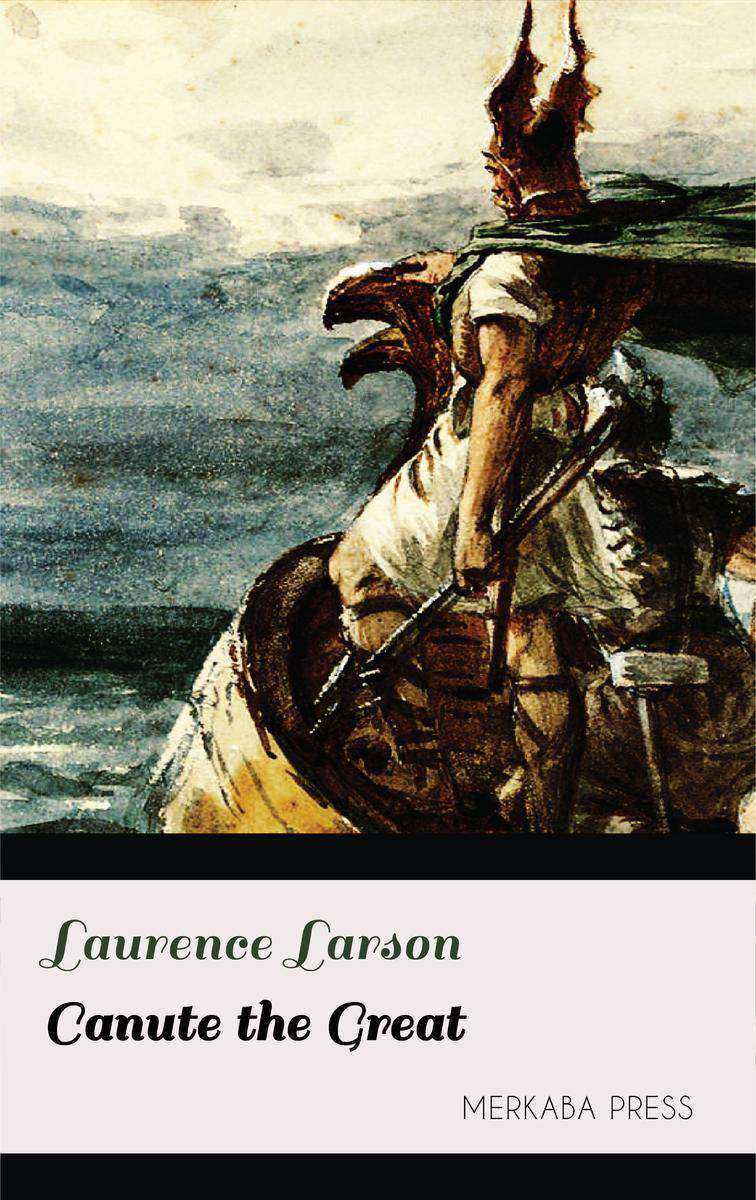
Canute the Great
¥8.09
Canute the Great

Cardinal Mazarin
¥8.09
Cardinal Mazarin
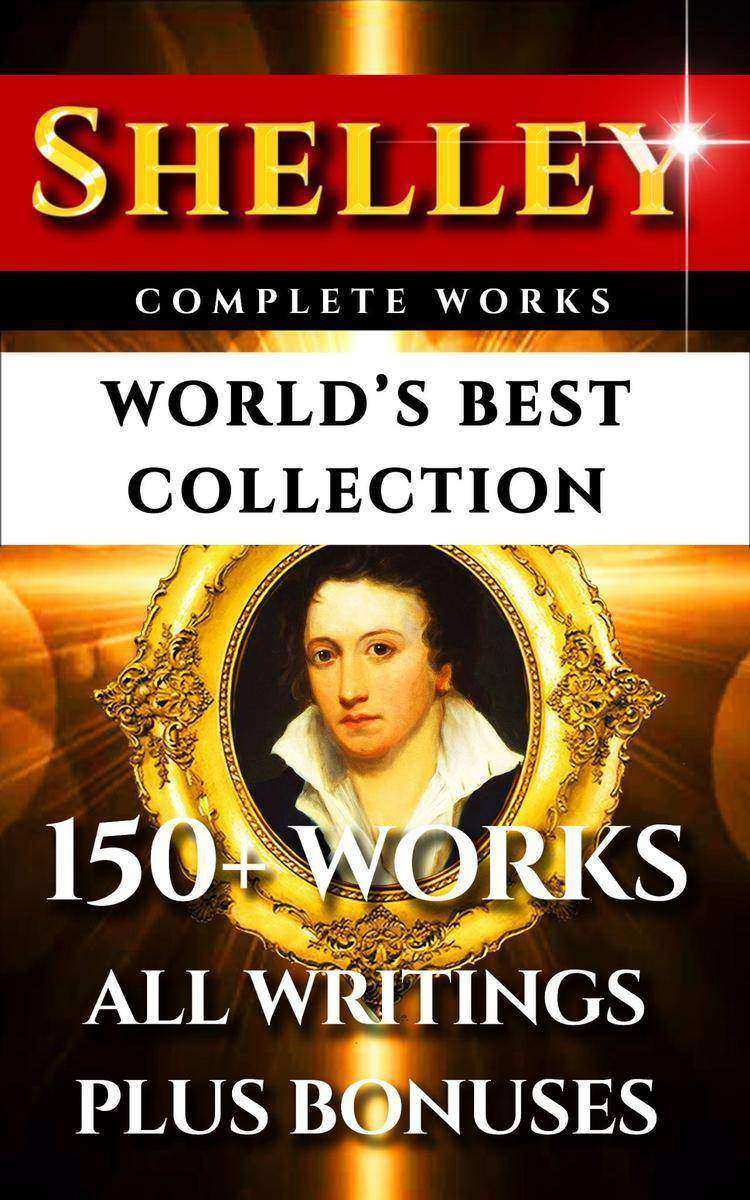
Percy Bysshe Shelley Complete Works – World’s Best Collection
¥8.09
Percy Bysshe Shelley Complete Works World's Best Collection This is the world’s best Shelley collection, including the most complete set of Shelley’s works available plus many free bonus materials. Percy Bysshe Shelley Percy Bysshe Shelley was one of the major English Romantic poets. He was a key member of a close circle of visionary poets and writers that included Lord Byron and Shelley’s own second wife, Mary Shelley, the author of Frankenstein. Percy Bysshe Shelley was a radical in his poetry, as well as in his political and social views, and is regarded by some as among the finest and most influential lyric poets in the English language The ‘Must-Have’ Complete Collection In this irresistible collection you get a full set of Shelley’s work, with more than 150 works - All his poems, All poetry, All posthumous works, All Letters from his trips, All his Prose and Non-Fiction Works. Plus a full length biography, with Free Bonus material. Works Included: Poetry: All Poems, early works and collections from 1810 through later works of 1822 Posthumously Published Poems Fragments and Incomplete Poems All Short and Long Poems, including: The Devil’s Walk Hymn to Intellectual Beauty Ozymandias Love’s Philosophy Prometheus Unbound Epipsychidion Plays: The Cenci Hellas Books: Zastrozzi St. Irvyne Non Fiction: All Prose and Writings, Including: On Love On Life On Metaphysics Letters And Journals: All Letters and Journals from: History of a Six Weeks’ Tour Letters from Italy Your Free Special Bonuses Life Of Shelley?- A biography of Shelley’s intriguing life. Shelley At Oxford?– the story of Shelley and his time at Oxford, written by Shelley’s close friend, Thomas Jefferson Hogg. Adonais?– an analysis of Adonais, the mesmerizing poem that Shelley wrote for John Keats. Notes And Annotations from Mary Shelley?– Throughout the collection (and collected by themselves as a stand-alone chapter) you will find interesting and unique notes from Percy Bysshe Shelley’s wife and closest companion, Mary Shelley, concerning Shelley’s poems and writing. Historical Context and Literary Context Notes?- Detailed explanations of the Regency Era and Romanticism, written specially for this collection. Get This Collection Right Now This is the best Shelley collection you can get, so get it now and start enjoying and being inspired by his words like never before!
The Essays or Counsels, Civil and Moral
¥8.09
Essays: Religious Meditations. Places of Perswasion and Disswasion. Seene and Allowed (1597) was the first published book by the philosopher, statesman and jurist Francis Bacon. The Essays are written in a wide range of styles, from the plain and unadorned to the epigrammatic. They cover topics drawn from both public and private life, and in each case the essays cover their topics systematically from a number of different angles, weighing one argument against another. A much-enlarged second edition appeared in 1612 with 38 essays. Another, under the title Essayes or Counsels, Civill and Morall, was published in 1625 with 58 essays. Translations into French and Italian appeared during Bacon's lifetime. ? Bacon's genius as a phrase-maker appears to great advantage in the later essays. In "Of Boldness" he wrote, "If the Hill will not come to Mahomet, Mahomet will go to the hill", which is the earliest known appearance of that proverb in print. The phrase "hostages to fortune" appears in the essay "Of Marriage and Single Life" – again the earliest known usage. Aldous Huxley's book Jesting Pilate took its epigraph, "What is Truth? said jesting Pilate; and would not stay for an answer", from Bacon's essay "Of Truth". The 1999 edition of The Oxford Dictionary of Quotations includes no fewer than 91 quotations from the Essays.
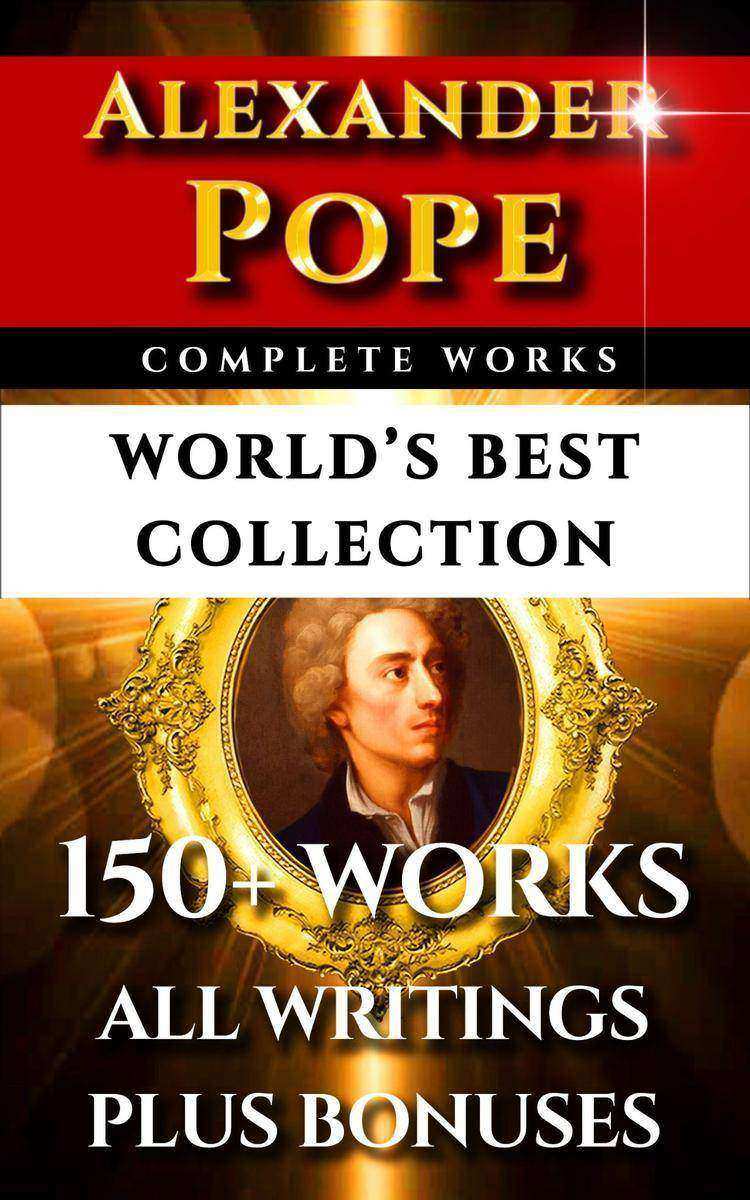
Alexander Pope Complete Works – World’s Best Collection
¥8.09
Alexander Pope Complete Works World's Best Collection This is the world’s best Alexander Pope collection, including the most complete set of Pope’s works available plus many free bonus materials. Alexander Pope Alexander Pope was an 18th-century English poet, best known for his satirical verse and for his translation of Homer. After Shakespeare and Tennyson, he is the third-most frequently quoted writer in The Oxford Dictionary of Quotations. The ‘Must-Have’ Complete Collection In this irresistible collection you get a full set of Pope’s work, All his poems, All his plays, All his legendary translations, Famous satires, Rarities and all his other works. Plus a bonus biography. Works Included: An Essay On Criticism An Essay On Man Moral Essays To Several Persons Satires Poems?Including: The Rape Of The LockOde On Solitude The Temple Of Fame Translations From Ovid Sappho To Phaon The Dying Christian To His Soul Elegy To The Memory Of An Unfortunate Lady Messiah To A Lady, With The Temple Of Fame The Looking-Glass Poems Suggested By Gulliver Epitaphs On Two Lovers Struck Dead By Lightning Universal Prayer Longer Works?Including: The Dunciad The Iliad The Odyssey Three Hours After Marriage Your Free Special Bonus Alexander Pope Biography - a full length biography about Pope’s intriguing and fascinating life. Get This Collection Right Now This is the best Pope collection you can get, so get it now and start enjoying and being inspired by his world like never before!
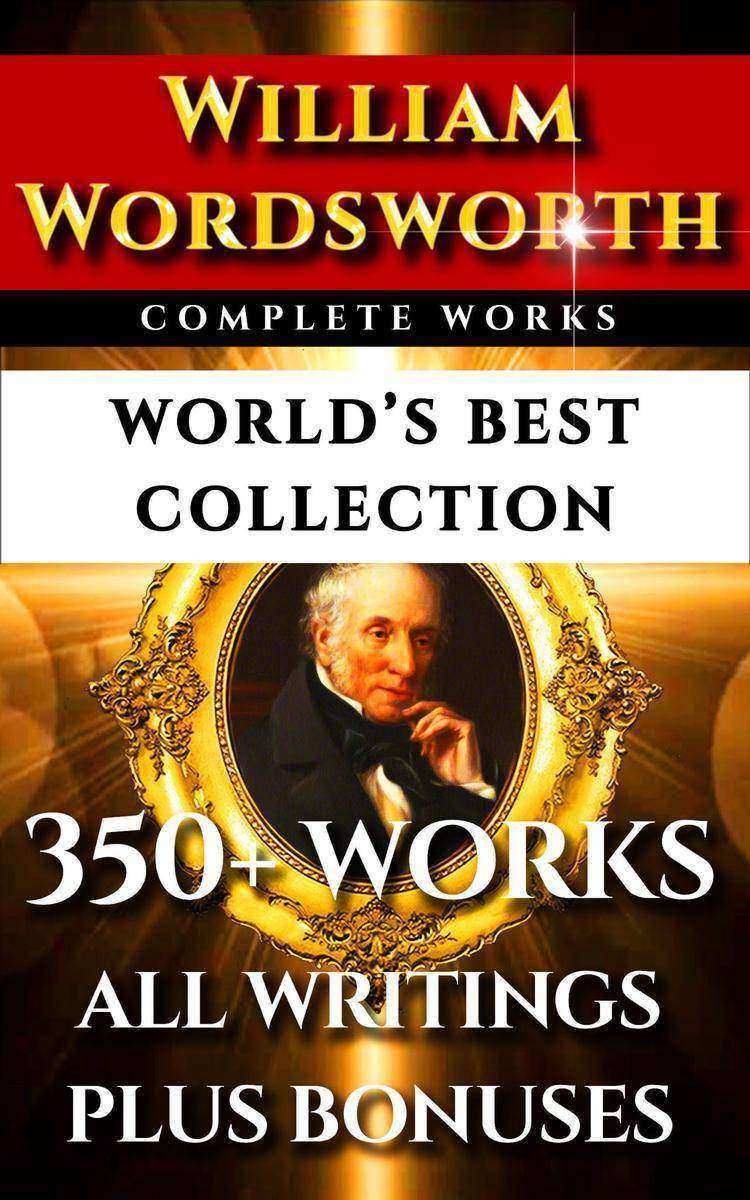
William Wordsworth Complete Works – World’s Best Collection: 300+ Works
¥8.09
William Wordsworth Complete Works World's Best Collection This is the world's best William Wordsworth collection, including the most complete set of Wordsworth's works available plus many free bonus materials. William Wordsworth William Wordsworth was a major English Romantic poet. He, together with Samuel Taylor Coleridge, helped to launch the entire Romantic Age in English literature with their joint publication Lyrical Ballads. In addition, Wordsworth was Britain's poet laureate from 1843 until his death The ‘Must-Have' Complete Collection In this irresistible collection you get a full set of Wordsworth work, with more than 300 works - All his poems, All poetry, All his prose works, and a full length biography. Plus Free Bonus material. Works Included: Poetical Work?Including, among many others: The Recluse The Excursion All Sonnets All Minor And Major Poetry. Including: I Wandered Lonely As A Cloud She Was A Phantom Of Delight Strange Fits Of Pasion Have I Known The Idiot Boy The Russian Fugitive The Prelude - Wordsworth's Magnum Opus, Autobiographical Poem Prose Work?Including works such as: Apology For The French Revolution Advice For The Young Poetry As A Study Of Poetic Diction Your Free Special Bonuses Selections From Oxford Lecture Series On Poetry?- An intriguing selection of a an Oxford lecture series. These selections cover Wordsworth and his poetry in detail. Wordsworth?– Comprehensive biography written by F W H Myers Historical Context and Literary Context Notes?- Detailed explanations of the Regency Era and Romanticism, written specially for this collection. Get This Collection Right Now This is the best Wordsworth collection you can get, so get it now and start enjoying and being inspired by his words like never before.
How To Be A Financial Fiasco:A Field Guide
¥8.09
How to Be a Financial Fiasco contains my personal tips and tricks on how to become a complete financial disaster. If you love true stories, dark humor, & sarcasm, you’ll love this foul-mouthed but forthright look at how I got myself $20K in debt. Consider it an instructive guide on how NOT to handle your finances well.
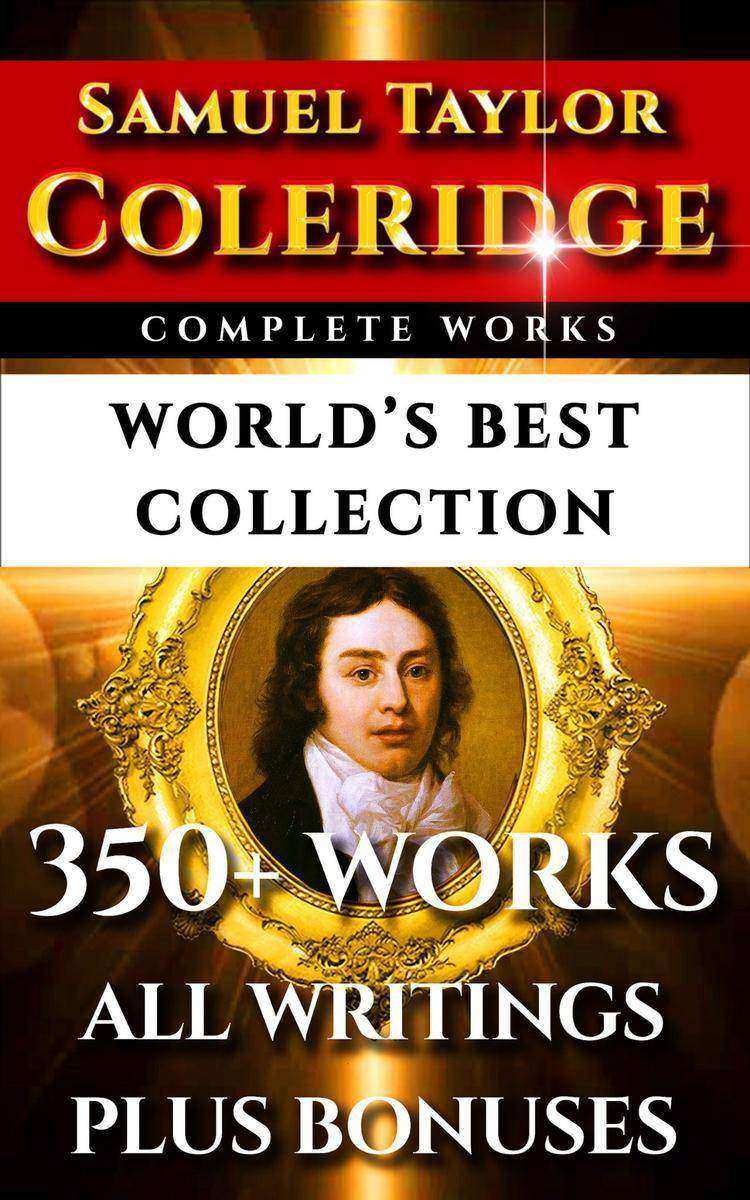
Samuel Taylor Coleridge Complete Works – World’s Best Collection
¥8.09
Samuel Taylor Coleridge Complete Works World's Best Collection This is the world’s best Coleridge collection, including the most complete set of Austen’s works available plus many free bonus materials. Samuel Taylor Coleridge Samuel Taylor Coleridge was an English poet, literary critic and philosopher who, with his friend William Wordsworth, founded the Romantic Movement in England. Some of his works are the most famous in English literature. The ‘Must-Have’ Complete Collection In this irresistible collection you get a full set of Coleridge’s work, All his legendary poems, All his prose, All his famous works, and All his long works. We also include an unusual autobiography written by Coleridge himself, plus other bonus material. Works Included: Poems?Including among others: The Rime Of The Ancient Mariner Kubla Khan To The Evening Star Songs Of The Pixies The Rose Kisses The Death Of The Starling The Faded Flower The Outcast Ode To The Departing Year The Raven To An Unfortunate Woman At The Theatre Christabel Fire, Famine, And Slaughter A War Eclogue The Devil’s Thoughts The Mad Monk Ode To Tranquility Dramatic Works?Including: The Fall Of Robespierre Osorio The Piccolomini The Death Of Wallenstein Epigrams Jeux D’Esprit Metrical Experiments Your Free Special Bonuses Fragments From A Notebook Circa 1796-98- intriguing fragments from Coleridge’s notebooks. Biographia Literaria?- an unusual autobiography written by Coleridge himself The Life Of Samuel Taylor Coleridge?- a biopgraphy of Coleridge and his fascinating life. Historical Context and Literary Context Notes?- Detailed explanations of the Regency Era and Romanticism, written specially for this collection. Get This Collection Right Now This is the best Coleridge collection you can get, so get it now and start enjoying and being inspired by his world like never before!
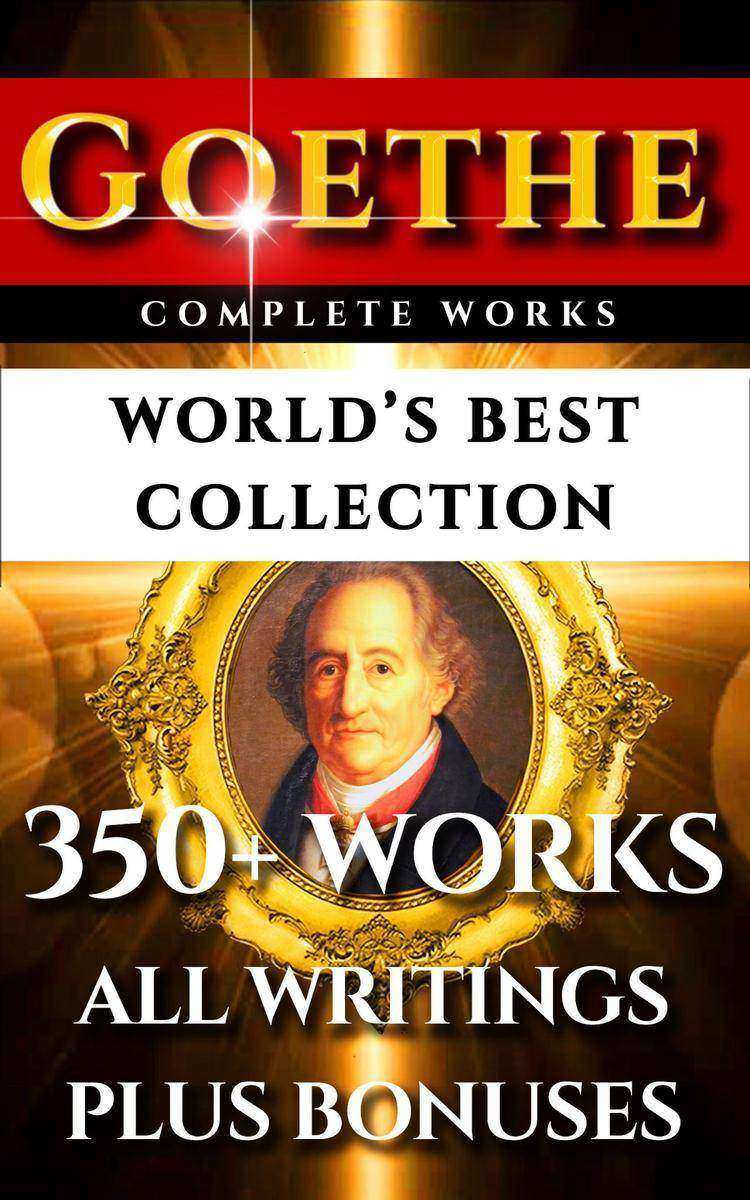
Goethe Complete Works – World’s Best Collection: 350+ Works
¥8.09
Goethe Complete Works World's Best Collection This is the world’s best Goethe collection, including the most complete set of Goethe’s works available plus many free bonus materials. Johann Wolfgang von Goethe Johann Wolfgang von Goethe was a German writer and politician. His body of work includes epic and lyric poetry written in a variety of meters and styles; prose and verse dramas; memoirs His work Wilhelm Meister’s Apprenticeship has been called one of the four greatest novels ever written The ‘Must-Have’ Complete Collection In this irresistible collection you get a full set of Goethe’s work, All his legendary plays, All his poetry, All his famous works and All his rarities, plus an auto biography written by Goethe himself. Plus Extra Bonus Material. Works Included: Poems?Including: The Misanthrope With A Golden Necklace Alexis And Dora Epigrams Sonnets Plays?Including: Faust - A Tragedy The Sorrows Of Young Werther Reynard The Fox The Fairy Tale Of The Green Snake And The Beautiful Lily Wilhelm Meister’s Apprenticeship Your Free Special Bonuses The Life Of Goethe - a fascinating and intriguing look into the life of Goethe. Autobiography Truth And Fiction Relating To My Life - an autobiography by Goethe himself Conversations Of Goethe Letters From Switzerland Letters From Italy Historical Context and Literary Context Notes?- Detailed explanations of the Regency Era and Romanticism, written specially for this collection. Get This Collection Right Now This is the best Goethe you can get, so get it now and start enjoying and being inspired by his world like never before!
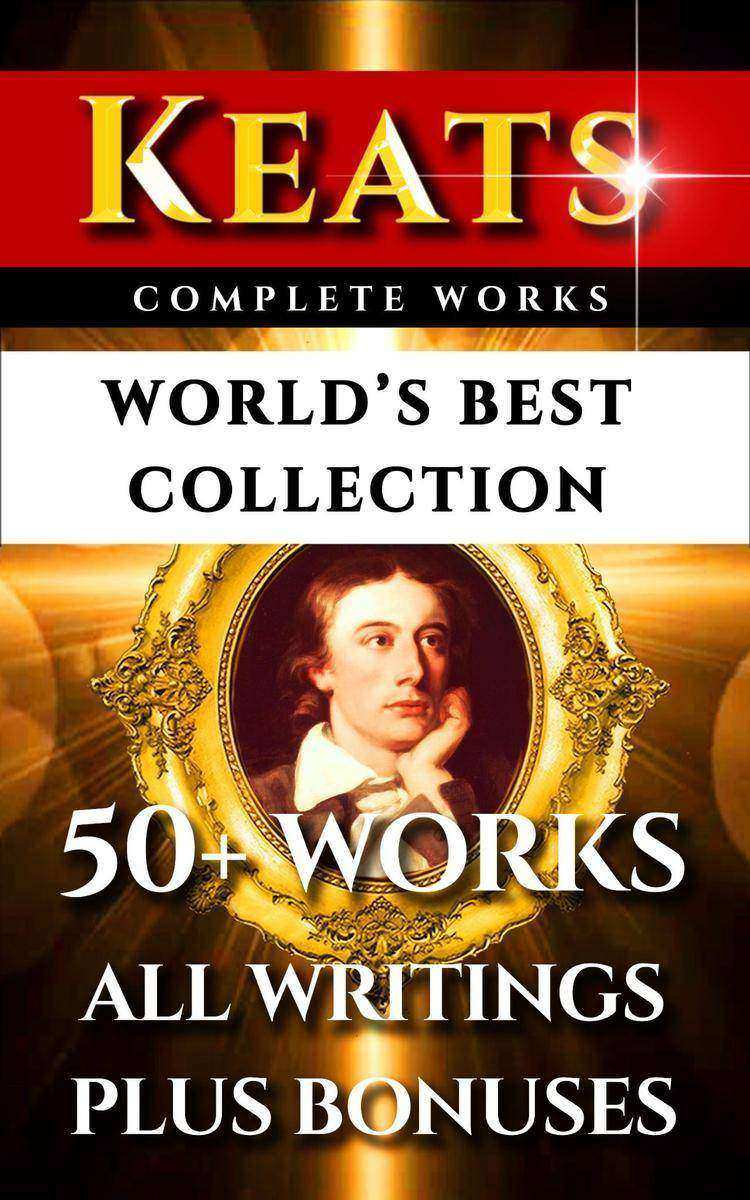
John Keats Complete Works – World’s Best Collection: 50+ Works
¥8.09
John Keats Complete Works World's Best Collection This is the world’s best Jonh Keats collection, including the most complete set of Keats’ works available plus many free bonus materials. Jonh Keats John Keats, who tragically died from tuberculosis at age 25, was an English Romantic poet. Together with Lord Byron and Percy Bysshe Shelley, he was one of the main and most influential figures of the second generation of Romantic poets. After his death, his reputation grew and by the end of the 19th century, he had become one of the most beloved of all English poets, and today his poems and letters are some of the most popular and most analyzed in English literature. The poetry of Keats is characterized by sensual imagery, typical of romantic poets, accentuating extreme emotion through the emphasis of natural imagery The ‘Must-Have’ Complete Collection In this irresistible collection you get a full set of Keats work with more than 50 works - All his poems, All poetry, All posthumous works, and 2 full length biographies. Plus Free Bonus material. Works Included: Poems Up To 1817 Including: O Solitude! If I Must With The Dwell Epistles Sleep And Poetry Poems Published In 1820 (With Annotated Notes) Including: Lamia Isabella Or The Pot Of Basil Eve Of St. Agnes Ode To A Nightingale Robin Hood Hyperion Poems Published Posthumously, Including: Bright Star, Would I Were As Steadfast As Thou Art Ode To Indolence The Fall Of Hyperion – A Dream All Keats’ Sonnets Endymion -?Keats’ romantic epic Full Collection Of Keats’ Letters To Friends And Family Your Free Special Bonuses Adonais?- A poem written by Percy Bysshe Shelley, written about and dedicated to John Keats. The section includes complete annotations and notes, as well as memoirs of both Shelley and Keats. Life Of Keats?– Comprehensive biography written by William Michael Rossetti. Keats?– Biography written by Sidney Colvin, the editor of the collection of Keats’ letters. Historical Context and Literary Context Notes?- Detailed explanations of the Regency Era and Romanticism, written specially for this collection. Get This Collection Right Now This is the best Keats collection you can get, so get it now and start enjoying and being inspired by his words like never before!
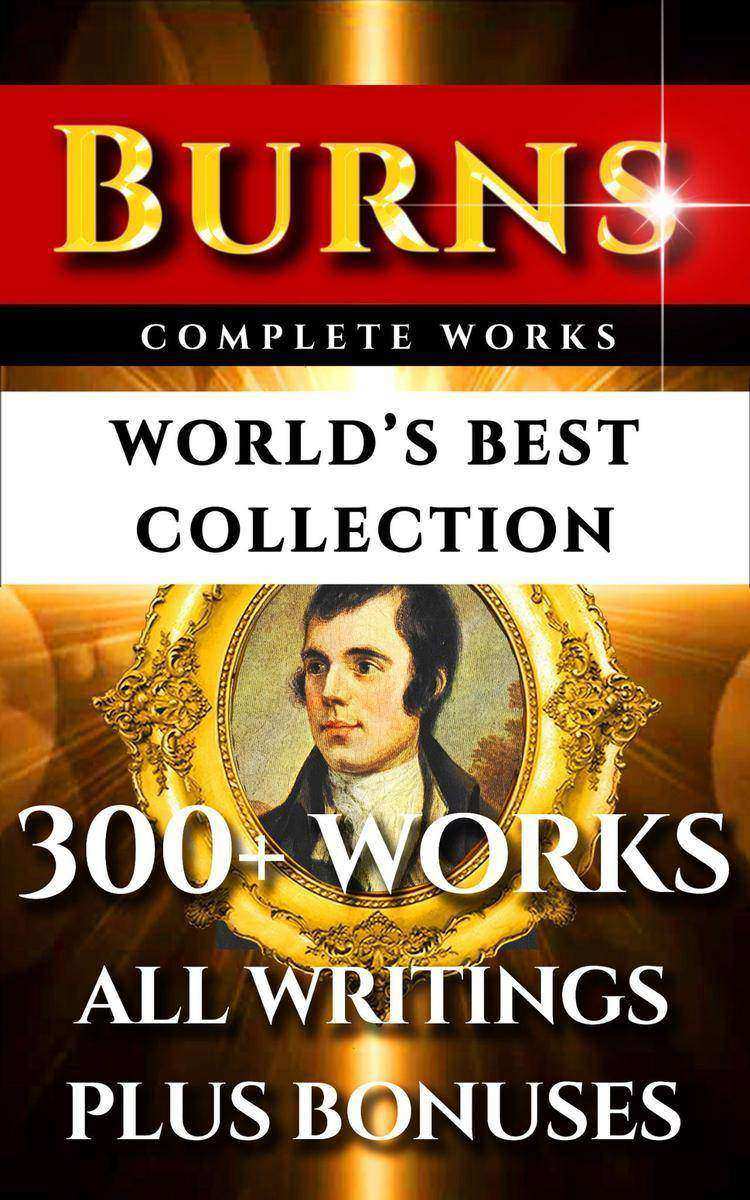
Robert Burns Complete Works – World’s Best Collection
¥8.09
Robert Burns Complete Works World's Best Collection This is the world's best Robert Burns collection, including the most complete set of Burns' works available plus many free bonus materials. Robert Burns Robert Burns, also known as the Scotland's Favorite Son, the Bard of Ayrshire and the Ploughman Poet, was a Scottish poet and lyricist, widely regarded as the national poet of Scotland. He is regarded as a pioneer of the Romantic movement, and after his death he became a great source of inspiration to the founders of both liberalism and socialism The ‘Must-Have' Complete Collection In this irresistible collection you get a full set of Burns' work, with more than 300 works - All his poems, All poetry, All his songs, ballads, rarities, epigrams; and a full length biography. Plus a rare collection of his letters and bonus extra material. There are countless must reads, ranging from the well-known pieces to fantastic and startling new works to discover.. Works Included: Poetical Works -?Over 300 Poems, songs, epigrams and ballads, including among others: A Red, Red Rose A Man's A Man for A' That To a Louse To a Mouse The Battle of Sherramuir Tam o' Shanter Ae Fond Kiss Full Collection Of Burns' Letters Life Of Robert Burns -?A fascinating, ful length biography of Scotland's favourite son, detailing his life from childhood. Your Free Bonuses Glossary?- A glossary of all the terms, phrases and words used in Burns' work Burns And His School?- Literary essay from Charles Kinglsey Historical Context and Literary Context Notes?- Detailed explanations of the Regency Era and Romanticism, written specially for this collection Robert Burns?- the poem about Burns written by Henry Wadsworth Longfellow Get This Collection Right Now This is the best Burns collection you can get, so get it now and start enjoying and being inspired by his words like never before.

Mastering Rejections In One Sitting
¥8.09
Mastering Rejections In One Sitting
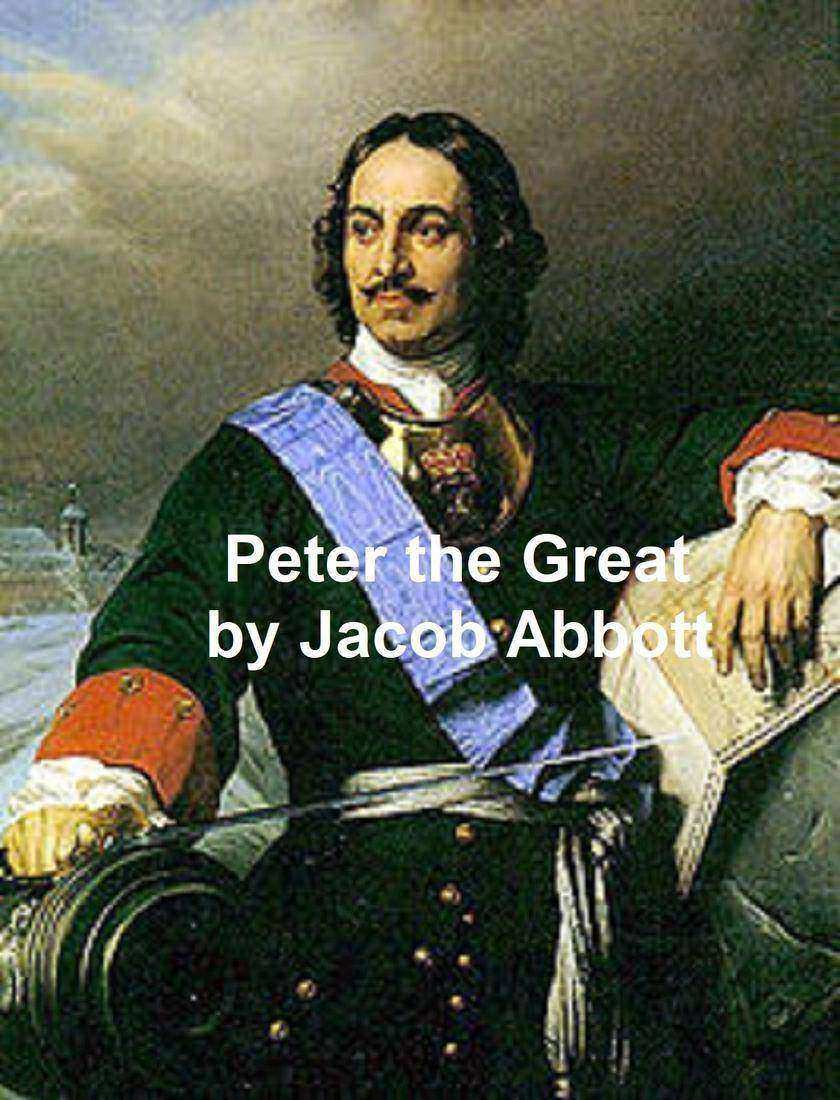
Peter the Great
¥8.09
According to Wikipedia: "Peter I the Great or Pyotr Alexeyevich Romanov (9 June [O.S. 30 May] 1672 – 8 February 1725) ruled Russia and later the Russian Empire from 7 May 1682 until his death, jointly ruling before 1696 with his weak and sickly half-brother, Ivan V. He carried out a policy of modernization and expansion that transformed the Tsardom of Russia into a 3-billion acre Russian Empire, a major European power."
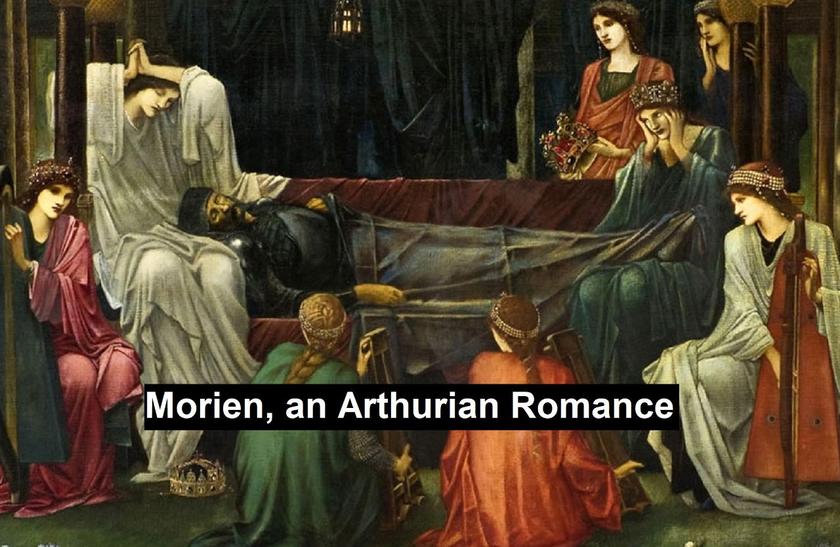
Morien, an Arthurian Romance
¥8.09
A short Arthurian romance not represented in Malory's "Morte Darthur". A metrical romance rendered into English prose from the Mediaeval Dutch.
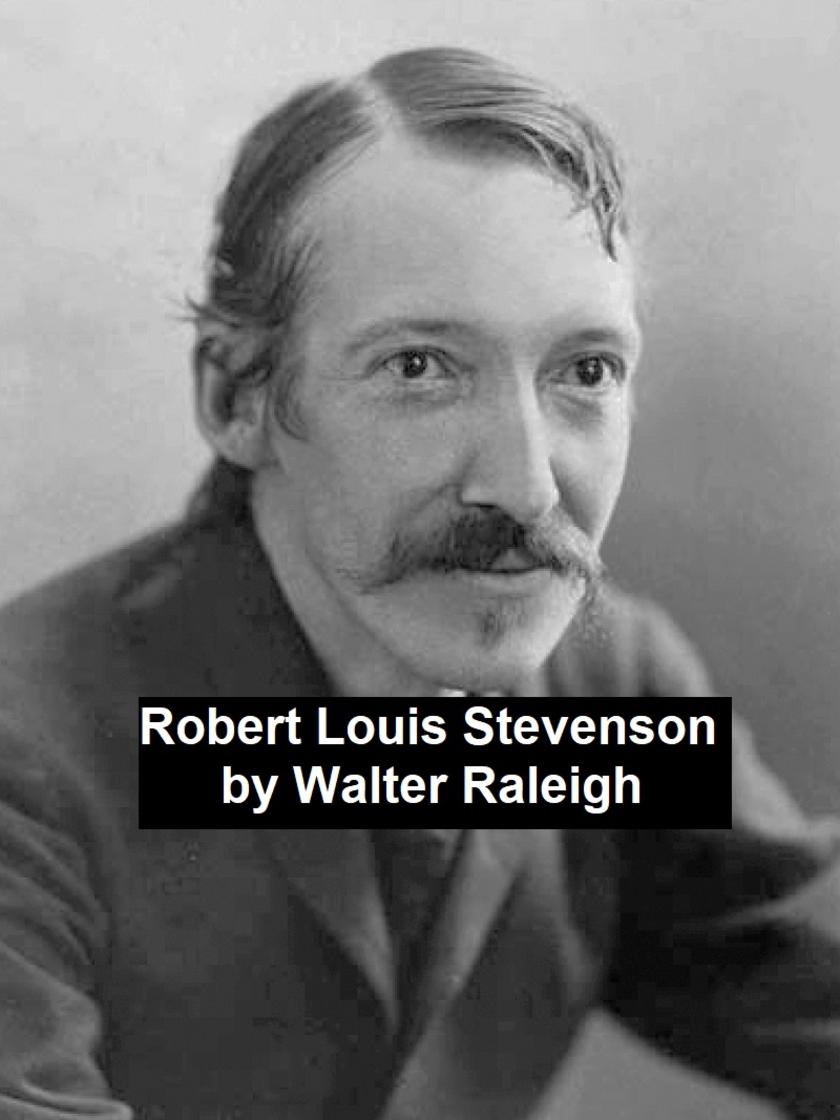
Robert Louis Stevenson
¥8.09
Short biographical essay. According to Wikipedia: "Robert Louis (Balfour) Stevenson ( 1850 - 1894), was a Scottish novelist, poet, and travel writer, and a leading representative of Neo-romanticism in English literature. He was the man who "seemed to pick the right word up on the point of his pen, like a man playing spillikins", as G. K. Chesterton put it. He was also greatly admired by many authors, including Jorge Luis Borges, Ernest Hemingway, Rudyard Kipling, Vladimir Nabokov, and J. M. Barrie. Most modernist writers dismissed him, however, because he was popular and did not write within their definition of modernism. It is only recently that critics have begun to look beyond Stevenson's popularity and allow him a place in the canon."
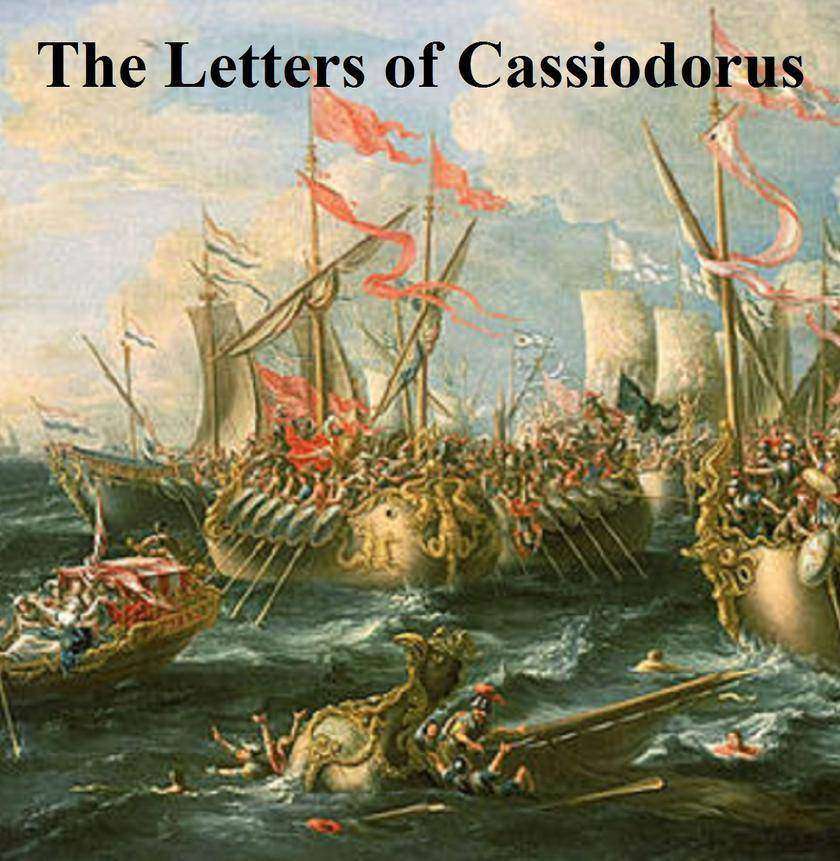
The Letters of Cassiodorus
¥8.09
A condensed translation of the Variae Epistolae of Magnus Aurelius Cassiodorus Senator. According to Wikipedia: "Flavius Magnus Aurelius Cassiodorus Senator (c. 485 – c. 585), commonly known as Cassiodorus, was a Roman statesman and writer, serving in the administration of Theoderic the Great, king of the Ostrogoths. Senator was part of his surname, not his rank."

Romulus
¥8.09
According to Wikipedia: "Romulus and Remus are Rome's twin founders in its traditional foundation myth, although the former is sometimes said to be the sole founder. Their maternal grandfather is Numitor, rightful king of Alba Longa, a descendant of the Trojan prince, Aeneas and father to Rhea Silvia (also known as Ilia). Before their conception, Numitor's brother Amulius deposes his brother, kills his sons and forces Rhea to become a Vestal Virgin, intending to deprive Numitor of lawful heirs and thus secure his own position; but Rhea conceives Romulus and Remus by the god Mars or the demi-god Hercules. When the twins are born, Amulius has them exposed to die but they are saved by a series of miraculous interventions. A she-wolf finds them and suckles them. Then a shepherd and his wife foster them and raise them to manhood as shepherds. The twins prove to be natural leaders, and acquire many followers. When told their true identities, they kill Amulius, restore Numitor to the throne of Alba Longa and decide to found a new city for themselves."
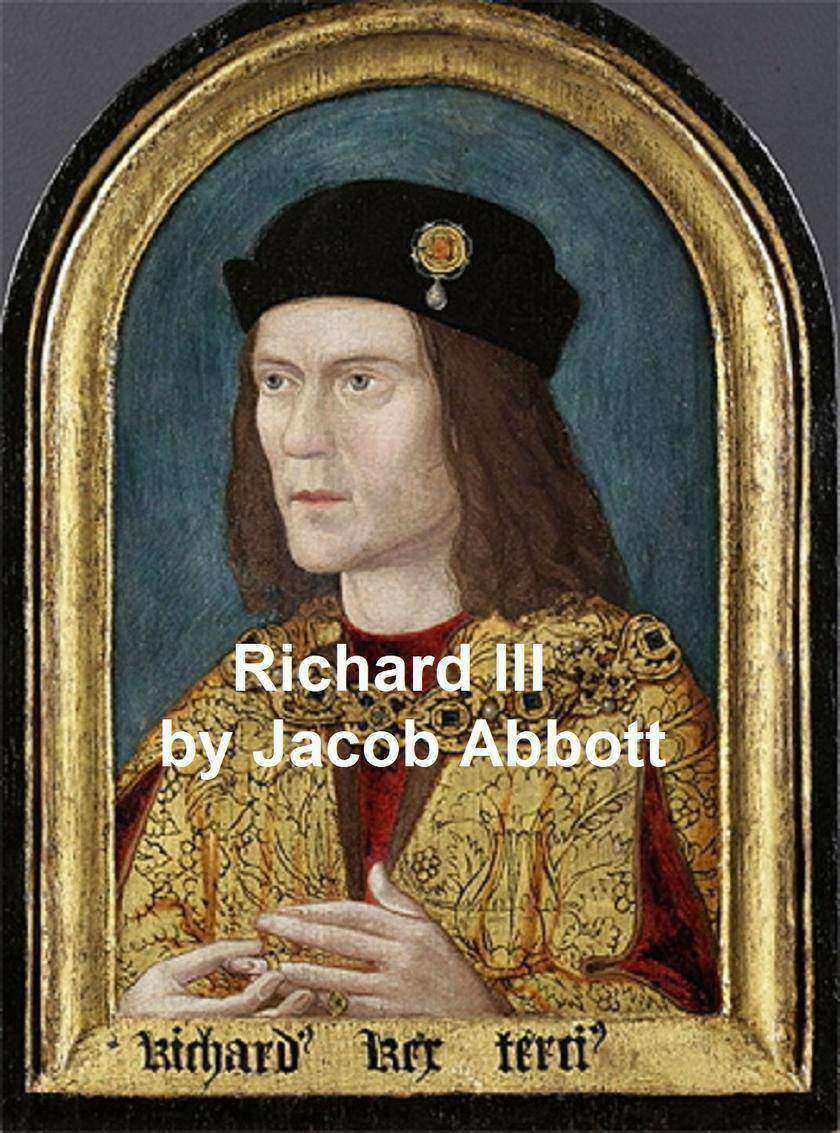
Richard III
¥8.09
According to Wikipedia: "Richard III (2 October 1452 – 22 August 1485) was King of England for two years, from 1483 until his death in 1485 during the Battle of Bosworth Field. He was the last king of the House of York and the last of the Plantagenet dynasty. His defeat at the Battle of Bosworth Field was the decisive battle of the Wars of the Roses and is sometimes regarded as the end of the Middle Ages in England. He is the subject of an eponymous historical play by William Shakespeare. When his brother Edward IV died in April 1483, Richard was named Lord protector of the realm for Edward's son and successor, the 12-year-old King Edward V... There were two major rebellions against Richard. The first, in October 1483, was led by staunch opponents of Edward IV and most notably by Richard's former ally, Henry Stafford, 2nd Duke of Buckingham. The revolt collapsed and Buckingham was executed at Salisbury near the Bull's Head Inn. In August 1485 there was another rebellion against Richard, headed by Henry Tudor, 2nd Earl of Richmond (later King Henry VII) and his uncle Jasper. The rebels landed troops, composed mainly of mercenaries, and Richard fell in the Battle of Bosworth Field, the last English king to die in battle (and the only king to die in battle on English soil since Harold II, at the Battle of Hastings in 1066)."

Passages from the French and Italian Notebooks of Nathaniel Hawthorne
¥8.09
Journal of his stays in France and Italy, two volumes in one file. According to Wikipedia: "Nathaniel Hawthorne (1804 –1864) was an American novelist and short story writer... Much of Hawthorne's writing centers around New England and many feature moral allegories with a Puritan inspiration. His fiction works are considered part of the Romantic movement and, more specifically, dark romanticism. His themes often center on the inherent evil and sin of humanity and his works often have moral messages and deep psychological complexity. His published works include novels, short stories, and a biography of his friend Franklin Pierce."
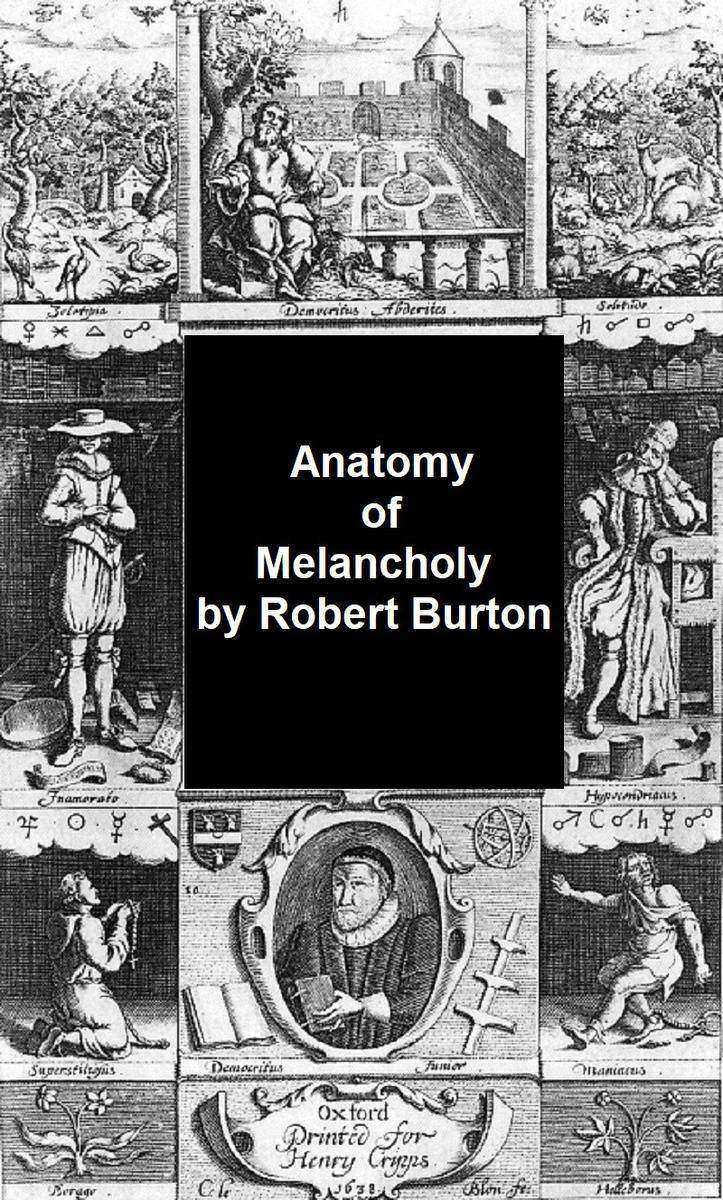
Anatomy of Melancholy
¥8.09
According to Wikipedia: "The Anatomy of Melancholy (Full title: The Anatomy of Melancholy, What it is: With all the Kinds, Causes, Symptomes, Prognostickes, and Several Cures of it. In Three Maine Partitions with their several Sections, Members, and Subsections. Philosophically, Medicinally, Historically, Opened and Cut Up) is a book by Robert Burton, first published in 1621. Burton's book consists mostly of a collection of opinions of a multitude of writers, grouped under quaint and old-fashioned divisions; in a solemn tone Burton endeavoured to prove indisputable facts by weighty quotations. The subjects discussed and determined by Burton ranged from the doctrines of religion to military discipline, from inland navigation to the morality of dancing-schools. On its surface, the book is presented as a medical textbook in which Burton applies his vast and varied learning, in the scholastic manner, to the subject of melancholia (which includes what is now termed clinical depression). Though presented as a medical text, The Anatomy of Melancholy is as much a sui generis work of literature as it is a scientific or philosophical text, and Burton addresses far more than his stated subject. In fact, the Anatomy uses melancholy as the lens through which all human emotion and thought may be scrutinized, and virtually the entire contents of a 17th-century library are marshalled into service of this goal. It is encyclopedic in its range and reference. In his satirical preface to the reader, Burton's persona Democritus Junior explains, "I write of melancholy by being busy to avoid melancholy." This is characteristic of the author's style, which often supersedes the book's strengths as a medical text or historical document as its main source of appeal to admirers. Both satirical and serious in tone, the Anatomy is "vitalized by (Burton's) pervading humour",[3] and Burton's digressive and inclusive style, often verging on a stream of consciousness, consistently informs and animates the text."
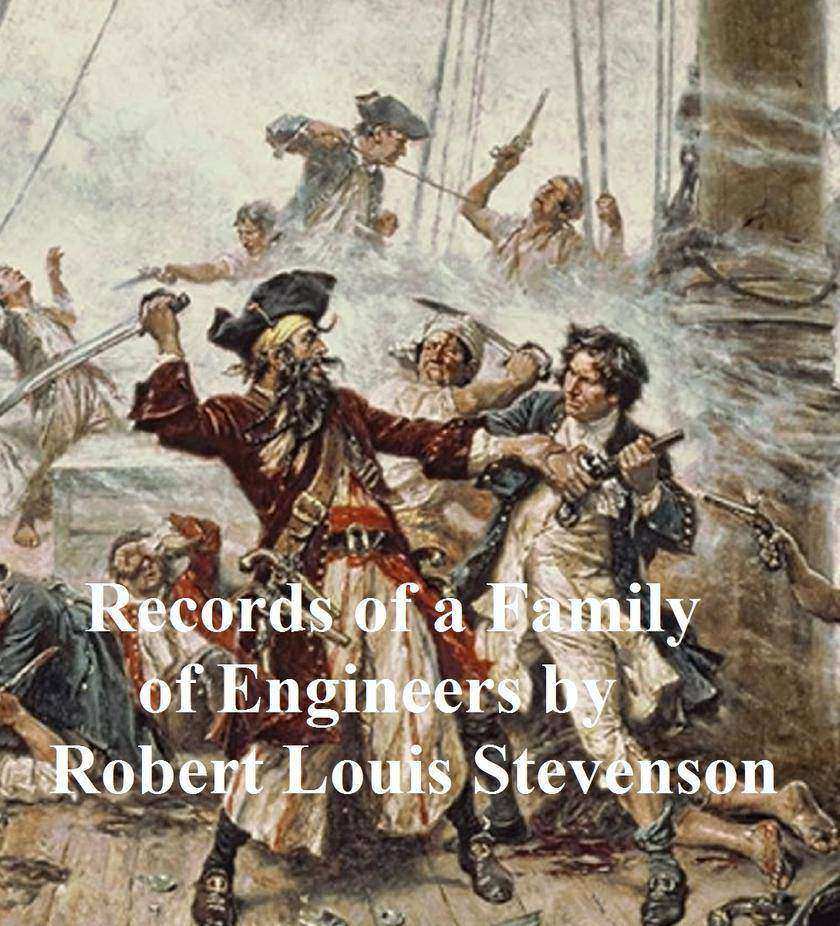
Records of a Family of Engineers
¥8.09
Robert Louis Stevenson's account of his ancestors. According to Wikipedia: "Robert Louis (Balfour) Stevenson ( 1850 - 1894), was a Scottish novelist, poet, and travel writer, and a leading representative of Neo-romanticism in English literature. He was the man who "seemed to pick the right word up on the point of his pen, like a man playing spillikins", as G. K. Chesterton put it. He was also greatly admired by many authors, including Jorge Luis Borges, Ernest Hemingway, Rudyard Kipling, Vladimir Nabokov, and J. M. Barrie. Most modernist writers dismissed him, however, because he was popular and did not write within their definition of modernism. It is only recently that critics have begun to look beyond Stevenson's popularity and allow him a place in the canon."


