


 购物车
购物车 个人中心
个人中心
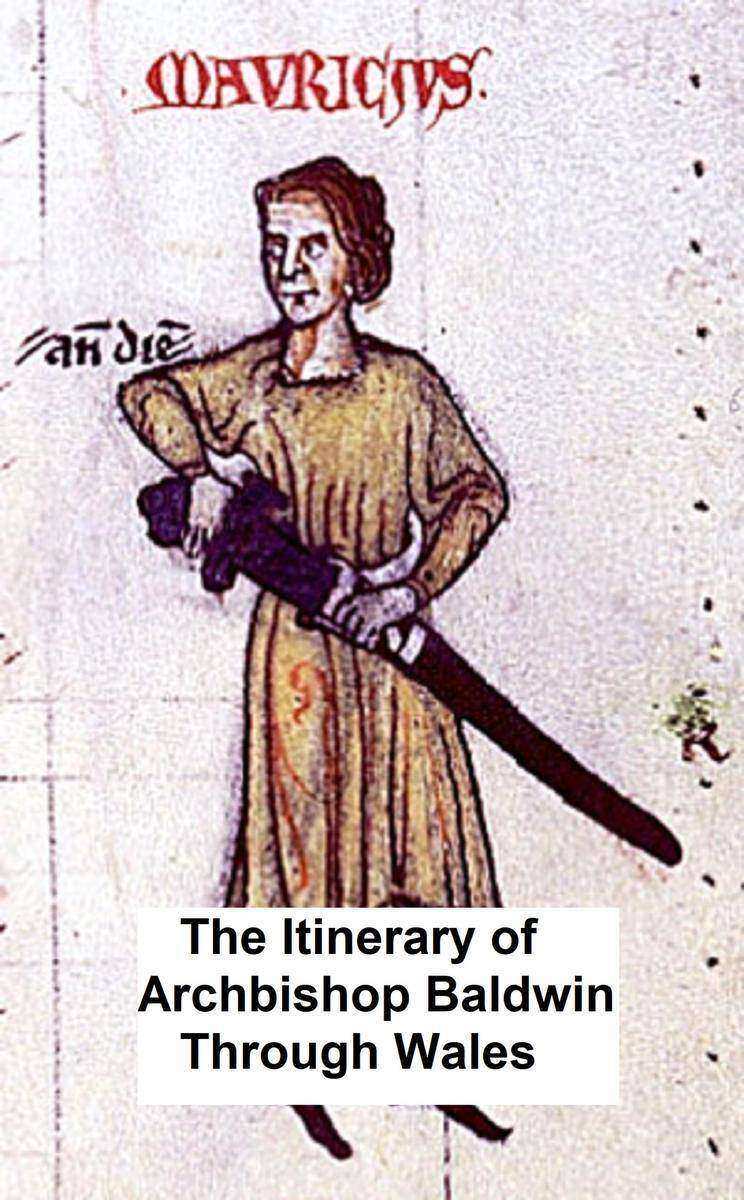
The Itinerary of Archbishop Baldwin Through Wales
¥8.09
The Itinerary of Archbishop Baldwin Through Wales
Занимательный скальпинг. Часть 1
¥8.09
Занимательный скальпинг. Часть 1
The Art of Money Getting: Golden Rules for Making Money
¥8.09
The Art of Money Getting: Golden Rules for Making Money
PASSIVE INCOME: 25 Proven Passive Income Ideas
¥8.09
PASSIVE INCOME: 25 Proven Passive Income Ideas
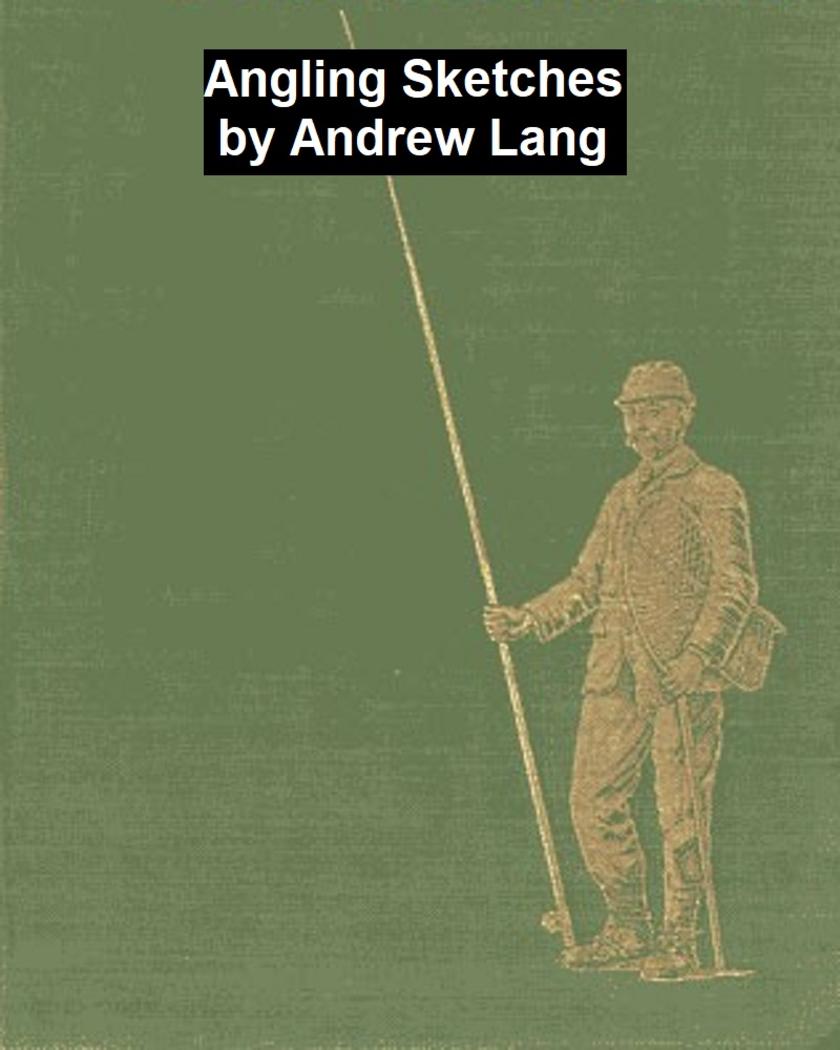
Angling Sketches
¥8.09
Classic collection of essays about fishing in Scotland. It begins: "These papers do not boast of great sport. They are truthful, not like the tales some fishers tell. They should appeal to many sympathies. There is no false modesty in the confidence with which I esteem myself a duffer, at fishing. Some men are born duffers; others, unlike persons of genius, become so by an infinite capacity for not taking pains. Others, again, among whom I would rank myself, combine both these elements of incompetence. Nature, that made me enthusiastically fond of fishing, gave me thumbs for fingers, short-sighted eyes, indolence, carelessness, and a temper which (usually sweet and angelic) is goaded to madness by the laws of matter and of gravitation."

Aesthetical and Philosophical Essays
¥8.09
The classic of literary theory. According to Wikipedia: ""Johann Christoph Friedrich von Schiller (1759 – 1805) was a German poet, philosopher, historian, and dramatist. During the last few years of his life (1788–1805), Schiller struck up a productive, if complicated, friendship with already famous and influential Johann Wolfgang Goethe, with whom he greatly discussed issues concerning aesthetics, encouraging Goethe to finish works he left merely as sketches; this thereby gave way to a period now referred to as Weimar Classicism."
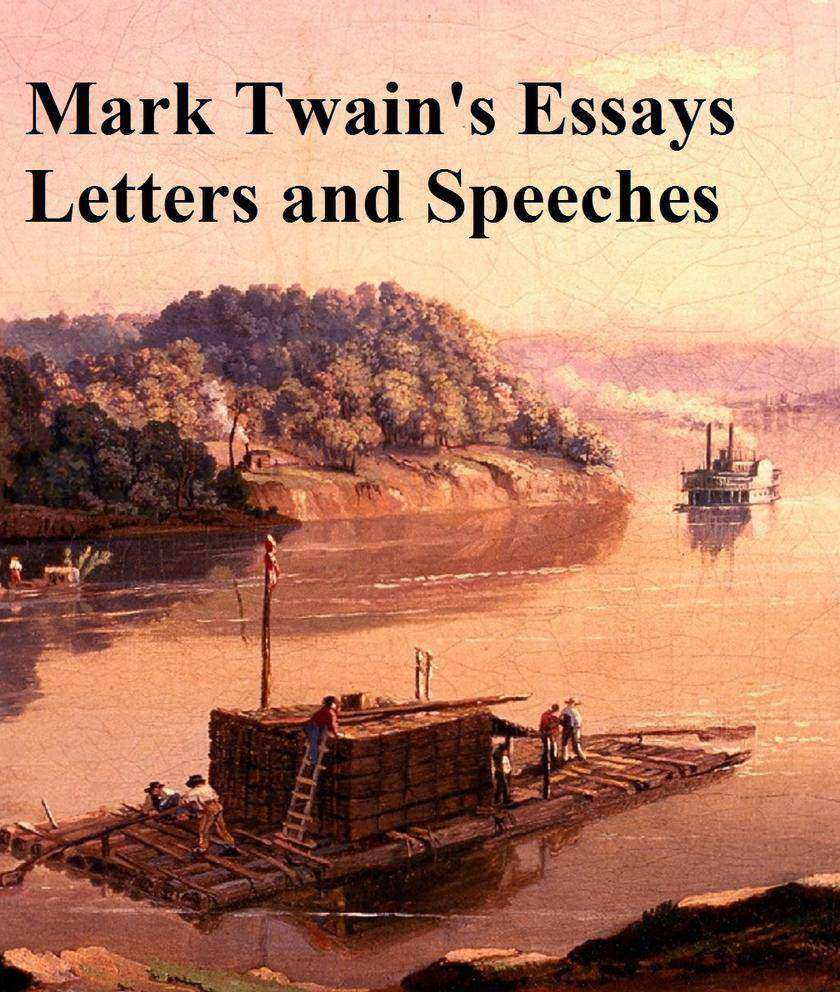
Mark Twain's Essays Letters and Speeches
¥8.09
This book-collection file includes books of Mark Twain's speeches and letters, plus 3 book-length collections of essays: What is Man? Sketches New and Old, and Christian Science. It also includes the following short collections and individual essays: Editorial Wild Oats, Essays on Paul Bourget, Fenimore Cooper's Literary Offences, and In Defence of Harriet Shelley. According to Wikipedia: "Samuel Langhorne Clemens (1835 – 1910), better known by the pen name Mark Twain, was an American humorist, satirist, lecturer and writer. Twain is most noted for his novels Adventures of Huckleberry Finn, which has since been called the Great American Novel, and The Adventures of Tom Sawyer. He is also known for his quotations. During his lifetime, Twain became a friend to presidents, artists, industrialists and European royalty. Twain enjoyed immense public popularity, and his keen wit and incisive satire earned him praise from both critics and peers. American author William Faulkner called Twain "the father of American literature."
Works of Freytag and Fontane
¥8.09
This collection includes works by Gustav Freytag and Theodor Fontane. The German Classics Of The Nineteenth And Twentieth Centuries, Volume 1, edited by Kuno Francke.
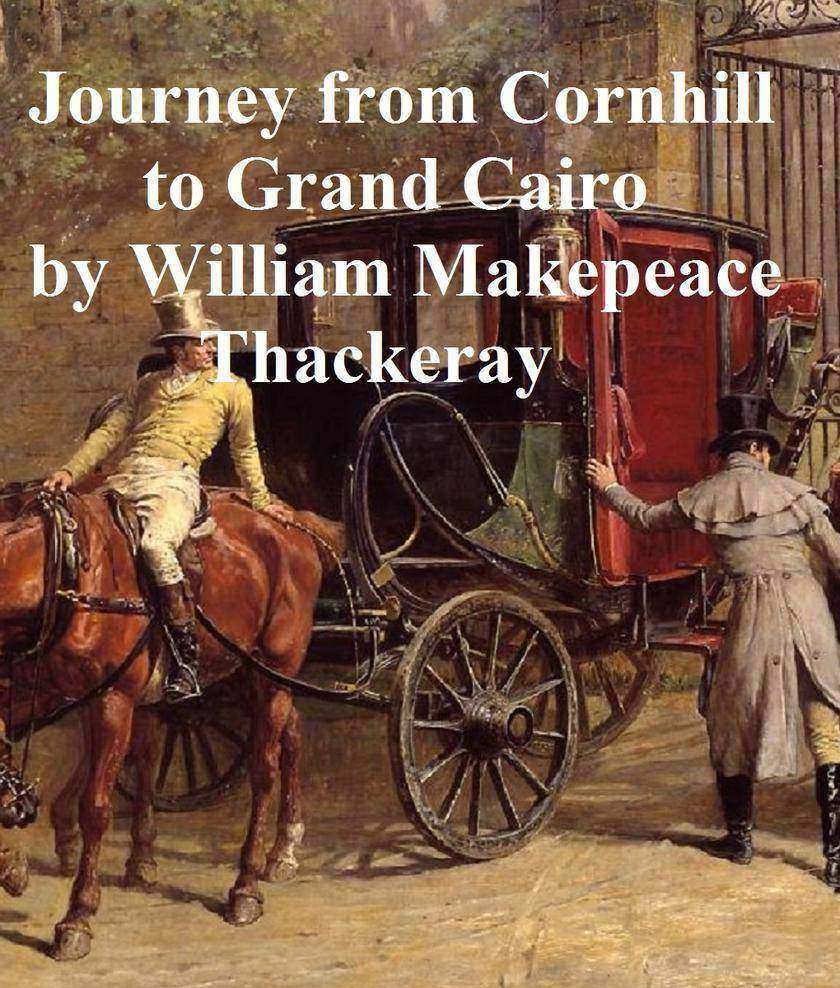
Notes on a Journey from Cornhill to Grand Cairo
¥8.09
Classic travelogue. According to Wikipedia: "Thackeray is most often compared to one other great novelist of Victorian literature, Charles Dickens. During the Victorian era, he was ranked second only to Dickens, but he is now much less read and is known almost exclusively for Vanity Fair. In that novel he was able to satirize whole swaths of humanity while retaining a light touch. It also features his most memorable character, the engagingly roguish Becky Sharp. As a result, unlike Thackeray's other novels, it remains popular with the general reading public; it is a standard fixture in university courses and has been repeatedly adapted for movies and television. In Thackeray's own day, some commentators, such as Anthony Trollope, ranked his History of Henry Esmond as his greatest work, perhaps because it expressed Victorian values of duty and earnestness, as did some of his other later novels. It is perhaps for this reason that they have not survived as well as Vanity Fair, which satirizes those values."
Lectures and Essays
¥8.09
This collection includes: The Rise of Historical Criticism, The English Renaissance of Art, House Decoration, Art and the Handicraftsman, Lecture to Art Students, London Models, and Poems in Prose. According to Wikipedia: "Oscar Fingal O'Flahertie Wills Wilde (1854 - 1900) was an Irish playwright, novelist, poet, and author of short stories. Known for his barbed wit, he was one of the most successful playwrights of late Victorian London, and one of the greatest celebrities of his day. As the result of a famous trial, he suffered a dramatic downfall and was imprisoned for two years of hard labour after being convicted of the offence of 'gross indecency.'"
Littérature et Philosophie Mêlées
¥8.09
Livre classique de la critique littéraire et de la philosophie, publié en 1834. Selon Wikipédia: "Victor-Marie Hugo (26 février 1802 - 22 mai 1885) était un poète, dramaturge, romancier, essayiste, artiste visuel, homme d'?tat, défenseur des droits humains En France, la renommée littéraire de Hugo vient d'abord de sa poésie, mais repose aussi sur ses romans et ses réalisations dramatiques Parmi de nombreux volumes de poésie, Les Contemplations et La Légende des siècles tiennent particulièrement haut dans l'estime critique et Hugo est parfois identifié comme le plus grand poète fran?ais.A l'extérieur de la France, ses ?uvres les plus connues sont les romans Les Misérables et Notre-Dame de Paris (connu aussi en anglais sous le nom de Le Bossu de Notre Dame). il était jeune, Hugo devint plus libéral au fil des décennies, il devint un partisan passionné du républicanisme et son travail touche à la plupart des questions politiques et sociales et artistiques. nds de son temps. Il est enterré au Panthéon. "
Memories and Portraits
¥8.09
Memoirs by the author of Treasure Island. He explains at the beginning: "This volume of papers, unconnected as they are, it will be better to read through from the beginning, rather than dip into at random. A certain thread of meaning binds them. Memories of childhood and youth, portraits of those who have gone before us in the battle - taken together, they build up a face that "I have loved long since and lost awhile," the face of what was once myself. This has come by accident; I had no design at first to be autobiographical; I was but led away by the charm of beloved memories and by regret for the irrevocable dead; and when my own young face (which is a face of the dead also) began to appear in the well as by a kind of magic, I was the first to be surprised at the occurrence."
Representative Men
¥8.09
Classic collection of essays on great men, with 13 illustrations. According to Wikipedia: "Representative Men is a collection of seven lectures by Ralph Waldo Emerson, published as a book of essays in 1850. The first essay discusses the role played by "great men" in society, and the remaining six each extoll the virtues of one of six men deemed by Emerson to be great: Plato ("the Philosopher"), Emanuel Swedenborg ("the Mystic"), Michel de Montaigne ("the Skeptic"), William Shakespeare ("the Poet"), Napoleon ("the Man of the World"), and Johann Wolfgang von Goethe ("the Writer"). The work was described by Matthew Arnold as "the most important work done in prose"... Ralph Waldo Emerson (1803 – 1882) was an American essayist, philosopher, poet, and leader of the Transcendentalist movement in the early 19th century. His teachings directly influenced the growing New Thought movement of the mid 1800s. Emerson gradually moved away from the religious and social beliefs of his contemporaries, formulating and expressing the philosophy of Transcendentalism in his 1836 essay, Nature. As a result of this ground breaking work he gave a speech entitled The American Scholar in 1837, which Oliver Wendell Holmes Sr. considered to be America's "Intellectual Declaration of Independence". Emerson once said "Make the most of yourself, for that is all there is of you."
Sand - Flaubert Letters
¥8.09
Classic literary correspondence in English translation. According to Wikipedia: "Amandine Aurore Lucile Dupin, Baroness Dudevant (July 1, 1804 – June 8, 1876), best known by her pseudonym George Sand, was a French novelist and feminist.... A liaison with the writer Jules Sandeau heralded her literary debut. They published a few stories in collaboration, signing them "Jules Sand." She consequently adopted, for her first independent novel, Indiana (1832) , the pen name that made her famous – George Sand. Her first published novel, Rose et Blanche (1831), was written in collaboration with Jules Sandeau. Drawing from her childhood experiences of the countryside, she wrote the rural novels La Mare au Diable (1846), Fran?ois le Champi (1847–1848), La Petite Fadette (1849), and Les Beaux Messieurs Bois-Doré (1857). A Winter in Majorca described the period that she and Chopin spent on that island in 1838-9. Her other novels include Indiana (1832), Lélia (1833), Mauprat (1837), Le Compagnon du Tour de France (1840), Consuelo (1842–1843), and Le Meunier d'Angibault (1845). Further theatre pieces and autobiographical pieces include Histoire de ma vie (1855), Elle et Lui (1859) (about her affair with Musset), Journal Intime, and Correspondence..... Also according to Wikipedia: "Gustave Flaubert (December 12, 1821 – May 8, 1880) was a French writer who is counted among the greatest Western novelists. He is known especially for his first published novel, Madame Bovary (1857), and for his scrupulous devotion to his art and style, best exemplified by his endless search for "le mot juste" ("the precise word")."
Walden
¥8.09
The classic essays. According to Wikipedia: "Henry David Thoreau (1817 – 1862) was an American author, naturalist, transcendentalist, tax resister, development critic, surveyor, stage writer and philosopher. He is best known for his book Walden, a reflection upon simple living in natural surroundings, and his essay, Civil Disobedience, an argument for individual resistance to civil government in moral opposition to an unjust state. Thoreau's books, articles, essays, journals, and poetry total over 20 volumes. Among his lasting contributions were his writings on natural history and philosophy, where he anticipated the methods and findings of ecology and environmental history, two sources of modern day environmentalism...Thoreau is sometimes cited as an individualist anarchist as well as an inspiration to anarchists. Though Civil Disobedience calls for improving rather than abolishing government – "I ask for, not at once no government, but at once a better government" – the direction of this improvement aims at anarchism: “‘That government is best which governs not at all;’ and when men are prepared for it, that will be the kind of government which they will have.”
The Man in the Iron Mask
¥8.09
Essay about the legend/history behind Alexander Dumas' novel. According to Wikipedia: "Andrew Lang (March 31, 1844, Selkirk - July 20, 1912, Banchory, Kincardineshire) was a prolific Scots man of letters. He was a poet, novelist, and literary critic, and contributor to anthropology. He now is best known as the collector of folk and fairy tales
Letters of Chekhov
¥8.09
From the Translator's Note: "Of the eighteen hundred and ninety letters published by Chekhov's family I have chosen for translation these letters and passages from letters which best to illustrate Chekhov's life, character and opinions. The brief memoir is abridged and adapted from the biographical sketch by his brother Mihail. Chekhov's letters to his wife after his marriage have not as yet been published." According to Wikipedia: "Anton Pavlovich Chekhov (1860 – 1904) was a Russian short-story writer, playwright and physician, considered to be one of the greatest short-story writers in world literature. His career as a dramatist produced four classics and his best short stories are held in high esteem by writers and critics Chekhov practised as a doctor throughout most of his literary career: "Medicine is my lawful wife," he once said, "and literature is my mistress." Chekhov renounced the theatre after the disastrous reception of The Seagull in 1896; but the play was revived to acclaim in 1898 by Constantin Stanislavski's Moscow Art Theatre, which subsequently also produced Uncle Vanya and premiered Chekhov’s last two plays, Three Sisters and The Cherry Orchard. These four works present a special challenge to the acting ensemble as well as to audiences, because in place of conventional action Chekhov offers a "theatre of mood" and a "submerged life in the text." Chekhov had at first written stories only for the money, but as his artistic ambition grew, he made formal innovations which have influenced the evolution of the modern short story. His originality consists in an early use of the stream-of-consciousness technique, later adopted by James Joyce and other modernists, combined with a disavowal of the moral finality of traditional story structure He made no apologies for the difficulties this posed to readers, insisting that the role of an artist was to ask questions, not to answer them."
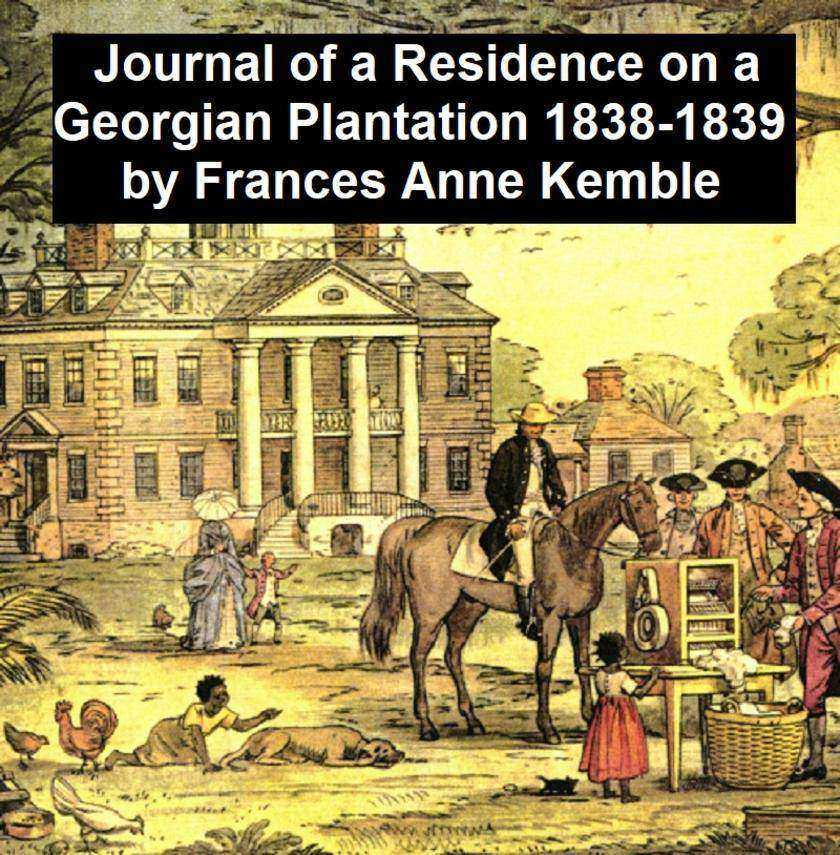
Journal of a Residence on a Georgian Plantation 1838-1839
¥8.09
Autobiographical journal, with first-hand account of slavery in Georgia, first published in 1863. According to Wikipedia: "Frances Anne Kemble (27 November 1809 - 15 January 1893), was a famous British actress and author in the early and mid nineteenth century… In 1834, she retired from the stage to marry an American, Pierce Butler, grandson of the Founding Father Pierce Butler, and heir to a large fortune founded on cotton, tobacco and rice... Butler squandered a fortune estimated at $700,000, but was saved from bankruptcy by the March 2–3, 1859 sale of his 436 slaves at Ten Broeck racetrack, outside Savannah, Georgia—the largest single slave auction in American history. Following the American Civil War, he tried to make his plantations profitable with free labor, but was unsuccessful. Butler died in Georgia, of malaria, in 1867. Neither he nor Fanny ever remarried... In 1877, Fanny returned to England, where she lived using her maiden name till her death. During this period, Fanny Kemble was a prominent and popular figure in the social life of London. She became a great friend of and inspiration for Henry James during her later years. His novel Washington Square (1880) was based upon a story Fanny had told him concerning one of her relatives... Her various volumes of reminiscences contain much valuable material illuminating the social and dramatic history of the period. Her elder daughter Sarah married a doctor, Owen Jones Wister, and they had one child, Owen Wister (b. 1860), the popular American novelist and author of the 1902 western novel, The Virginian."
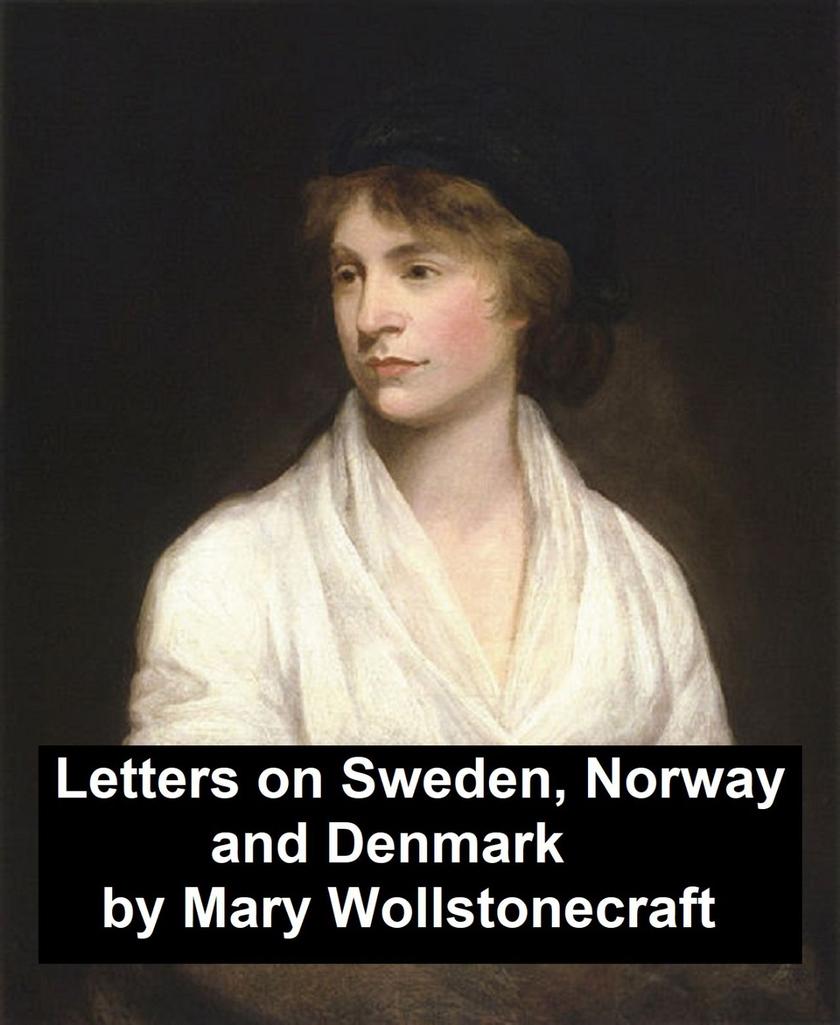
Letters on Sweden, Norway, and Denmark
¥8.09
According to Wikipedia: "Mary Wollstonecraft (1759 – 1797) was an eighteenth-century British writer, philosopher, and feminist. During her brief career, she wrote novels, treatises, a travel narrative, a history of the French Revolution, a conduct book, and a children's book. Wollstonecraft is best known for A Vindication of the Rights of Woman (1792), in which she argues that women are not naturally inferior to men, but appear to be only because they lack education. She suggests that both men and women should be treated as rational beings and imagines a social order founded on reason."
Biographia Literaria
¥8.09
Coleridge's literary autobiography. He explains, "...of the objects, which I proposed to myself, it was not the least important to effect, as far as possible, a settlement of the long continued controversy concerning the true nature of poetic diction; and at the same time to define with the utmost impartiality the real poetic character of the poet, by whose writings this controversy was first kindled, and has been since fuelled and fanned." According to Wikipedia: "Samuel Taylor Coleridge (1772 – 1834) was an English poet, critic and philosopher who was, along with his friend William Wordsworth, one of the founders of the Romantic Movement in England and one of the Lake Poets. He is probably best known for his poems The Rime of the Ancient Mariner and Kubla Khan, as well as his major prose work Biographia Literaria.

Notes on Life and Letters
¥8.09
Collection of autobiographical essays and letters. According to Wikipedia: "Joseph Conrad (1857 – 1924) was a Polish-born English novelist. Many critics regard him as one of the greatest novelists in the English language—a fact that is remarkable, as he did not learn to speak English fluently until he was in his twenties (and always with a strong Polish accent). He became a naturalized British subject in 1886. Conrad is recognized as a master prose stylist. Some of his works have a strain of romanticism, but more importantly he is recognized as an important forerunner of modernist literature. His narrative style and anti-heroic characters have influenced many writers, including Ernest Hemingway, D. H. Lawrence, F. Scott Fitzgerald, Graham Greene, William S. Burroughs, Joseph Heller, V.S. Naipaul, Italo Calvino and J. M. Coetzee."


